After the twists and turns of upper Manu Rd, it is a relief to hit some flatter and straighter sections of road as you drop in elevation. This is lower Manu Rd, which keeps going a long way, all the way into the Amazon!
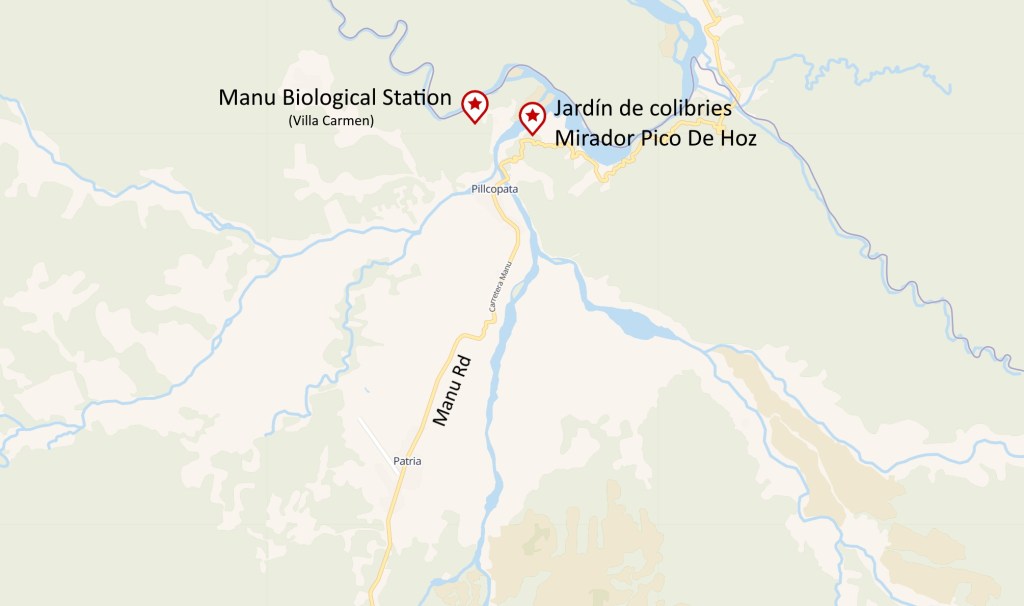
Our tour only took us as far as Manu Biological Station, just past the town of Pillcopata, at roughly 550m elevation. The station has a very high bird species count of 715 on eBird, and as a bonus is also quite close to an amazing hummingbird garden (with King Vultures as a side dish) – this blog post covers both these locations.
Roadside Birding: Bring It On!
You can feel the change in the air: humidity, warmth, the sky pregnant with rain, and a host of new bird species waiting to be found that don’t dwell at the higher altitudes. When it arrives, the rain comes in swift and pelting bursts, so it’s wise to stay near the car when roadside birding.
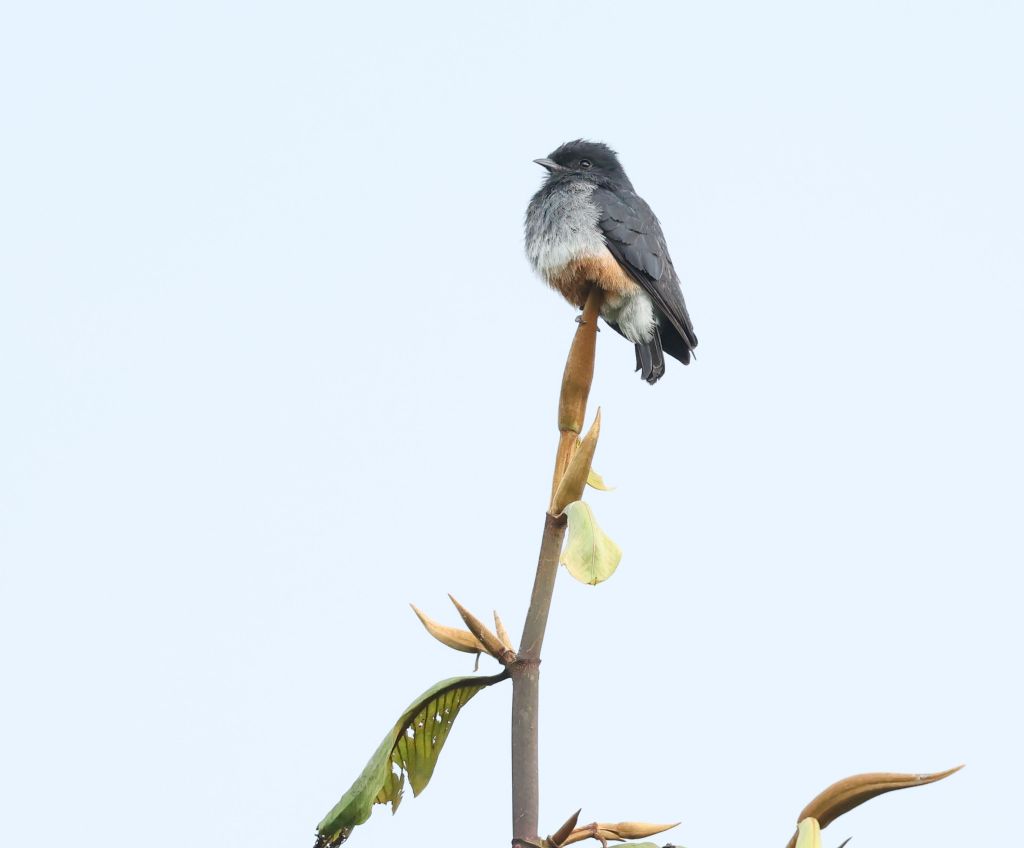
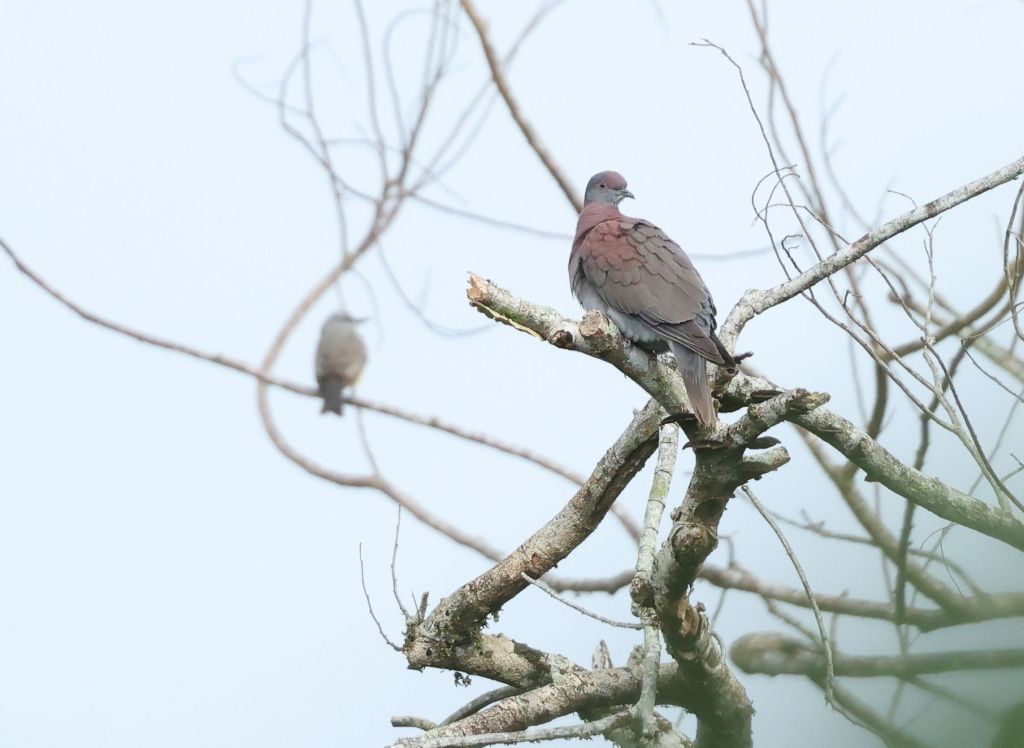
Not far from Pillcopata we picked up a good bunch of new roadside birds at about 4pm: Swallow-Winged Puffbird, and Pale-Vented Pigeon (what’s up with naming birds after their vent colours, anyway?)
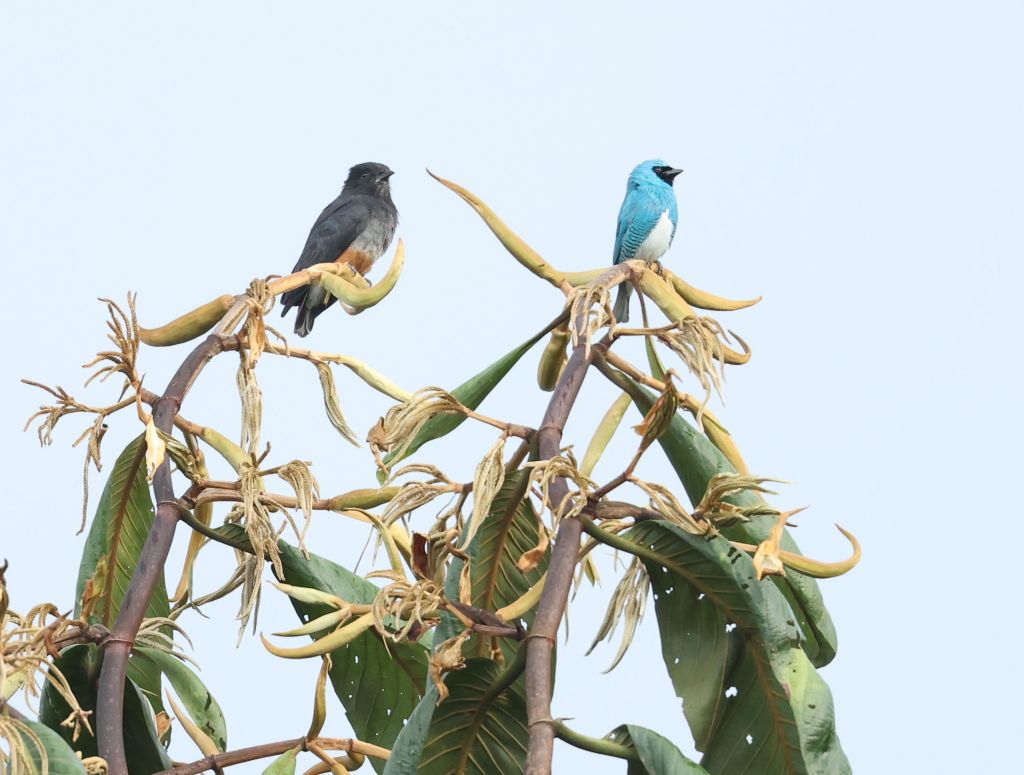
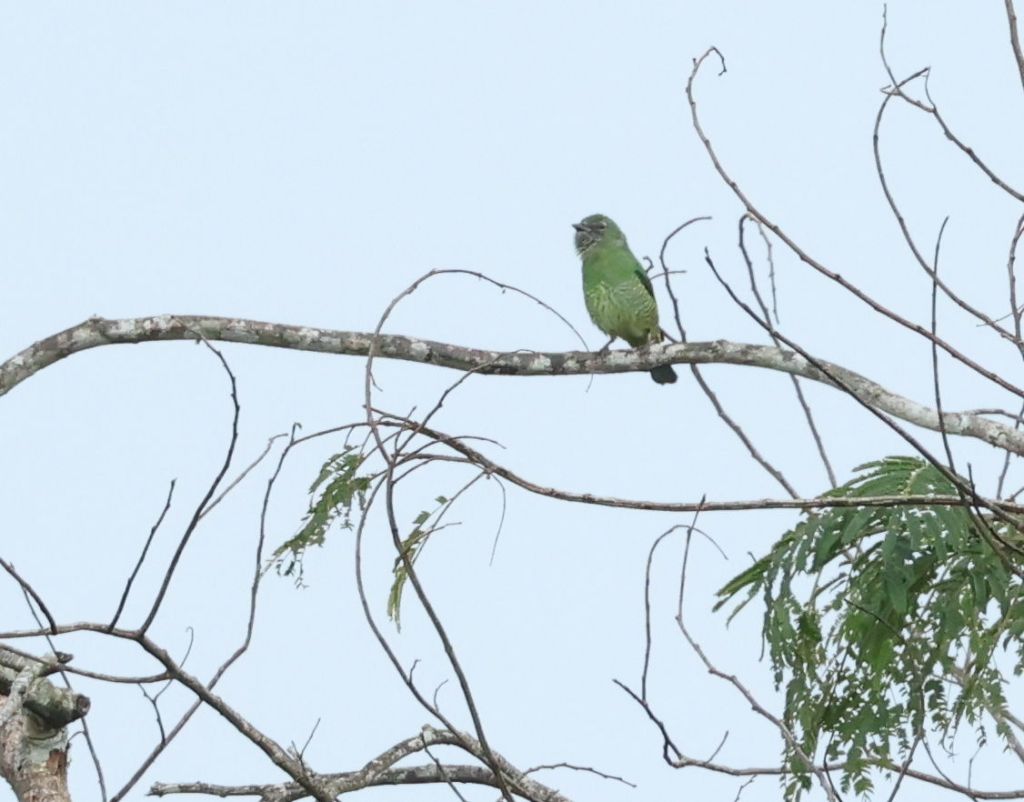
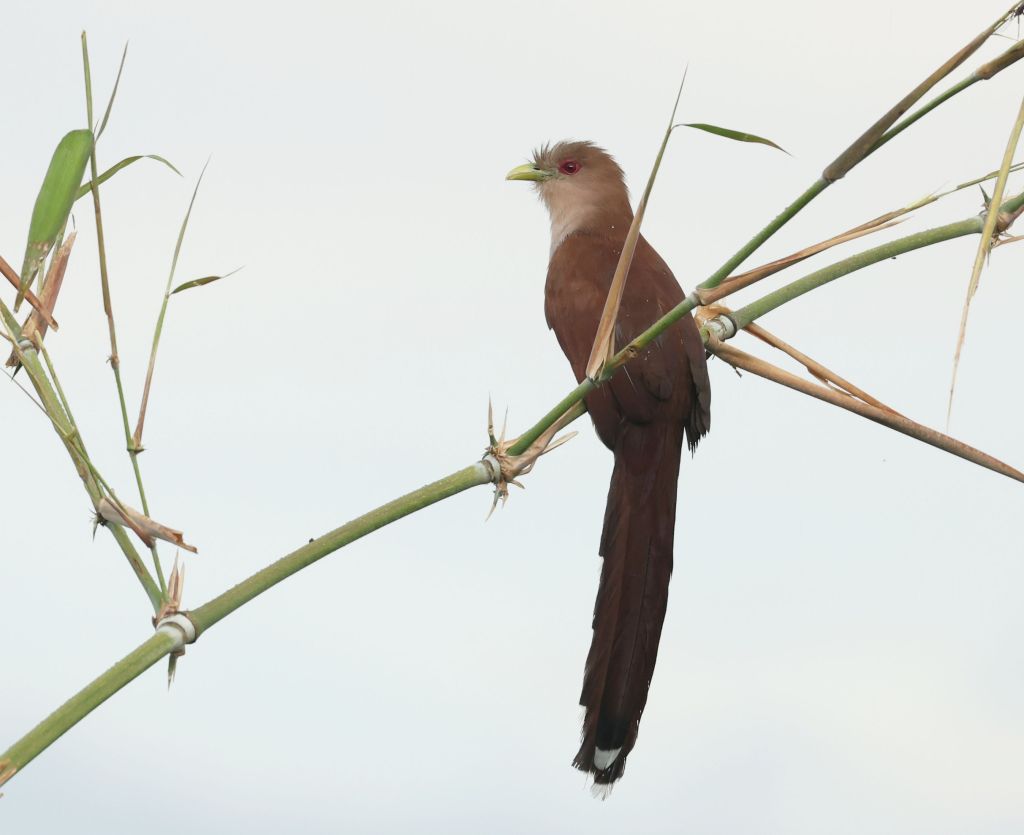
Although we had seen Swallow Tanagers before, it seems we were destined to be tripped up again by the wildly different colours of the male (teal blue with dark face mask) and female (green and partly stripey). It was one of five Tanager species seen. Then we spotted (far away) a Little Woodpecker, as well as a Lineated Woodpecker, and the first of many Black-Billed Thrushes we would subsequently see at the station. Finally a Common Squirrel-Cuckoo (the “Common” being added recently after a taxonomic split, distinguishing it from the Mexican Squirrel-Cuckoo) showed off its warm brown colours while resting by the side of the road.
Manu Biological Station: You Have Arrived At Birding Heaven
Manu Biological Station is also known as Manu Biolodge, and was formerly known as Villa Carmen (and is still named that way on some maps). It is not particularly well signposted from its entry to the north of Pillcopata, and though the dirt road in isn’t too long, it features a shallow water crossing and quite a few bumps. You may wonder what you’re getting yourself in for.
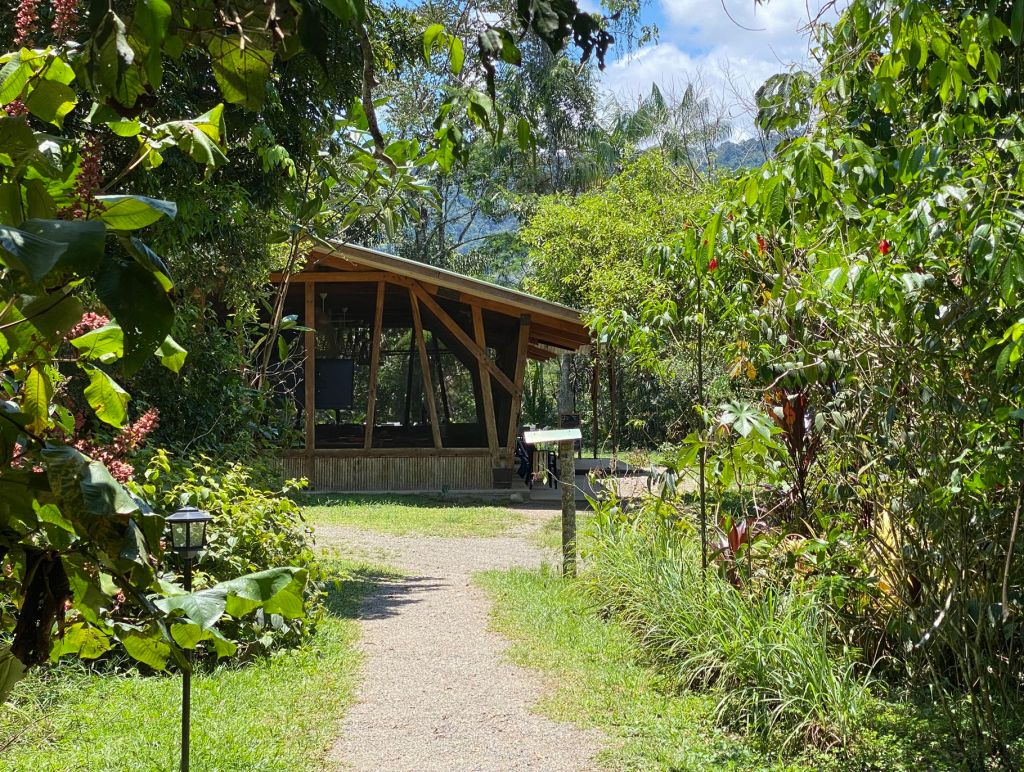
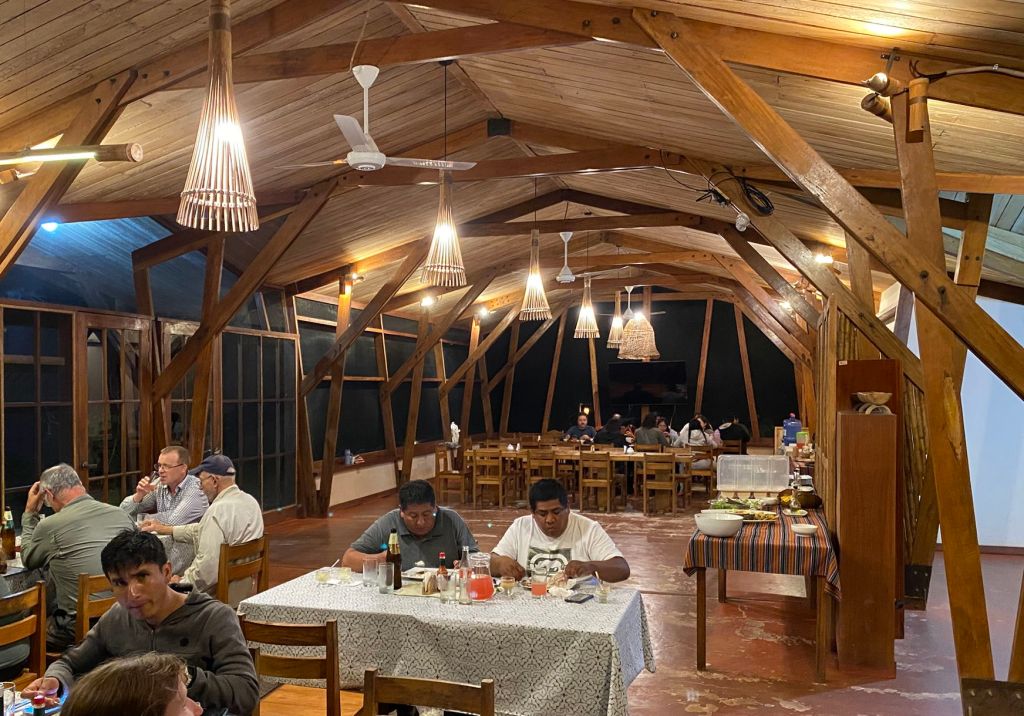
But oh boy, once you’re here, it’s paradise! As is custom at bio- and birding- lodges, staff rush to take your bags while someone greets you and gives you the run-down of the place. In our case we were given a description of the history and purpose of the site by one of the senior team who showed us the main building (enormous and airy) and led us to our room overlooking the lagoon (amazing, but more on that below). Talk about being treated like royalty!

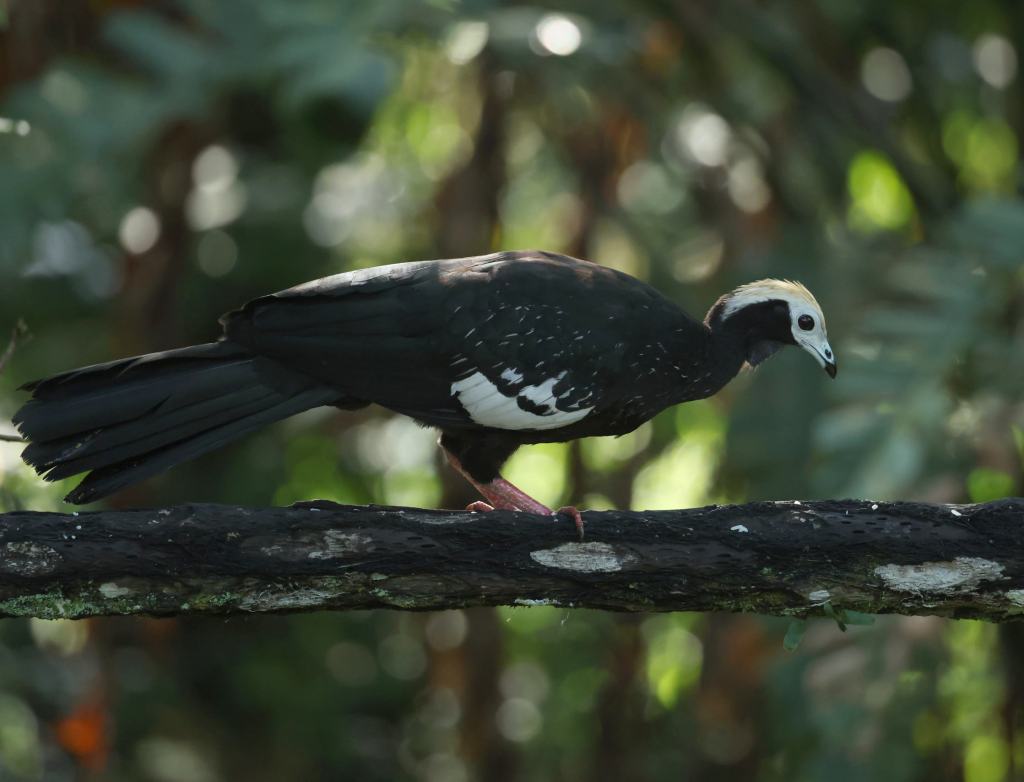
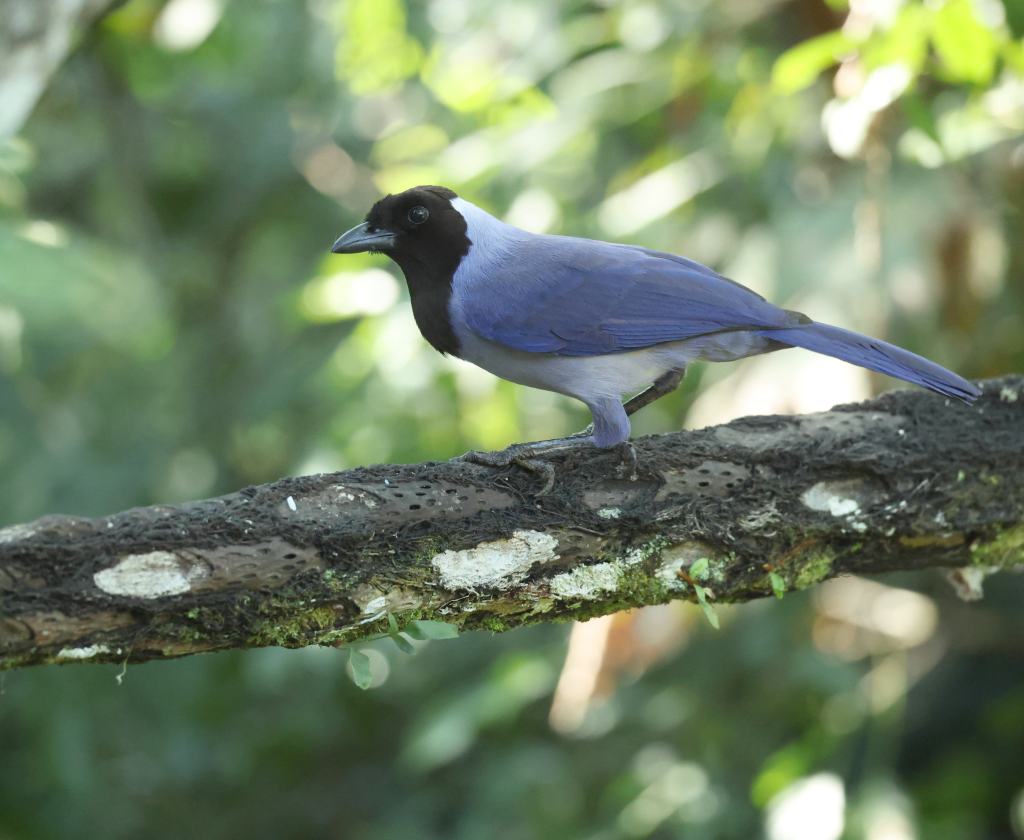
Around the main lodge building there are some modest hummingbird feeders and fruit feeders. The latter attract Violaceous Jays (raucous lovely-coloured birds) as well as Guans – in particular, we saw a pair of Blue-Throated Piping-Guans, eerie-looking birds that look like they’re dressed for a freaky Halloween party.
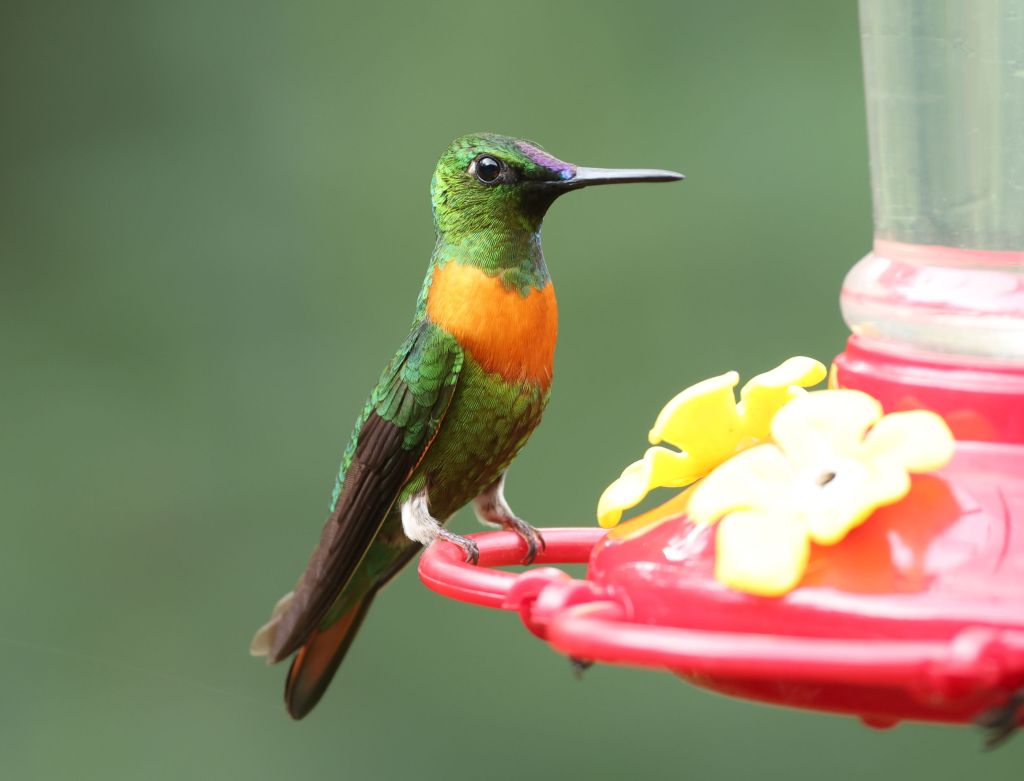
Hummingbirds included Gould’s Jewelfront, easily recognised by its wide orange chest band, the lovely Sapphire-Spangled Emerald, the large Grey-Breasted Sabrewing, a couple of species of Hermit, and White-Necked Jacobins. Alas, I did not take as many hummer pictures as I would have liked.
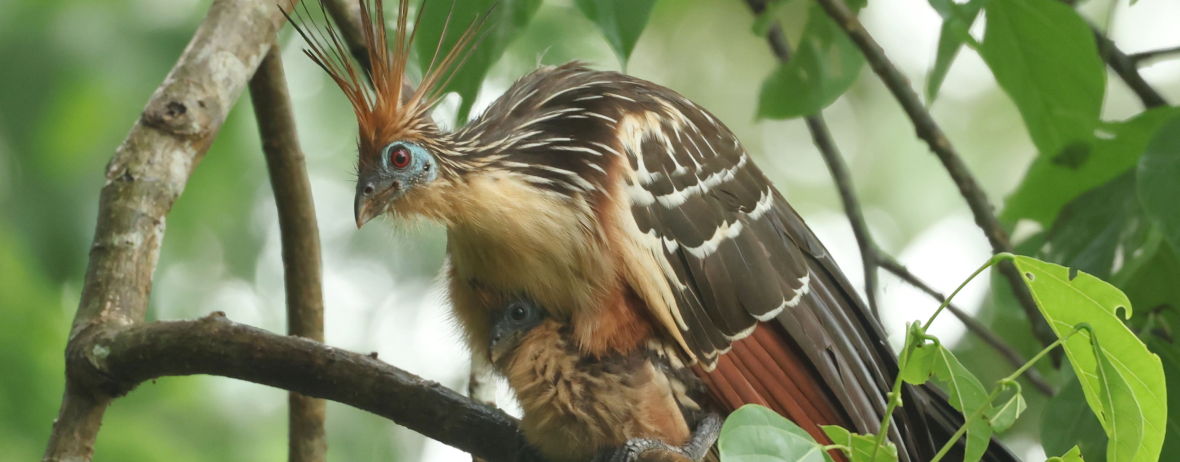
One of the stars of this location, in my mind at least, are the otherworldy Hoatzin, a strange bird with many peculiar traits as its Wikipedia article attests (their chicks have claws on their wings, for example!)
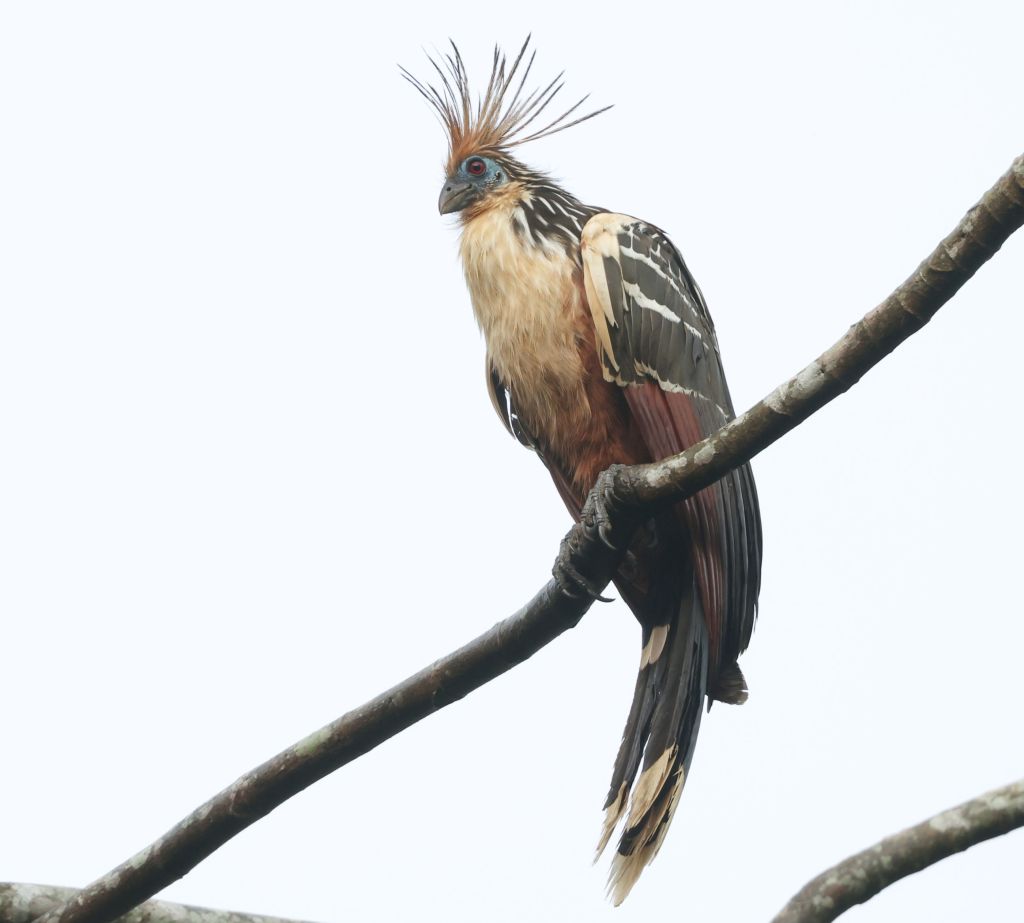
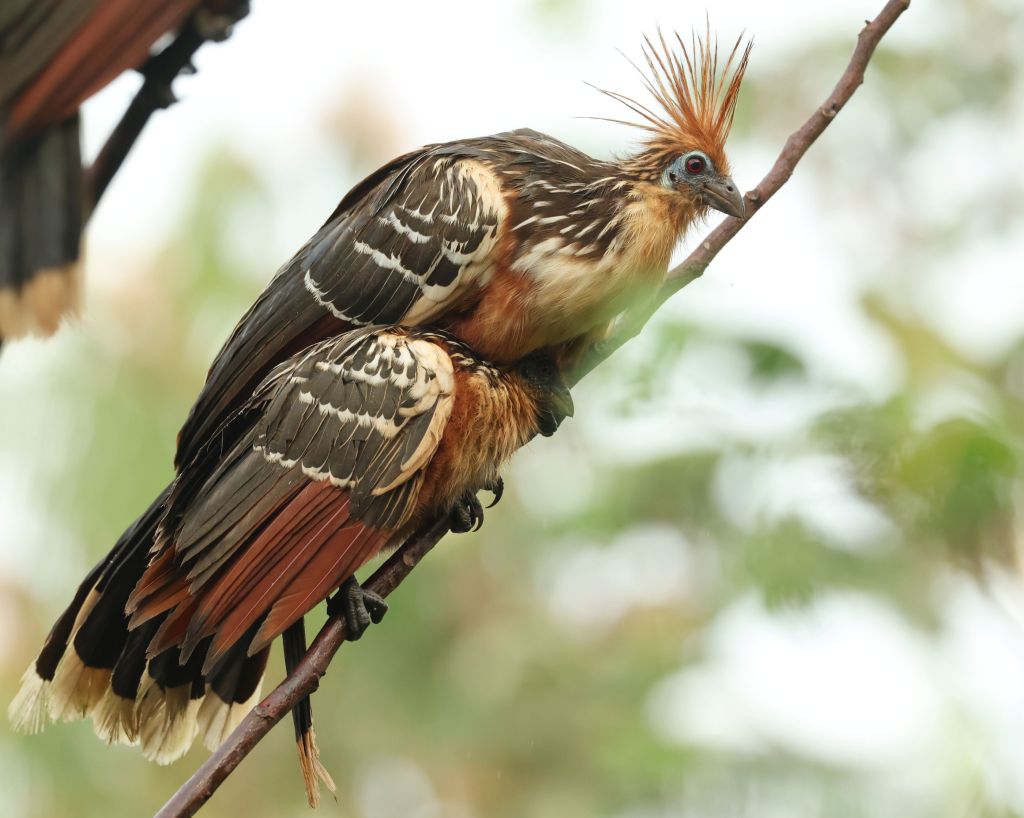
We saw them on the side of the road leading into the station, and then most commonly near the lagoon. They are super photogenic with their orange mohawks, and their habit of huddling together adorably meant I was hitting the camera’s shutter button many times. They will forever be etched into my memory as a prototypically-exotic South American bird. I certainly can’t think of anything like it in Australia, and we have tons of weird animals!
Around The Lagoon, Hmmm, Maybe Several Times
As mentioned, the guest accommodation is nothing short of brilliant. The rooms are open to the air across one entire side (with epically large insect screens for bug protection), so you have full panoramic view across the station’s main lagoon. There are extra insect nets over the beds. That’s right – there are no windows as such. You’ll hear and see every approaching thunderstorm, and the sounds of the forest – especially at night – will make you feel you’re truly at one with nature. All this while, of course, you have the luxuries of electricity and Wi-Fi.
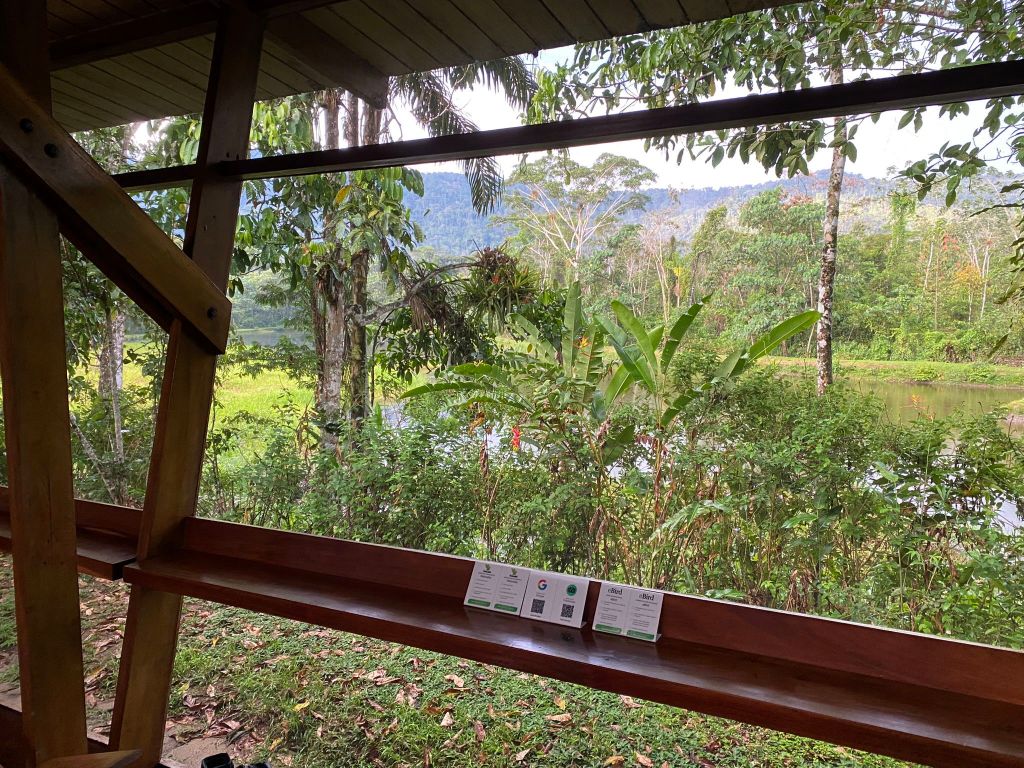
Watching the morning and afternoon light play on the water was really special, either from the room or from all along the 700m trail around the lagoon.
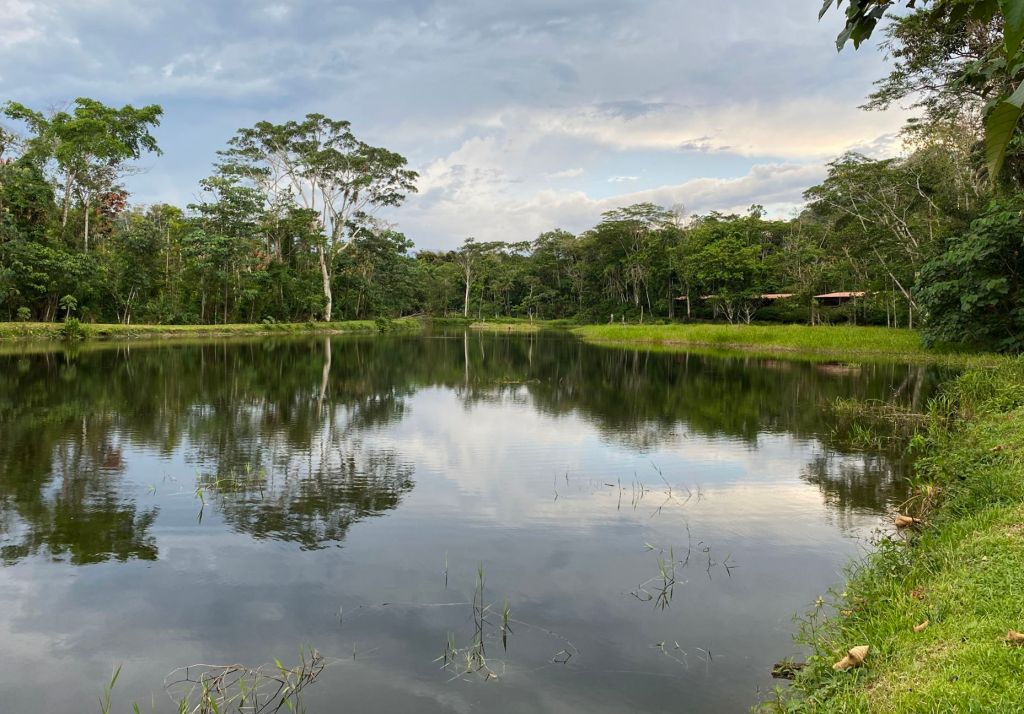
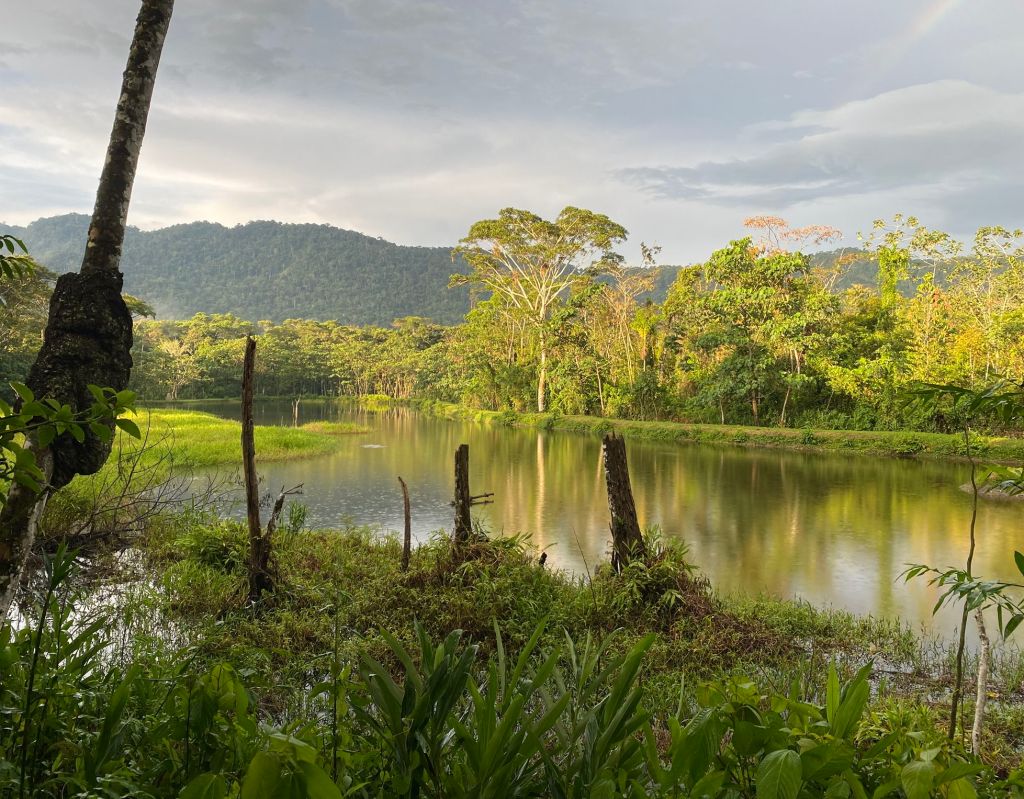
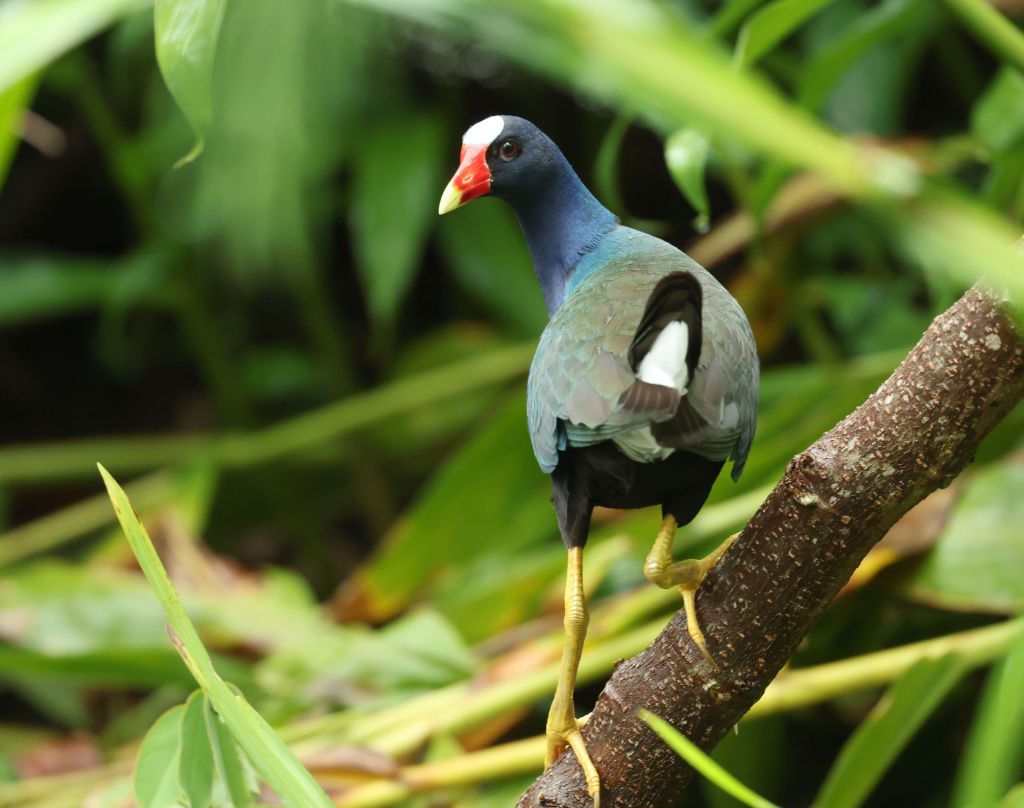
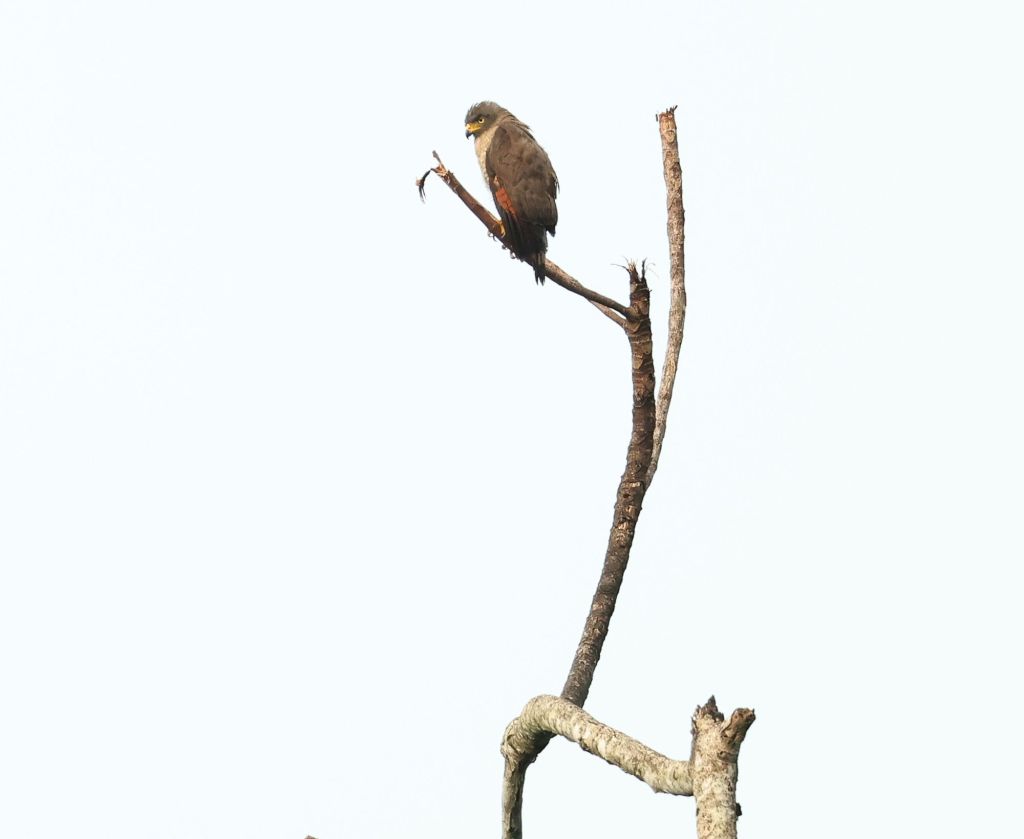
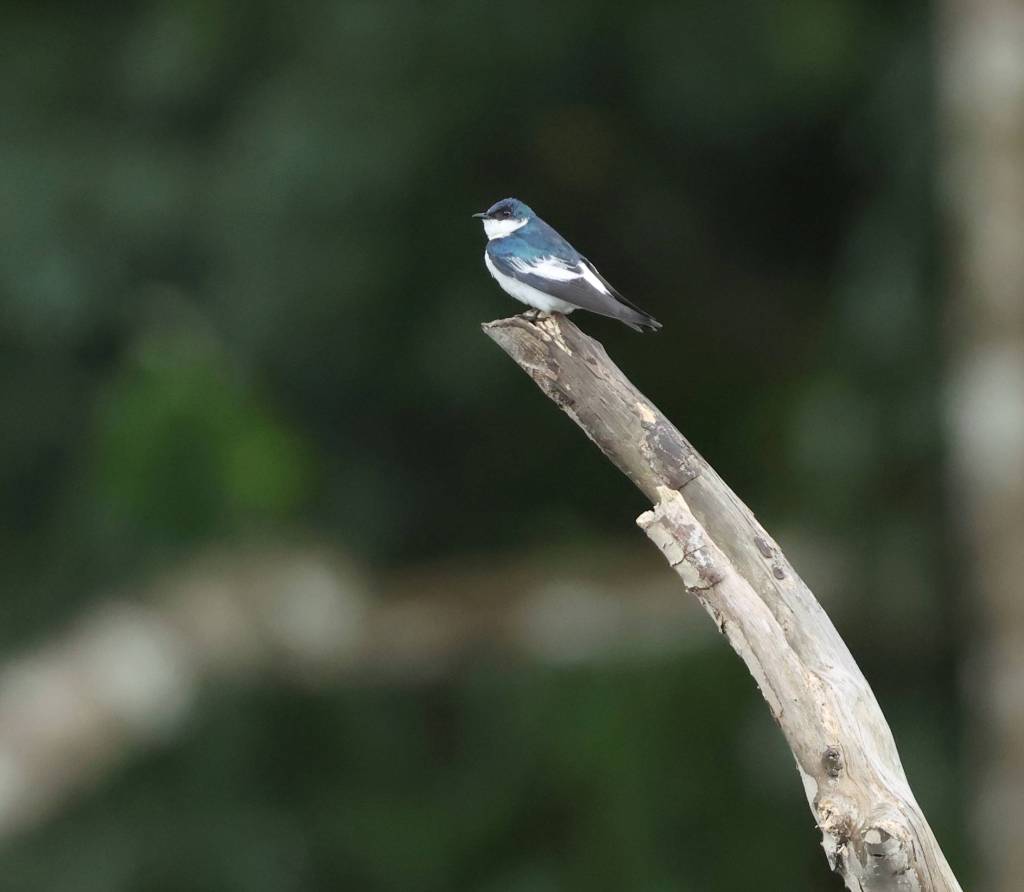
A Plumbeous Kite seemed to be a regular on one of the tall trees by the lagoon, while we also found Pale-Legged Hornero, Yellow-Rumped Cacique (a very cool black bird with yellow wing patches, which sadly never came close enough for anything like a decent photo), Fine-Barred Piculet (a mini-sized member of the Woodpecker family), Purple Gallinule (seen well once but strangely not seen again) and Red-Capped Cardinal. Most of these were birds we had to frantically try to educate ourselves on, being completely unaware of their existence prior to seeing them (I know, I know, should have done more research). We were helped by a friendly naturalist couple (that’s naturalist, not naturist, haha!) who seemed to know what they were looking at.


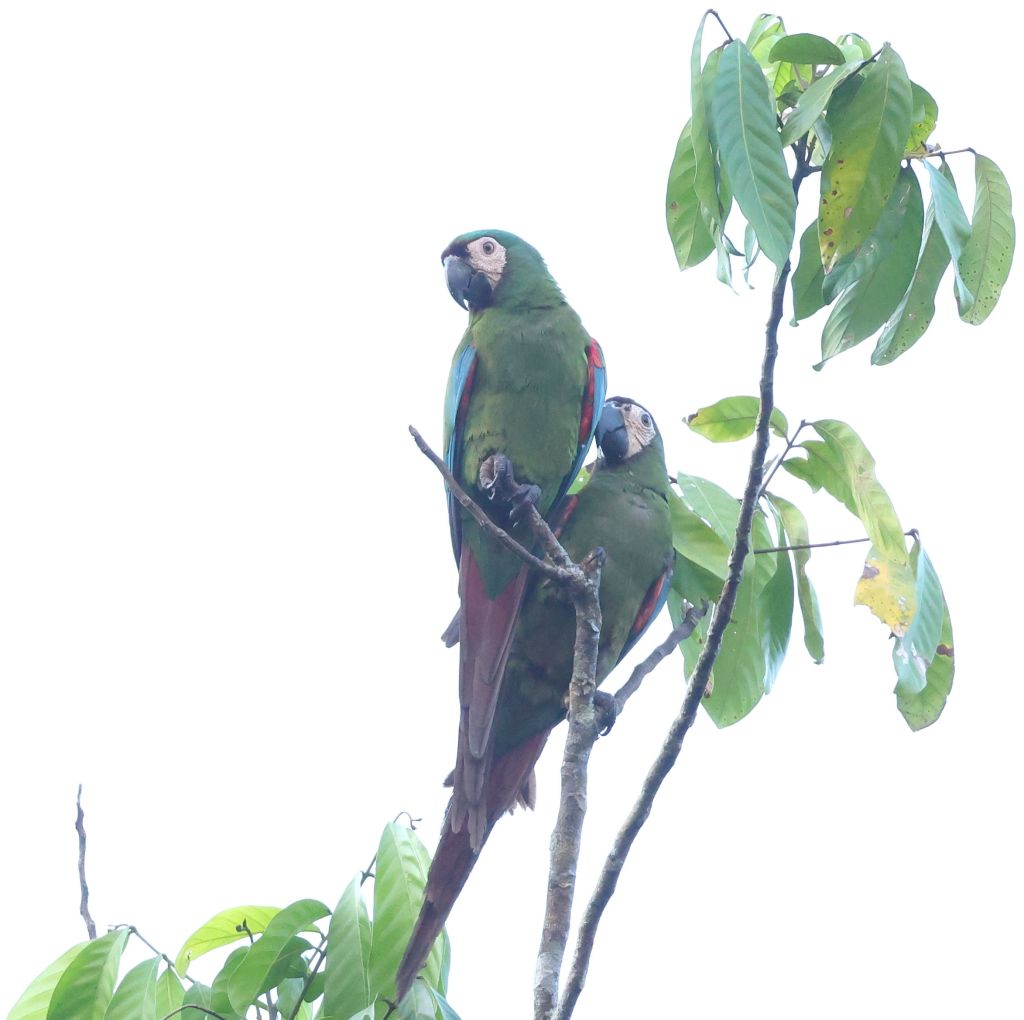
With the lagoon being quite open (especially compared to the jungle trails), you can see lots of the avian action and that includes plenty of Macaw flyovers (Blue-Headed, Chestnut-Fronted and the famous Scarlet Macaw!), as well as Blue-headed Parrots and Dusky-headed Parakeets and various species of swift. Sometimes the parrots and macaws landed on trees near the water. The flyovers happen more in early morning and very late afternoon when the birds are more frequently traveling from and to their night-time resting spots.
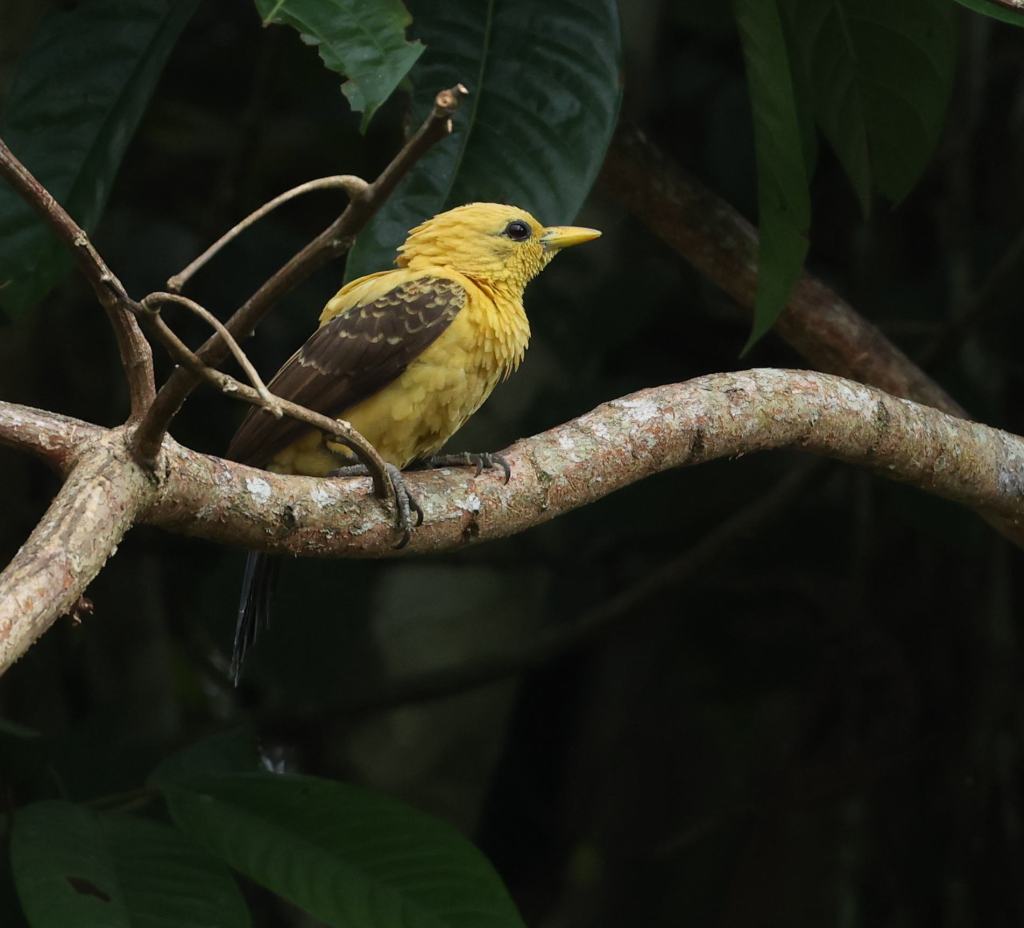
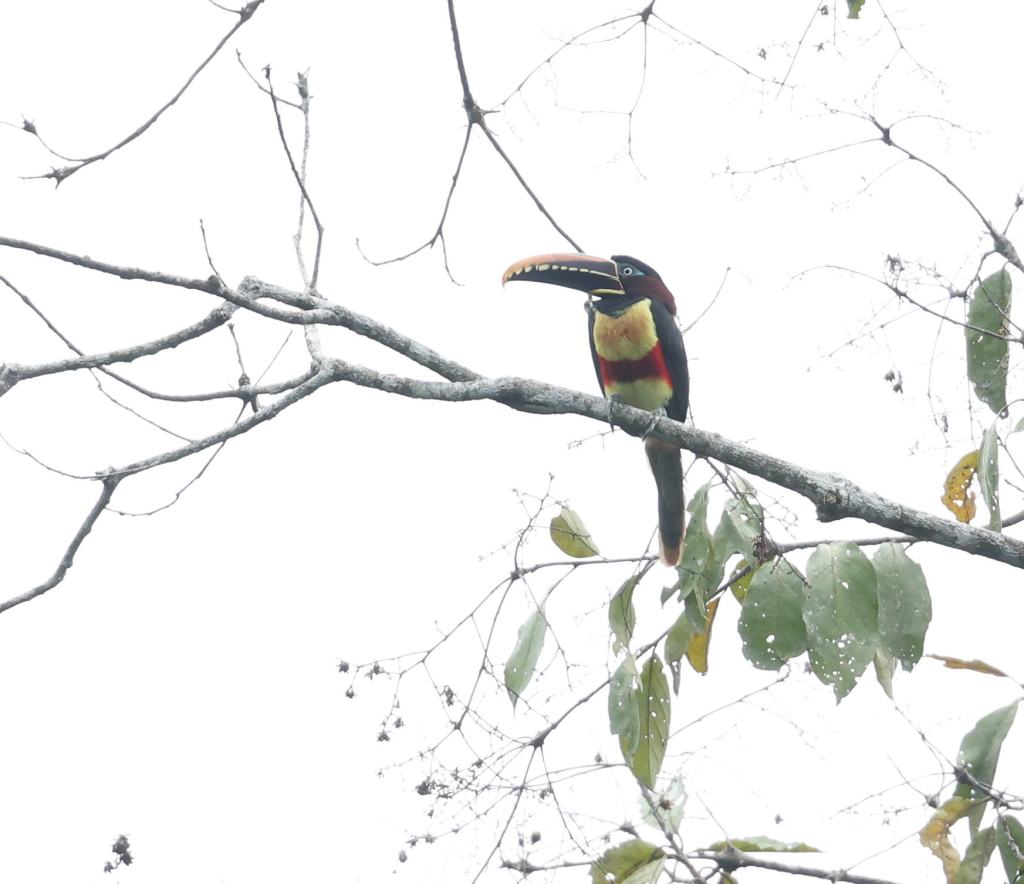
One of our late afternoon birding sessions yielded 48 species in two hours, with tons of highlights including a Cream-Coloured Woodpecker (one of three woodpecker species observed), a Chestnut-Eared Aracari (glorious toucan vibes), a clutch of flycatchers of various types, ten Hoatzins, and what swiftly became one of my all-time favourite birds: the striking Magpie Tanager (distantly seen, unfortunately, but if you stay tuned for our Ecuador posts I promise a decent photo of one).
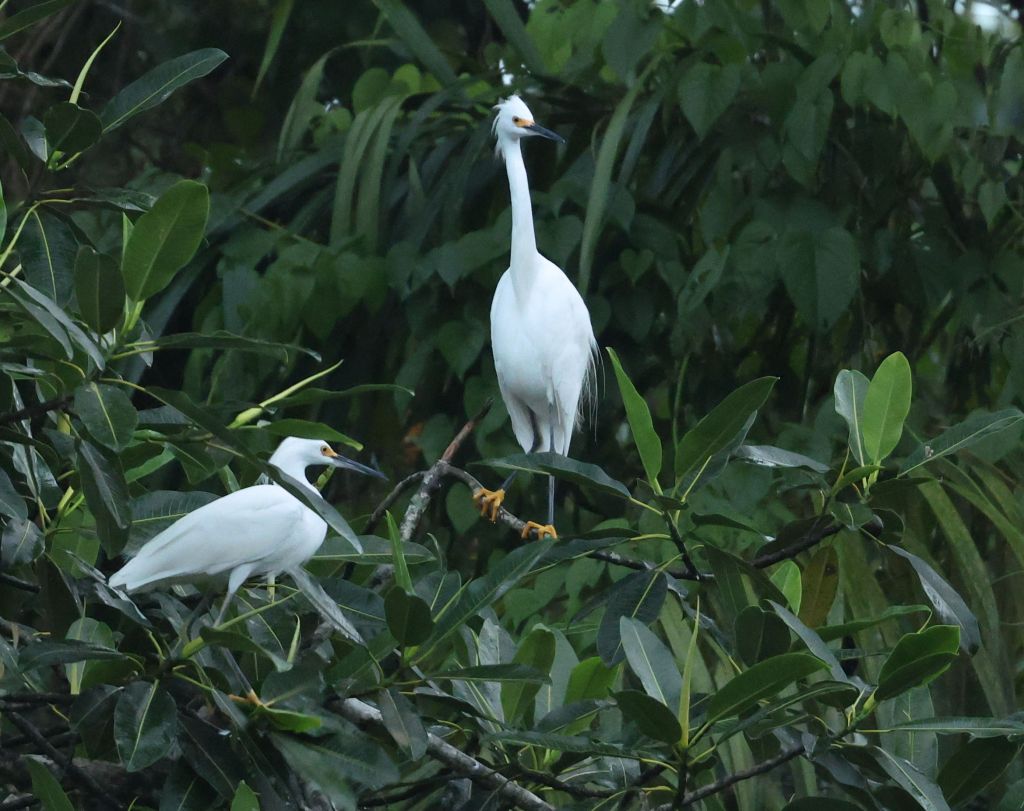
On the north-west edge of the lagoon is a smaller brackish pond which seemed to attract quite a few species – there was also a Snowy Egret roost here with nearly 20 birds.
We also saw Capped Heron here, Black-Crowned Night-Heron, Grey-Cowled Wood-Rail and a Sungrebe (something of a desirable target for birders, I believe).

Bird Hides: It’s Where You Hide, Not The Birds
There is a bird hide area at the station where the targets include various types of Tinamou, enticed by grains (I think). It pays to get there early (before 6am) to maximise your chances of seeing these mostly ground-dwelling birds. Oh, and take insect repellent.
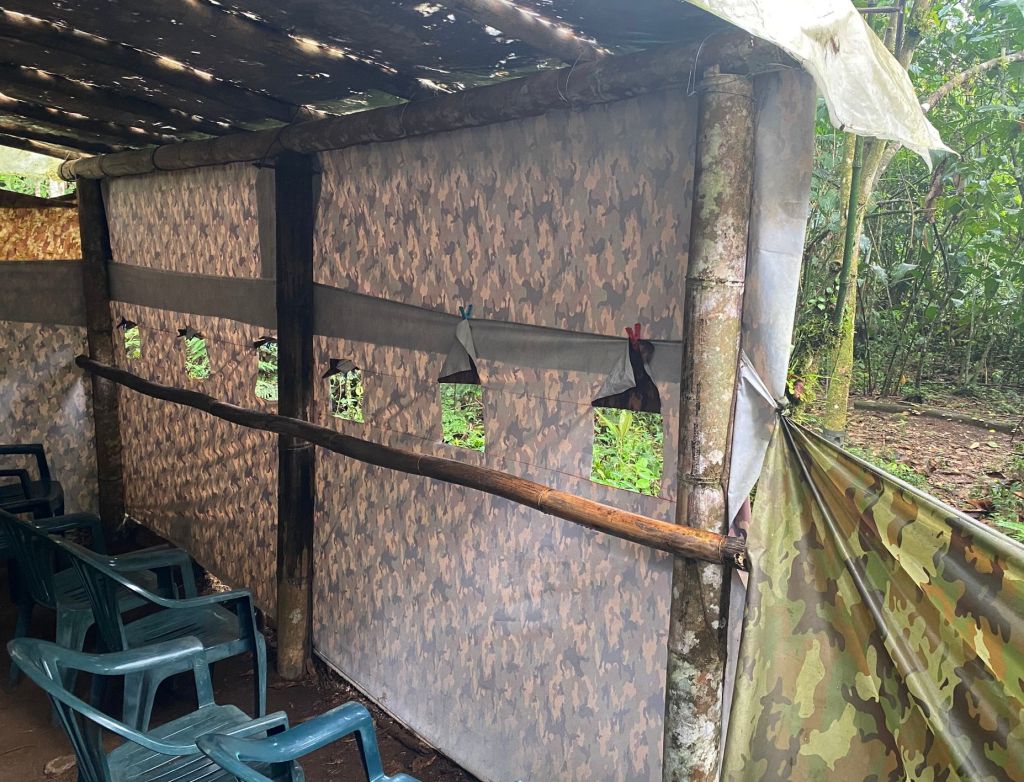
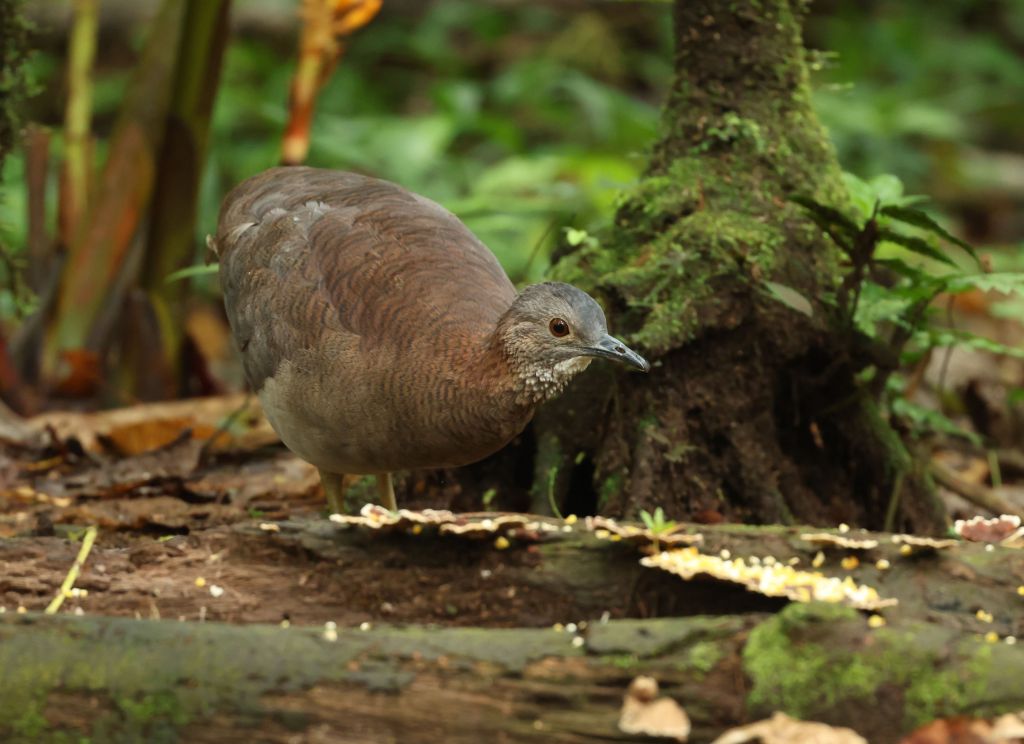
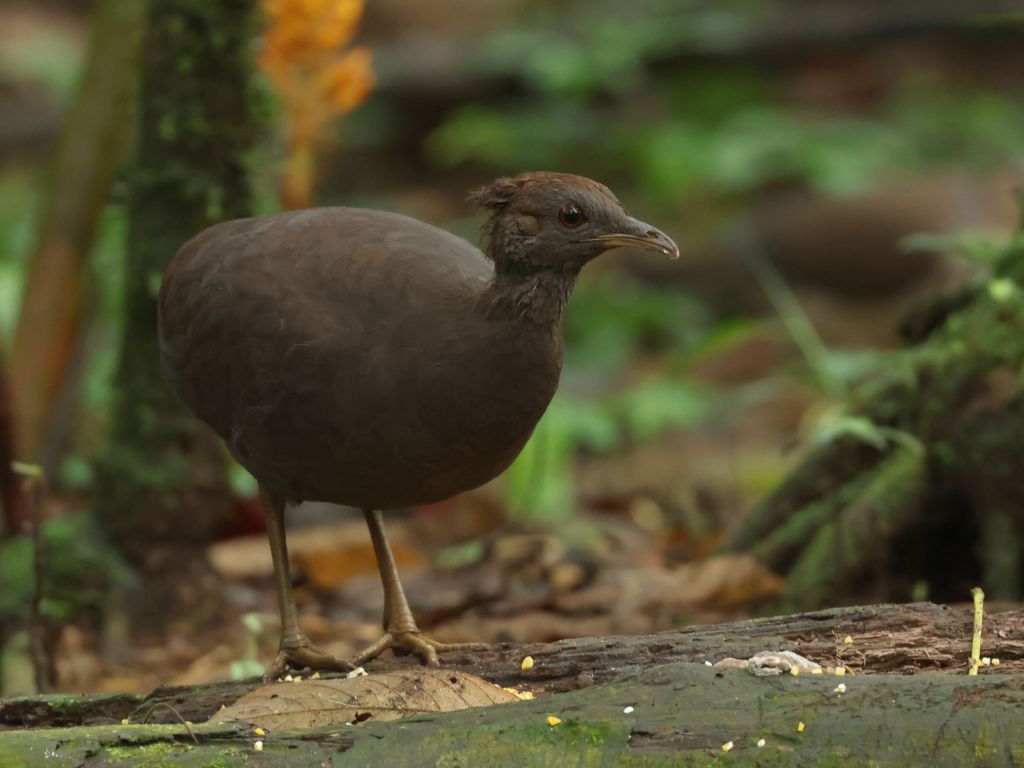
A curious thing happened where disappointingly only one species of Tinamou (the Cinereous) had showed up to the group of maybe 7 or 8 of us waiting patiently, and the other party left the hide at about 7:20. We were also then getting ready to leave when two more Tinamou species strolled in! It goes to show you just never know what will happen when birding in the wild.
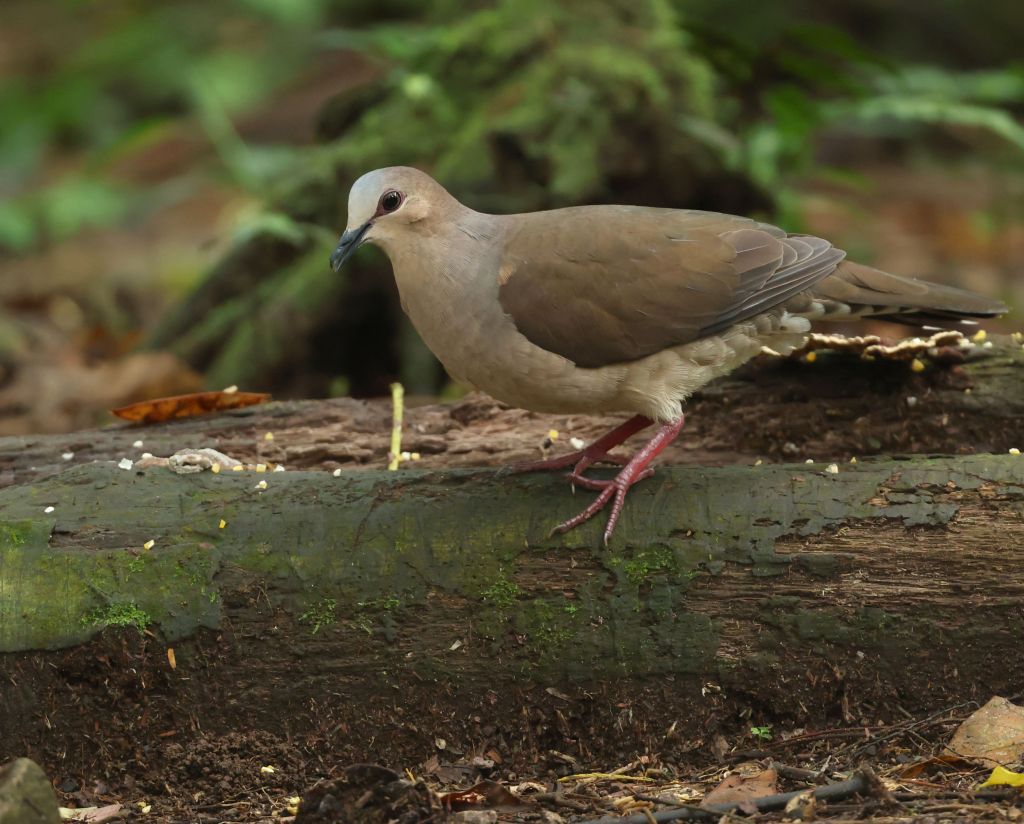
Other birds attracted to the free food included the vivid Pectoral Sparrow, Grey-Fronted Dove, and Grey-Cowled Wood-Rail (all lifers!). The Wood-Rail in particular stayed for most of the time we were there, casually preening itself and looking around nonchalantly.


Let’s Talk Jungle Trails: Are They Hot And Wet?
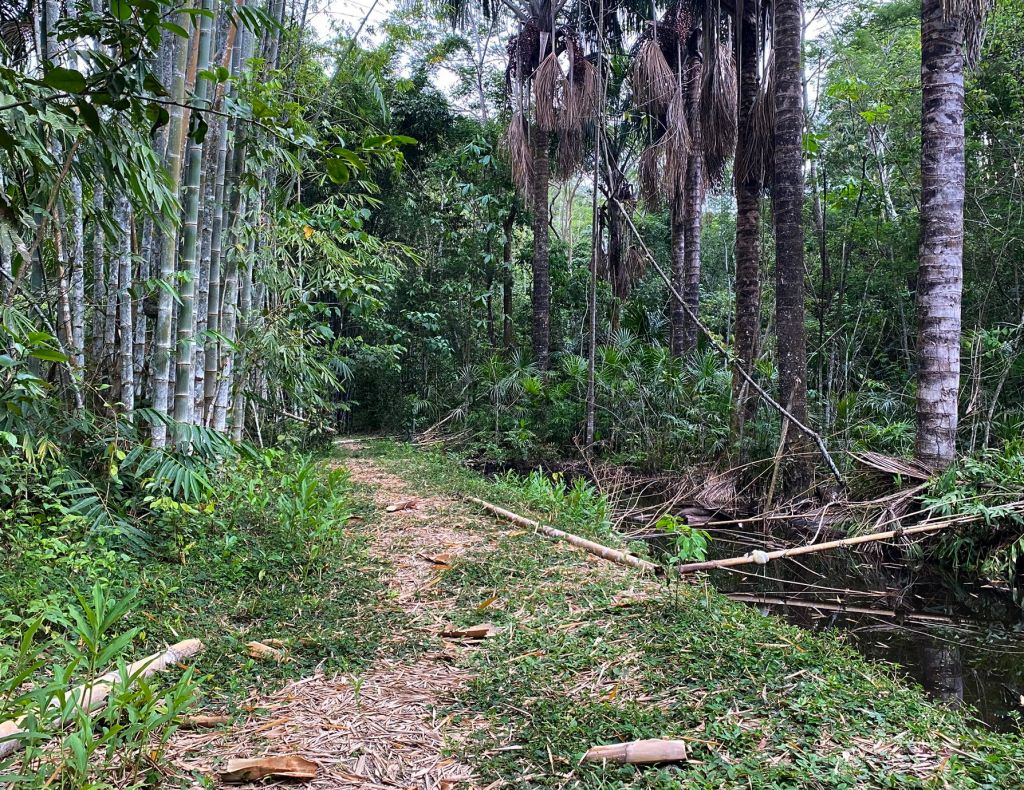
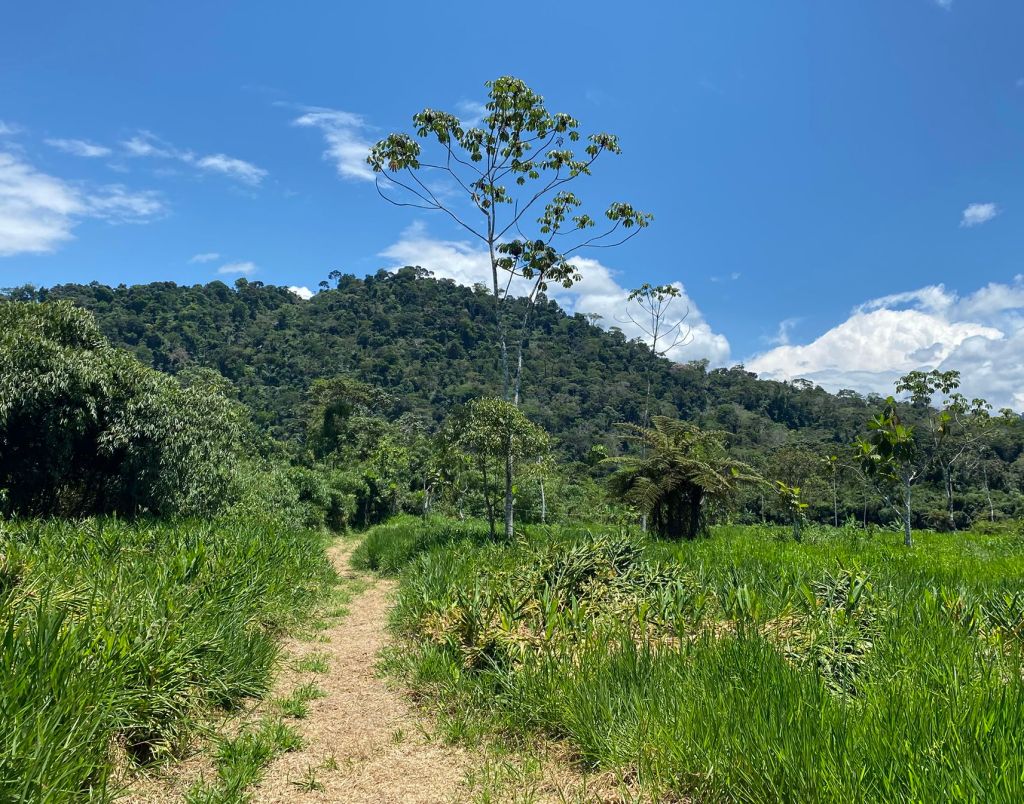
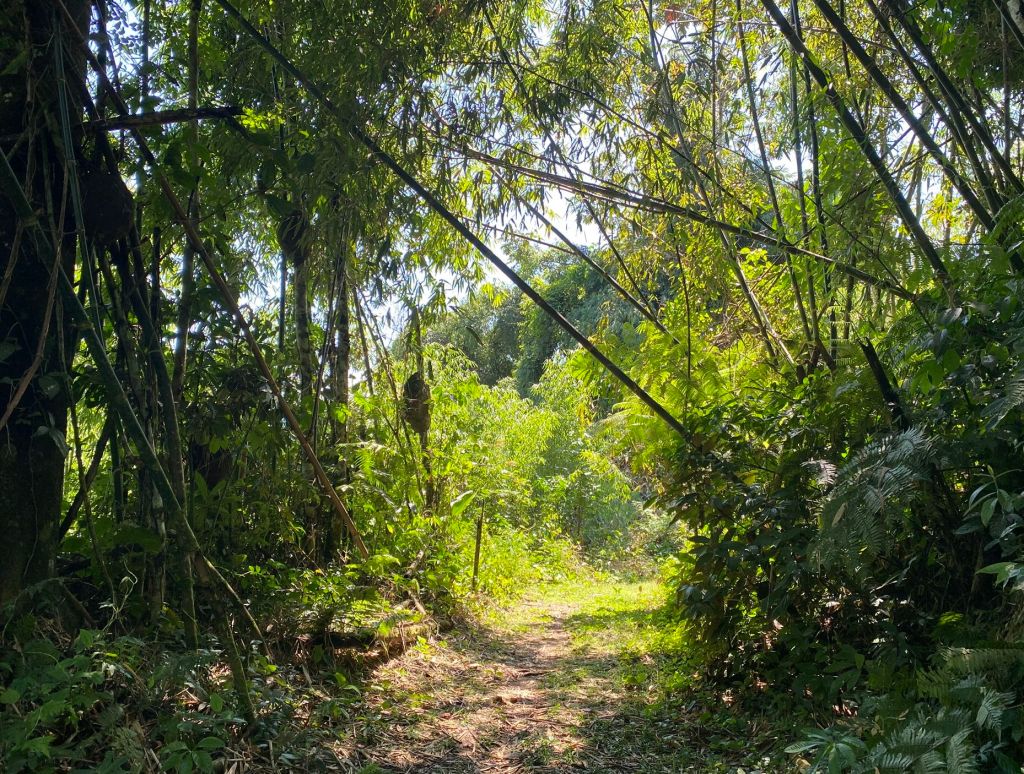
There is a good network of walking trails at the station which take in habitats of full-on jungle, grassy fields, brackish pond edges, huge bamboo stands and more.

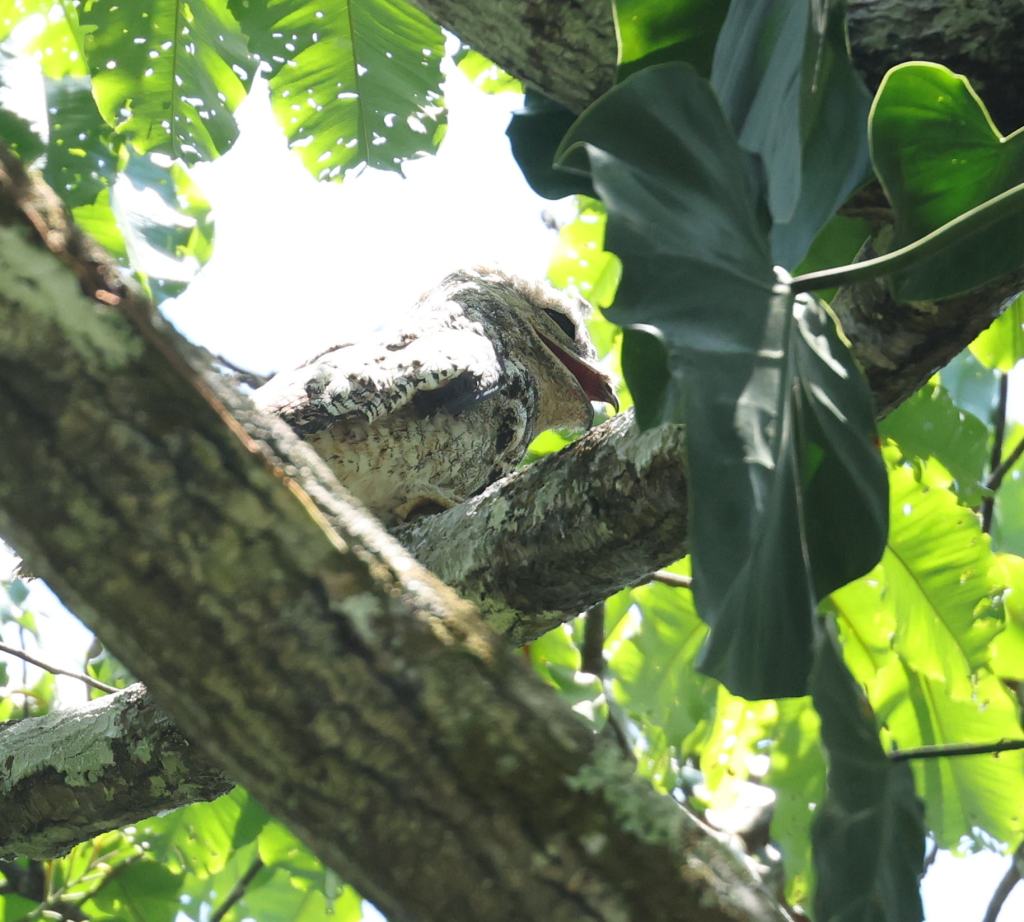
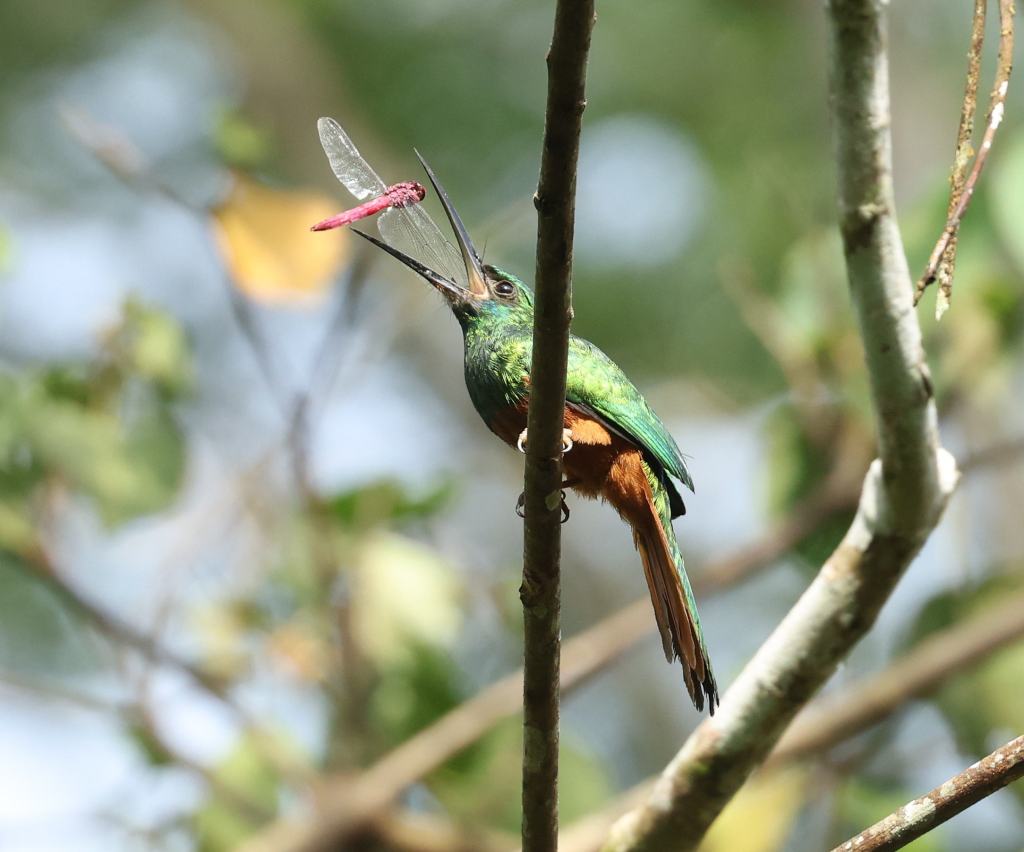
From the clearing on the trail to the bird hide we saw the strange “reminds-me-of-a-Tawny-Frogmouth” Great Potoo, as well as a real highlight – the “reminds-me-of-a-bee-eater-but-more-monstrous” Bluish-Fronted Jacamar. The Jacamar had caught a dragonfly and was tossing it down the ole gullet bee-eater style. Awesome.
Most of the trails are pretty hard work, with dense foliage, low light even when the sunlight grows stronger as the morning progresses, and many birds that do not wish to show themselves. Our guide used playback to lure some of these into view (a practice I’m ambivalent about as I discussed in the previous post).
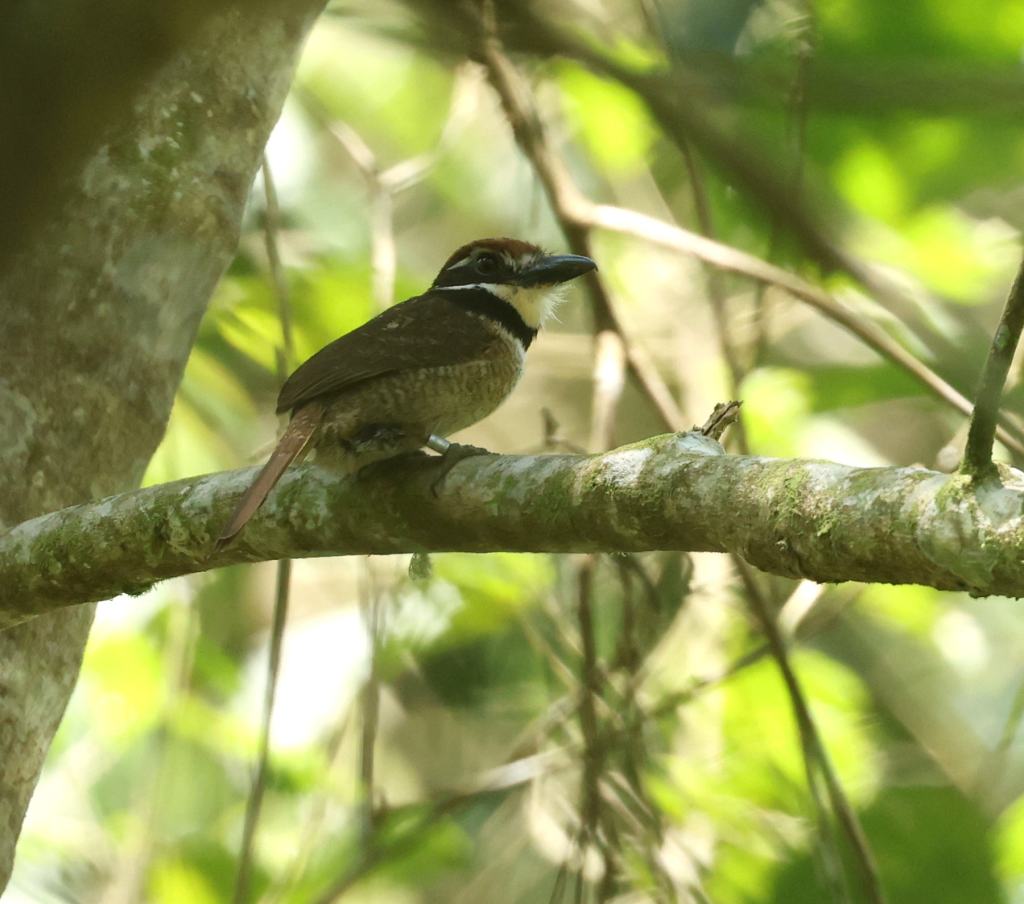
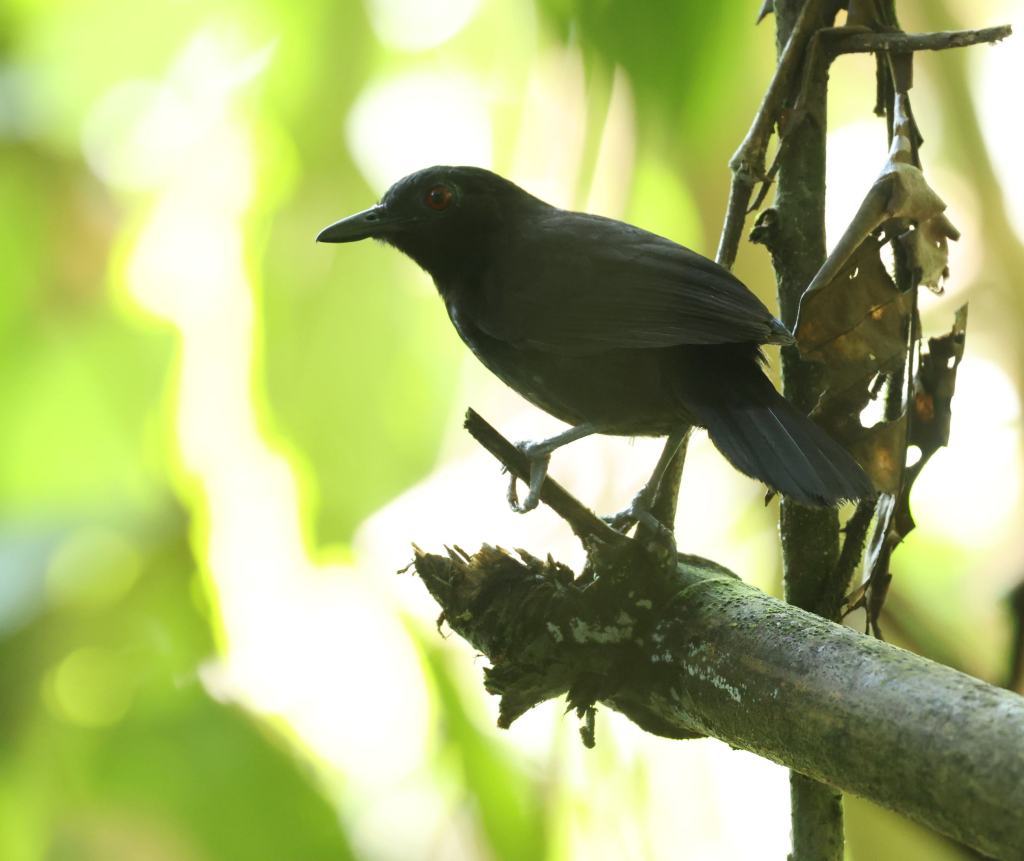
The research at Manu Biological Station is actually more focused on insects than birds, and people do come here looking for butterflies and moths among others. We saw plenty of those critters but I have no idea what species they were.

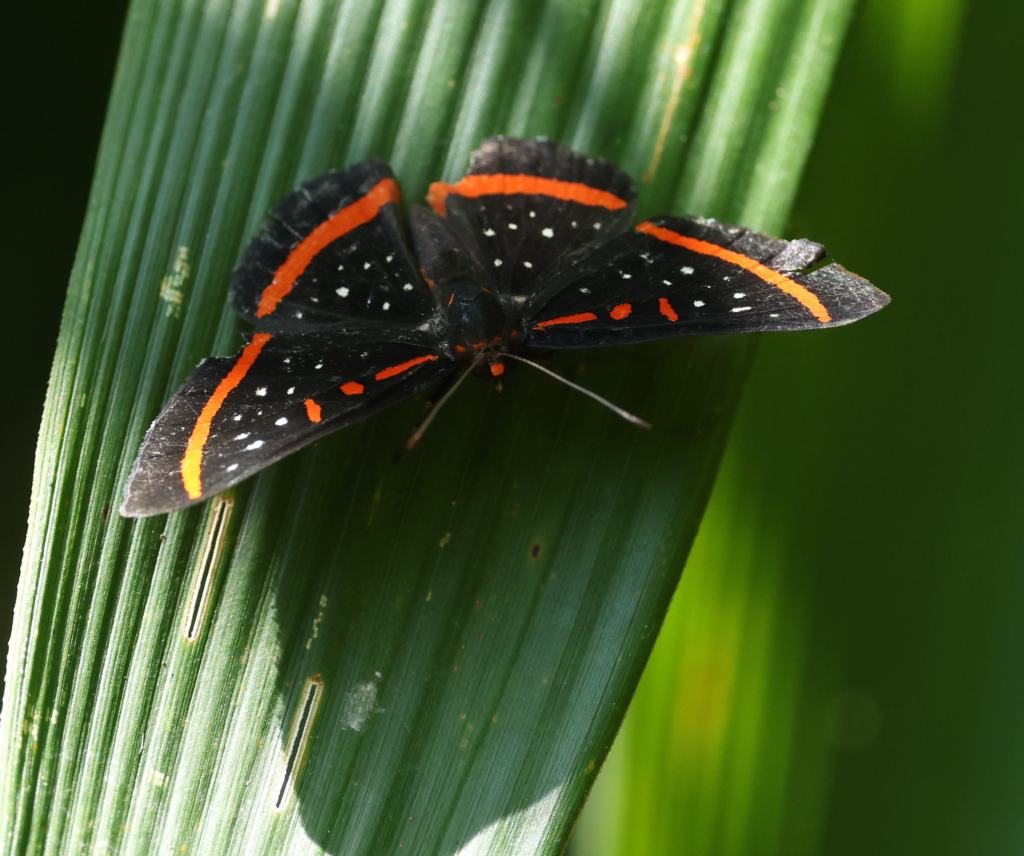
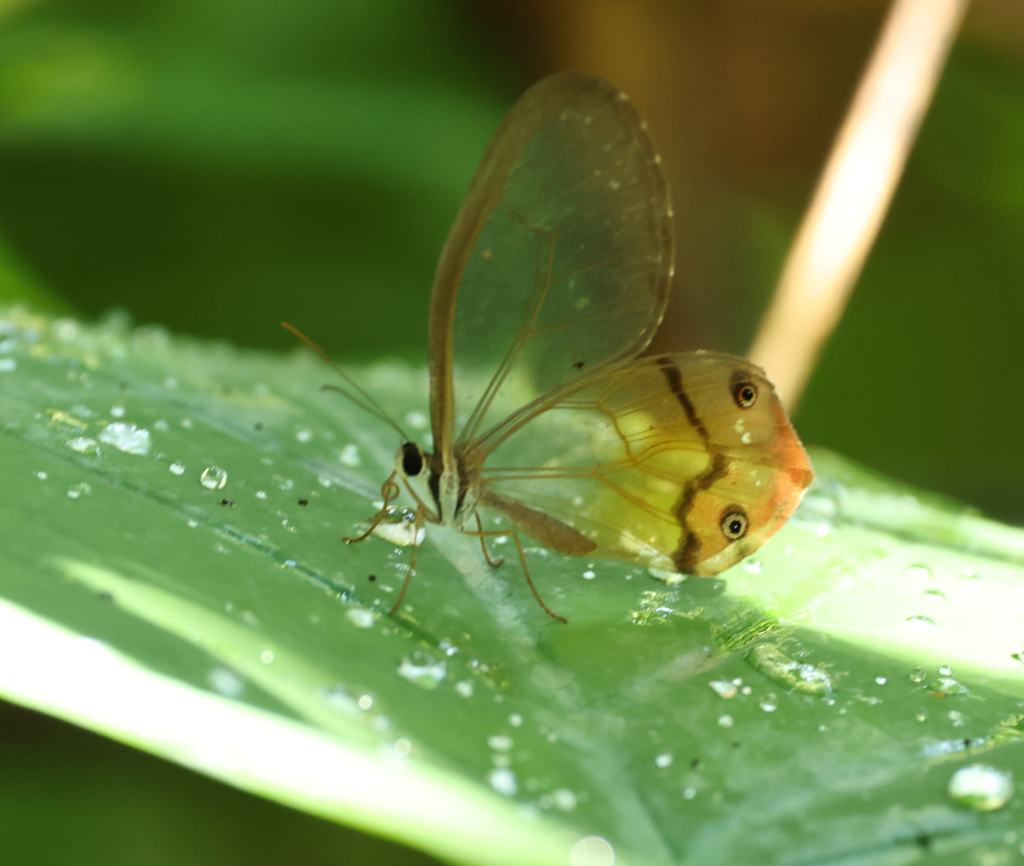
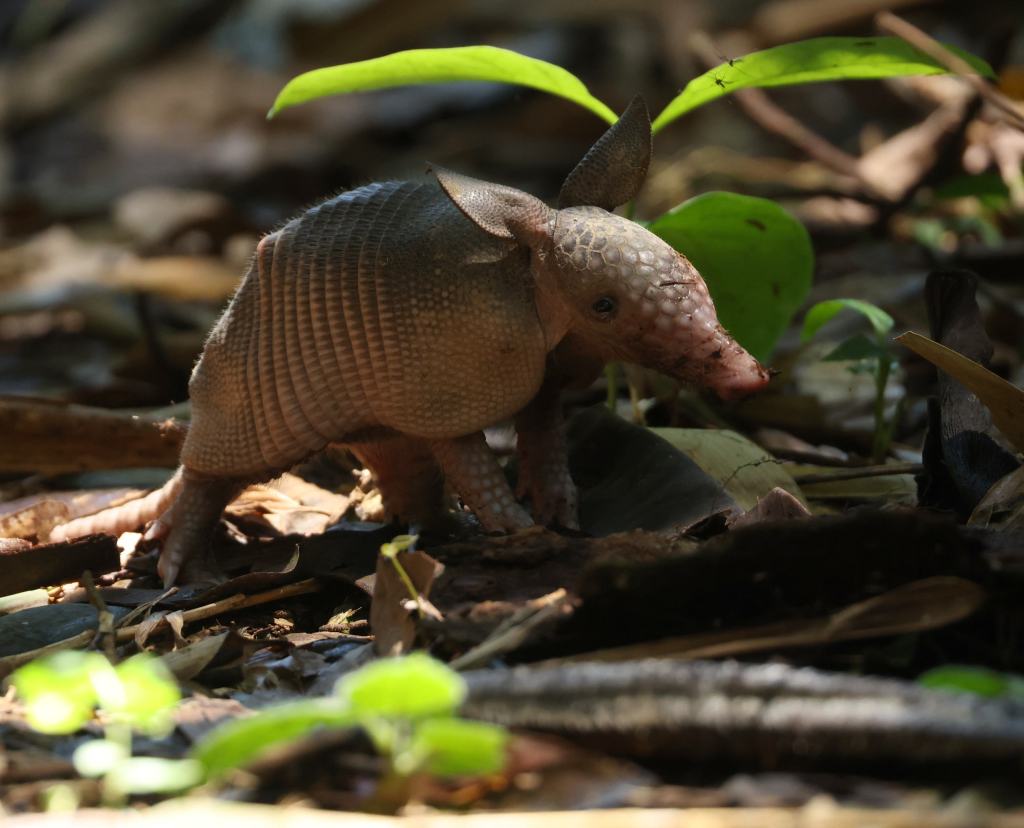
As the late morning approached on our main day on the trails the heat started to intensify to the point where it was quite uncomfortable out of the shade (and pretty warm in the shade, too). Seeing some baby Armadillos foraging right on the track was a good distraction. They are almost the very definition of cute-ugly.
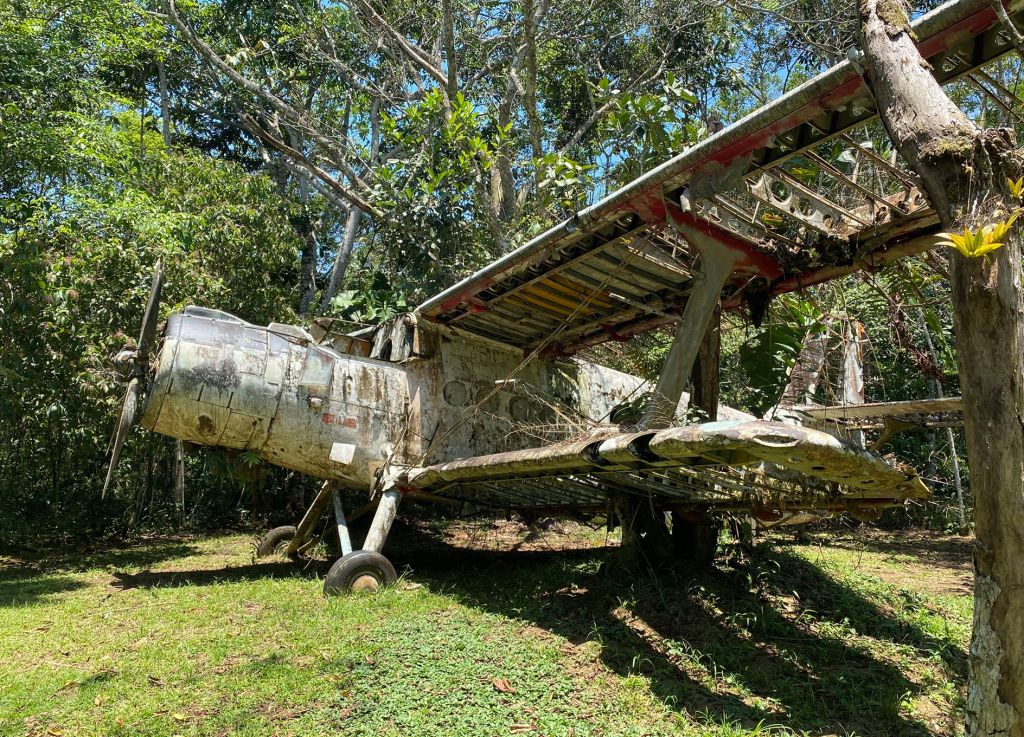
Bird activity was hard to come by with some manakins heard and a few other bits and pieces. We also came across a replica plane wreck whose historical details were provided in an info sign, but I forgot most of it, hee hee.
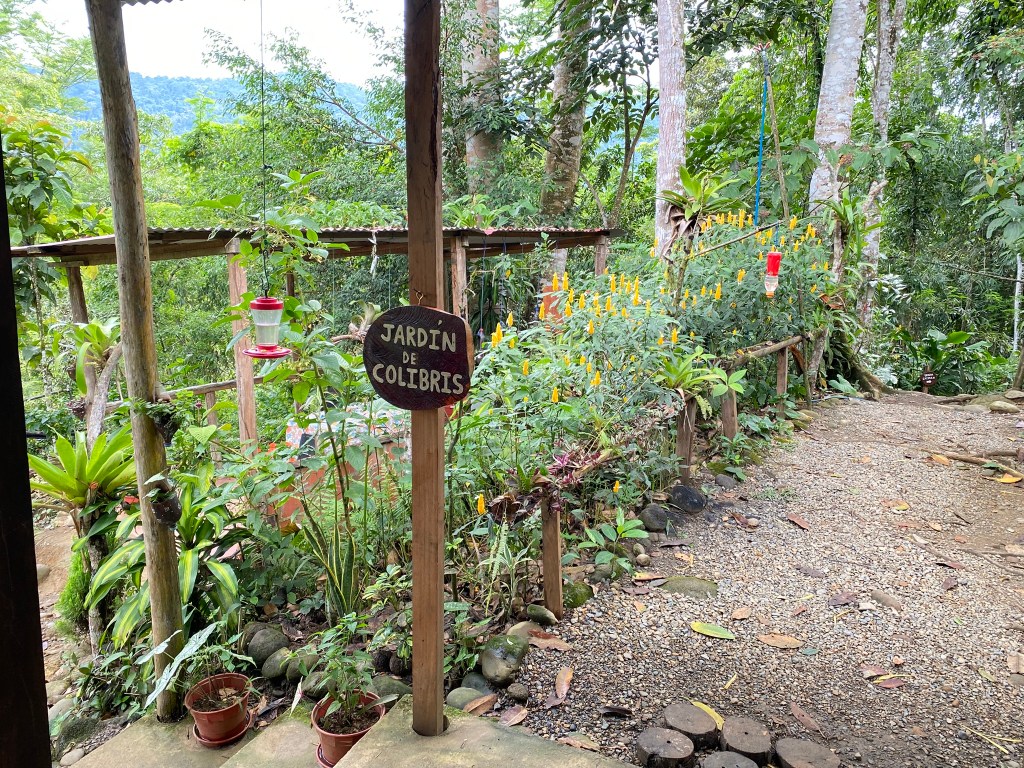
Jardín de Colibries y Mirador Pico de Hoz
Very close to Manu Biolodge is Pico de Hoz, a private nature location set on a hillside along the main river. It offers quite a few different birds (I think you can even stay there), and we spent a productive and enjoyable morning at the site.


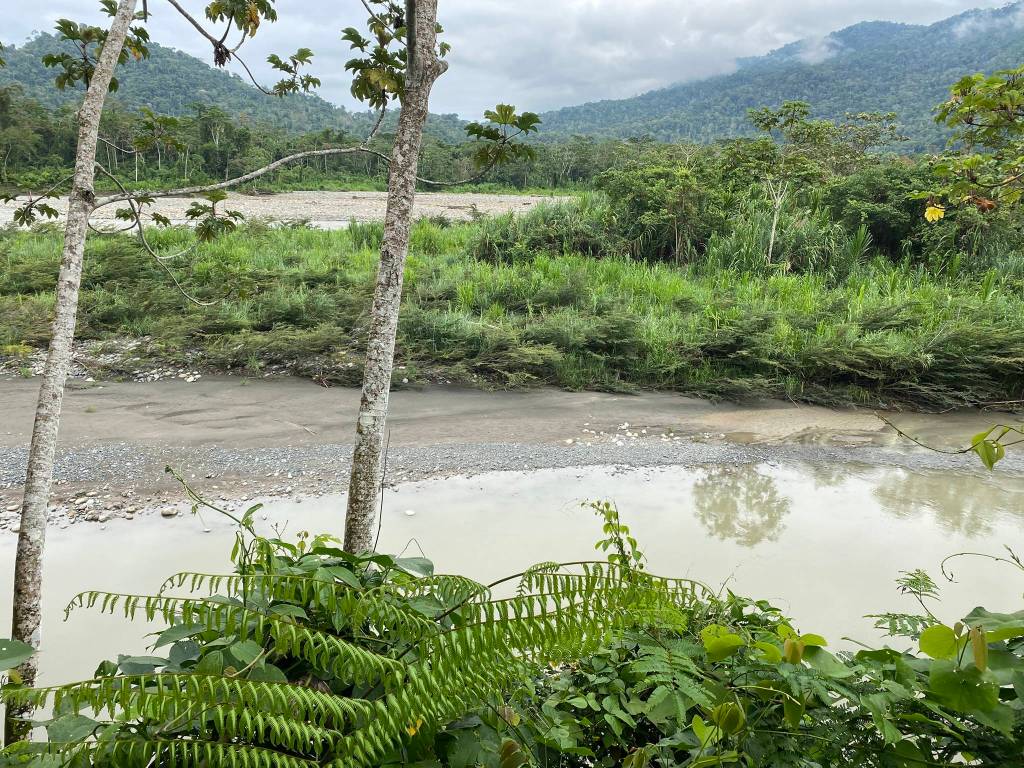
One of the big draws of Pico de Hoz are the vultures, especially the mighty King Vulture. We were privileged to see one hanging out with some Black Vultures on the ground. Greater Yellow-headed Vulture and some Turkey Vultures also made an appearance in the skies later.

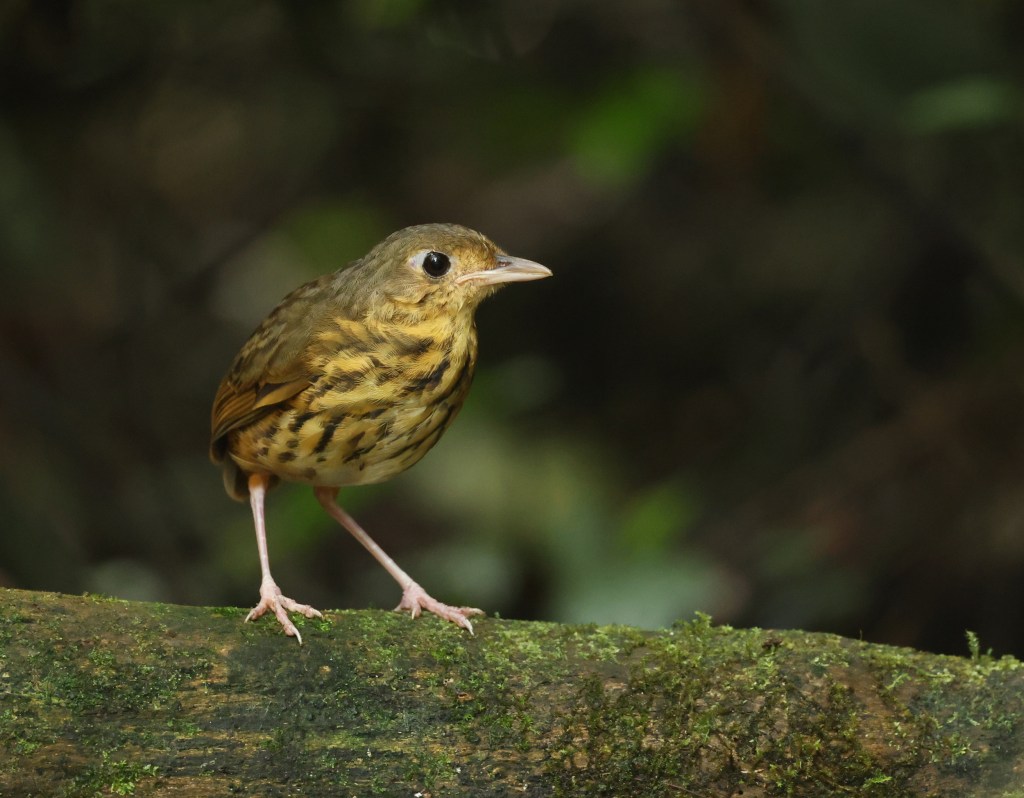
They feed an Amazonian Antpitta here and sure enough it showed up for its morning feast.

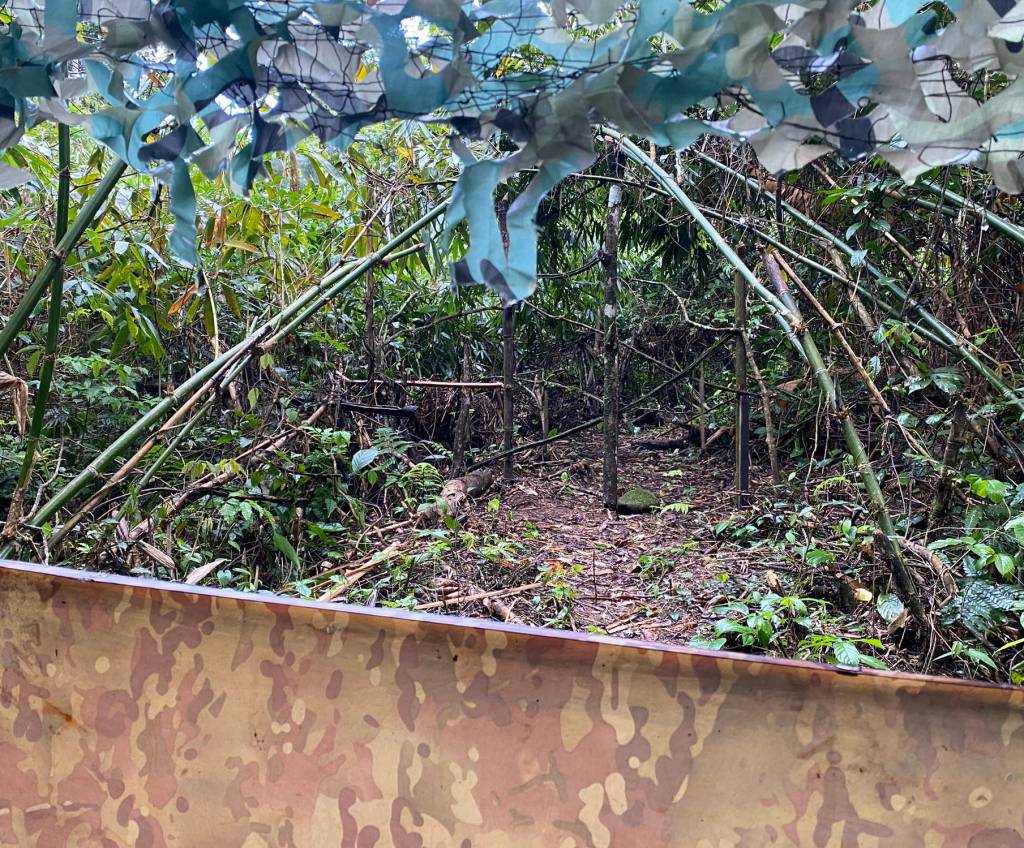
Less predictable were the birds that showed up at their little bird blind feeding area – a clutch of Antbirds (White-Lined, White-Browed and Goeldi’s) and the very cool-looking Dot-Winged Antwren all emerged at random from the thick undergrowth. The White-Browed Antbirds were the least skittish, with especially the female bird happy to hang around in the open for quite a while.
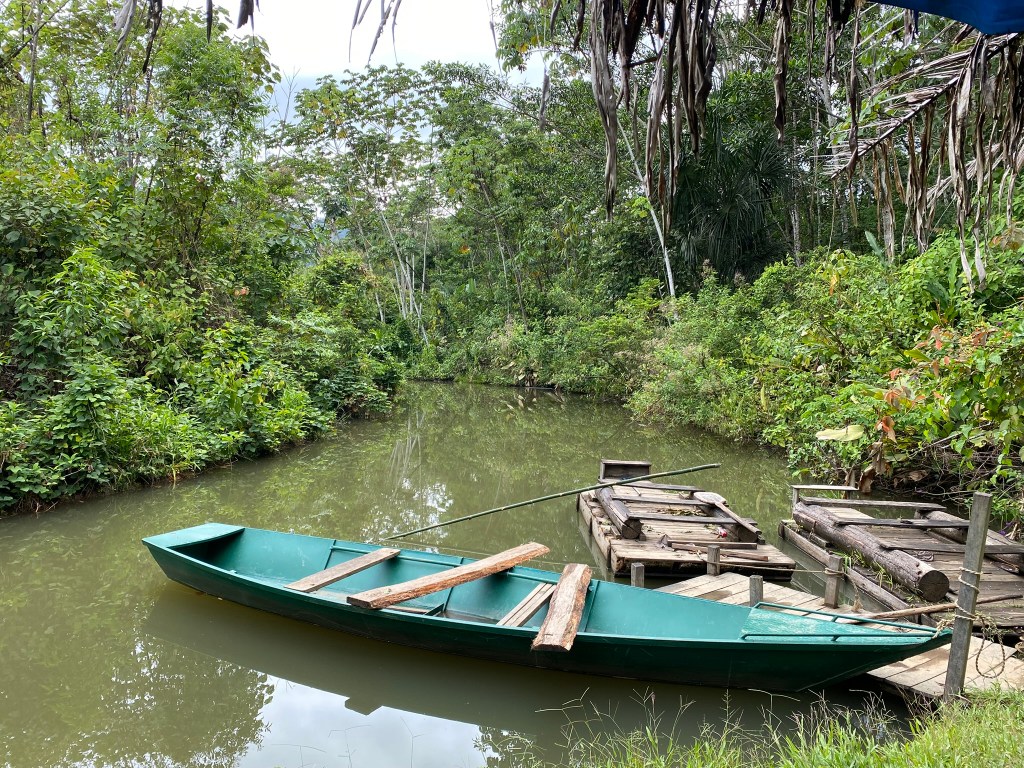
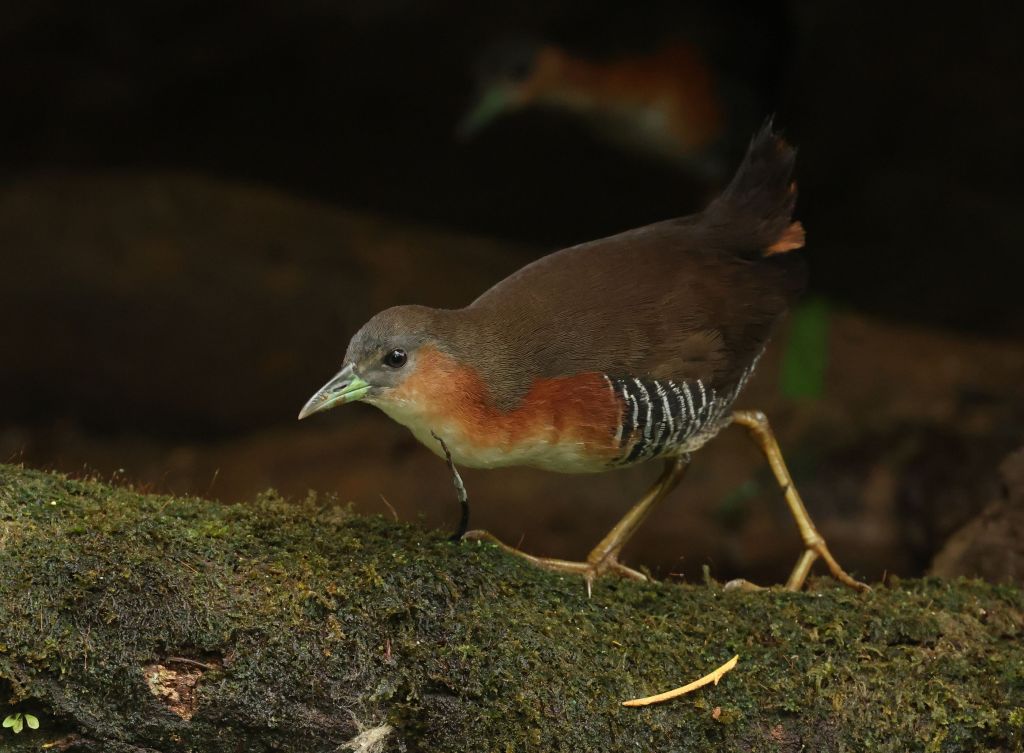
At a separate spot they also feed a crake – in this case the lovely Rufous-Sided Crake – if you can believe that… it seems to work! A pair of these shy swamp-dwellers came briefly out of their dark habitat to snatch some free food.
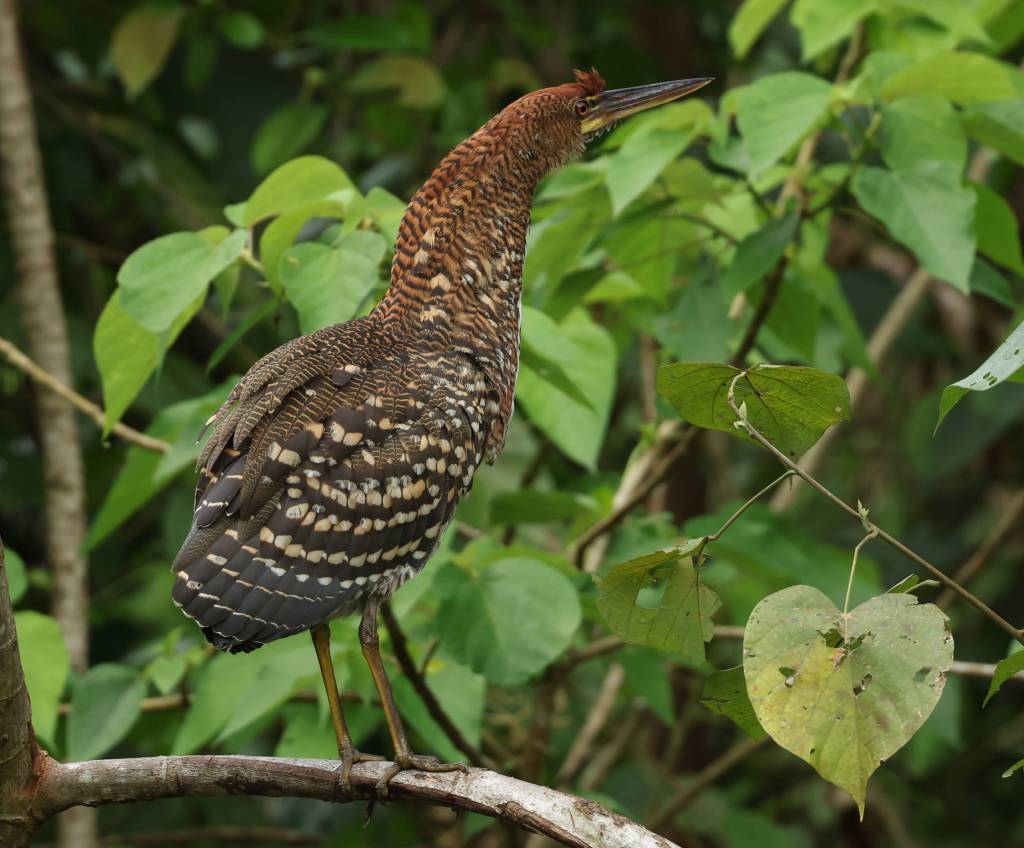
Near the pond area we were suddenly taken aback on a bends in the trail by a huge Rufescent Tiger-Heron, who was just as startled as we were and flew off, fortunately not far.
Ten of the 54 species we observed at Pico de Hoz were hummingbirds, with the White-Necked Jacobin (a bird we found quite dominant in our Costa Rica trip) again being a bit of a bully. White-Bearded Hermit (lifer) and Rufous-Breasted Hermit represented the hermits, while the notably large Long-billed Starthroat was yet another lifer.

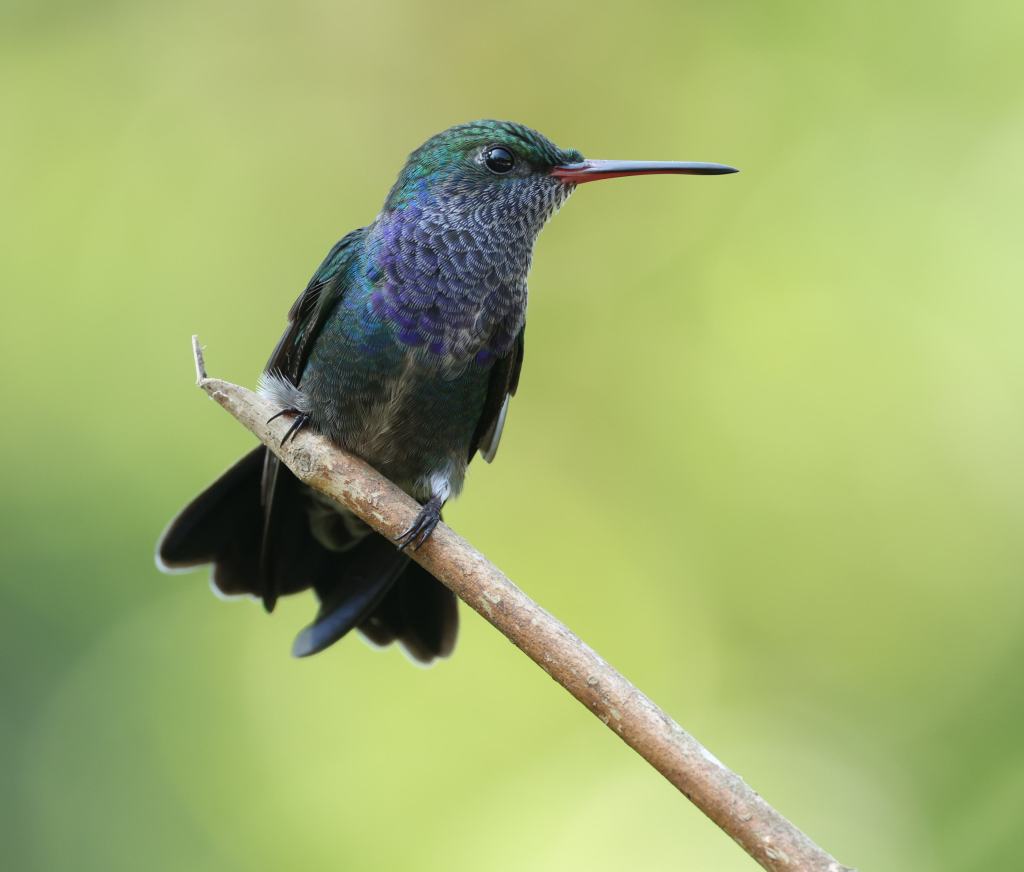
Golden-Tailed Sapphire was another of the total of twenty lifer birds we picked up at Pico de Hoz, and quickly became one of my favourite hummers with its gorgeously hued back feathers. Its bluish-green iridescent front is pretty good-looking as well!
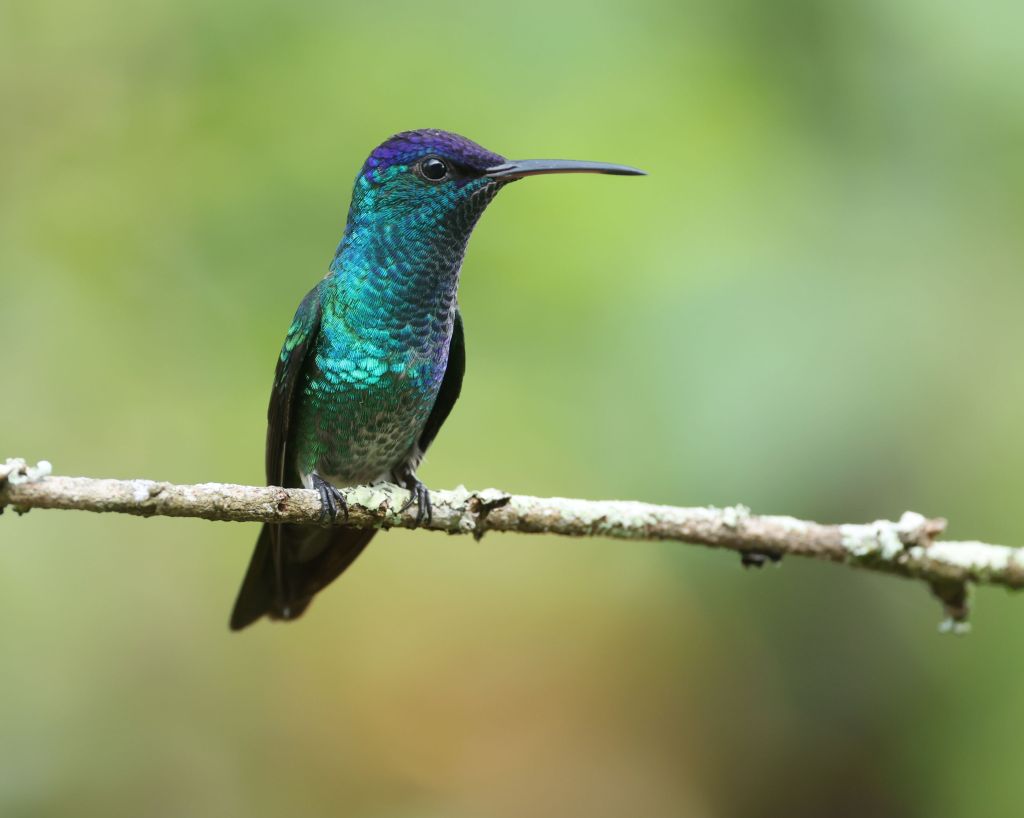
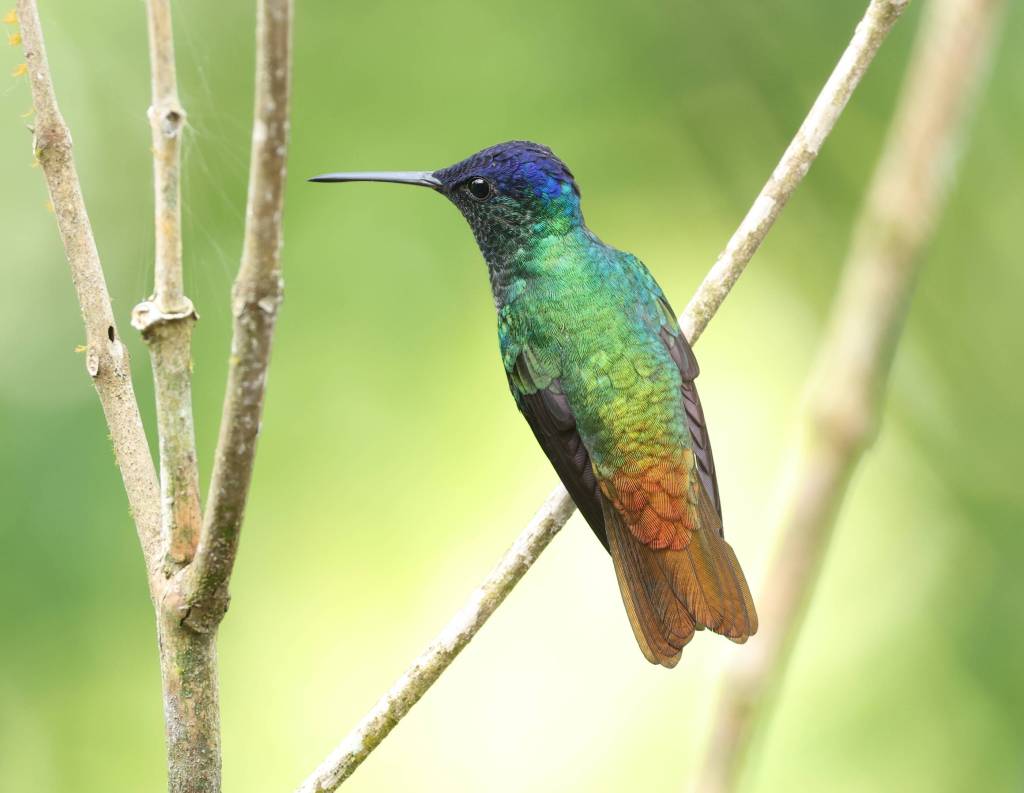
Watching the hummingbirds zip amongst the feeders on the breezy back balcony was my kind of birding… pretty easy and chilled out. There is a mixture of shaded and sunny spots and, as long as your hummingbird cooperates (there are some I could mention which flit in and out without much pausing), you can get some pretty nice images.
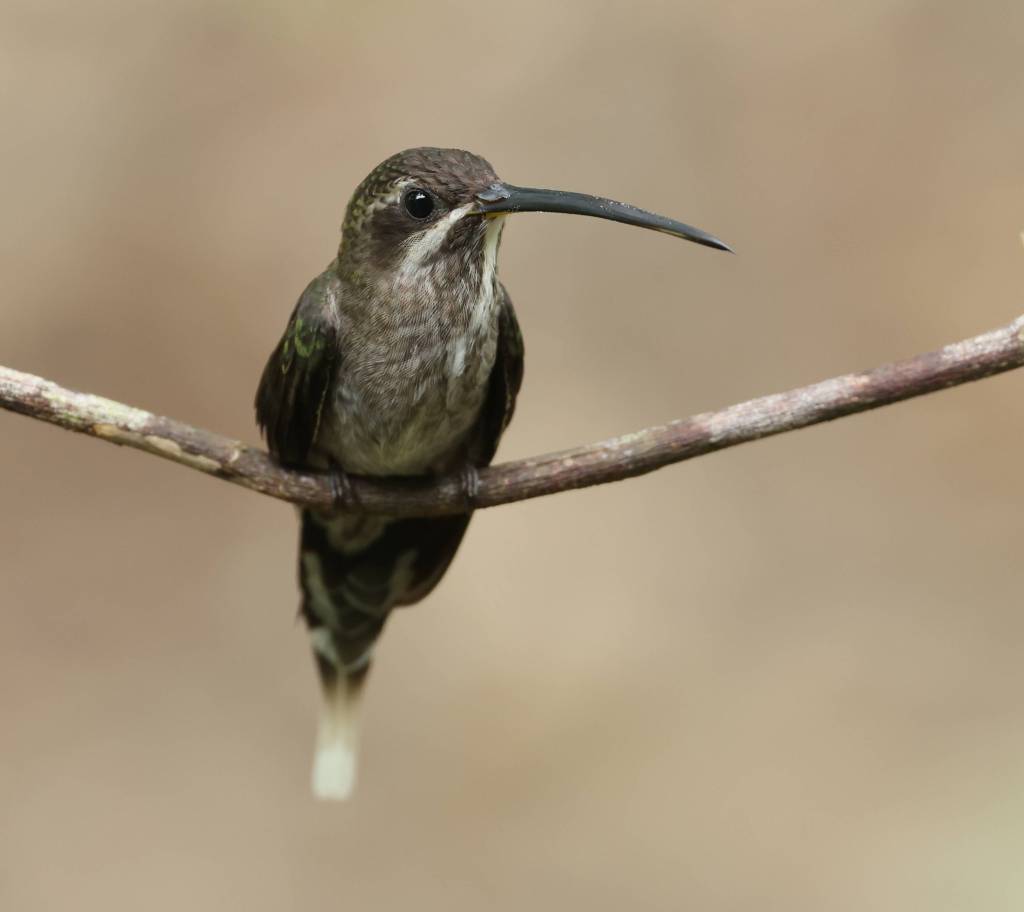
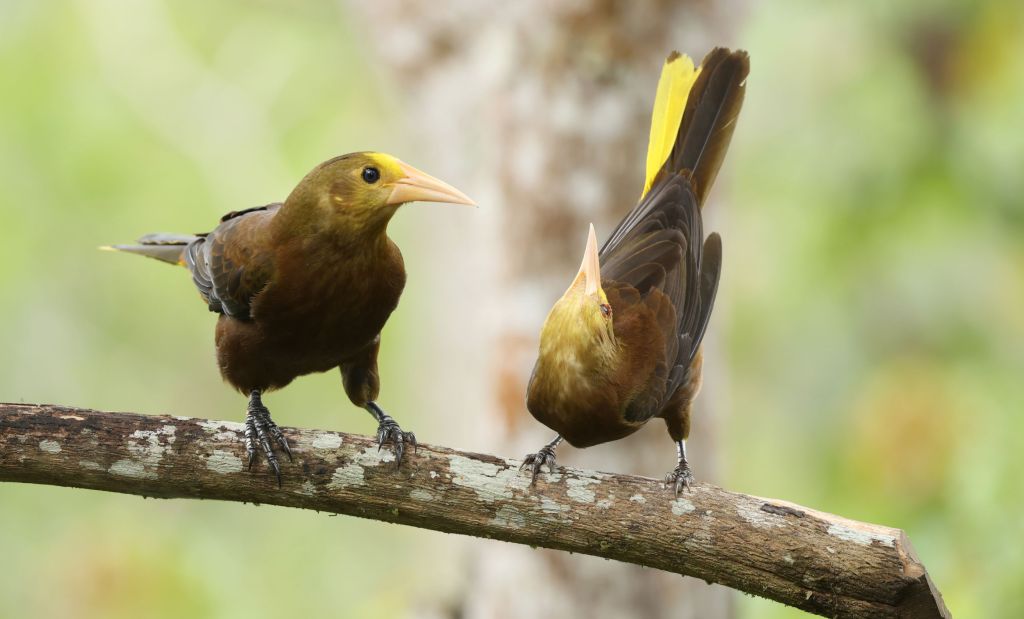
Our guide along with the owner of the site also seemed to relish hanging out and watching out for birds from the back balcony, which has an impressive view across the forest. Here we saw the antics of the Dusky-Green Oropendola, various flycatchers, some Silver-Beaked Tanagers, and – most excitingly for all concerned – a Red-Billed Scythebill, with its huge curving beak.

We spent four hours at Pico de Hoz and it provided a well-rounded birding experience. We were with a guide who coordinated us with the feeding times of the antpitta and crake, which was handy – I am not sure how you’d go about organising it in a self-guided way.
Summary
This post was going to be called “Birding at Lower Manu Rd”, but we only really scratched the surface of what the length of low-altitude Manu Rd has to offer. Most of our time was concentrated on Manu Biological Station, and even with less than 40 hours there we had a blast. The huge and airy main building of the lodge provides a convivial space for nature-enthusiasts to mingle, has great buffet-style food and even a little bar, while the cabins are second-to-none for luxurious getting-close-to-nature vibes. The only downsides are the heat (late morning and afternoon), and the insects that come with the territory in this part of the world. I picked up some chigger bites which itched for several days after I contracted them (especially nasty as these bugs love the – ahem – groin area) and they only properly faded away after an entire month. Not something I’d like to experience again; perhaps I didn’t use enough insect repellent (or spray around my ankles as the more paranoid advice suggests).
The proximity of another birding site in Pico de Hoz was some very nice icing on an already sumptuous cake, with vultures, antpittas, antwrens and antbirds, and plenty of wonderful hummingbirds in a hillside setting.
AUTHOR: ANDY GEE
BIRDERS: ANDY GEE, K-A
 Bird Spots
Love reading your blog Andy, on awesome Peru. Probably never get there myself, but enjoying your account. Best wishes Mark Clarke, Brisbane
LikeLiked by 1 person