In an ideal world this blog post would have been authoritatively called “Birding at Lake Titicaca”, as I would have canvassed a bunch of nature sites around the lake other than just Isla Esteves, where I spent four nights. Then I could have given a more comprehensive overview of the whole region. Alas, best laid plans and all that…
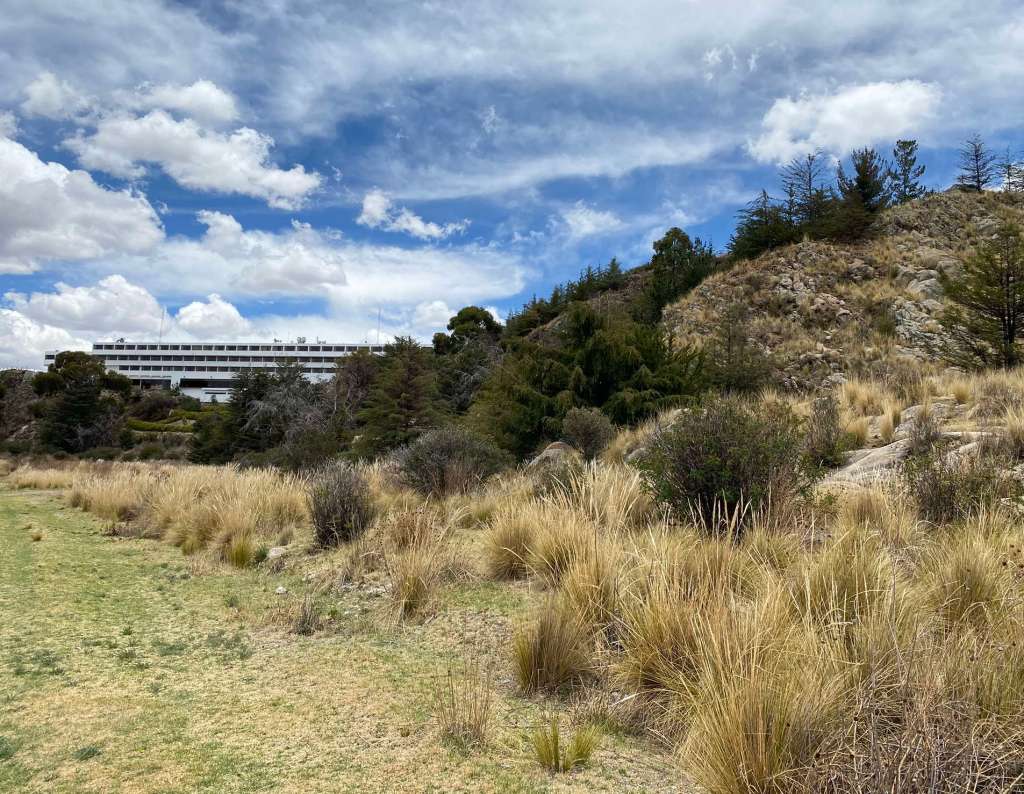
Isla Esteves (sometimes spelled Isla Estoves, I dunno why) lies a couple of kilometres east of Puno, the main lakeside city on the Peru side of Lake Titicaca (the Peru-Bolivia border cuts through the middle of the lake). The “island” is connected to the mainland by a causeway, and smack bang on a rocky hill in the middle is the sprawling GHL Hotel. Perhaps it was the comforts of the hotel that kept me mostly contained to the island, or perhaps I was satisfied enough with the birding there to not feel the need to venture any further.
With a modest 116 species recorded on eBird, this place might not be high on most birder’s radars, but I had a good time there. I visited in late October, 2025.
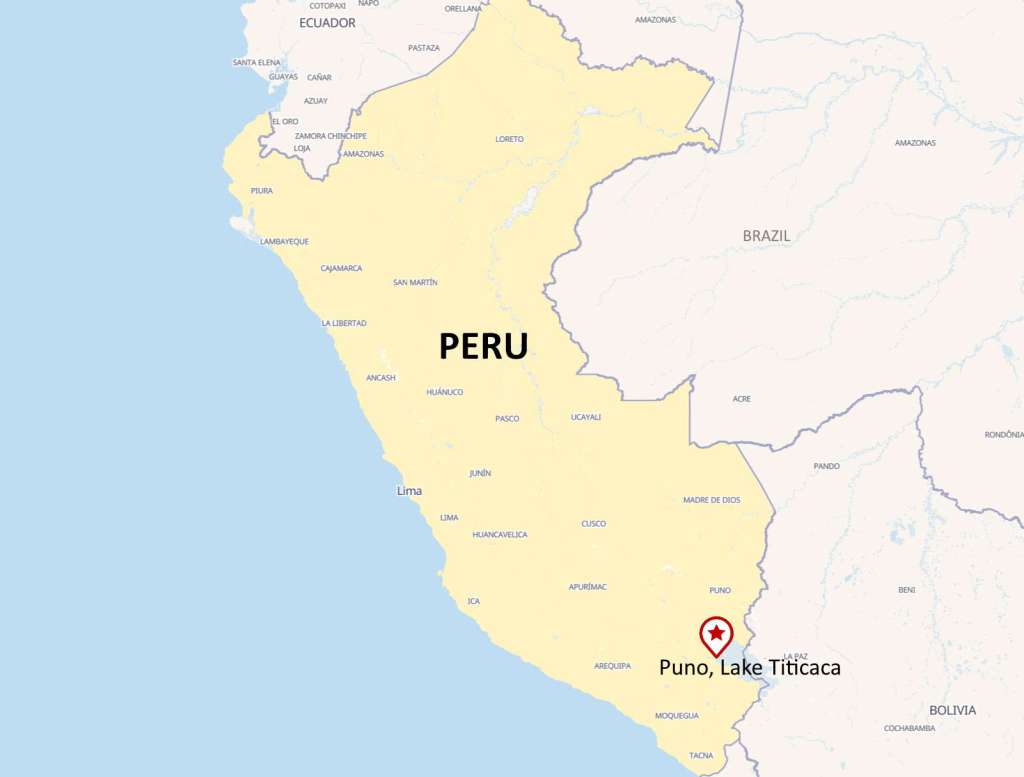
An important thing to note about this location is that it is quite high: at 3800m, it is the highest navigable lake in the world. If you’re not used to altitude – or even if you are – you may want to take things pretty easy. (Conversely, you could take a rough boat ride and see if you can get both seasick and altitude sick in one go.)
There is a path around the island which is about 1.4km in length. There’s a jetty to the south-west, and habitats include extensive reed beds, grassland, and patches of scrub/mini-forest.
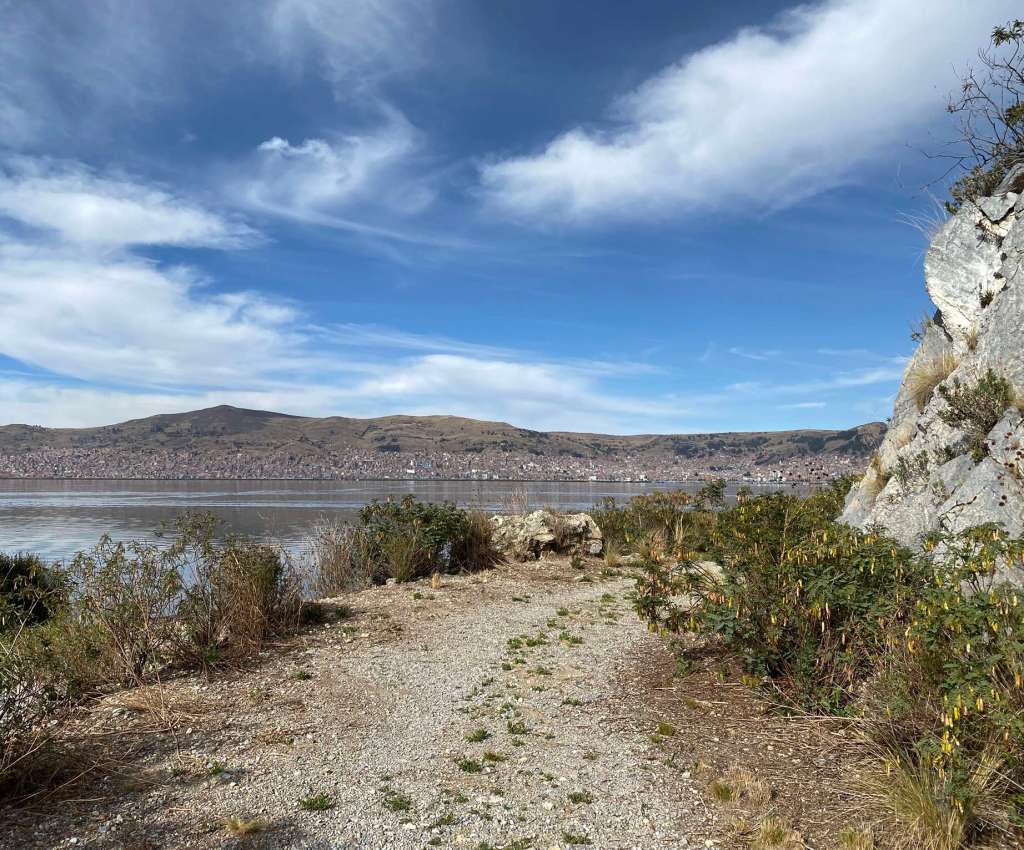
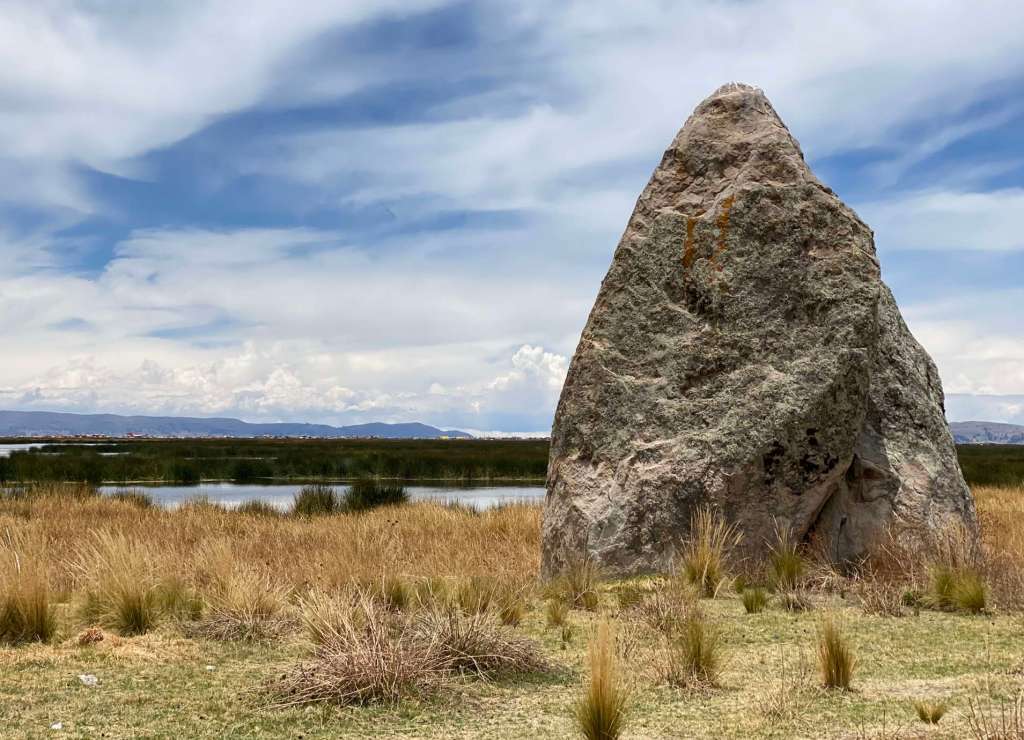
One of the big birding targets for this area is the endangered Titicaca Grebe. This striking bird is range restricted to the Lake Titicaca region with a few sightings further into Bolivia. There are only a handful of eBird records for the Titicaca Grebe Isla Esteves per year, so I knew it was going to be tough to find. I dutifully scanned water birds as much as I could, feeling a little flutter of hope every time I saw a grebe that invariably turned out to be a White-Tufted Grebe, but alas could not get onto the Titicaca Grebe. I tried to be philosophical about missing on that bird, but it stung a little as I knew this was my only opportunity in Peru to find it.
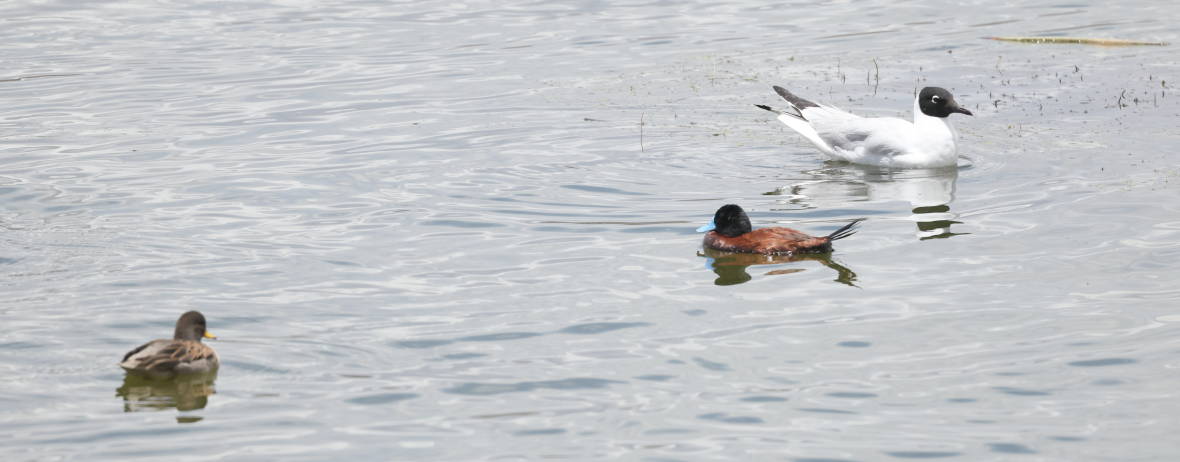
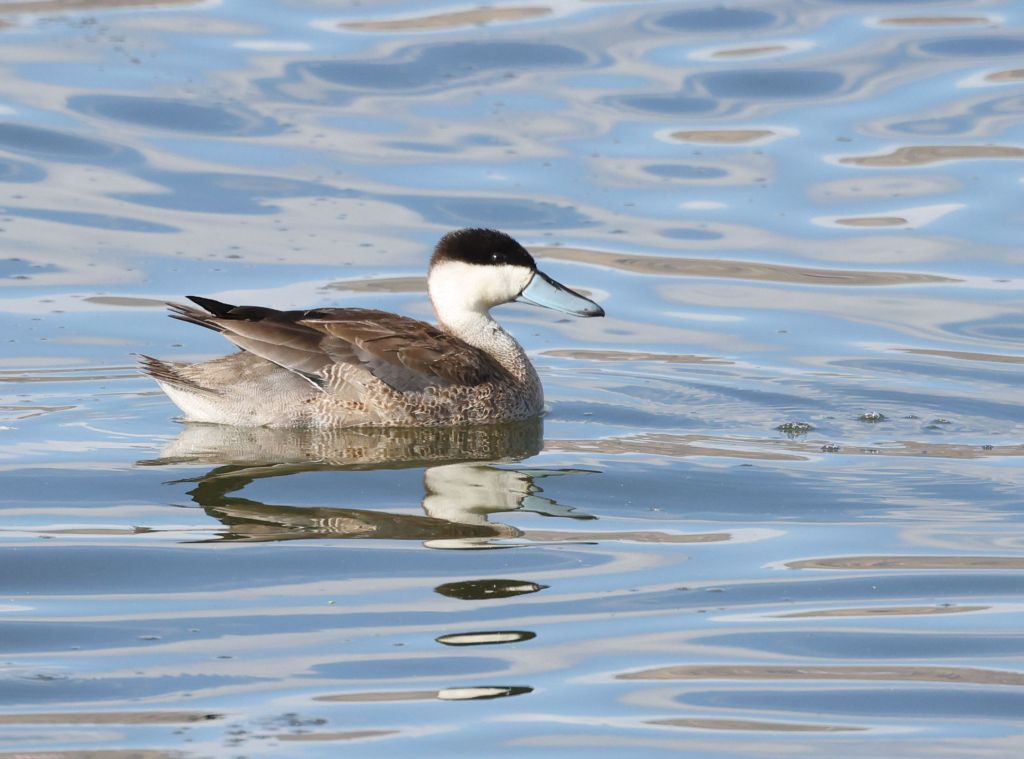
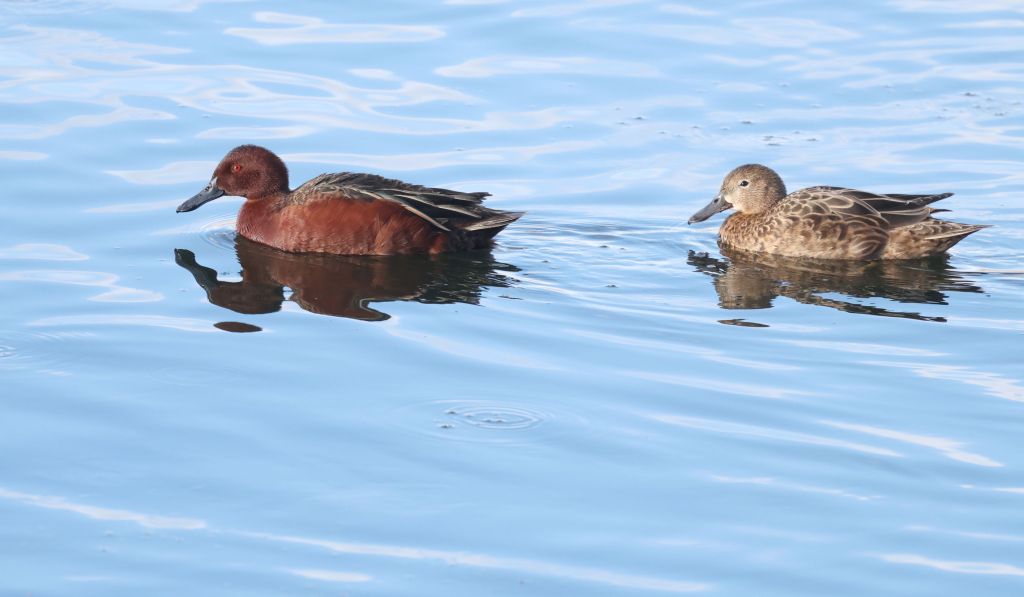
Two of my favourite duck species frequent the shores of the lake: the beautiful Puno Teal, with its powder-blue bill, and the stunning Cinnamon Teal, which I’ve seen in a few countries in the Americas now. I know they’re just ducks, but come on, they are beautiful.
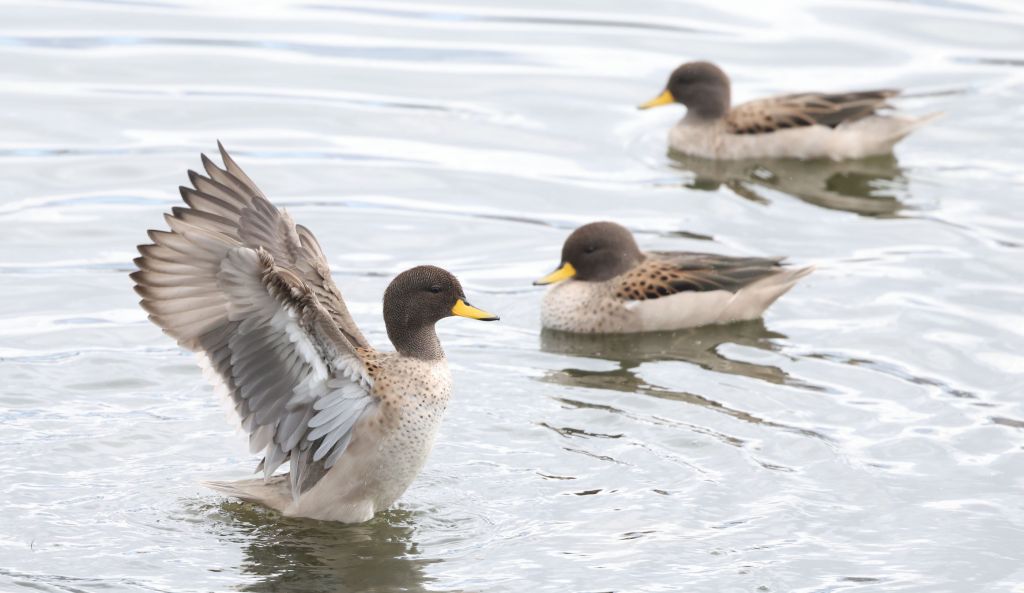
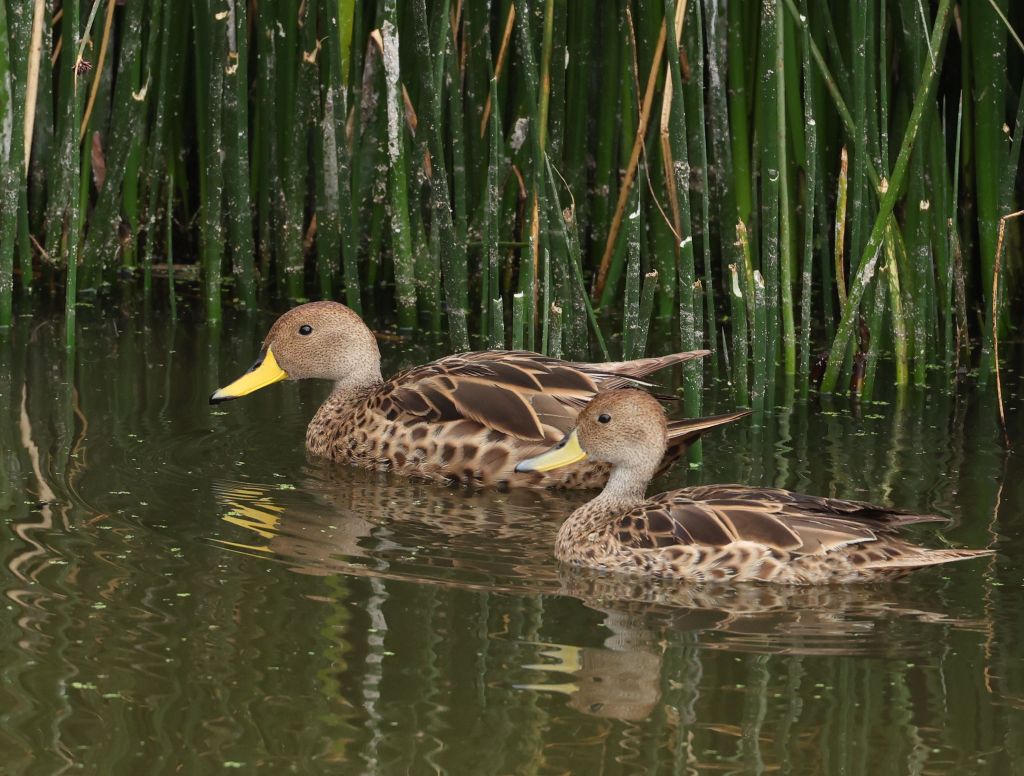
Speaking of teals, there were also plenty of Yellow-Billed Teals, a species I’ve come to recognise as very widespread across South America. Slightly harder to spot are the Yellow-Billed Pintails – the easiest way is to look for a yellow-billed duck with a light-coloured head instead of a darker one. And the tail does come to a neat point.
There were plenty of Andean Ducks (chestnut coloured with dark heads), but weirdly I did not take many photos of them, though I did take a video (see the YouTube compilation above). They were usually scattered out on the open water of the lake, sometimes in small groups.

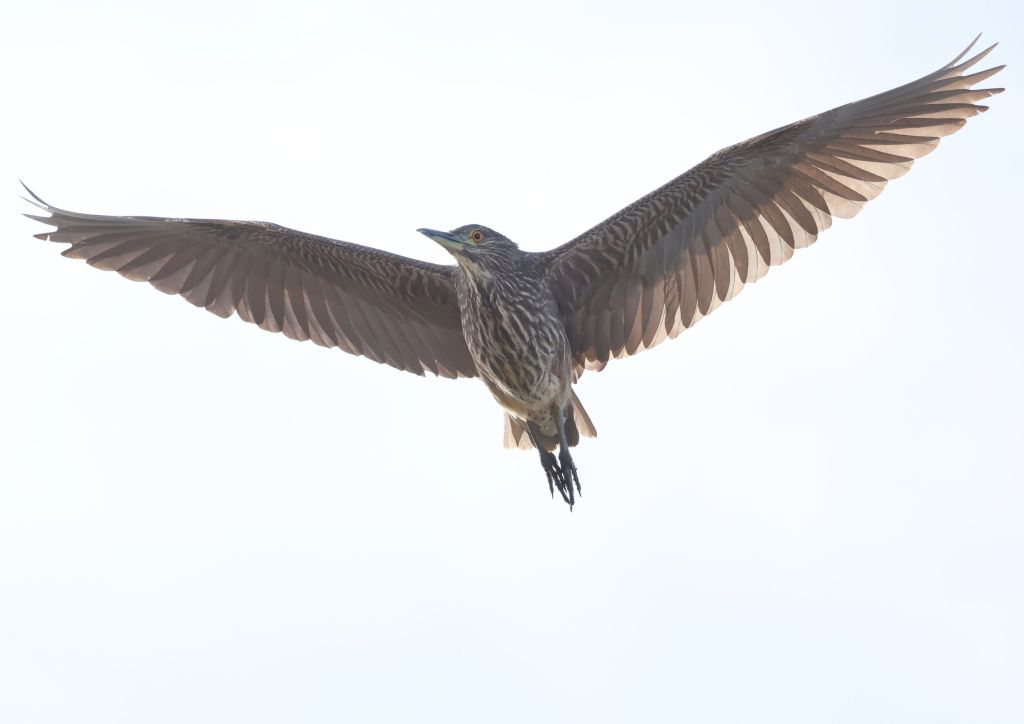
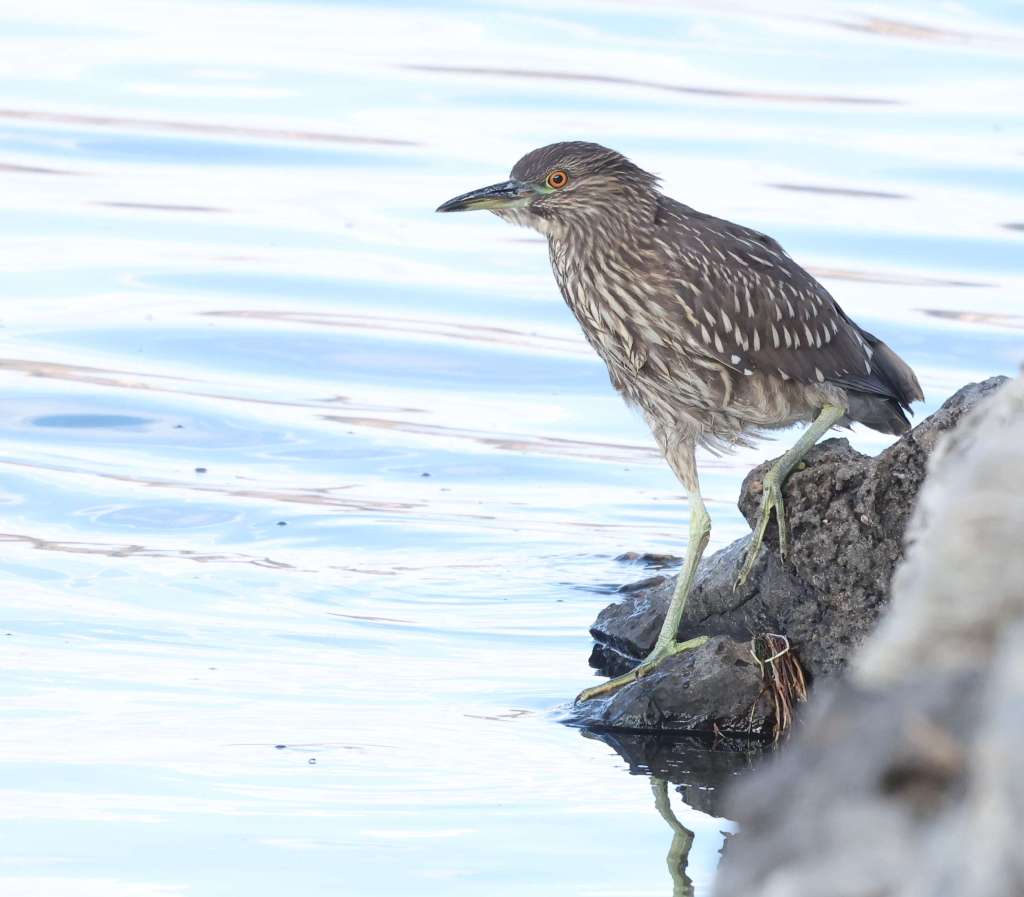
I was surprised by the number of juvenile Black-Crowned Night Herons, which seemed to like congregating in their favourite tree, though sometimes you’d see one lurking on the edge of the reeds or on the rocks by the water’s edge.
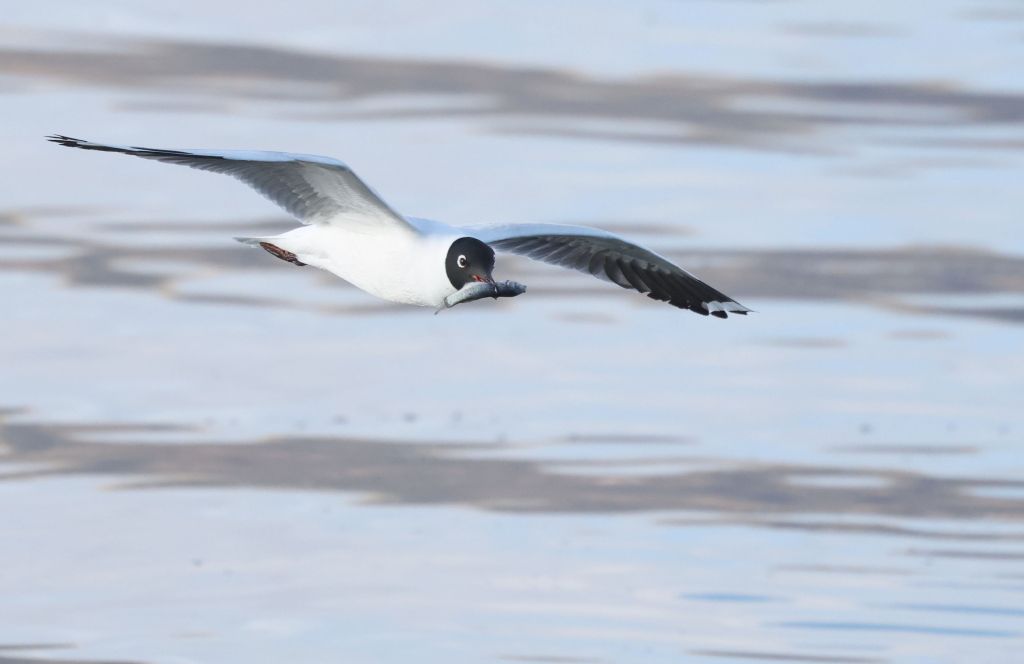
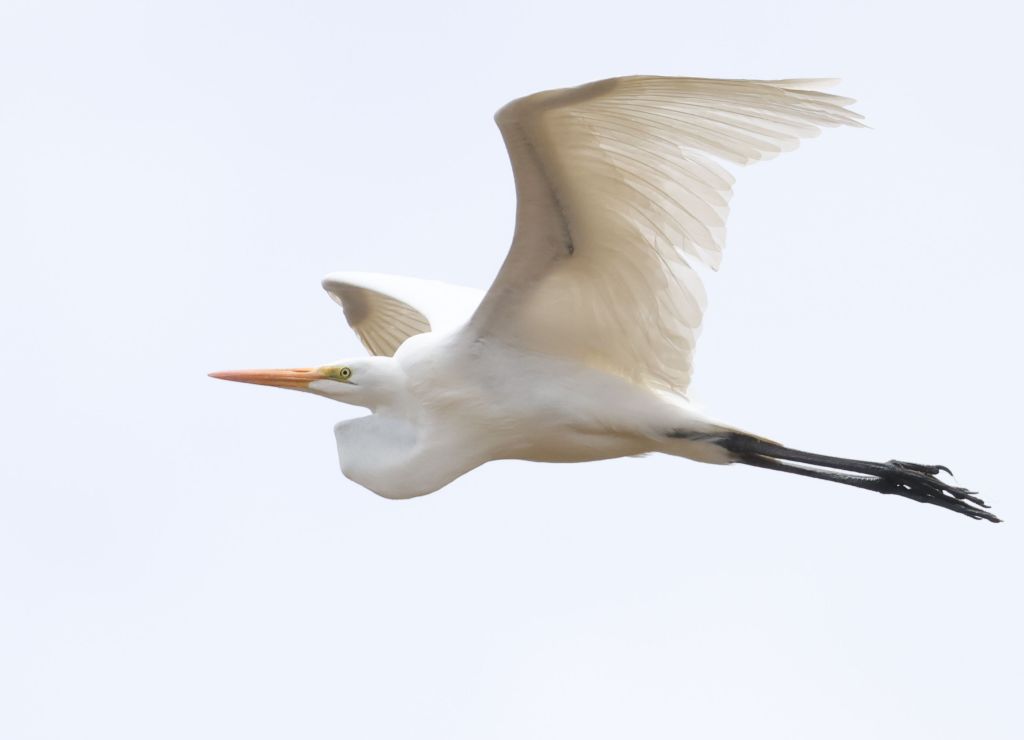
Great Egrets also flew majestically past a few times, and there were plenty of Andean Gulls, most in their breeding plumage featuring a smart-looking black hood.
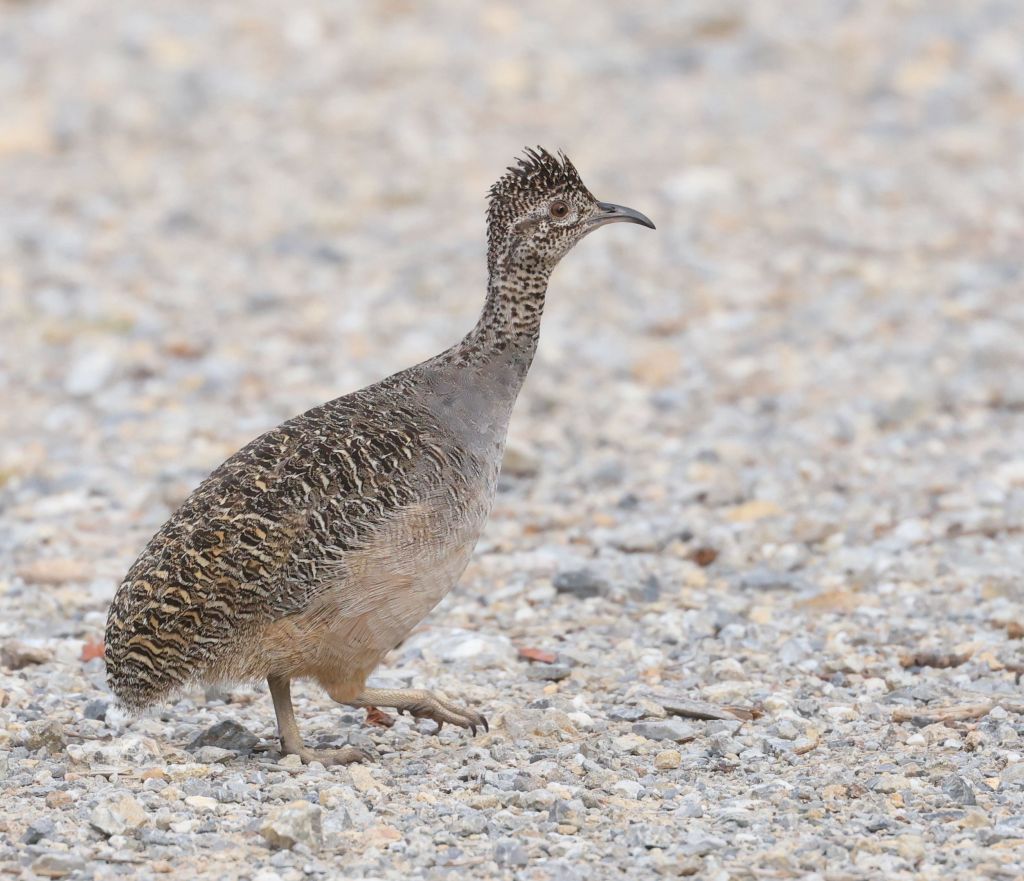
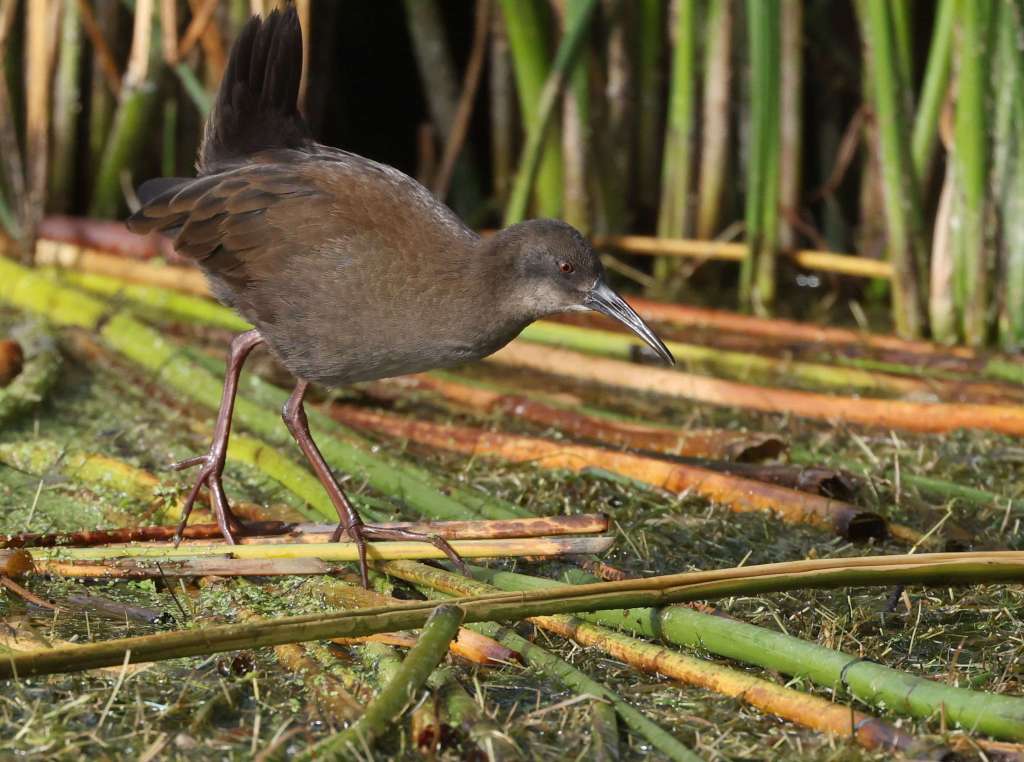
A few days in I spotted a juvenile Plumbeous Rail (evident from the dark-coloured bill, which hadn’t reached its adult colouration), and I saw it the following day in exactly the same place. Another exciting find – possibly the most unexpected bird of the stay – was an Ornate Tinamou (well-named, look at those patterns!), which strolled out across the path right in front of me, allowing time for one hasty photo, before disappearing magically into the brush, never to be seen again.
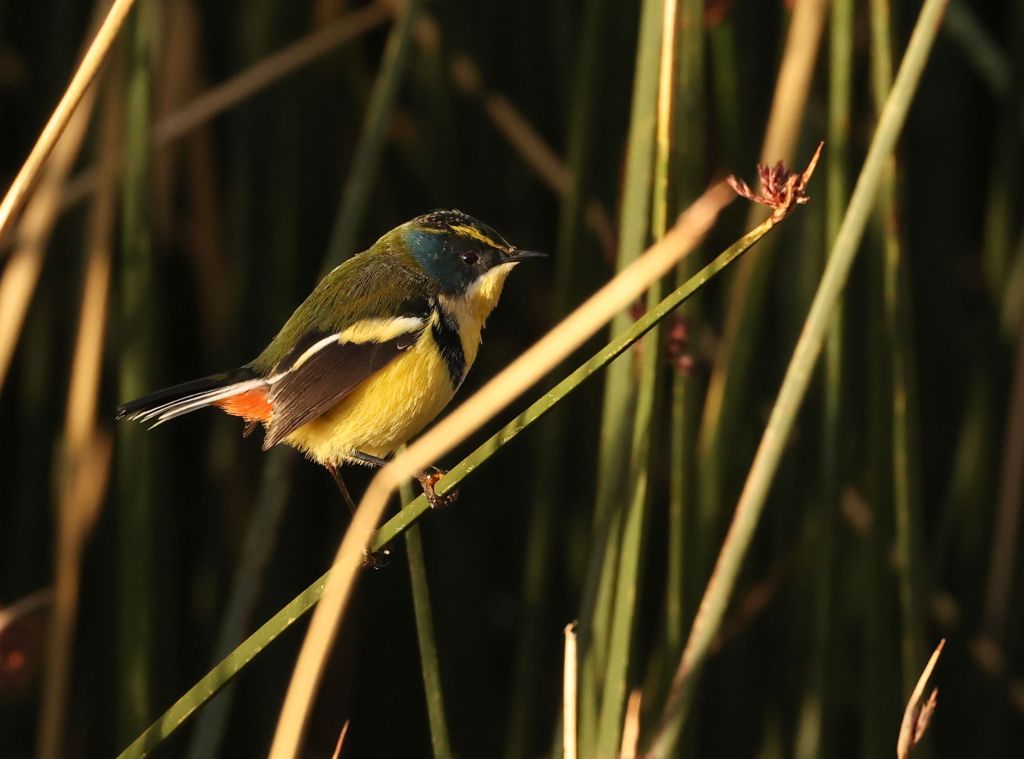
Talking about exciting birds, there are few more desirable to see well than the amazing Many-Coloured Rush Tyrant. I had seen them flitting about deep in the reeds several times before without getting much of a good look, but very late one afternoon with the sun bestowing a lovely golden glow, one bird decided to really show off its resplendent plumage at pretty close quarters, and I watched entranced right from the jetty. And this bird hung around for a while too – the one in the photo is the same one in the YouTube video. Hurrah!
The drabber Wren-Like Rush Bird, on the other hand, was heard almost constantly in the reeds in the early mornings but I barely managed a glimpse, so intent is that bird on hiding.
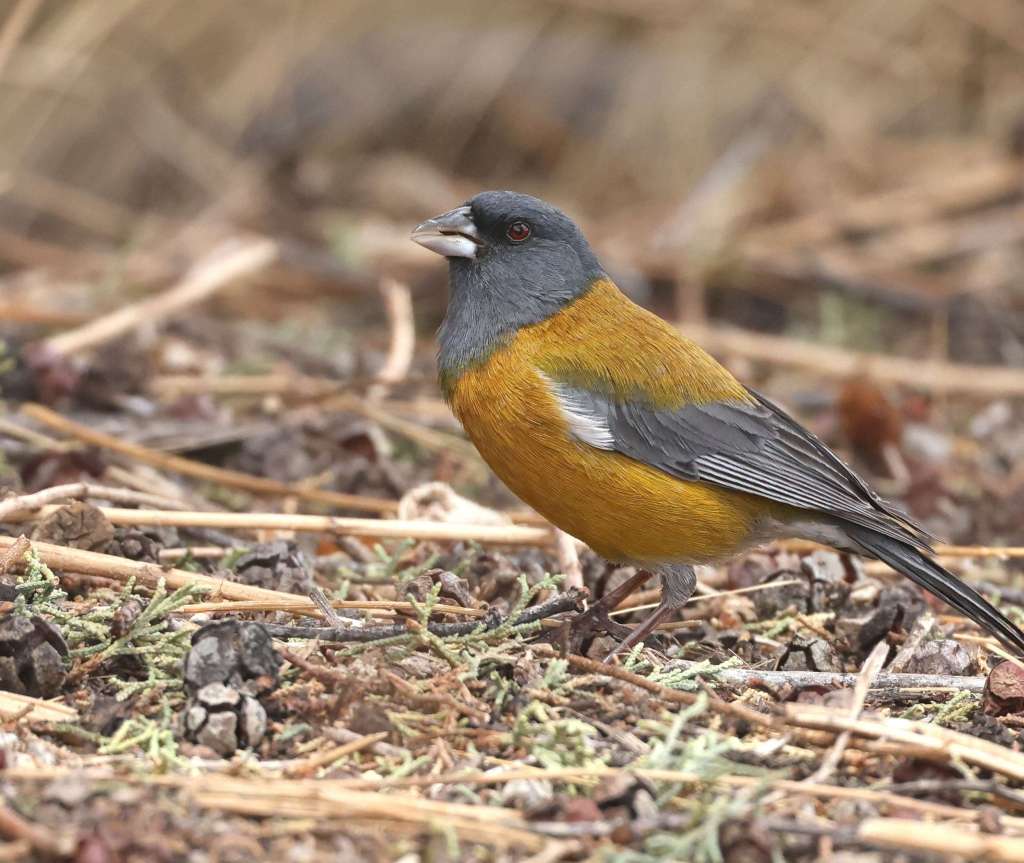
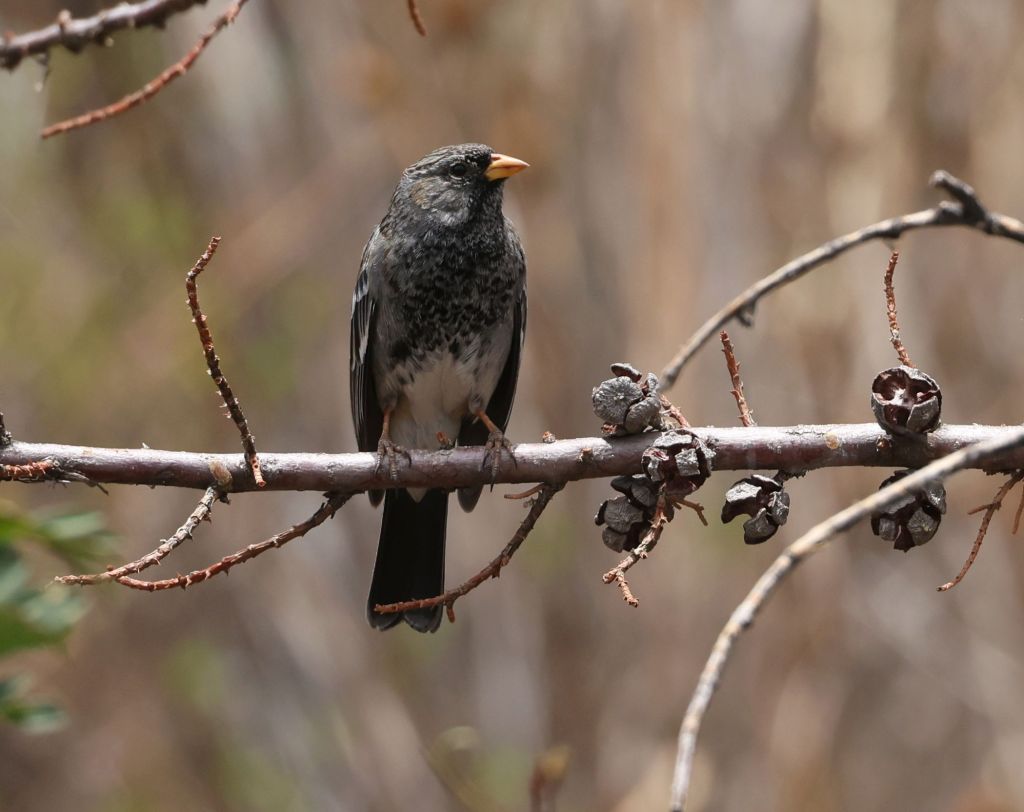
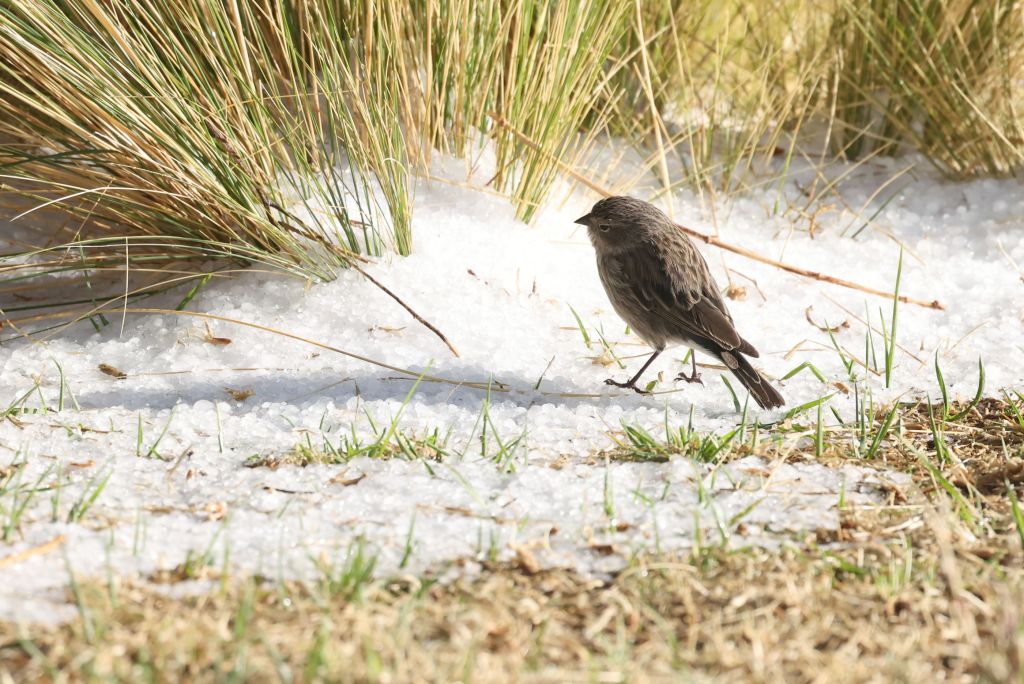
There are a few finches and seedeater species on the island, including the colourful Peruvian Sierra Finch, and plenty of Ash-breasted Sierra Finches. The bird I really wanted to see, though, was the Mourning Sierra Finch, with its blackened chest feathers and – let’s face it – how cool is that bird’s name?! Like the finches in Australia, they were a little skittish until they got used to you being there, whereupon they’d often decide you weren’t a threat and allow you to get surprisingly close.
I saw a few tyrants, somewhat unpredictably, at Isla Esteves. Sometimes you’d see them, perching on an exposed branch like they owned the place, and then other times they’d be completely AWOL. These included d’Orbigny’s Chat-Tyrant (an Andean bird named after a 19th-century French naturalist), the Rufous-Naped Ground-Tyrant (whose rufous nape was sometimes hard to see), and on the very last day I was there, a Spot-Billed Ground Tyrant (“virtual absence of field marks is a field mark”, declares the eBird description with a haughty sniff).
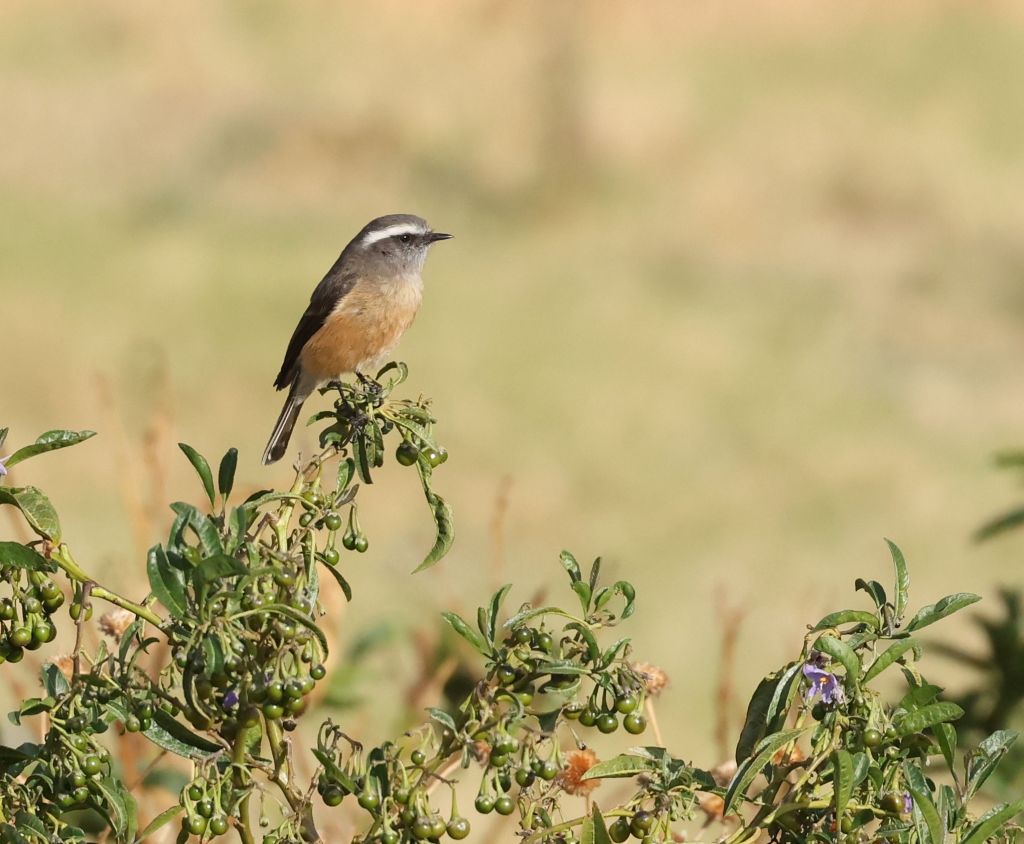
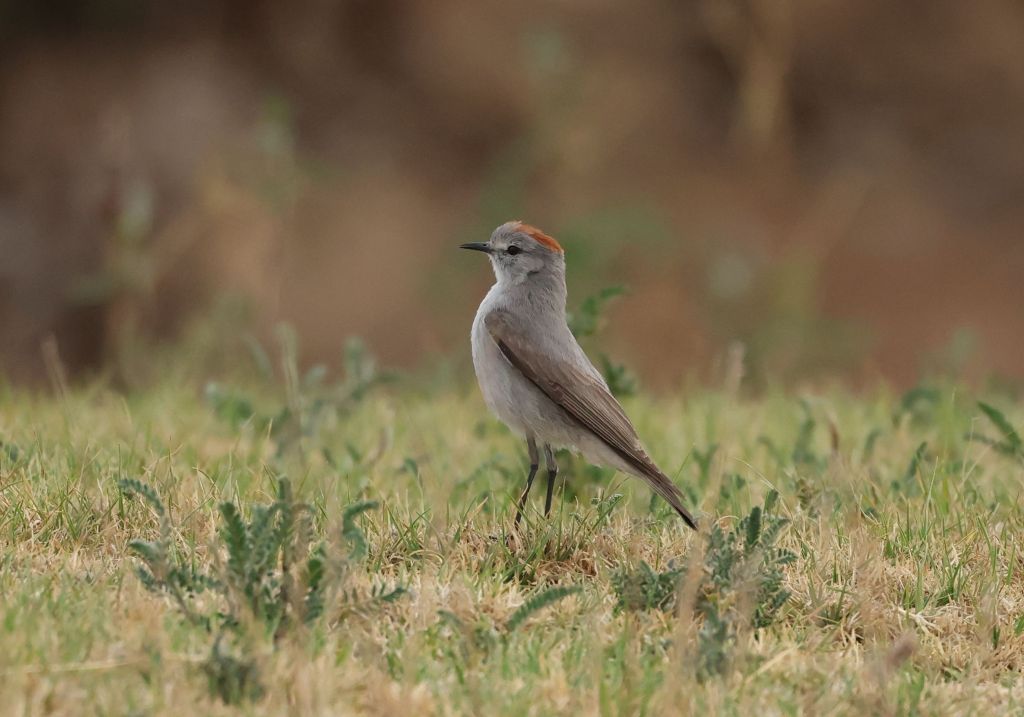
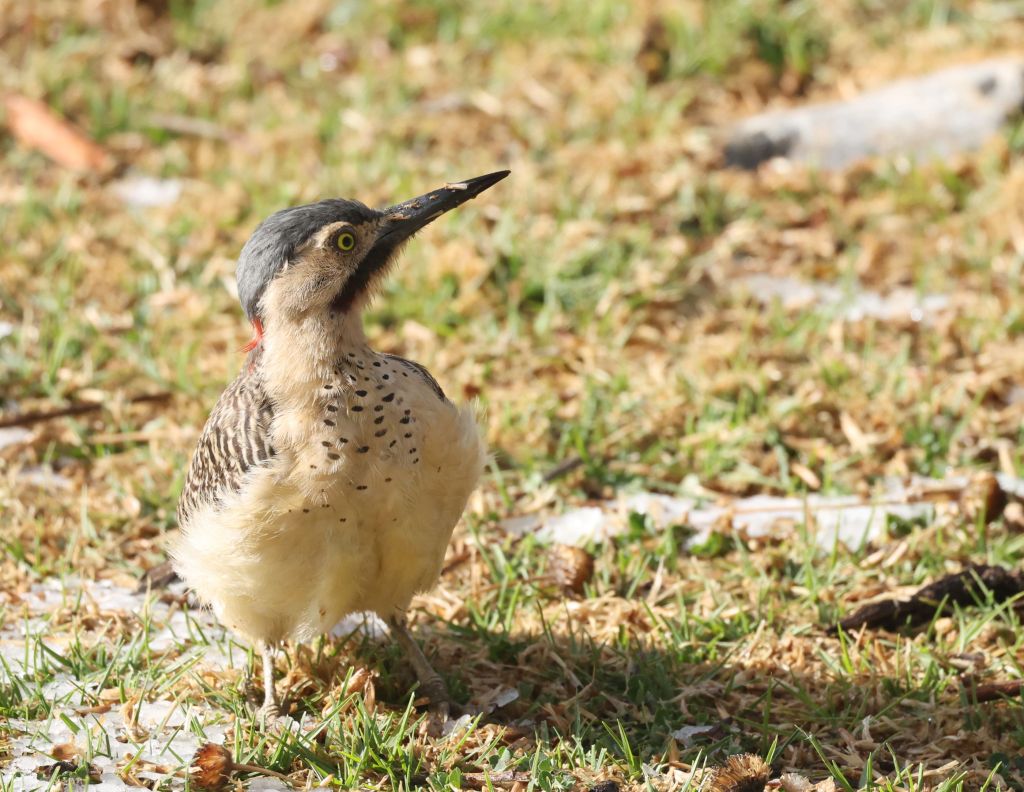
A Cream-Winged Cinclodes was a nice bird to see close on the rocks by the jetty, while a pair of Andean Flickers were a real mainstay and seemed to like flying between the ground and the nearby rocky cliff. I did enjoy watching the flickers, I must say. Might be because we have no woodpecker-type species in Australia…

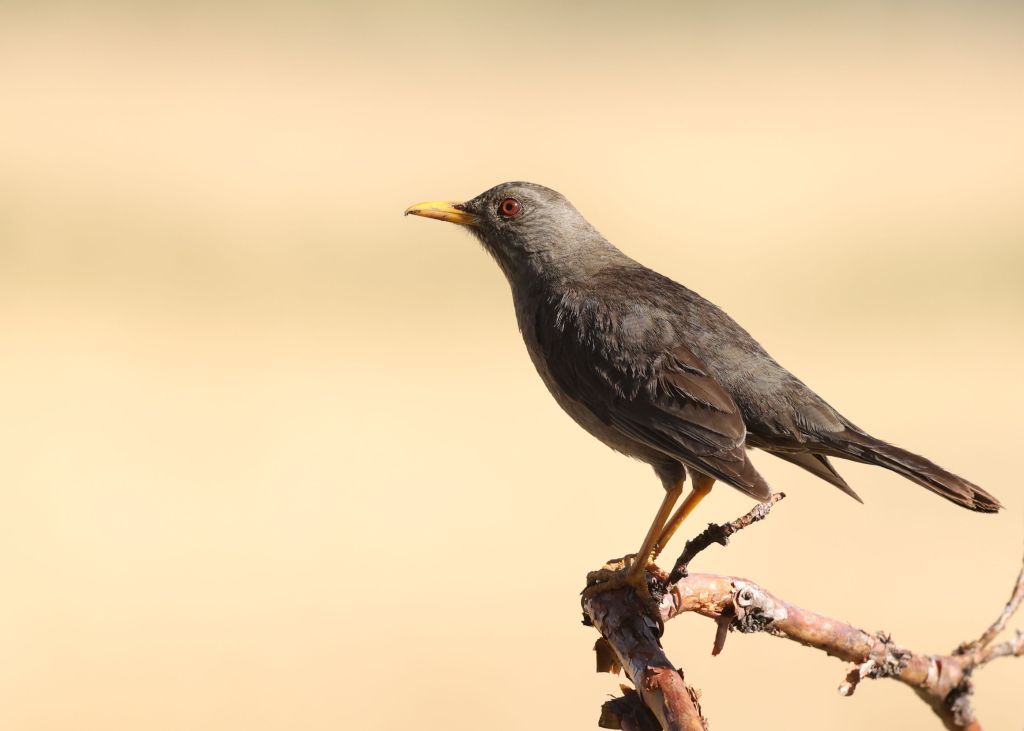
Common birds around the island were Andean Swallows, Chiguanco Thrush (super familiar to me by now), and of course, the ultra-common Rufous-Collared Sparrow.
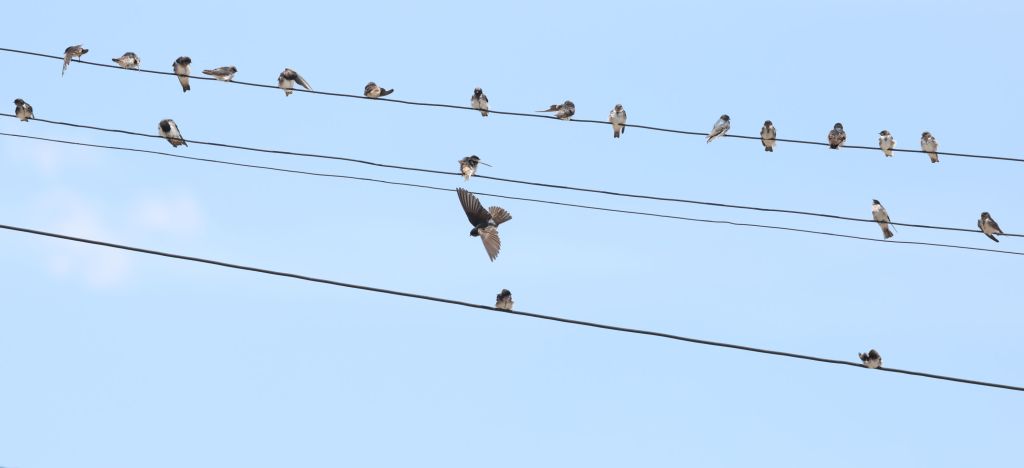
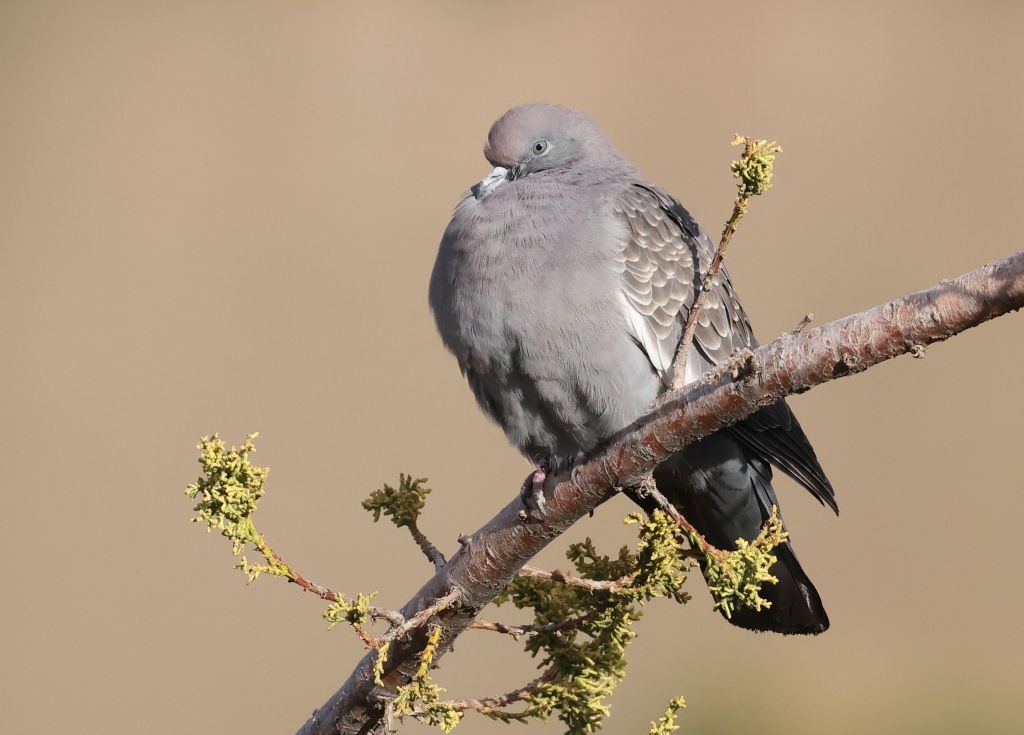
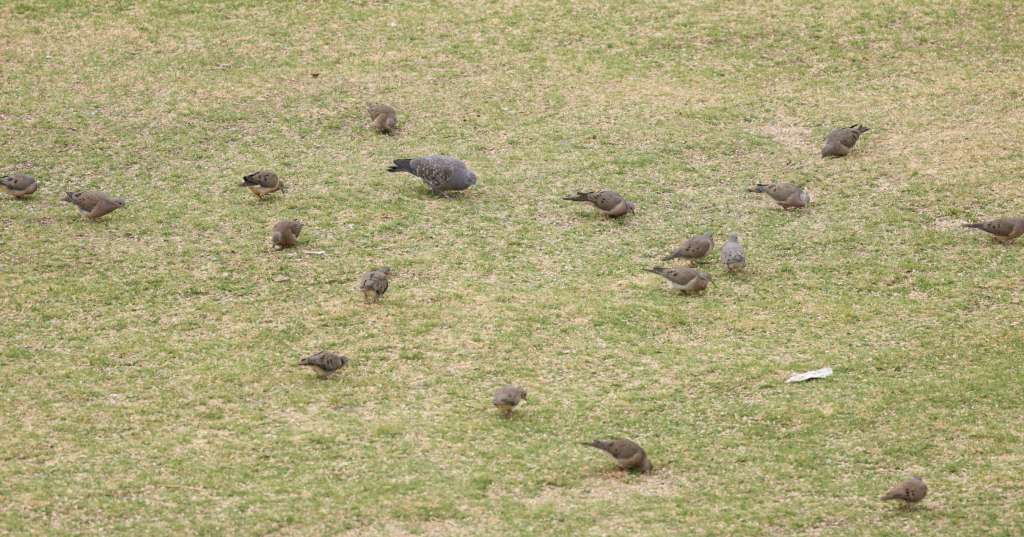
Isla Esteves is firmly in the territory of Spot-Winged Pigeon, which if you look at the photo below you can see are quite a bit plumper than the also-common Eared Doves.
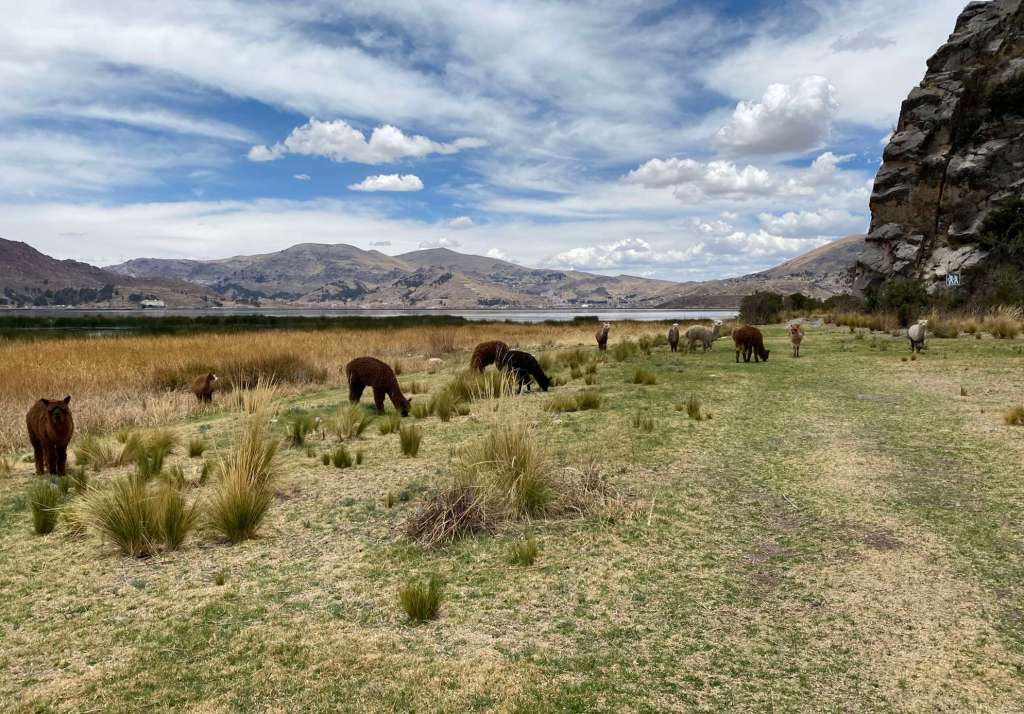
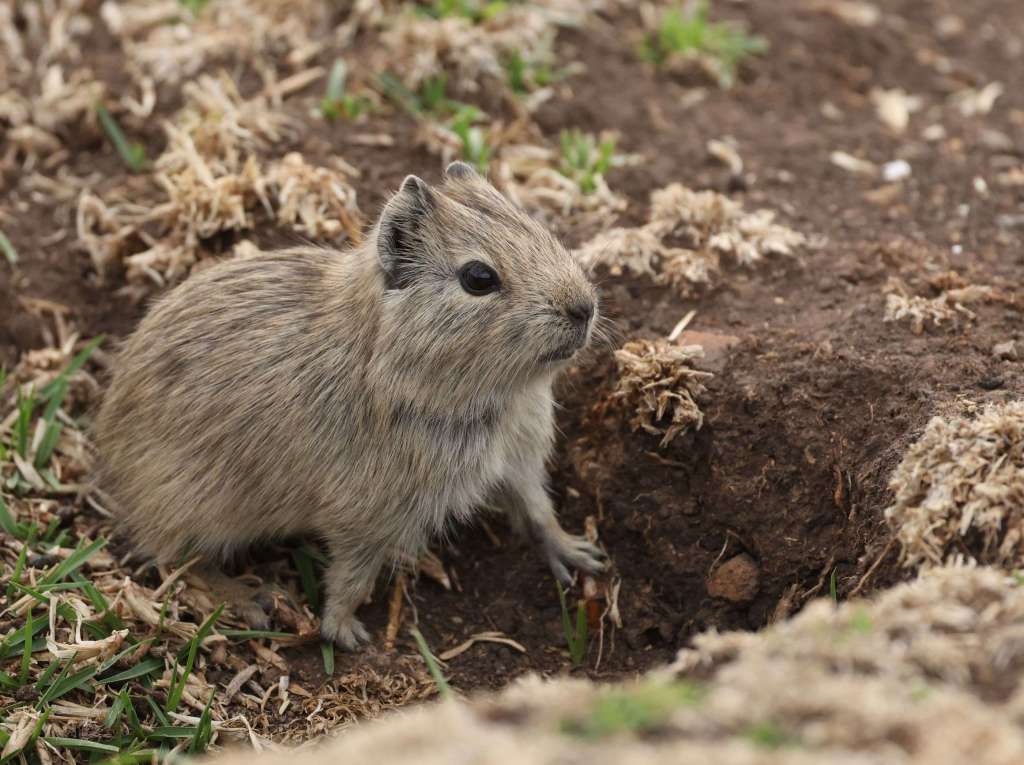
I should also mention that “wild” guinea pigs are extremely common on the grounds of the hotel. They are super cute but I also can’t help recalling that they are a favourite food for Peruvians (“cuy” in Spanish).
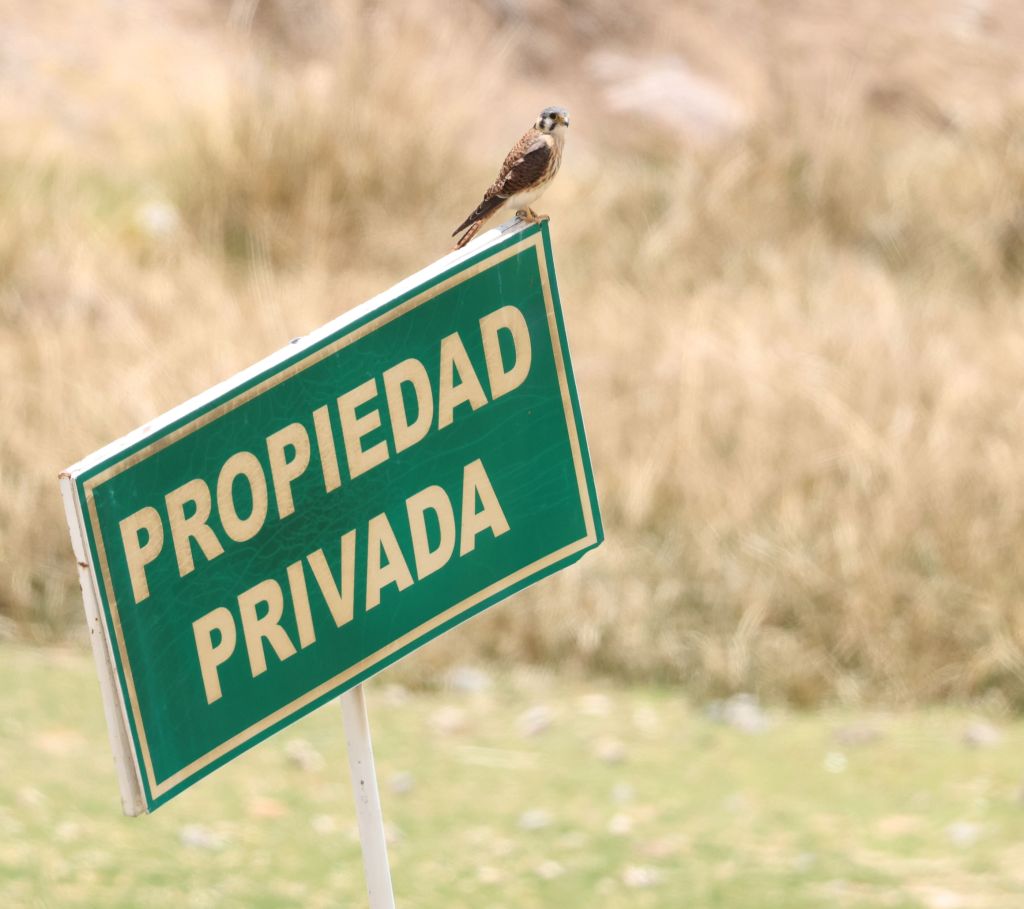
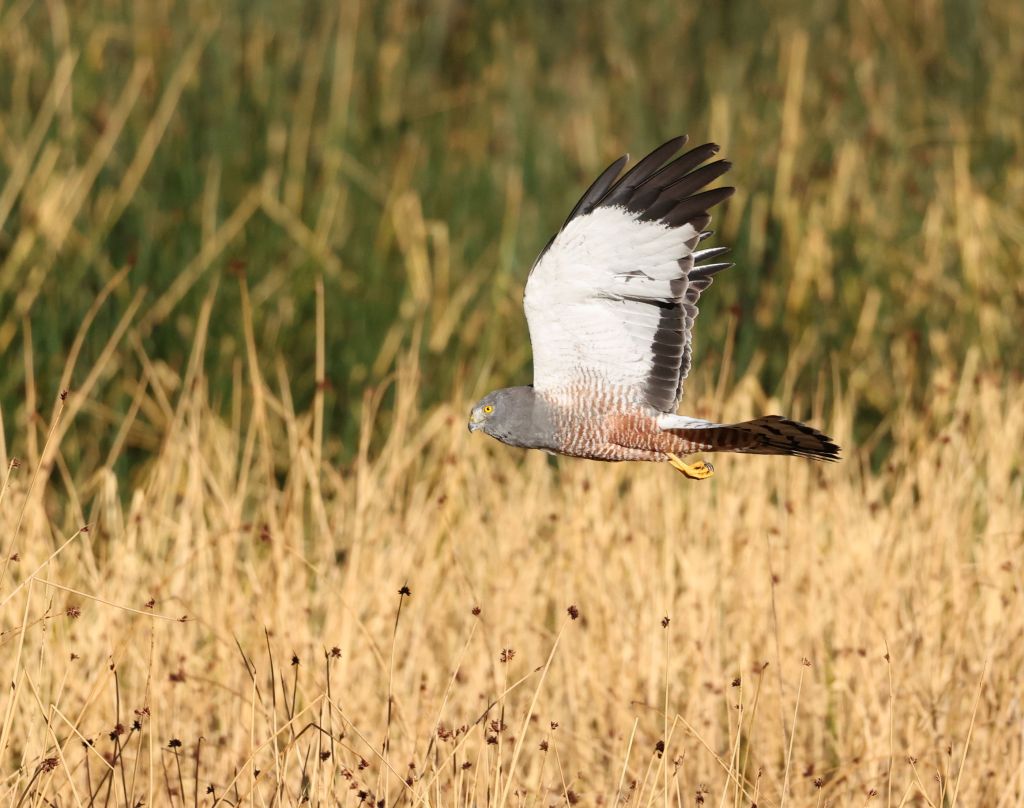
I also wondered if the guinea pigs would be a favoured food source for the local raptors. The raptors I saw were American Kestrel and Cinereous Harrier, though Variable Hawk is also fairly frequent according to eBird.
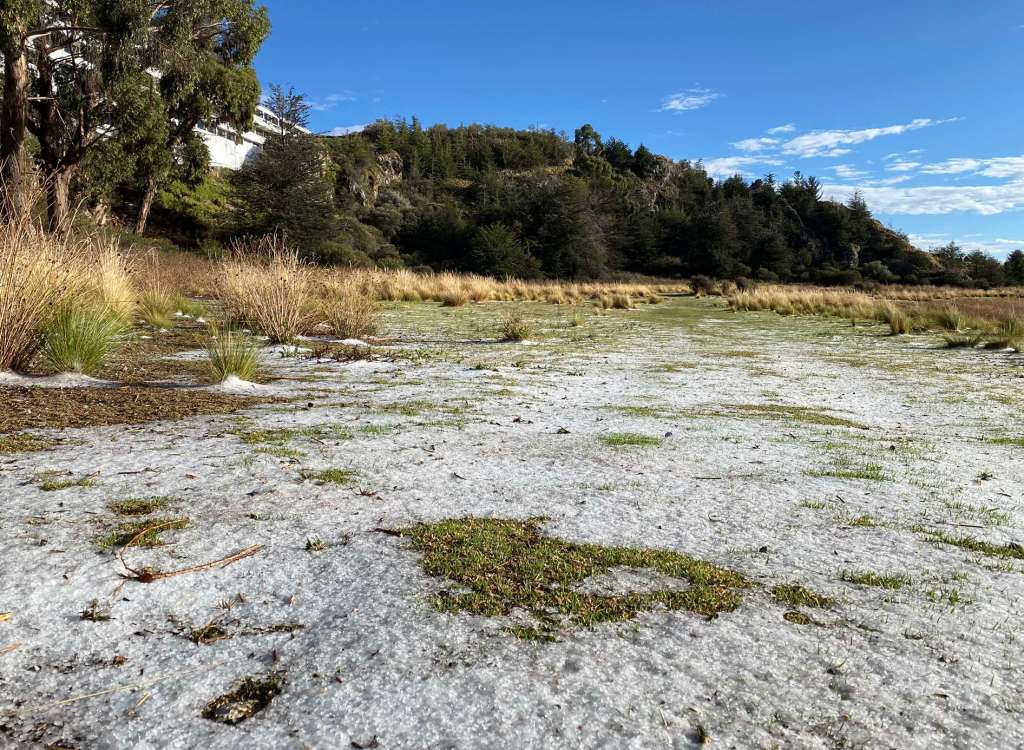
A massive electrical storm came in one night I was there, and I watched it develop from my hotel window and through dinner. Then, in the morning (sunrise at this time of year was about 5:20am!) I was amazed to see the ground covered in “snow” – actually a blanket of hail. It gave the trails a different look.
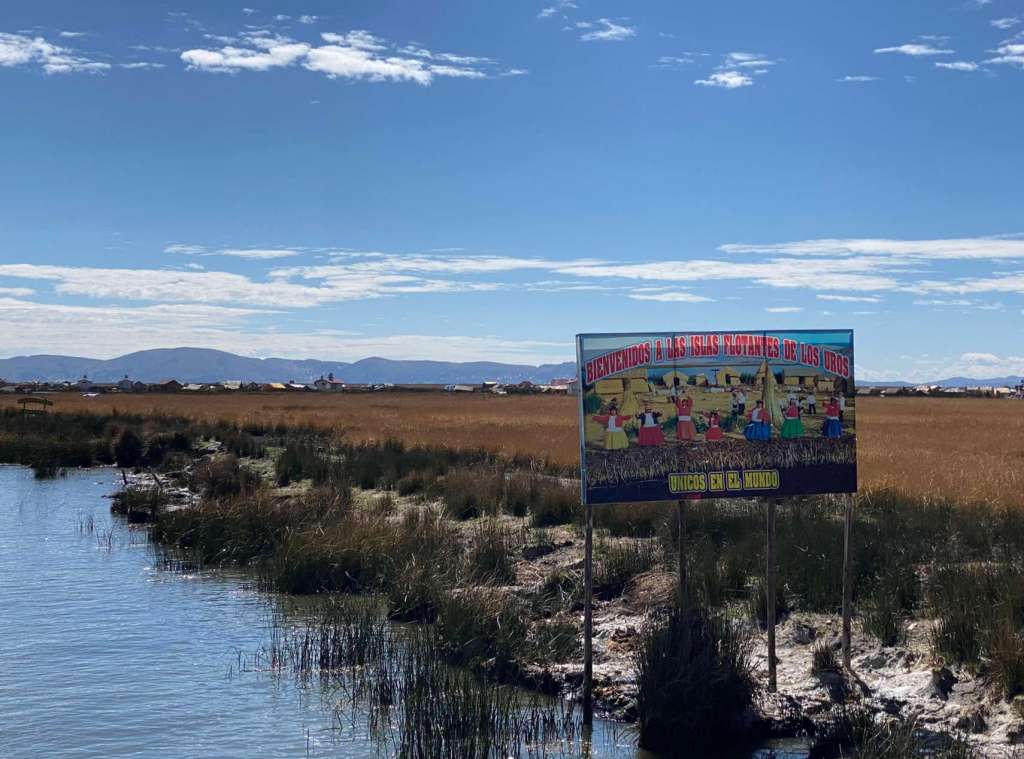
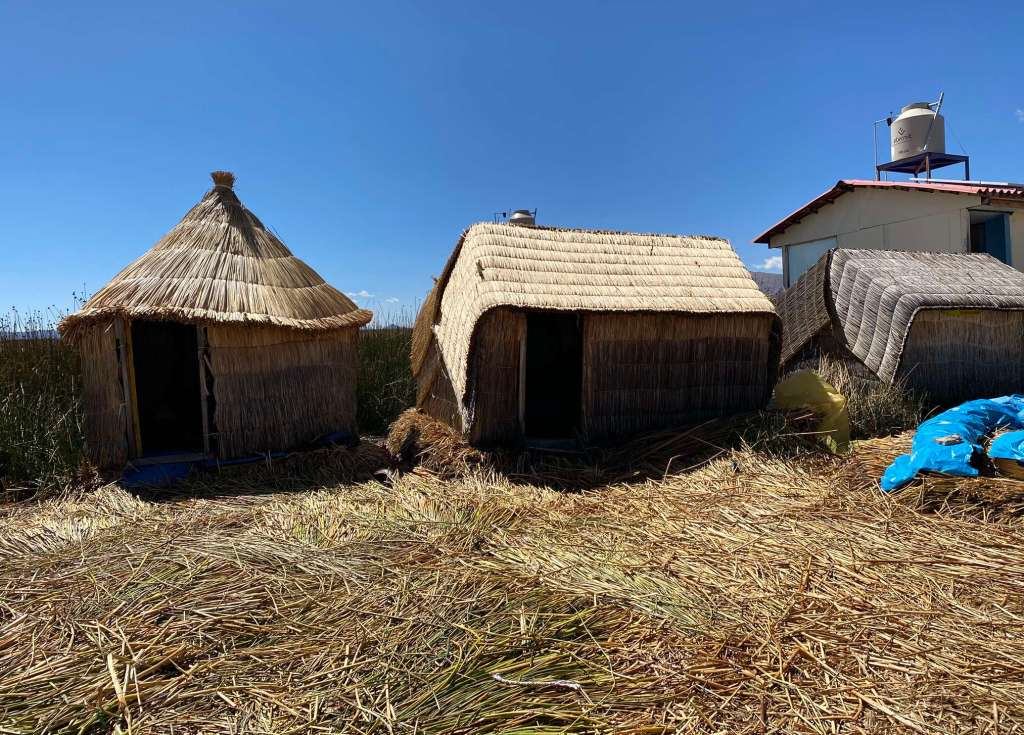
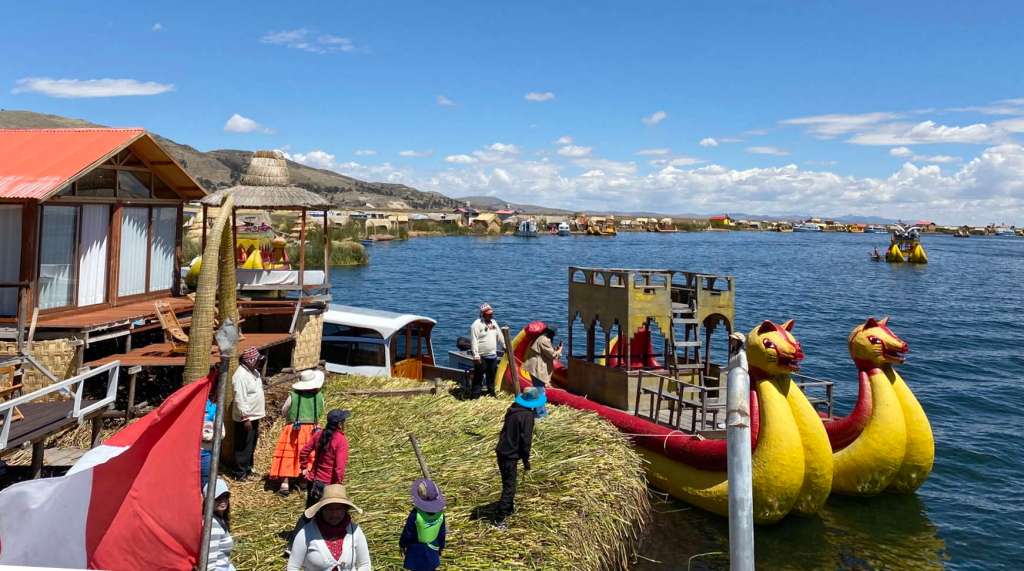
Things to do near Isla Esteves include the famed Uros Floating Islands, which I visited one morning. These are quite tourist-commercialised but it’s still fascinating to see how people live in the traditional way (though now with solar panels and TV) on islands made purely out of reeds.
I had meant to take a longer ferry out to Taquile Island, or investigate the eBird hotspot Malecon Puno, a lagoon on the edge of Puno which has sporadic records of Titicaca Grebe as well as the possibility of Andean Avocet and flamingoes, but, well, I never got round to it.
Summary
I really enjoyed birding around Isla Esteves. The light is super lovely for photography, and the lake vibes are very scenic and peaceful. Plus there’s always something to see while you’re watching a big body of water. The trails around the island were super easy and never busy with other people, and being able to just walk out of the hotel and start birding for as long as you felt like it is my type of mini-break from the more challenging birding you find in rainforests or on pelagics (to pick two, ahem, random examples).
AUTHOR: ANDY GEE
BIRDERS: ANDY GEE, K-A
 Bird Spots
Wow – an excellent variety of birds you captured here. Lake Titicaca is one of my favorite places on the planet – I’d love to make a return trip just to focus on the birdlife. Perhaps next time. Thanks again for sharing this compilation.
LikeLike