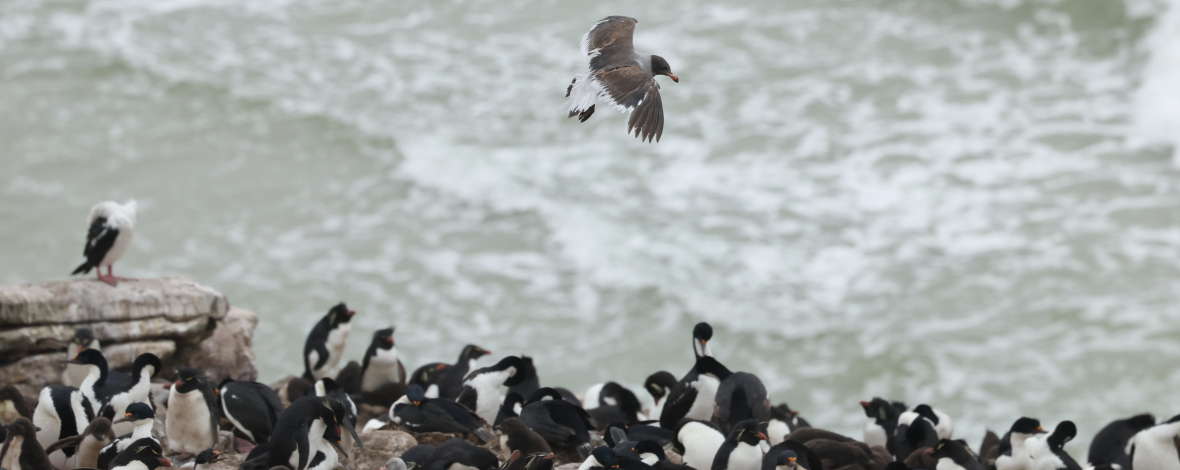
If you go way down south in South America… like way, way down, you’ll eventually get to the near-mythical land of Patagonia. It’s a land of wild extremes, stunning scenery and fascinating birdlife.
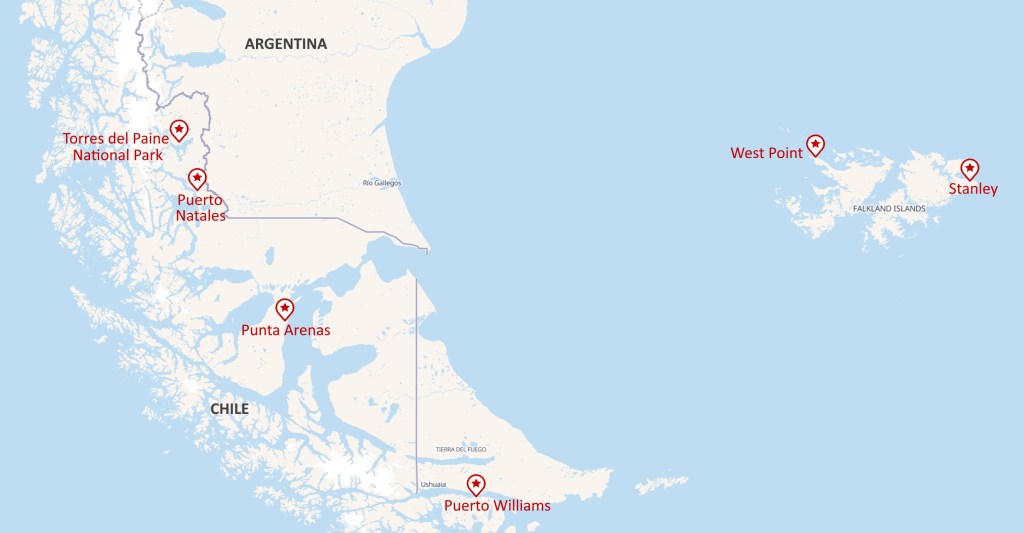
This blog post covers a handful of sites that are basically part of the well-worn tourist trail in the Chilean side of this region. Truth be told, you can find a lot of the main bird species mentioned below at many different sites, not just the ones described here; with various exceptions relating to the Falkland Islands (as noted).
Puerto Natales
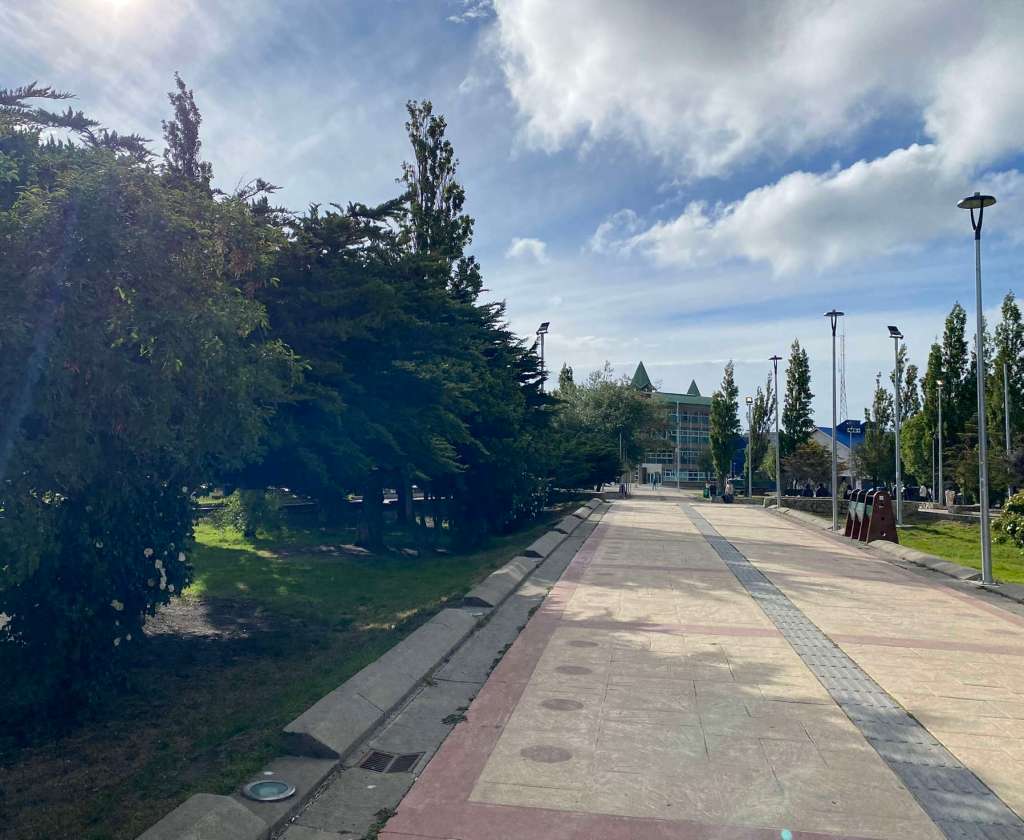
We start our journey in Puerto Natales, a windswept town deep in the Chilean fjords and somewhere you might find yourself in if visiting such iconic Patagonian sites as, say, the mighty and famous Torres del Paine (“Towers of Blue”).
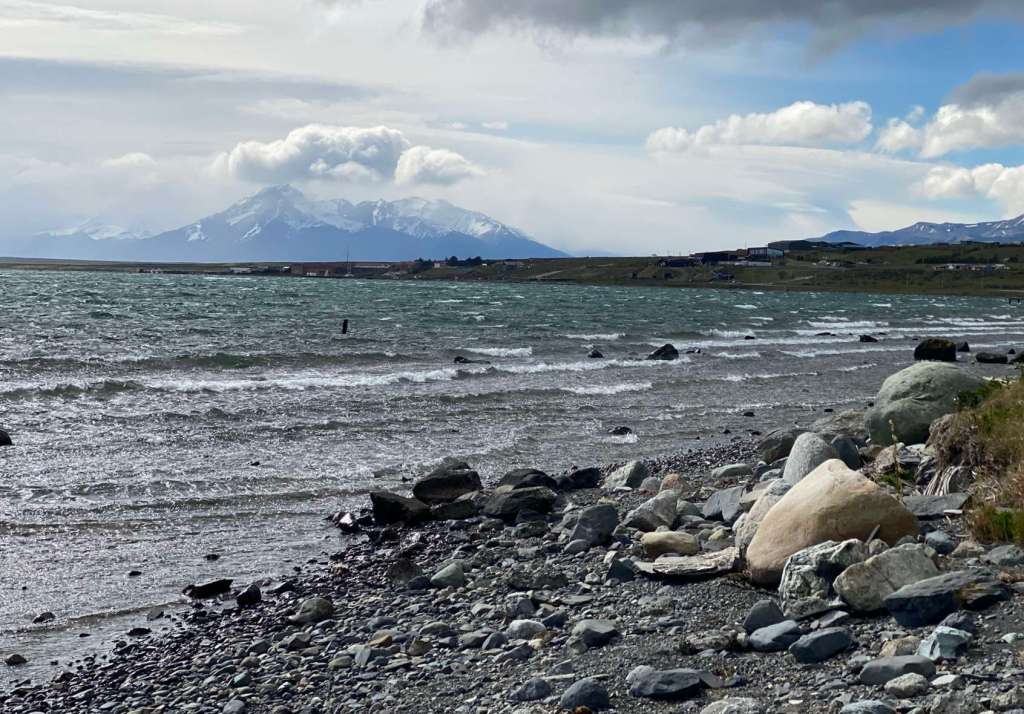
Yes, be prepared for Puerto Natales to be windy, sometimes really, really windy. If you’re not facing directly into the wind, it can be tolerable, even sort of atmospheric, in a weird way. I mean, this is the bottom of the earth, after all. The weather is incredibly dynamic, and if it’s clear enough you’ll have some breathtaking views of distant and alluring snow-capped peaks.
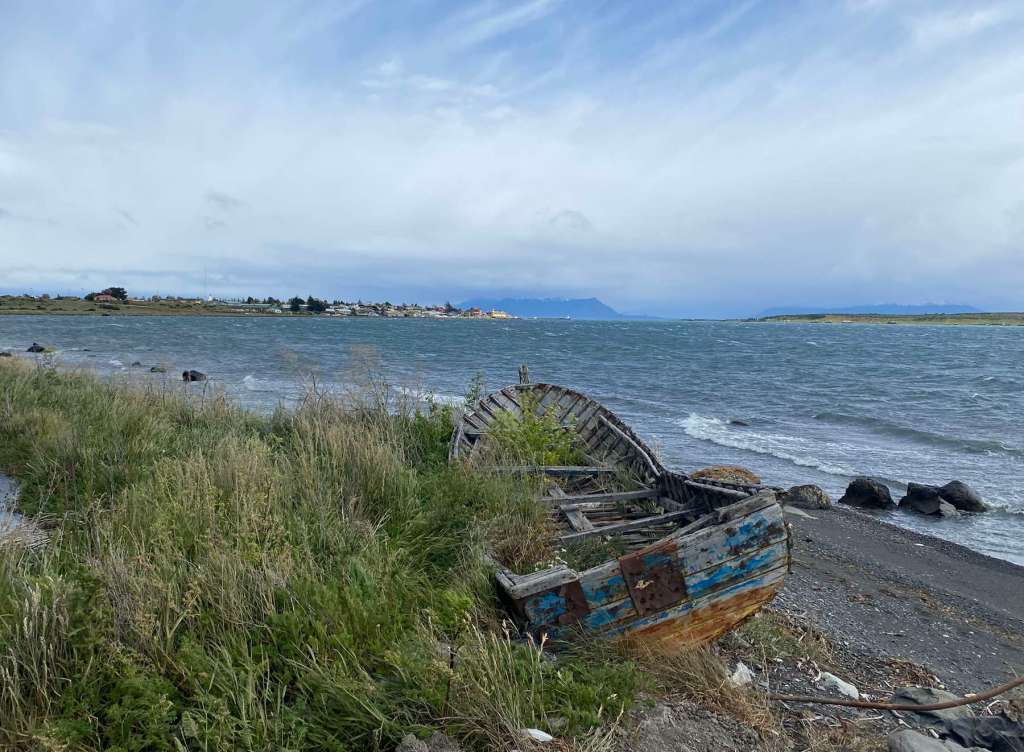
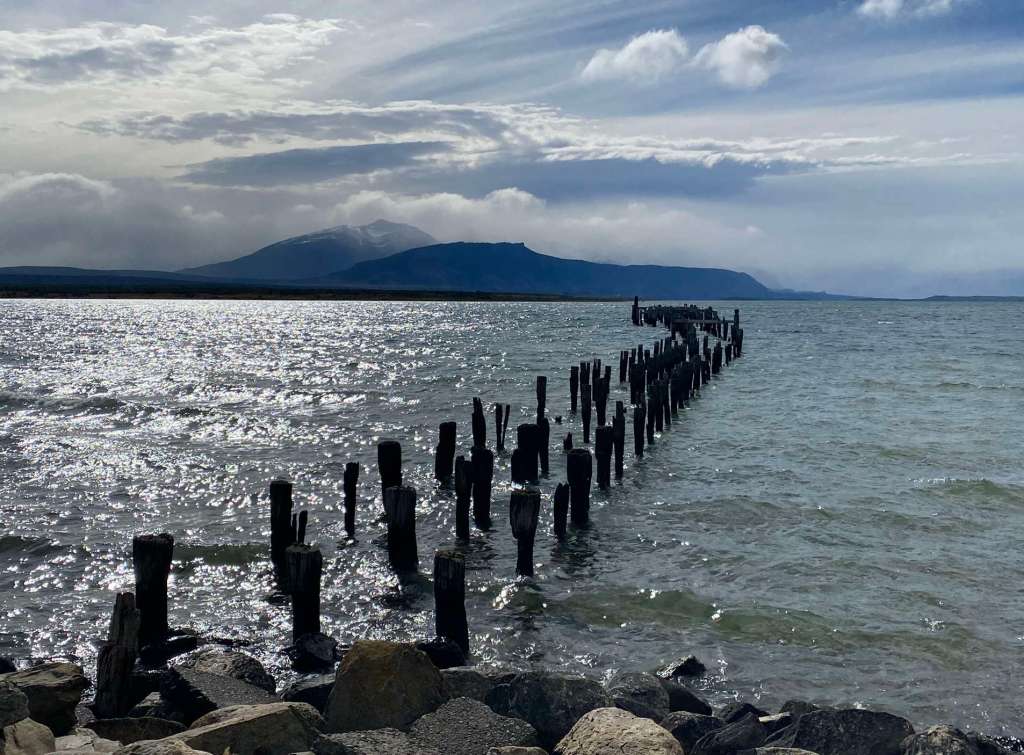
There’s a big roster of geese, ducks and other assorted waterfowl in these southern latitudes; it’s a real treasure trove if, like me, you haven’t been this far south on the South American continent before. On the 30 minute walk (in theory – in practice it was at least double that due to birding!) from my accommodation at Remota Patagonia Lodge to the Puerto Natales township, I had a great time discovering nine lifers.
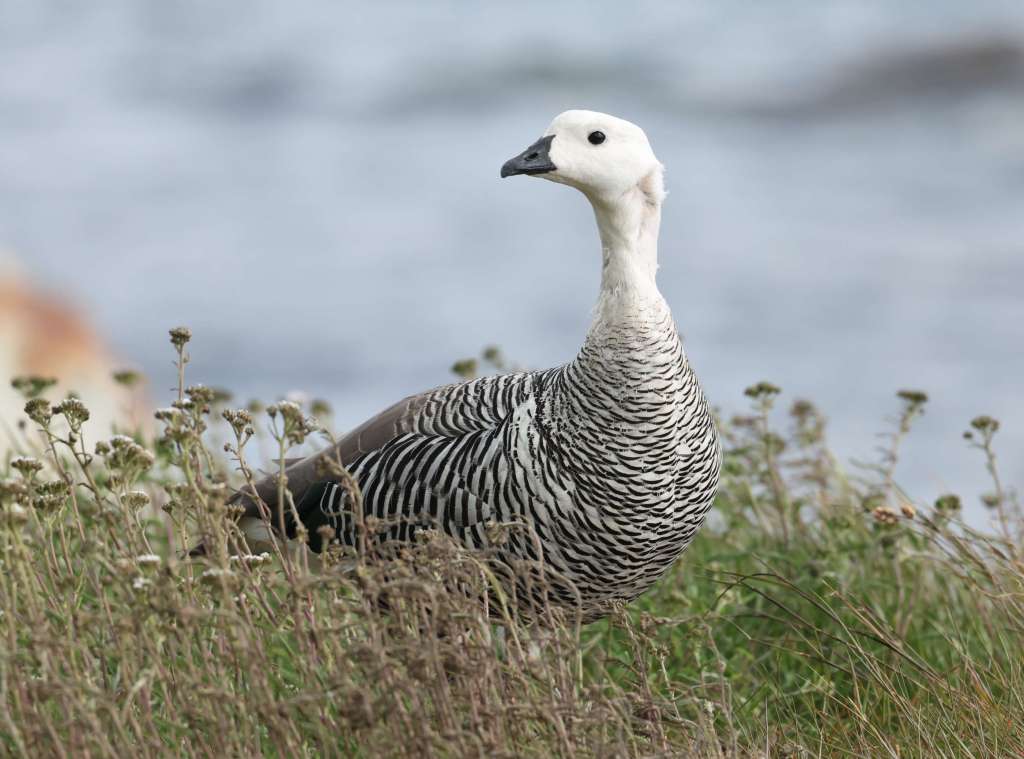
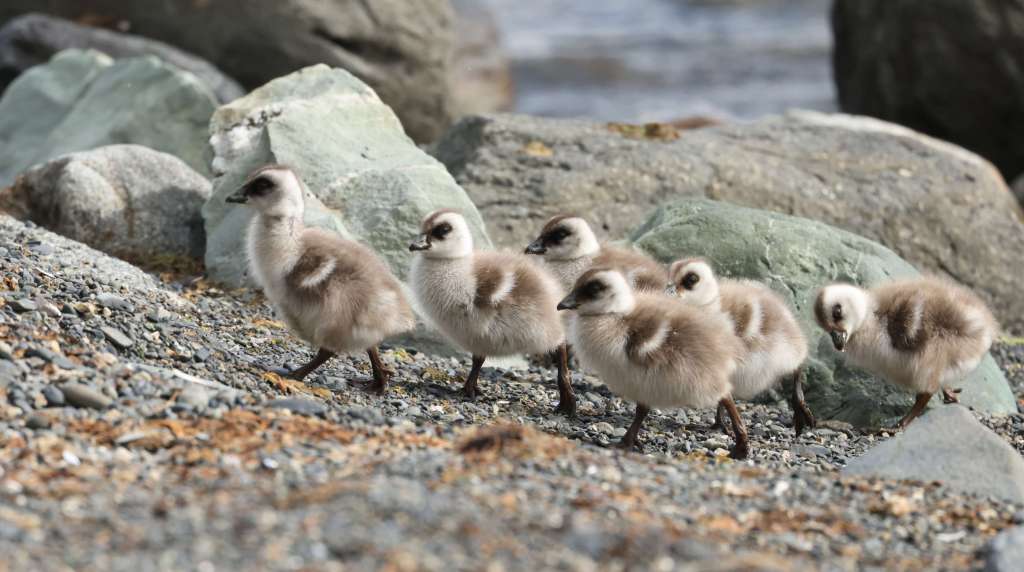
An attractive and common goose here is the Upland Goose, and it was especially endearing to see a gaggle of uber-cute goslings with the two parents.
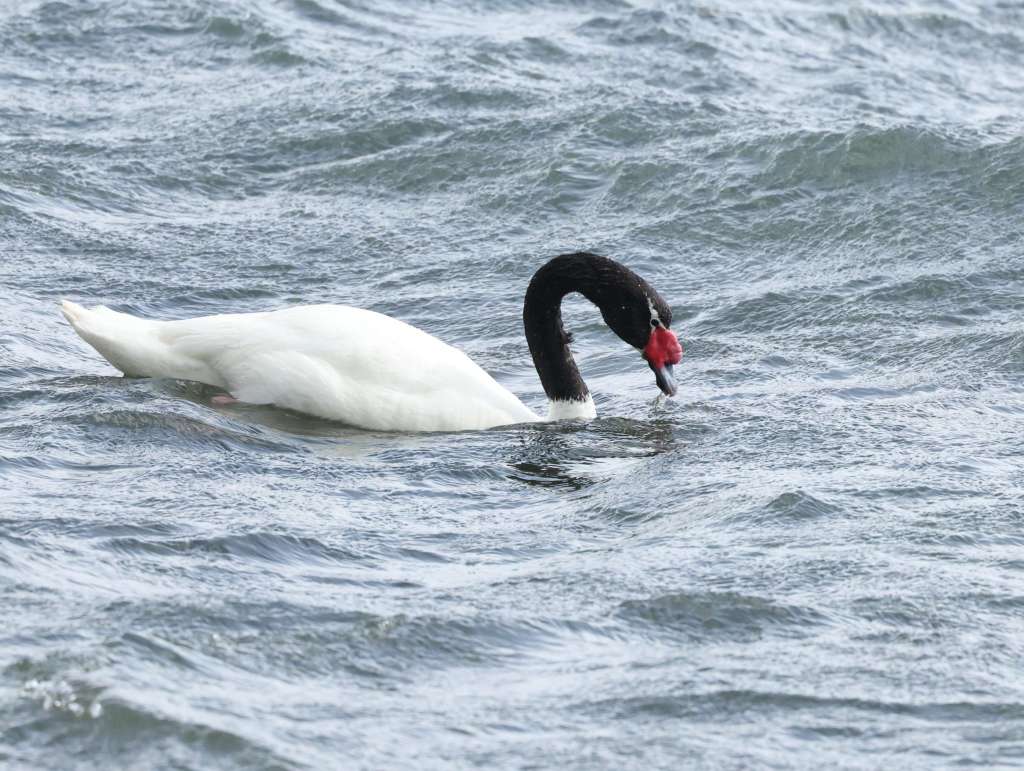
Notwithstanding the gangly red nose, I find the Black-Necked Swan to be one of the world’s most attractive swans. “Black swans” were a myth that Europeans used to describe something impossibly preposterous from as far back as Roman times (when they thought all swans were white). The myth was soundly shattered when actual black swans were encountered in Australia; I wonder what the Europeans would have made of this Black-Necked Swan. (Well, I do know that they hunted them in the 18th and 19th centuries, eradicating them from Chile, which they have now recolonised!)
In this part of the world it seems you’re never too far away from a gull, whether that be the relatively common Brown-Hooded Gull, or the bigger Kelp Gull, which ranges all the way down to Antarctica (and all the way across to Australia, to boot). Plumage variations on these birds include whiter/smudgy heads (for the Brown-Hoodeds) and mottled browns (for the Kelp Gulls). Seeing them dip and swerve in concert with the strong wind is pretty cool.
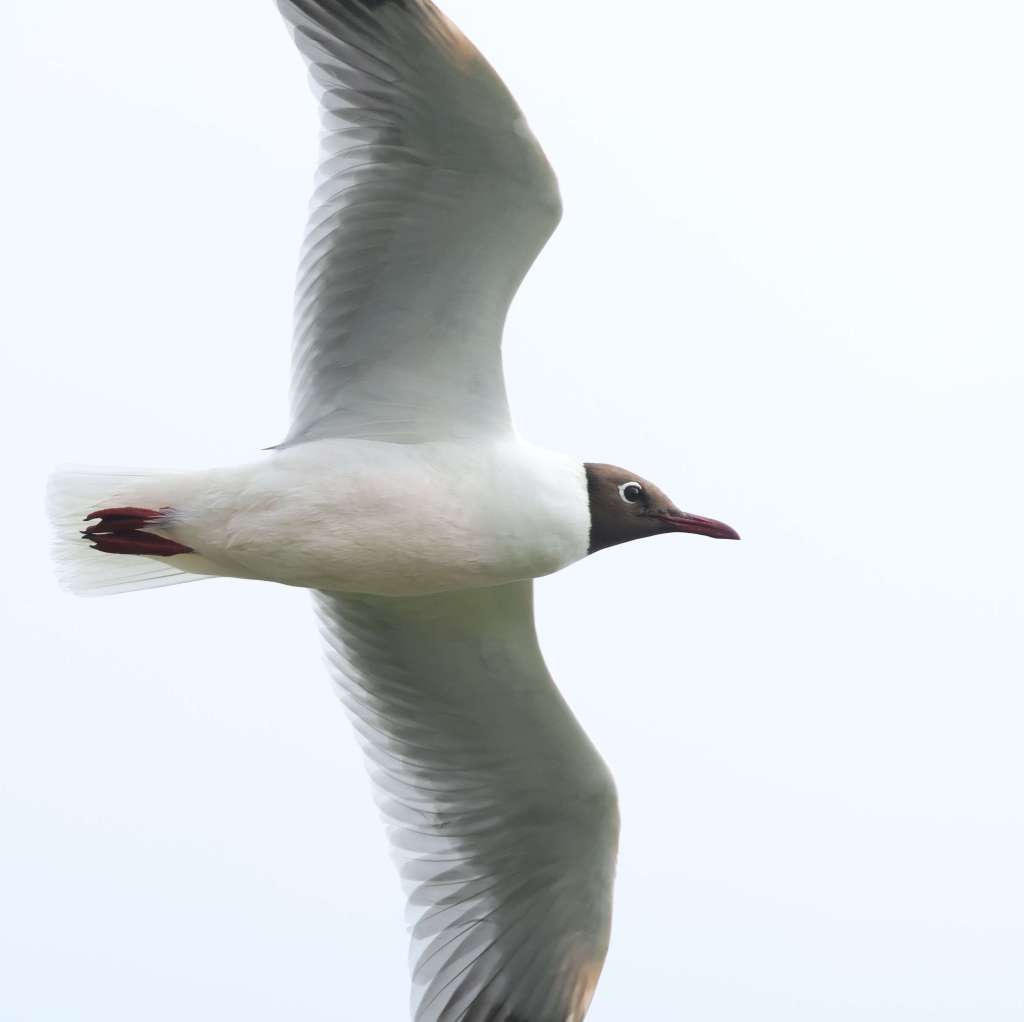
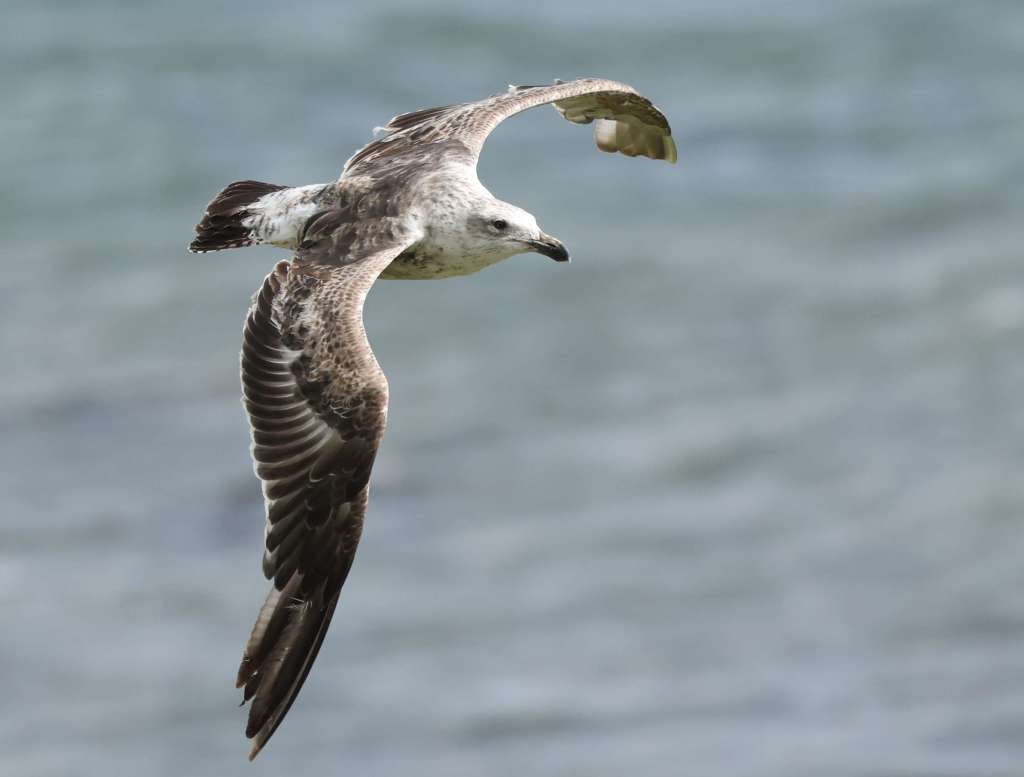
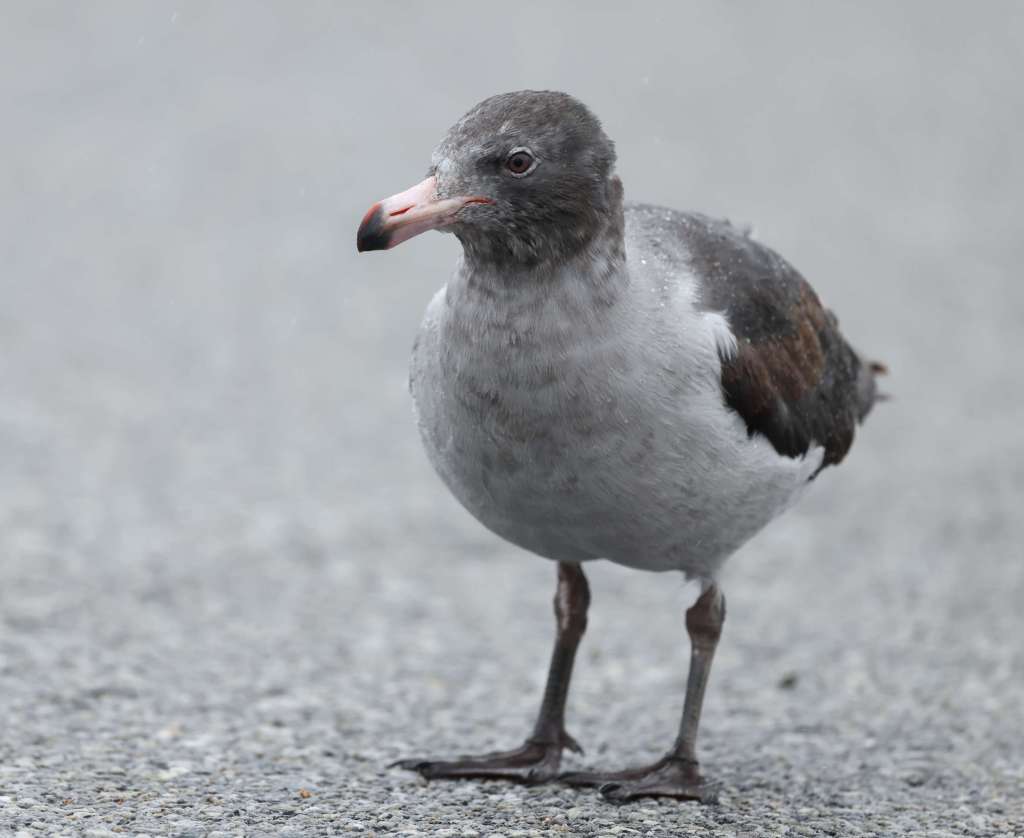
The intriguing Dolphin Gull is also very possible here, though we did not see one until the Falkland Islands (see later…)
Both Chiloe Wigeon and Crested Duck look a bit like they overdid the eye makeup.
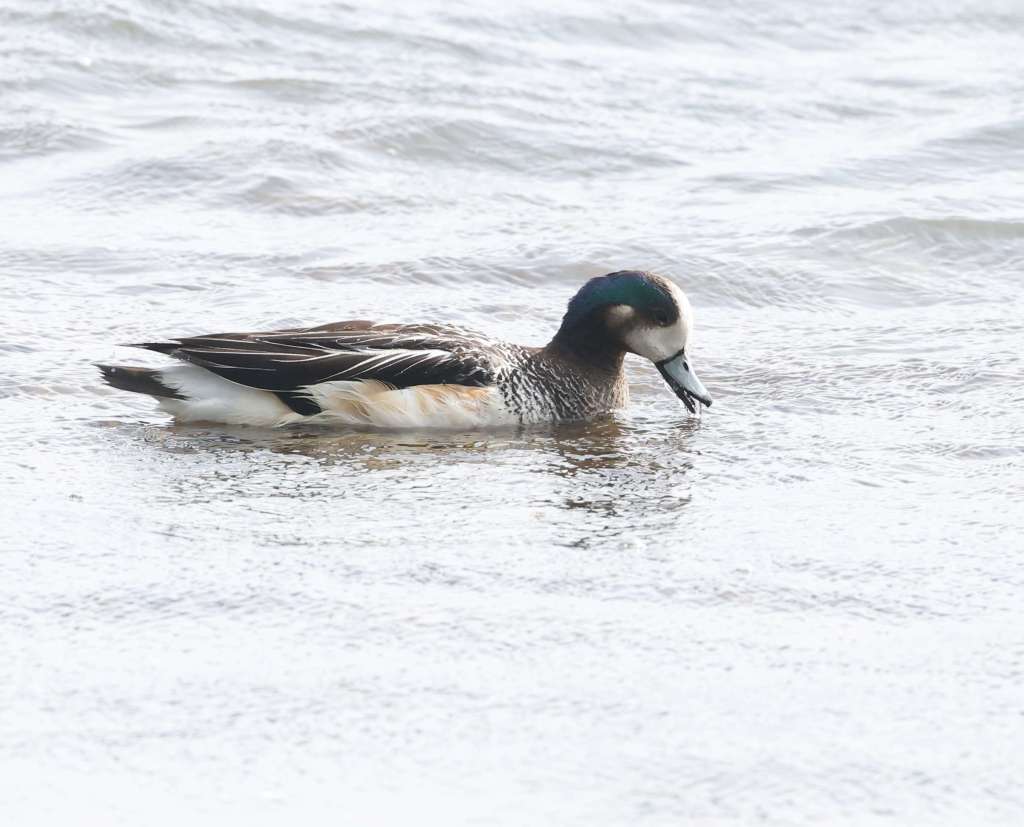
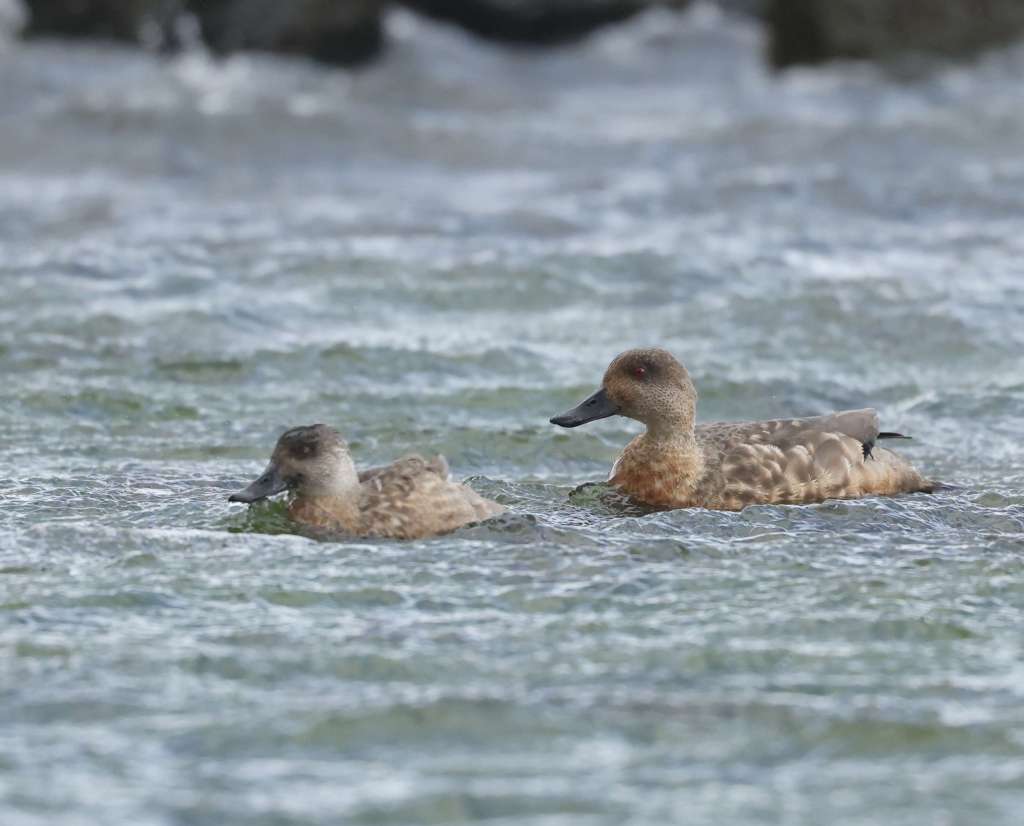
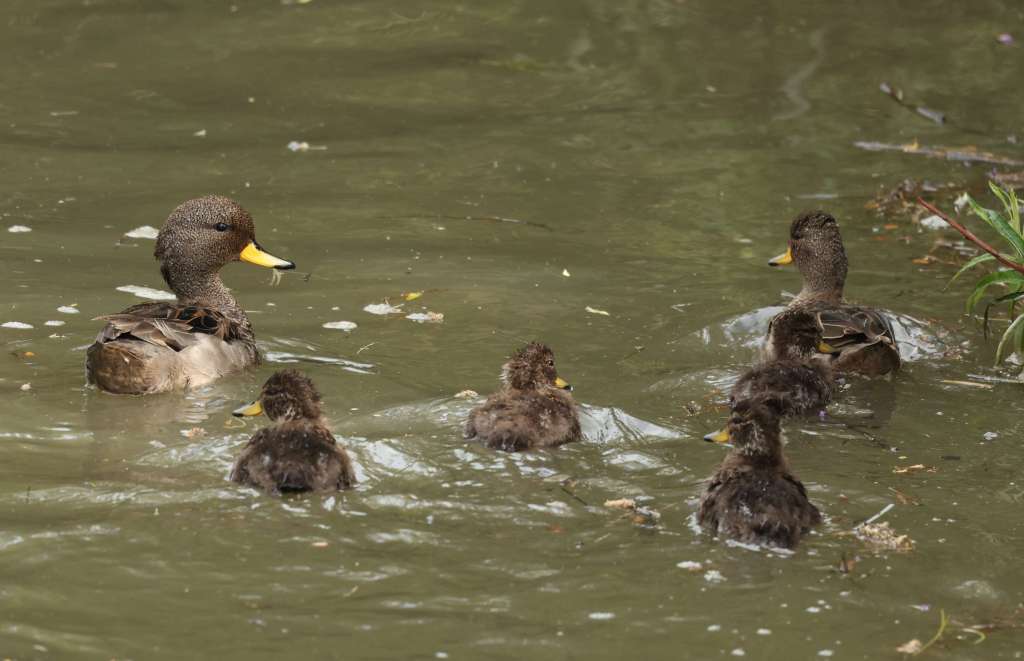
Yellow-Billed Teal are very widespread in South America, and Patagonia is no exception. Interestingly, the similar Yellow-Billed Pintail has an almost identical range on the continent. This Yellow-Billed Teal family were in a small creek.
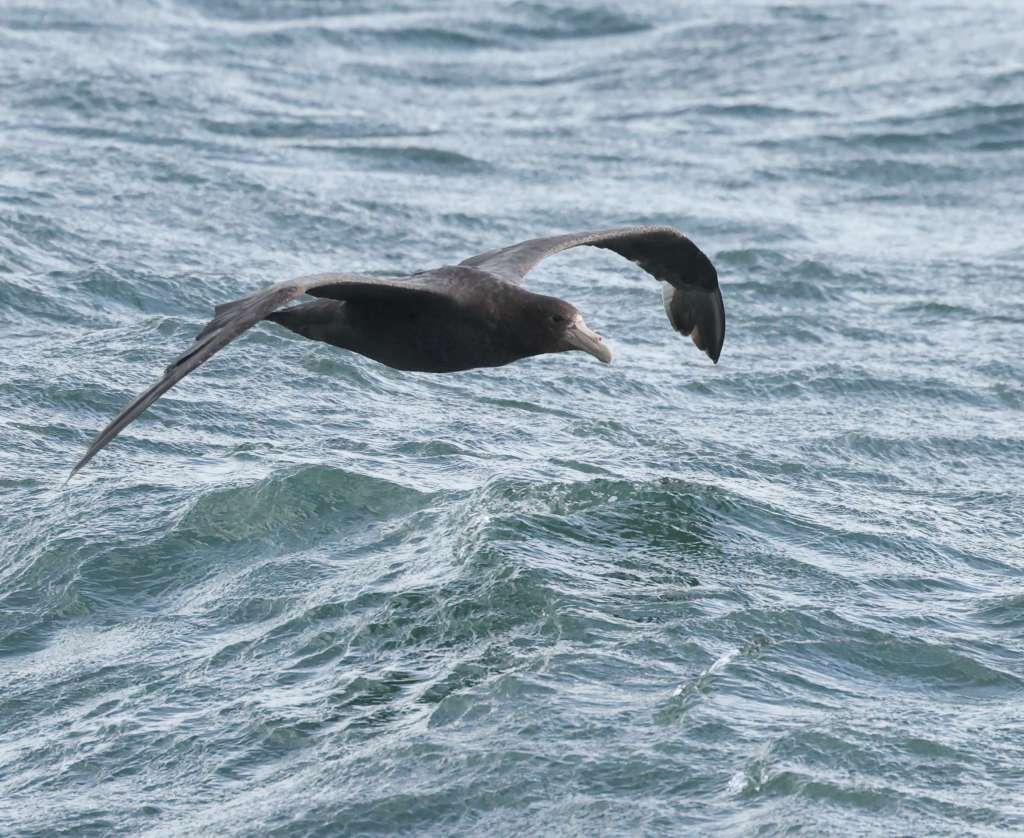
Perhaps more unexpected than geese and ducks in this “inland fjord” locale is the huge and usually-more-ocean-going Southern Giant-Petrel, which came soaring along on its massive wings not unlike an albatross. Add another bird to the growing list of “hmmph, don’t need a pelagic trip to see that one”.
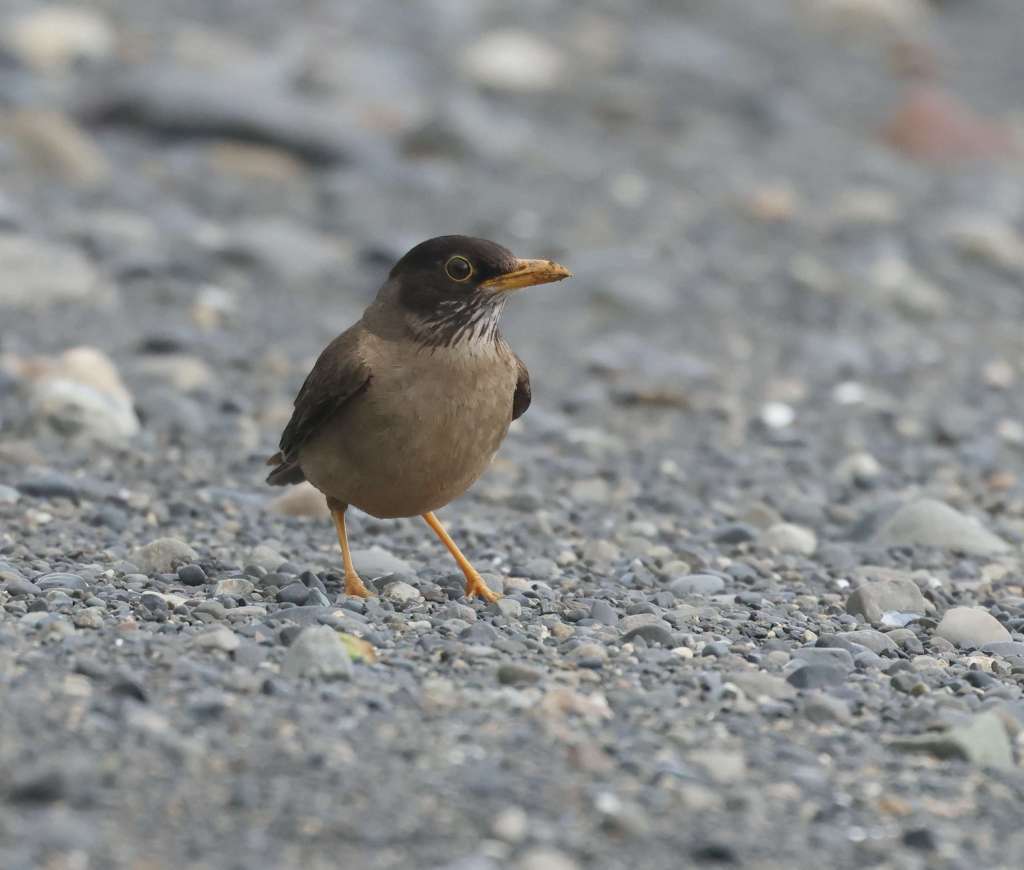
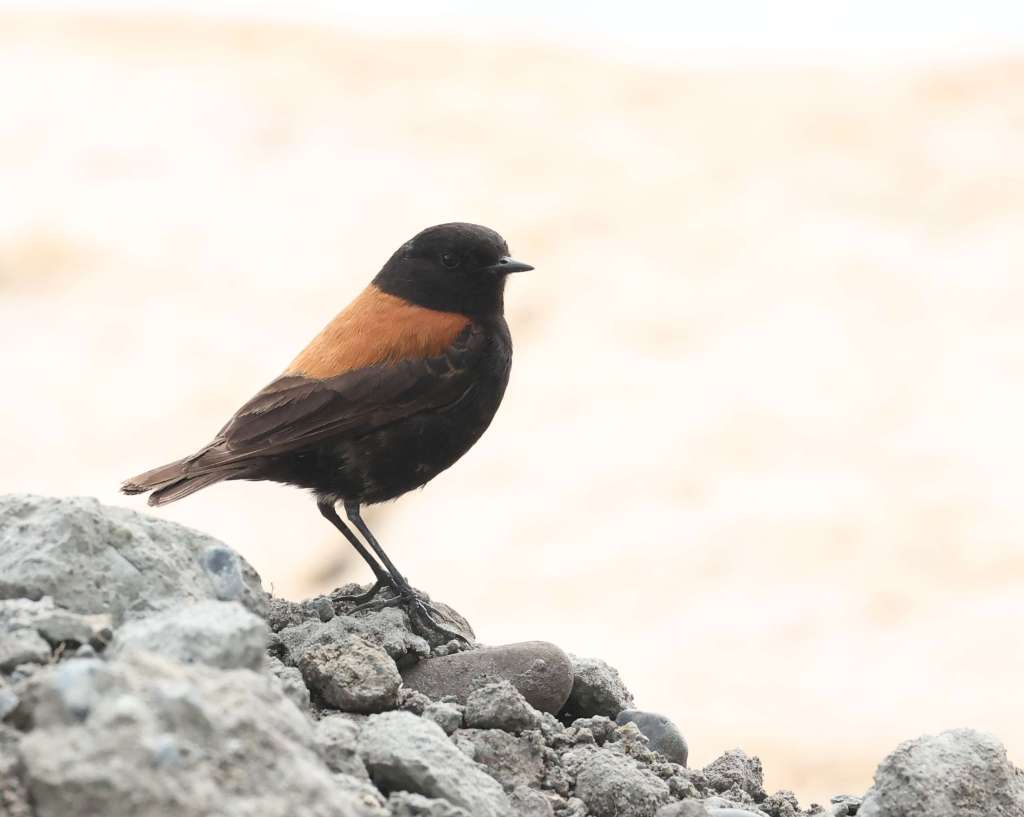
“Austral” means southern, and there are plenty of bird species with Austral in their name. The default, super-common thrush here is the Austral Thrush, for example. You’ll likely also see the black and rusty male Austral Negrito (a type of flycatcher) around the place too, though the female is a lot more plain in looks (mostly light brownish with a hint of colour on the wings).
If you spend much time in the southern parts of Chile, you are also going to see these birds a lot: Chimango Caracara, and Southern Lapwing.
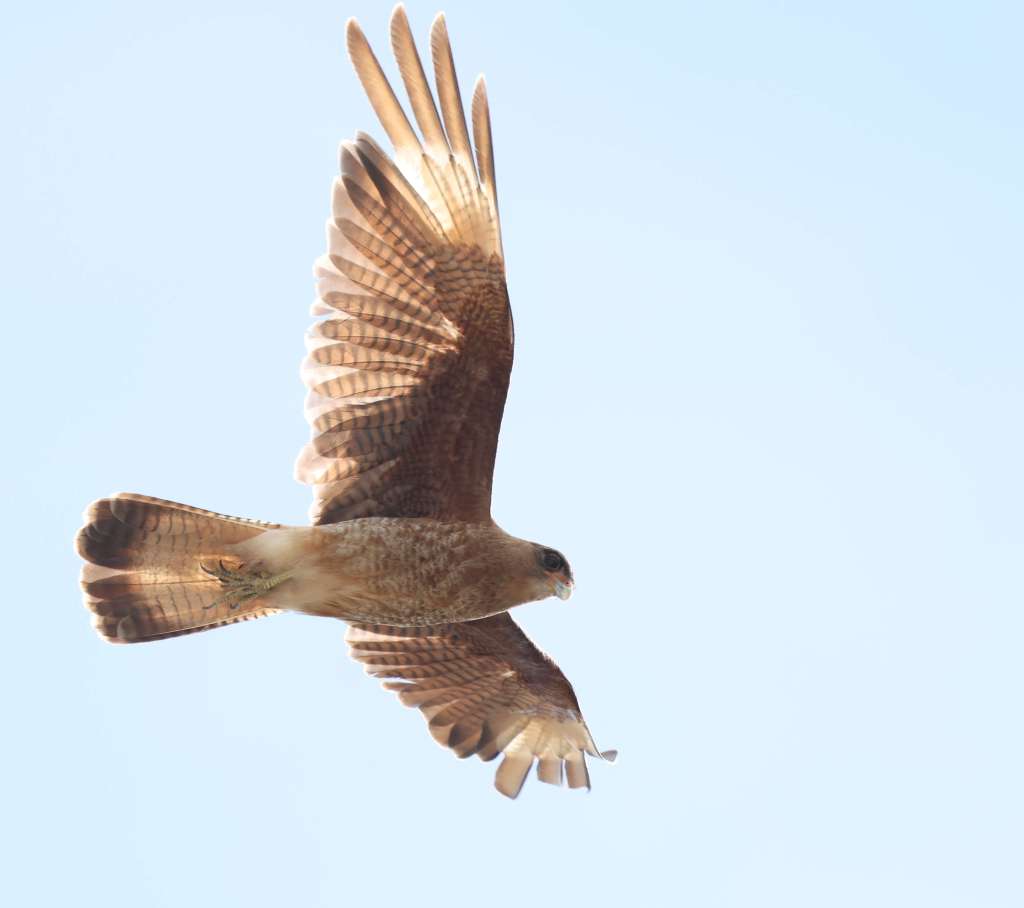
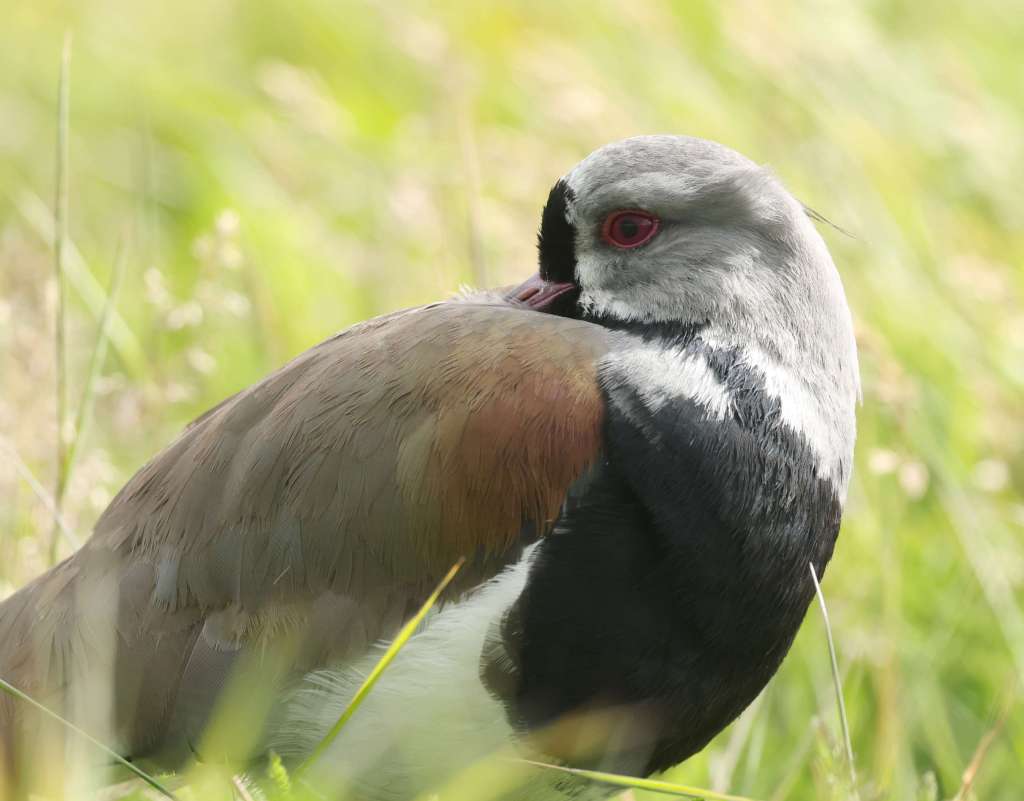
In the town, this far south, you will find many House Sparrows and Rock Doves; they are pretty much the only “exotic”, non-native birds.
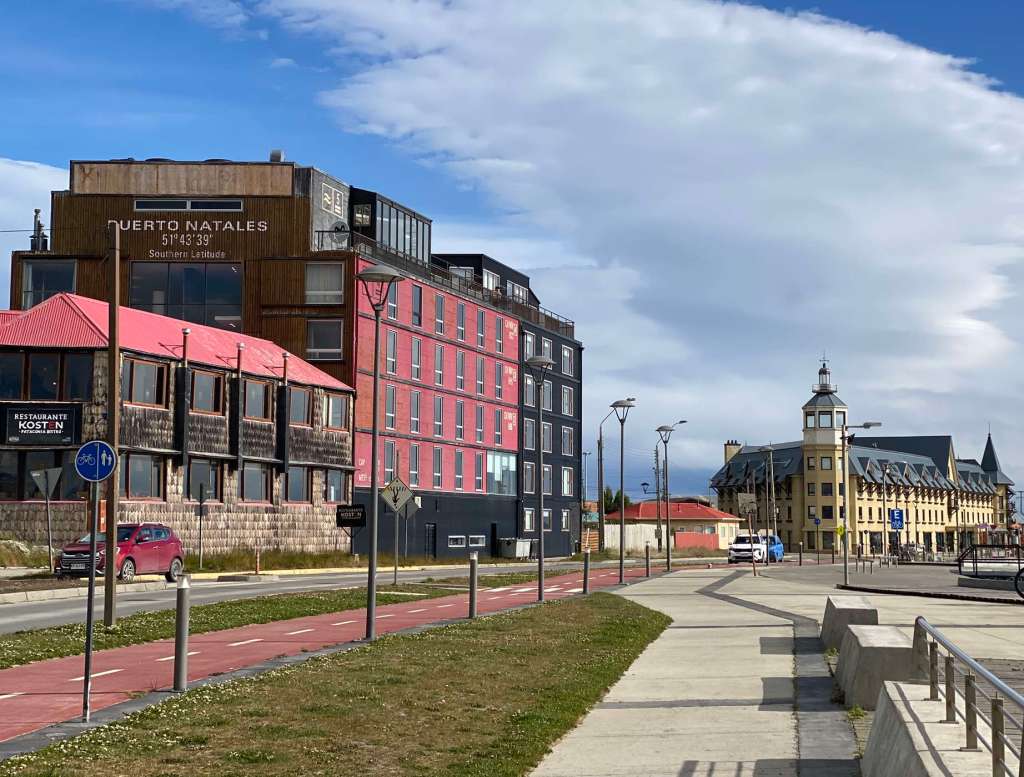
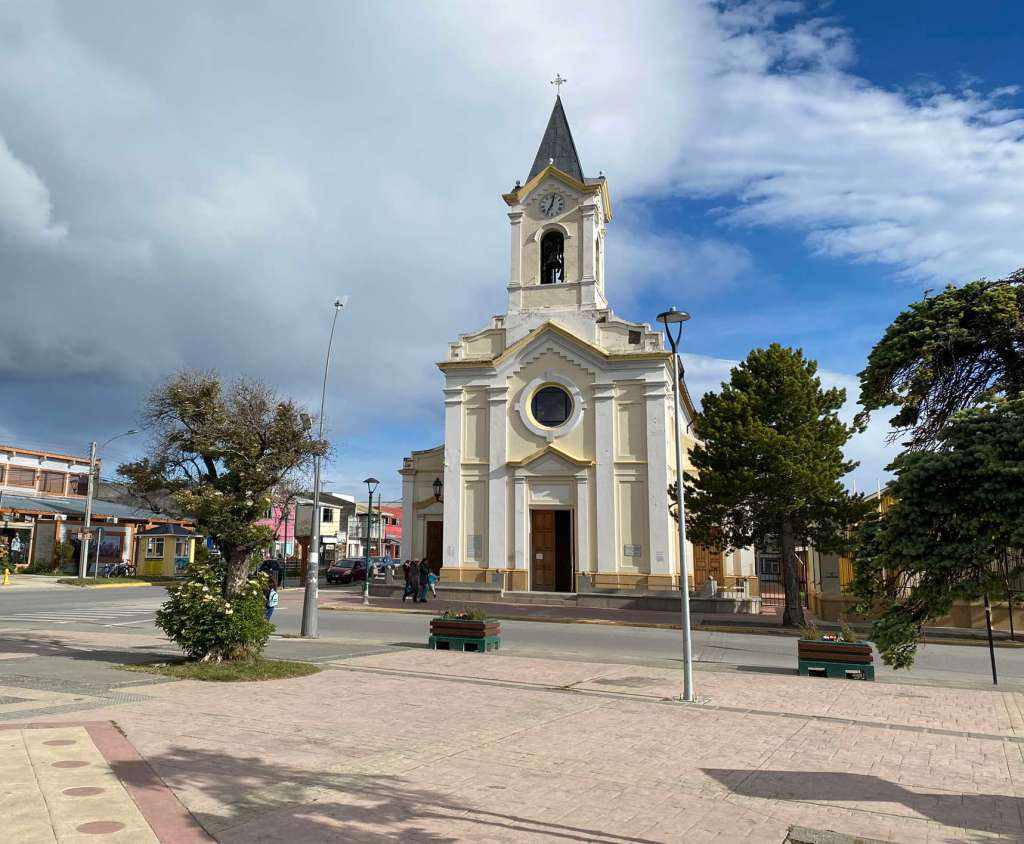
Torres del Paine National Park
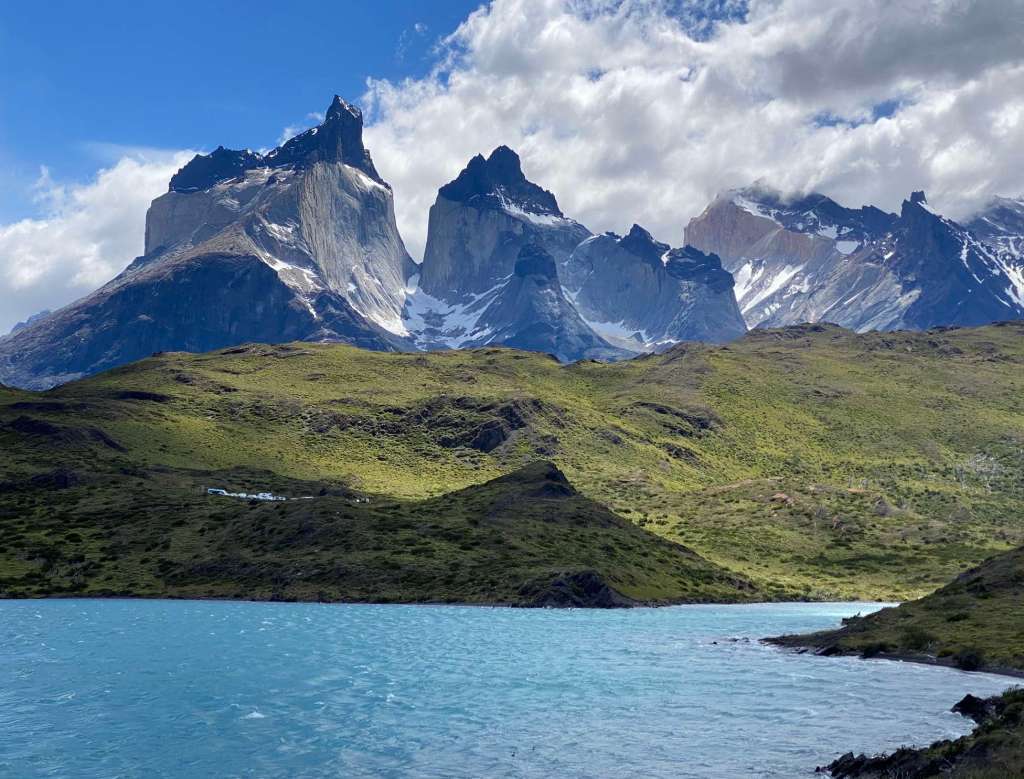
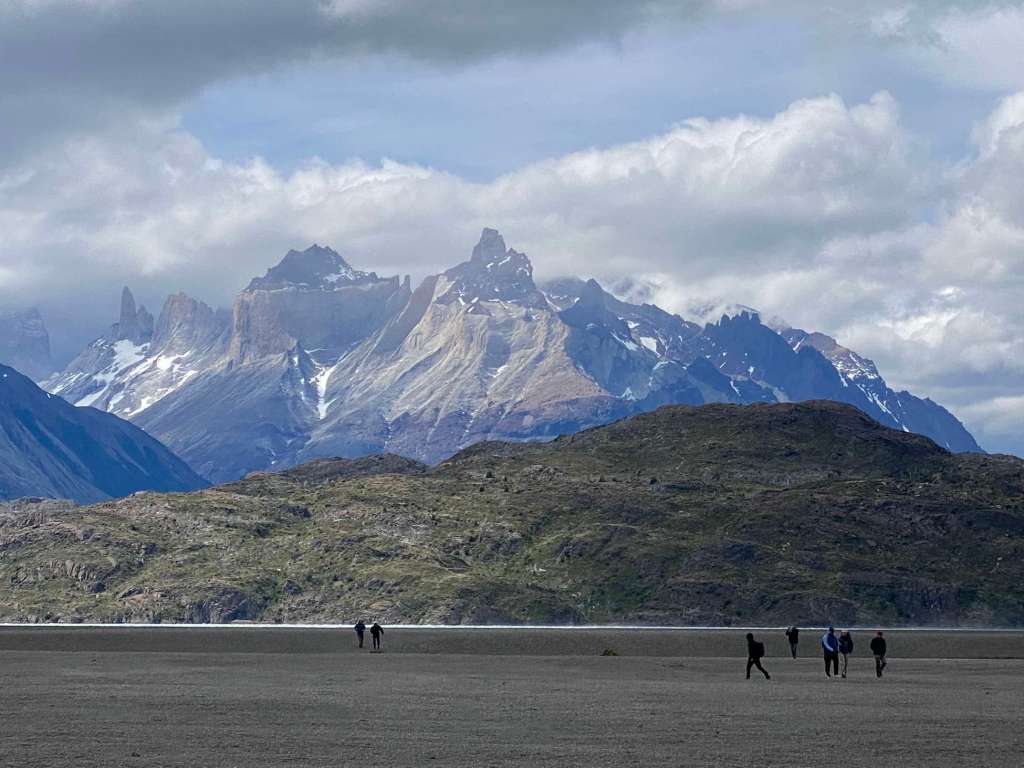
Let’s face it: you don’t just come to this region for the wildlife, right? The dramatic peaks of the Torres del Paine are reason enough to visit.
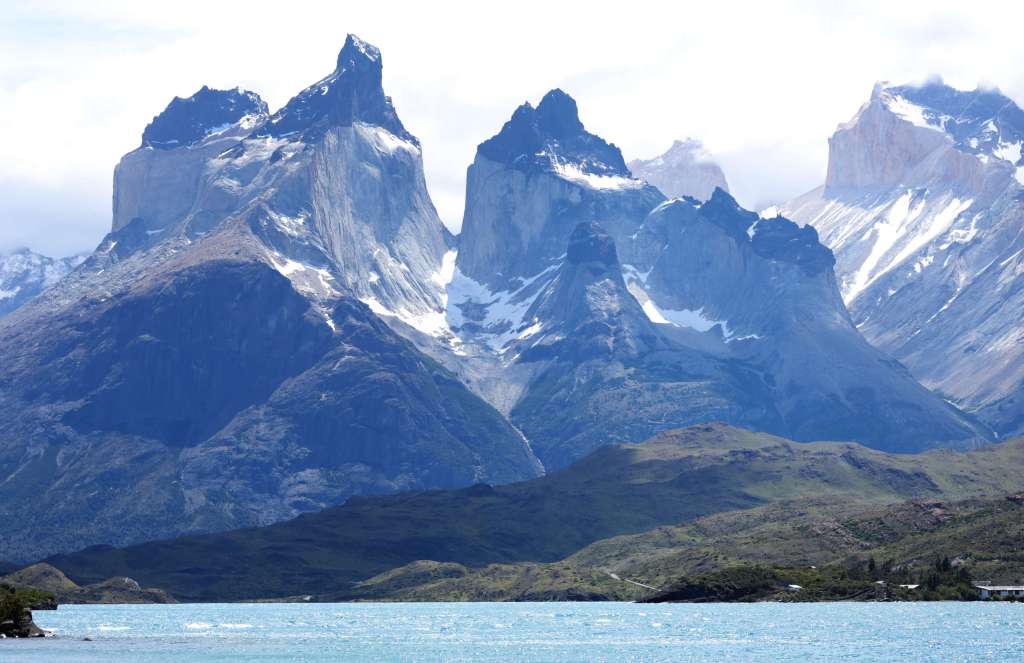
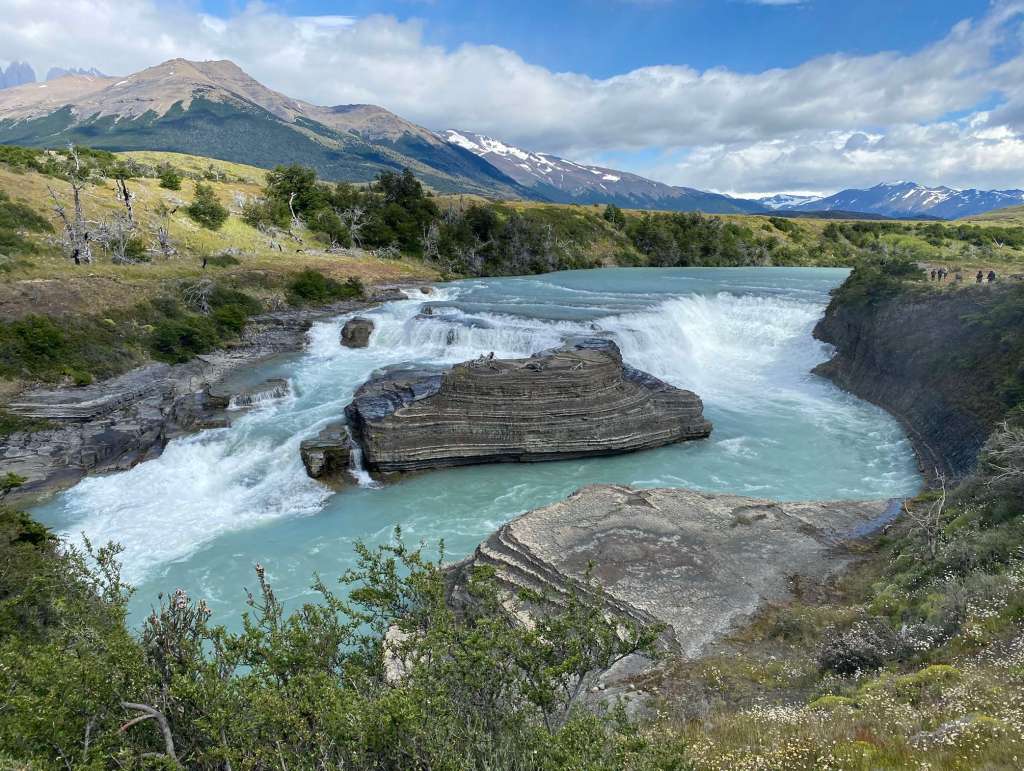
But while you’re gawking at the incredible scenery, what birds and animals might you see?
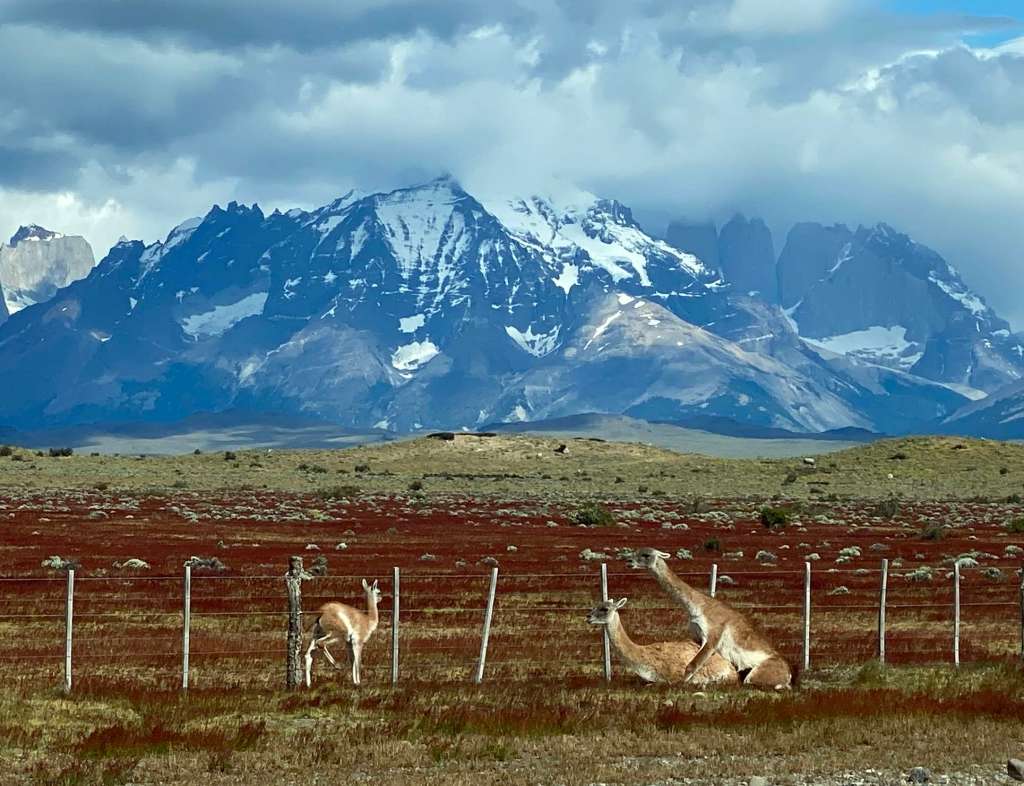
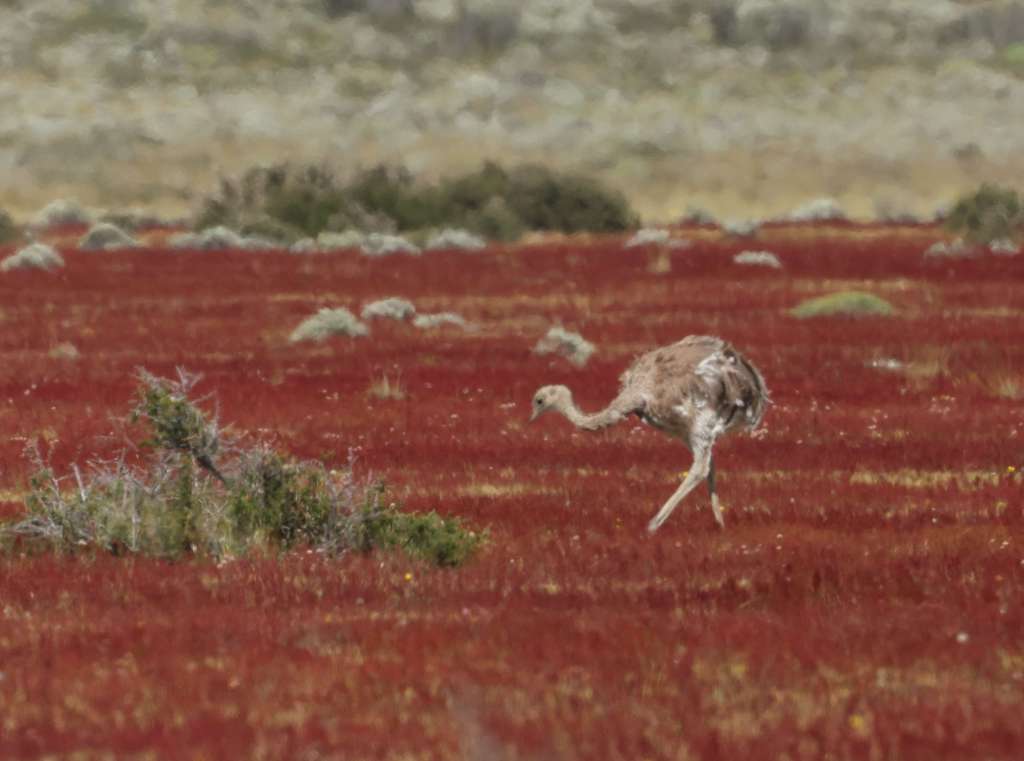
Lesser Rhea, also known as Darwin’s Rhea, is a large flightless bird which we glimpsed just once (my terrible photo of it is from a long distance, hence a ton of atmospheric haze in the picture). Fun fact: this bird can run up to 60km/hr!
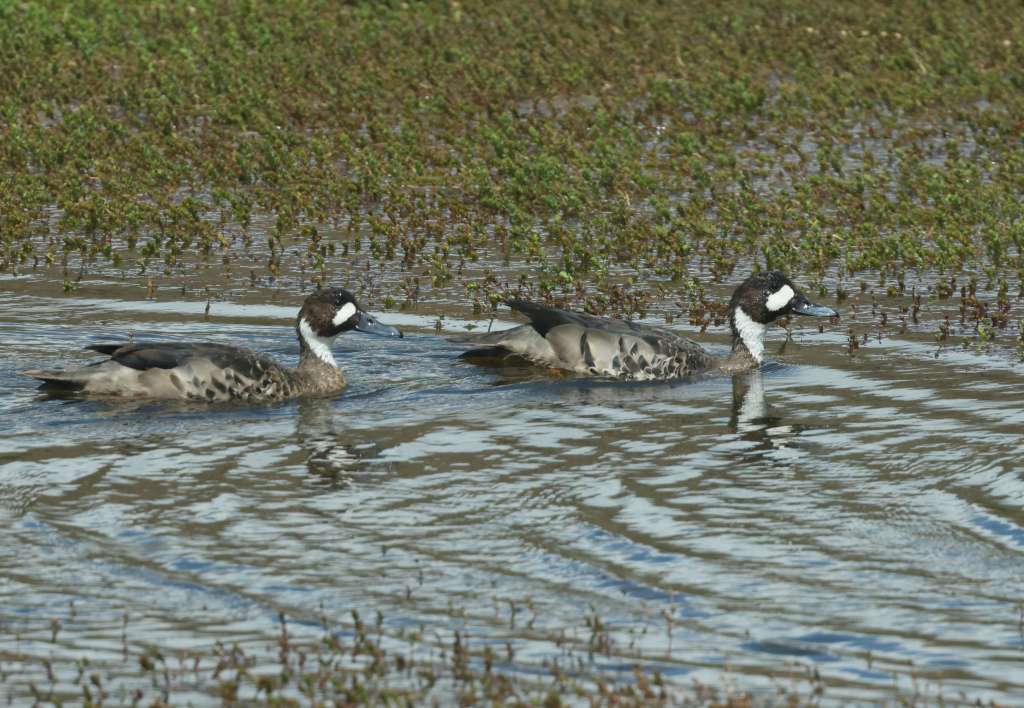
Spectacled Duck is a Chile-Argentinian species found only south of Santiago; I am not sure I would call their signature white face patch a “spectacle”, but they are definitely boldly patterned. These and other waterfowl can be found in the many ponds, lagoons and lakes that dot the area.
We had a one-hour lunch stop at a camping/picnic spot called “Camping Lago Pehoe” with a more-than-impressive view of the peaks of Torres del Paine, and there are a few short tracks here which can definitely show up some birds (over 100 species on eBird).
Apart from the uber-common Rufous-Collared Sparrow, familiar to anyone who has done any birding in central or south America, we found a pair of small, very cute birds which we later identified as Thorn-Tailed Rayadito. We watched rather entranced as they thoroughly explored one tree, then with excited high-pitched calls hopped across to the next tree. They didn’t seem too afraid of people and were happy to have their photo taken.
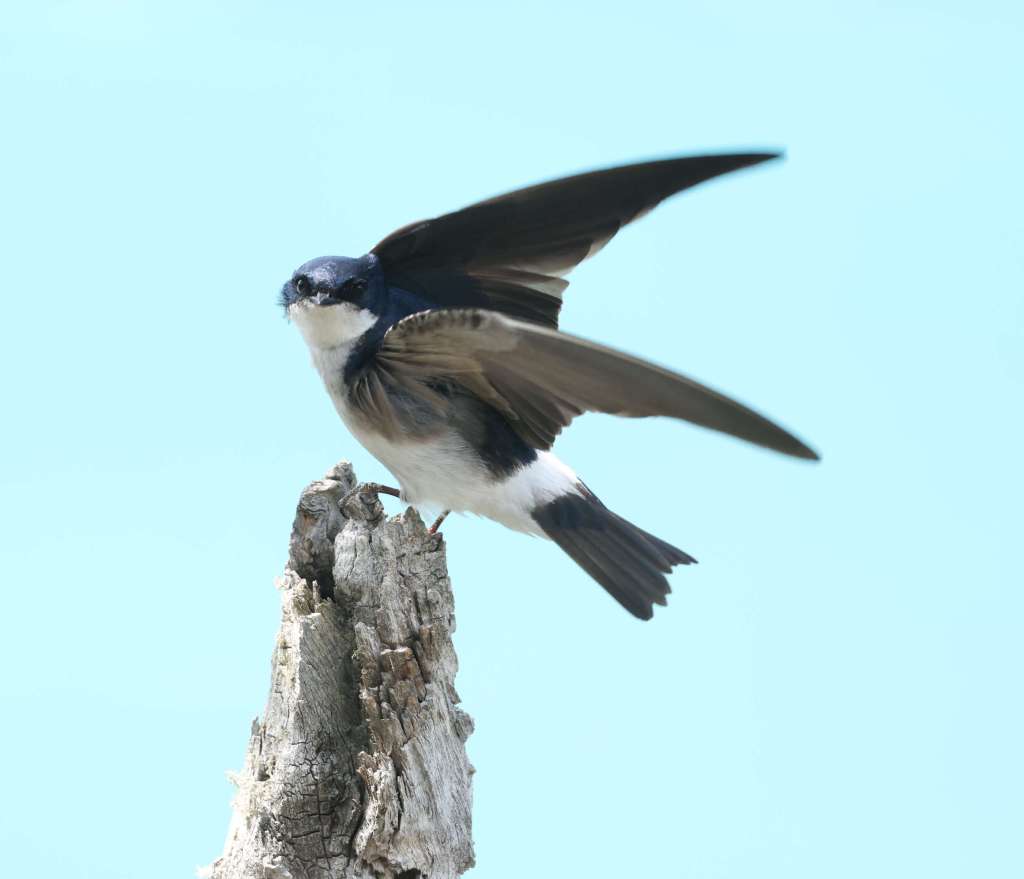
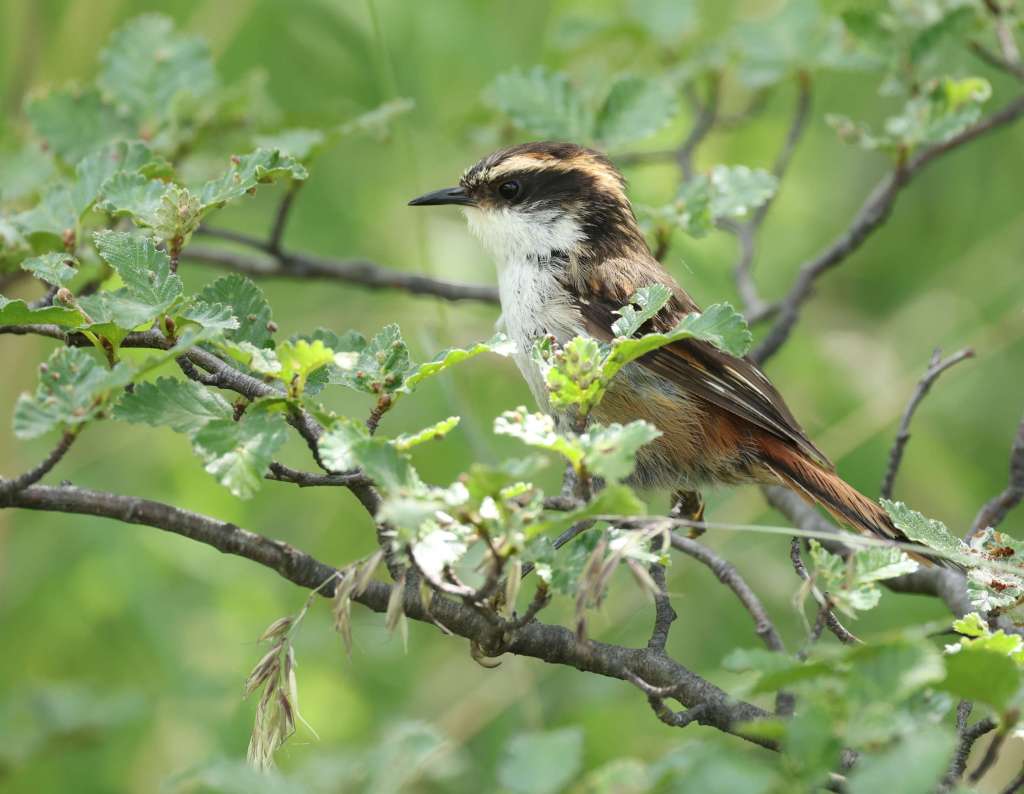
Rufous-Tailed Plantcutter was another mini-highlight, and we also had a reasonably close encounter with a Chilean Swallow (one of half a dozen). These lovely little swallows are best told from the similar Blue-and-White Swallows by their white rumps.
Last Hope Fjord
Last Hope Fjord, or Última Esperanza Sound in Spanish, was so named by navigator Juan Ladrillero in 1557, as he thought it was his last chance to reach the Strait of Magellan. Turns out this inlet ends at a glacier, and not at the strait. To be fair, the waters here are super complicated!
We explored this fjord via a day-trip boat tour. Some sandpipers were foraging near the jetty area, which turned out to be White-Rumped and Baird’s Sandpipers, which according to eBird, do often forage together!
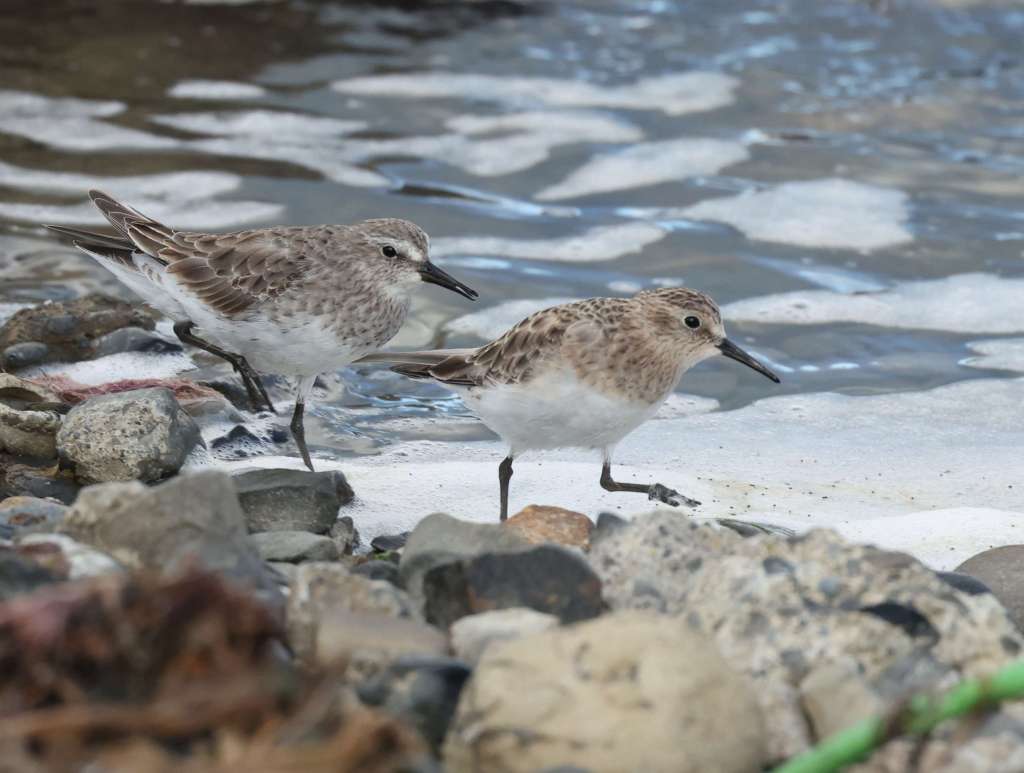
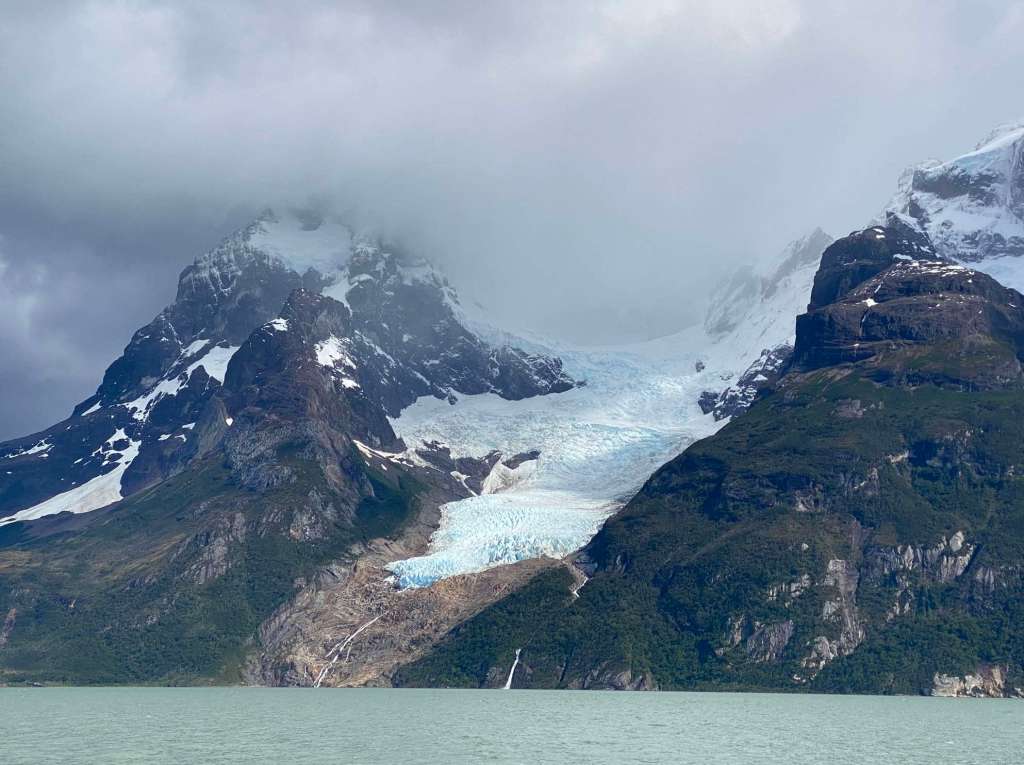
The trip up the fjord is stunning, though (you guessed it) windswept and occasionally rainy.
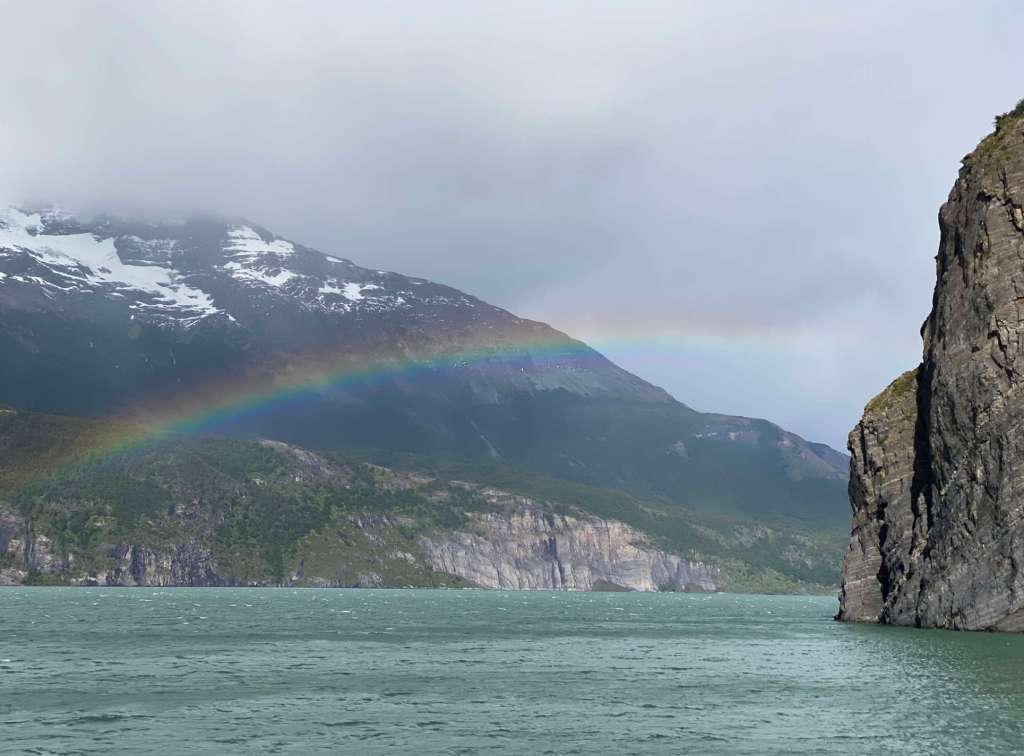
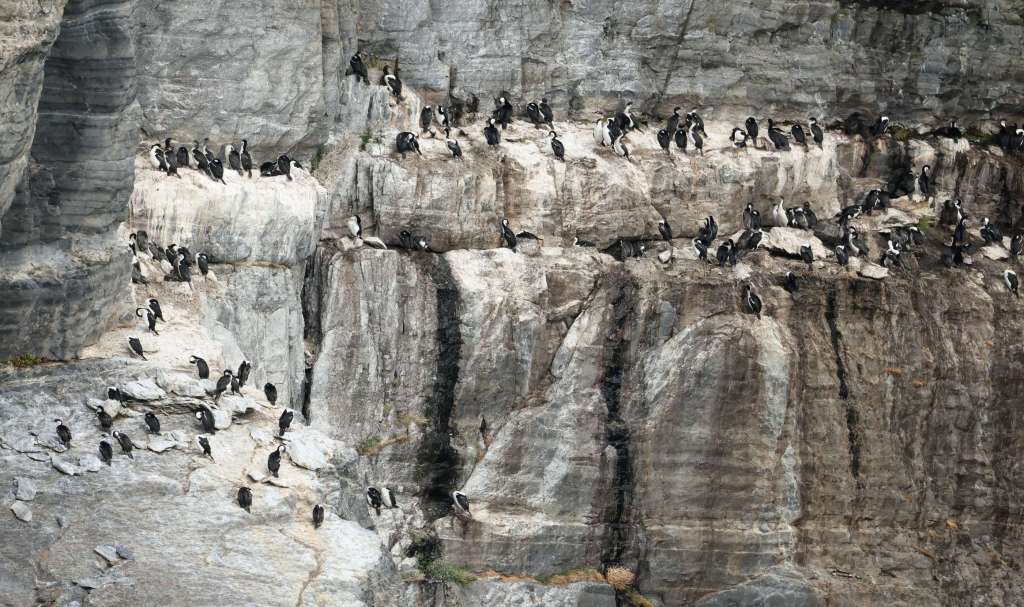
There was the occasional bird sighting from the boat – some geese, and a far-off Chilean Skua – then the boat pulled closer to a cliff line which sported a gigantic colony of Imperial Cormorants.
Near the mist-wrapped, glacier-studded peaks at the head of the fjord, it was very cool to see three or four Andean Condors circling right at the tops of these mountains. I had not known that Andean Condors were present this far south (I had first seen them in the arid inland of Peru…)
At Sendero Glaciar Serrano, also near the head of the fjord, there is a one-hour (round trip) walk you can take from the jetty to see the glacier up close, or you can do what we did and hang around the thick forested area near the jetty and see what birds might turn up. Evidently not too many people do that, as this eBird hotspot has only 7 checklists… ever!
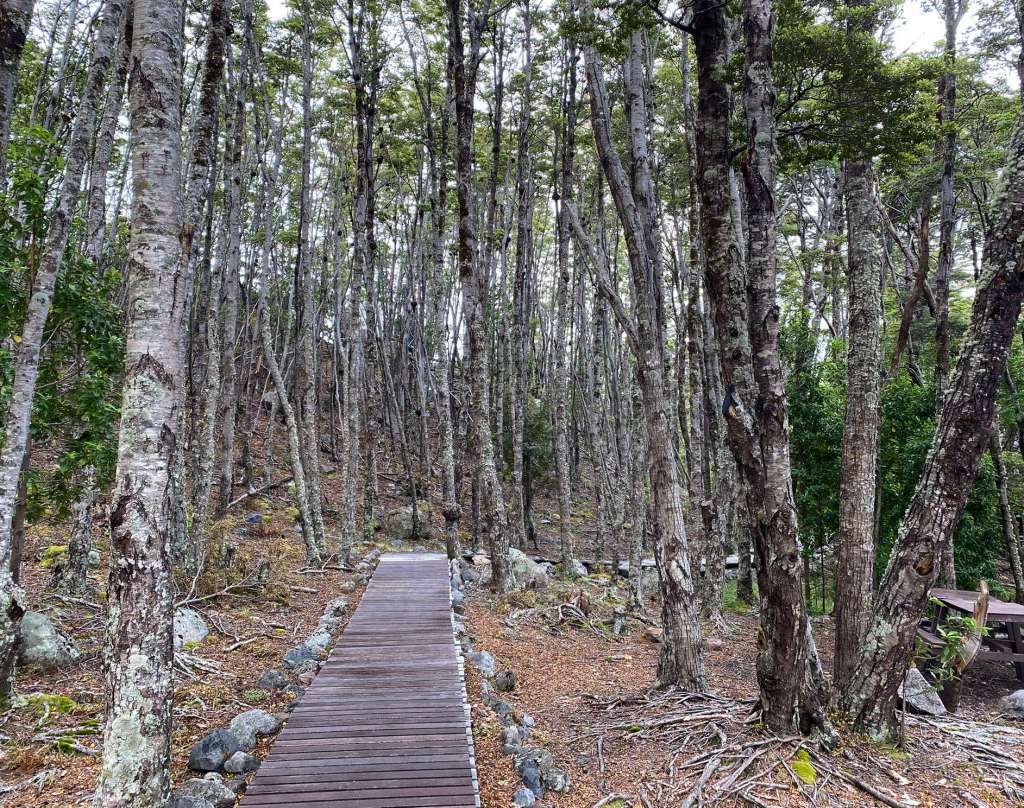
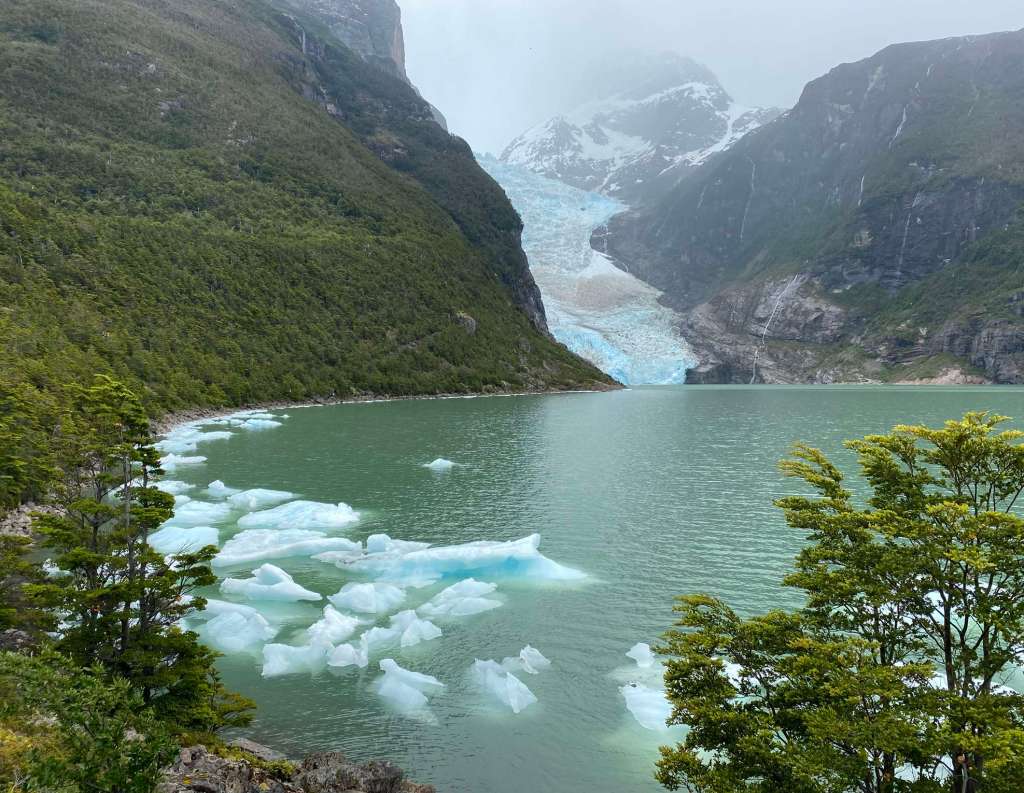
Well, we saw 8 species there, including having the most memorable kingfisher encounter I’ve ever had in the Americas: a Ringed Kingfisher, patiently waiting on an overhanging tree branch for a chance to launch itself at an unsuspecting fish in the glacier lagoon below.
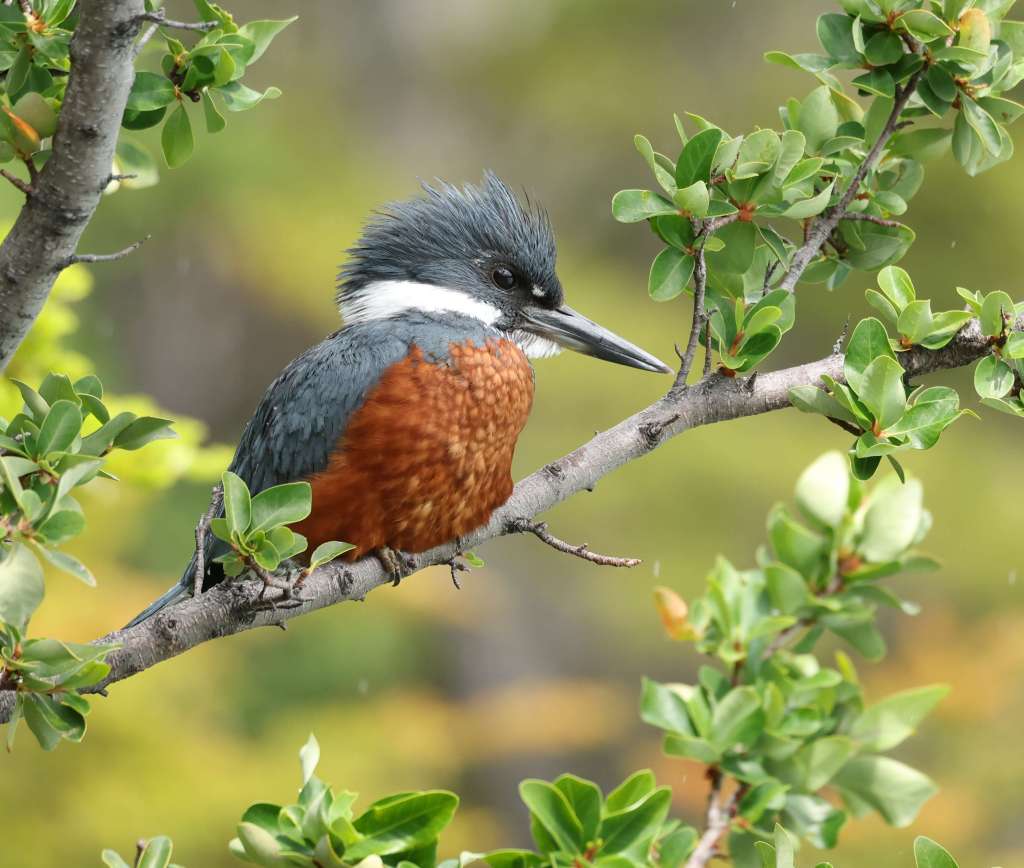
We did eventually see it catch a fish, though we were much further away from the kingfisher at that point. Not only is it kind of amazing that fish live in an icy cold glacier lake, it is equally amazing that a kingfisher can exploit that fact. Go nature!!
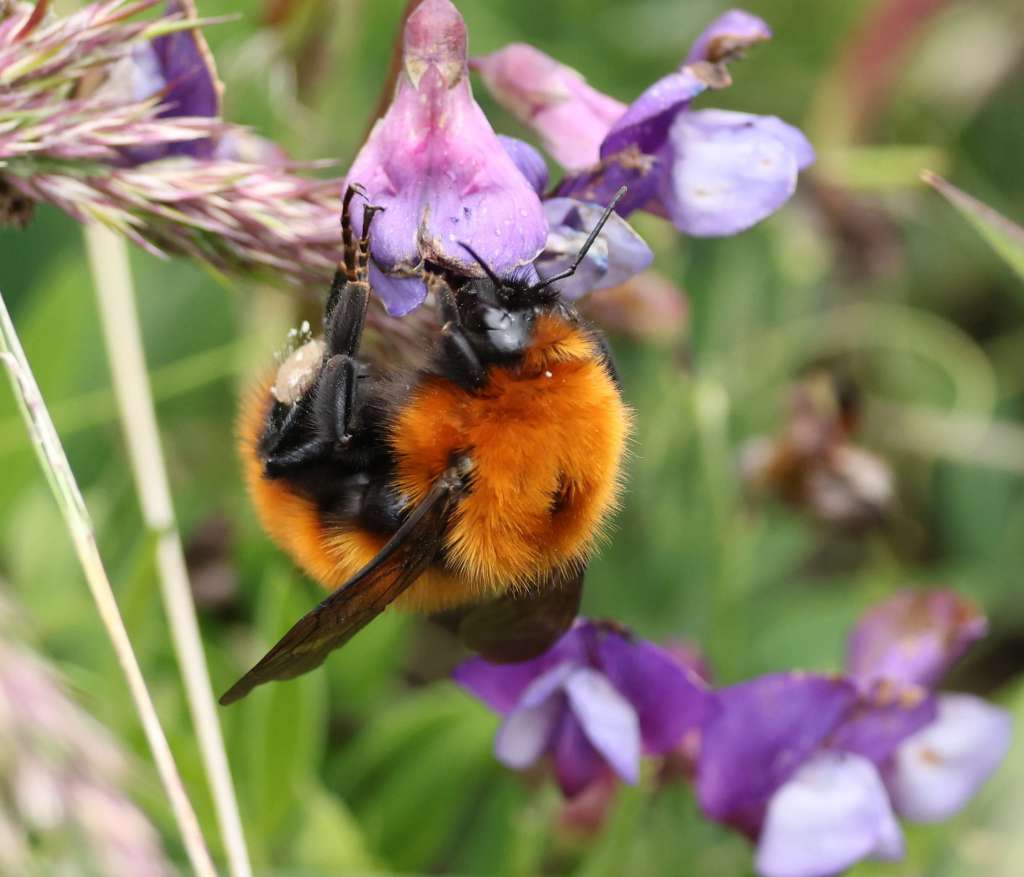
Fire-Eyed Diucon and Patagonian Sierra-Finch, both lovely forest birds, were also present, as well as several of the biggest and furriest bumblebees I have ever seen.
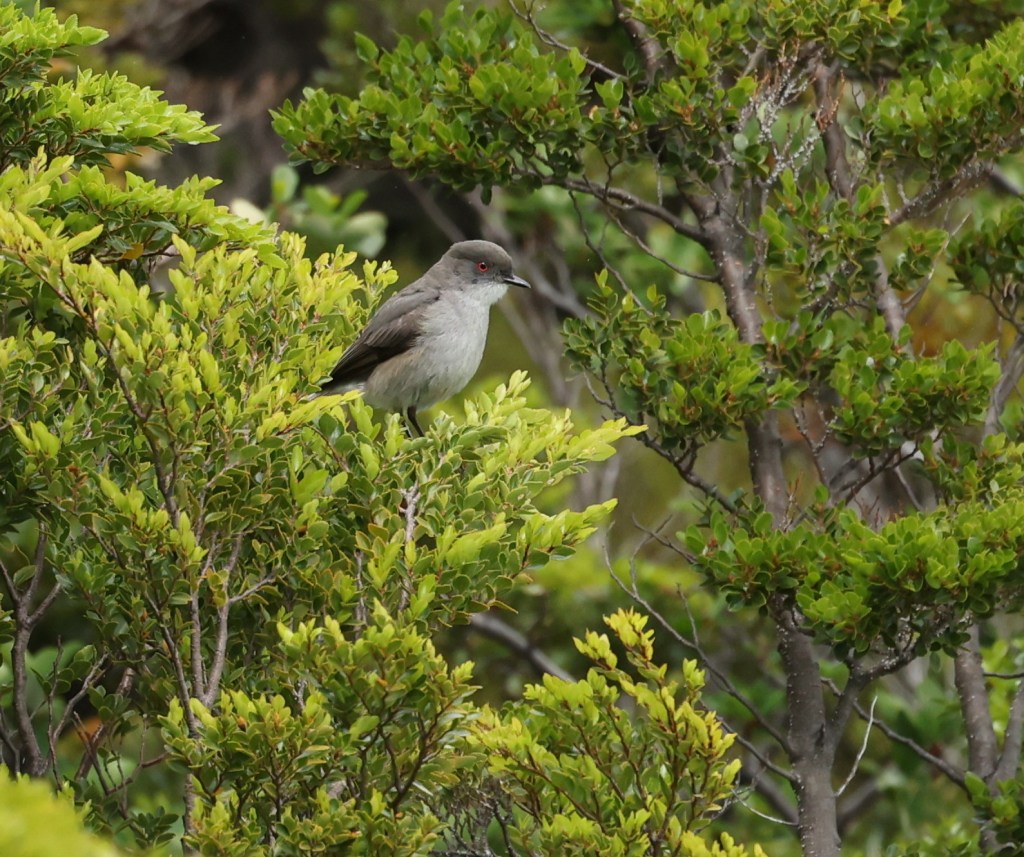
We also saw White-Crested Elaenia and Austral Thrush here – two of the most common birds you can find in southern Chile (especially White-Crested Elaenia, which in some parts of southern Chile is just everywhere).
At our lunch stop Estancia Perales – another place with a paltry number of eBird checklists (come on, people, do it for science!) – we found Chimango Caracara plus a bunch of Ashy-Headed Geese, a trio of which were adorably super-tentative about entering the water (I would be, too!)
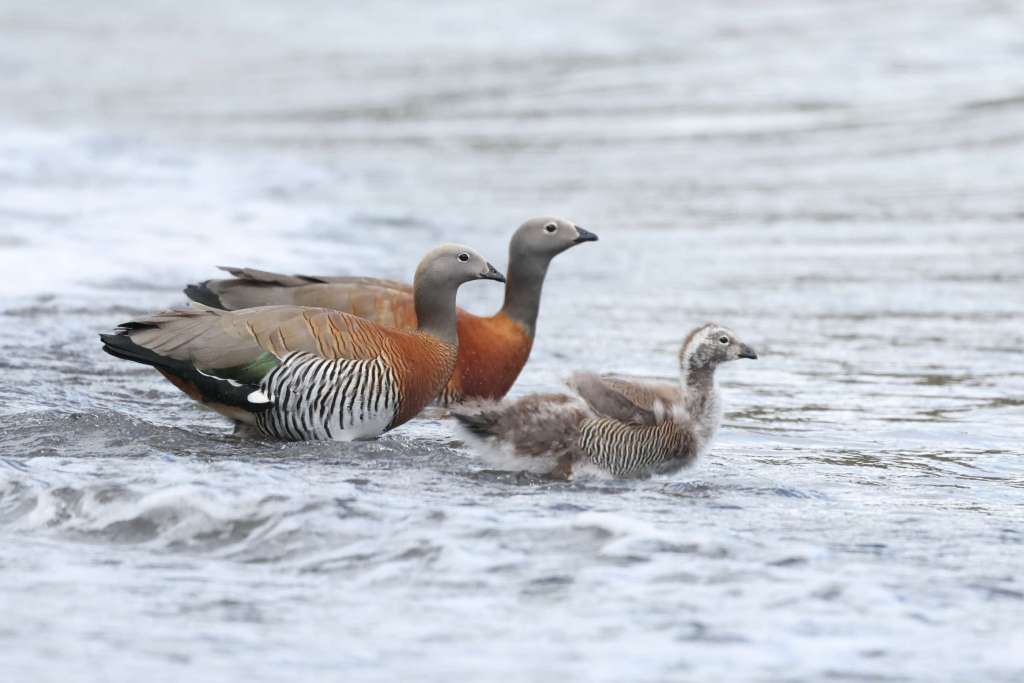
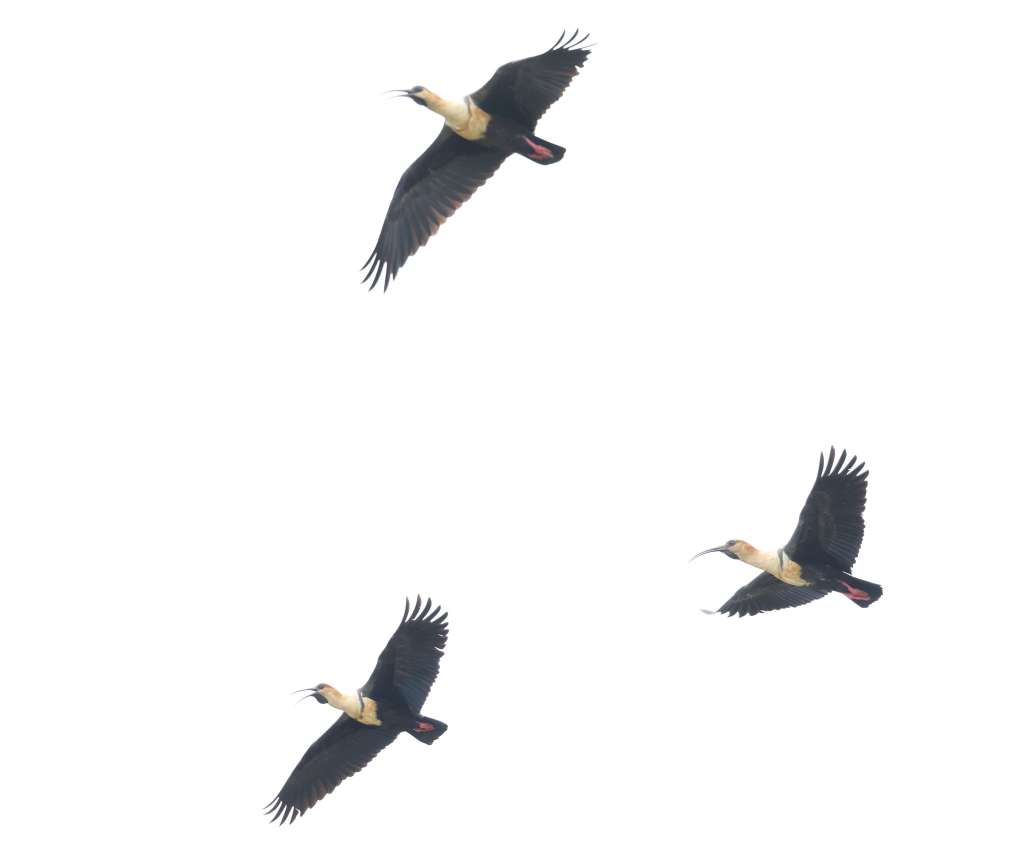
There were a similar number of Upland Geese and a bunch of Black-Faced Ibis as well.
Punta Arenas
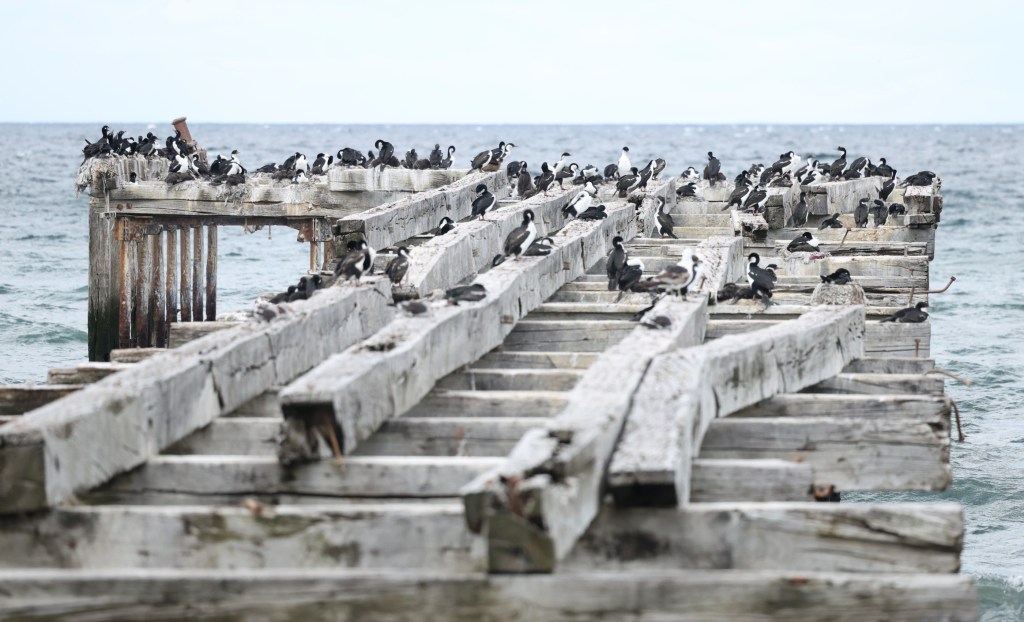
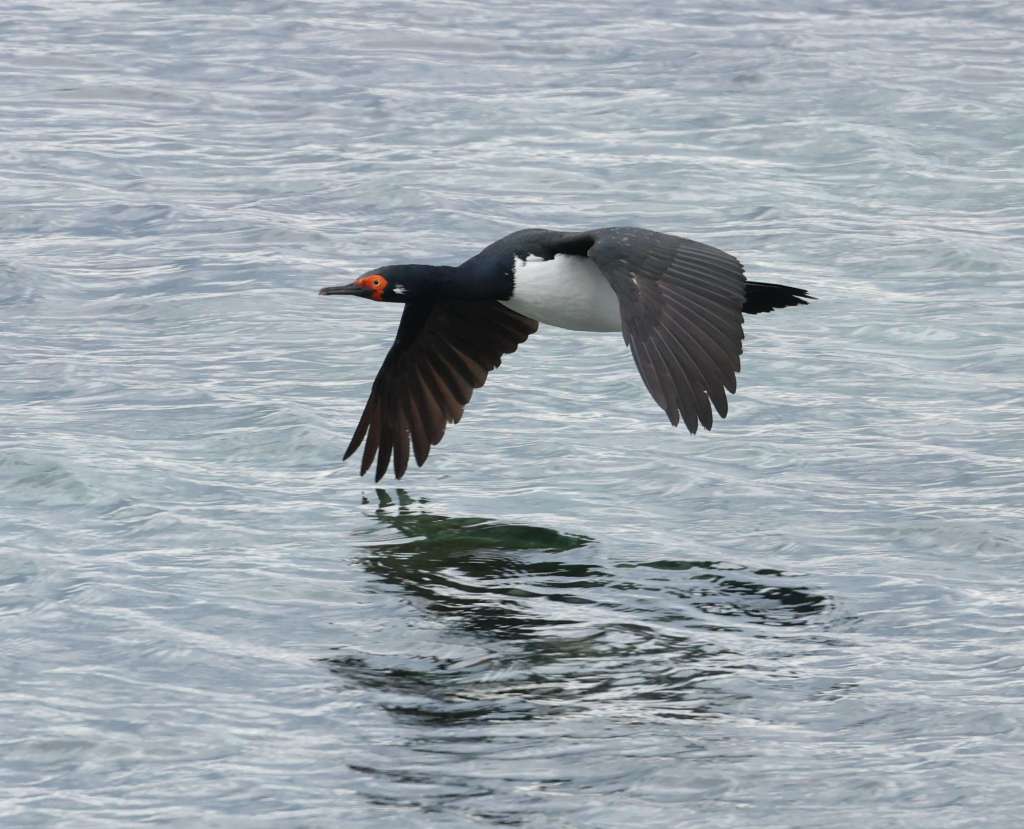
Punta Arenas is the largest population center in Chilean Patagonia and also lays claim to be “the world’s southernmost city”. There’s not many interesting birds in most of the city itself, except along the shore line where cormorants and other water birds are to be found. Imperial Cormorants tend to dominate in numbers, but look carefully (as in the photo below) and you might find some Magellanic Cormorants in the mix. It wouldn’t be amiss to see Giant Petrels whizzing by either, as well as the ever-present Kelp Gulls, of course.
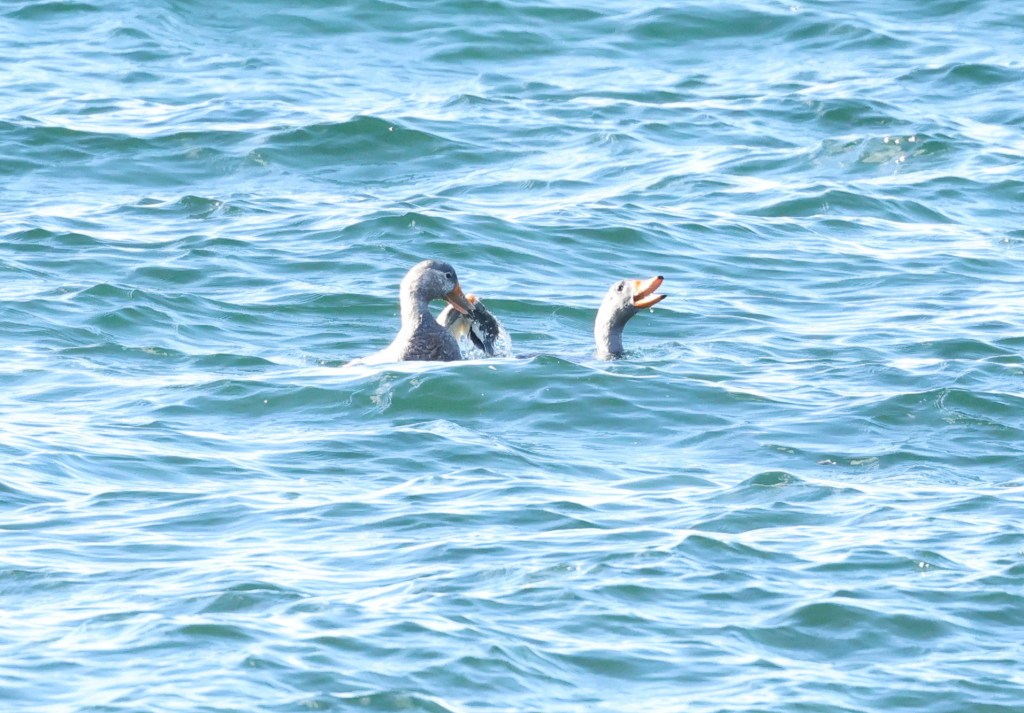
In a reminder that you can find birds just about anywhere, in the wharf area between two very busy industrial jetties we found… two Flightless Steamer-Ducks. Although they weren’t too close to us, we could see them splashing vigorously with their feet and wings (resembling an old-time paddle steamer, which is where they get their name). Weird, but, OK.

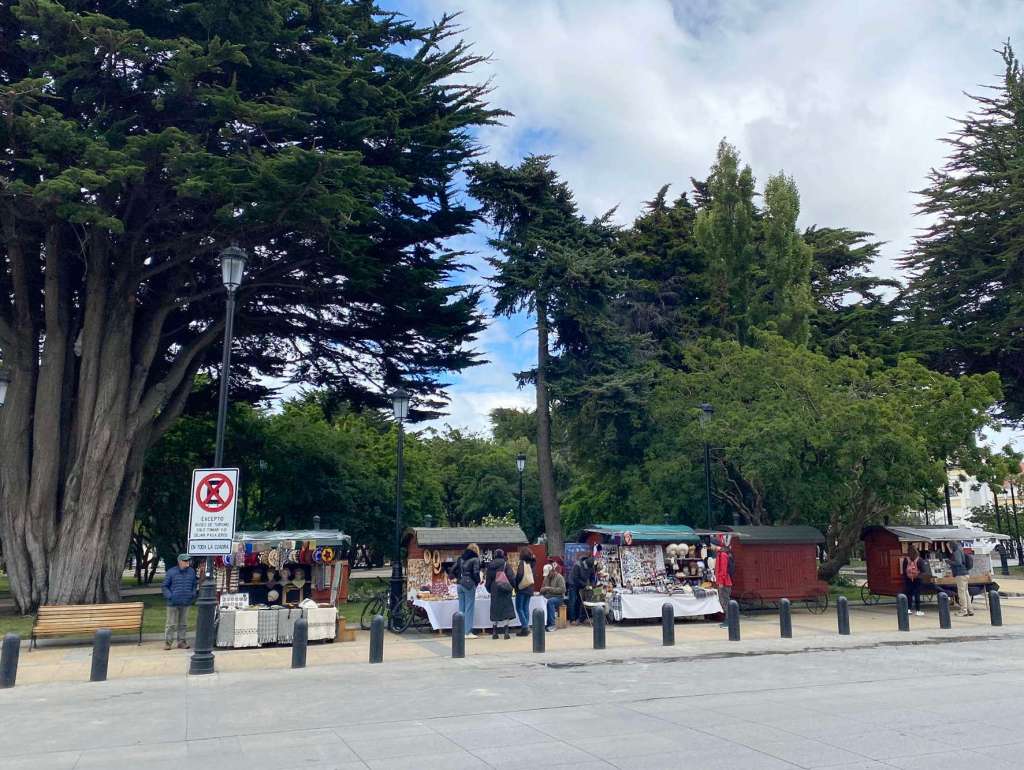
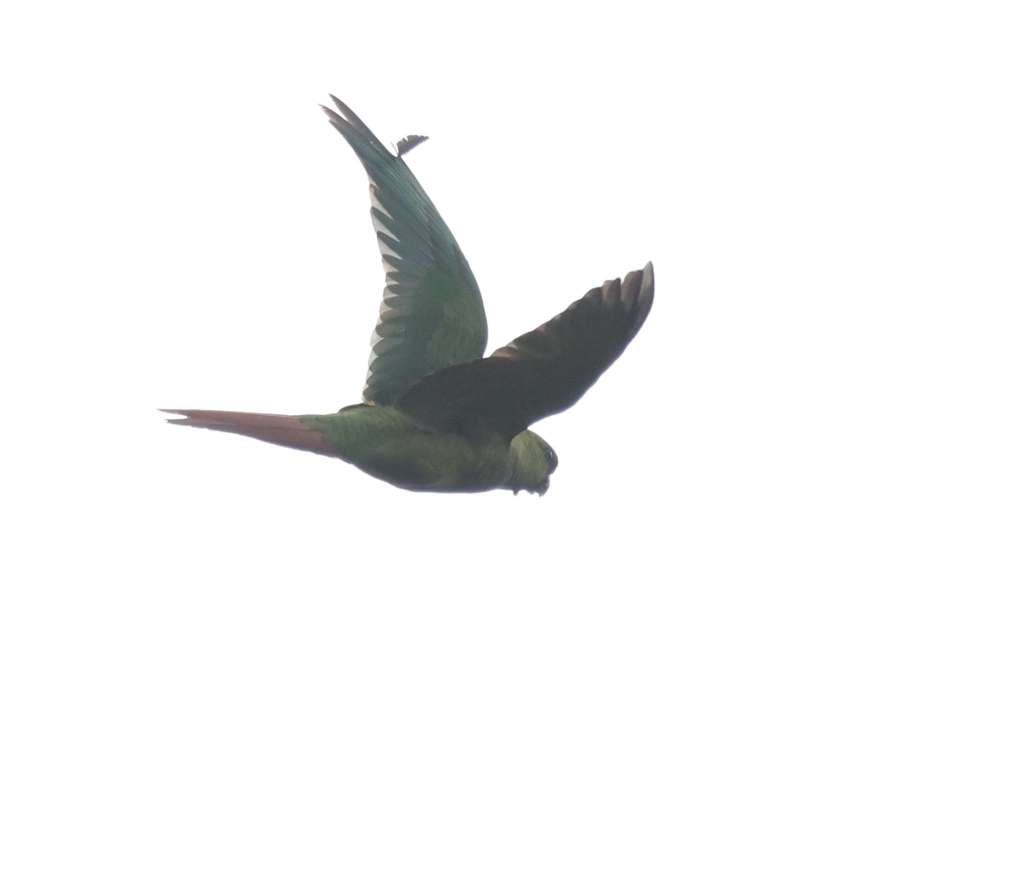
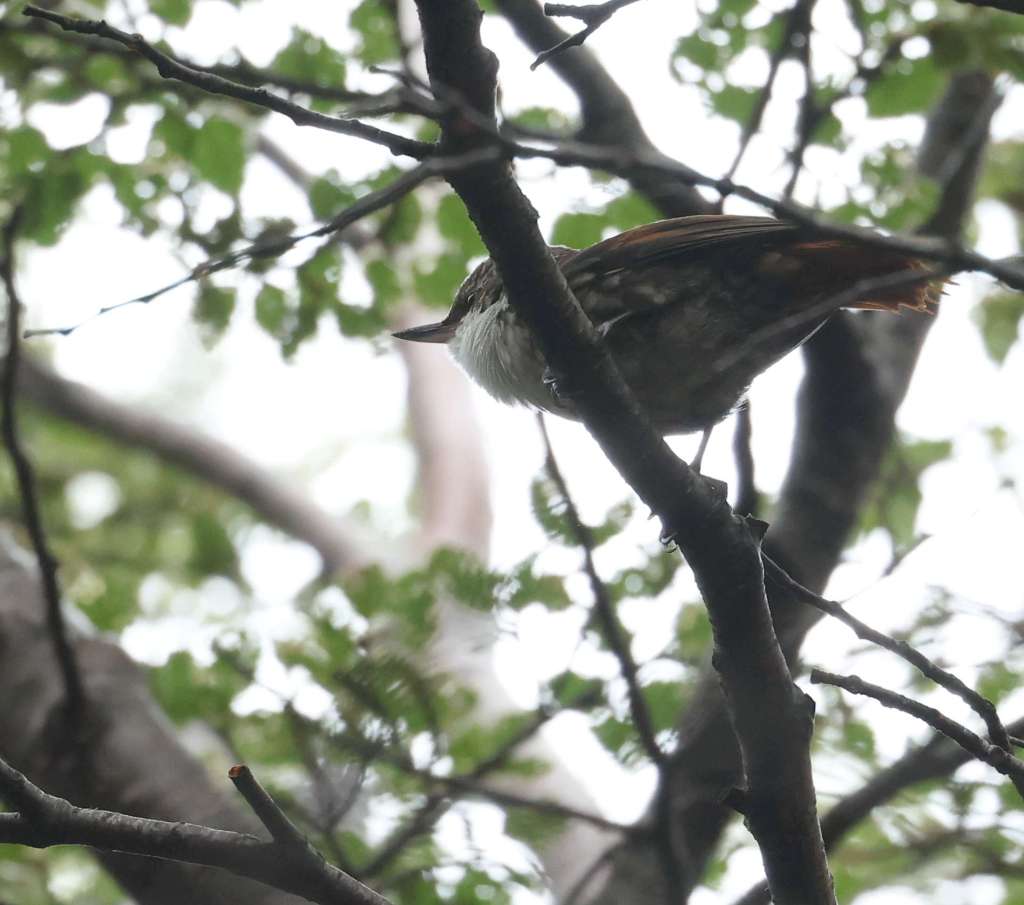
A 15 minute drive to the west of the city’s will put you in the very large Magallanes National Reserve, where you can see some of the region’s endemic forest birds, like White-Throated Treerunner and Austral Parakeet.
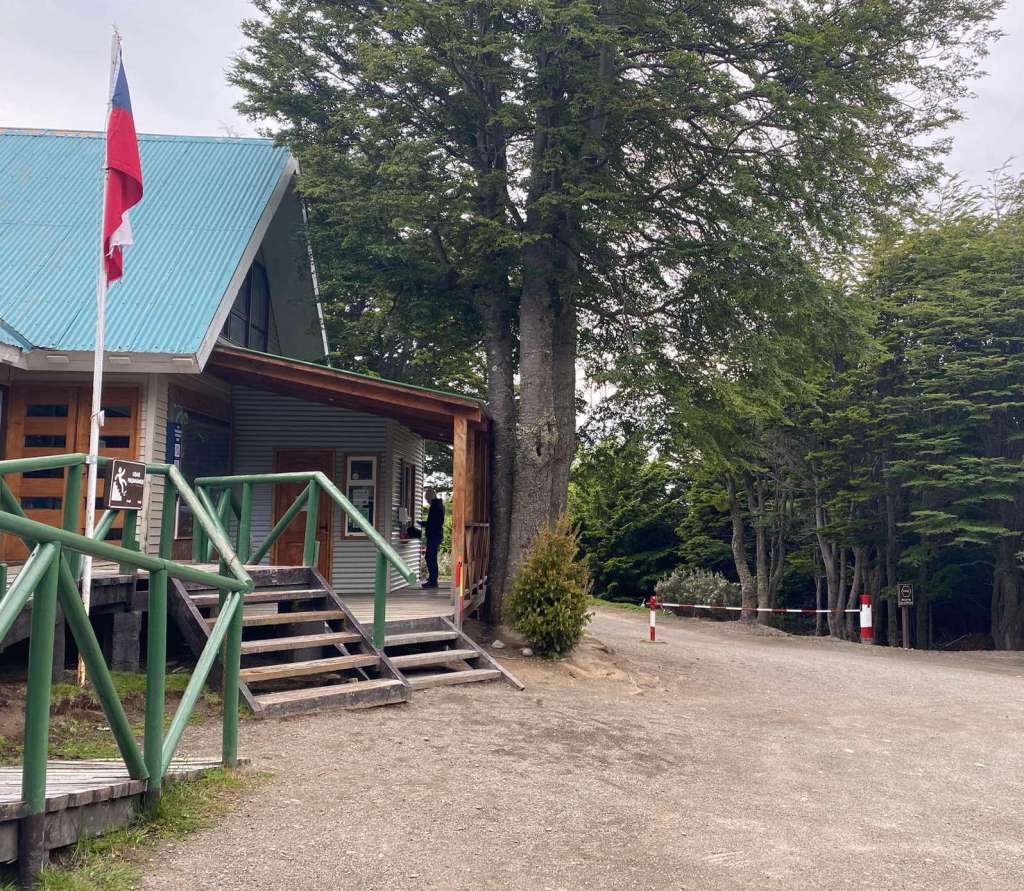
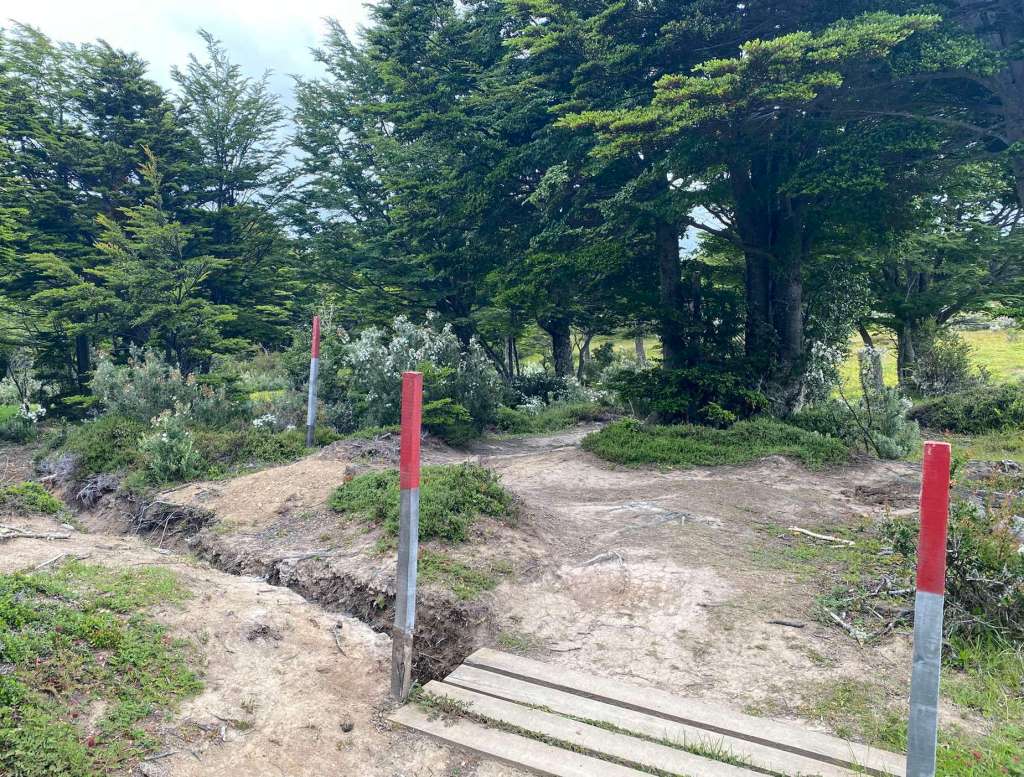
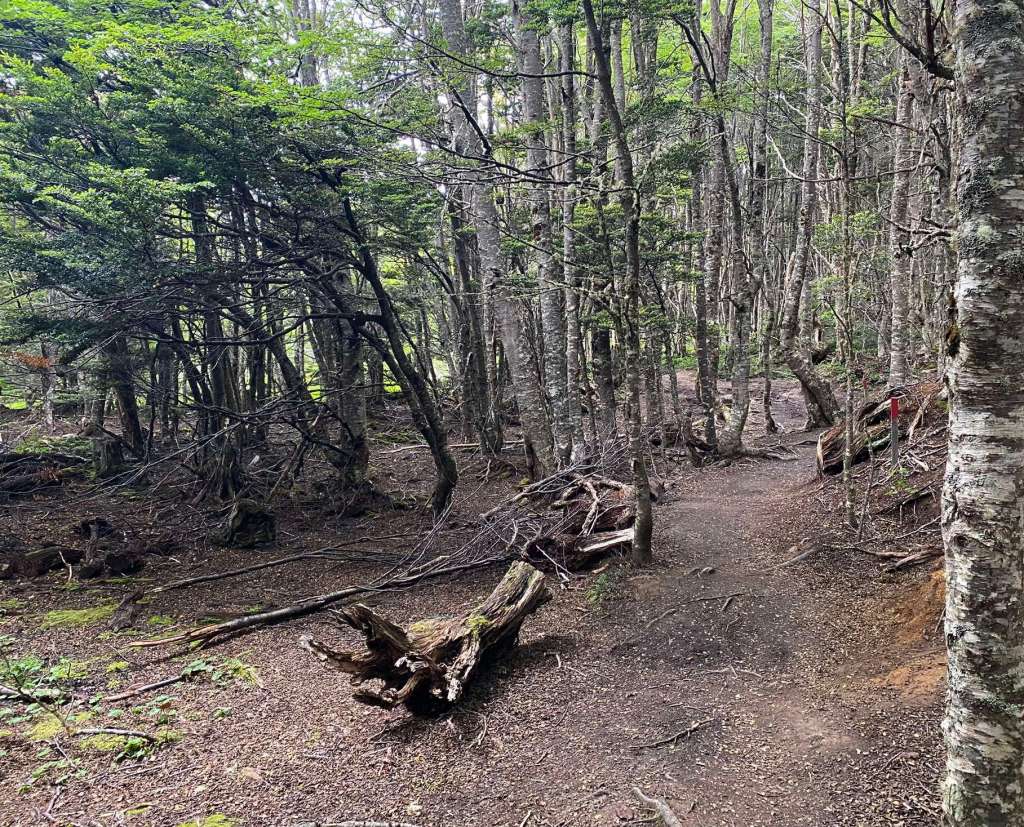
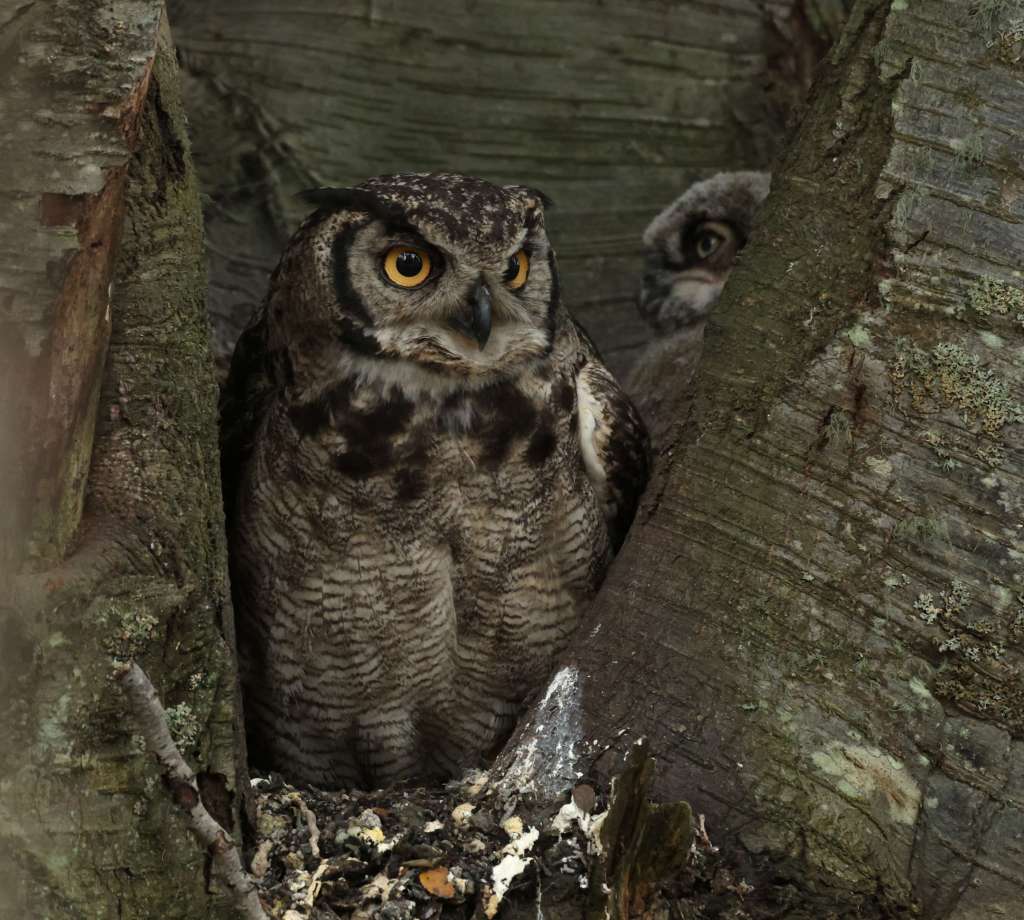
There isn’t as much information about this reserve online as I would have liked, so I tentatively followed the Y-570 and eventually there’s a gate and a house where they’ll take your entry fee (or you can prepay online like I did, but they seemed to want to verify me at length anyway) and show you a trail map. Once through that mini-rigmarole, the ranger was generous enough to point out where a pair of Lesser Horned Owls (and their owlet!) was – quite close to the gate/car park area. These lovely owls were absolutely the highlight of the day.
In two hours we found 11 species and let it be said that even out of the wind, you can really feel the cold here, even in January, the “height” of the Austral summer. Birding in the heavy cloud cover and equally heavy foliage was tough, with Thorn-Tailed Rayaditos, White-Throated Treerunners and White-Crested Elaenias all appearing, but often high up as fast-moving silhouettes. At least the Austral Parakeets were in the open, flying by quickly and squawkily overhead.
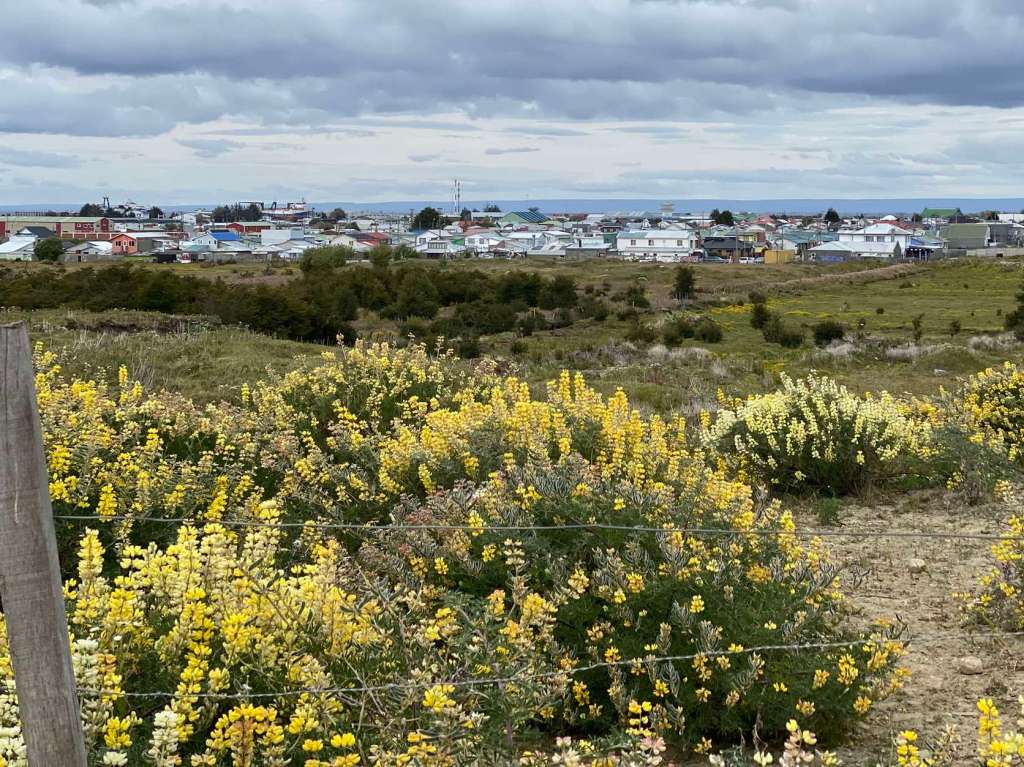
On the north edge of Punta Arenas is a wetland system called Humedal Tres Puentes, or “Wetland of Three Bridges”. It’s not the most inspiring place scenery-wise, but worth a visit to pick up some water birds you might want to see. There’s a viewing platform/bird hide, helpful for keen bird observers.
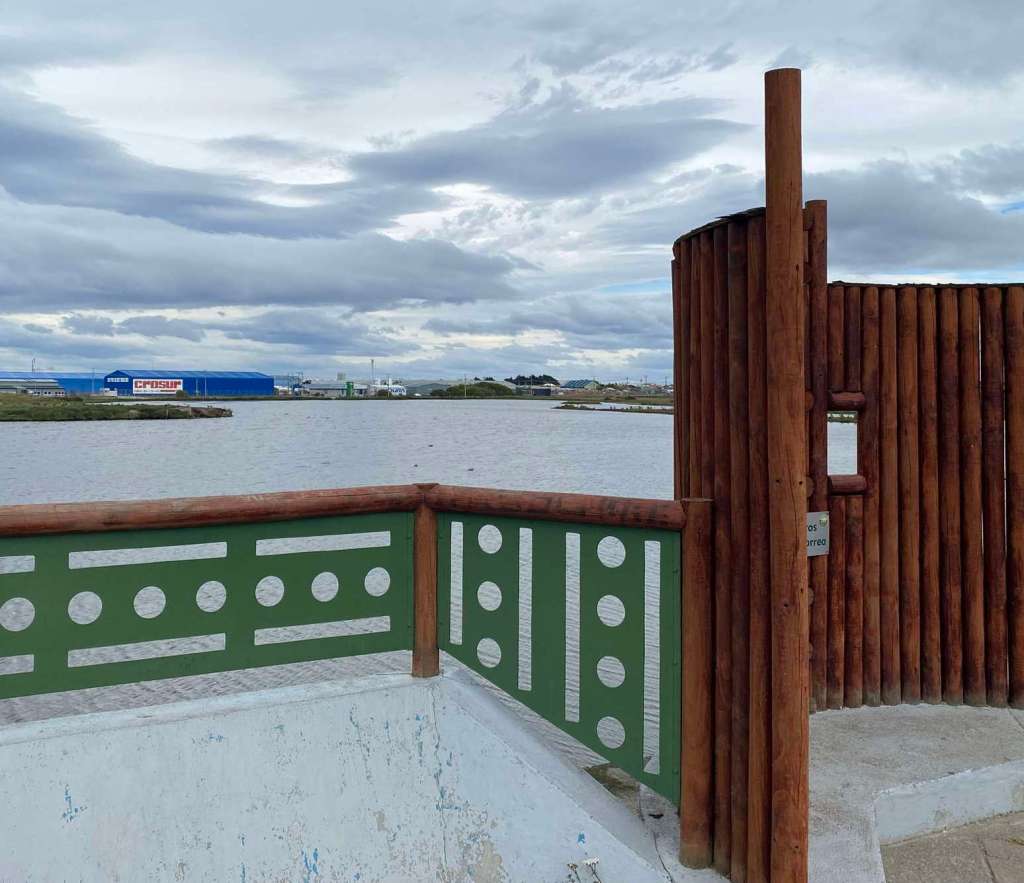
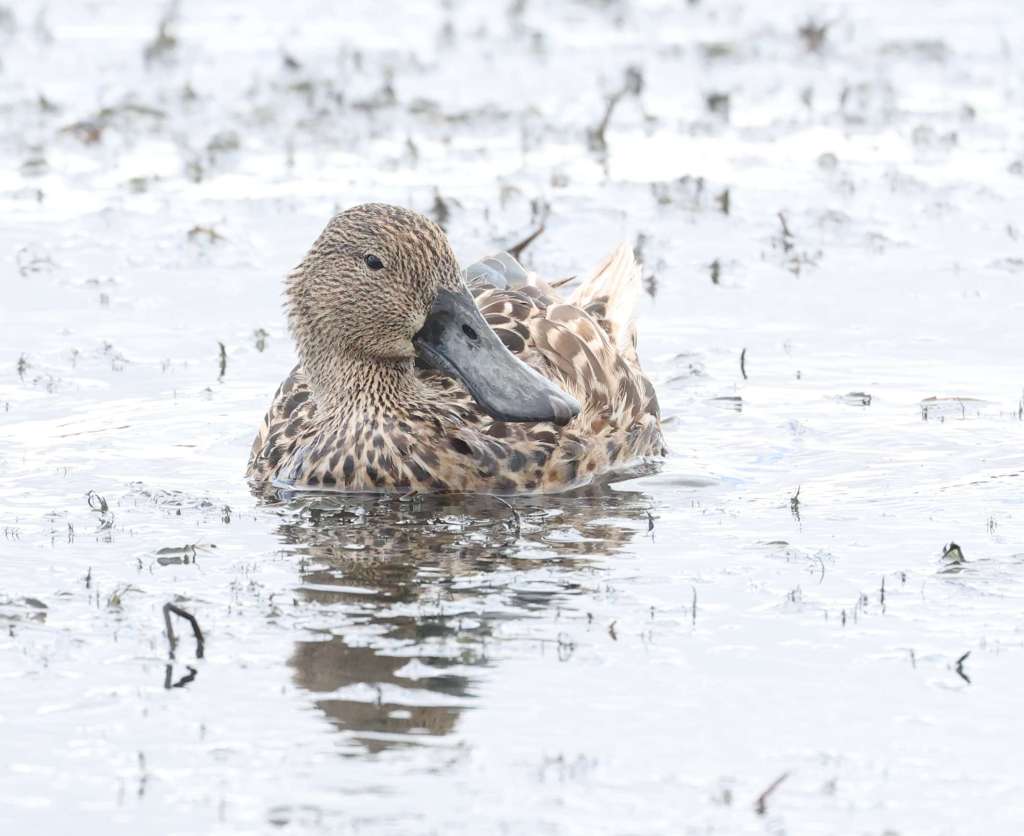
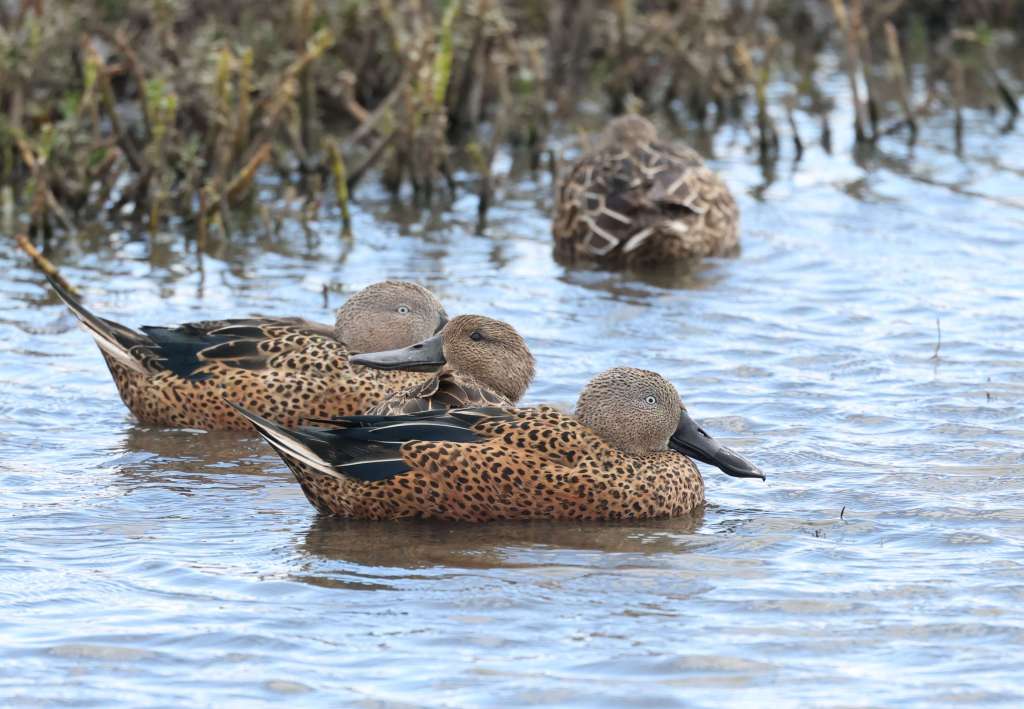
There are often good numbers of birds here; on my visit (18 Jan 2026), I saw 76 Upland Geese, 40 Brown-Hooded Gulls, 24 Chiloe Wigeons, 13 Crested Ducks as well as 17 other species. Red Shoveler, with its classic shovel-like bill, was a new one for me, though I had to walk right around to the other side of the main lagoon to actually see one (so I’m glad I did!)
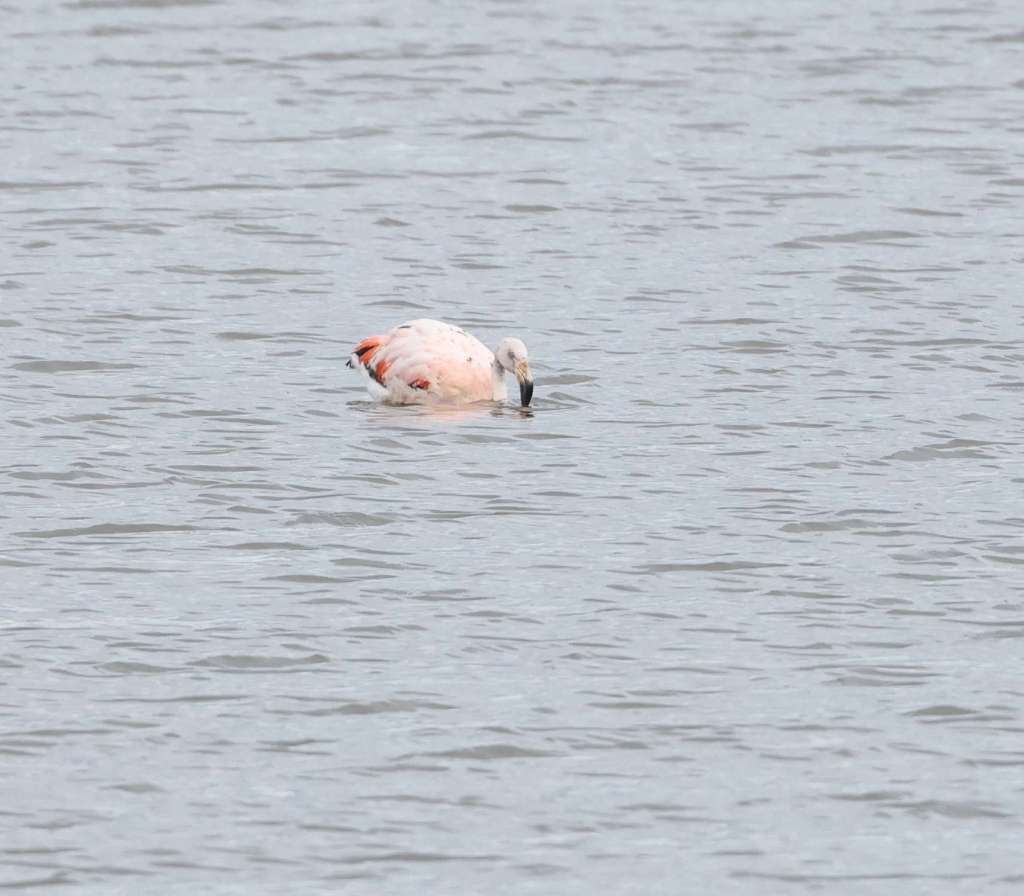
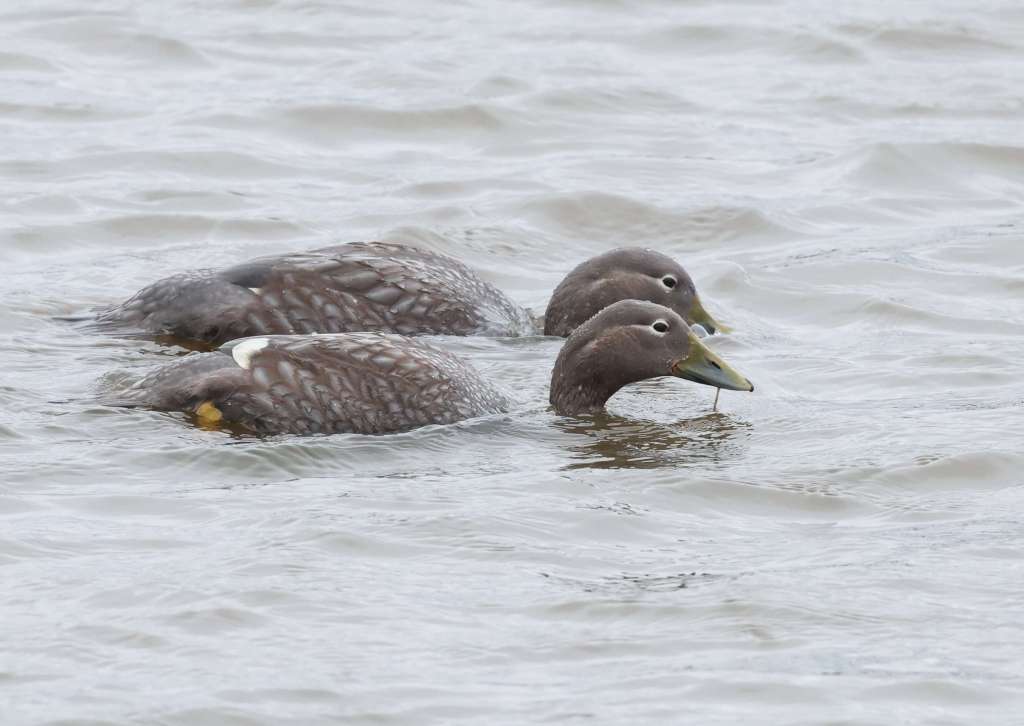
Flying Steamer-Ducks were here. Although very similar to their Flightless cousins mentioned earlier, their bills are less bright, and in any case Flightless Steamer-Ducks are never seen on inland lakes and lagoons (making identification easier if you’re inland, at least). A lone Chilean Flamingo was out enjoying some deeper-water foraging too – it’s pretty much the only flamingo you’ll see this far south.
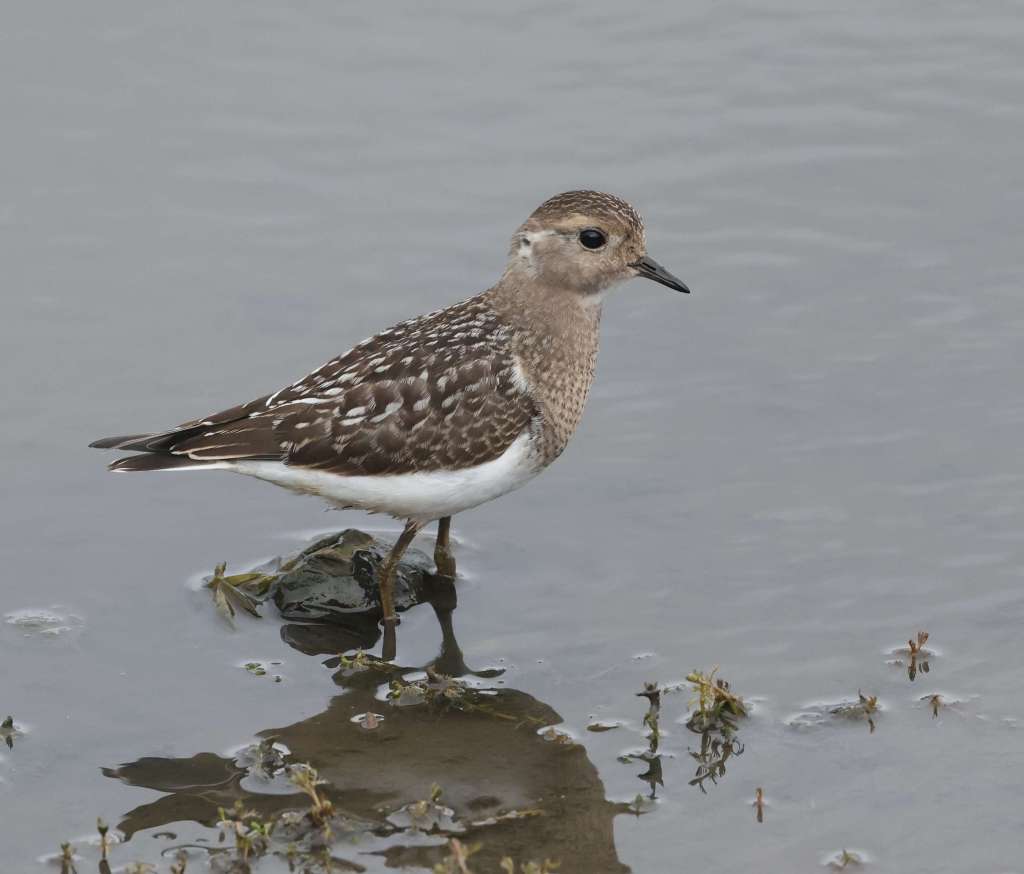
I saw a Rufous-Chested Dotterel here though I hadn’t clicked what species it actually was at the time. White-Tufted Grebes, quite widespread through the southern half of South America, were also here and they are quite photogenic little subjects.
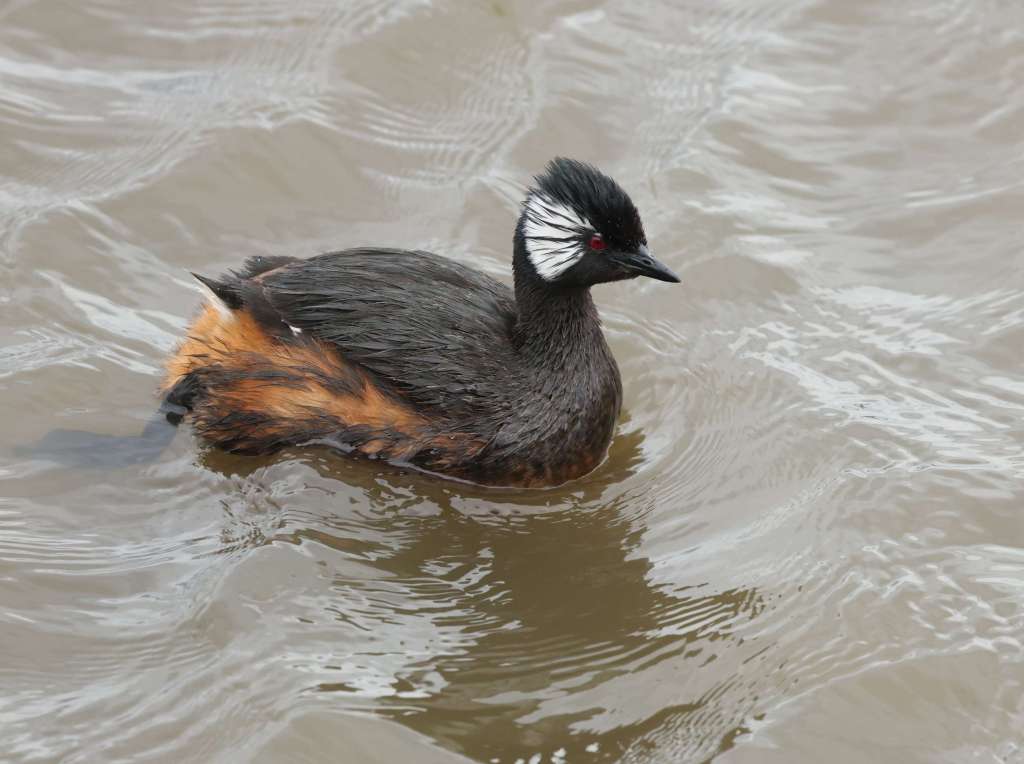
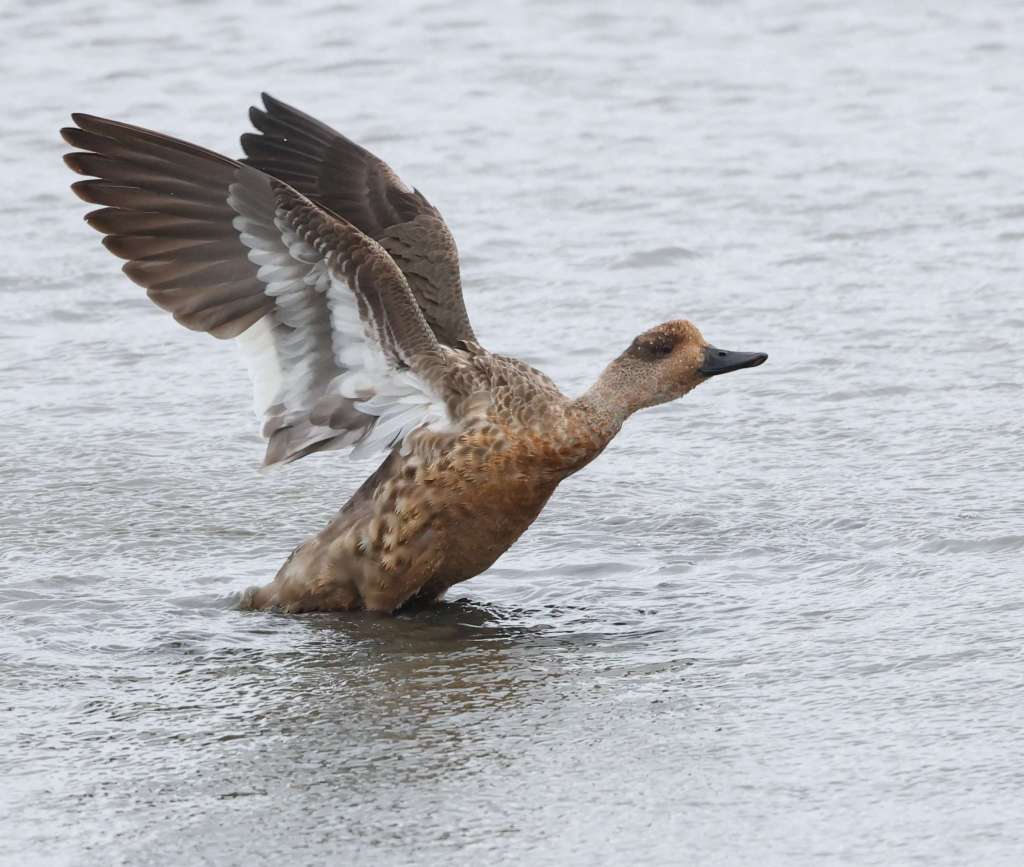
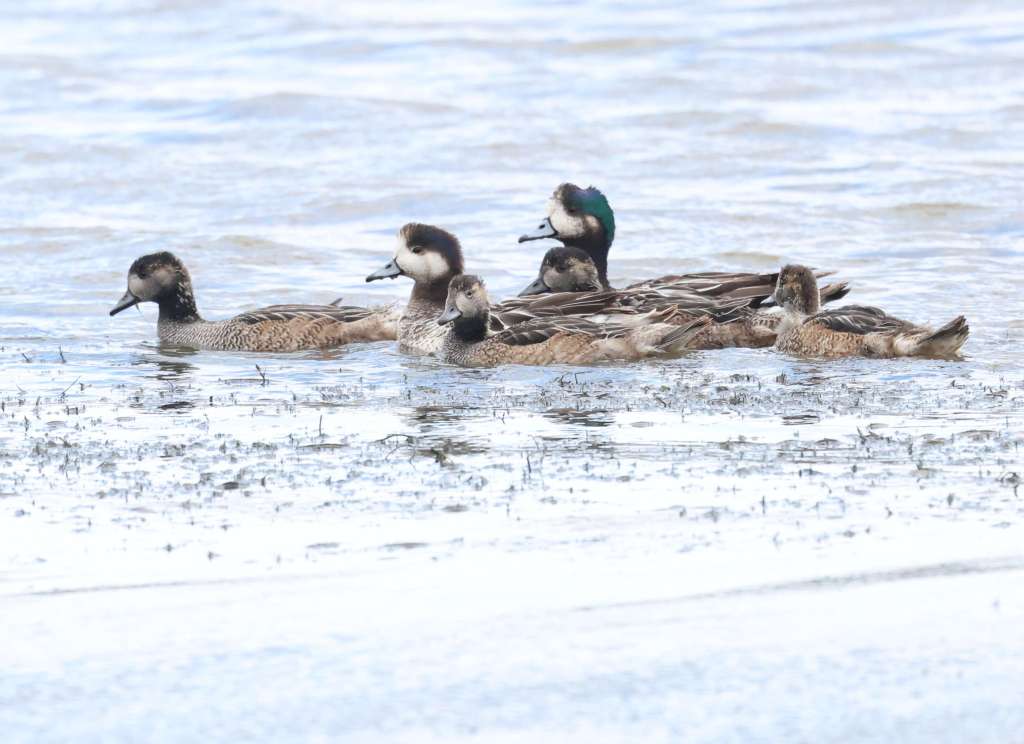
Crested Ducks and Chilean Wigeons were considerate enough to come close-ish to the main lagoon’s viewing platform for some photos.
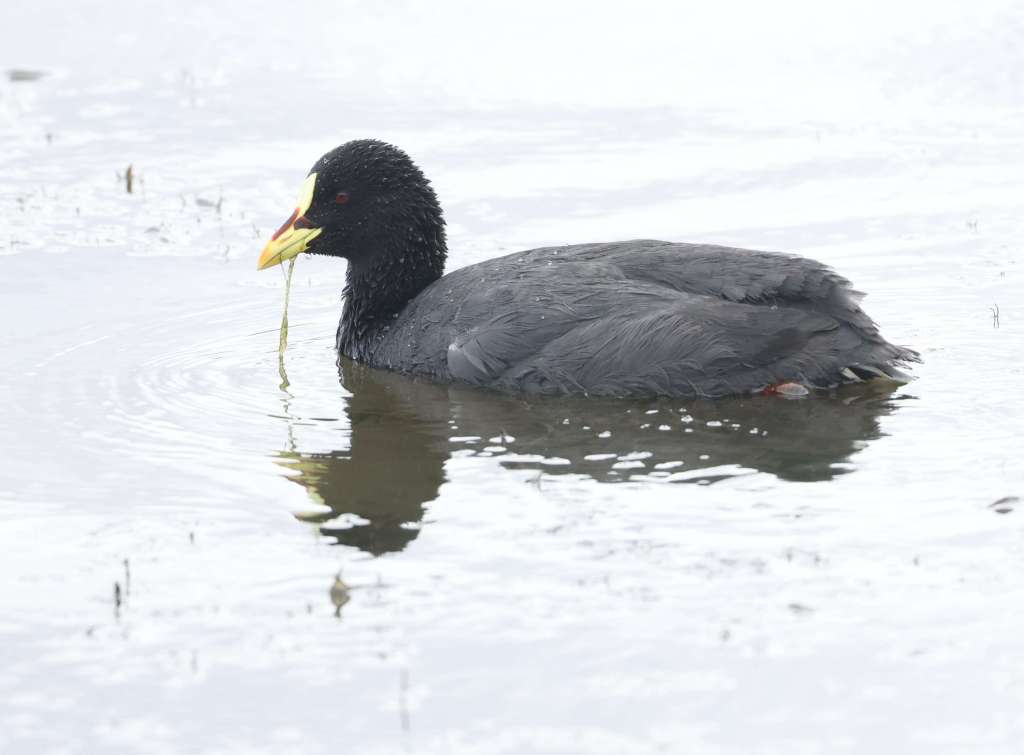
I was on the lookout for Red-Fronted Coot (uncommon here) or White-Winged Coot (supposedly fairly common) but only got a look at the ubiquitous Red-Gartered Coot. A female Austral Negrito lurking about in the grass had me puzzled for a little until it came out into the open and I could see what it was.
The Falkland Islands: Saunders Island and West Point
This and the next section are not a comprehensive look at the birds of the Falkland Islands by any means; I was traveling there on an HX Expeditions ship with 3 days scheduled for shore excursions, and even that time was cut short by a day due to an approaching weather system. Such is life in these lower latitudes!
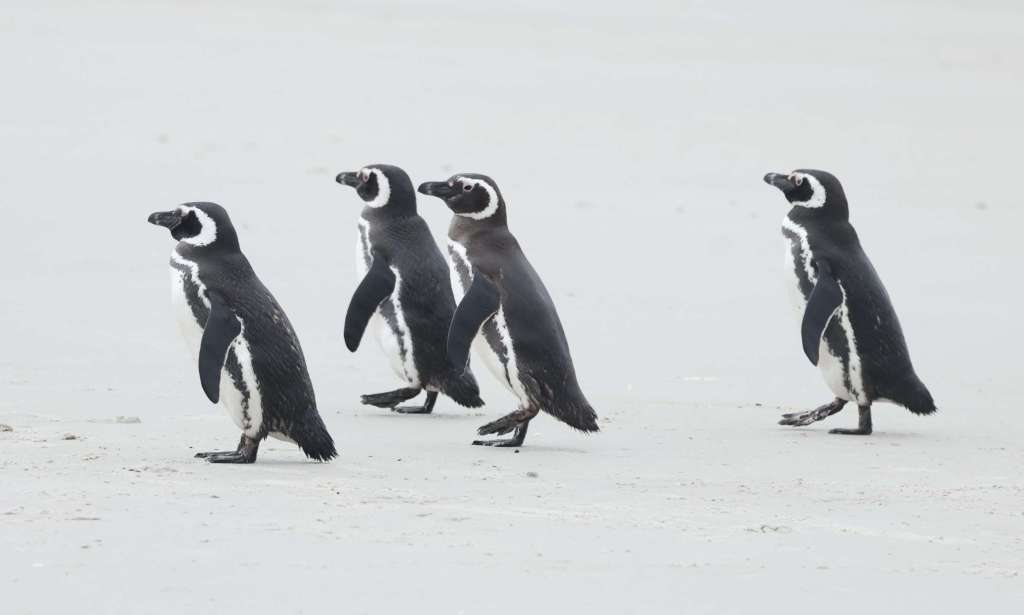
I will definitely say, however, that penguins were the main attraction. You can’t help but fall in love with their endearing waddle, and gaze in awe at the size of the colonies, and admire how they will patiently (and mostly fearlessly) wander (and hop) to and from the ocean. Most of the penguins photos below are from a location called “The Neck” on Saunders Island.
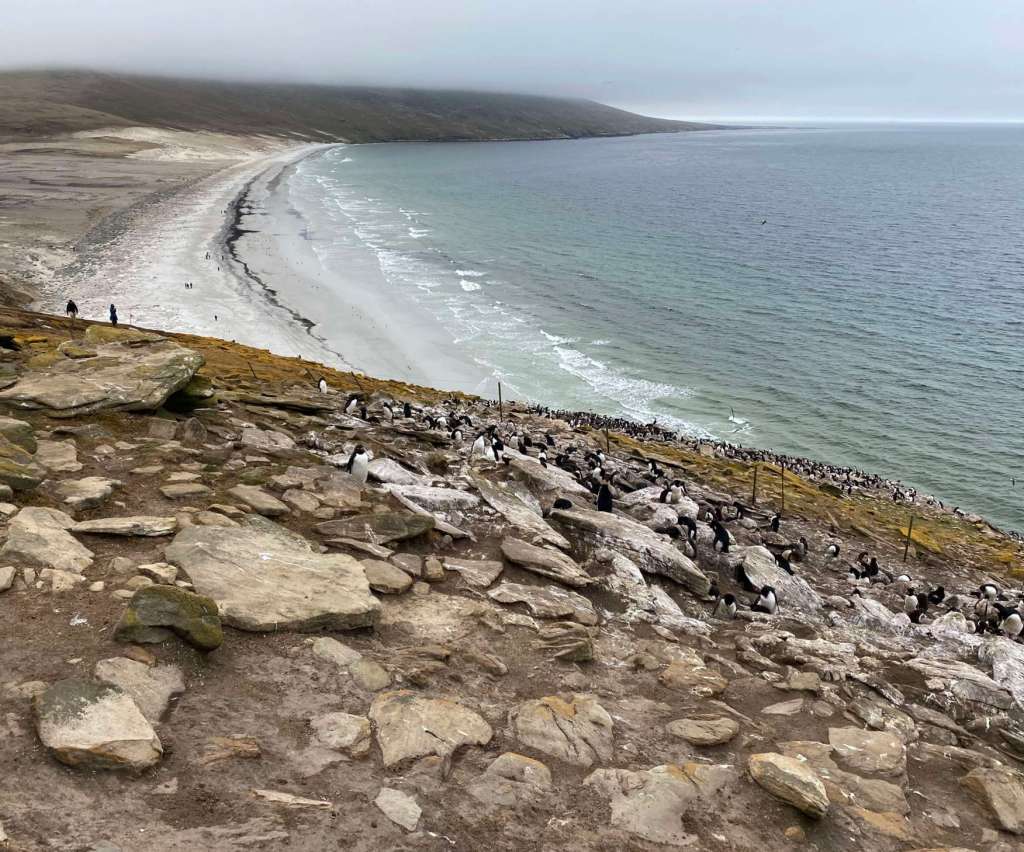
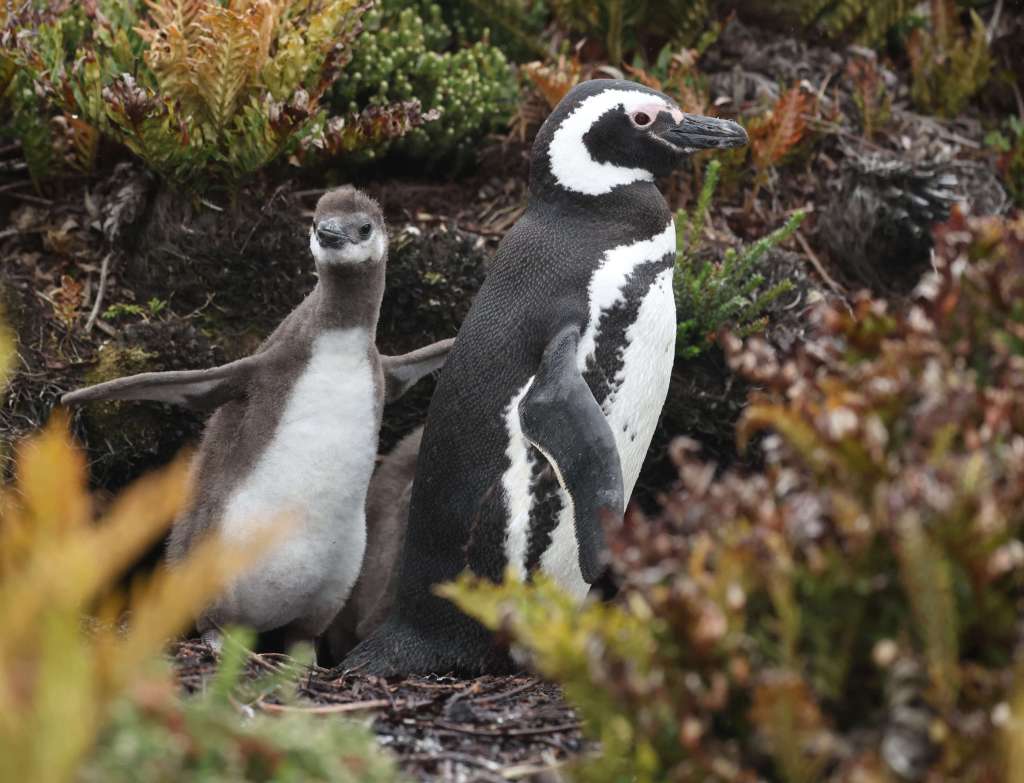
Magellanic Penguins nest in underground grassy burrows which they dig out. They eat anchovies, sardines, squid, and krill and sometimes even jellyfish (not my idea of a good time, but each to their own…)
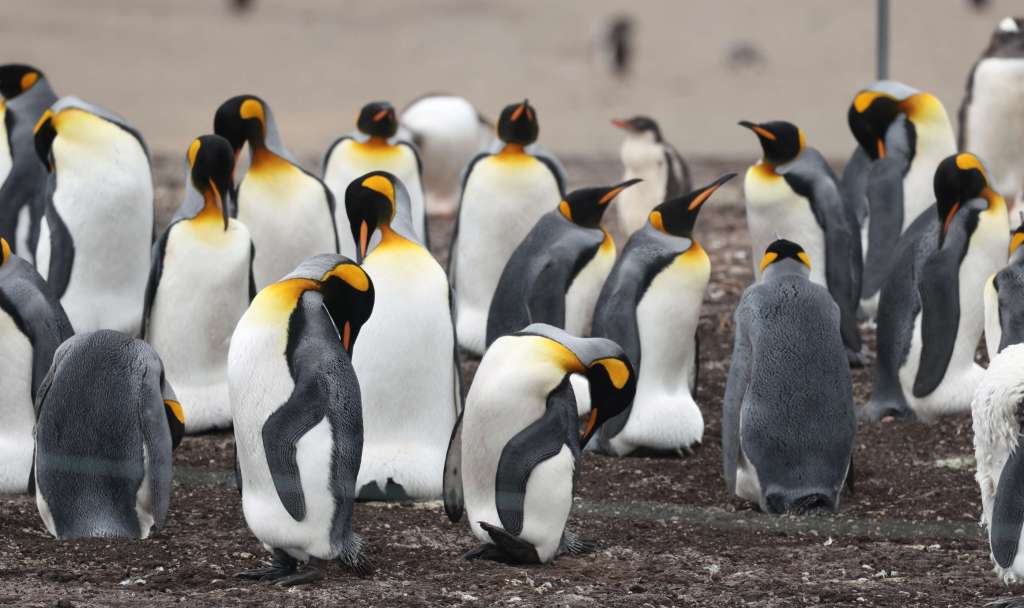
King Penguins can form gigantic colonies of hundreds of thousands of birds on South Georgia Island, but they are in much more modest numbers (about 1500 breeding pairs) here in the Falklands. The gold highlights give them that classic penguin look.
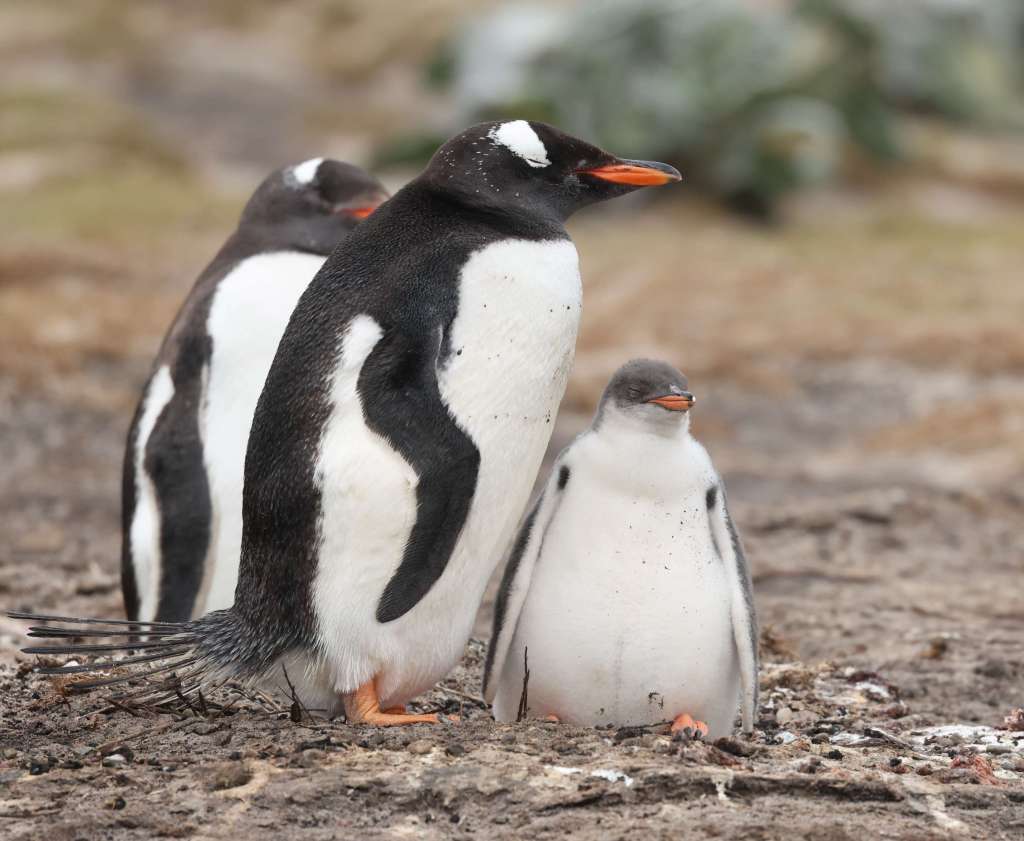
Like the King Penguins, Gentoo Penguins are quite widespread and I would become quite well acquainted with them over the coming days in South Georgia and on the Antarctic Peninsula too.
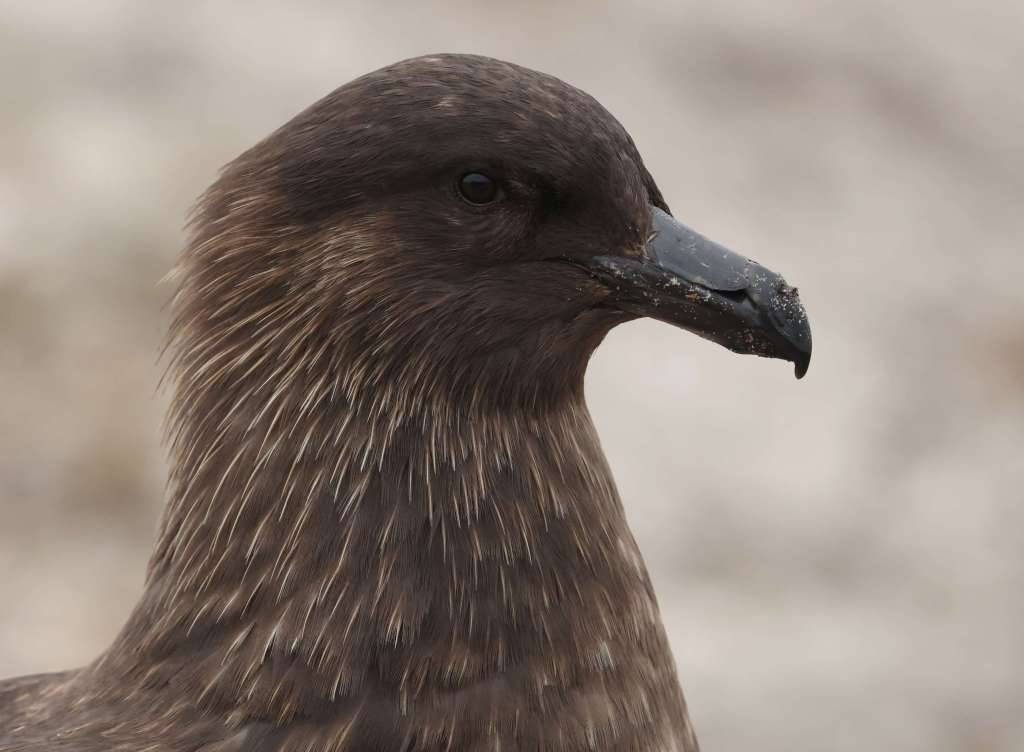
Brown Skuas, stealers of eggs and even penguin chicks, were hanging around looking for easy prey they could scavenge in the colony areas.
At West Point, a nearby spot to Saunders Island also in the extreme north-west part of the Falkland Islands, we trekked across a misty hill to find a Western Rockhopper Penguin colony, with plenty of young penguins in the crowd.
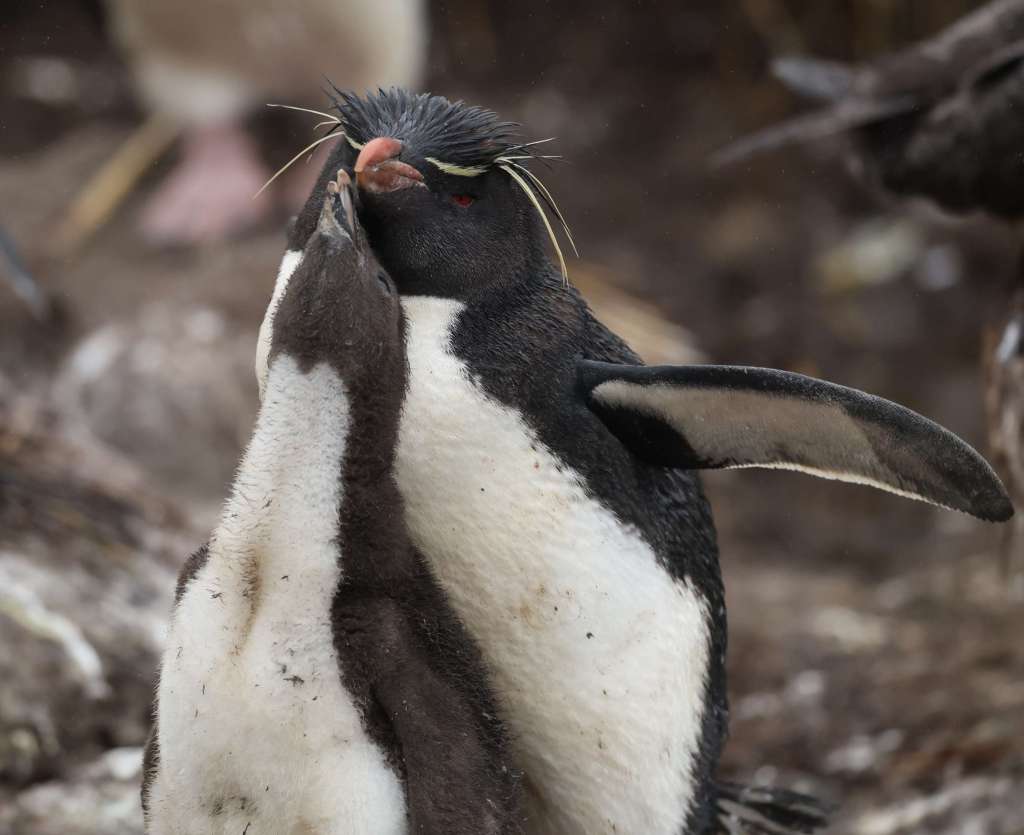
Mingling right in with the Rockhopper Penguins were nesting Black-Browed Albatross, who were also rearing their young. Talk about safety in numbers!
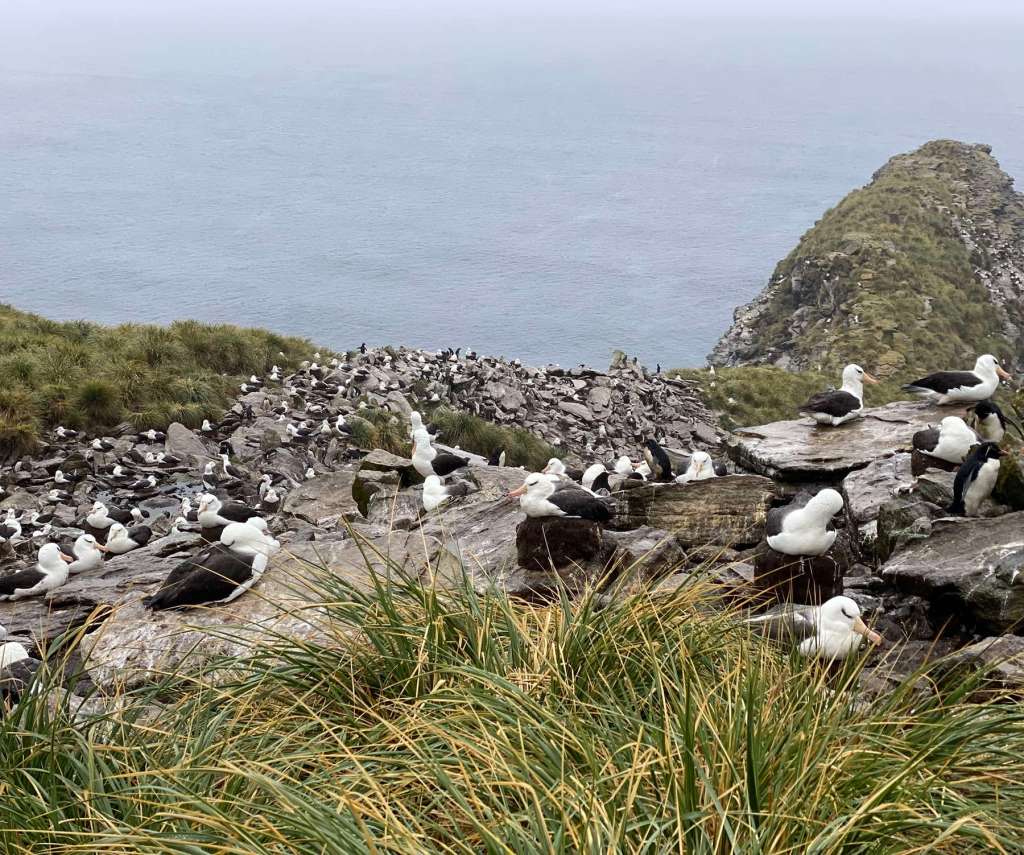
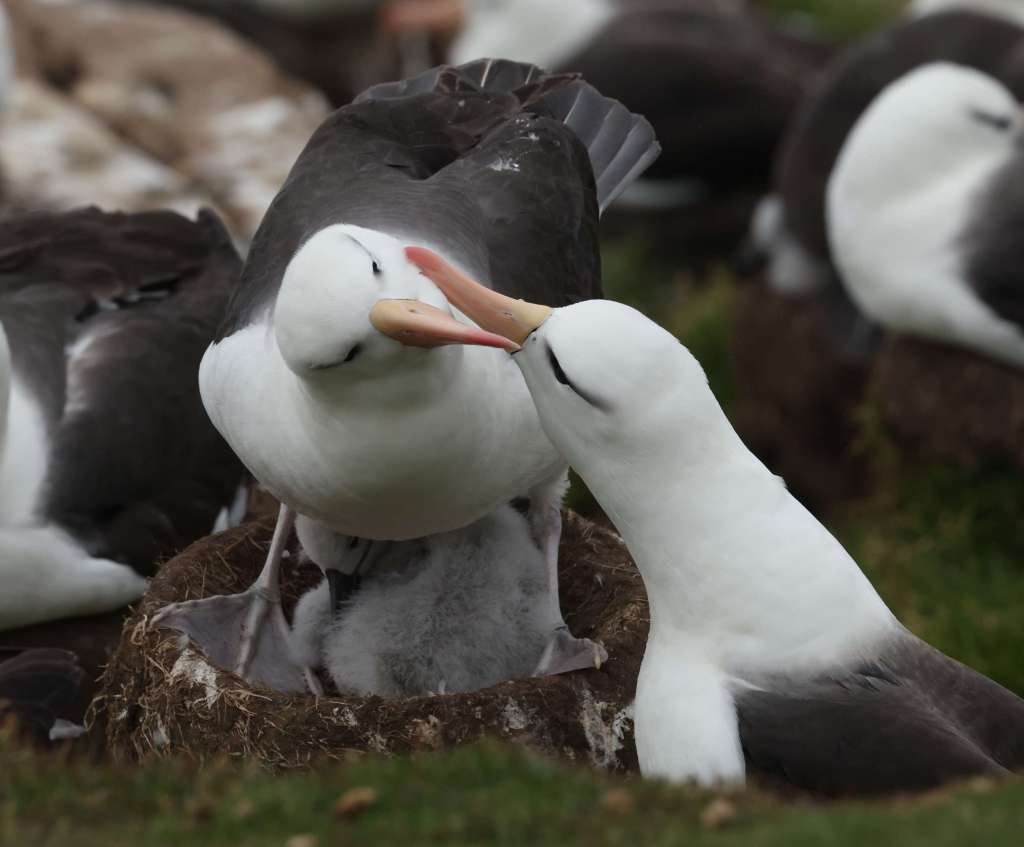
The Black-Browed Albatross make a big bowl-shaped nest. I particularly enjoyed seeing the albatross pairs reuniting when one returned to the nest, flying in and landing somewhat clumsily, with the pair then touching bills and performing some preening.
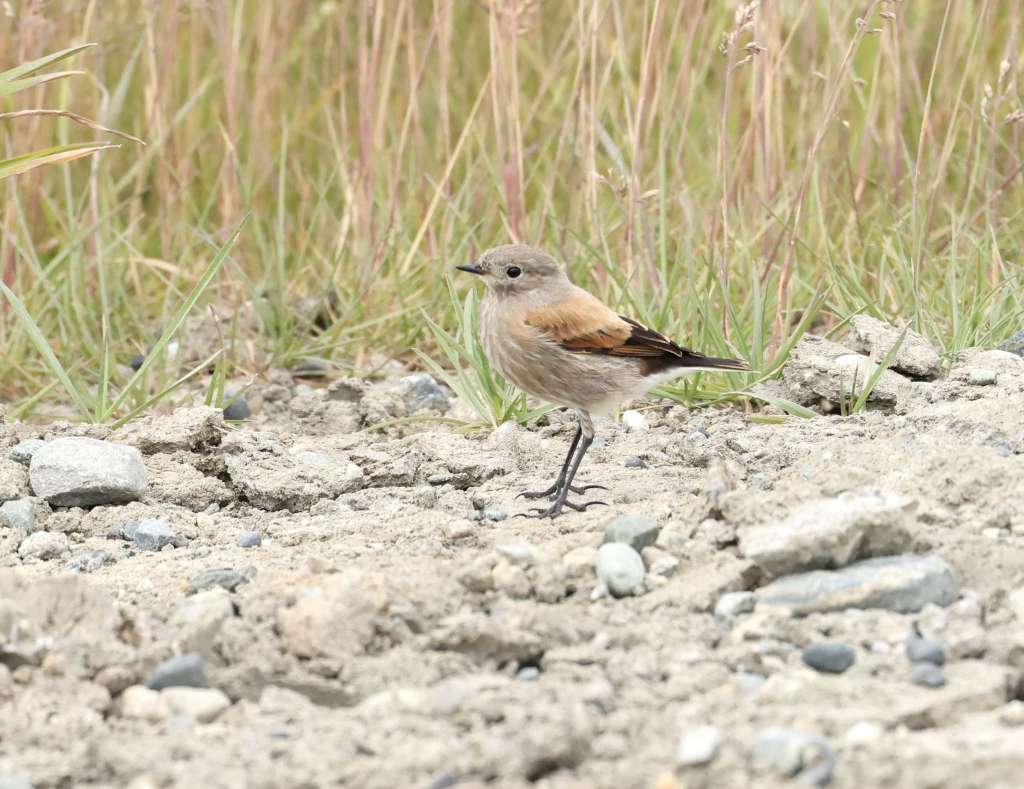
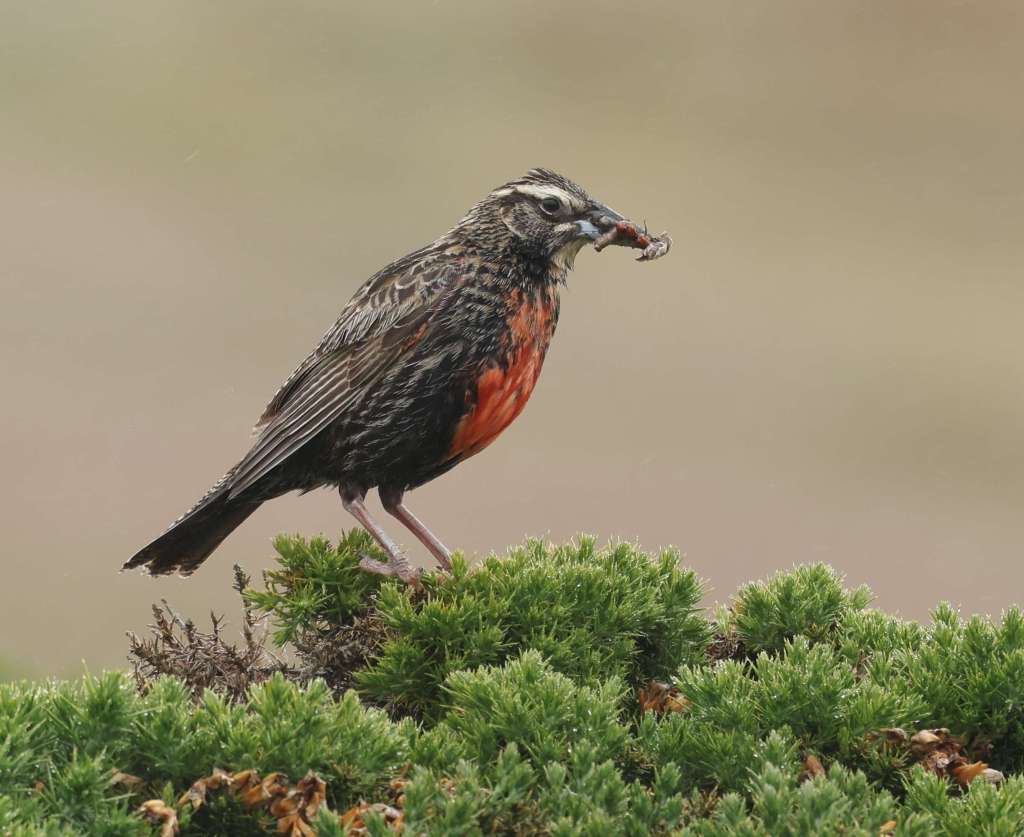
Two new birds for me here included the blackbird-like Long-Tailed Meadowlark with its super long sharp bill and scarlet breast, and the Dark-Faced Ground-Tyrant, a type of flycatcher; both can be found in Patagonia too.
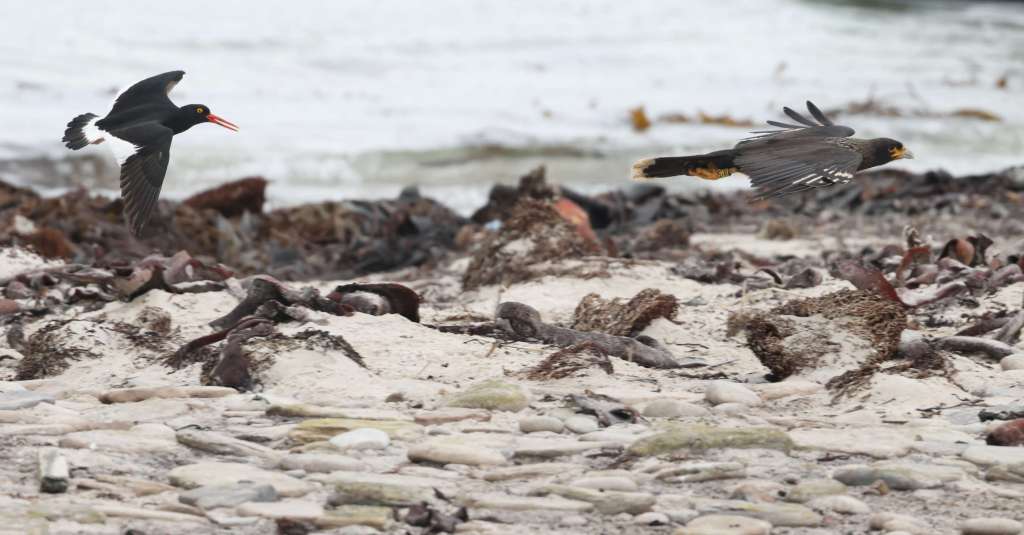
I had a big hardcover bird book when I was a kid (yes, you can probably trace my obsession with our avian friends a long way back…) and one of my all-time favourite birds in that book was the Striated Caracara, also known as the “Johnny Rook”. I dimly remembered that it was a South American species, but it turns out that it’s not particularly common except very far south… and it’s only locally common in the Falkland Islands. While I did see a couple in the Falklands, the only good photo I got of one was where it was being chased by a Magellanic Oystercatcher. Not sure what was going on there.
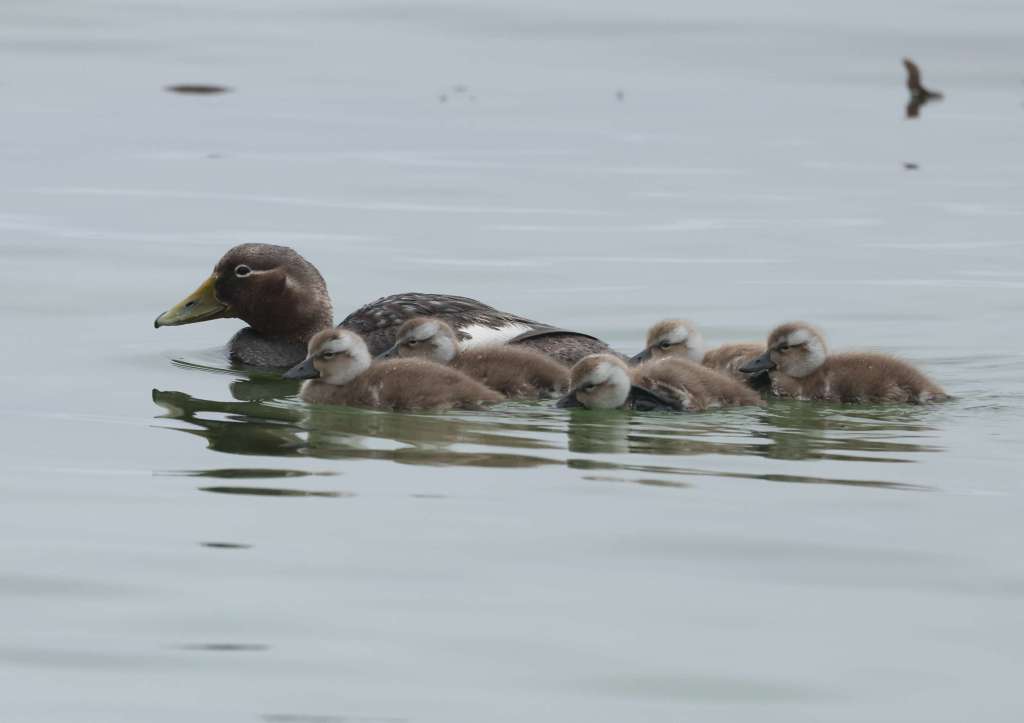
To add to the Steamer-Duck confusion (see earlier), the Falkland Islands have their own species, the Falklands Steamer-Duck, which is flightless (Flying Steamer-Ducks are also here, so you need to be careful with identification).
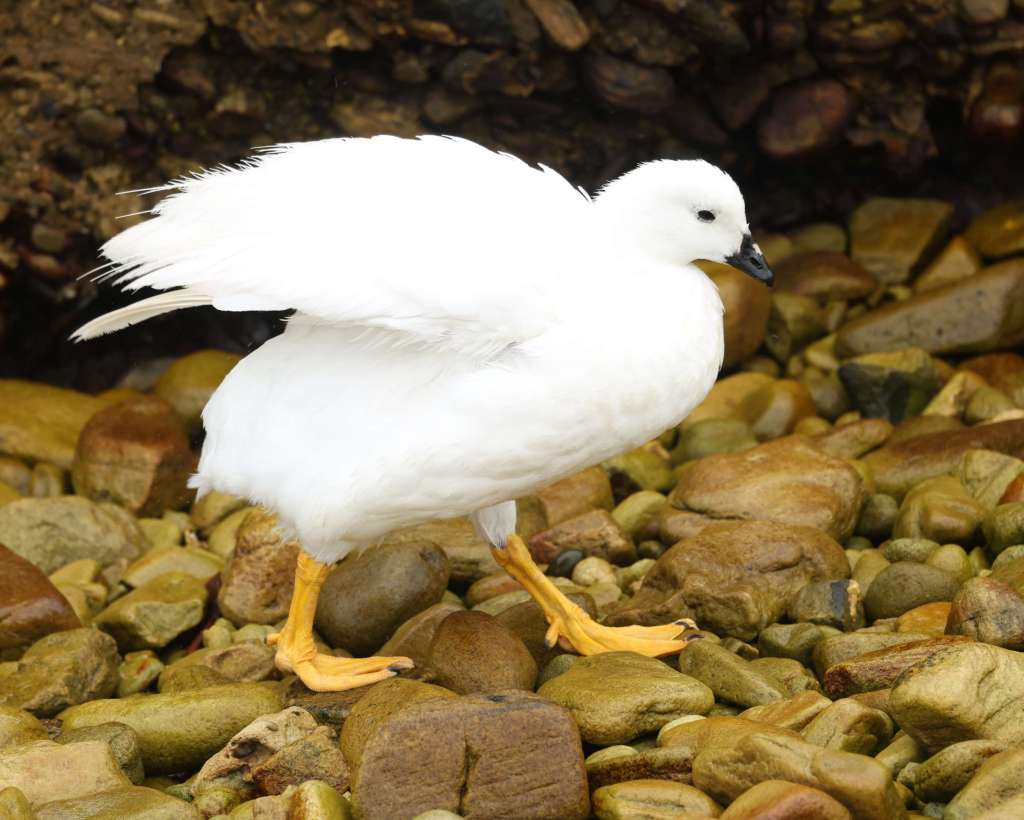
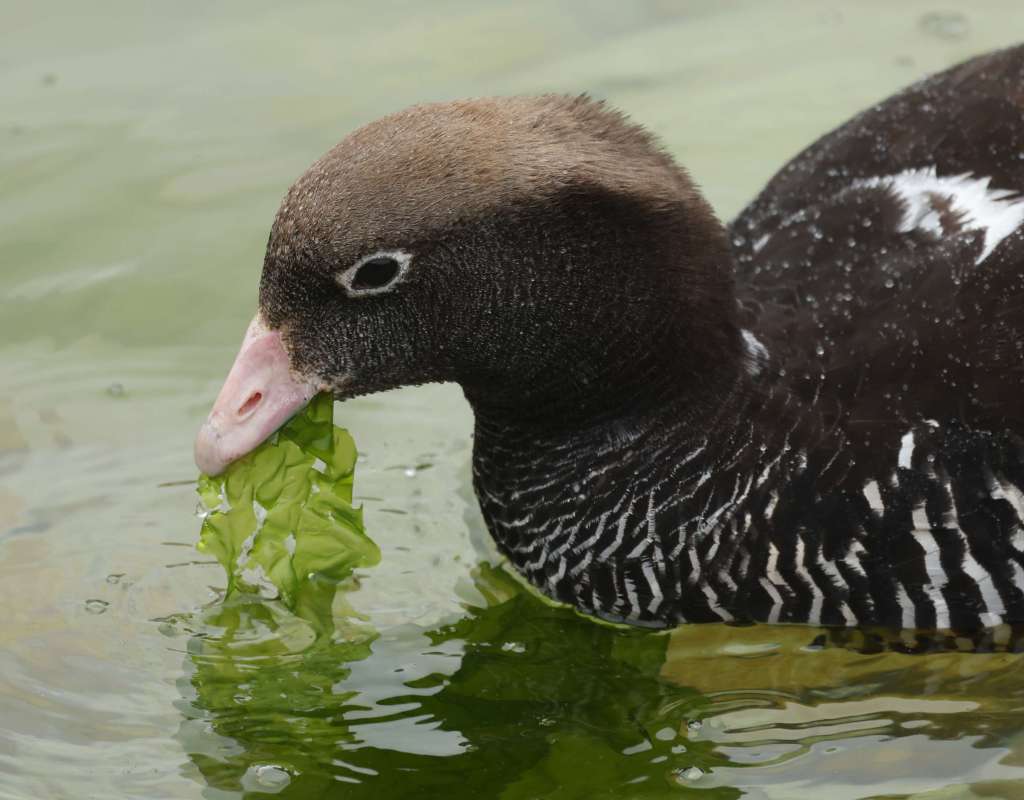
At West Point there were many geese and we got great looks at Kelp Geese in particular, especially noting how the male (all snowy-white) and female (um, not snowy-white) differ in colour.
Falkland Islands: Stanley and Gypsy Cove
In the Falklands’ capital of Stanley, in the very east of the islands, the weather was really not playing ball, with the kind of driven rain that somehow seemed to soak through your layers of waterproofing. Yikes. I had my closest encounter with a Dolphin Gull in between rain squalls at a car park… the bird seemed to be in scavenging mode.
Along the foreshore at Stanley along with Kelp Gulls were some Magellanic Cormorants; here they outnumber the Imperial Cormorants.
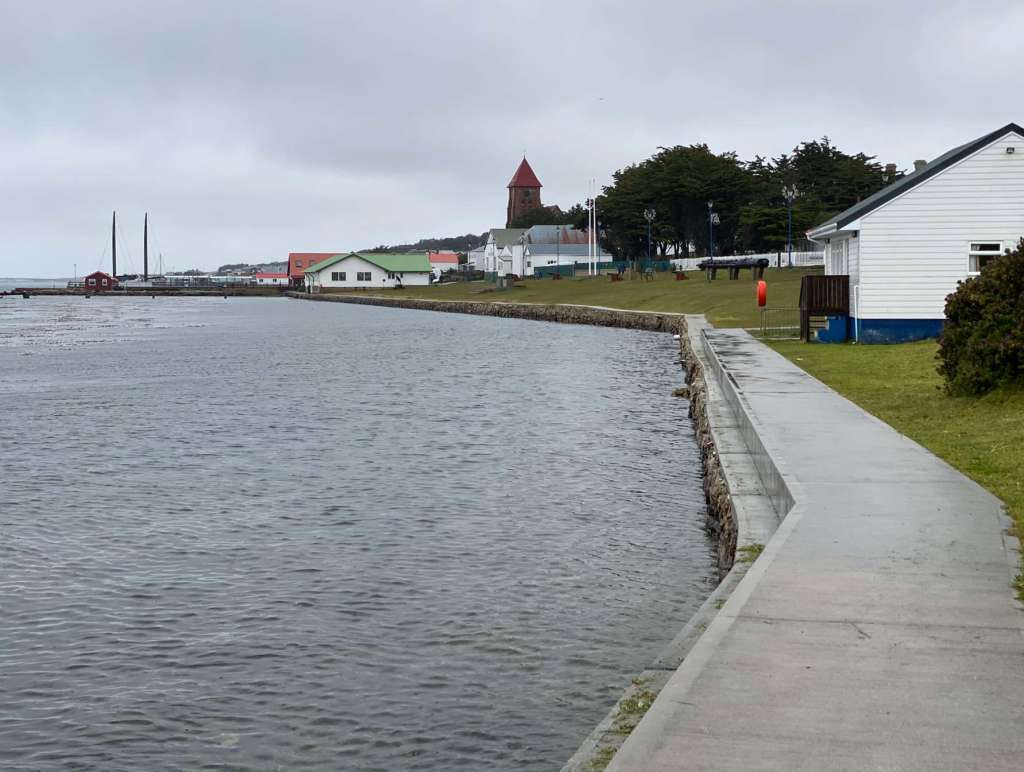
Gypsy Cove is an atmospheric bay and headland just a ten minute drive north-east of Stanley. Unfortunately due to the Avian Influenza, the beach was closed at the time I was there; I did manage to spot several Two-Banded Plovers (not to be confused with the Double-Banded Plover from New Zealand) on the beach from the elevated viewpoint.
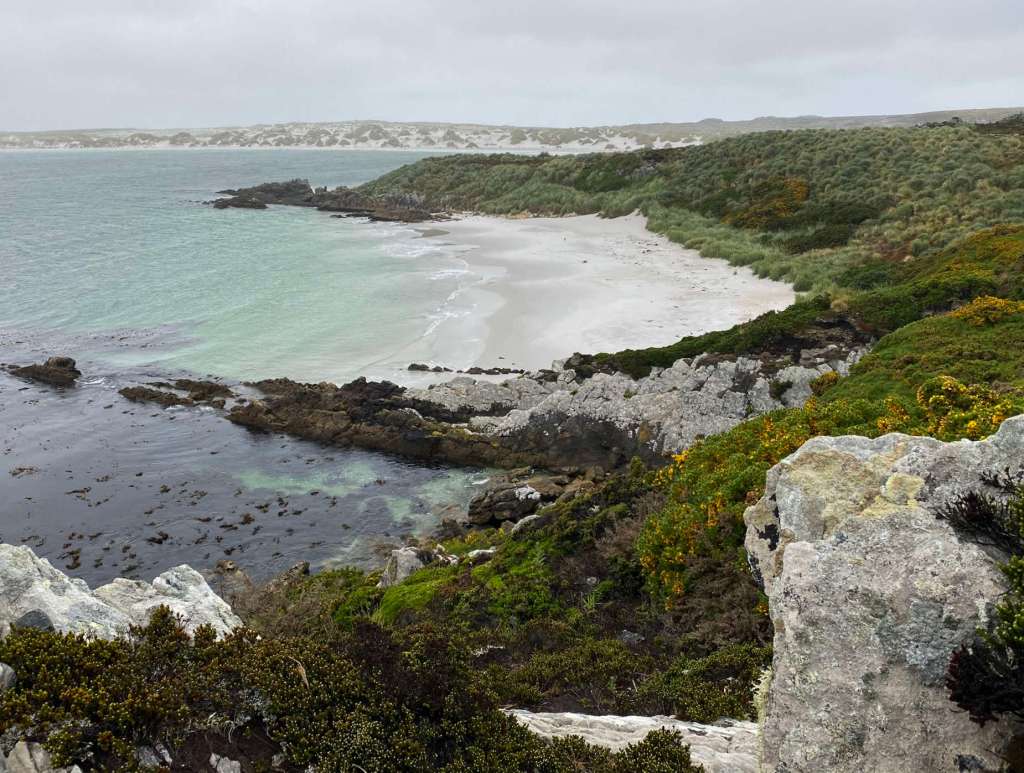
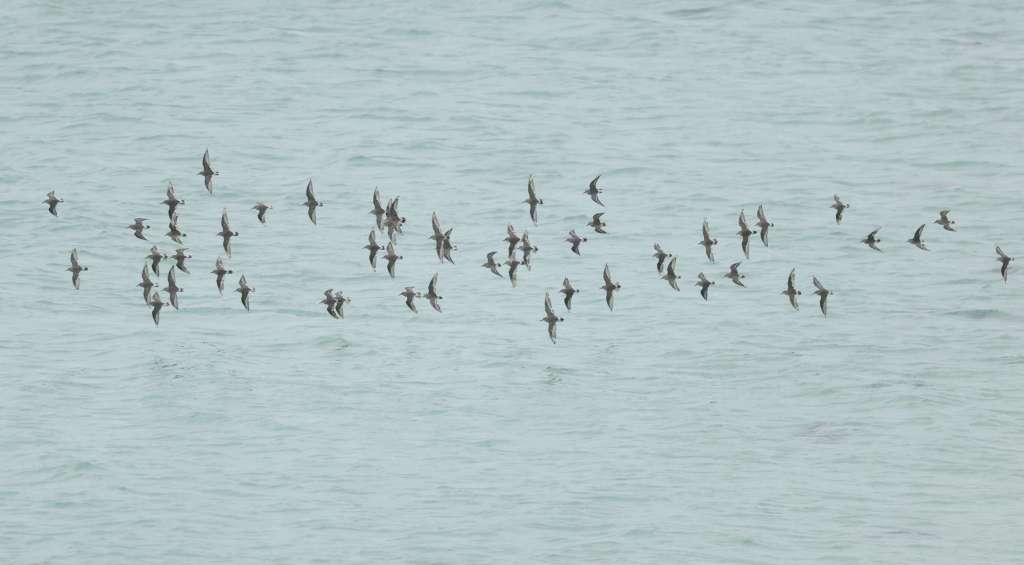
There’s a couple of Magellanic Penguins and the occasional Gentoo nesting here, while we also saw an astonishing 71 White-Rumped Sandpipers flying around in a flock.
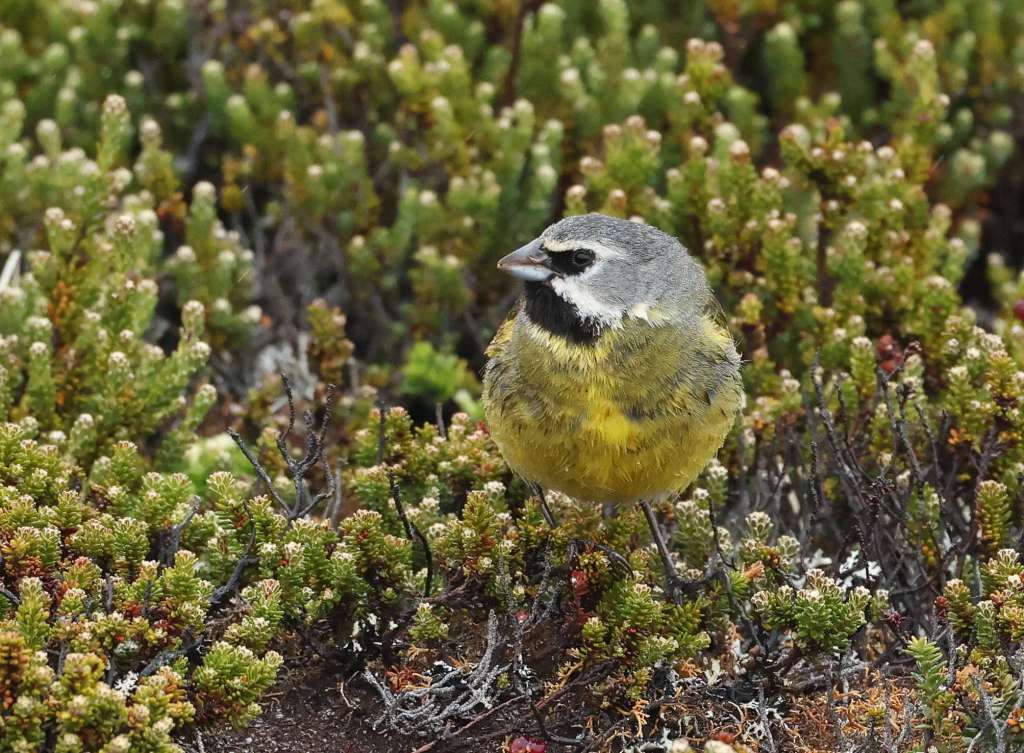
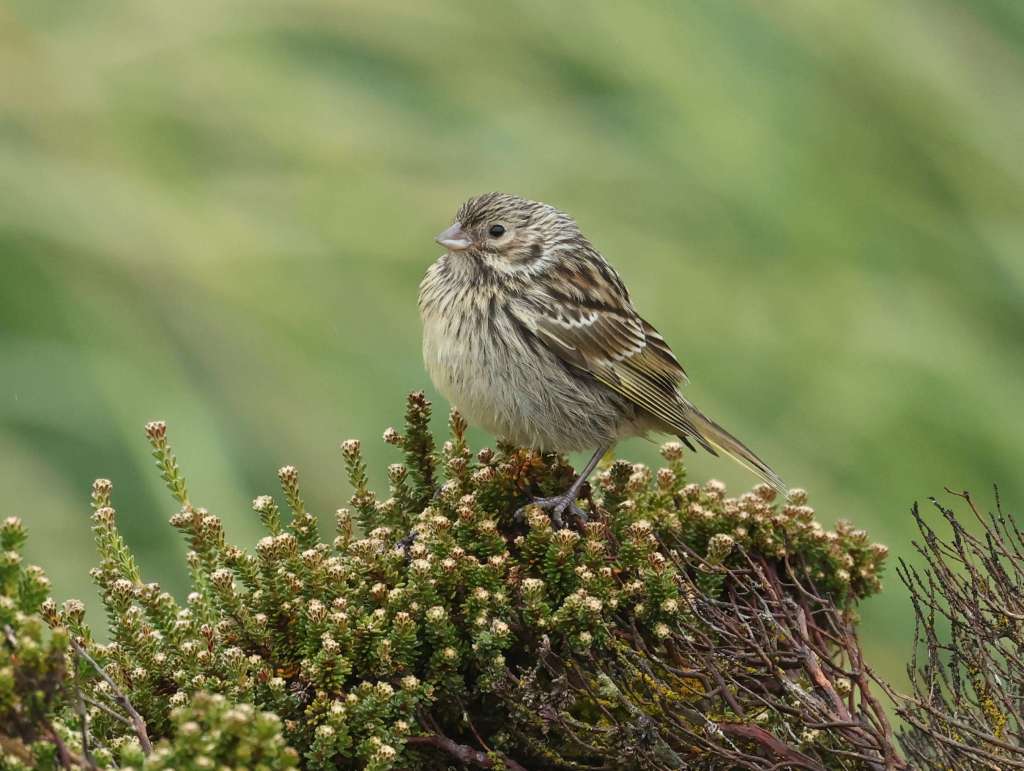
White-Bridled Finch is a smart-looking finch and we had no trouble spotting several of them along the headland walk at Gypsy Cove (you can with luck find them in Patagonia, but the Falklands is their stronghold). Longtime readers of this blog will know I’m always very happy to make the acquaintance of another finch species.
Dark-Faced Ground-Tyrant and Long-Tailed Meadowlarks were here also and relatively approachable.
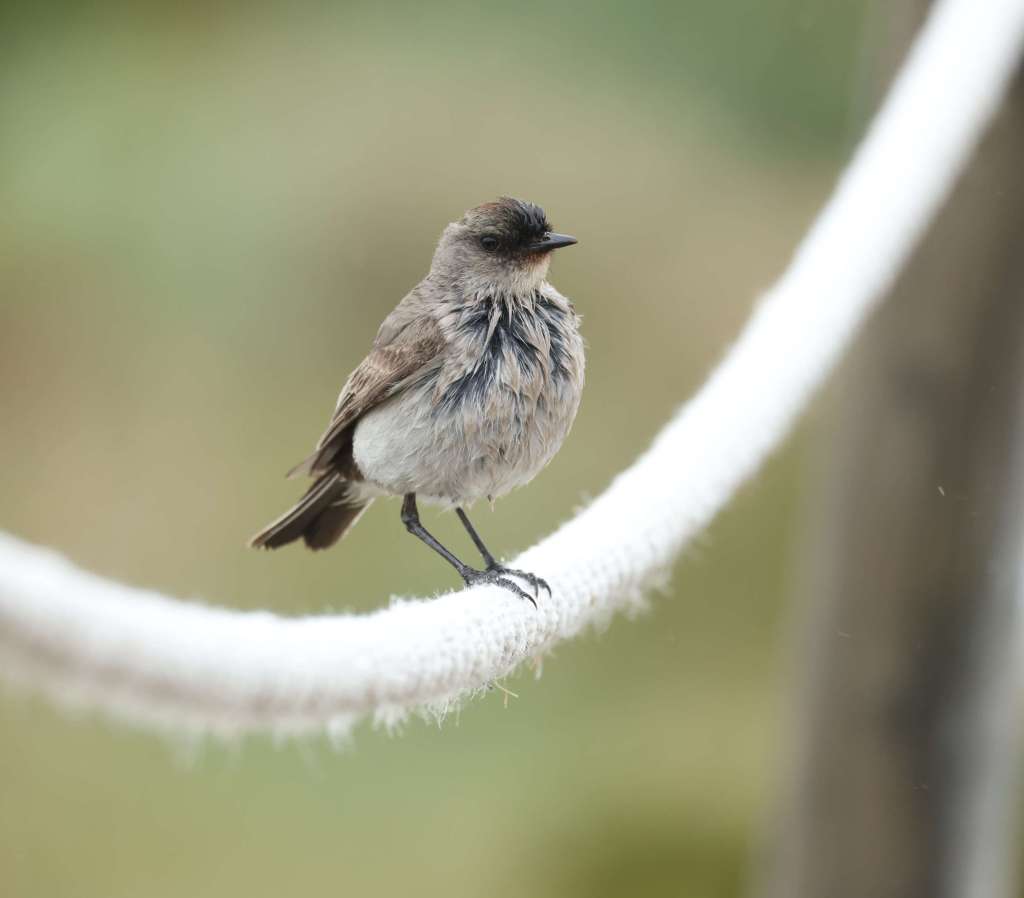
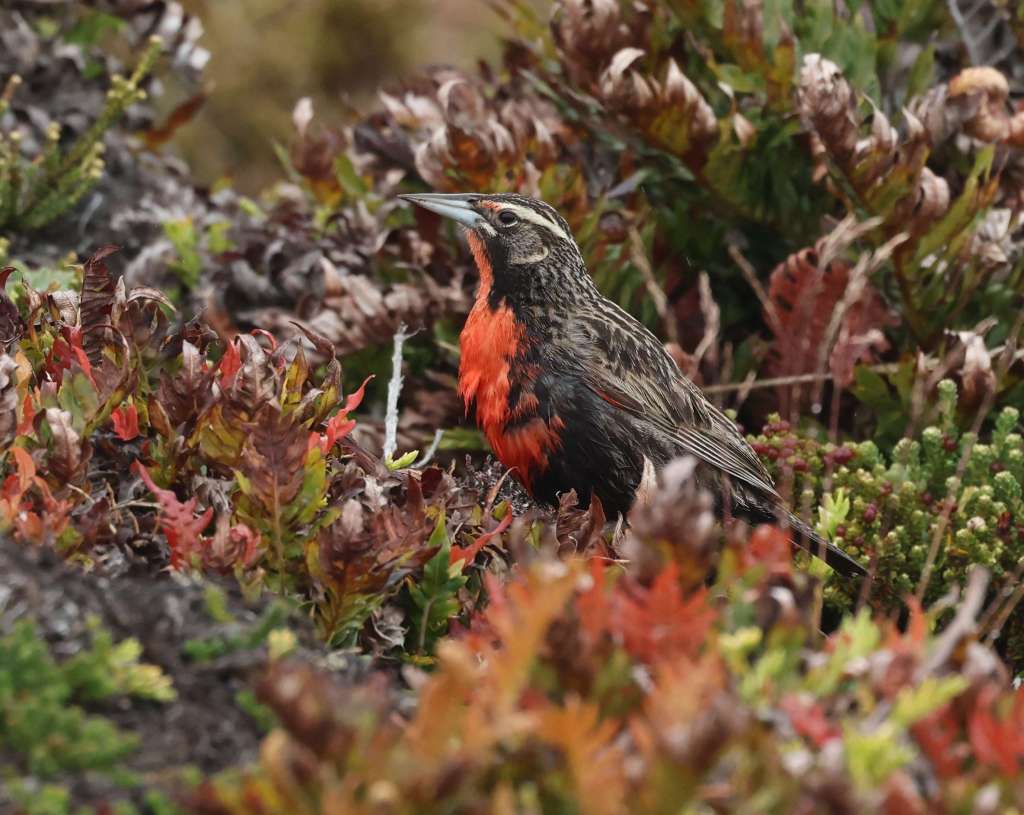
Magellanic Cormorant, Kelp Gull, a couple of South American Terns and some Black-Chinned Siskins along with the “usual” geese species rounded out the tally of 18 species. Gypsy Cove was a pretty nice spot, actually, with good scenery and attractive vegetation… just the occasional lashing gust of wind and unpredictable rain dampened the experience a little.
Summary
This far south, my experience was that it doesn’t matter exactly where you go to find birds, as the same species tend to turn up at lots of different spots. I’m not aware of particular places you might have to spend hours to drive to in order to nab a particular species. If you have an interest in scenery and general tourism, like we did, you could easily prioritise that and find most of your target birds on the way or with a few choice side trips (eBird maps are your friend here…). You will obviously need to make sure you visit lagoons and waterways as well as forests and grasslands to find the expected species of the different habitats. There are a few species which are much more easily spotted in the Falkland Islands, which is a whole other kettle of fish in terms of transport logistics (worth it if you can get there, but dress warmly!)
I very much enjoyed my time birding (and gawking at mountains and glaciers) while in this region. At certain times I felt it was borderline inhospitable (raging wind, cold, rain), and that conferred a certain fascination and wonder at the birds and animals that can survive and even thrive in these southerly environments.
AUTHOR: ANDY GEE
BIRDERS: ANDY GEE, K-A
 Bird Spots