It may not be everyone’s cup of tea to jet away to the outback town of Mt Isa for a long weekend. It’s generally hot and there isn’t a whole lot to do as a tourist in the area – it is largely a mining town, after all. But there are some pretty cool birds to find there. I suppose much depends on how keen you are on seeing birds that might be outside your normal local patch; if you are, the Mt Isa region is worth a look.
Pamela St Water Tanks
At the end of Pamela Street on the eastern edge of town is a lovely birding site called Pamela Street Water Tanks, where birds are attracted by some leaky water flows from one of the enormous tanks there. You can have a really great time just parked in one spot watching them come in, or wander up to a lookout point, or explore the nearby spinifex gullies for secretive specialties like Kalkadoon Grasswren or Spinifexbird.
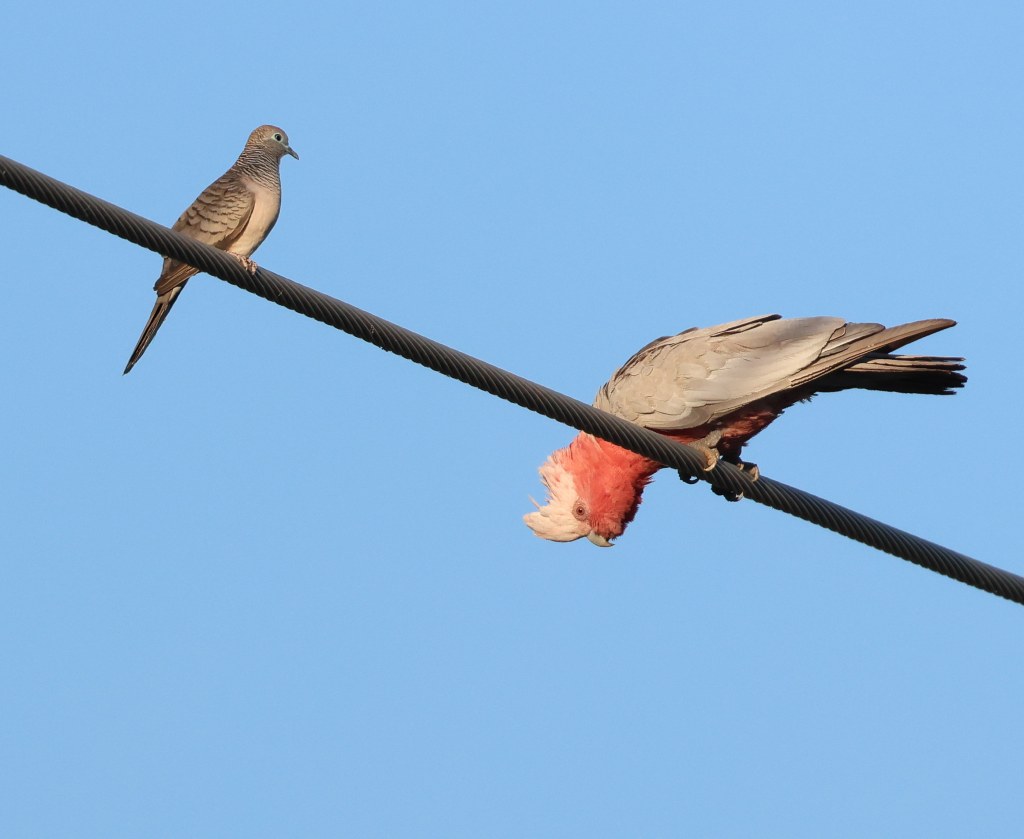
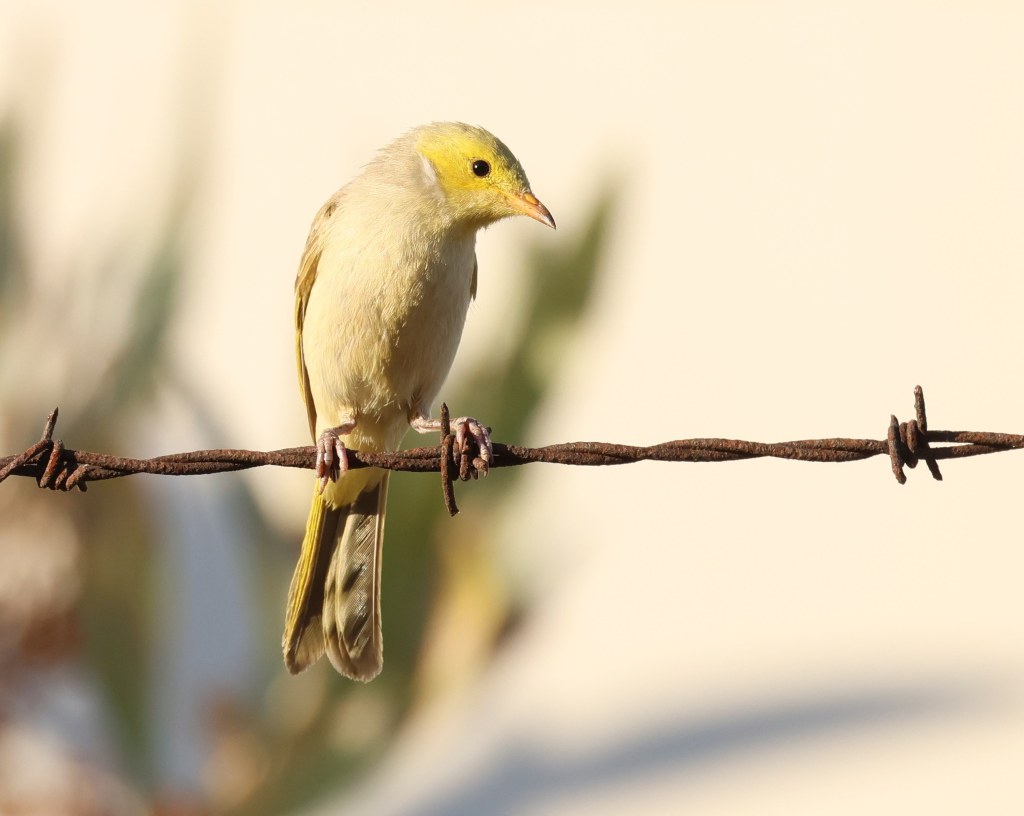
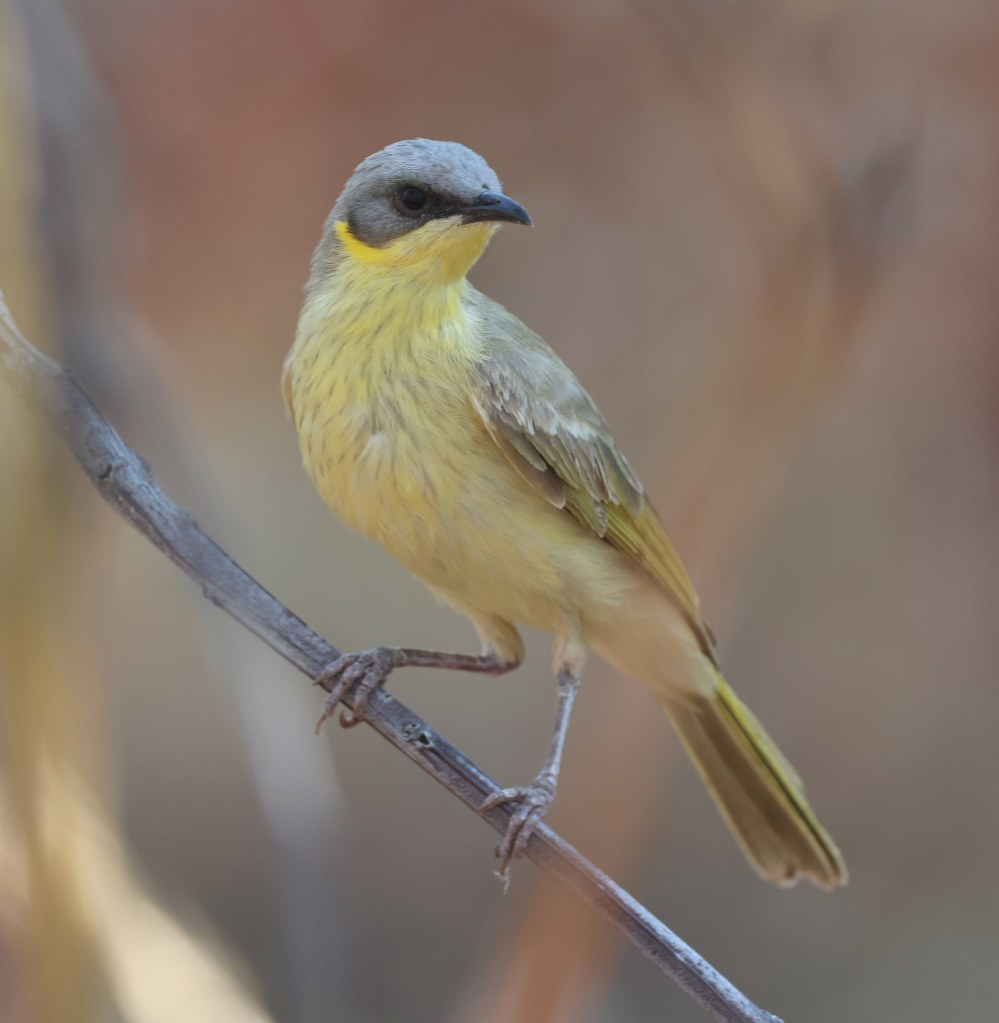
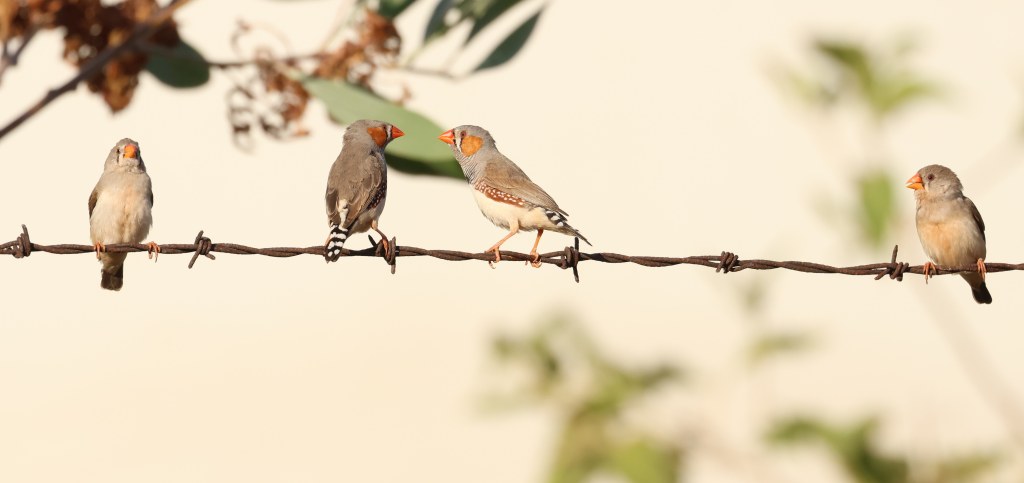
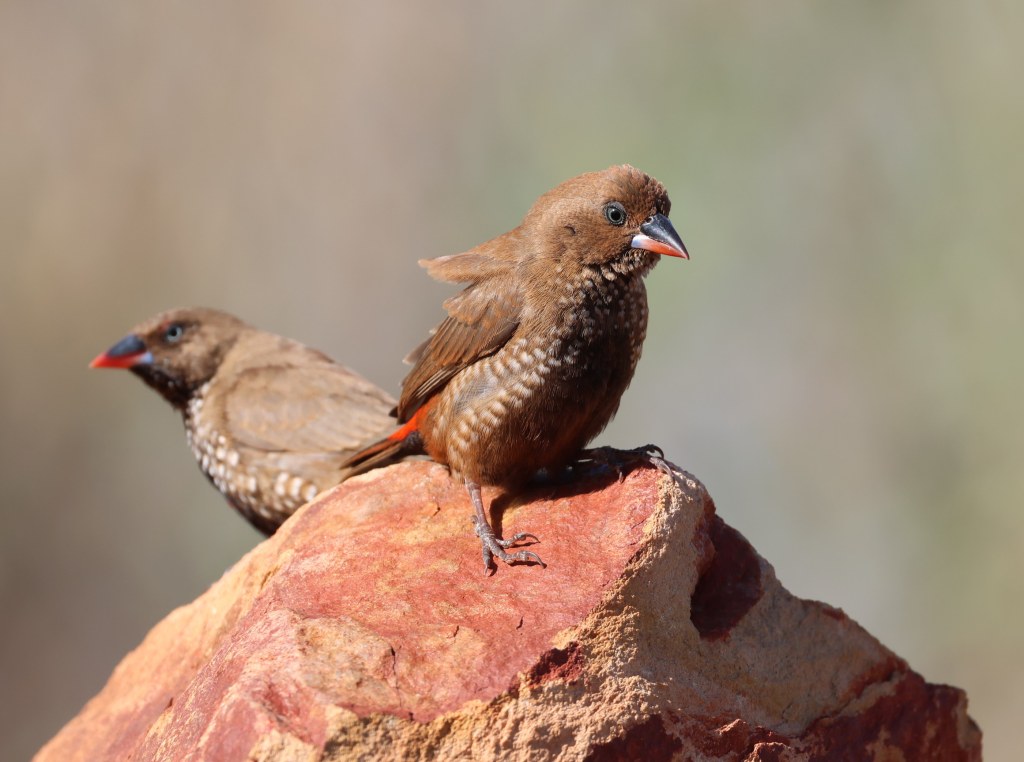
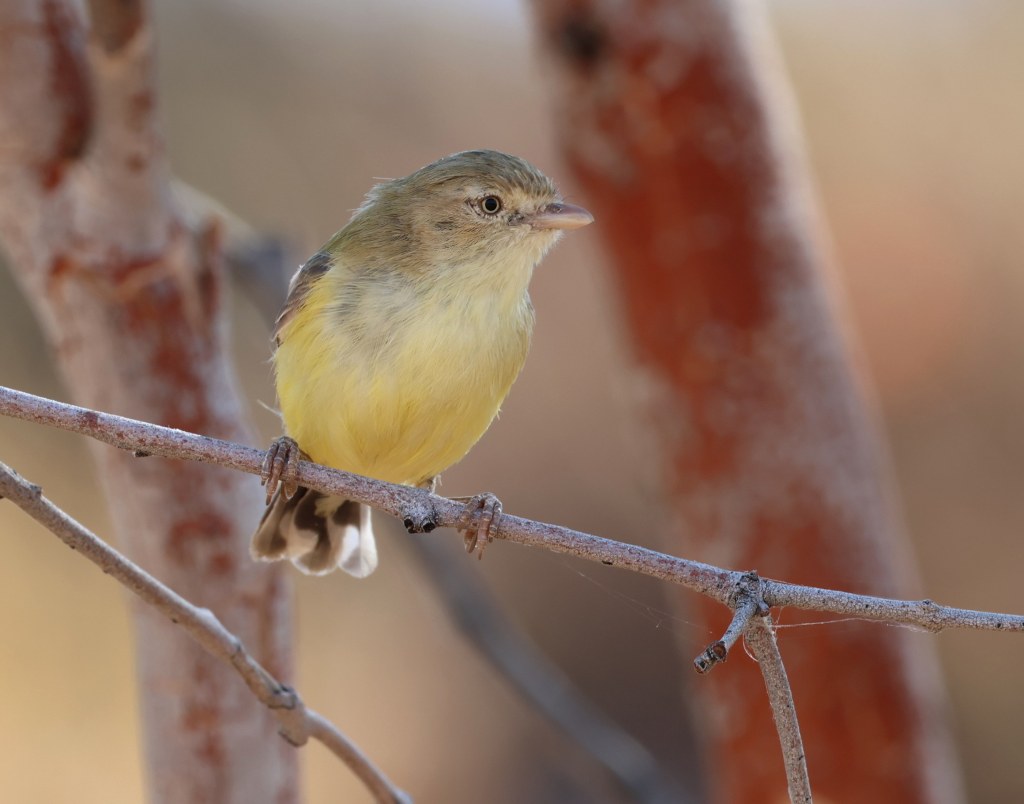
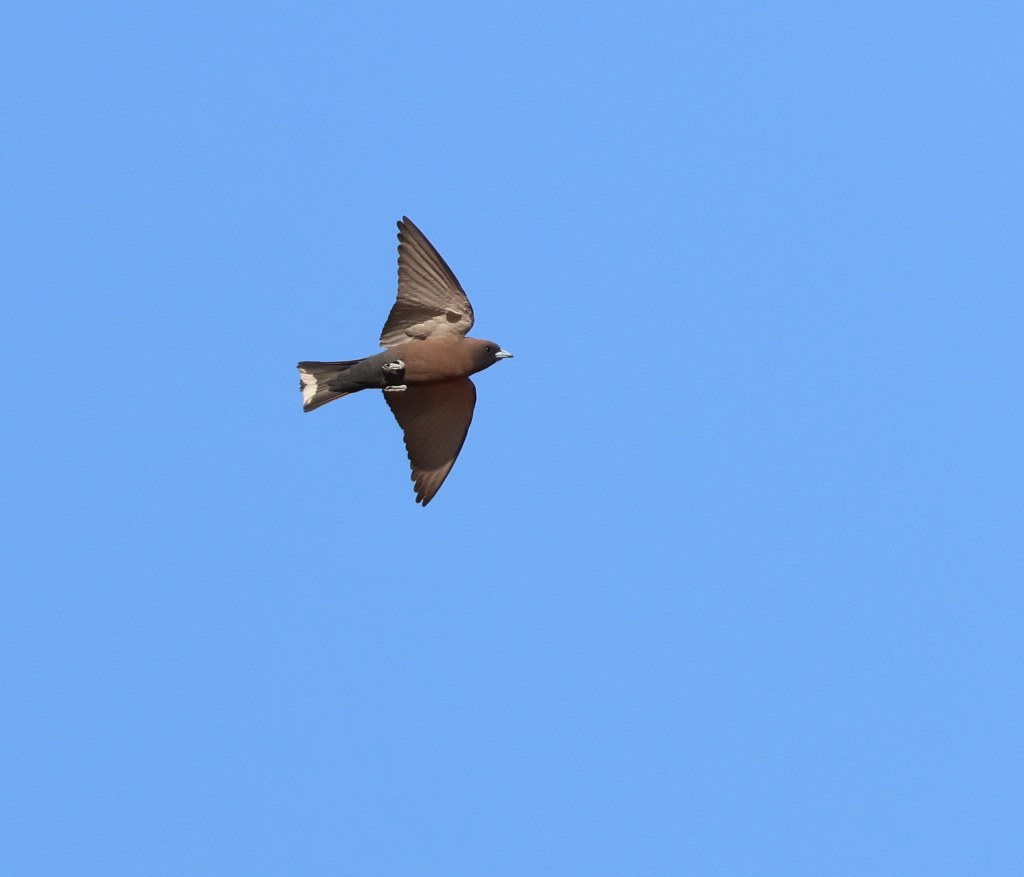
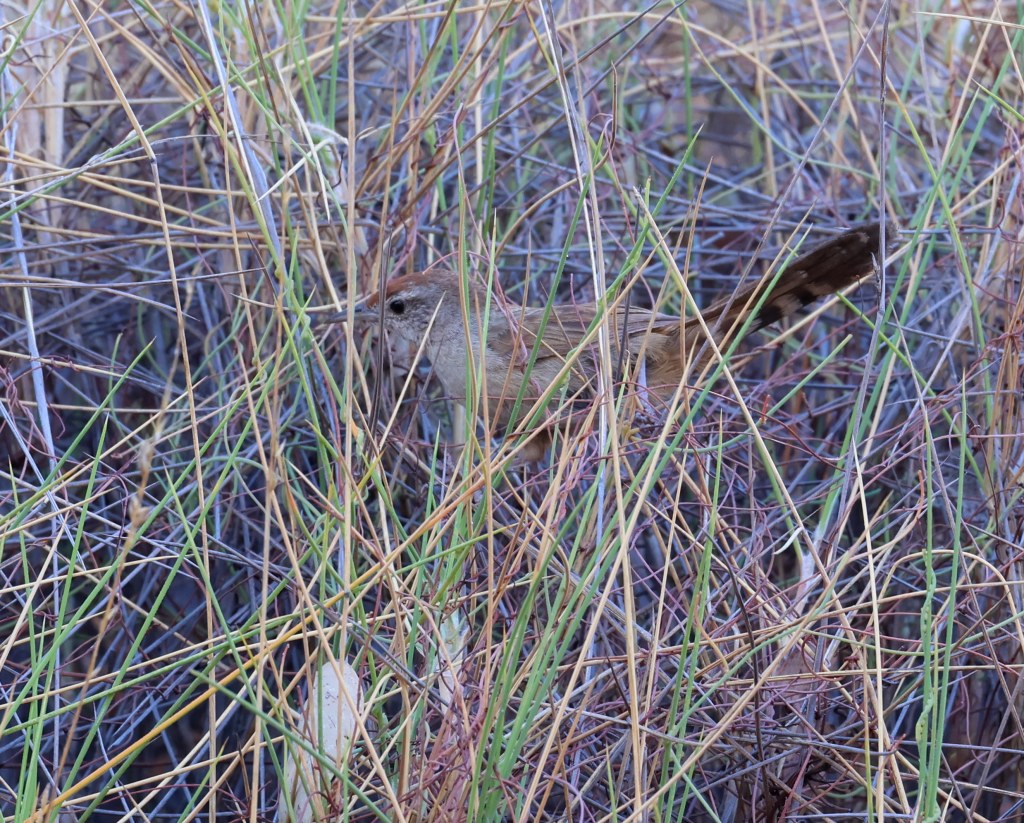
A Peaceful Dove and Galah welcoming committee at the Water Tank entry areaYou might think White-Plumed Honeyeaters are very abundant and have a broad range across Australia. You would be right. But in the Mt Isa region they are given a run for their money by Grey-Headed Honeyeaters.Speaking of which, here’s a Grey-Headed HoneyeaterAhhh, Mt Isa… don’t ever change.Zebra Finches, like most finches, get quite thirsty due to their diet of mostly dry seedsPainted Finches were a big target bird, and I hope you can see why: their looks are so striking! This is a male-female pair that perched on this rock for more than the usual length of time (that is to say, several seconds, instead of less than a second), allowing the appreciative bird photographers to get some very satisfying photos.I’m always like “is that bird call a Weebill?” in a not-very-certain tone of voice, and sometimes, it IS a Weebill!Soaring Woodswallows are always a pleasant sight to see, especially when you know there are a few varieties of them in the region. This one is a Little Woodswallow.Traipsing quietly (if there is such a thing) through the Spinifex gullies behind the Pamela St site yielded this secretive and well-named Spinifexbird
Lake Moondarra, You Were So Good To Us
On my first trip to this region in 2021 I had spent barely a couple of hours at the enormous and bird-rich Lake Moondarra, a mere 15km north of Mt Isa, so I was itching to get back there. There is an ironclad law in the outback, and that is that the most birds can be found near a water source, and water sources don’t get much bigger than Lake Moondarra!
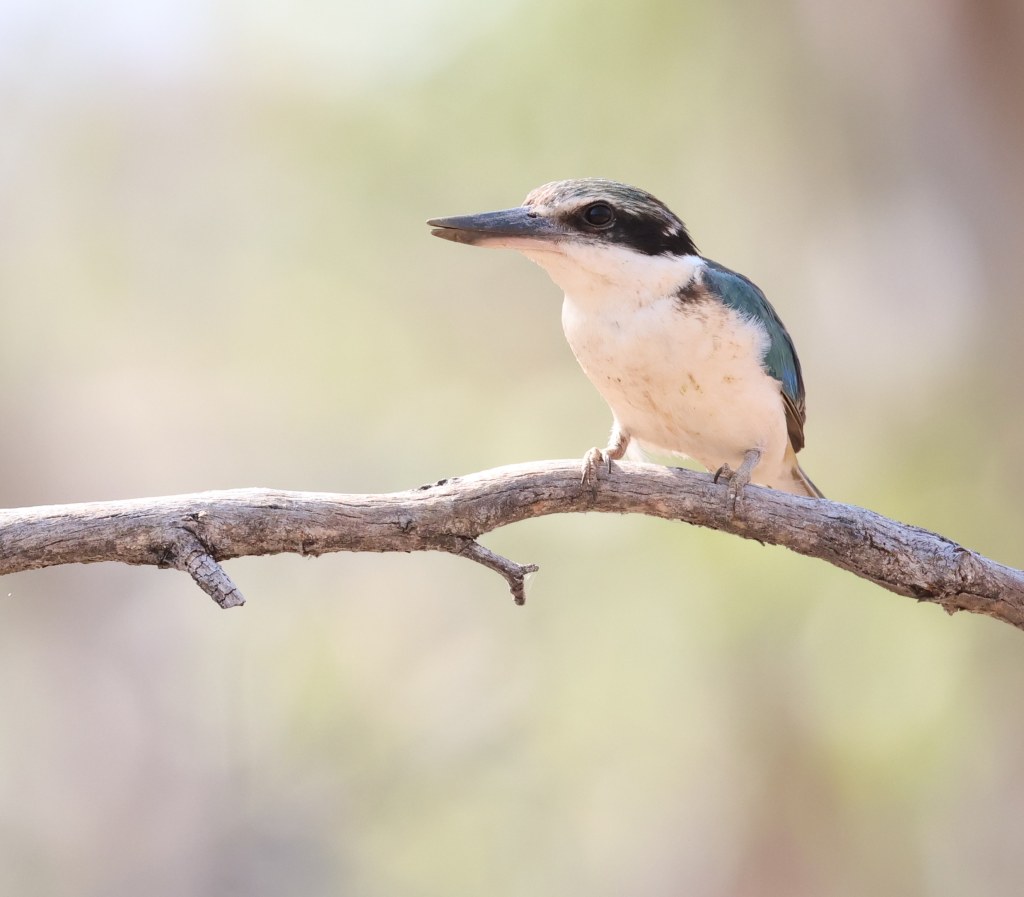
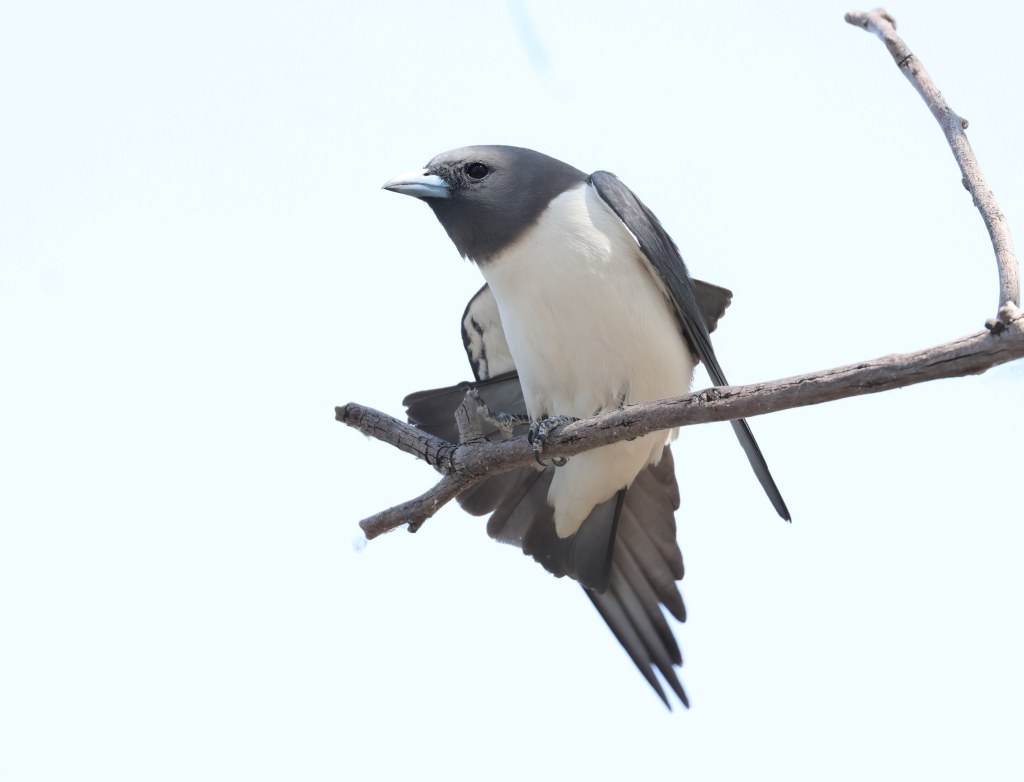
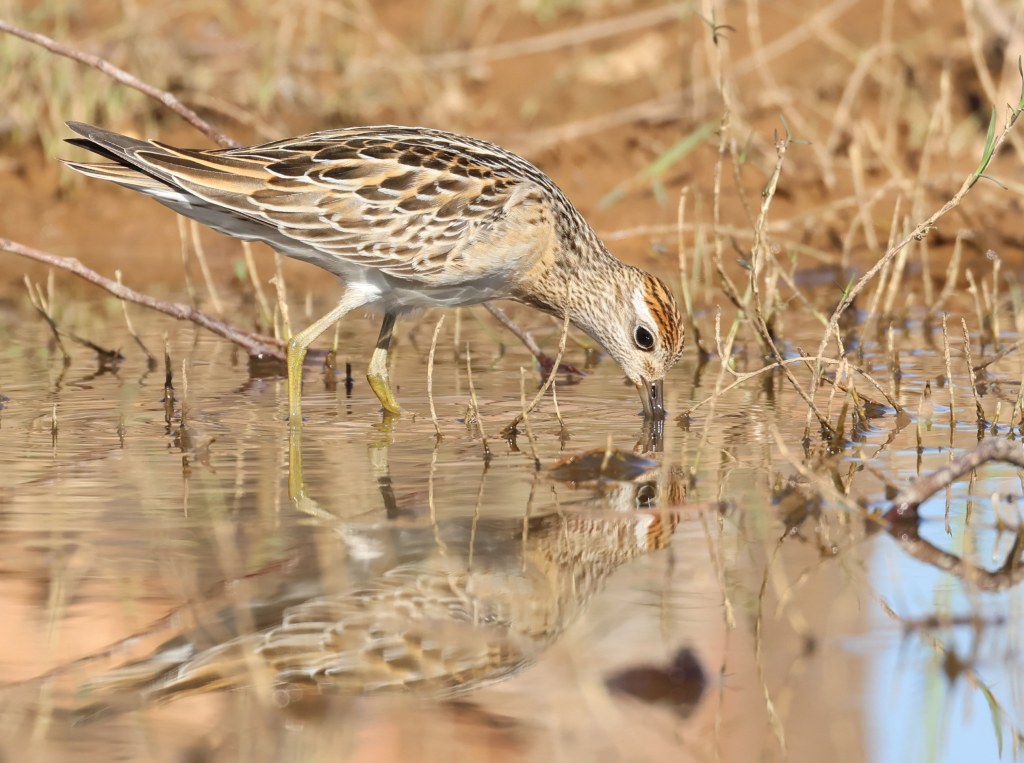
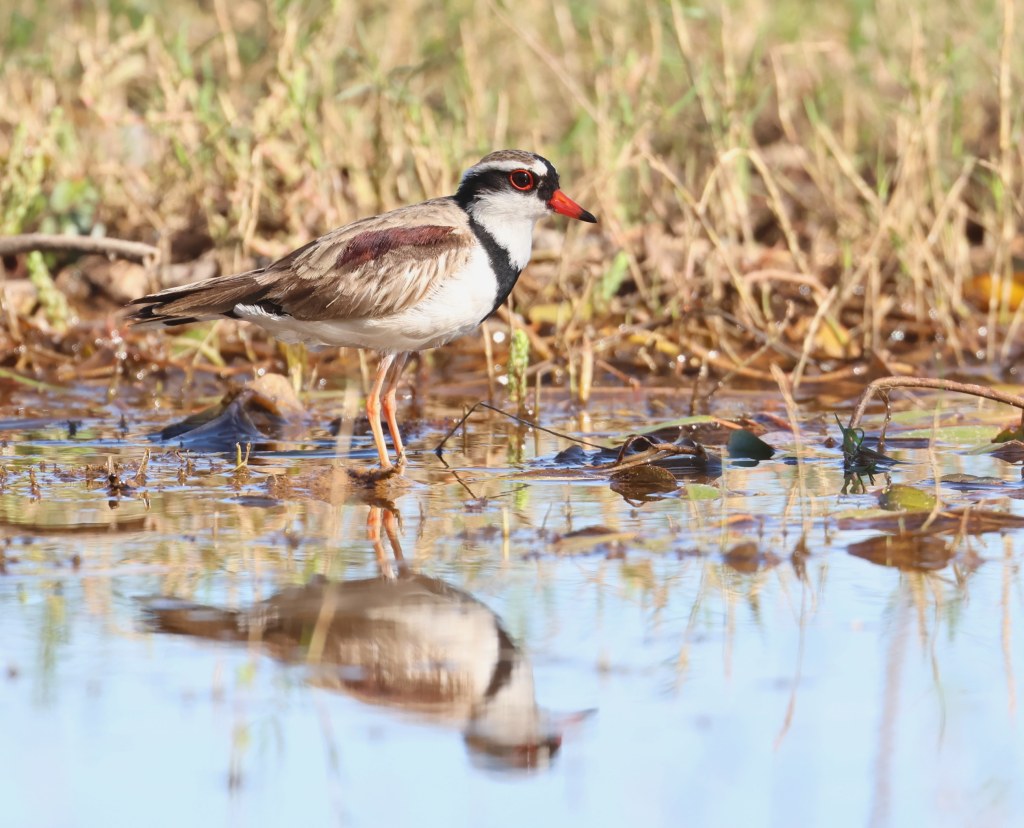
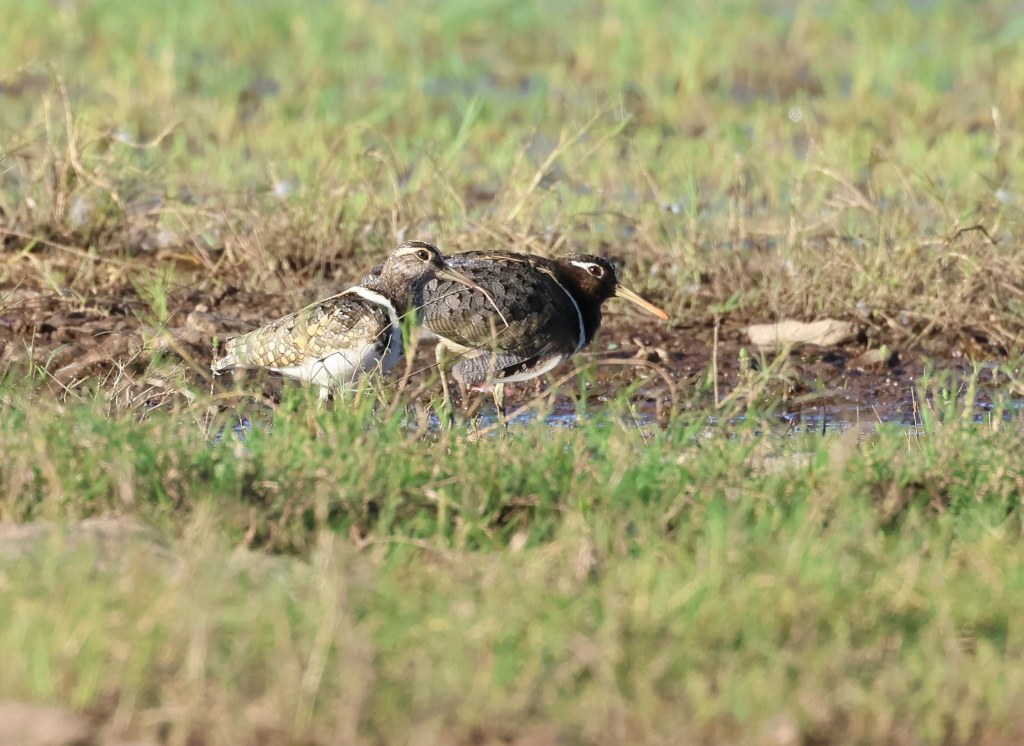
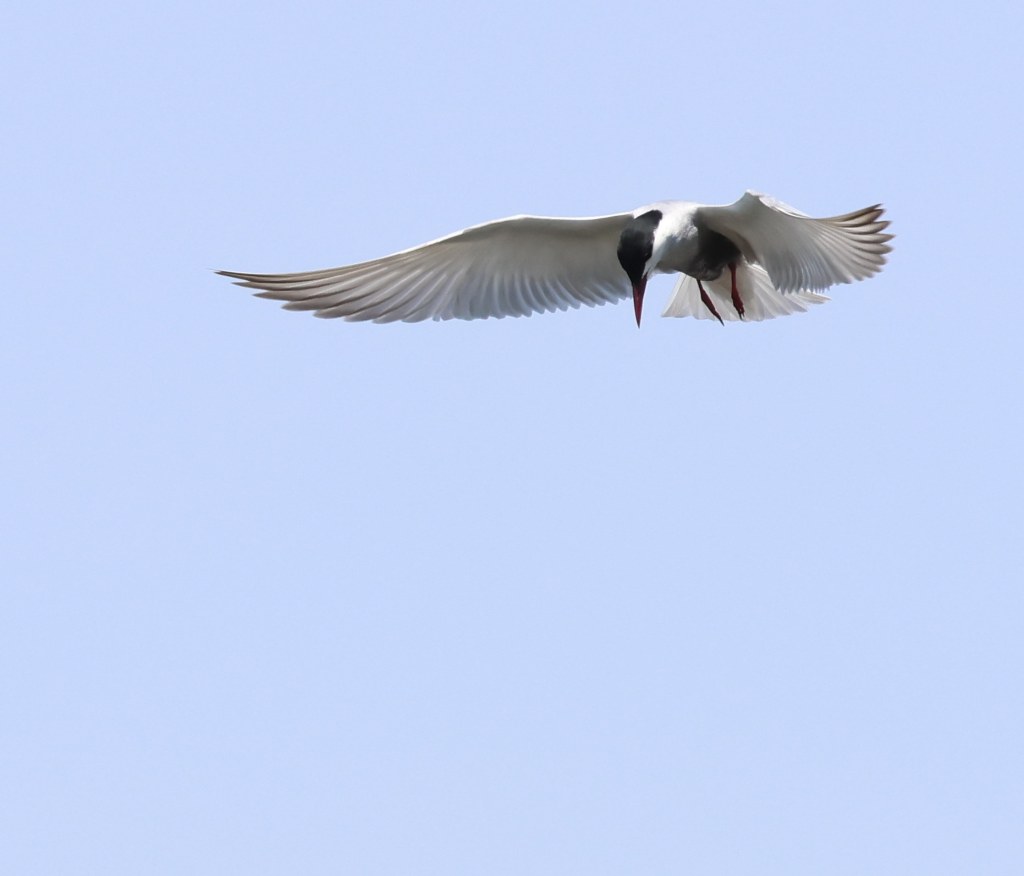
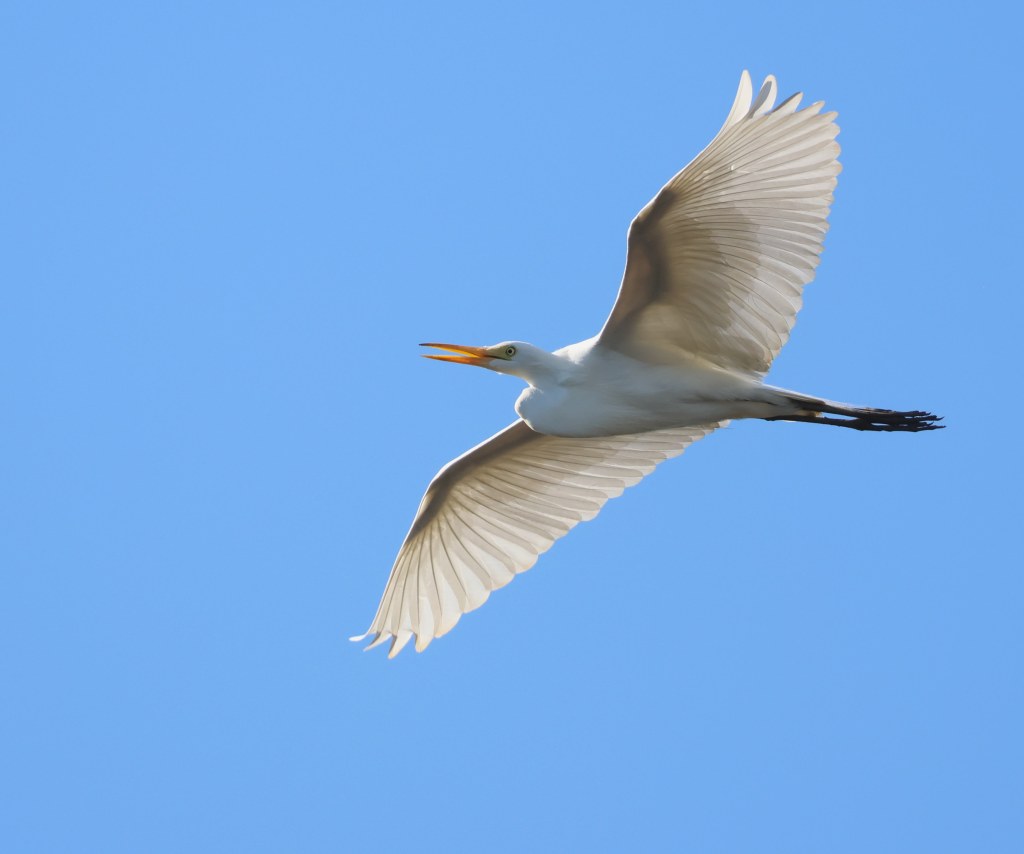
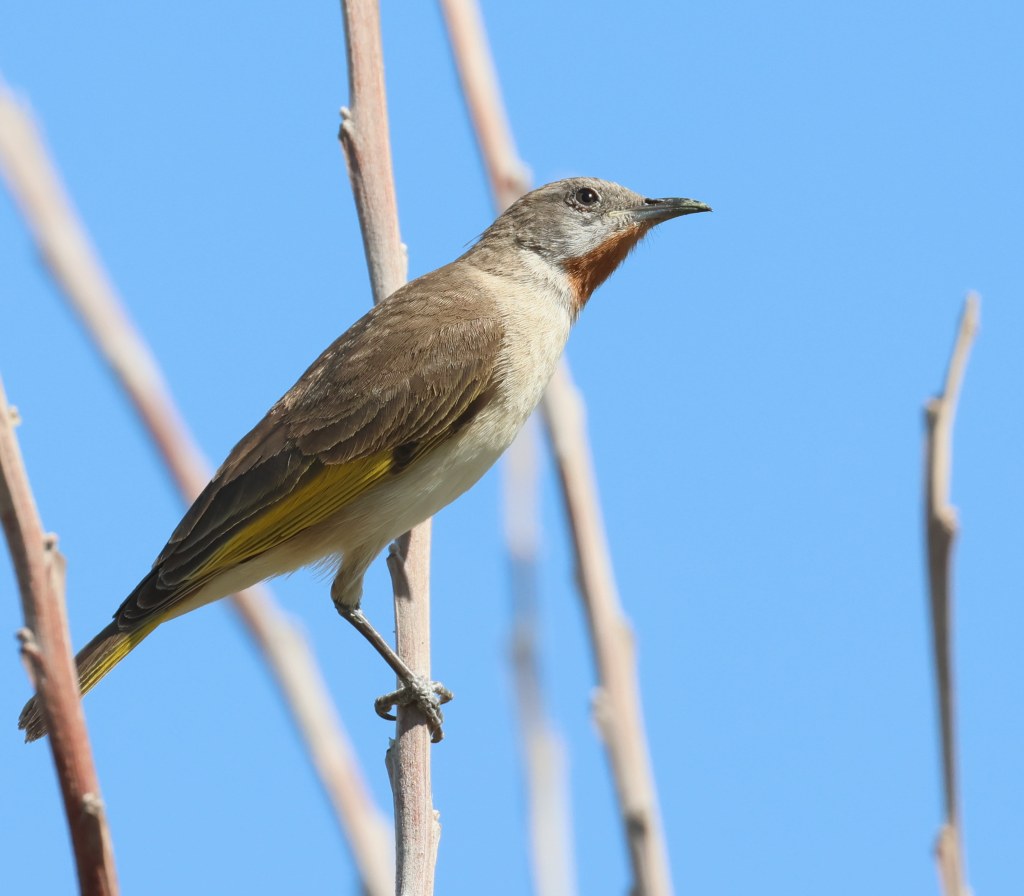
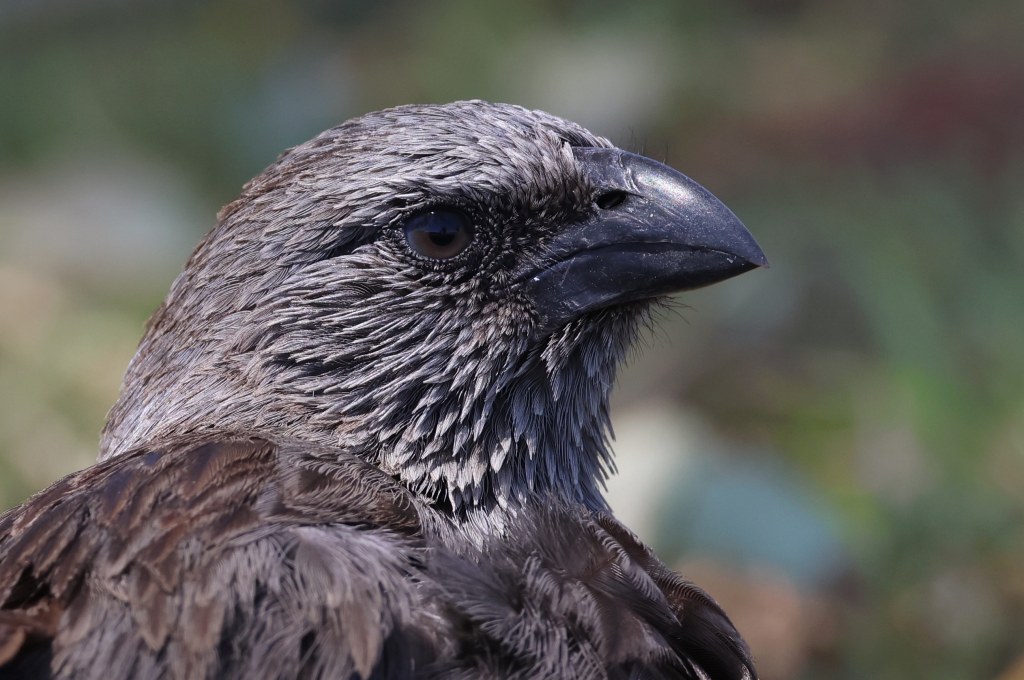
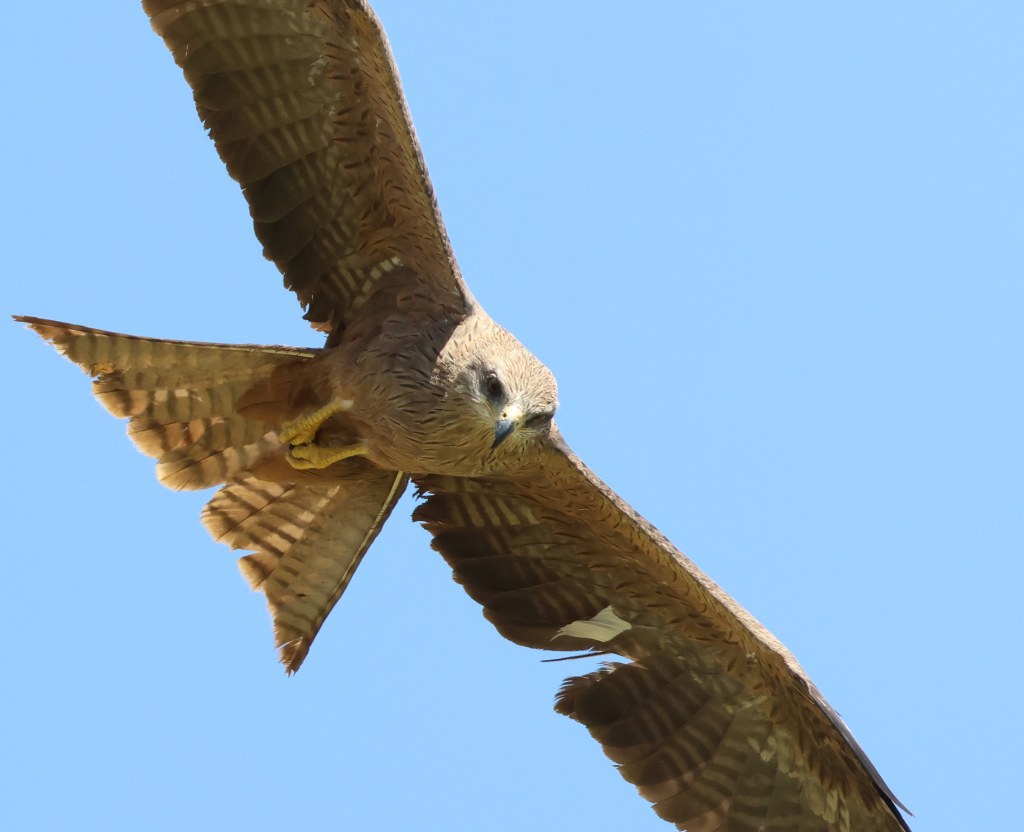
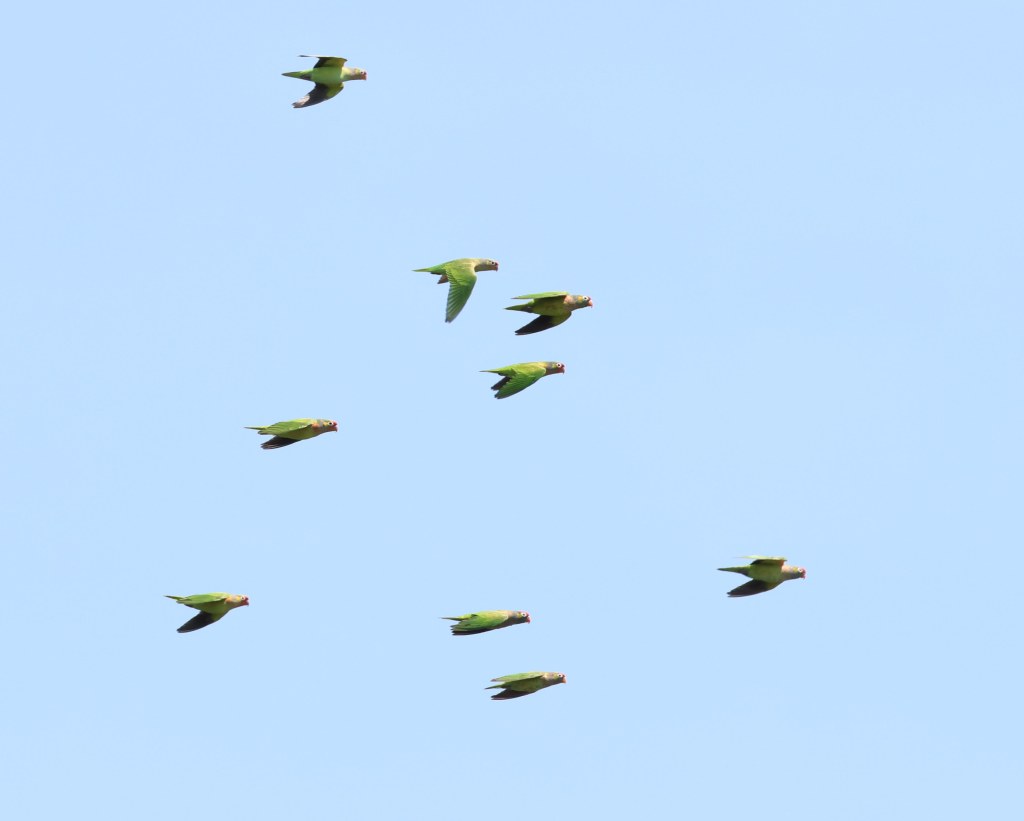
A Red-Backed Kingfisher was sort-of hiding not far from the lake, and I sort-of stalked/chased it a little bit to get its photo. No regrets.A White-Breasted Woodswallow having a healthy stretch of the ‘ole wingerooVarious fringes of the lake feature grassy/swampy areas which, as they dry out, start to attract such mud-probing, insect-loving specialists as Sandpipers, Snipes and Dotterels. Probably Australia’s most common Sandpiper, the Sharp-Tailed Sandpiper (lovingly referred to as “Sharpies”). We also saw Wood Sandpipers, which was a first for us.The diminutive Black-Fronted Dotterel with its big eye and startling red eye ring scurries around the shallow fringesA totally unexpected find was an Australian Painted Snipe pair. This is a critically endangered and poorly understood bird species, so it was very special to find them in the wild.Whiskered Terns, with their sharp beaks and smoky grey bodies, cruised above the lake looking for fishIf you stand still and scan the shore of the lake you are sure to see little white dots at regular intervals that are Egrets, and sometimes they fly past you, tooA Rufous-Throated Honeyeater, a species we also saw at Chinaman Creek Dam (see below) in great numbersLong-Tailed Finch, a first for me in the region, having previously only seen them in areas further north“Try to capture your subject separated from the background”, they said. IS THIS SEPARATED ENOUGH FOR YOU!?!?A very unafraid Apostlebird, one of a group, at the main lakeside picnic area, where they also had a very conspicuous nestBlack Kites, those ubiquitous outback scavenging raptors, are very active at the lakeside picnic areas. I saw locals throwing them food, too. Probably not a good practice considering they could rip your face off with their strong talons if they felt like it.One got used to noisy flocks of Varied Lorikeets flying by, and that’s no bad thing
Is It Worth The 1.5 Hour Drive To Go Birding At Chinaman Creek Dam Near Cloncurry?
Yes, yes it is.
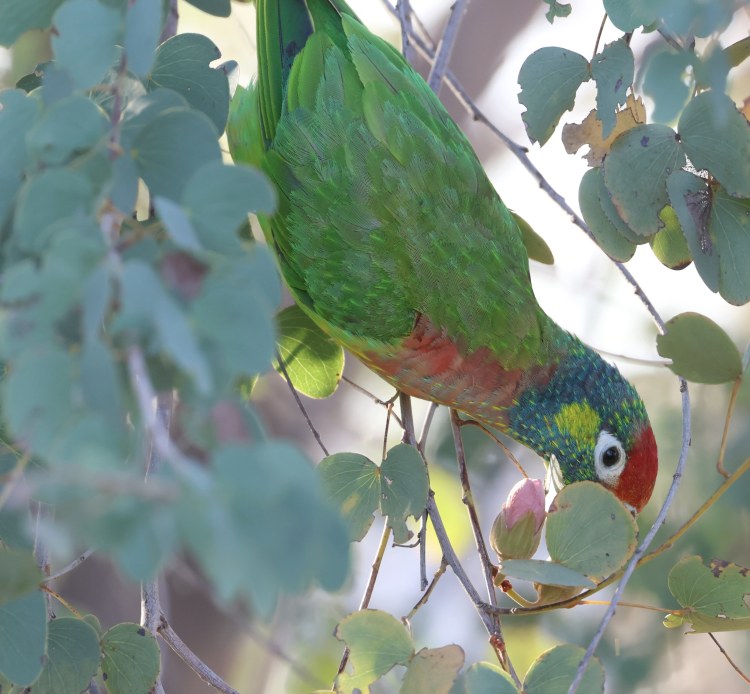
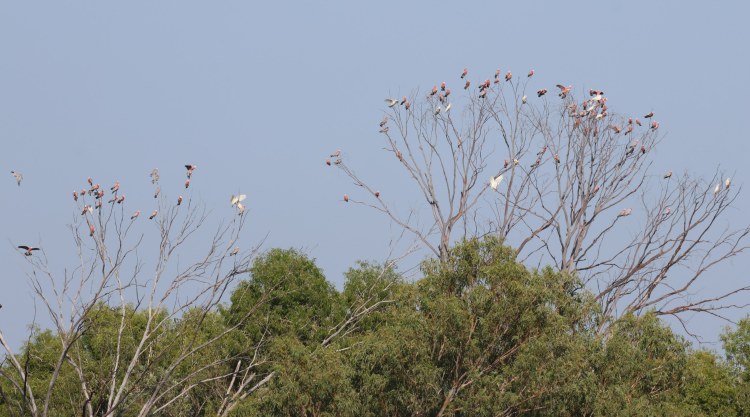
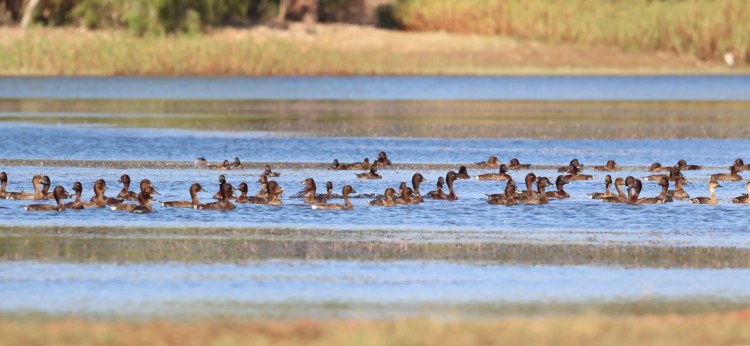
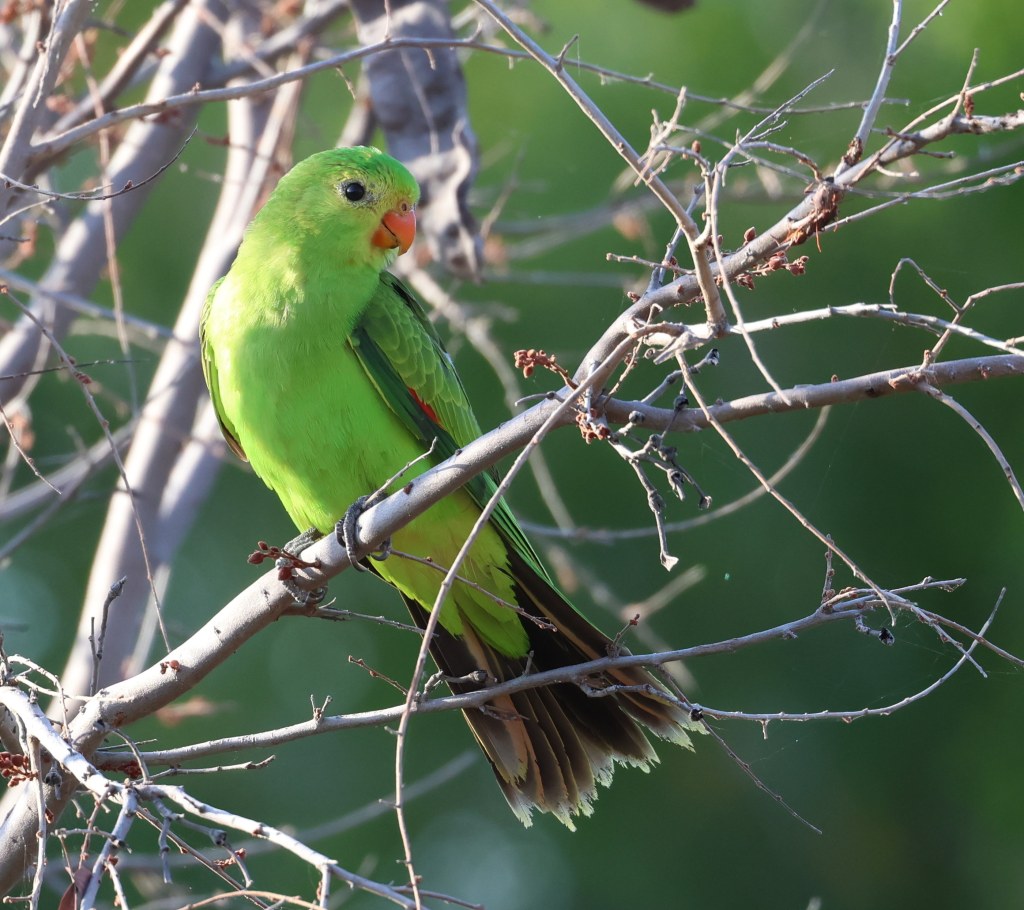
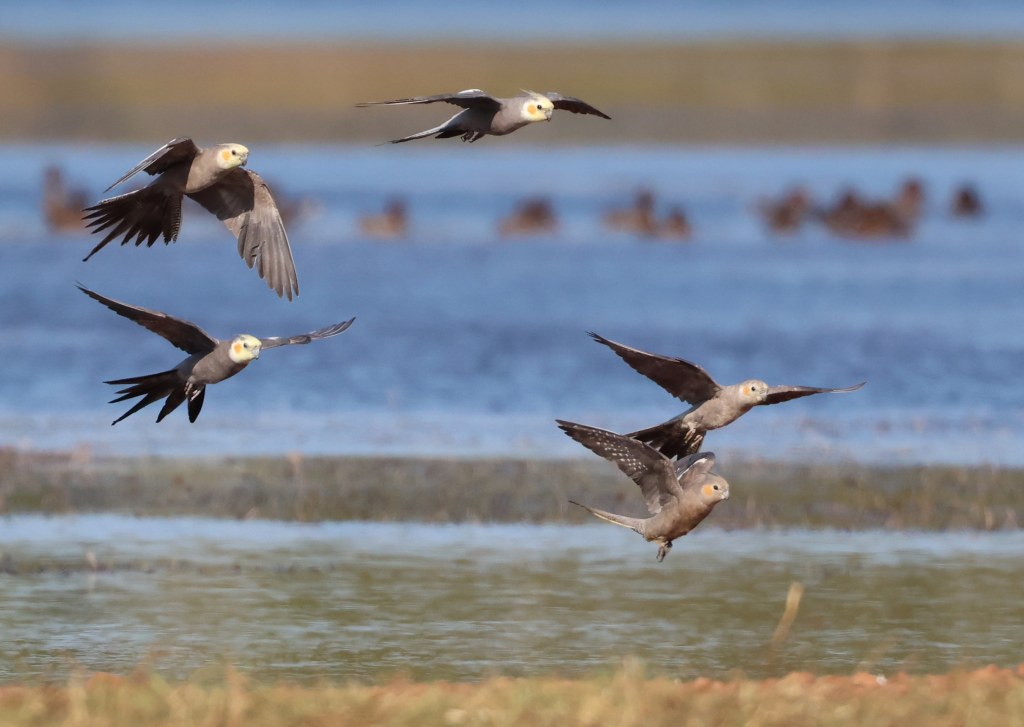
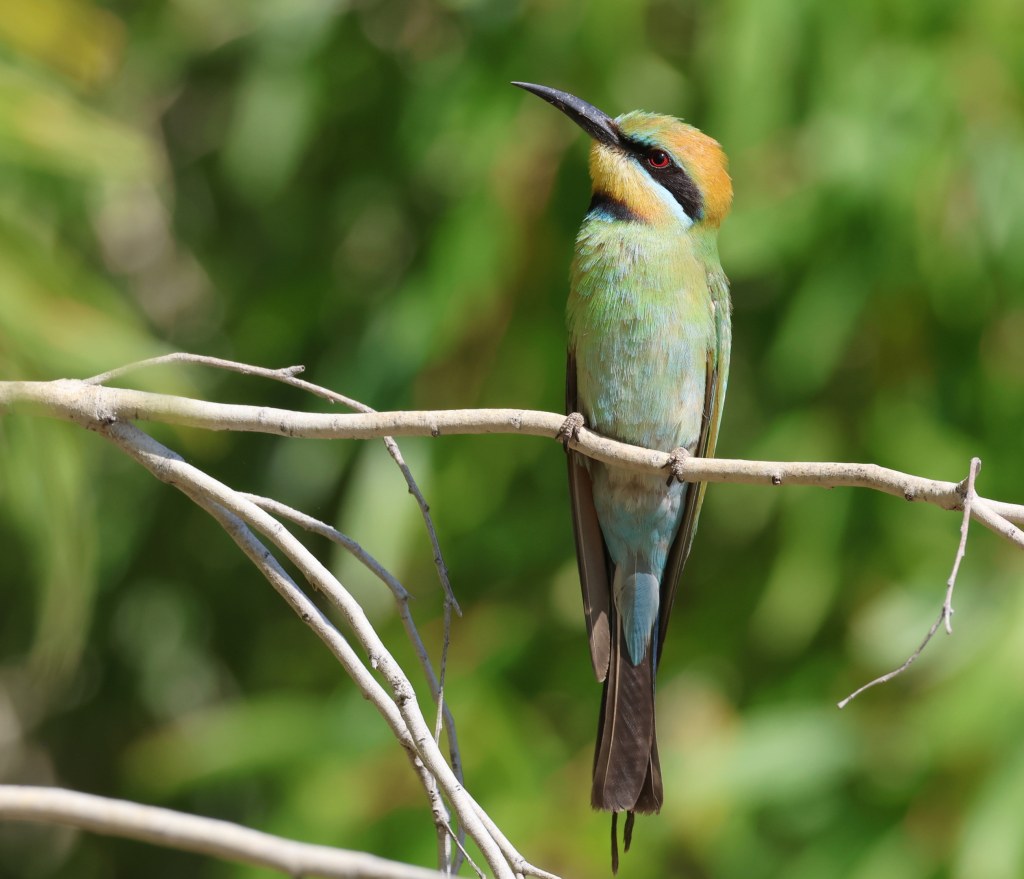
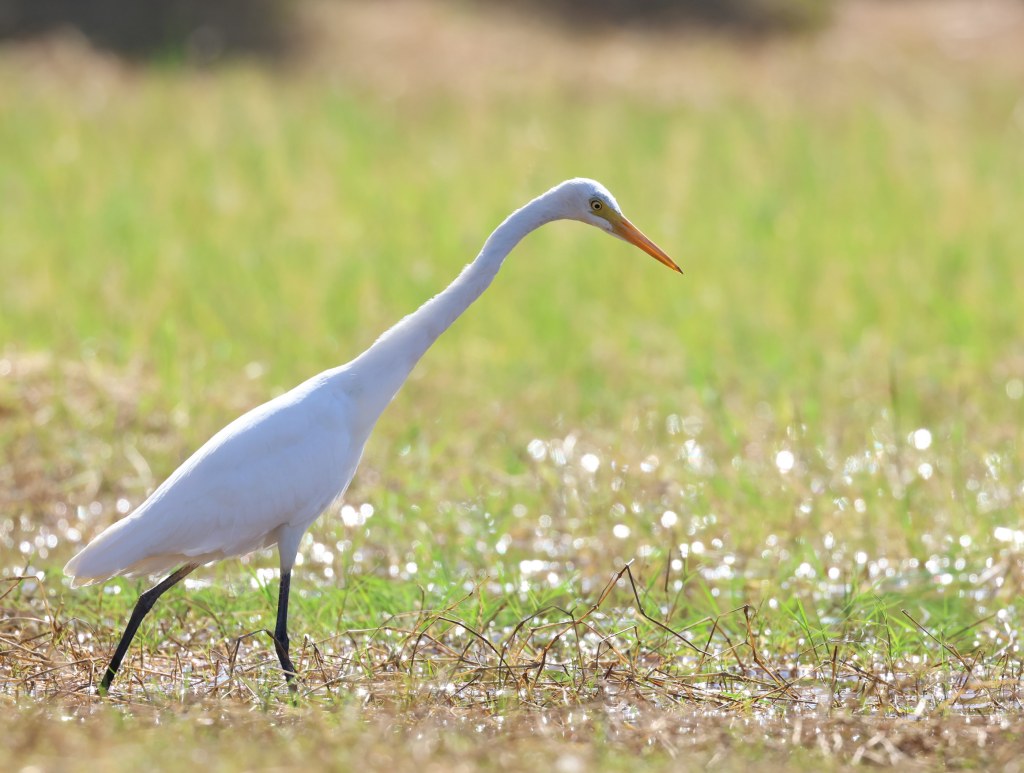
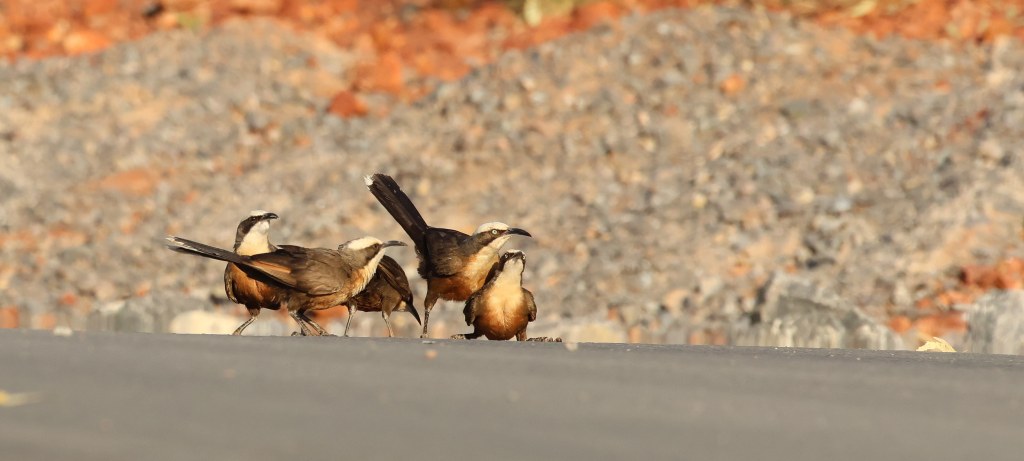
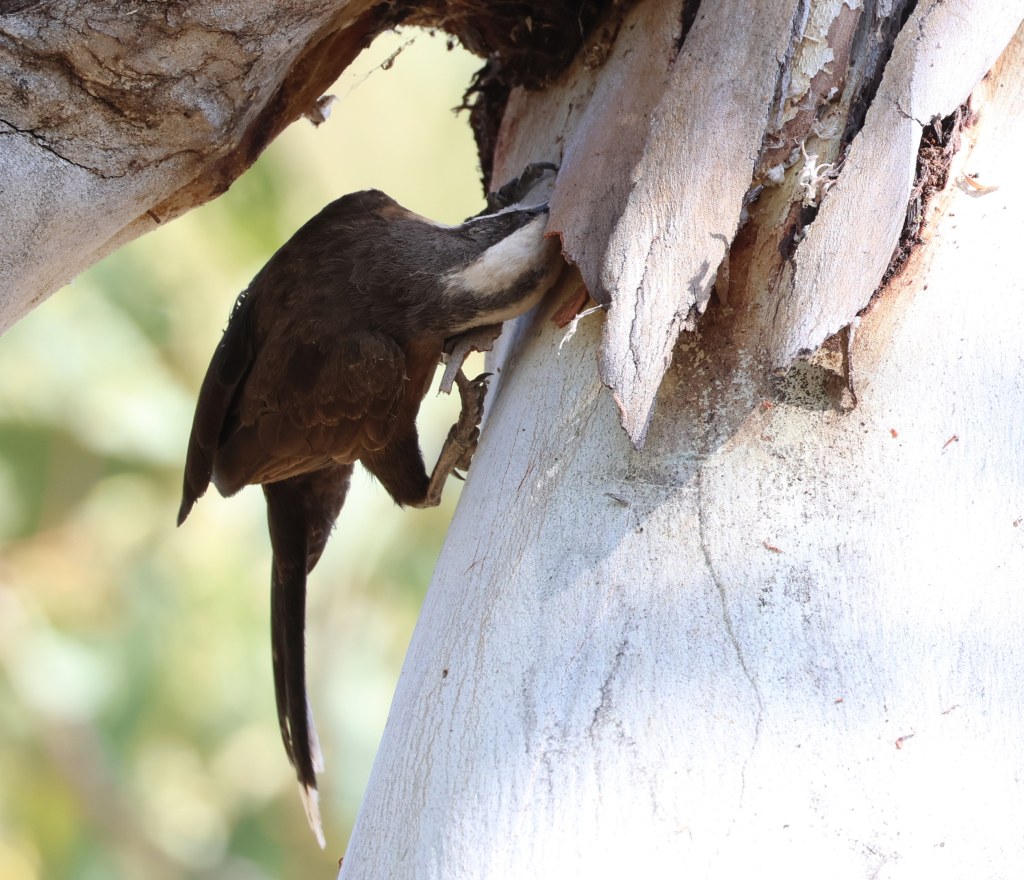
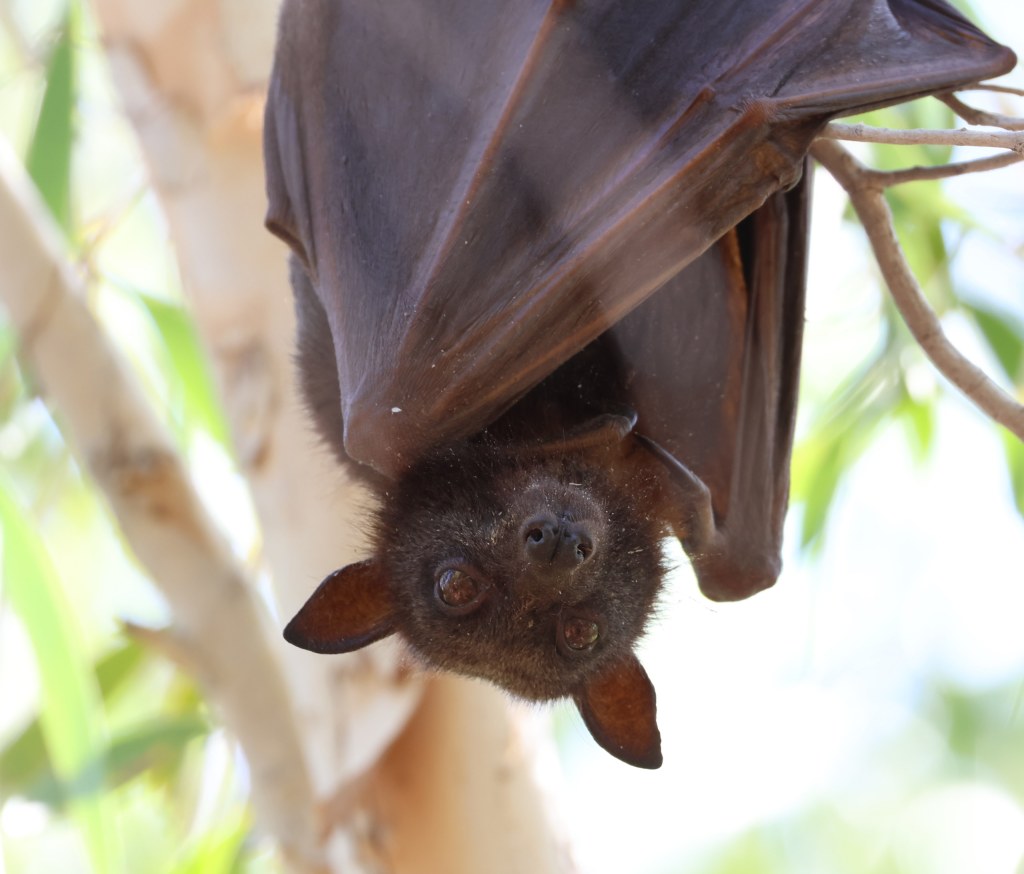
Varied Lorikeets are all over the place at Mt Isa, and there are plenty at Chinaman Creek Dam, too…though their numbers pale next to the enormous flocks of Galahs and CorellasThe most numerous bird on the lake was the Hardhead, a.k.a. Chocolate Duck, with nearly 400 birds (yes, we counted).Red-Winged Parrot, seen at least four different times on the tripCockatiels coming in to land at the water’s edgeA Rainbow Bee-Eater will always gladden the heart with its lovely coloursGreat Egret strolling through the sparkly swampy lake fringeGrey-Crowned Babblers: Squabbling Gang ModeGrey-Crowned Babbler: Serious Foraging ModeBat… or flying fox… I did not stay long to find out
Side Adventures on Some Random Tracks
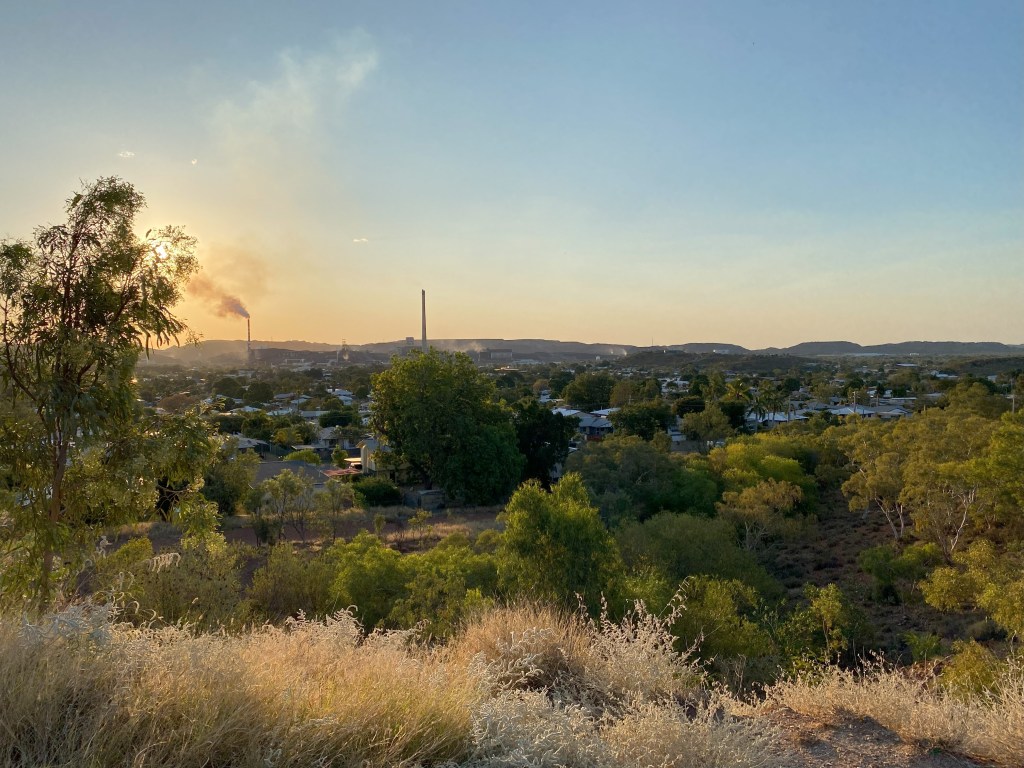
We did tear ourselves away from Pamela Street and Lake Moondarra a few times, notably wandering up Telstra Hill at sunset, walking on a hot late afternoon to Warrigal Waterhole which did not feature any water, and exploring a rest stop on the Barkly Highway where we didn’t find any Carpentarian Grasswrens. Heck, we even visited the Mt Isa Wastewater Treatment Plant (closed to visitors, would not let us in, saw a Spotted Crake through the fence anyway).
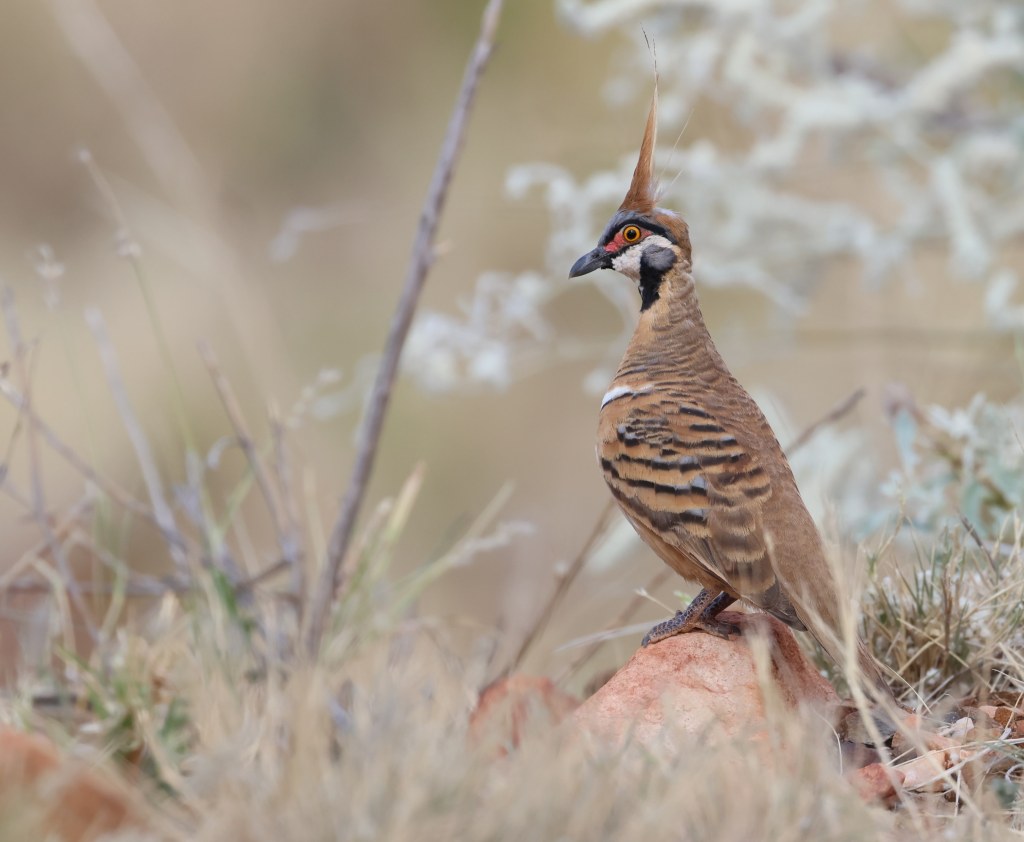
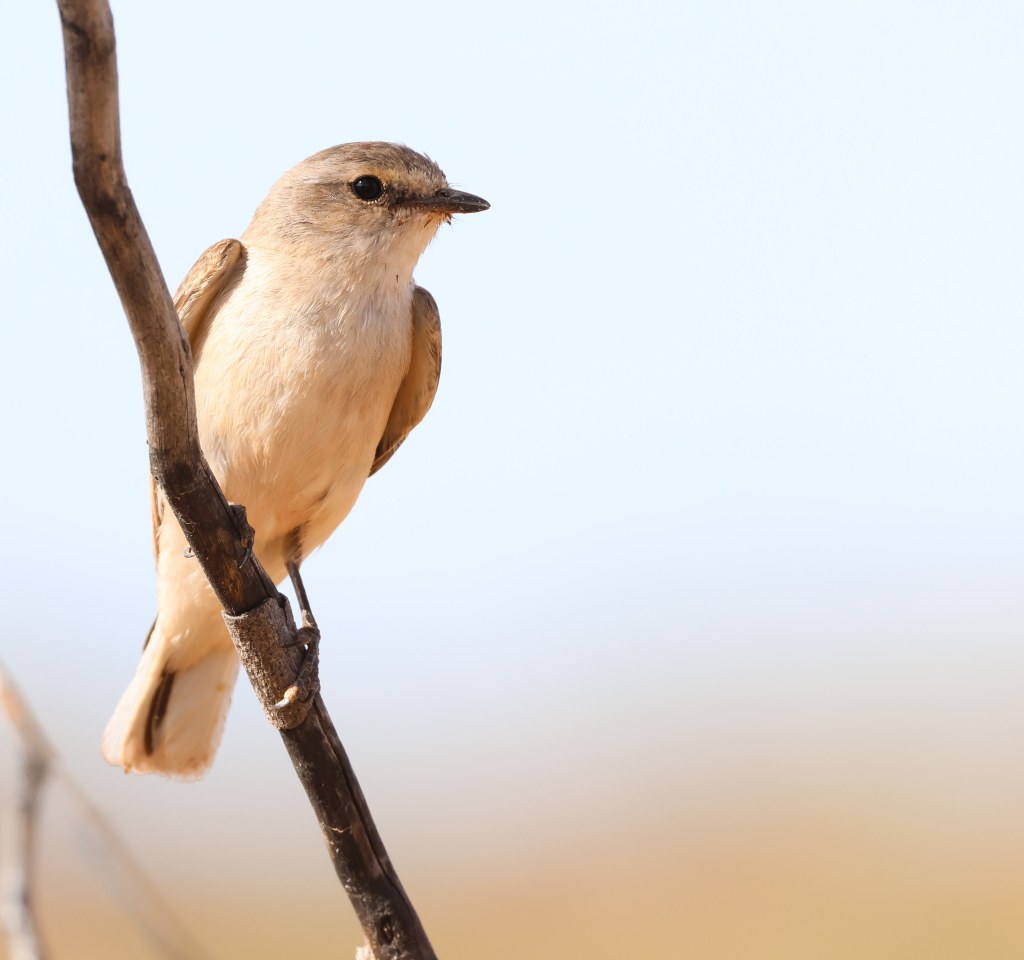
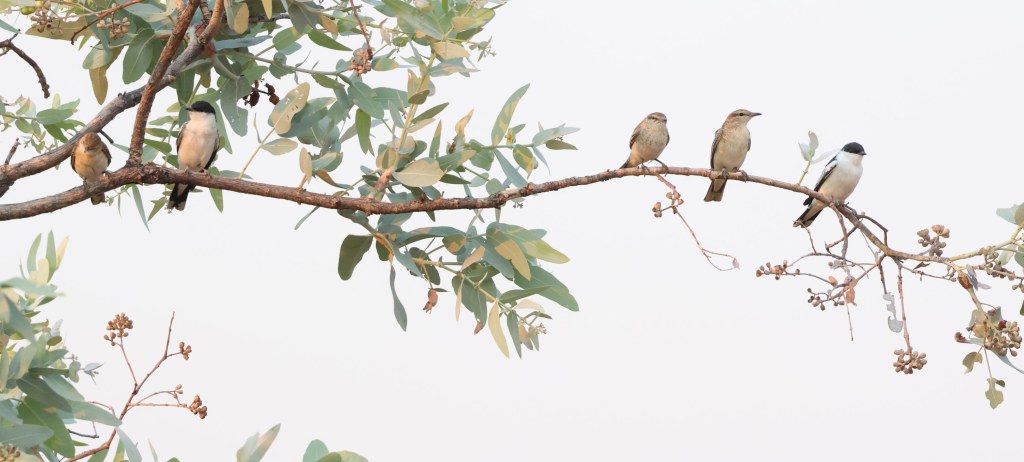
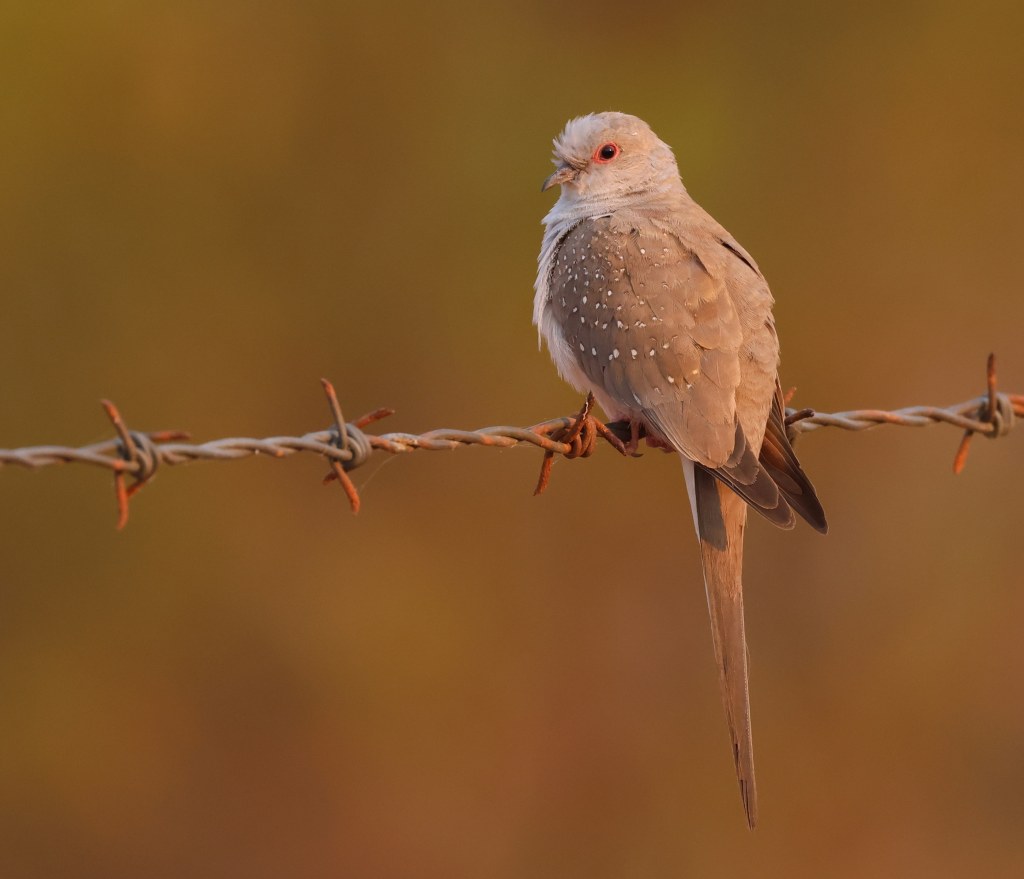
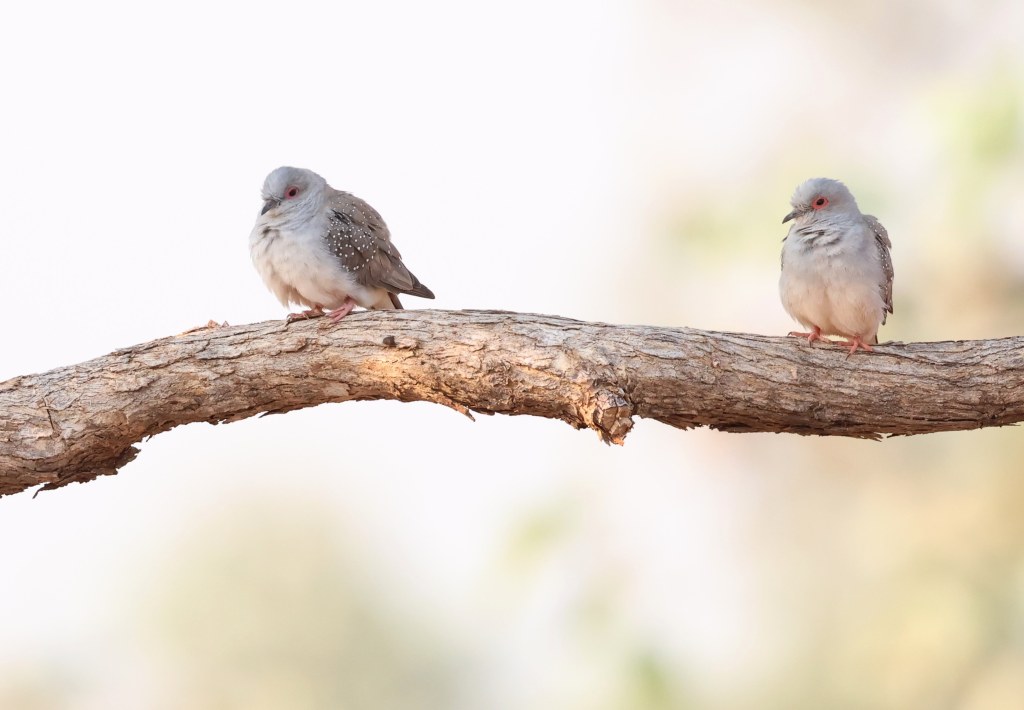
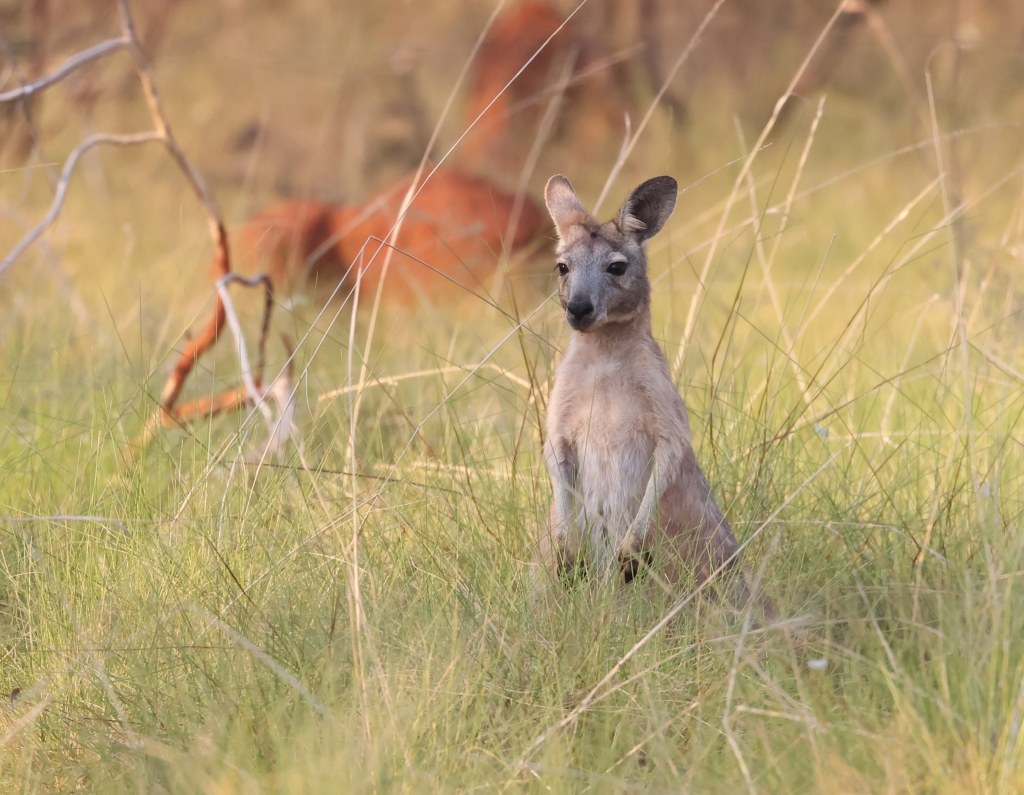
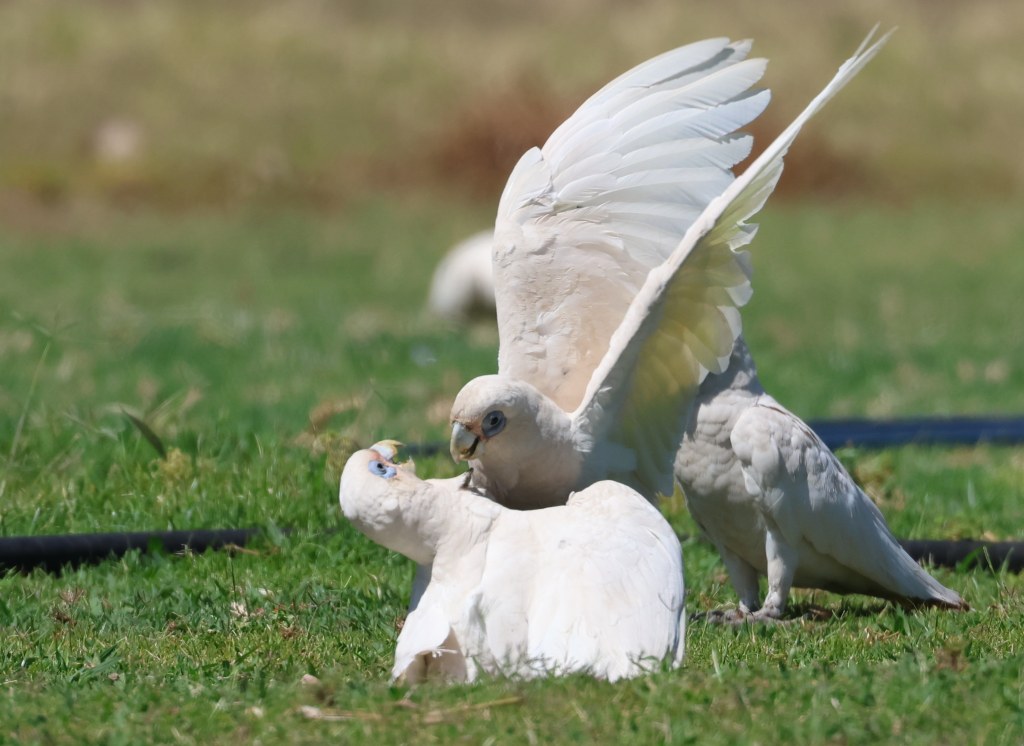
Spinifex Pigeons were seen here and there on our trip, usually easily spotted with their indignant-looking upright fast walking styleJacky Winter. Probably.White-Winged Trillers at the Barkly Highway rest area. I am not sure how many there were, as a big flock scattered up off the ground in the distance, and they were then spread in little groups around various trees. Pretty neat, actually, seeing so many at once.Diamond Doves are lovely and will stay put only if you approach them very slowly with your fingers crossedTwo Diamond Doves!Not a bird.Little Corellas are silly and playful no matter where you find them
So…. Was It Worth It?
I have been asked by a few other birders if the Mt Isa region is a worthwhile locale for a short trip, bearing in mind the rich palette of choices one has for birding in Australia if one is willing to do a fly/drive trip. My answer is a resounding yes, as long as you can handle the temperatures, which do climb into the mid-30’s (but it’s a dry heat!). In fact I feel the region is a somewhat overlooked gem for birding, especially if you haven’t been there before. The alternatives for us included Darwin, or the Cairns/Atherton region, and the logistics for Mt Isa worked a little better from Brisbane: there is a well-timed late afternoon flight, good car rental options (shout-out to the excellent people at Avis Rent A Car), decent accommodation (the Spinfiex Motel – the #1 on TripAdvisor – is within a 1km walk to the Pamela Street Water Tanks), to name a few of the attractive aspects. I would not want to do a short trip in summer, but it worked out well for us as a late September getaway.






Such beautiful birds and excellent shots.
LikeLike
U guys didnt see the Cloncurry ring neck? In all the town we have planty of then
LikeLike
Saw one at Chinaman Creek Dam, but not a particularly good photo of it.
LikeLike