A 12-day road trip made from October 14 to 25, 2023, starting and ending at Adelaide in South Australia, and driven by the (admittedly incredibly weak) excuse that we wanted to break up our flight from Brisbane to Perth. Call it a nearly two week layover, if you will…
The Amazing And Truly Excellent Bird Hides At Gluepot Reserve
Gluepot Reserve is a large wildlife conservation reserve some 3 hours north-east of Adelaide, and is so named because the roads basically turn to glue after rain. We didn’t get any rain, and we had barely 24 hours to enjoy the place, but we did find plenty of birds during that time, particularly at the bird hides strategically dotted around the property.
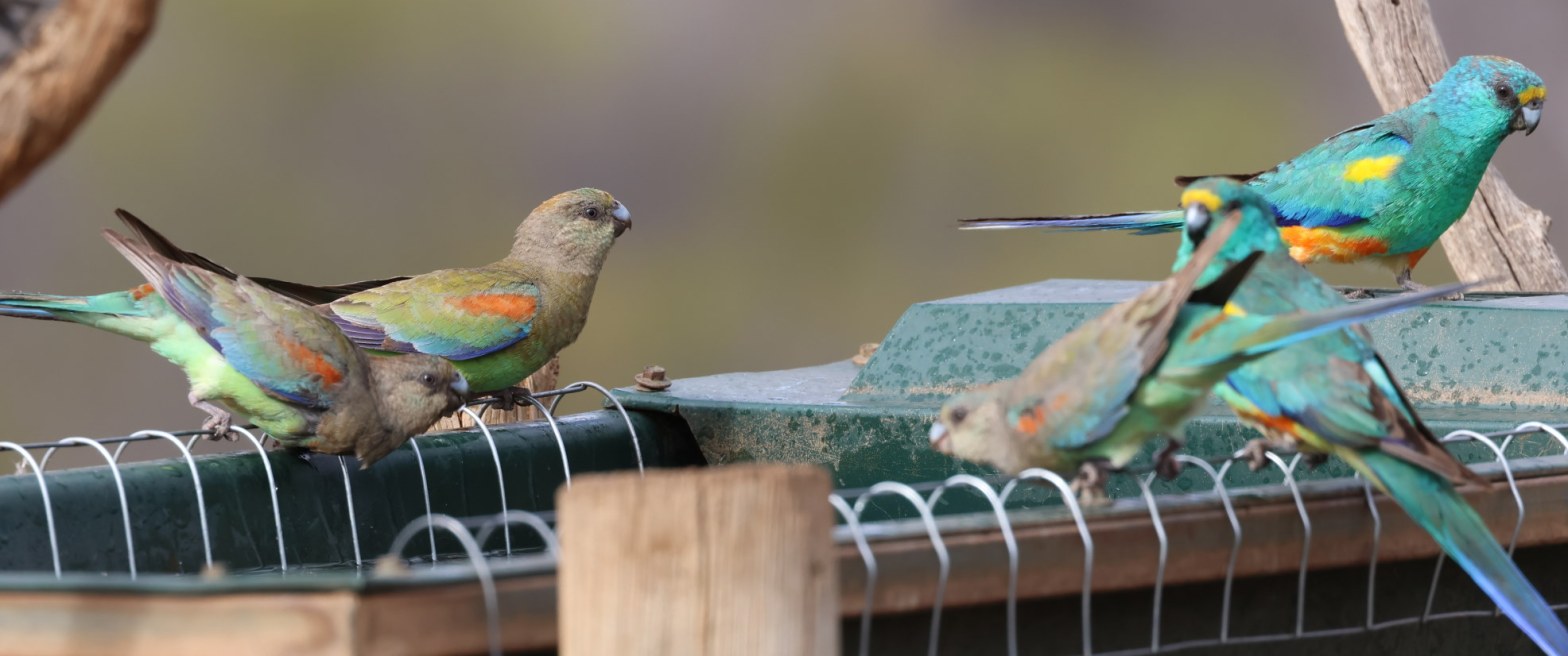
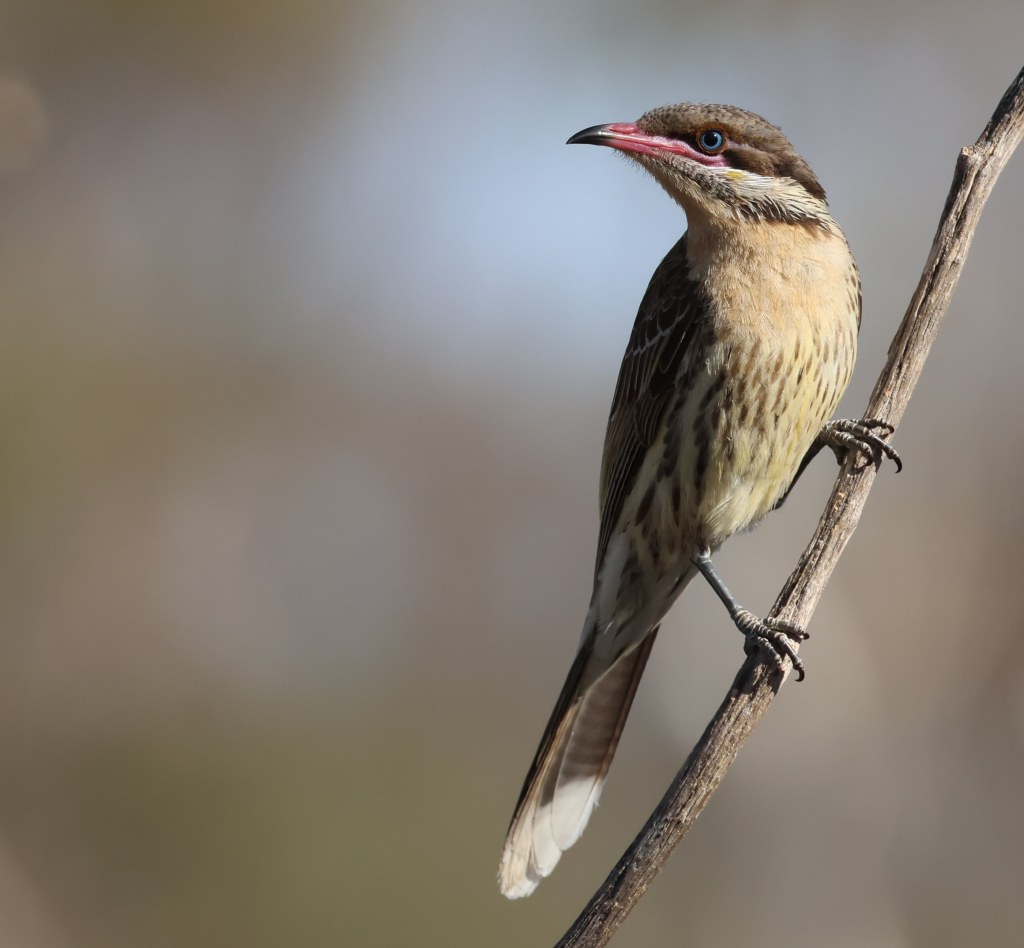
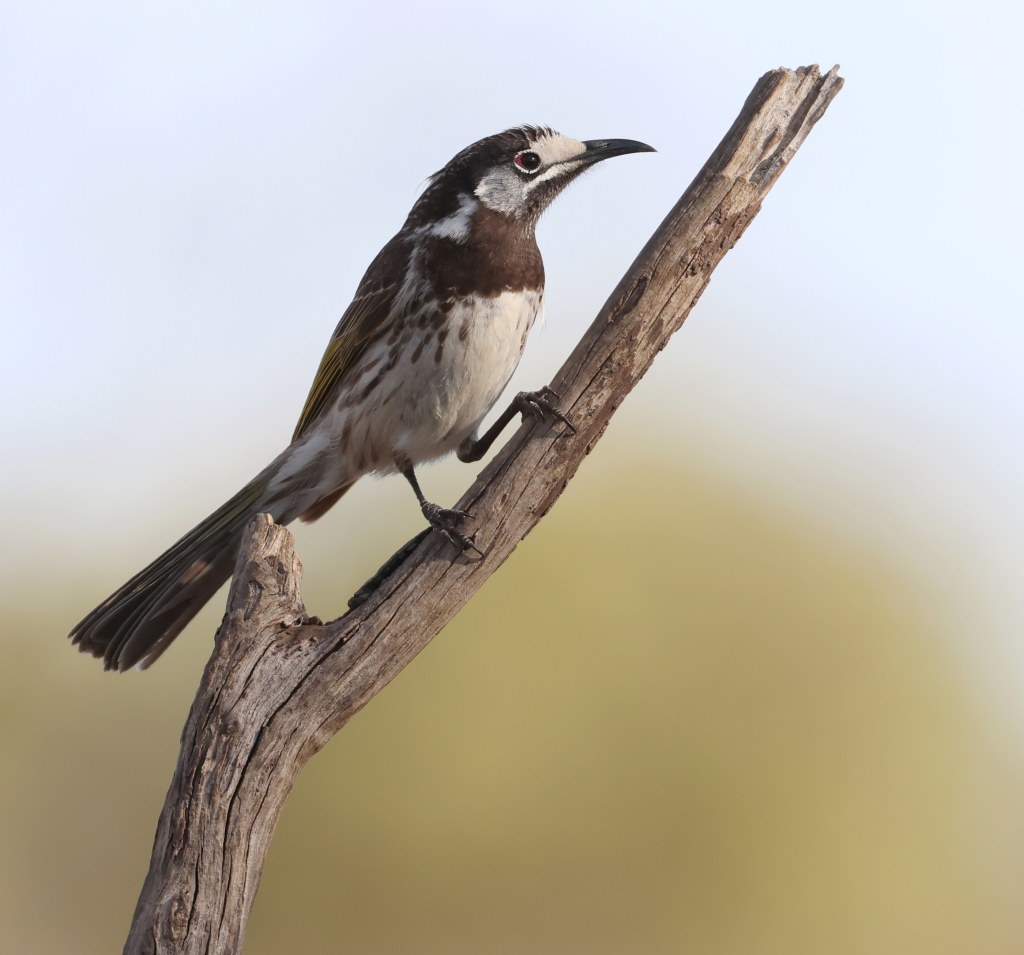
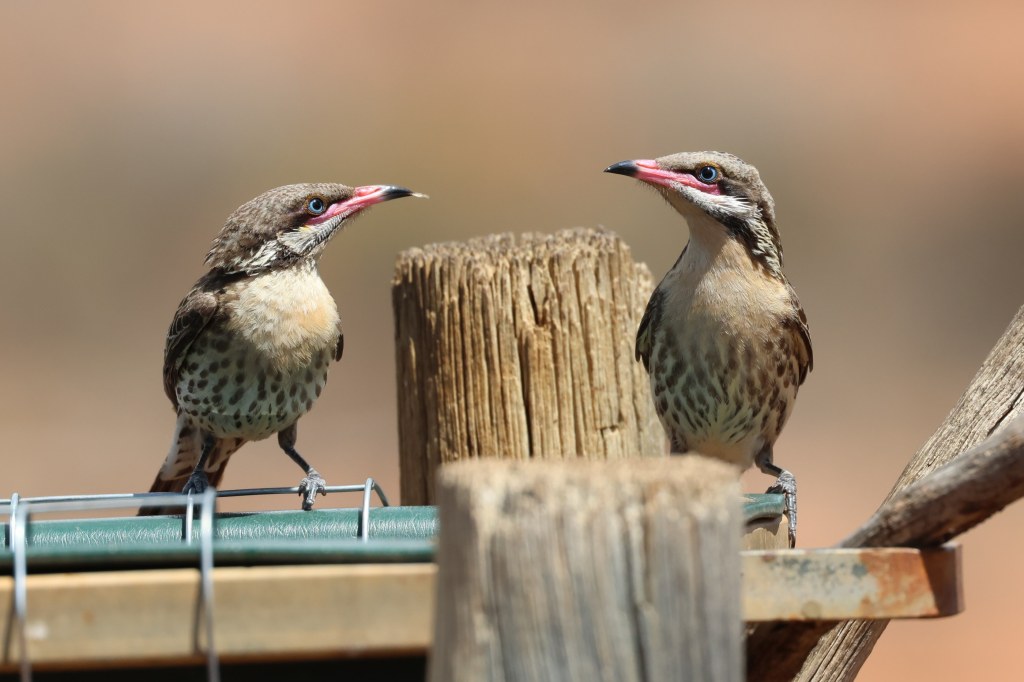
Spiny-Cheeked Honeyeaters are awesome, but even I got a little tired of them dominating the bird hides after a while. Adorable bullies, they were!It would be more difficult to get clean images of the ghostly and skittish White-Fronted Honeyeater were you not secreted stealthily away in your very own Deluxe Gluepot Bird Hide (TM)Now and again lovely little Brown-Headed Honeyeaters scooted in for some of the water available near the bird hidesOne of the bird hidesA male Mulga Parrot, quite a nice looking bird, with some striking splashes of colour on itStriated Pardalote demonstrating the Striated Pardalote Upright StanceSpiny-Cheeked Honeyeaters being a bit cheeky
There Is More To Gluepot Than Just The Excellent Bird Hides, OK?
There certainly is, with plenty of tracks to explore and bird species to find. Our main morning walk was the 6km Whistler Walk, which – full disclosure – does actually lead to a bird hide, but has plenty to look at along the way. We dipped our toes in a couple of other tracks afterwards but with limited success.
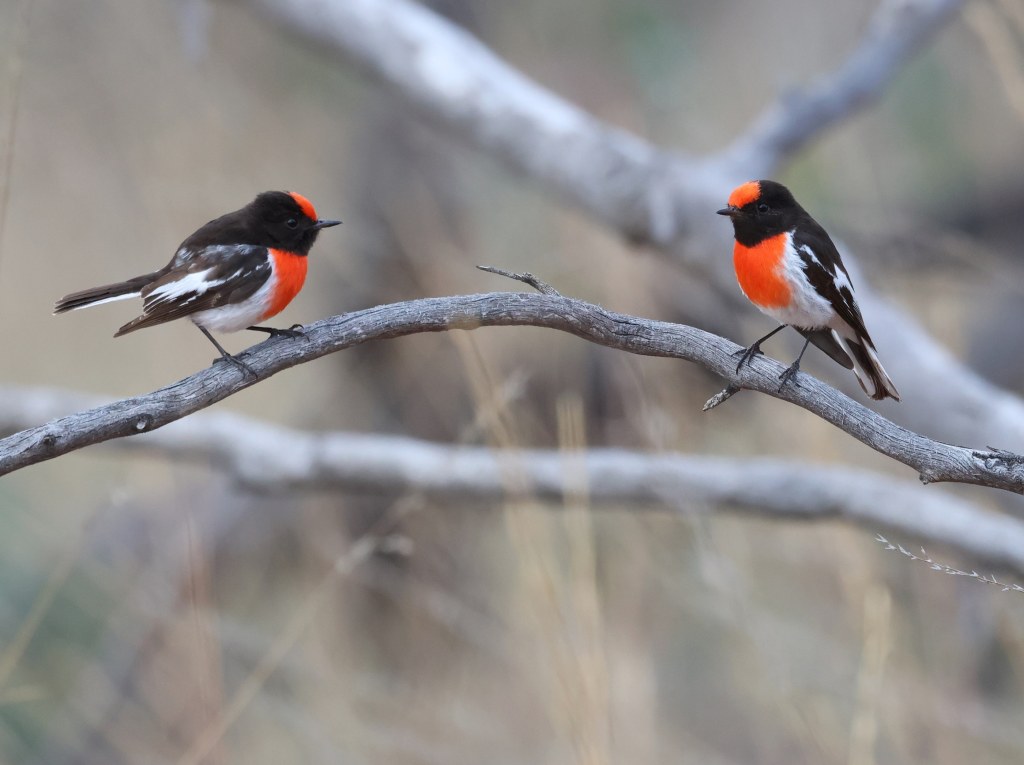
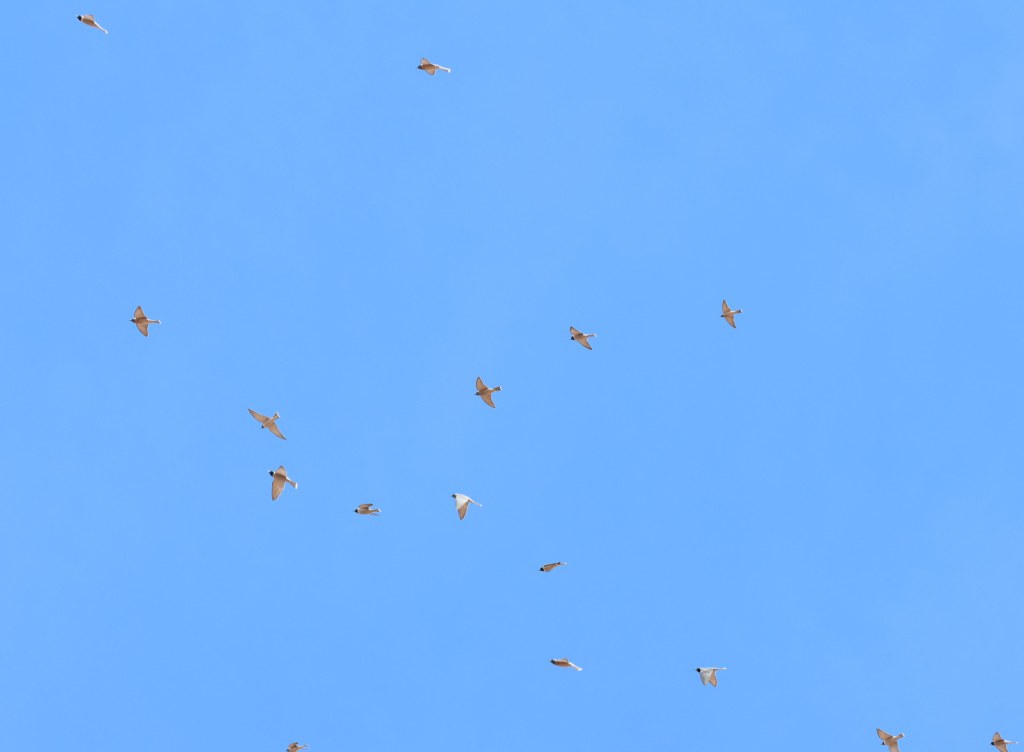
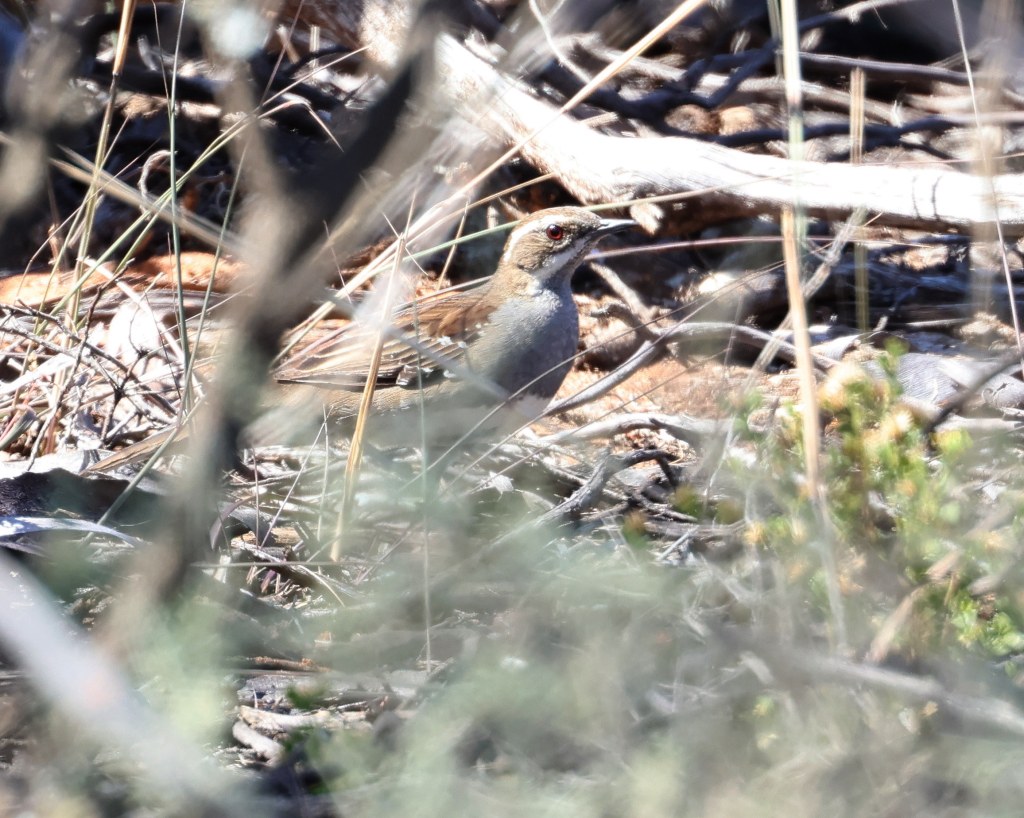
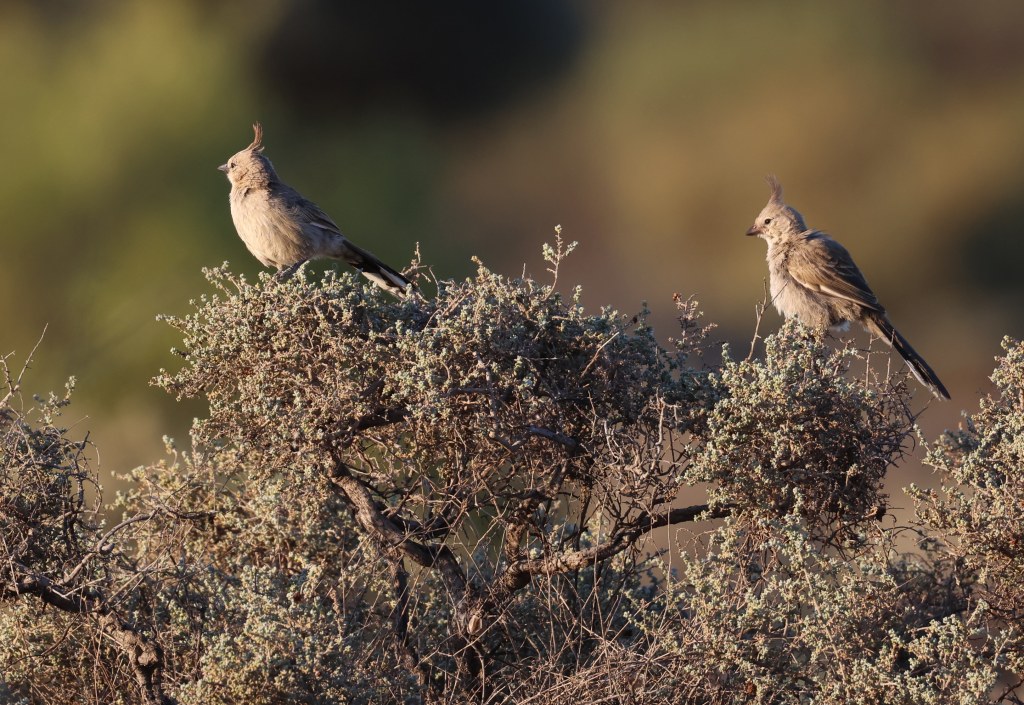
Two Red-Capped Robins were getting uppity at each other, probably a territory dispute. These are their angry faces.Let’s not talk about that time at Charlotte Plains Station when we thought we had seen a White-Browed Treecreeper but it was just a Brown Treecreeper with some very wishful thinking thrown in…. because here’s an actual White-Browed Treecreeper and you can see it really does have the stronger markings that bird guidebooks say it doesSome of a group of hundreds of soaring Masked Woodswallows, with the odd White-Browed Woodswallow in amongst themCrested Bellbird, a bird that you will likely hear before seeing (think, persistent two slow notes then three fast notes)Lizards are also animals at GluepotNot the best photo in the world of a Chestnut Quail-Thrush, but it was a new bird for us
Onward, And Onward, To Port Augusta, And Beyond!
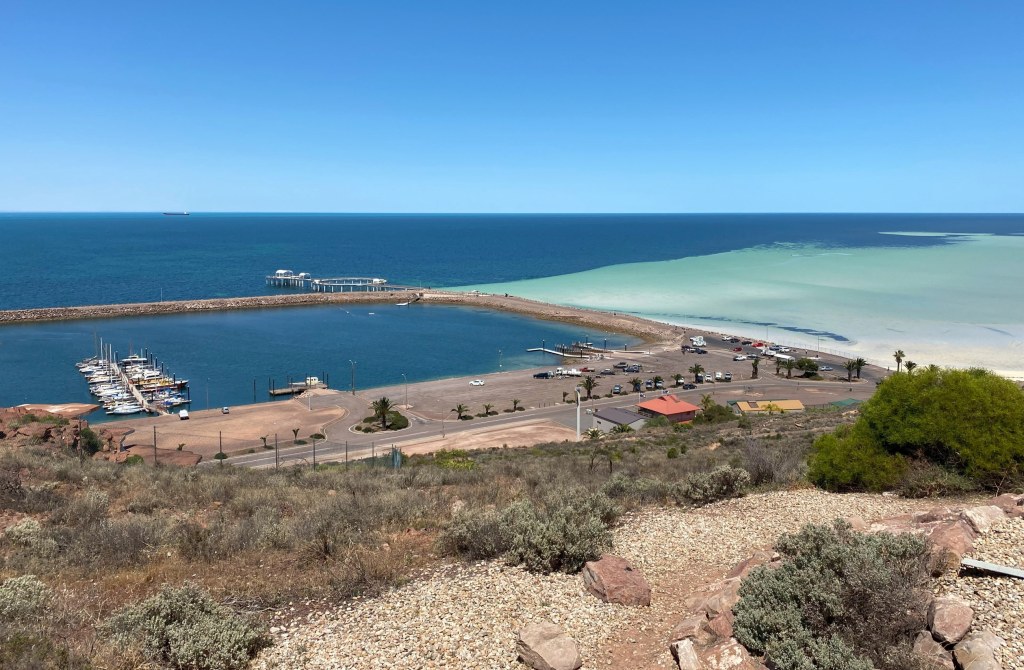
Port Augusta is a surprisingly large town (the fourth largest in South Australia) at the head of the Spencer Gulf, and pretty much has a desert climate. Hence it is appropriate that the very impressive Arid Lands Botanic Garden is situated there. Which has birds!
We made a mostly-hiking stop at Alligator Gorge in Mount Remarkable National Park, half an hour south of Port Augusta, and here it is in all its gloryInland Thornbill, one of the many small flitty thornbills at Alligator Gorge
As mentioned, one of the key birding locations to visit in this area is the excellent Arid Lands Botanic Garden, on the north edge of town at Port Augusta. It is arguably the best site in Australia to find the charming Chirruping Wedgebill, and does pretty well for other sometimes-difficult-to-find birds too, like the Rufous Fieldwren, Redthroat, Southern Whiteface, Black Honeyeater and more. Also, it has a bird hide.
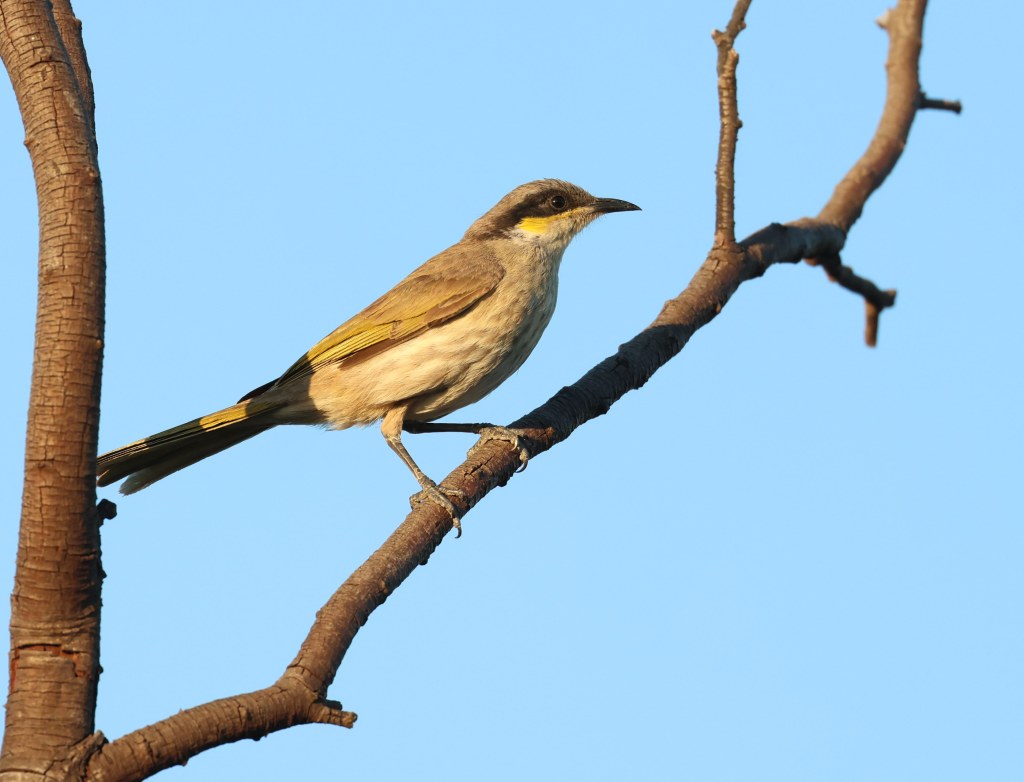
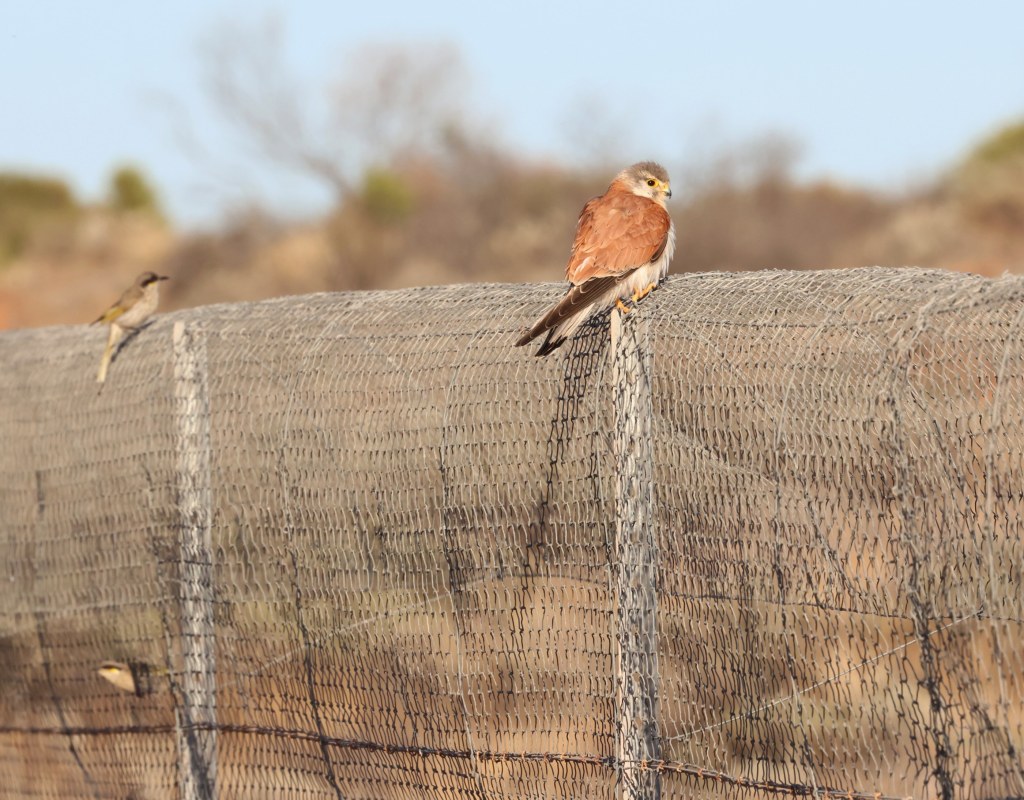
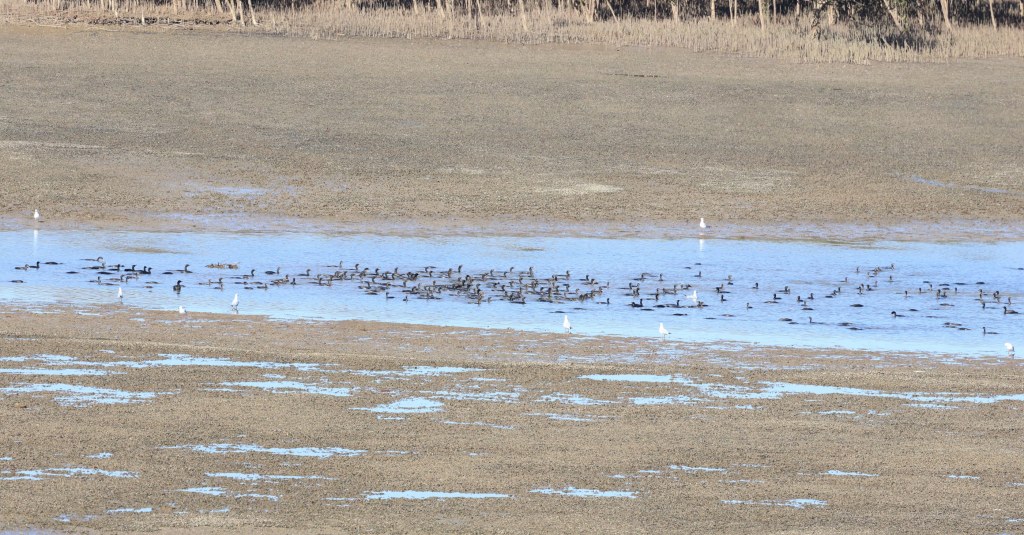
Southern Whiteface, seen in all three of our visits to Arid Lands Botanic GardenChirruping Wedgebills: we did not give up on finding them, and fortunately we did find them, though it was not easy!Arid Lands Botanic Garden could also be equally described as “Domain of the Very Dominant Singing Honeyeater”, though that isn’t as catchy a nameSinging Honeyeaters are somewhat unafraid of this Nankeen Kestrel, on the border fence at Arid Lands Botanic GardenZebra Finches are arguably the most abundant bird in Australia, and they are quite hard to spot at Arid Lands Botanic Garden except if you hang out at the bird hide there for a whileWe saw Elegant Parrots at several different sites on our trip; here’s one near the bird hide at Arid Lands Botanic GardenA delightfully chunky Shingleback Lizard following its friend across the pathThere’s gotta be a good caption for this, surely…From the Red Cliffs Lookout at Arid Land Botanic Garden you can see across to the river system to the east, and the largest group of hunting cormorants I have ever seen in my life
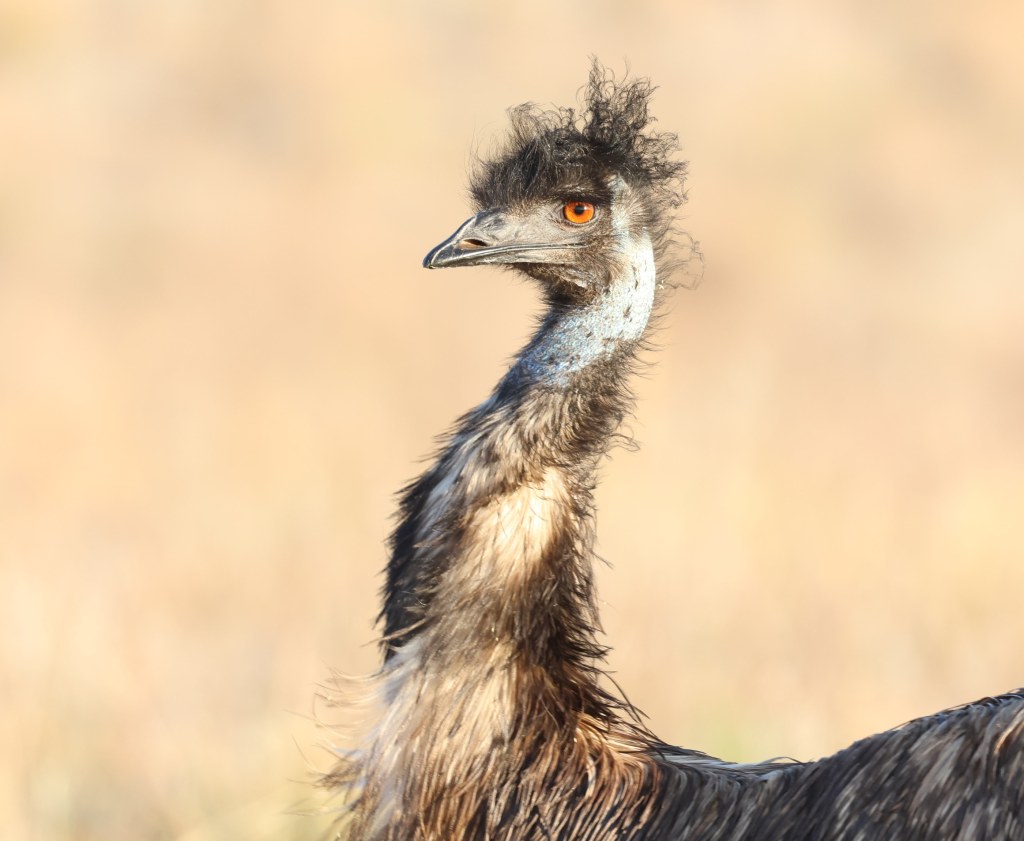
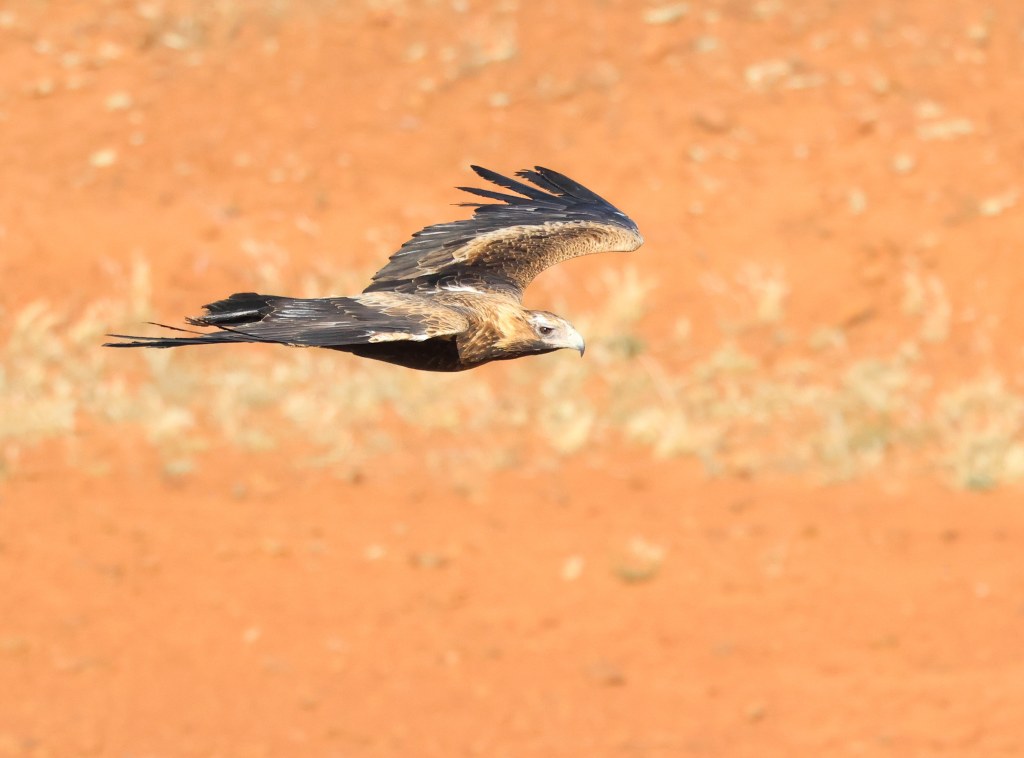
We also visited the weirdly-named Wilpena Pound area of the Flinders Ranges, which has more of a bit-of-hiking-with-a-bit-of-camping vibe. Ringnecks and Yellow-Throated Miners were the dominant birds in the forest areas, while the open ridges had plenty of raptors, Galahs and Pipits. Oh yeah, and there were also a ton of emus.
Ringneck, enjoying a grassy snack at the end of the dayEmu, one of several nonchalantly crossing the road. Also, that hair!The mighty Wedge-Tailed Eagle, with the biggest wingspan of any mainland Australian bird, seen here from Stokes Hill LookoutA Pipit demonstrates that, no matter how dry and lifeless the landscape seems, you can always find a tasty insect if you look hard enough
Many Have Asked The Question: Why Not Whyalla?
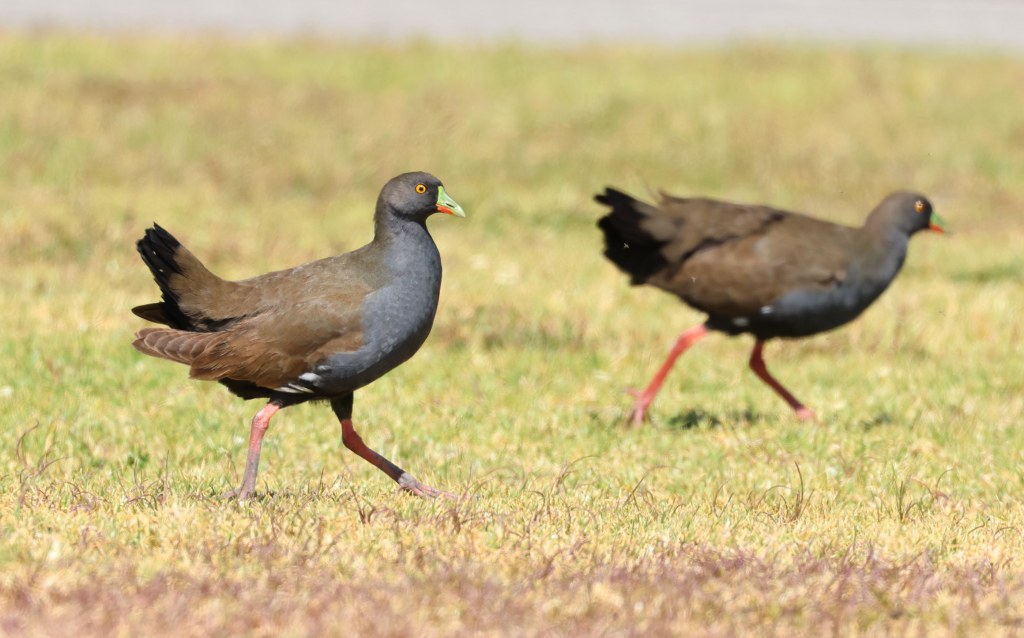
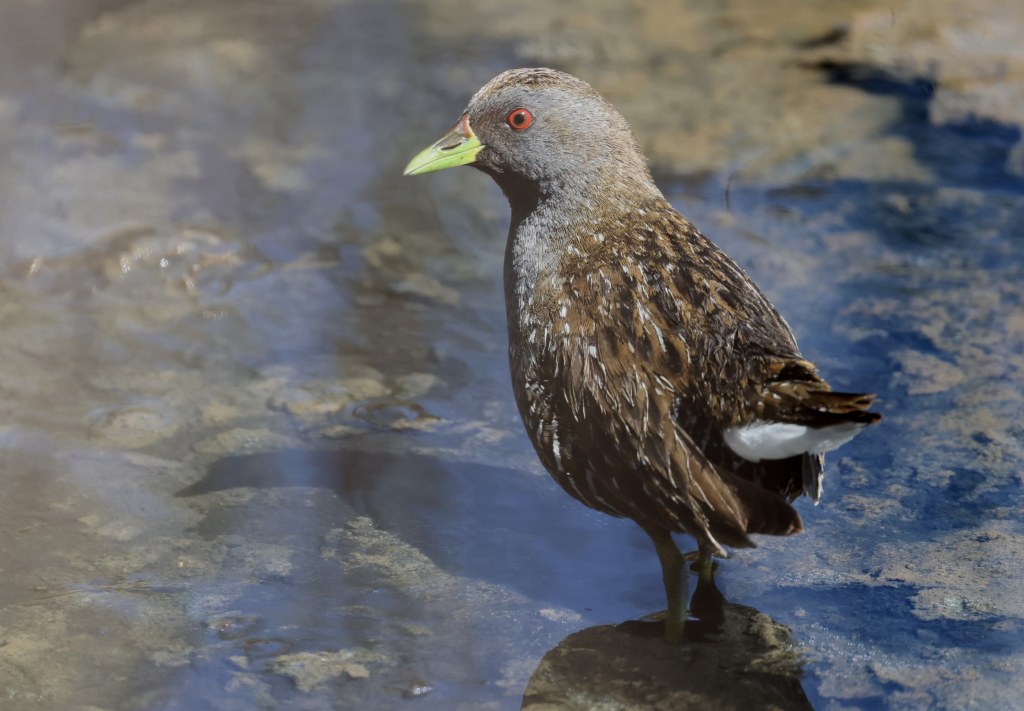
Forty minutes south from Port Augusta are a couple of juicy birding hotspots near the township of Whyalla. One is a very arid conservation park which is a good spot for Slender-Billed Thornbill (did see) and Western Grasswren (did not), while the other is a lovely suburban wetlands built on an old aerodrome site that houses an intriguing mix of various water-loving birds.
More rounds of the game “what thornbill is that?” but this time the stakes are high: a lifer bird, the Slender-Billed Thornbill!Pied Stilts, elegant or awkward? You be the judge. At Whyalla Wetlands.Until this trip, I had not seen Black-Tailed Nativehens in big numbers; at Whyalla Wetlands we counted 45!A Spotted Crake was hanging out right next to a Baillon’s Crake at Whyalla WetlandsYe Olde Chestnut TealSo, yeah, Whyalla fancies itself just a little bit as a tourist destination.
We Also Stayed In Some Wine Regions, Namely The Clare Valley And Barossa Valley, And Did Enjoy That Experience Too
It’s true, we were not just birding. But we did do some birding in the winery regions, here and there, in between indulgent winery lunchings and tastings.
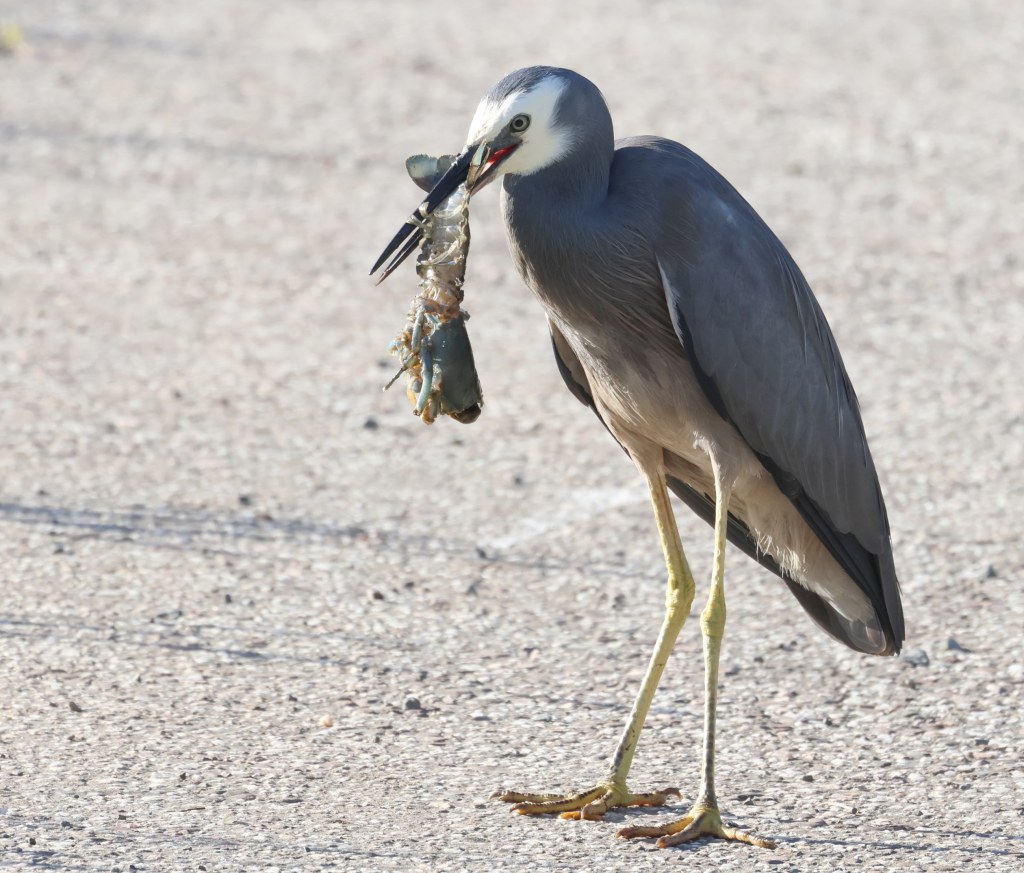
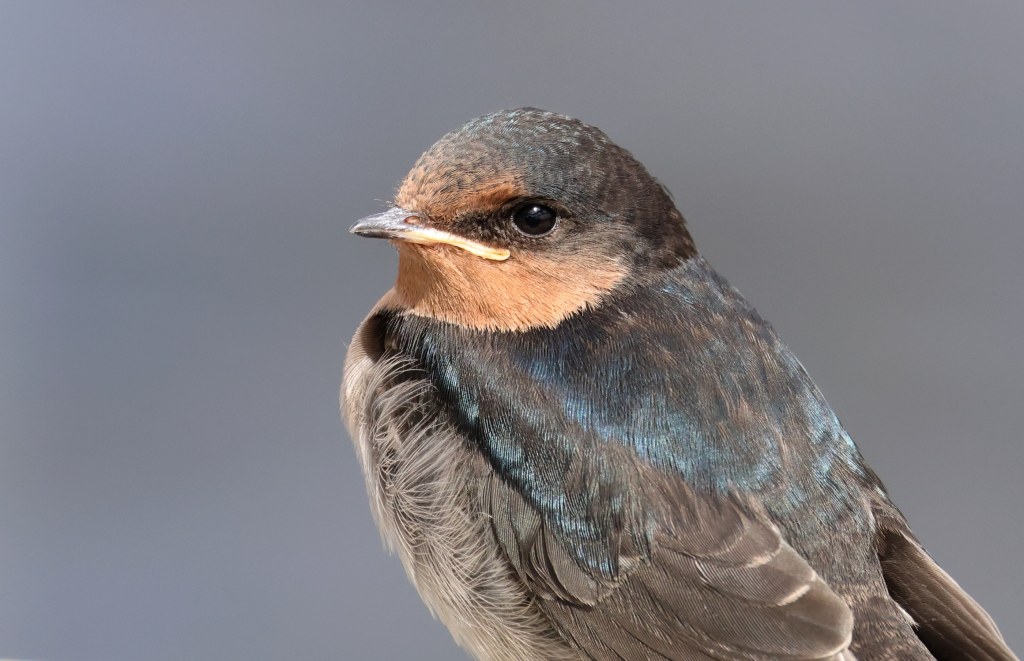
The subspecies of Crimson Rosella in the greater Adelaide area is more yellow than crimson, and there are plenty of them aboutSmall and ultra-adorable Musk Lorikeets were so numerous around the township of Clare that we suspected the area was the epicentre of Musk Lorikeets in AustraliaWhite-Winged Choughs are very strange and intriguing birds and are distantly related to bowerbirds!This White-Faced Heron truly did chug down this huge crustacean, though it took a while and much thrashing and gulping was required. At Gleeson Wetlands in Clare.A serene White-Faced Heron at the very pleasant Sandy Creek Conservation Park, adopting a very different hunting strategy from the above birdPeaceful Dove, at the aforementioned and most definitely very pleasant Sandy Creek Conservation ParkSulphur-Crested Cockatoos arraying themselves rather nicely on a dead tree near the Whispering Wall in the Barossa ValleyA Welcome Swallow at the Whispering Wall reservoir area, Barossa Valley
A Final Hurrah At The Adelaide Hills
We stayed in the little Germanic town of Hahndorf in the Adelaide Hills, thinking that we could easily hit up a few birding hotspots using it as a base. And yes, it is technically close to the highway, but the nearest on-ramp and off-ramps are miles away! So a little more driving was done than we expected.
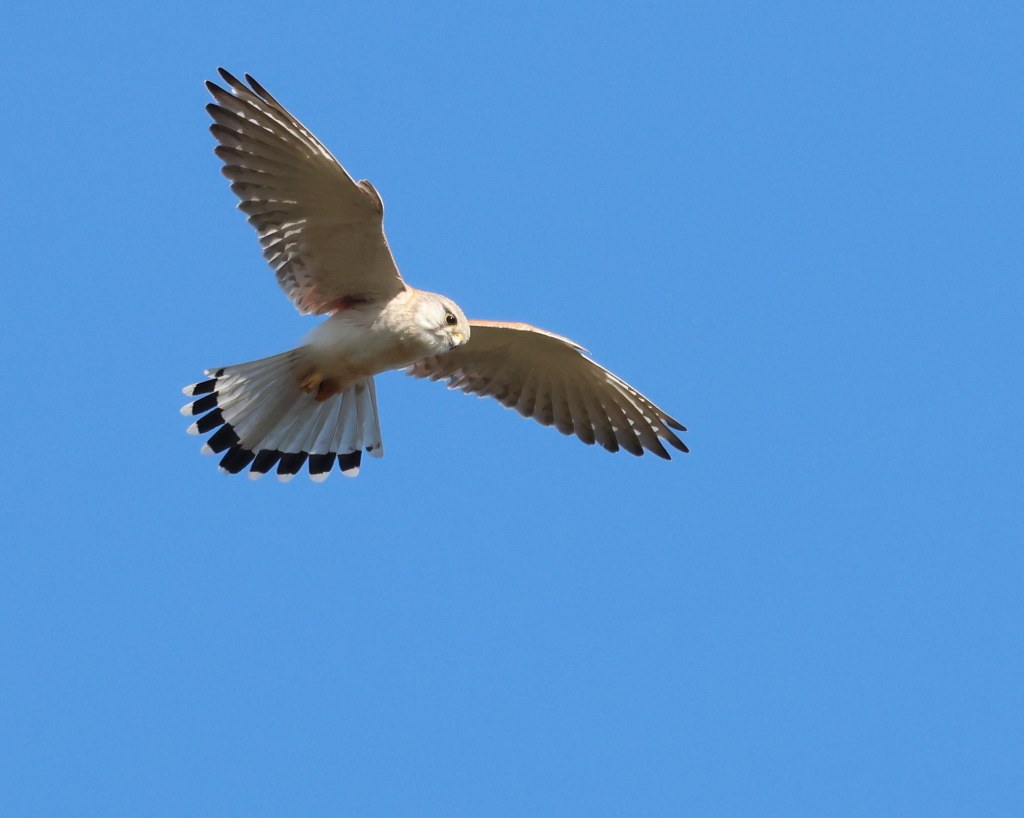
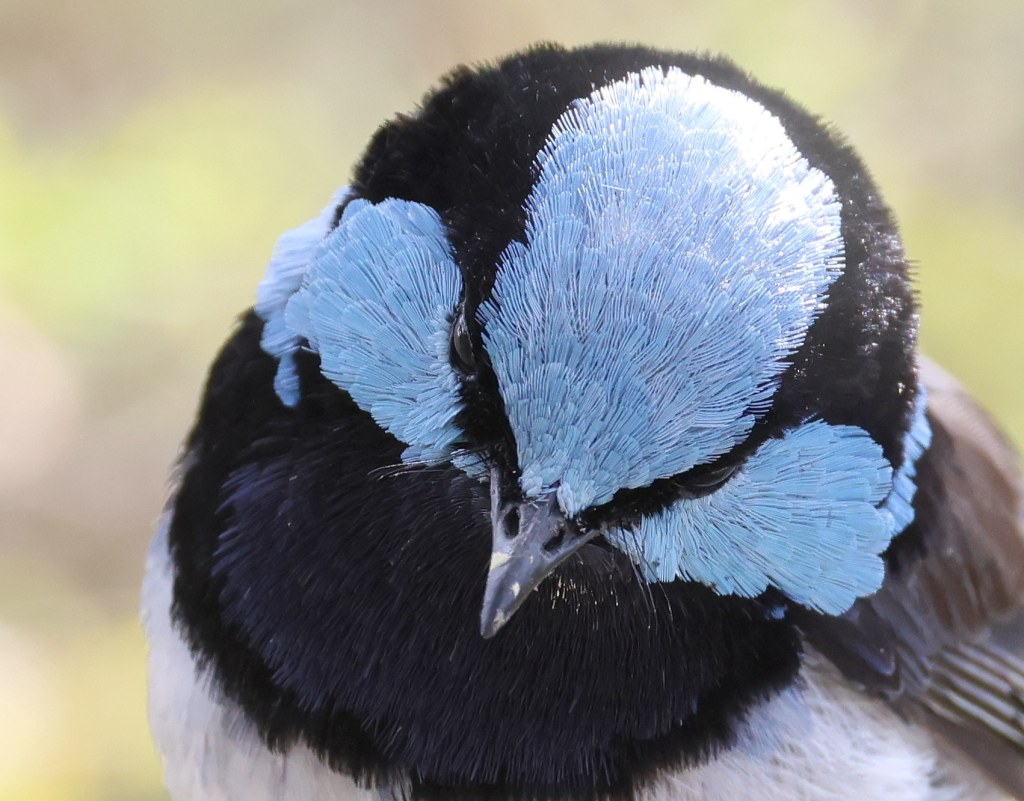
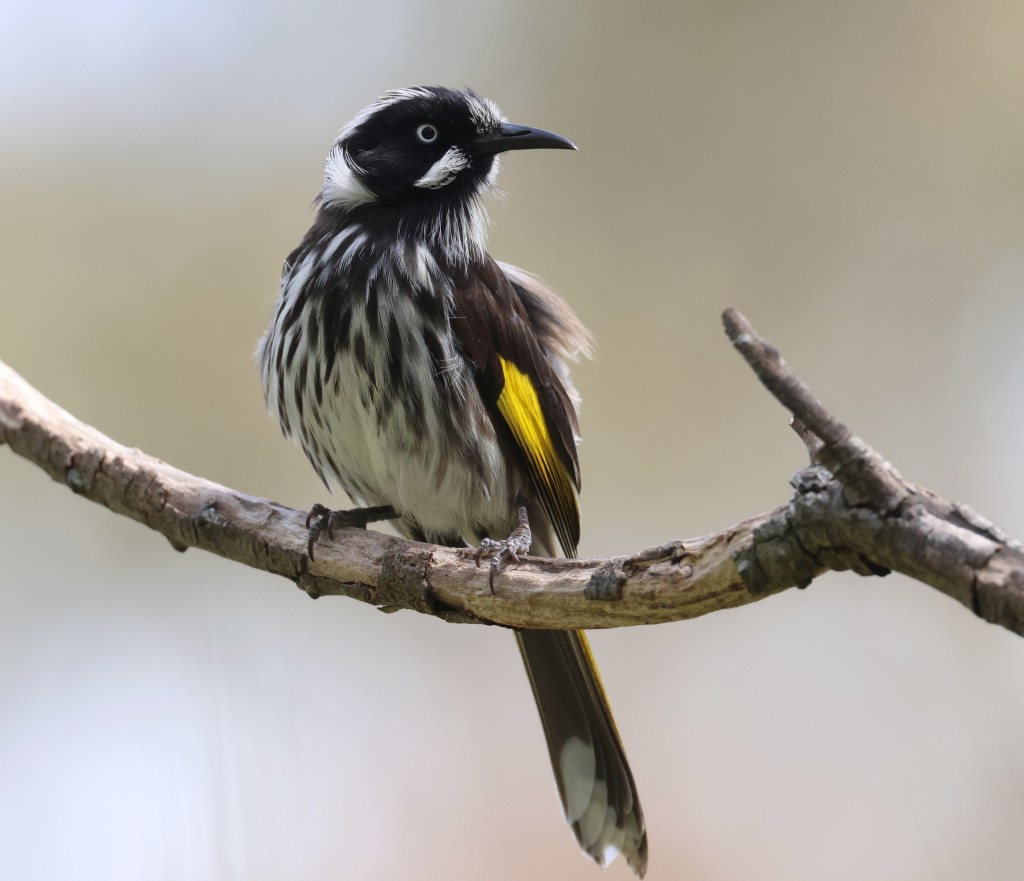
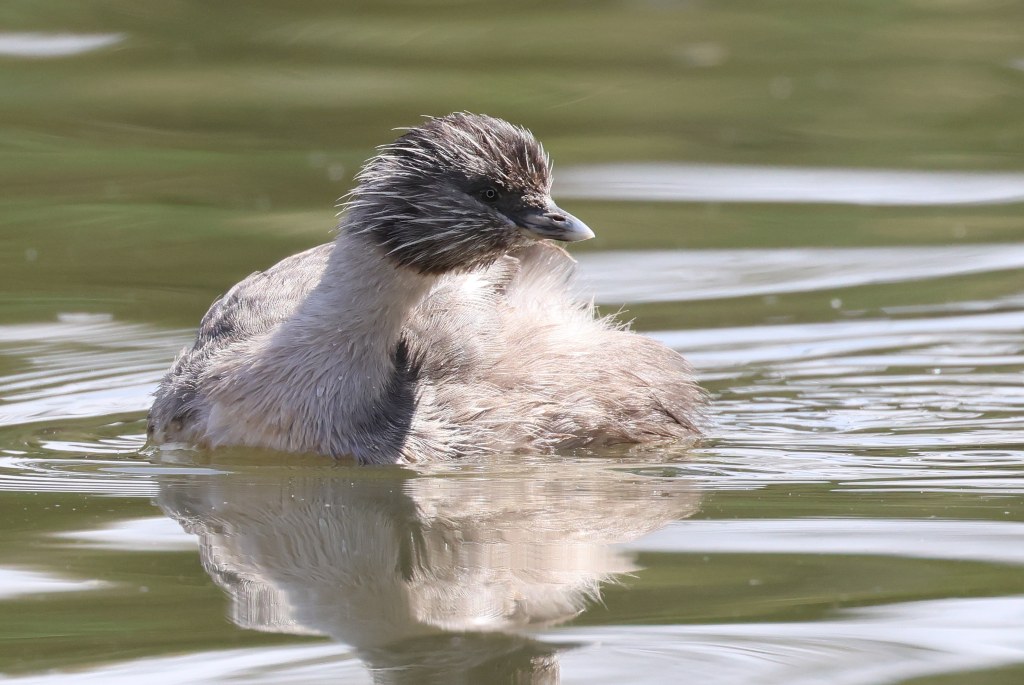
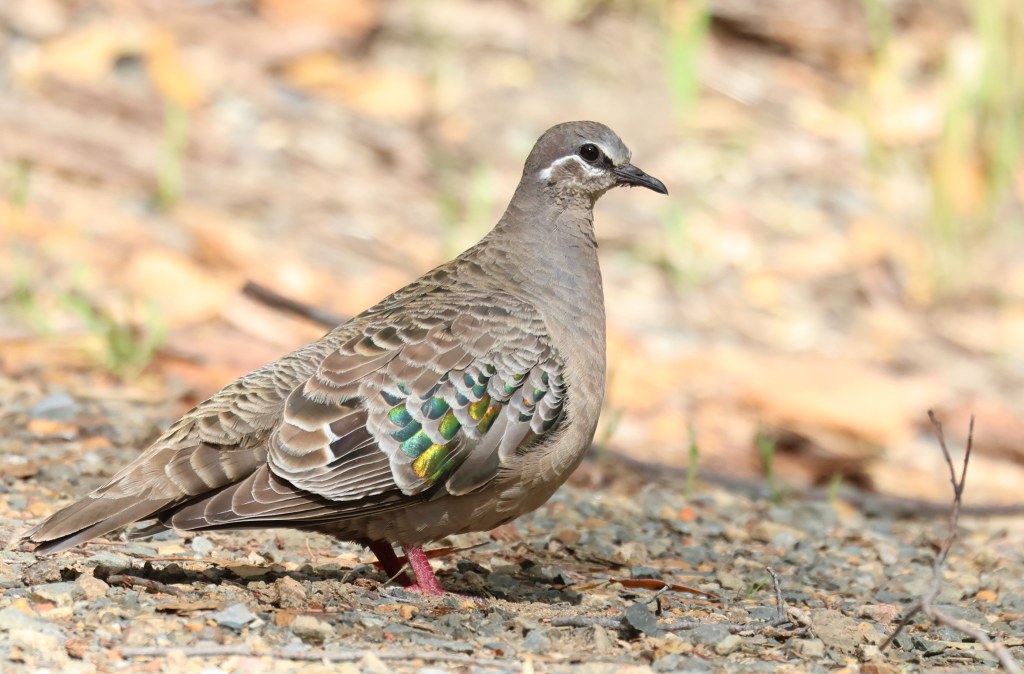
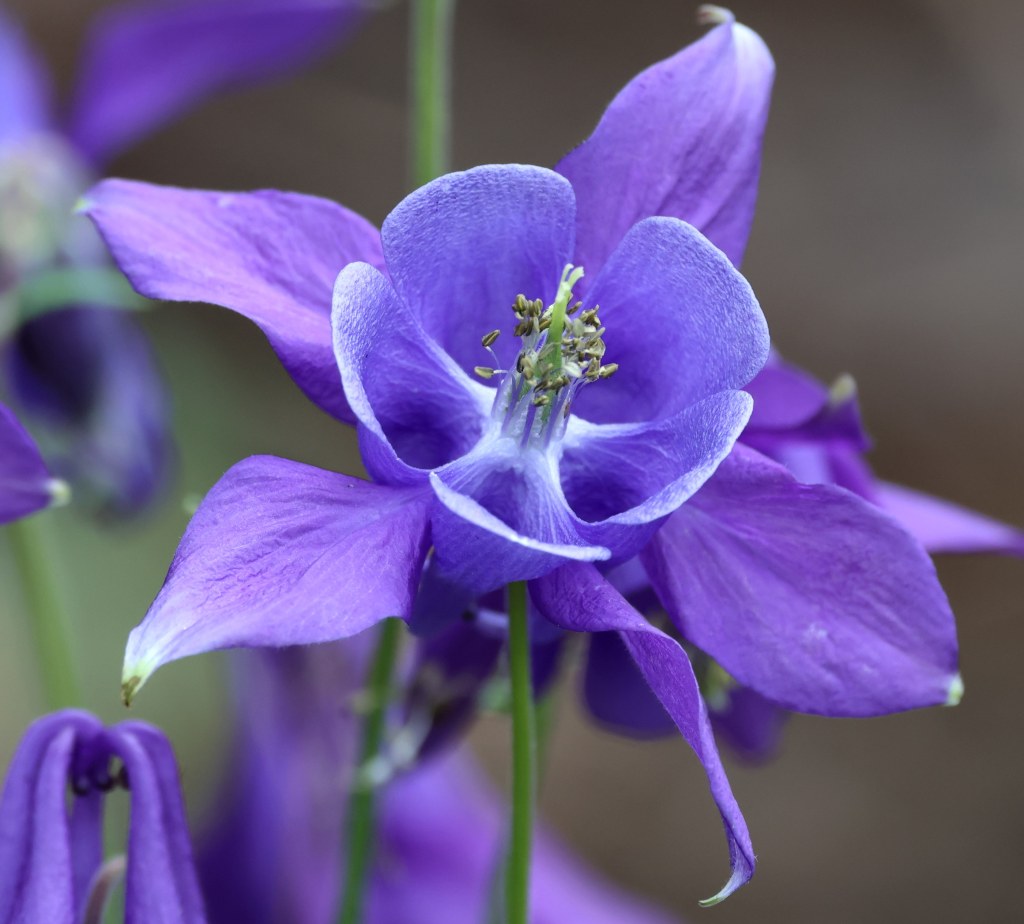
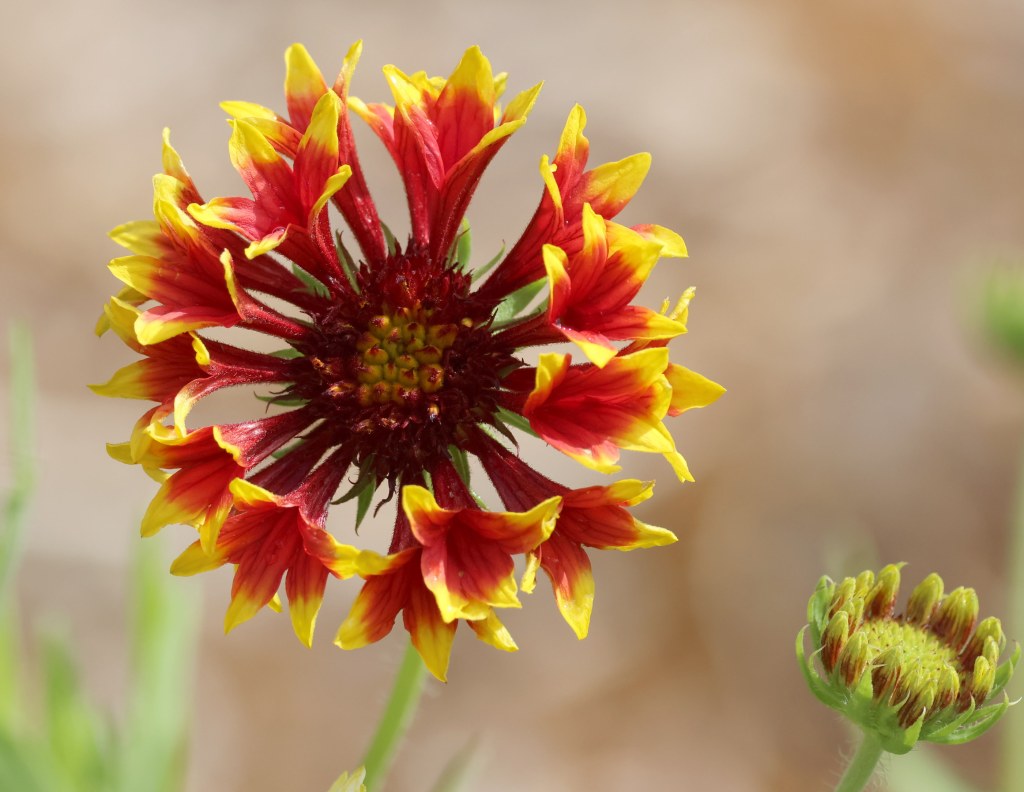
European Goldfinch having a messed-up-face day. Bird needs to get some self-respect! At Cox Scrub CP.Nankeen Kestrel, also known as Death From Above if you are a mouse or small rodentSuperb Fairywren showing off its head feathers, Cox Scrub CPThe Australian Reed Warbler is so named because it mostly hangs out in reeds, as you can see here. Laratinga Wetlands.A New Holland Honeyeater adopts its most formal and obliging pose for the grateful bird photographer, at Laratinga WetlandsA Hoary-Headed Grebe at Laratinga Wetlands. Love those face feathers! One could almost call them… hoary.Common Starling at Kinchina Conservation Park. A very common (non-native) bird in the agricultural areas, sometimes flocking in the hundreds.Striated Pardalote finding a tasty insect snack at the end of the day at Monarto WoodlandsLong-Billed Corella, photo taken through the back window of our cottage at HahndorfCommon Blackbird with a wormy breakfast at the beautiful Mt Lofty Botanic GardensA rather stout-looking Common Bronzewing at Mt Lofty Botanic GardensSome amazing flowers from Mt Lofty Botanic Gardens
Summary
Having already explored some of the birding locations south and east of Adelaide on a previous trip, our goal was to look to points north, as well as hitting up the well-known birding paradise of Gluepot Reserve. While we certainly didn’t pick up all the lifer birds we hoped for, it was still a good experience, with some nice birds and some new sites to discover. The biggest annoyance at nearly every place we visited were the flies, who thought it was fun to constantly land on your face, no matter how many times you angrily brushed them away. Not much we could do about that, except shrug philosophically.





















 Bird Spots
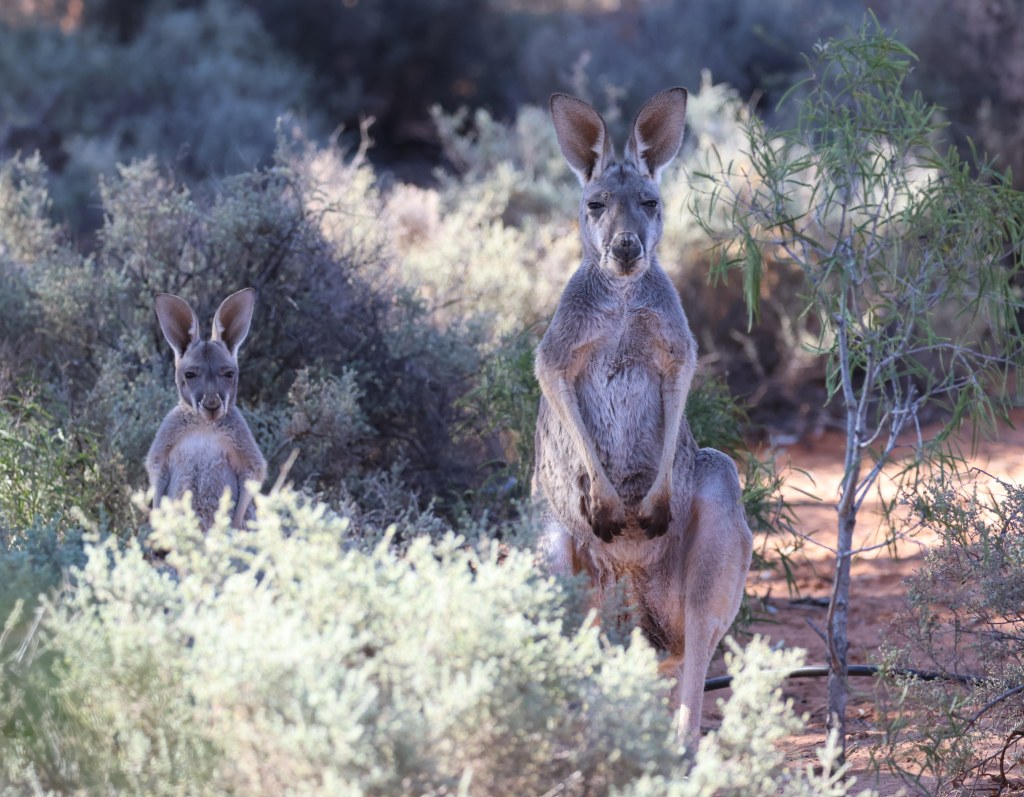
Very special photos of amazing wildlife.
LikeLike
Standard wear during summer is a flynet! Readily available at most camping shops in the region. I carry a couple in the door pocket of my 4wd.
LikeLike