One of the last great frontiers for Australian birding is tropical Cape York in far north Queensland, and the jewel in that crown belongs to Iron Range National Park, a low-level rainforest where the birds and plants are more influenced by nearby Papua New Guinea than by Australia. Our birding group had booked for August but due to a delay (*cough* jury duty call-up *cough*), had to delay until November. Never mind, despite the fears of heat and humidity we braved it anyway!
Every Good Trip To The Region Starts With A Stroll Along Cairns Esplanade
The gateway for Cape York is Cairns, and the town more than holds its own with several excellent birding locations on offer, none more accessible and illustrious than Cairns Esplanade. There are a wealth of shorebirds and seabirds to see on or near the water, and the trees and grasses along the esplanade pathways – despite being thronged with tourists and locals out for a walk, run or cycle – heave with lorikeets, pigeons and more.
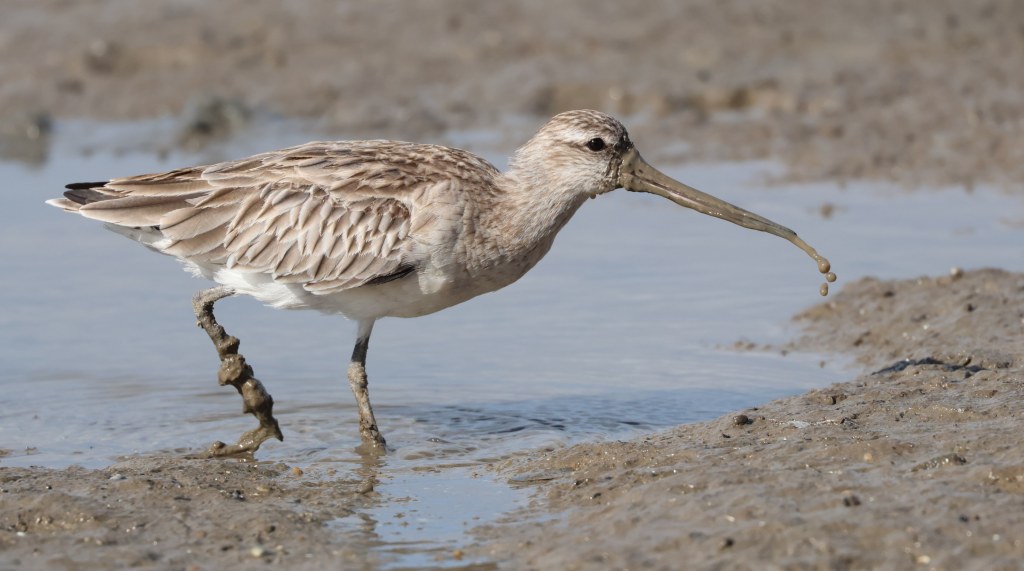
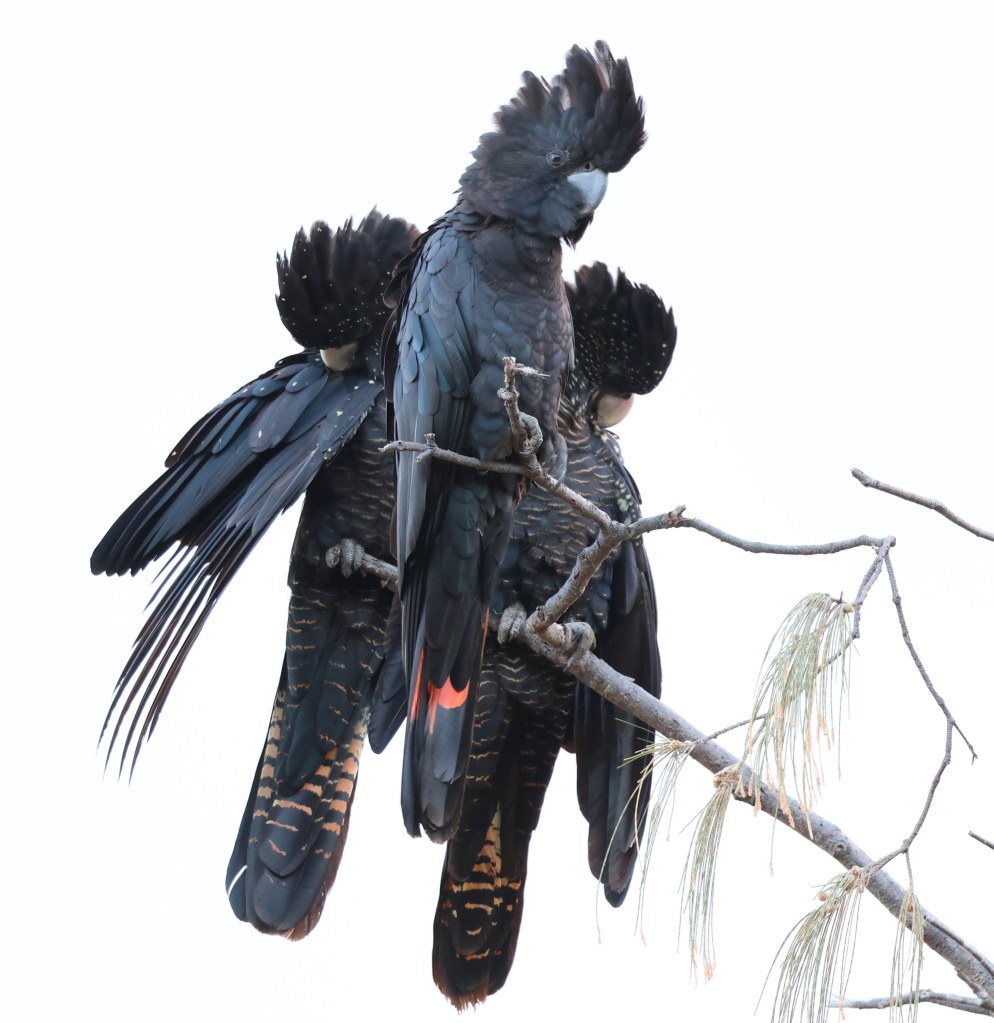
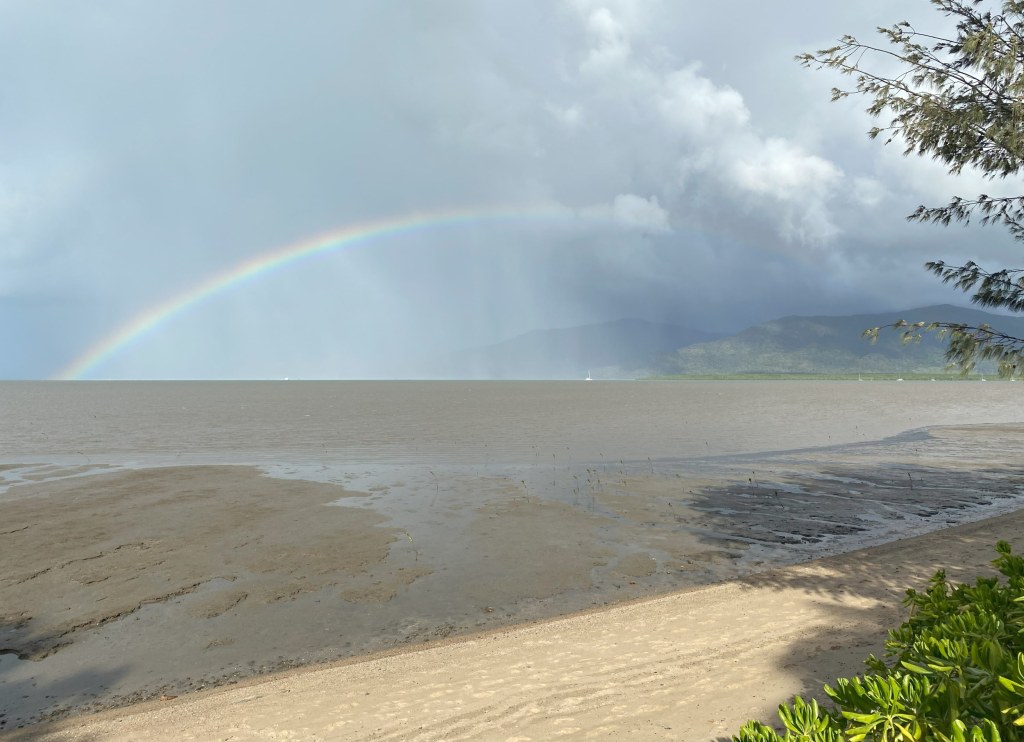
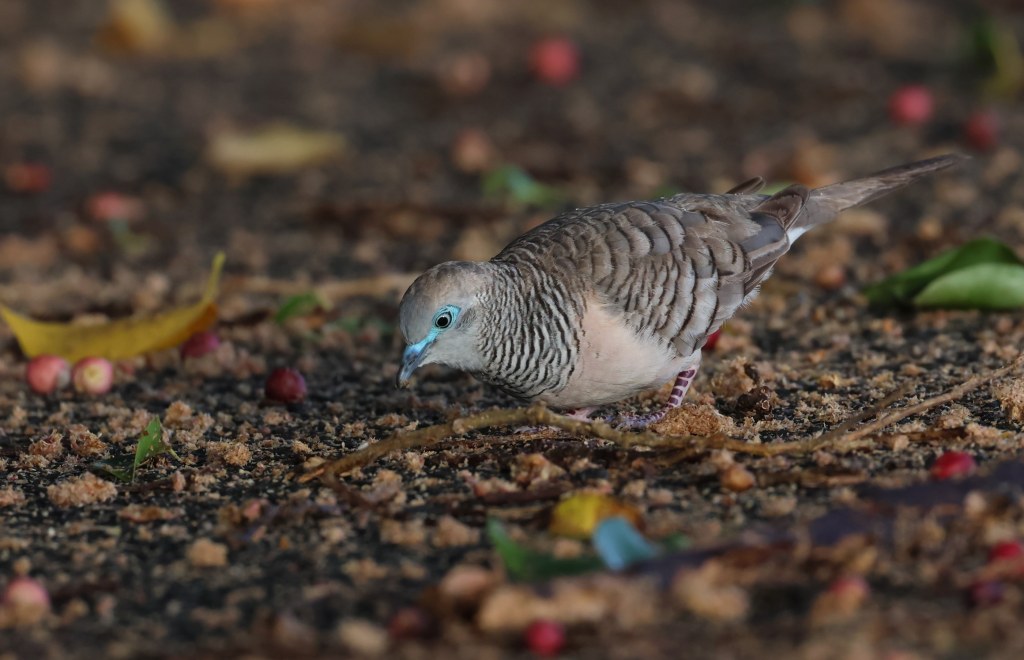
We thought Black-Tailed Godwit for this mud-loving prober, but it could be a Bar-Tailed Godwit. In any case, MUD.This truly enormous Black-Necked Stork was just standing there in the ocean 15 metres off the esplanade near where the swimming pool and hundreds of screaming kids were playing. “Non-plussed” is the word to use for this bird!Red-Tailed Black Cockatoos striking a pose; it’s a male in the middle, flanked by two females.Cairns Esplanade, where being caught in the rain is also part of the adventureHelmeted Friarbird contemplating the nectar-filled feast before itLittle Peaceful Doves are abundant along the esplanade and forage without a care in the world (or so I assume…)The non-native Scaly-Breasted Munia is sometimes seen at the esplanade according to eBird, and this was the first time any of our group had found one here.Double-Eyed Fig Parrots are super cute and are drawn to the area when figs are ripe for the plucking (or in their case, “shoving your beak straight into and scoffing down as much as you can”)A placid Nankeen Night-Heron in nearby Centenary Lakes wonders why the nearby birders can’t find a Little Kingfisher to save their lives. Good question.
Specialties Of The Region: Iron Range Edition
It really doesn’t sink in how many different and unique birds are at Iron Range National Park until you start seeing a few of them. Then the count starts climbing, and before you know it you’ve racked up twenty or more “lifer” birds, making any seasoned/jaded Australian birder get that spark of excitement back. We counted ourselves very lucky to find nearly all the birds we were looking for, though some were seen only once, then to enter the annals of our birdwatching history (filed under “Gee I Hope To See That Again One Day…”).
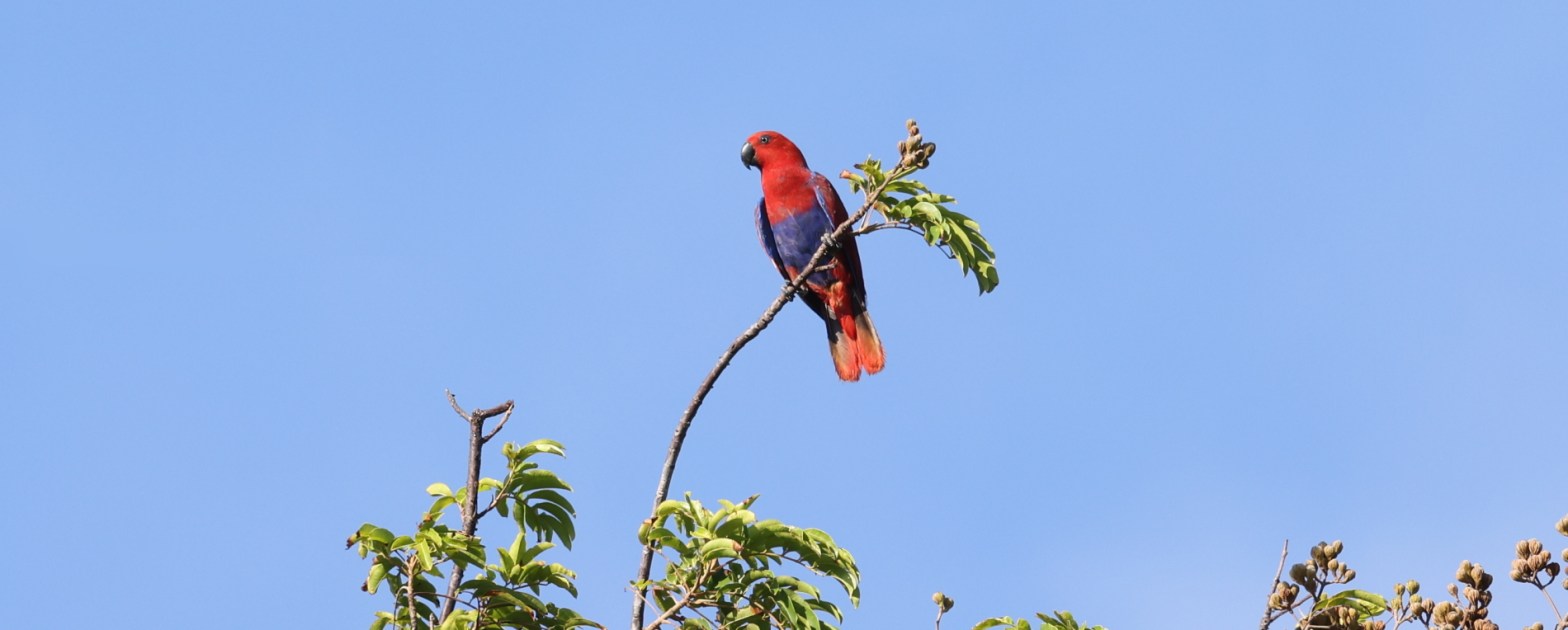
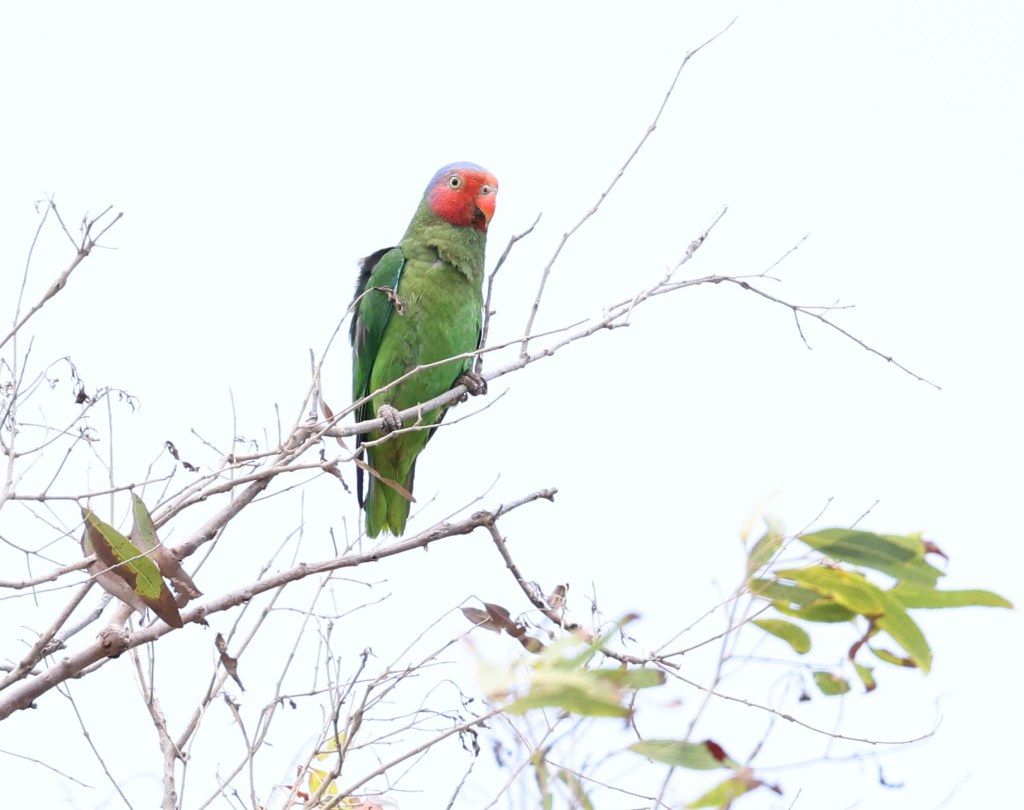
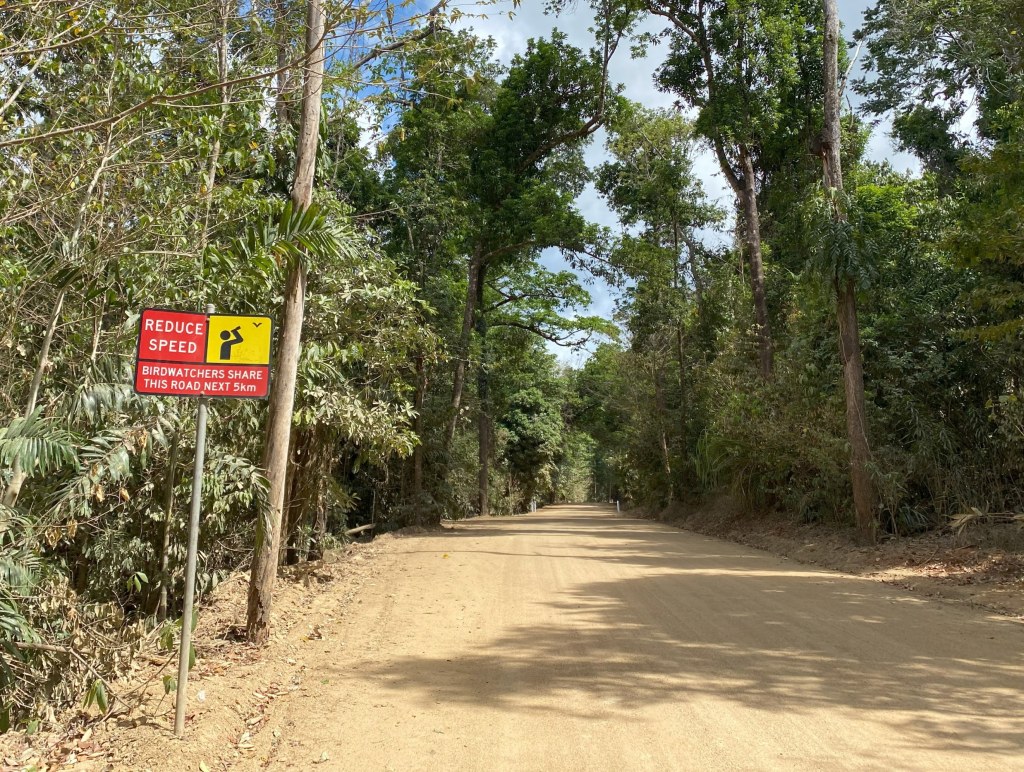
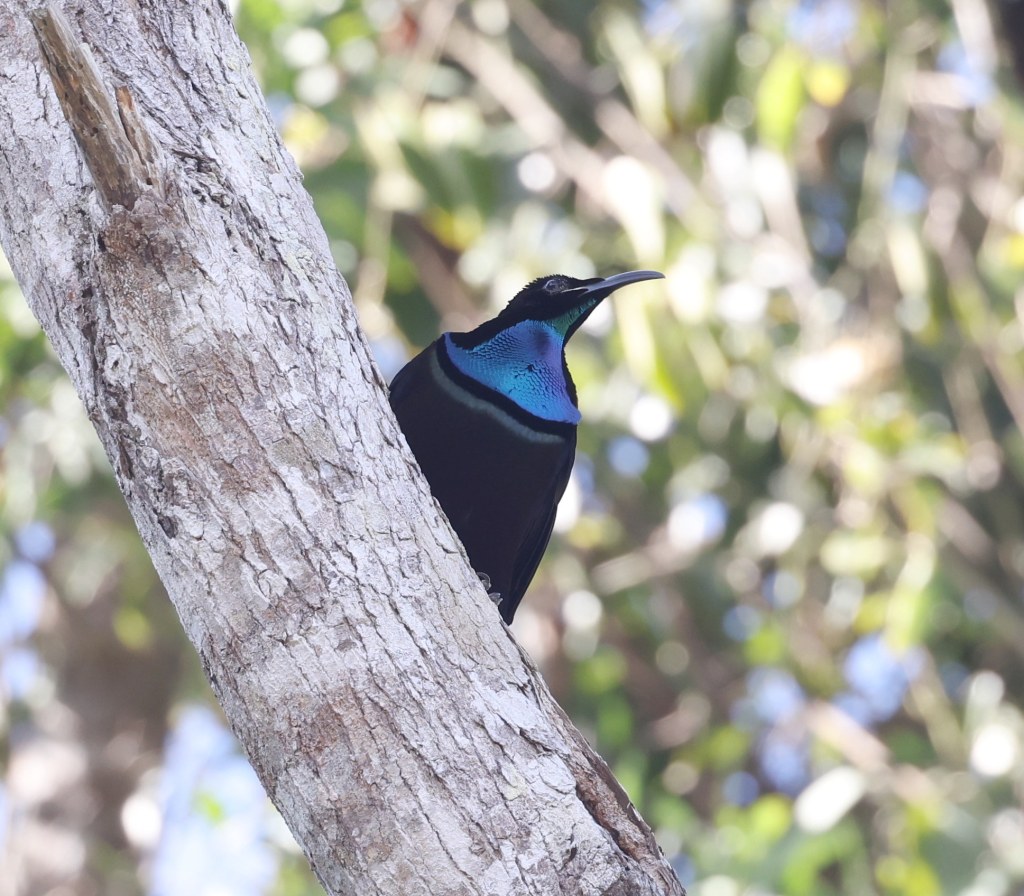
A Black-Winged Monarch tucking into this juicy bug was one of the more prolonged encounters with a bird the team could ask for. At the Rainforest Camp entrance to the Old Coen Rd Track.Yellow-Legged Flycatcher, our one and only encounter, on the Old Coen Road TrackWe had a glimpse of Yellow-Billed Kingfisher far away before meeting this one close-up a few days later. It’s a female, as evidenced by the black head feathers. It was unbothered by us and seemed to like staying around on one branch for several minutes.It took us two full days to find our first (supposedly reasonably common) White-Faced Robin, but then the floodgates opened, and we saw another eight before the trip was out!Apparently not everyone gets to see the Iron Range/PNG endemic Red-Cheeked Parrot, such is its scarcity, but we got luckyPapuan Eclectus, quite a noisy bird and sometimes a prominent percher. This one is a female – the male is nearly uniformly green.Occasionally they did even reduce speed. Which was nice.Magnificent Riflebird could be heard calling all through the rainforest quite vocally, but was usually much more difficult to see. How about those throat feathers!At times it seemed the rainforest was full of monarchs, what with Black-Winged, White-Eared and Frill-Necked Monarchs flitting about. Any of these species you would just about kill to see anywhere, I reckon.Alas, the only look we got of the iconic Palm Cockatoo was this so-so one. Still, a very cool bird.
Iron Range Has Plenty Of OtherBirds Too
It’s not all about the marquee species and endemics/specialties of the region, folks; for every Eclectus Parrot there’s a Bar-Shouldered Dove or Dusky Honeyeater. But at Iron Range you really do have to scrutinise every bird you see, because you never quite know what it could be.
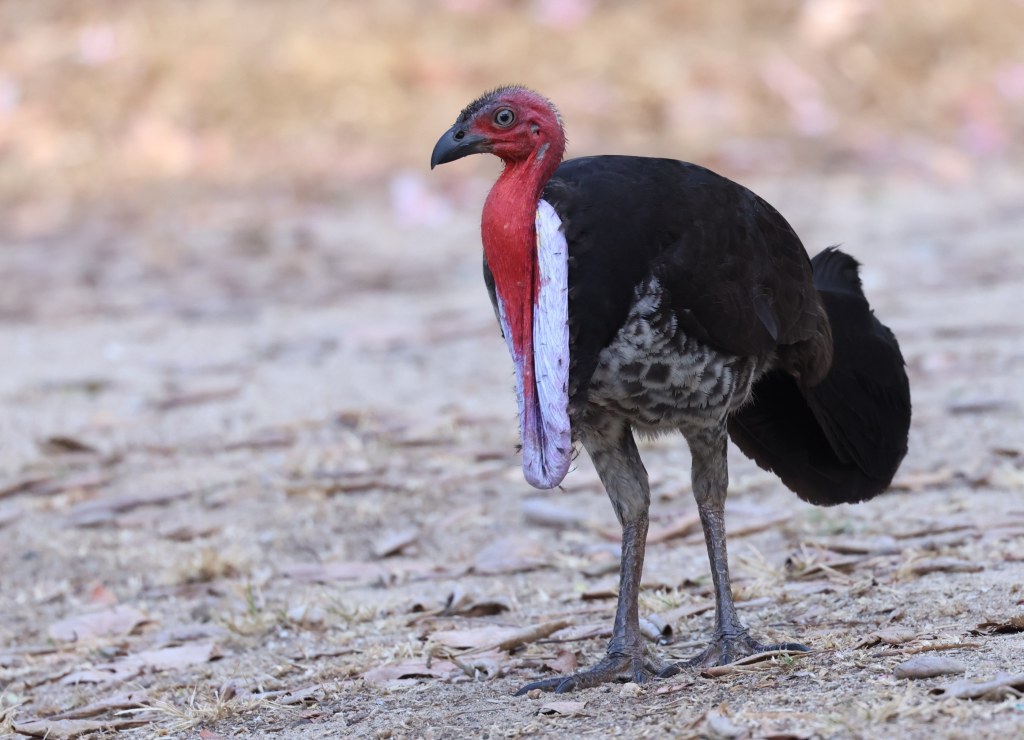
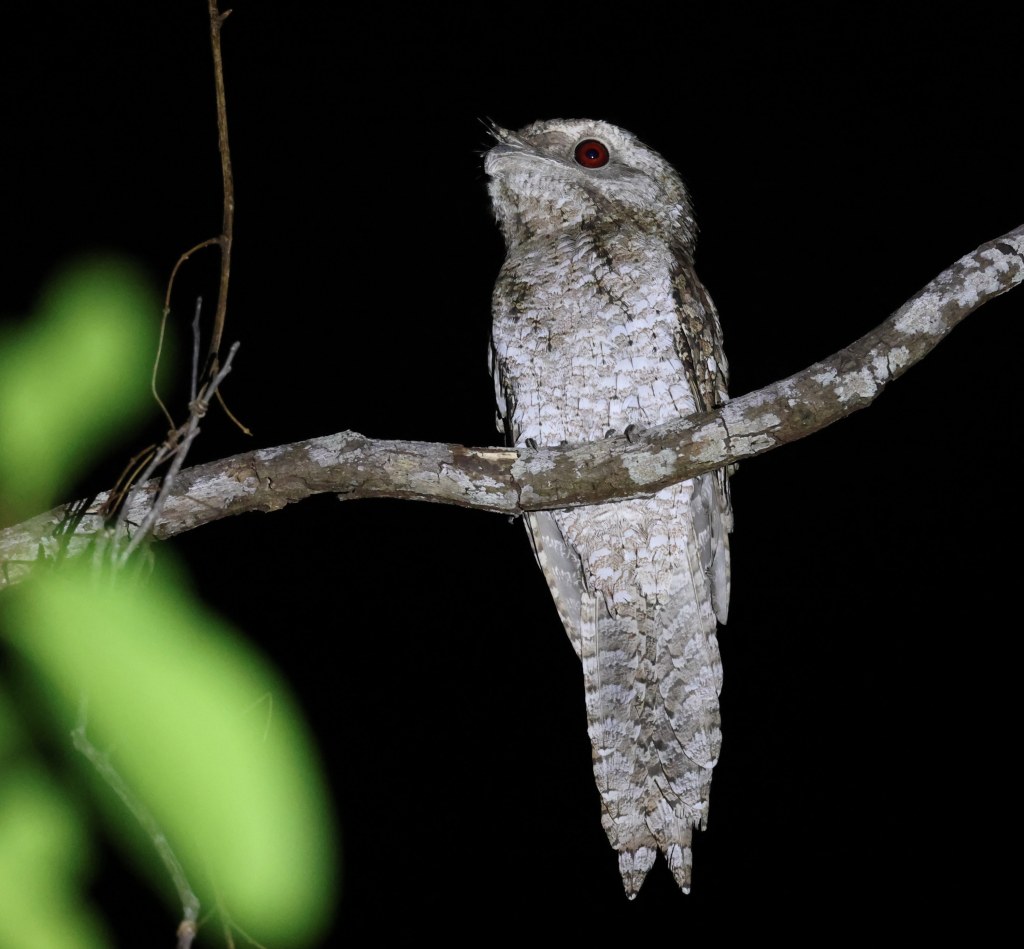
The team had a couple of memorable close-up encounters with Large-Billed Gerygone, like this one near the mangroves at Portland Roads. After remarking on how confiding the bird was, we then noticed the nearby hanging nest (the reason why the bird was keeping a close eye on us!) and shuffled merrily – if somewhat sheepishly – along.Australia’s version of what used to be called the Olive-Backed Sunbird is now called the Sahul Sunbird, but either way, it’s a rather special little hummingbird-like critter.Does anything look different about this Brushturkey? That’s right, it has weird purple wattles, in contrast to the southern subspecies of Brushturkeys where the wattles are yellow.A massive bonus for us was finding some Spotted Whistling Ducks (front left) at the old gravel pits at Portland Roads. We visited three times in three days and the third time was the charm! Some Radjah Shelducks (the white birds) also showed up too.A few night-spotting forays turned up this nonchalant Marbled Frogmouth, a bird that has a split population in Australia: here in Iron Range, and another group in south-east Queensland
Iron Range Also Has Beaches and Seaside Vibes
Some would call this area paradise (those keen on fishing, I expect, not just the birders), and there’s nothing like cooling sea breezes to refresh the spirit after slogging it out in the ever-hotter rainforest for hours. Chilli Beach and Portland Roads are the two accessible spots east of the rainforests of Iron Range, while Quintell Beach down by the Lockhart River township is another one further south.
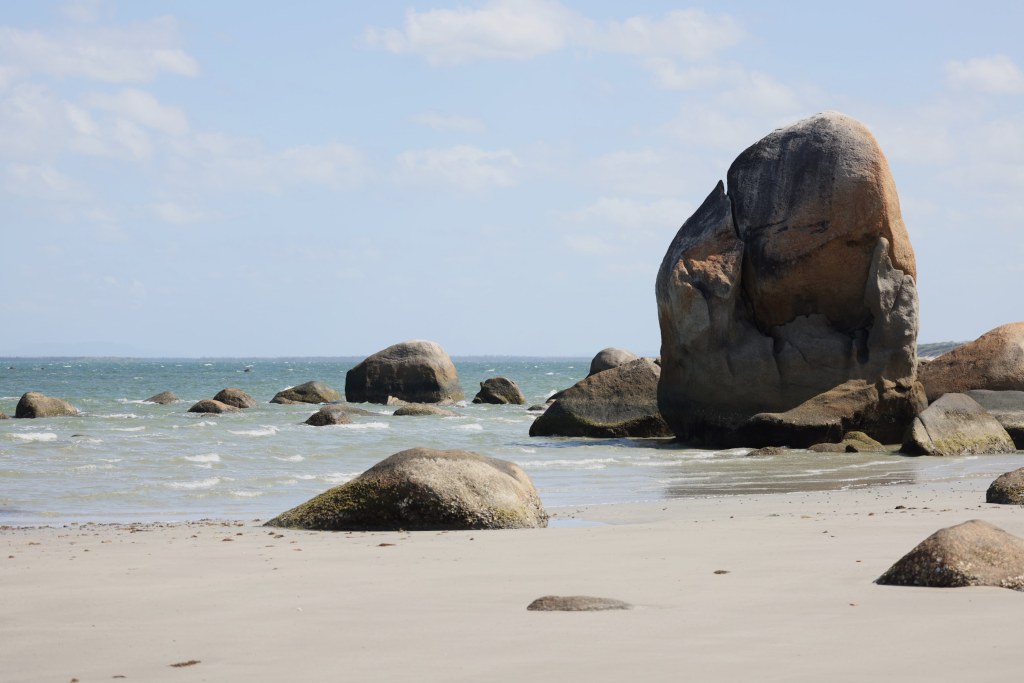
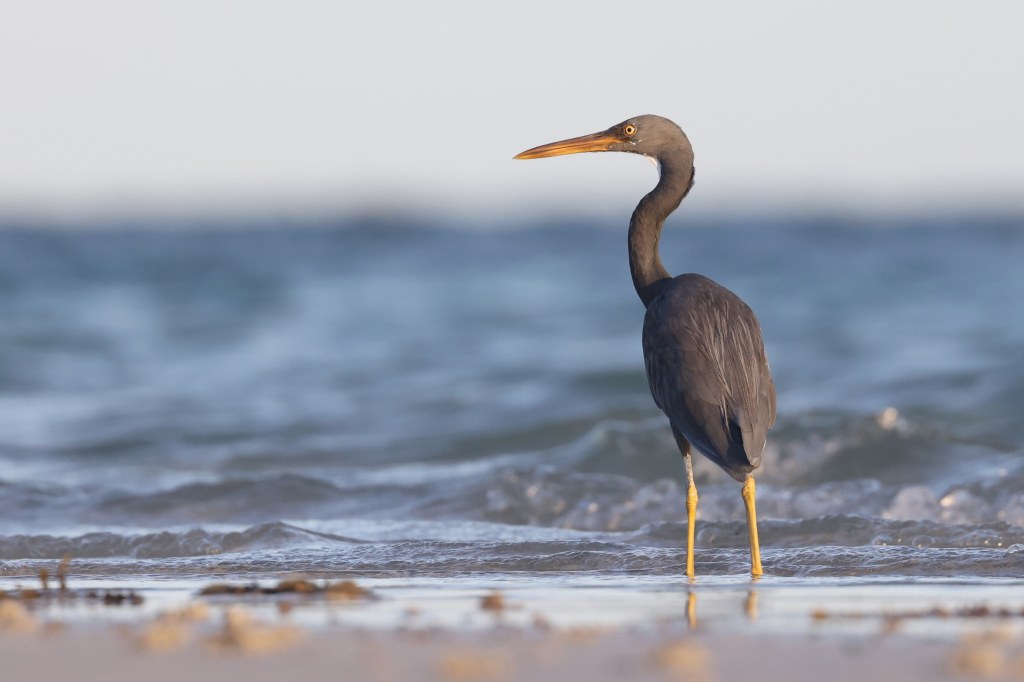
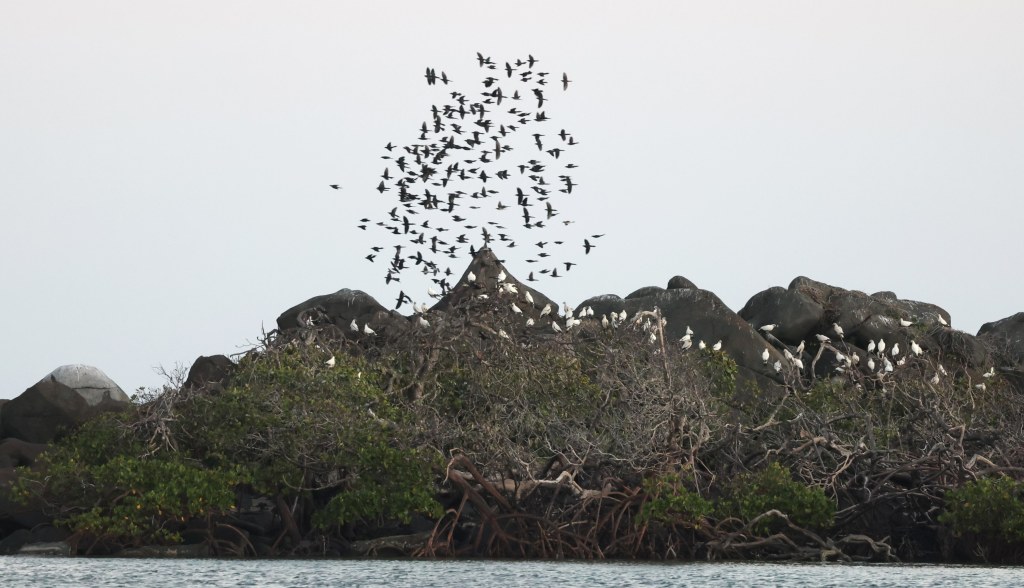
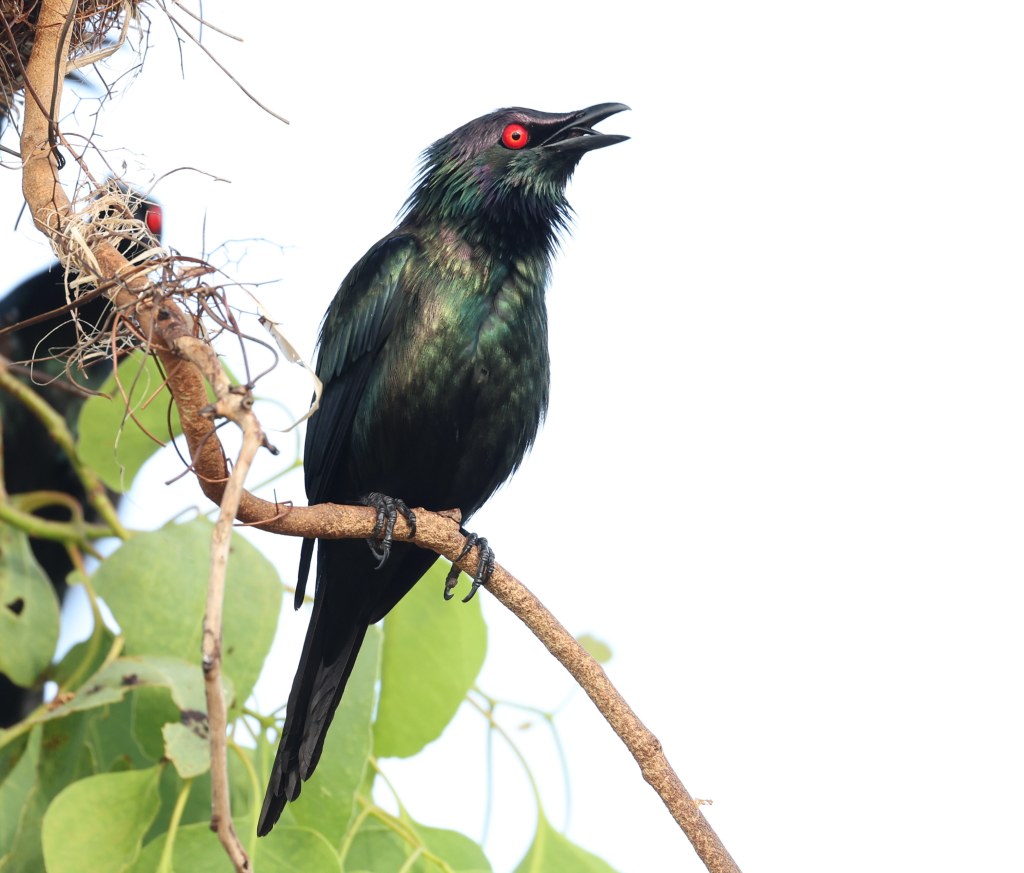
The much-photographed rocks of Quintell Beach; Common Sandpipers and Pacific Golden Plovers foraged nearby.Black Noddies fishing in a group offshore from Portland RoadsIt did not seem likely or real that you could actually see frigatebirds (like this Great Frigatebird) circling like raptors over the coast line, but we did! At Portland Roads.A dark-morph Eastern Reef Egret at Chilli Beach. It was hunting for fish in the surf!Metallic Starlings swarming in the evening over a rocky island across from Chilli Beach. They kept coming in small groups and our total count reached nearly 2400, far eclipsing the 200+ Torresian Imperial-Pigeons which also roost there.
Green Island Is Named After A Historical Figure Called Green But Coincidentally It Is Also Green
Yep, Green Island has the distinction of being the only island on the Great Barrier Reef that is covered in rainforest. It’s a quick and pleasant 45-minute ferry ride from Cairns, so we thought “why not?” (though to be honest there was more discussion than that and some beers and fish tacos were consumed at the time…)
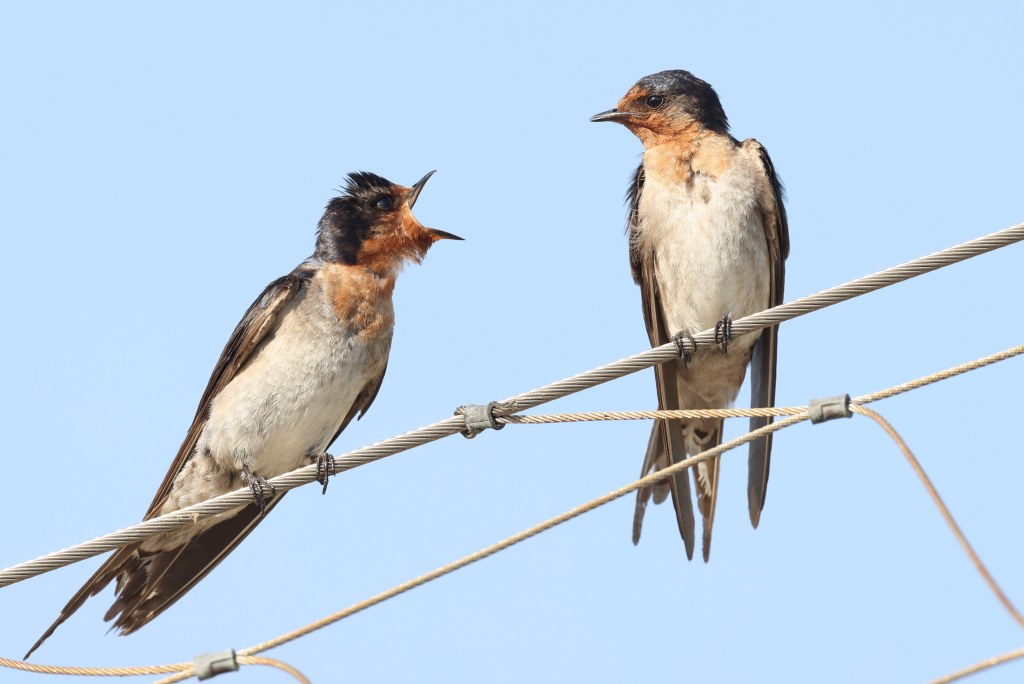
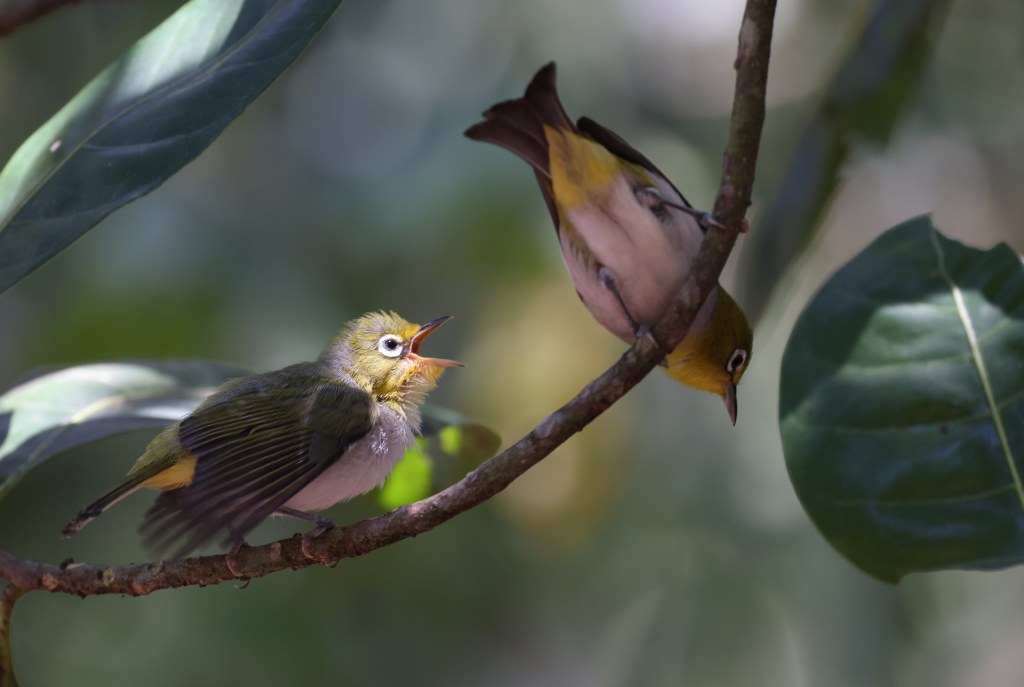
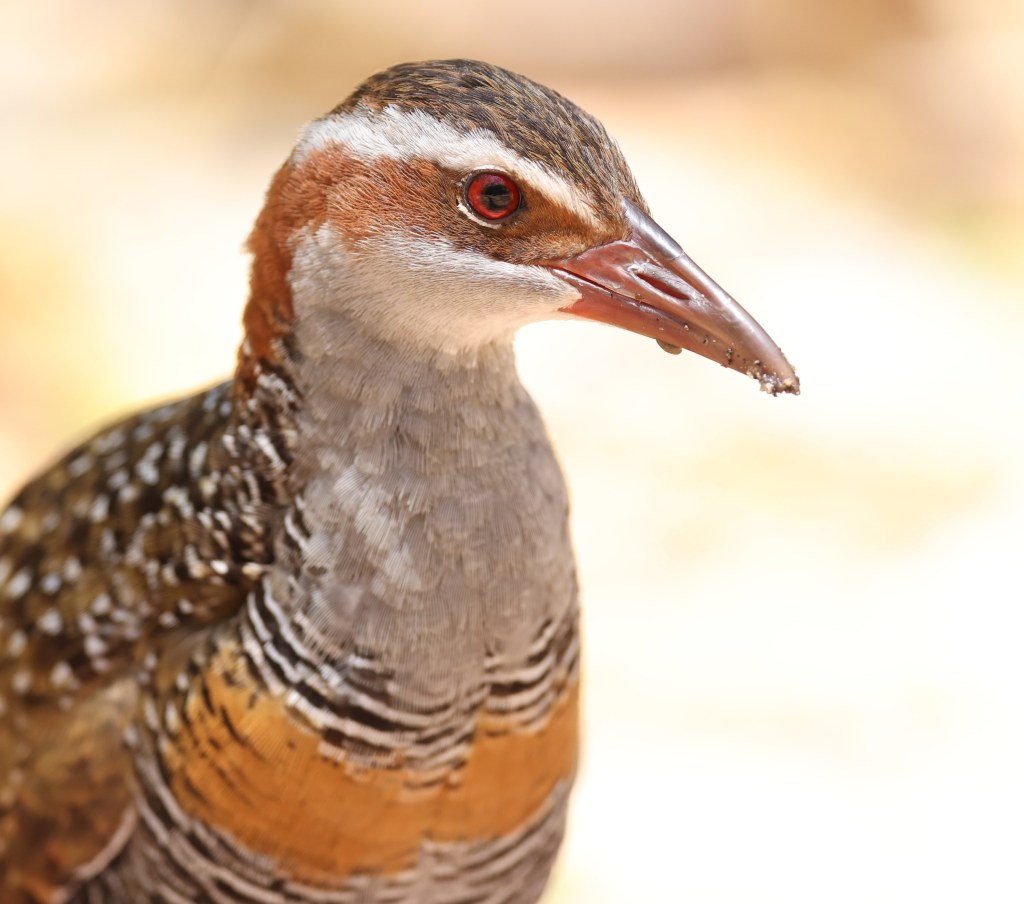
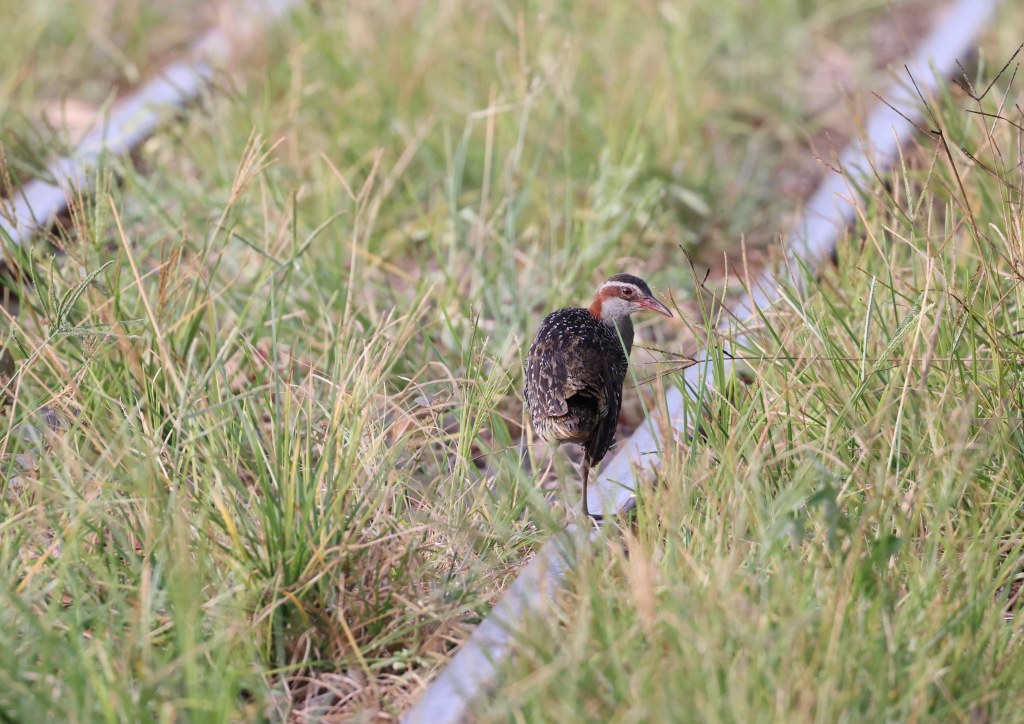
Welcome Swallows… gosh, these captions almost write themselves…One of the lifer birds we hoped to find was Black-Naped Tern, and find one we did!Black Noddies use every available perch on vessels moored near the ferry jetty at Green IslandOne of the many Black Noddies that nests in the trees on the edge of Green Island, right near where the jetty is. Strong bird-poo smell not depicted.Can confirm Green Island is green.We managed to find the mega-rarity Nicobar Pigeon which was visiting Green Island at the time., and a fine-looking bird it is too (though also having some of those goofy pigeon qualities). Who knows how long it will stay?Green Island hosts a small population of Silvereyes as well as the very similar Ashy-Bellied White-Eye, so we had to take as many photographs of them as we could. Which we did.Buff-Banded Rails are extremely common and very tame on Green Island, and it is wonderful to be around so many of them. I even saw one have a dip in the surf in between some bathers!Two Buff-Banded Rails square off in the tussle of the century! Who will rule the café area unopposed? Who will slink back into the surrounding bushes in ignominy? (Answer: neither, no actual fight eventuated, sadly)Buff-Banded Rail letting curiosity get the better of it. Pretty sure that’s closer than the camera’s minimum focusing distance…
Time Starts Running Out, So Lets Chase A Few More Birds…
With less than 24 hours left in Cairns, we decided to ride the good luck we’d had at finding new birds on the trip with a couple more attempts, this time south of Cairns…
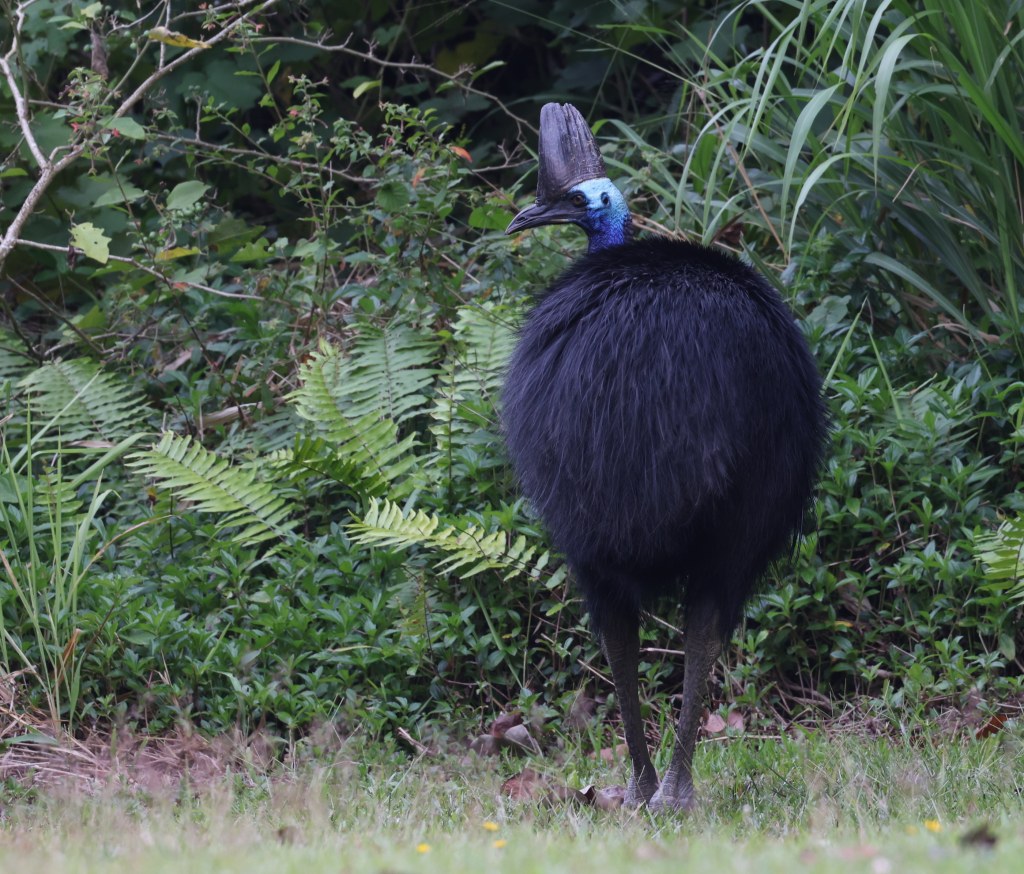
An Eastern Yellow Wagtail, another lifer bird for the team, and a regular visitor to the Turf Farm at France Rd twenty minutes south of Cairns. The whole area was surprisingly abundant with birds.Buff-Banded Rail, on a rail ! Like, a railway track rail ! Get it ?!We tried to find a Cassowary on the Cassowary Coast in the region of Etty Bay, and ended up finding three!Metallic Starling, one of about three hundred (I kid you not) all nesting in the same huge tree on Etty Bay Road. Communal nesting at its finest!Metallic Starlings are soooo shiny… and they also seem to have black tongues. So there is that, too.
Summary
We said of our first Cairns jaunt that “there isn’t too much to complain about with a trip to this part of the world”, and the same held true for this trip. Yes, it’s an extra hop to get up to Iron Range (we flew using SkyTrans, though those with more time can drive it), but despite the remoteness it’s not too hard to get by. About the worst luck we had was a flat tyre on the last day, and we discovered that the spare was horribly underinflated, but within minutes a fellow traveler had stopped by to help us out with an air compressor and we were on our way again, the calls of Magnificent Riflebirds ringing in our ears. Bird photography in the rainforest is always a challenge but the rewards are rich indeed: amazing specialty birds you simply can’t see anywhere else in Australia. Pair that with some high-quality birding in the Cairns region while you’re there and, as they say, it’s golden, mate!
Most numerous birds: Metallic Starling (3000+), Torresian Imperial Pigeon (540+), Black Noddy (300+)
Total species seen: 160
Most memorable encounters: Black-Winged Monarch, Yellow-Billed Kingfisher
Most unexpected bird: Spotted Whistling-Ducks at the Gravel Pits in Portland Road (although, close tie with Marbled Frogmouth… and Great Frigratebird…)
Birds to go back for: Northern Scrub-Robin, Black-Backed Butcherbird, Little Kingfisher (again!?!), Chestnut-Breasted Cuckoo (again!), South Papuan Pitta















 Bird Spots