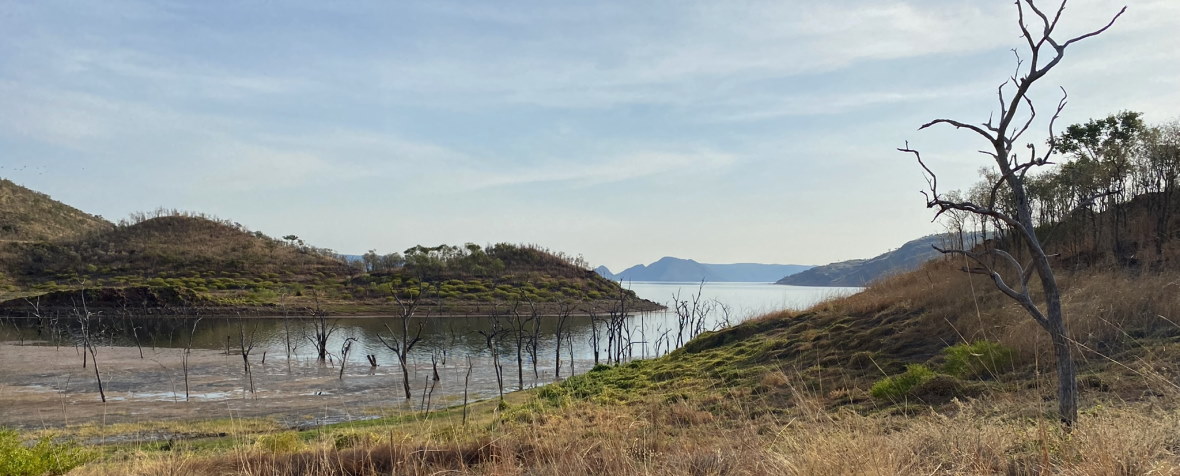
Summary: Terrific trip with bird and wildlife spotting on a huge man-made lake; guaranteed Yellow Chats
Date of visit: Aug 4, 2022
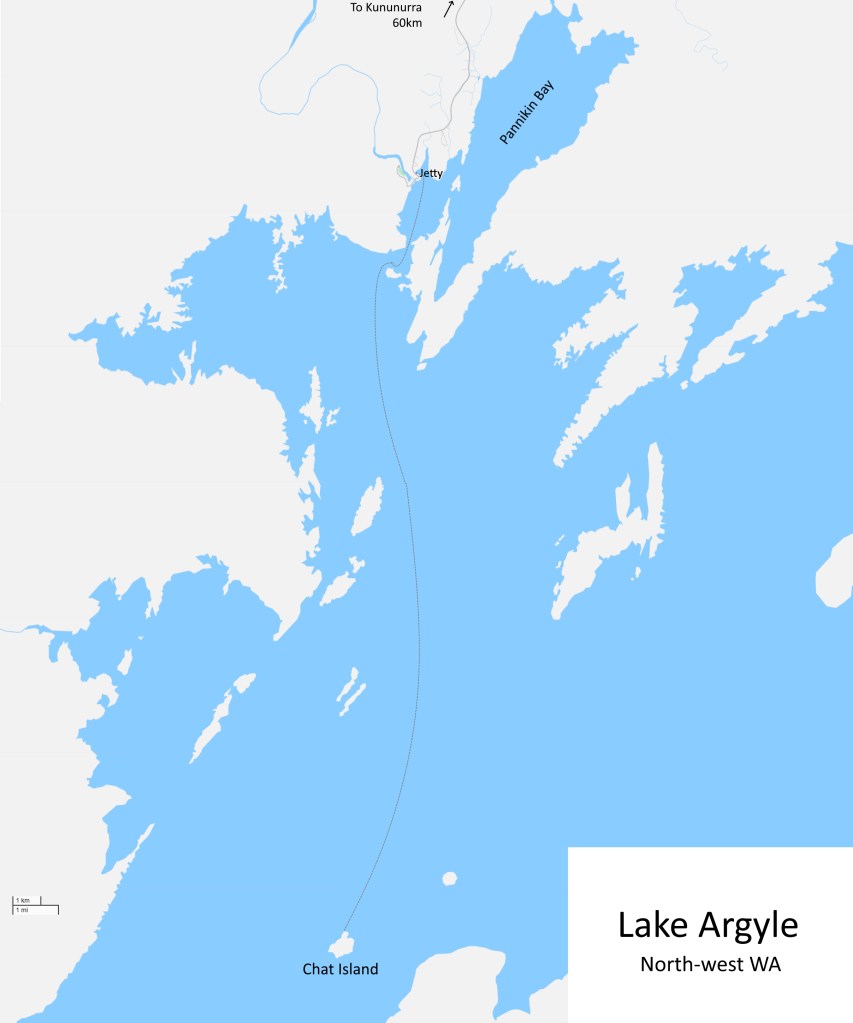
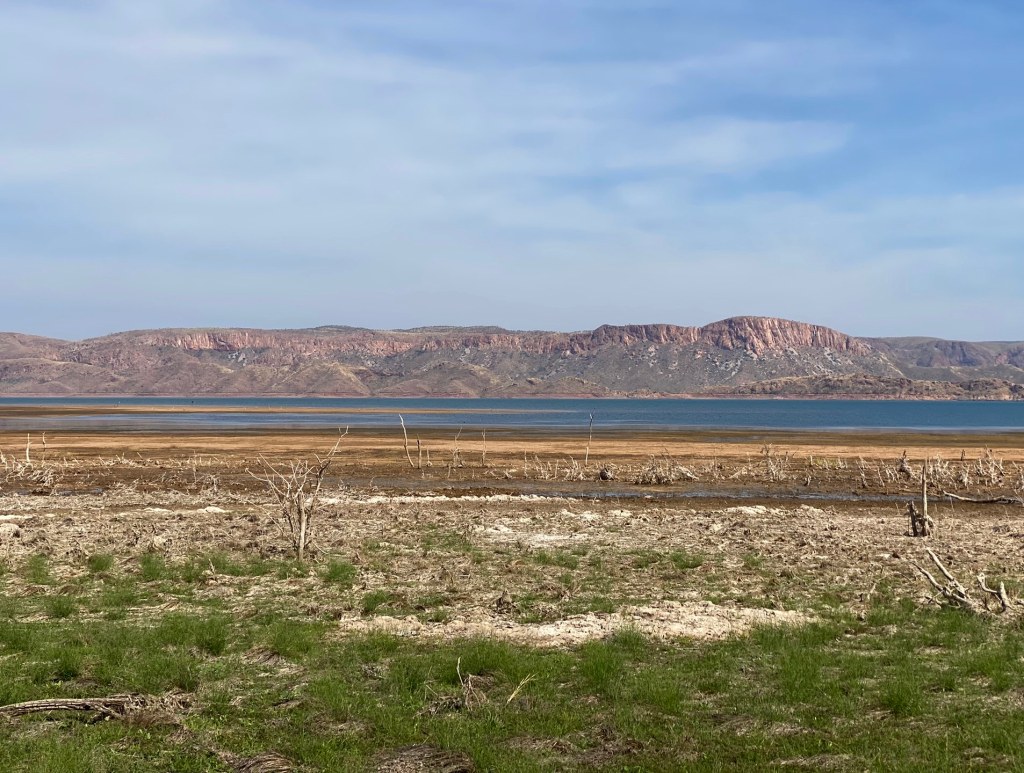
The completion of the Ord River Dam in the 1970’s created Lake Argyle, one of the largest freshwater lakes in Australia, lying about 60km to the south-west of Kununurra in WA. It is home to many animals and there is a fantastic birding/nature boat trip run by Lake Argyle Cruises that gets you right into the thick of the wildlife action. One of the big drawcards of this cruise is that it goes to a remote island called Chat Island, home of the very charming and otherwise-quite-elusive Yellow Chat.
You do need to book this cruise in advance and be aware that it takes only 10 passengers and runs according to an infrequent schedule – in fact, as I write this, there are only half a dozen trips to be had in all of 2024. That said, there is some flexibility; we were very grateful that they were able to move the scheduled slot a few days to suit our dates in the Kununurra region – otherwise we would not have been able to go at all.
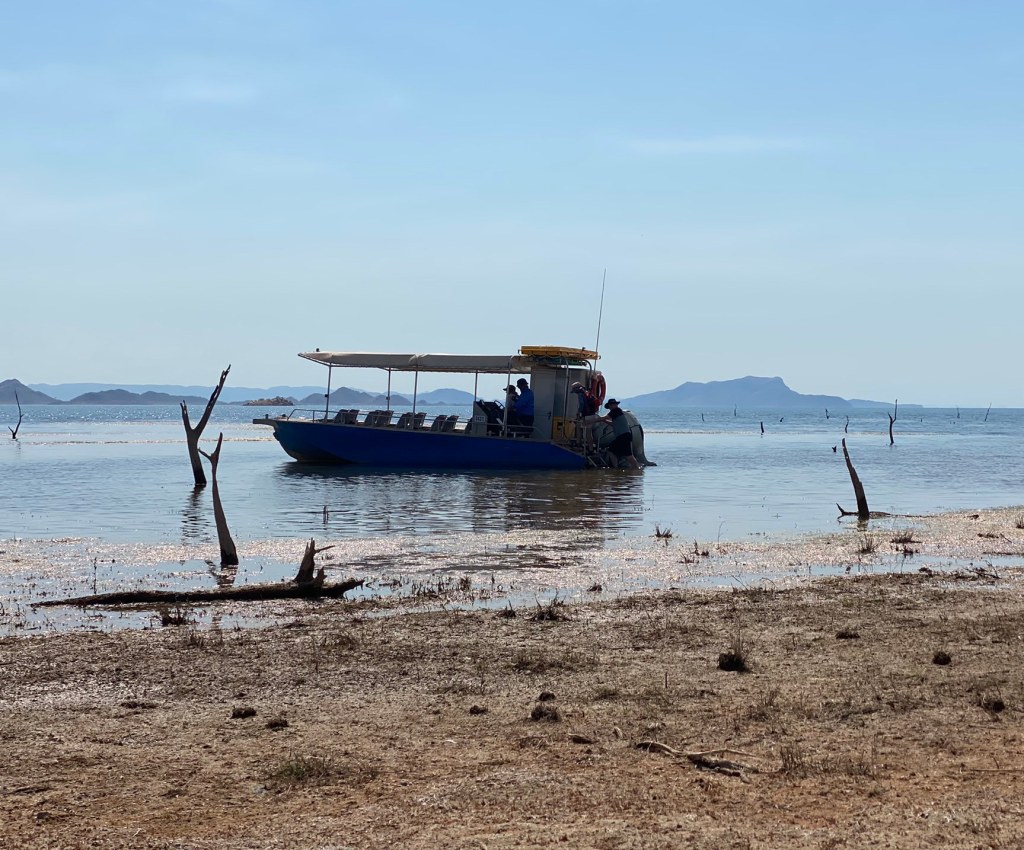
There is a small area called Lake Argyle village which features a caravan park and a few facilities, and the cruise leaves just south of here from a very basic jetty. Be sure to turn left before crossing the dam wall, and park somewhere on the edge of the steep dirt road that leads down to the water.
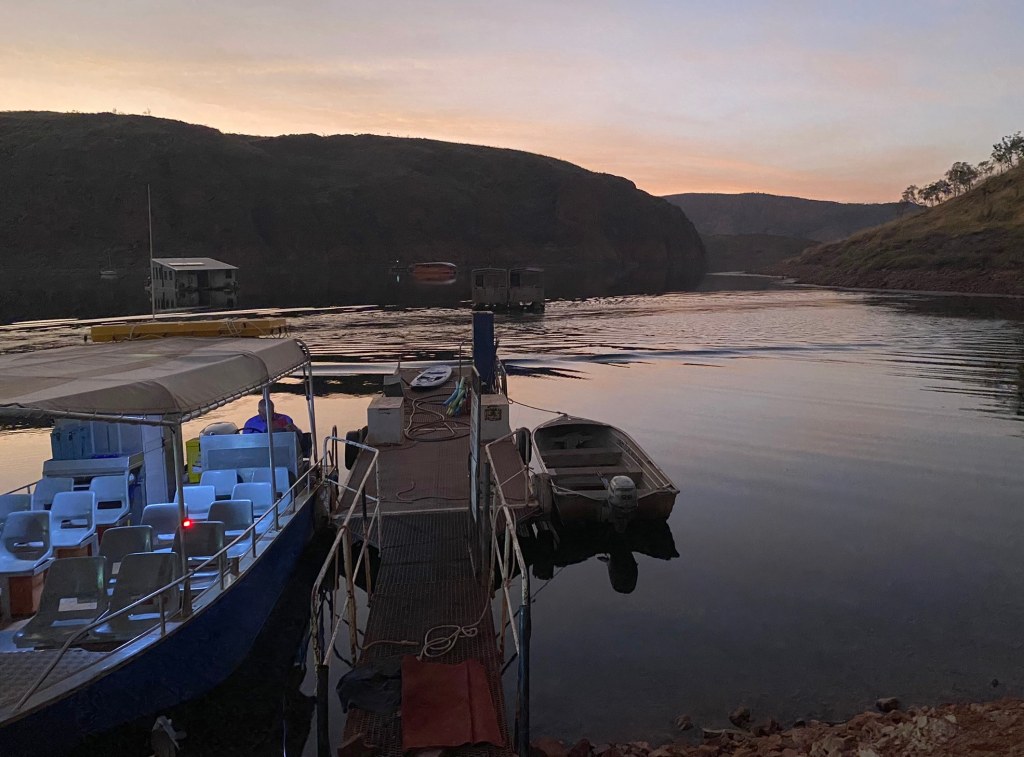
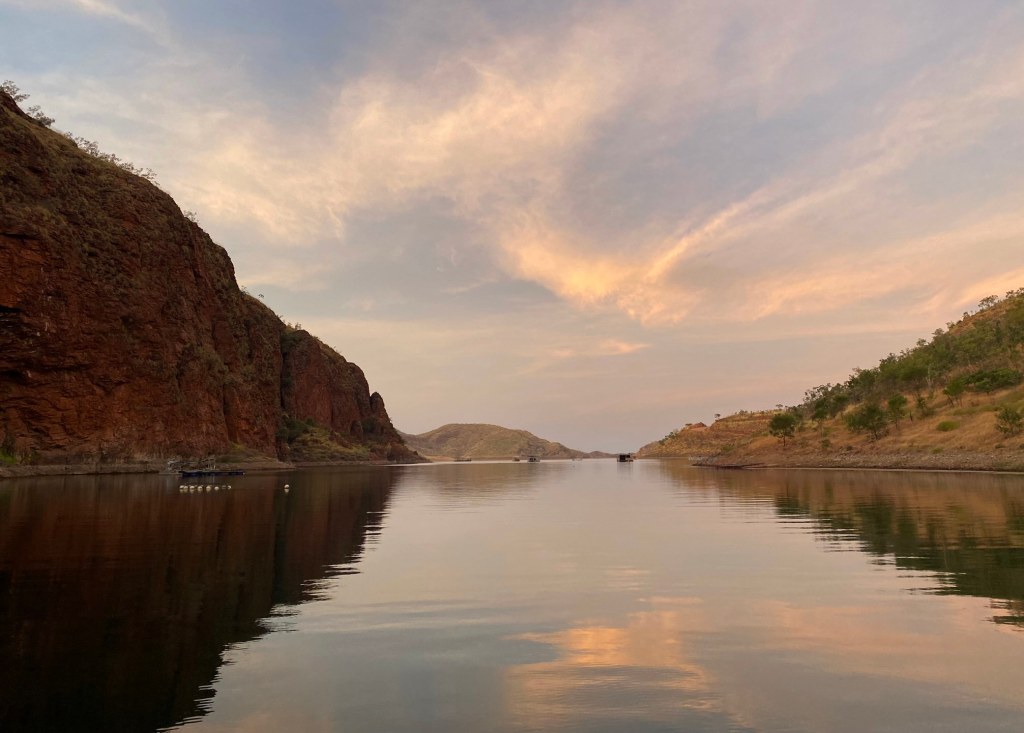
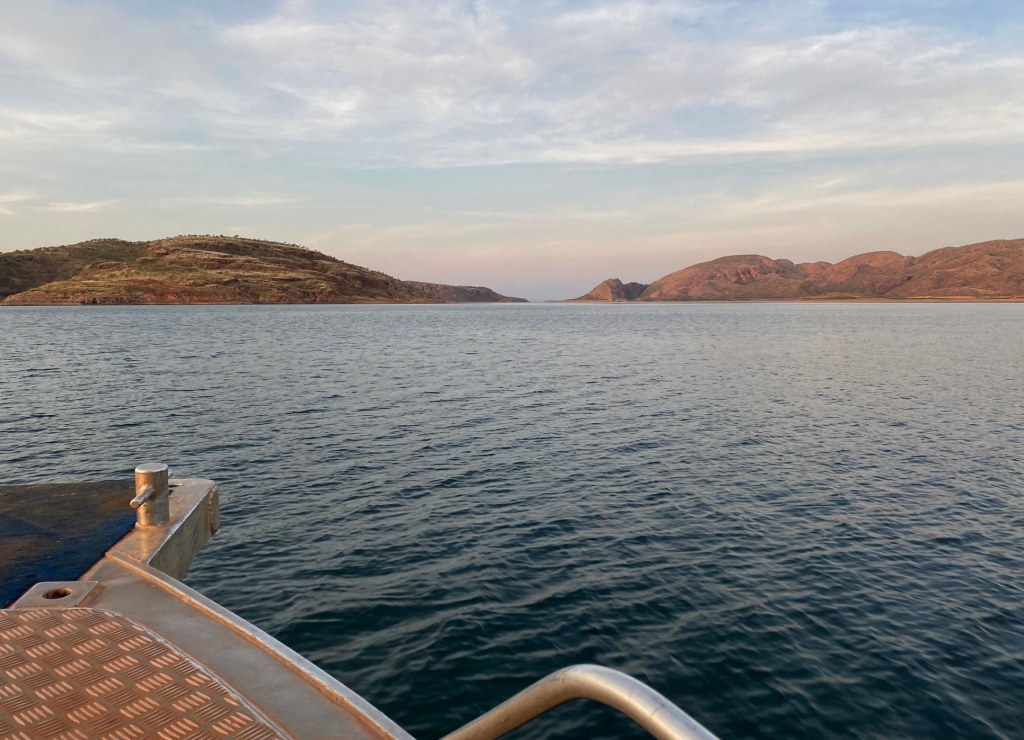
We set off from the jetty shortly after 5:30am, which sounds incredibly early, but if you’re still on Northern Territory time, it equates to a relatively lazy 7am start 🙂
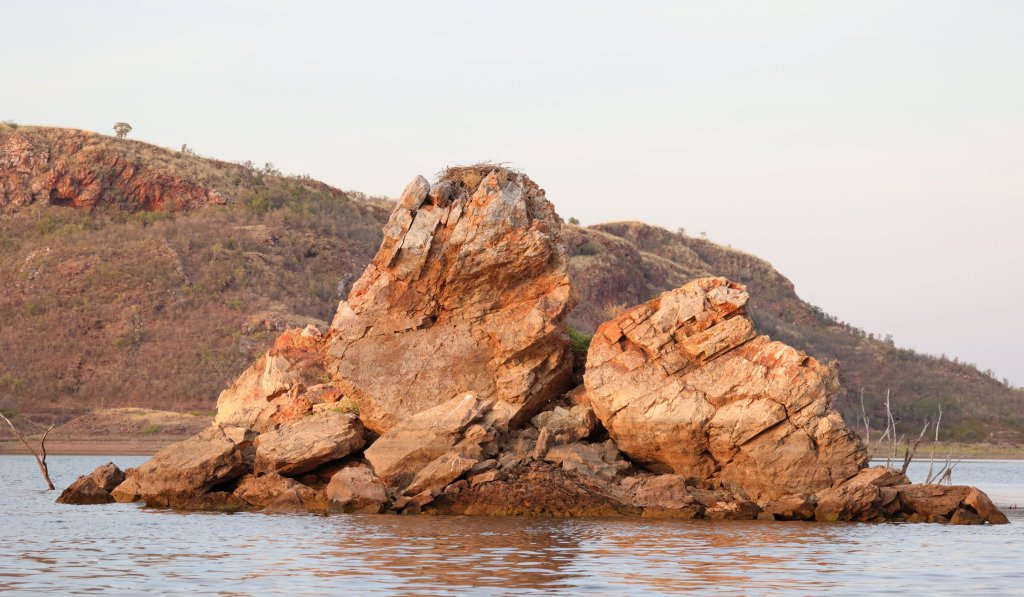
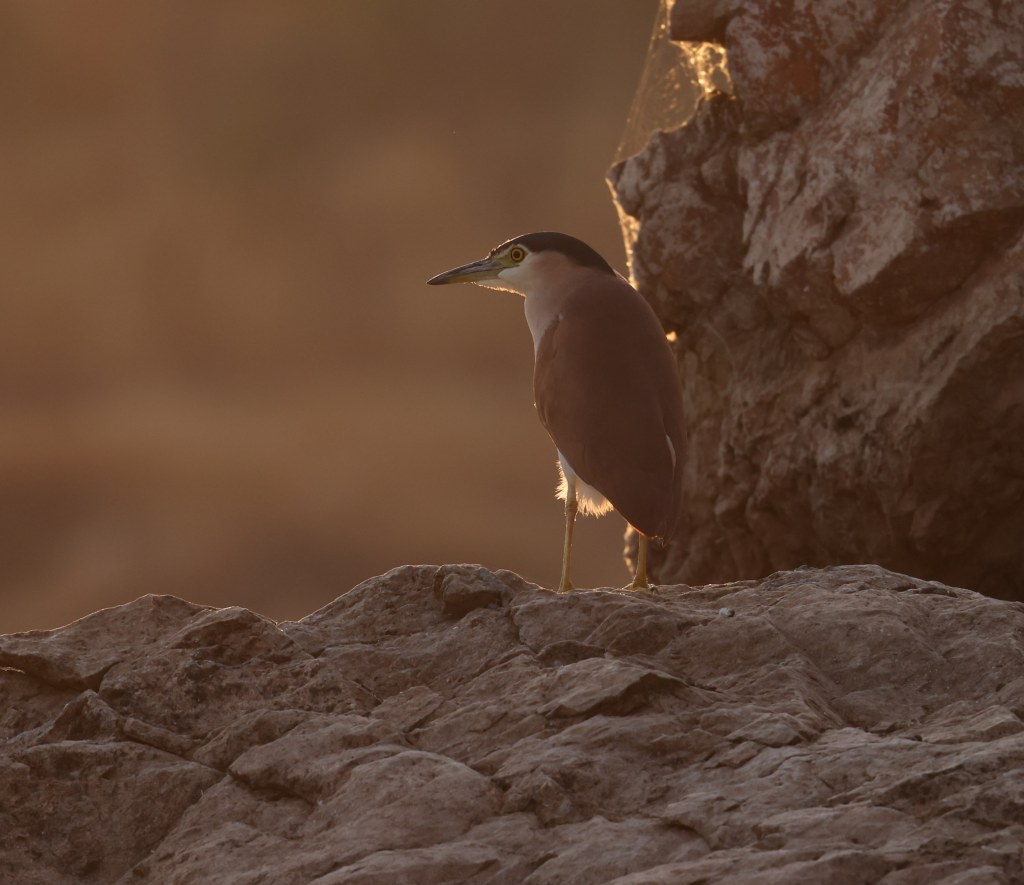
A little steaming around the local bay (which apparently sometimes yields bitterns) didn’t get us anything much, but passing some of the islands we spotted a dingo, and got quite close to a Nankeen Night-Heron looking resplendent in the dawn light. In addition, Pied Cormorants, Whiskered Terns and Little Corellas were all seen in flight above the water. The open-sided vessel allows for unobstructed views from the side, so photography from the boat is definitely possible and indeed not too difficult.
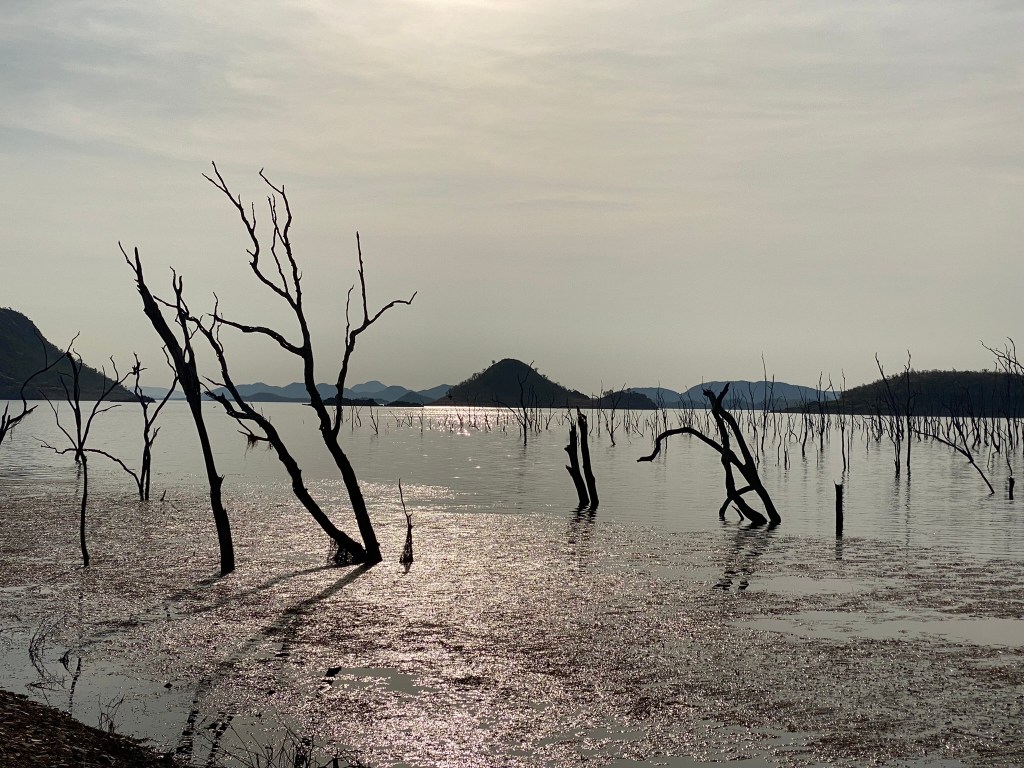
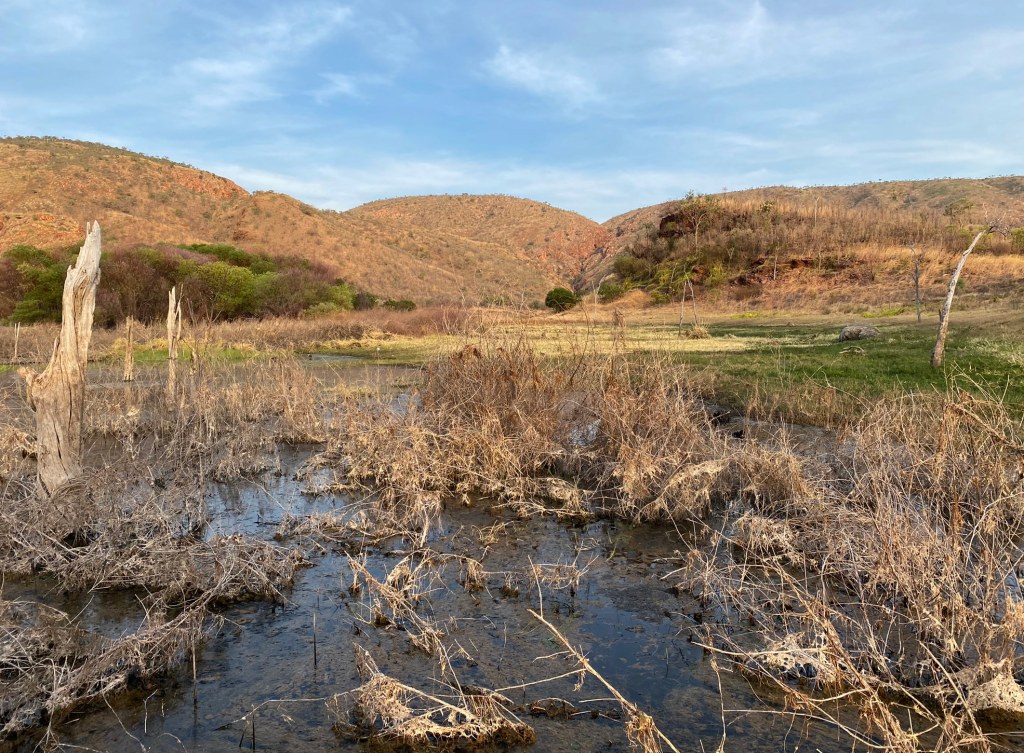
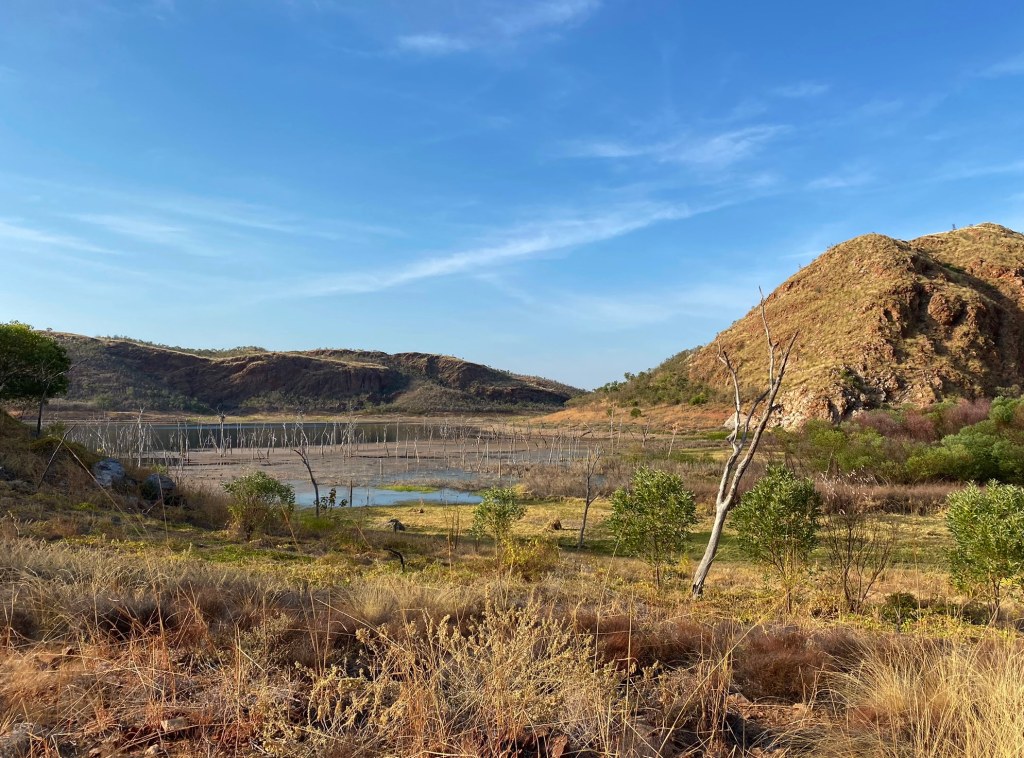
We pulled into an interesting bay on the western shores of the lake (I am not sure where on the map, I am guessing about a third of the way to Chat Island) which had many dead trees poking up from the water in a somewhat swampy/reedy environment. The dead trees were being used as perching points for Sacred and Azure Kingfishers as well as Little Pied Cormorants.
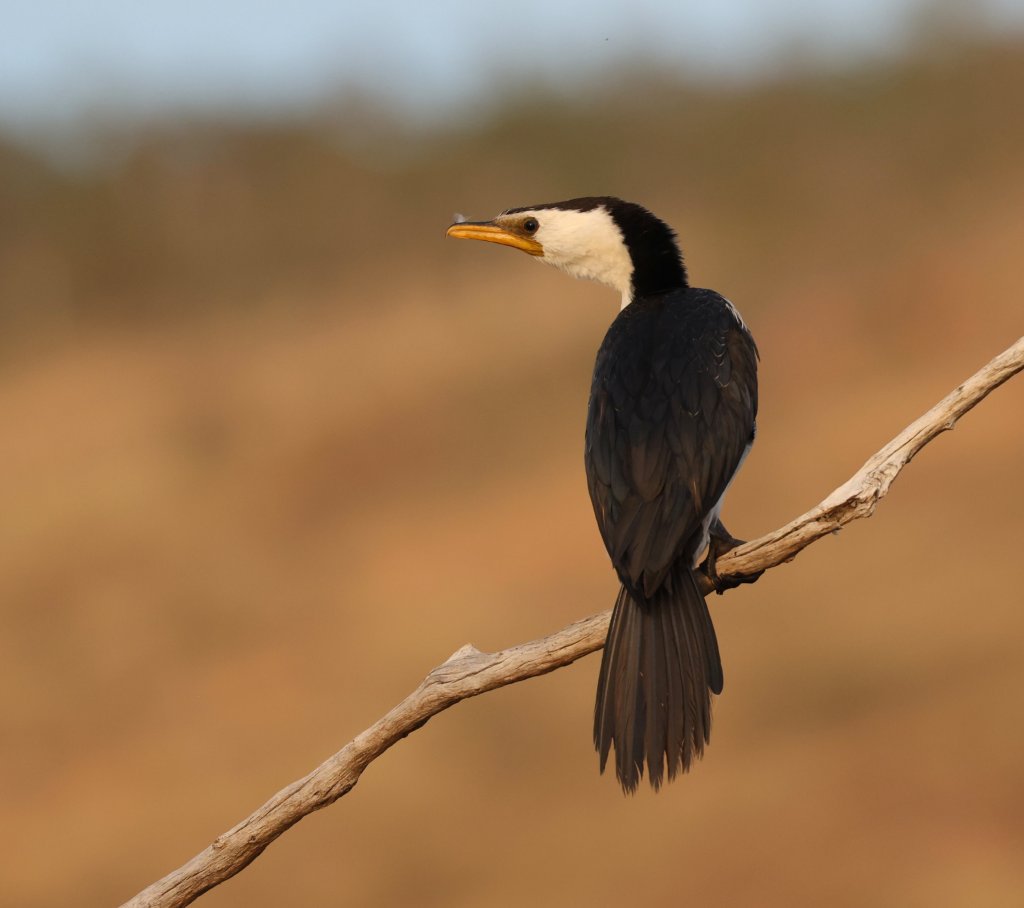
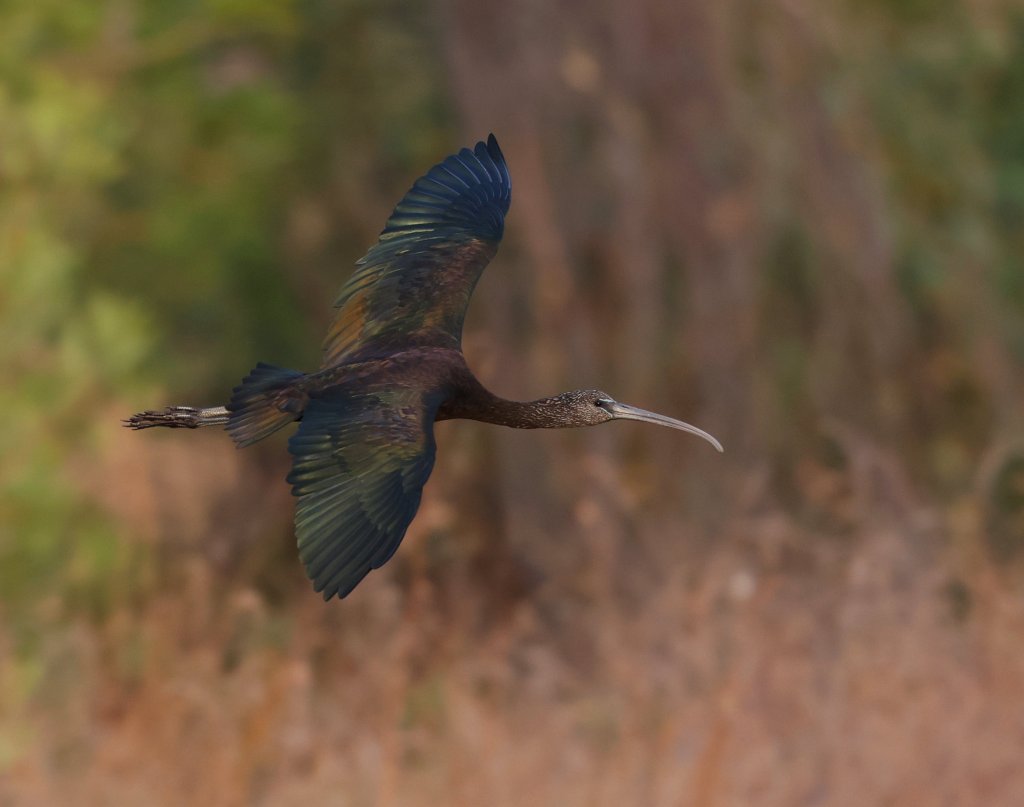
Pied Heron were here foraging at ground level along with a Wandering Whistling Duck and both Glossy and White Ibis. Further off were twenty Yellow-Throated Miners and we could just make out a couple of Long-Tailed Finches.
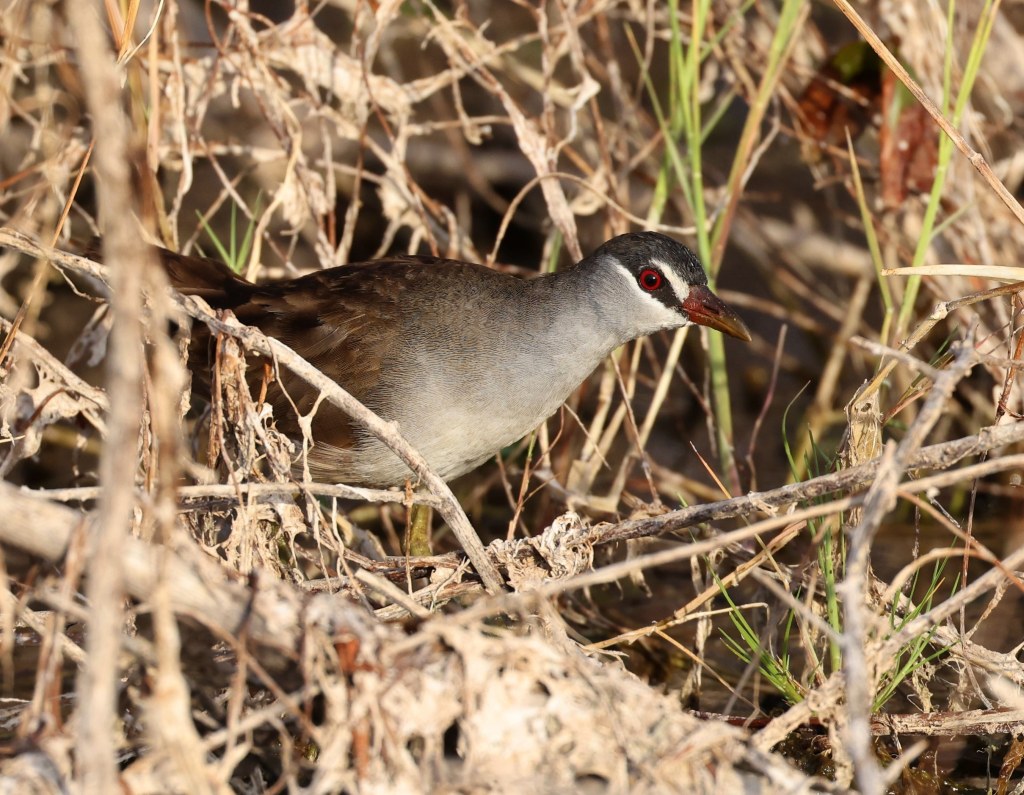
A (rather tasty) breakfast was soon prepared by our captain, but it was hard to concentrate on food because there were good sightings of White-Browed Crake (we eventually saw three, and a Baillon’s Crake further off). The White-Browed Crake wasn’t too far off the boat, ambling through the dry reeds searching for food, as were a pair of Reed Warblers, which hopped around almost within touching distance of our vessel!

A little post-breakfast sojourn on dry land had us finding White-Winged Triller and Golden-Headed Cisticola, while honeyeaters included a pair of Silver-Crowned Friarbirds, Brown and White-Throated Honeyeater.
It was a pretty satisfying breakfast stop, with the close encounters of the White-Browed Crake and Reed Warblers being big highlights.
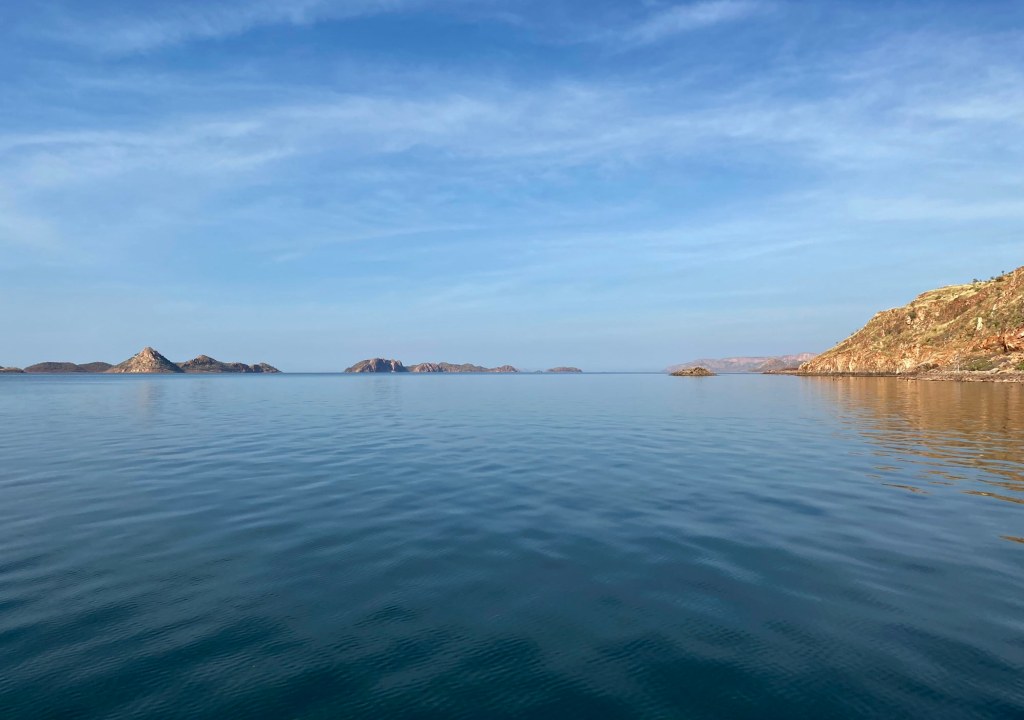
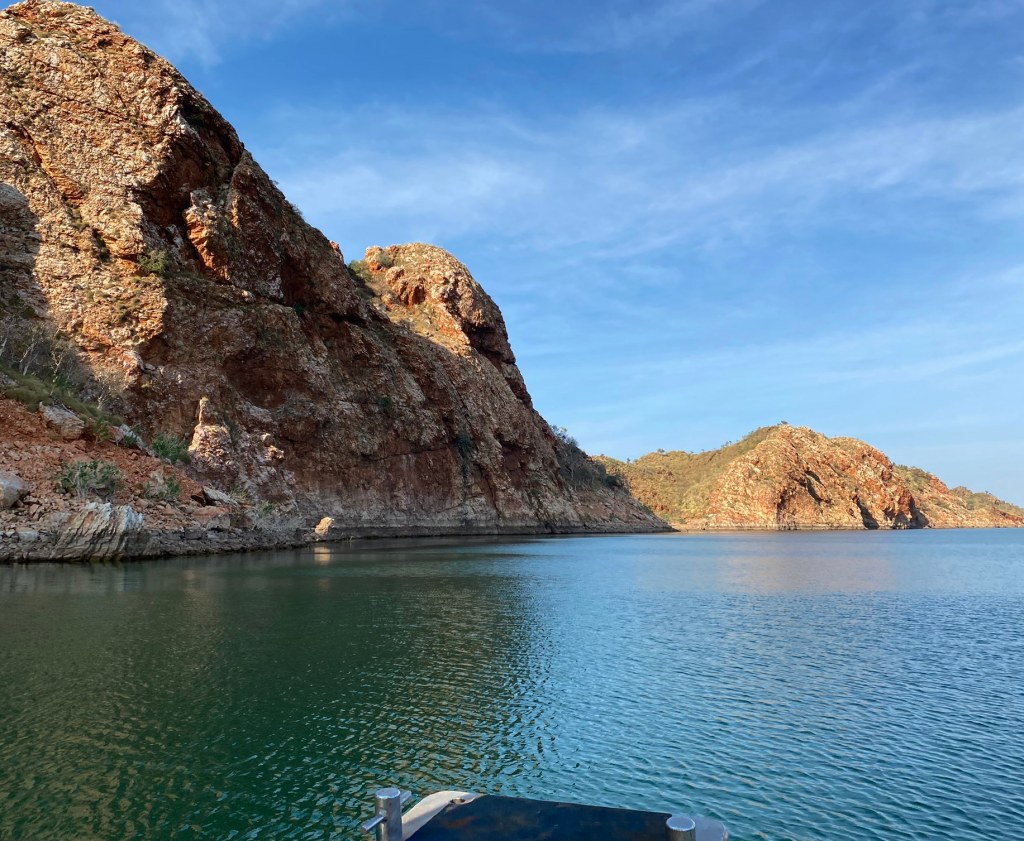
Back on the water, there were times when you simply could not see the far shore, such is the size of this lake. It’s really quite cool.
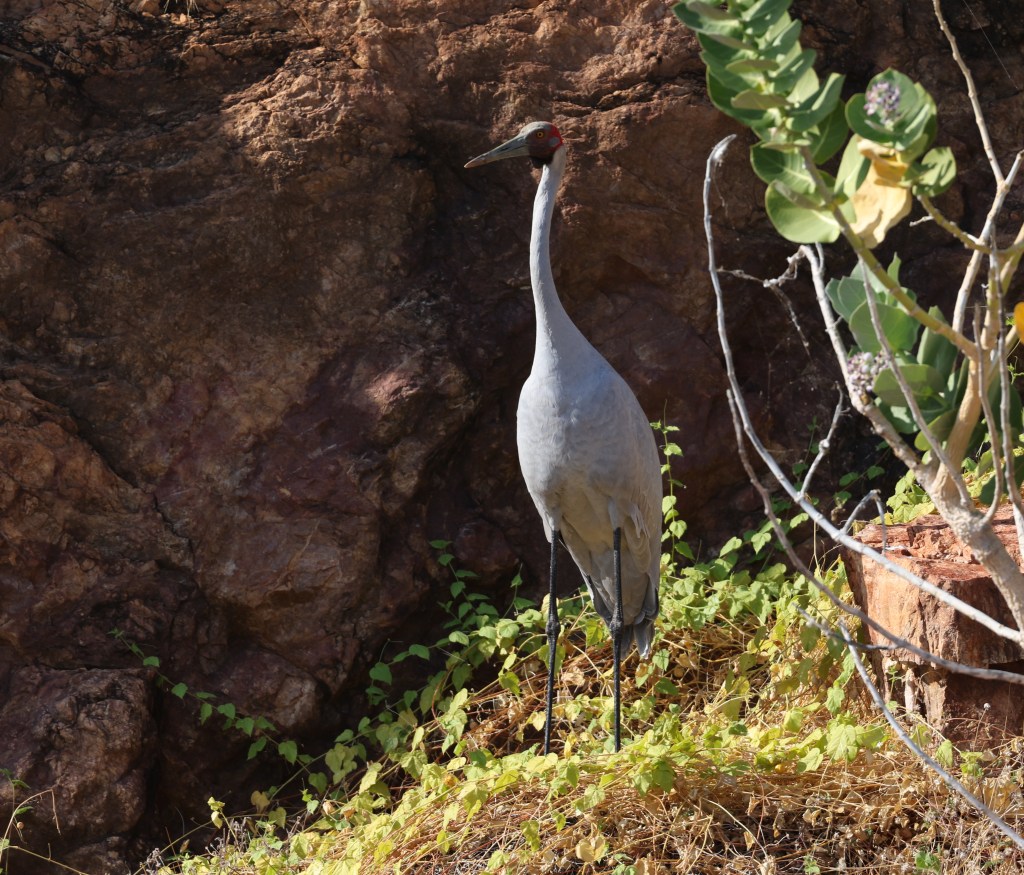
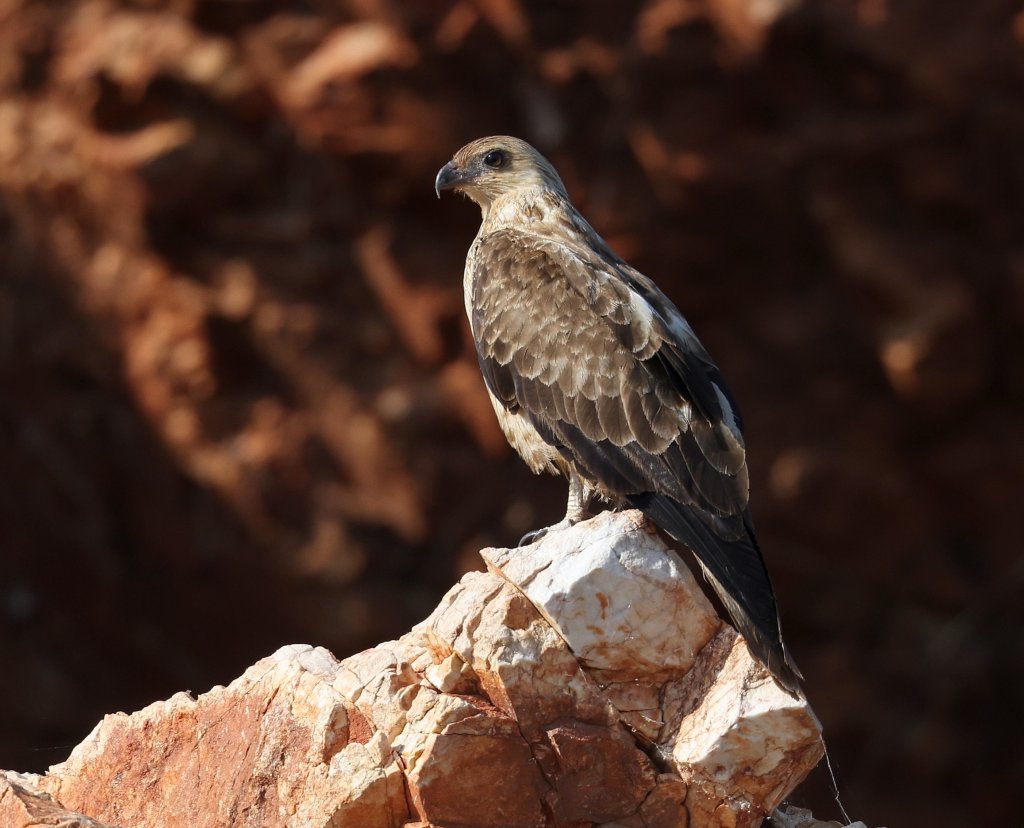
More island wildlife spotting yielded a pair of Brolga, and a Whistling Kite.
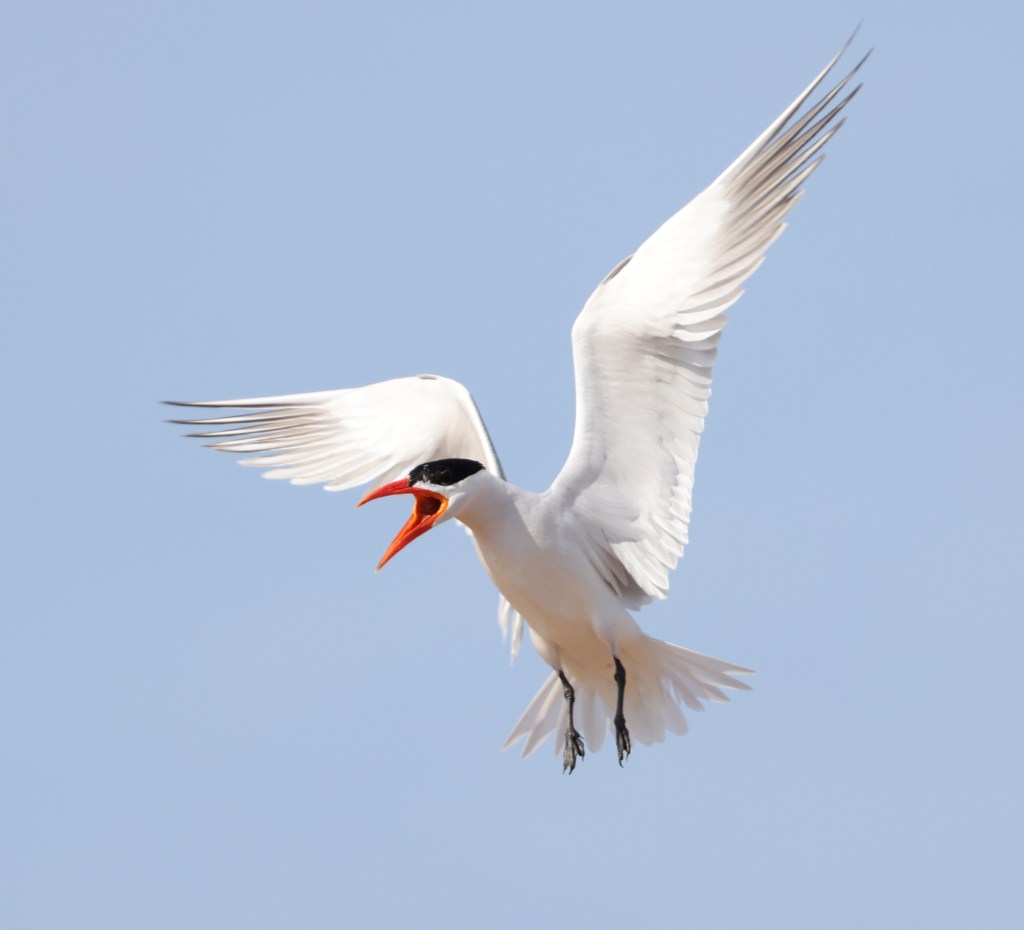
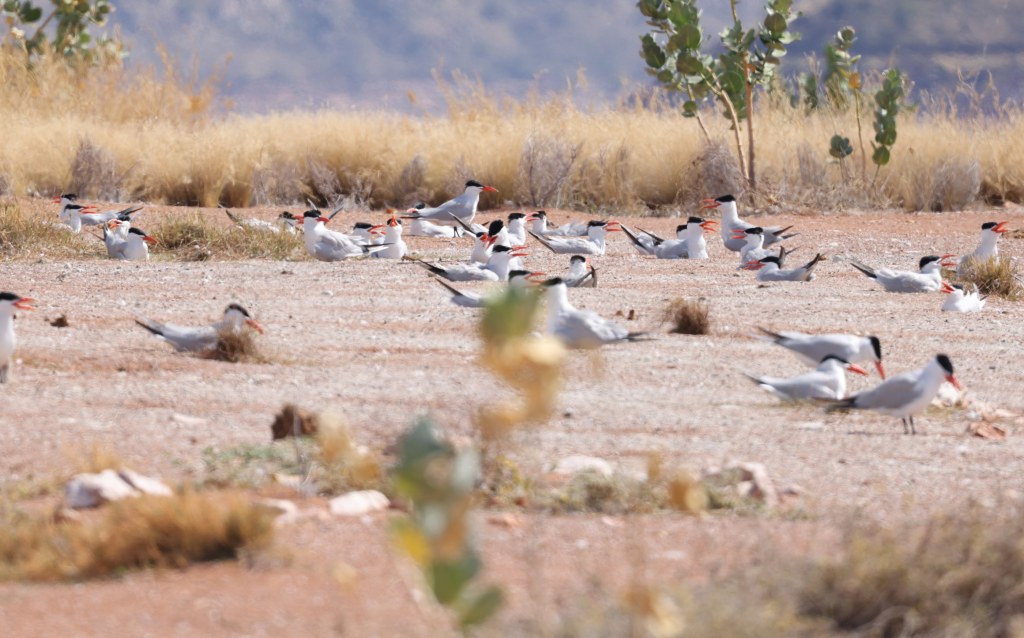
Chat Island is around 25km from the jetty and the sense of anticipation as we approached was palpable. A Caspian Tern formed a squawking welcoming party, letting us know in no uncertain terms not to come near its nest.
The water is very shallow around the island, preventing the boat from pulling up to dry land, so it’s a case of taking one’s shoes off and walking a few metres to the island proper.
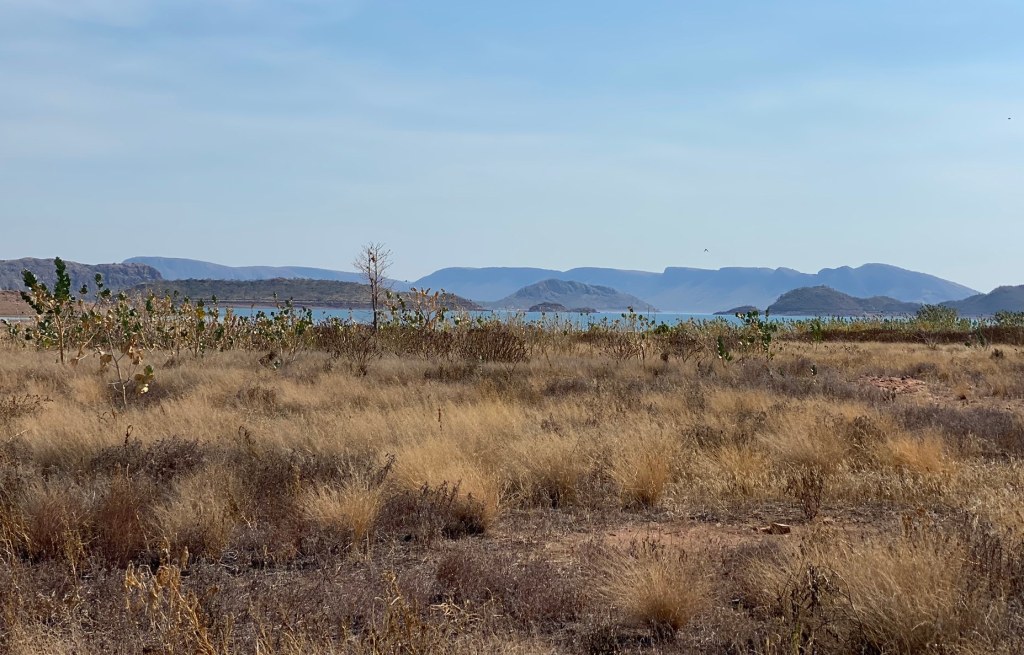
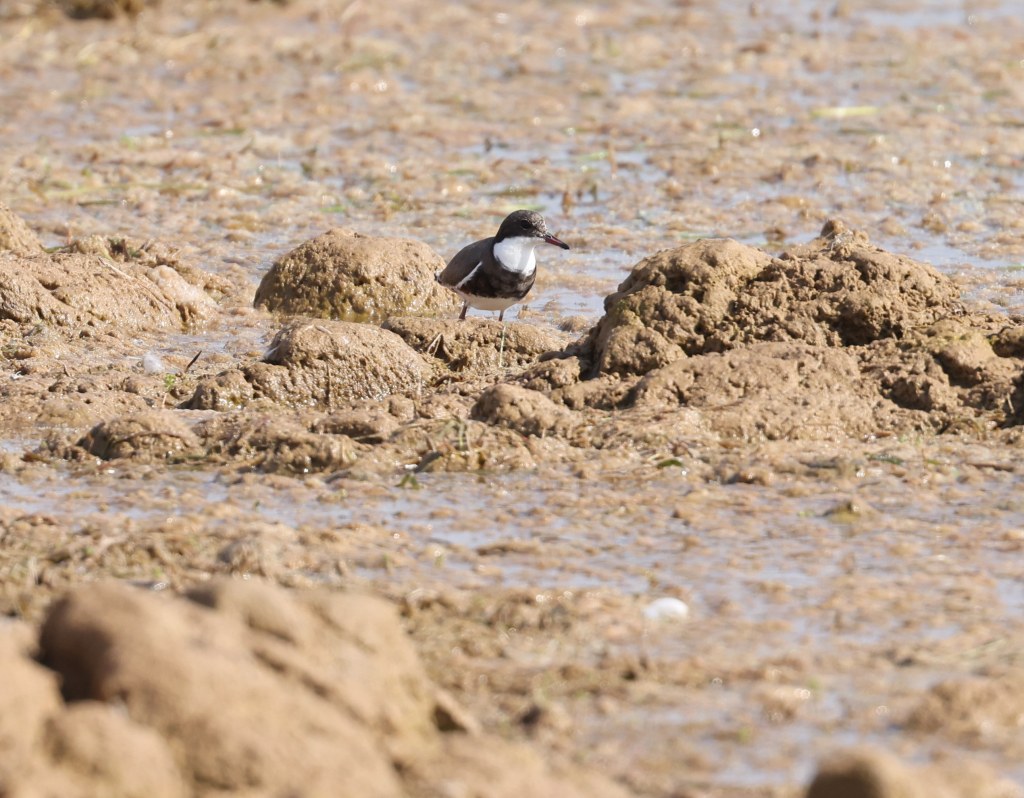
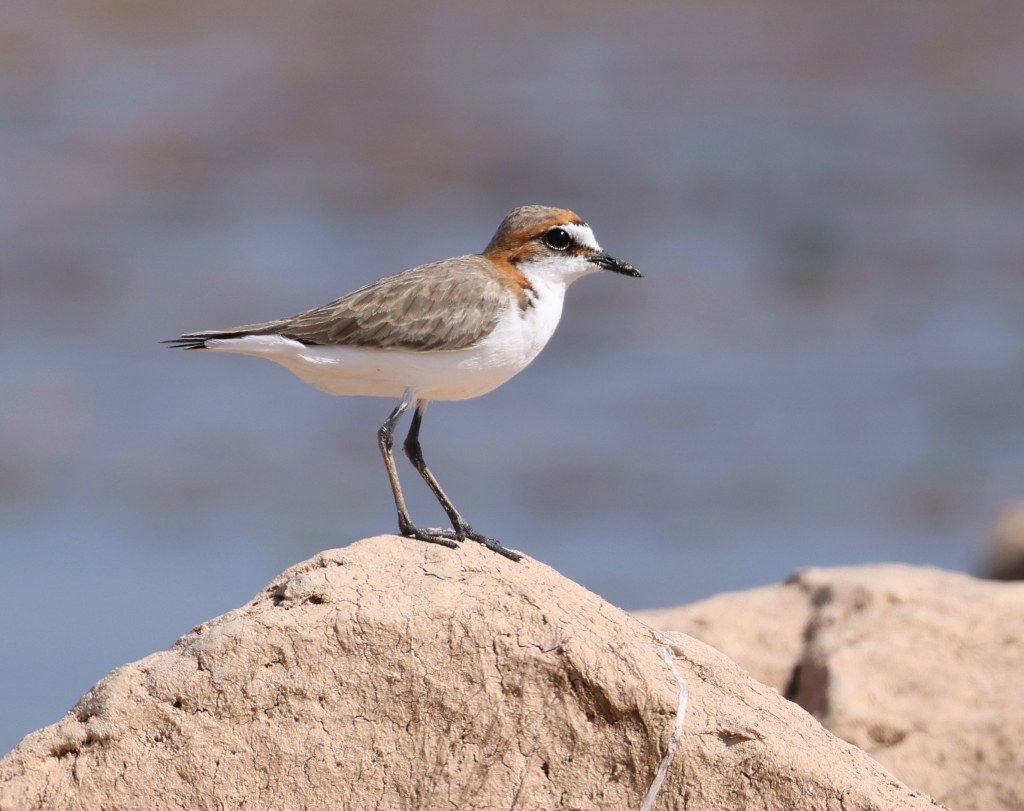
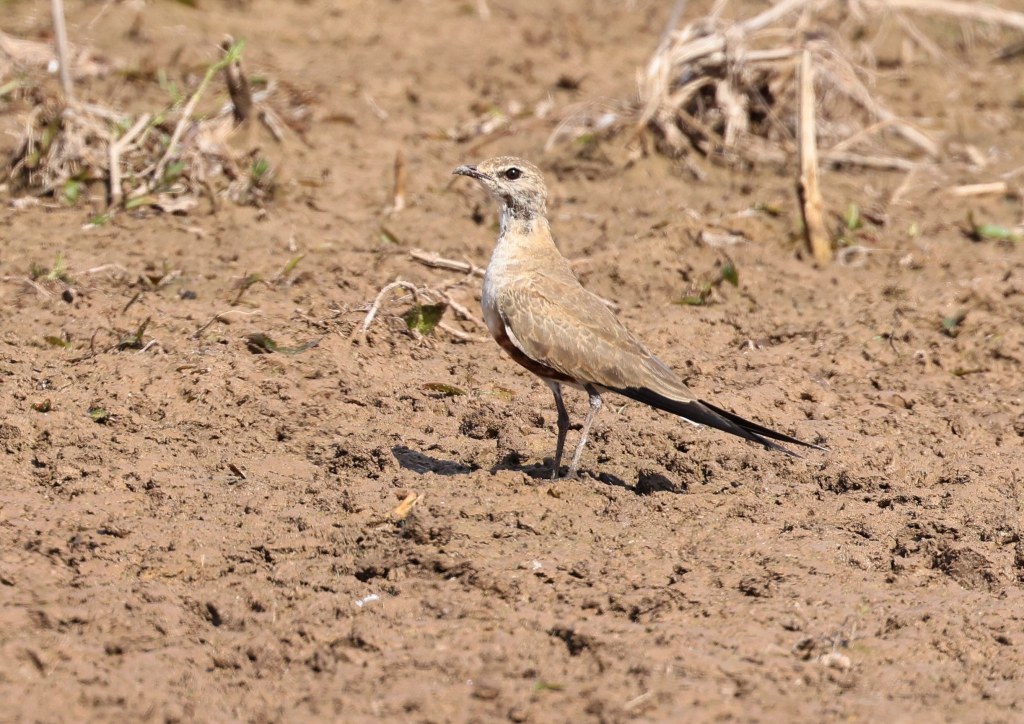
A Red-Kneed Dotterel was one of the first birds we saw on the island itself, foraging in the damp mud, though Black-Fronted Dotterels were also present. We counted a total of 15 Red-Capped Plover, and also half a dozen Australian Pratincoles. The latter bird is quite an elegant specimen, and is especially captivating when in flight, as its sharp wings seem to scythe through the air.
We spotted several dozen Wandering Whistling Ducks far away, as well as Radjah Shelducks, Green Pygmy-Geese and Magpie Geese. It’s likely you’re not going to get too close to these water birds; they’ll spook easily given the vast expanse of land and water here they can readily fly off to. C’est la vie.
It wasn’t long before we came upon the stars of the show, the Yellow Chats after which the island is named. The females are relatively drab compared to the vibrant males whose golden colours stand out from a good distance away. Our guide had a most excellent spotting scope which showcased the bird well from distance.
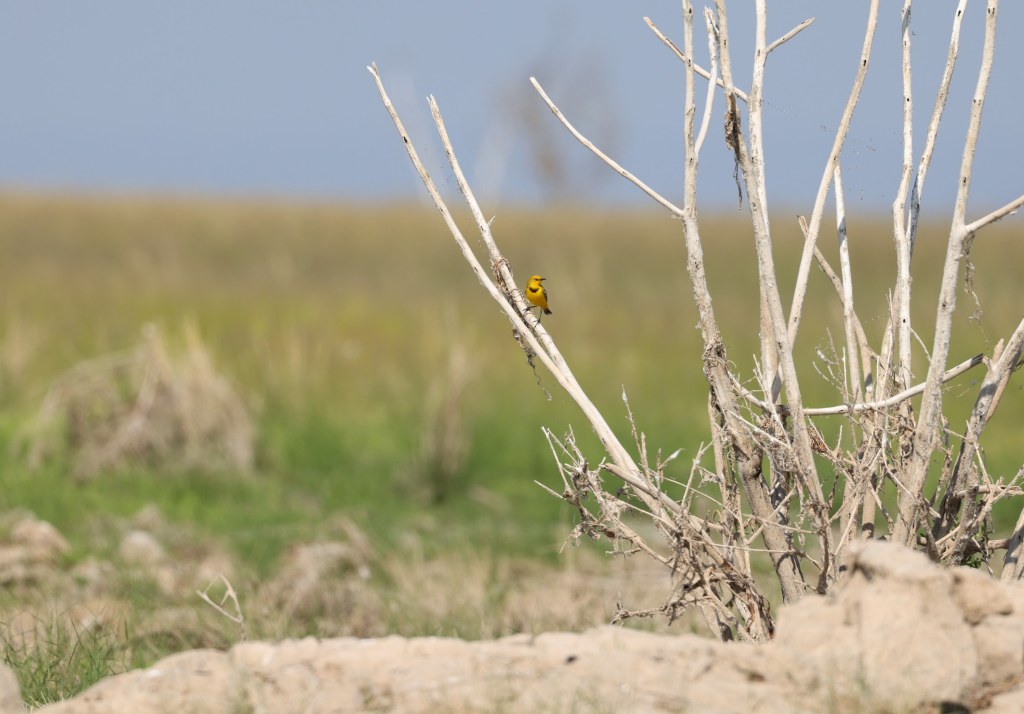
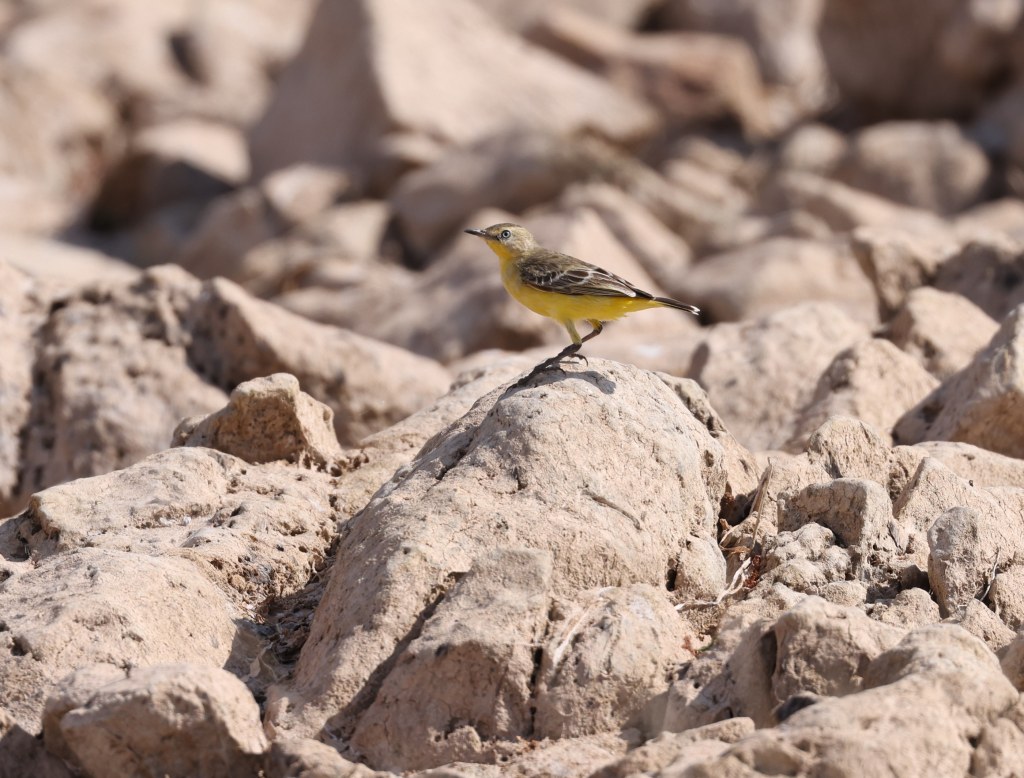
I broke off from the main group for a few minutes to try and get closer to one of the males and it was almost alarming just how colourful this little bird looks when taking up more of the camera’s viewfinder.
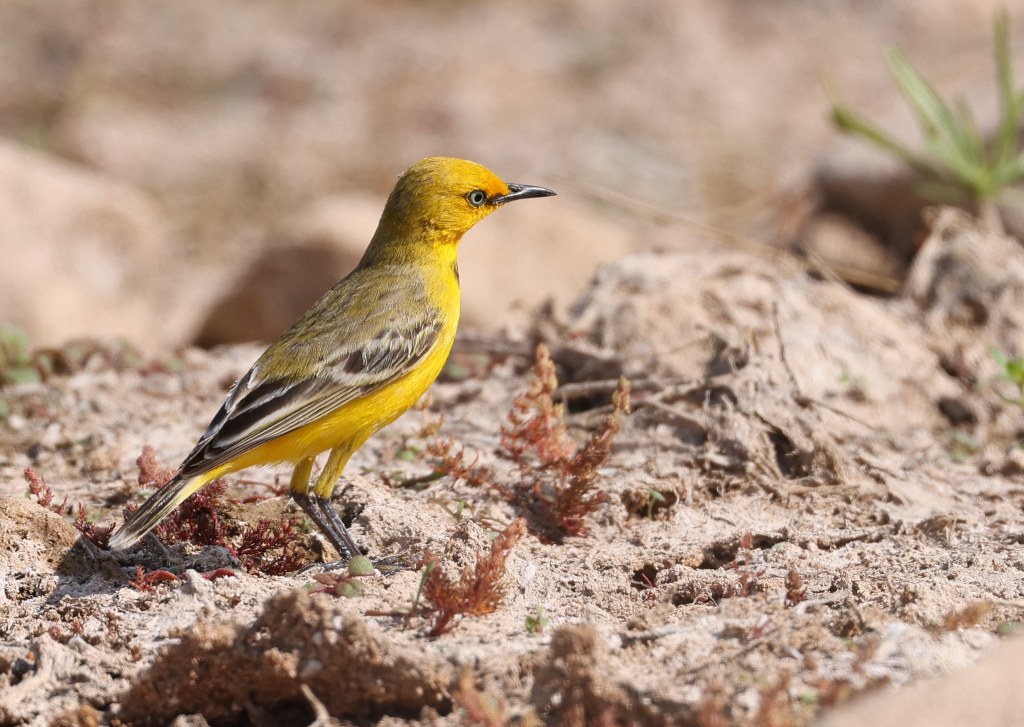
In all we counted at least 20 Yellow Chats. Brown Songlark and Singing Bushlark featured as we left the water and walked through the grassy semi-formed path across the island, eventually coming back around to the east side where the Caspian Terns (we estimated 280!) have their nesting colony.
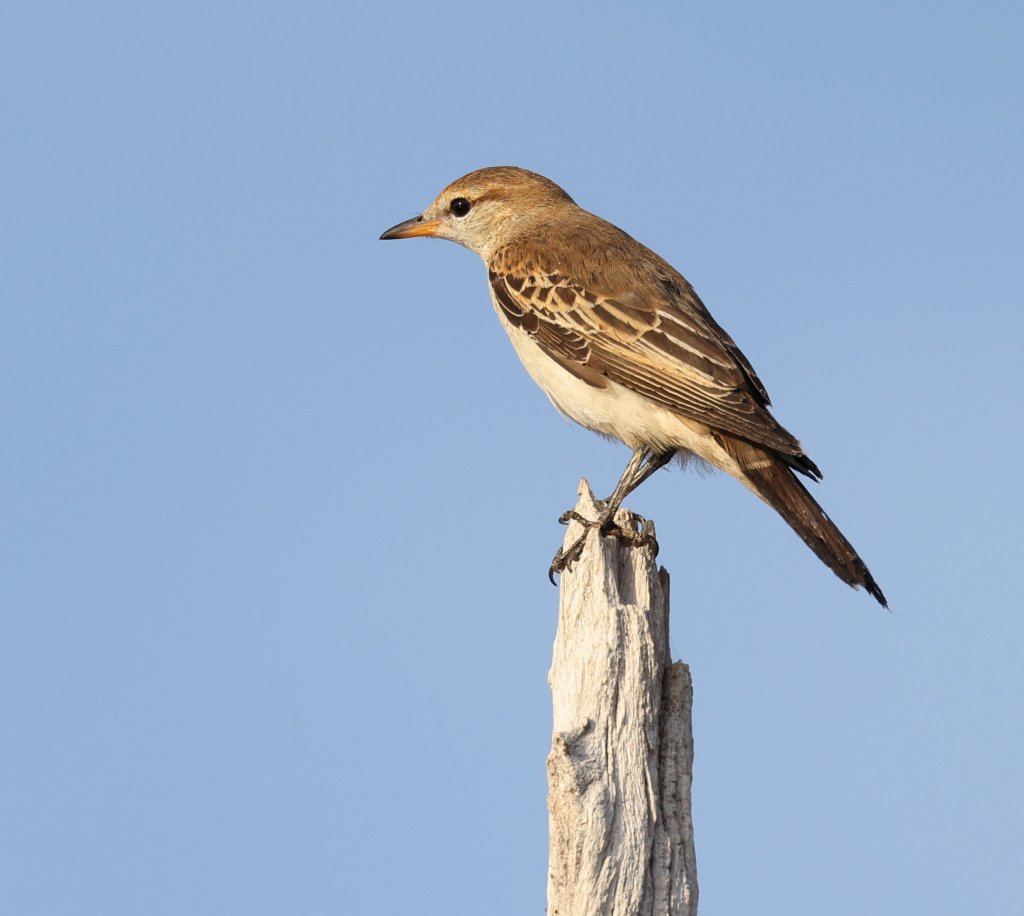
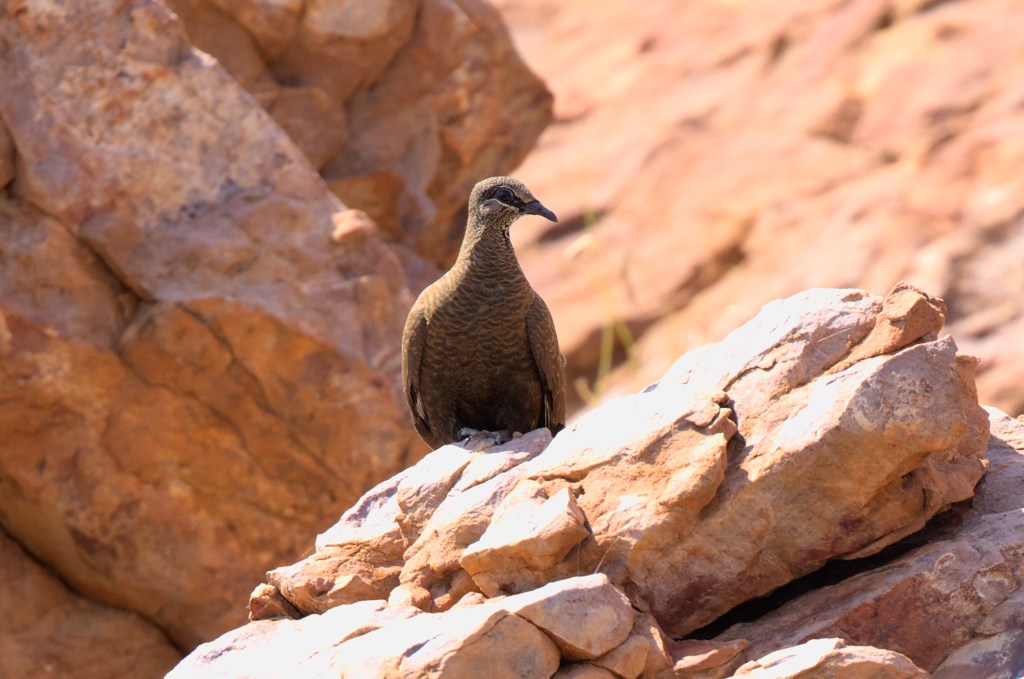
On the trip back to the jetty there was more animal spotting on the rocks and cliffs as we motored past, and we were rewarded with a White-Quilled Rock Pigeon, which was incredibly difficult to see in the shadows of the rocks if it wasn’t moving. There was much pointing and explaining to others on board exactly where to look. Eventually it shifted onto a rock for the photo below.
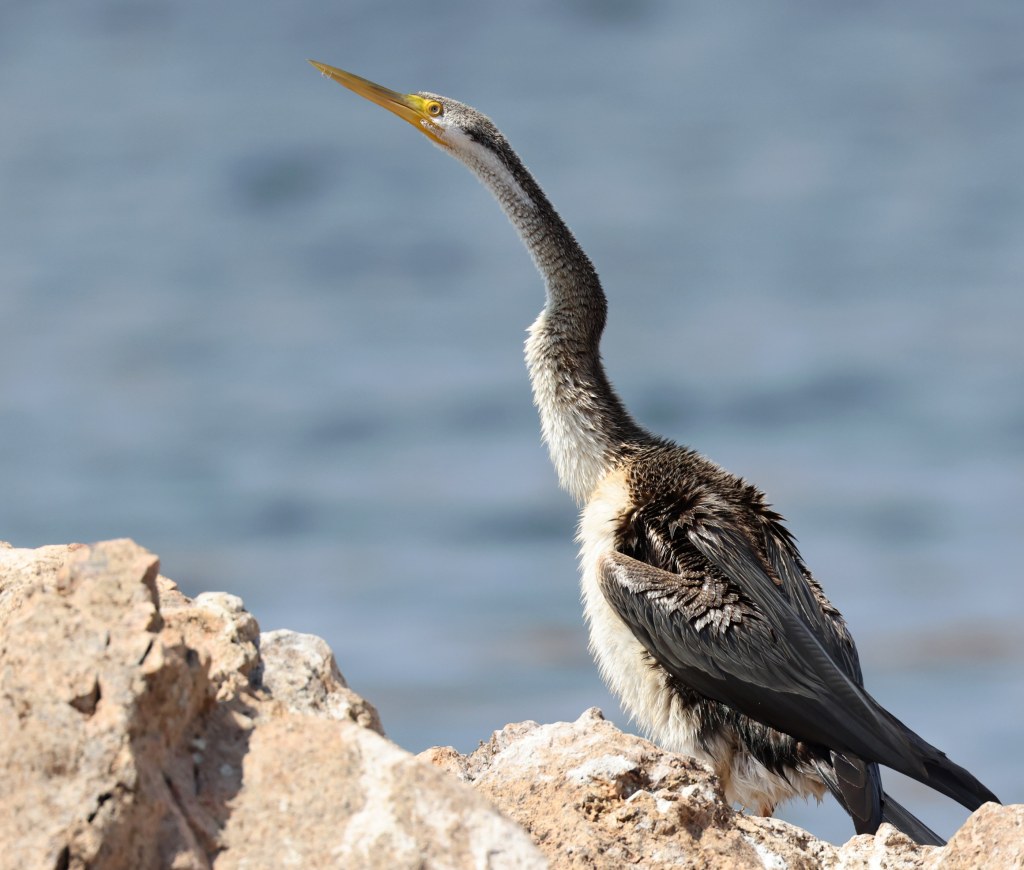
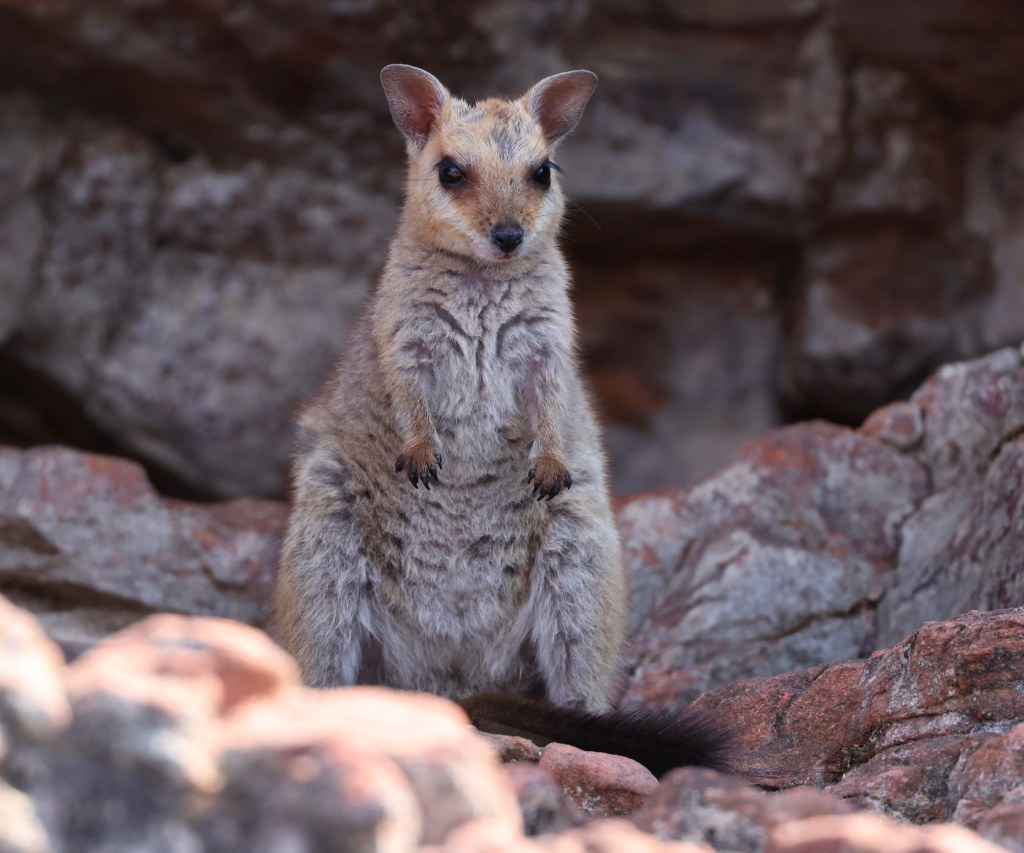
An Australasian Darter and some rock wallabies (likely Short-Eared Rock Wallaby) also featured.
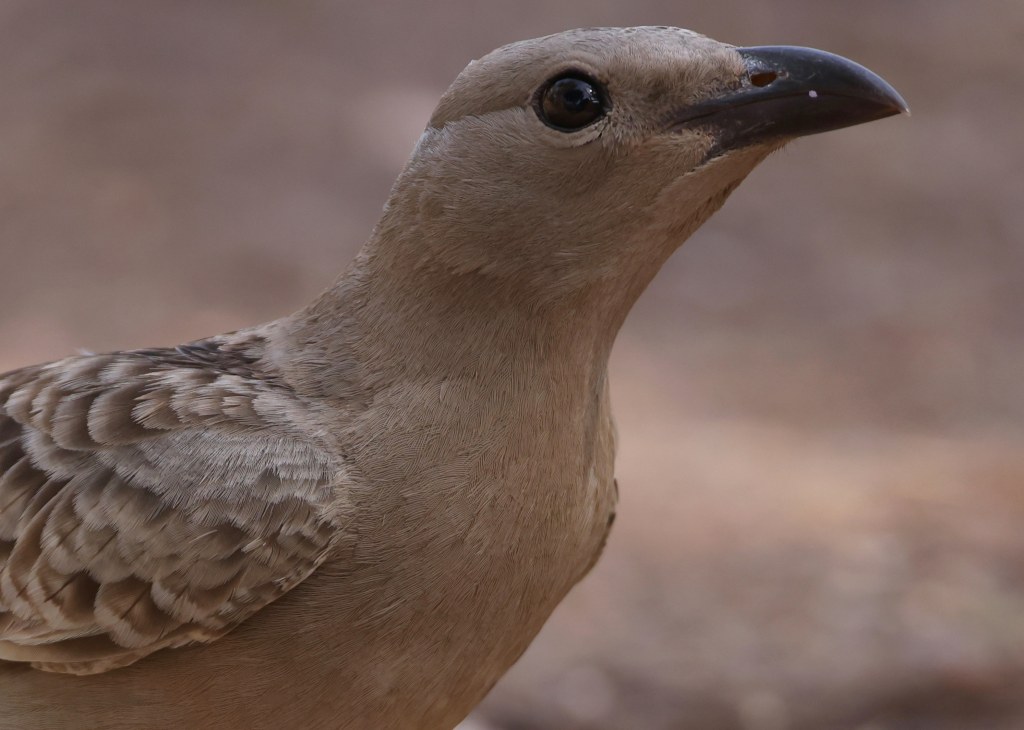
Back at the jetty the temperature had reached the 30’s and we had an excellent meal and refreshing drink at the caravan park cafe. Great Bowerbirds were scavenging around and under the tables here, while a short stroll revealed some Long-Tailed Finches nearby, possibly attracted by the park’s water sprinklers.

Summary
The birding cruise at Lake Argyle is a must-do experience, especially if you have never seen a Yellow Chat before. The cruise operator (Greg Smith) said that he has never dipped on seeing the chats for at least seven years, so they are ultra-reliable. But the whole trip is quite enjoyable, the gorgeous blue waters an especially welcome break from the arid outback scenes one is used to from the car window on long drives.
eBird:
Hotpot: Lake Argyle (200 species)
Checklist for this visit: Aug 4 2022 (66 species)
Pluses and minuses:
+ Arresting scenery on a pleasant lake cruise
+ Some terrific birds and animals to discover in the bays and on the islands
+ Guaranteed Yellow Chats
– Costs money and needs to be booked well in advance
AUTHOR: ANDY GEE
BIRDERS: ANDY GEE, LUKE S, K-A


Terrific photos. My favorite is the Caspian tern.
LikeLike