Texas! It’s the Lone Star state, where everything is bigger. But did you know that south Texas is one of the most biodiverse areas in the USA? We did, so we planned to go there as the first stop on our 5-week North America birding trip. It was mid-April, just getting into the peak levels of birds migrating into the US from southerly climes, so a perfect time to go and see as many interesting birds as possible.
Culinan Park, Houston
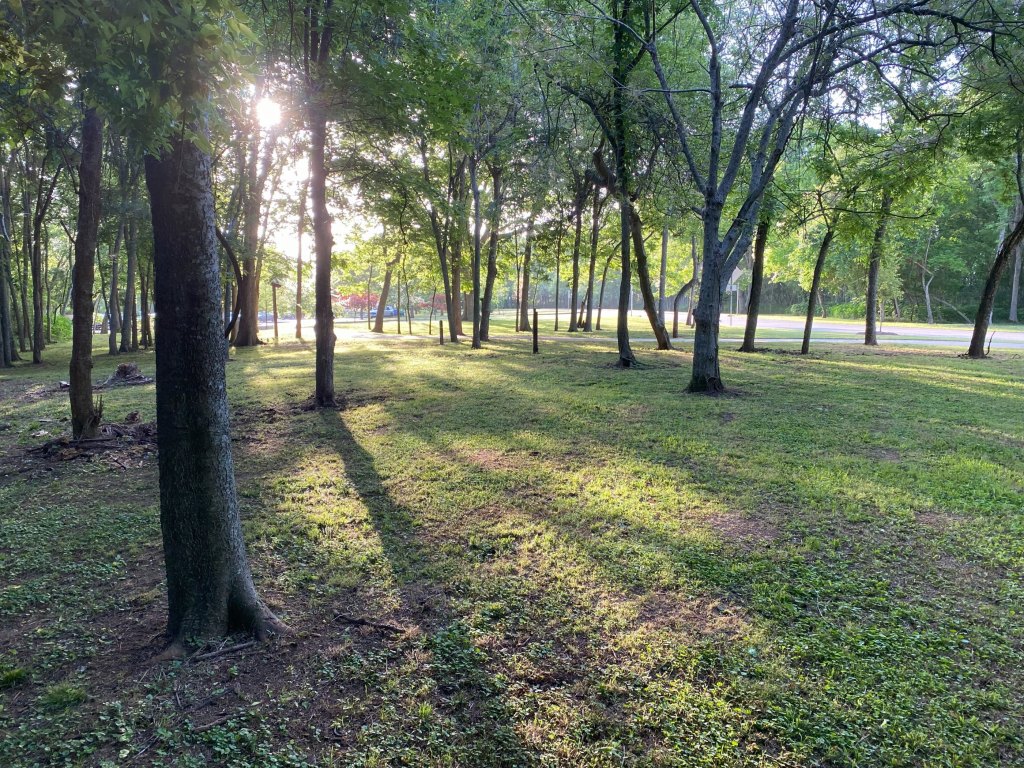
We flew directly from San Jose, Costa Rica to Houston and picked up a hire car, staying just one night in the big city. For the morning we headed to Culinan Park in Houston’s west, which seemed like it would provide a nice introduction to Texan birding before we drove south.
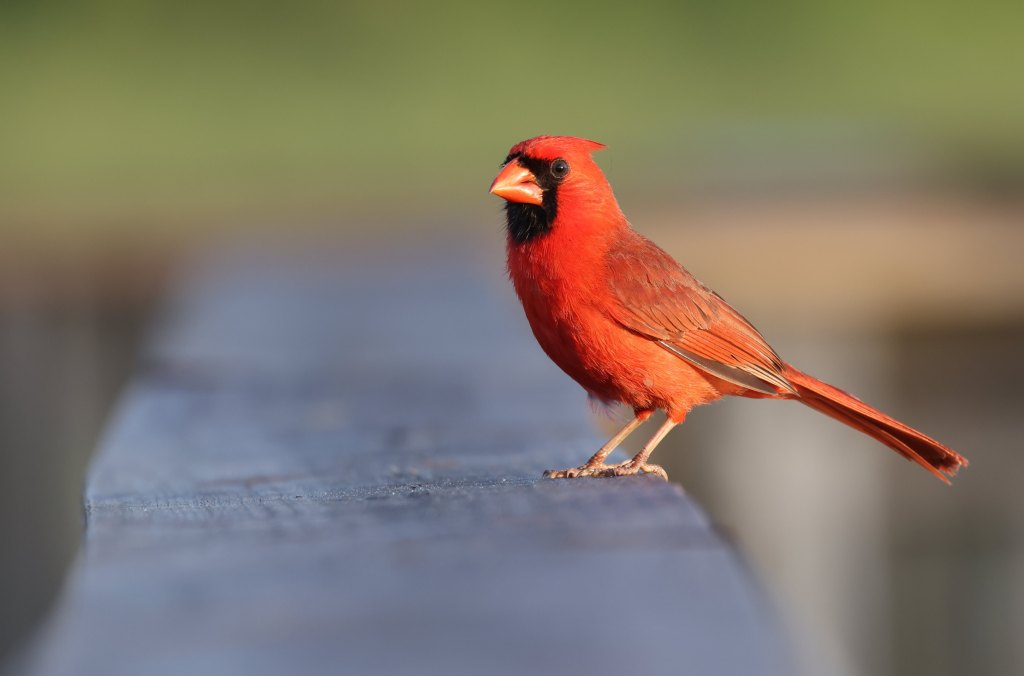
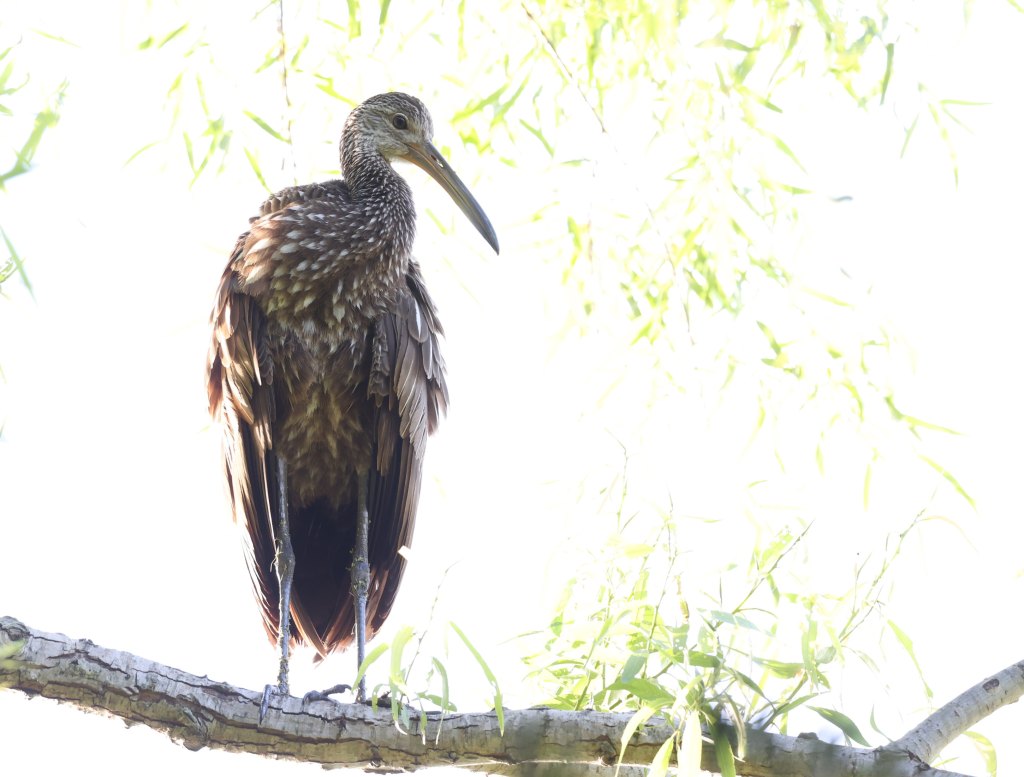
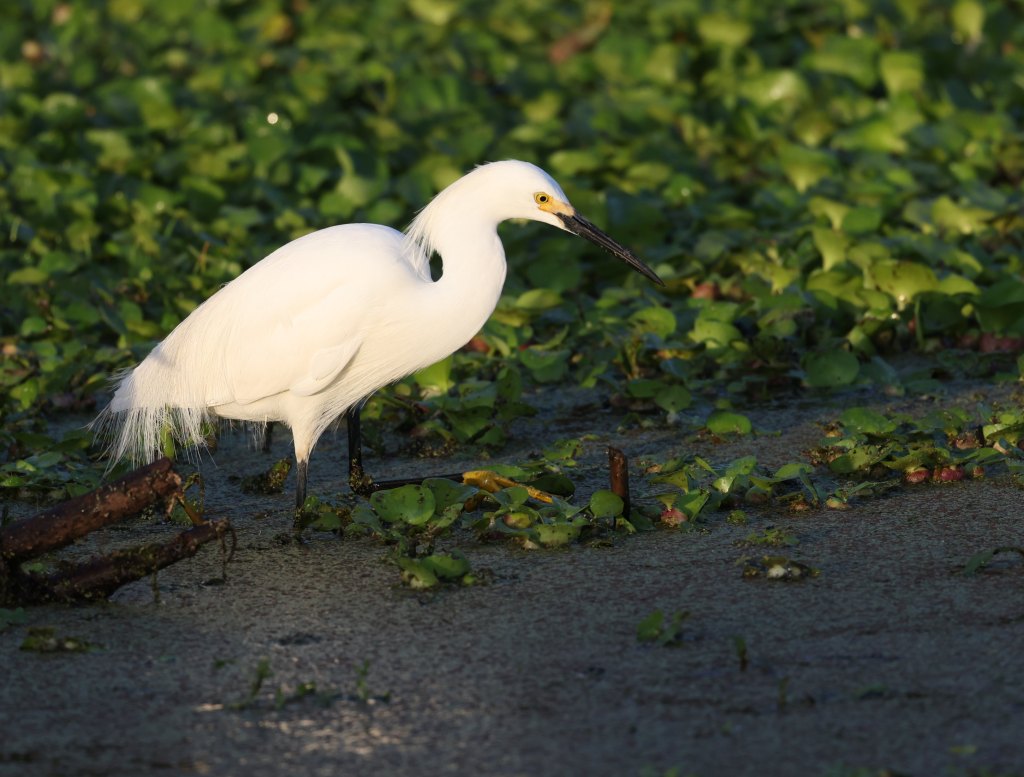
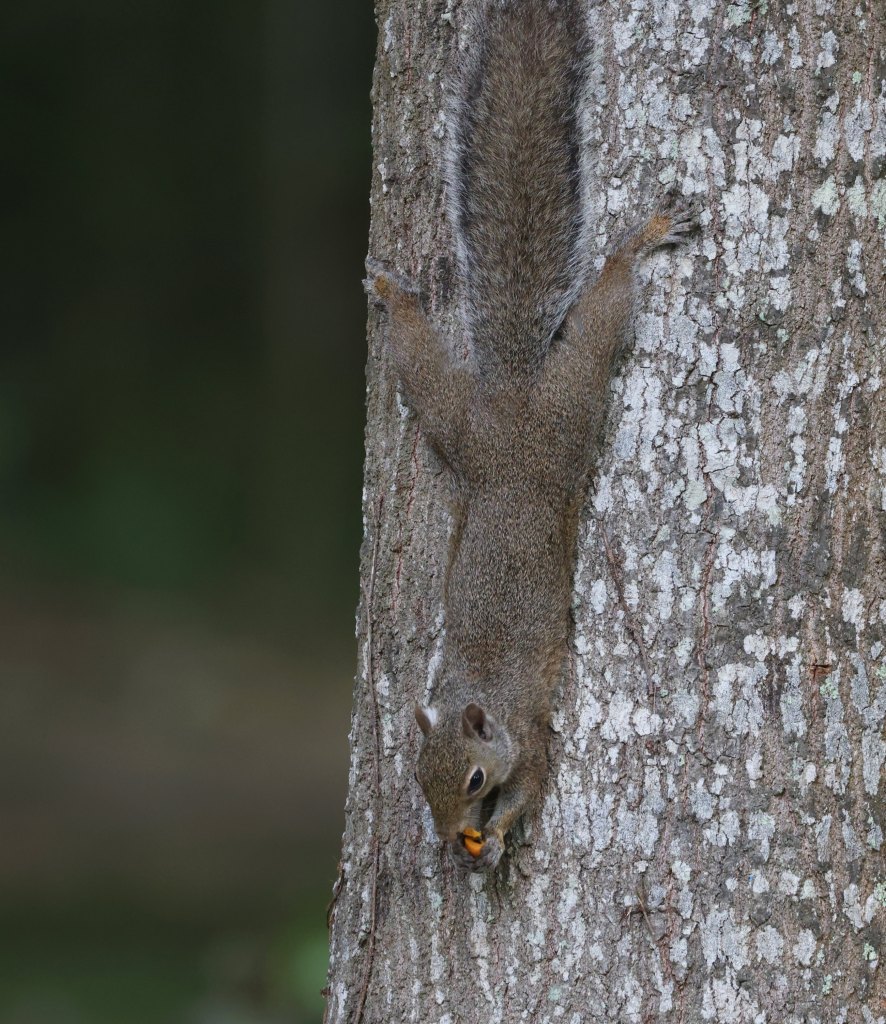
Our first morning in Houston. Hold on to your cowboy hats, the birding is about to begin!I did not know until I went to America that the Northern Cardinal would be so common. It can be found almost everywhere, it seems. However, I never got a better shot than this perky individual who hopped onto the side of a boardwalk in the early morning sun at Culinan Park.Limpkin, also called carrao, courlan, and crying bird, is the only member of its species family. This would be the only time we saw it in over 4 weeks of USA birding!The small and ethereal Snowy Egret definitely reminds me of the Little Egret which is common in Australia and Asia, but look closely and you’ll see one major difference – the Snowy Egret has yellow feet!An American White Ibis, with vivid red/pink colours due to breeding plumageNot sure what this squirrel is up to, but whatever floats your boat I suppose
Brazos Bend State Park
Our first Texan State Park and a flimsy excuse to break up the long drive south was Brazos Bend SP. It was larger than we thought and we only had time to stroll around 40-acre lake, leaving other parts of the park for some future time…
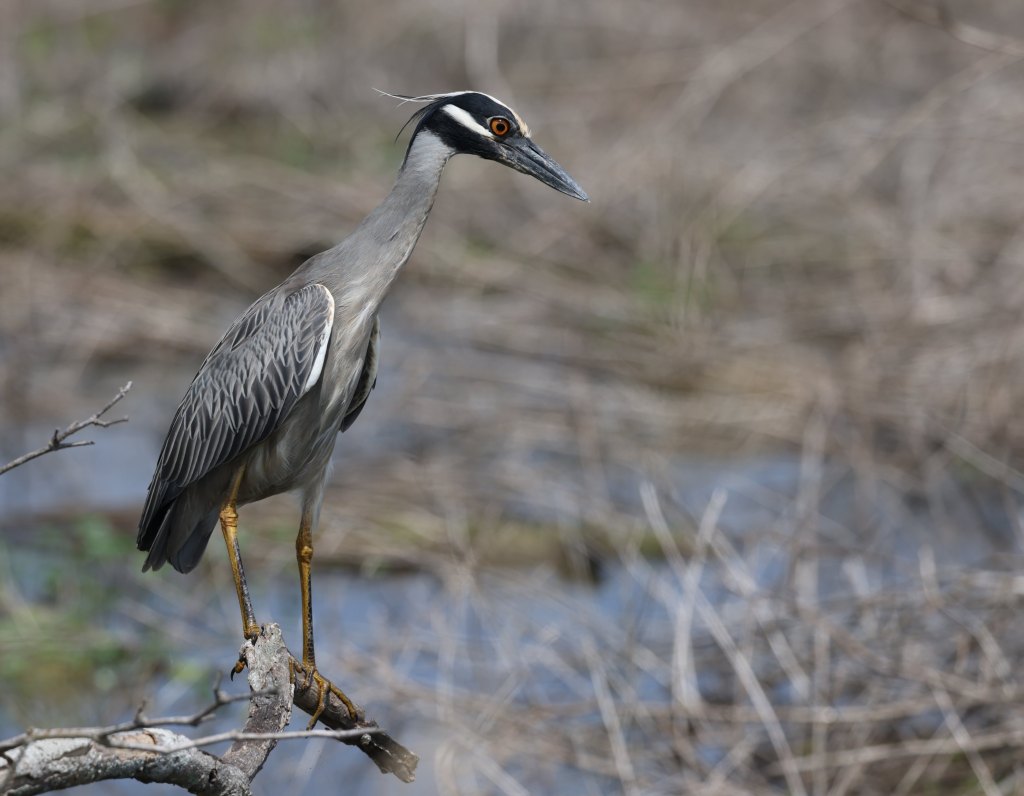
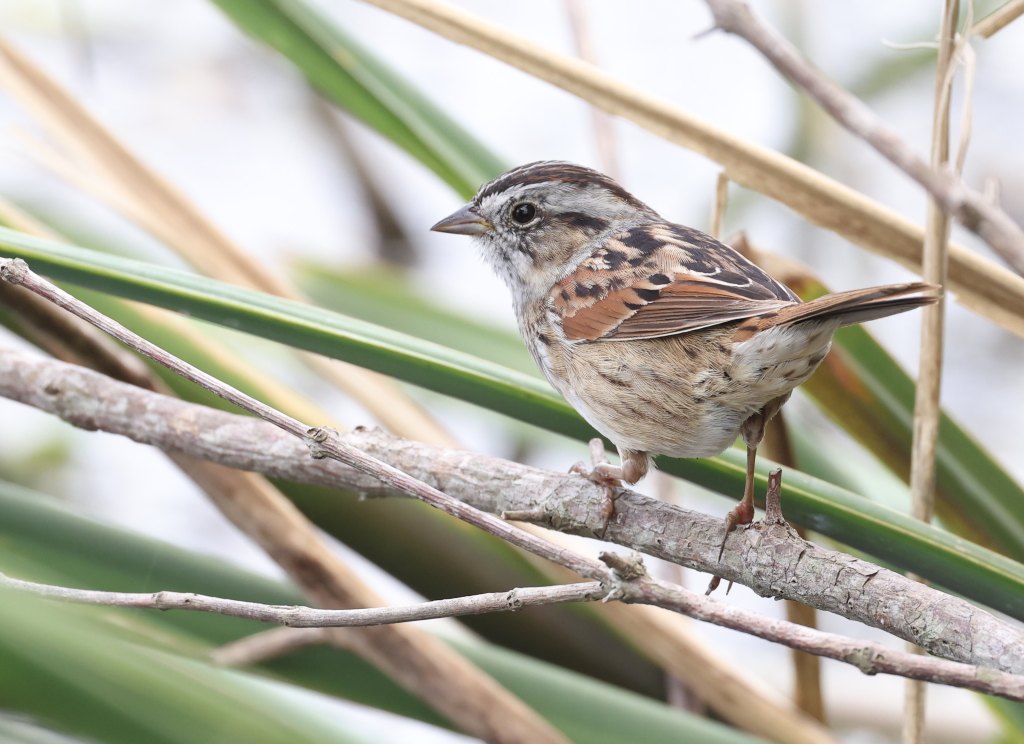
A large tree just outside the ranger entry station was cordoned off with yellow chain… hmmm… to deter people from getting too close to a Great Horned Owl nest. We took photos of this young ‘un from a safe distance as did several other photographers. What a fluff ball!Have you ever played the board game Wingspan? It is (very, very) bird-themed, and as well as being a jolly good medium-weight board game, and had us excited to see any bird in real life that was featured on a Wingspan bird card… such as this Prothonotary Warbler.Brazos Bend State Park was impressively full of stalking-hunter-style water birds like Yellow-Crowned Night-HeronsThere are many different types of Sparrow across the US, which differ wildly in abundance; this Swamp Sparrow we saw only once on the trip (contrast with, say, Song Sparrows, where you can barely walk ten yards without tripping over one…).
Corpus Christi
Corpus Christi, about 3 hours drive south of Houston, is a large city on the edge of Corpus Christi Bay which links to several other waterways forming a complex network of channels and lagoons. Aside from all the plentiful places for water birds to hunt, we also found that the entire region was heavily dominated by Laughing Gulls. Like, they were everywhere.
The shots below were taken at the end of the day at various points along Laguna Shores Rd.
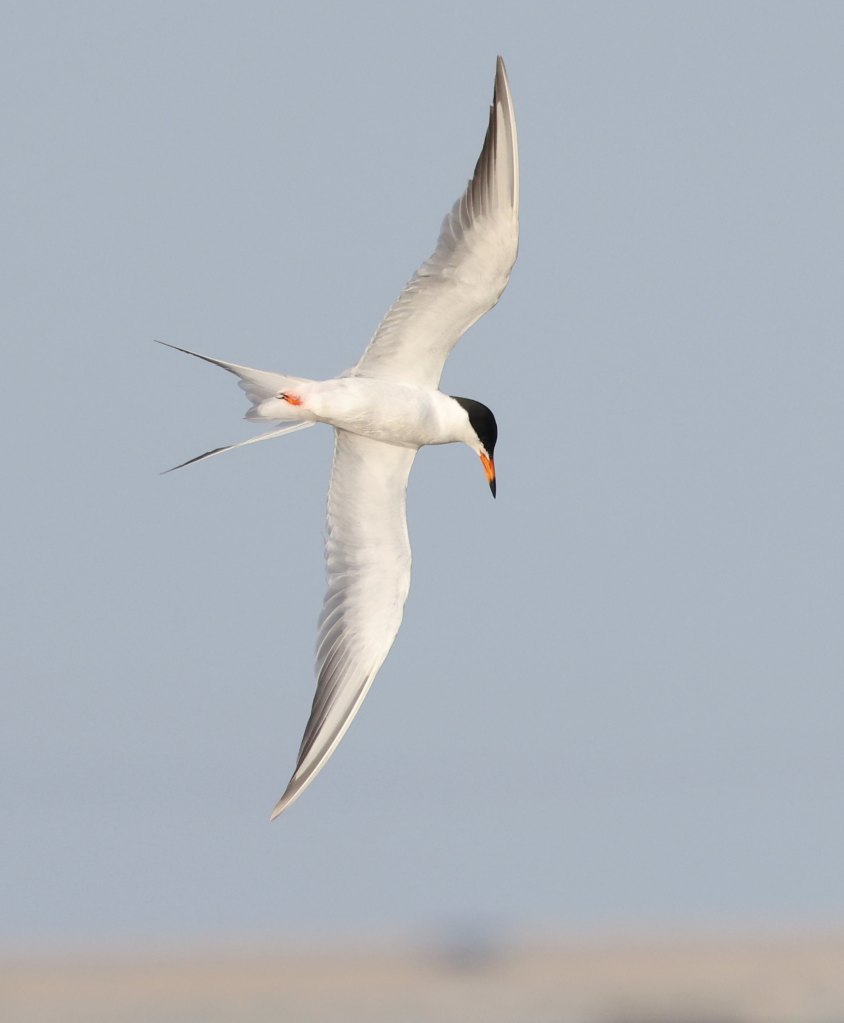
We had watched a Great Blue Heron patiently hunting for some time (while terns and skimmers were readily pulling in fish nearby), then it nabbed this big fella and flew off with it impaled on its billThe Least Sandpiper is so named because it is the smallest. I think.A Forster’s Tern scanning the water below for free foodHere a Laughing Gull attempts to drive off a Turkey Vulture from the area (it succeeded)
Port Aransas and Leonabelle Birding Centre
If we thought Corpus Christi was pretty active on the water bird front, we were in for much more when we drove the short way up Padre Island to Port Aransas Jetty and the huge wetland that extends behind the Leonabelle Birding Centre, known as the Port Aransas Nature Preserve. If you just wanted sheer numbers of birds, here is the place, though diversity was high as well.
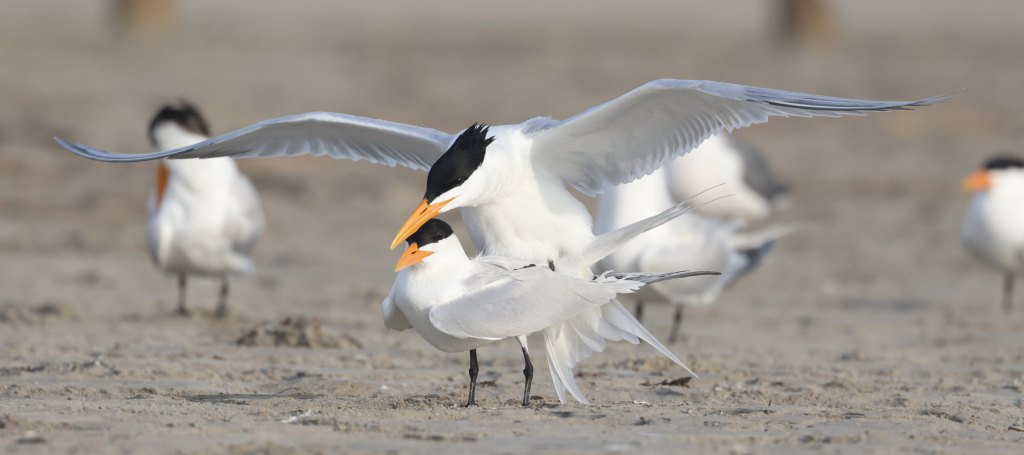
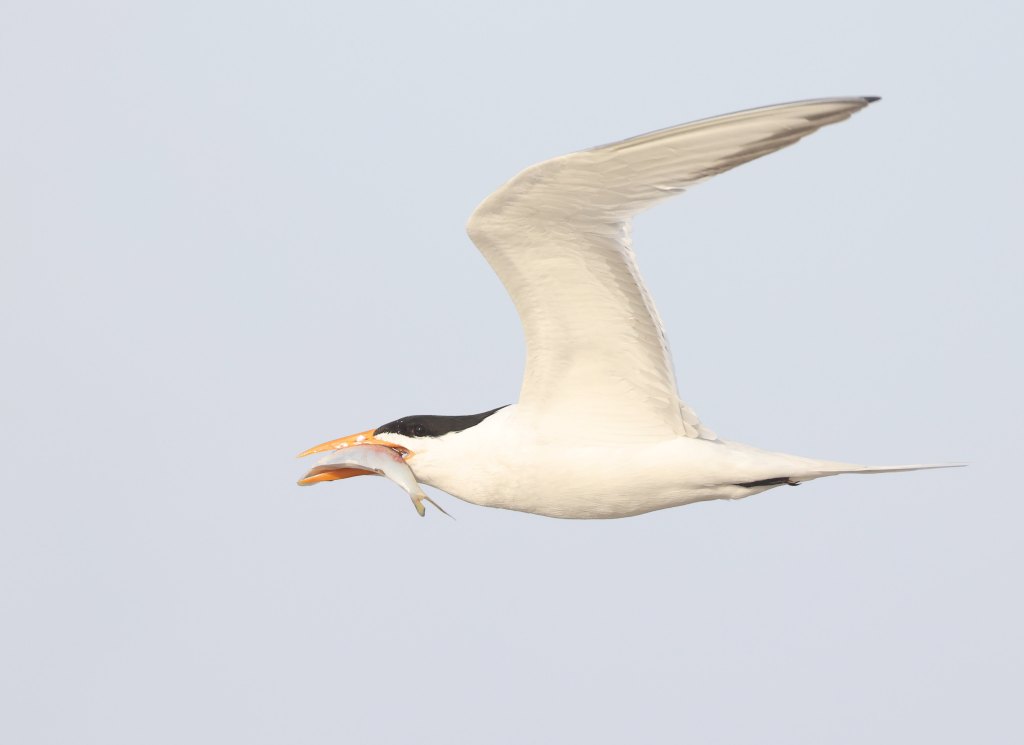
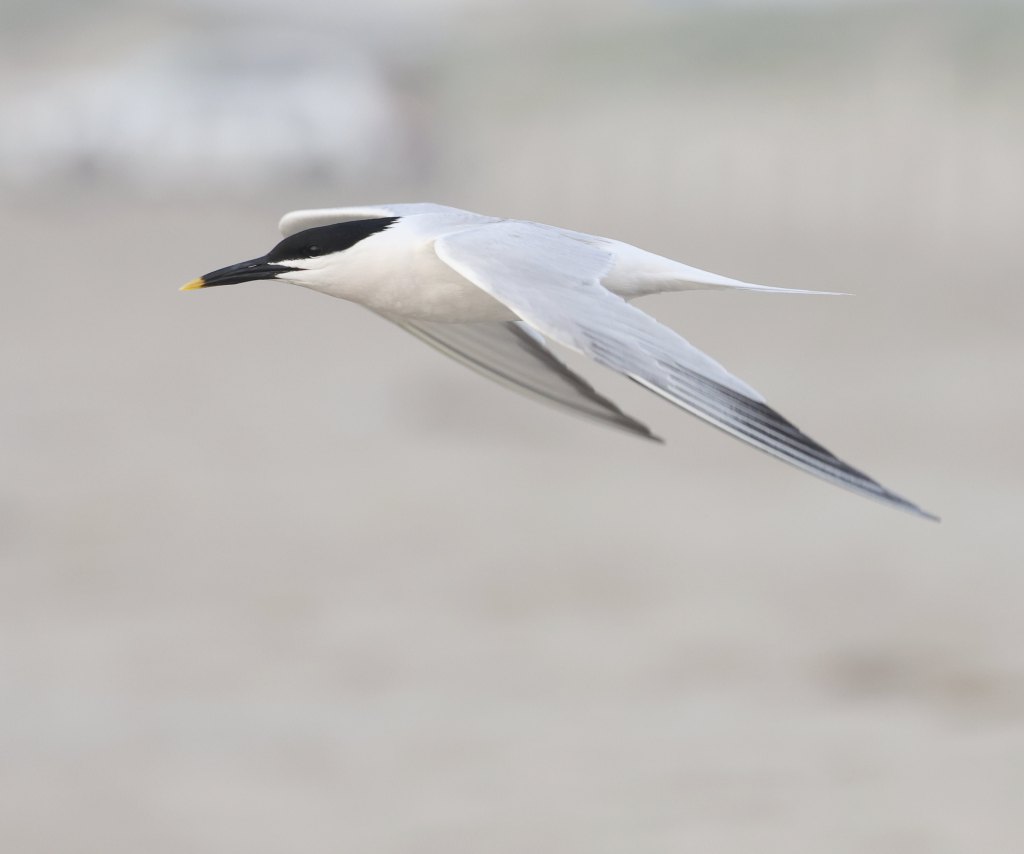
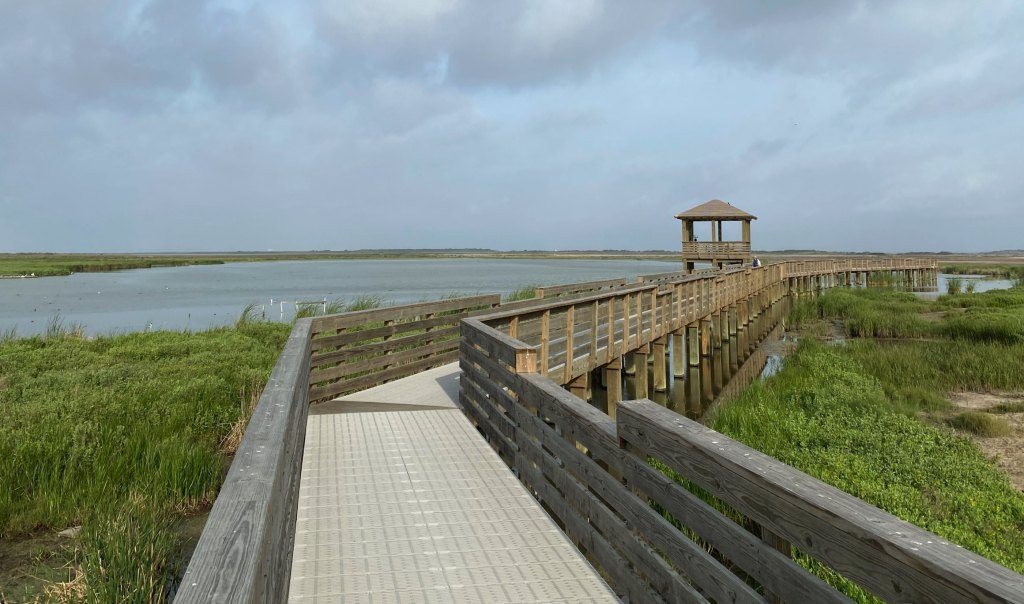
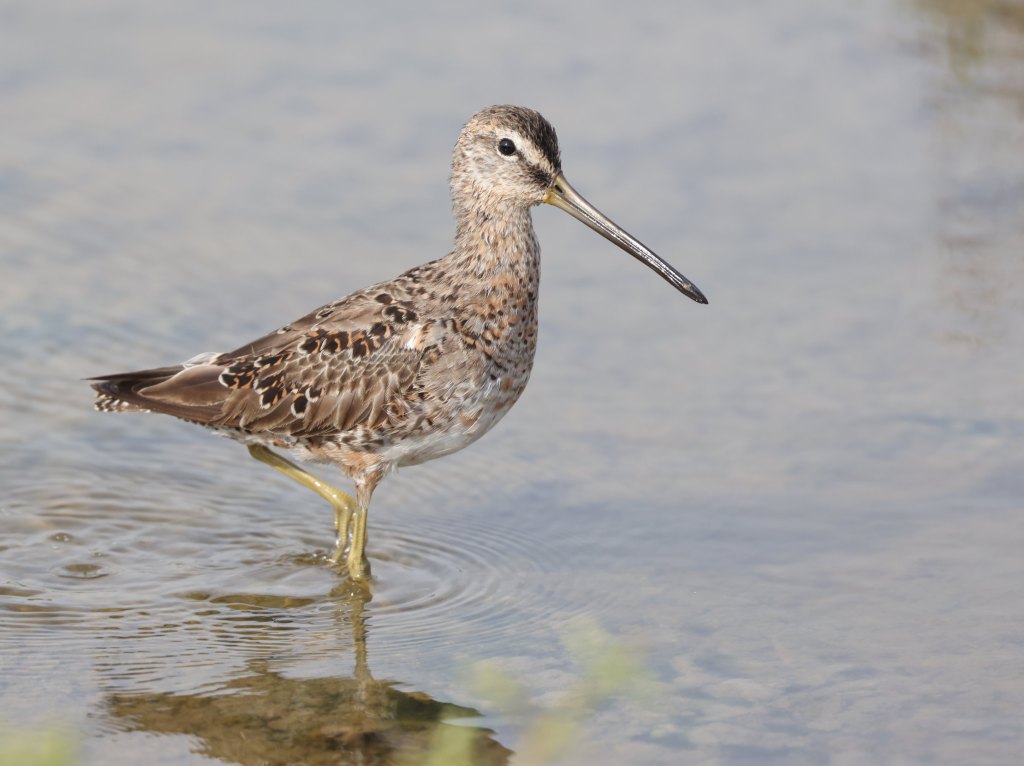
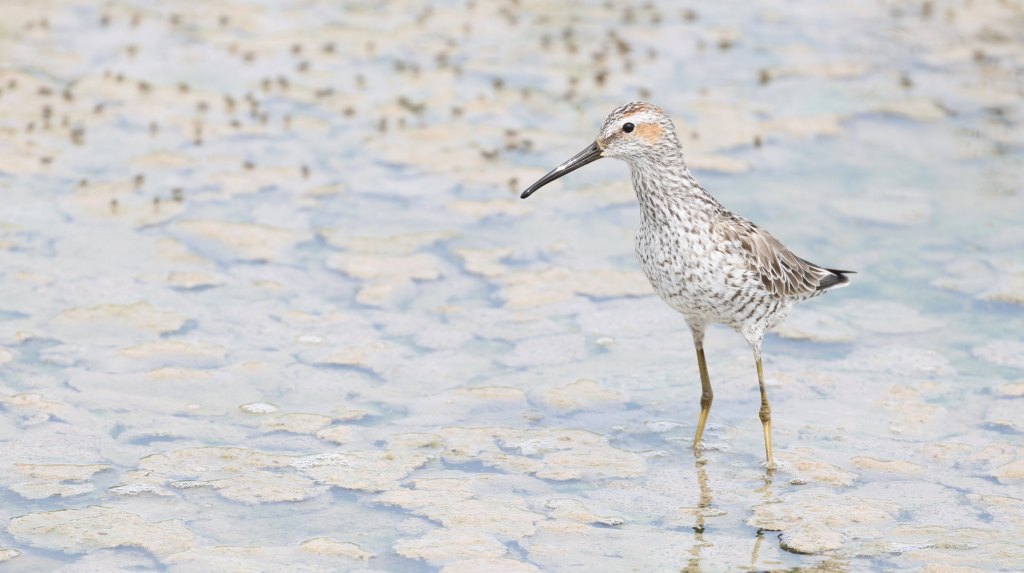
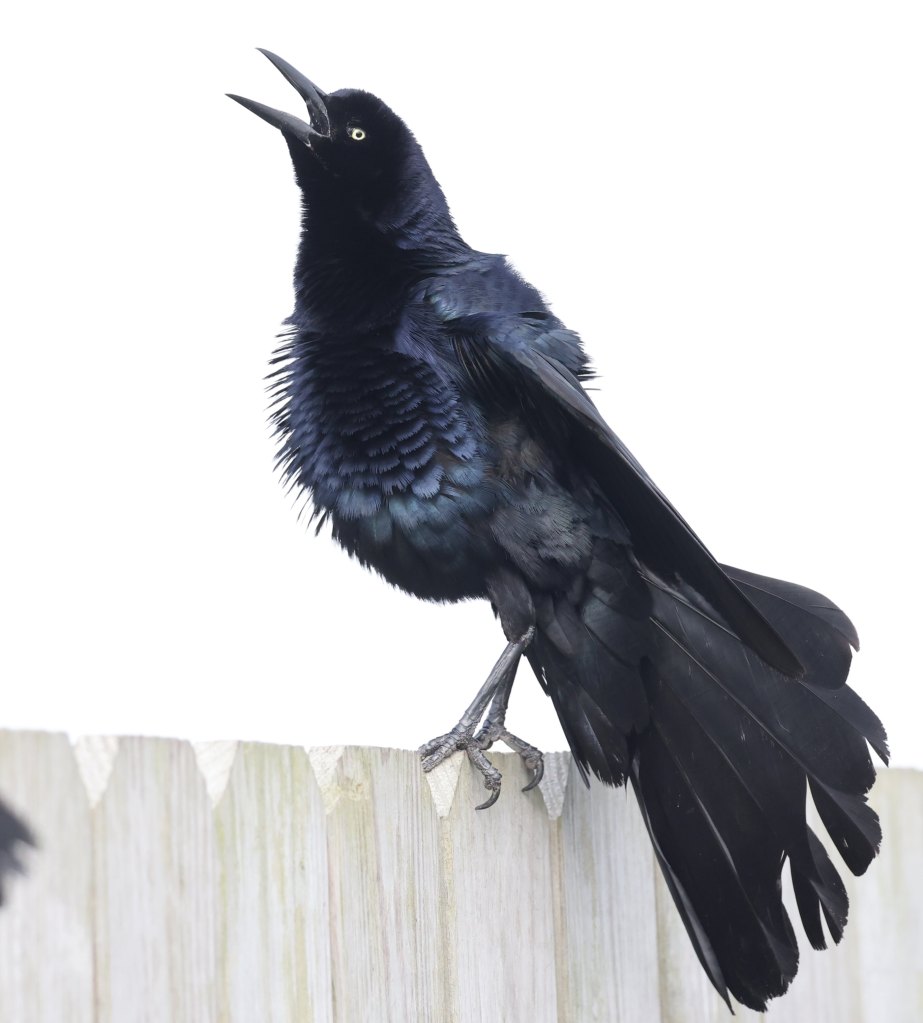
If you can full-screen this, each tiny dot you can see is a bird. Estimates of numbers on eBird that day ran as high as 6000 birds!Laughing Gulls getting in on – it must be spring time! At Port Aransas Jetty.Note to be outdone, these Royal Terns were also having a go at itA Royal Tern returns from a successful ocean visit The less common Sandwich Tern is sometimes described as having a “mustard-tipped bill”, which given its name is probably a useful way to help with identifying the birdSanderling at the beach near the Port Aransas JettyPort Aransas Nature Preserve has plenty of boardwalks and wooden observation towers so you can access a lot of the area, though a spotting scope would definitely make the most of it (thanks to the couple of birders we met who let us peer through their scopes!)When is a duck not a duck? When it’s a Shoveler, of course!The Long-billed Dowitcher presents an identification challenge, as it is extremely similar to the Short-Billed Dowitcher. A similar situation exists for Lesser and Greater Yellowlegs species.Just another day, just another shorebird, the Stilt SandpiperY’all have too many gull species in America… this is a Lesser Black-Backed Gull“Abundant” doesn’t begin to describe how many Great-Tailed Grackles you will see in this part of the world…A migrating Nashville Warbler stops in for a bath
Lower Rio Grande Valley
There are at least a dozen great birding sites in the Lower Rio Grande Valley in the extreme south-east of Texas, right on the Mexican border. In fact collectively the region is rightly renowned as one of the most bird-biodiverse areas in the United States. Of the several sites we visited, we found two really stood out: Santa Ana NWR and the National Butterfly Centre. We had a great time birding at both these locations. Other notably lauded sites like Bentsen-Rio Grande Valley SP and Estero Llana Grande SP weren’t as successful for us (the wetland lagoons at the latter had almost dried up).
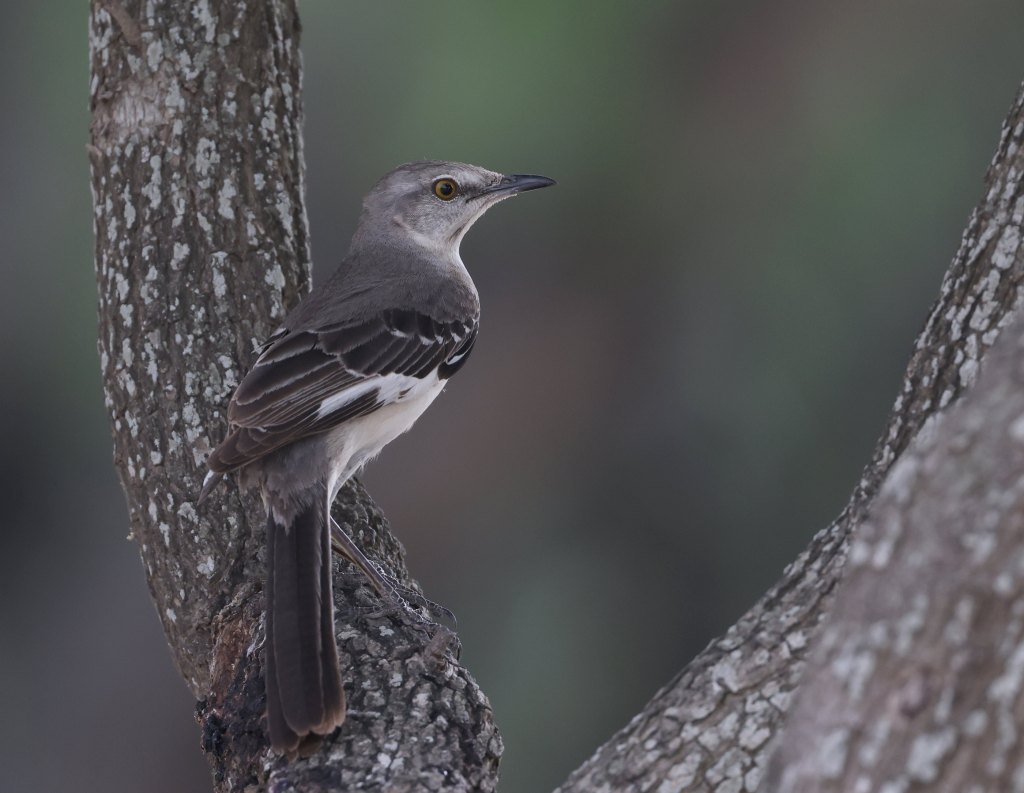
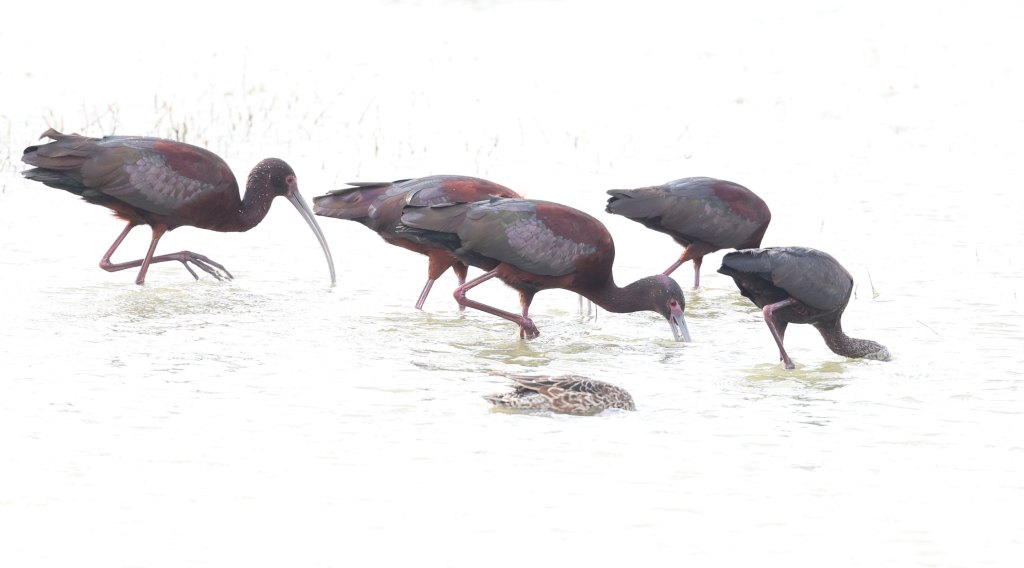
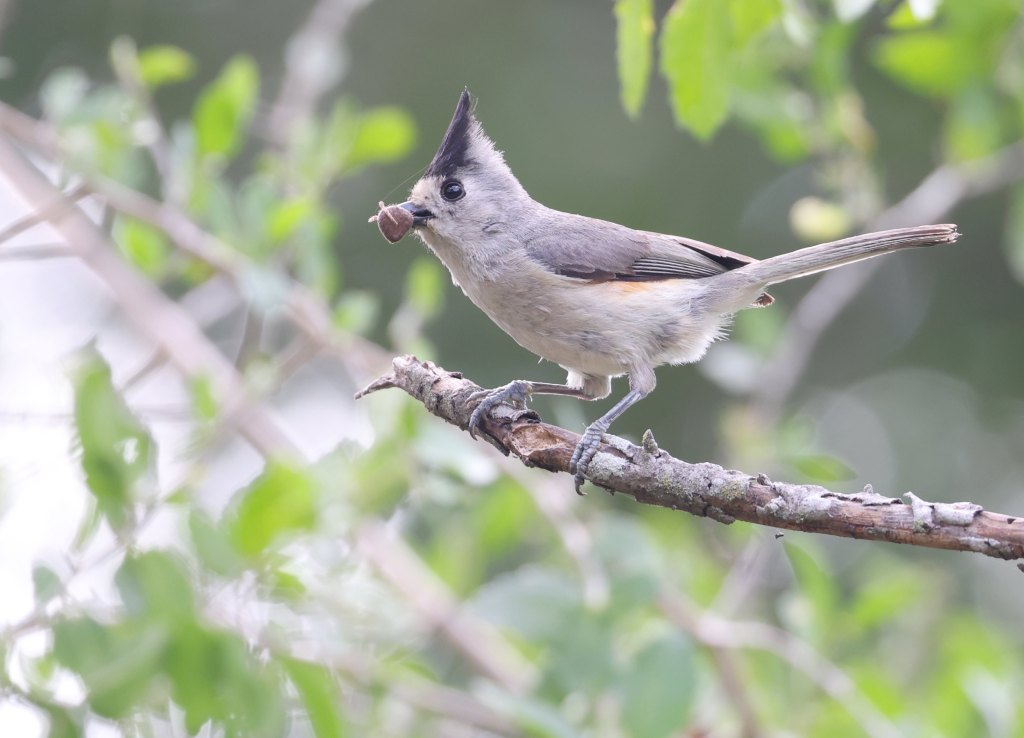
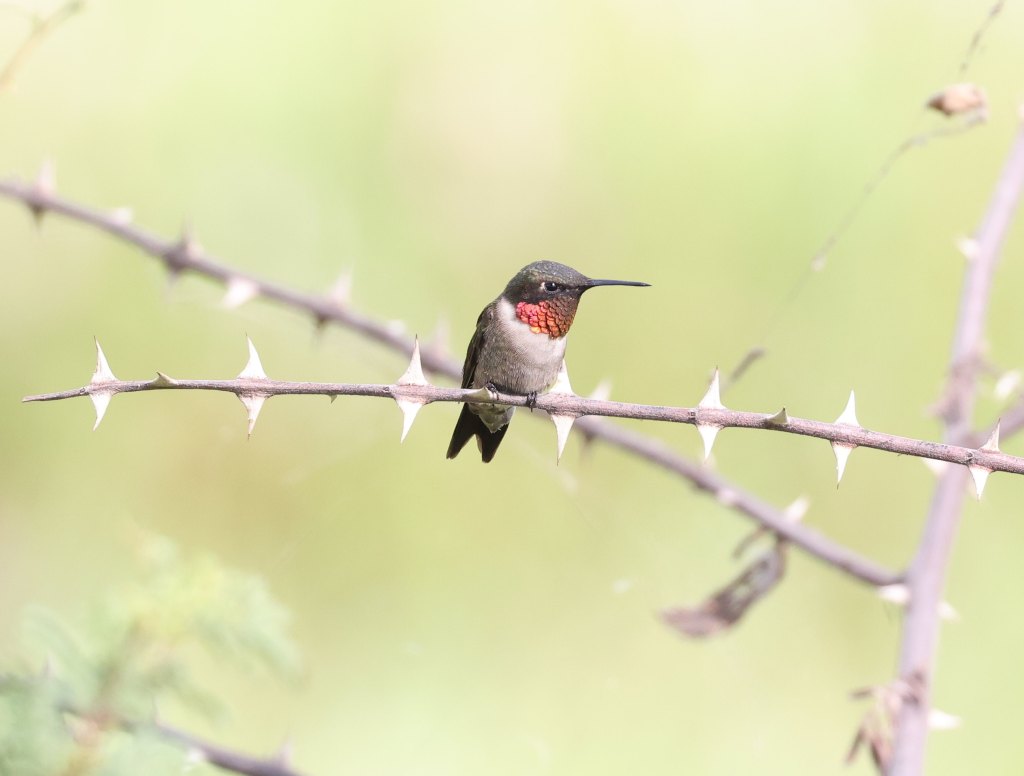
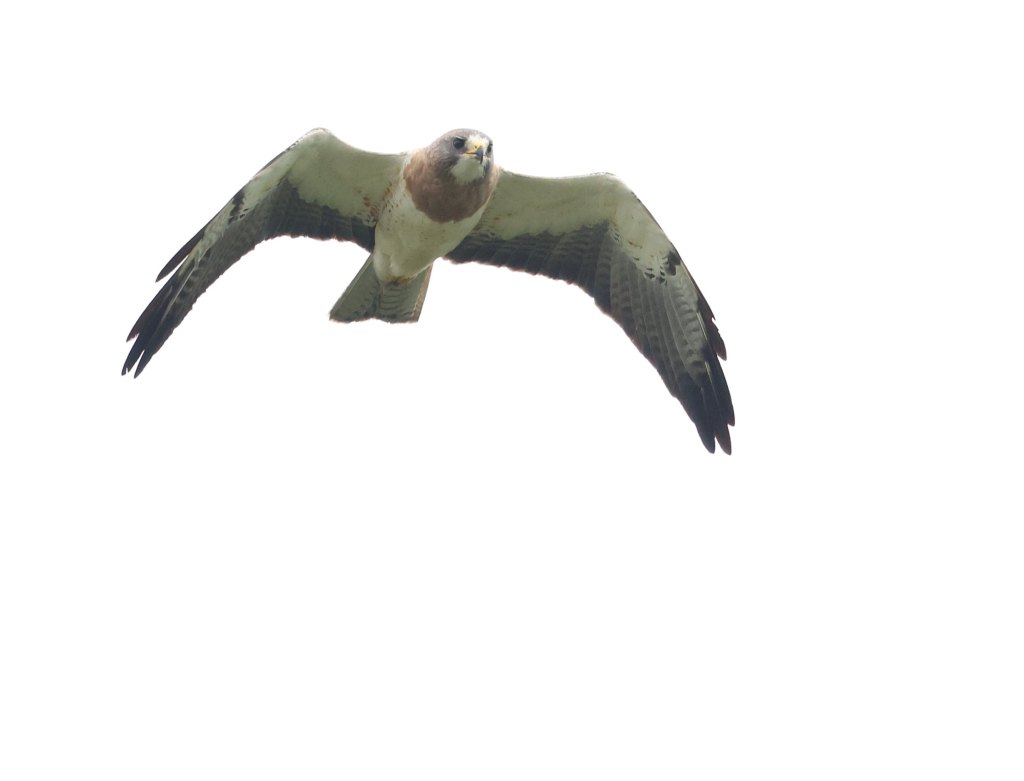
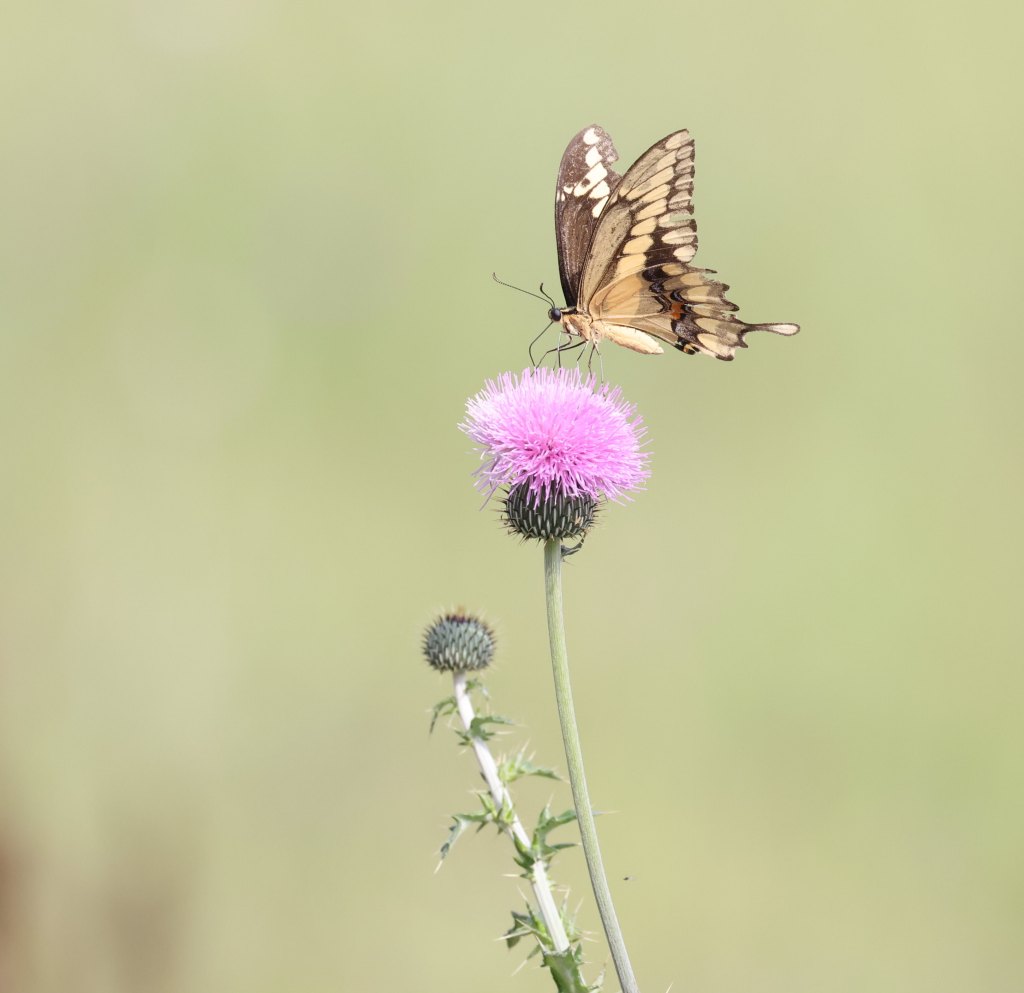
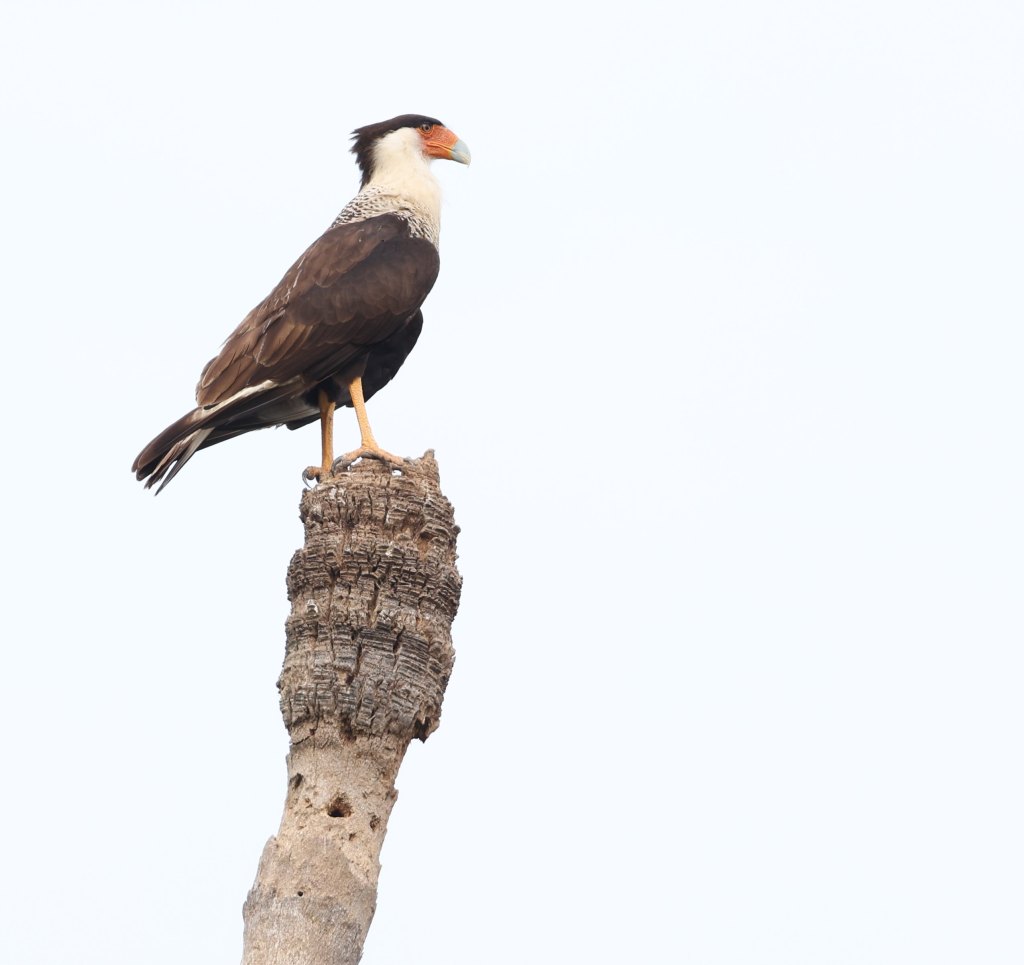
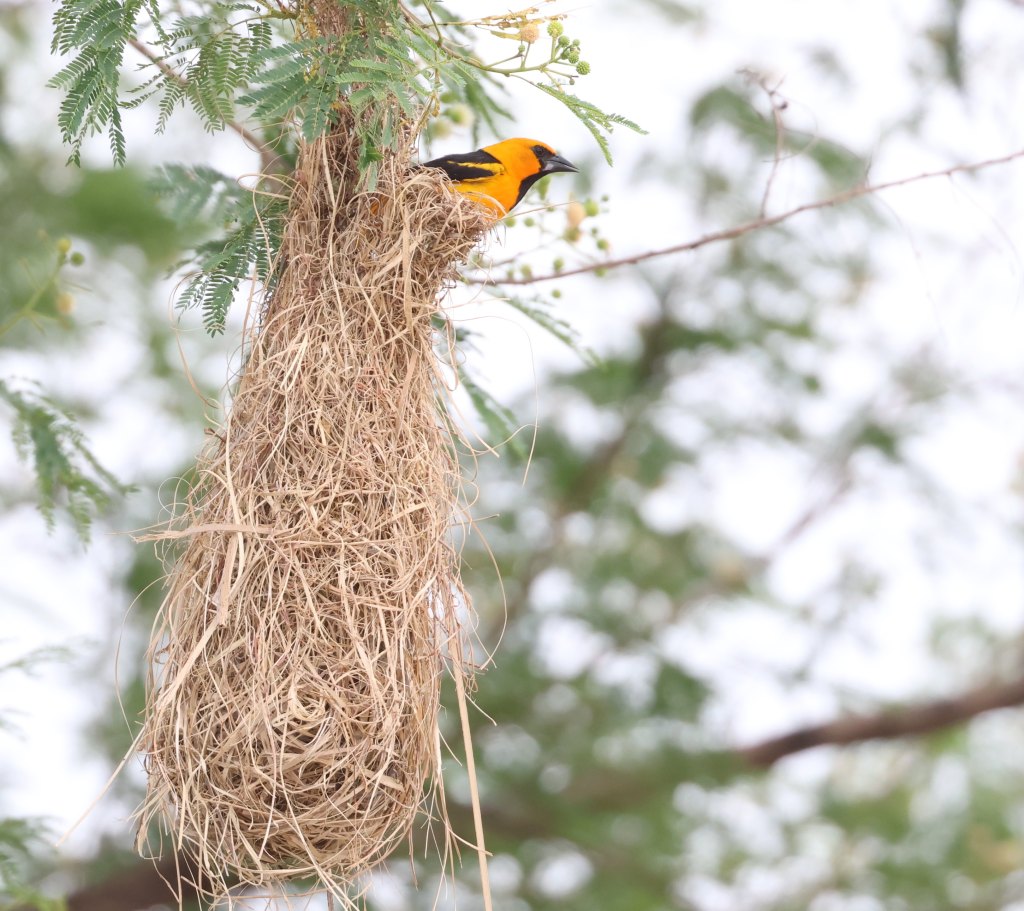
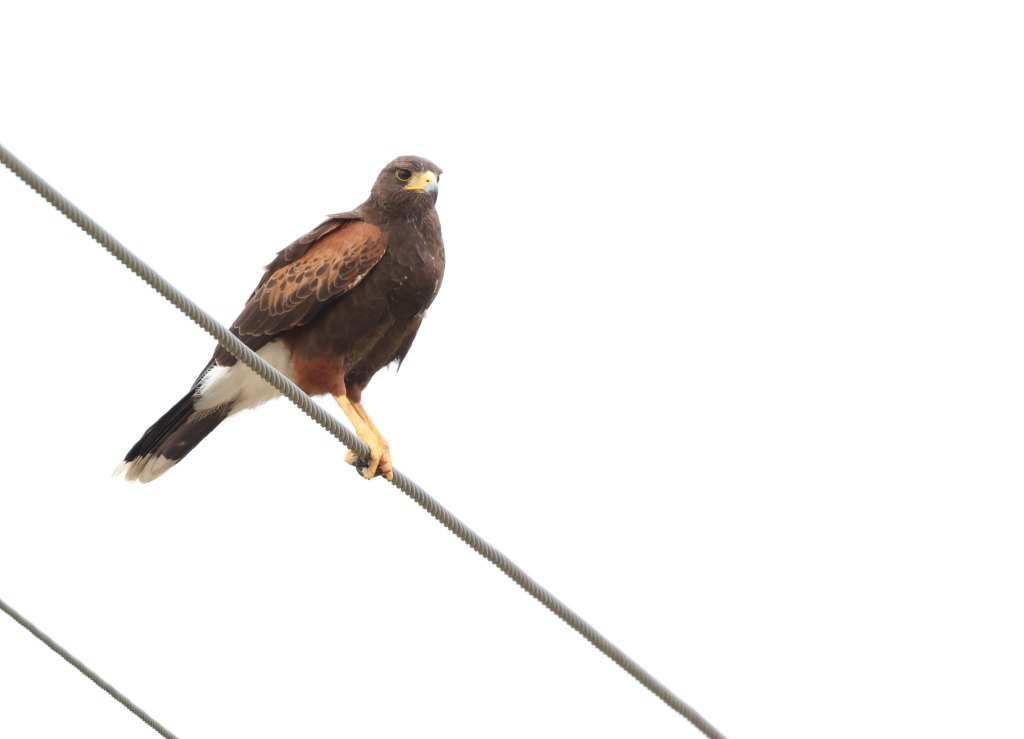
An Inca Dove resting at the Edinburgh Scenic WetlandsCurve-Billed Thrasher at Edinburgh Scenic Wetlands; a Long-Billed Thrasher was nearby tooThe vocal Northern Mockingbird is really, really common and provided an almost day-long song soundtrack in many placesWhite-Faced Ibis intently foraging in a group at Santa Ana NWRThe adorable Black-Crested Titmouse popped up a few times at Santa Ana NWRA lovely little Ruby-Throated Hummingbird resting in one of the grassland sections of Santa Ana NWRThe quite common Swainson’s Hawk showed up at the National Butterfly Centre, swooping low overhead like a flying raptory menaceA fearless Green Jay comes to a feeder at the National Butterfly Centre. South Texas is the only place you can see this bird in the US.More squirrely action at the National Butterfly CentreWhen at the National Butterfly Centre, one does feel compelled to photograph butterflies and mothsA Crested Caracara surveying the area at the end of the day at Estero Llana Grande SPOne of the stranger sites we birded was the Old Hidalgo Pumphouse area, where Monk Parakeets and House Sparrows have made enormous nests in this communication tower. Ahhh, the weird things that happen on the Mexican Border, I tells ya…Speaking of nests, the Altamira Oriole builds a pretty elaborate one, too! (Not visible in this photo: my extreme love of Orioles…)A Golden-Fronted Woodpecker at the Old Hidalgo Pumphouse site. That tongue though…Did we see a fair allotment of roadside raptors on our south Texas trip? I dunno, I always want more… this Harris Hawk was sat quietly on a power line on the side of a busy road, so that was cool.
South Padre Island
Along the south coast of Texas lie several so-called “barrier islands”, which serve as stopping points for migrating birds who have just crossed the Gulf of Mexico. When winds are (un)favourable this can lead to a “fallout” event when many exhausted birds drop from the sky (and bird photographers get very excited); even on non-fallout days though, there will still be unpredictable warblers and other migrating birds about. South Padre Island is the southernmost island in the chain and we had just a single day here, but it was awesome.
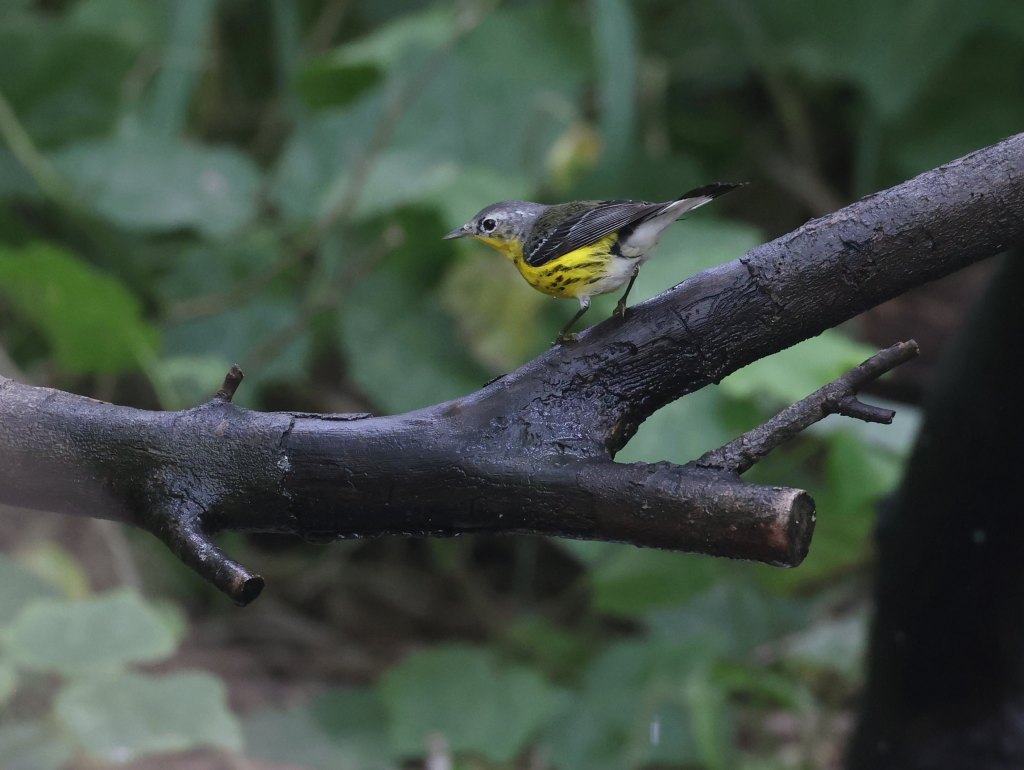
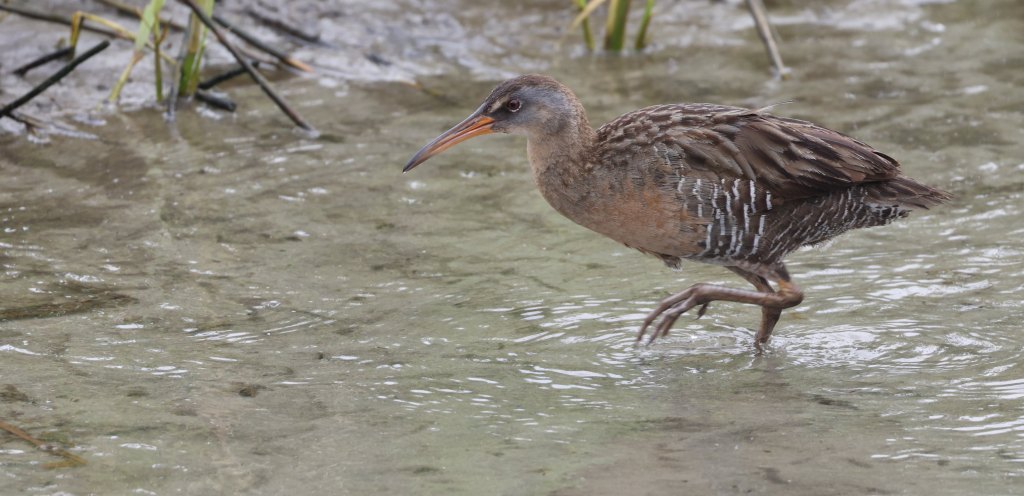
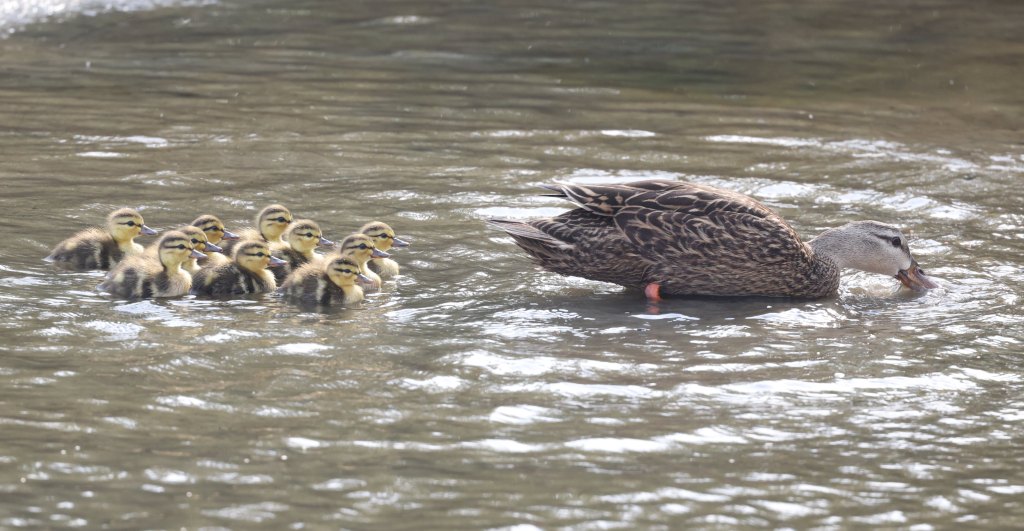
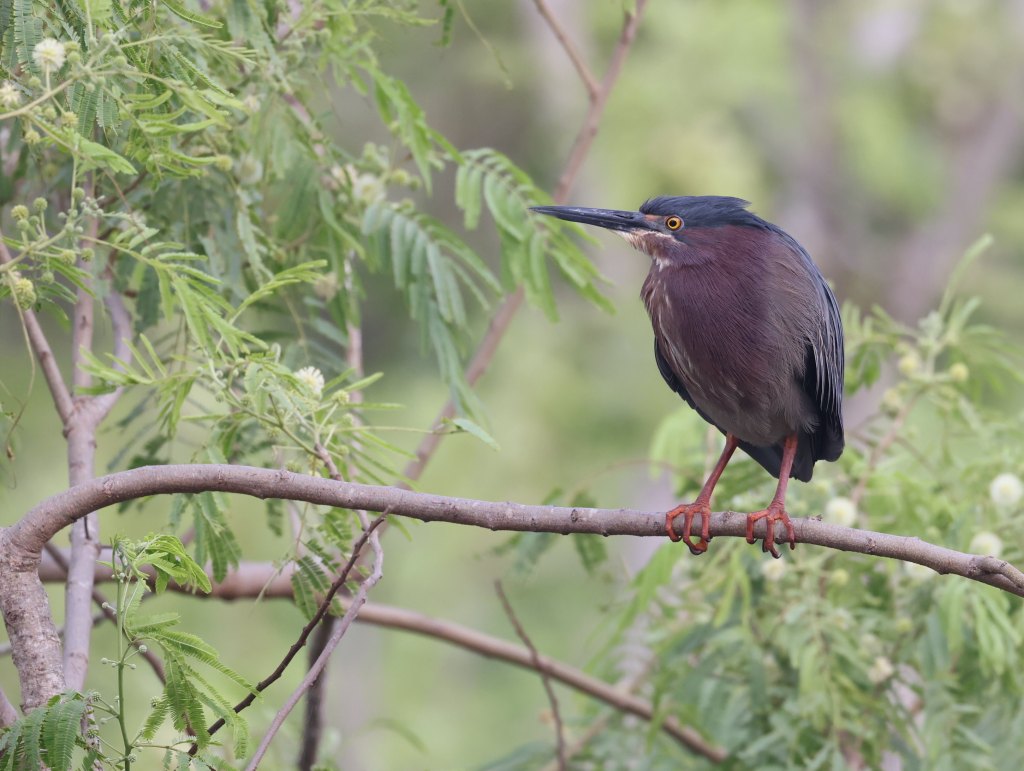
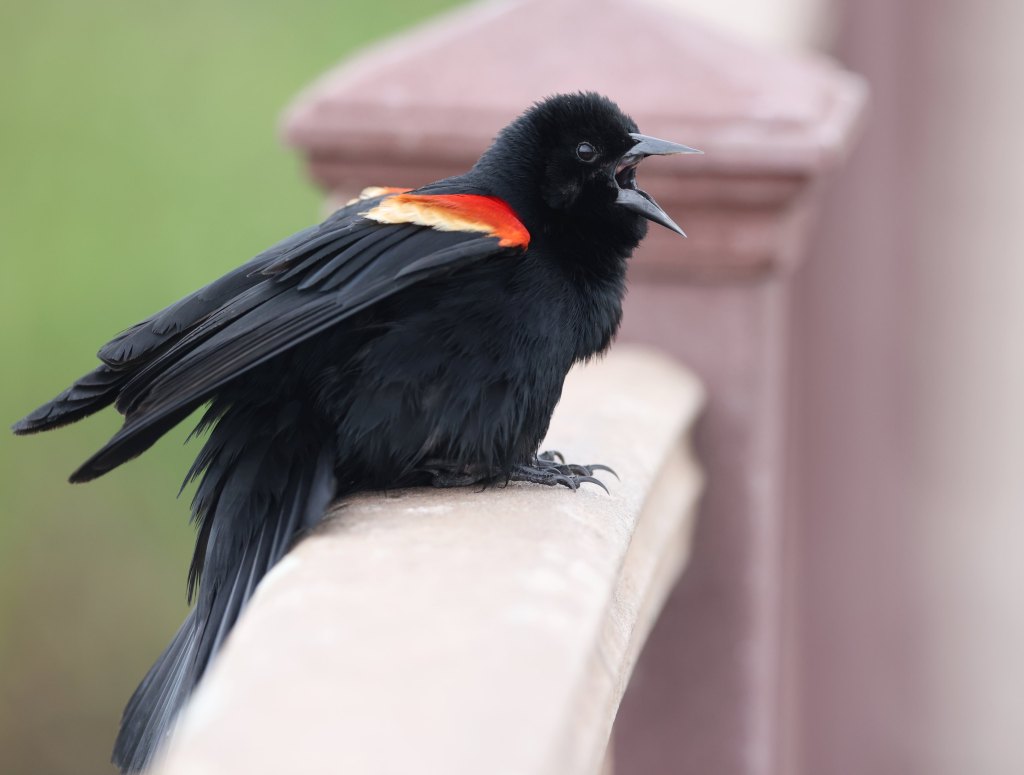
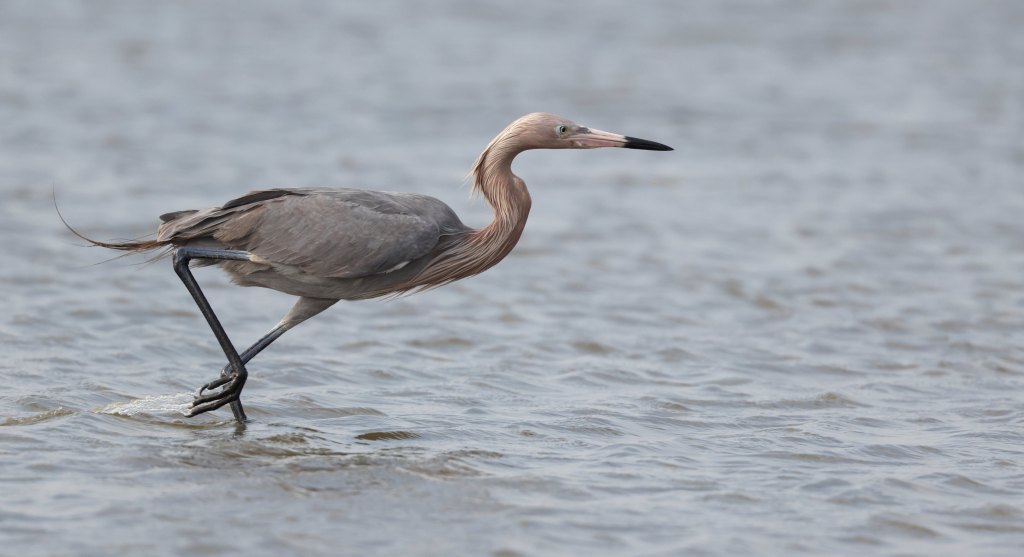
Blue-Headed Vireo is typical of species whose numbers swell here in the spring and fall migration monthsMagnolia Warbler at a tiny site called W Carolyn Dr. Wooded Lots, literally just two blocks of bushland on the otherwise almost tree-barren South Padre Island. There were many birders here hoping to see special warblers and migrating Orioles and this was one.Reddish Egret and Red-Breasted Merganser hunting together at the Birding and Nature Center. Fun fact: Reddish Egrets also have a white morph, where the bird’s feathers are all-white!The Black Skimmer, whose top bill is shorter than the lower bill so that it can “skim” for food across the surface of the water, at the Birding and Nature CenterBlack-Bellied Whistling Ducks demonstrating position #34 in the Kama Sutra For DucksThis bird is called a Clapper Rail and is apparently sometimes quite elusive; certainly not so at the Birding and Nature CenterHeart-melting Mallard family at the Birding and Nature CenterA Green Heron posing for the eager bird photographers. Perhaps unwittingly.I took many, many photos of the ubiquitous Red-Winged Blackbird while in the USA, but this is probably my favourite. The bird is clearly at ease and fluffed up and restful, yet calling loudly like it has an attitude problem. Classic.
Bolivar Flats Shorebird Sanctuary
We had plans of parking on the beach on the northern side of this large bird sanctuary, and we even bought the $10 parking permit from one of the local shops… but we ended up only birding the southern, “17th St Jetty” edge (which is free to park). This turned out really super, as there is a long seawall extending from the jetty that gives you a terrific close view at the water birds here. Including diving Brown Pelicans!
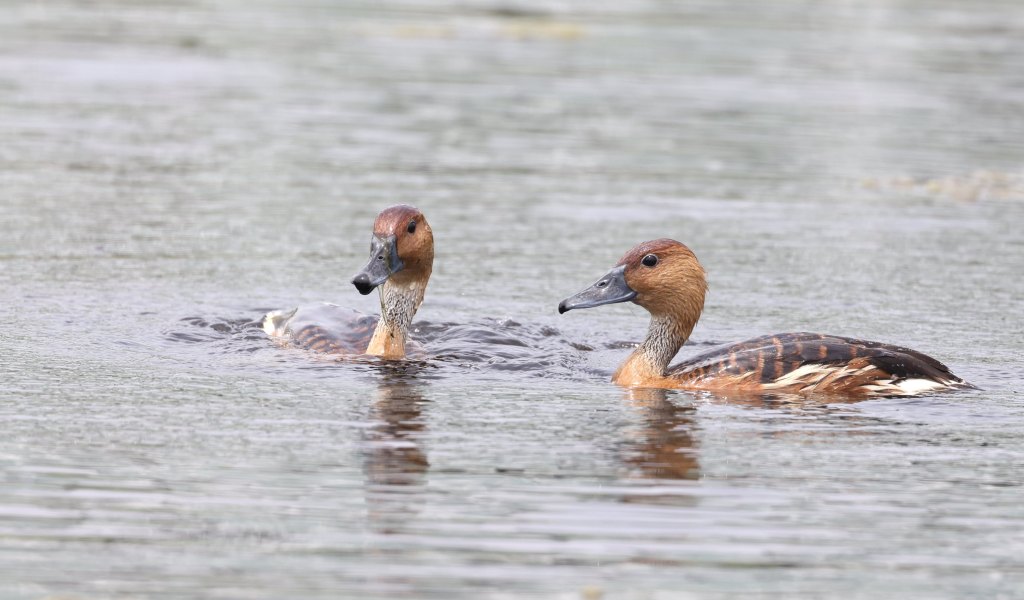
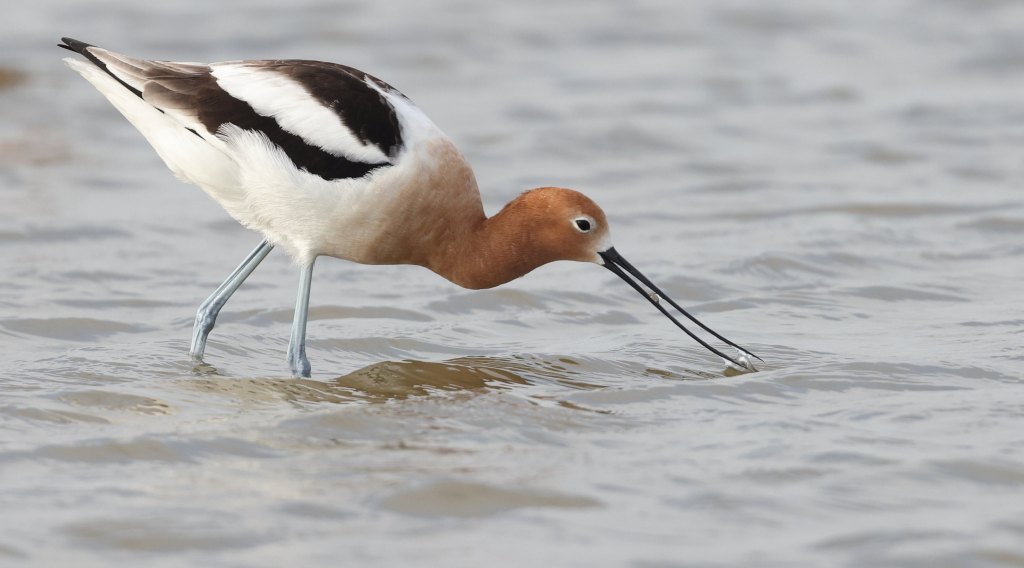
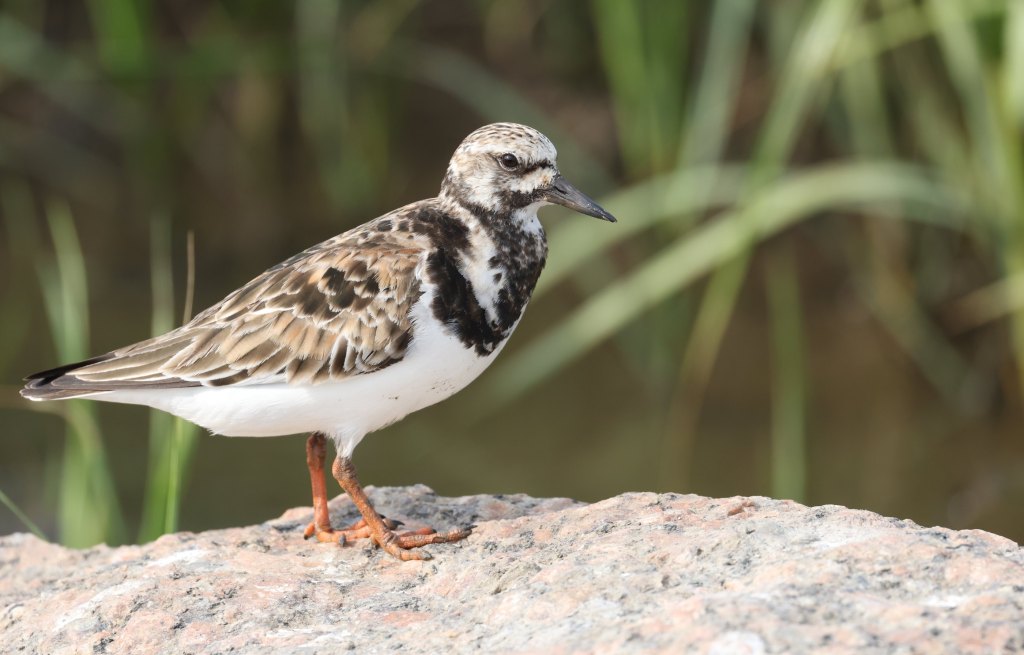
Fulvous Whistling-Ducks at the little “LaFitte’s Cove” birding spot on Galveston Island. This was on our way up to Port Bolivar, which is reached by a free car ferry from Galveston Island. Thanks to Wikipedia, I know that “fulvous” means “a colour, sometimes described as dull orange, brownish-yellow or tawny; it can also be likened to a variation of buff, beige or butterscotch”.The elegant American Avocet was one of many at the Bolivar Flats Sanctuary, 17th St Jetty sideI could watch Reddish Egrets all day – their hunting method sometimes involves them doing a crazy “dance” to stir up and confuse fish in the water around their feet, and it’s super fun to observeA rather handsome Ruddy TurnstoneI had read about how Brown Pelicans would dive-bomb from height into the water to catch fish, which seemed unlikely/freaky/amazing. At Bolivar Flats we were lucky enough to witness a pair repeatedly hitting the water, it was as weirdly incredible as I suspected.
High Island and Sabine Woods
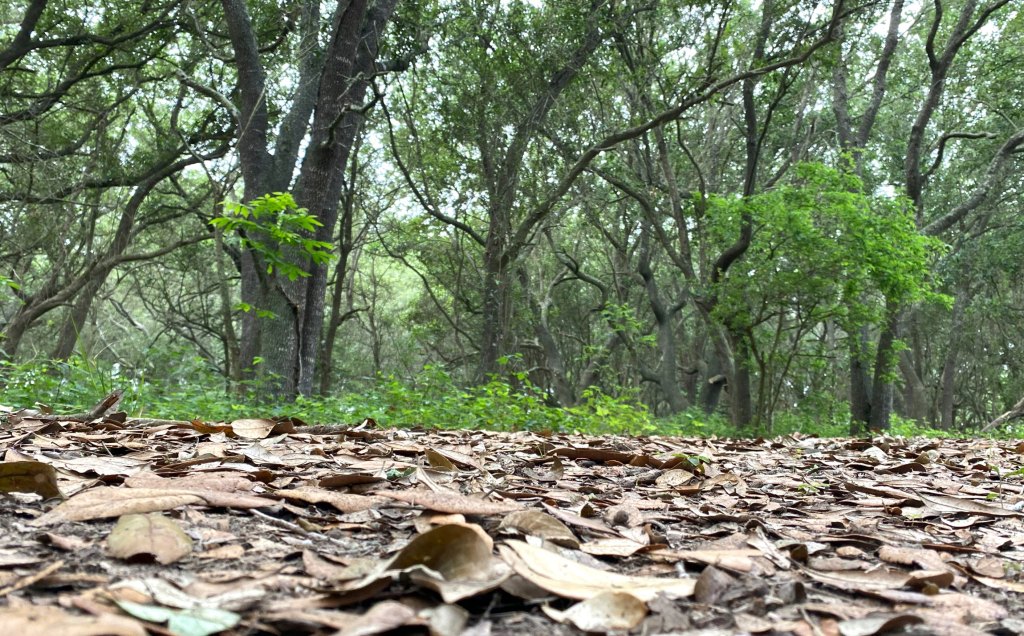
These two sites are just south-east of Houston and are spoken of in tones of hushed awe by birders at migration time. Both have potential to serve up all sorts of migratory bird goodness, but High Island also has a large rookery where several types of water birds make their home. We visited both sites and there were lots of birds, lots of birders, and lots of mosquitoes at both places.
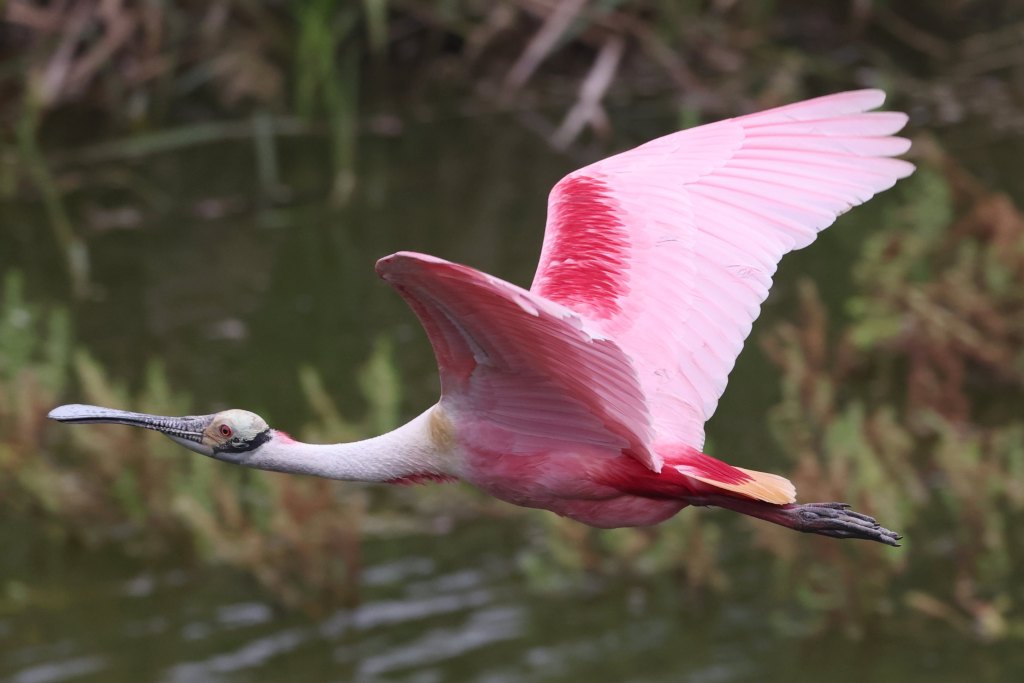
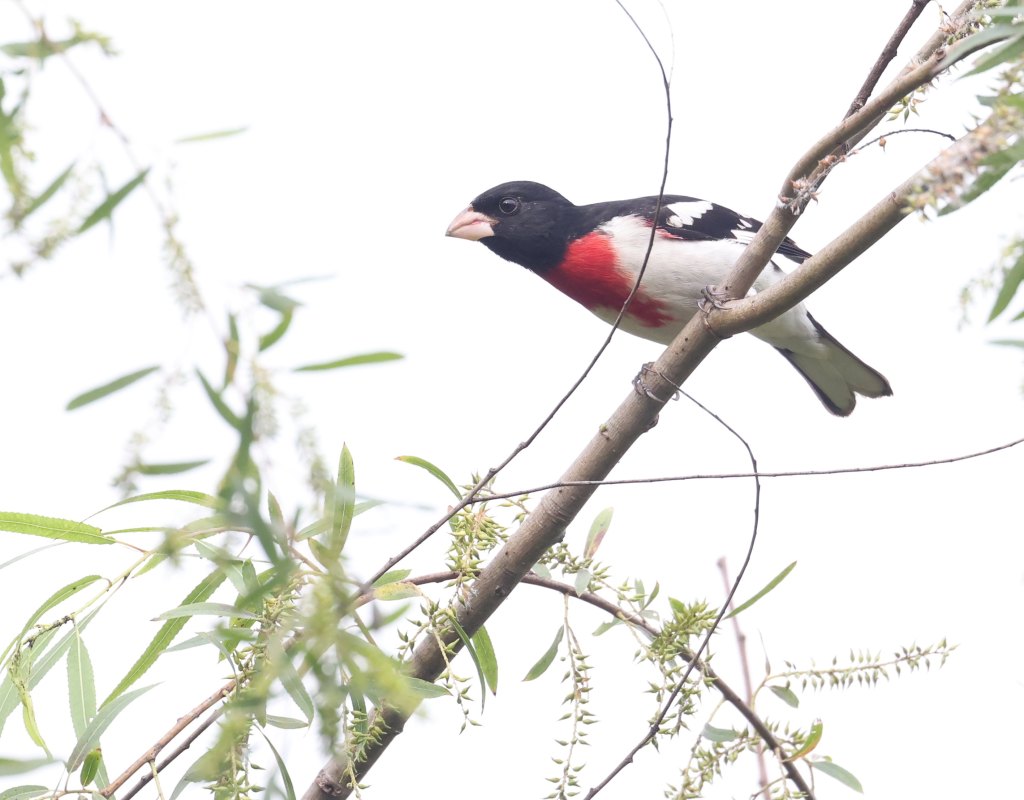
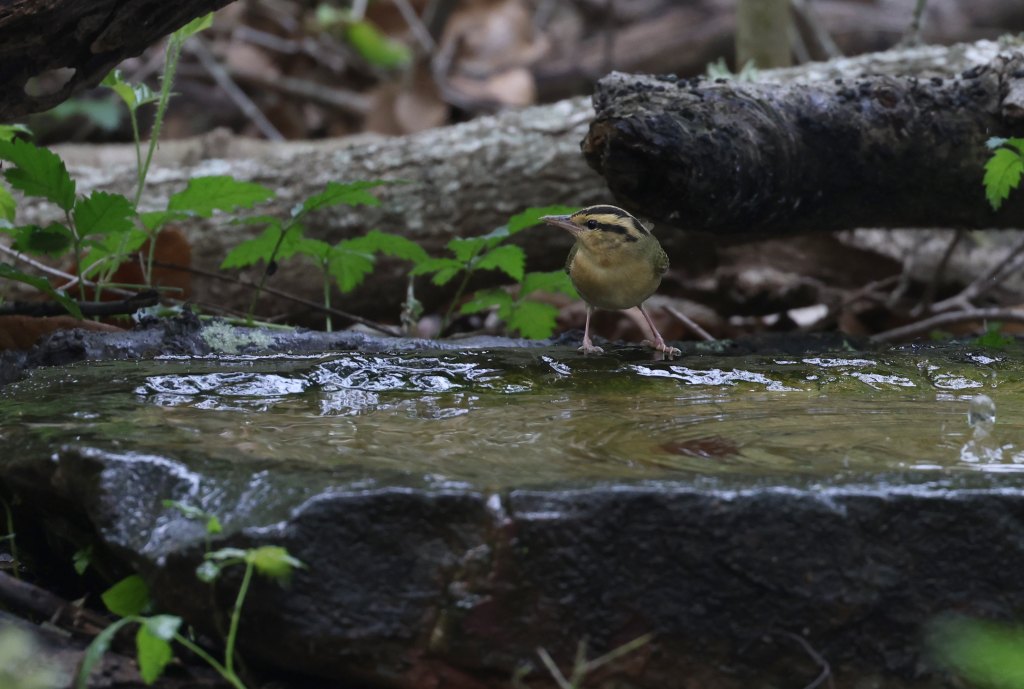
Roseate Spoonbill at the High Island water bird rookery area“Coming in to land!” – a Purple Gallinule action shotNot to be outdone by the bigger hunting birds, this wee Carolina Wren has found a grub of its own to eatSabine Woods. Ridiculous clouds of mosquitoes not shown.A Rose-Breasted Grosbeak checkin’ out what’s goin’ downSabine Woods has a couple of freshwater “drips” which attract birds looking for a drink or to bathe, such as this Worm-Eating Warbler
Anahuac NWR
To be honest, we had a better time at nearby Anahuac NWR than at High Island or Sabine Woods, despite their illustrious reputations. Apart from the drips, both the latter locations provide generally pretty tough birding in dense forest where you are often craning your neck up whilst slapping away hordes of mosquitoes. Less so at Anahuac NWR, especially along the Butterfly-Willow Trail, which is a bit more open and photography-friendly whilst still providing high quality birding (Cape May Warblers, for example).
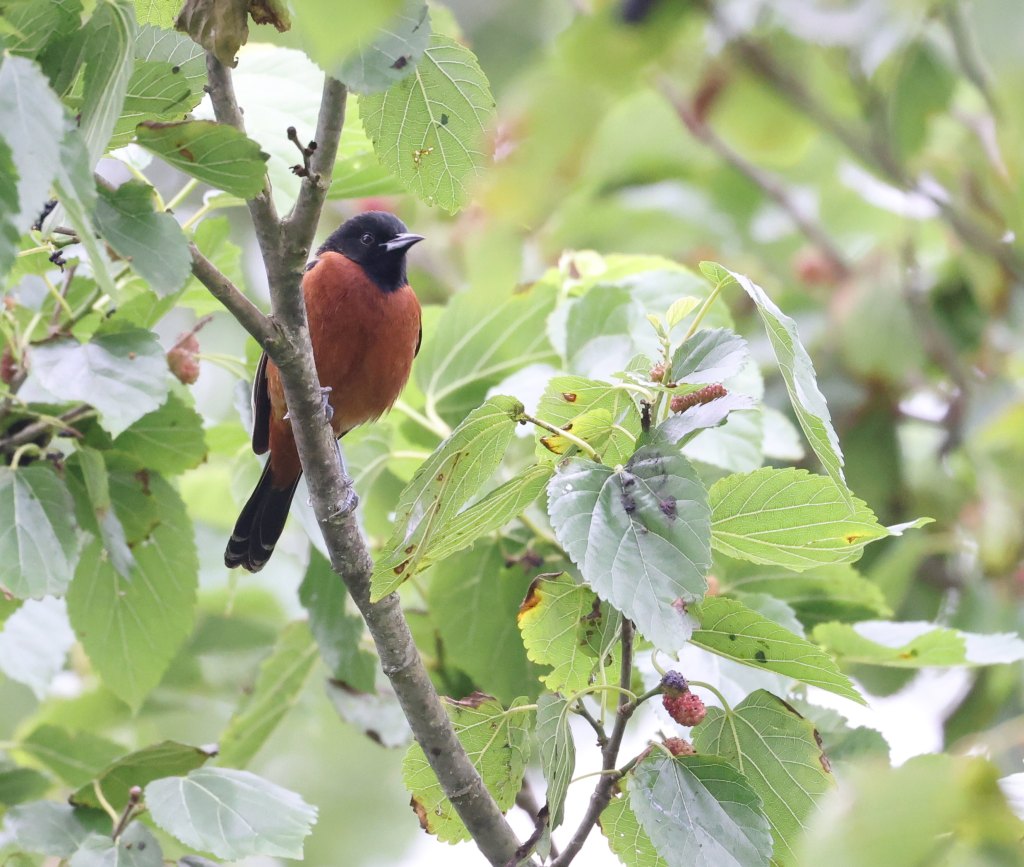
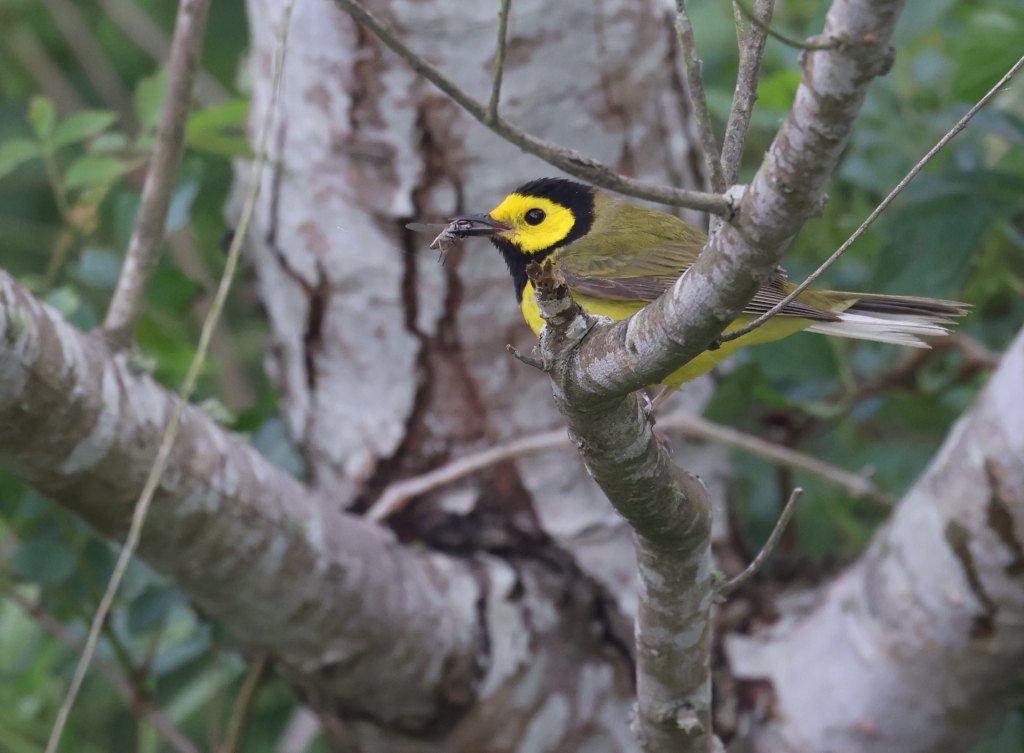
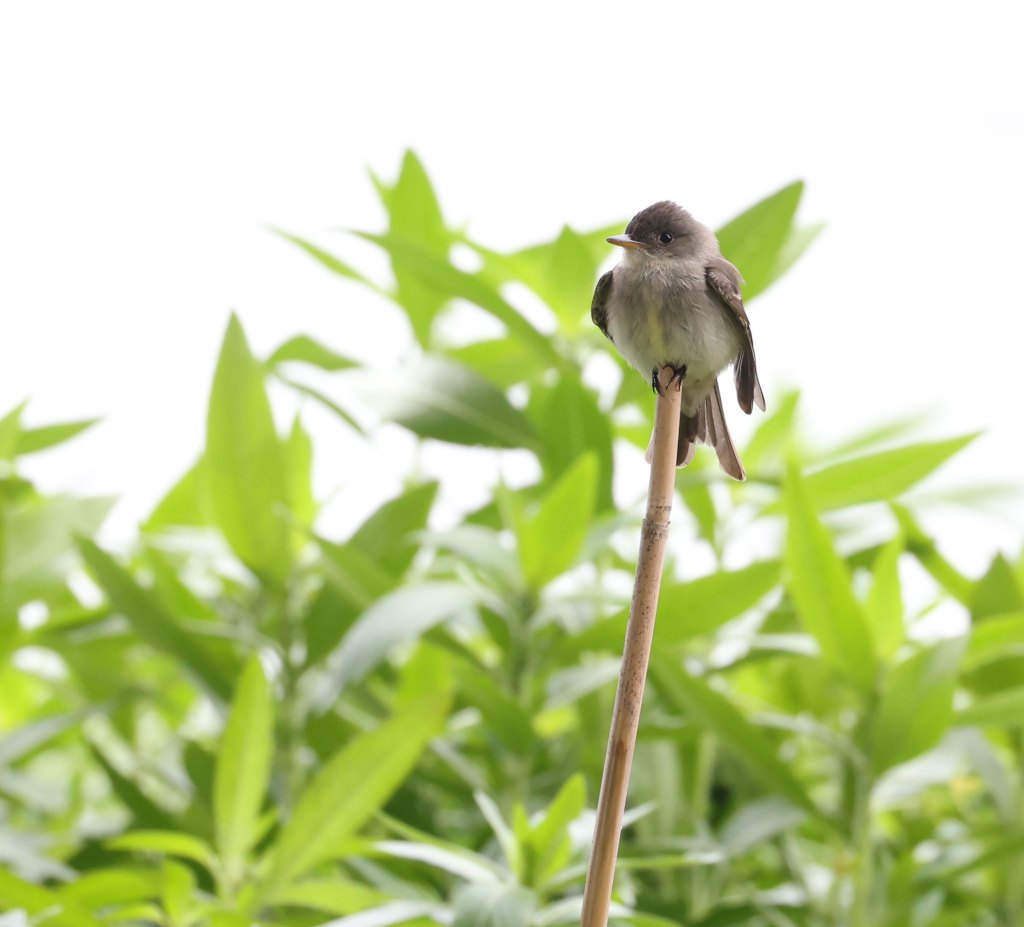
An Eastern Kingbird chilling out on a branch; as this area of Texas is roughly halfway longitudinally across the country, you also will find Western Kingbirds too.It took a while before we found our first Orchard Oriole, but it was worth it! Its rich chestnut-brown colors really stood out in this Mulberry tree (which, because it was fruiting, was a magnet for a bunch of different birds)I couldn’t believe how many swallows were flying around the area – I bet this driver couldn’t either. We counted (conservatively) 25 Tree Swallows, 5 Purple Martins, 14 Northern Rough-winged Swallows, 20 Barn Swallows and several Cliff Swallows too.A much-desired bird to see is the male Hooded Warbler, which we found with an insect it was intent on chewing down.I can’t remember which flycatcher/pewee/phoebe this was, lol
Summary
We had a ton of highlights from our time in south Texas, and even though the ostensible reason to go there was for the smaller migrating birds, we had an equally great time with all the water birds and shorebirds we found. Mosquitoes were the main annoyance we encountered, so much so that we wore insect nets on our heads for a few of the days. Some locations didn’t seem to live up to their reputation, being strangely quiet compared to others, but as we canvassed so many places, there was always a neat experience to be had at the next great spot to balance out any disappointments.
Some stats, for those inclined to enjoy stats!
Most numerous birds: Laughing Gull, American White Ibis, Dunlin, Long-Billed Dowitcher
Total species seen: 184
Most memorable encounters: Clapper Rail, Reddish Egret, Monk Parakeet, Brown Pelicans diving
Most unexpected birds: Cerulean Warbler, Swallow-Tailed Kite
Favourite sites: Port Aransas, Santa Ana NWR, National Butterfly Centre, South Padre Island, Bolivar Flats 17th St Jetty, Anahuac NWR
Birds to go back for: Quite a few migrating warblers that we missed; Meadowlarks and Bobwhites; Nighthawks and Screech Owls.
I live in the Houston area, and have birded all the locations you featured. I agree that sometimes a popular location seems skimpy… but then if I go back at another time (different weather, or season, or temperature, etc.) it might be much better. You took some wonderful photos, thanks for sharing them with us!


























 Bird Spots
Great read, and some lovely shots, especially the action pics like the diving pelican.
LikeLike
I live in the Houston area, and have birded all the locations you featured. I agree that sometimes a popular location seems skimpy… but then if I go back at another time (different weather, or season, or temperature, etc.) it might be much better. You took some wonderful photos, thanks for sharing them with us!
LikeLike