We made a ten day trip made from July 19 to July 28, 2024, mainly visiting nature sites around Darwin and Kakadu National Park, a journey very similar to one we made back in 2021. So we knew what we were getting ourselves in for… rainless – usually cloudless – days, tropical heat, and more bird activity than you could shake a Canon camera at…
When In The Top End, You Simply Must Visit Fogg Dam
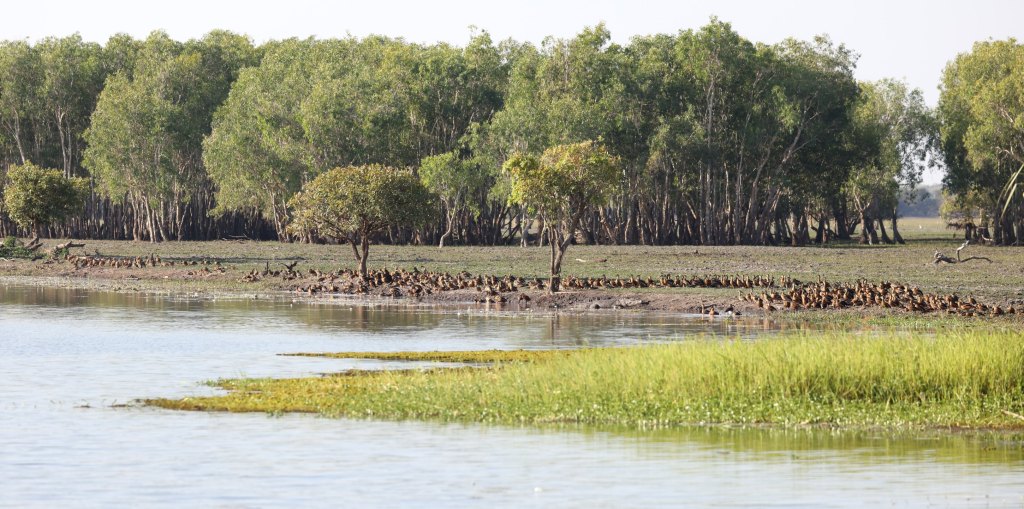
Fogg Dam Conservation Reserve, about 50 minutes drive south-east of Darwin, is the #1 hotspot for bird biodiversity according to eBird. Not only that, but it’s a really great place to wind away some time simply appreciating the many different types of birds that can be seen there, with often vast numbers of water birds interspersed with kingfishers, raptors and forest birds. It’s just a super all-round place to visit.
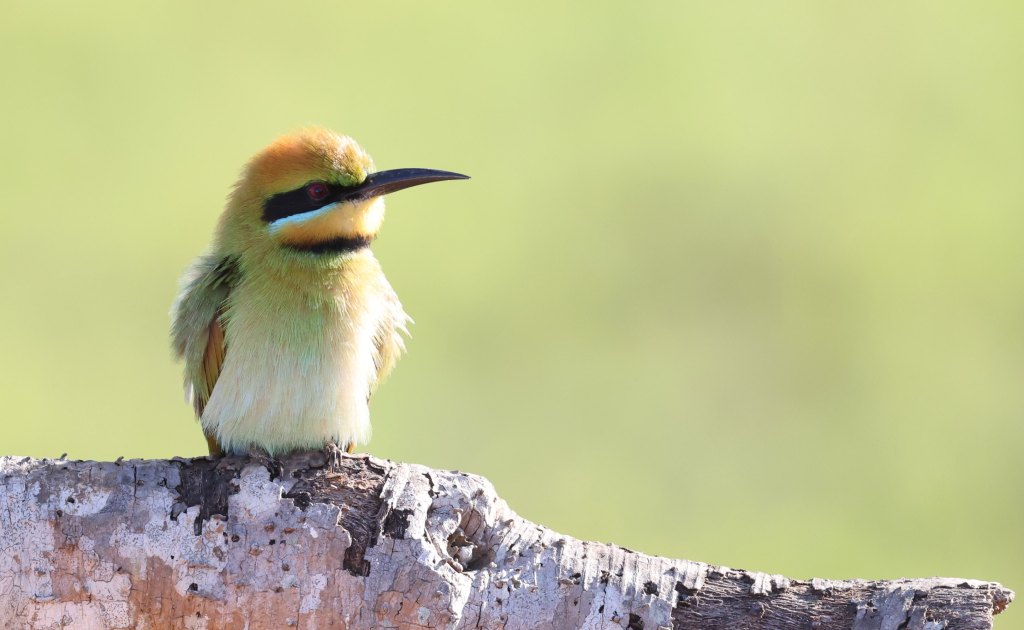
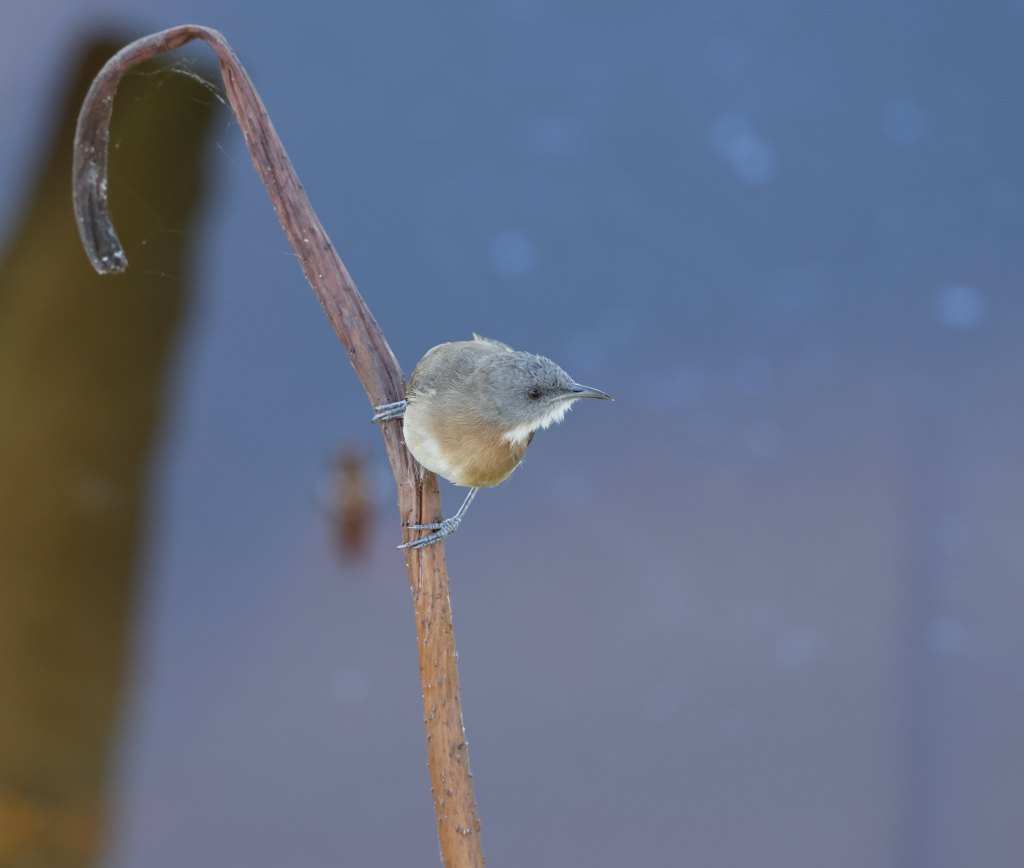
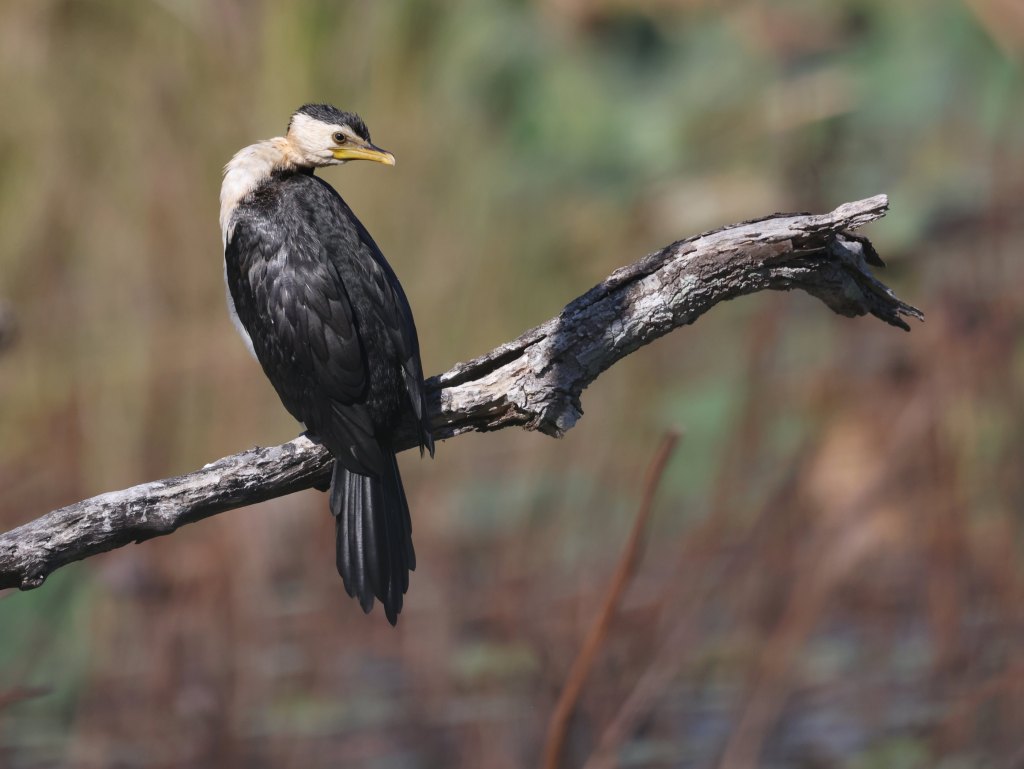
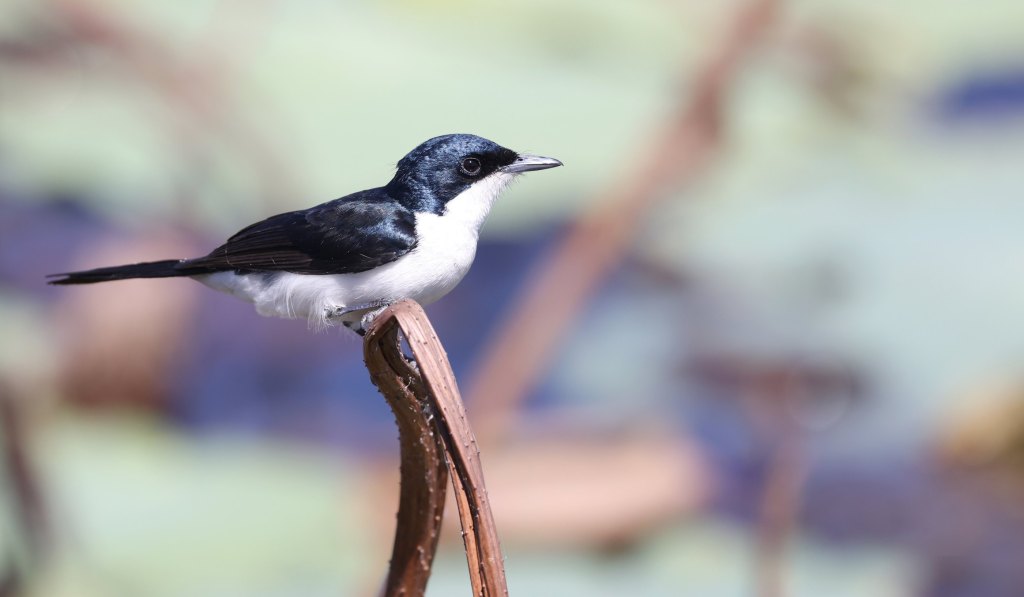
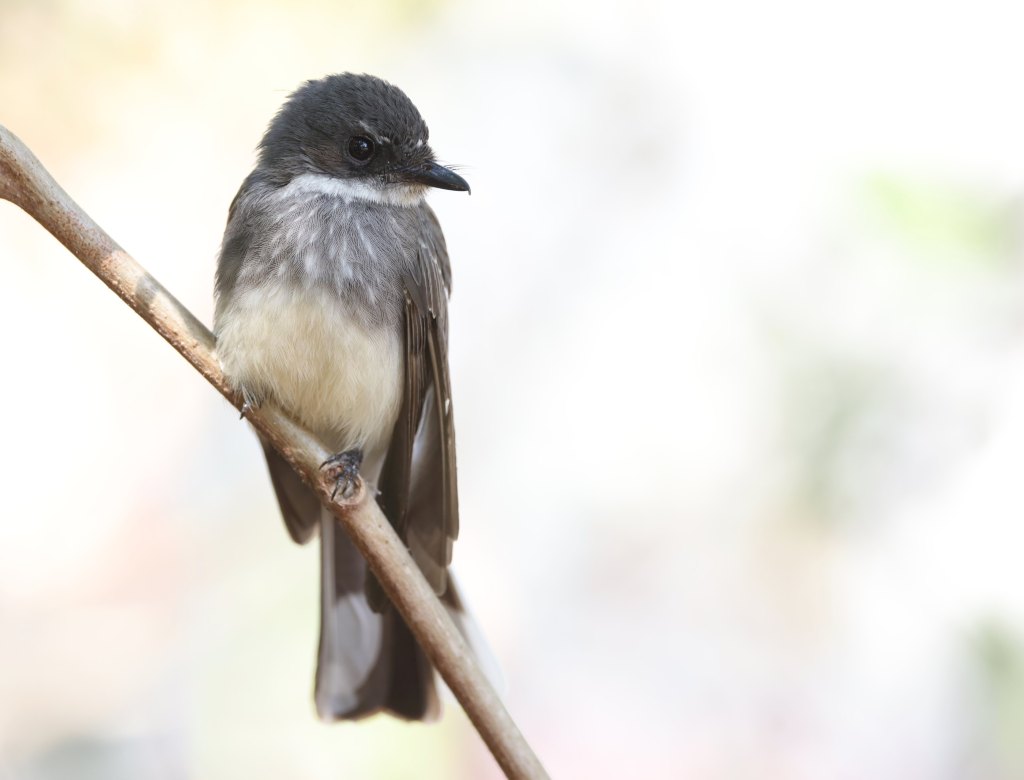
Who doesn’t love the adorable Rainbow Bee-Eater? They were a fixture of almost every nature site we visited.I’m pretty sure this Whistling Kite didn’t actually take down this wallaby, but it sure looks triumphant.These smart-looking Pied Herons were one of the species in their hundreds at Fogg Dam, along with huge numbers of egrets, Magpie Geese, and whistling ducks.The Rufous-Banded Honeyeater is the most common of the small honeyeaters in the Top EndAn elegant Little Pied Cormorant strikes a pose near the dam wall road at Fogg DamPaperbark Flycatcher about to leap off a dead lily stalk (bird stayed long enough for a photo, though!)
Jabiru: A Town, With A Lake, And Birds, And Other Stuff
We approached the hundreds-of-kilometres-long Arnhem Highway/Kakadu Highway loop in a clockwise direction, with some quality stops on the way to the town of Jabiru, like Mamukala Bilabong, which has one of the best bird hides in the NT overlooking an enormous wetland. Jabiru town also has a decent share of bird species, especially around its lake, and it made a good base for a couple of nights (re-)exploring the local region.
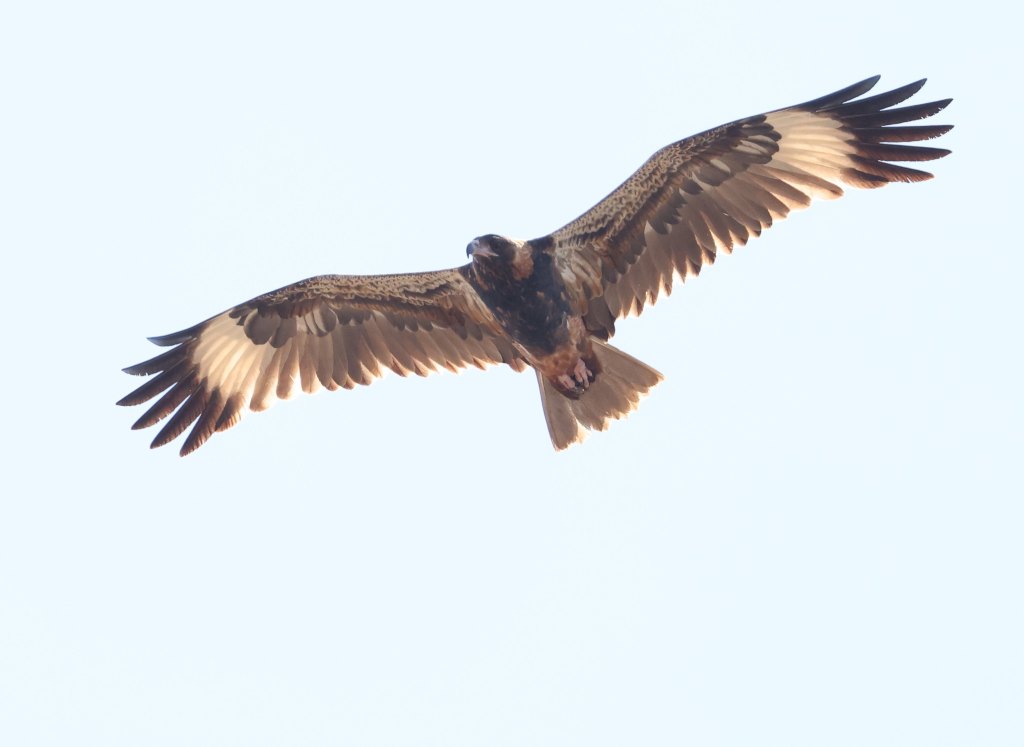
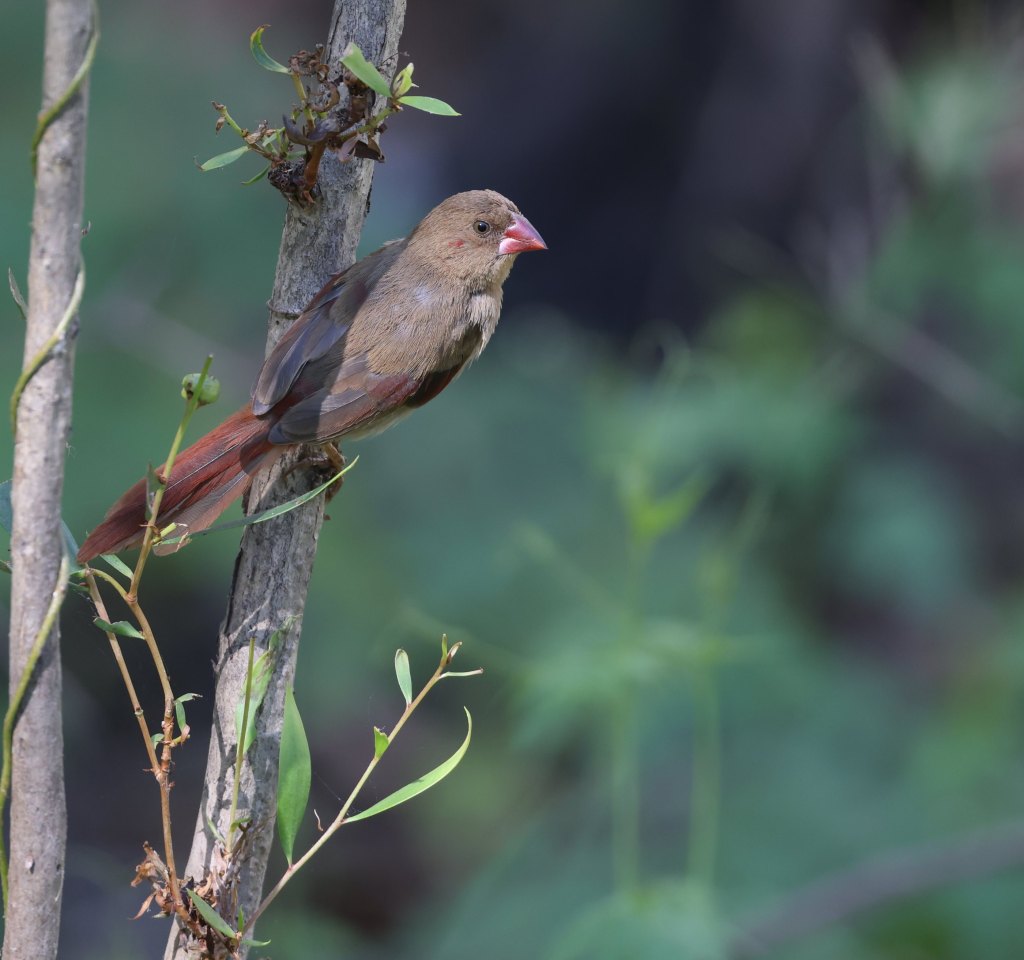
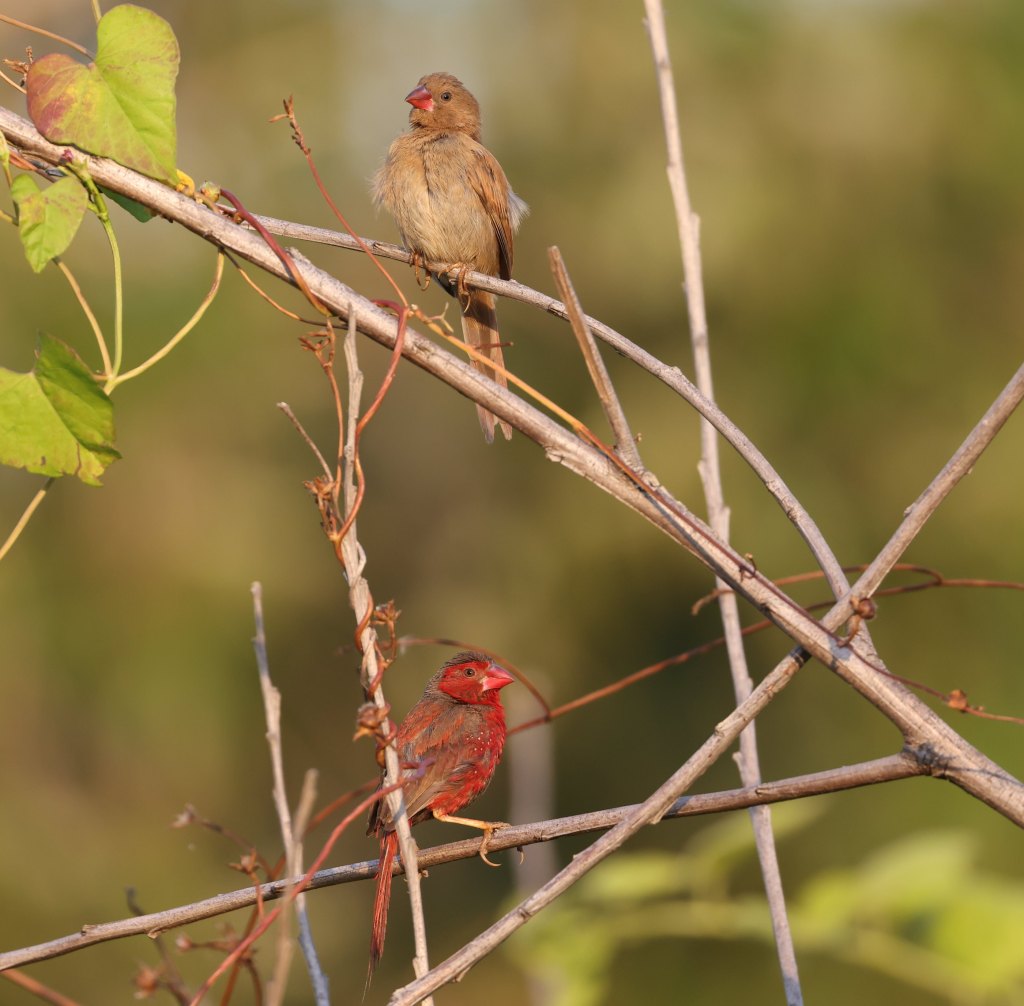
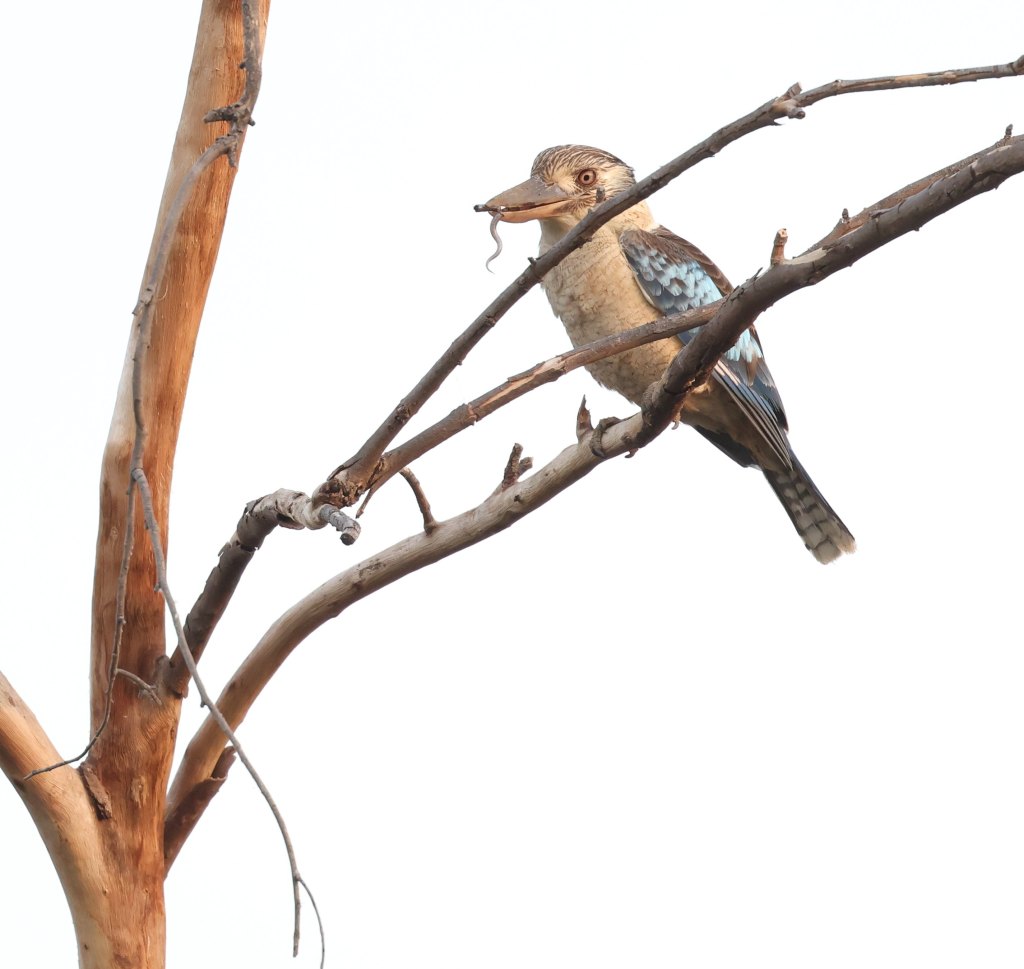
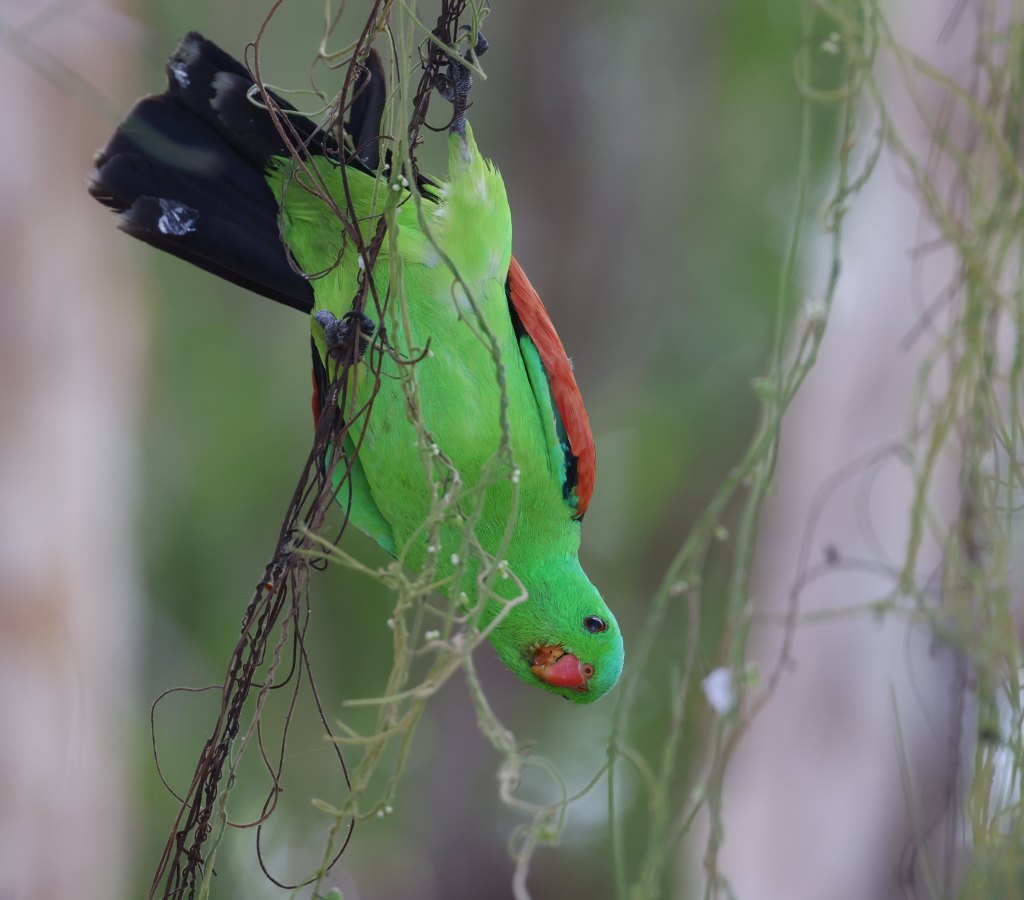
We saw a pair of Black-Breasted Buzzards circling over the highway, so we did what any self-respecting birders would do and slammed to a stop and pointed our cameras skyward. Epic!A group of sweet little Crimson Finches were hanging out with an Arafura Fantail near the bird hide at Mamukala WetlandsJust three of the many hundreds of thousands (perhaps even millions) of Magpie Geese that call Kakadu homeThis Brown Goshawk repeatedly flew down to the lily pads at Mamukala Bilabong and one time picked up this huge insect for its troublesWe stayed at the crocodile-shaped (really!) Mercure Hotel, which has a high-level wrap-around walkway where we were able to watch – at eye level – this gentle Red-Winged Parrot nibbling industriouslyOn the edge of Jabiru town is the Bowali Visitor Centre, where we found a White-Throated Honeyeater……and a Brown Honeyeater, both swooping down for a late afternoon drink from a water puddleJabiru Lake, being a large body of water, is a bird magnet, attracting plenty of species including these Crimson FinchesBlue-Winged Kookaburra with a… lizard tail? Oh well, bird’s gotta eat, I suppose.Lemon-Bellied Flyrobins are a common sight in the Top End, found in fringing bushland and even fairly out in the open in Darwin suburbs. This one is on the edge of Jabiru Lake.
A Morning Of Sandstone Wandering And Rock Art
We revisited the Ubirr rock art site and nearby short trails, noting that unfortunately the monsoon forest Manngarre Walk, where in 2021 we had found our very first Rainbow Pitta, was closed due to a buffalo incursion. Fortunately the Bardedjilidji Walk, with its giant sandstone pillars and formations, was open, though part of the loop track there was also closed off so we couldn’t make a full circuit.
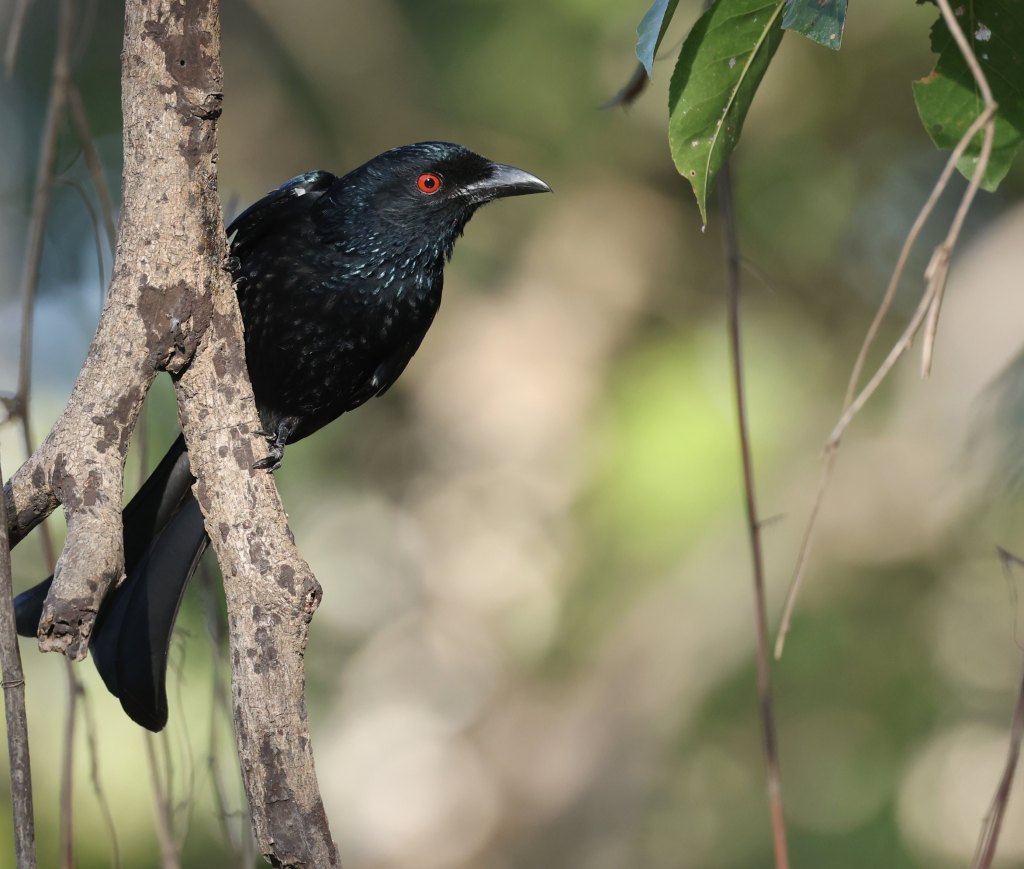
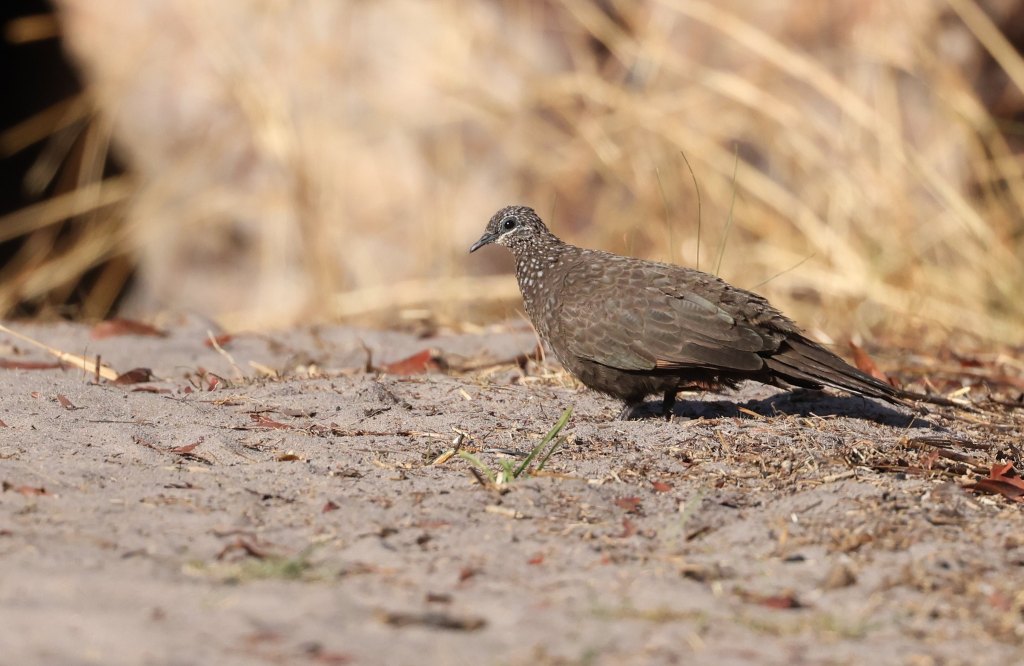
A Mistletoebird at the Bardedjilidji Walk car park. We saw plenty of Mistletoebirds this trip, in comparison to previous trips where we were lucky to see one or two, and even made jokes like “well that’s the Mistletoebird quota for the trip”.The Ubirr area must have a decent population of Spangled Drongos, because we saw a bunch!A big target for video capture (yes folks, Bird Spots has a very active YouTube channel) was the Chestnut-Quilled Rock-Pigeon, which can be hard to find. But our luck was in at the Bardedjilidji Walk with a sighting of three birds, initially foraging on the ground eventually then flying up onto the rocks, where they camouflaged incredibly well.One of the encounters of the trip was a pair of Sandstone Shrikethrush at the Ubirr rock art site, where we watched these lovely birds hop around sandstone outcroppings just a few metres off the walking track.
And The Kakadu Hits Just Keep Coming
We stopped in at Nourlangie, another site of the “jeez how enormous are these rock formations” variety. Here we found a lifer bird, White-Lined Honeyeater, though we managed only poor photos. A familiar refrain then followed when we found a sign saying the Barrk Walk was closed due to cultural reasons (nothing on the website about it, sigh). At least that meant we got to Cooinda earlier, where its alluring and vast Yellow Water wetlands awaited.
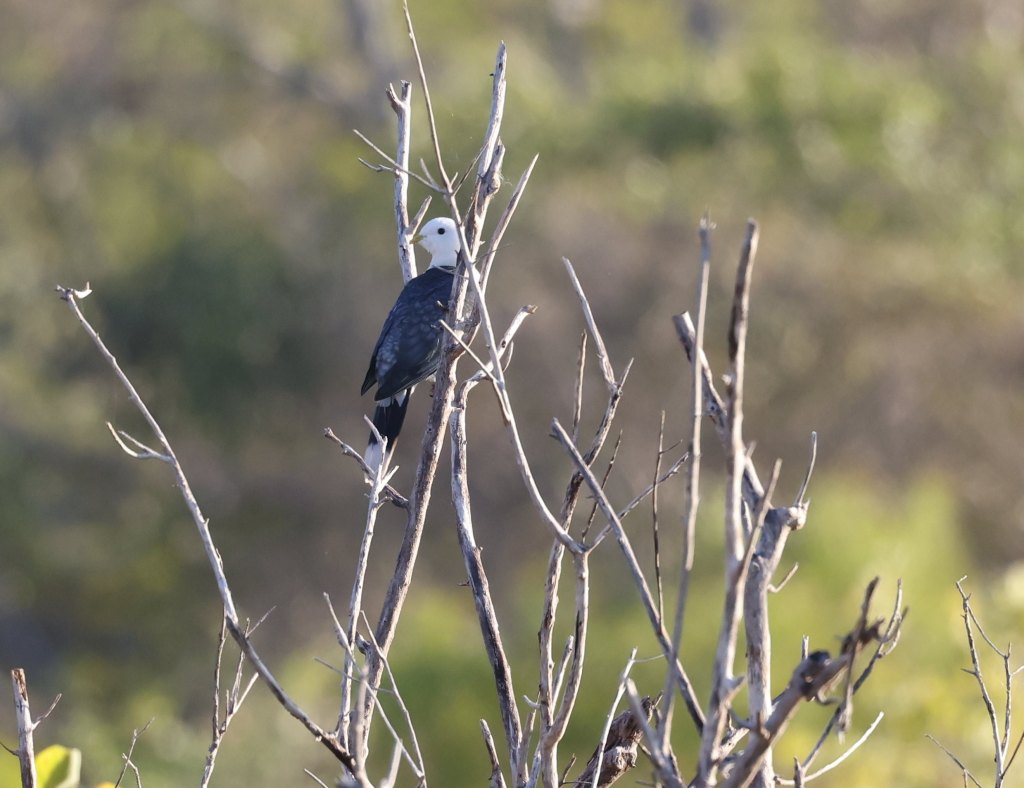
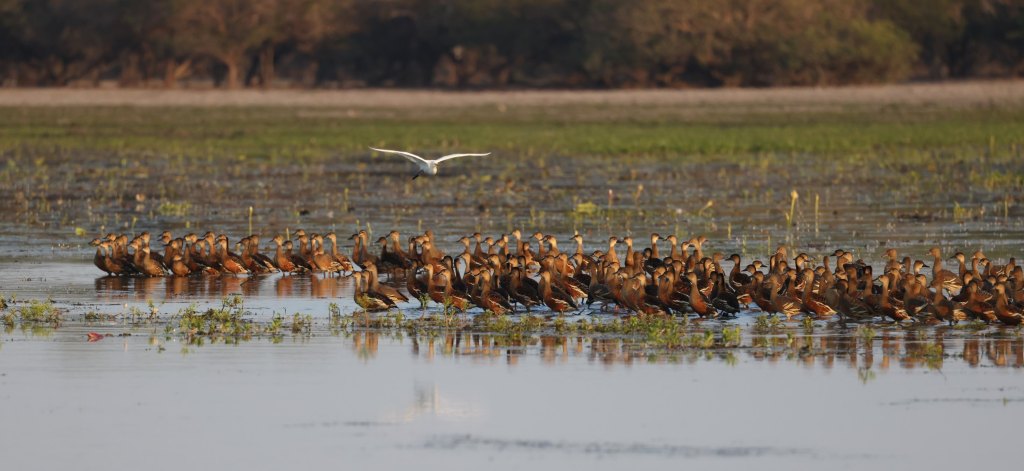
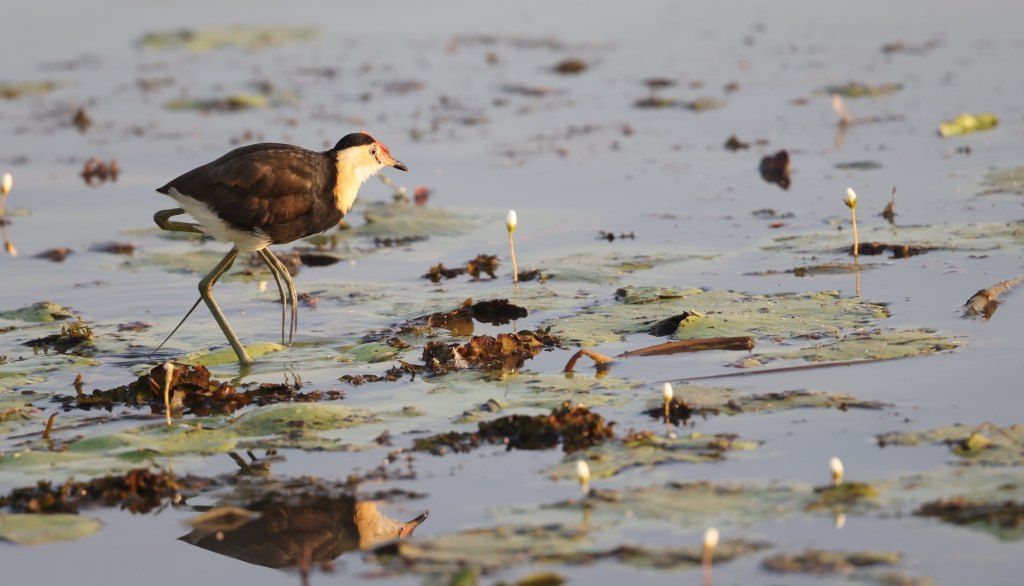
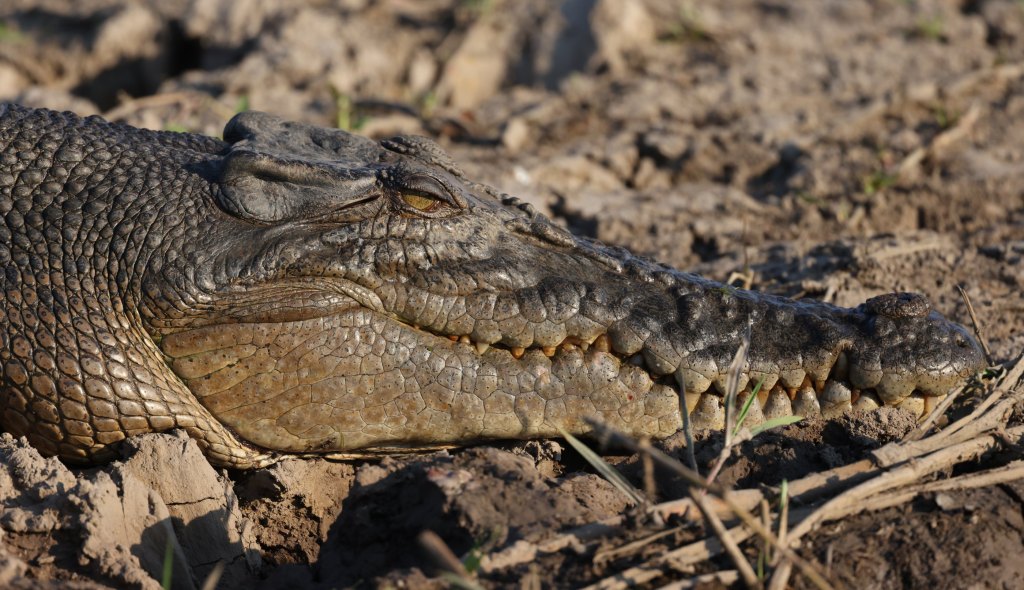
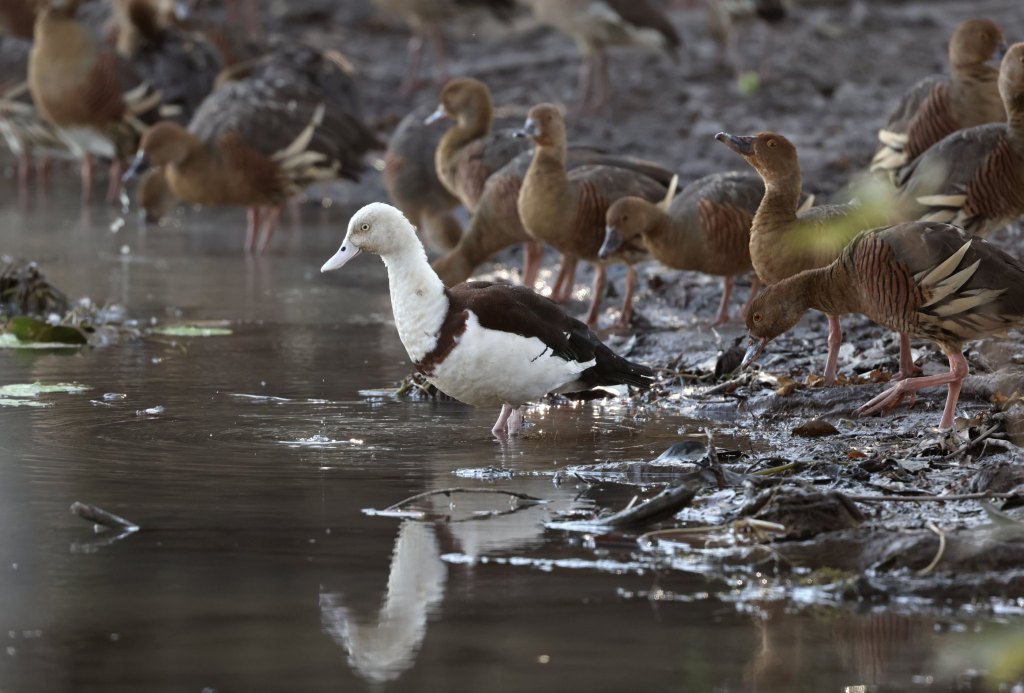
The Banded Fruit Dove can only be found in Australia in a small region in the Kakadu area, and we were lucky to find it at Nourlangie.Plumed Whistling Ducks making a play to be the most numerous bird at Yellow Water……but there was also competition for that title by the Wandering Whistling Ducks!Comb-Crested Jacana have huge feet, enabling them to walk on lily pads. Mad stuff that.An Australasian Darter at Yellow Water letting out one of its trademark cackle calls.Plenty of oohing and ahhing on the Yellow Water boat cruise whenever a big Croc came into view.A Radjah Shelduck could not be more different from its surrounding Plumed Whistling Ducks. Except, I guess, for also being a duck.Nankeen Night-Herons are a common sight along the banks of the Yellow Water bilabong system, where they patiently wait till the right moment to strike into the water (for fish, amphibians, insects, etc)
Cooinda Lodge: A Kakadu Oasis
Cooinda Lodge is indeed a welcome oasis in Kakadu NP and no bones about it, it will cost you a pretty penny to stay in one of the actual lodges, though there is a large campground there too. The air-conditioned restaurant (I counted no less than eight air-con units in there!) means welcome relief from the heat outside not to mention delicious pizza and cold beer. But where was I, back to the birds…
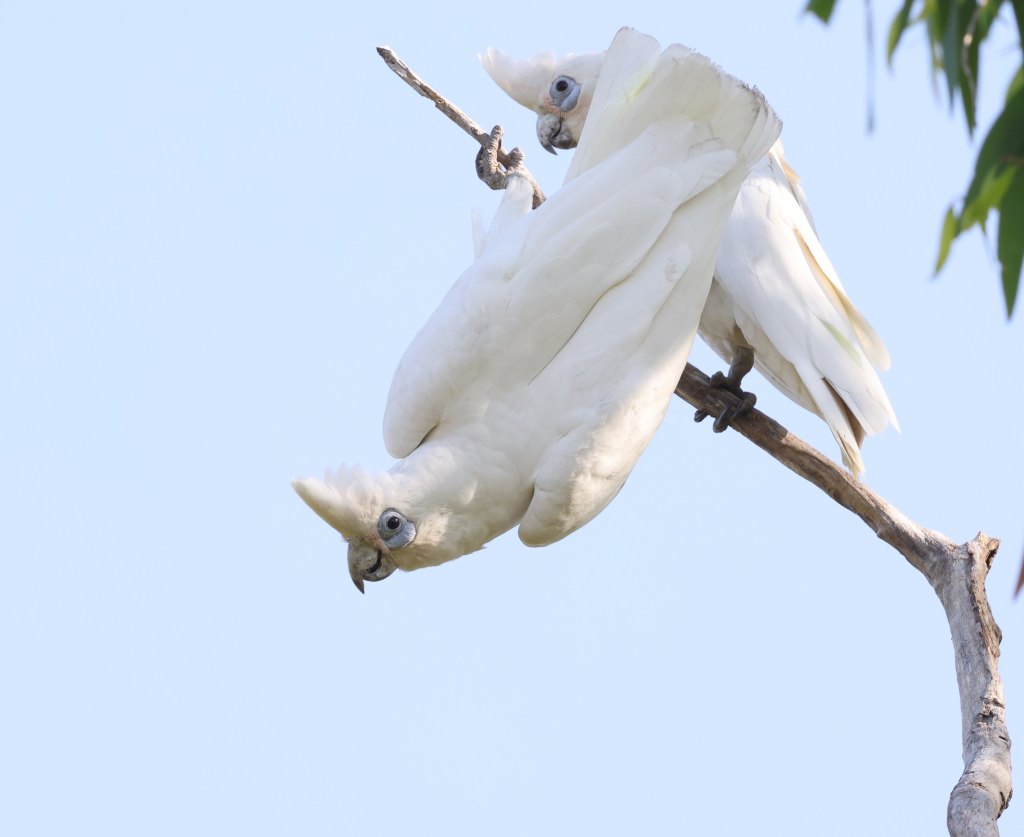
Little Corellas are cheeky muppets wherever you find them. Like in the grounds of Cooinda Lodge, for example.This is a female Shining Flycatcher, which shares the dark colouring of the male only on its head.We found a Leaden Flycatcher male-female pair in the grounds of Cooinda Lodge right where the Shining Flycatcher was hanging out. It’s like all the cool birds were hanging out together. (This is the male).Rufous-Banded Honeyeater, same spot at Cooinda LodgeIt might be anthropomorphic to call fantails – like this Northern Fantail – “friendly”, so you could more accurately use words like “confiding” or “approachable” or even “how long did that fantail sit placidly on that branch for, that was epic!”At the Mary River ranger station we hoped to find a Silver-Backed Butcherbird (for, you know, video reasons…), and we did!Another raptor above the road… this one is a Brown Falcon. (Normally its always Black Kites or Whistling Kites, so it’s a little bit exciting when something else shows up…)
Reasons To Go To Pine Creek: Hooded Parrots. Reasons To Leave: Bats.
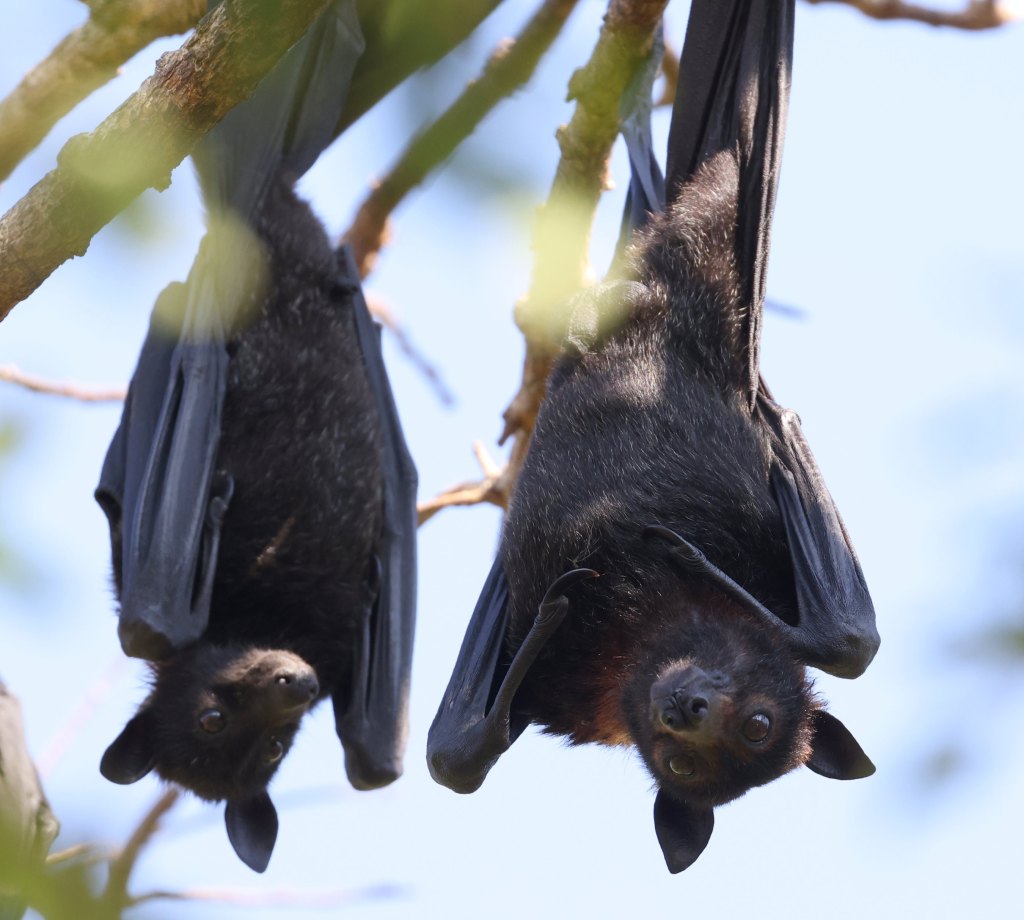
Pine Creek had even more bats than last time we went there, which is really saying something. I’m not a big fan of ’em, to be honest. The big reason to spend time at this town is to enjoy the many Hooded Parrots that live there, which are a species much harder to find anywhere else.
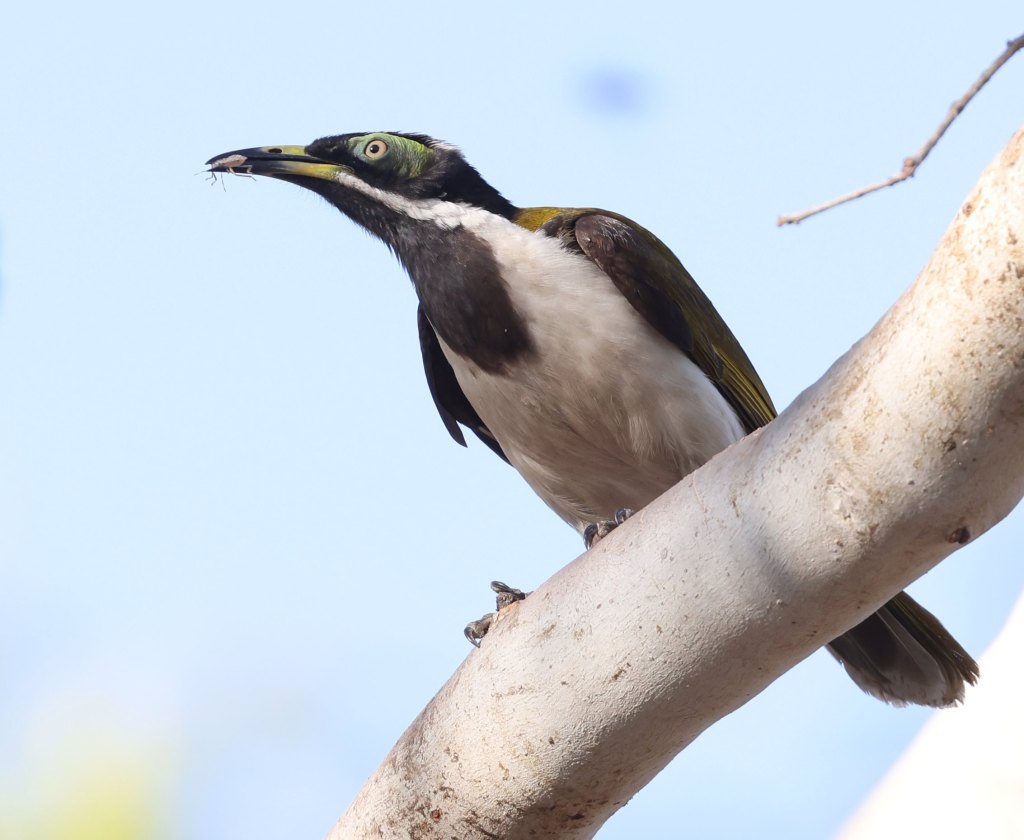
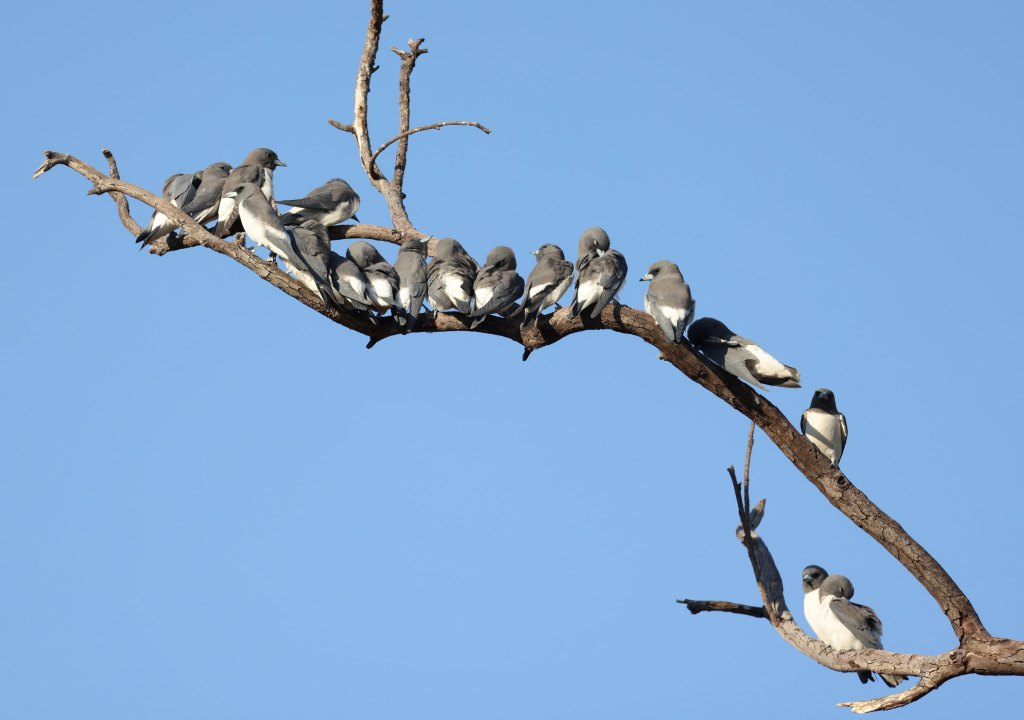
This is, like, someone’s HOUSE, man. Who invited all those bats?!?The bats in question.A Blue-Faced Honeyeater grabs a micro-snack.White-Breasted Woodswallows love to line up and cuddle as the evening approaches. I’m OK with that too.White-Throated Honeyeaters in Pine Creek aren’t stupid, they know exactly where to find the freshest water. On tap, so to speak…The amazing and very range-restricted Hooded Parrot at Pine Creek – this one is a male.
Heading Back To Darwin, And The Birding Barely Takes A Breath
In the area to the south and south-east of Darwin we visited three sites that were new to us: Territory Wildlife Park, Howard Springs, and Knuckey Lagoons. They were all quite different: the wildlife park had plenty of wildlife and natural habitat in addition to enclosed captive animals; the monsoon forest pocket of Howard Springs is well known as a place to find Rainbow Pitta; and Knuckey Lagoon is basically a big flat bit of wetland in the middle of nowhere.
(Note: all birds in these photographs are wild, not captive).
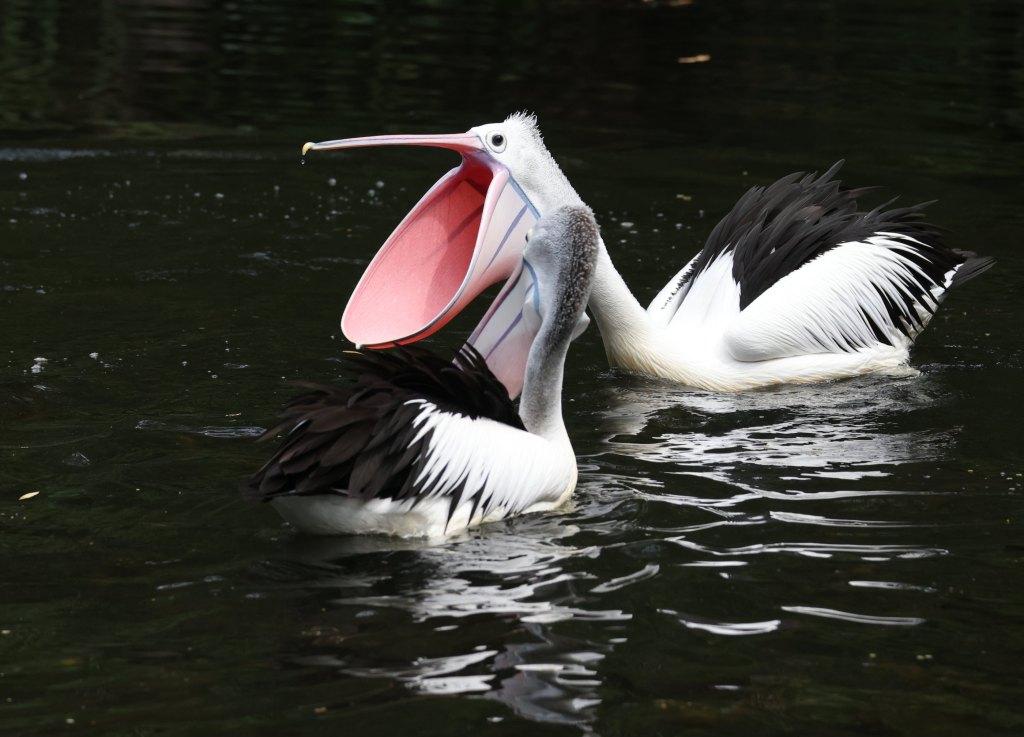
Red-Collared Lorikeets used to be considered the same species as Rainbow Lorikeets. Goodness knows they behave similarly. At the Territory Wildlife Park on a desert grevillea plant.We watched the Pelican in the upper part in this picture bully and dominate the other two Pelicans in their bilabong. I guess someone has to be the boss, LOL.This is the bower of a Great Bowerbird; the attendant bird decorates it with green accents via broken glass and other found items. At Territory Wildlife Park.The inimitable Australian White Ibis, a.k.a. Our Gloriously Esteemed Bin Chicken.Close-up of the iridescent feathers of a Straw-Necked Ibis, at Berry Springs
Two Of The Best: Darwin Botanic Gardens and East Point
Yep, we raved about both the George Darwin Botanic Gardens and East Point in our previous visit, and they are both still just as good these days for enjoying specialty Top End birds close to the city.
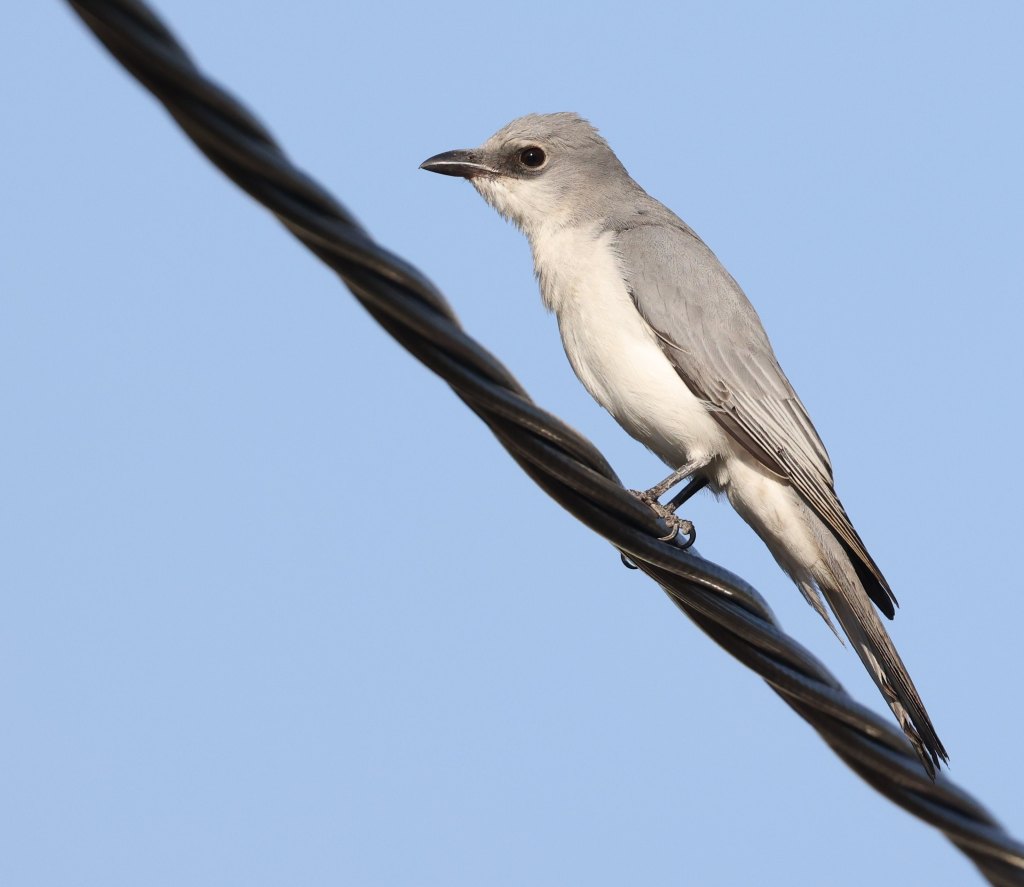
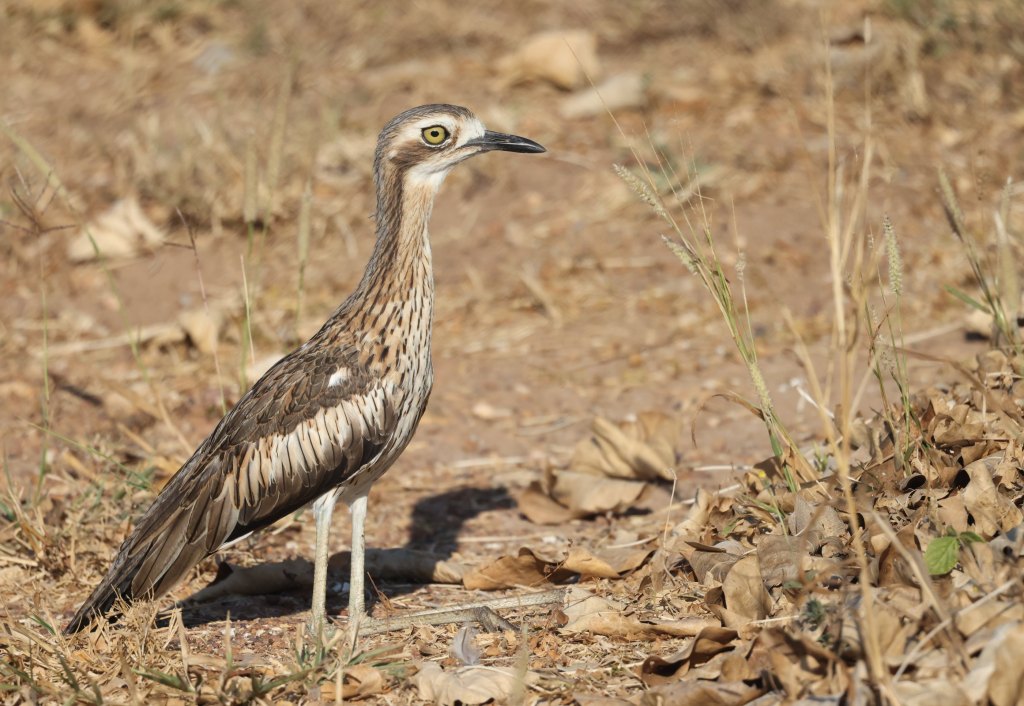
White-Bellied Cuckooshrike on the edge of Botanic GardensA Bush Stone-Curlew – this is the bird responsible for the demonic, ghostly sounds you sometimes hear at night (search “youtube Screeching calls Bush Stone-curlew” if you want to have nightmares…).A sleepy – but probably rip-your-face-off-powerful – Rufous Owl at the Botanic GardensI couldn’t believe it when a vibrant male Red-Headed Honeyeater came down to the East Point mangrove boardwalk railing. So I took some photos. And a video. Then the bird flew off. That’s how it happened, folks.A Shining Flycatcher at the East Point mangroves. For the camera nerds, this shot is taken with a Canon R5 at ISO-10000, 1/500th sec @500mm, so quite a low light situation.An Eastern Reef Egret at East Point. Fun fact: this is the dark morph version of this bird; there is also a white morph!
Yes Indeed We Did Actually Have A Nemesis Bird, And Now We Have Broken The Curse
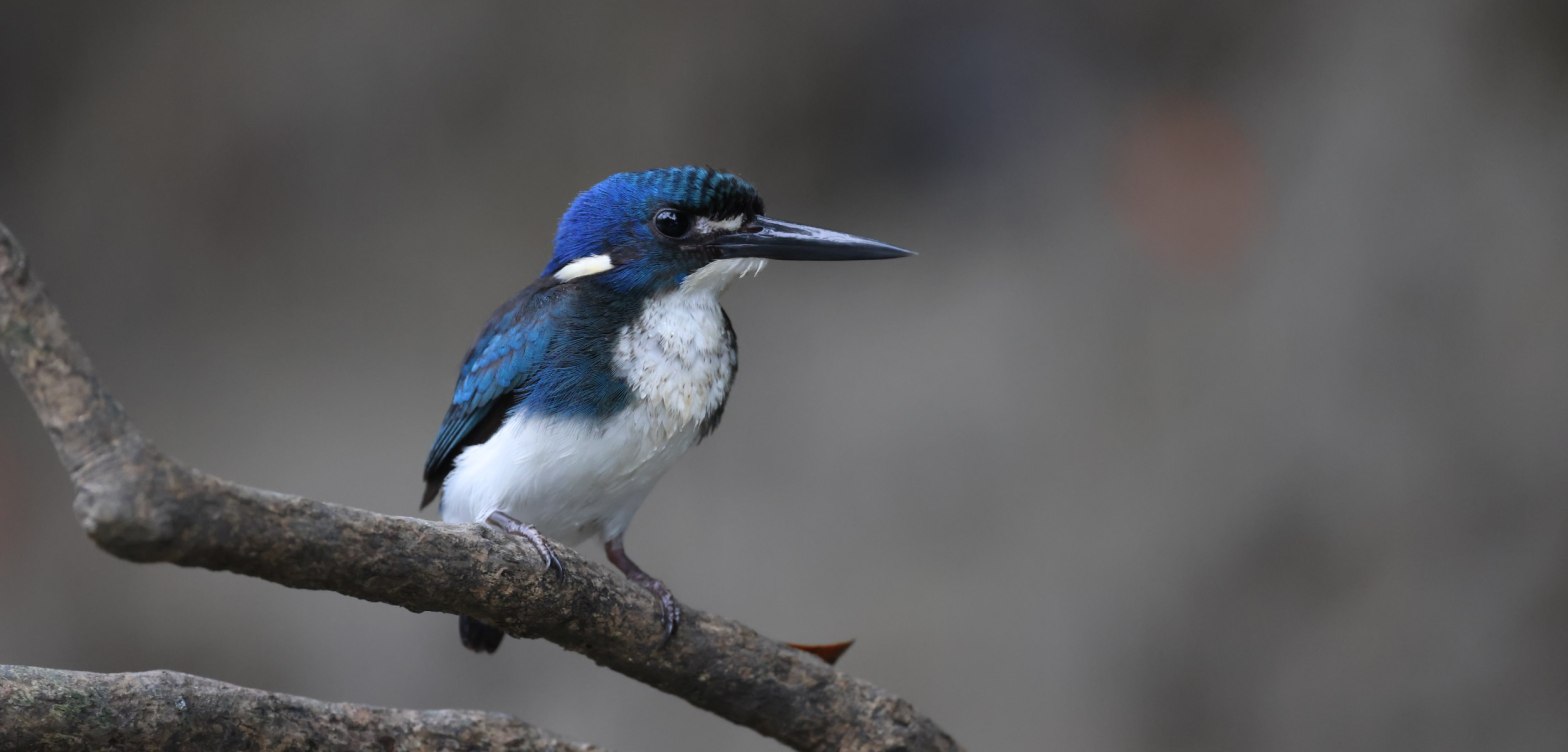
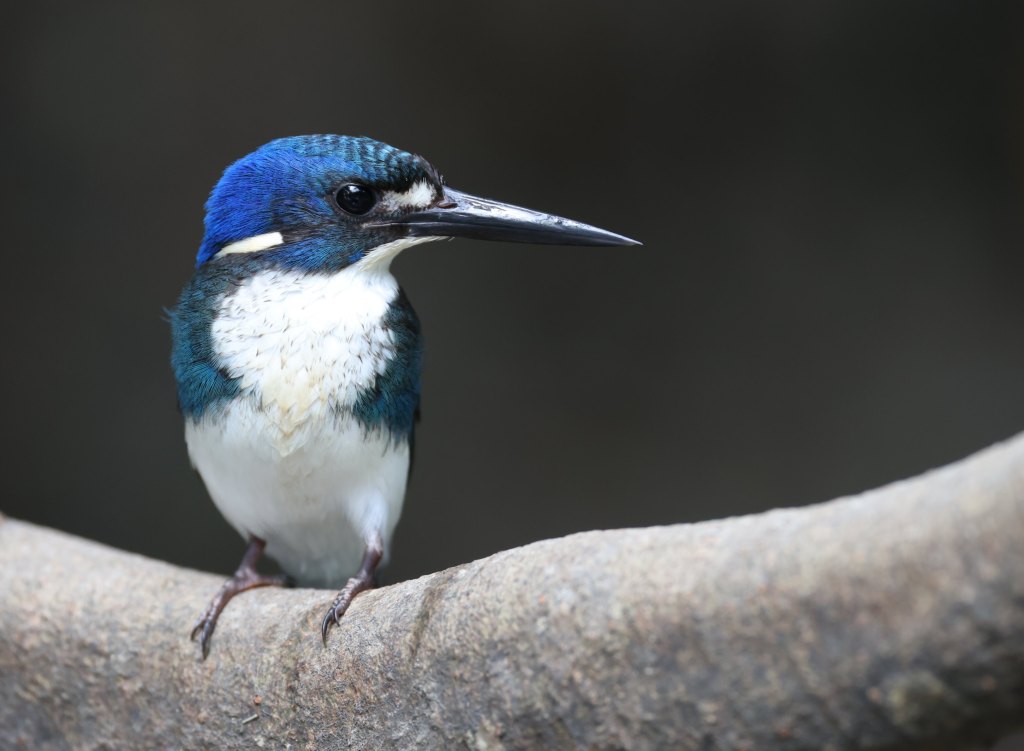
A nemesis bird is one you’ve been searching for for literally years without luck… and that bird for us is the diminutive Little Kingfisher, the 10th and last kingfisher species we had yet to find in Australia. And the place to get it is Buffalo Creek to the east of Darwin; with veteran boatman Chris Spooner at the helm taking us up the river, we gave it our best shot!
And we failed to see it.
So we took another boat ride the next day, once more eagerly scanning the mangrove roots at the waters edge, and glory be, finally lifted the curse.
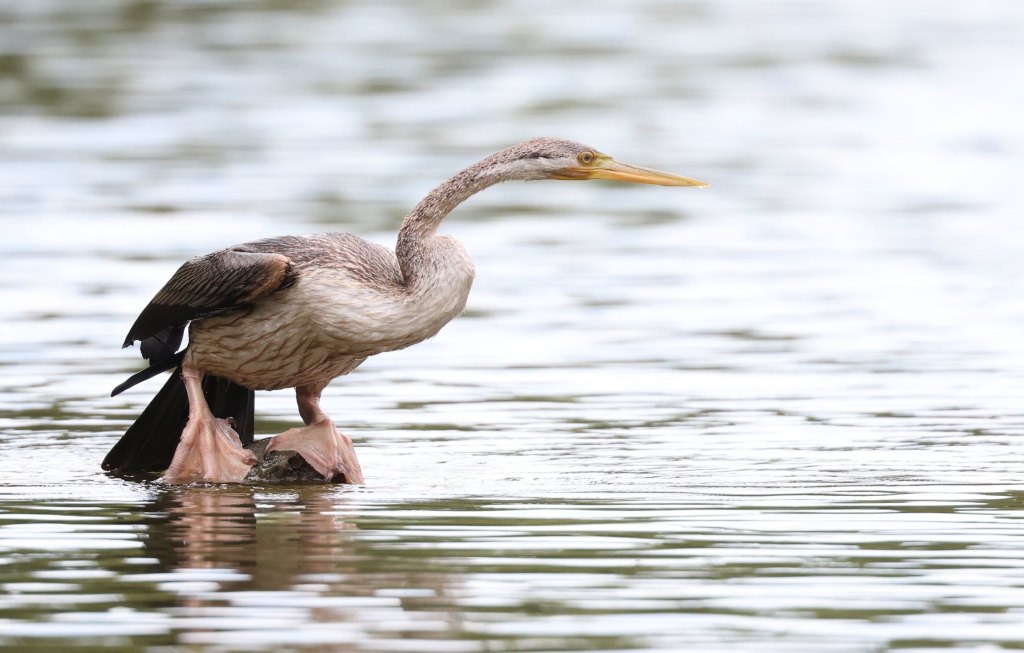
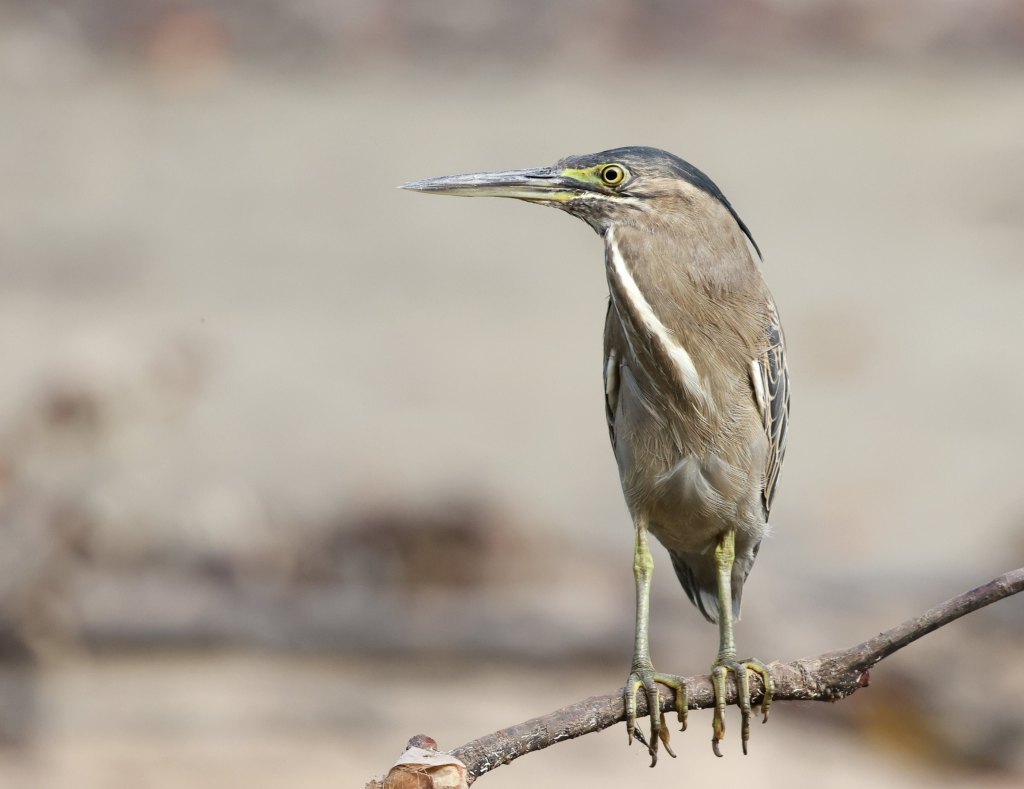
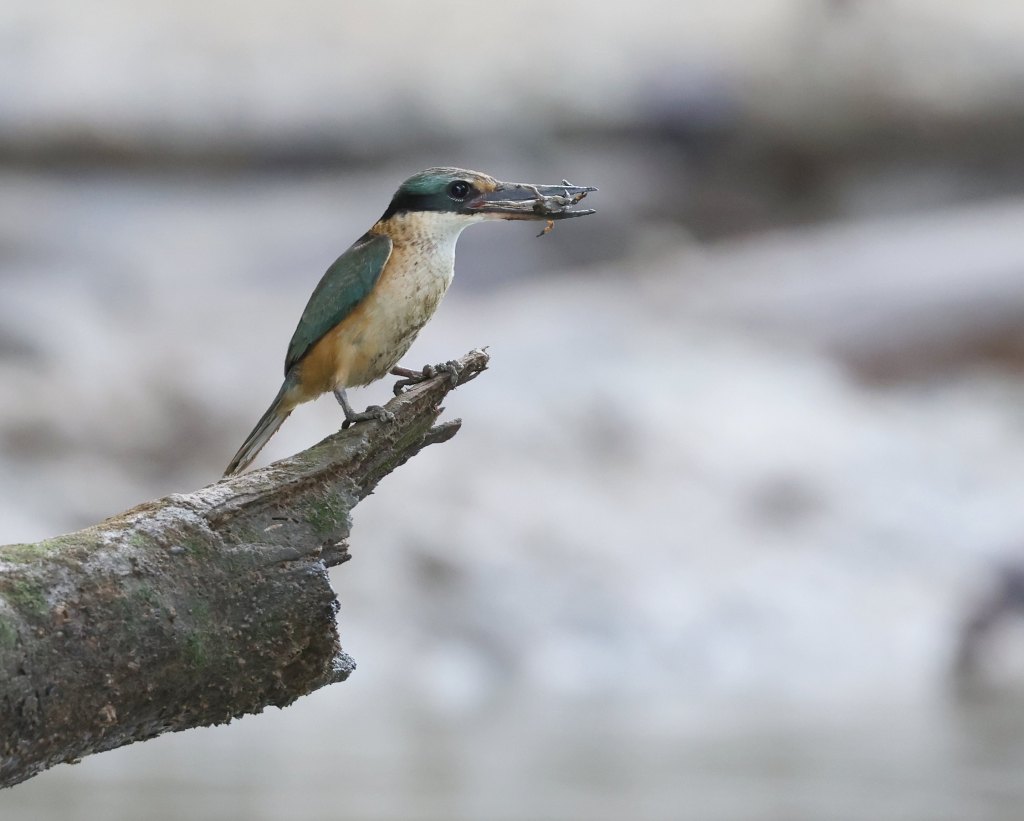
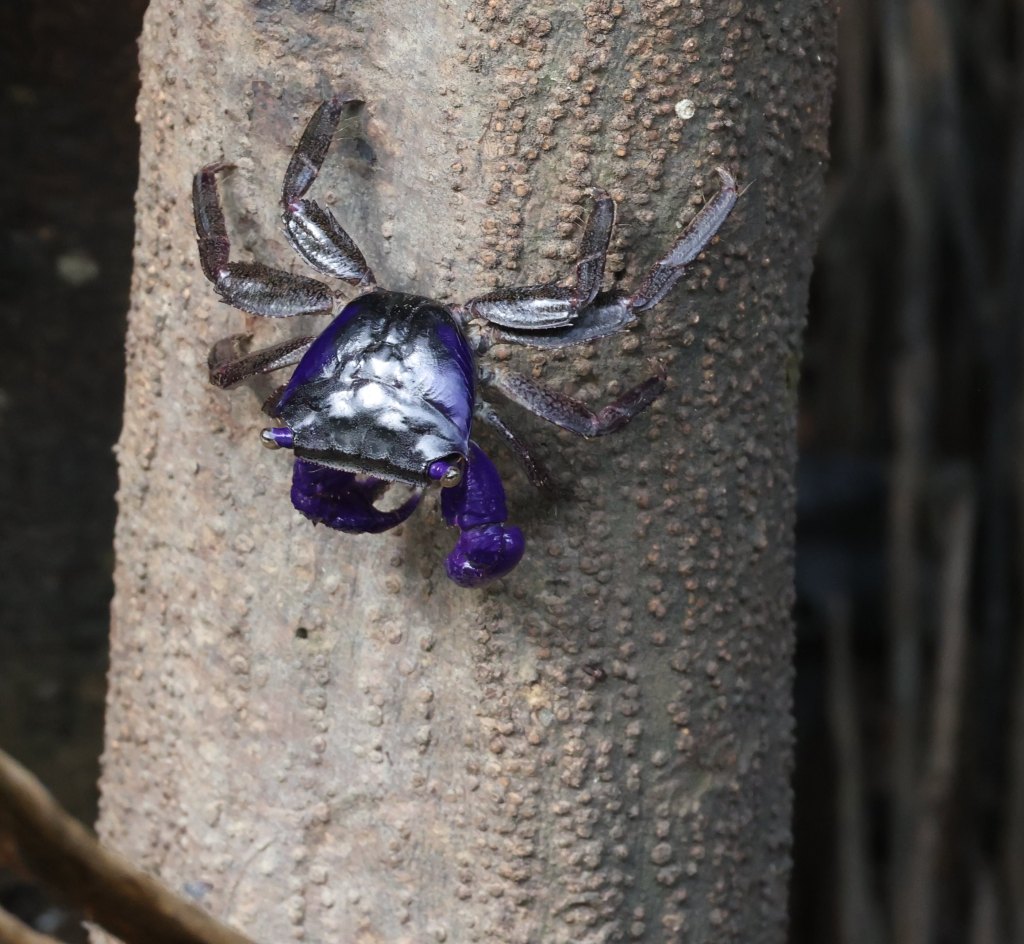
The normally elusive Chestnut Rail is easily seen if you take a boat up Buffalo CreekThis Great-Billed Heron gave us terrific views on the edge of Buffalo CreekThe fabulous and very small Little Kingfisher – here it is with a tiny fish we had just watched it dive and capture!The Little Kingfisher weighs about 12 grams, so it’s pretty well namedAn Australasian Darter finds a small protruding perch on the creek… I guess ya takes what ya can get, huh.Striated Herons are a commonly seen hunting bird on the creekApparently this snakey boi is called an “Australian bockadam”. And it eats fish.Azure Kingfisher, one of the four kingfisher species we saw up the creek.Sacred Kingfisher eats crabs. There, I said it.Creepy and quite large purple crab on the edges of the mangroves
Lee Point Is Great, And You Can’t Change My Mind
Lee Point became pretty much famous last year for hosting Gouldian Finches, a truly remarkable occurrence and one that questioned many to wonder how Defence Housing could justify razing half the bushland corridor around the site. Well, the Gouldians haven’t re-appeared this year, sadly, but we did see five types of finches nonetheless: Crimson, Masked, Double-Barred and Long-Tailed Finches, plus Chestnut-Breasted Mannikins. Plus plenty of other birds. It really is a great site to while away a few hours with a camera.
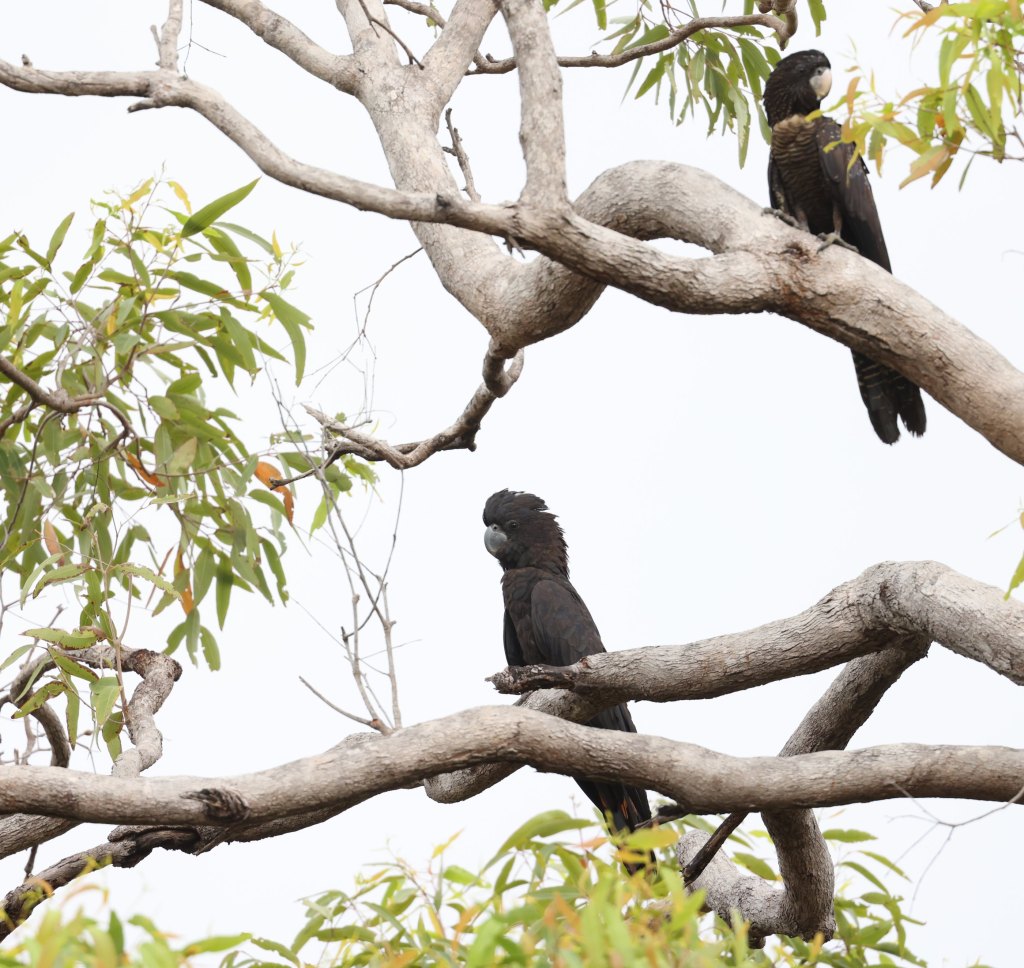
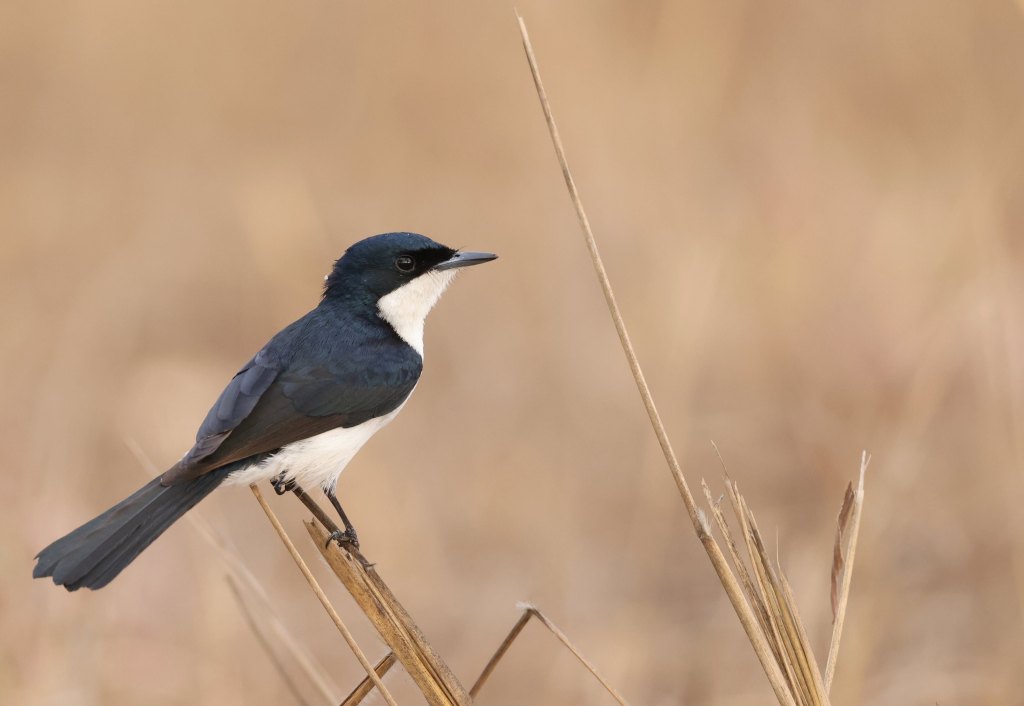
There is a pair of Rainbow Bee-Eaters just past the south-east corner of the caravan park at Lee Point that seem keen to rest on or near the ground; we saw them fly down low like this several times in two visits.A Chestnut-Breasted Mannikin in glorious morning light at Lee Point, one of a flock of at least several dozen.Crimson Finch demonstrating the “dip your tail in the water to cool off” technique, at Lee Point damLittle Friarbird, one of three friarbird species you can find in the Top End (along with Helmeted and Silver-Crowned Friarbird)A male Red-Winged Parrot gets acrobatic to find the juiciest nibblesOne of Australia’s 75+ honeyeater species, the wonderful Bar-Breasted HoneyeaterThere were six Red-Tailed Black Cockatoos in this tree at Lee Point, and a black cockatoo flyover of some sort was not unusual at other sitesOne of my favourite photos of the trip: a placid Masked Finch. Why? Because the bird let me get very close and was unbothered by me; getting right down to eye level is a real treat (though not so good on the joints… the ground was so hard and stony!) I also like the way the finch is fluffed up and the way the background echoes the bird’s colours. Lots of reasons!A Paperbark Flycatcher at Lee Point was flitting around in the low grasses, sometimes landing on the flimsiest of stalks. Had it been taking cues from the finches? We may never know.
More Birding Around Darwin: There Are Worse Ways To Spend Your Time
Revisiting a region gives you a chance not only to go back to locations you fondly remember from your previous trips (e.g. Holmes Jungle), but also to explore new birdy sites; for us that meant the Rapid Creek area and a few mangrove sites (edge of Charles Darwin University, Orchard Rd, etc).
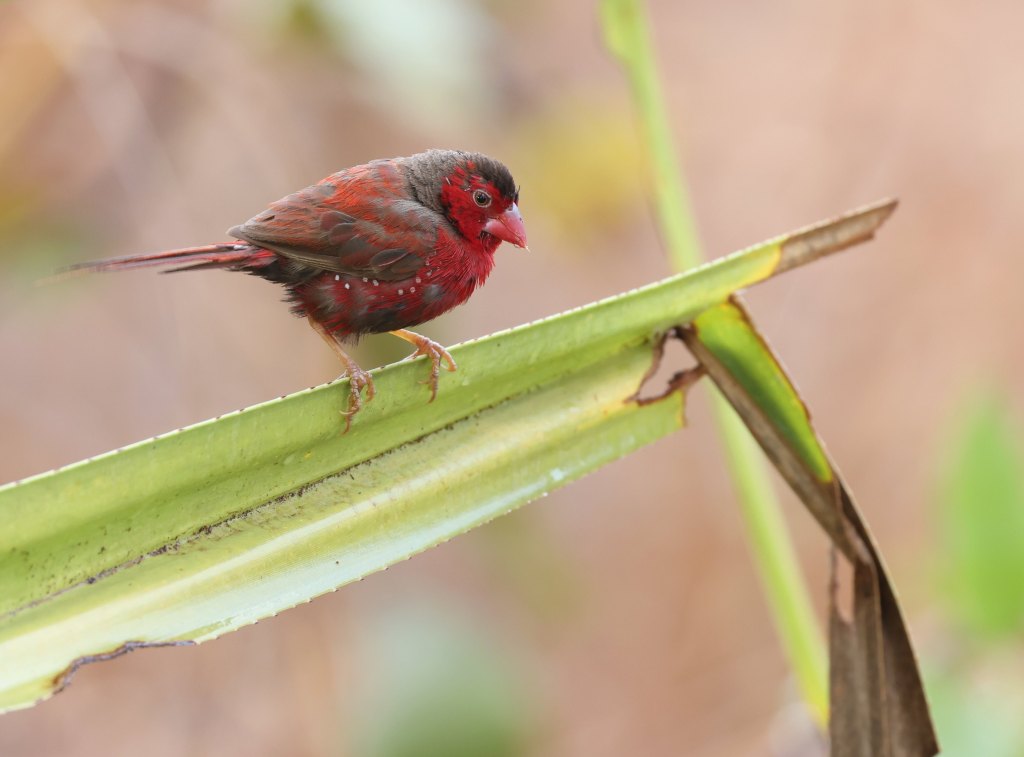
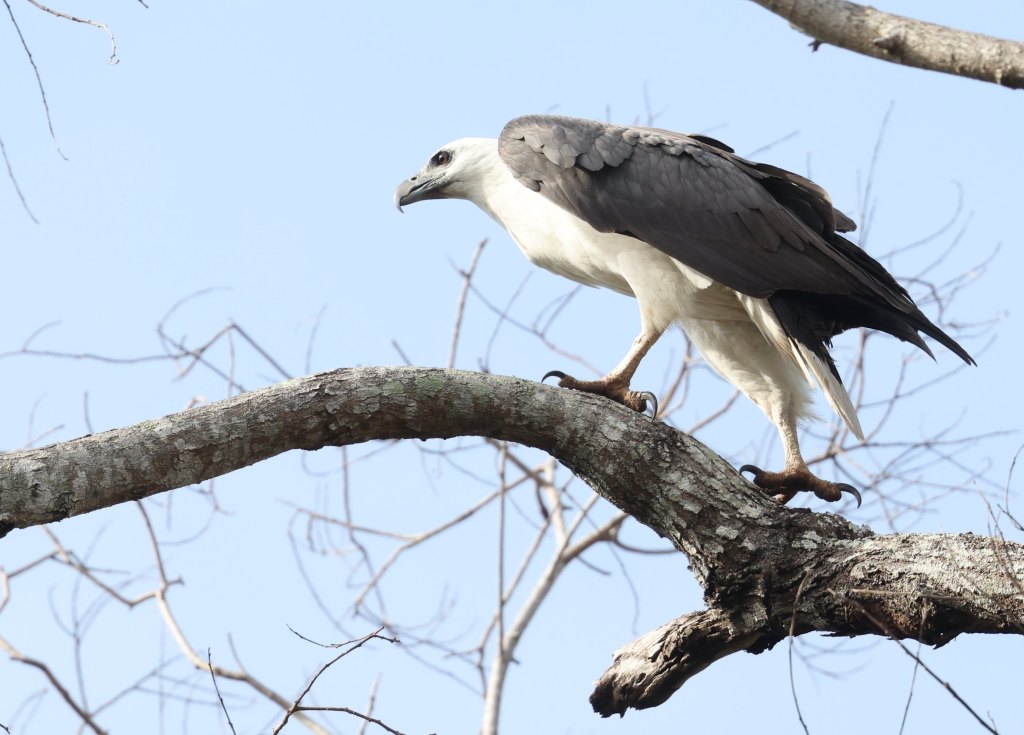
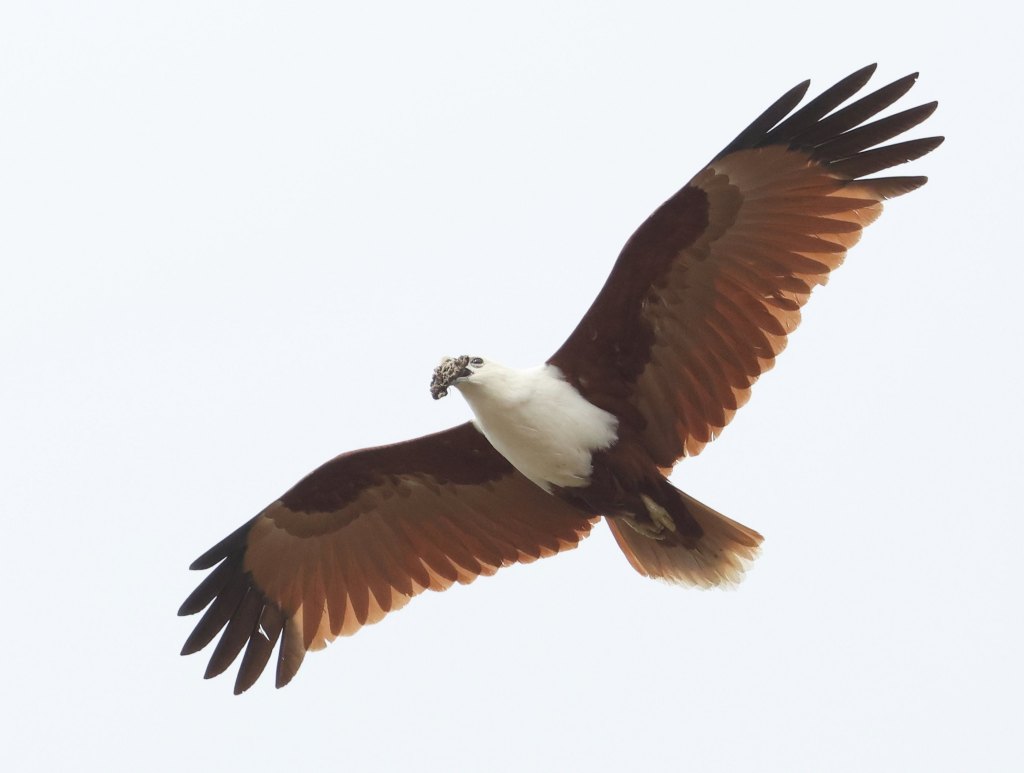
A lovely Crimson Finch at Holmes Jungle. Note the little white spots below its wings!A few of the over one hundred Black Kites at Holmes Jungle; more even than we saw there last time!A White-Bellied Sea-Eagle looks a bit like an old-school dinosaur as it clambers along a branch. Just fly, already!A Brahminy Kite with… something… in its beak, at the edge of Charles Darwin UniversityAn uppity Lemon-Bellied Flycatcher along one of the drainage channels at CDU.Same bird, different look: Masked Lapwings are a little different at the Top End, as they are missing the black shoulder markings of other subspecies.Mangrove Robins are smart-looking mangrove specialists, as suggested by the name…which contains the word “mangrove”… and they are found in… mangroves.Red-Collared Lorikeets were checking out a possible nesting hollow in a big ole tree in a suburban park near the mouth of Rapid Creek. Classic.Double-Barred Finches, also known as Owl Finches due to their cute owlish faces. Though unlike owls, they are decidedly not nocturnal.Big chunky beak? Deep red eyes? Chic iridescent black sheen and a fish-shaped tail? Why, it must be another Spangled Drongo.
And In Conclusion…
It was great to get a climate break from Brisbane’s chilly winter (jeez, single digit temperatures, man) by zipping up to Darwin and revisiting a bunch of places we’d been to a few years earlier and compare how they are now to our memories of them. For the most part we had similar experiences though it felt like the birdlife was more prolific now than before, perhaps due to the increased rainfall Australia has experienced over the last season. Who knows? What we do know for sure is that the Top End is a Top Birding Destination and you can easily craft a short or longer trip taking in a host of Top Nature Sites and have a Top Time there.
eBird Trip Report [Note we didn’t checklist at all sites we visited, so this is rather incomplete]































 Bird Spots
What an amazing collection of captured views of birds.
LikeLike
Beautiful scenes and good info
LikeLike