What to do when your birding buddies nick off to southern states for the weekend without you? (How dare they!) Why, make a last minute solo trip to birding paradise, a.k.a. the Atherton Tablelands in north Queensland! The lure of riflebirds, catbirds, robins and many others – with a chance for the odd lifer – drew me back. A quick flight to Cairns, pick up a hire car and an hour later you’re in the Promised Land…
Crater Lake: Tick. Rainforest: Tick. Birds: Tick!
I stayed a couple of nights at the Crater Lakes Rainforest Cottages, on the edge of Lake Eacham reviewed in my Lake Eacham post way back in 2021, and it remains just as good an accommodation option for the keen birder now as it was then. This time of year is great for the Victoria’s Riflebirds putting on their elaborate displays, but I was also chuffed to get good looks at Spotted Catbirds and many robins and monarchs, not only at the cottages but around the lake too.
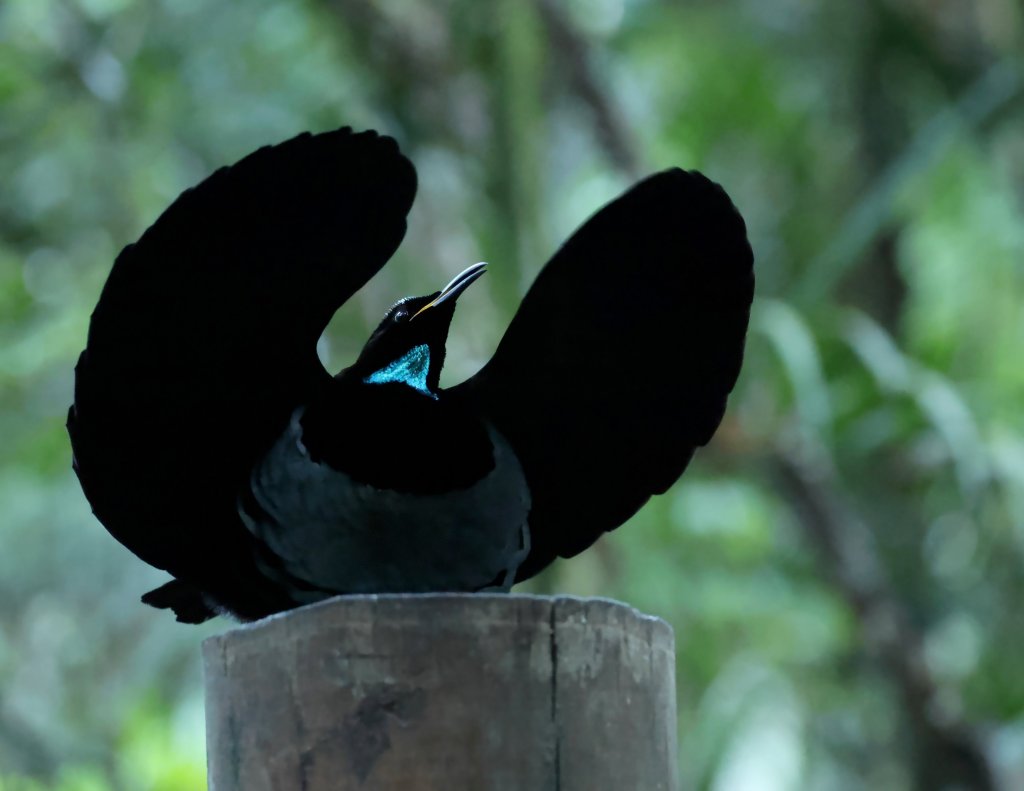
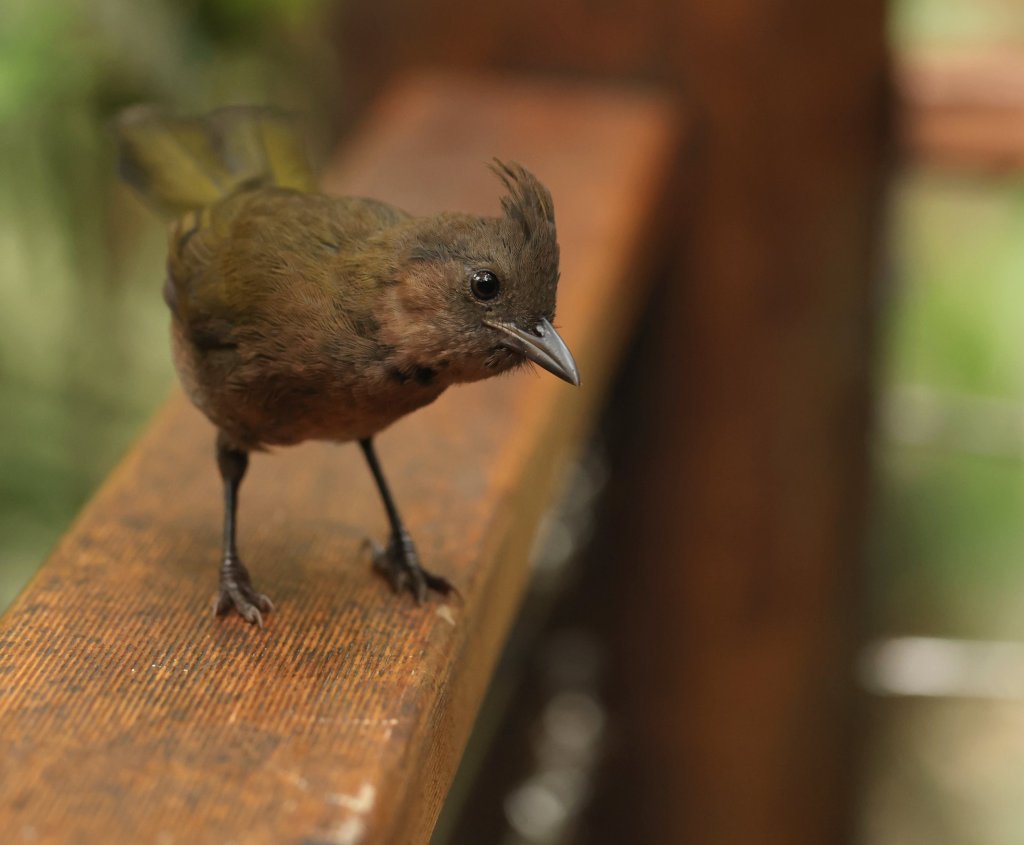
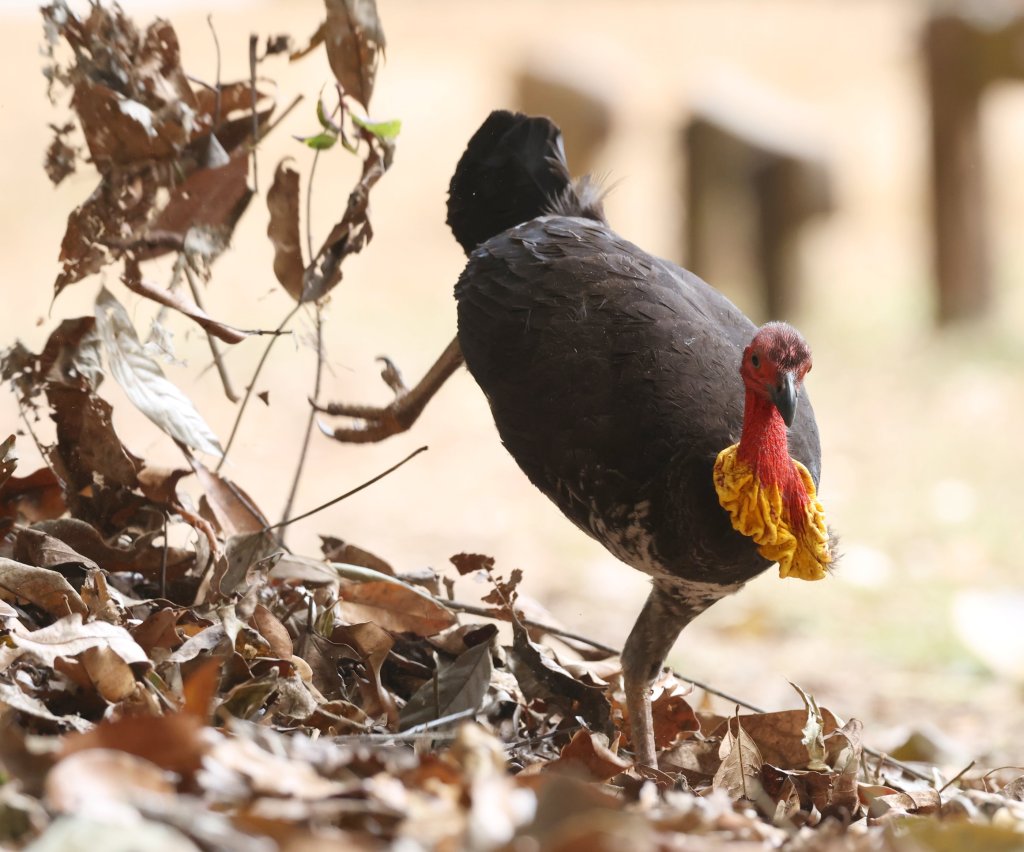
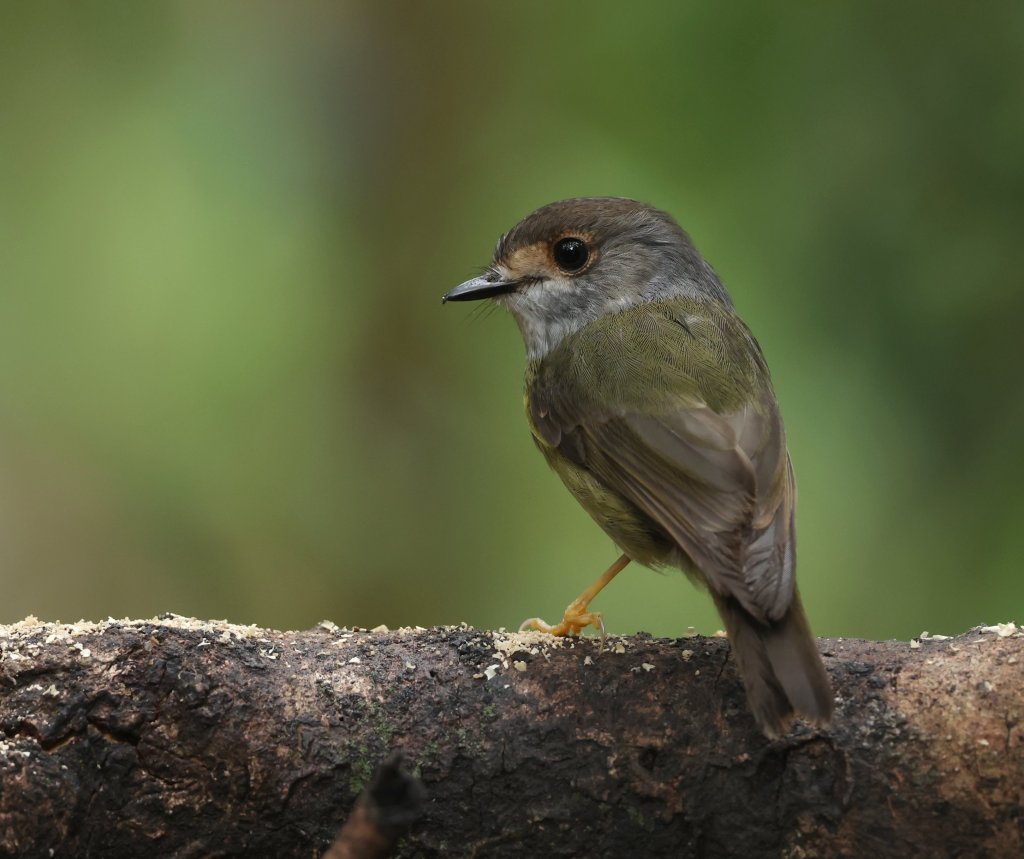
A male Victoria’s Riflebird with one of his many signature “Hey ladies!” display moves.A female Victoria’s Riflebird looking maybe… unimpressed? Or maybe, moderately interested?A chocolate-coloured juvenile Whipbird coming to the cottage’s back balcony hoping for a food handout. Awwwwwww.A Spotted Catbird greedily nabbing fruit from the rainforest along the Lake Eacham track.I saw plenty of these critters: Musky Rat-Kangaroos, around the lake tracks. Is it more like a rat or kangaroo? We may never know.A Water Dragon clinging on for dear life on a branch overlooking the lake. OK, maybe not for dear life.Brushturkey at Lake Eacham doing what Brushturkeys do everywhere.It was lovely to see two Barred Cuckooshrikes turn up at Lake Eacham’s Day Use Area. Though the left one didn’t have to hide its face so shyly now, did it?My third ever sighting of a Pied Monarch – what a thrill! They are such striking little cuties!The track around Lake Eacham almost looks like something out of a tropical Middle EarthThis Pale Yellow Robin looks like it has a big square head. That’s all I’m gonna say about that.Bridled Honeyeater is fairly common in this region of north Queensland, but you won’t find it anywhere else in Australia, that’s fer sure.
Come To Mareeba, They Said, It Has 300 Days of Sunshine, They Said
Ha! They were right. When it was foggy and raining on the tablelands proper, it didn’t rain a drop in nearby Mareeba. So I visited a couple of nature sites there and ended up being the dude who hung out weirdly at the ass-end of the Rodeo Grounds with a camera for hours at a time. Worth it!
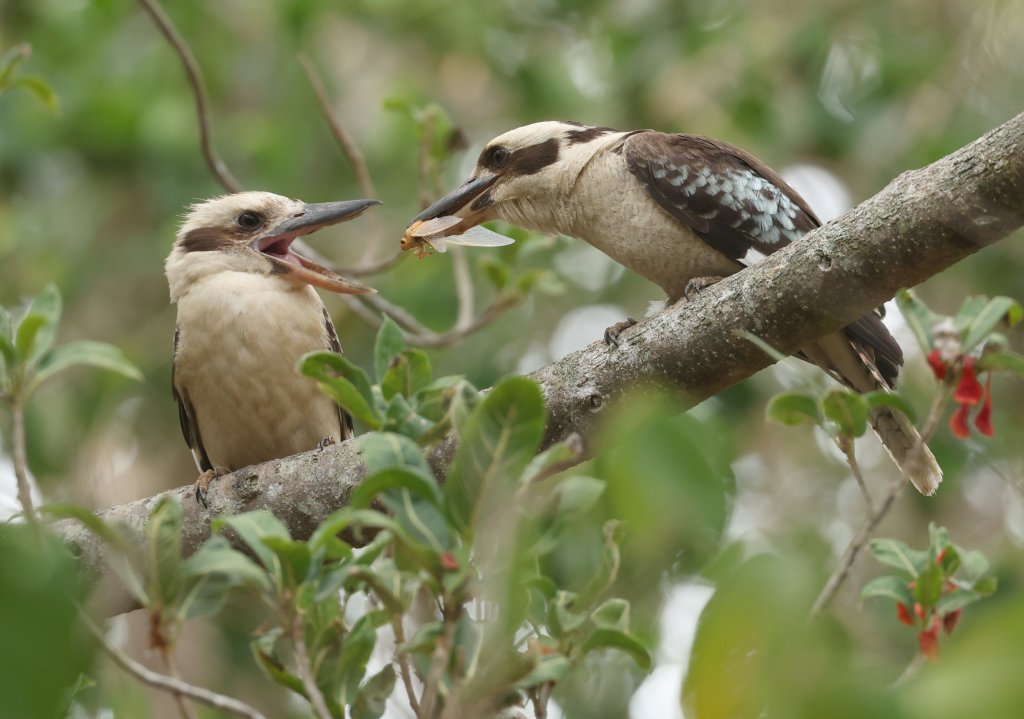
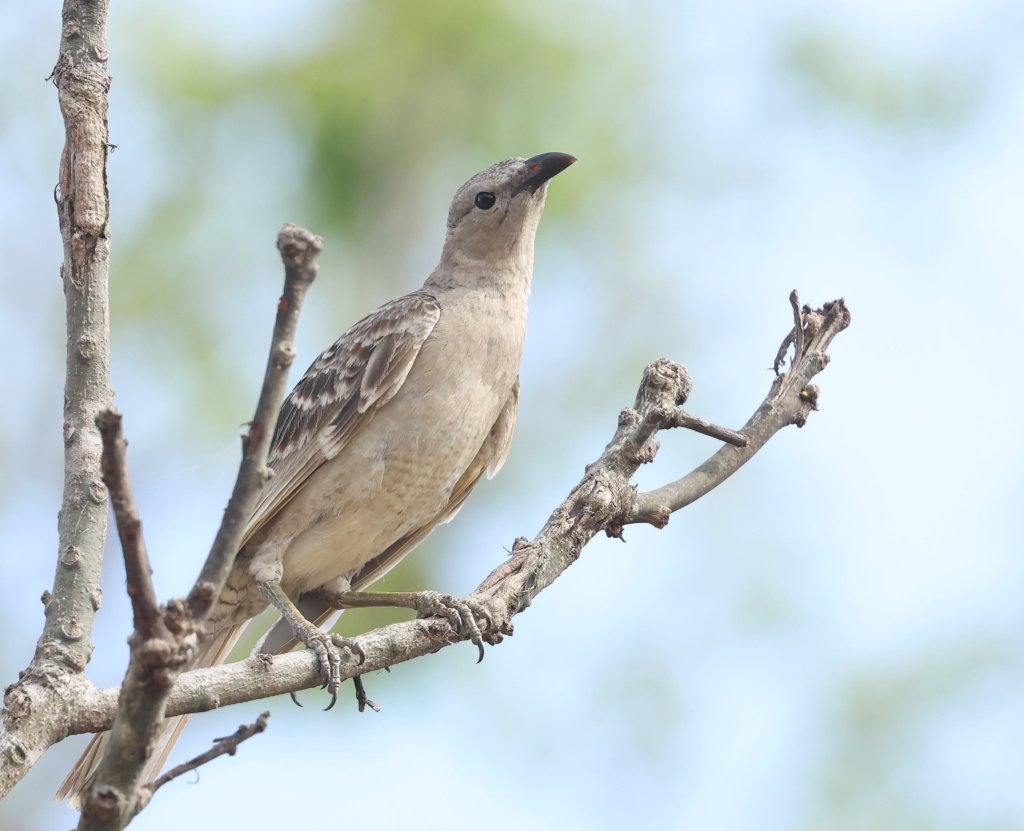
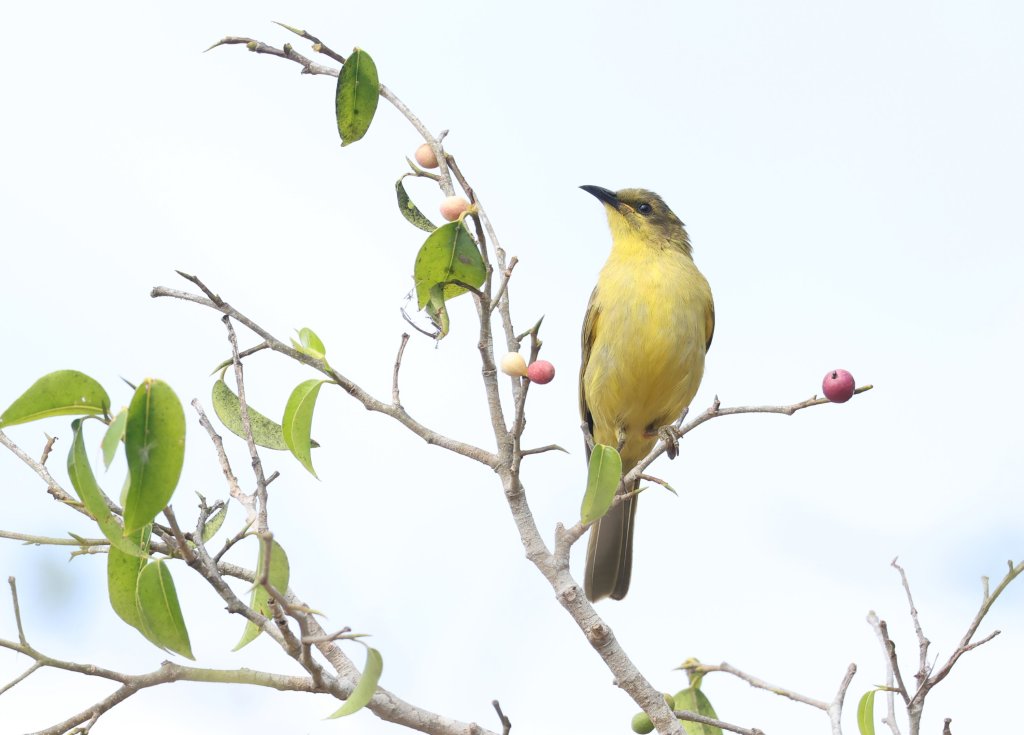
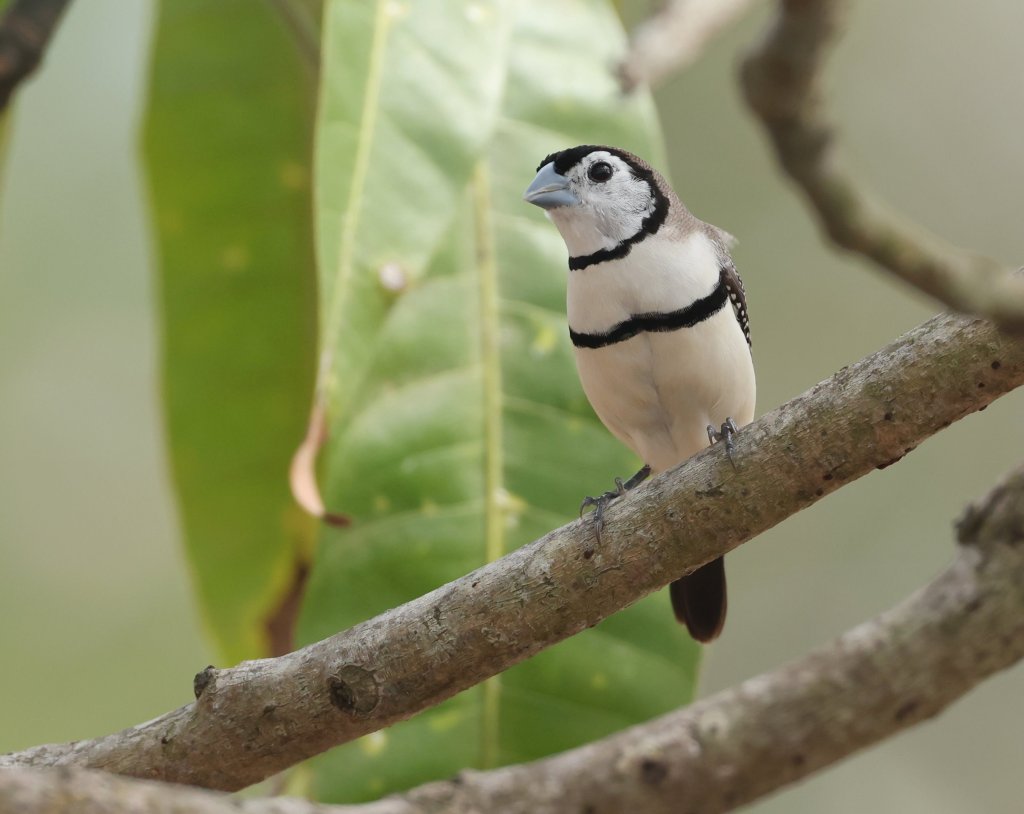
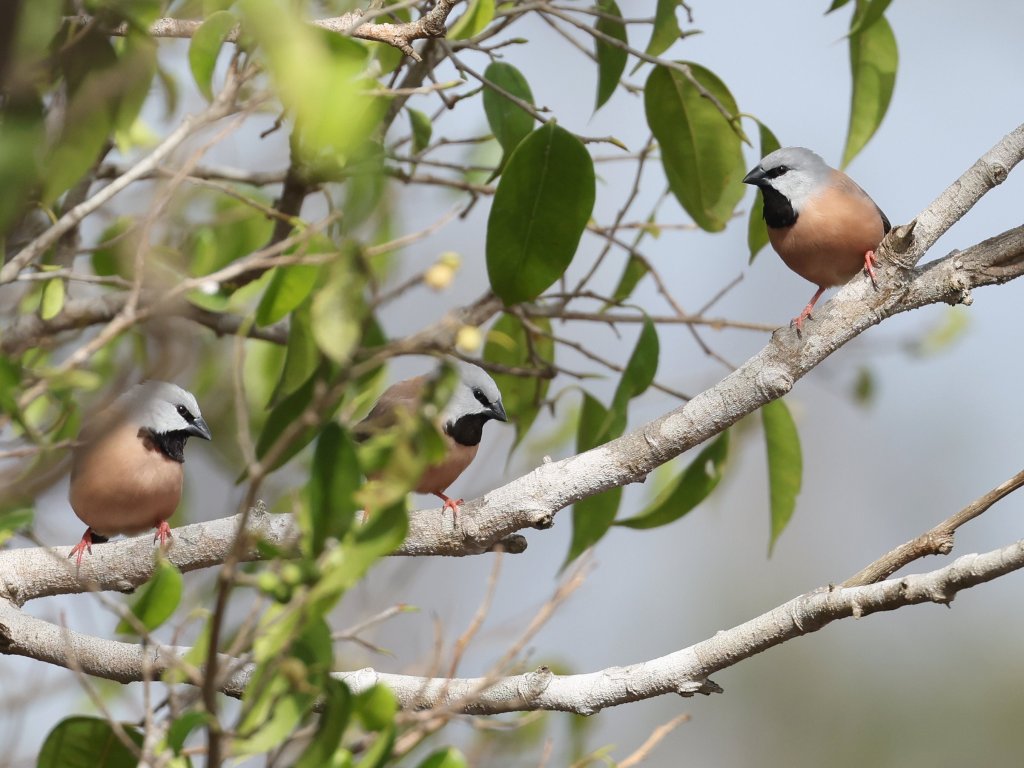
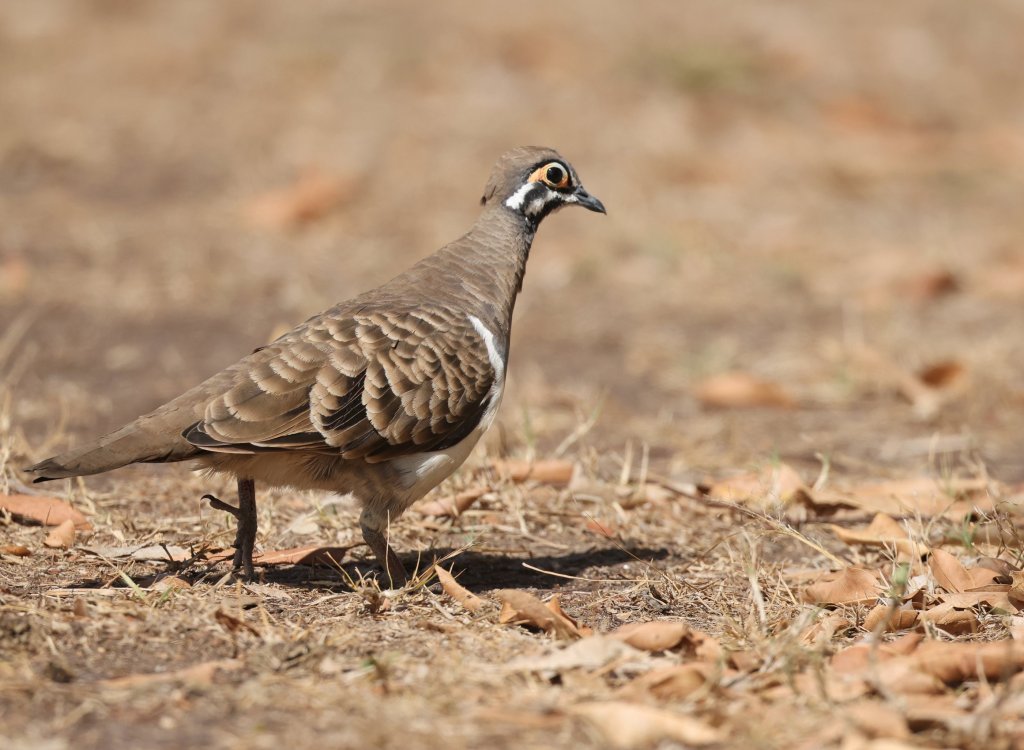
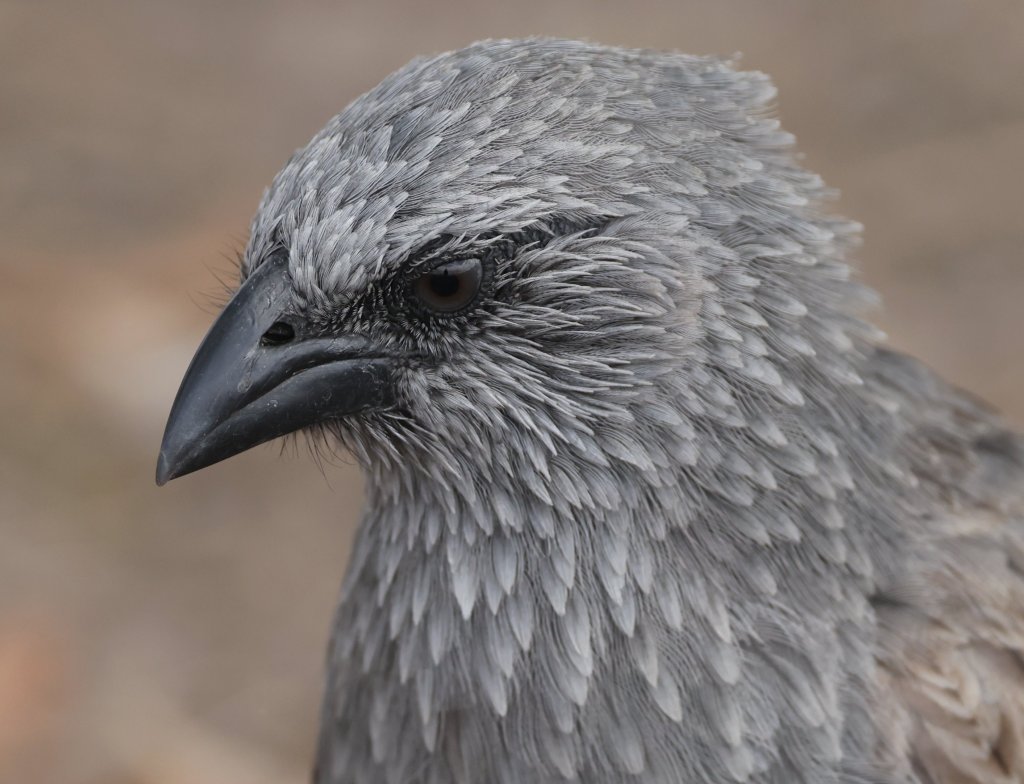
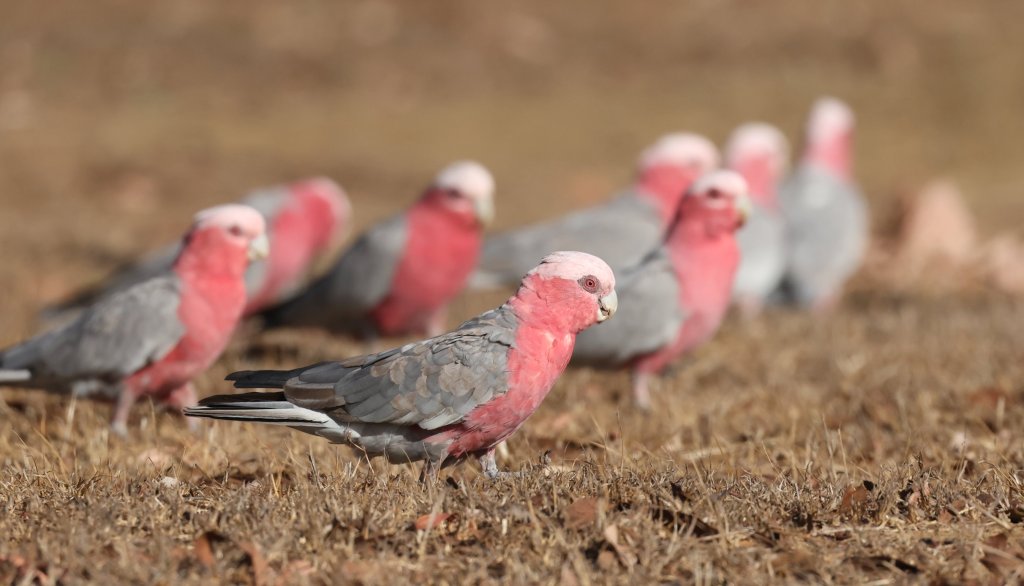
I didn’t think too much of Jack Bethel Park in Mareeba (I’m pretty sure I heard a series of gunshots nearby, kid you not), but I did see this pair of Kookas enjoying a wonderful “give me food” interaction.At the Mareeba Rodeo Grounds a Dollarbird struck a pose. And then flew off. Oh well.So the middle White-Breasted Woodswallow flew in, half-attempted to land on the post between the other two birds, then immediately took off again. Reluctant to share its insect spoil? Who knows.I saw plenty of Great Bowerbirds on a recent Top End trip, but never got a photo this good. Thanks, Mareeba Rodeo Grounds!Yellow Honeyeaters are one of the 75+ species of Australia’s honeyeaters that you might forget about until you see one again, and go “oh yeah, that’s right, Yellow Honeyeaters are one of Australia’s 75+ honeyeater species”Double-Barred Finches were in good numbers as I waited hopefully for a different type of finch……the wonderful Black-Throated Finch! I ended up seeing 16 of them, all attracted to a water sprinkler miles from anywhere on the Rodeo Ground’s back fence.Peaceful Doves are indeed peaceful, I reckon. Like, I’ve never seen one rip someone’s face off, for example.I knew there were Squatter Pigeons in the region, but it took ages to find one and then this single individual showed up, allowing me to get a video of it strolling along the dry grass.Oh boy do I love the steely-grey feathers of Apostlebirds. Yes sir, I do!The uninspiring terrain of the Mareeba Rodeo Grounds, which turned out to be pretty darned good for birding.At the Rodeo Grounds I found this juvenile Channel-Billed Cuckoo, one of the laziest birds I have ever encountered. Just sitting there smugly, waiting for its surrogate parent Magpie to bring it food. Amazingly, this pair of Nankeen Kestrels mated in this exact same spot two days later as well, at about the same time!The blush-pink of Galahs must surely bring a little joy to even the hardest of hearts. Discuss.Kangaroos? Wallabies? Exact species? Latin name? I dunno, I’m a bird guy. At the Rodeo Grounds.A Grey-Crowned Babbler foraging amongst fallen purple petals at the entrance to Granite Gorge Nature Park.
Does “Hasties Swamp” Sound Like A Nice Place To You?
It might surprise you to know that it is the country’s #3 eBird hotspot by all-time species count. Which makes it terrifically alluring to birders, that’s for sure! It also has an excellent two-level bird hide. At the time I was there, a vagrant Eastern Yellow Wagtail was also hanging out on the water fringes. You needed a scope and a lot of patience to find it amongst the throngs of other birds.
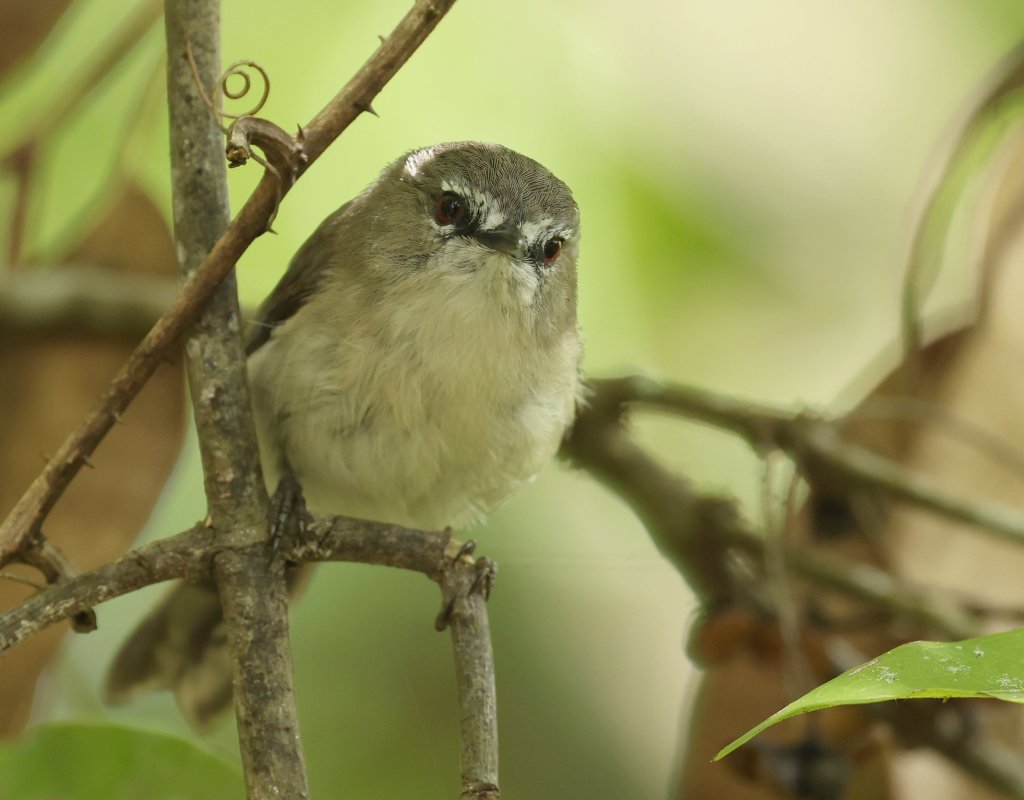
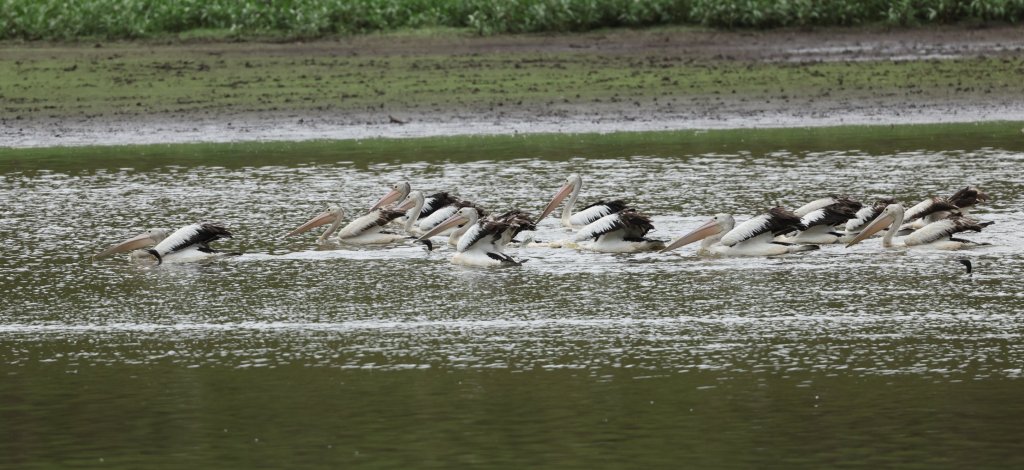
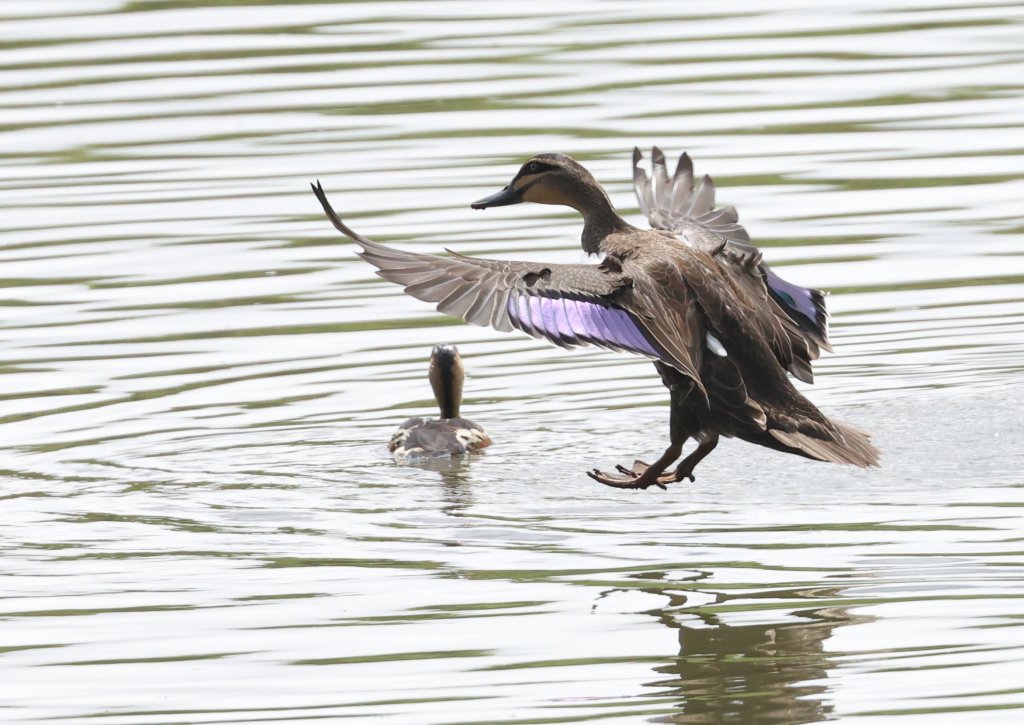
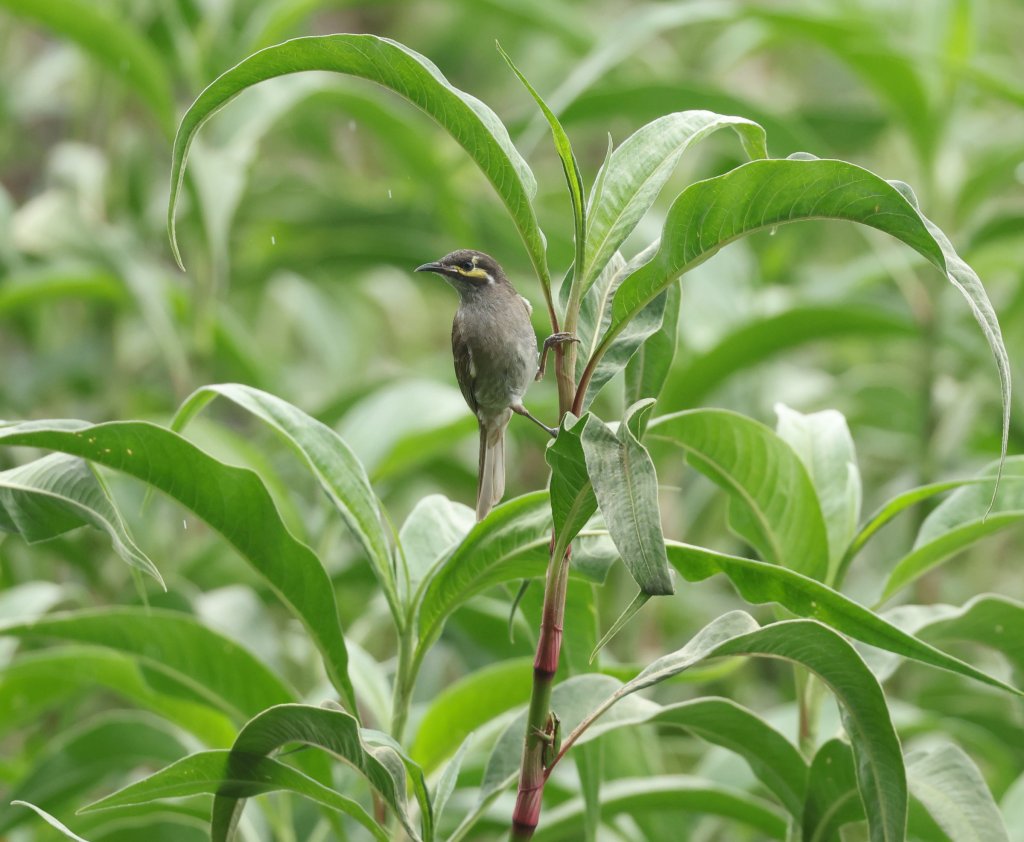
Speaking of “Eastern Yellow”… here’s an Eastern Yellow Robin at the car parkA beseeching Brown Gerygone; photo taken from the doorway of the top level of the bird hide 🙂A snippet of the many birds that hang out at Hasties Swamp: this picture shows mostly Magpie Geese, but there are also ducks, cormorants, spoonbills and ibis in the foregound too.A Great Egret elegantly (?) folds up its neck for flight.Pelicans hunting in a pack, with (look closely…) a few Little Black Cormorants for company.A Pacific Black Duck comes in to land… offering a look at its stunning purple wing patches.A Yellow-Faced Honeyeater looks tiny amongst the fringing vegetation at Hasties Swamp.
How Deep Is Mt Hypipamee Crater? Quite Deep.
My Hypipamee Crater is a compact nature reserve which features a deep crater (how deep? quite deep), and rainforest at elevation, making it one of the best places in the region to try and find the elusive Golden Bowerbird (spoiler alert – I didn’t find one, dangnabbit).
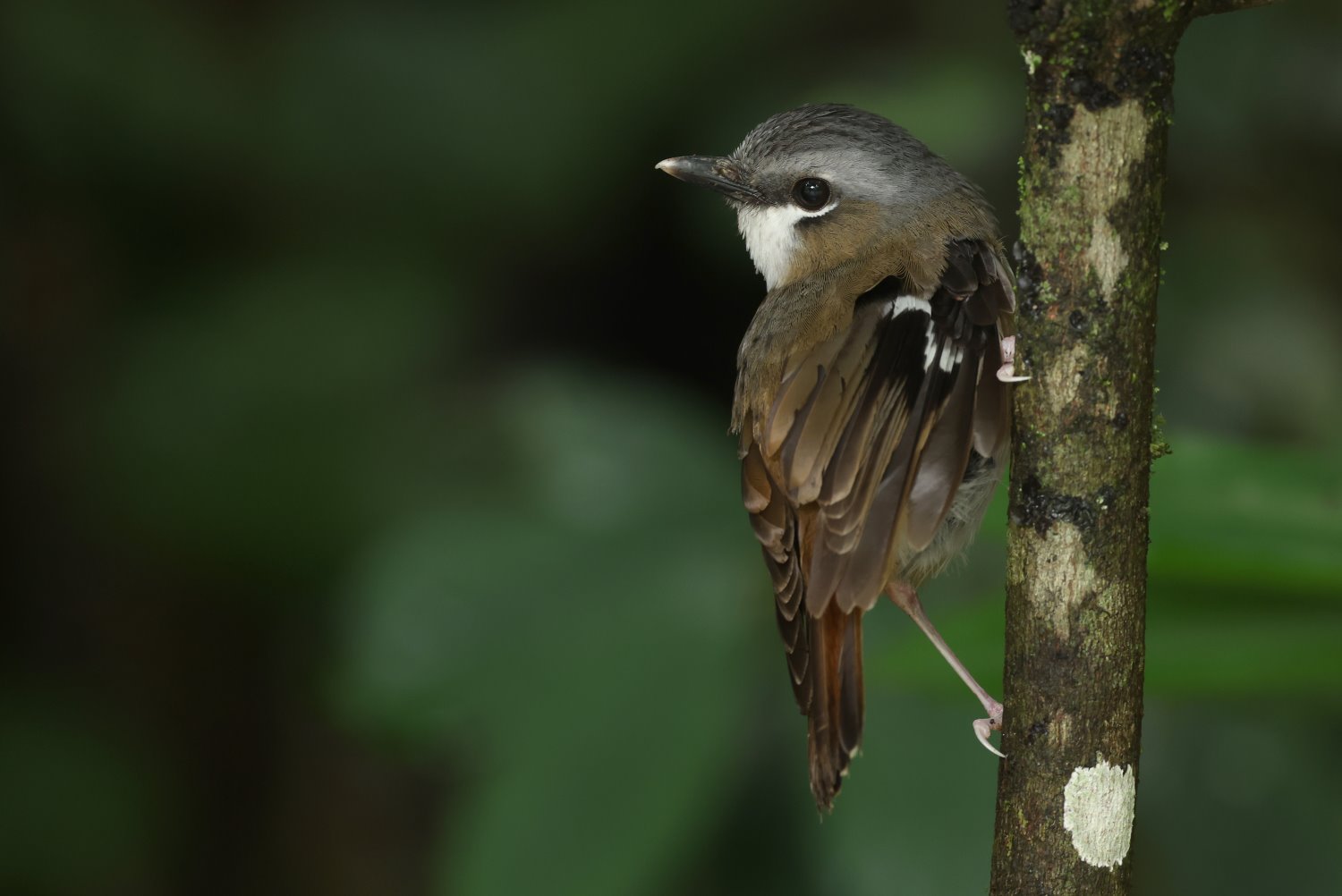
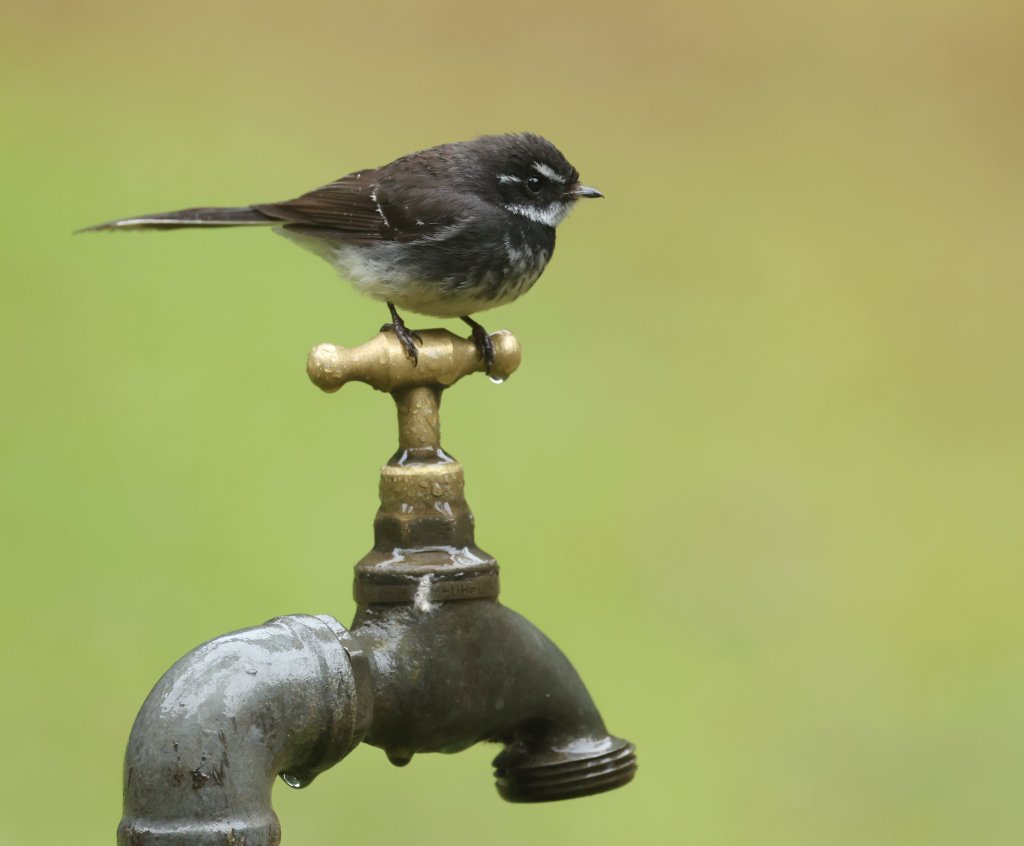
The mighty crater. ‘Tis deep.A Grey Fantail at the car park. On a tap. In the rain. Alone.Grey-Headed Robins were a fixture of all the rainforest sites I visited in the Atherton Tablelands.A Kooka hanging out on a branch overhanging the crater.
Lake Barrine: Just Like Lake Eacham Only Slightly Bigger
Unlike my last proper visit to the region, this time I walked the whole 5km Lake Barrine perimeter trail. I didn’t see that many birds on the trail itself compared to the day use area, but I certainly heard a lot. The sounds of the north Queensland rainforests are really something to behold.
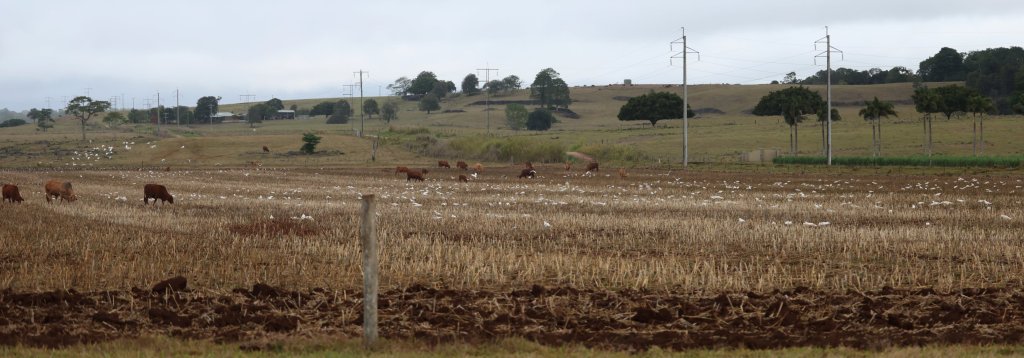
I was super happy to find a Bower’s Shrikethrush on the edge of the car park at Lake Barrine, because I wanted to get a video of the bird. And I did!This Victoria Riflebird was very much out in the open, drawn to the easy food of the Monstera deliciosa, the Swiss cheese plant, in the day use area.…as was this Spotted Catbird!Australia’s honorary hummingbird, the iridescent, tiny Sahul Sunbird (formerly known as the Olive-Backed Sunbird)A Figbird munching on easy fruit in YungaburraHundreds of Sulphur-Crested Cockatoos gathering on an agricultural field near Yungaburra – and the next field over hosted hundreds of Magpie Geese.
Cairns Esplanade Is A Must-Visit When In The Region
Cairns Esplanade, as we explained at length a few years ago, is a highly populated (uh, with people) strip of shoreline that has no forest as such… but is nevertheless Australia’s #2 eBird hotspot by species count. Crazy stuff! It’s a top place to visit morning or afternoon, with cooling sea breezes and lots of birds to fill up your camera’s memory card with.
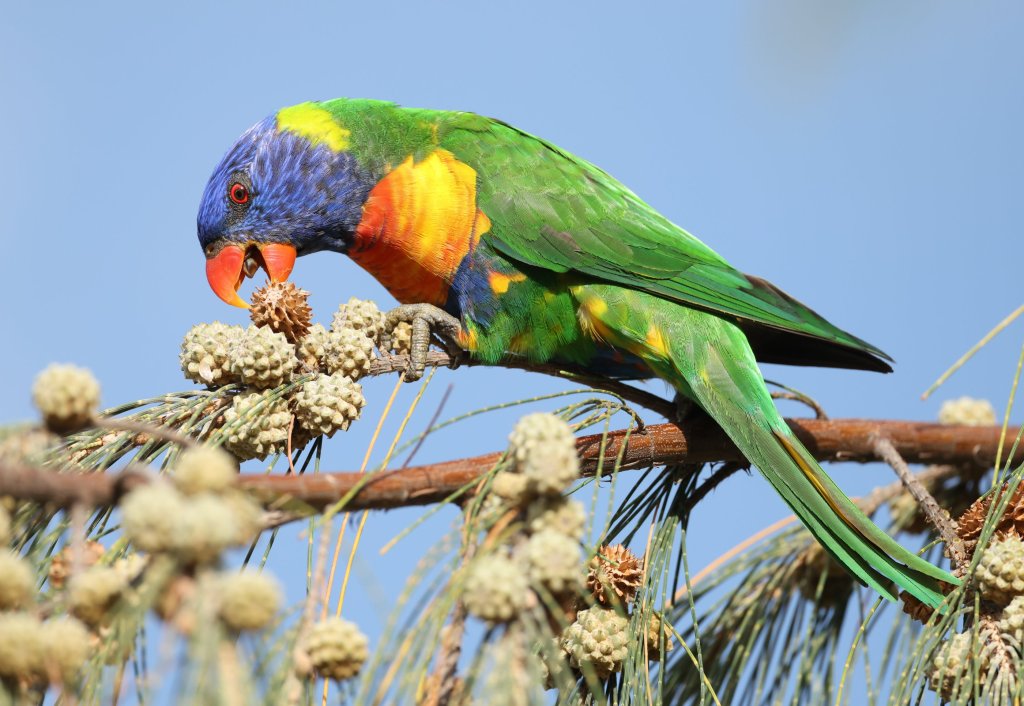
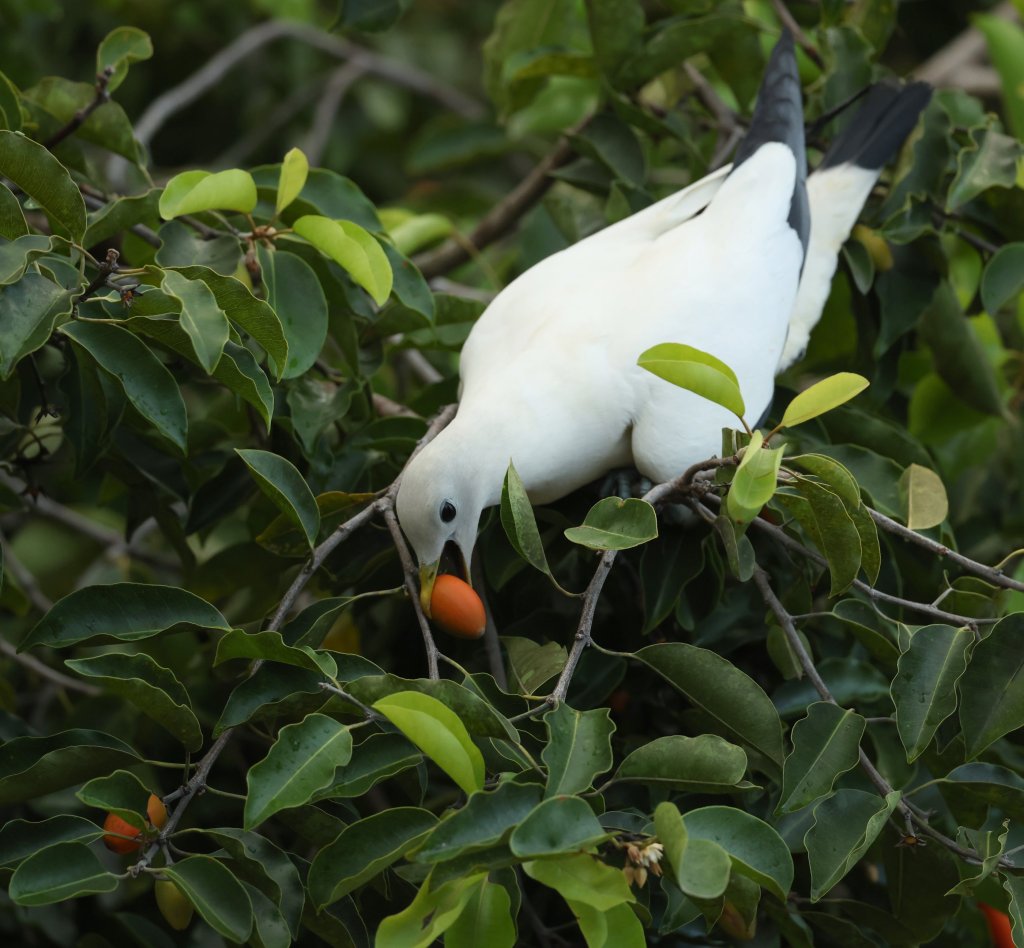
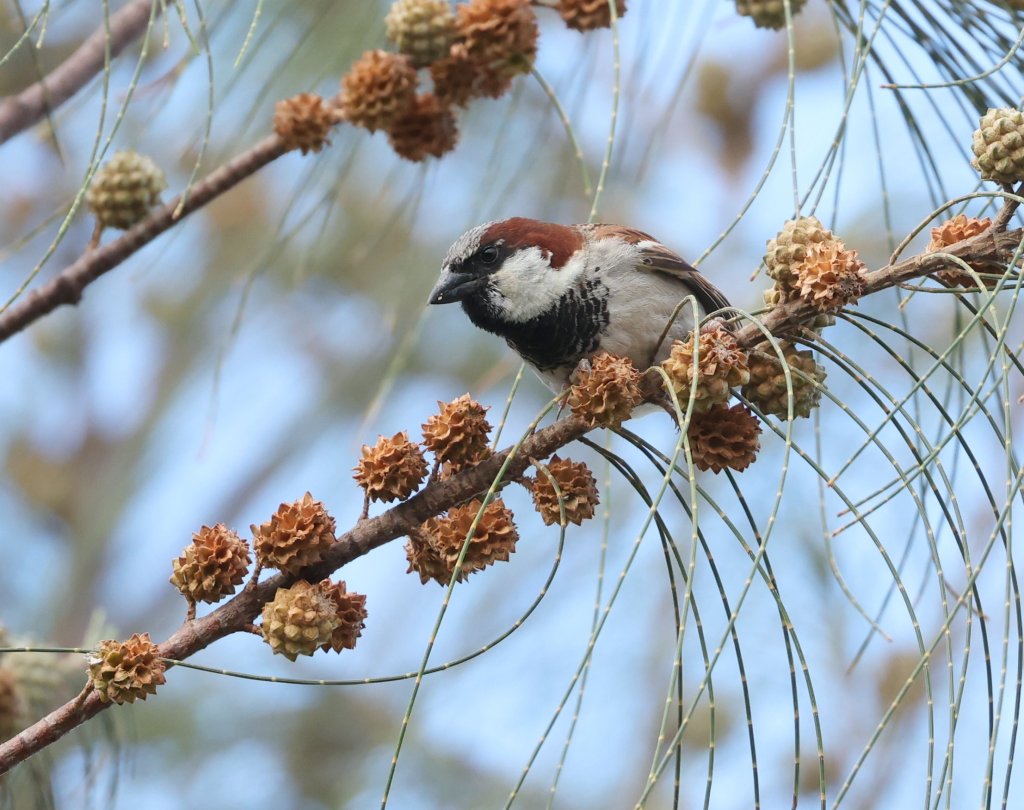
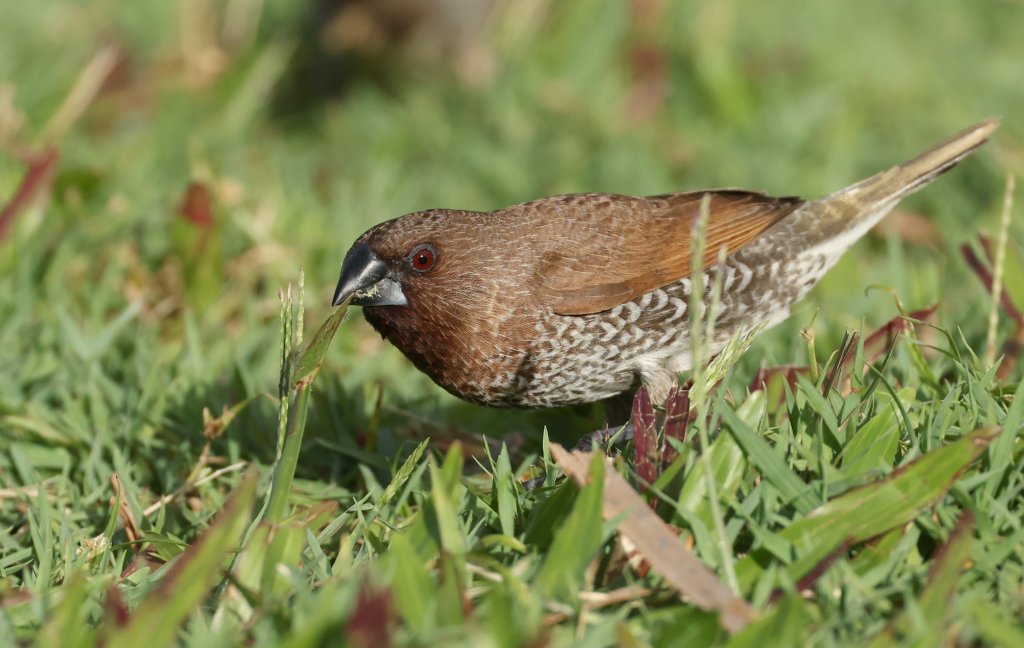
Rainbow Lorikeet, a.k.a. Party Parrot, a.k.a. Cheeky ScreechyTwo juvenile White-Breasted Woodswallows and (presumably) its parent.A Welcome Swallow on the sandy beach, looking as sleek as everPelican looks like it’s just had enough of everything.Torresian Imperial Pigeon going for one of the fruits on the many fruiting trees that can be found along the esplanade. This was only a short tree, and it had seven pigeons clambering around in it!Torresian Imperial Pigeons: pairing mode.OK, let’s talk about non-native birds for a second, like this House Sparrow……and this admittedly adorable Scaly-Breasted Munia……and this scruffy Rock Dove, a bird that has colonised most corners of the world……and last and definitely not least (in Cairns I saw a soccer field of nearly a hundred!!) – the highly invasive Common Myna.
Cattana Wetlands: You May Never Have Heard Of It, But It’s Quite Good
Cattana Wetlands is another of Australia’s #10 hotspots (seriously, this region is littered with ’em!), and lies not far north of Cairns airport. I had been a couple of times before, but the mosquitoes this time were rampant. It was somewhat depressing/distressing. Oh well, win some, lose some. Most of these photos were taken in between swatting away those pesky pests.
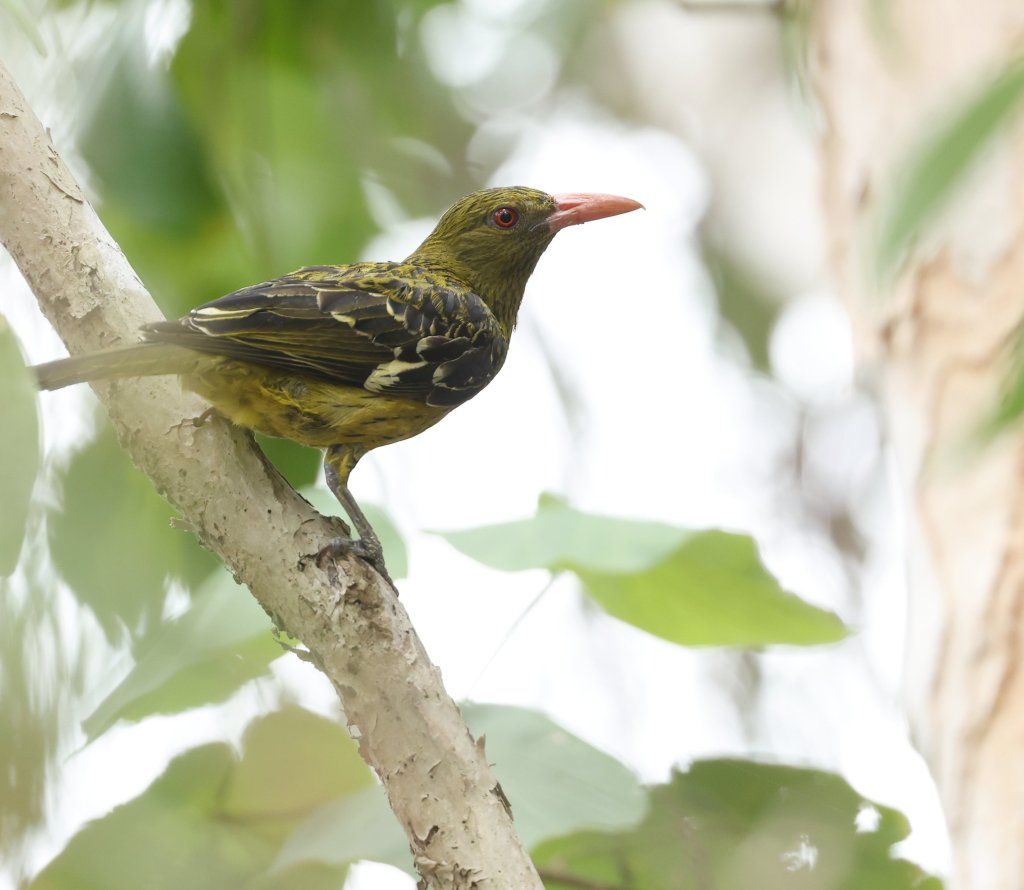
A Helmeted Friarbird and Spangled Drongo were – literally – hanging out together for several minutes high up in a tree. The Drongo was practising its imitation calls and at one point emitted a perfect rendition of a Green Oriole call – which must have confused the Friarbird, I reckon.Little Bronze Cuckoo’s are instantly recognisable with their strong red eyering.Green Pygmy-Goose is a nice bird you find often up northGreen Oriole, just like other Orioles, but greener.Orange-Footed Megapode taking a well-earned rest from scratching around in the voluminous leaf litter.
And in conclusion…
It’s a top part of the world for anyone interested in birds, folks, and no mistake. Not only are there lots of birds, there’s also plenty of species that are heavily range-restricted to the Atherton Tablelands and surrounds – like Golden Bowerbird, Fernwren, Victoria’s Riflebird, Tooth-Billed Bowerbird, Spotted Catbird and many, many more. I had four possible lifers to find, and managed to only find one (Black-Throated Finch), but I am sure I will return again…
Wow, Andy, you had a great few days! So many memories for me – thank you 😊
The wallaby is an Agile Wallaby (Notamacropus agilis), I believe.
Thank you for all the effort you put in.

























I enjoyed your trip report, and your photographs were fantastic.
LikeLike
Wow, Andy, you had a great few days! So many memories for me – thank you 😊
The wallaby is an Agile Wallaby (Notamacropus agilis), I believe.
Thank you for all the effort you put in.
Louise Lee
LikeLike
Your photography is stunning.
LikeLike