
[A stop on the South-west WA Trip Jan 2023]
Summary: A small island which is a popular day trip from Perth, for the beaches, the quokkas, and as it turns out, the birds!
Date of visit: Dec 27, 2022
Rottnest island (Wadjemup) is not far from Fremantle off the west coast of Australia. The island is listed as a reserve to protect the wildlife. Most obviously this is the home to the native quokka, but it is also an important breeding ground for fairy terns. The reserve extends beyond the shoreline of the island to include the surrounding reef, and is a popular tourist destination because of the diving and snorkeling among other pursuits of surfing and swimming.
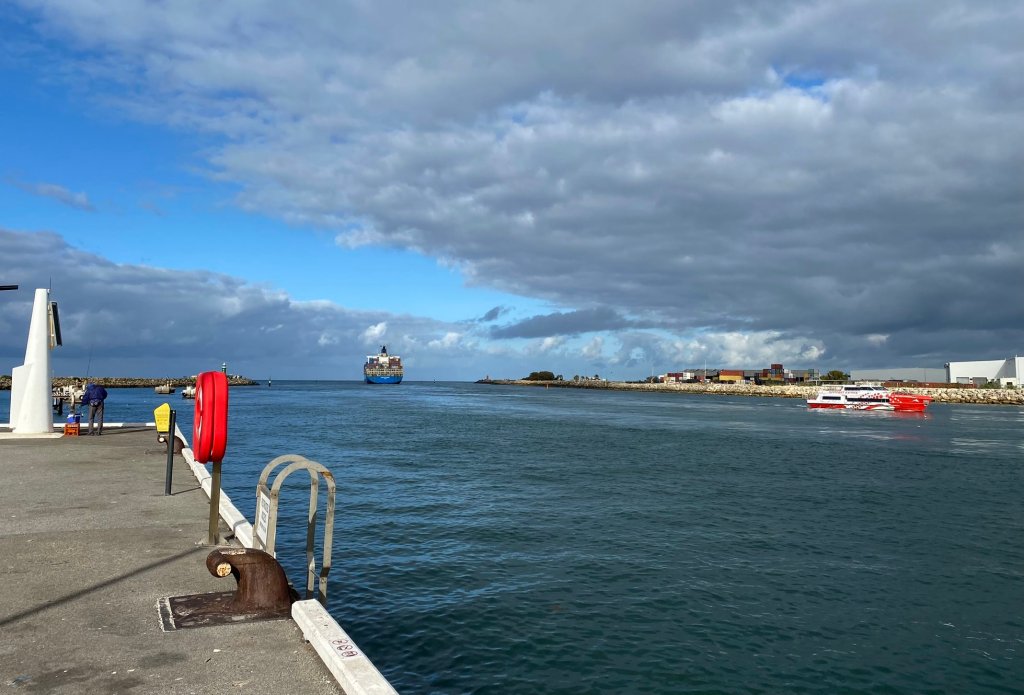
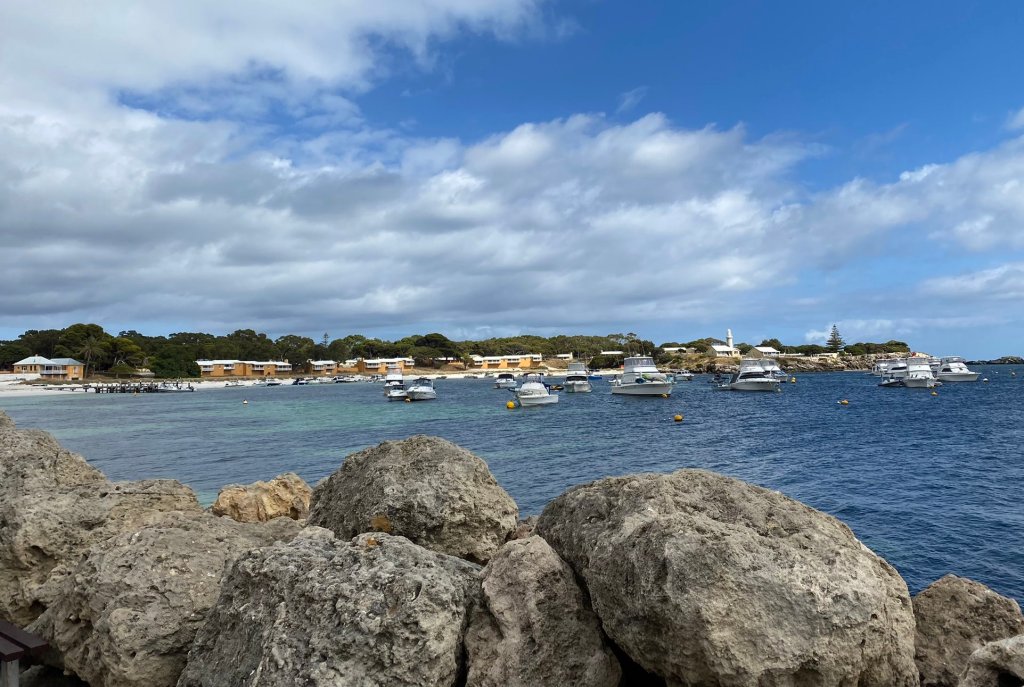
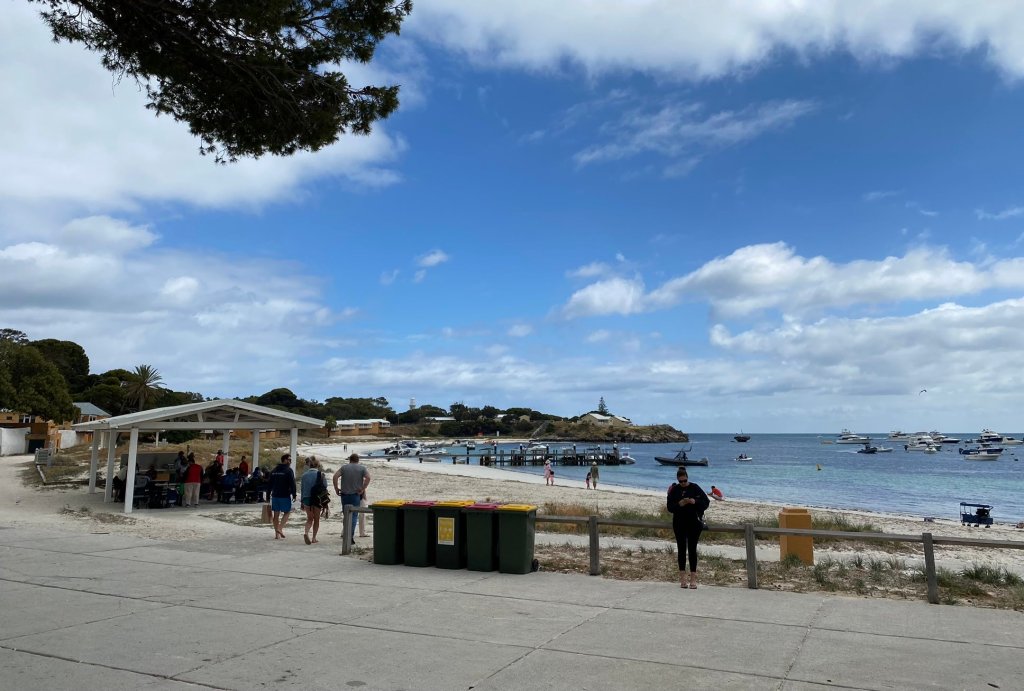
We chose to travel to Fremantle early in the morning to catch the first available ferry out to Rottnest. As we were waiting for the ferry to depart, we spent a bit of time watching terns flying around the harbour. The 25-minute boat journey was pleasant, but we were keen to get straight to the birding.

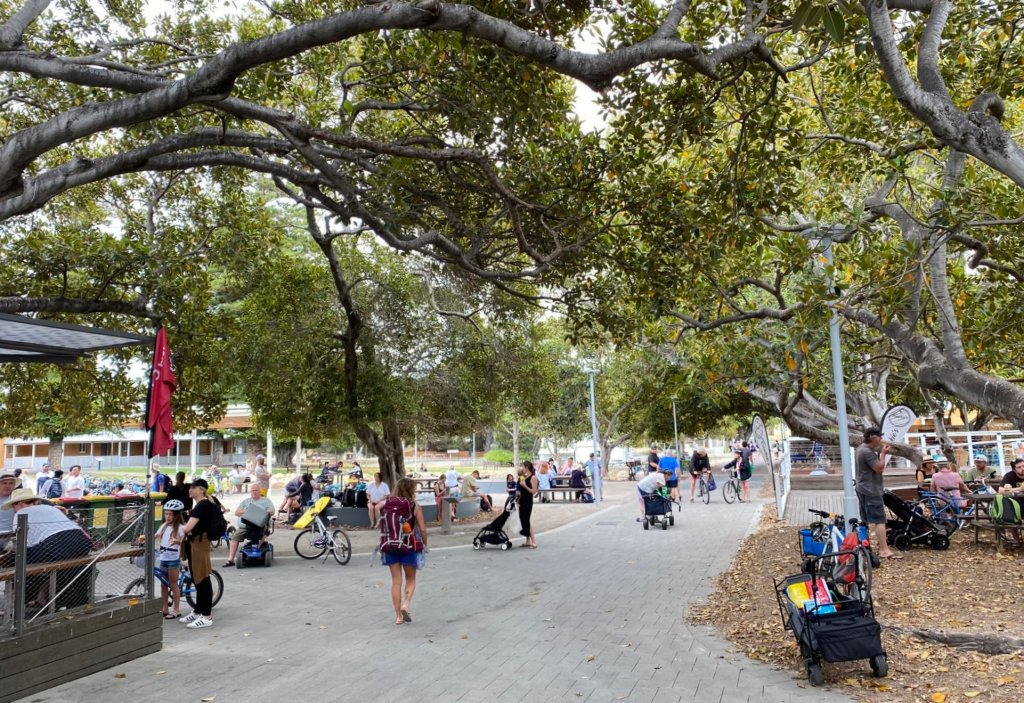
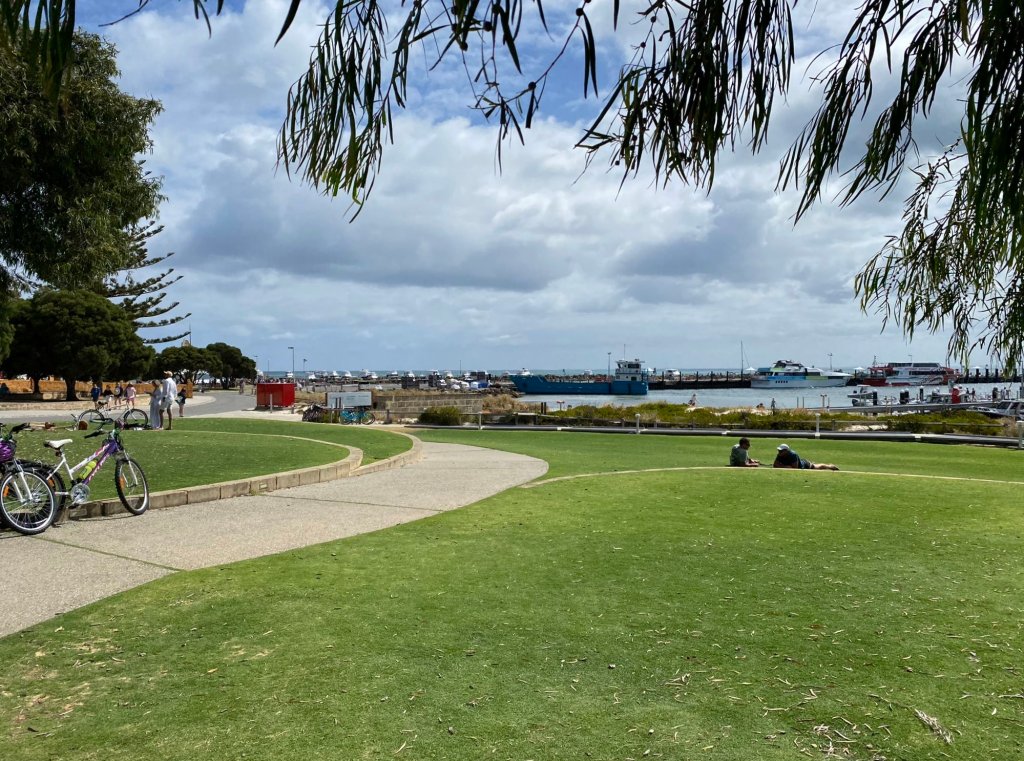
Our first stop on arrival was to pick up the rental bicycles to use for transport around the island, followed by a trip to the bakery to stock up on lunch. There were plenty of people and quokkas around the area, and we were lucky enough to see our first (ever!) Laughing Dove perched at the top of a tree. It was a very tall tree so we didn’t get the greatest view but it felt like a good start to the day.
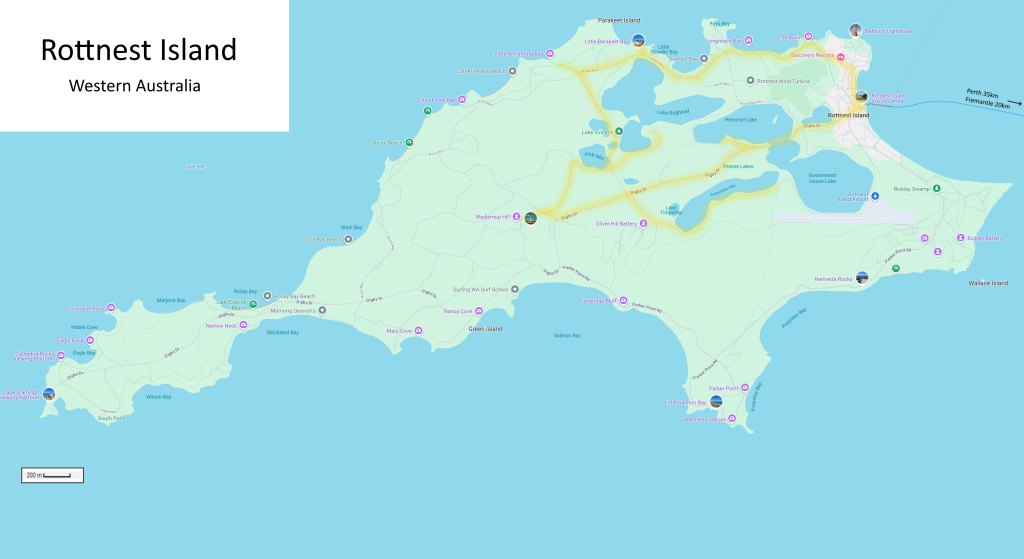
We worked out a cycling route that would take us past the main lakes and lagoons on the island, which are mostly in the north-east. We journeyed down Digby Drive, which took us between Herschel and Government lakes.
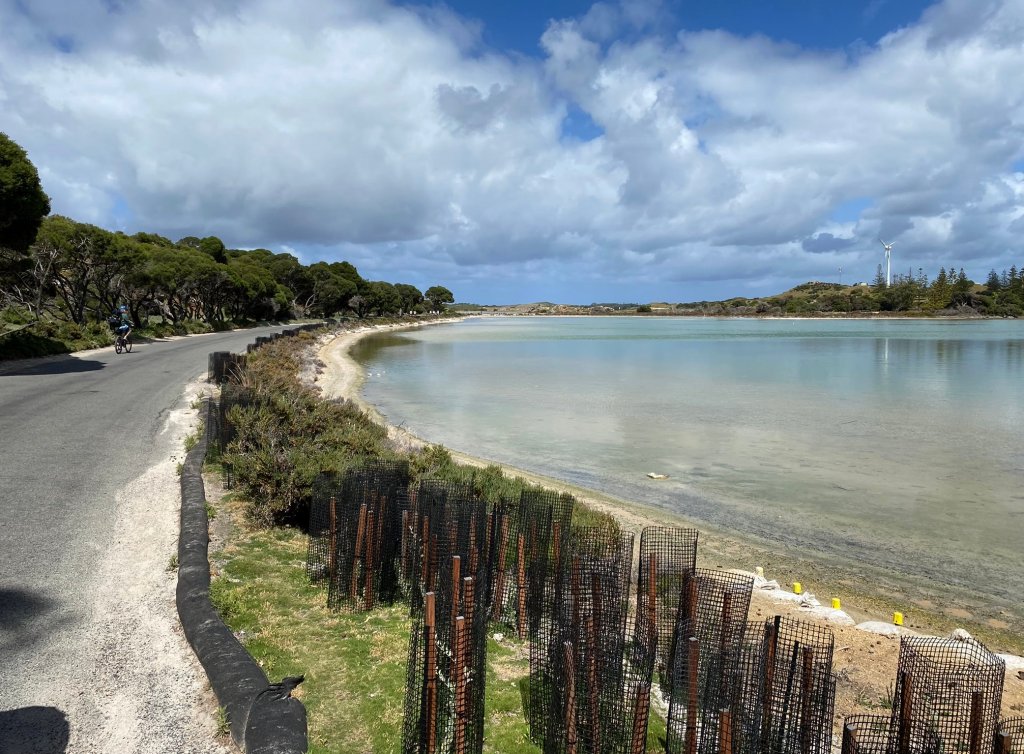
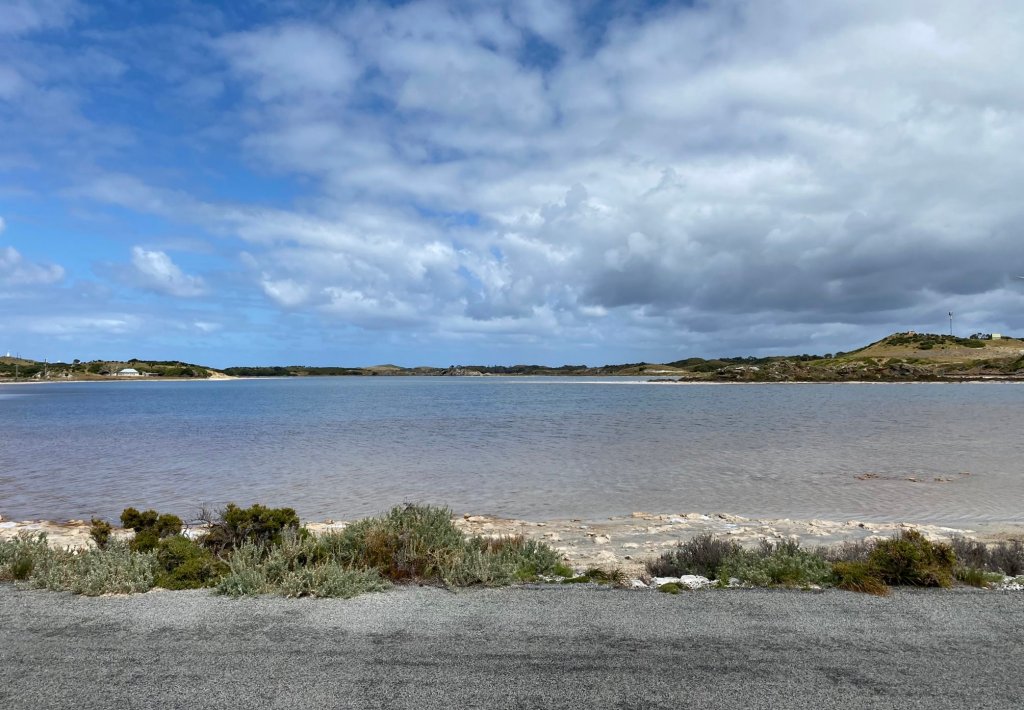

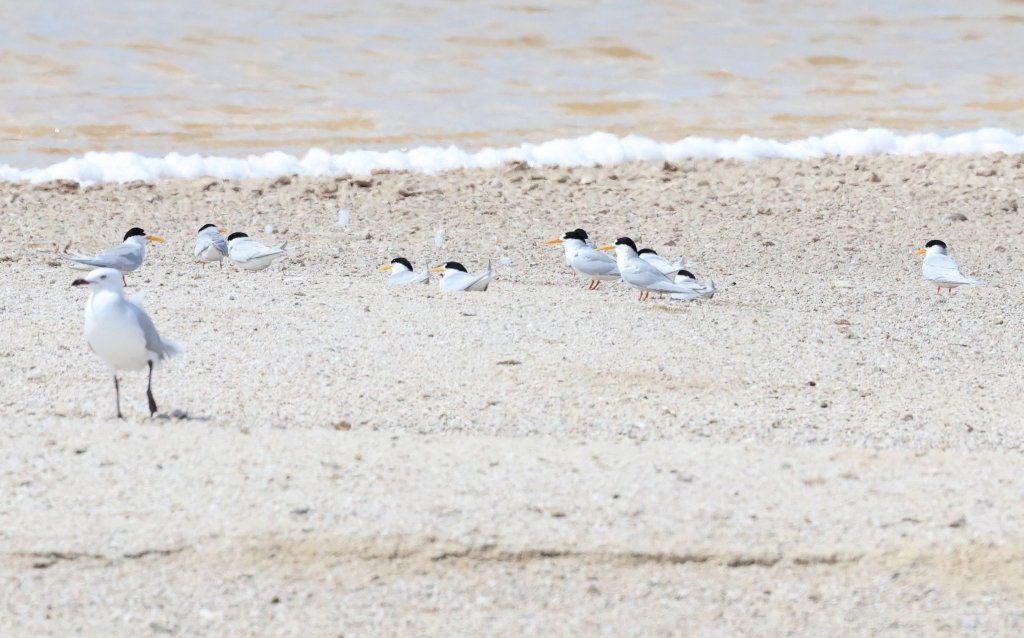
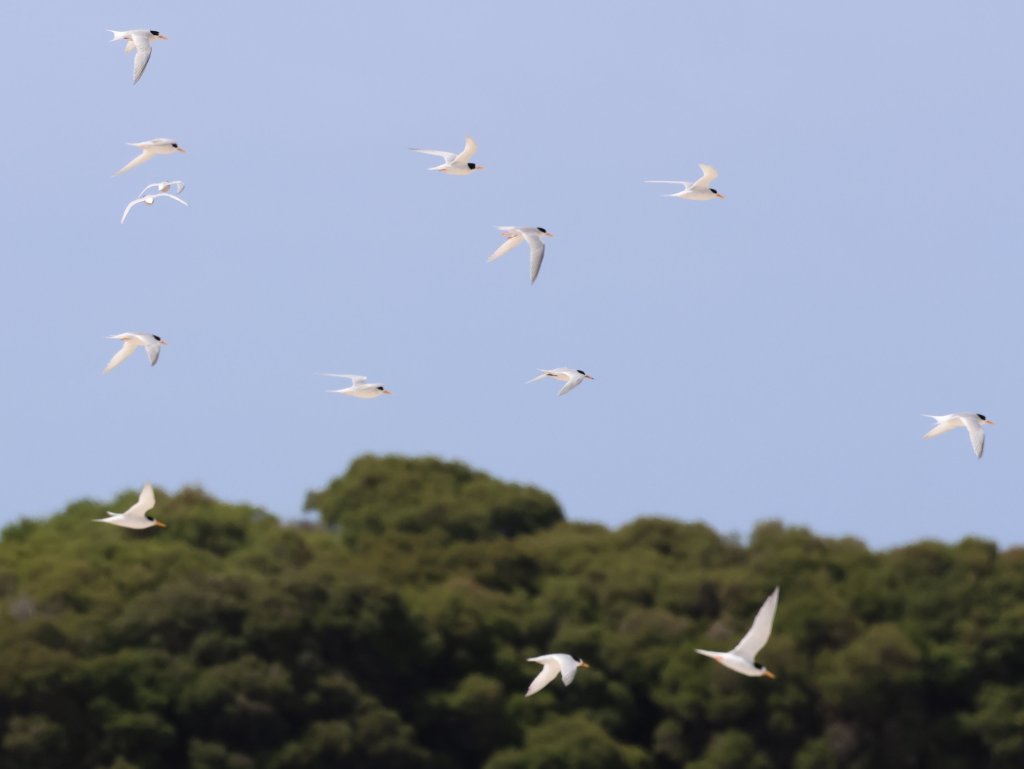
It was on this ride we saw our first Fairy Terns among the Crested Terns, with a few Caspian Terns in there for good measure.
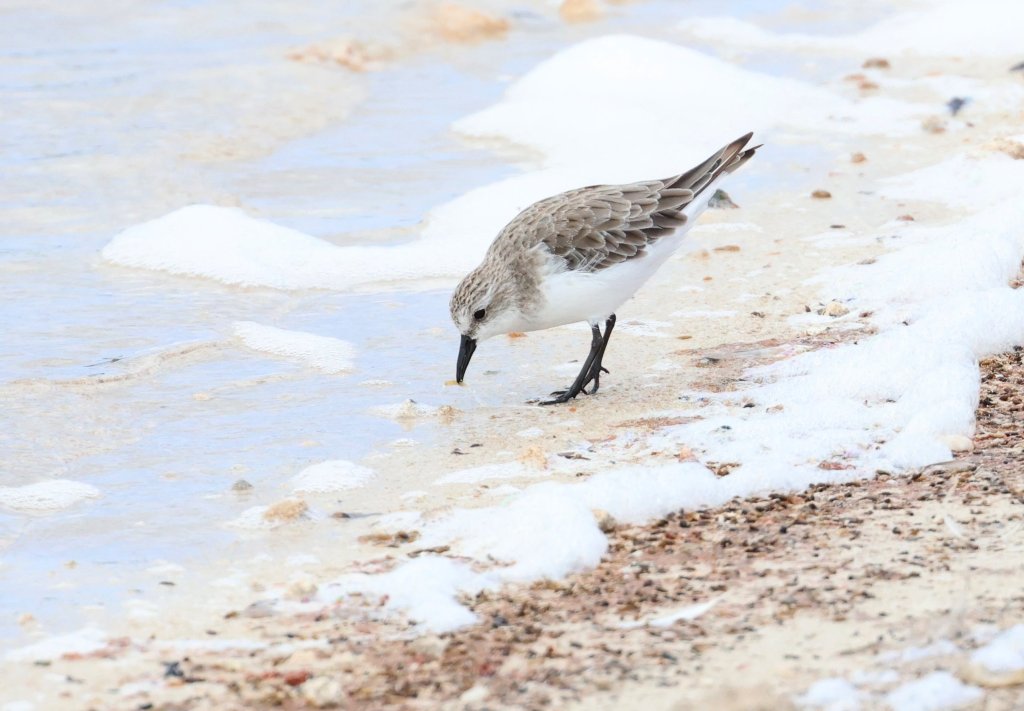
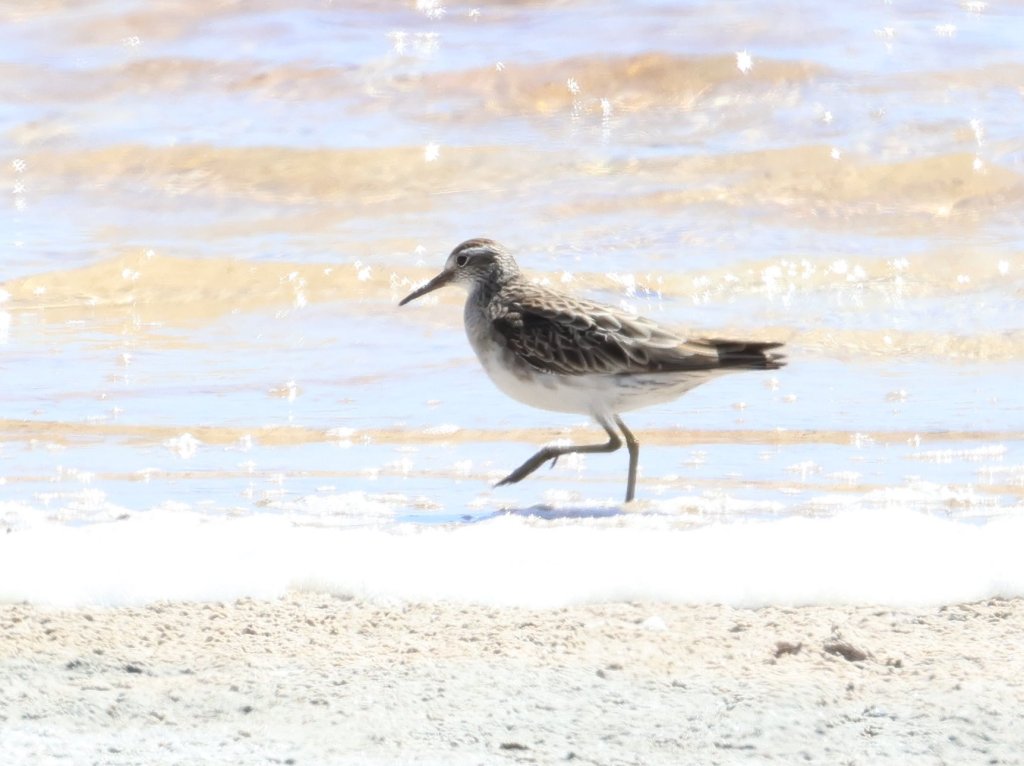
It was tough to get a good look at a Red-necked Stint that was feverishly foraging up and down the shore of the lake.
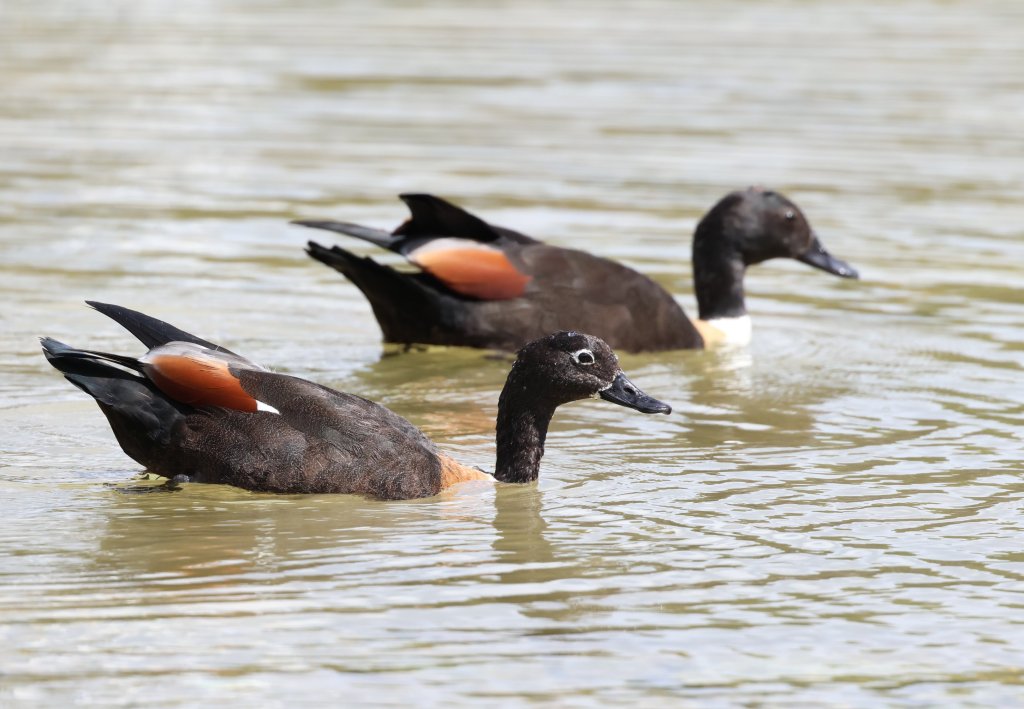
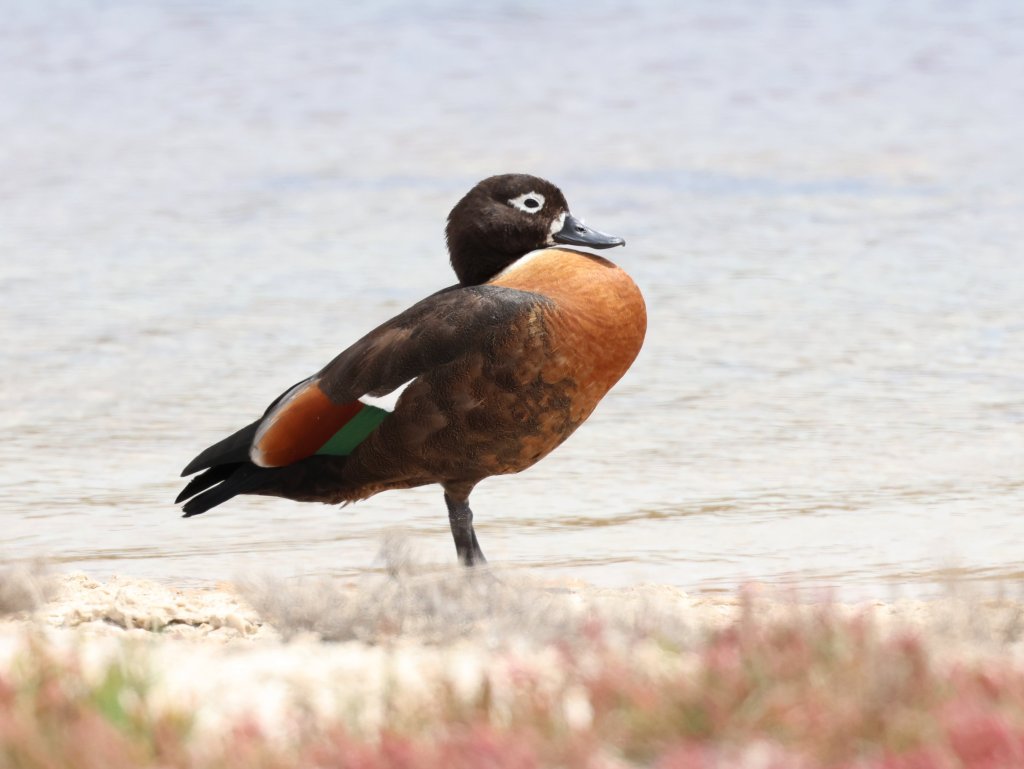
We kept to the left as we progressed, so we could pass around the south end of Serpentine Lake. There we came across a reasonable number of Australian Shelducks just chillin’.
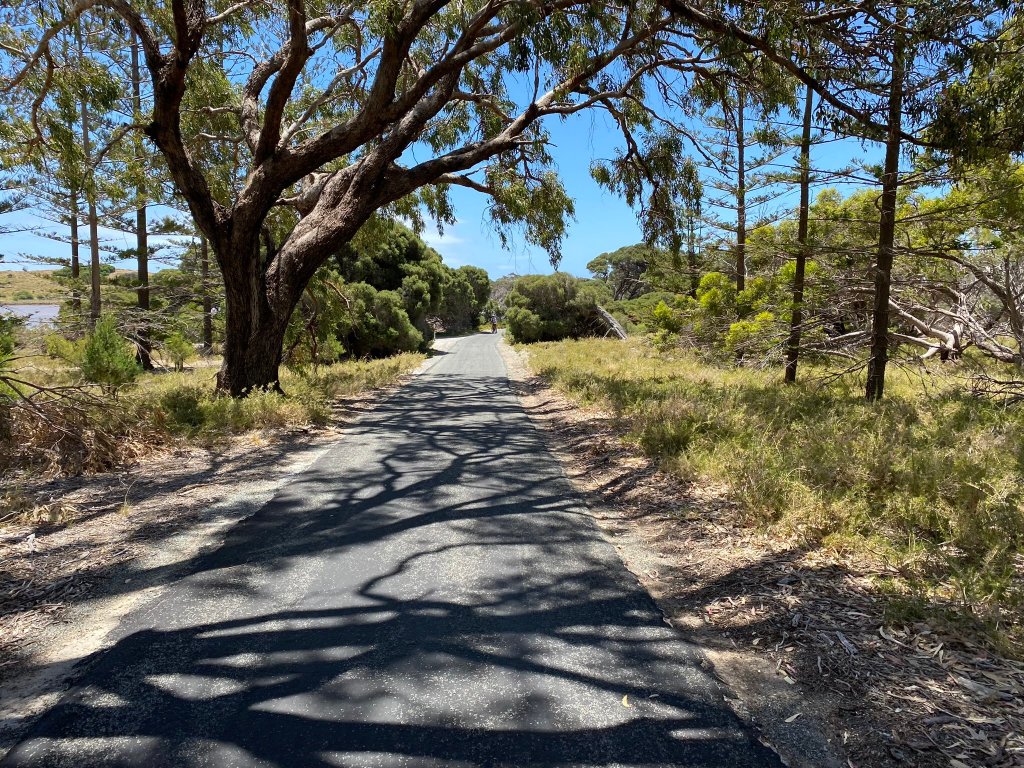
We had the lake on our left and the forest on our right, but had to pay a bit of attention to the road as we cycled because there were quite a few potholes to dodge.
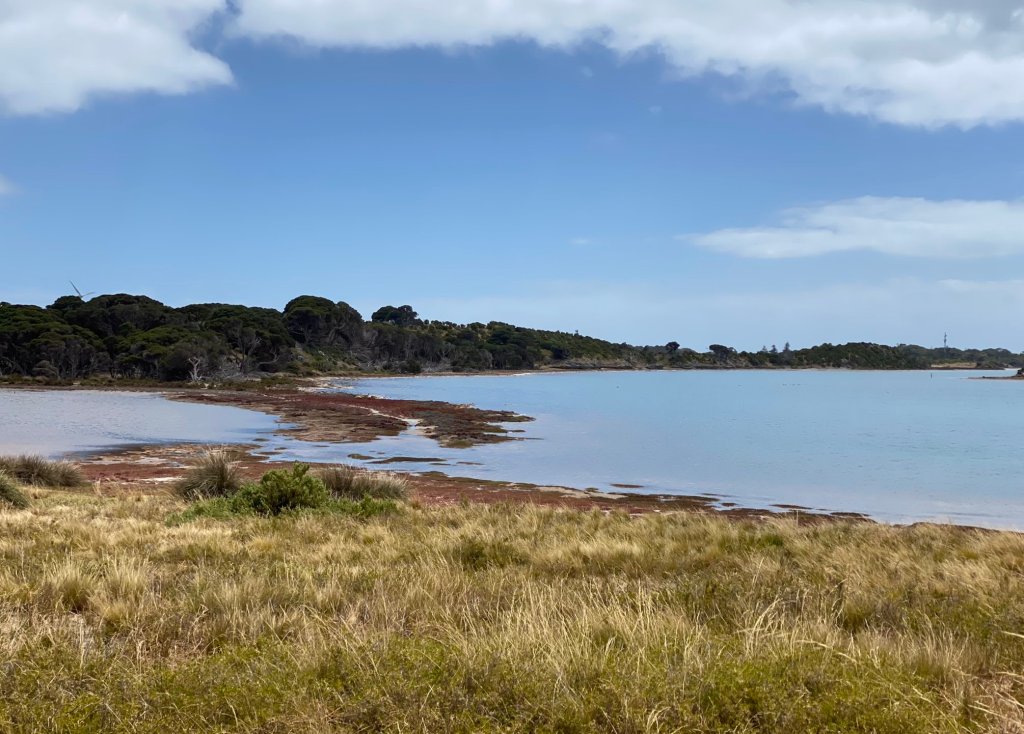
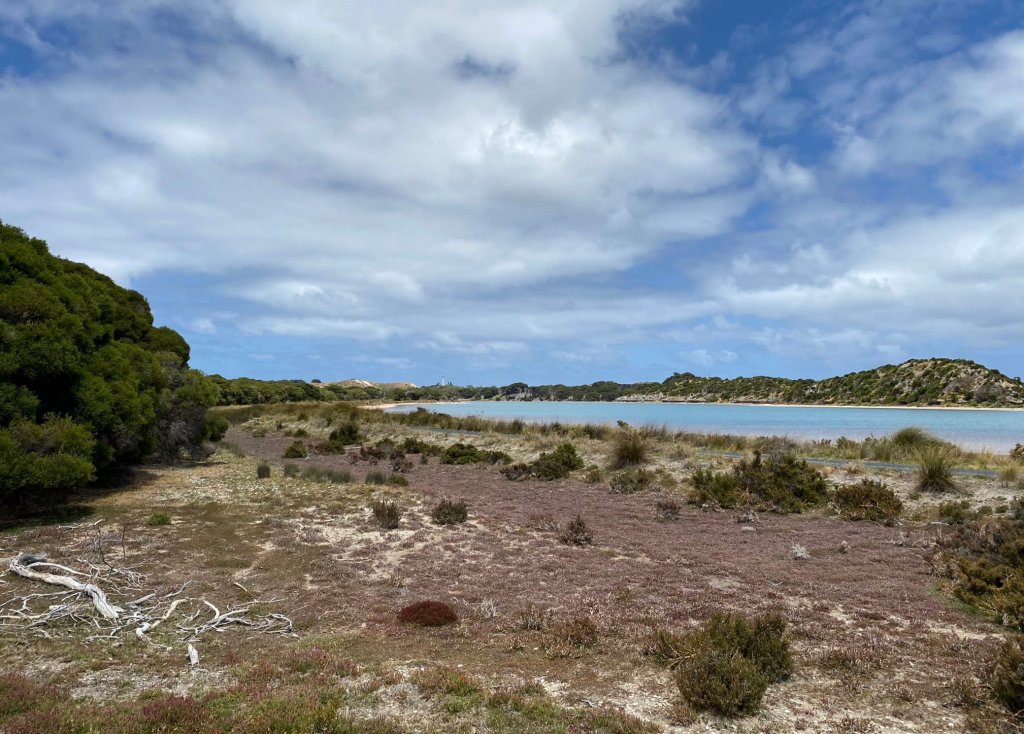
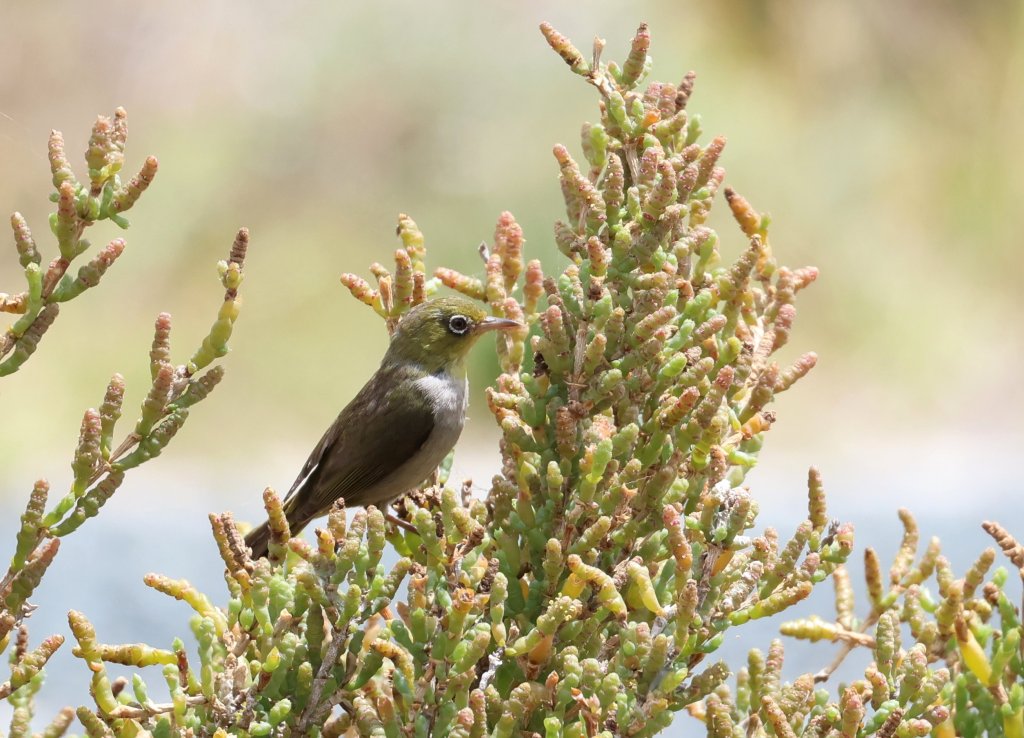
We did catch sight of a Silvereye in the brush. The Silvereyes on Rottnest kept tripping me up when ID-ing because they looked different to what I am used to. I was caught out a few times wondering “What is that bird?” only for Andy to point out it was a Silvereye!
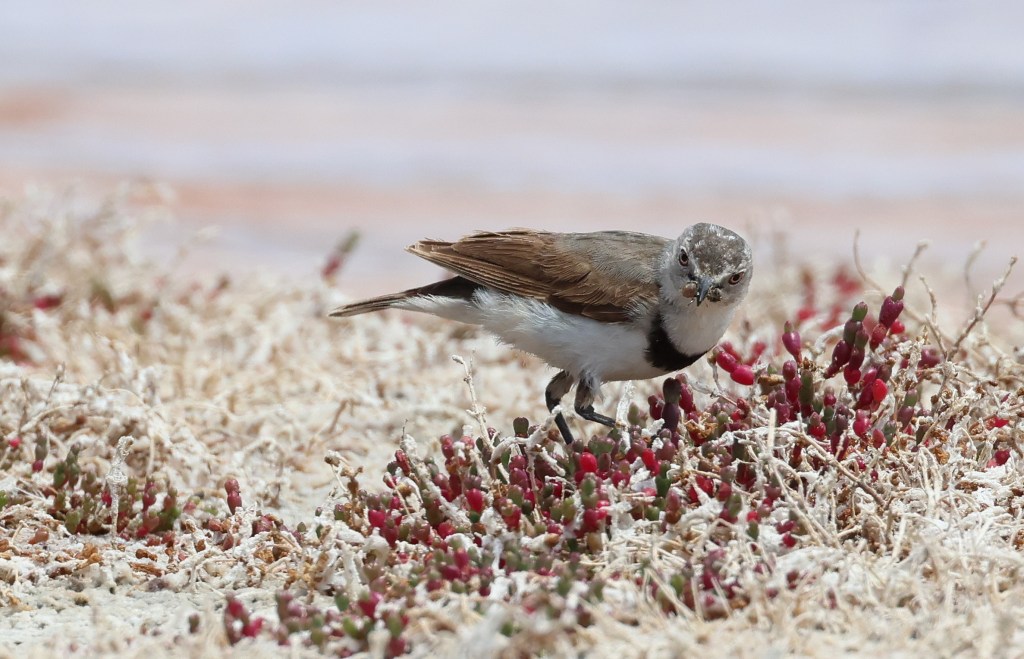
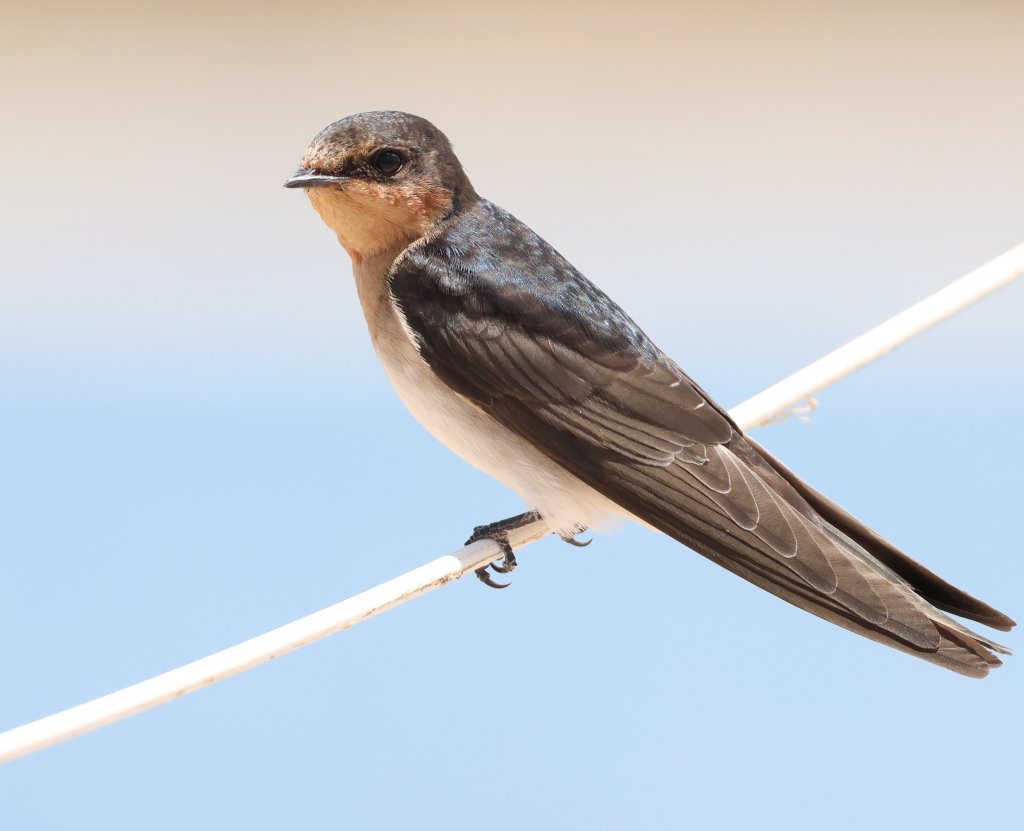
Towards the end of the road near the airport we encountered some White-Fronted Chats darting in and out of the vegetation, along with a number of Welcome Swallows posing obligingly on the fence.

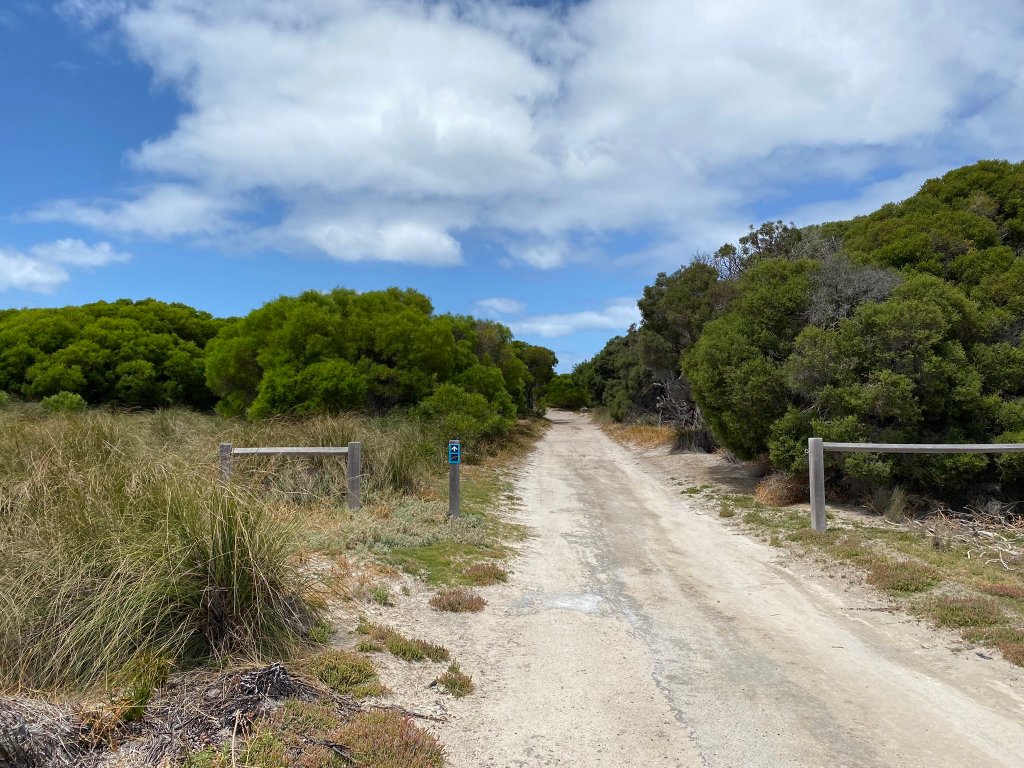
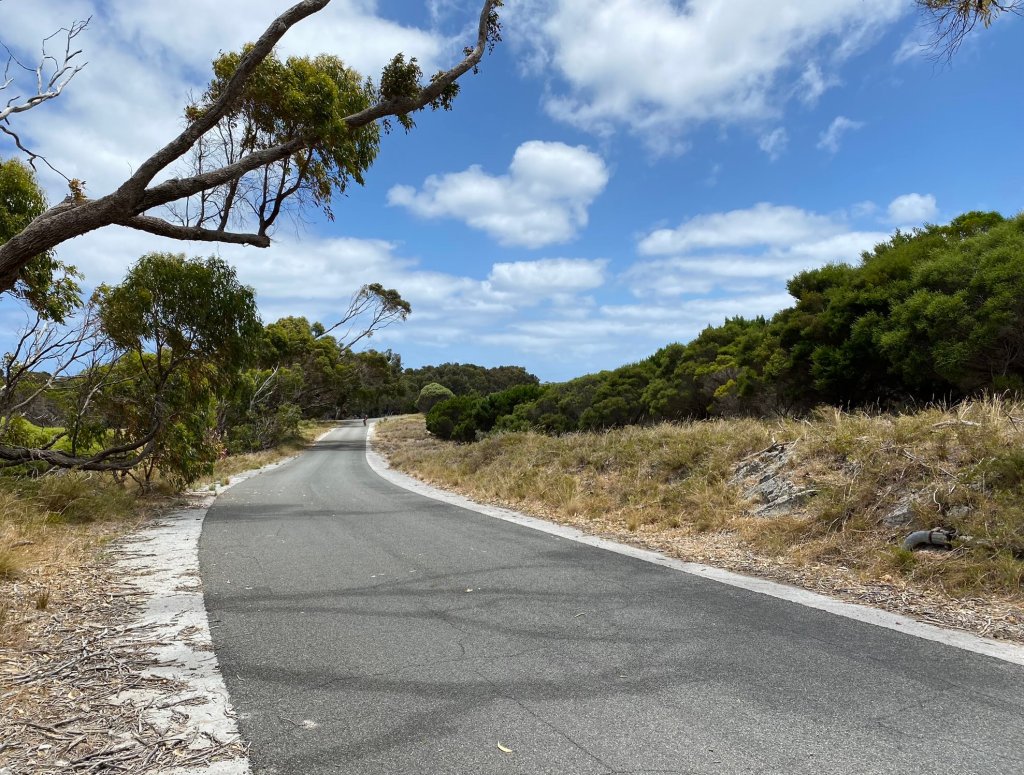
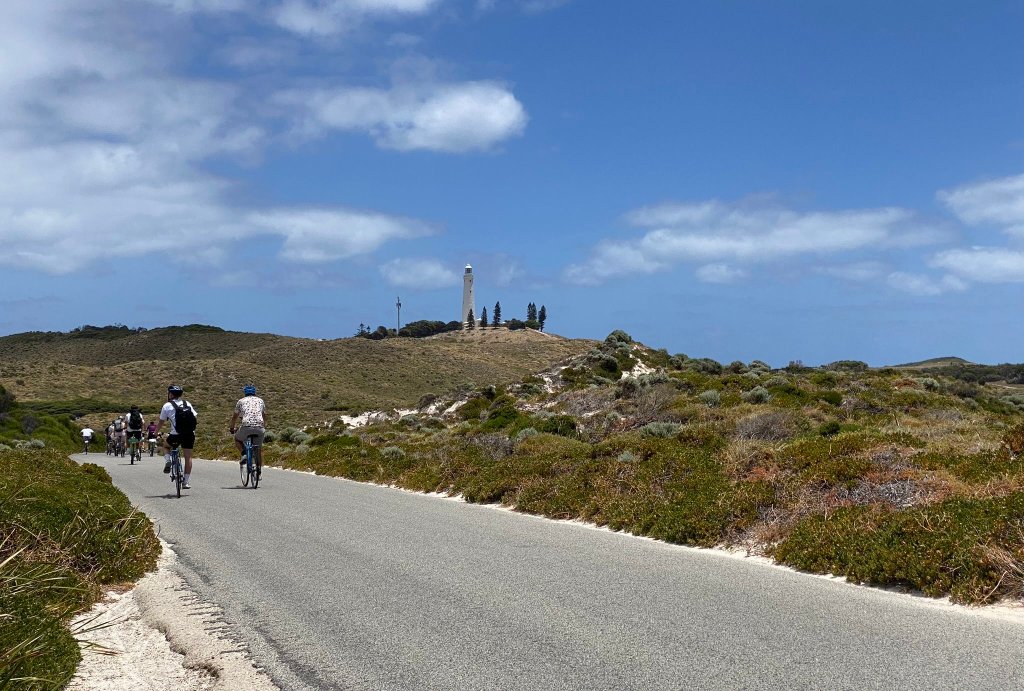
The road south proved too sandy for us, so we returned the way we came and decided to head towards the lighthouse. This took us back on to the main road which as you can see is paved and quite easy to ride on. There are very few vehicles (only the occasional tourist bus), which further makes for breezy cycling.

On the way to the main road we encountered these Rainbow Bee-eaters perched together on a break from bee-eating.

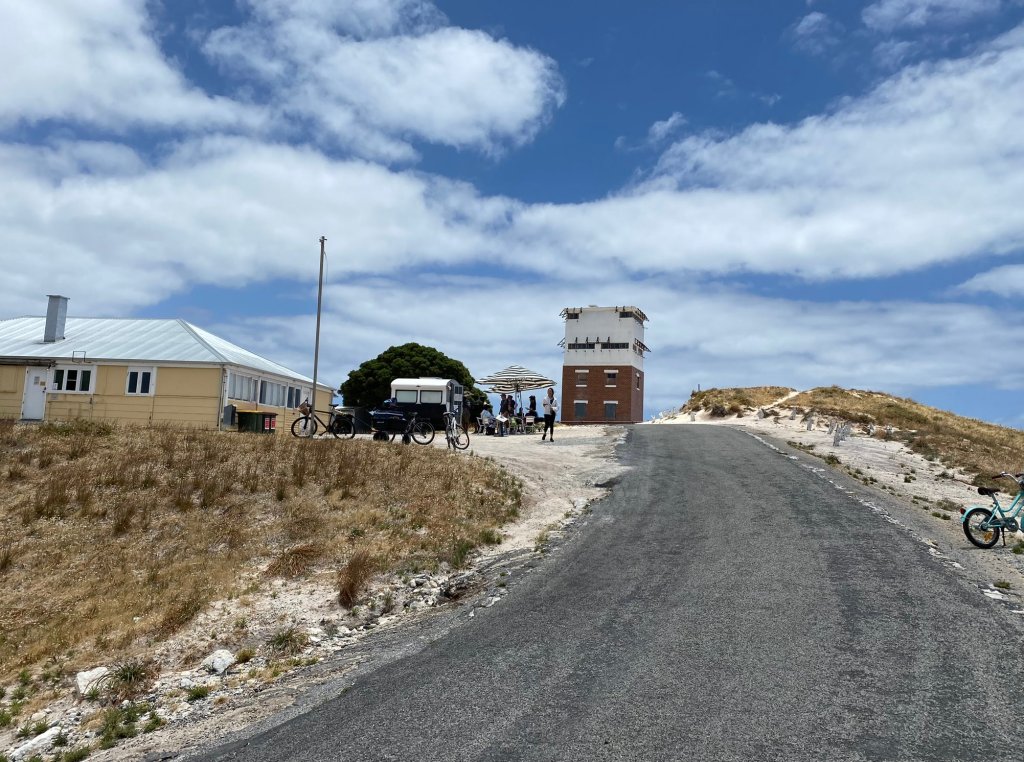
It was a steep climb to the lighthouse, but once we were there we were rewarded with great views (and ice-cream)! This is spot a bit of a focal point for tourists.


We had to back-track again in order to head north, and on the way we came across a beautiful male Western Whistler. Just like a Golden Whistler, only… Western.

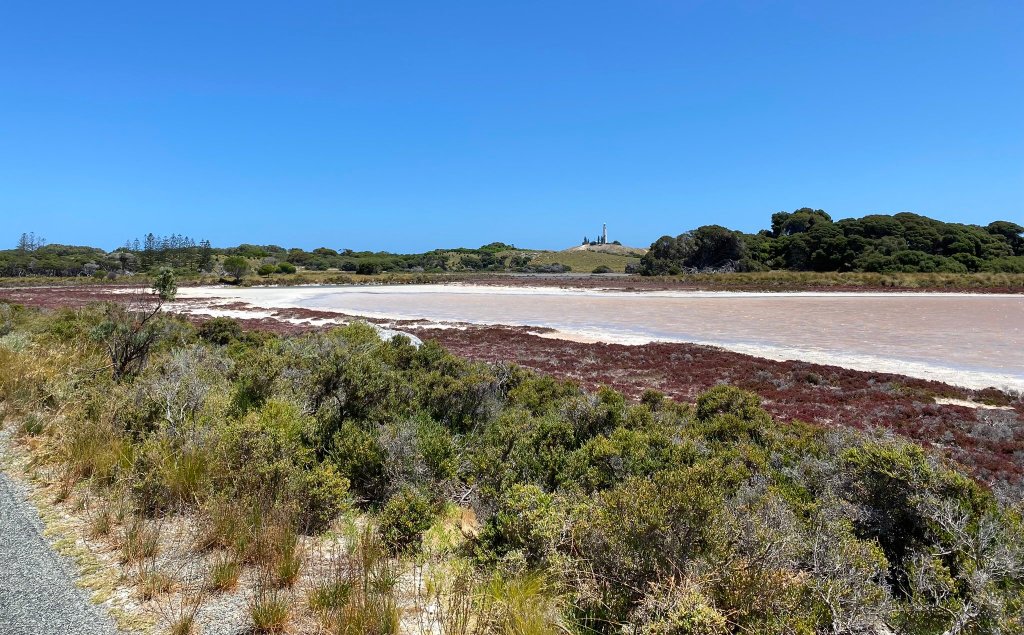
We passed by the Pink Lake and decided to find a picnic spot for lunch.

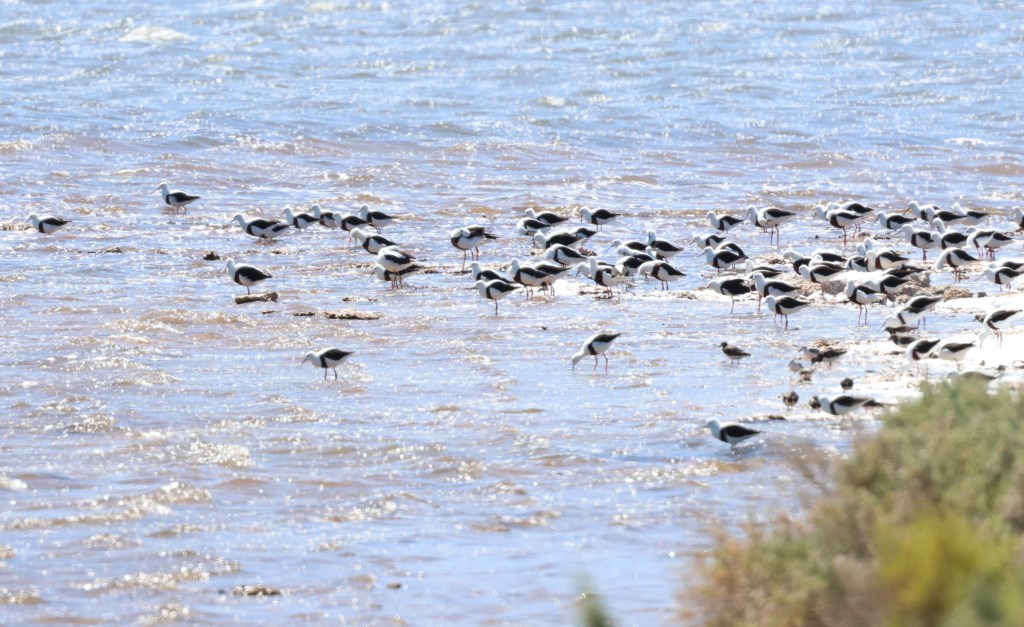
We ended up on the southern bank of Lake Vincent. While eating lunch and trying to identify the birds on the far side of the lake – likely a large group of Banded Stilts – we noticed some quokkas nearby. For a marsupial that is supposed to be nocturnal, we saw a lot of them out and about during the day. How could you resist taking some photos of those cute little faces?
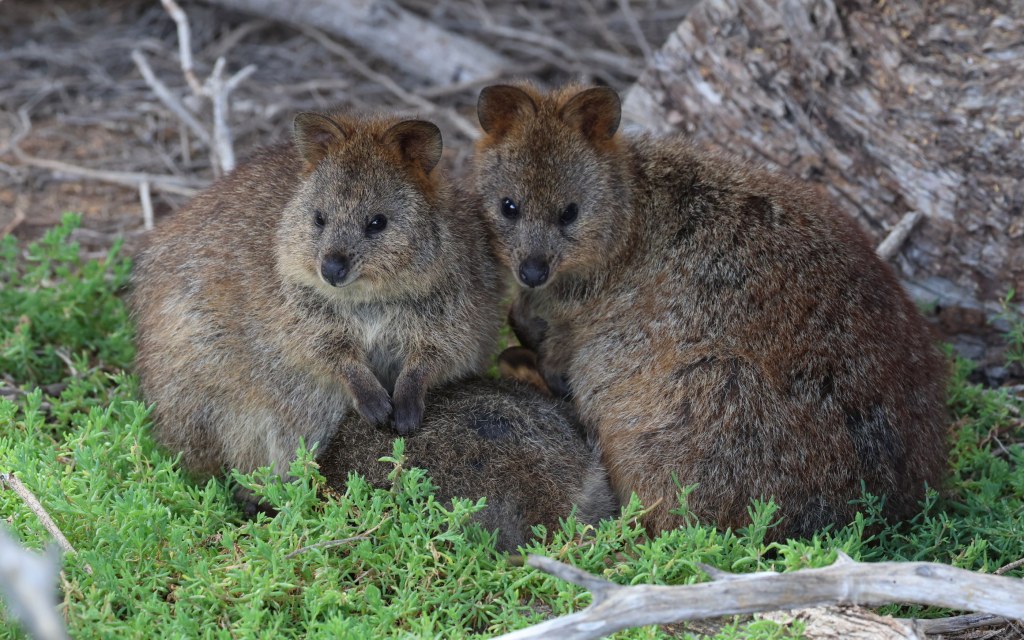
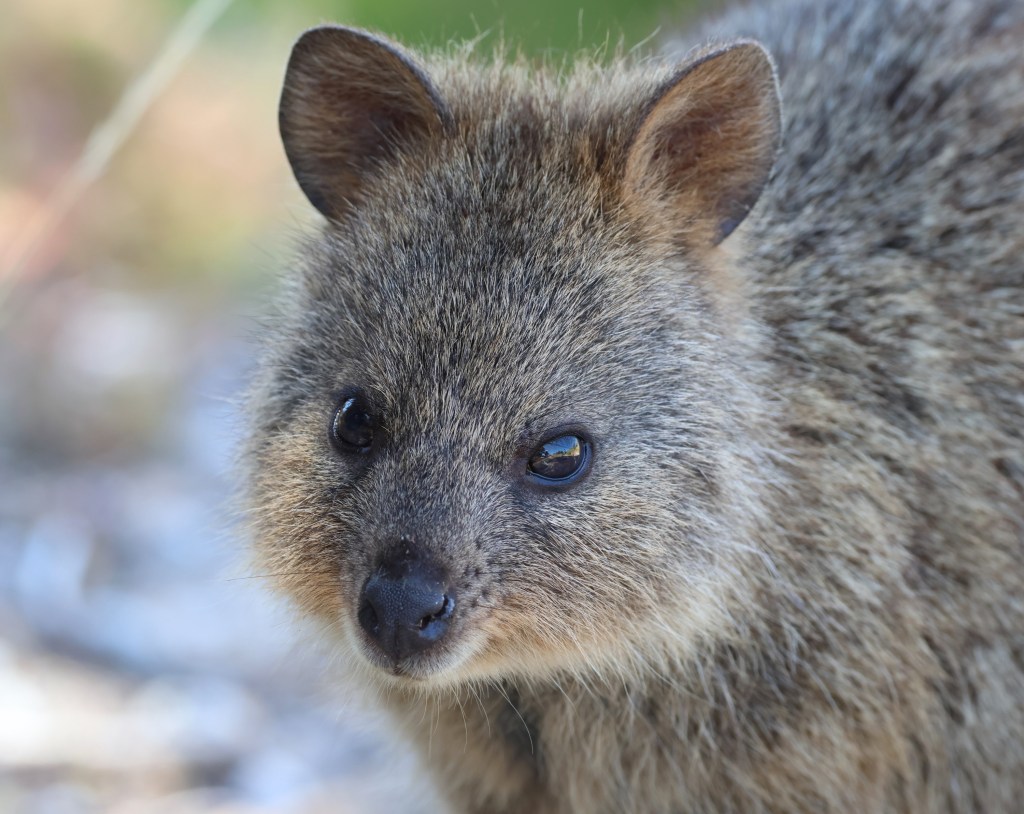
After lunch the northern shore called.
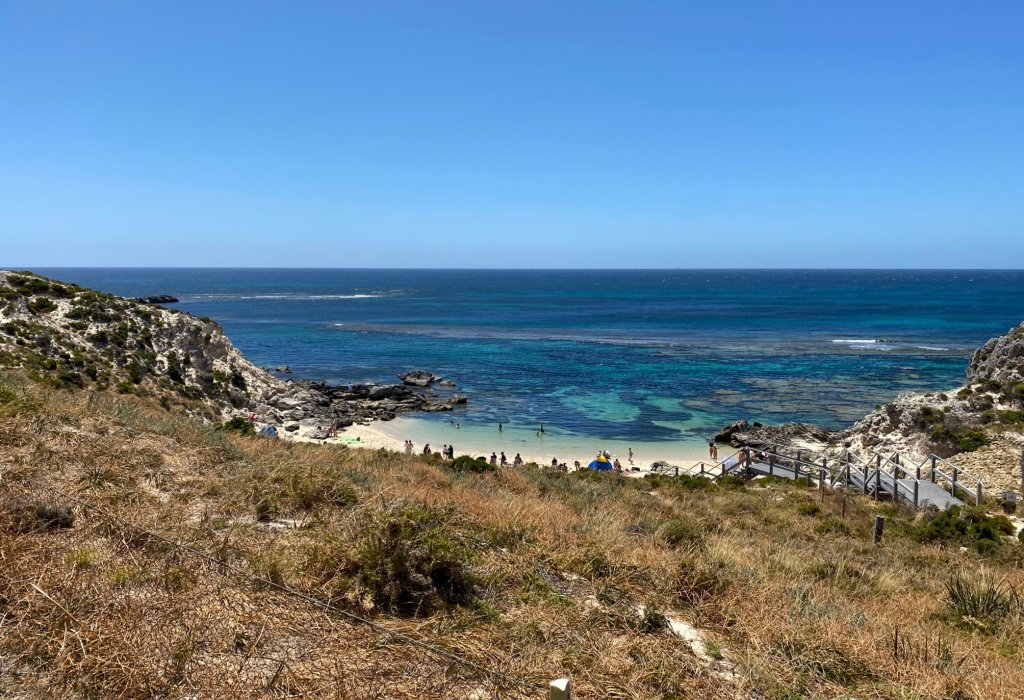
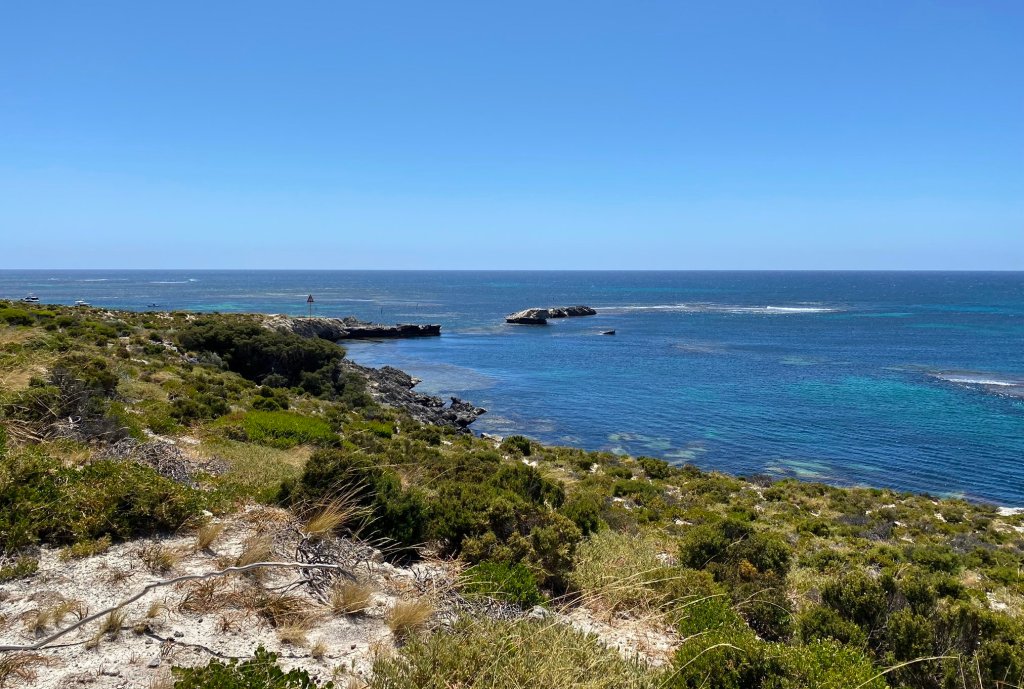
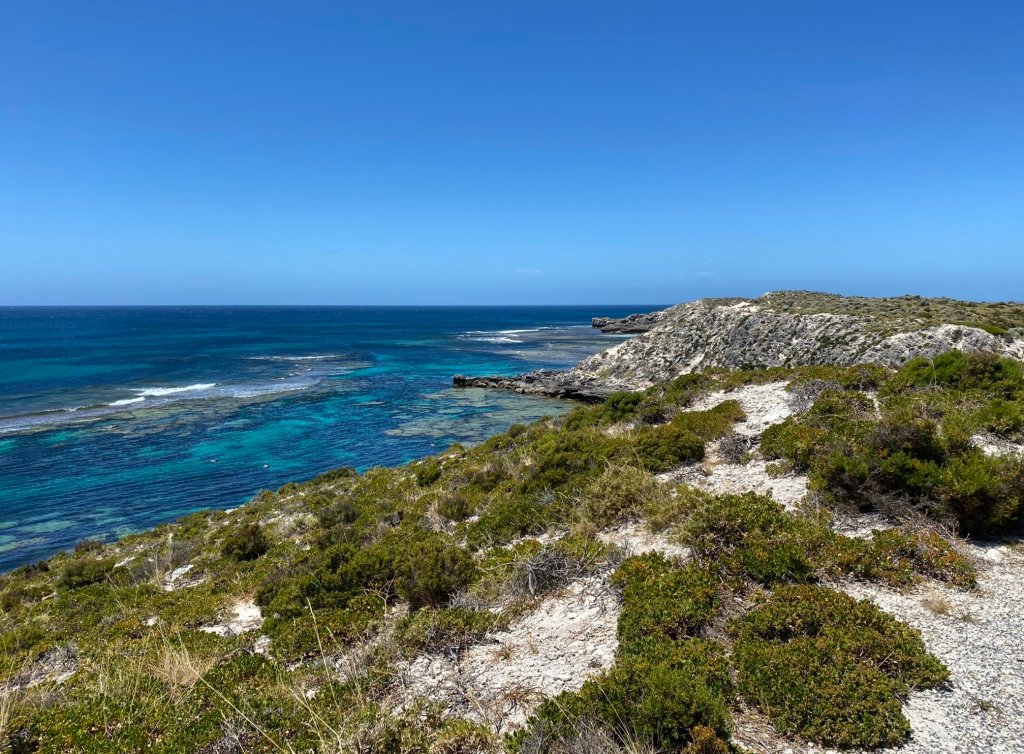
Around Little Armstrong bay, the views kept us captive long enough to notice two Osprey hanging out by the cliffs. They didn’t get up to much while we were there, but they were still magnificent to see. Apparently there are a few pairs of Osprey that nest around the island.

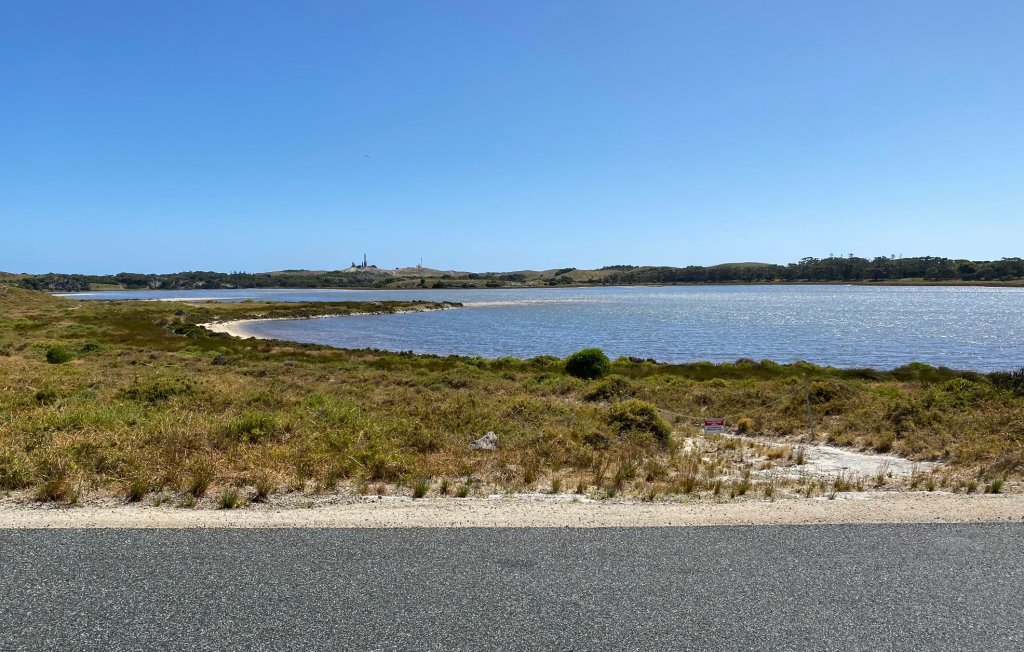
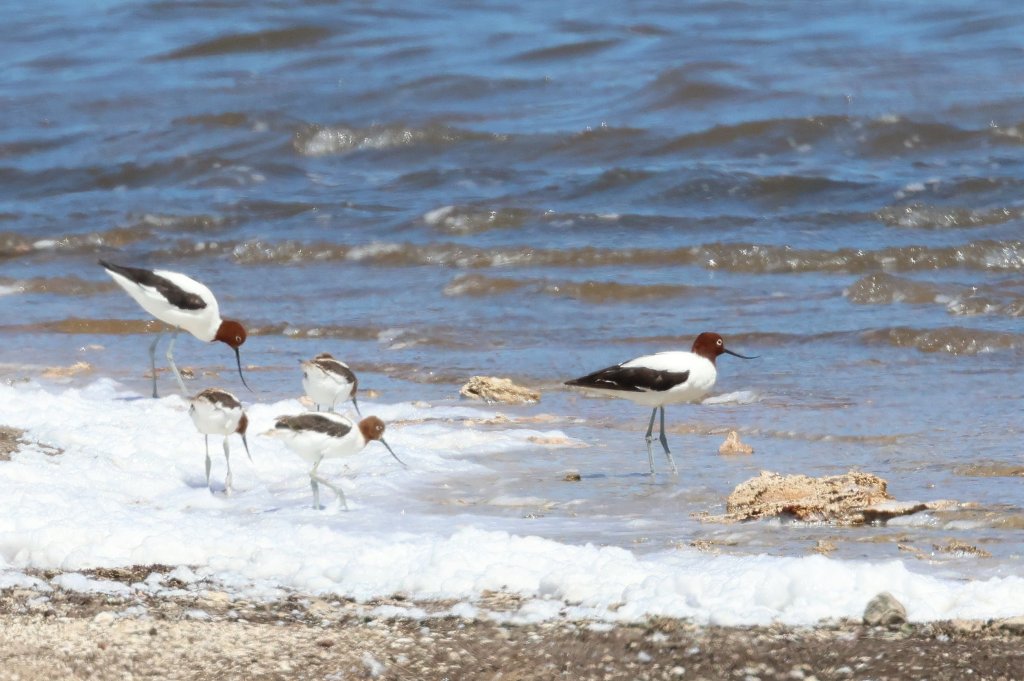
We kept exploring around the coast, but also kept an eye out to our right to get views of Lake Baghdad. Here there were some Red-Necked Avocets (also called “cobblers” and, more poignantly, “painted ladies”) and Sharp-Tailed Sandpipers.
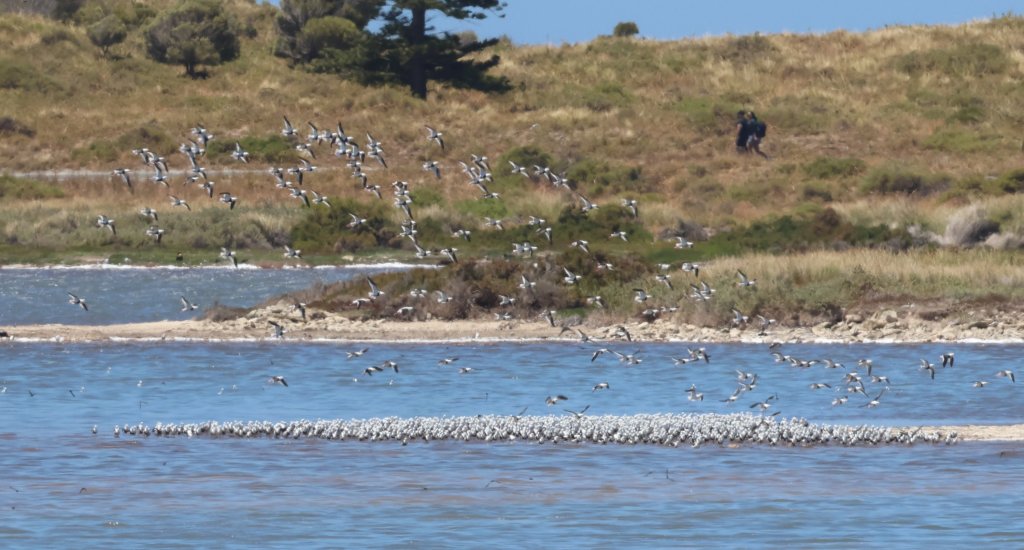
We parked our bikes to follow a path to take us nearer the edge of the water, to see if the birds we were seeing were Banded Stilts. Indeed they were! We estimated there were about 700 of them – not a bad count for a lifer.
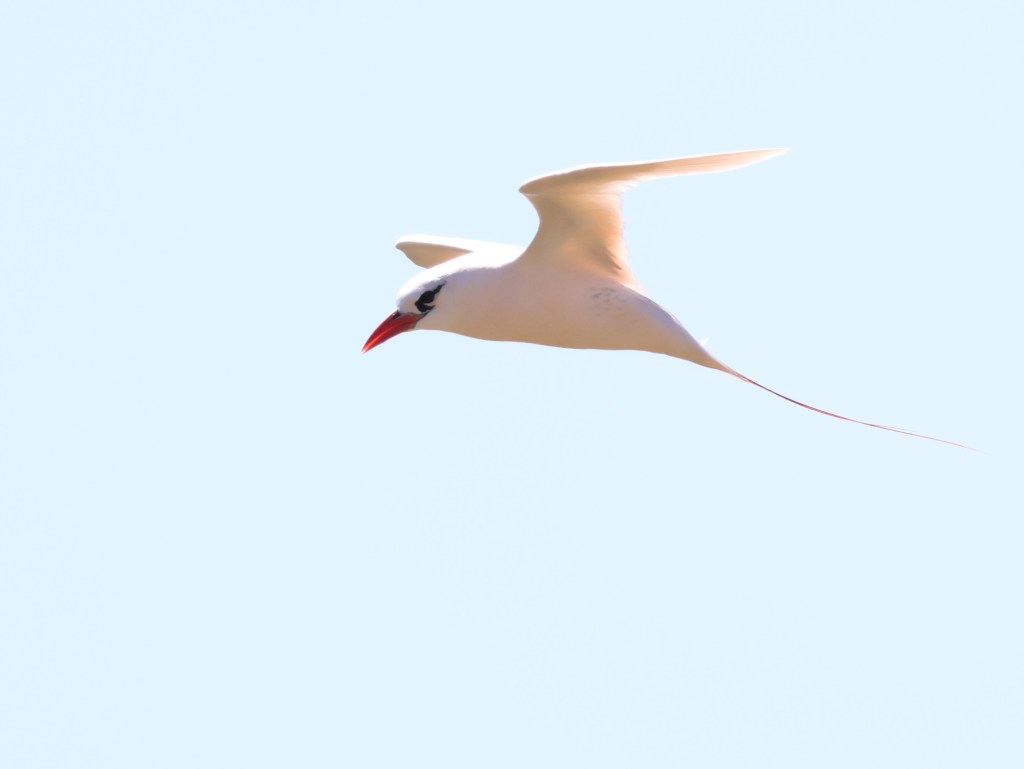
The biggest surprise was the Red-tailed Tropicbird hovering around the lake. Such an elegant-looking bird that we’d normally only expect to see out to sea (or on Norfolk Island).
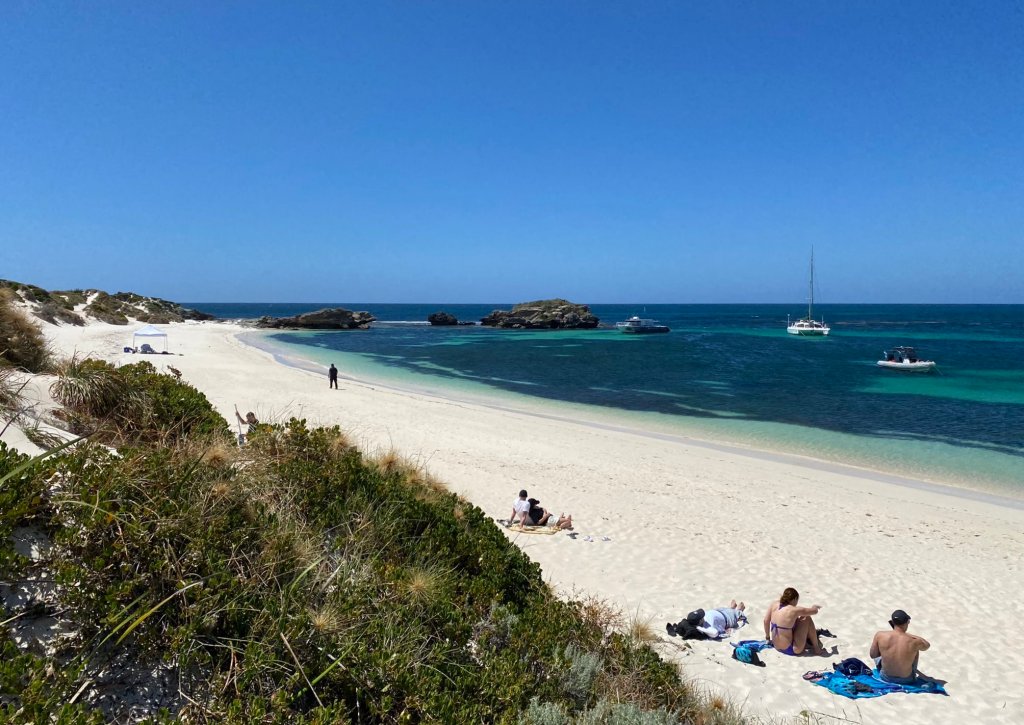
By now I was getting a bit saddle-sore, but we still needed to get back to return the bikes. We followed the path closest to the shore, and were treated to the sight of some beautiful beaches as we headed back to the settlement.
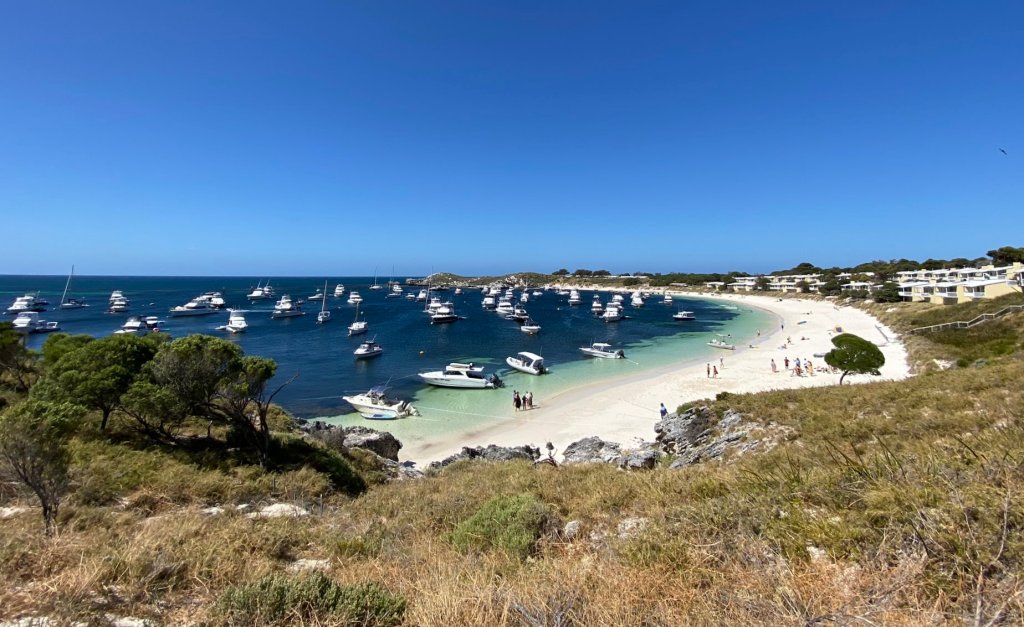
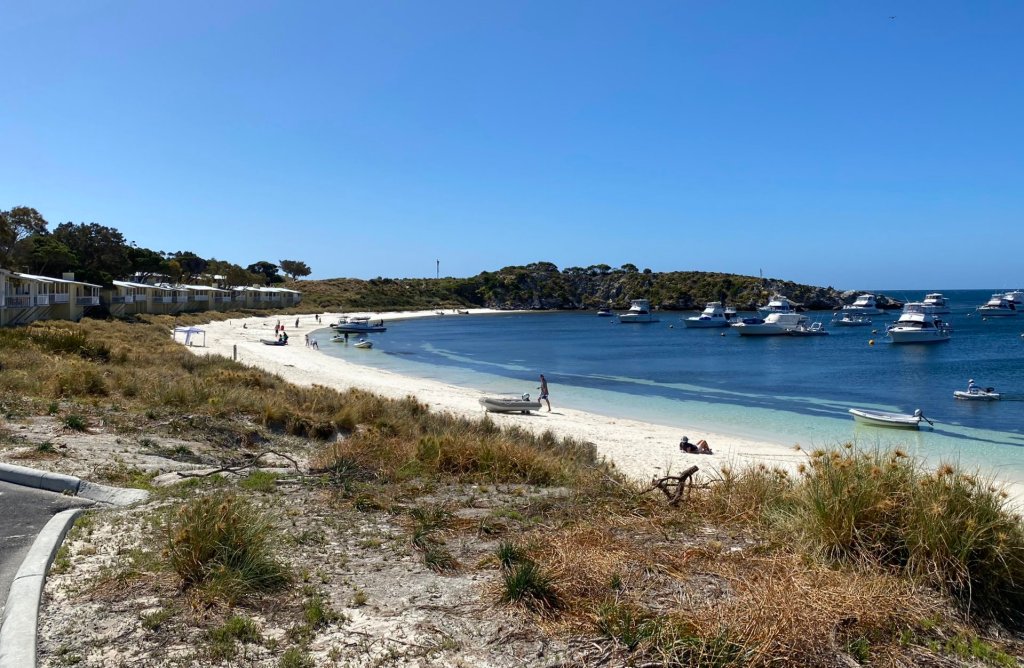

The sheer number of boats moored on the eastern side of Rottnest Island is really something to behod.
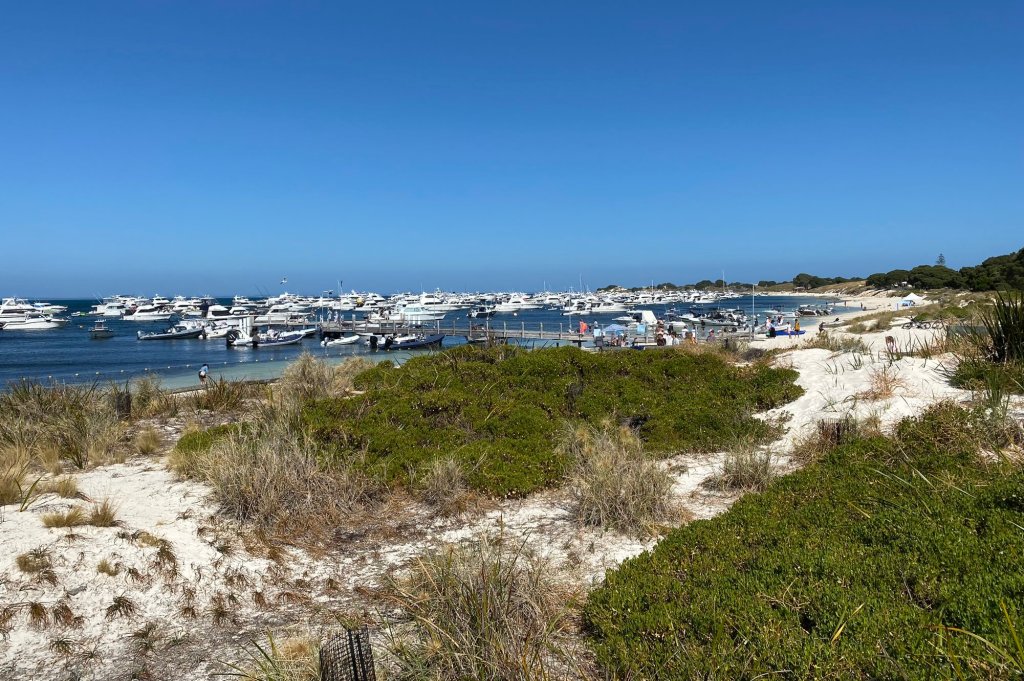
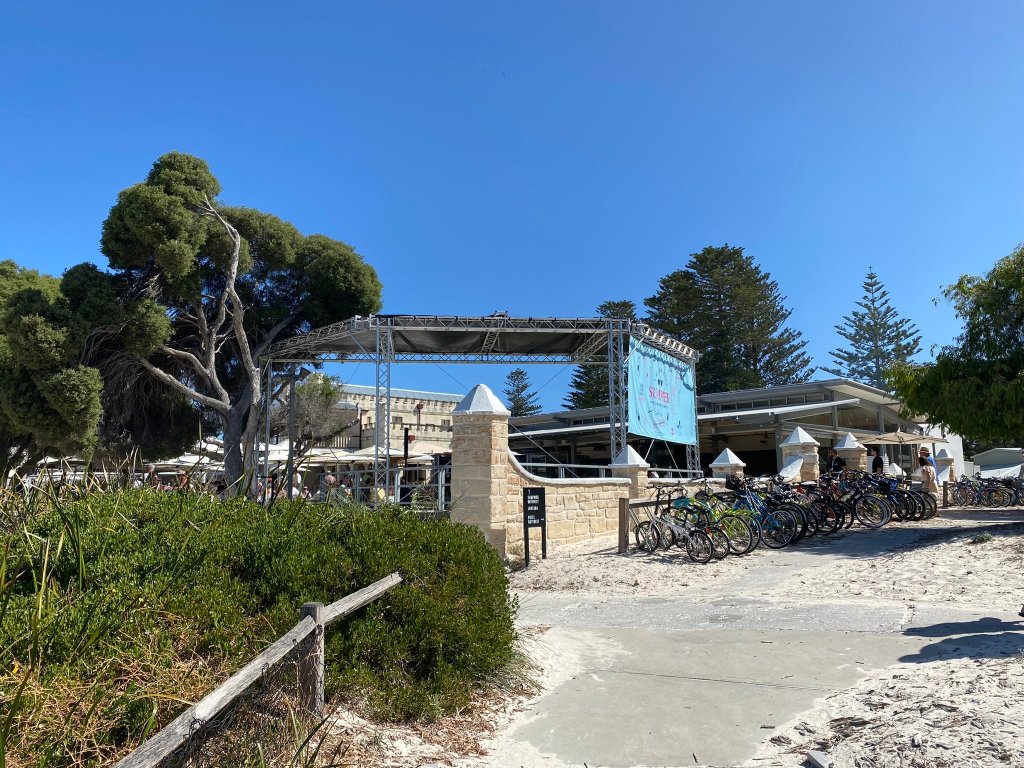
We celebrated a successful birding day with a cocktail before taking the ferry back to Perth.
Summary
Rottnest Island makes for a lovely day trip and getting around the fairly compact island is a breeze if you’re able to ride a bike. There are plenty of interesting birds, and quokkas, and being an island, ocean bird spotting is possible – Shearwaters, Albatrosses, Roseate Terns and others have all been spotted from here in various seasons. The different lakes on the island make for quite some variety with terns and various waders and ducks calling this idyllic haven their home.
eBird:
As is often the case with areas like these, there is an overall hotspot (Rottnest Island), which is the most used, and various localised hotspots for the different beaches/bays and lakes.
Hotspots: Rottnest Island (167 species)
Checklists for this visit: Rottnest Island Dec 27 2022 (9 species), Lake Baghdad Dec 27 2022 (12 species)
BirdSpots videos for this site: White-Fronted Chats, Caspian Tern, Australian Shelducks
Pluses and minuses:
+ Quokkas!
+ Beautiful scenery
+ Good chance of Banded Stilts and specialty ocean birds
+/- Can’t use a vehicle to get around
– (Relatively) expensive to get to and from
– Some areas can get crowded especially on weekends and public holidays
AUTHOR: K-A
BIRDERS: ANDY GEE, K-A
 Bird Spots