
Summary: Pale-Vented Bush-Hen and a surprising array of other birds at this inner-city nature oasis
Dates of visits: 8 Sep 2021, 4 Apr & 2 Sep 2023, 18 Oct & 26 Dec 2024
Banks St Reserve is a 30 hectare nature site that packs quite a punch in terms of wildlife for a location that sits just 5km from the Brisbane CBD. Partly this is due to the presence of Enoggera Creek which runs through the south of the site, and some fringes of remnant rainforest along it – the area used to be called Three Mile Scrub, and was entirely lowland subtropical rainforest in the 19th century (the Ashgrove Historical Society has an in-depth history of the reserve which is worth a look).

You can access the site from quite a few directions, with street parking on Brown Parade to the west, View St and Quandong St to the east, and my personal favourite, Creek Ave to the south. The latter allows you a quick approach to the creek area, where the biodiversity is highest.

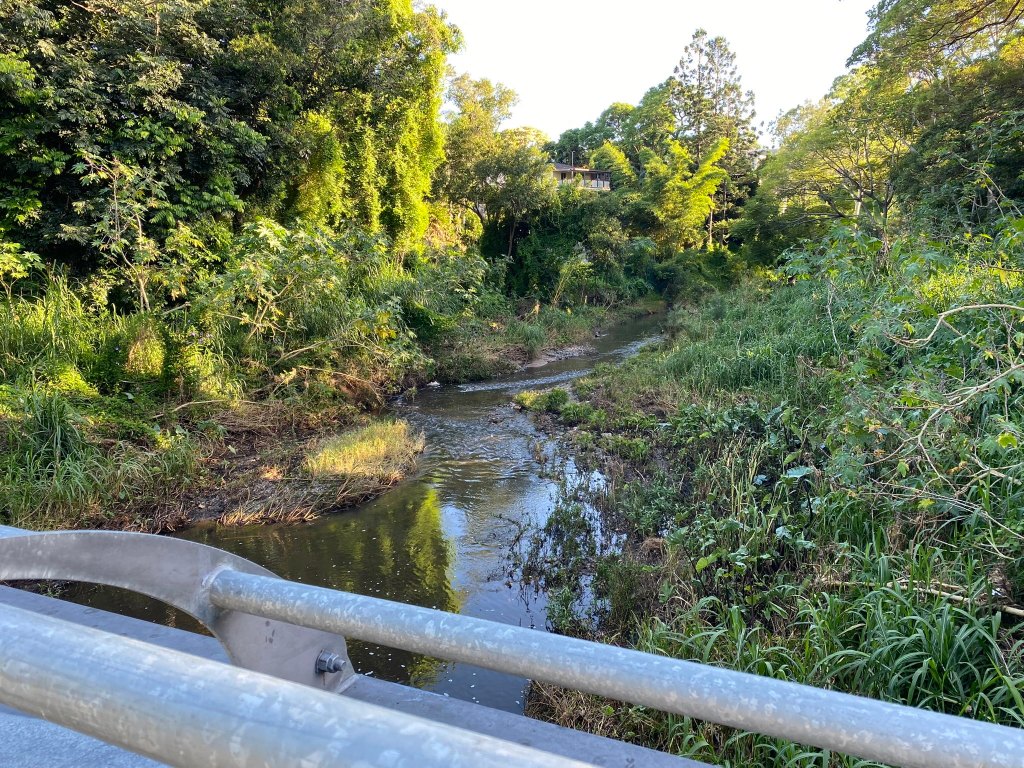
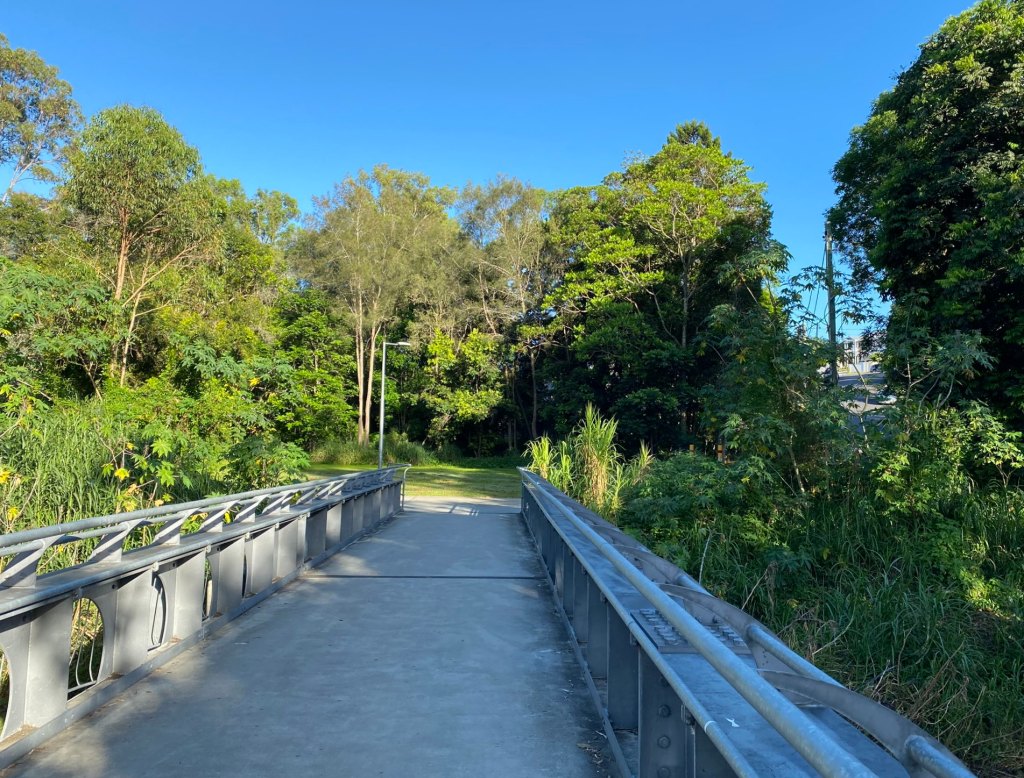
The three creek crossings in this reserve, especially the bridge between Kinnaird St and Steege St (extreme bottom left on the map), are almost famous amongst Brisbane birders as the place to find the skulking and hardly-ever-seen Pale-Vented Bush-Hen, with an astounding frequency of occurrence shown on the eBird Illustrated Checklist for this location.

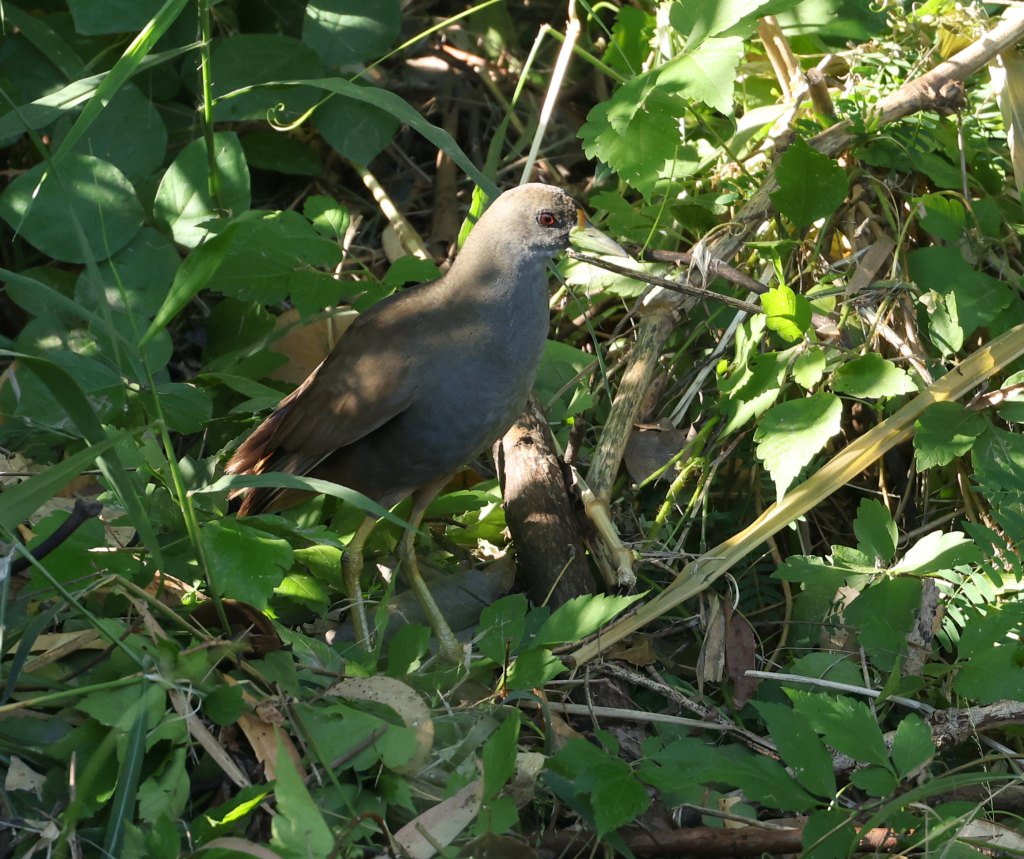
I hadn’t actually been to this bridge before Dec 2024, as it is barely even in the reserve itself, but I was rewarded with a look at a Pale-Vented Bush-Hen within just a few minutes of scanning the creek line! The bird called on and off frequently, flew across the creek at one point, and then made its way through the heavy fringing grasses and reeds towards me, then crossed underneath the bridge. This species is actually quite common along Queensland’s east coast, but loves to skulk and hide inside dense vegetation, so for those who have futilely pursued it, having a semi-reliable spot where you can see one so well is amazing. Lewin’s Rail, that even skulkier skulking bird, is also sometimes seen around the creeks here too.
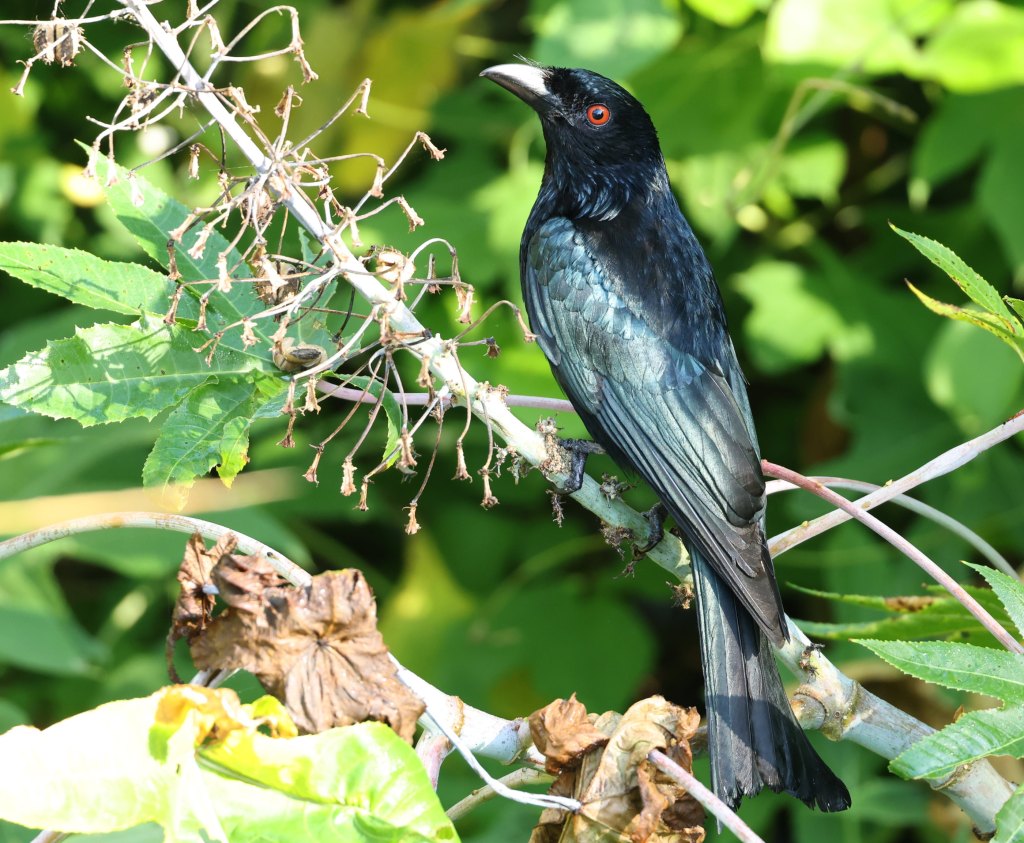
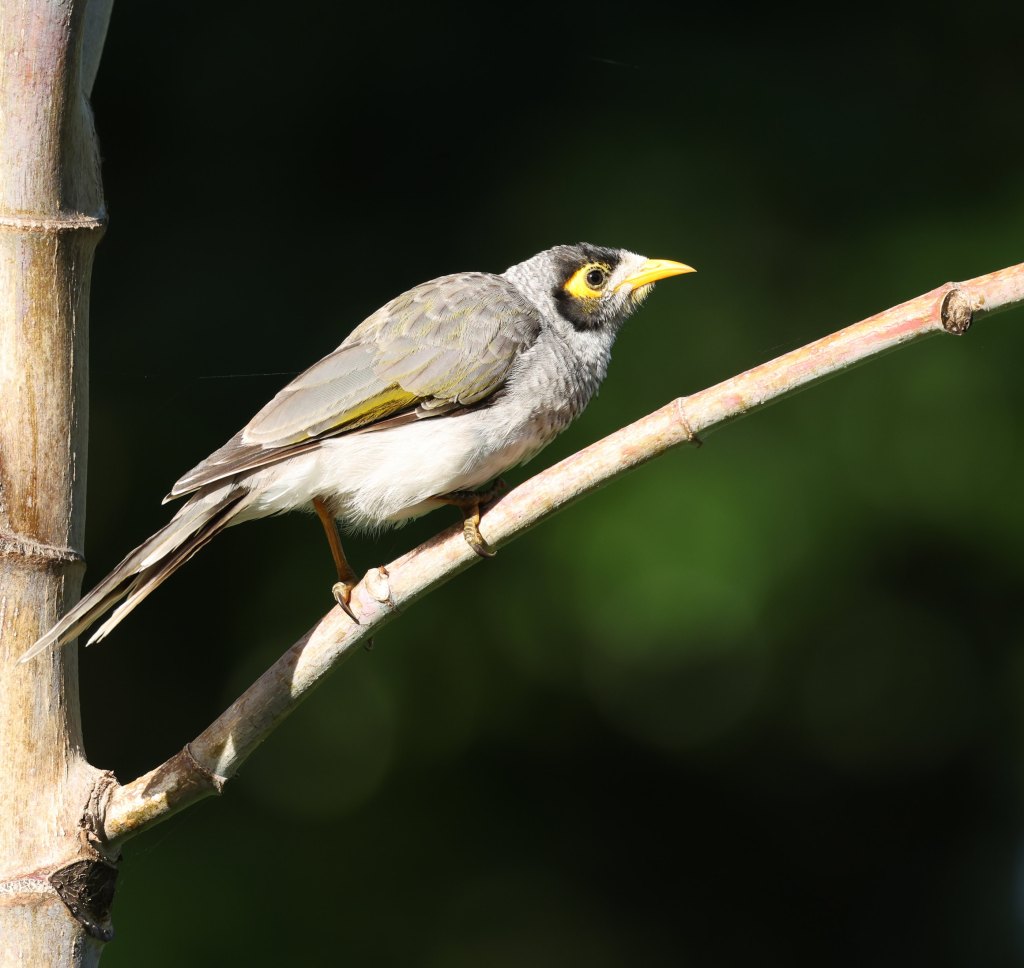
While keeping one eye on the Bush-hen, I also noticed some very active Spangled Drongos, one of which landed briefly quite close to the bridge, along with Noisy Miners, butcherbirds, and kookas, with the occasional figbird call heard as well.
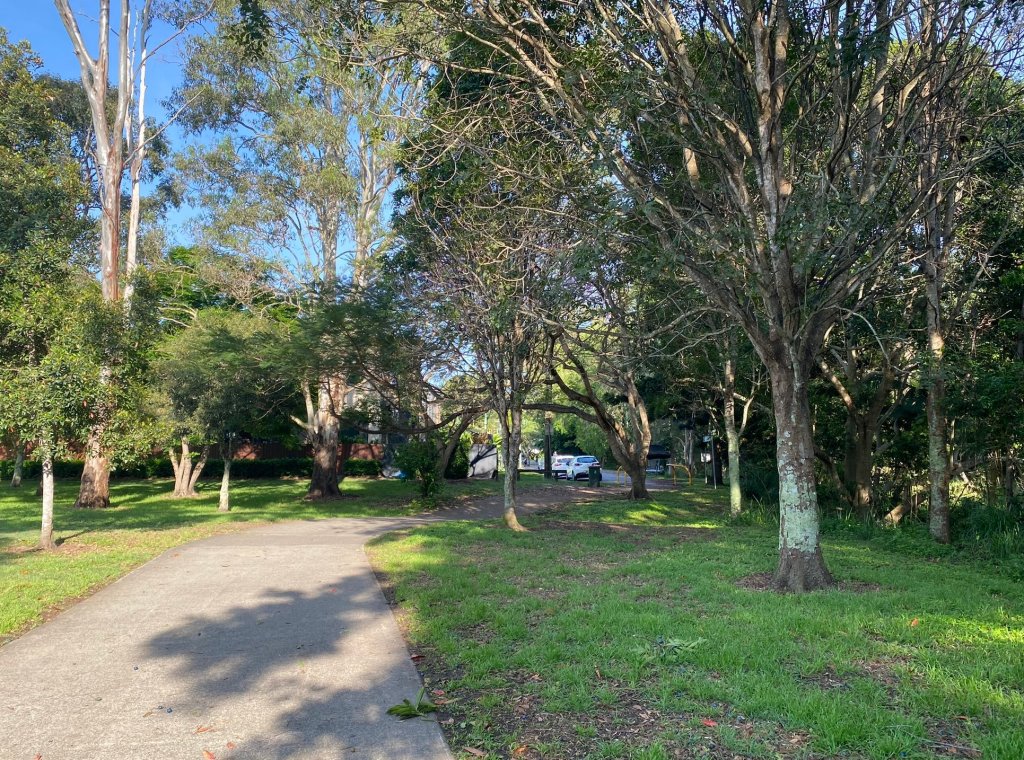
In terms of orientation, the northern two-thirds of Banks St Reserve is predominantly dry eucalypt forest and can get quite hilly, with the highest elevations generally to the north, while the southern third of the reserve is flatter and more varied in vegetation, being dominated by the creek. The only paved path runs roughly parallel to the creek; the rest of the trails are dirt tracks.
The second creek crossing and a good entrance to the reserve proper is accessed by going to the end of Creek Ave and walking through Seils Park.

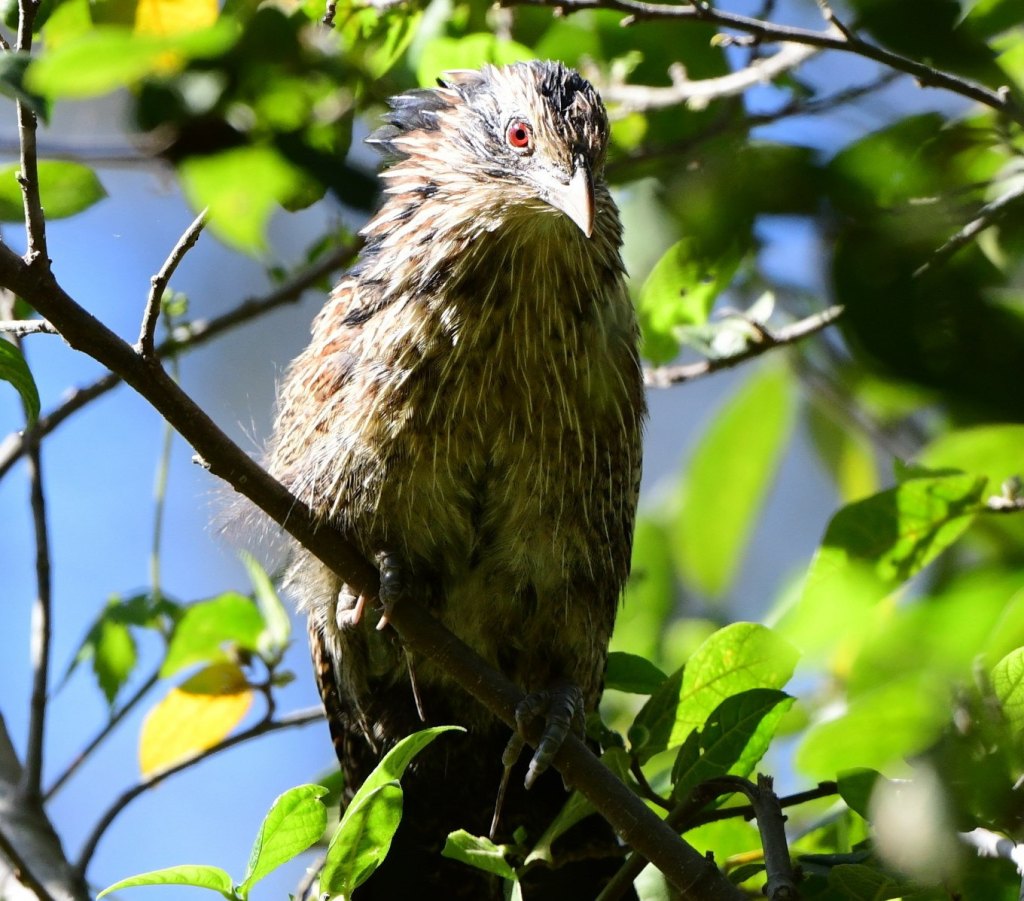
So lush is the vegetation along Enoggera Creek that you may see something special here: in my case on my Oct 2024 visit a very vocal and unafraid Pheasant Coucal.
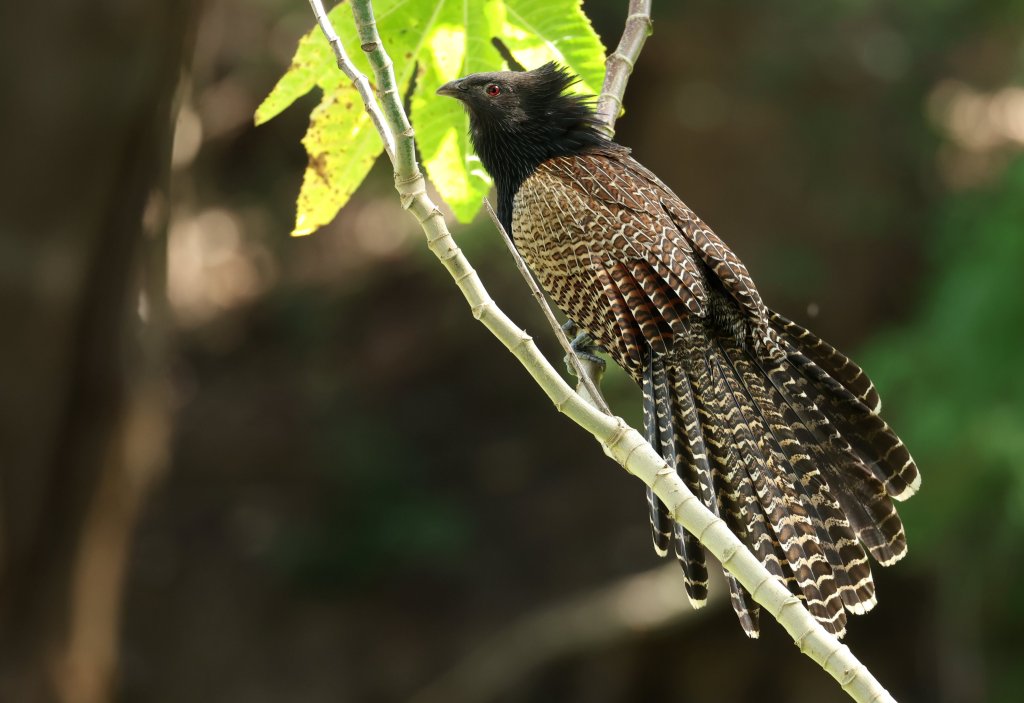
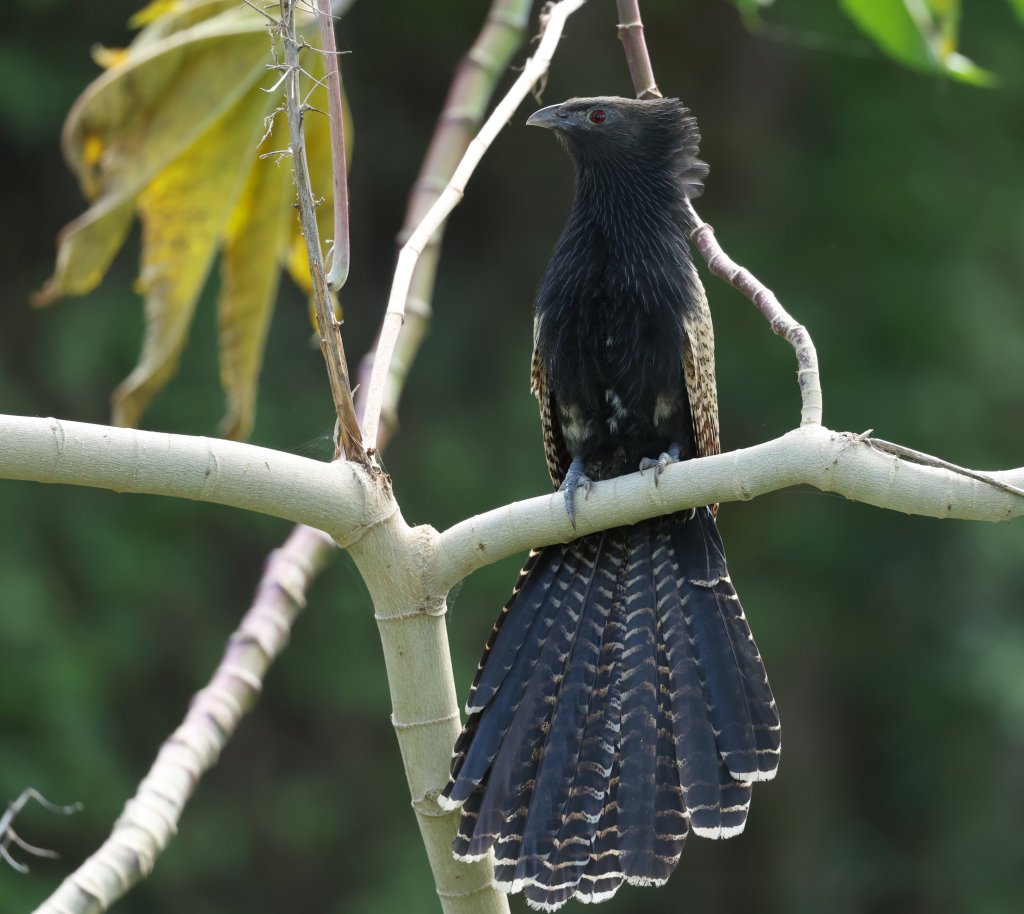
Any encounter with a Pheasant Coucal where you can see the bird well enough to appreciate its size, intricate feather patterns and bizarre vocalisations is a good one, I reckon.
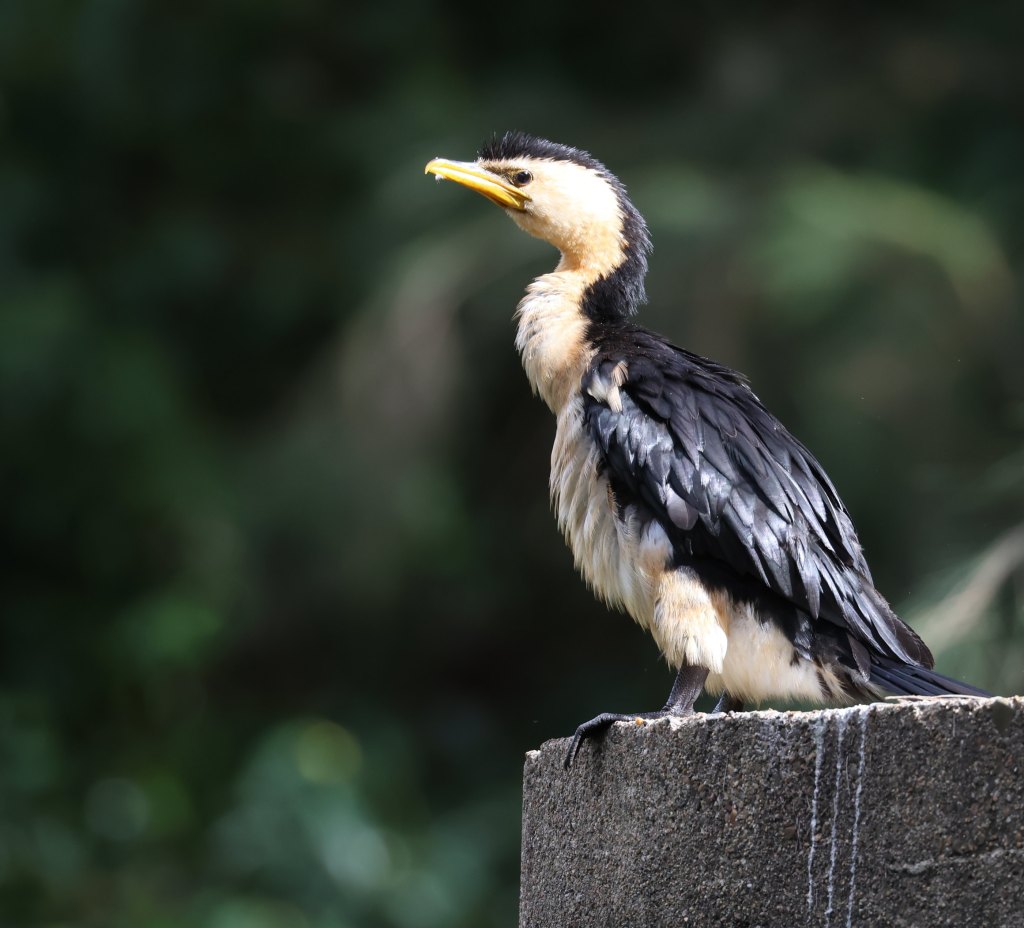
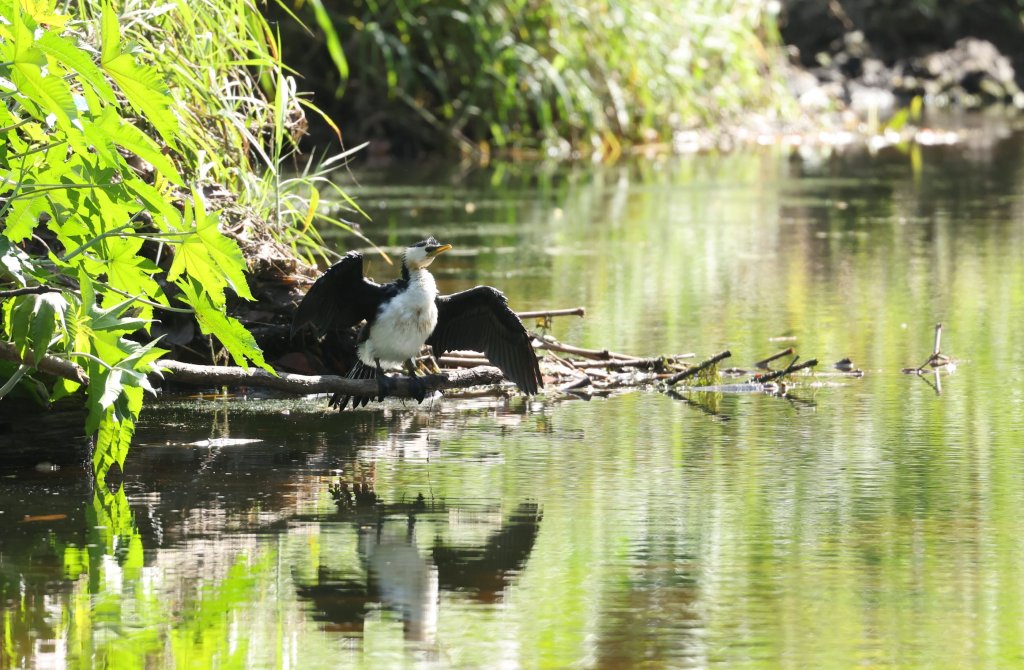
The creek crossing at Seils Park is more of a concrete-weir-with-railings deal. I saw a Little Pied Cormorant here on one of my visits and wondered what the bird’s success rate was with hunting in what looked like quite shallow water.

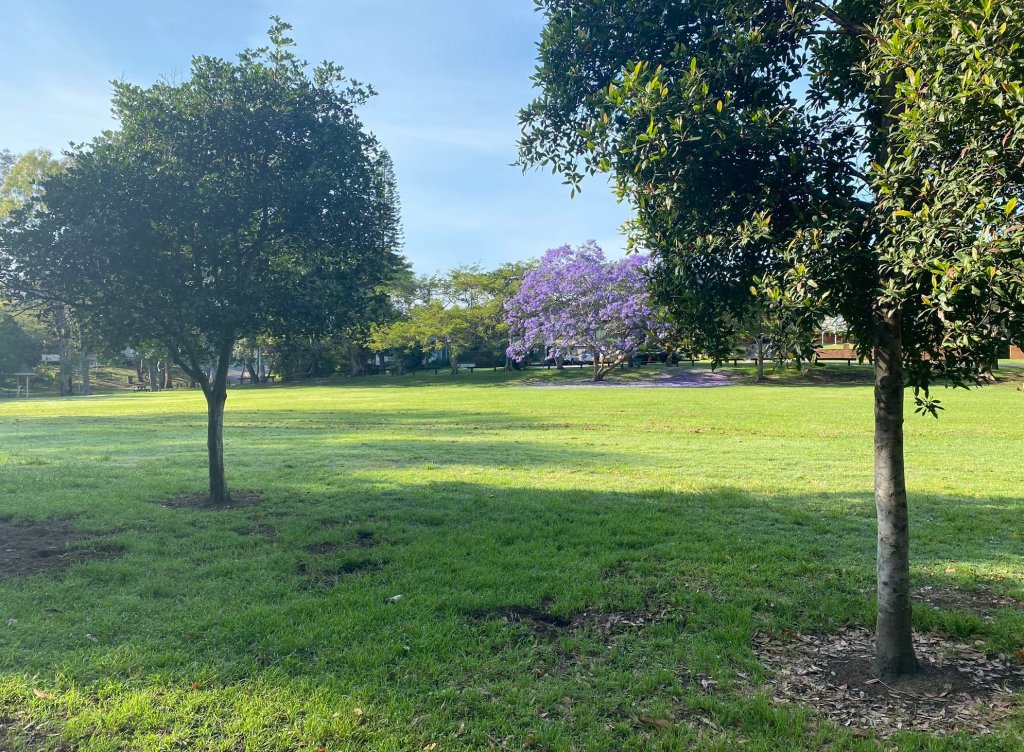
As you follow the paved path further along the south-east edge of Banks St Reserve, a pleasant avenue-like scene unfolds with plenty of tall trees on either side, and a large grassy field as well. There is also an information shelter with plenty of info about the reserve.
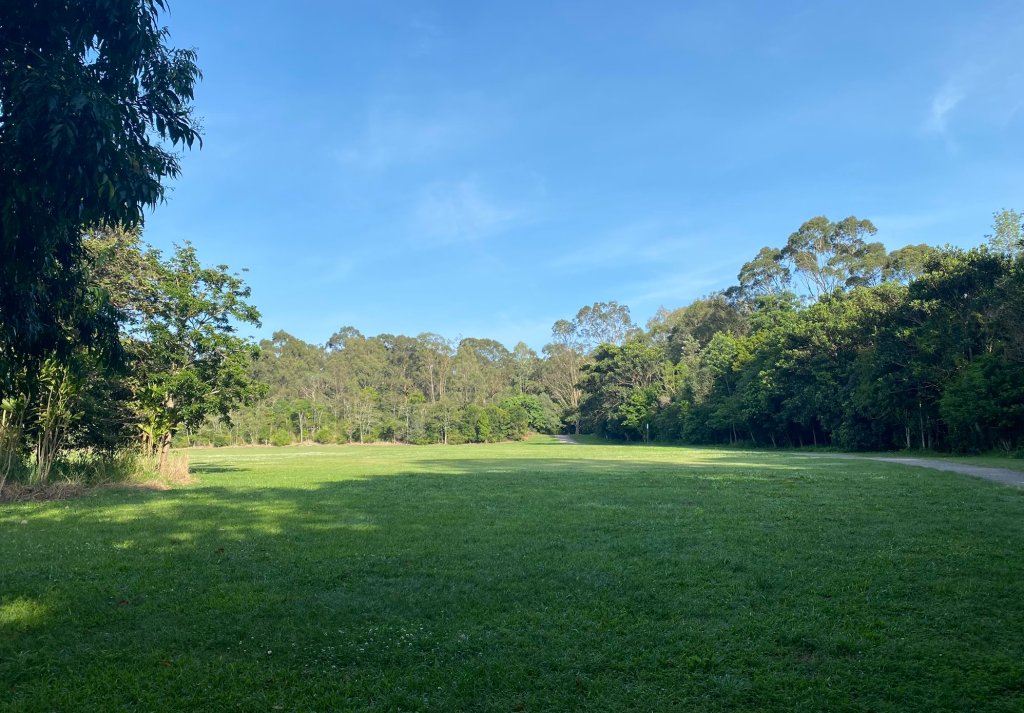
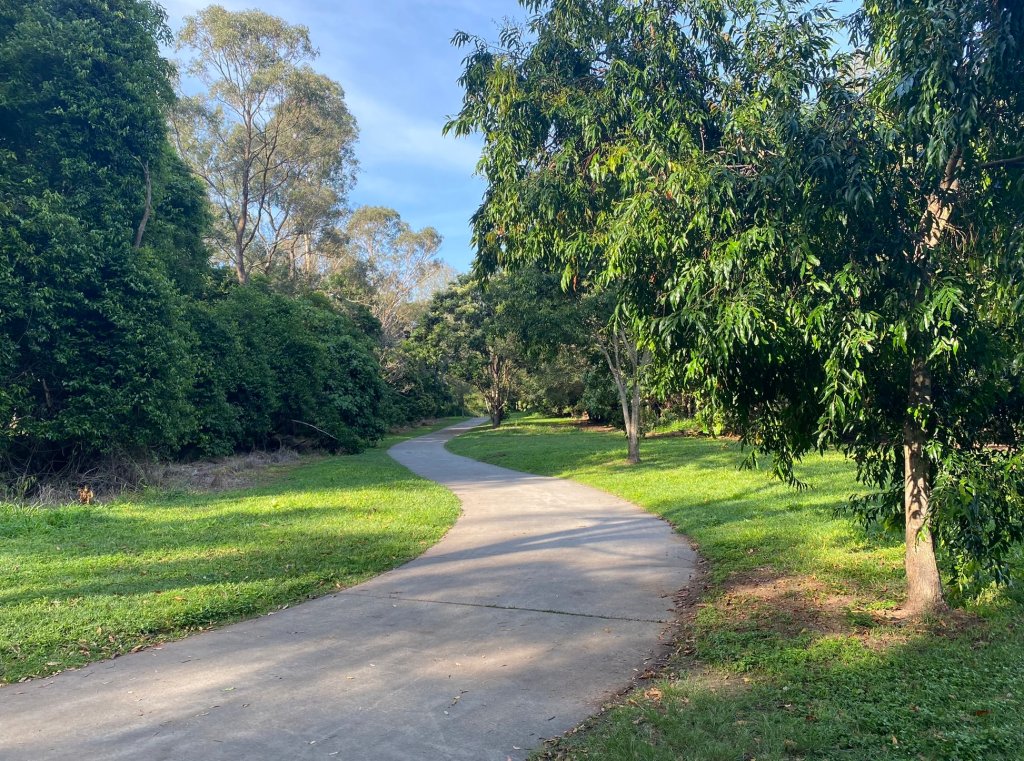

I saw a single Sulphur-Crested Cockatoo feeding in the grasses here and you’ll also get White Ibis, the occasional galah and corella etc in this habitat, and perhaps some Welcome Swallows swooping about above the grass.

The paved path continues to the third creek crossing, near the end of Quandong St. It’s another low concrete affair, with good visibility along the water in both directions.
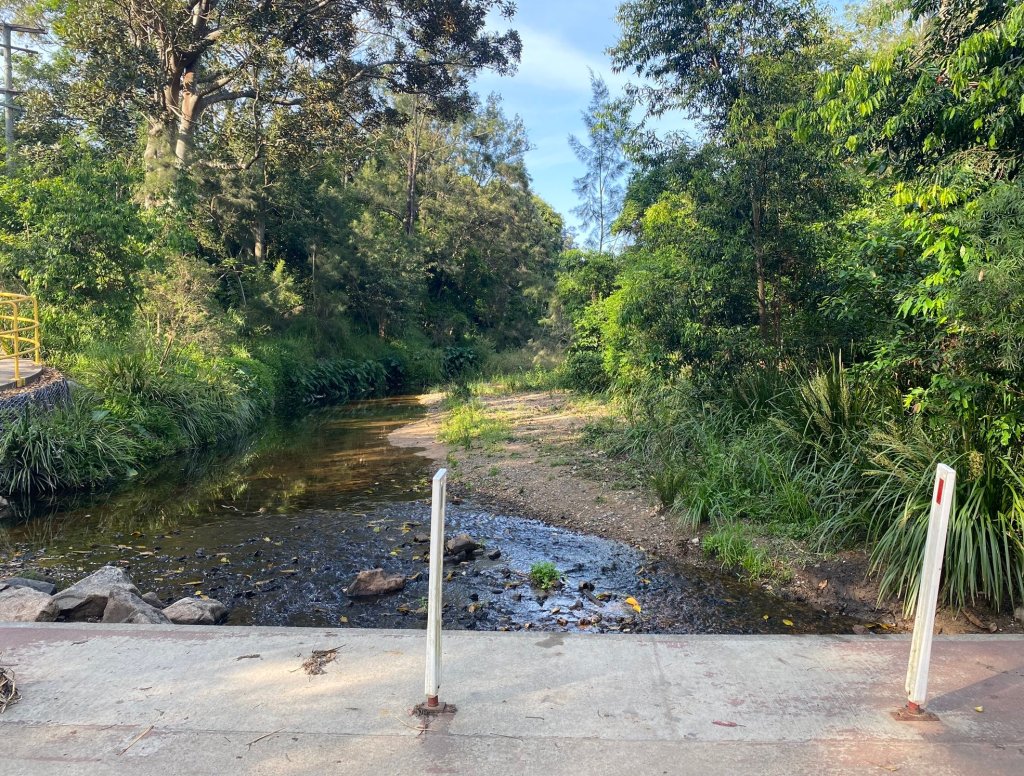
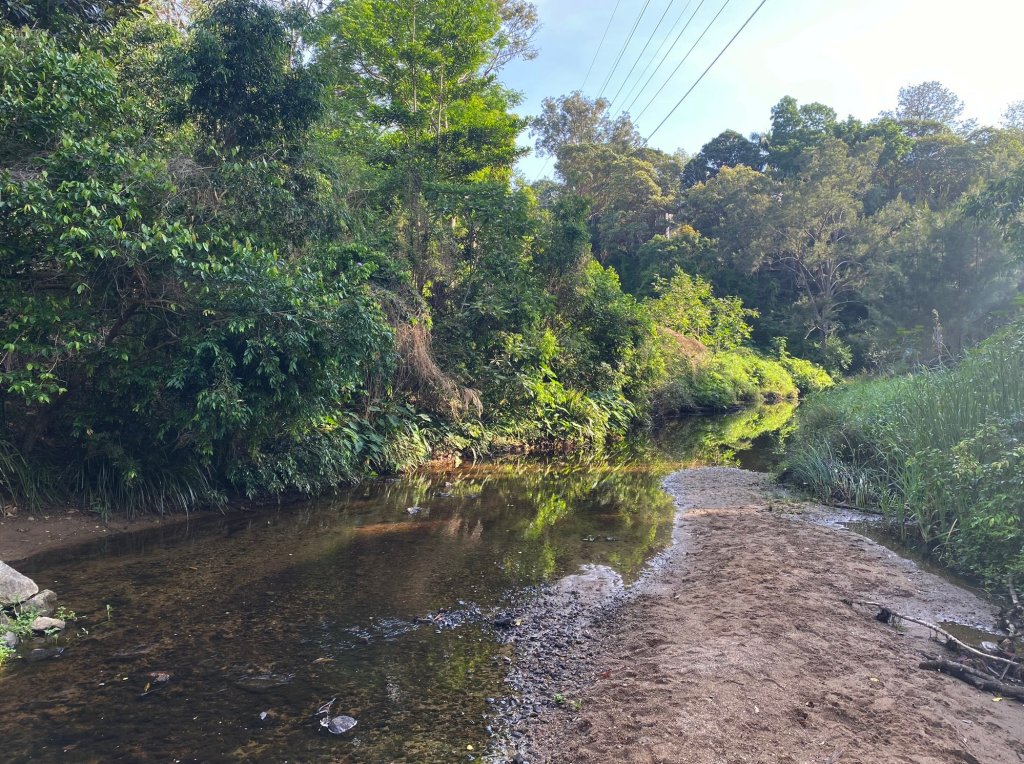
Again I have seen a Little Pied Cormorant here looking a little out of place on the shallow creek waters, and on one of my very first visits (Sep 2021), I encountered a male Royal Spoonbill with impressive breeding plumage of white feathers cascading down the back of its head.

Dusky Moorhens and Pacific Black Ducks are common along here.
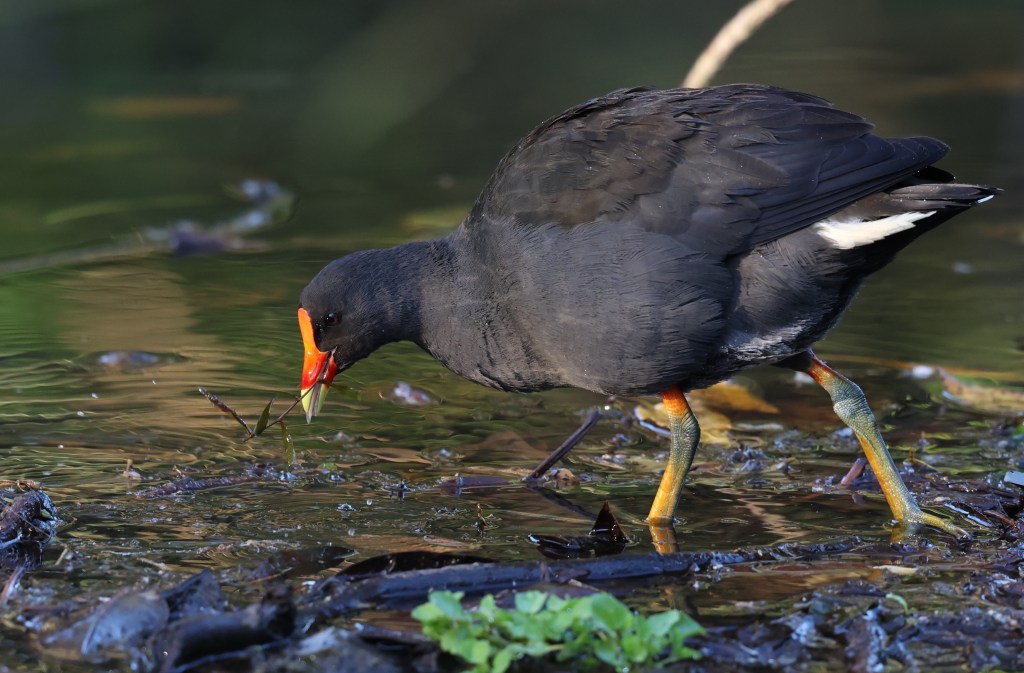

I should mention while on the subject of these creek crossings and paved paths, that they can get quite busy even early in the morning with dog walkers and bike riders. Normally when birding in these suburban environments you have to be magnanimous to other users of the nature sites, but I was incredibly saddened to see a dead Dusky Moorhen one morning when walking back to the Quandong St creek crossing after birding in the rest of the reserve, finding the lifeless moorhen’s body right next to the path (it definitely hadn’t been there earlier). People giving their dogs a happy splash in the shallow creek is one thing, but letting them run amok to kill wildlife is unacceptable; unfortunately such callous behaviour is rampant across Brisbane especially on the shores of Moreton Bay where endangered shorebirds are routinely disturbed from their feeding by dogs and even horses, and water birds and seabirds at jetties and fishing spots are often hooked by stray lines or caught up in fishing line by uncaring anglers (I witnessed this multiple times at different sites in one weekend in 2024).
Anyway.
The quandong tree that gives the nearby park and street its name will litter the ground with blue fruits when in season.

Near the Quandong St creek crossing is where I had actually spotted my first Pheasant Coucal here on my first visit to the site in Sep 2021. The eBird Illustrated Checklist page for this location shows high frequency of the coucal here, though less so in the winter months – I wonder if that’s just because it calls more in the summer months so it is more obviously present…?

The bushland here does all right for honeyeaters, with the striking Blue-Faced Honeyeater notably being one of the more frequently seen, along with Noisy Friarbirds and Lewin’s Honeyeaters.
Eastern Whipbirds are super-reliable here as they are basically resident, though much patience and plenty of luck is usually needed to get a glimpse of them. You’ll likely hear their trademark whip-crack call though. Banks St Reserve has surely got to be the nearest nature site to Brisbane city where you can find a whipbird.
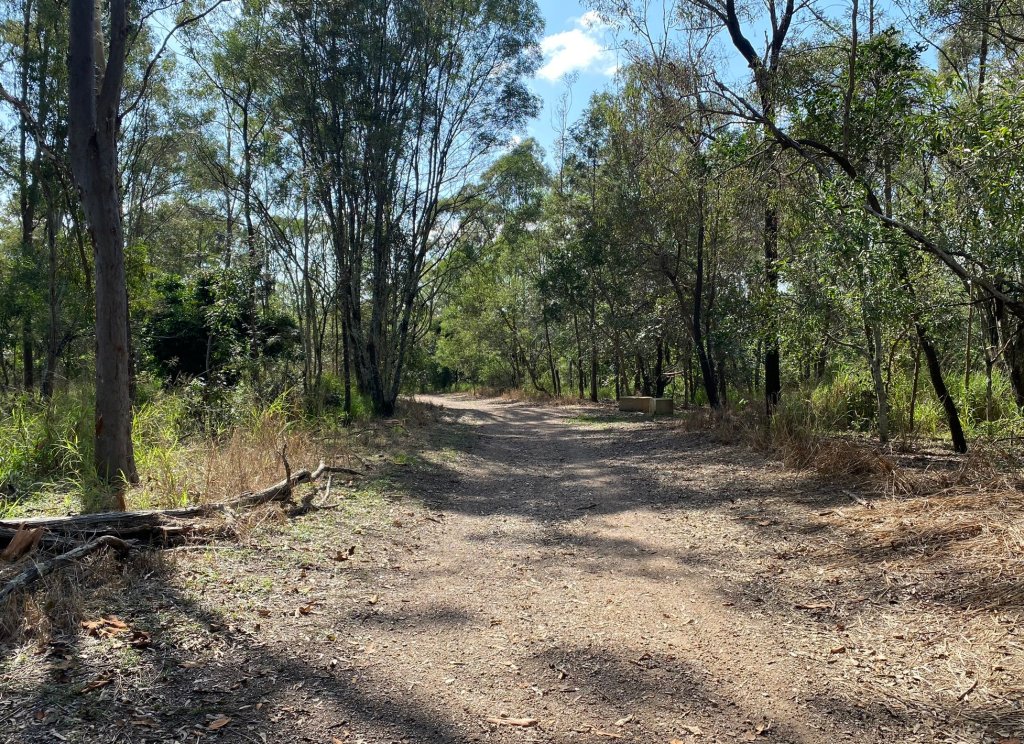
The eastern side of the reserve, once you leave the paved path, features some wide dirt trails and I have had some good bird encounters here (though, again, some people see the wide dirt trails as super attractive for bike riding…)


Whipbirds aside, I had an excellent photographic time with a Willie Wagtail in this section.

In Sep 2023 I saw two Variegated Fairywrens nest collecting; I ended up sitting down quietly on the trail and watched both the male and female industriously fly back and forth across the path with dry grass and other material for their nest which was well hidden low in the brush.
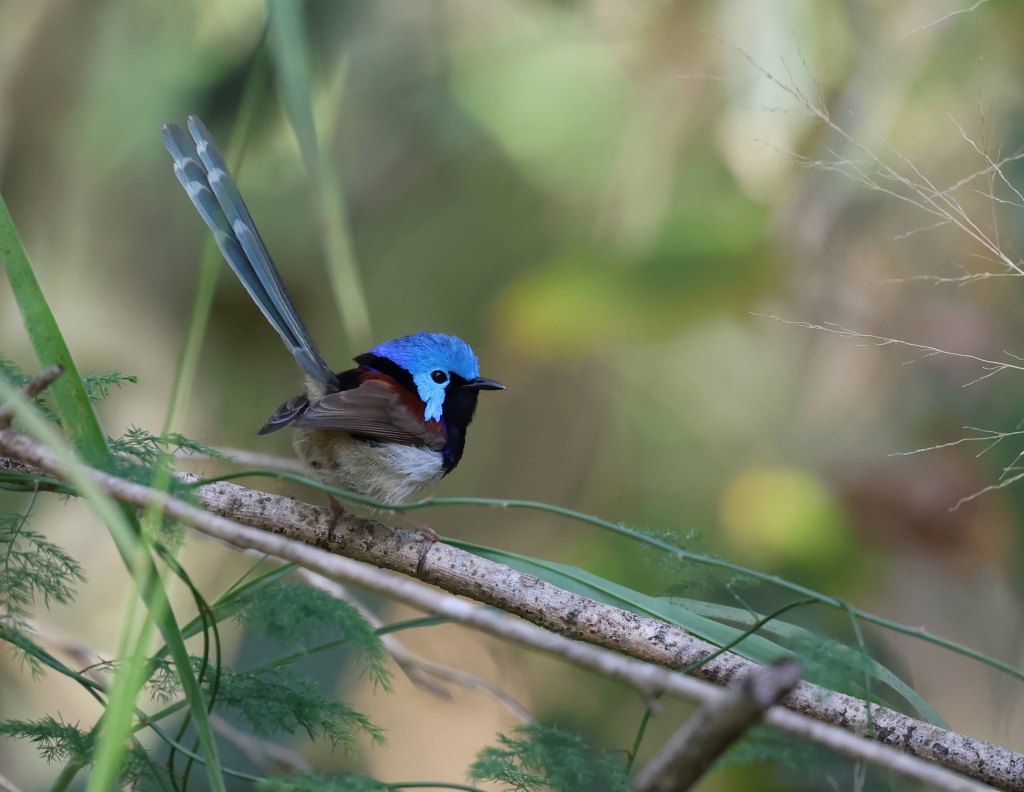

Variegated and Red-Backed Fairywrens are the main two fairywren species found here; this isn’t the type of habitat that supports Superb Fairywrens as much.


Keep a look out for nesting boxes on the gum trees in the eucalypt forest, as there are a few scattered around the reserve. On Apr 2023 I saw a Rainbow Lorikeet thoroughly checking one out.


Although the network of tracks in the eucalypt part of the reserve (the northern two-thirds) can get quite steep, they are all connected well and you can make various circuits as your exploration whim takes you.

In Oct 2024 I had a clear sighting of a pair of Pale-Headed Rosellas. They are often shy but one of this pair let me get close enough to appreciate its gentle disposition and watch it clambering about the foliage. The equally amiable Australian King-Parrots are also sometimes seen in this reserve (though I haven’t seen them).

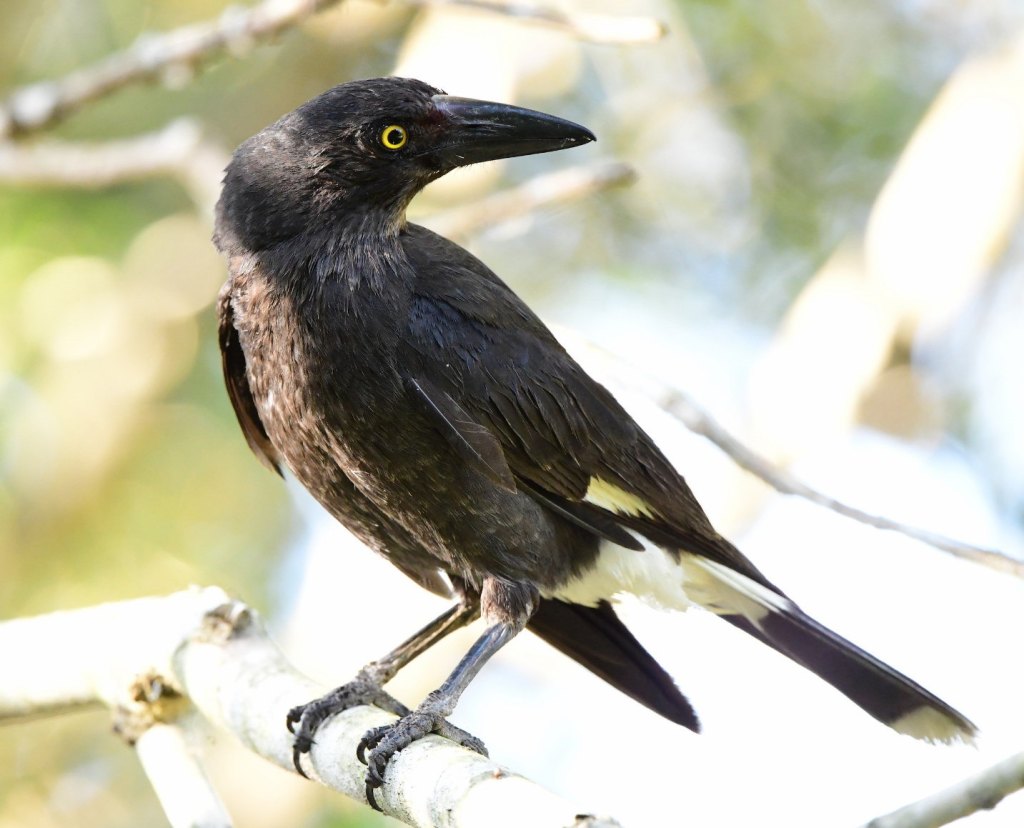
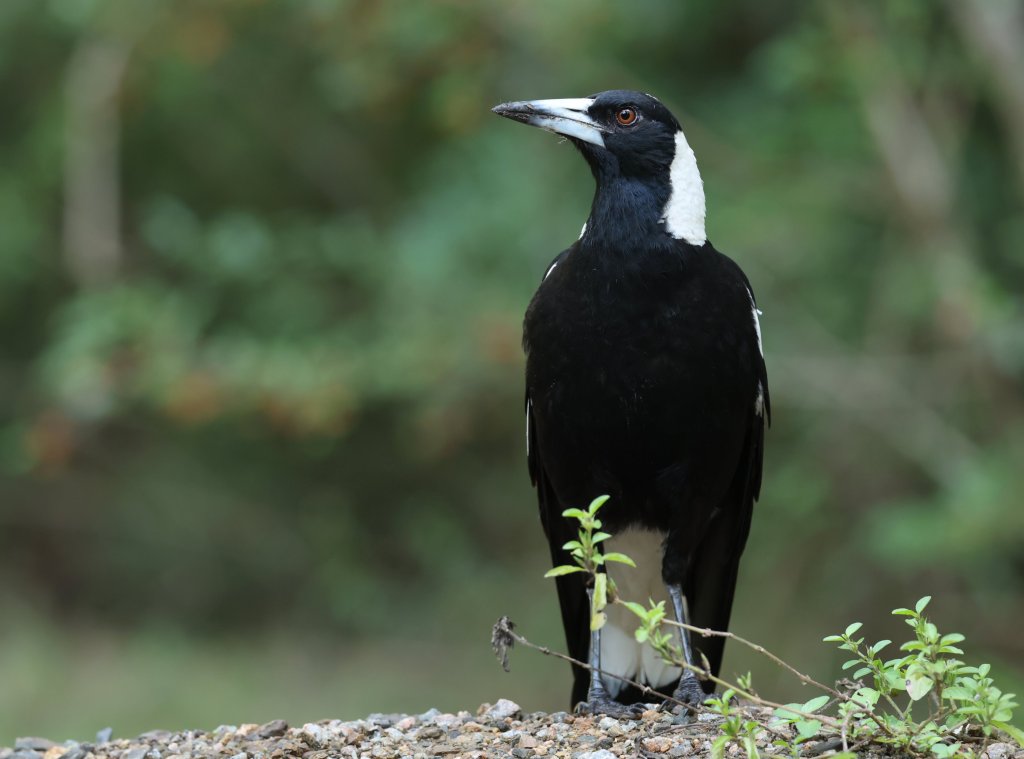
Other standard dry-forest birds you’ll find include Pied Currawongs (quite dominant), Magpies and Pied and Grey Butcherbirds (near certainties), and Olive-Backed Orioles (very often seen).

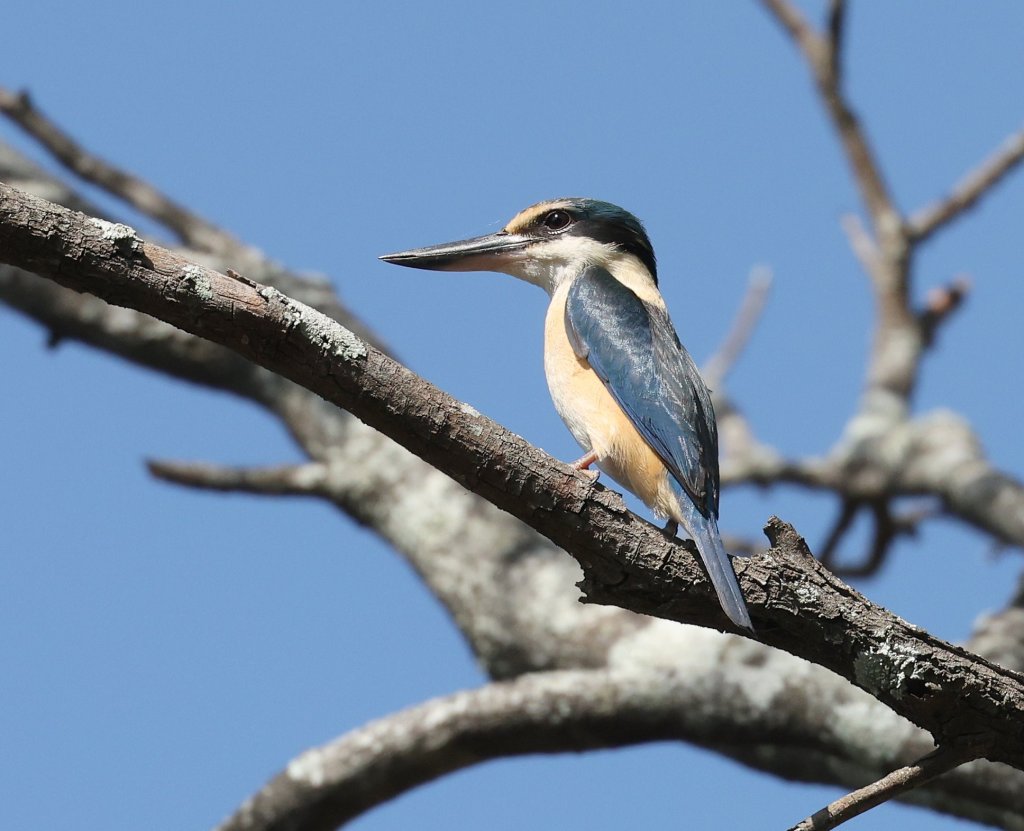
Spangled Drongos are also very often found here, sometimes gathering together in small but noisy groups, while Sacred Kingfishers will be found here (and, to be fair, at almost every other nature site in south-east Queensland!) in the months around summer.

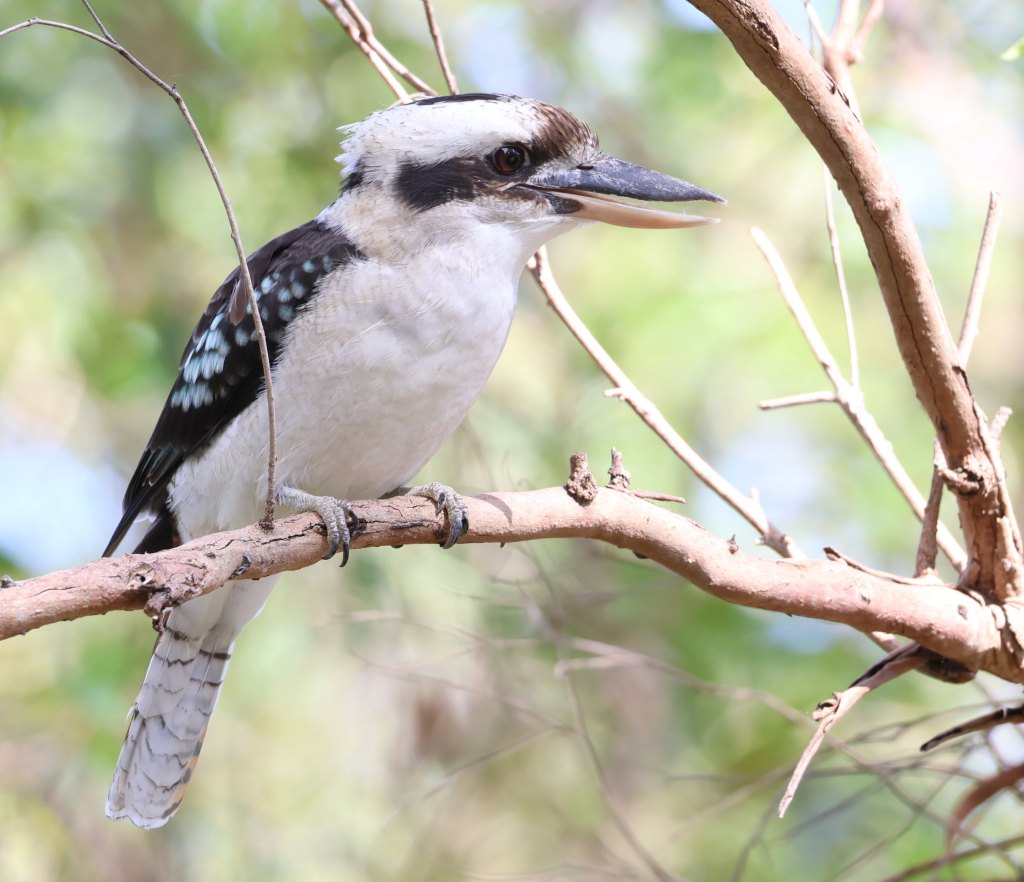
Laughing Kookaburras are resident and like the dry forest birds mentioned above, you’re super-likely to find at least one while walking through the reserve.

Of course no suburban area is free of Noisy Miners, and they are very present here too, sometimes grouping together to aggressively ward off other birds or snakes. Without barely trying, I’ve checklisted 15 Noisy Miners, while the eBird High Count for the site is a round 100 (“truly abundant” is the comment…) Fortunately, the truly abundant Noisy Miners shouldn’t hamper your enjoyment of the reserve and the other birds that call it home.

Of the less common birds, Powerful Owl is a possibility, so too is Cicadabird (summer months) and Rose Robin (winter months). In fact, the reserve has hosted quite a few birds which would be considered quite uncommon, their presence detected mainly due to an expert local birder who must have absolute eagle-eyes (scan the historic records on eBird and it will be obvious who it is…)
Summary
I’ve had a pretty good time when I’ve gone to Banks St Reserve, with different bird species being a highlight each visit. It’s extra special considering how close it is to the Brisbane CBD, making it a tempting place to drop into to get a nature fix if you happen to be anywhere central. Pale-Vented Bush-Hen is one of the star birds here and although a lot of the species are standard for south-east Queensland birding sites, you have a decent chance of finding something unusual too.
eBird:
Hotspot for this location: Banks St Reserve (158 species)
Checklists for these visits: 8 Sep 2021 (27 species), 4 Apr 2023 (26 species), 2 Sep 2023 (24 species), 18 Oct 2024 (30 species), 26 Dec 2024 (Steege St crossing only – 14 species)
Bird Spots videos from this site: Pale-Vented Bush-hen, Pheasant Coucal, Pale-Headed Rosella, Noisy Miners
Pluses and Minuses:
+ Great site for finding the elusive Pale-Vented Bush-Hen
+ Incredible place for birdlife considering it is so close to the city
+ Good connectivity of tracks
– Some quite steep trails in parts
– Sometimes many suburban dog-walkers, runners, bike riders
AUTHOR: ANDY GEE
BIRDERS: ANDY GEE, LUKE S, K-A
 Bird Spots