Where to go for a climate break holiday in the midst of an Australian summer? Probably not Malaysia or Singapore, which are basically hot all year round, being tropically located rather near the equator. And yet two of the fearless Bird Spots crew did just that, jetting into the island of Penang on Malaysia’s west coast for a week, and following it up with another week in the island-city-state of Singapore. Bring on the south-east Asian birds!
Penang Botanic Gardens, A Top Place To Kick Things Off
What better introduction to Malaysia’s native birds than a botanic gardens – the Penang ones are a bit out of town but lie at the foot of the rainforest-clad range called Penang Hill, which means anything could turn up, not just birds, but squirrels and monkeys too!
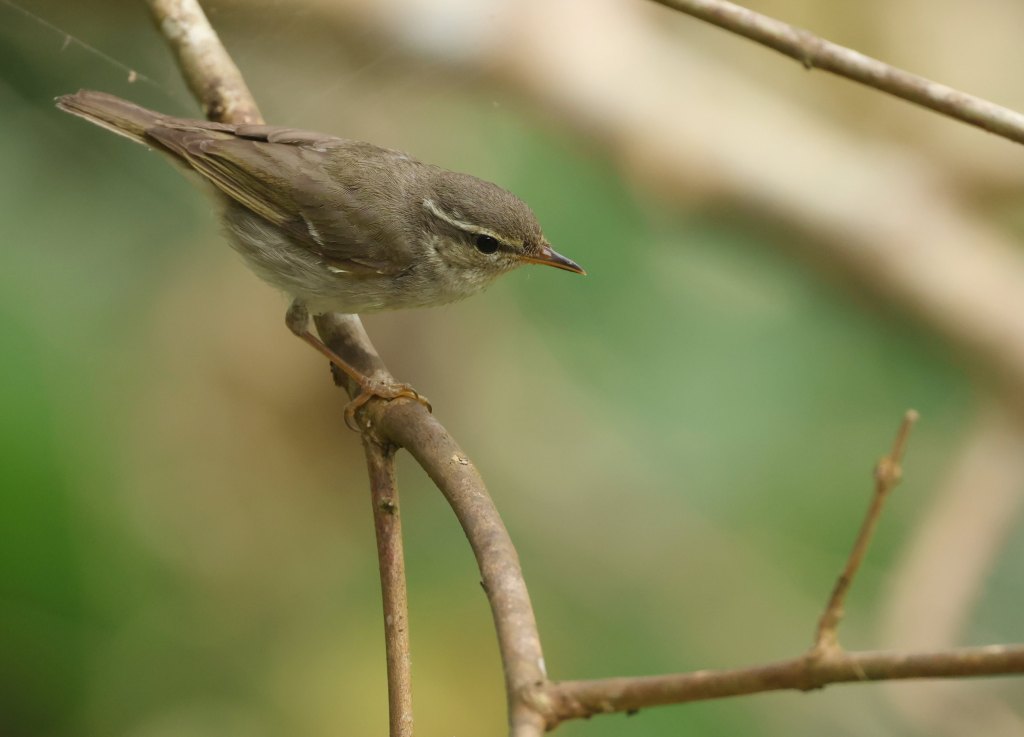
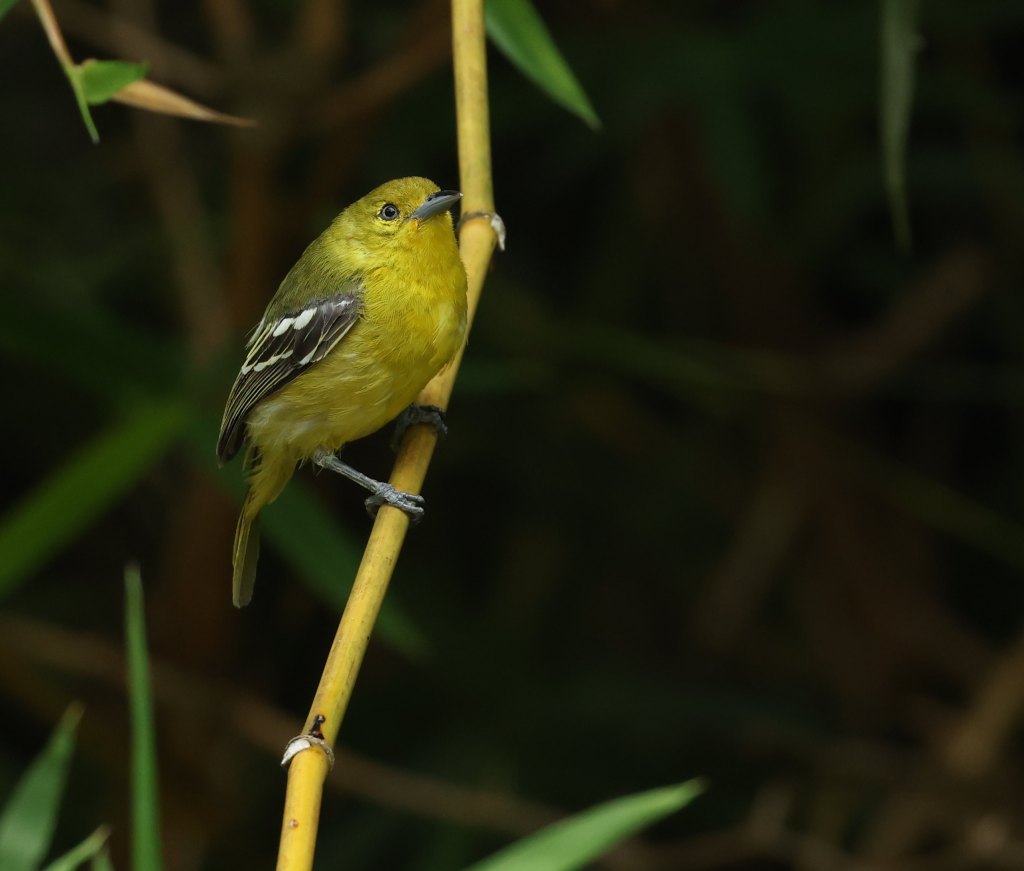
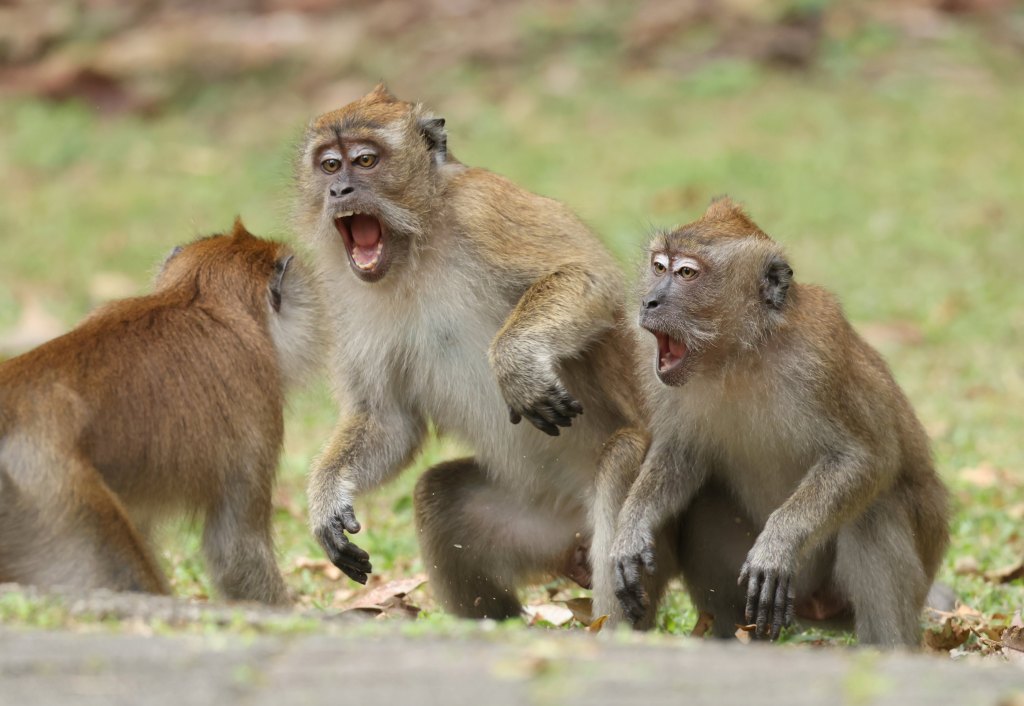
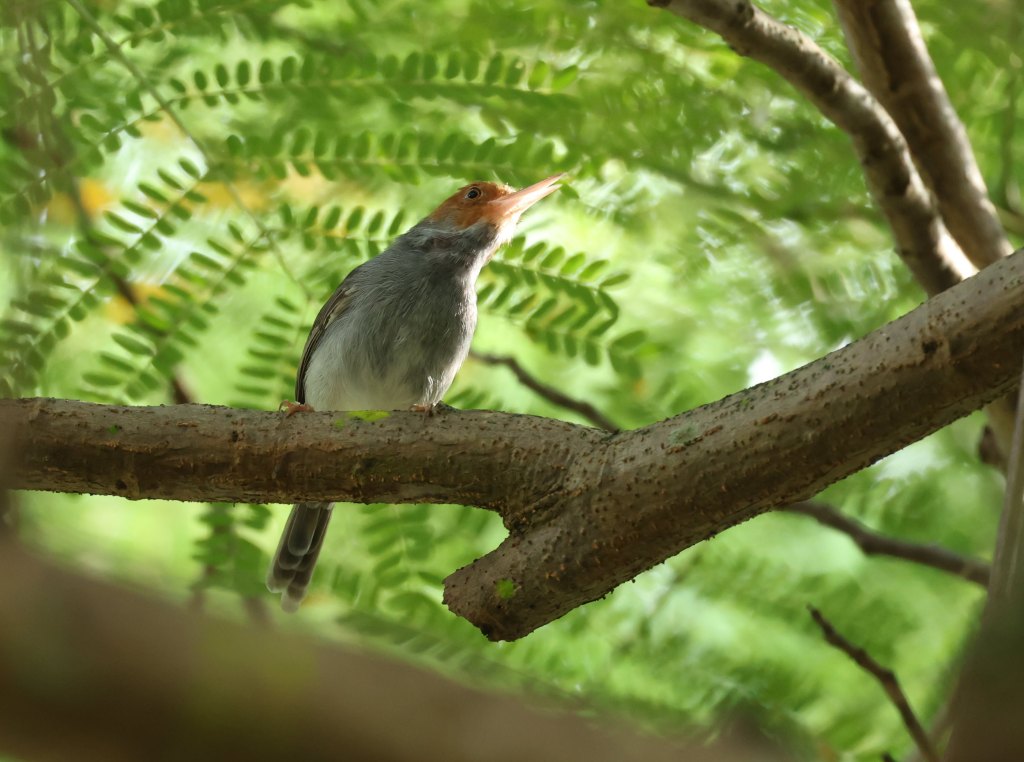
Crested Myna, one of several Myna species in the greater region, and super super commonly found in Penang.There is only one Oriole in the region, but it’s a cracker of a bird: solid yellow with a cool mask and an attitude to match – it’s the Black-Naped OrioleThis small and somewhat generic-looking bird is an Arctic Warbler, commonly seen at this time of year.The Common Iora is a cute little yellow bird with loads of pluck.The Yellow-Vented Bulbul is hands-down the most commonly seen of many of the Bulbul species in the area. True story: we actually saw one through the terminal window at Singapore’s Changi Airport when transiting to Malaysia!There’s always a species that everyone else seems to have on their checklists but you can’t find one for the longest time… that was the Scarlet-Backed Flowerpecker for us.Long-Tailed Macaques are monkeys to watch out for. Most times they are not as aggressive as this, though they will definitely steal your lunch if you let ’em.
Penang Hill, You Were Cool – Literally
For positive memories centered around leisurely cable car rides at dawn, epic views across the island, and lovely cool temperatures, Penang Hill is your place. We liked it so much (the vibe, as described, but also the birds and wildlife), that we immediately went back there the next morning!
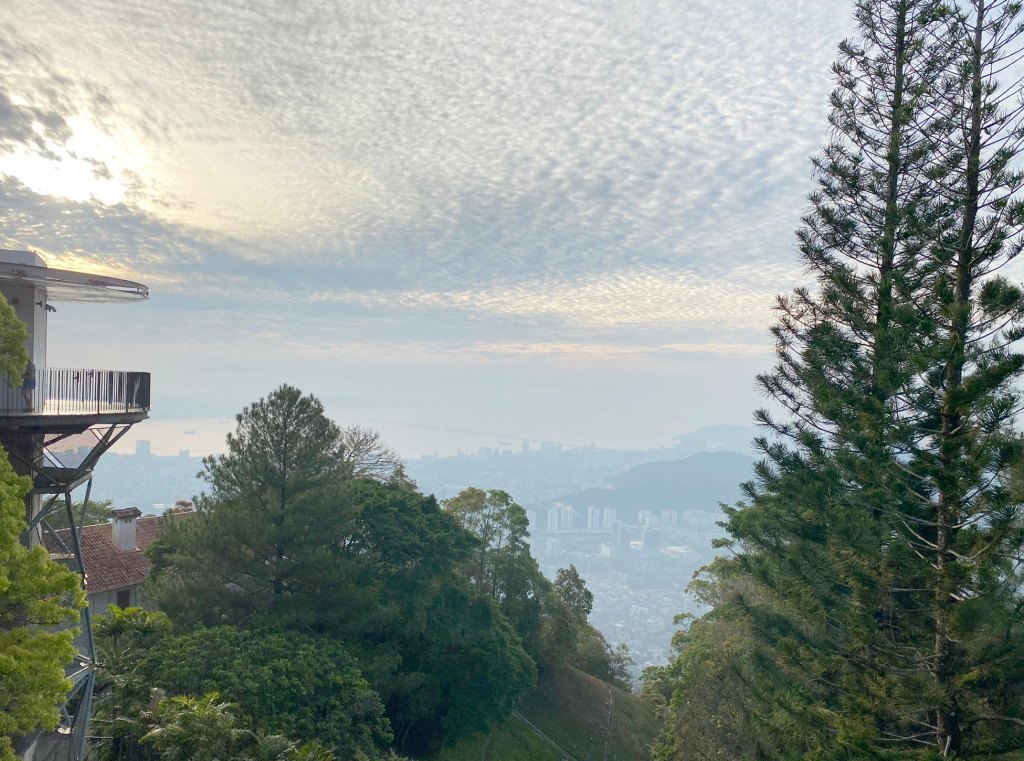
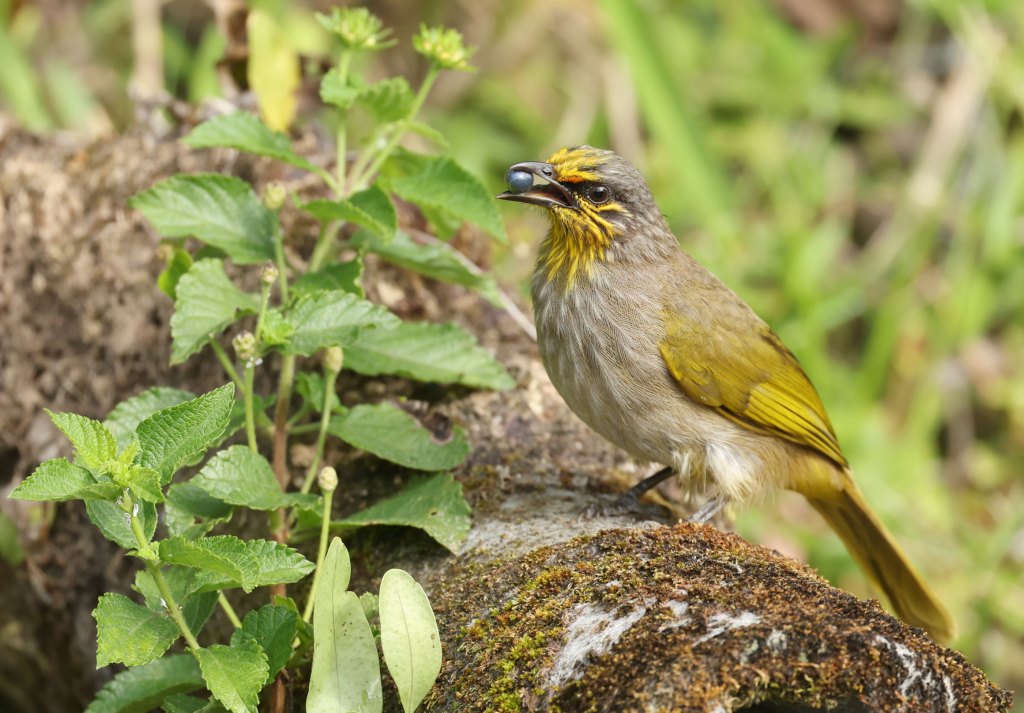
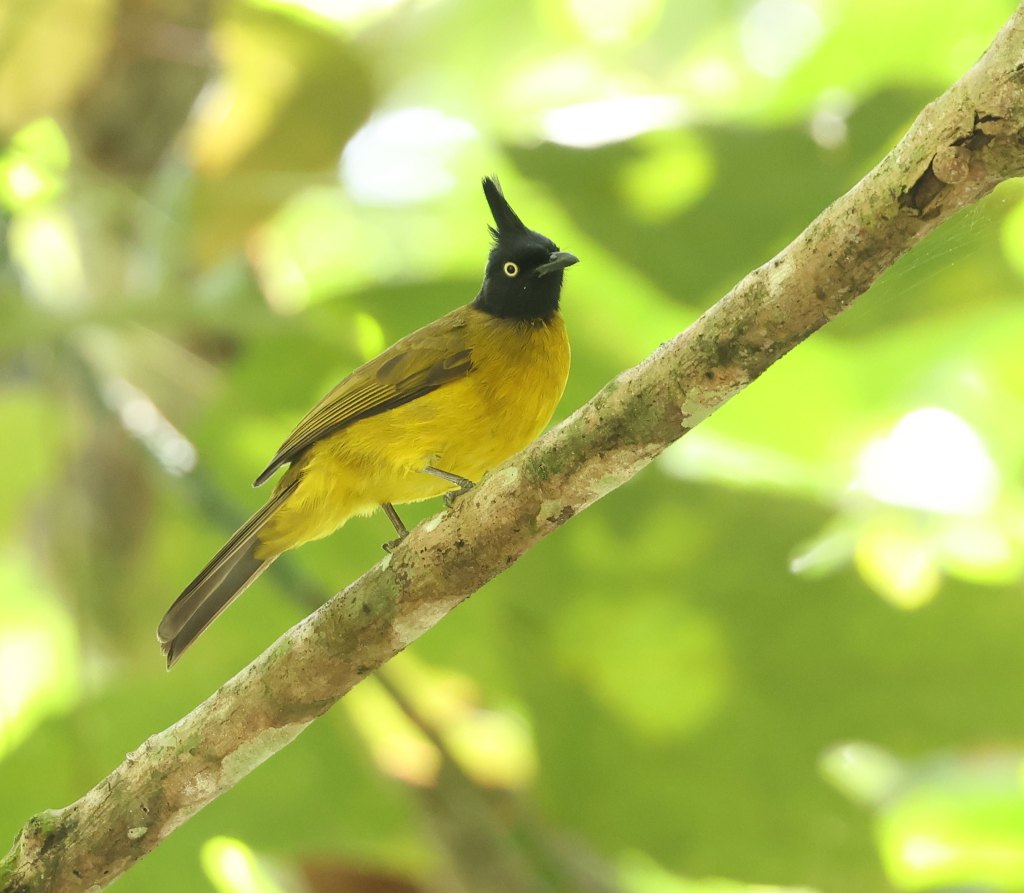
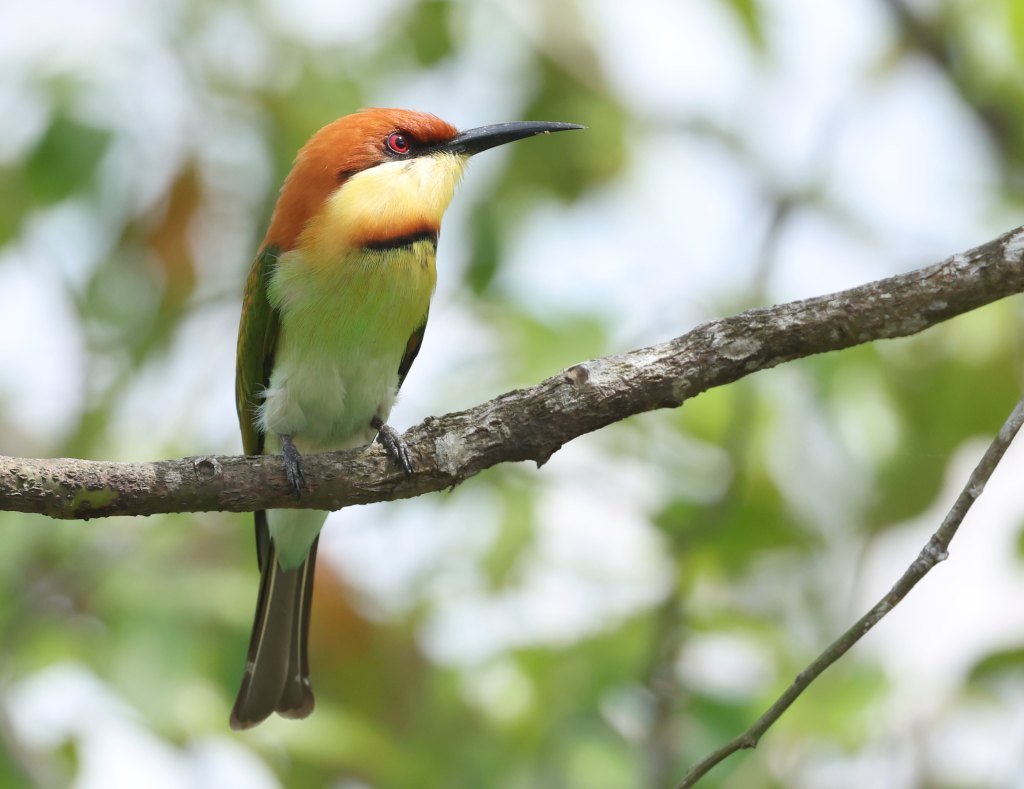
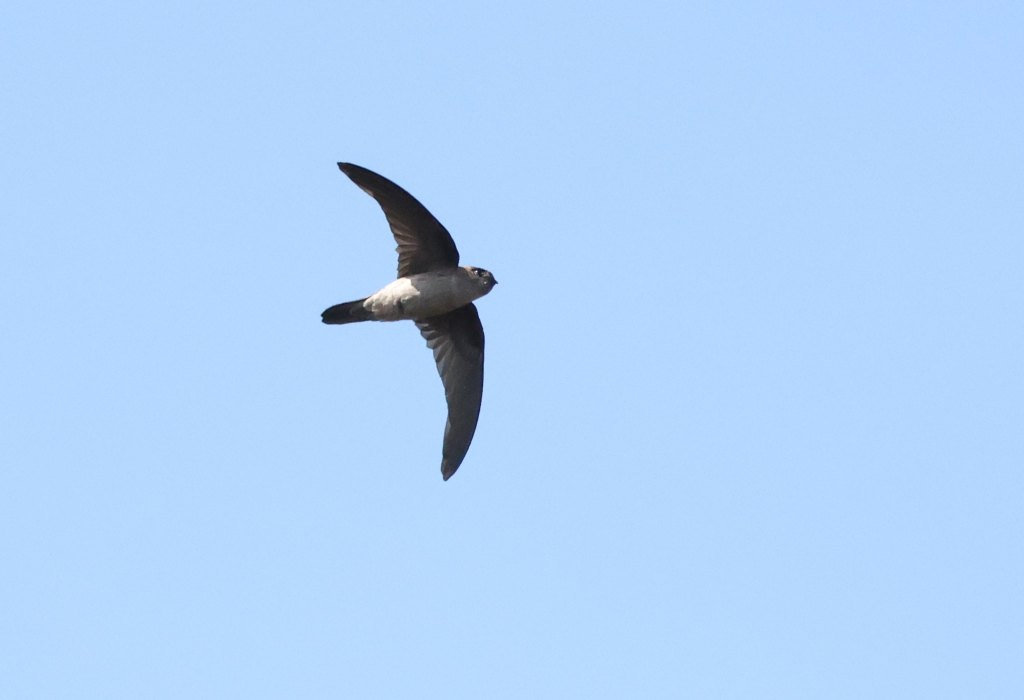
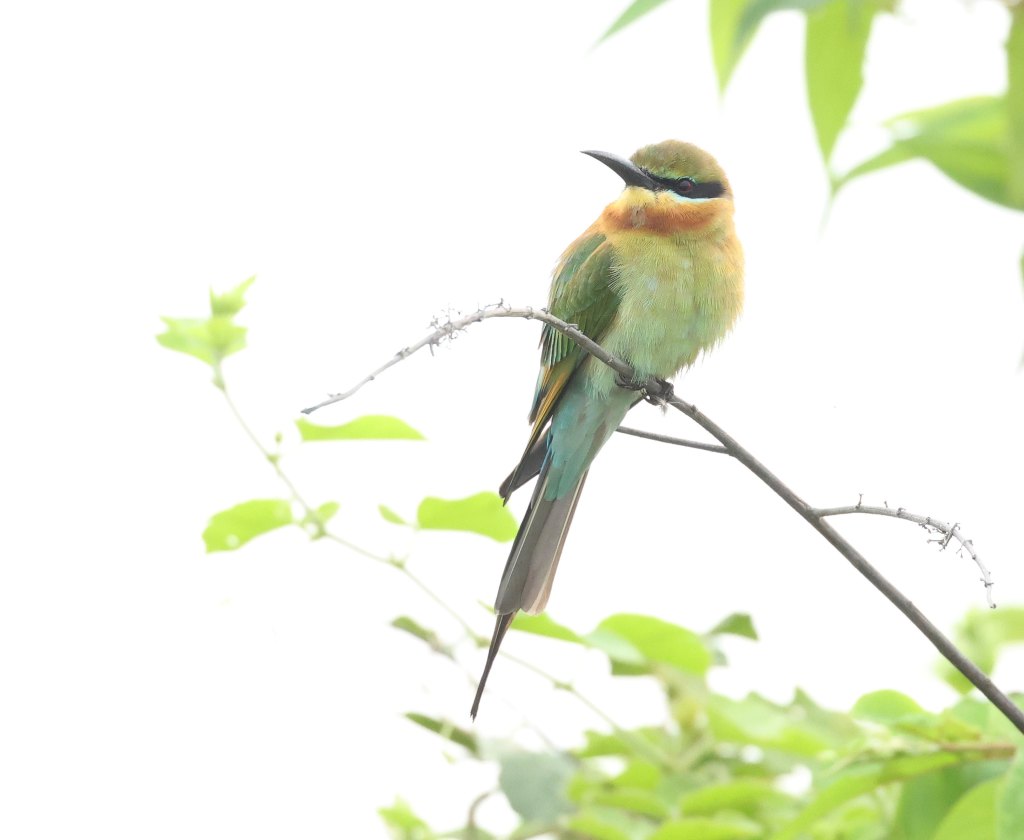
View from the top of Penang Hill not long after dawn (which happens at about 7:30am, in these here parts)Of the birds often seen in Penang, its hard to go past the Greater Racket-Tailed Drongo for look-at-me-over-the-top-show-off-ery.Sometimes when you see a species for the first time (so-called “lifer” moments), they are underwhelming and you’re flat-out picking out the bird in the dense foliage that it calls home. Not so this amazing Stripe-Throated Bulbul, one of a pair that was happily foraging along the side of the road that snakes along the ridges of Penang Hill.Yet another Bulbul, this one is the Black-Crested Bulbul, classed as “Exotic” in eBird.This weird-but-awesome-looking bird is called a Chestnut-Breasted Malkoha, and is proof that you can still see neat birds when it is 11am and you’re tired and it’s hot and you feel like you’ve just had enough…!I was happy to photograph this bird, called a Blue-Crowned Hanging Parrot, in a hanging position 🙂The Chestnut-Headed Bee-Eater is one of three commonly seen bee-eater species, and as well as the titular chestnut head, it can also be ID’d by its lack of tail streamers.OK, let’s talk about sunbirds! They’re small, they’re adorable, they’re fast, they’re this region’s honorary hummingbirds. This one is a Brown-Throated Sunbird. Fun fact: there are nearly 150 sunbird species worldwide!And another one! This is a Crimson Sunbird, a super-worthy subject to chase with your camera (in an ethical and non-threatening manner, of course…)This diminutive bird with a wicked hooked beak is a Tiger Shrike and sets me in mind of a butcherbird or woodswallow from back home…The only bird we found on eBird’s “Rare Bird Alert” for the region, a Violet Emerald Cuckoo. Who knows, it may well have been rare. Those stripes though…!I took a ton of in-flight photos of swifts, swiftlets, and treeswifts, but such is the challenge of swiftlet ID in the region, I couldn’t tell what most of them were!!These gentle photogenic creatures are Dusky Leaf Monkeys, also known as Dusky Langurs, and the orange-coloured infant (just visible in the photo) clings on for dear life as its parent swings through the branches.Squirrels are a common sight in the forests on and near Penang Hill. This cute one is a Giant Black Squirrel – it’s one of the largest squirrel species in the world.
Let’s Go To The Mainland, With A Guide… Or Two!
Yep, we hired a guide for a day and ended up getting two guides… for some reason. No complaints here, it’s great to bird in an unfamiliar region with someone who actually knows what they’re looking at (ie. aren’t resorting to the Merlin App’s ID feature for every second bird encounter…)
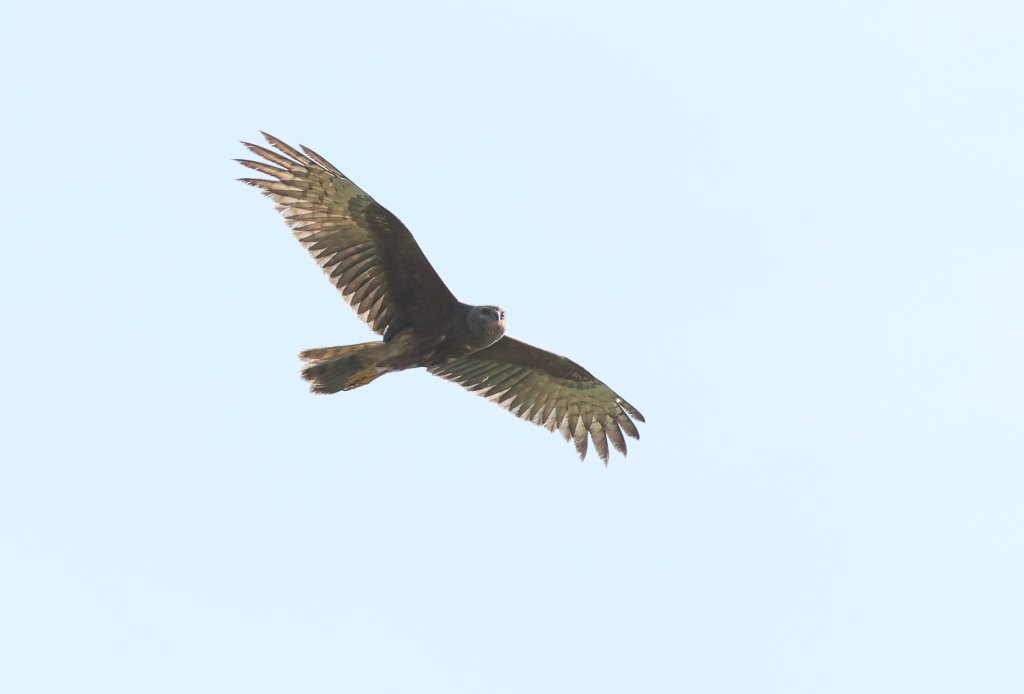
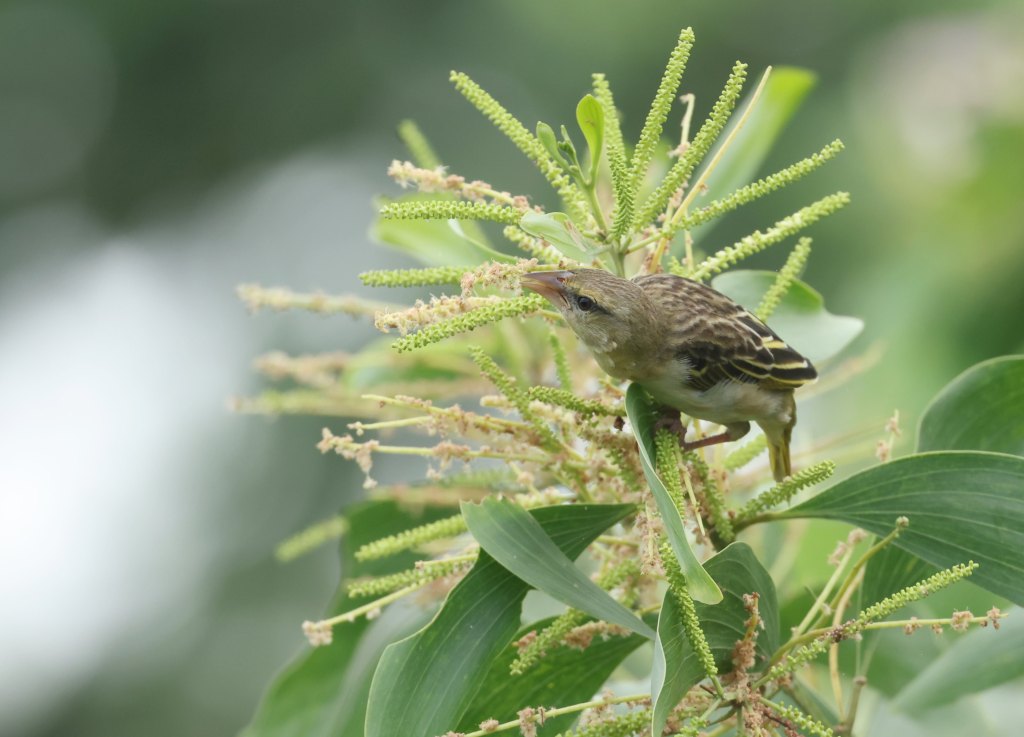
Baya Weavers are well-named for their proclivity to build impressive hanging nest structures – there were more of these hanging close by in the same tree.One of the most electric sights of the region is the stunning White-Throated Kingfisher with its enormous bill and stare-right-through-you attitude; it also has zippy bright blue feathers down its back.Sure, it looks like just a bird on a bit of grass…. but I’ll always have big love in my heart for munias, and finding and photographing Chestnut Munia was a massive highlight of the whole trip.And who can forget the Scaly-Breasted Munia, classed as exotic/invasive in Australia, here in their home country.In the rice paddies lurk many birds feeding on the insects, frogs and other critters that can be found in those swampy environs… this one is a Purple Heron.Another bee-eater, because why not… the Blue-Tailed Bee-Eater.The Eurasian Black-Winged Stilt manages to look pretty similar to most other stilt species. Elegant long pink legs, check!The Asian Openbill, also known to our guides as Open-Billed Stork, was a very common sight not just in grasslands and rice paddies, but also soaring in groups high up.Speaking of high up, apart from the very common White-Bellied Sea-Eagles and Brahminy Kites, we occasionally caught sight of other raptors, including this Eurasian Marsh Harrier.
Yet More Botanic Gardens, This Time In Singapore
If you’ve heard that Singapore is clean, hygienic, safe, and civilised, then you’d be…. very right. It’s also kinda expensive compared to other Asian countries, but that didn’t stop us spending a bunch of quality time checking out as many of its nature hotspots as we could point a Canon R5 camera at. We stayed within walking distance of Singapore’s large, varied and impressive botanic gardens, and saw lots of nice birds there.
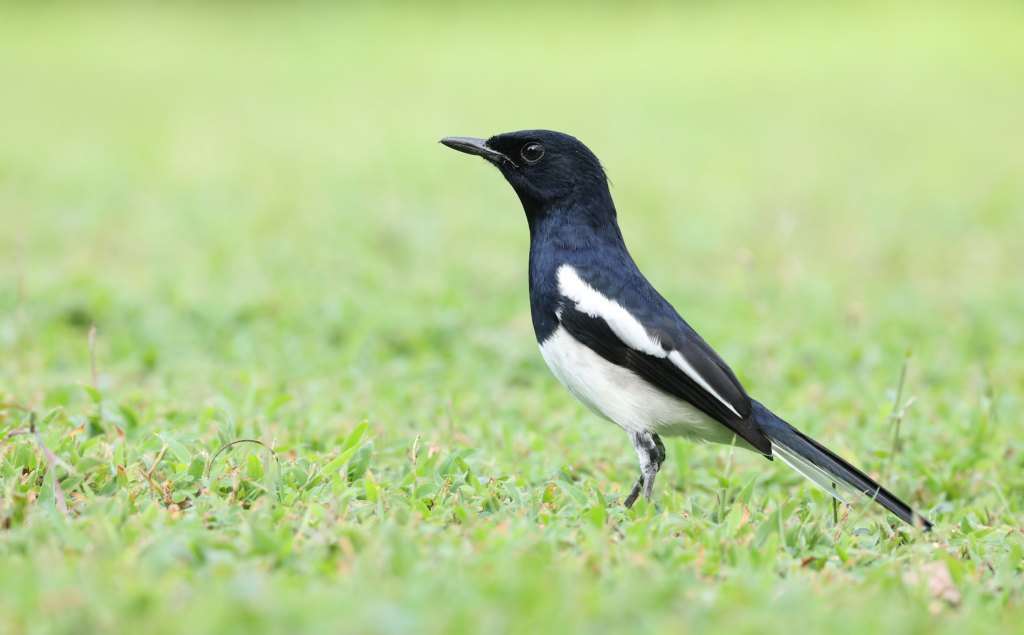
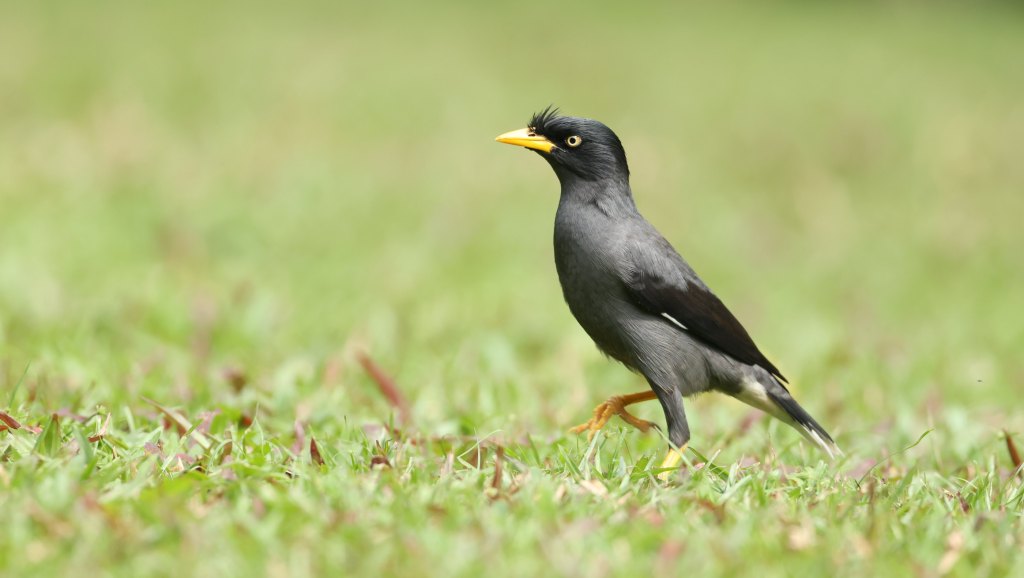
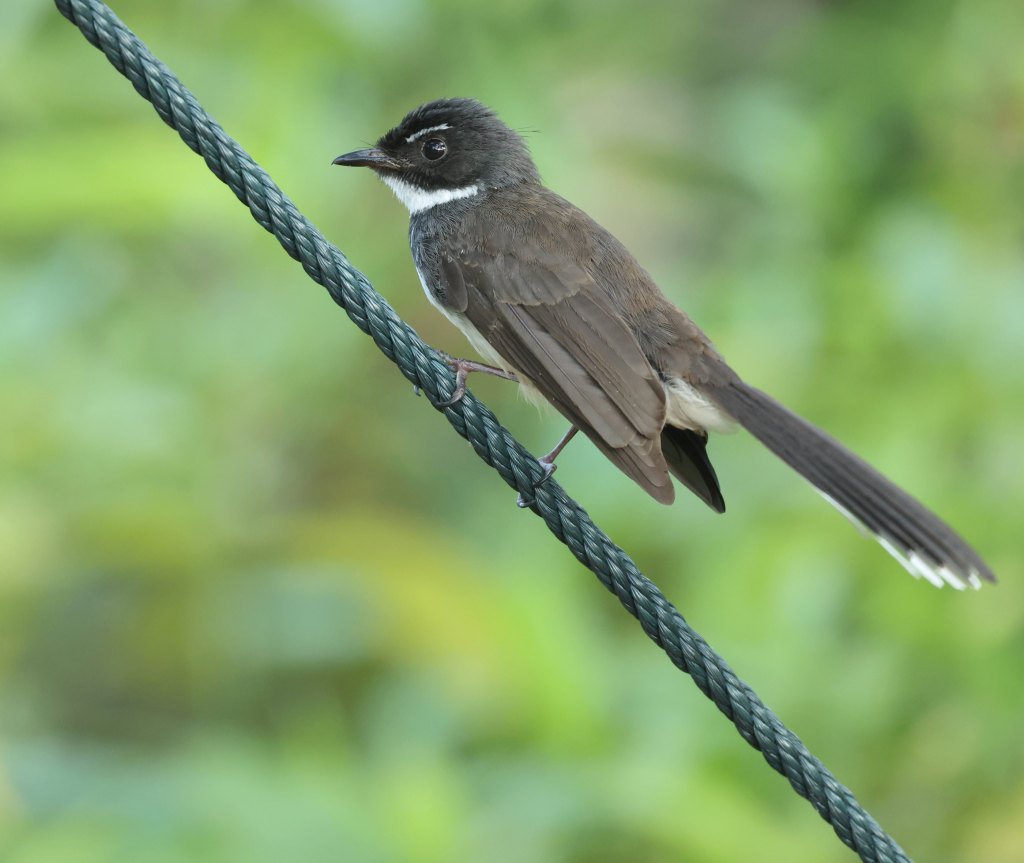
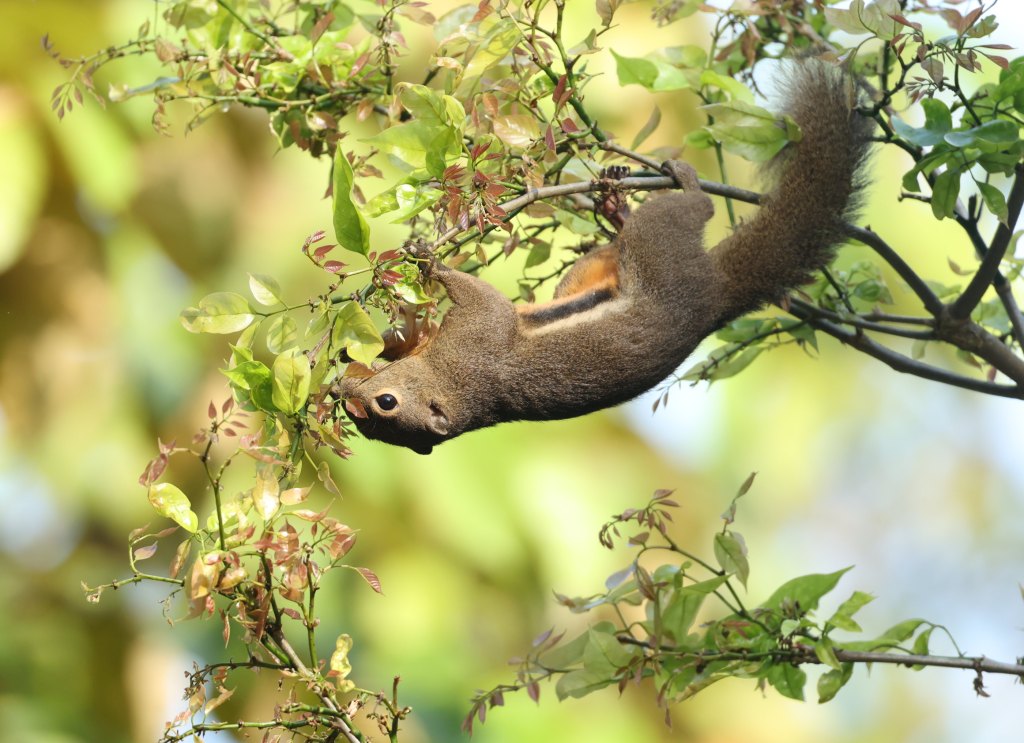
The Oriental Magpie-Robin is not only quite a striking looking bird, but also happens to be a consummate songster.Aaaaaand… it’s time for another myna, This one is the most common bird in Singapore by far – the Javan Myna (you also see Common Mynas now and again, but you woudn’t call them “common” here)The Malaysian Pied-Fantail is similar-but-different to our Aussie Grey Fantail.Plantain Squirrels often catch the eye when you’re looking for birds and you see branches move, until you realise “oh, it’s just another squirrel”, or in this case, “oh, it’s a squirrel goofily hanging upside-down”.
I Have A New Favourite Birding Location And Its Name Is Jurong Lake Gardens
Yes, folks, we were utterly blown away by Jurong Lake Gardens both as a super-beautiful nature spot and as bird photography heaven. I’d go to Singapore just to spend a week there, I reckon, it’s that good.
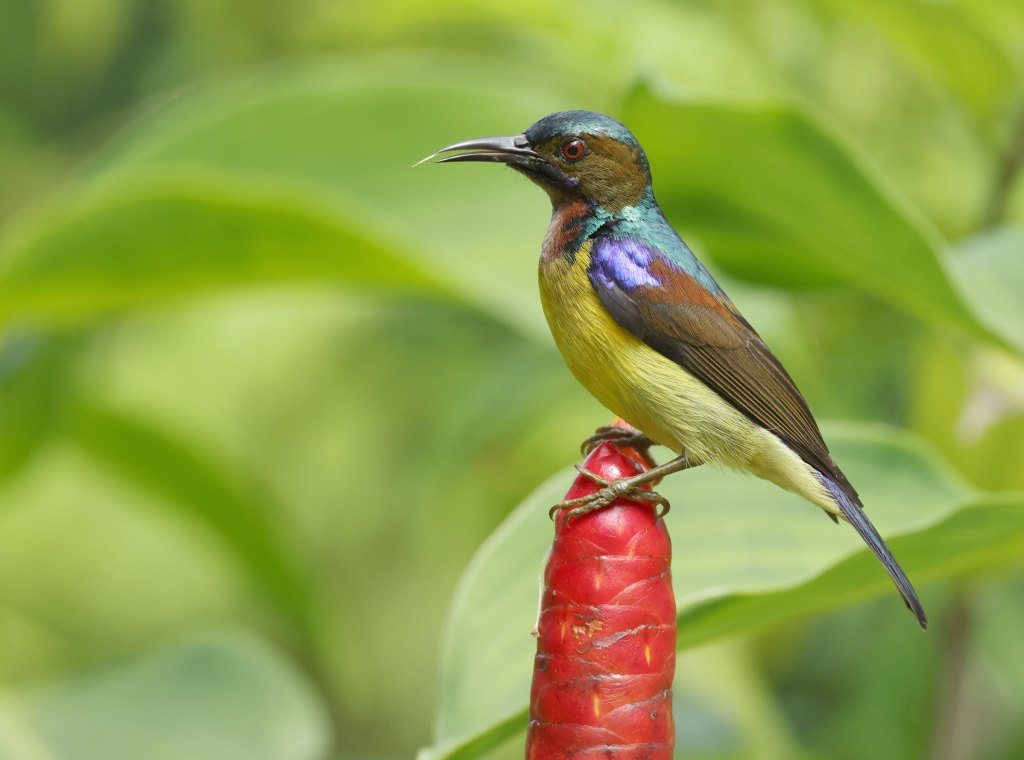
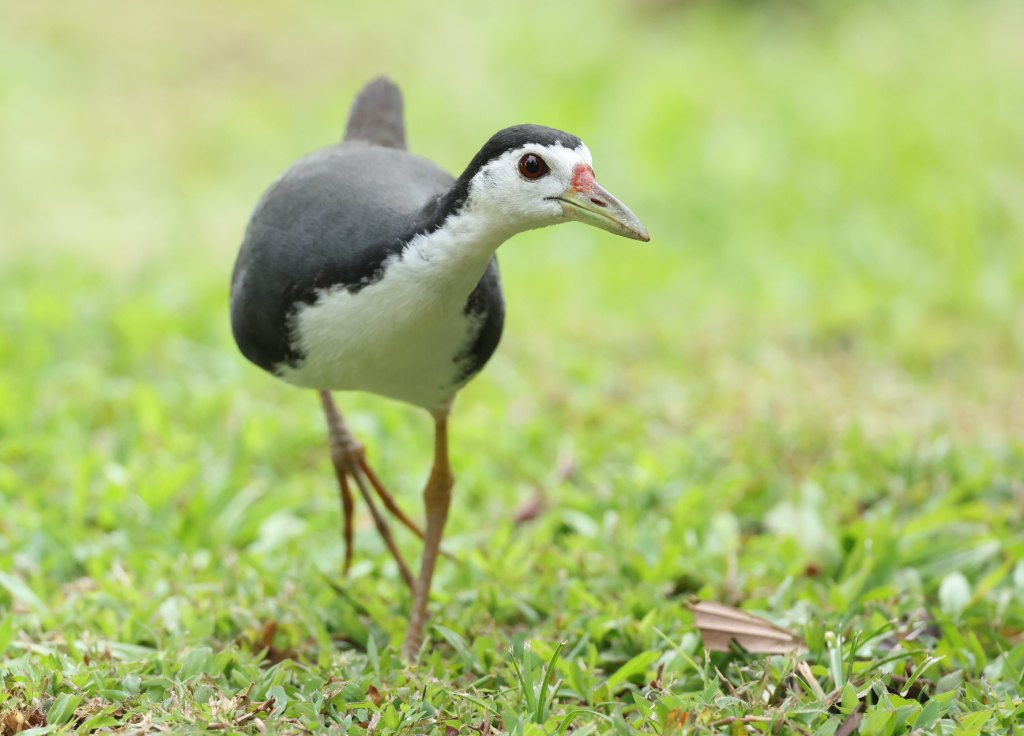
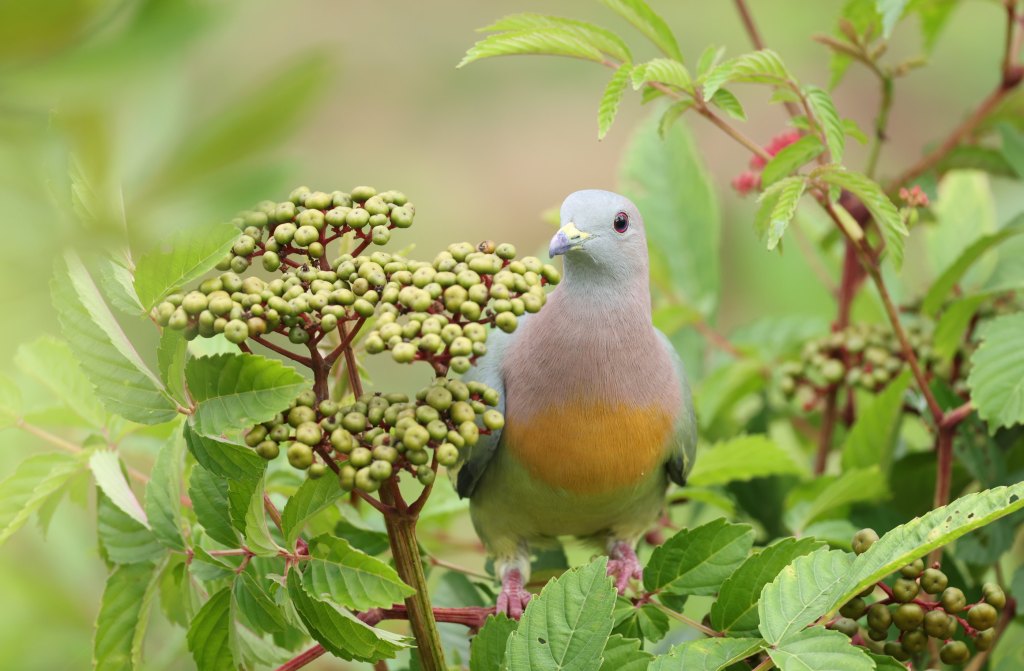
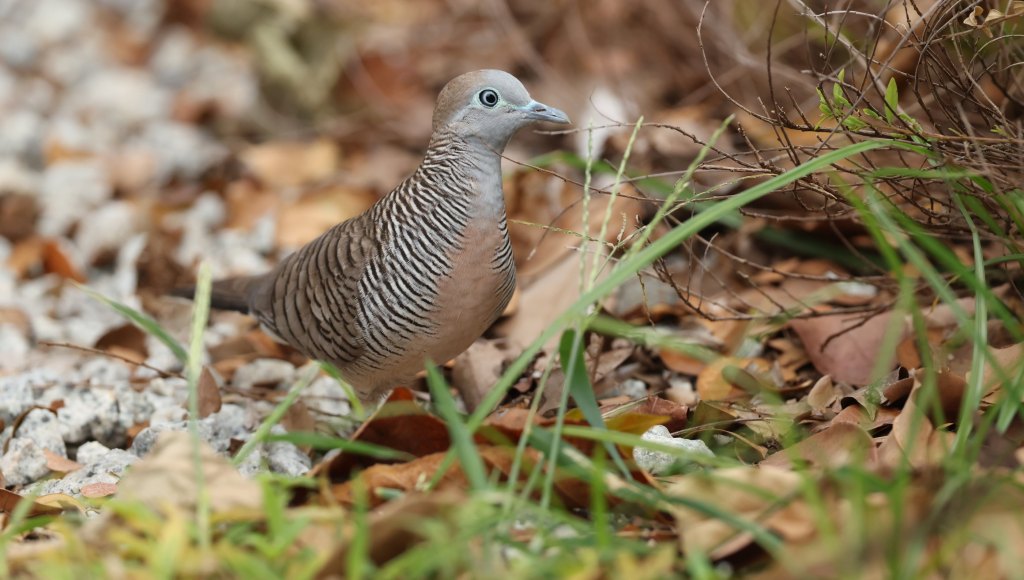
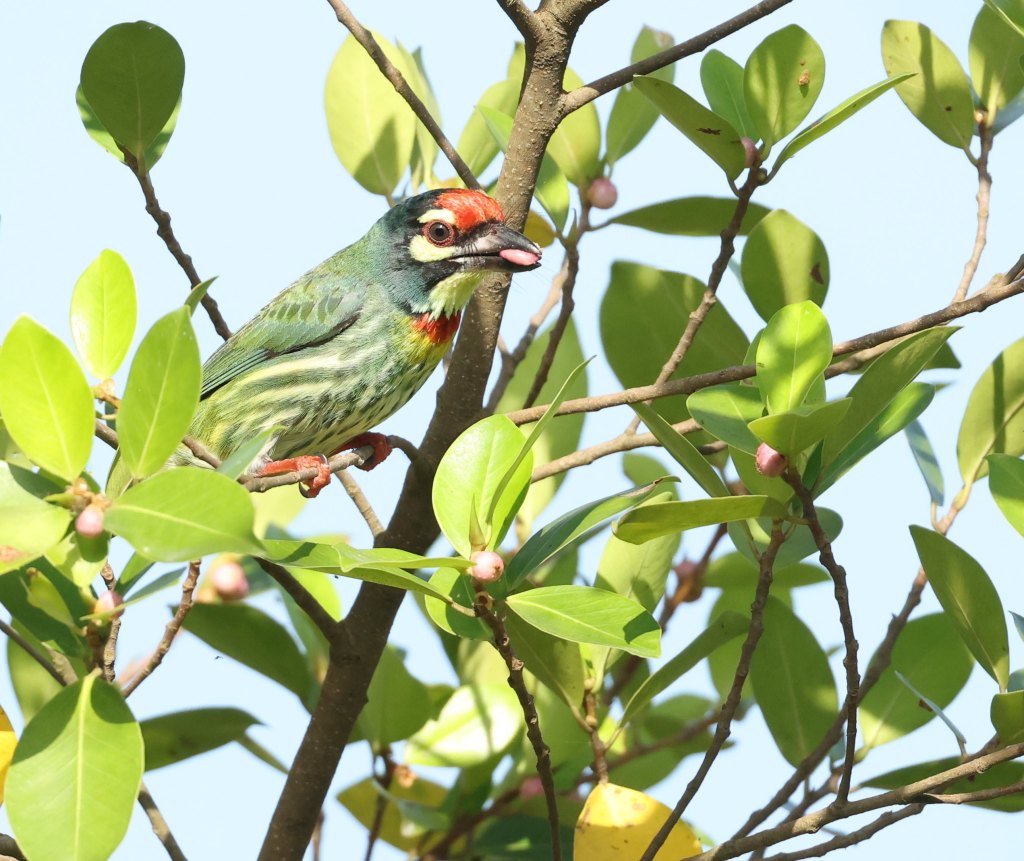
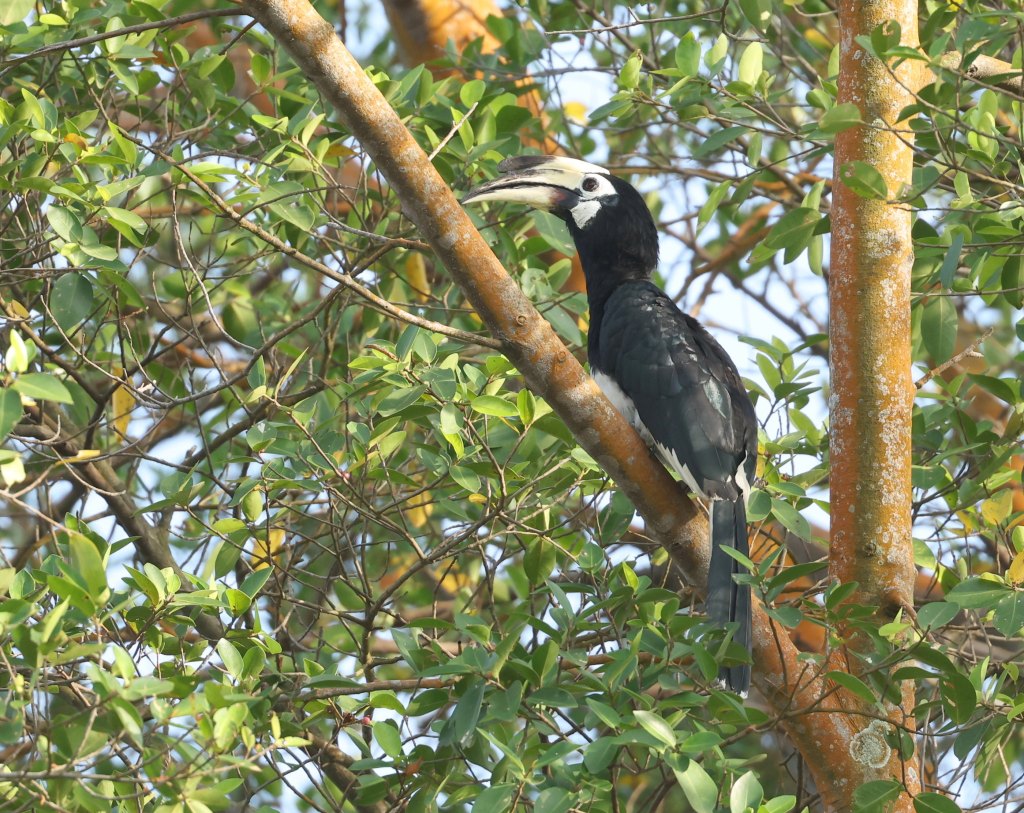
The wonderful Brown-Throated Sunbird makes a reappearance with a tasty pose with cheeky tongue out at Jurong Lake GardensThe Common Kingfisher isn’t really that common, I mean, come on… it’s also quite skittish. This one flew off 1.3 seconds after its photo was taken.White-Breasted Waterhens are commonly seen on almost any bit of water around the place. I kinda think of them as honorary Jacanas, tbh.Ladies and gentlemen I present you with yet another compelling reason to go birding in south-east Asia: this gorgeous pastel-coloured Pink-Necked Green Pigeon is not at all hard to find!The Zebra Dove is a close cousin to our lovable Peaceful Dove, with a few differences. Its call has the same tone but a different melody, for example.The tiny Sunda Pygmy Woodpecker put on a show at Jurong Lake Gardens, clambering both up and down the tree branches right in front of us.Oh boy did I try hard to get a good shot of the Coppersmith Barbet, and this is the best I could do.Our first and only hornbill species sighted on the trip – the Oriental Pied Hornbill, whose presence in Singapore is apparently due to a concerted effort to re-introduce them in the 2000s after numbers had dwindled to nothing.Birding amongst the scenery: the Chinese Garden section of Jurong Lake Gardens
Yet More Gardens, Perhaps Even By The Bay, Old Chap
The unimaginatively-named Gardens By The Bay, built on land reclaimed from the sea, are a tourist wonderland where it feels like nature is “put on display”, as it were, with various paid-for attractions (*ahem* elevated walkways *ahem*). Plenty of it is also free to explore though, from ponds to creeks to tree-lined avenues.
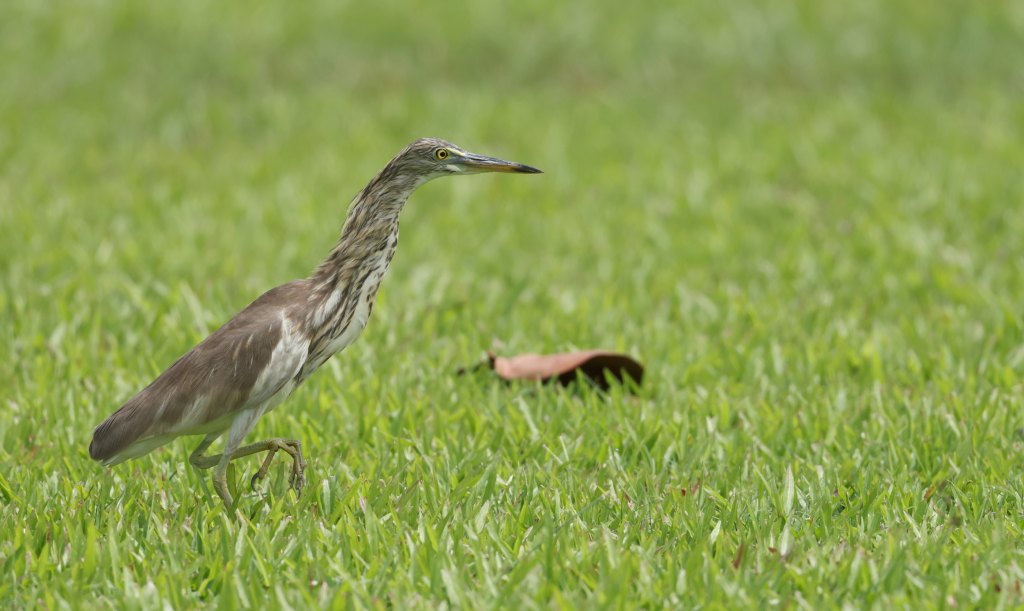
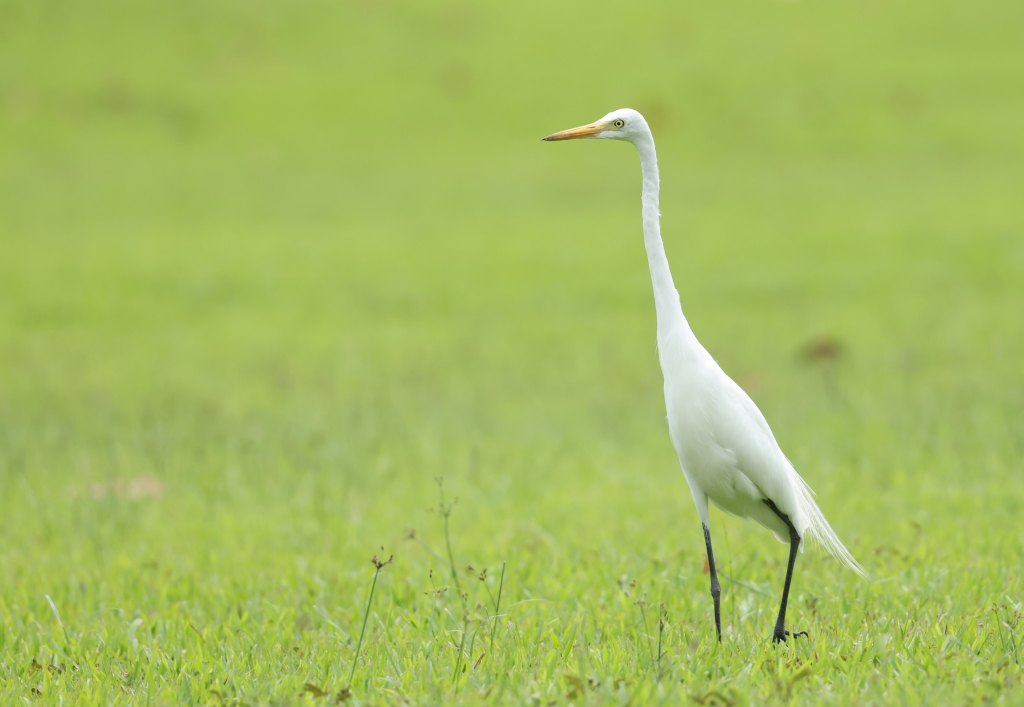
The Ashy Tailorbird gave us a bit of a chase, hopping about in a most obscured fashion from branch to branch high up in this tree until it finally showed itself!The Ornate Sunbird is the most commonly seen sunbird around, and a flitty flighty wee one it is too. Here it pauses for a microsecond before zipping off on its flower-hunting mission again.One of the most common urban birds (after the ubiquitous Rock Dove, of course) seen in our travels was the Eurasian Tree Sparrow. There are small populations of them in a couple of places in Australia too but in Malaysia and Singapore they are found in large numbers.The Asian Koel is a loud and brash species of Koel that is much more readily seen in Singapore than in Australia (where our Pacific Koels skulk and lurk and refuse to come out of the heavy foliage…)The Chinese Pond-Heron looks a bit like a washed-out Striated Heron; their breeding plumage (not shown here!) is really something to behold, however.I’m calling this a Plumed Egret, which used to be known as Intermediate Egret, though in the local region it comes up as Medium Egret. Confused? Me too.
Kranji MarshIs Indeed Fairly Marshy
Kranji Marsh is an intriguing hotspot and little did we know, most of it is actually closed to the general public (via a very locked gate). Fortunately the open part held some nice birdy surprises for us.
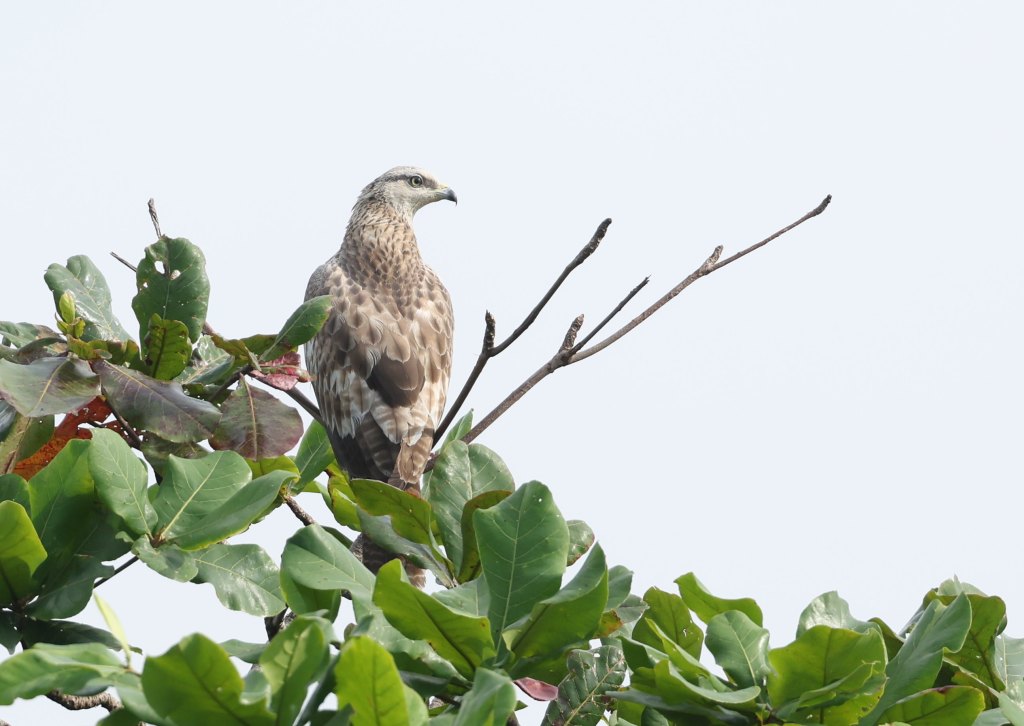
Kranji Marsh features this excellent (and breezy) raptor tower; such birding towers are quite common in Singapore.…And we saw this Oriental Honey Buzzard from the raptor tower. Niiiice!The Asian Glossy Starling is one of many birds that gets in on the berry/fig/fruit action in the region.Golden-Backed Weavers are actually native to Africa, but there is a small population in Singapore – hurrah!
The Biggest Singaporean Birding Hotspot Of All
Sungei Buloh Wetlands Reserve is the most biodiverse nature site in Singapore, and like most of the city’s hotspots, it’s well served with raptor towers, boardwalks, a sprawling visitor centre and more. Gotta love that.
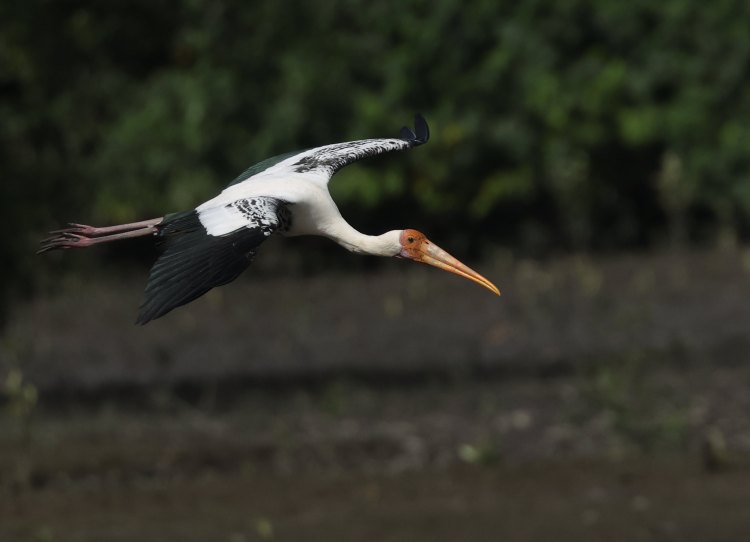
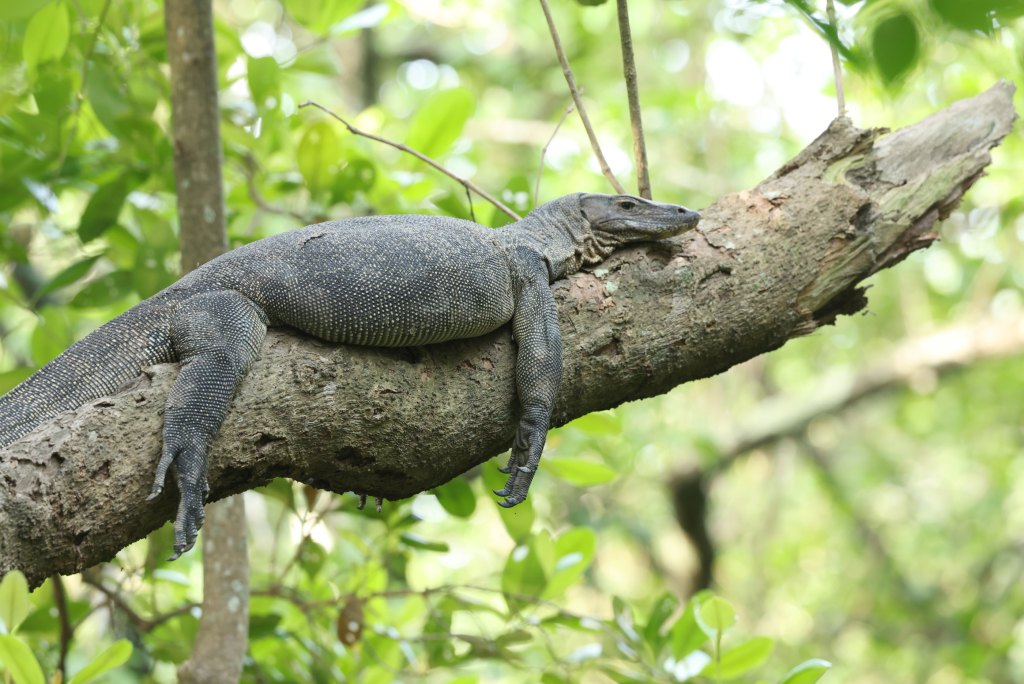
Painted Stork coming in to land in 3… 2…. 1….If dark foreboding mangroves are good for one thing, it’s “mood shots”. Like of this Grey Heron, for example.Common Redshanks are shorebirds that, at least at this time of year, are in good numbers along the Malaysia and Singapore coastlines.Like most owls, this Buffy Fish-Owl was pretty sleepy during the day, but at this point was keeping one eye open on proceedings.OK just relax, it’s all good. Could it be a very well-fed monitor lizard…?
And Yea Singapore Does Have Many Other Good Birding Sites Too
Pasir Ris, Mount Faber, Singapore Quarry, the Dairy Farm, Lorong Halus… the list of quality birding spots goes on. For a geographically small nation it sure does pack a punch.
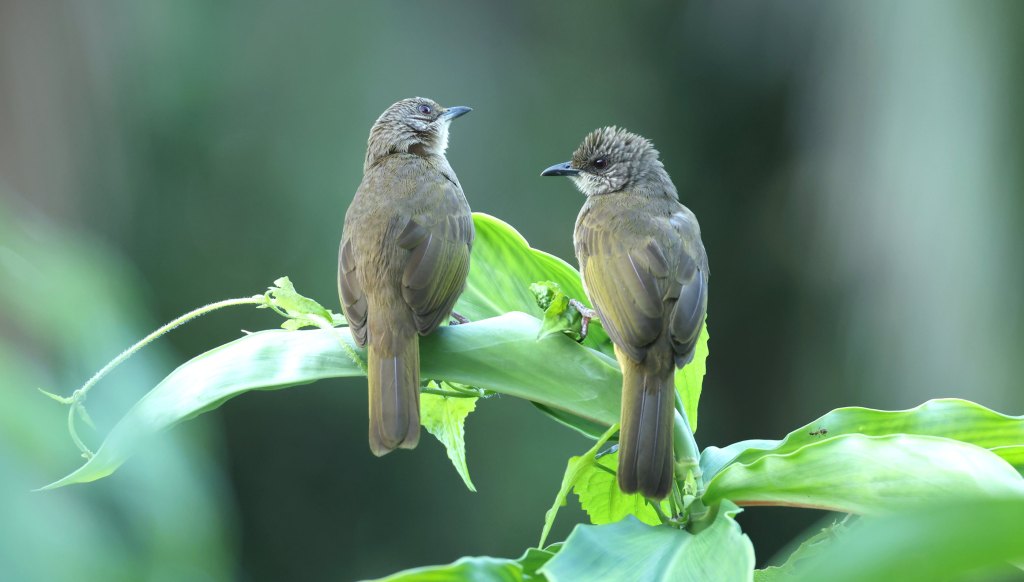
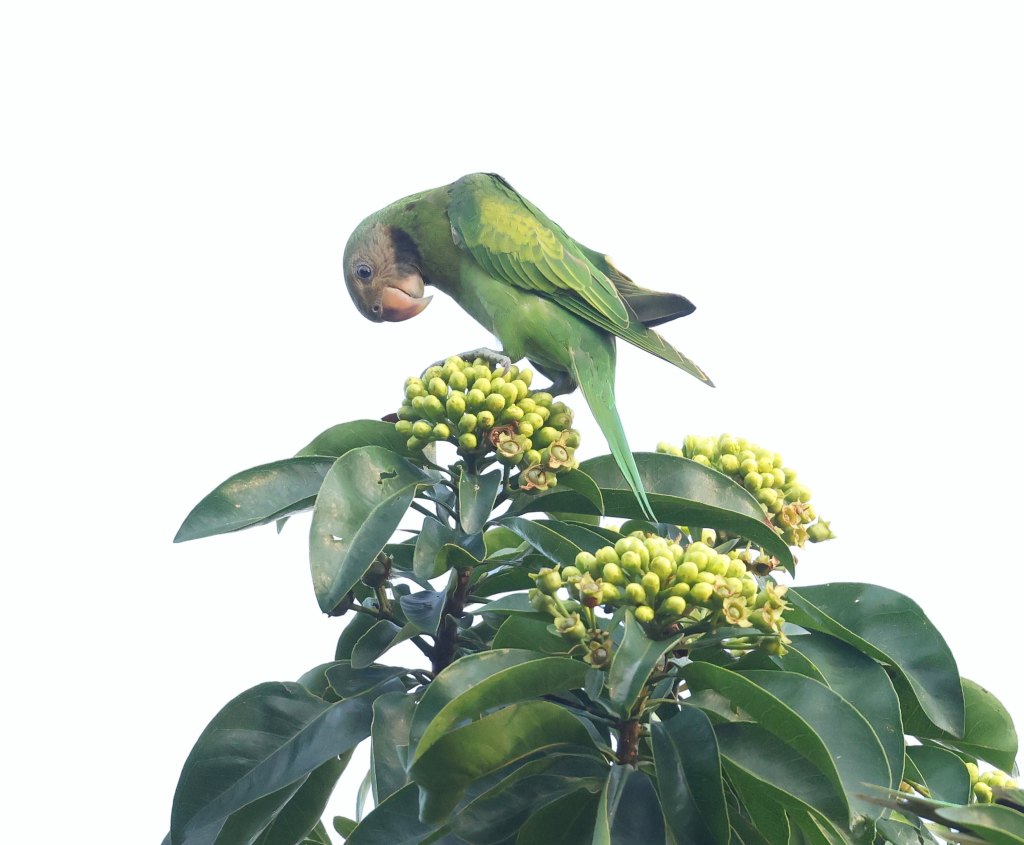
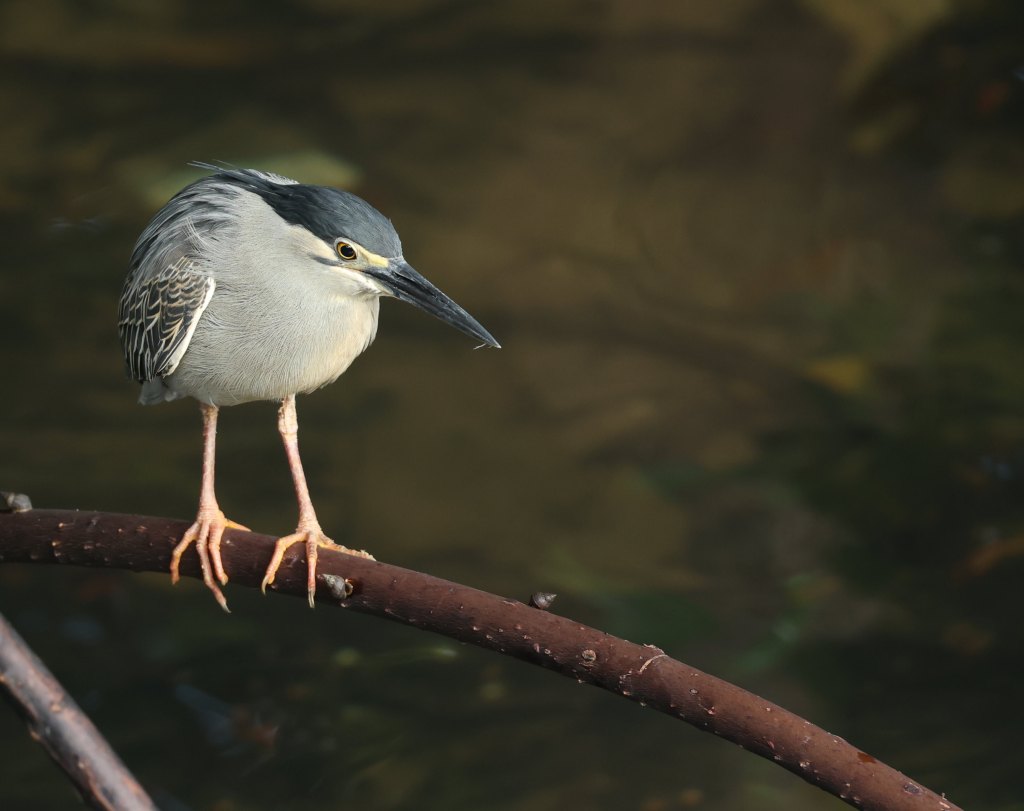
I do not concoct the bird names in the ornithological world, but if I did, I would probably also name this bird “Pin-Striped Tit-Babbler”, mainly for the lols.This Grey-Headed Fish-Eagle was intent on swooping down to catch fish at Singapore Quarry, while a bevy of bird photographers were intent on snapping it doing so. Including me.Two Olive-Winged Bulbuls, for the price of one!The Common Flameback is another woodpecker species in a tropical region you wouldn’t think even had woodpecker species.Parakeets are definitely good for noisy group flyovers in Singapore, but they do stop and forage if they find appropriate foods, like this Red-Breasted Parakeet is doing.It’s a Striated Heron, apparently also known as mangrove heron, little green heron or green-backed heron. I mean, why stop at one name?!?
Summary: A First Taste Of Birding In The Steamy Tropics
Yep, it was hot, especially in the afternoons, which got positively putrid. We had set aside plenty of days so that we could limit our birding to just the morning hours (sunrise is around 7:30am in both Malaysia and Singapore at this time of year), and then cool off or do air-conditioned-touristy-things in the afternoon, and hopefully still canvas several of the available nature sites. This worked out pretty well on the whole, as we saw a bunch of interesting and (to us Aussies) quite exotic birds. From swifts and woodpeckers to fish-owls and bee-eaters, south-east Asia has plenty of variety for the keen birder to enjoy.
eBird Trip Reports: Malaysia (101 species observed) Singapore (87 species observed)

























 Bird Spots
You captured so many beauties!
LikeLike