Summary: Small pleasant park with potential for stunning Rainbow Bee-Eater encounters
Dates of visits: 27 Oct 2021, 30 Aug 2022, 6 Sep 2024, 24 Dec 2024
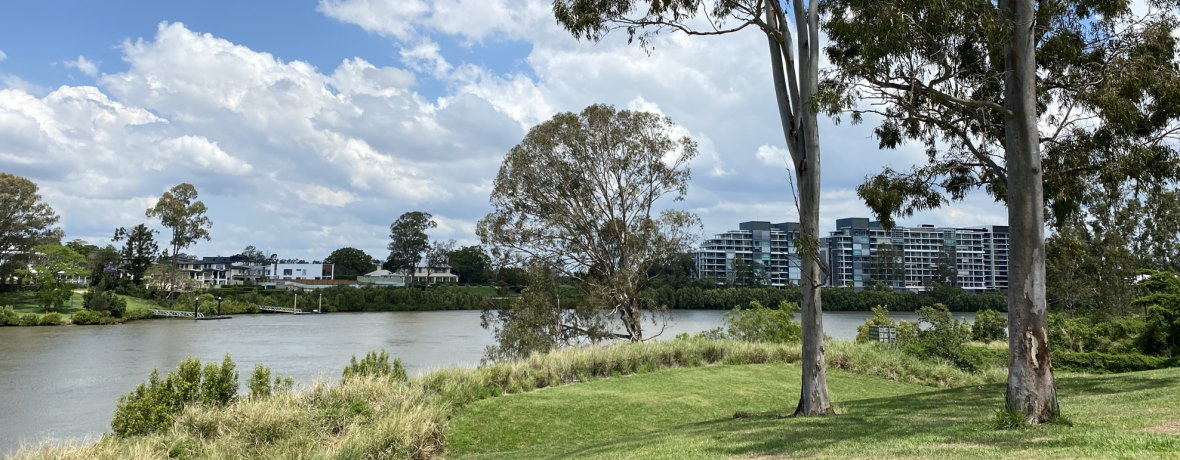
Sir John Chandler Park is a small nature spot commanding a big sweeping bend of the Brisbane River, and has a claim to fame as one of the best locations to photograph Rainbow Bee-Eaters in south-east Queensland.

The park commemorates Sir John Chandler who was Lord Mayor of Brisbane from 1940 to 1952. Getting there involves driving all the way to the end of Meiers Rd, which even though it isn’t all that far in the grand scheme of things, it sure feels like a long way, if you’re coming from, say, anywhere on the other side of the river. At times I have driven a car here, while other times I’ve ridden a bike over the Green Bridge at Dutton Park to UQ (stopping for a little birding at the UQ lakes) and then through to the park.


Facilities here include barbeques, picnic tables, a themed playground, toilets and even a pleasantly-sited boat ramp. The car park holds a dozen or so cars.
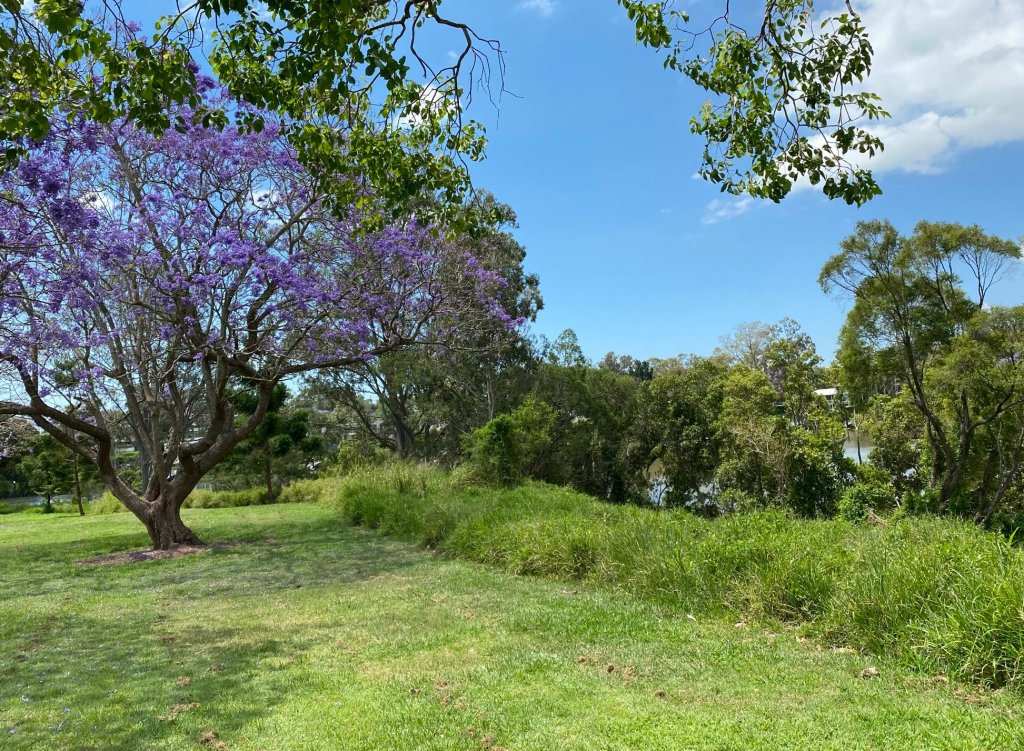
Most of the park is quite open with dottings of large trees: Jacaranda, African Tulip (regarded as a significant weed tree), hoop pines and of course eucalypts. The park is barely 300 metres from top to bottom (one border of the park is formed by the edge of the Indooroopilly Golf Club), so you can explore it in short order. There is a single paved path that runs most of the length but you’ll need to venture off it to get the best views of the wildlife (more on that later…)


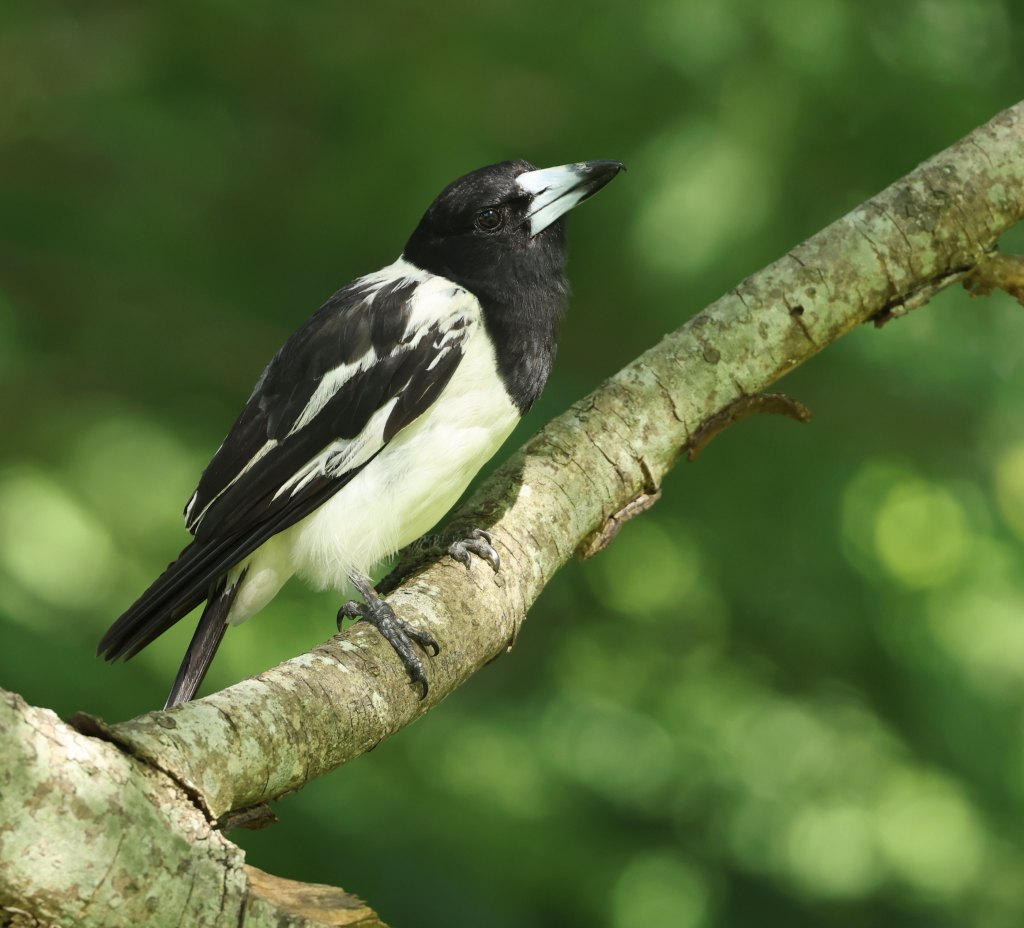
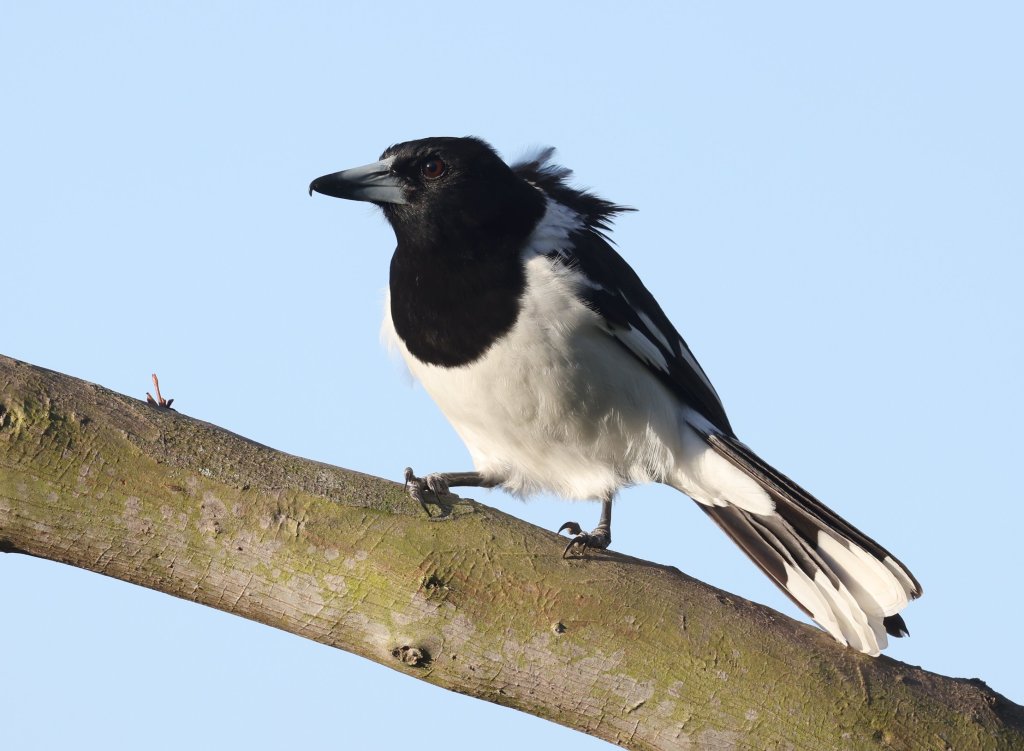
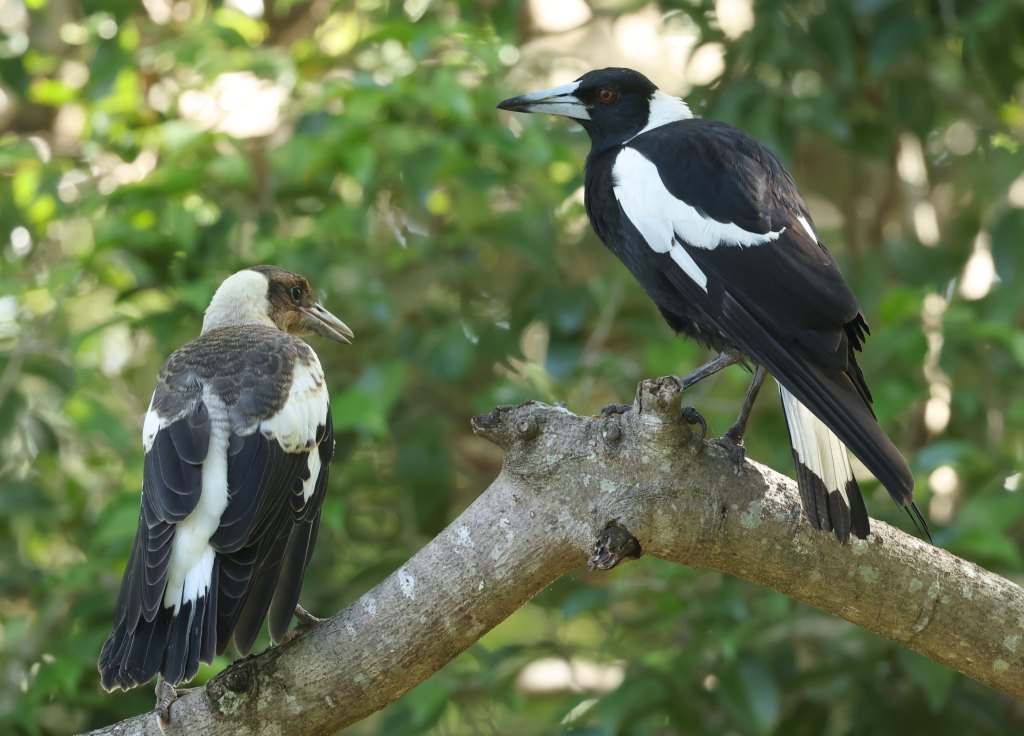
The open nature of the site with its grassy stretches naturally means you’ll find Magpies, Butcherbirds, Currawongs and Noisy Miners.

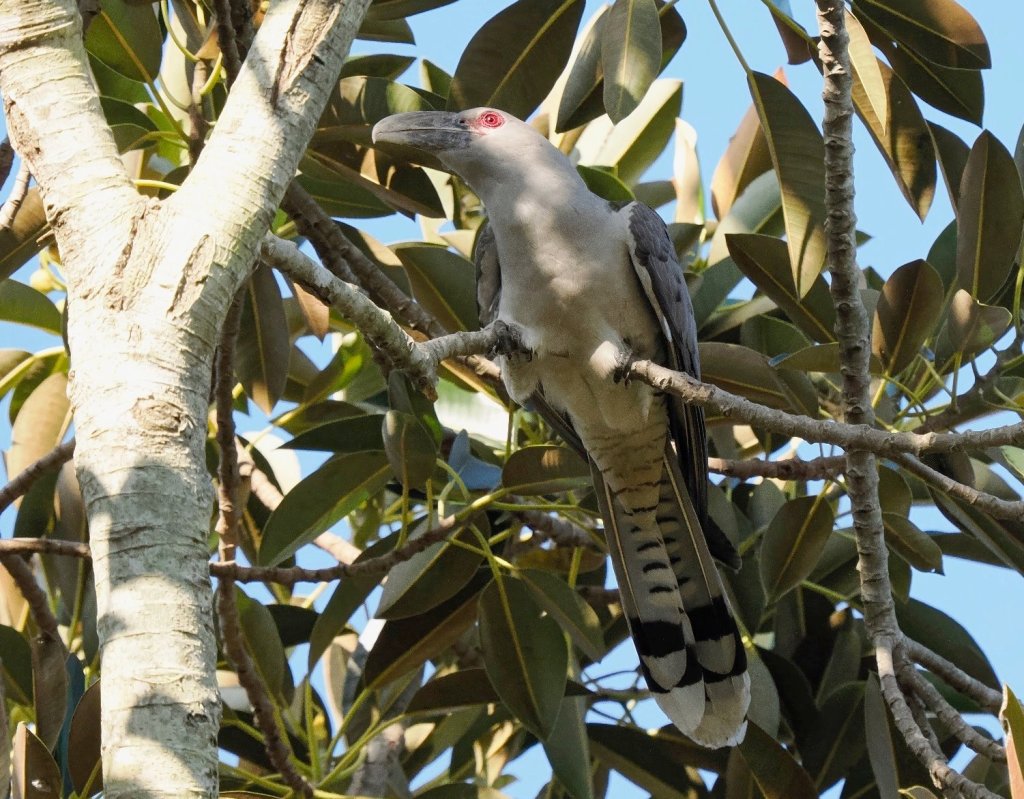
From mid/late September to February Channel-Billed Cuckoos are reliably seen here, sometimes quite well. They are such demon birds with their monstrous size, evil red eyes and diabolical call, that they are hard to forget!
The big drawcard of this park is the grand sweep of the river, which here is about 180 metres wide. Apart from the boat ramp area, the water itself typically lies 3 or 4 metres below the level of the park. The river banks (pictured below) make for perfect nesting habitat for the Rainbow Bee-Eaters as well as Striated Pardalotes – both these species tunnel into the sand (up to a metre in the case of the bee-eaters) and excavate a small chamber at the end to lay eggs and rear their young.


So, speaking of Rainbow Bee-Eaters, those gorgeously-hued masters of the aerial swoop-hunt….

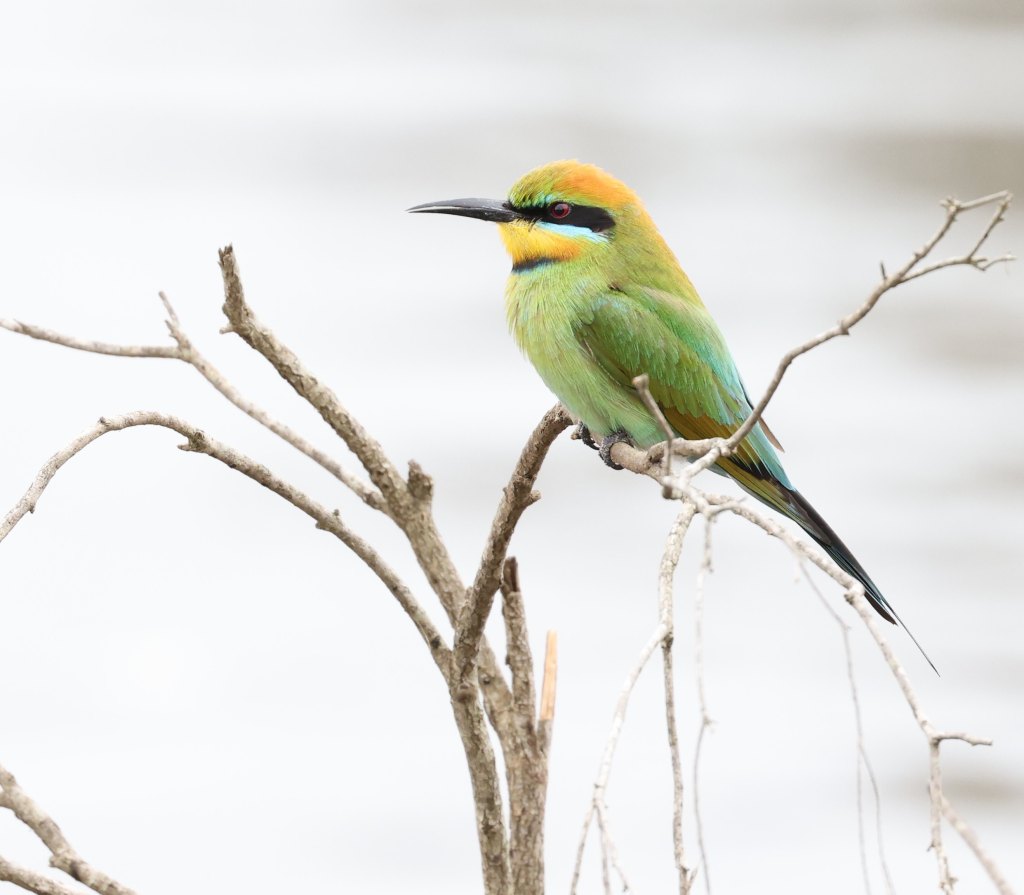
Their favourite perches are typically down near the water where they sally forth to grab butterflies, bees and even dragonflies. Hence the photographic allure of this site: with patience you can obtain stunning photos of the bee-eaters with smooth blurry water backgrounds. The afternoon light is usually best for this.

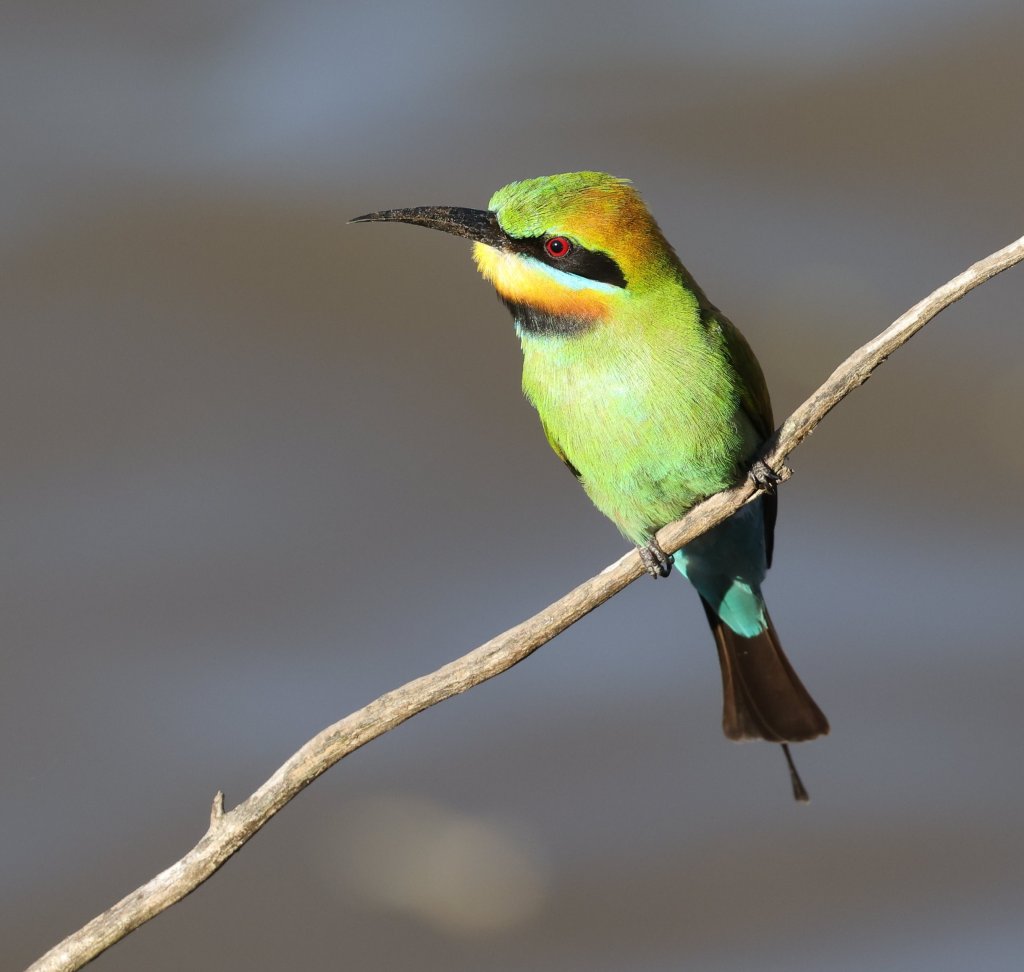
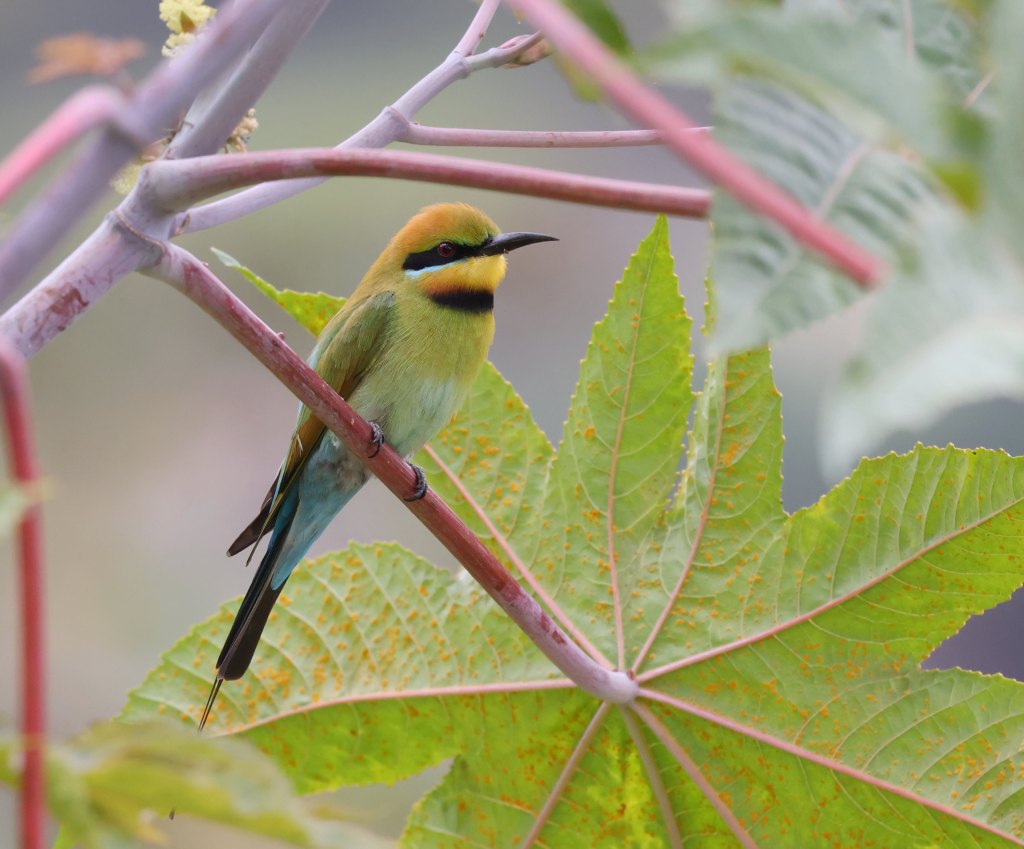
There is one big caveat to all this, however: you often can’t get close to the bee-eaters without trampling through the fringing unmowed grass line, and depending on growth levels, this might mean you can’t (or at least, shouldn’t) smash your way a few feet through potentially thick, dense growth – including castor oil plants (Ricinus communis) with their cloying orange goo. Potentially this could damage the sandy tops of the riverbanks, so use caution and keep good birding ethics in mind (also, maybe, snakes…!).
I reckon the growth is fairly seasonal, with the late dry season (post-winter, Aug to Nov) perhaps being the best time to go (the bee-eaters, as far as I can tell, are resident year-round). That’s a big generality of course; on my last visit in Dec 2024, there had been enough rain over the previous month or two that the grasses formed a totally impenetrable barrier.


If the edges of the river are inaccessible you may have to satisfy yourself with hoping the bee-eaters will land on closer trees, or with pointing your camera upwards and catching them in flight.


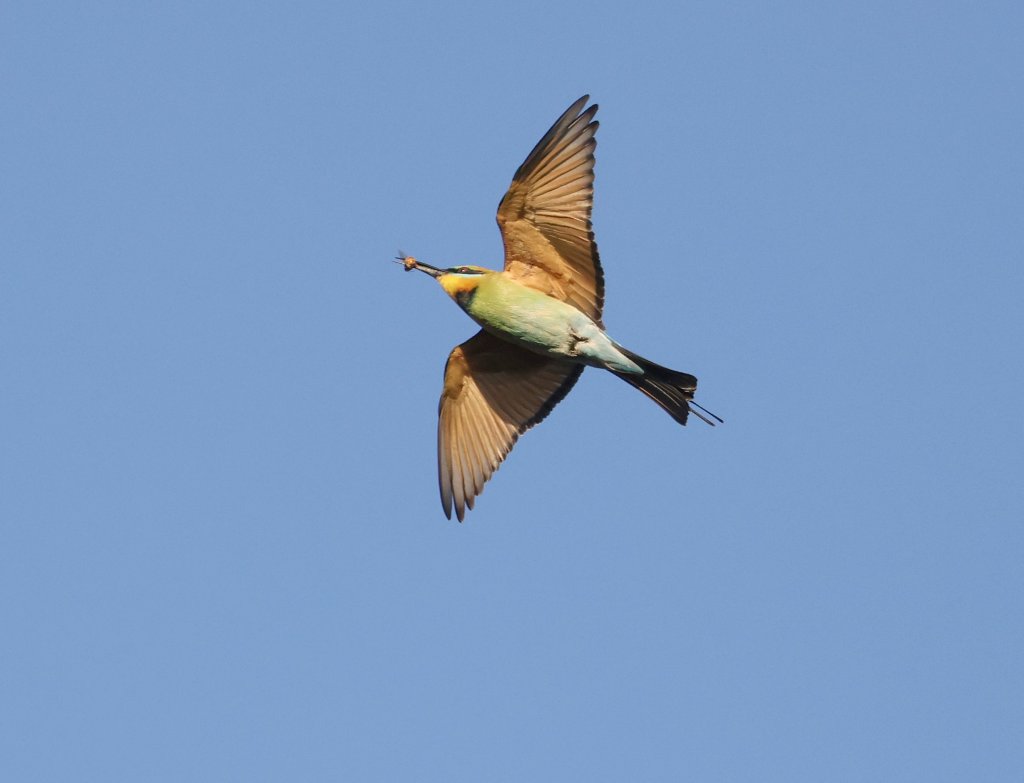
Ahh, Rainbow Bee-Eaters, how we adore thee.
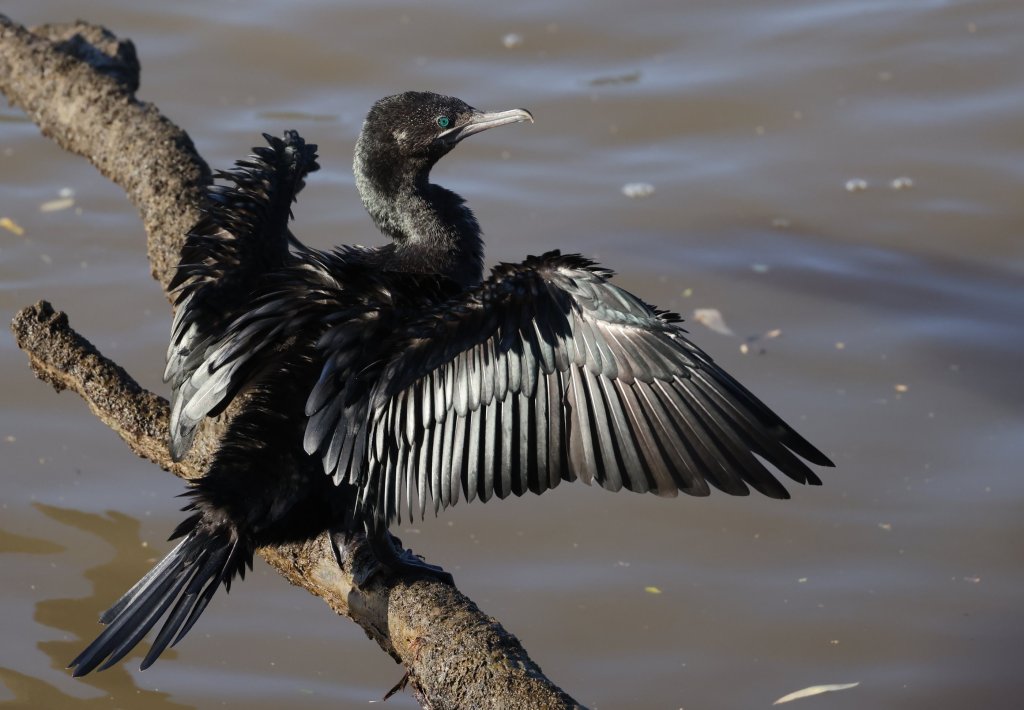
If you do brave getting close to the riverbanks, you’ll also find a few other species using protruding branches as resting places, like darters and cormorants.
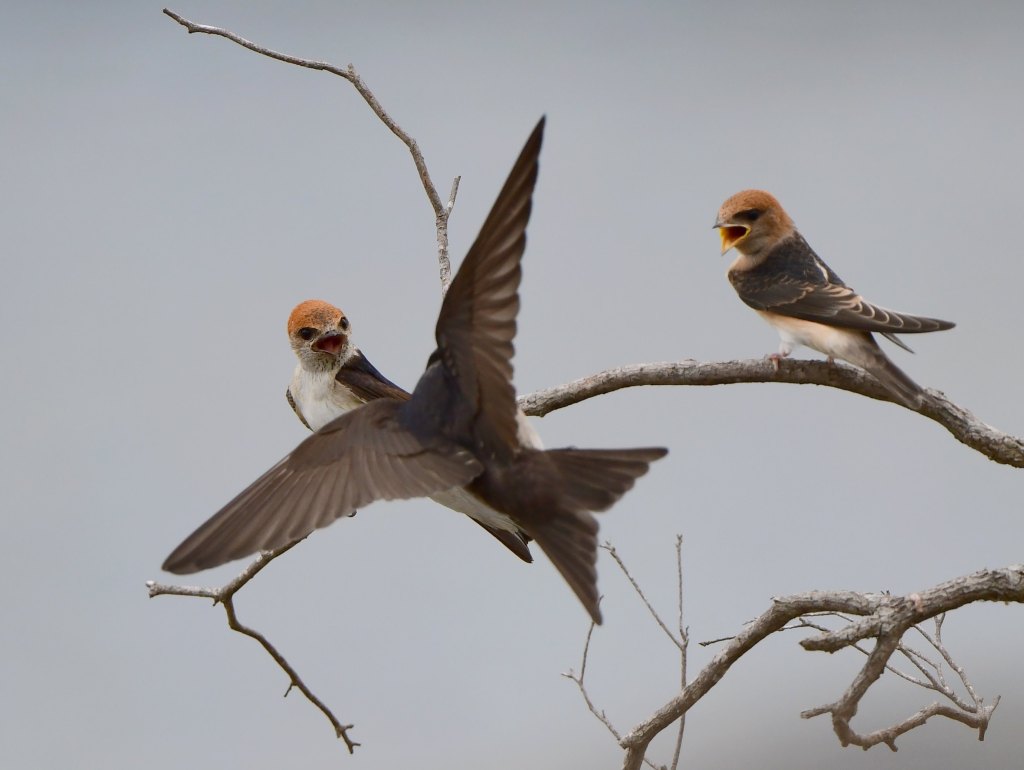
On my first visit to the park in Sep 2022 I found a few Fairy Martins, and many Welcome Swallows all happily resting only a few feet above the river. Like the bee-eaters, they catch insect prey aerially, though in their case generally with more driving speed rather than tight arcing swoops.

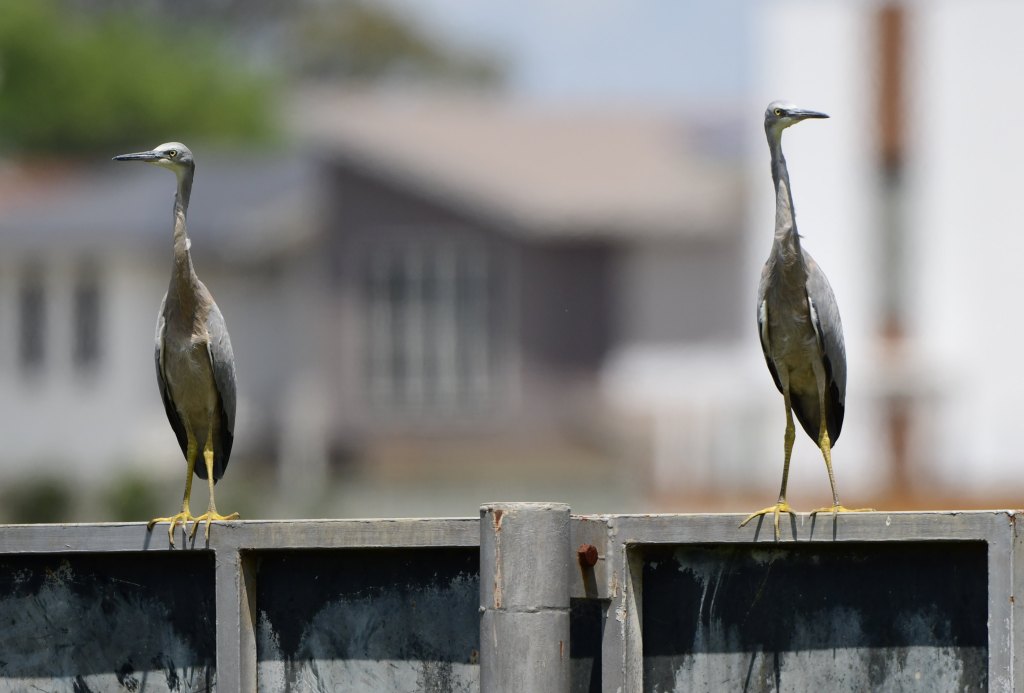
At the extreme south end of the park there are a couple of remnant concrete structures and I’ve seen a few interesting birds here, like White-Faced Herons.
In Aug 2022 I took one of my most amusing bird photos when I saw a Great Egret serenely riding an abandoned boogie board on the Brisbane River’s lazy current. That gave me and my birding buddy on the day (Luke S) a real chuckle.

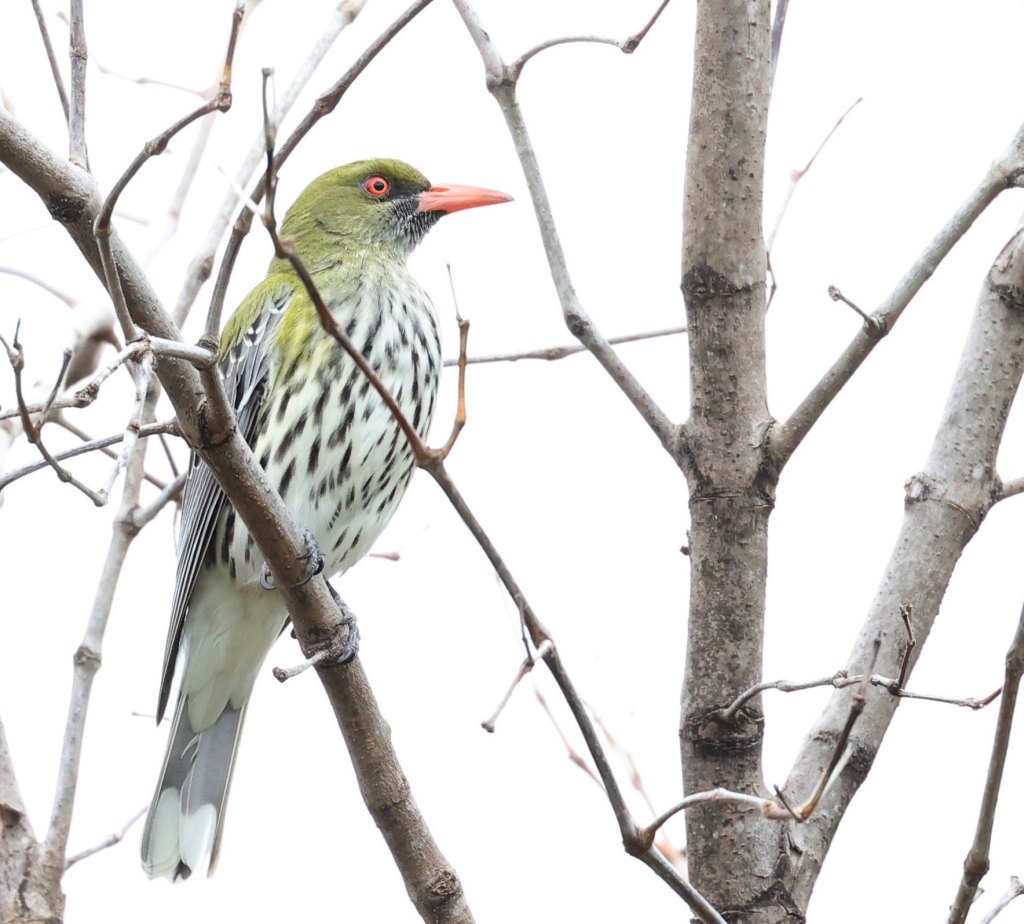
Other bush birds you might see here include Olive-Backed Orioles, and Brown Honeyeaters, both of which are common to most decent birding sites in south-east Queensland.

Still… it’s hard not to return to those super lovable Rainbow Bee-Eaters, which are pretty much the only reason I’ve been to this location more than once (in fact, four times now).
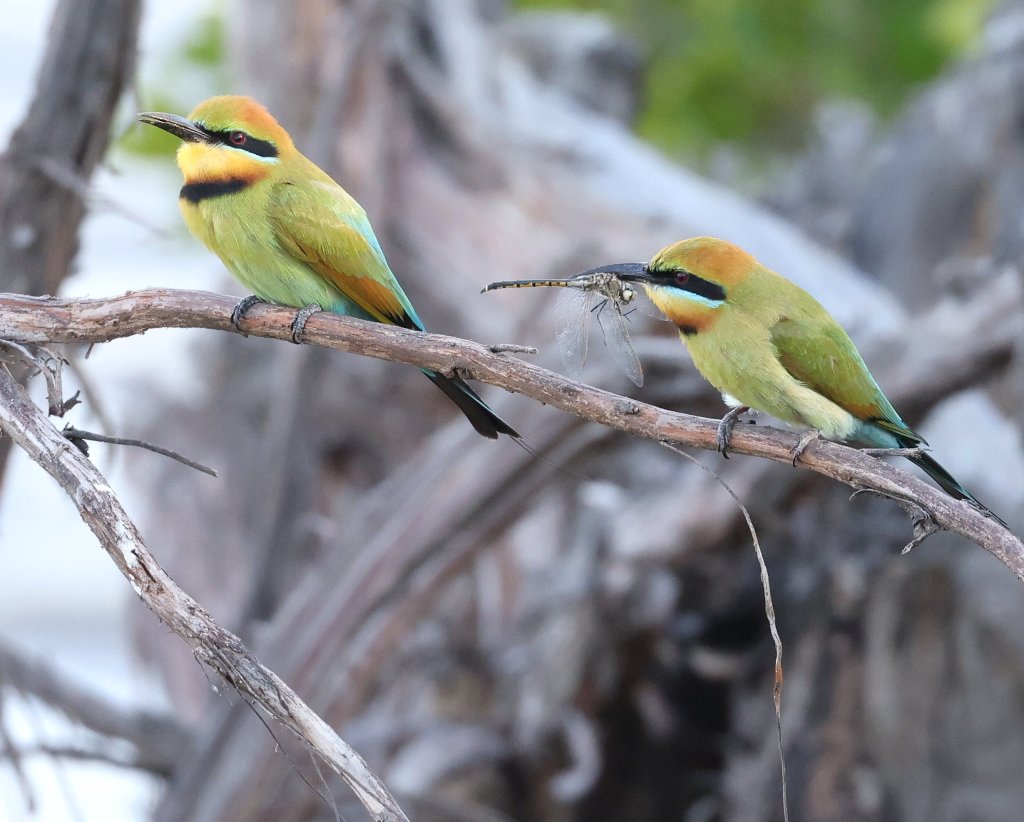
The first picture below shows a Rainbow Bee-Eater resting on the branch of one of the castor oil plants, which grow invasively along the river banks.
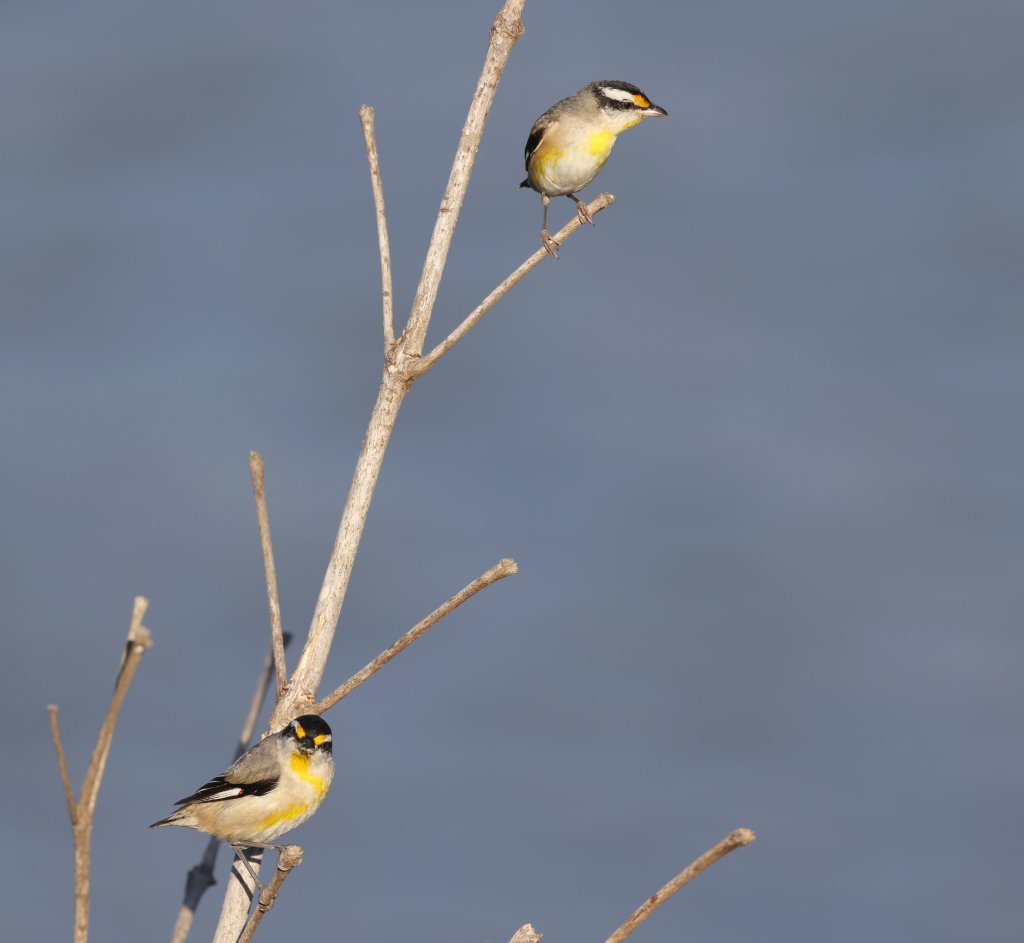
Striated Pardalotes, as previously mentioned, are also a stalwart resident of this park, and are often seen flying to and from their river bank tunnel nests or in the enormous couple of gum trees on the river’s edge.

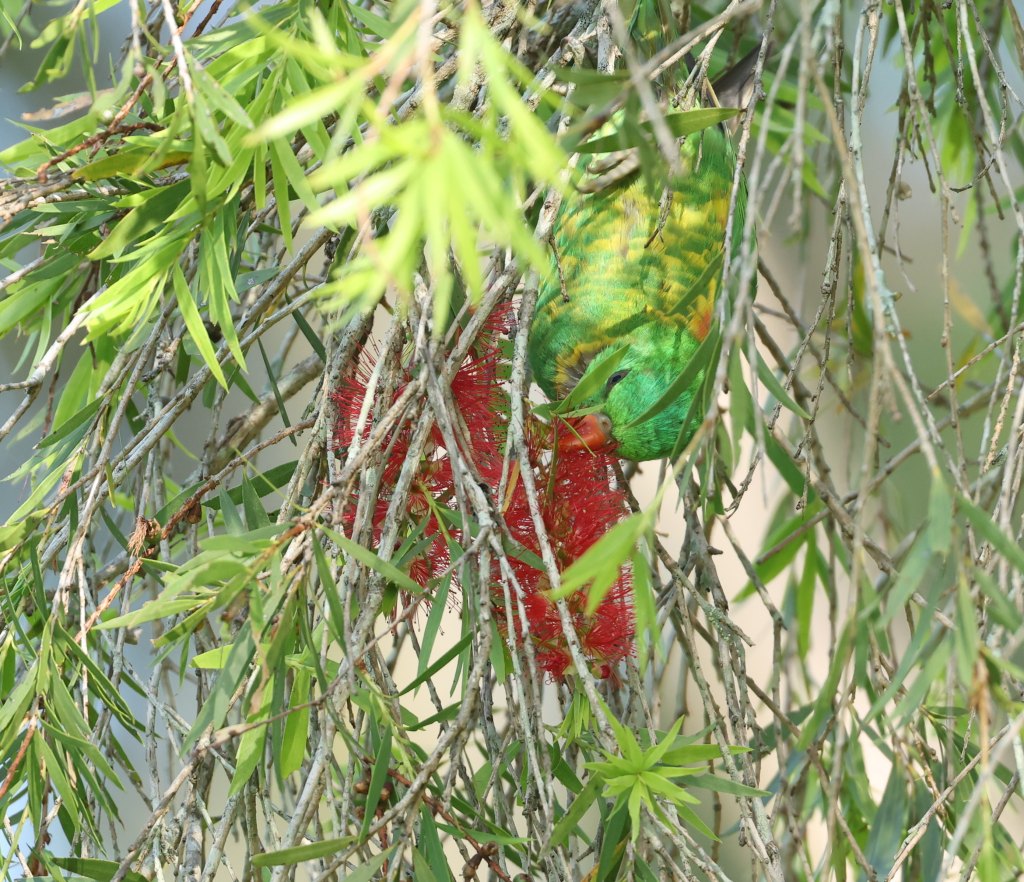
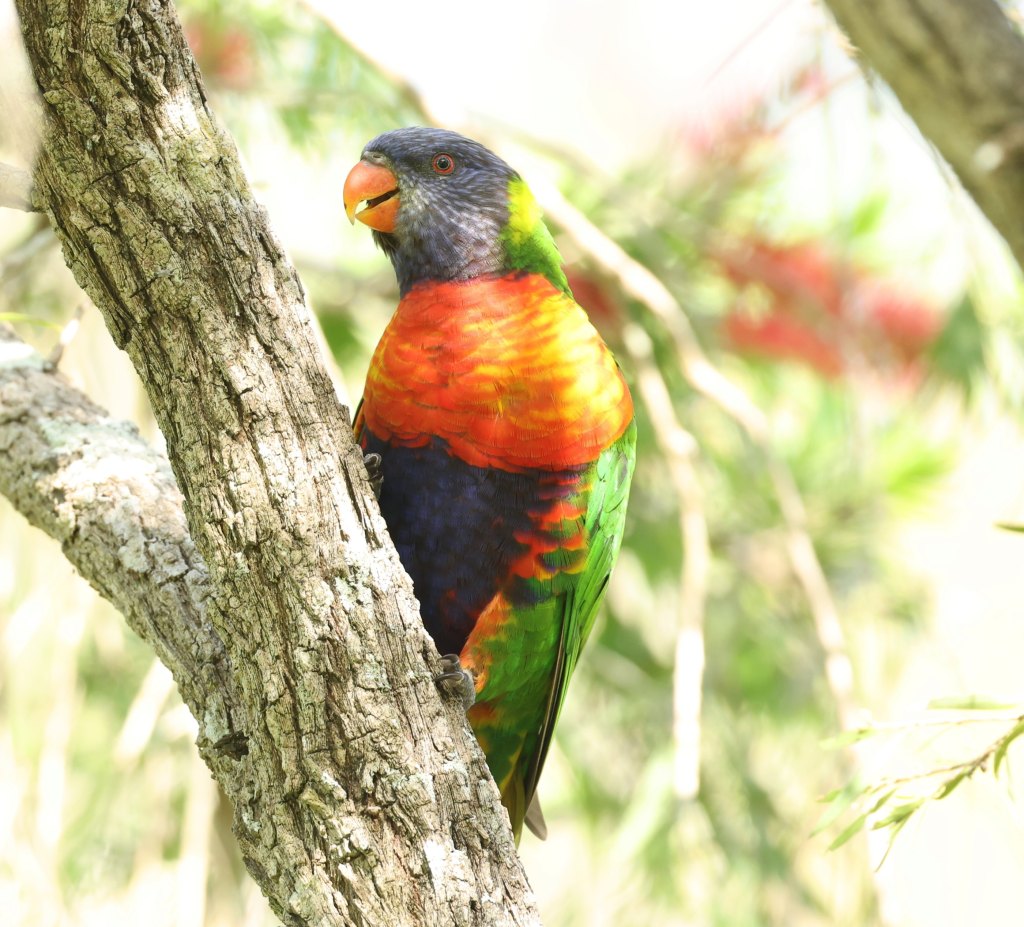
Speaking of gum trees, there are a couple of large ones near the entrance too, as well as some red bottlebrushes, which when flowering are good places to find lorikeets.
In terms of unusual birds, I did see a Buff-Banded Rail at this park once but it scurried out of the thick grasses and back in before I could nab a photo. I had more photographic luck in Dec 2024 when I spotted a Long-Billed Corella high up in a Hoop Pine – these are uncommonly seen in Brisbane in my experience. Check out its very long bill!

Thomas Park Bougainvillea Gardens
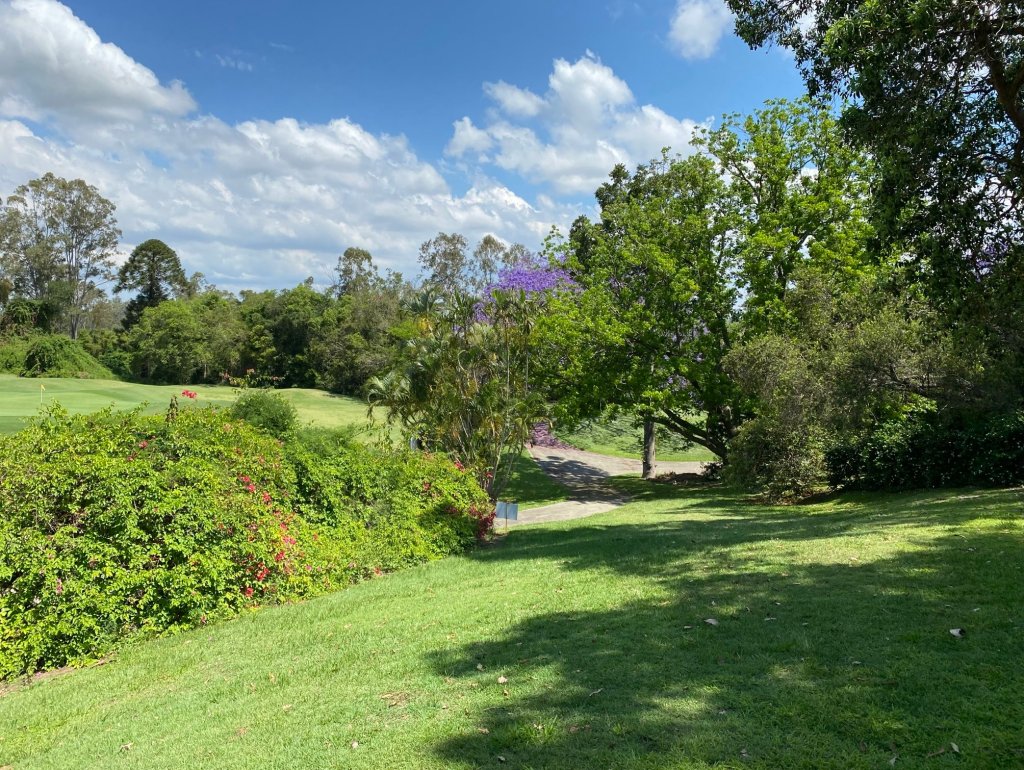
A couple of kilometres back up Meiers Rd (where it turns into Harts Rd) is a former private garden called Thomas Park Bougainvillea Gardens that might give you another small dose of nature if Sir John Chandler Park isn’t providing the goods. I’ve only been here once but found it a pleasant enough place, with green lawns, sunlit bushes, jacarandas and river views.


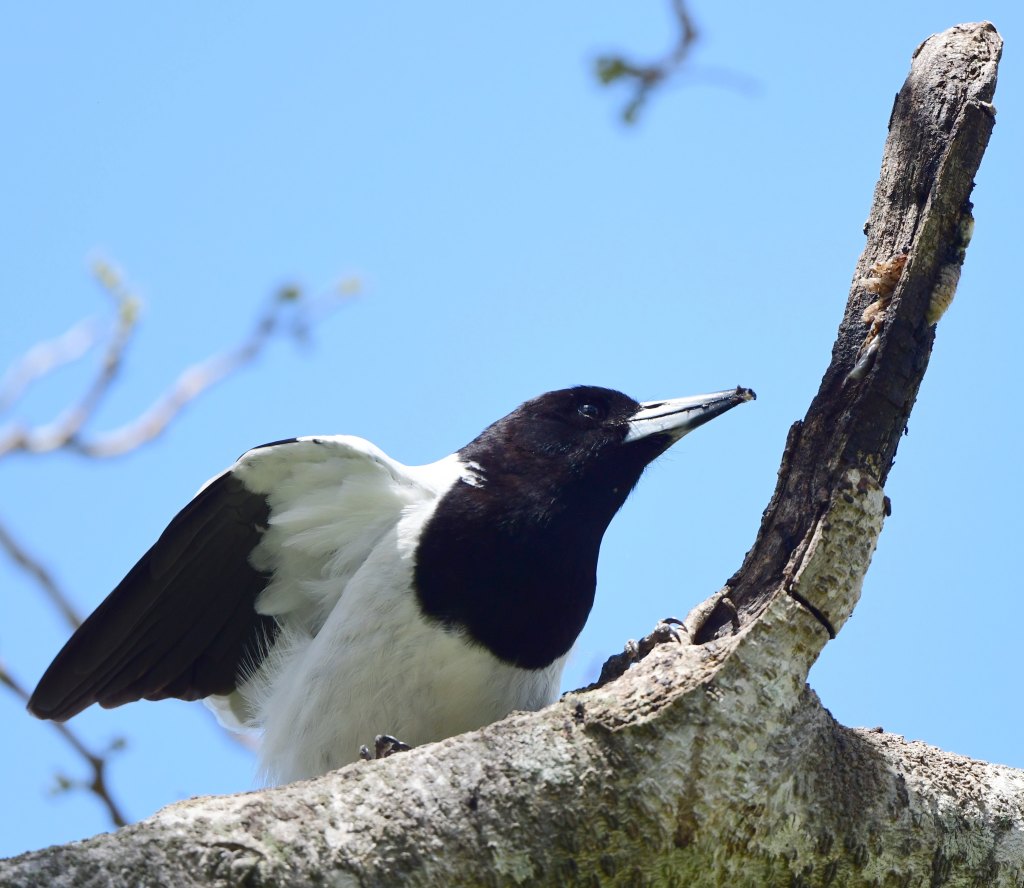
A Pied Butcherbird was something of the star of the show for this visit. Butcherbirds get their name from their habit of impaling captured prey on a tree fork or similar crevice, behaviour which I admit I’ve hardly ever seen them actually do! But on this day a butcherbird wedged a fat grub into a branch and proceeded to use that as a dinner plate. It was rather interesting to watch.

A Laughing Kookaburra provided another obliging photographic subject, and soon after there was an unexpected raptor sighting as a Pacific Baza cruised over the river.


Summary
Sir John Chandler Park is a pleasant green oasis in Brisbane with the river providing a natural scenic boundary. Although the park is quite small, it allows for some excellent bird encounters especially with the Rainbow Bee-Eaters. You can get stunning photos of these birds if the vegetation growth (and your birding ethics) allow you to get close enough. Apart from that the birds here are mostly pretty standard stuff.
eBird:
Note: for some reason eBird leaves off the “Sir” from the name of the park.
Hotspot: John Chandler Park (107 species)
Checklists for these visits: 27 Oct 2021 (20 species), 30 Aug 2022 (22 species), 6 Sep 2024 (20 species), 24 Dec 2024 (18 species)
Pluses and minuses:
+ Rainbow Bee-Eater heaven
+ Lovely river views and breezes off the water
+ Good facilities for a picnic etc
– Difficult, seasonally-affected access to river banks
– Mostly only birds commonly seen in the region
– Small sized park
AUTHOR: ANDY GEE
BIRDERS: ANDY GEE, LUKE S
 Bird Spots