
Summary: Lovely underrated gem of a location with some surprisingly good birding
Dates of visits: 30 Apr 2022, 13 Jul 2024
Noosa Botanic Gardens comprises eight hectares of lush gardens on the shores of Lake MacDonald on the Sunshine Coast in Queensland. It’s a good 15 kilometres west of Noosa Heads, and about an 8 minute detour off the Bruce Highway.
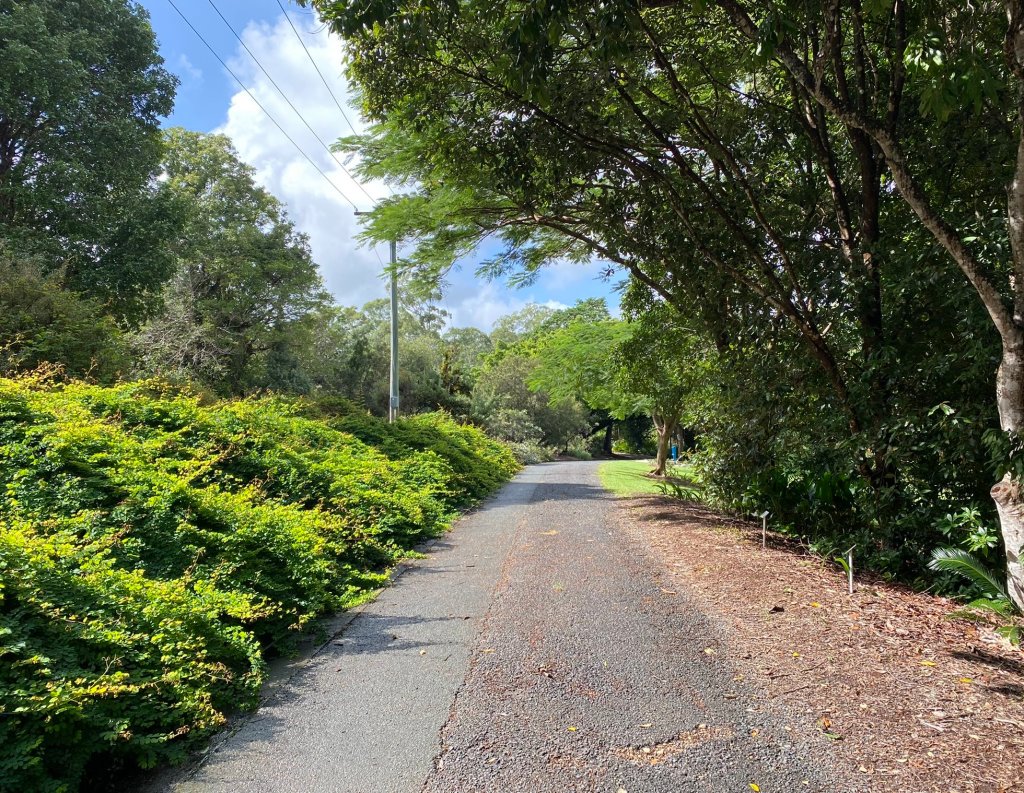
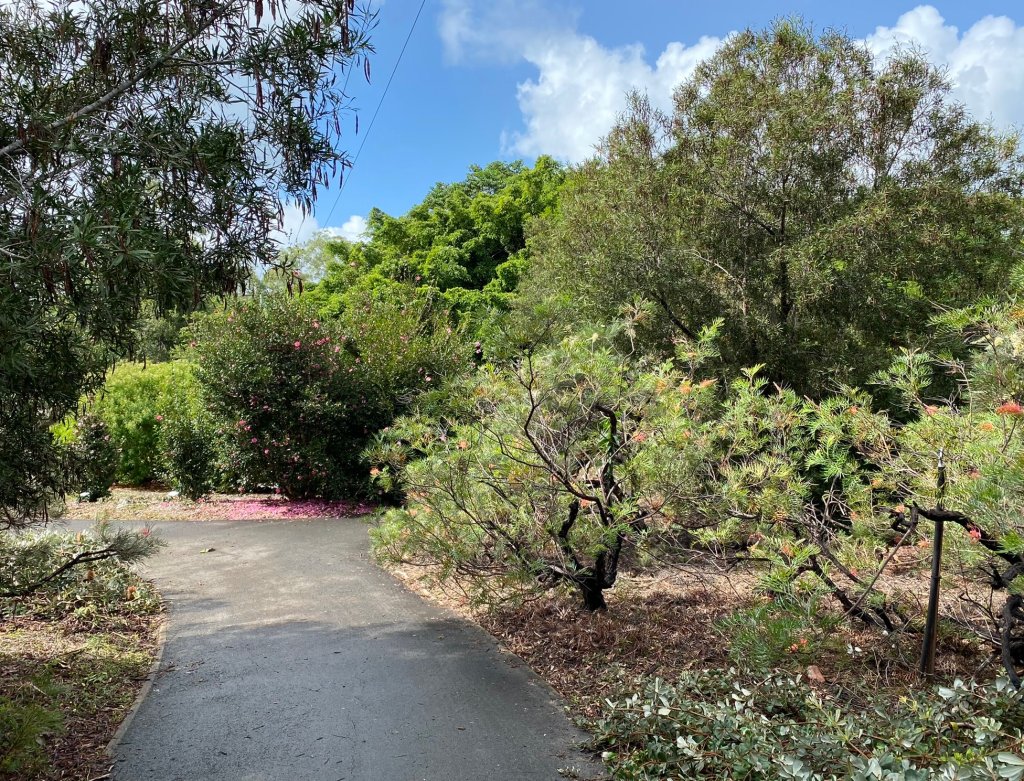
Originally farmland, the site then became known for rubbish dumping before locals started clearing, and it eventually opened as a botanic gardens in 1990. Facilities include a fern house, Greek-style amphitheatre, a lily pond, playground and toilets. The sweeping trails that give access to the gardens are mostly all paved and not particularly hilly, so it’s an easy site to get around.

With well under 500 checklists on eBird, I rate Noosa Botanic Gardens as a bit of an under-rated gem. I’ve visited twice and had a pretty decent time finding and photographing birds here.
There are two small-ish car parks, both accessed off Lake MacDonald Drive. After arriving it’s basically straight into it!


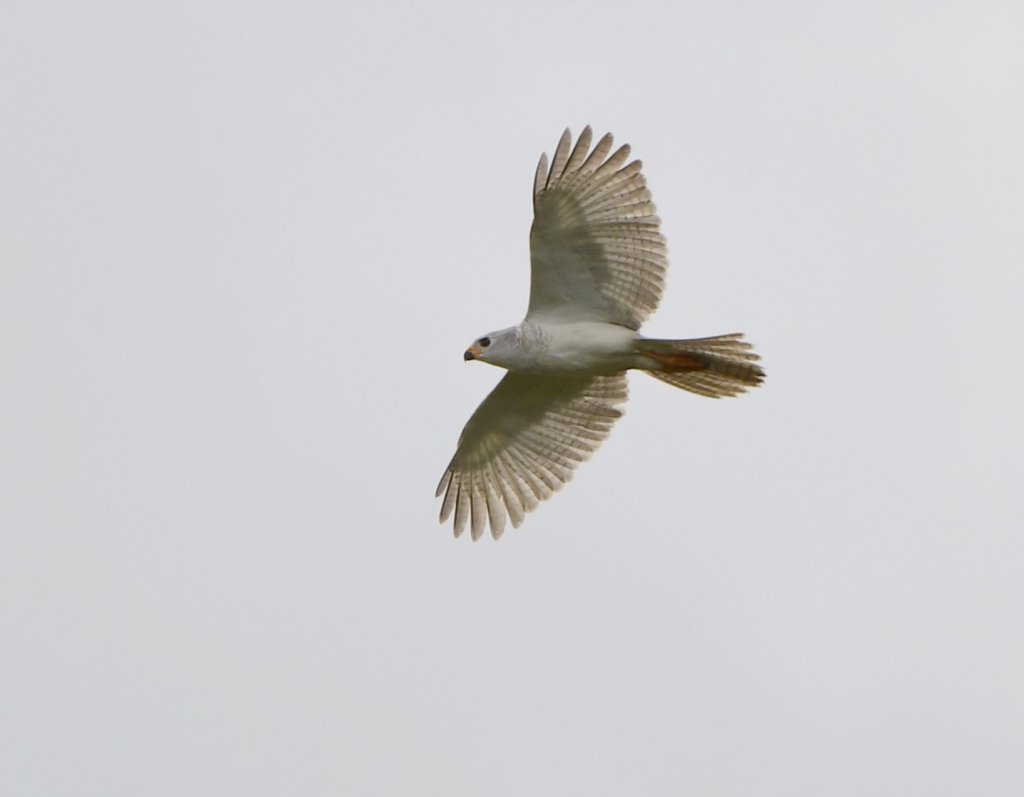
One of the big highlights of my first visit was seeing a Grey Goshawk from the side of the road near the entrance to the gardens, and then watching it circle right above the gardens a little later. These raptors are somewhat enigmatic (perhaps even ghostly), and according to eBird’s Illustrated Checklist for the site, they aren’t very commonly seen here. They sure make a great sighting anywhere you can find them.

Around the northern car park area there is a boat ramp and an open grassed area with towering gum trees and some picnic tables. This is prime territory for our beloved “open-country” birds: Noisy Miners, Laughing Kookaburras, Butcherbirds and Magpies.
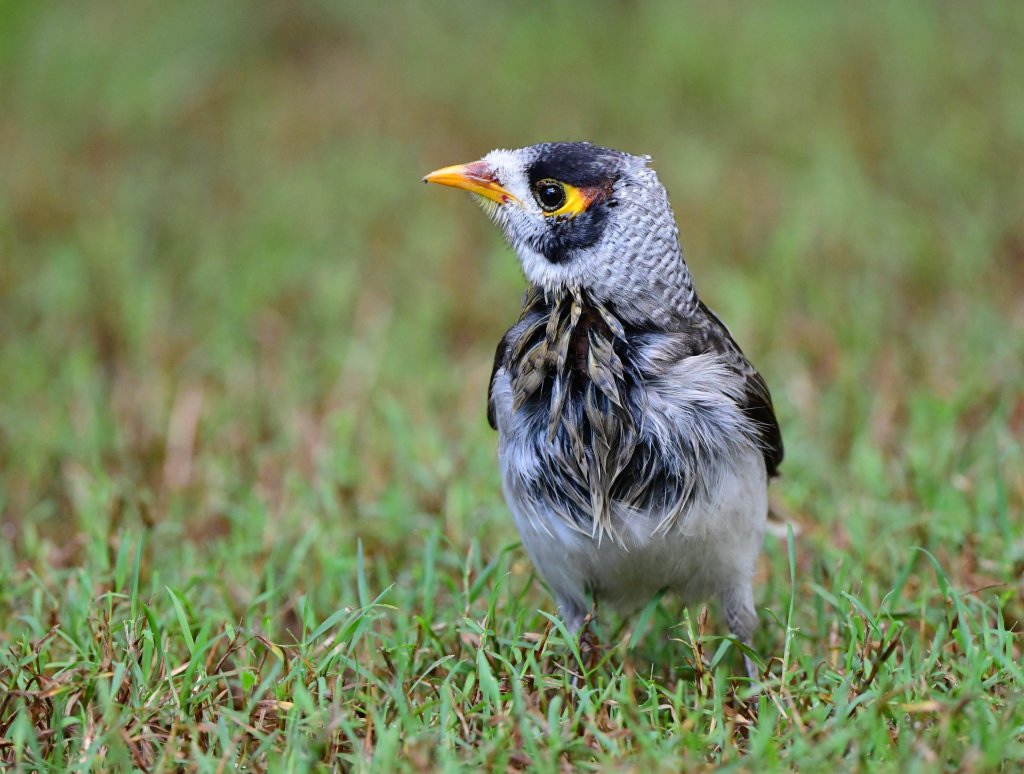
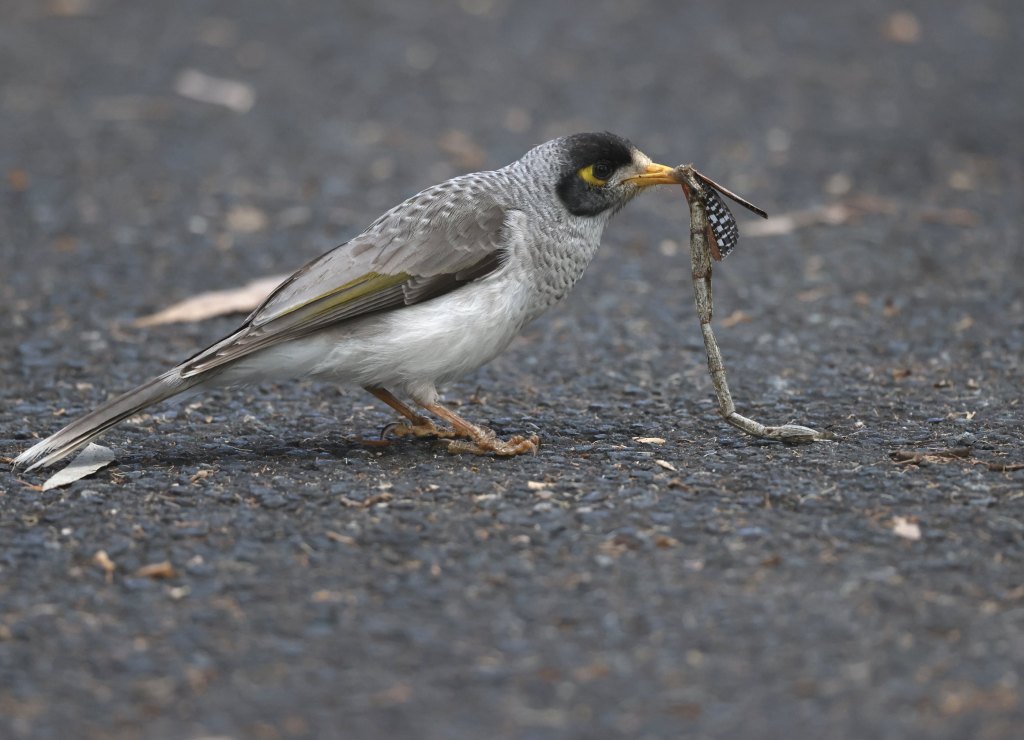
Laughing Kookaburras are a super-reliable bird here, as they are in most forests in south-east Queensland.

These common birds are seen less in the main body of the gardens, where the vegetation is more dense and lush.
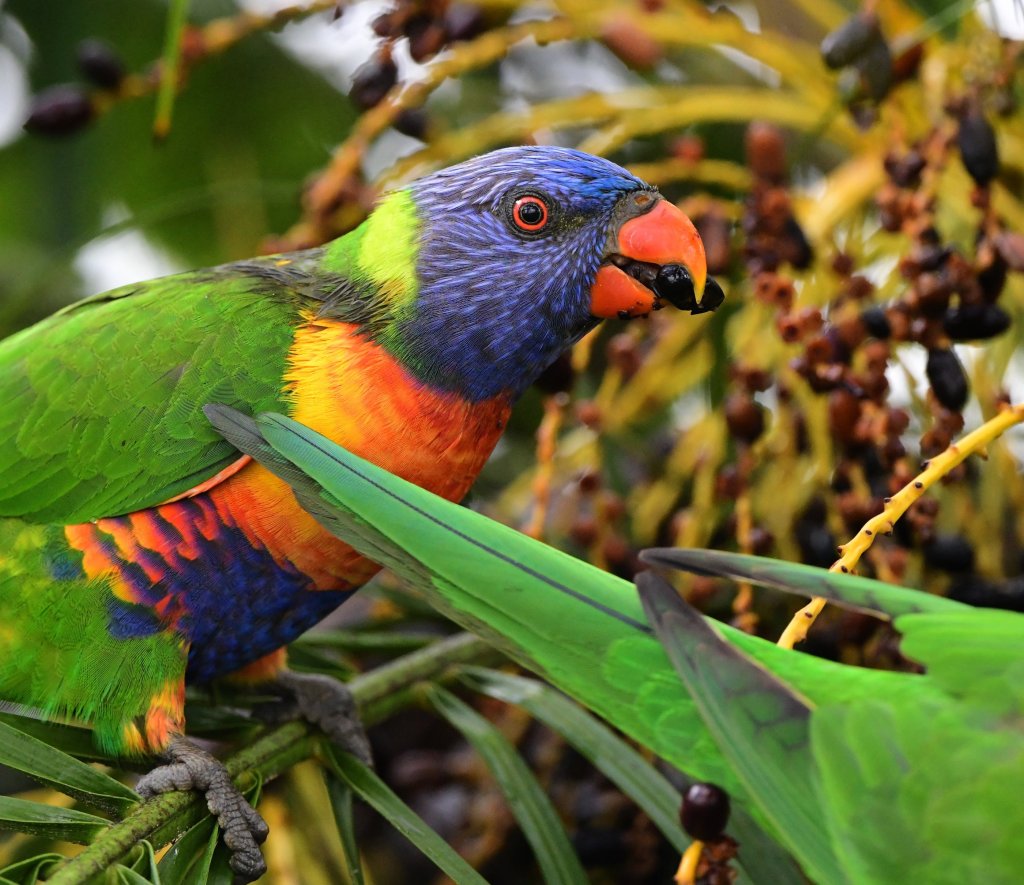
The variety of plant life, in particular flowering trees and bushes bearing berries and fruits, brings a good variety of hungry birds – like Rainbow Lorikeets. Scaly-Breasted Lorikeets – their smaller and greener cousins – are also regulars.
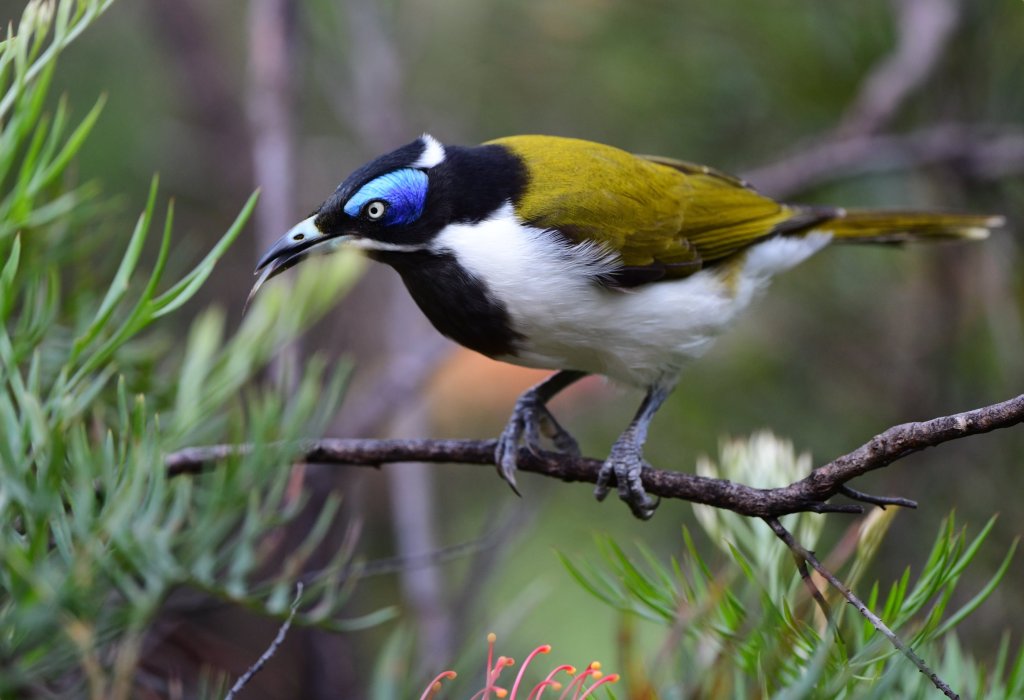
Blue-Faced Honeyeaters are one of the stalwart species found here, along with Lewin’s Honeyeaters, Little and Noisy Friarbirds. Other honeyeaters are sporadically seen too – I saw a Scarlet Honeyeater on my second visit in Jul 2024.

A couple of the paths through the gardens run quite close to Lake MacDonald (a top birding location in its own right), with good views across the water at some points.


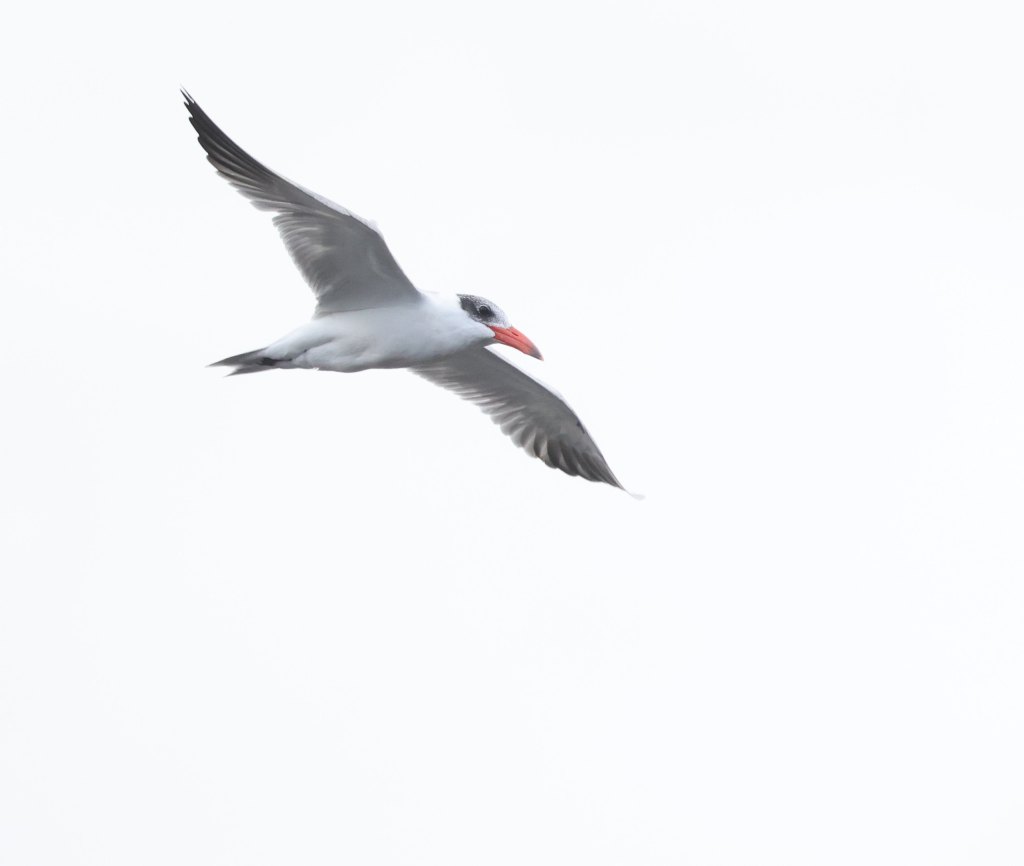
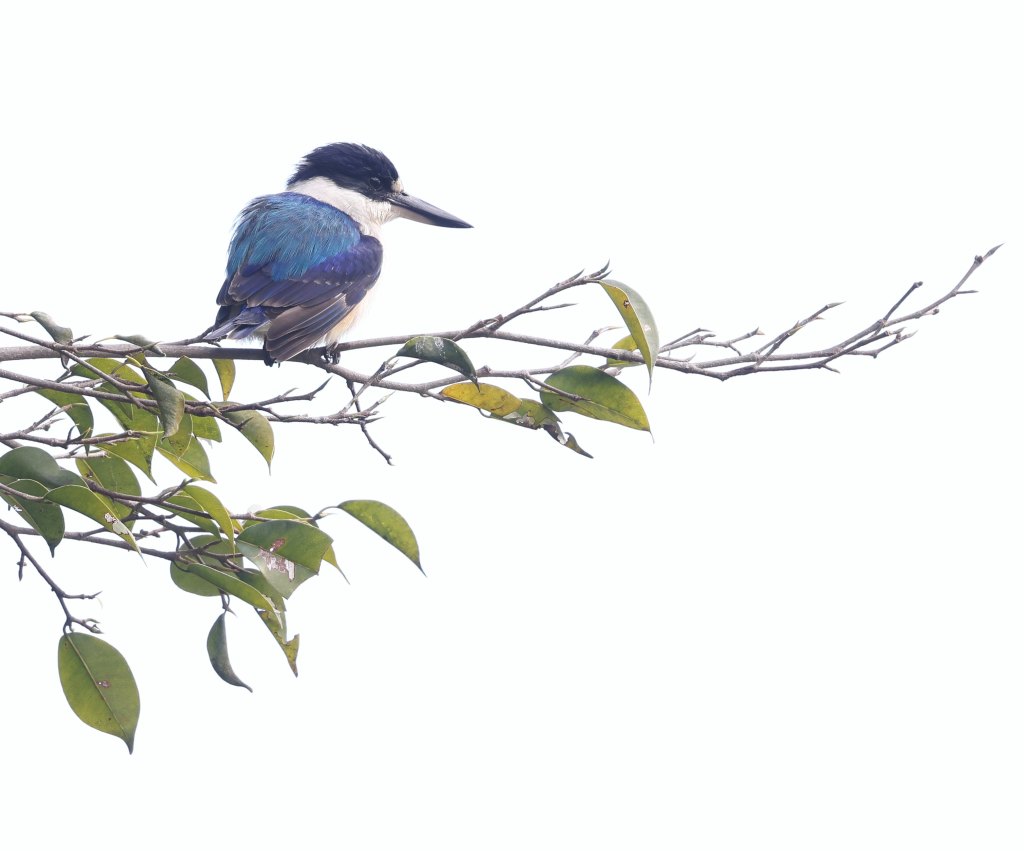
Here in our Jul 2024 visit, we saw Caspian Tern (always a little bit weird seeing one away from the ocean), and a patient Forest Kingfisher on a branch overhanging the water. The bright blue back feathers of the Forest Kingfisher really popped even on an overcast day.
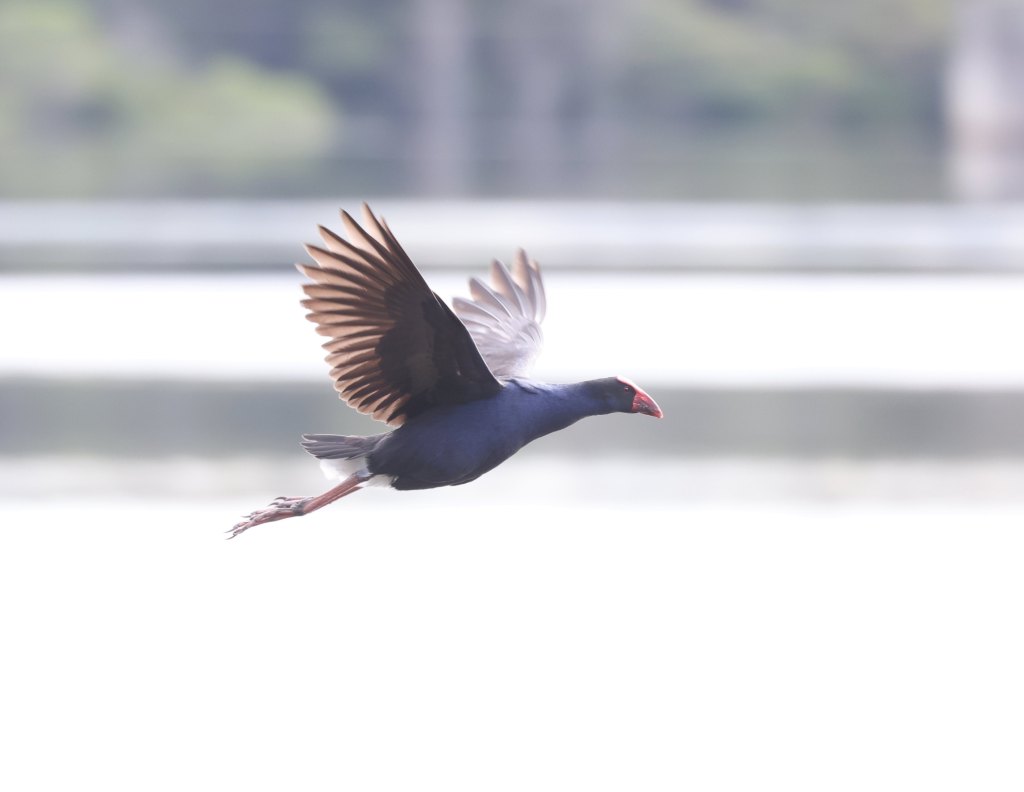
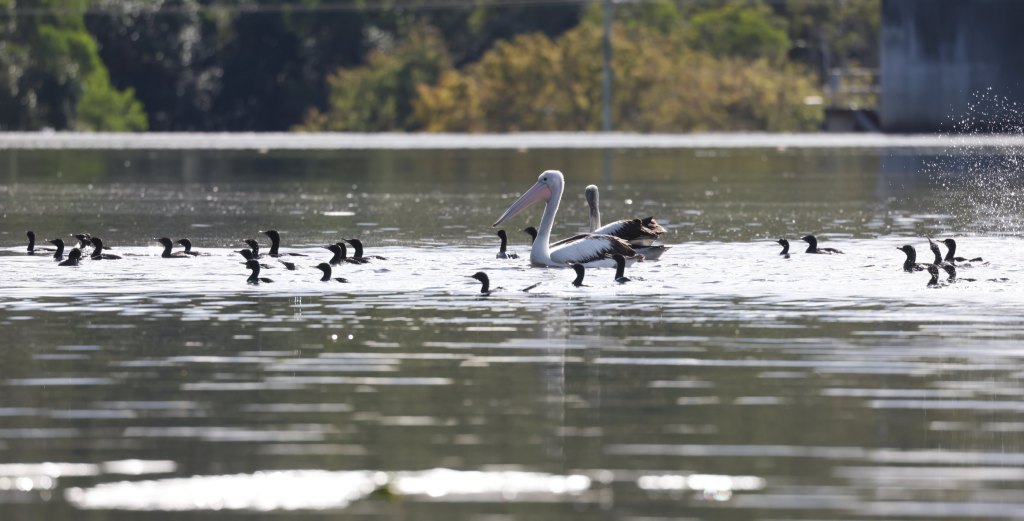
We counted 55 Little Black Cormorants on the lake itself hunting as a pack with over 15 accompanying Pelicans. They were fun to observe for a while, as the cormorants almost synchronised their ducking under the water.
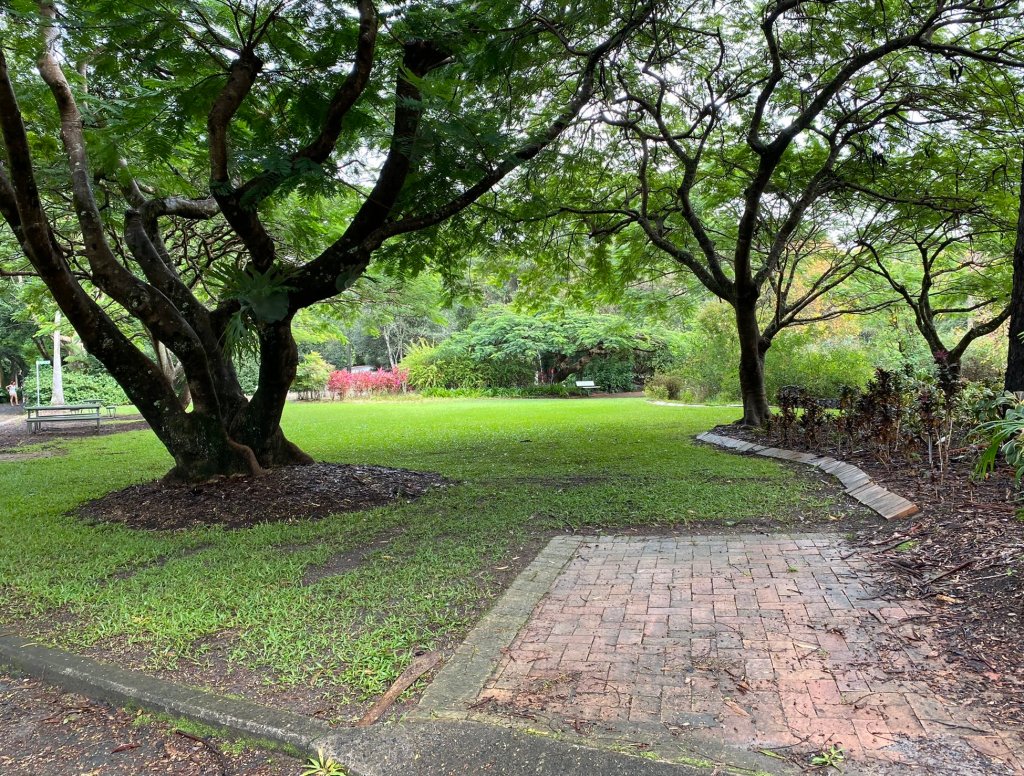
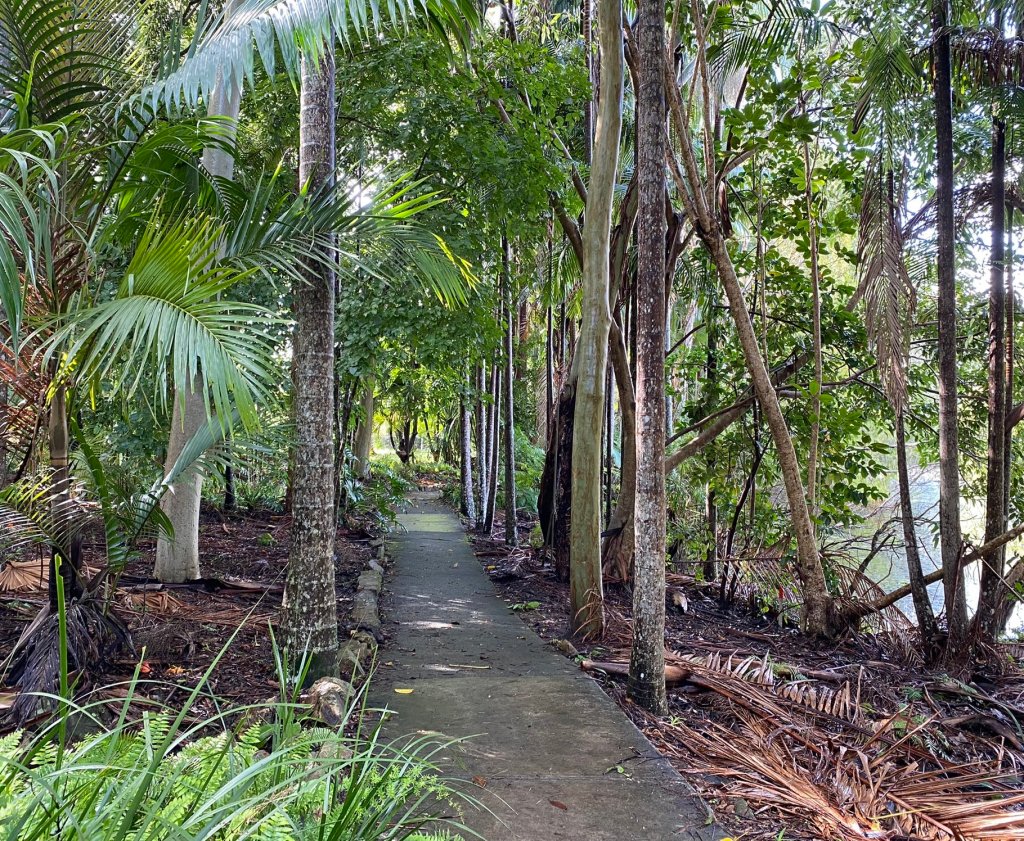
As you travel deeper into the gardens more delightful scenes reveal themselves.
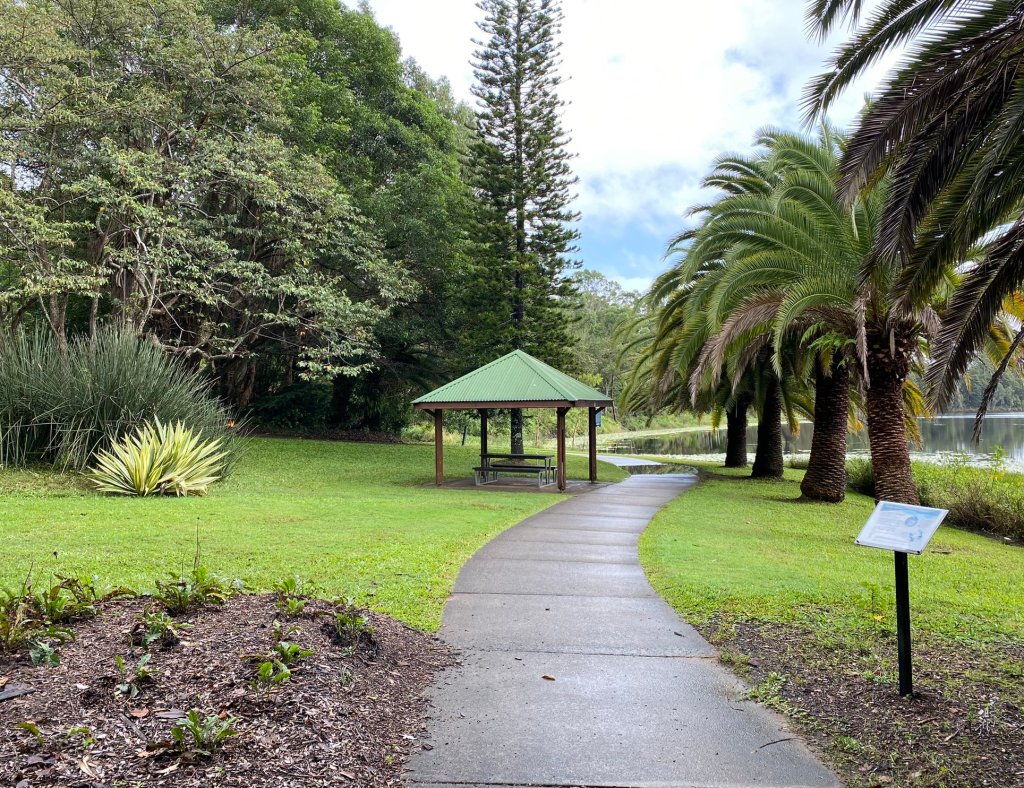
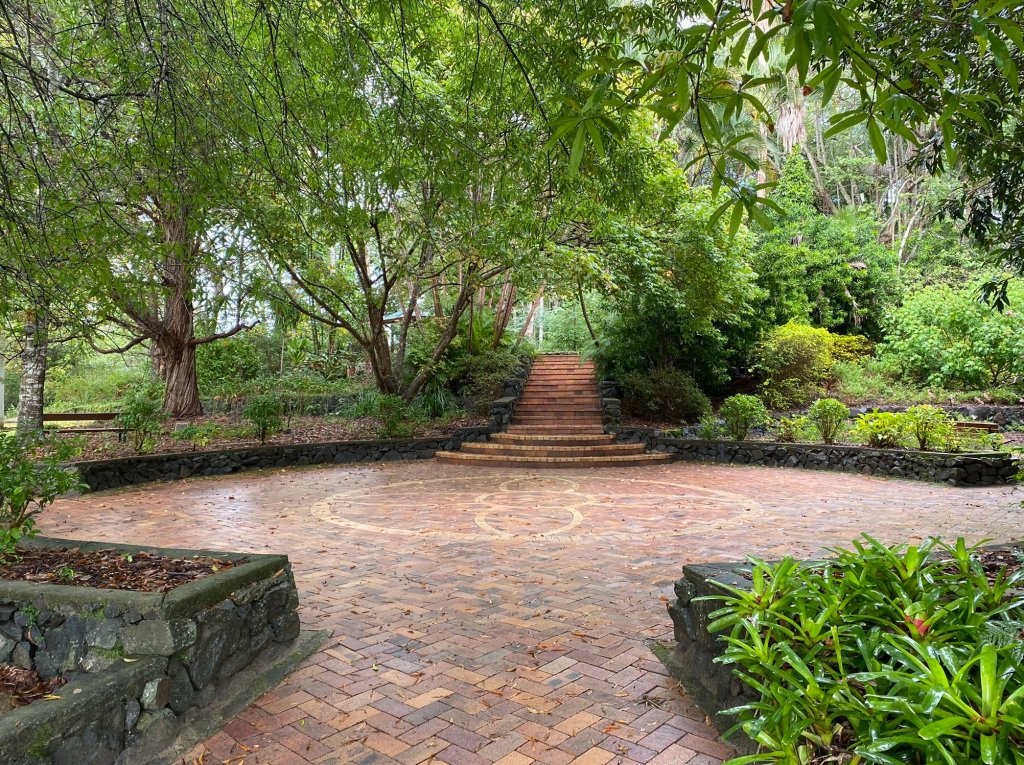
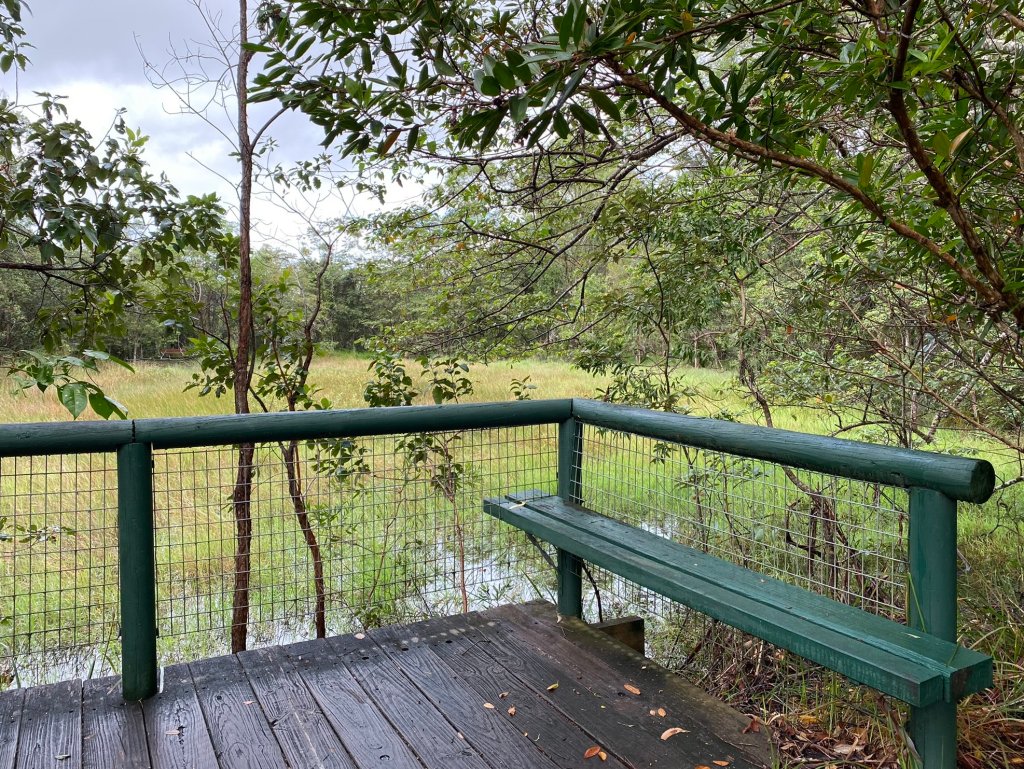
As mentioned, the paths are generally all paved, which makes getting around a breeze, and they cover all parts of the gardens so you’ll only have to venture off-path now and again (perhaps to get a little closer to a bird or two…)

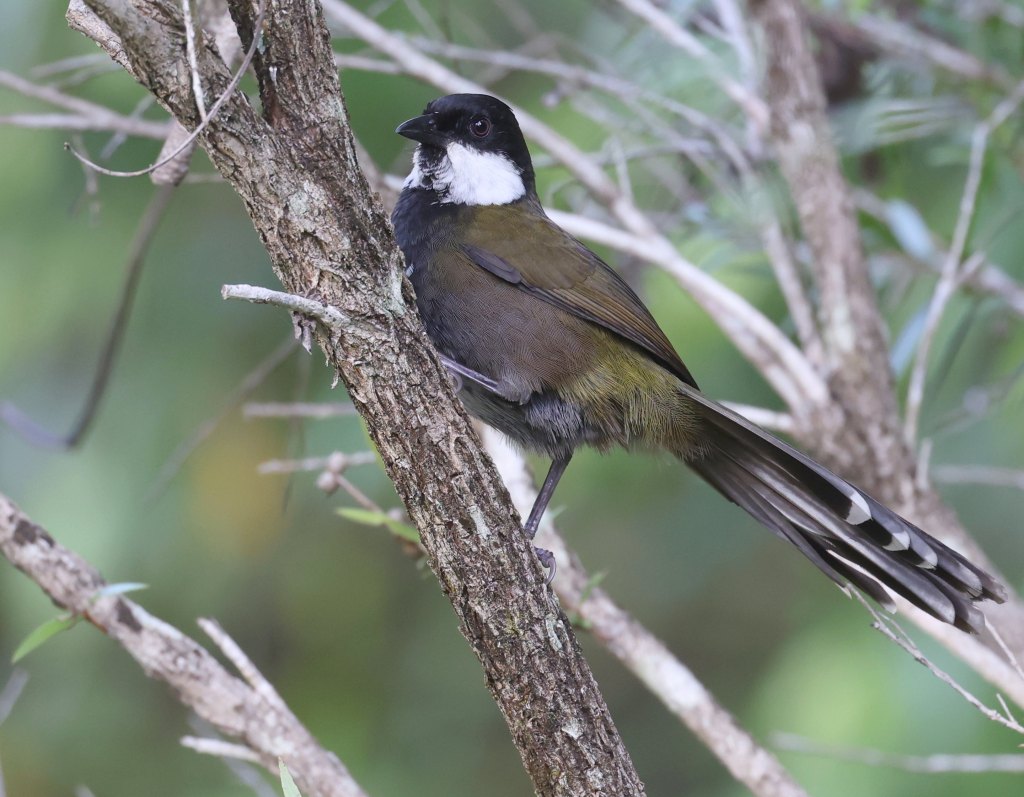
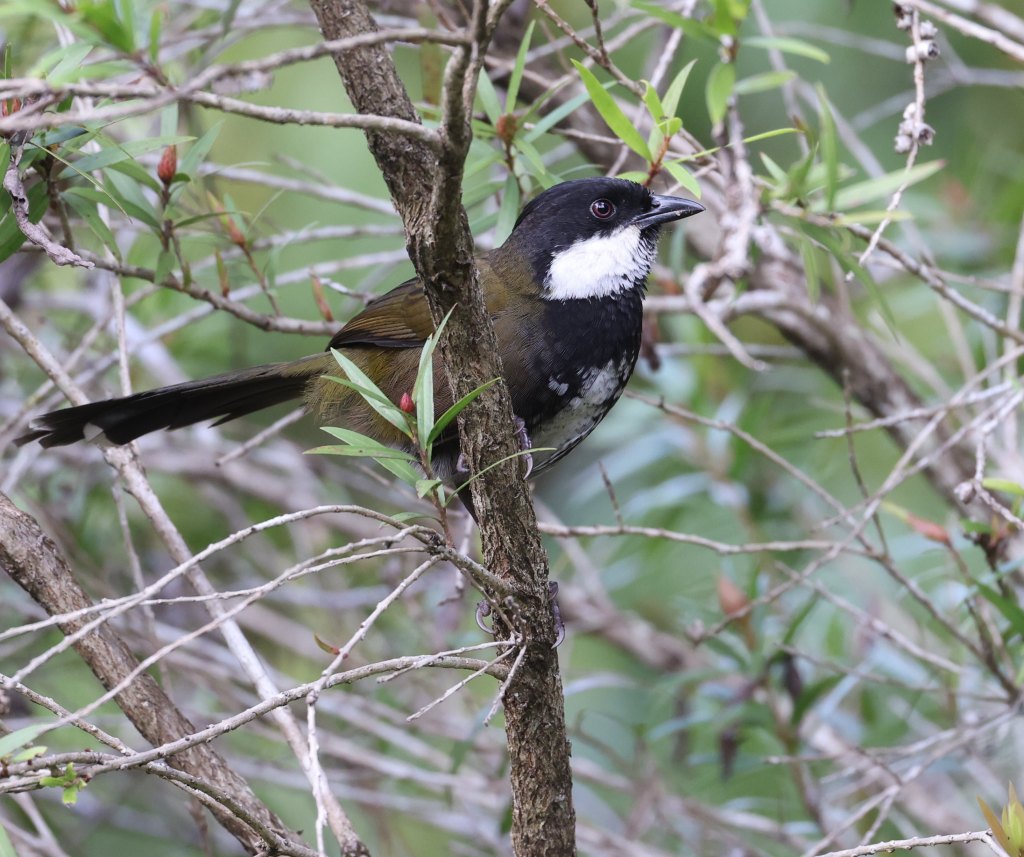
Eastern Whipbirds are a super-reliable species in the gardens, and not only that, they are sometimes fairly easy here to see despite their general reputation for being a frustratingly elusive species to clap eyes on. In our Jul 2924 visit, a family of three moved through the low brush in roughly the south-east quadrant of the gardens, calling loudly. That whipcrack call is killer when heard close! Then at one point Luke S caught one momentarily out in the open – and I mean, really out in the open.
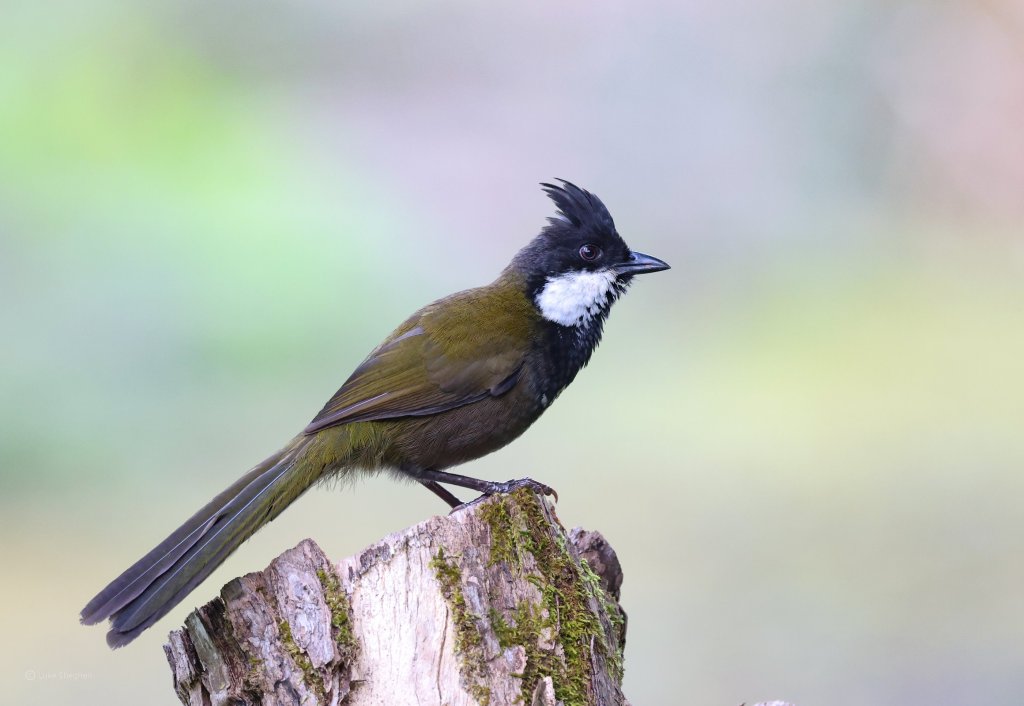
It doesn’t get much better than that (even at O’Reilly’s Retreat, where they are almost semi-tame..). This stunning photo is assuredly in the top five Whipbird photos in the 4,000+ images of this species in eBird.
I just missed the whipbird-in-the-open shot myself, but managed to capture some images in the typically more messy tangled surrounds that whipbirds love.
Here’s where things deviate from many other lowland south-east Queensland nature sites: there are good numbers of birds you’d normally associate more with higher elevation rainforest.


Wompoo Fruit-Doves are a striking, vibrant bird that look amazing if you can get close enough to see their colours well, and they are no stranger to these gardens. Rose-Crowned Fruit-Dove is also a distinct possibility across the summer months. Keep a look out in the fruiting trees!
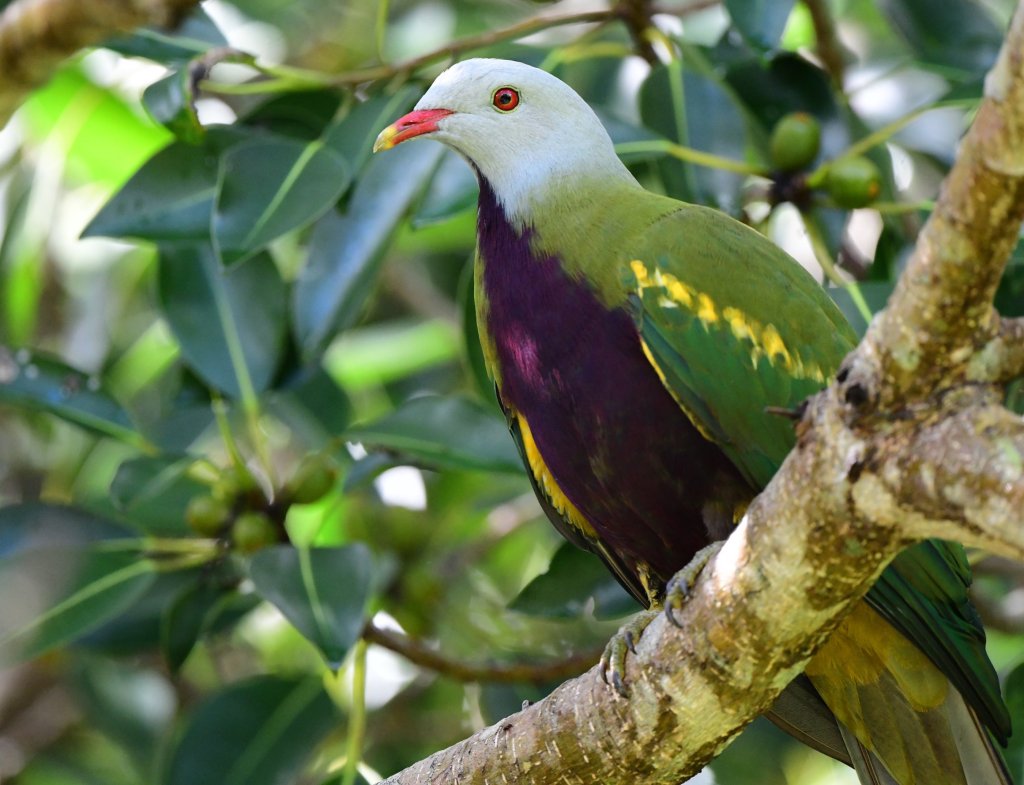
White-Headed Pigeon is another regular visitor here, though a little more frequently seen in the summer time. You may also well see a Wonga Pigeon too (a bird usually seen at higher elevation in rainforest contexts).

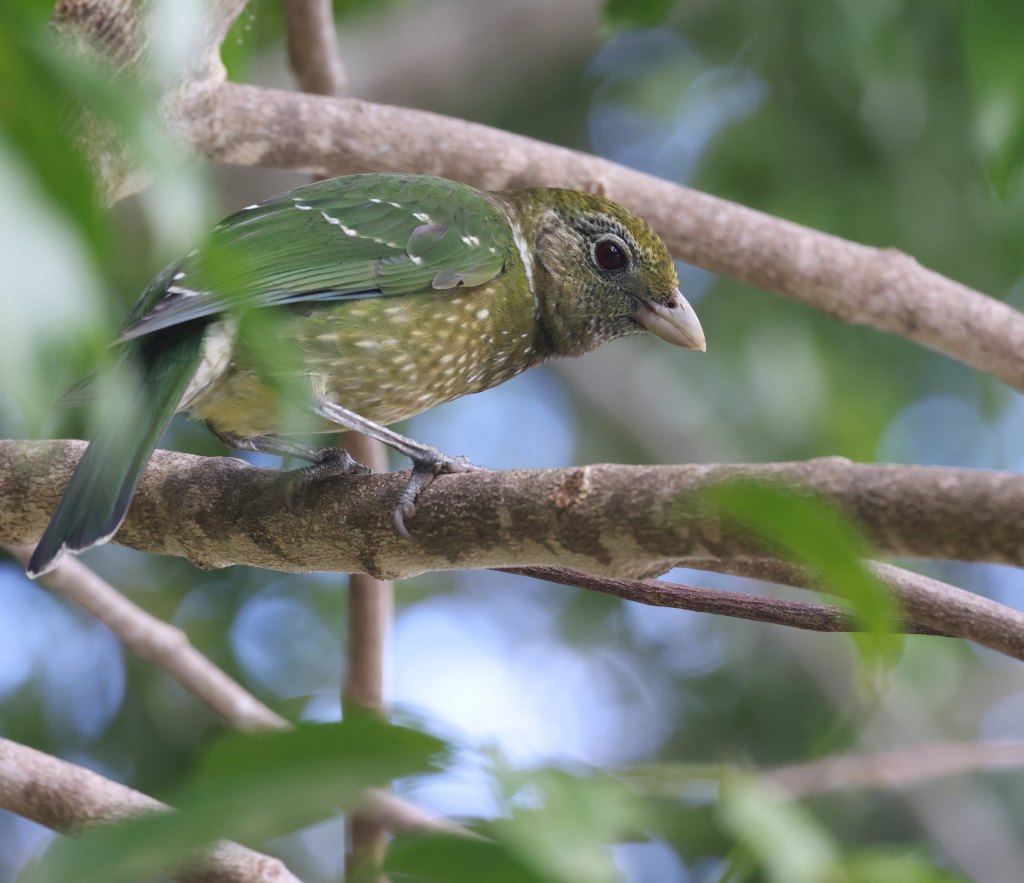
Green Catbird is a genuinely rainforest-dwelling bird which is usually found in the gardens. Remember the elevation of this site is only about 95 metres above sea level. We are hardly up in mountainous rainforest here! In fact the catbird below was seen in trees on the edge of the lake, not in the main section of rainforest scrub in the gardens.
There is a small lily pond at the south of the gardens where the loosely-nominated Rainforest Walk section lies.


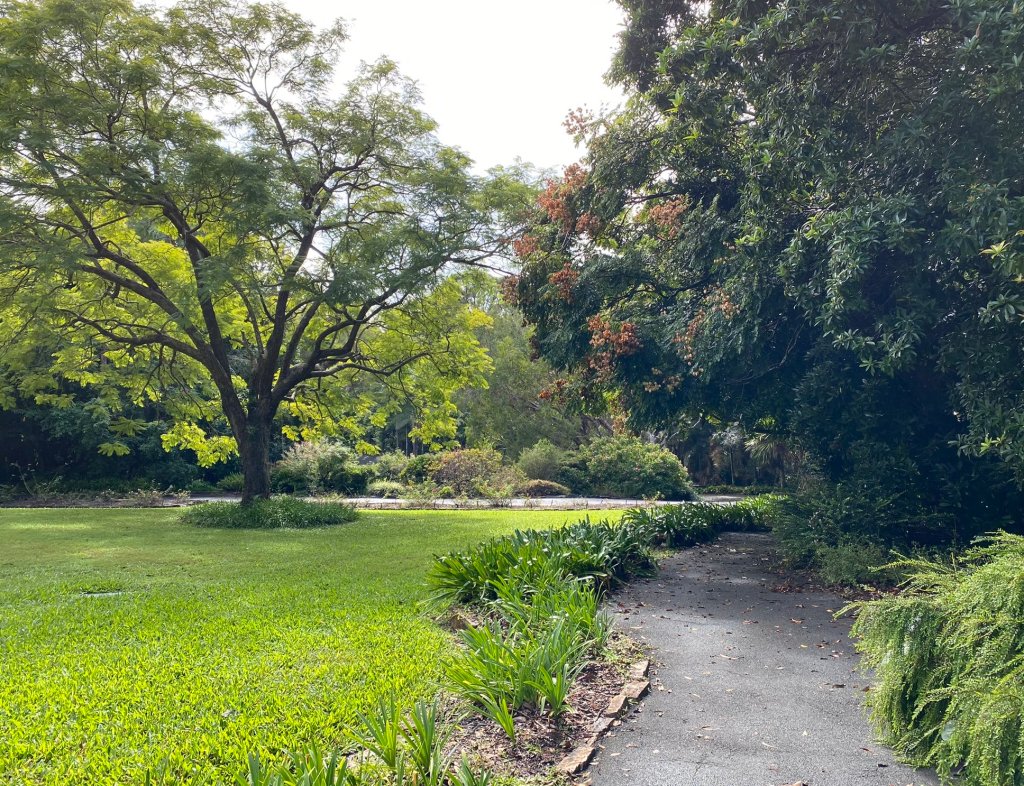
Lest these photos mislead you, there is plenty of dense bush in these gardens, it isn’t all long breezy promenades by any means! There will likely be plenty of times you will be pointing a camera or binoculars up into dark foliage to track some fleeting avian movement.

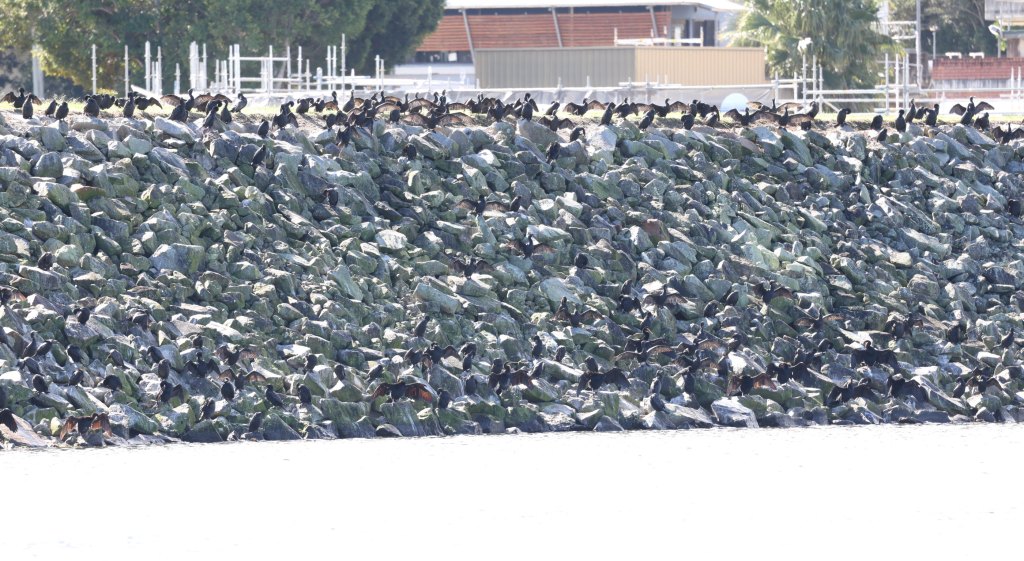
If you want to explore more of the local area, you could do worse than checking out the Six Mile Creek Dam just 450 metres north of the northern edge of the gardens. Although you can’t access much of it, you can still get a sense of what’s there. In our case, it was huge numbers of Little Black Cormorants. Goodness knows how many fish there are in Lake MacDonald to support this level of cormorant population!

Summary
I haven’t dwelled too much on the particular botanic features of these gardens – the area is fairly small and easily explored and no doubt holds some interest for those who know their plants and flowers, but I’m more interested in the birds! On that front, the main draw of this location is the potential of great encounters with rainforest birds, along with excellent water-level access to the bird life on Lake MacDonald. And while the species diversity isn’t quite as high as the seriously blue-chip sites like say, Finland Rd or Gold Scrub Lane, for its size this birding location packs a decent punch and there is a lot to like here especially for photographers.
eBird:
Hotspot for this location: Lake MacDonald Noosa Botanic Gardens (166 species)
Checklists for these visits: 30 Apr 2022 (20 species), 13 Jul 2024 (50 species)
Pluses and minuses:
+ Rainforest birds!
+ Lovely gardens with easy walking paths
+ Great views across Lake MacDonald
– Fairly small area
– Paths can be slippery when wet
AUTHOR: ANDY GEE
BIRDERS: ANDY GEE, K-A, LUKE S
 Bird Spots