
After our five days in Pisac, north-east of Cusco, we embarked on a birding tour of the famous Manu Rd, courtesy of Kolibri Expeditions. We chose the five day tour as a short “taster” taking in three lodges along Manu Rd staying at elevations between 2900m and 600m; there are longer expeditions one can opt for if one has the time and inclination to go further into the lowland Amazon region.

This blog post covers the section between the high pass (from Cusco over the Andes to Manu Rd) and then down to about 1350m. There are some truly terrific birding experiences to be had here!
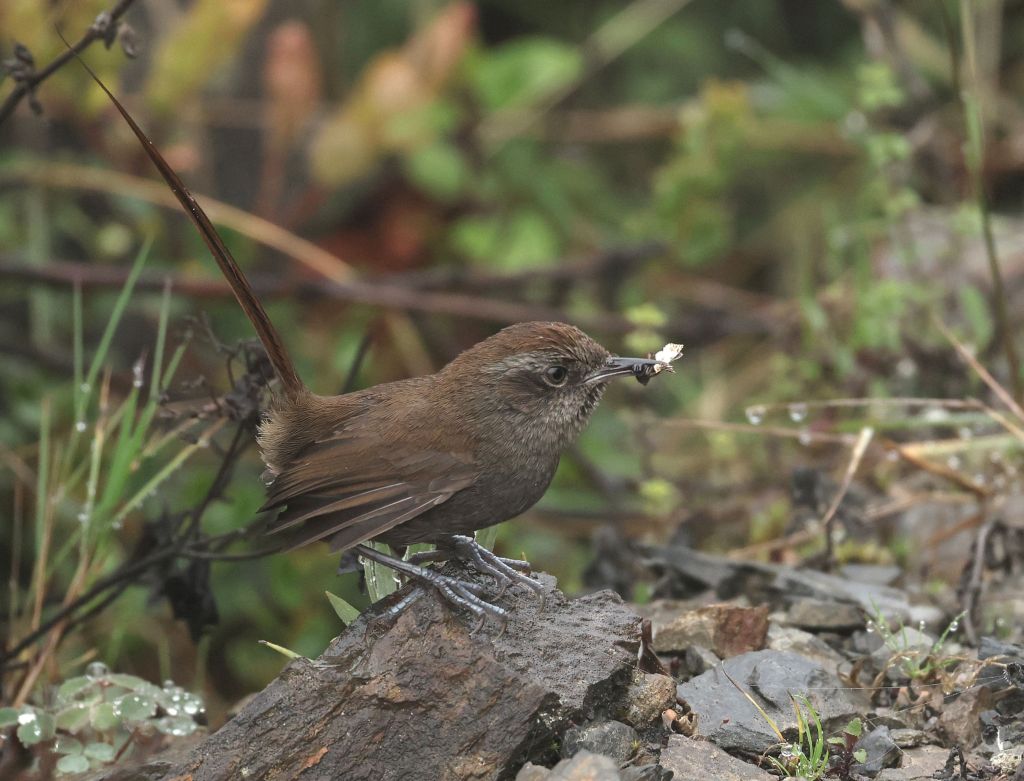
After a long and mostly uphill drive from Pisac, we made a roadside birding stop about 15km before Wayqecha Station (though it is only 2.5km as the crow flies!). The altitude here was 3500m and there was heavy, brooding, low cloud. A Puna Thistletail showed up very well, hopping out into the open to nab a white bug from the ground. This is a very range restricted bird and given the low number of photos on eBird I guessed we were lucky to get such great views. Also, how about that long thistly tail!
White-Browed Conebill, Moustached Flowerpiercer, Pearled Treerunner and three Tanagers – Rust-and-Yellow, Golden-Collared and Scarlet-Bellied Mountain Tanager – were just some of the birds seen, though the fog made decent photos very hard work. It was a good introduction to the region.


Wayqecha Biological Station
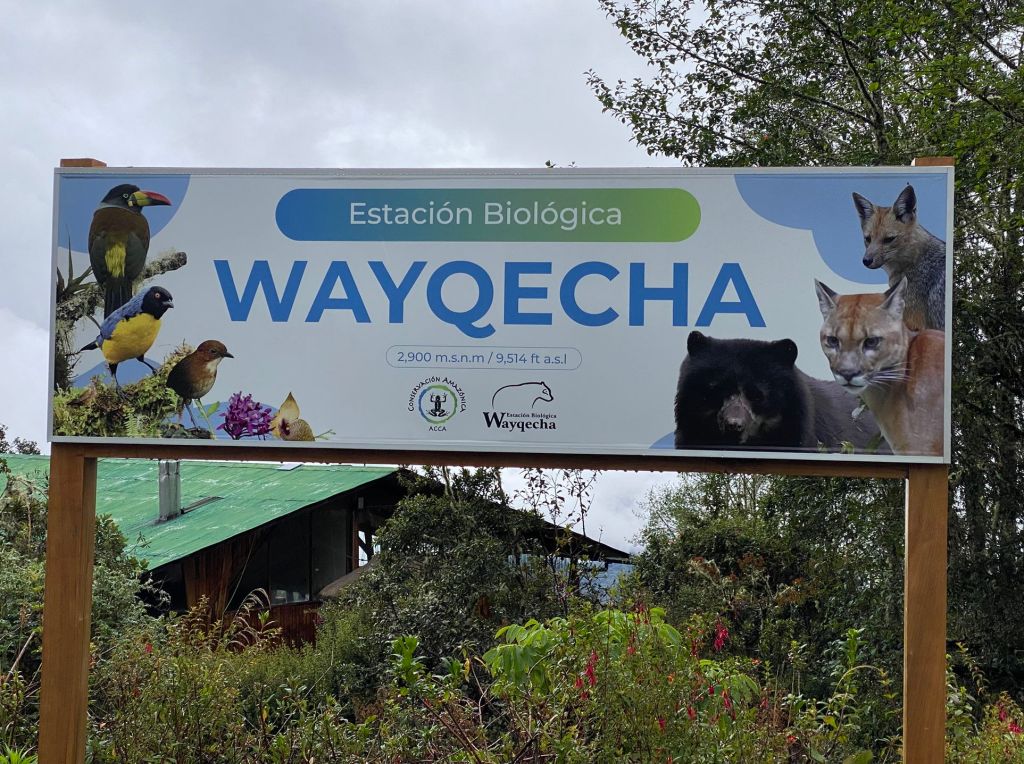
At 2950m above sea level sits Wayqecha Biological Station – also known as Wayqecha Cloud Forest Birding Lodge on eBird. There are some heady delights here for birders and nature lovers.
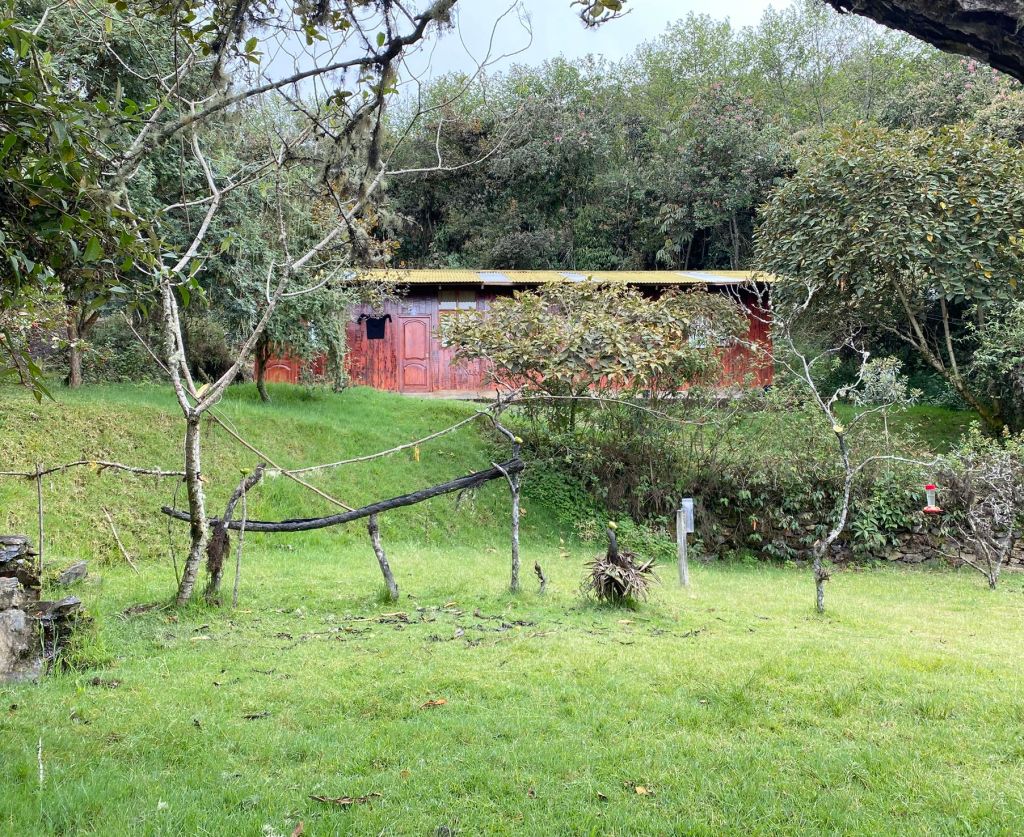
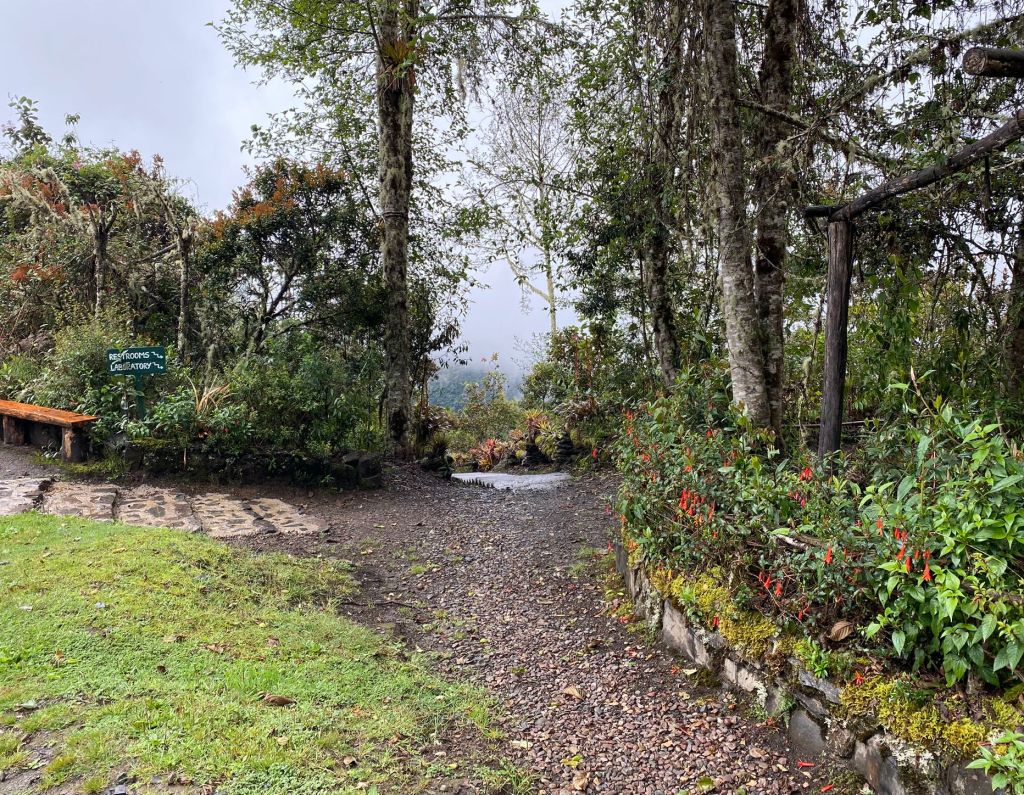
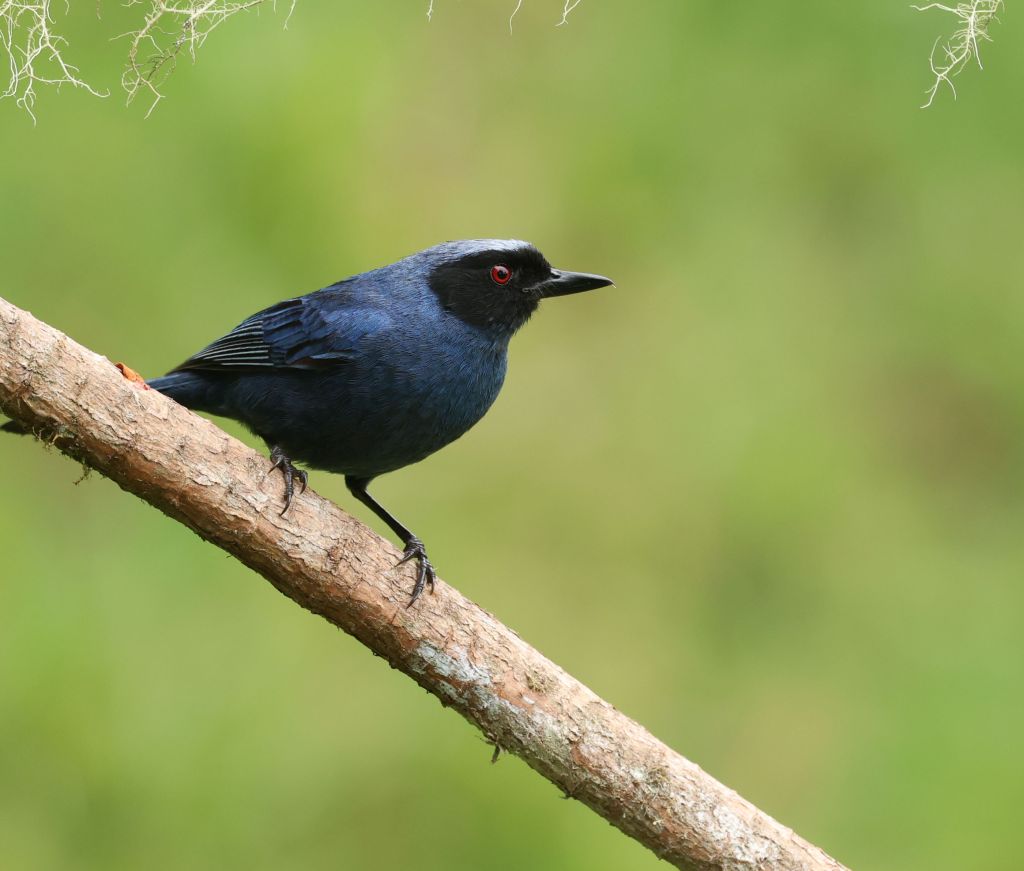
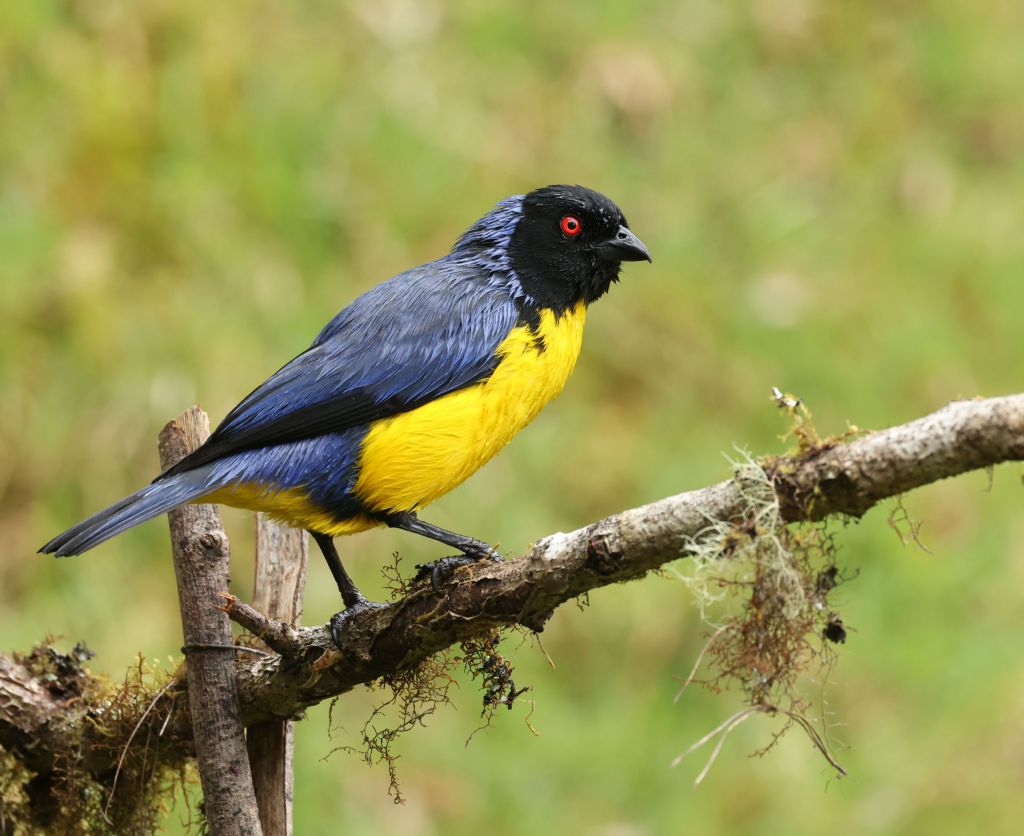
Ignoring the impending rain, we sat down on a handy wooden seat in front of one of the fruit feeders to see what would turn up. A Hooded Mountain Tanager instantly became my new favourite bird with its vivid colours and startling red eye, while two Masked Flowerpiercers (a bird we would see many times again) also joined in the party.
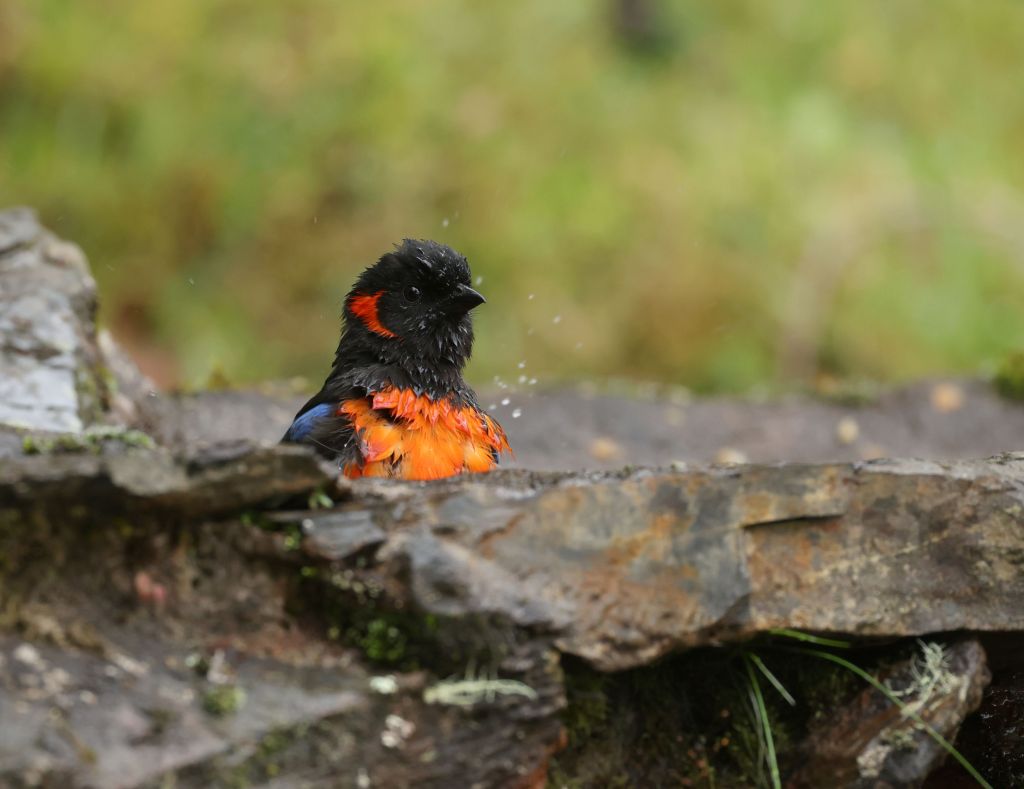
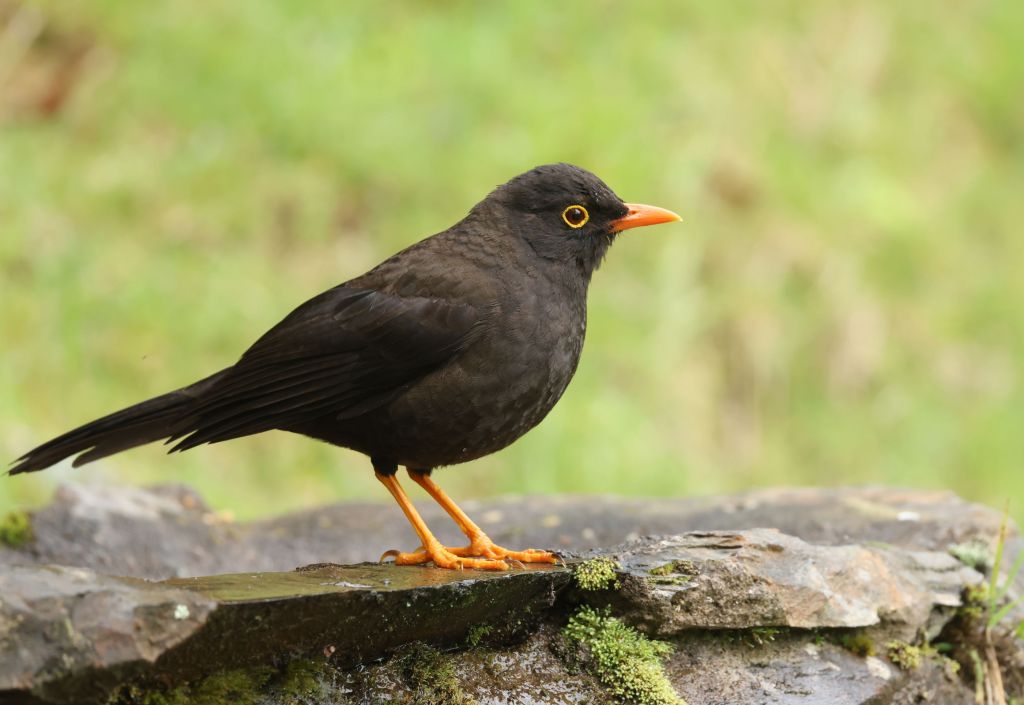
A Scarlet-Bellied Mountain Tanager enjoyed a splashy bath in the little rocky pool provided, while a Great Thrush hopped in too. The Great Thrush was nice to see after seeing so many Chiguanco Thrushes at lower altitudes.
A Black-faced Brushfinch was also a brand new bird for us here.
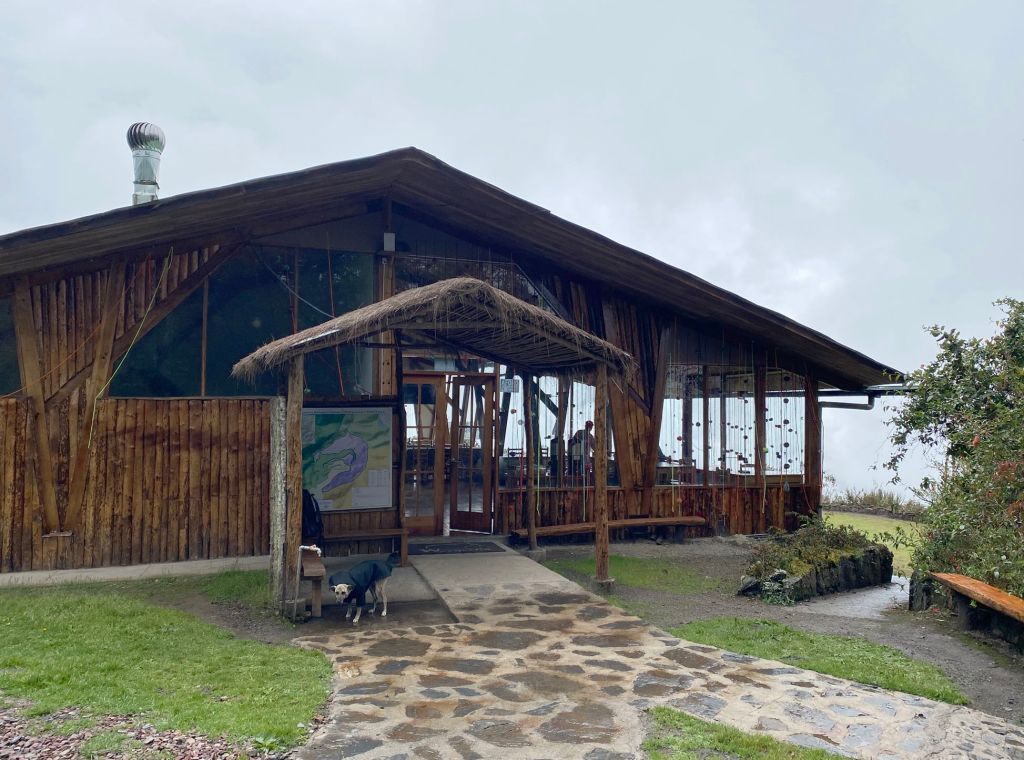
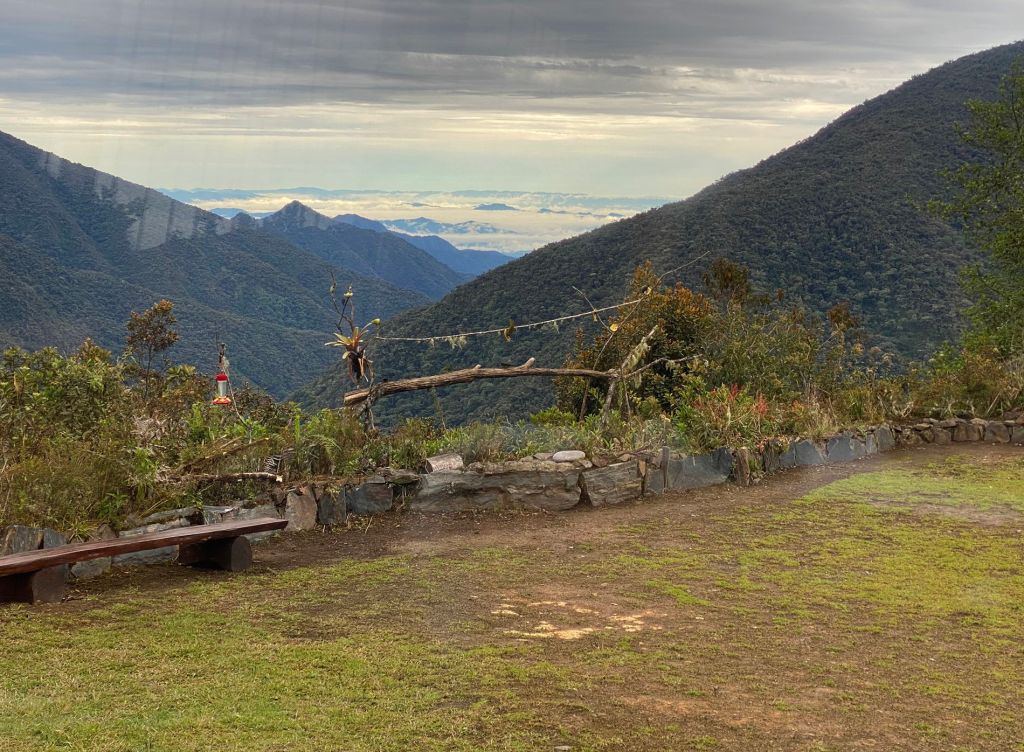
The main lodge building at Wayqecha Station is quite large and airy and its huge windows give great views out onto their lawn with several feeders and – if the clouds stay away for a bit – epic views into the distance. The hummingbird feeders attracted the diminutive White-Bellied Woodstar, which quickly became another favourite as it whizzed around with bumblebee-like wing sounds.
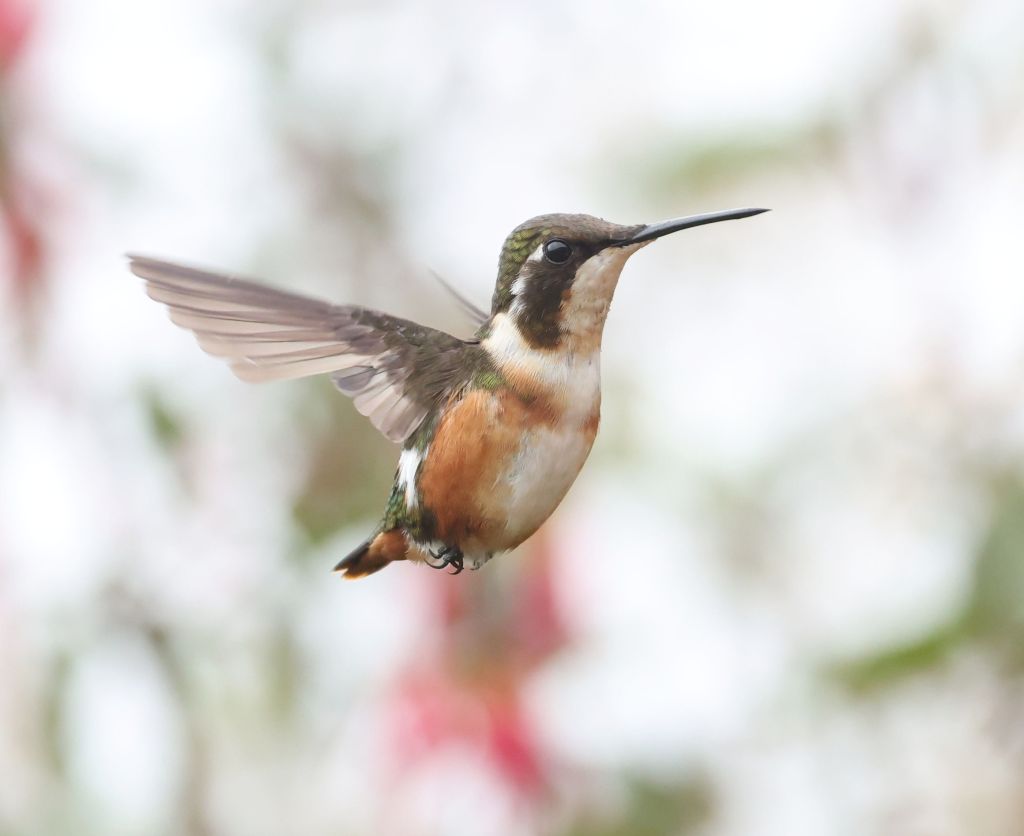

Other hummingbirds included Violet-throated Starfrontlet, Shining Sunbeam, Amethyst-Throated Sunangel, Chestnut-Breasted Coronet and Sparkling Violetear. That’s a lot of hummers to keep track of but once you get your eye in for the relevant features (bearing in mind some sexual dimorphism in some species), it becomes manageable to ID them fairly quickly.
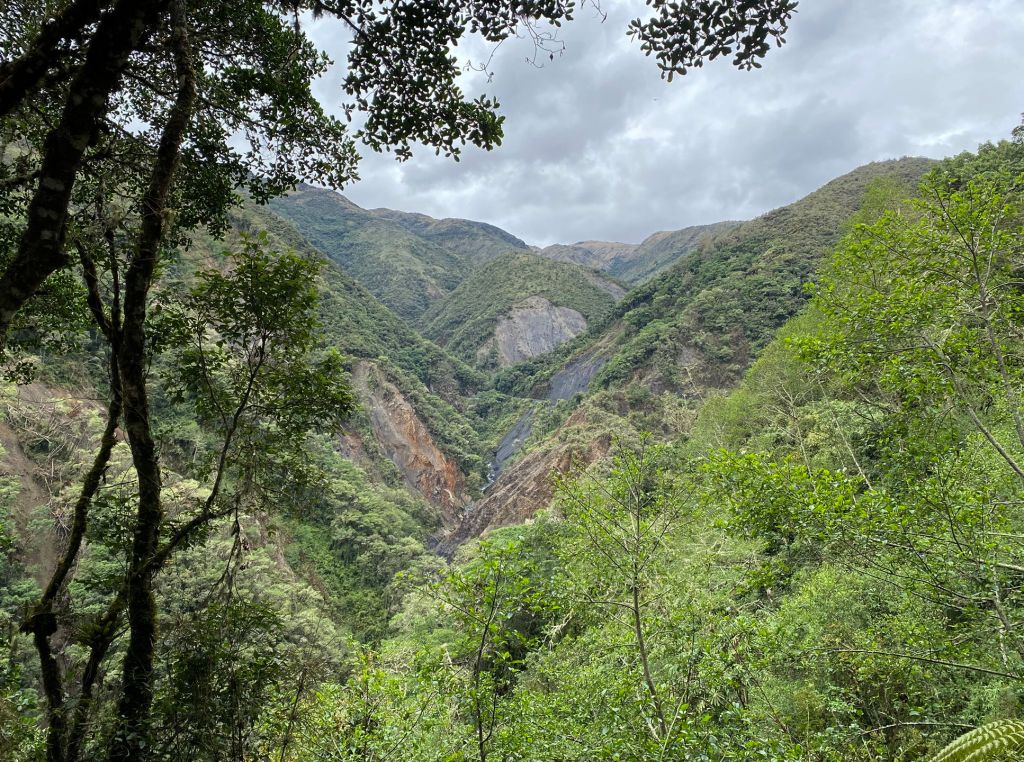
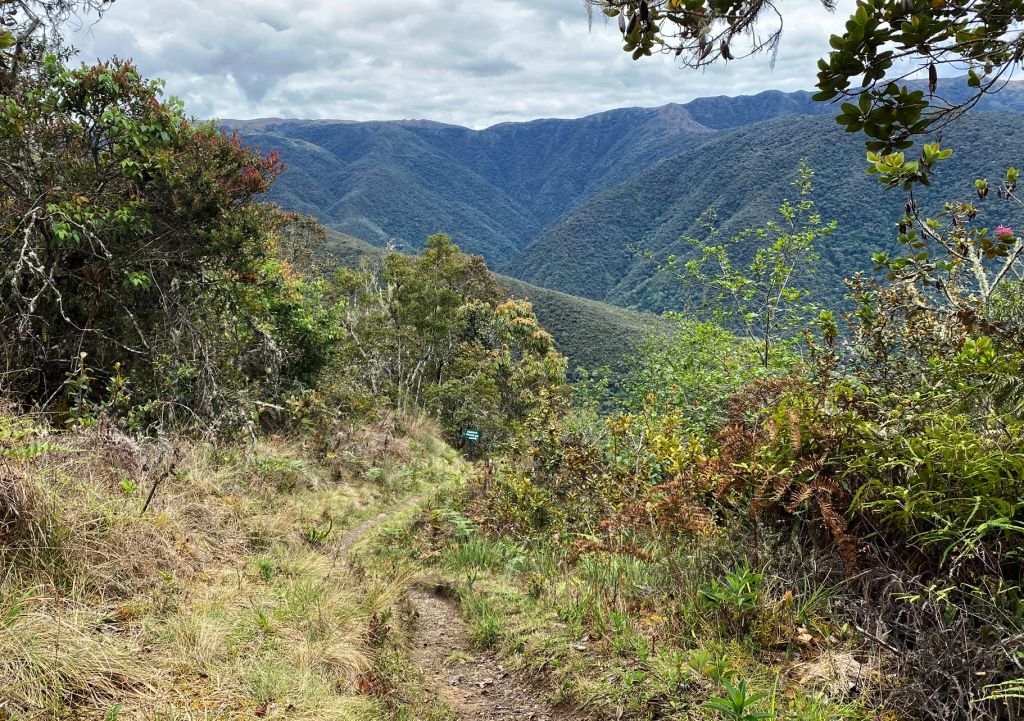
I am not sure how far the trail system goes at this site but we did walk a few hundred metres and saw Streak-Throated Bush-Tyrant and a few other birds. The trail was quite nice to walk, though narrow.
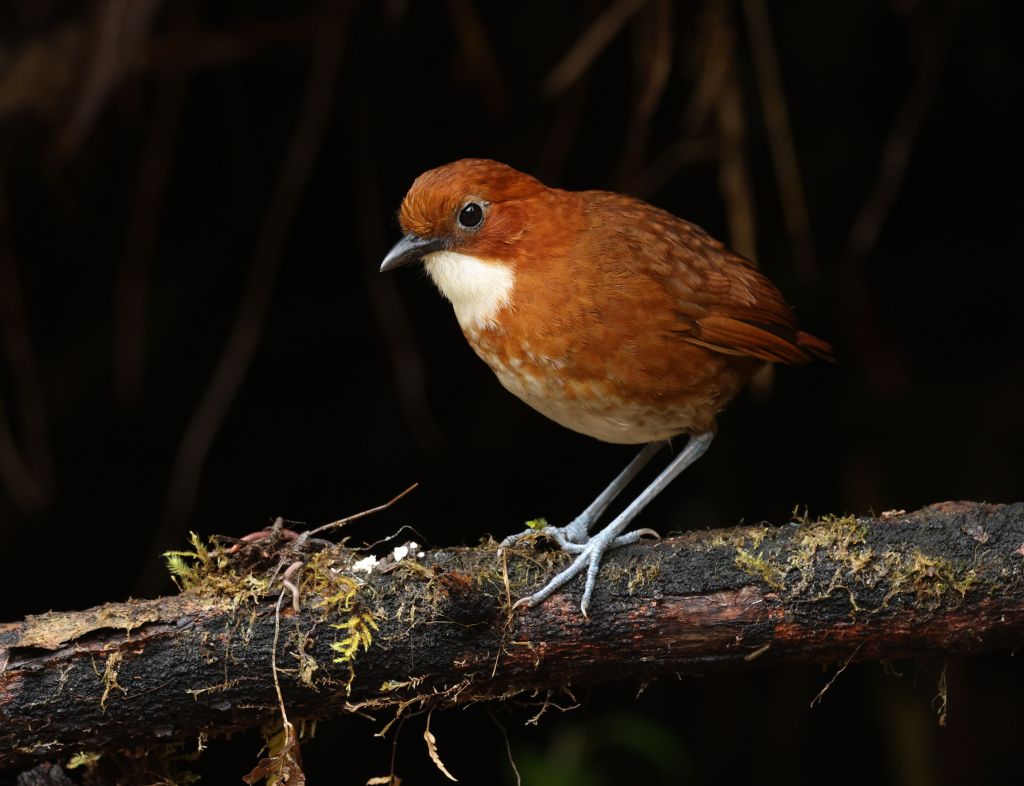
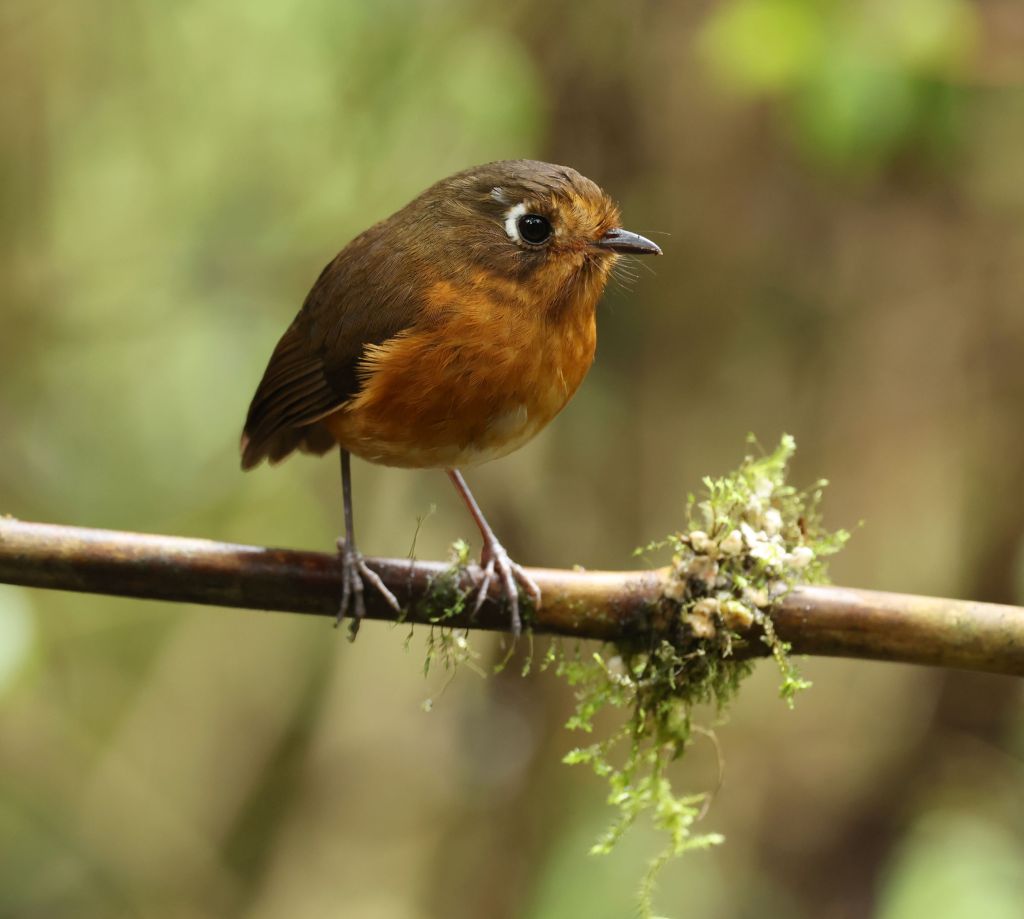
It has seemingly become quite popular in South America to attract various Antpitta species by regular feeding, and we got our first taste of this experience at Wayqecha. The idea is to provide a photography-friendly mini-clearing where worms or mealworms are placed by lodge staff and sure enough, your Antpitta will hop in looking for some easy food. Our first example was the lovely Red-and-White Antpitta, with the short-and-cute Leymebamba Antpitta soon to follow nearby (locked gates bar both sites from public entry). It sort of feels like low-level cheating to see birds in this way, though these Antpittas would be much more difficult to spot in the heavy forest undergrowth and I doubt you’d be able to get photos (or videos) like these in that case.
Cock-of-the-Rock Lodge
The Cock-of-the-Rock Lodge, adjoining Manu Birding Paradise Lodge, at elevation 1350m, has 776 bird species on eBird. Let that sink in for a moment – that’s a number which is 87% of all the species that have ever seen in Australia. If it was a country, it would be in the Top 32 of all the countries in the world. It’s fully 7% of all the world’s bird species.
You get the idea.
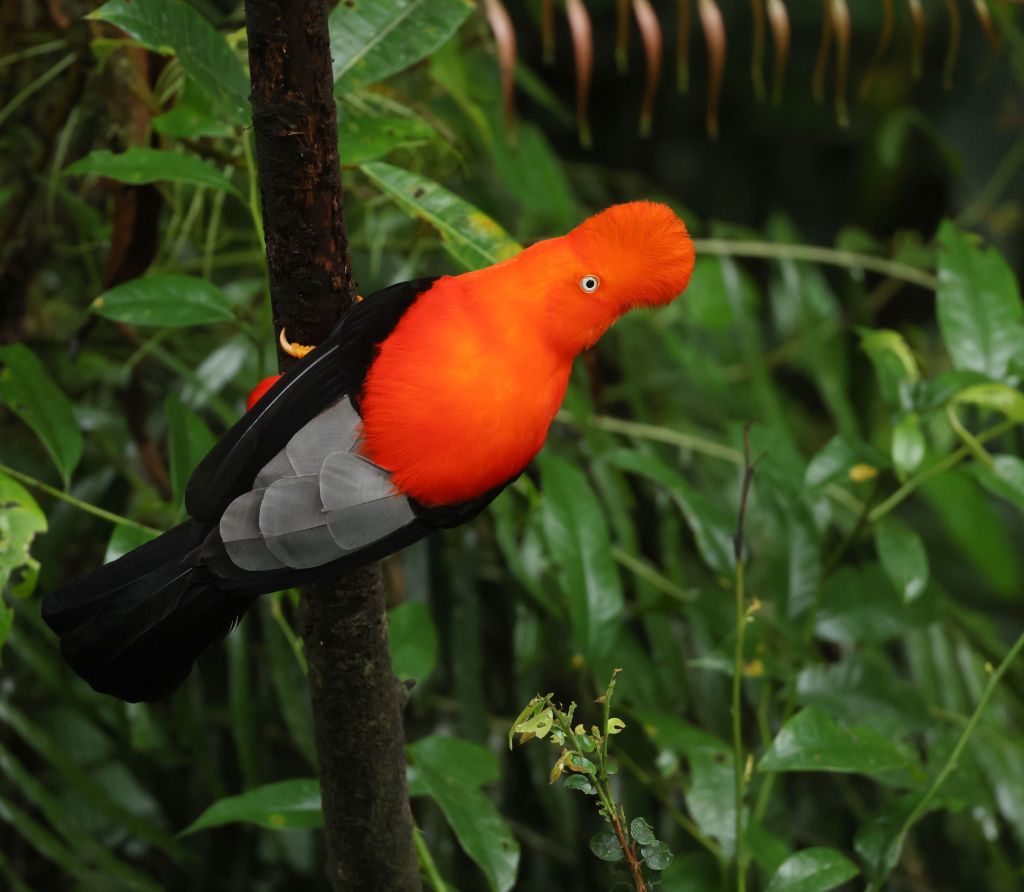
The bird for which the lodge is named, the Andean Cock-of-the-Rock, is fortunately present here (it might be embarrassing for them if it wasn’t!) A few hundred metres up the road there is access – through a locked gate – to where the birds gather together in lek displays. These leks are competitive courtship rituals designed to entice females, and they seem to happen in the mid- to late-afternoon for this particular group. While we were there we saw eight males and while their occasional dance-like movements and squawking was amusing to watch, I’m not sure they were putting on their best moves. The vibrant orange was pretty entrancing though, while the fact that most of the time you can’t see their little beaks under their huge head crests adds more to the exoticness of this bird. The females, it should be noted, are more of a uniform reddish-brown (and are much harder to see!)
Onto the lodge itself. The main building is most excellently set up for birding with the whole back deck opening out onto a set of feeders, and it’s all ringed by forest. The main building is where meals are served and, as there are no electrical outlets in the (basic but comfortable) cabins, it is also where everyone plugs their devices in on a table tangled with about a million cables. At night, they close the insect screen panels though inevitably a few large and/or scary and/or exotic bugs do find their way in for you to look at or freak out over while you’re tucking into some tasty Peruvian soup.
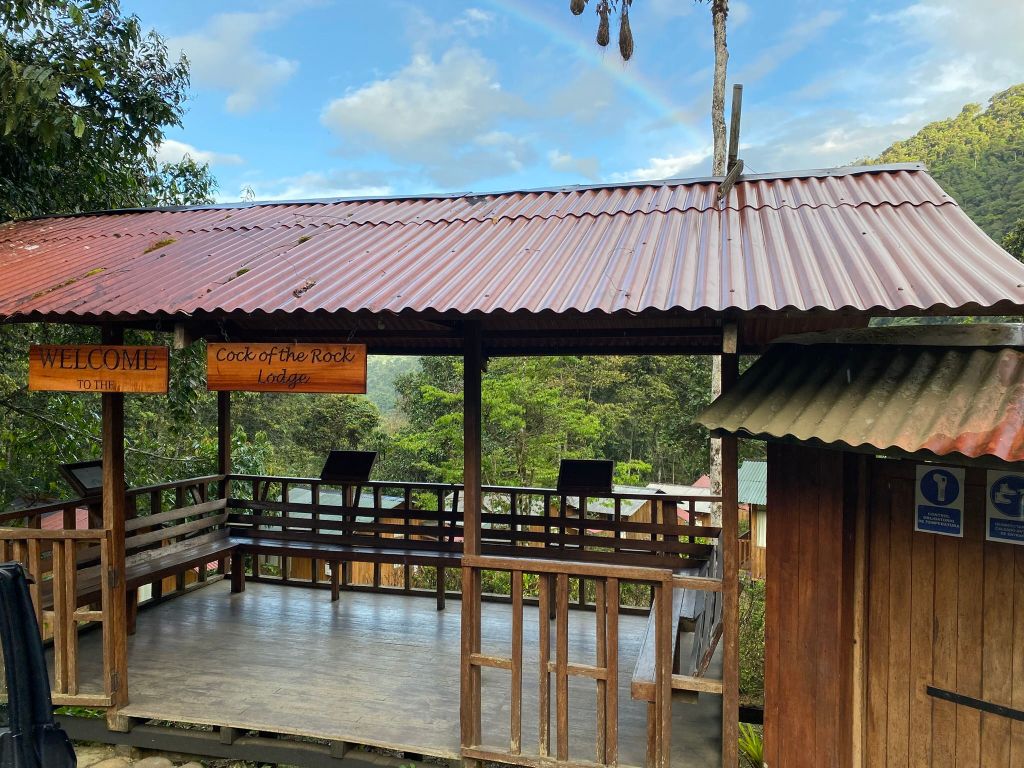
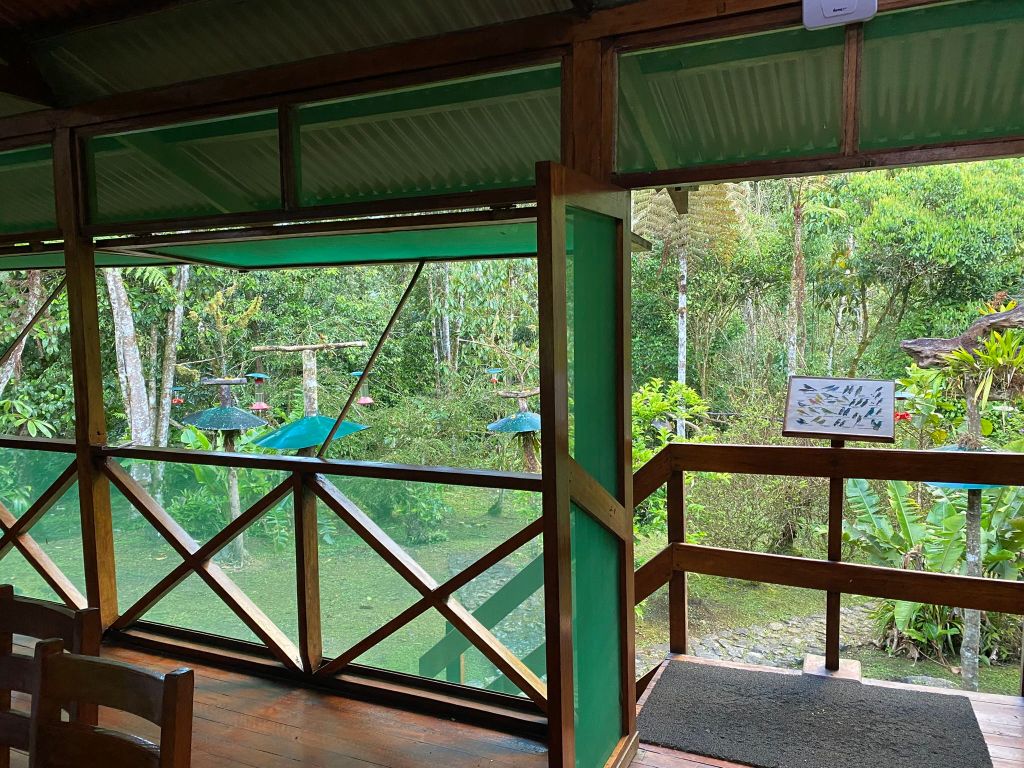

As you’d expect with a site with so many species recorded, hummingbirds make up a decent proportion of the total (in face I just counted a whopping 65 in their all-time eBird list!), with various Lancebills, Daggerbills, Violetears, Hermits and Thornbills on the roster. The feeders are set up at the perfect distance from the building for photos (at least if you have a 500mm lens or longer…)


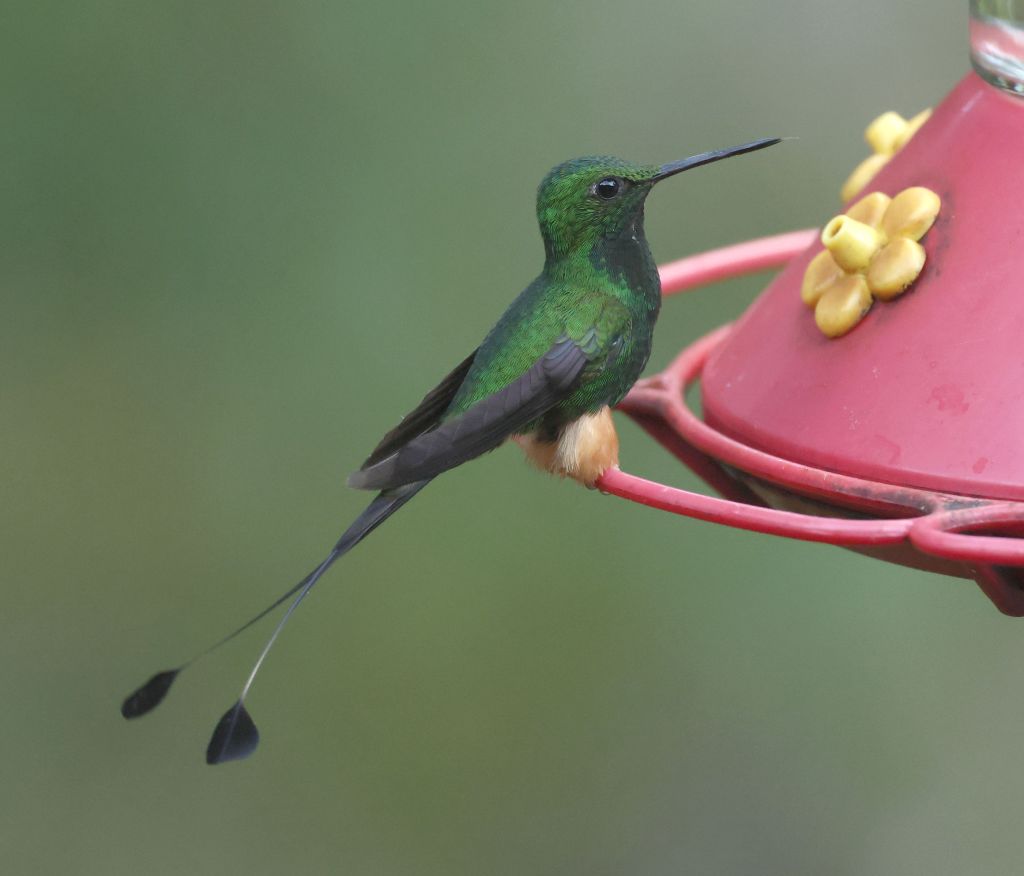
Rufous-Booted Rackettail gets into seriously flamboyant territory when it comes to hummingbird features, and the fluffy “boots” after which it is named are next-level adorable.

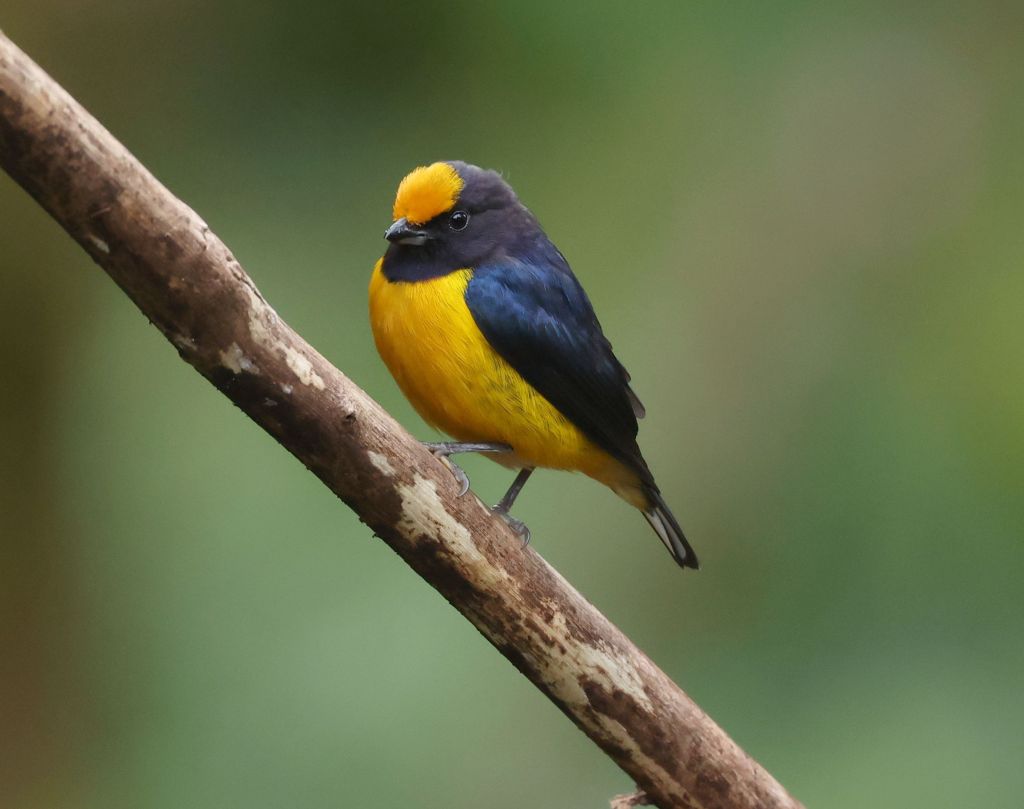
Other colourful non-hummingbirds included Orange-Bellied Euphonia and the electric-blue Blue Dacnis, a bird I had seen photos of before the trip (and hoped mightily to find!)

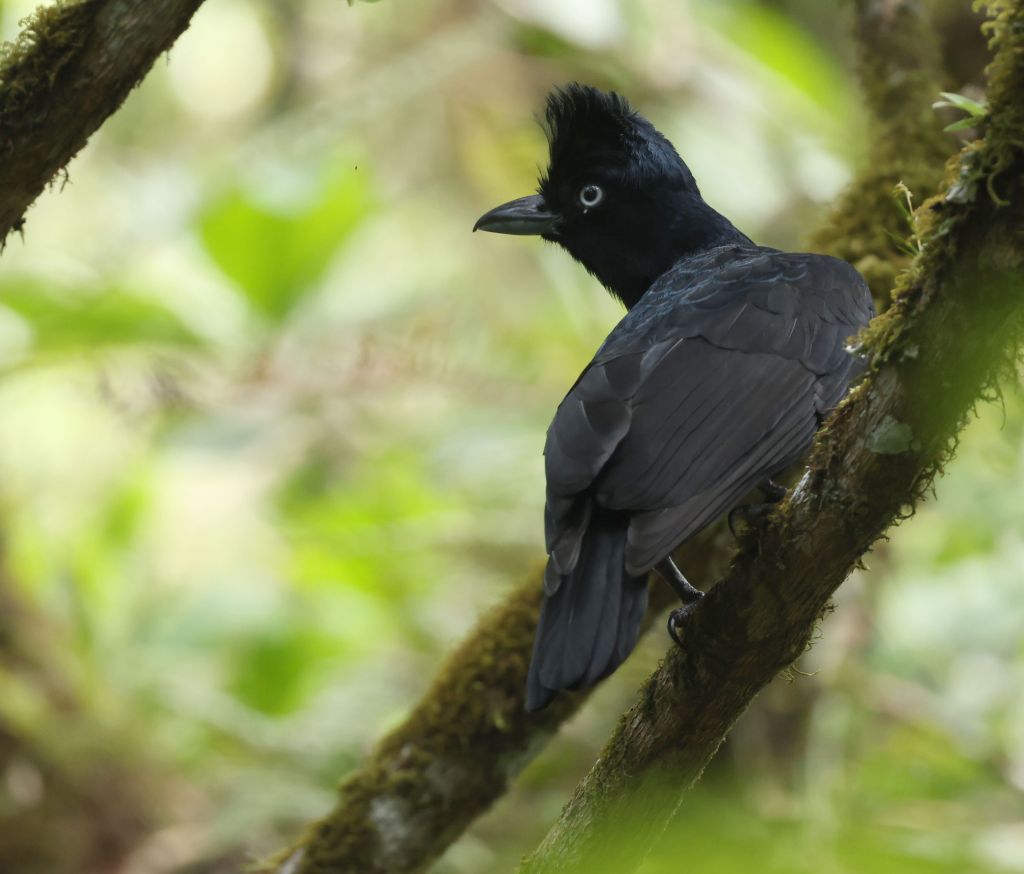
Around the trees we spotted a Stripe-Chested Antwren as well as an Amazonian Umbrellabird, though better views of the latter were obtained from roadside birding later.


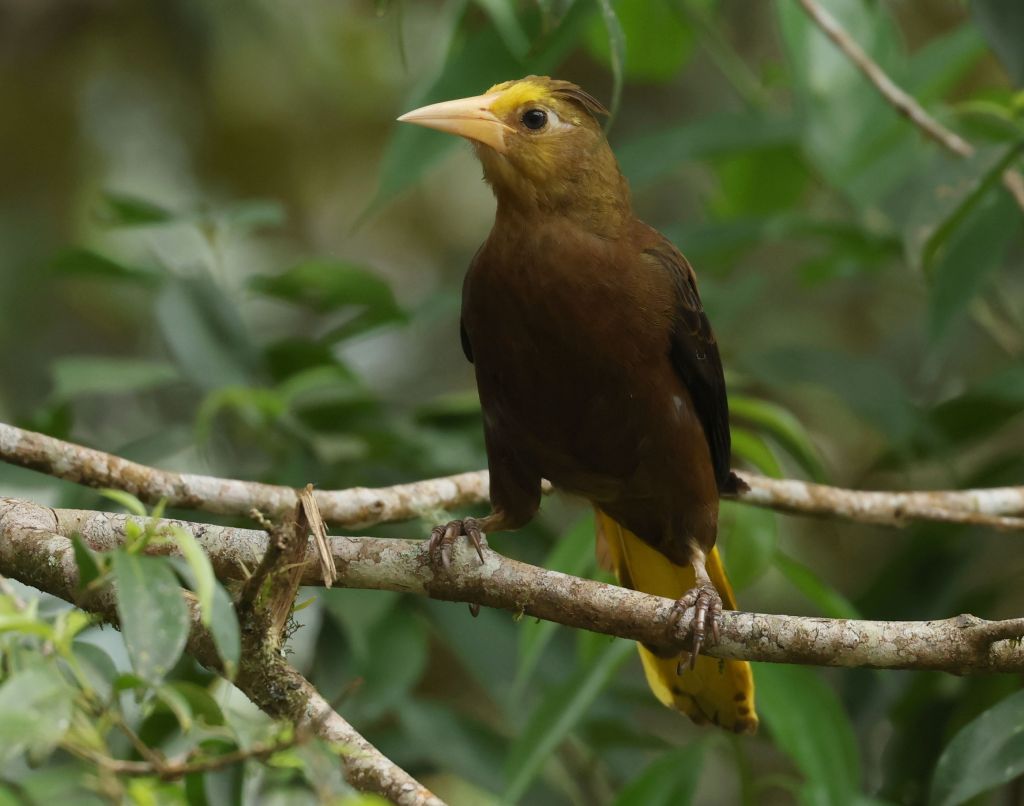
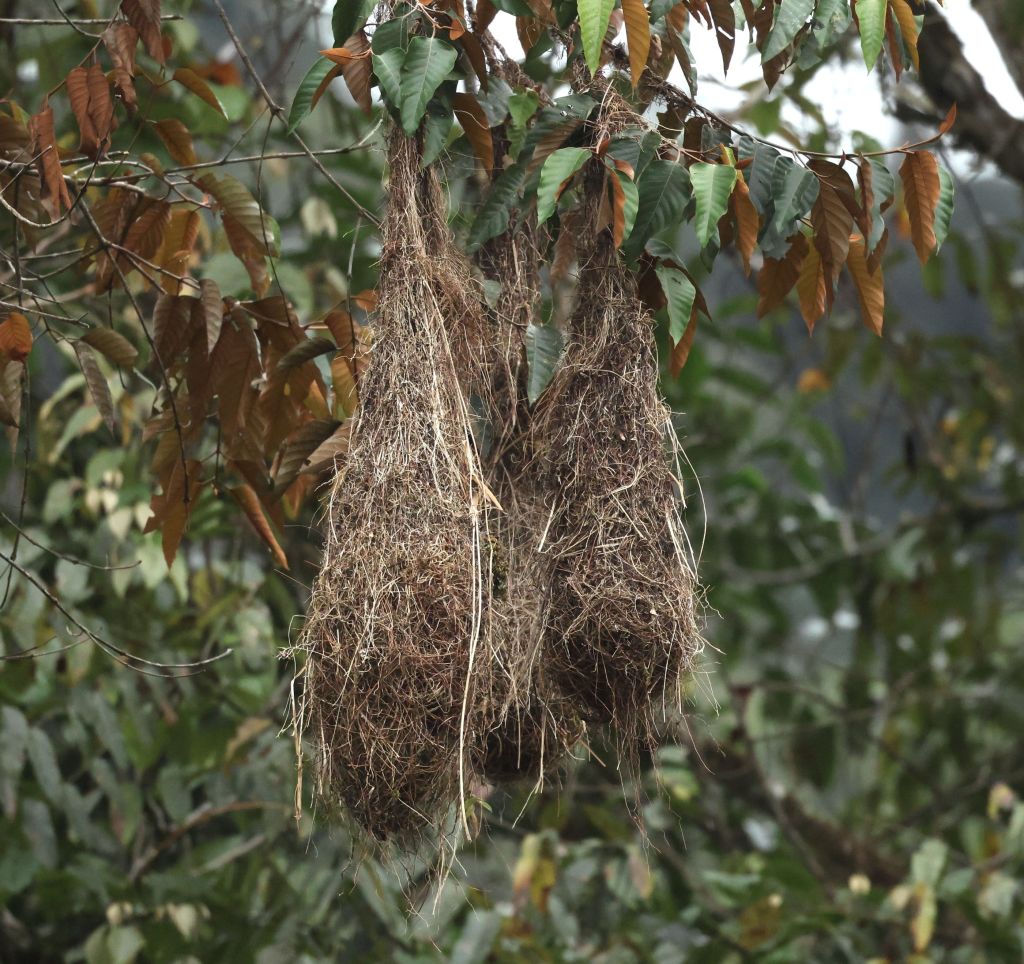
The lodge hosts no fewer than four species of Oropendola, of which Russet-backed Oropendola and Dusky-green Oropendola are the most commonly seen. Their huge hanging nests, with sometimes several found on one tree, are all over the place too.
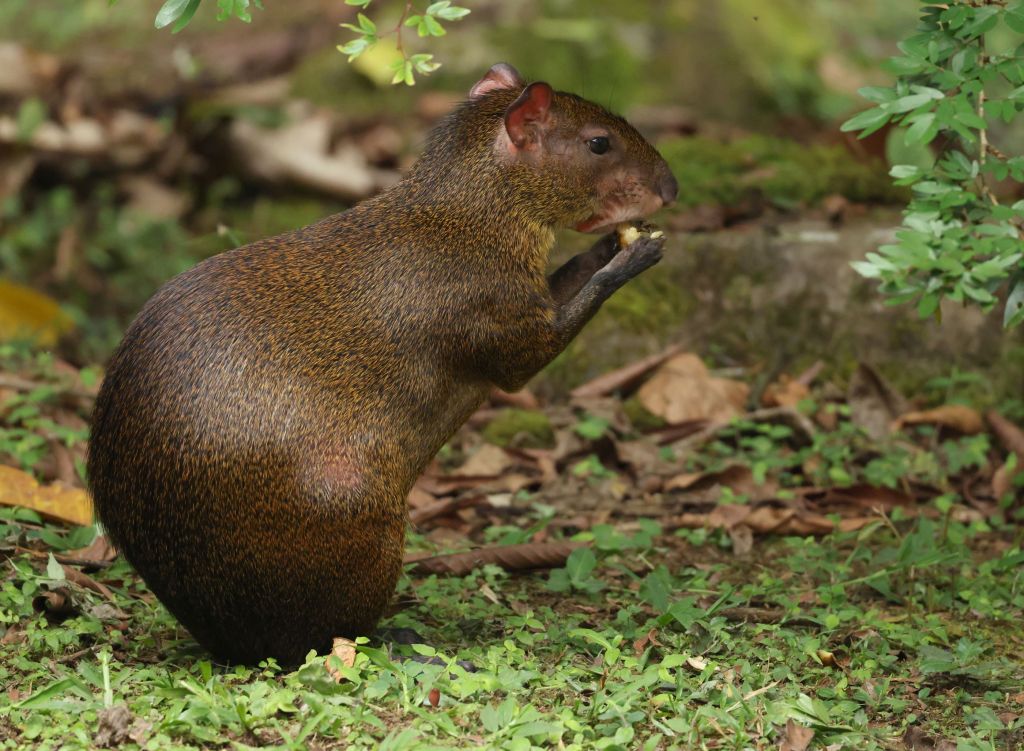
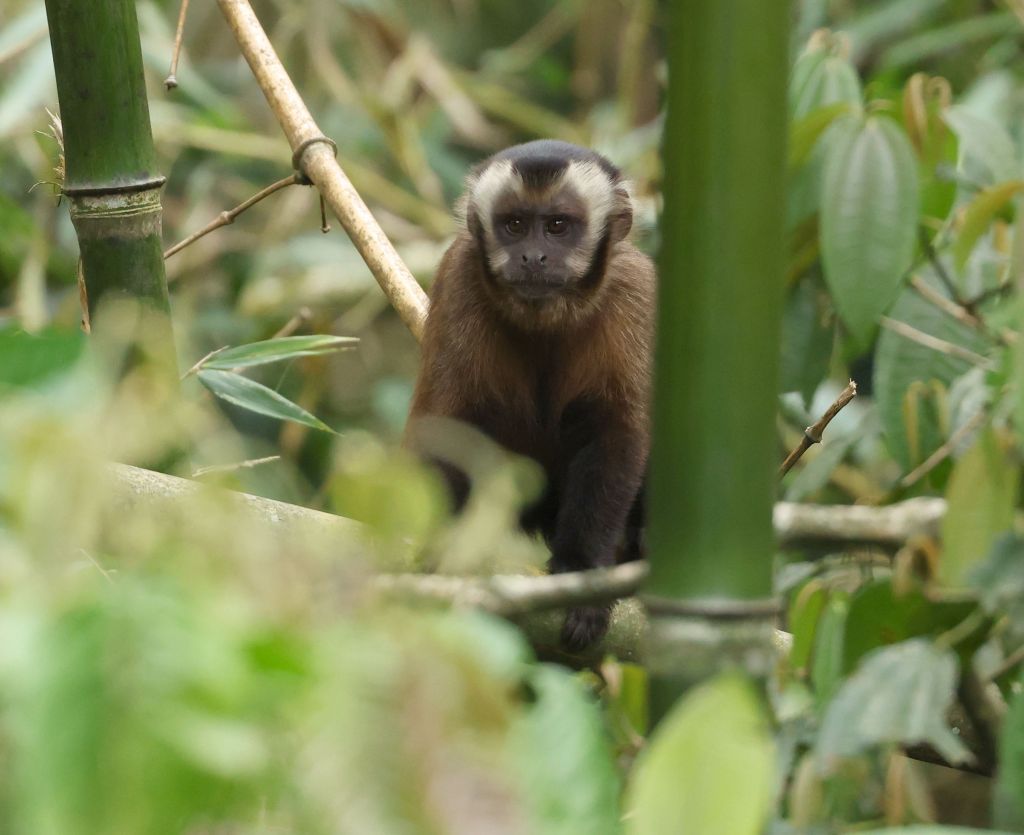
Mammals we saw close to the lodge included an Agouti, a monkey (Capuchin, perhaps?), and even a squirrel cheekily taking off with some piece of food from near the kitchen.
El Bosque del Tio Victor
(Note that in eBird this location is called Carretera a Manu–El Boque del Tio Victor – I believe “Boque” is a misspelling).
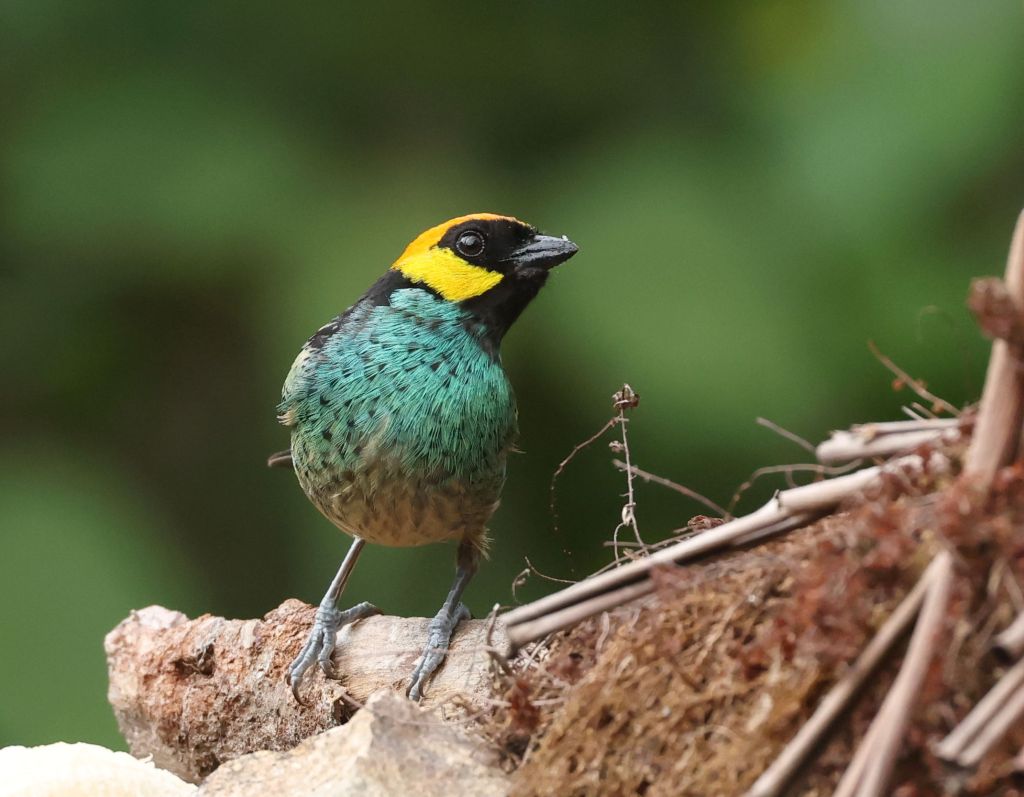
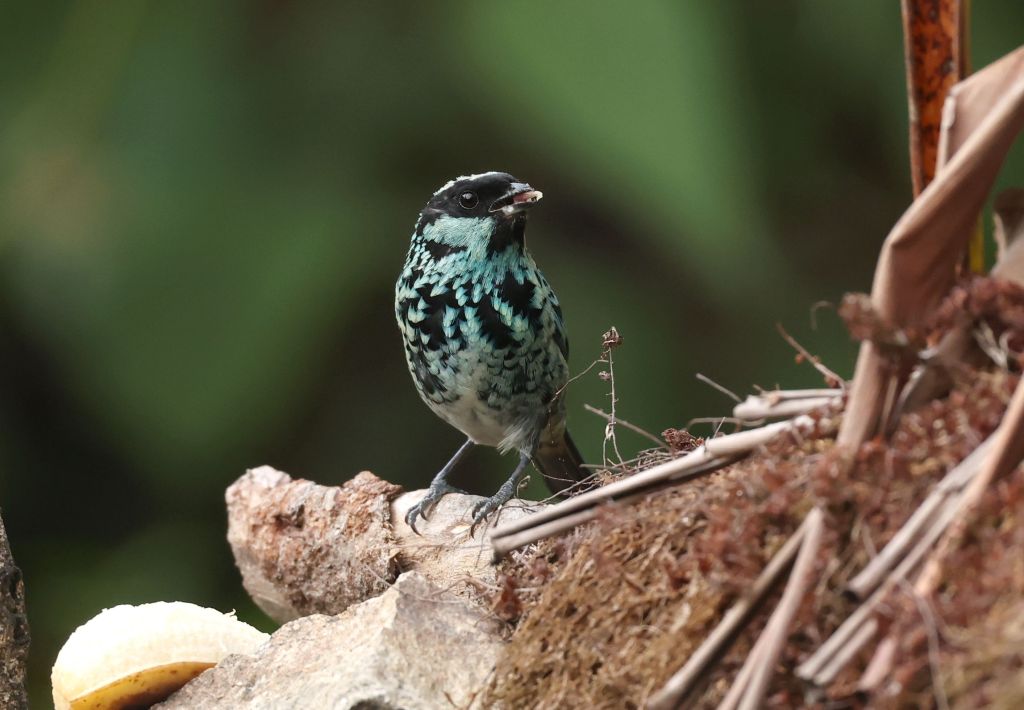
This little tanager-and-hummingbird-attracting garden is about 25 minutes up Manu Rd from the Cock-of-the-Rock Lodge and is well worth a visit. There is a small fee to visit… but when else are you going to have the opportunity to photograph so many tanagers at close quarters?! We saw 26 species including 12 tanagers in the 90 minutes we were there.
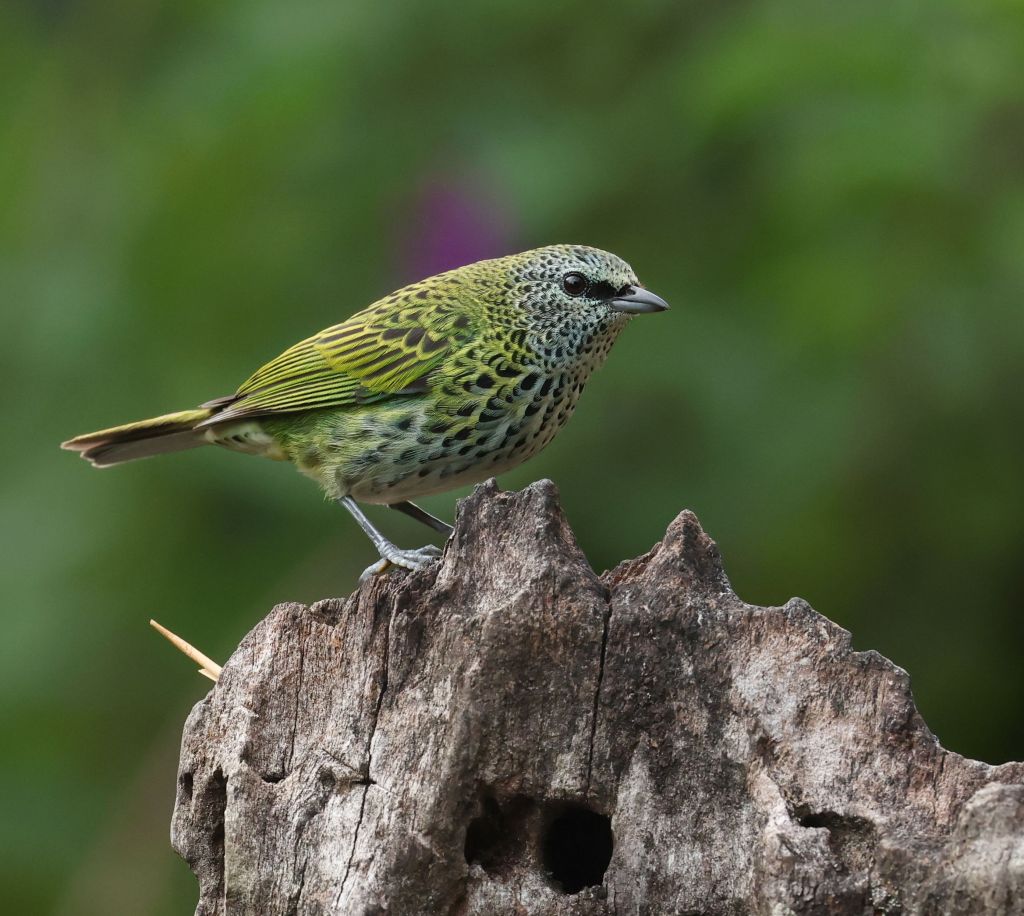
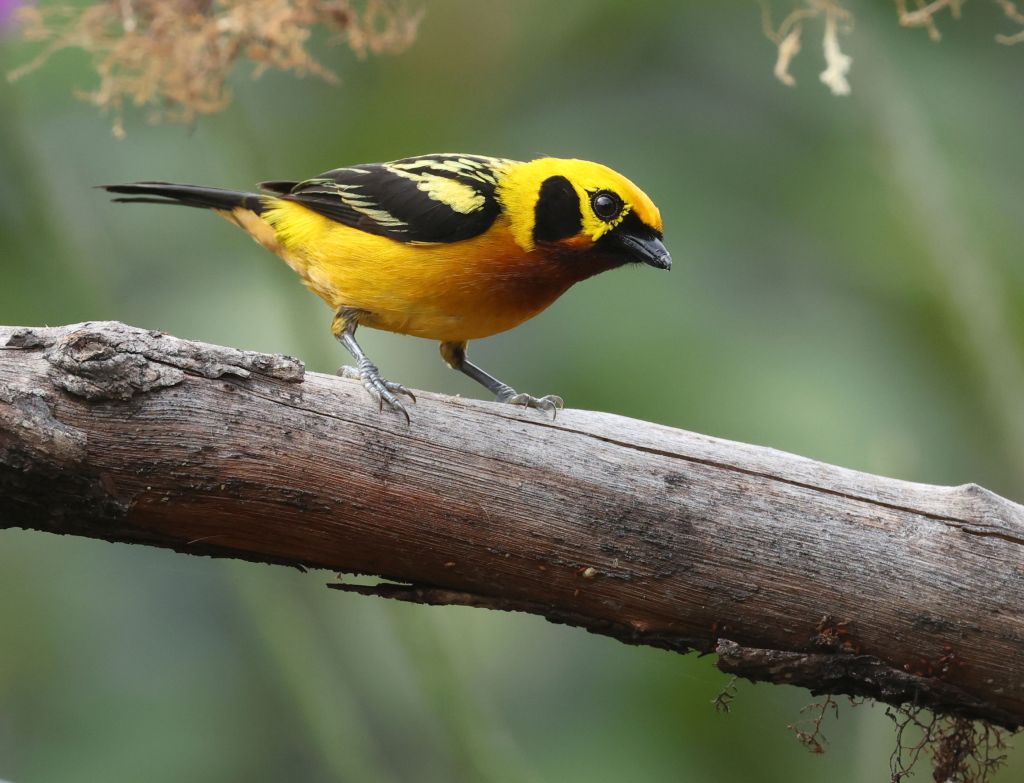
Yep, the tanagers just kept on coming, and it was a case of “Whoah, the Spotted Tanager is my favourite” until suddenly a Beryl-Spangled Tanager flies in and now that’s your new best bird.
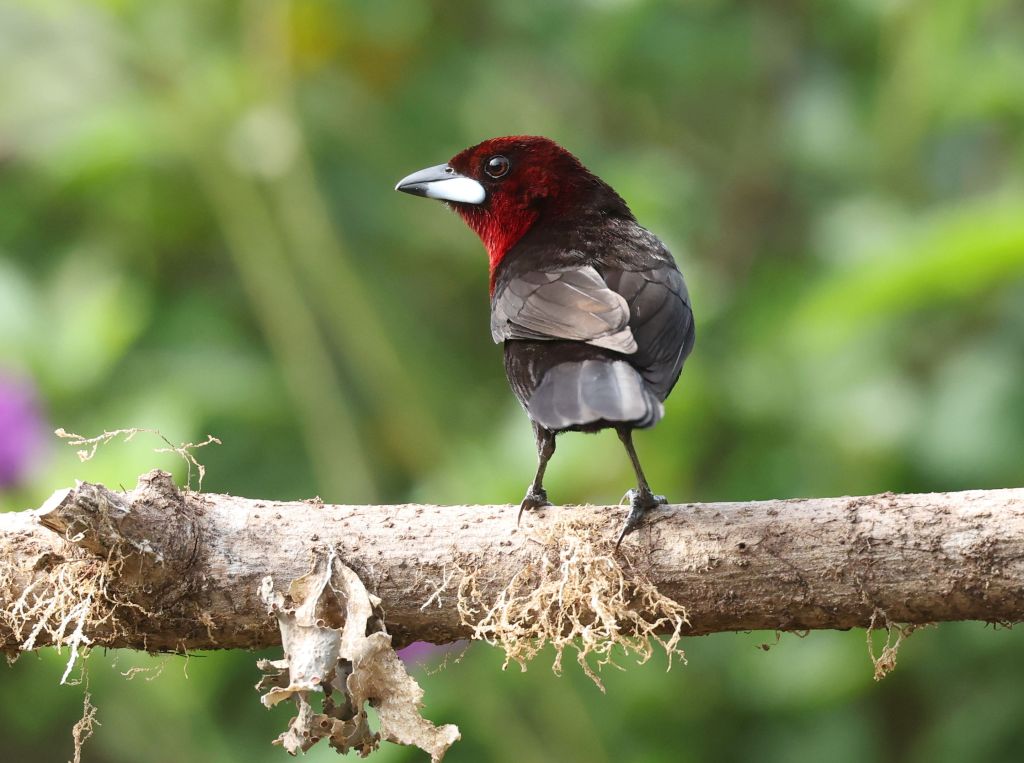
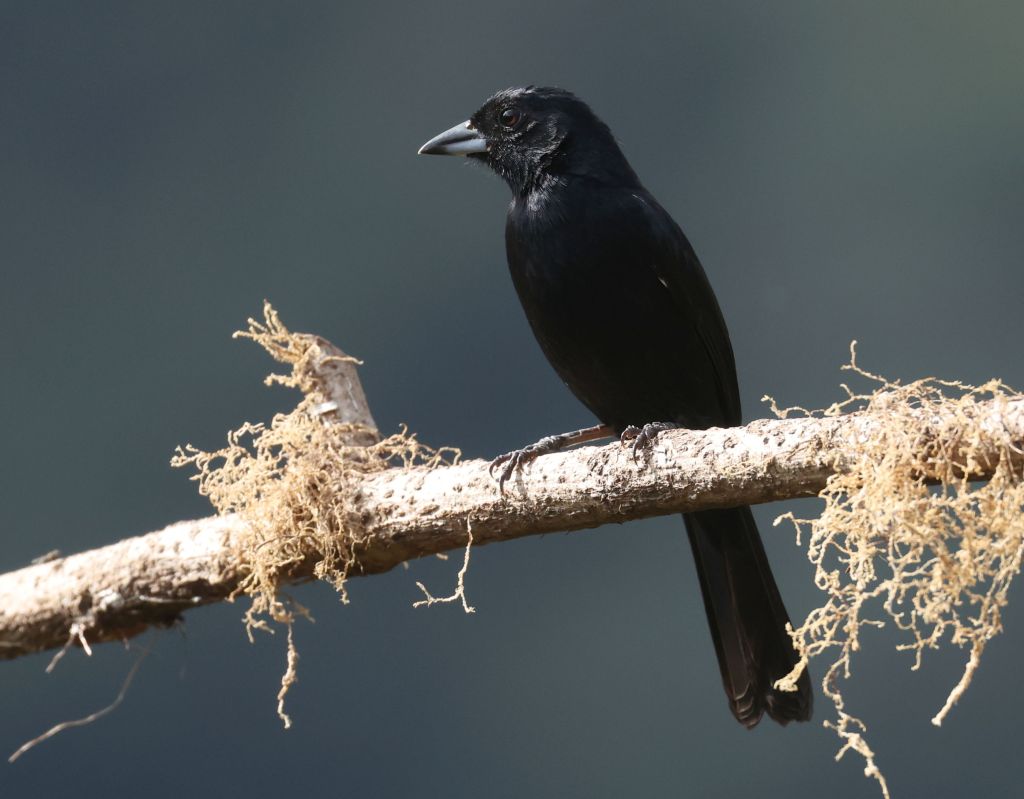
Bananas seemed to be the main fruit attracting the tanagers.
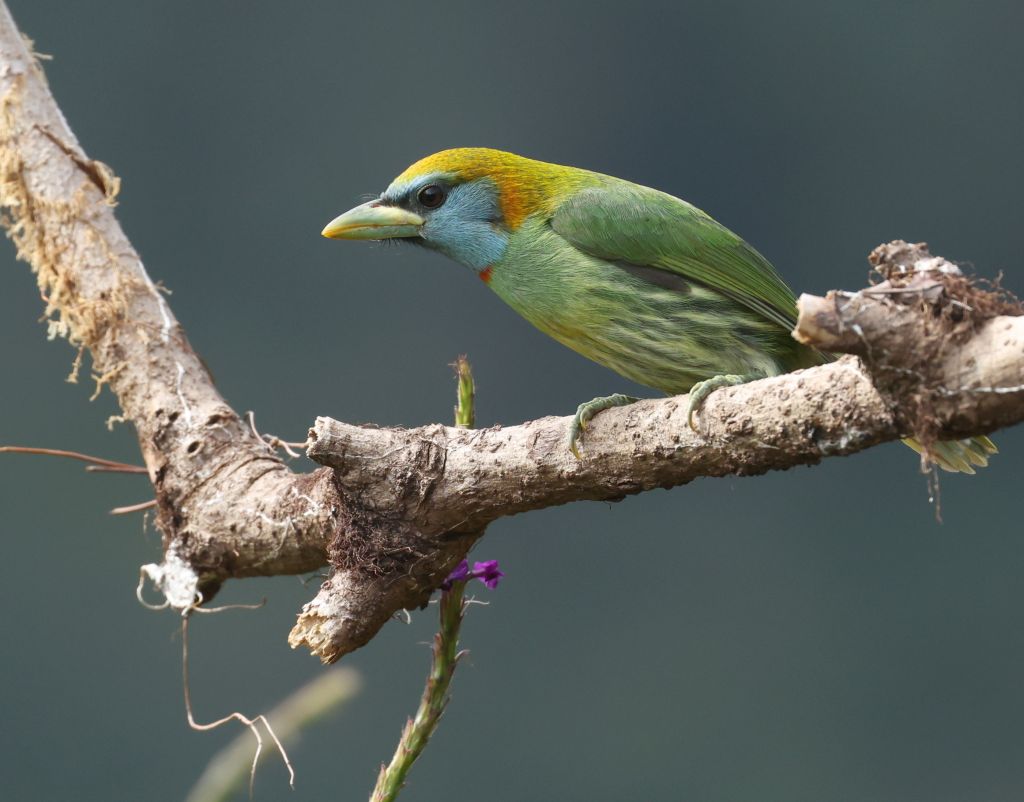
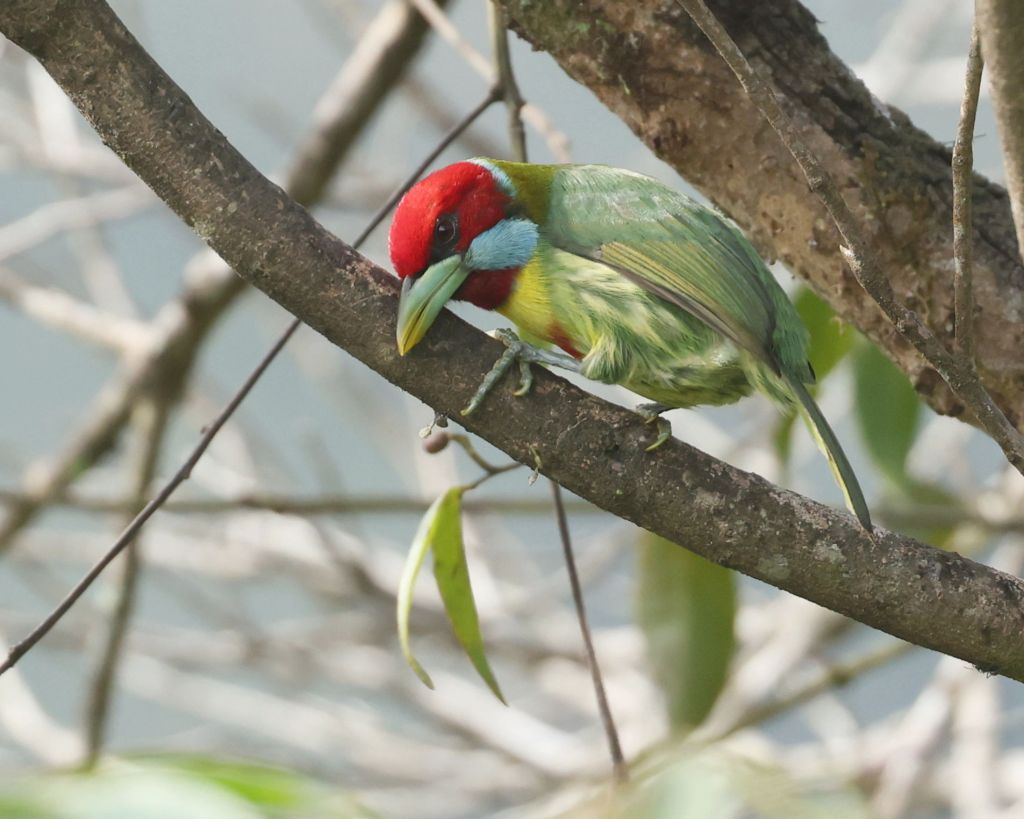
Another super-colourful bird high on the wishlist for the area is the incredible Versicolored Barbet, and we were thrilled to see both male and female birds. It’s vividly-plumaged species like these that you come to Manu Rd to see.
By the end of the session we were only missing two species of the 15 or 20 printed in their handy poster.
Roadside Birding
Given its condition Manu Rd is not for the faint of heart, so I’m glad we had a driver and didn’t have to navigate the bazillion potholes and other hazards in a rental car. There are zig-zags galore and lots of places where we deemed it physically impossible to pass oncoming vehicles, yet somehow it happened anyway.
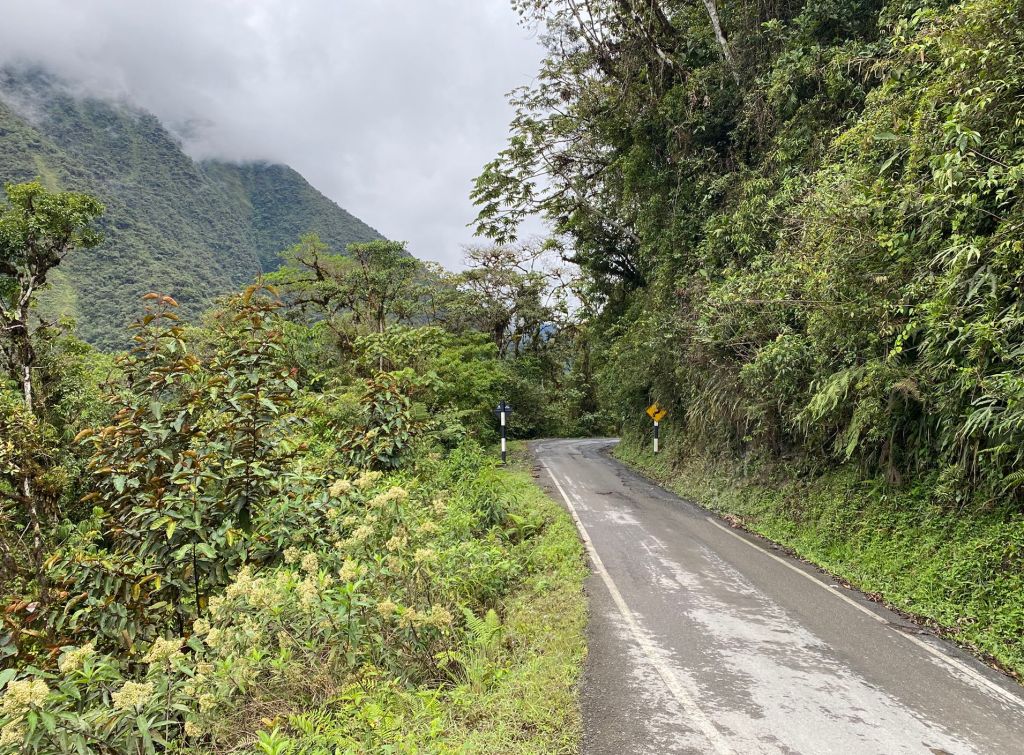
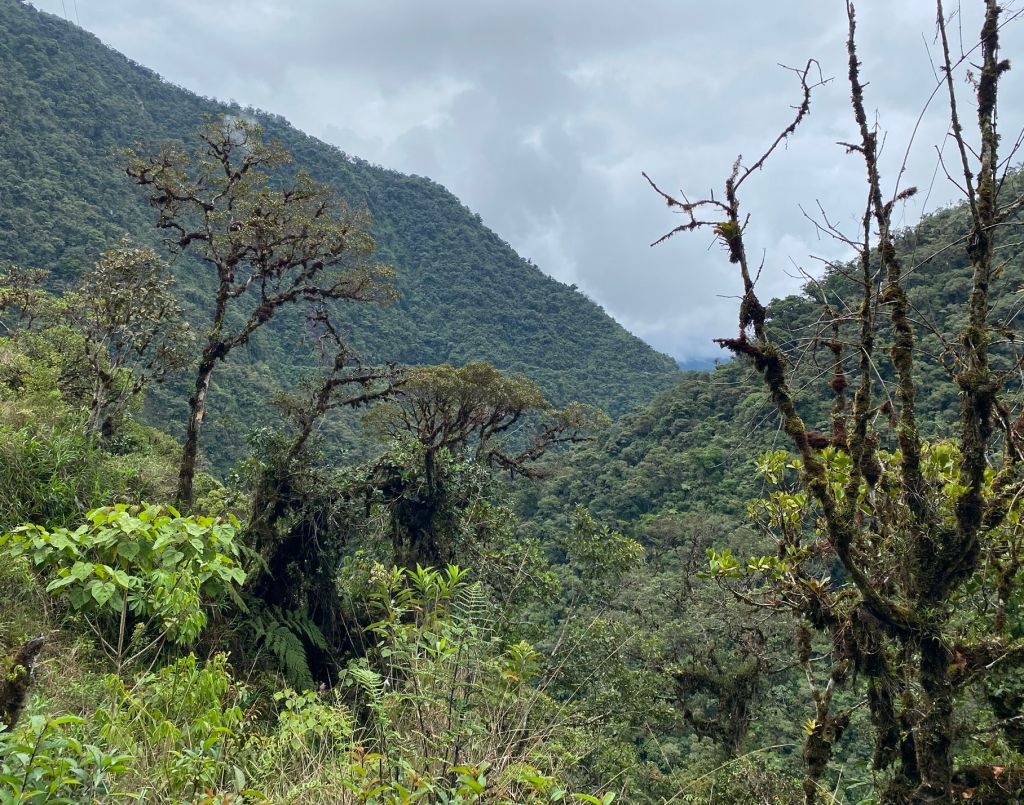
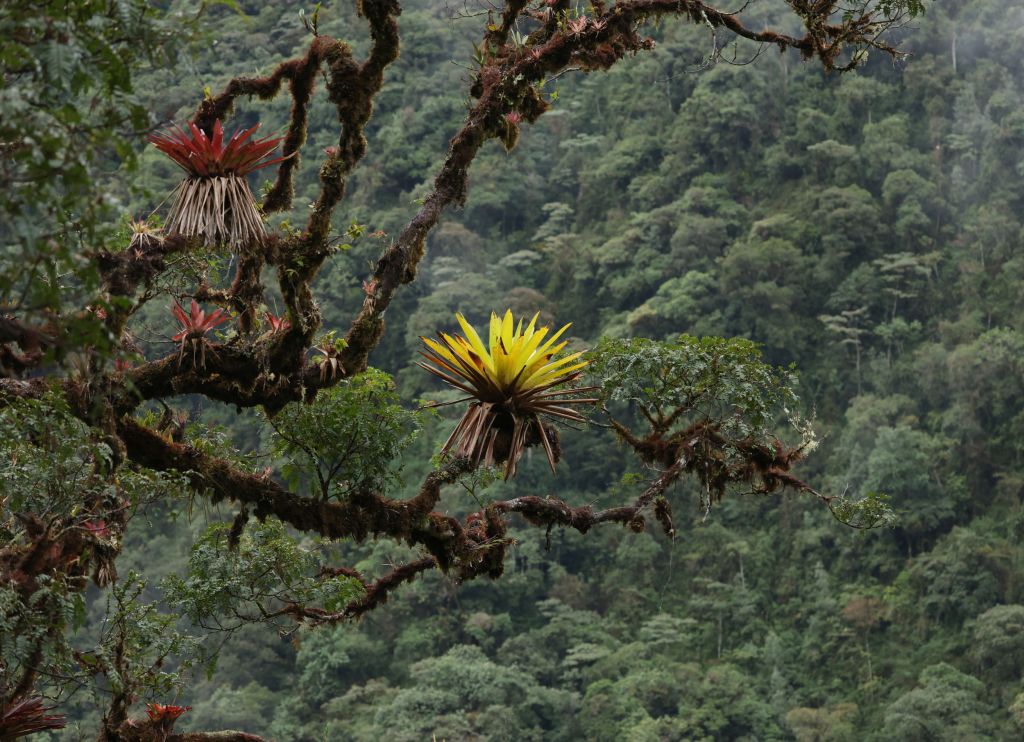
But oh boy is it beautiful. Gorgeous rainforest everywhere you look, rushing rivers and waterfalls and steep green-forested hills whenever the clouds deign to part. And the best part of all, of course, were the birds. It seemed like we found new species every time we stopped (which was very often!)
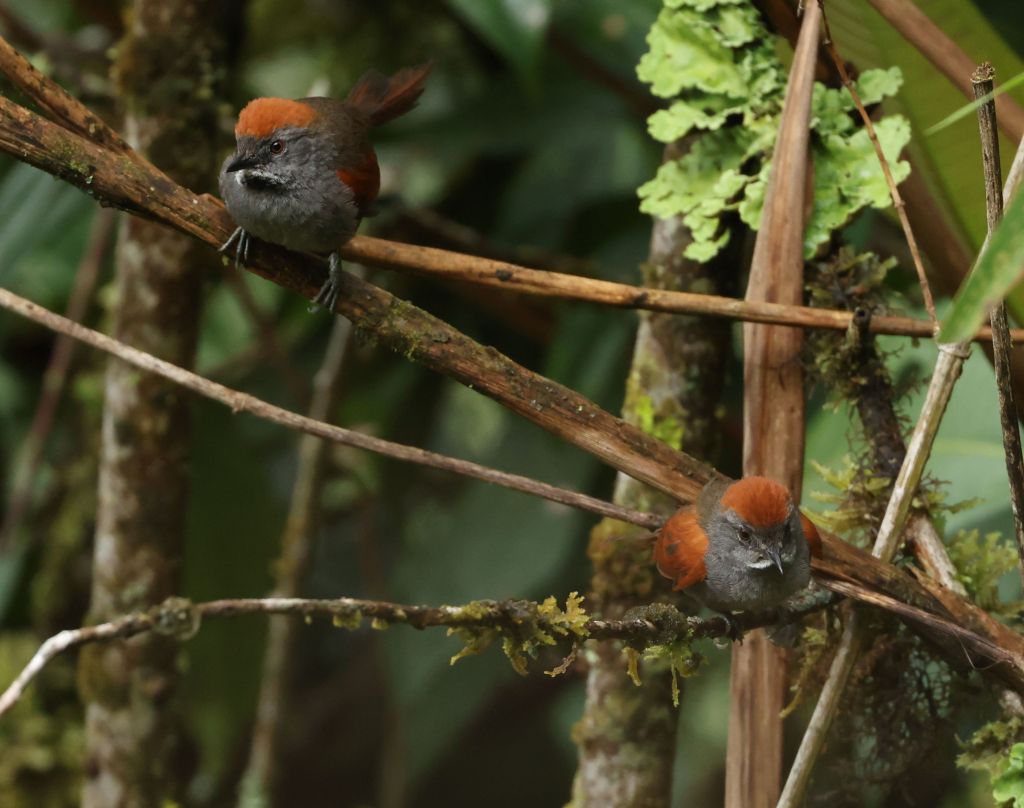
Blue-Banded Toucanet was our first ever Toucanet species and its colours blended in well with the foliage. Less so the Cinnamon Flycatcher with its warm brown plumage, though that bird was seen commonly sitting out in the open anyway.
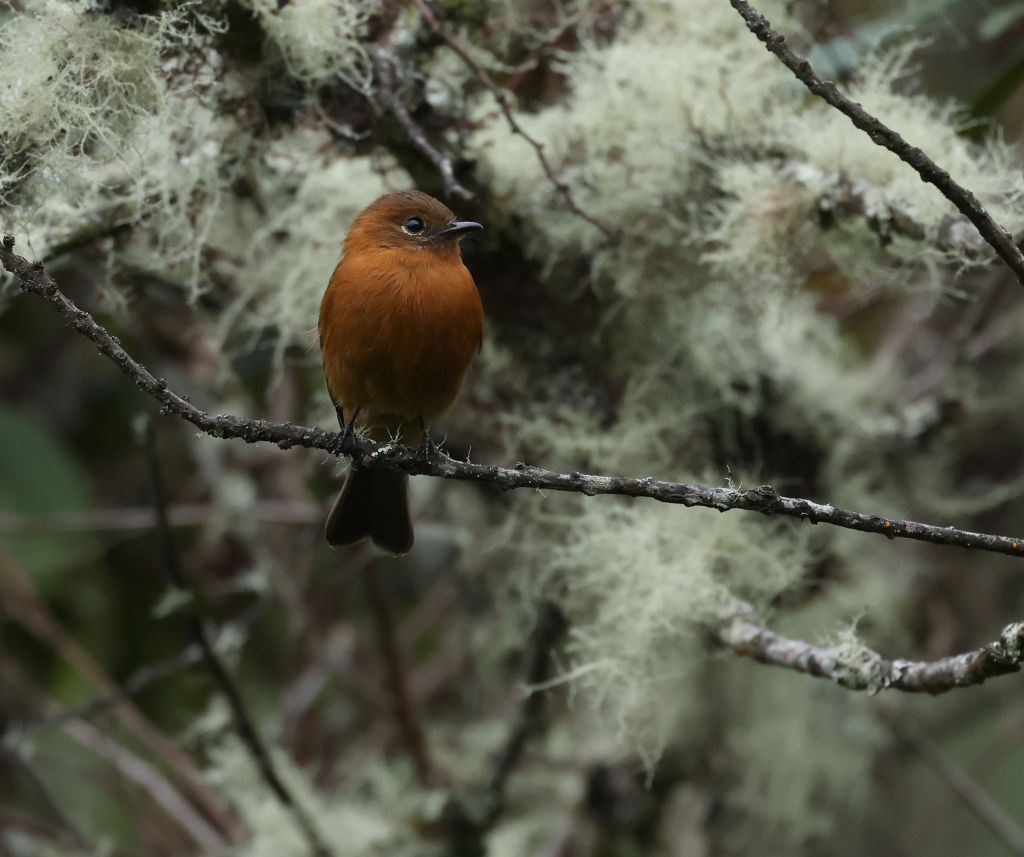
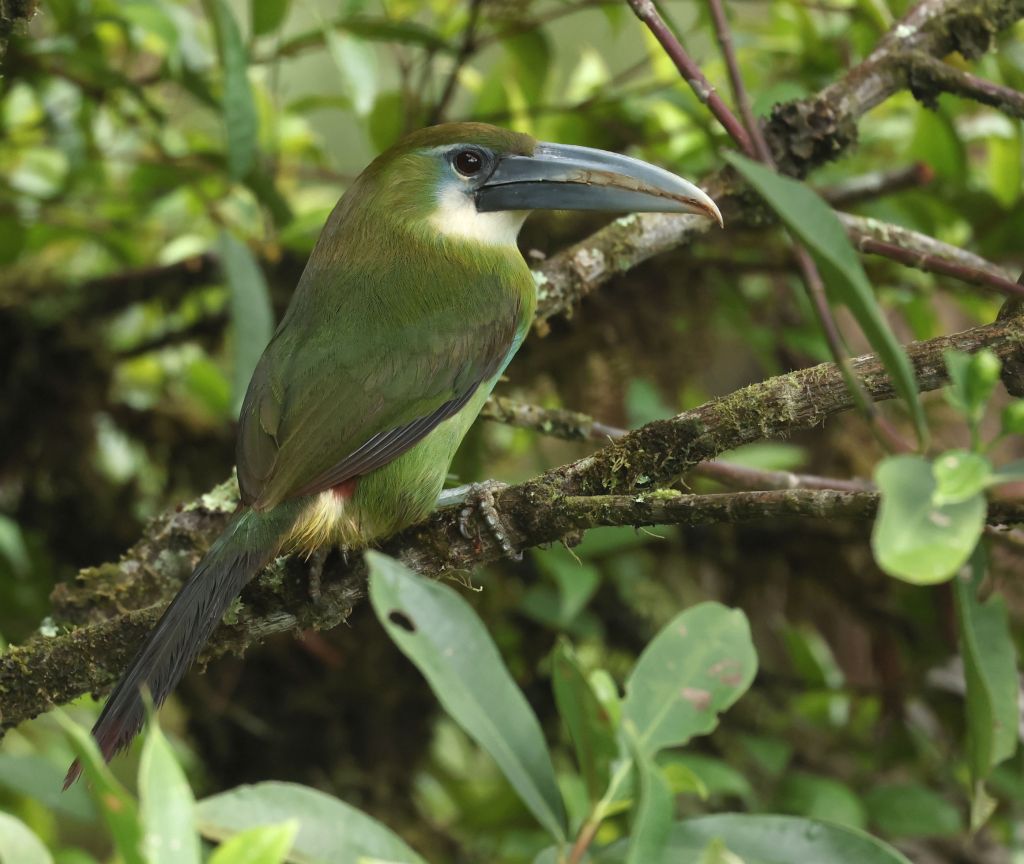
The Cinnamon Flycatcher was not by any stretch the only flycatcher-type bird around, with Lemon-Browed Flycatcher, Rufous-bellied Bush-Tyrant and White-banded Tyrannulet being other examples.
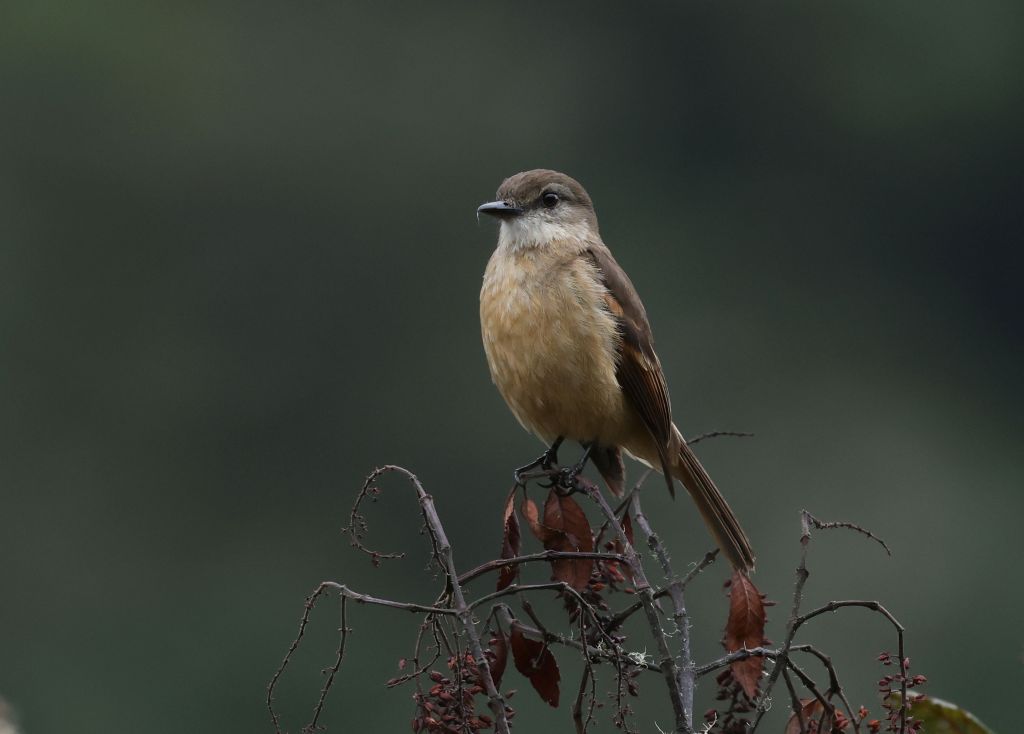
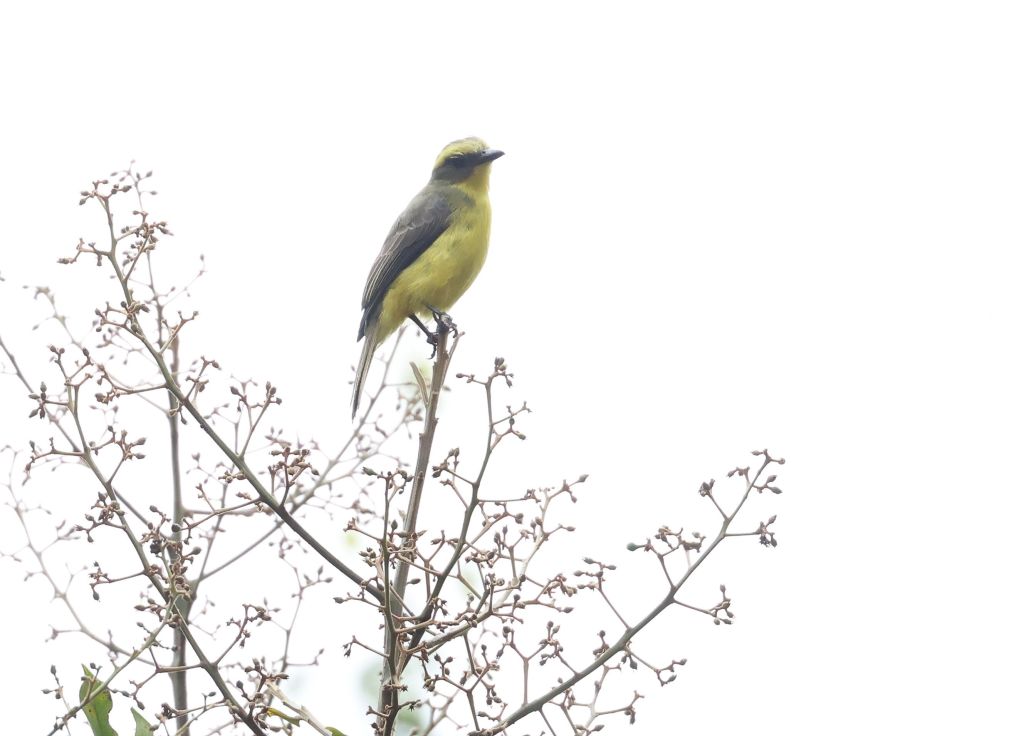
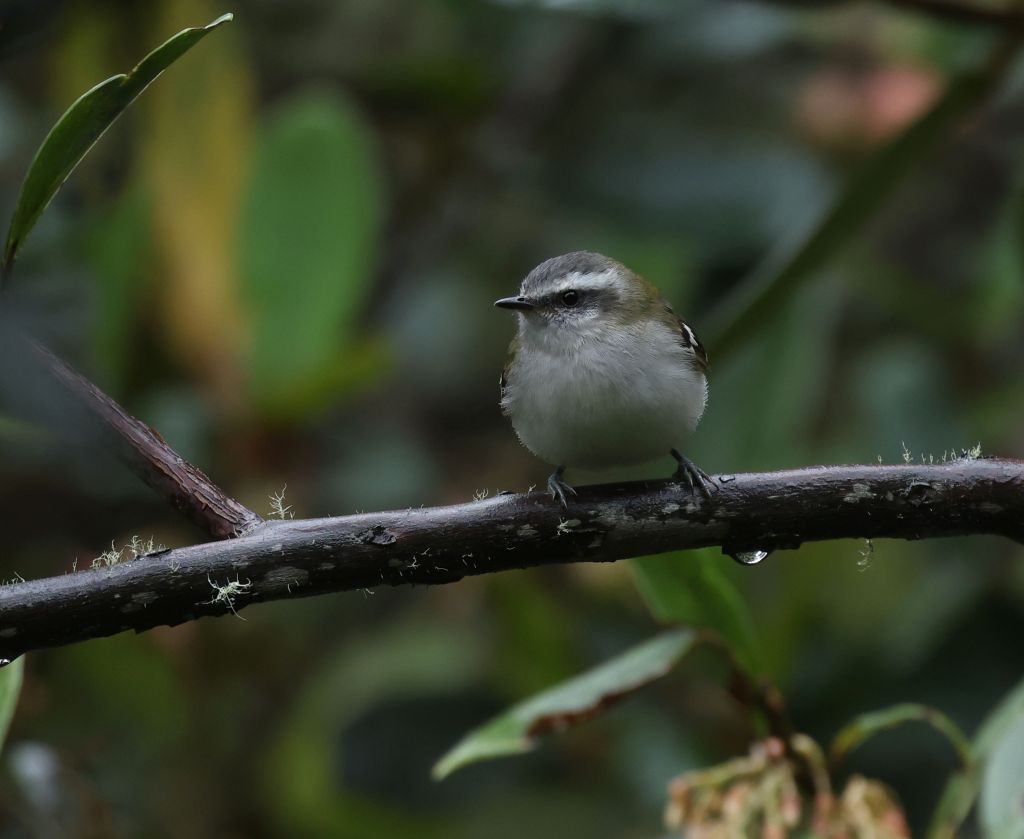
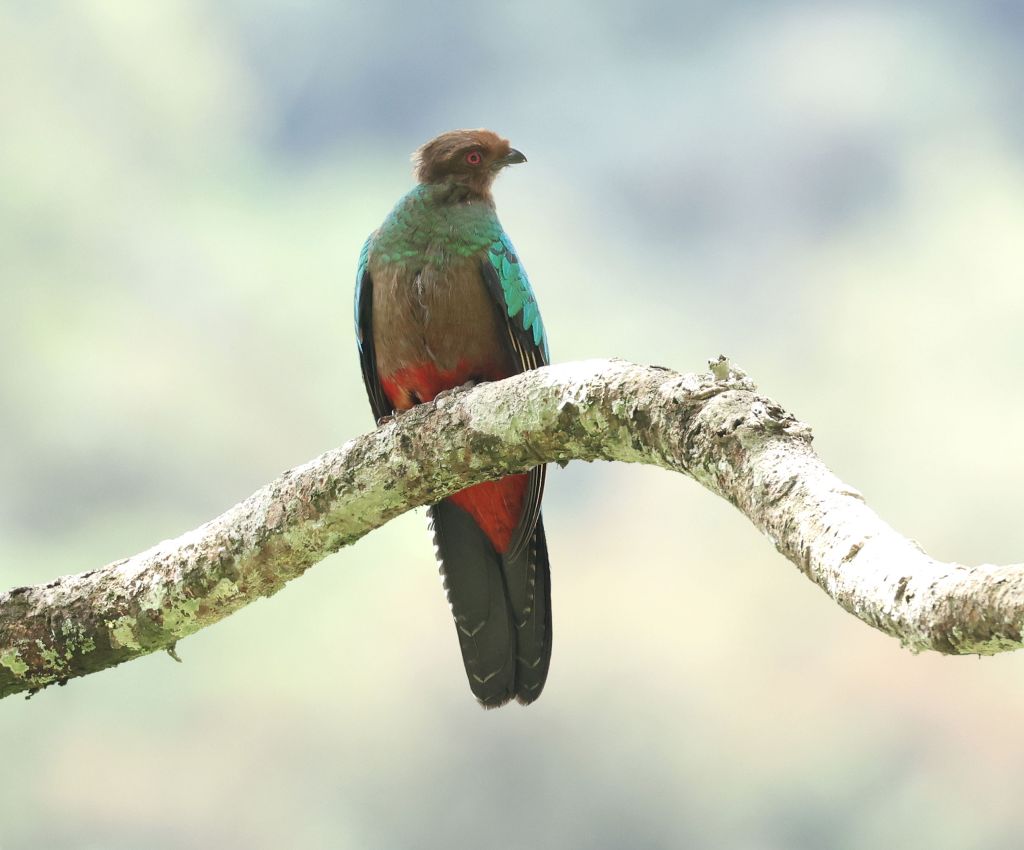
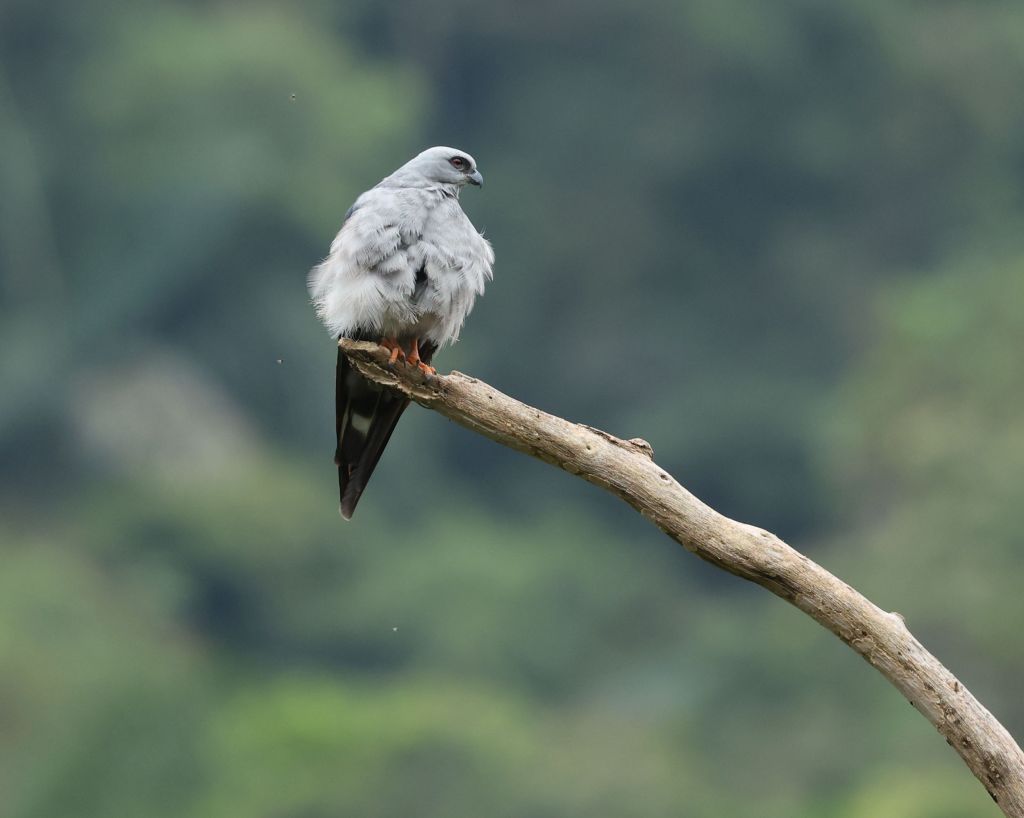
A Crested Quetzal was another huge highlight and I managed to get an angle with a clean background – happy days! An Amazonian Umbrellabird by the roadside (unperturbed by a dust-raising passing truck) was another good one – as I understand it, a rather desirable bird to see and possibly the largest passerine bird in South America.
I should also mention that to achieve some of these sightings, our guide used playback of bird calls, amplified by a small portable speaker. In Australia we tend to frown on using playback, though I’ve found that almost every bird guide (Aussie ones included) use it extensively. I guess it’s their job to find birds for their clients, but it gets a bit excessive sometimes, when your philosophy is more like “chill and let the birds come to you”.
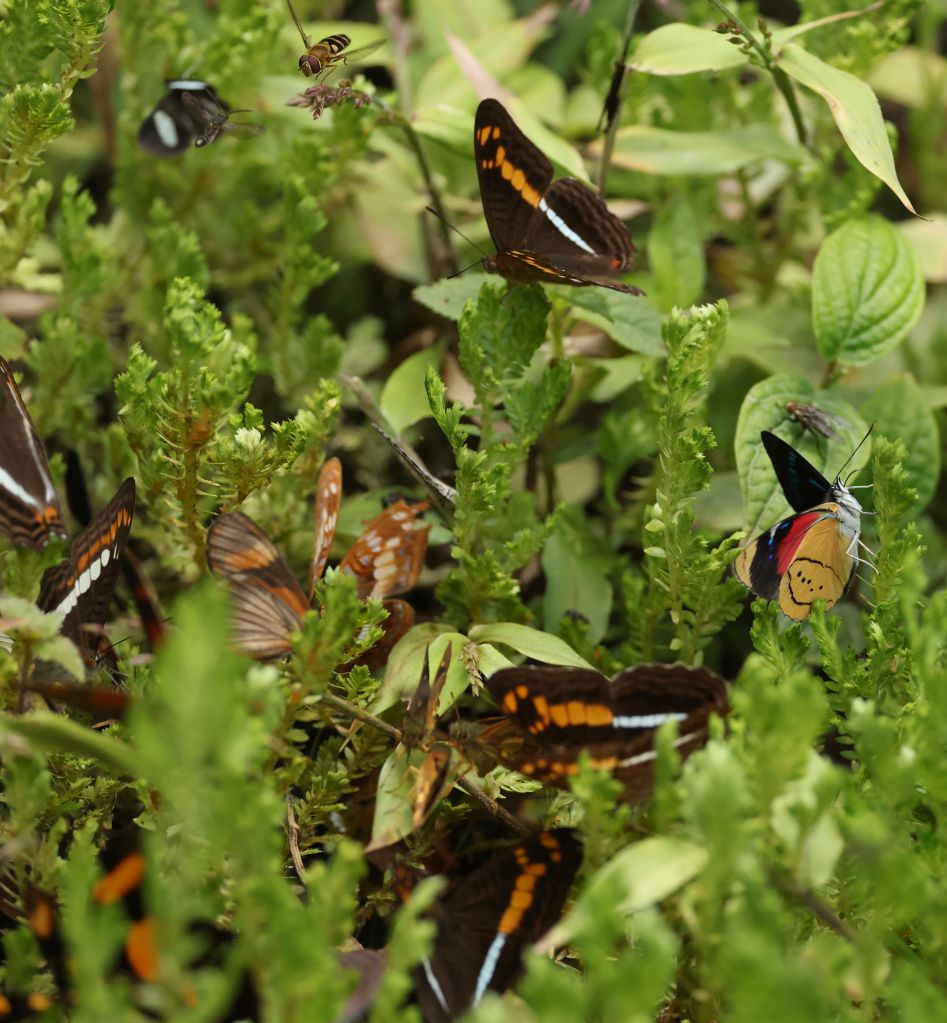
Aside from birds, we noticed lots of butterflies particularly along some sections of the road where I suppose the ground cover was most attractive for them. I’m not a butterfly/moth guy but I reckon there is probably plenty here for those that are.
Summary
Manu Rd proved to be a birding paradise. You’ll want to allow plenty of time for the superlative roadside birding – and it’s good to get out and stretch the legs and take a break from the constant road turns anyway. Other traffic, including buses and trucks larger than you’d think the road is capable of handling, is the only annoyance here (well, given that it can rain at any time!)
If you can stay at one or two lodges along the way, even better. Being at high elevation, there’s less worries from insects and bugs at Wayqecha Station, where the main issue is that it is often very cloudy and rainy, and the night we stayed there it was extremely cold even inside the cabin. Otherwise it’s a great site. The Cock-of-the-Rock Lodge with its milder climate, enviable species count and great back deck is also definitely a top-shelf option. Both lodges provide good meals and enough comforts to keep most people happy.
I know we said when planning this trip that one of the goals was to balance birding with non-birding activities (cultural, tourism etc) but Upper Manu Rd is really just about pure, majestic nature – there’s not much else to do! For that, it delivers in spades: the biodiversity is amazing and thelodges, hummingbird/tanager gardens and the roadside are all superb options for finding and appreciating the wonderful birds of the region.
AUTHOR: ANDY GEE
BIRDERS: ANDY GEE, K-A
 Bird Spots
Wonderful work – the video, the stills, the info.
Some of those stats quoted for Cock of the Rock lodge are mind-boggling.
LikeLike