After the wonders of South Georgia and Antarctica, we spent three weeks in the south of Chile, exploring Chiloe Island and the Chilean Lakes District (“Las Lagos”). It’s an intriguing area for birding, with quite a few interesting species to discover, and a decent amount of great scenery.
There’s a lot in this blog post… probably enough to split it into two, actually. Oh well. For lovers of gigantic posts about birding locations, this one’s for you. (And, actually, there’s not a lot of context info out there about birding at some of these locations, so this one’s also for those seeking that).
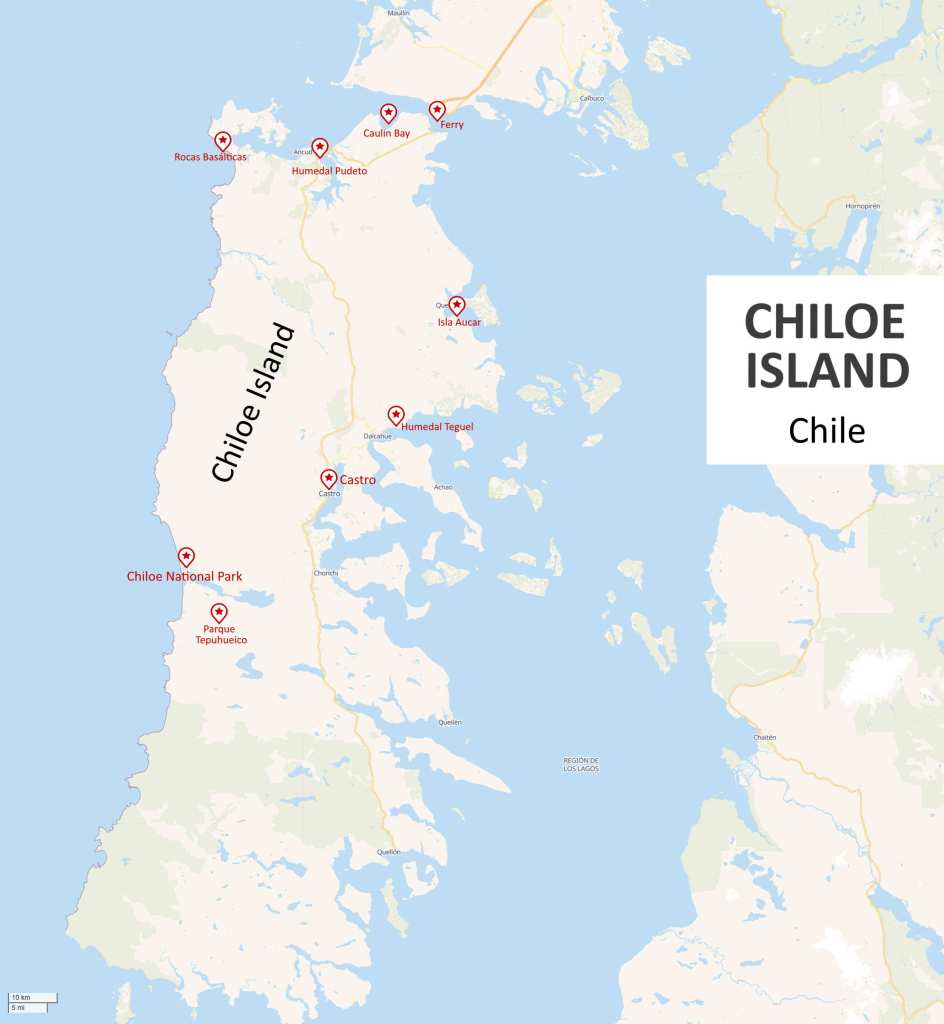
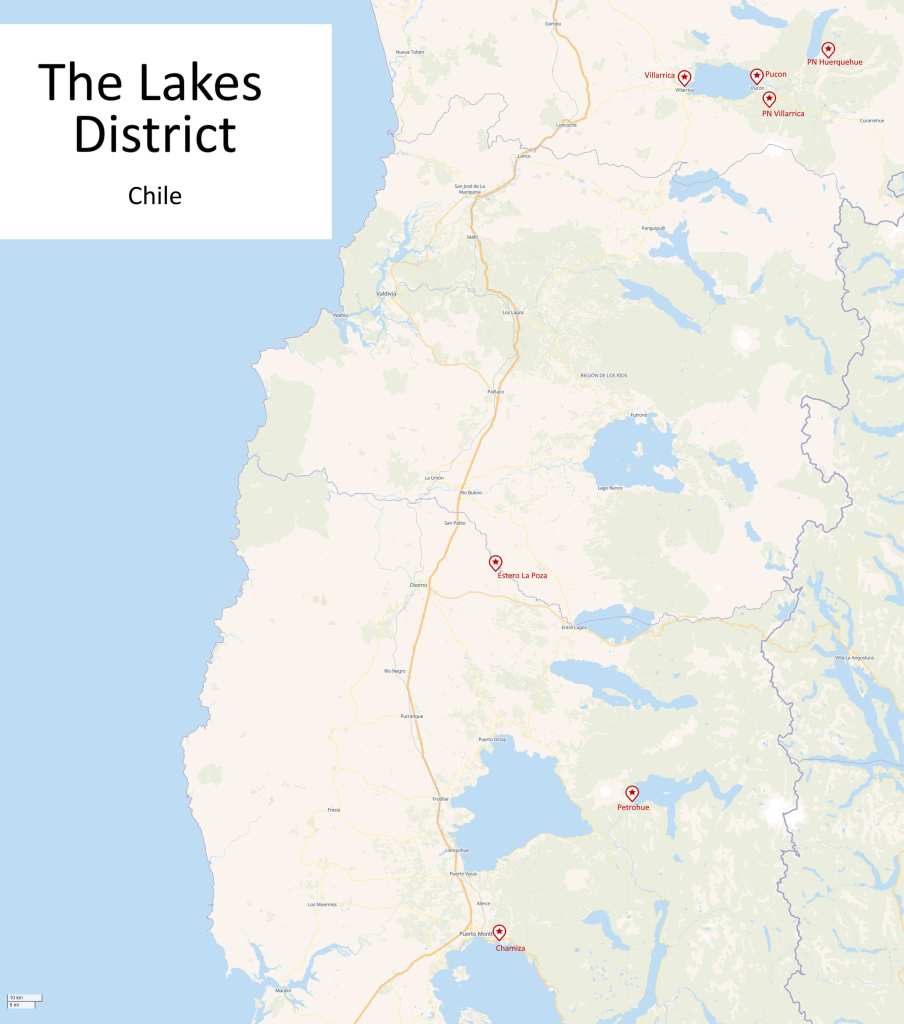
Some General Remarks
We visited the region mid-Jan to mid-Feb (2026), which is the height of summer. On the plus side, the weather is usually pretty great; on the minus side, it feels like nearly everyone in Chile is also holidaying here at this time. There are traffic jams galore (some at pretty random places), the touristy spots are crowded, and you may miss out on a National Park ticket for one of the most popular parks if you don’t book well ahead. That said, if you’re up and about birding early (sunrise at this time of year is 6:30am, with sunset nearly 9:30pm), you’ll likely find you will beat the crowds at least in the early morning.
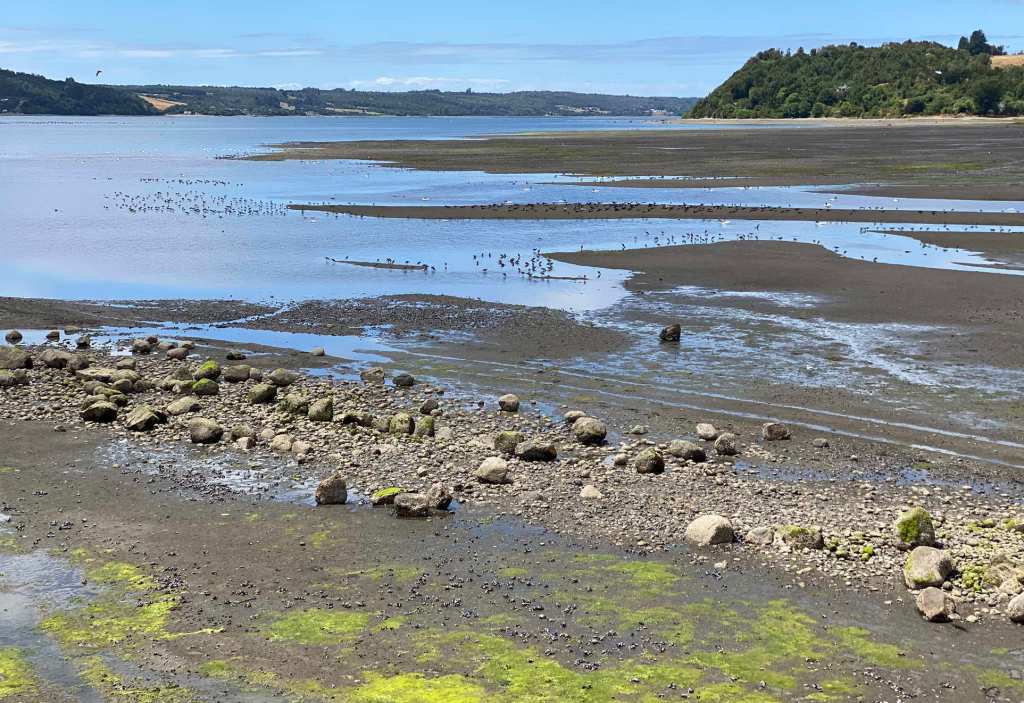
Chiloe Island has a reputation for being quite “birdy” – there are quite a few nature tours that hit up the island along with maybe a boat trip or mainland site thrown in. And there are indeed a good number of birds, especially if you include the hundreds (sometimes thousands) of shorebirds that are attracted to the coastlines and estuaries. Even the ferry ride across to the island gives you a chance to see Pink-Footed and Sooty Shearwaters, Black-Browed Albatross and Southern Giant-Petrels.
However, for both Chiloe Island and the Lakes District, what struck me most from a birding perspective was how few public spaces there were for watching birds: there are lake shores and coastlines, sure, and a couple of National Parks (admittedly quite great), but there is a big lack of forest reserves and general nature-first parks to explore. The whole region contains just a lot more private land than I expected, with agriculture and tourism and private land-holding covering the vast majority of the area.
Apart from birds, there are some cool mammals and other animals to look out for. Pudu is the world’s smallest deer and is incredibly shy; we didn’t see one, but then, we knew our chances were low. Darwin’s Fox, Chilean Dolphin, Coypu (a semiaquatic rodent), Kodkod (a tiny wild cat) and various otters are also possible.

In terms of practicalities, there is an impressive range of accommodation. There are road signs advertising “cabañas” (cabins) everywhere you look. We ended up staying in cabins in three locations – near Dalcahue on Chiloe Island, in Puerto Varas on the mainland, and halfway between Villarrica and Pucon in the north of the Lakes District. We used Airbnb’s all three times and this worked out well. Also, we hired a car at Puerto Montt airport (using Chilean Rent A Car which was excellent); if you’re driving you should also note that there are frequent road tolls on the main highway that runs north-south in the Lakes District.
Chiloé National Park
The main section of this sprawling 430 square km national park on Chiloe Island is accessed from the north edge of the town of Cucao. There is an entry fee required and a map is available – however there are only a couple of trails. The park is mainly Valdivian forest, a dense forest formed by perennial trees, shrubs and climbing plants.
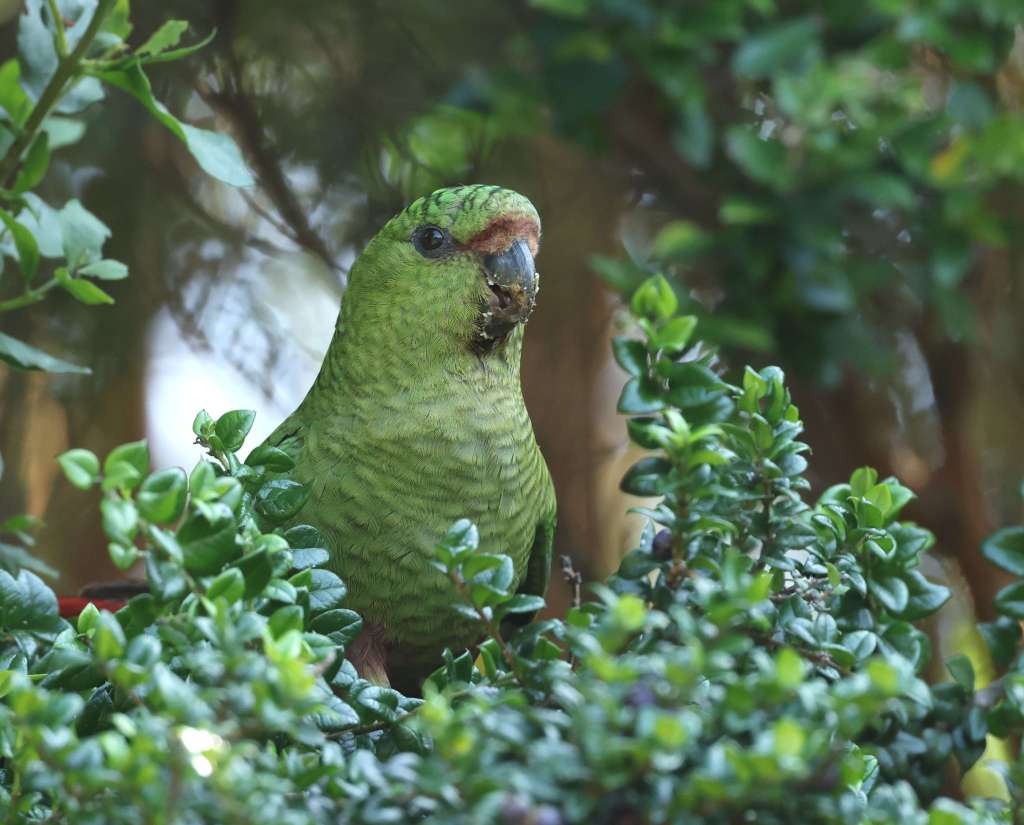
There are two main parakeet species in this region, the Austral Parakeet, and the more range-restricted Slender-Billed Parakeet. The Slender-Billed is readily distinguished from the Austral by its longer, thinner bill and brighter red on the face. Our best view of this bird was on the roadside heading towards Cucao and the National Park – more commonly you’ll see small flocks of them screeching by overhead.
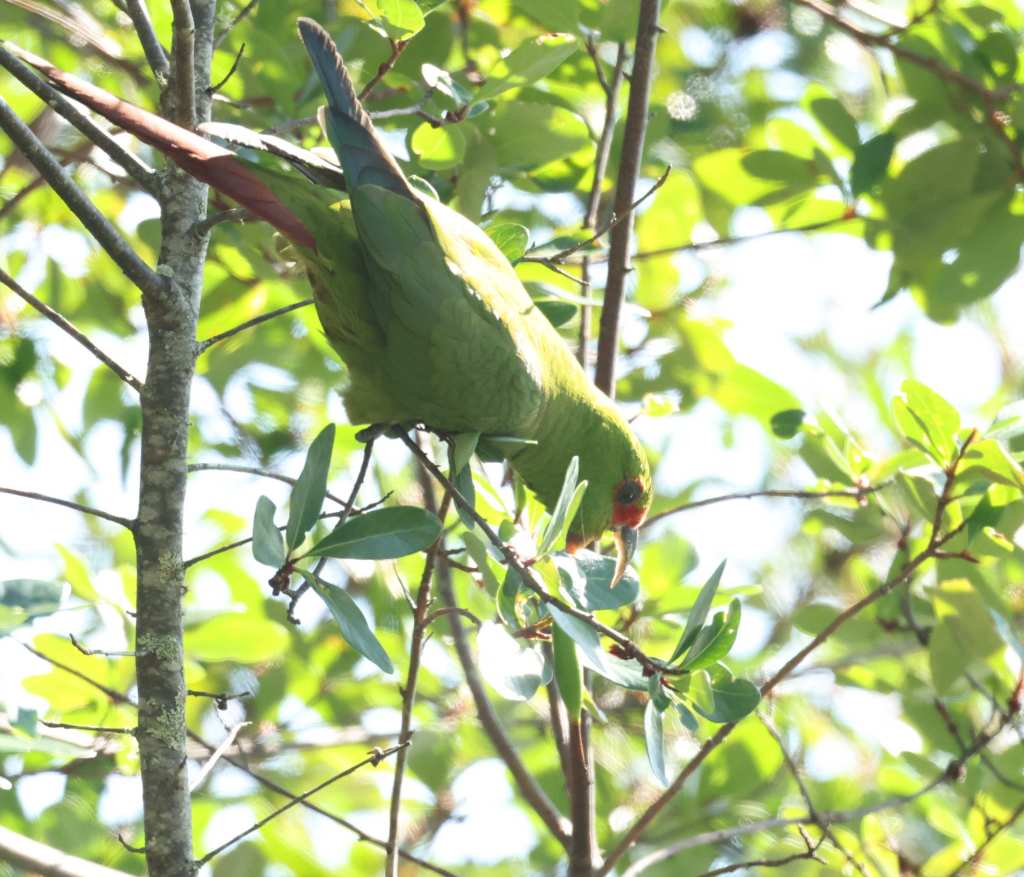
Right near the national park entrance this Austral Parakeet set itself up for some morning foraging.
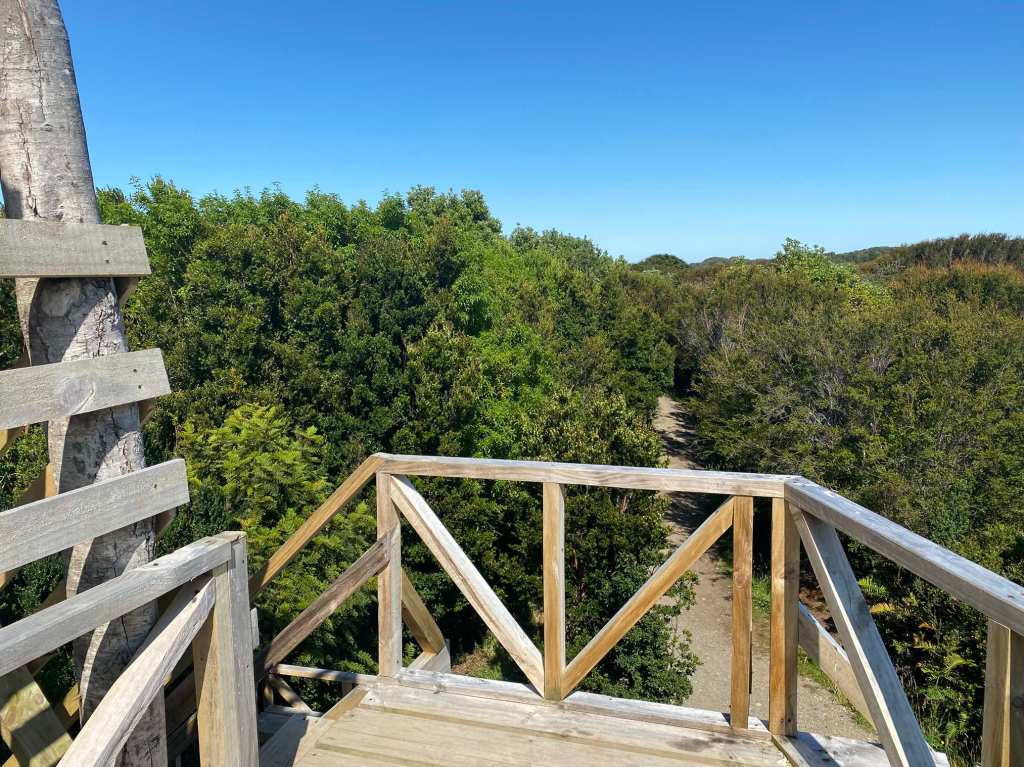
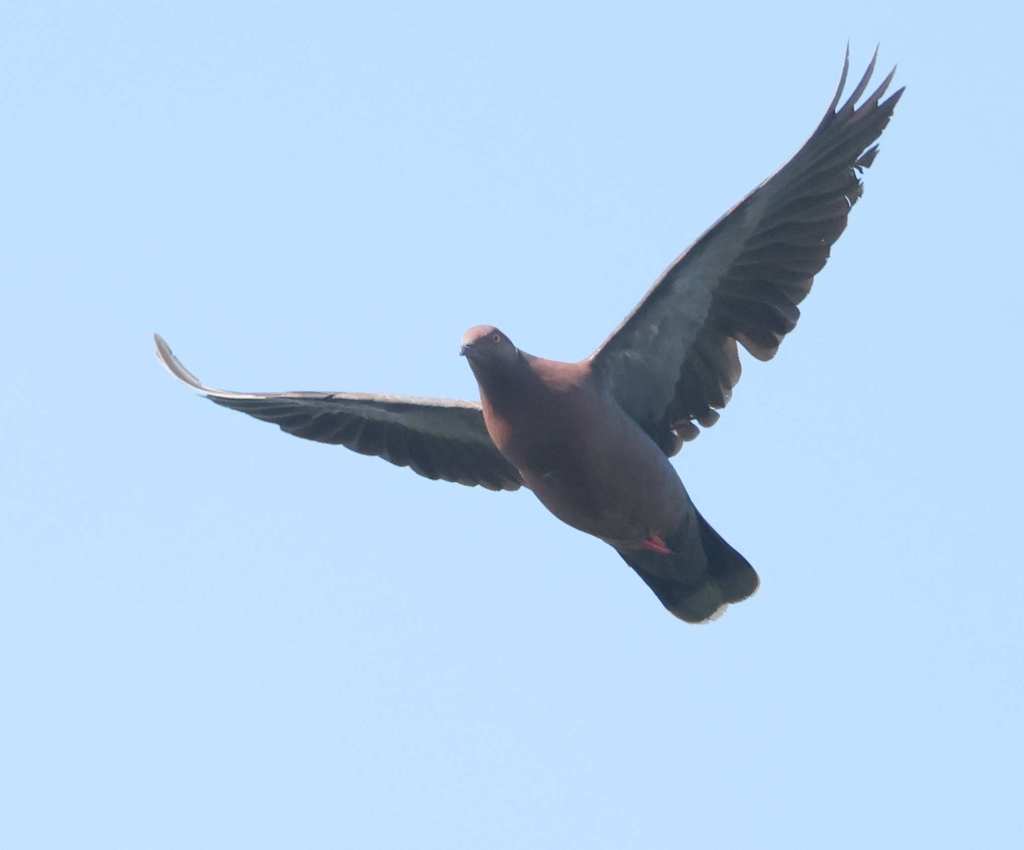
There is a “mirador” – elevated viewing platform on the way to the Sendero El Tepual trail, which is good for watching Chilean Pigeons fly overhead and to maybe catch glimpses of smaller birds in the dense forest below.
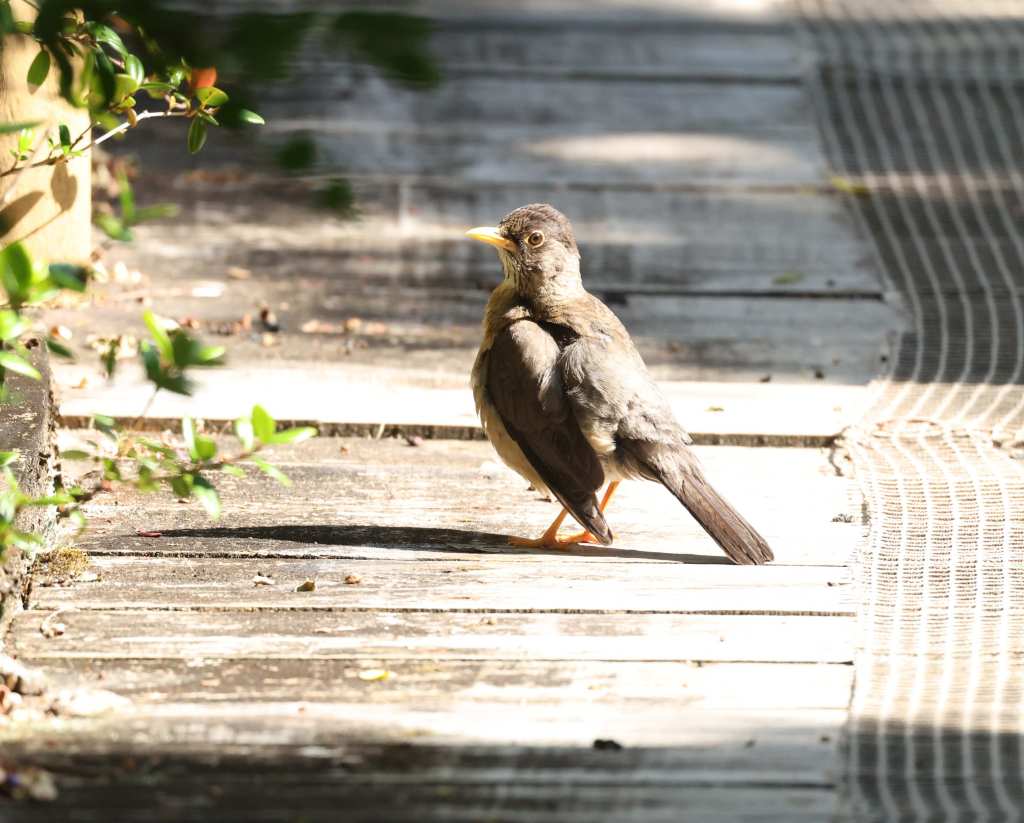
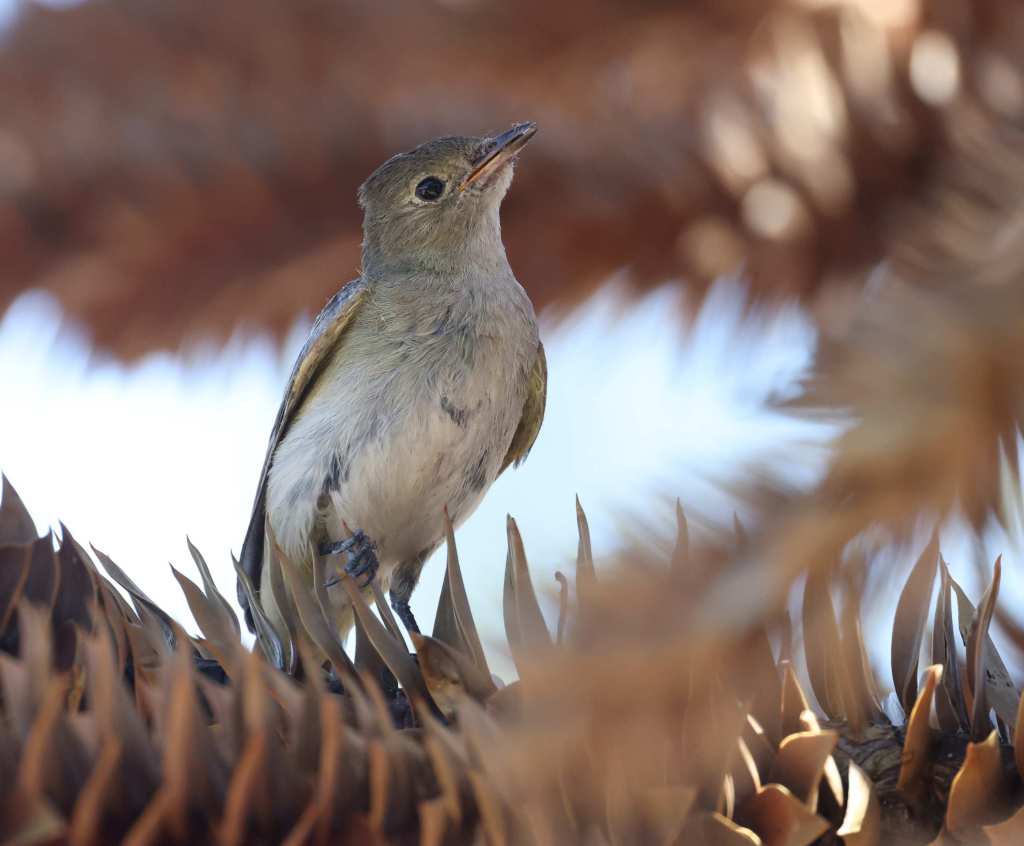
Austral Thrush and Austral Blackbirds are two common species to watch out for, whilst several White-Crested Elaenia will no doubt be hanging around too.
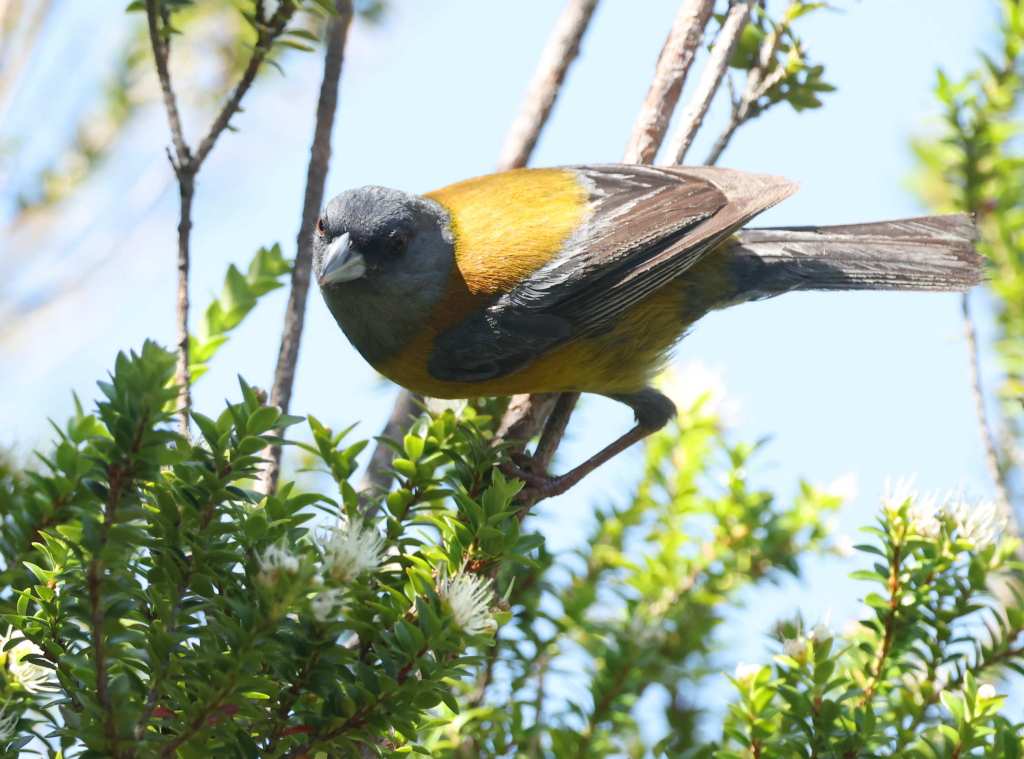
We were also lucky to see a lovely Patagonian Sierra Finch conscentiously picking its way through a large set of flowering bushes.
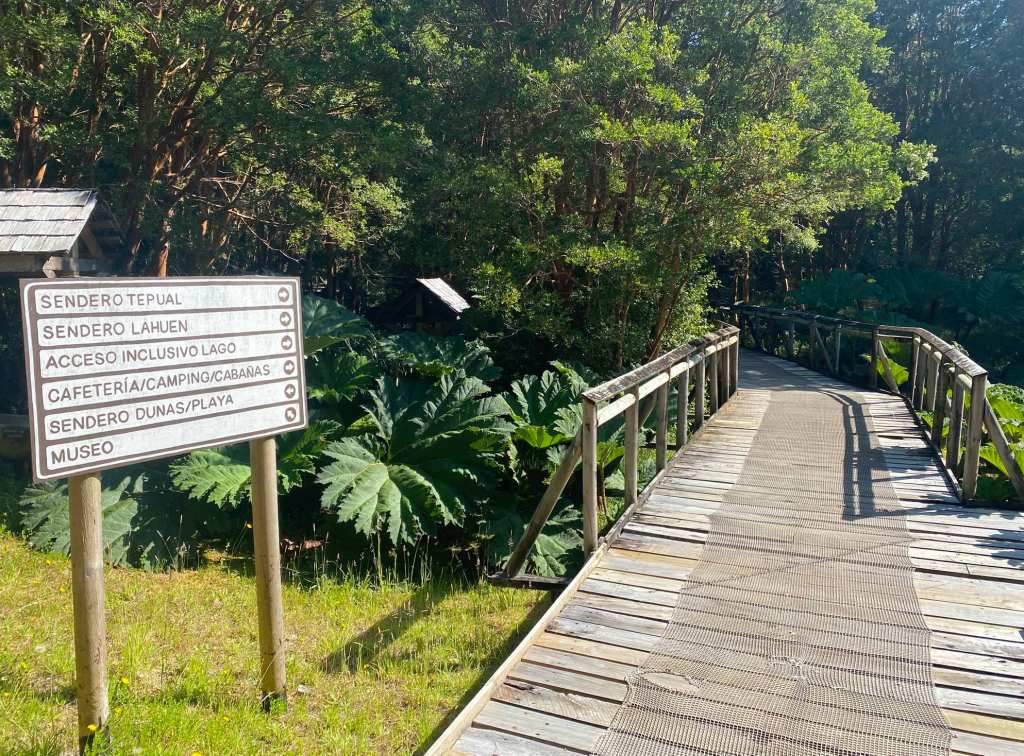
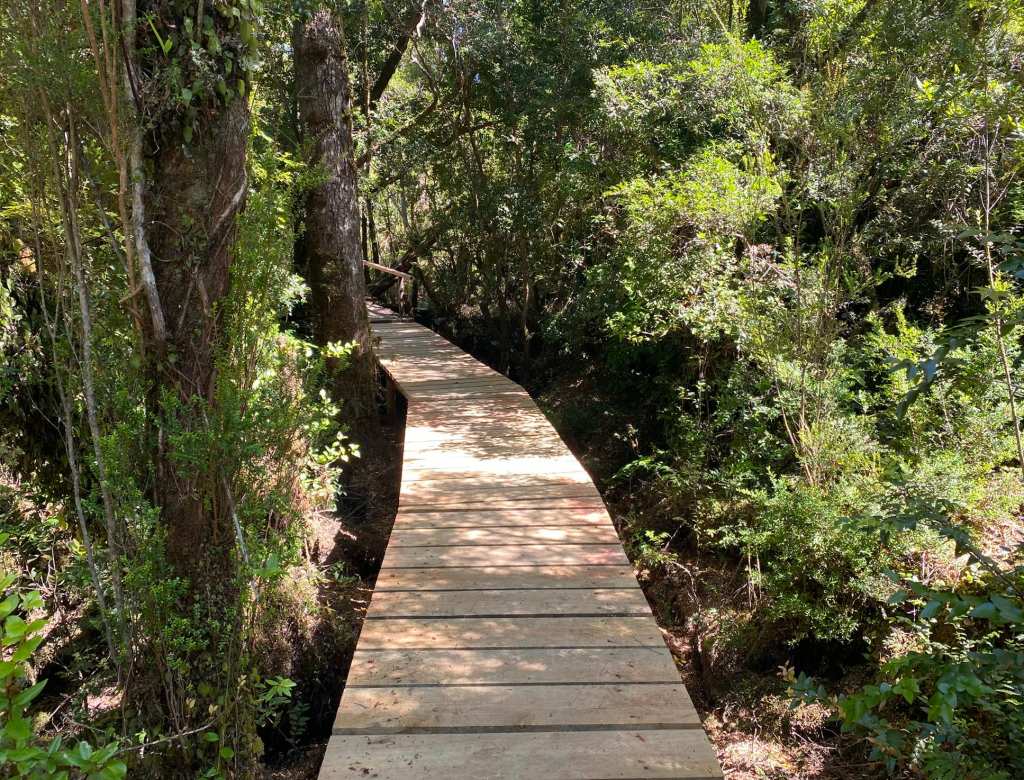
Sendero El Tepual is a short loop trail featuring a wooden boardwalk passing through otherwise ferociously impenetrable forest; this is a good spot for one of the region’s most common and endearing birds, the Chucao Tapaculo. We heard several on the loop but could not see any in the intense foliage, until one came right onto the boardwalk almost at our feet! It was too close to even focus for a photograph.
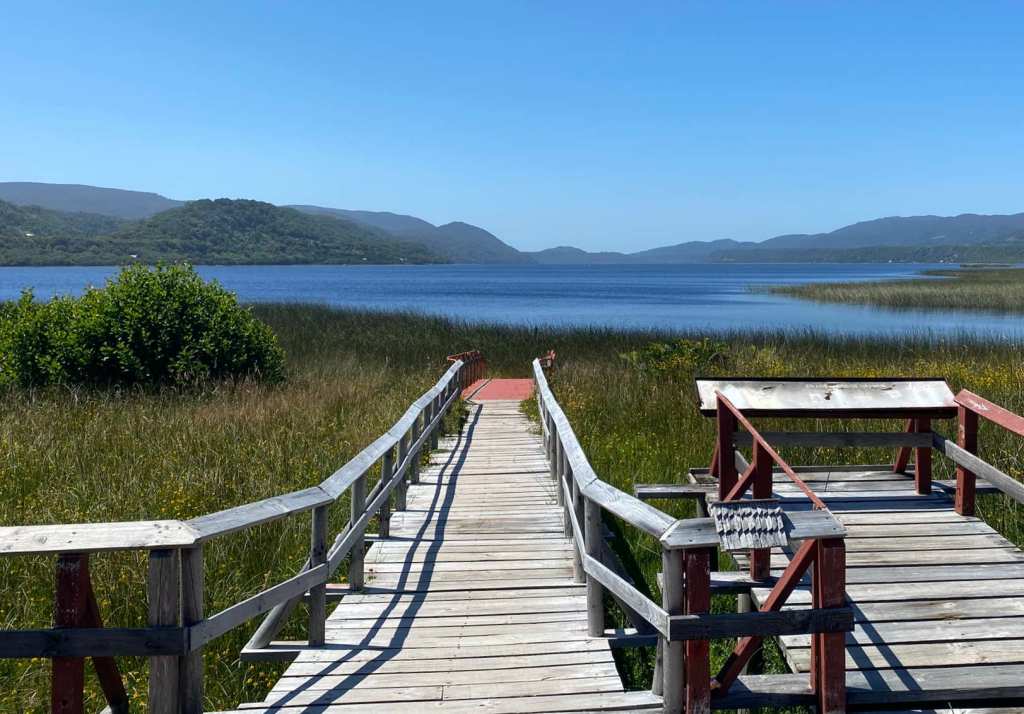
Side trails lead out to the beach (“Sendero Playa”) and there is also a short boardwalk spur to Lago Cucao – at this point in amongst the reeds we saw Spectacled Tyrants and Grass Wrens, but suspiciously few water birds.
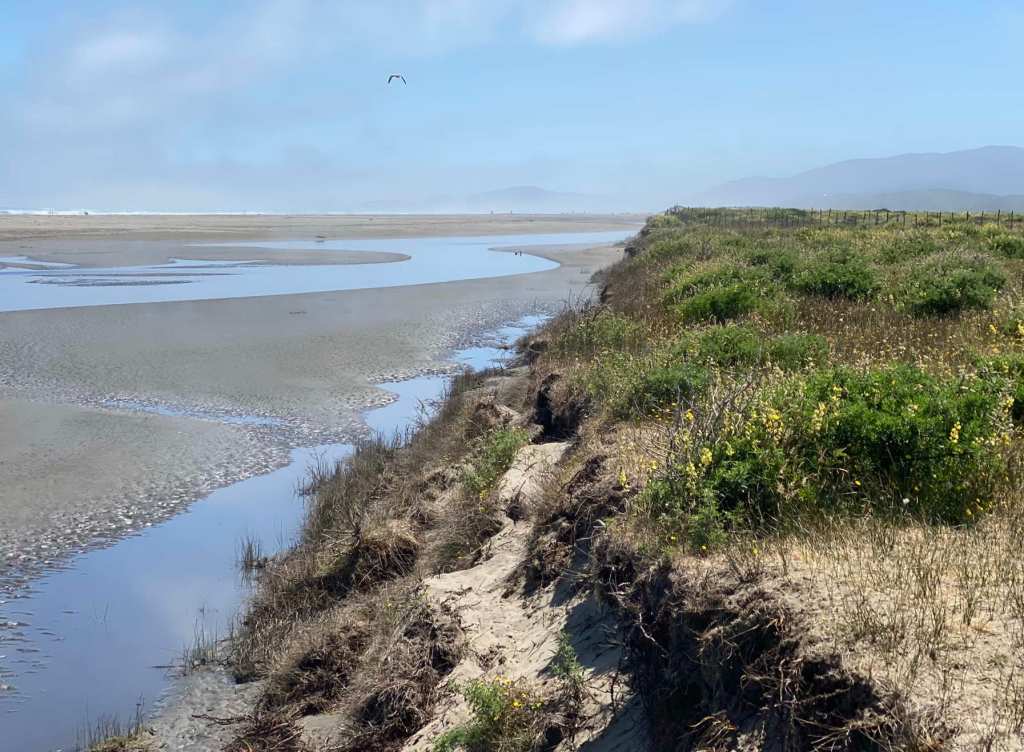
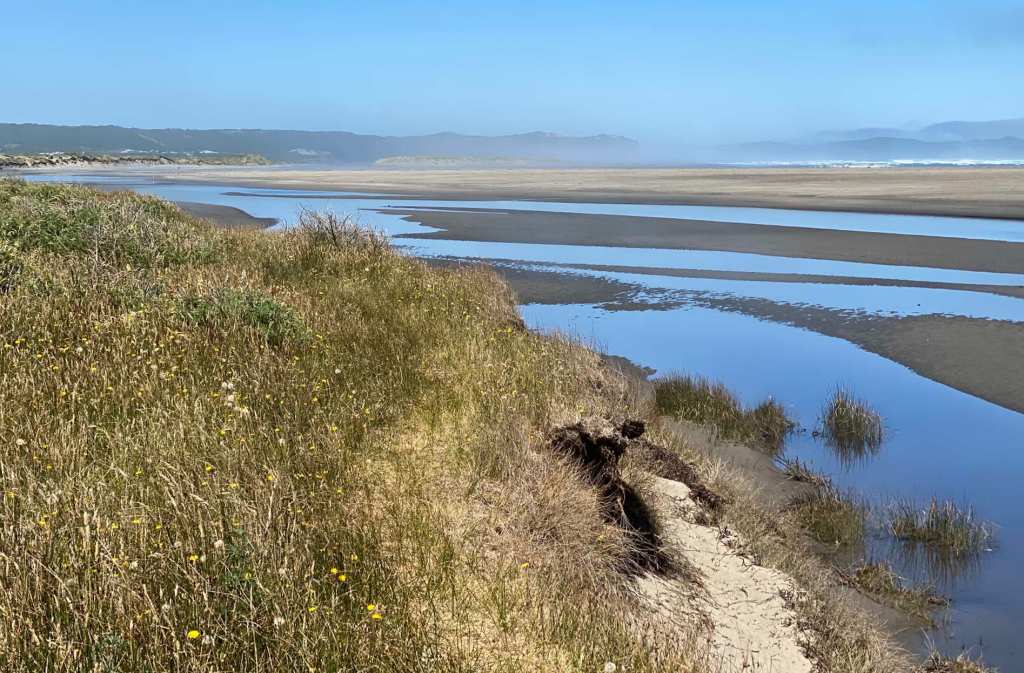
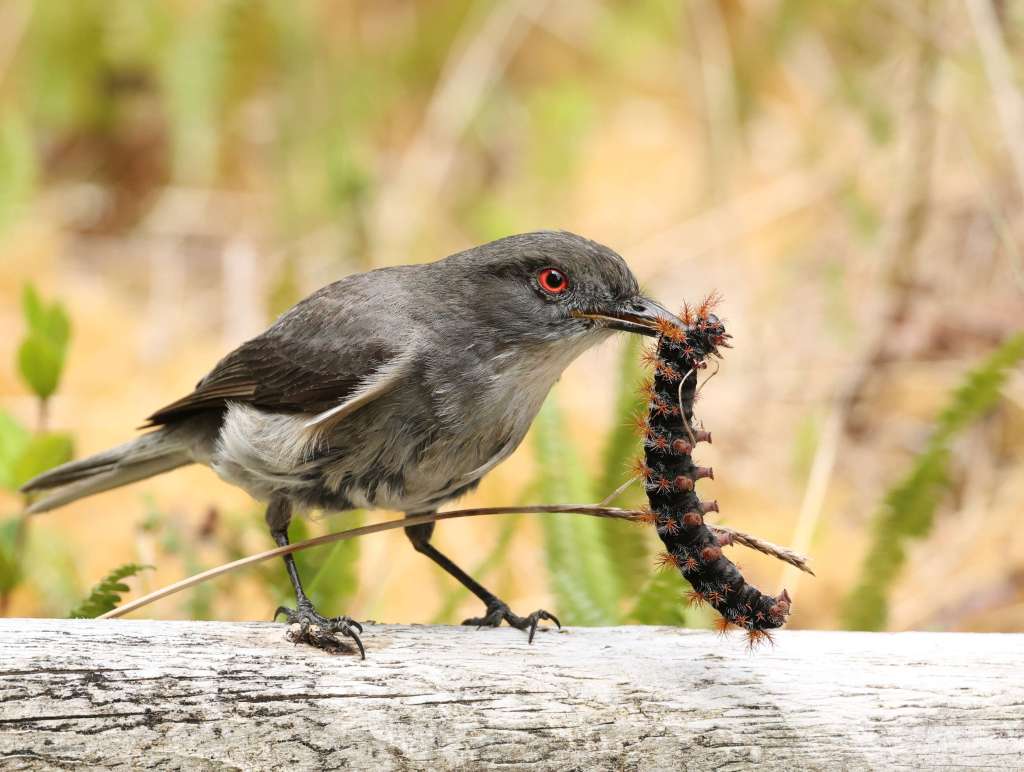
The highlight of our first foray to the National Park was actually at the very end of our time there… on the edge of the car park (where all the best birding happens, of course…!), where I spotted a Fire-Eyed Diucon who had just picked up an enormous caterpillar. It proceeded to thrash the caterpillar and then consume it whole – I made a YouTube Short showing the whole sordid process. How that caterpillar fit down the bird’s throat I’ll never know, even though I watched the whole thing.
Our second foray to this area was to continue along the road past the national park entry, to a nondescript marshy area shown as Humedal Chanquín in eBird. This location has occasional sightings of Snowy Plover, Magellanic Snipe and other hard to find birds. We didn’t see anything particularly special there, however.
Tepuhueico Park
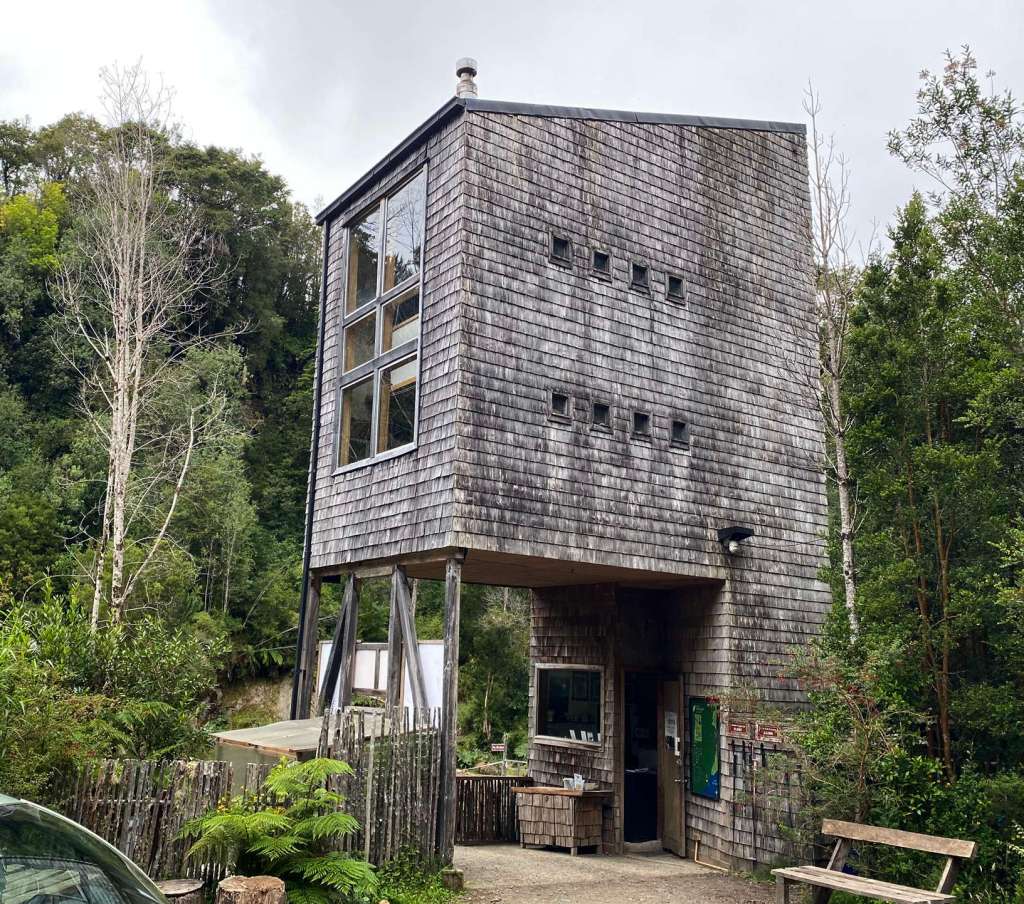
This is a private reserve accessed from the east-west road to Cucao: follow the signs along an unsealed road and you get to a most impressive entry area with a multi-story wooden tower serving as the ticket booth. It opens at 9am. (Note we are referring here to the “forest” section of the reserve – there is also a “coast” section which can be accessed on the same day with your entry ticket).
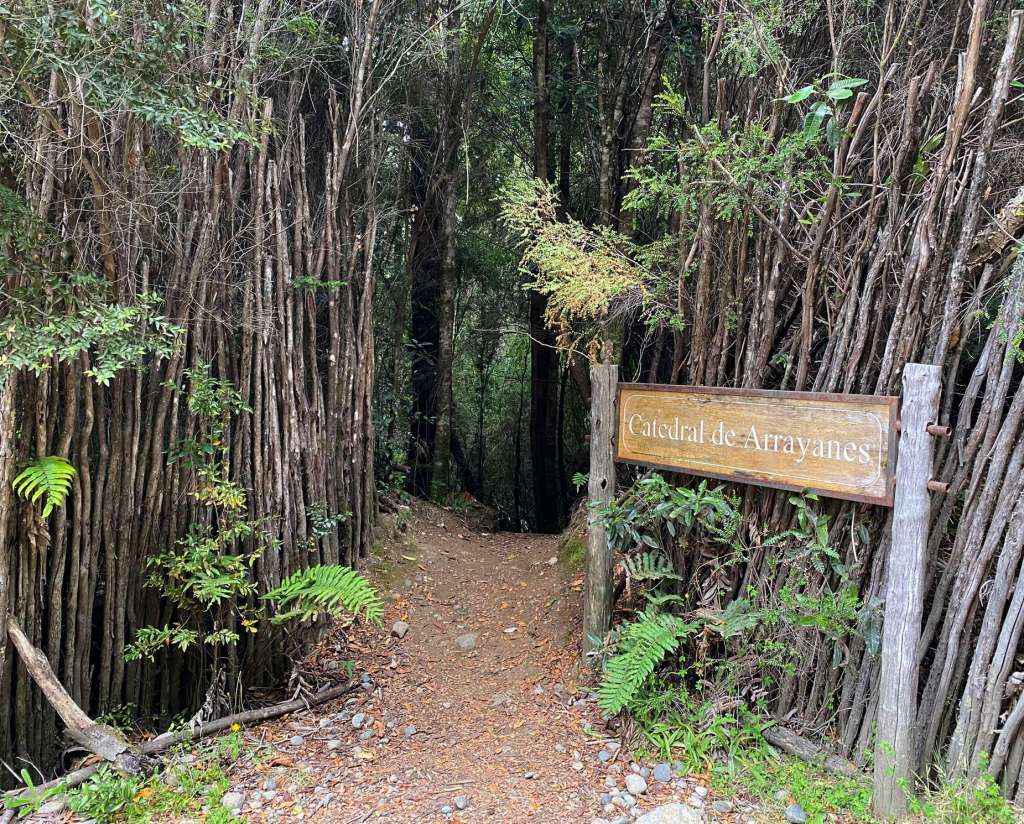
I saw a Black-Throated Huet-Huet, a deep forest skulking bird, very briefly near the entry area: it popped out of the dense undergrowth, looked at me for about one second, then disappeared again. That’s birding for ya, sometimes…
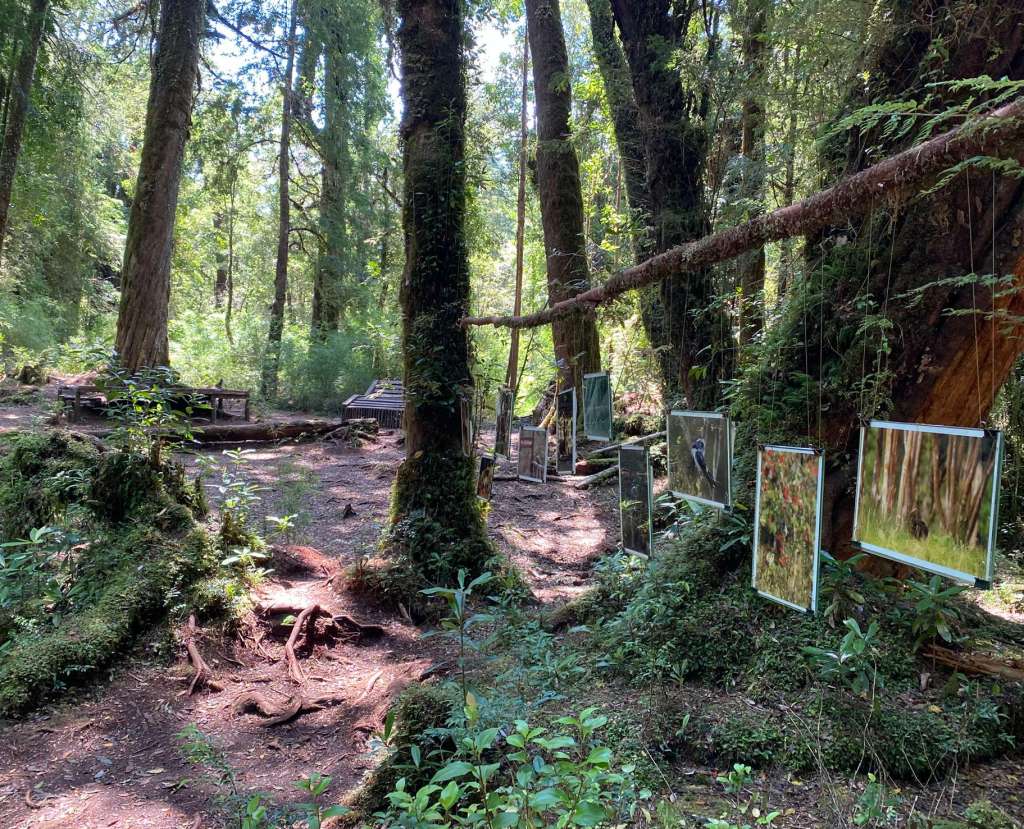
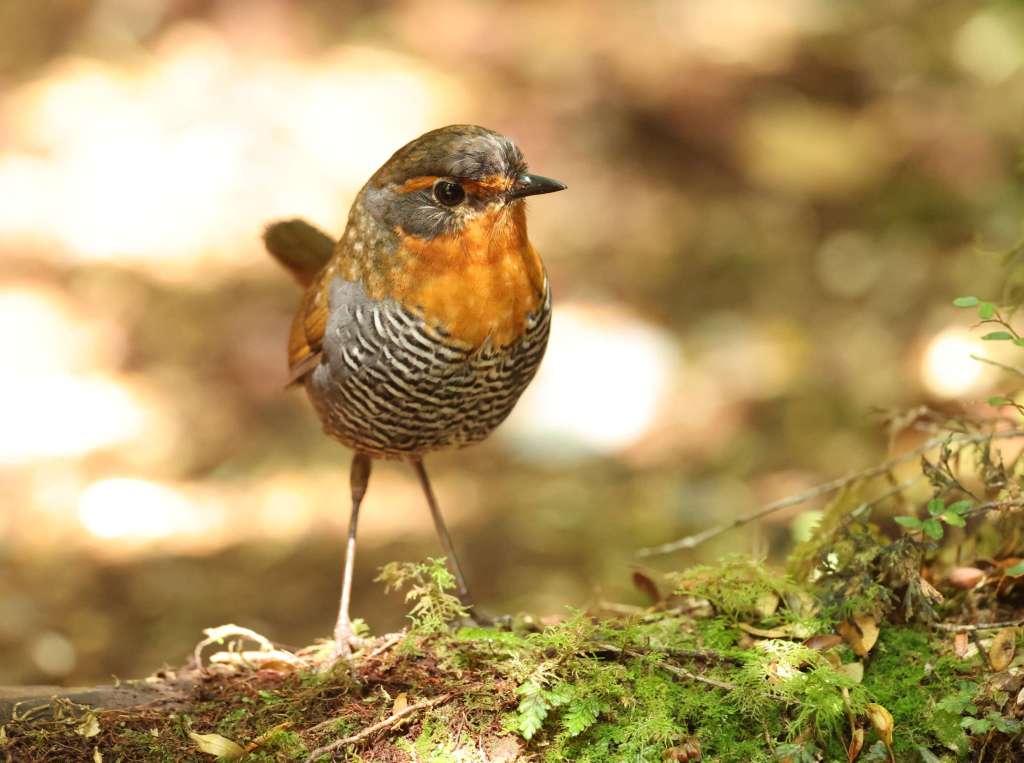
Almost everywhere with decent forest in Chiloe Island (or even the wider Lakes District) will feature the shotgun-chuckle call of the Chucao Tapaculo. As mentioned above, they can be tricky to see, coming right out in the open… sometimes… when they darned-well feel like it! In our time at Tepuhueico, we estimated we heard at least nine of these birds, with only one or two really making themselves properly visible. I made sure to get a photo when I had my chance this time.
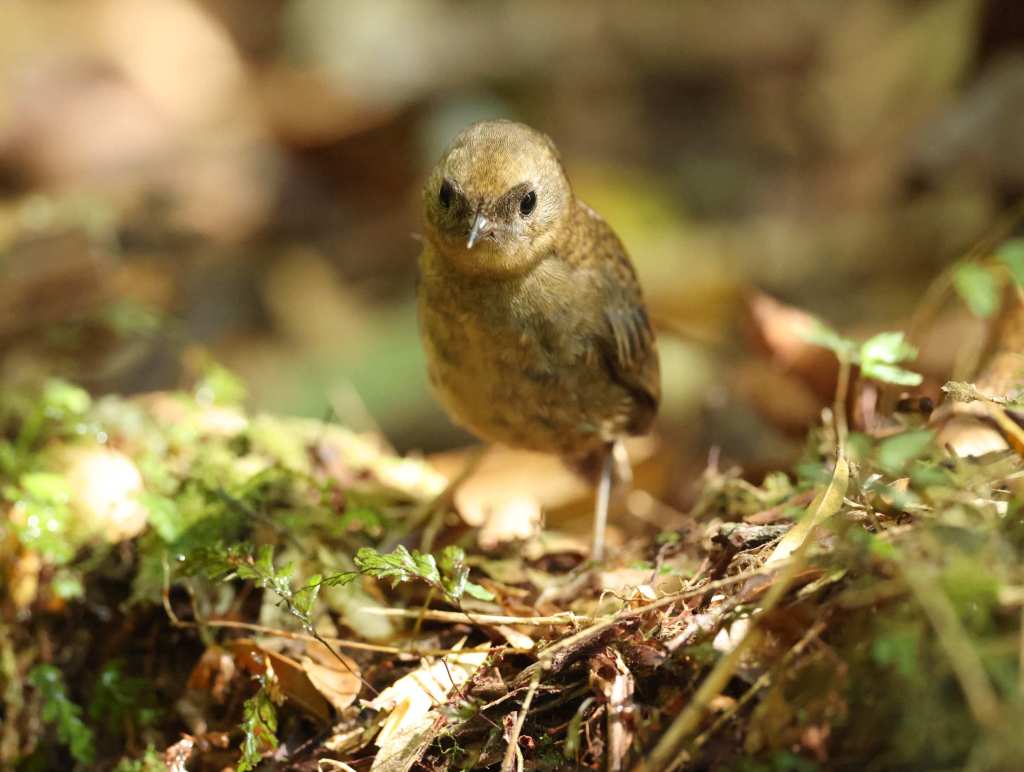
This is one of the best sites to find the even more secretive Magellanic Tapaculo, a tiny bird that looks more like a mouse as it scurries around the undergrowth. We saw a dark adult bird very briefly; our main sighting was of a lighter-coloured juvenile, who foraged thoroughly in a small area, keeping mostly to cover on the forest floor. It was a solid ten minutes before I could get a clear shot of the bird!
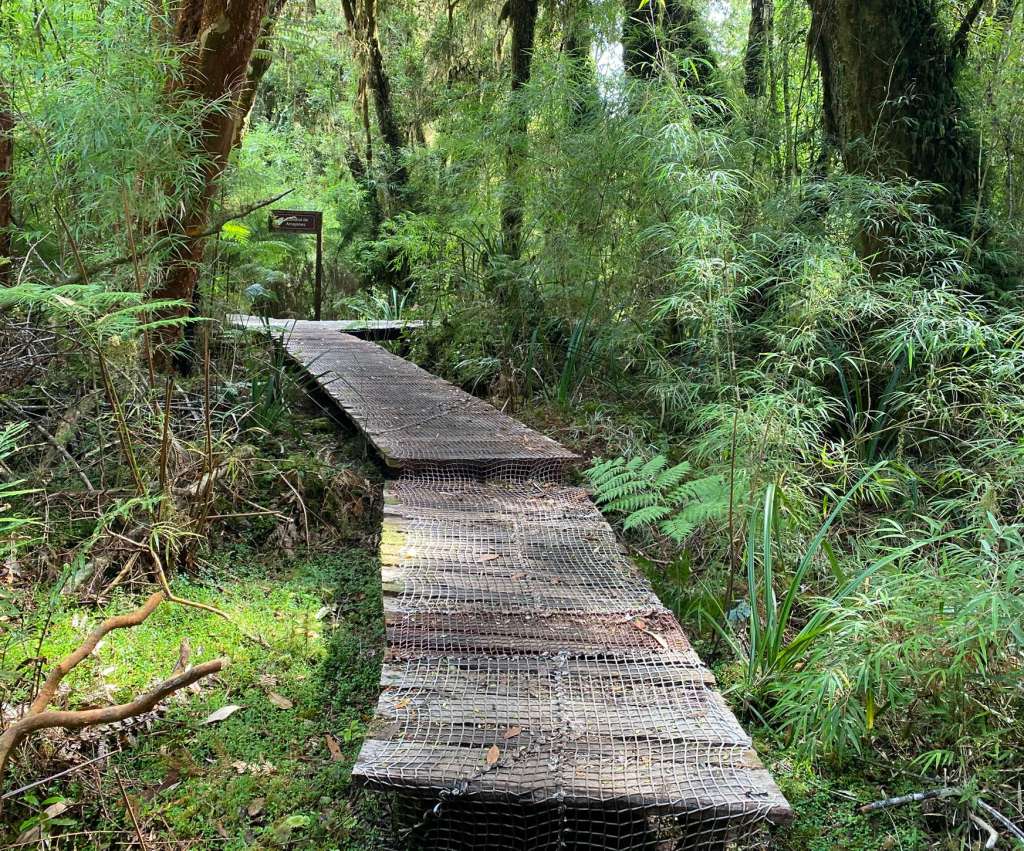
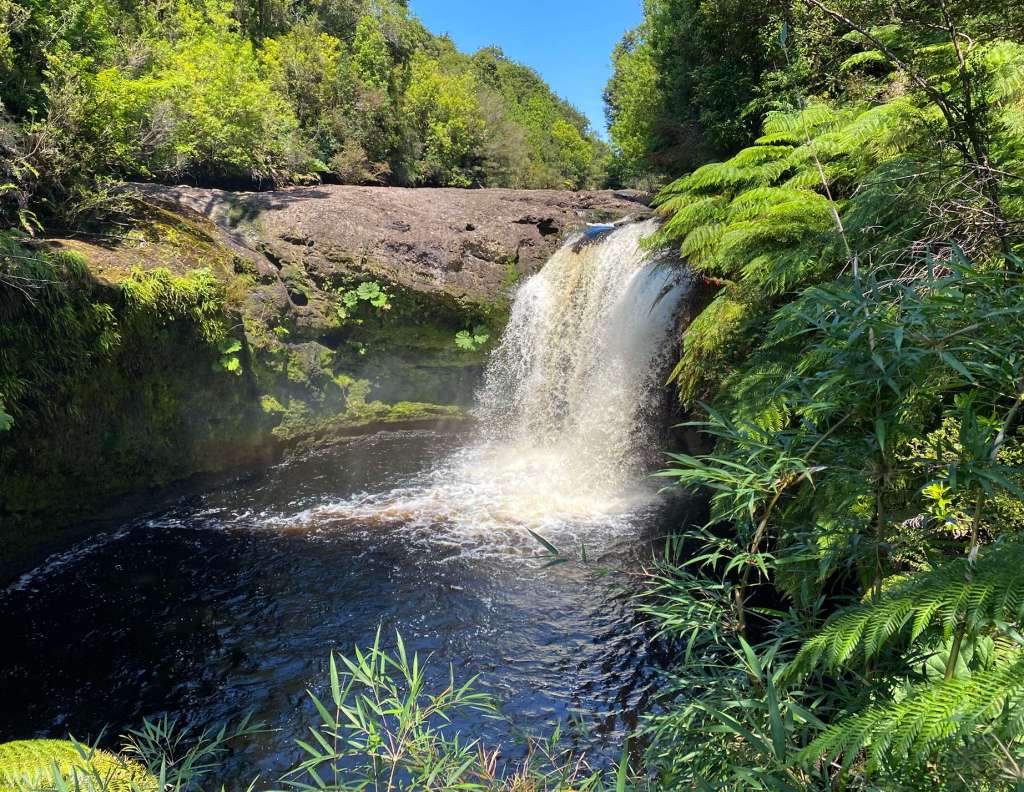
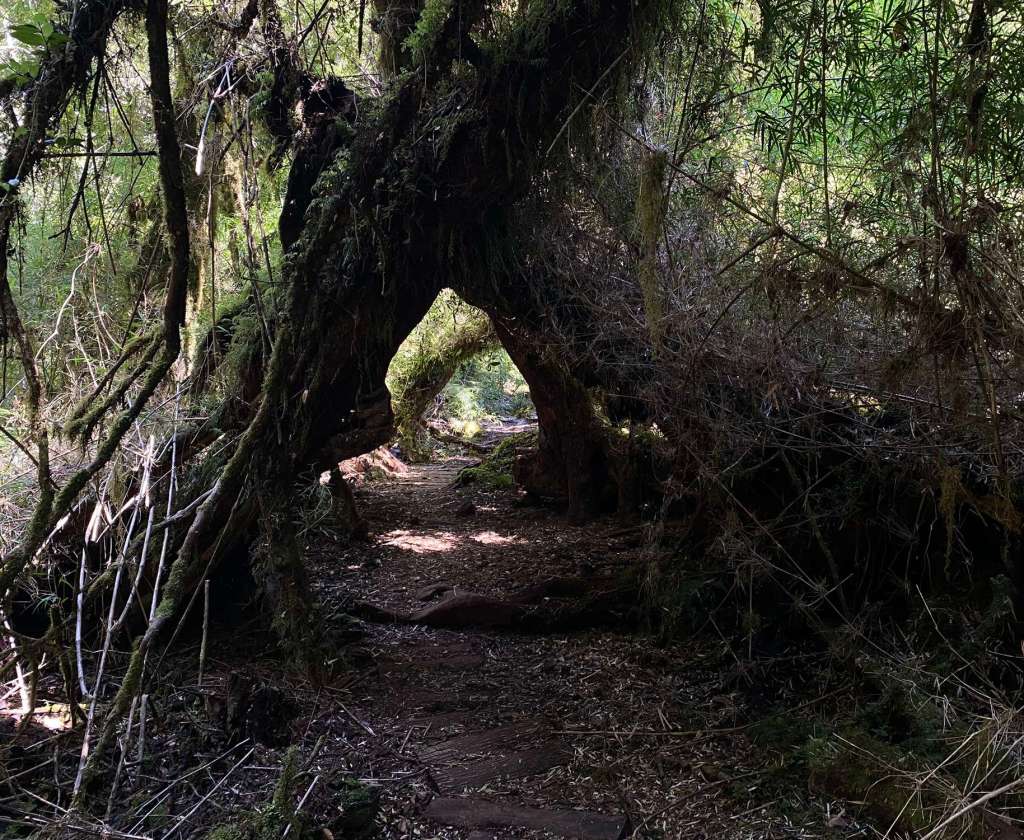
The trails here are quite nice – though muddy in places – with decent variety featuring heavy rainforest, bamboo thickets, narrow country roads and more. Not to mention a cute waterfall as well.
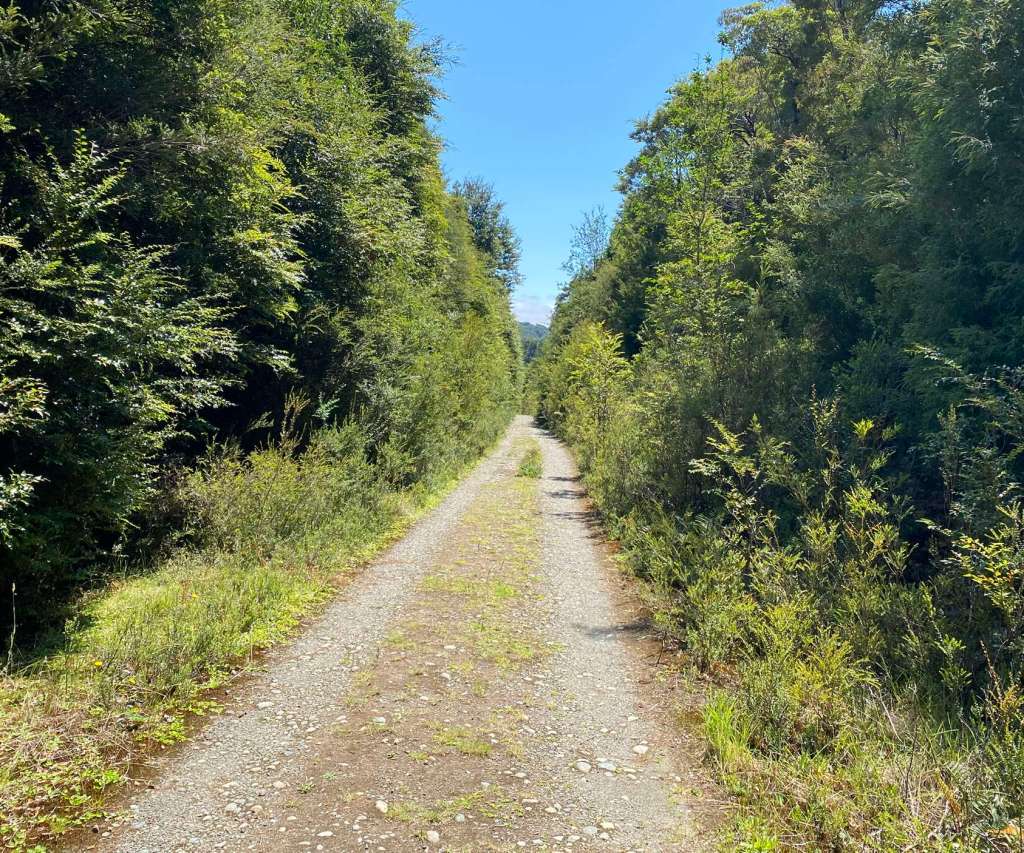
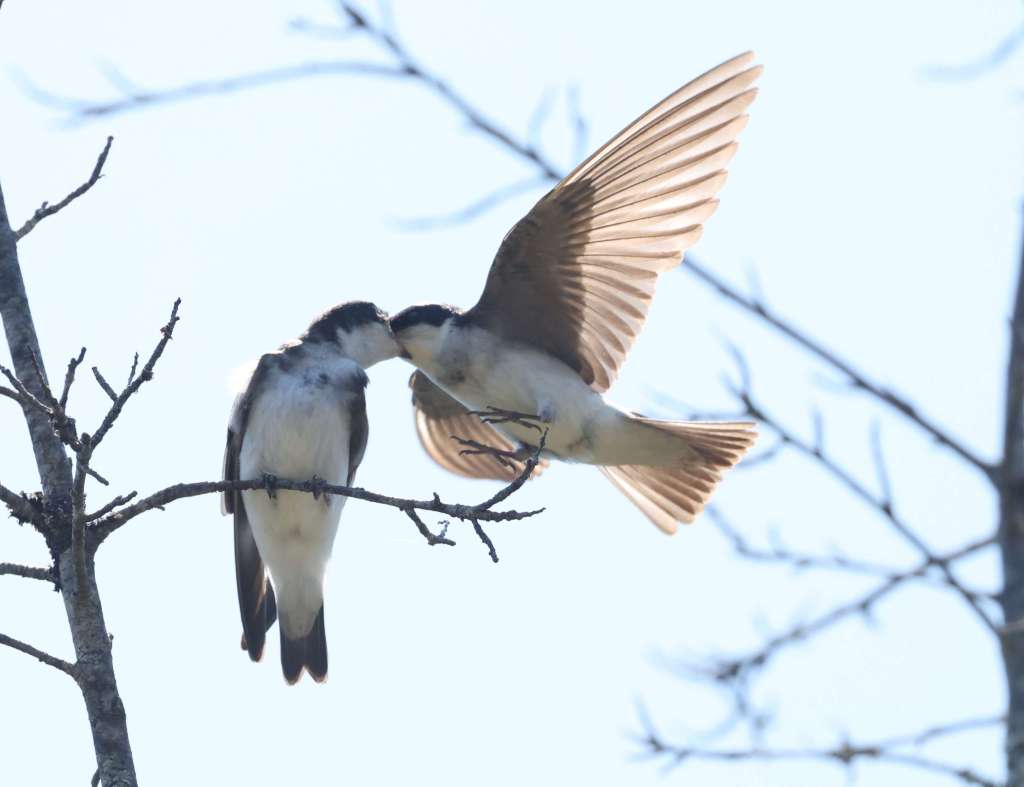
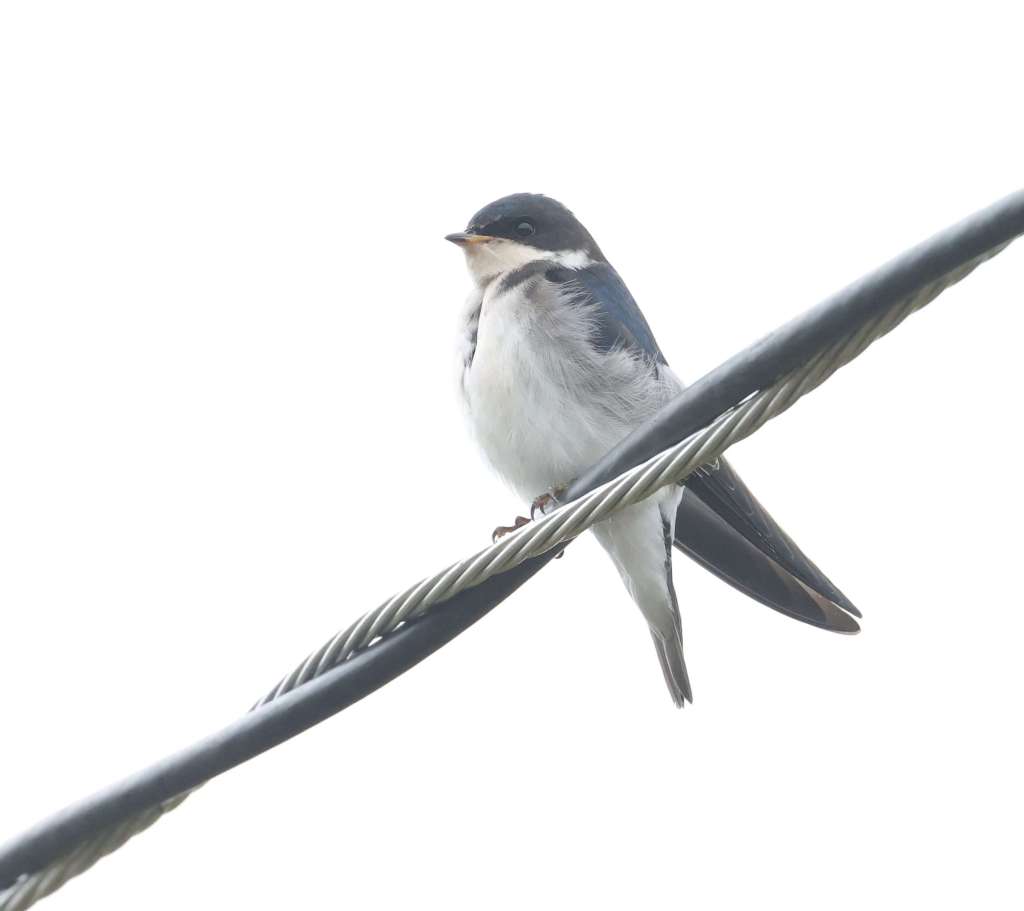
On a long stretch of straight trail a couple of Chilean Swallows were zooming back and forth only a little way over our heads, catching bugs above the path. After a while I realised one of the swallows was taking its prey back to a hungry juvenile who it was feeding.
We only checklisted a paltry 9 species in our 4 hours at Tepuhueico and the birding was pretty tough, but our time there felt somehow quite rewarding.
Ancud Lagoons
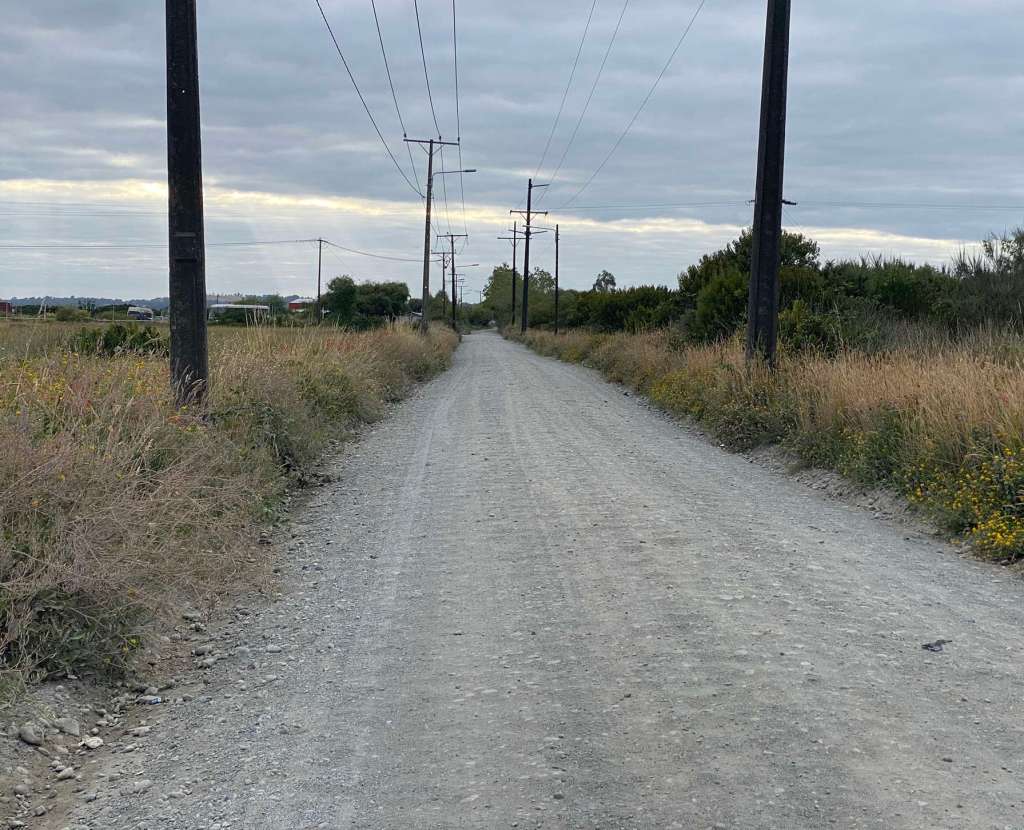
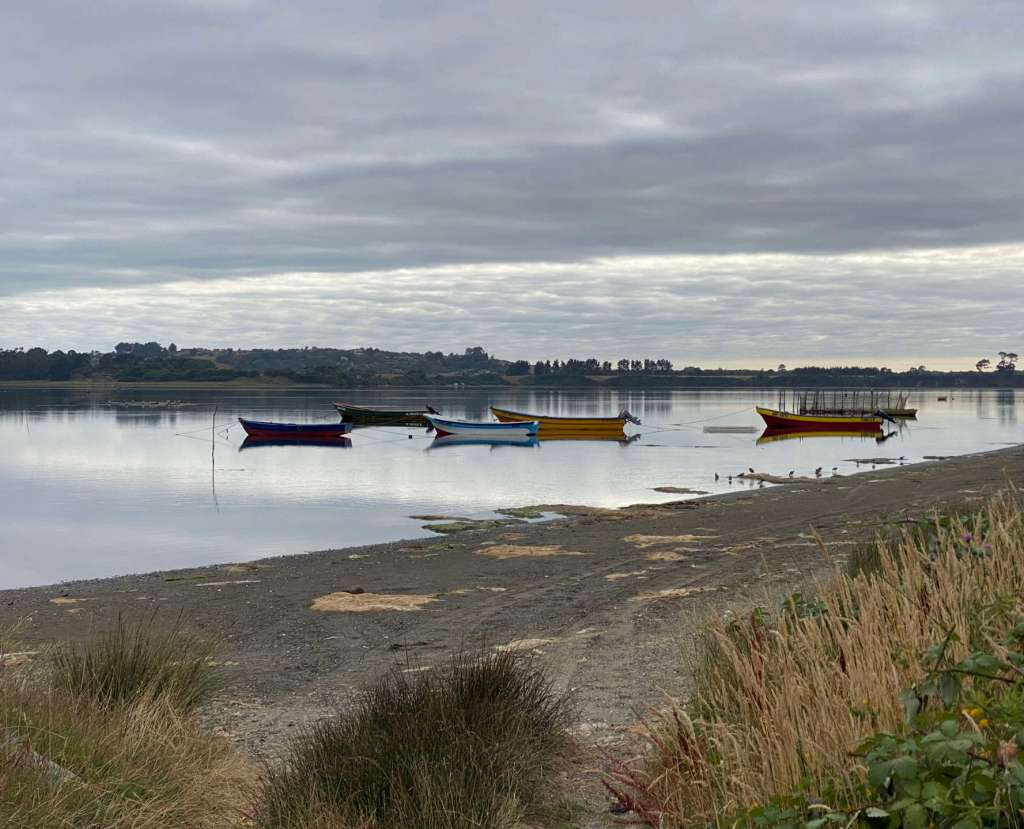
There is a series of lagoons and ponds at the south-east of Ancud (a large town at the north of Chiloe Island) which might be worth your time. In eBird they are called Humedal Pudeto, north and south. They are accessed by the road “Cam. A Pupelde”, though the north lagoon has a fence running along most of its edge which prohibits close viewing. This can actually a bit of a problem if your target birds don’t happen to be on the edge of the lagoon where you are!
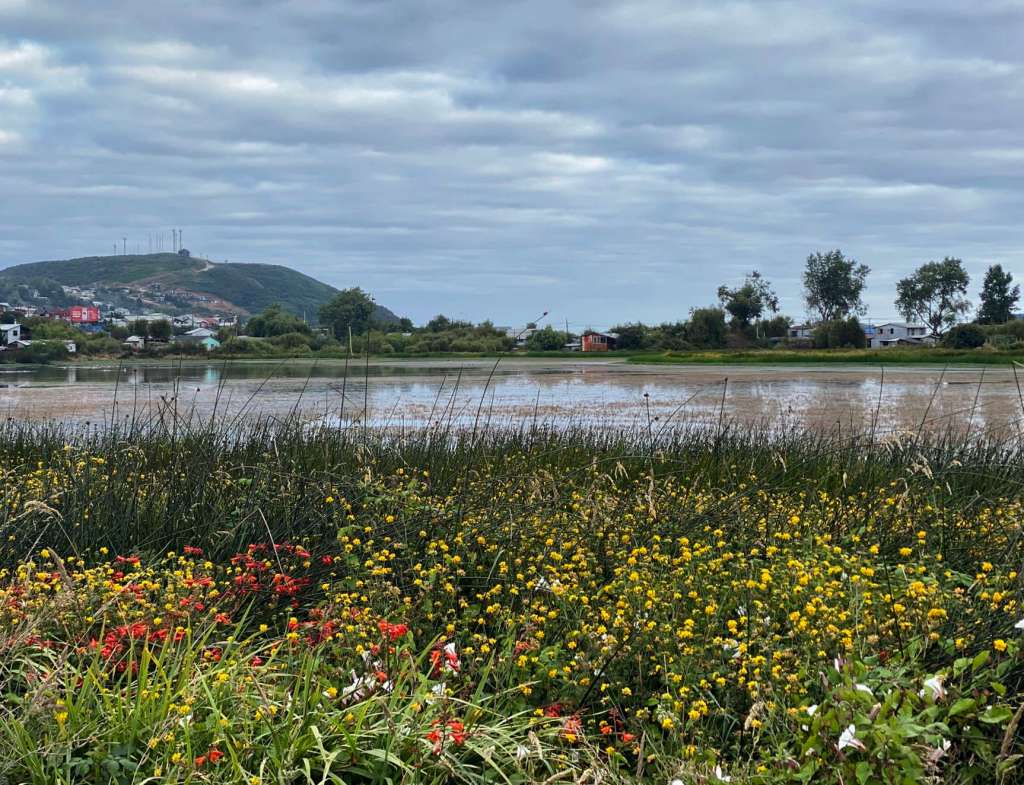
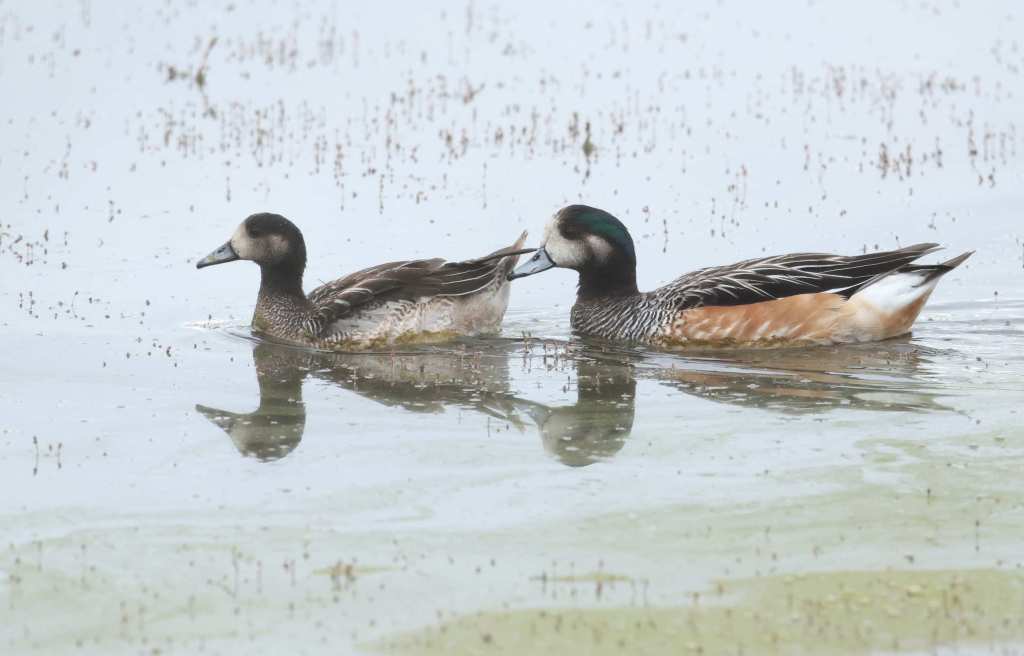
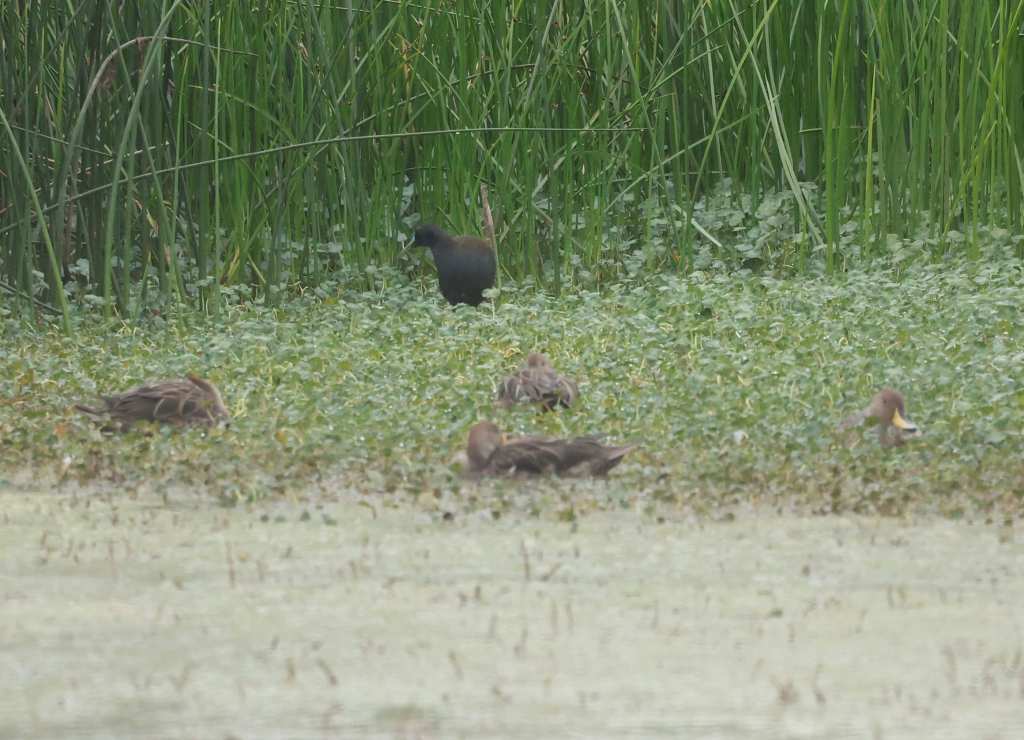
Such target birds for us included White-Winged Coot, Lake Duck and Red Shoveler – we saw ’em all there, but at the limit of identifiability with our optics. A pair of Plumbeous Rails were much closer, as were many Chiloe Wigeons and Yellow-Billed Teals, and a Black-Crowned Night Heron.
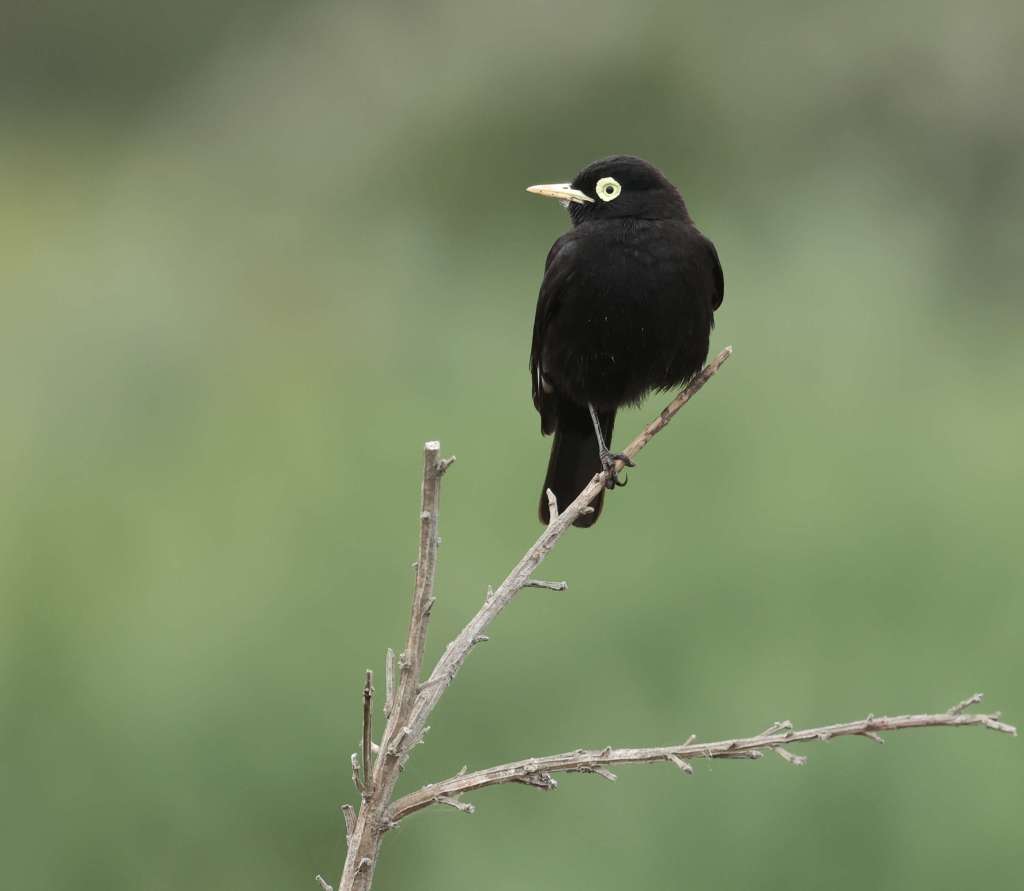
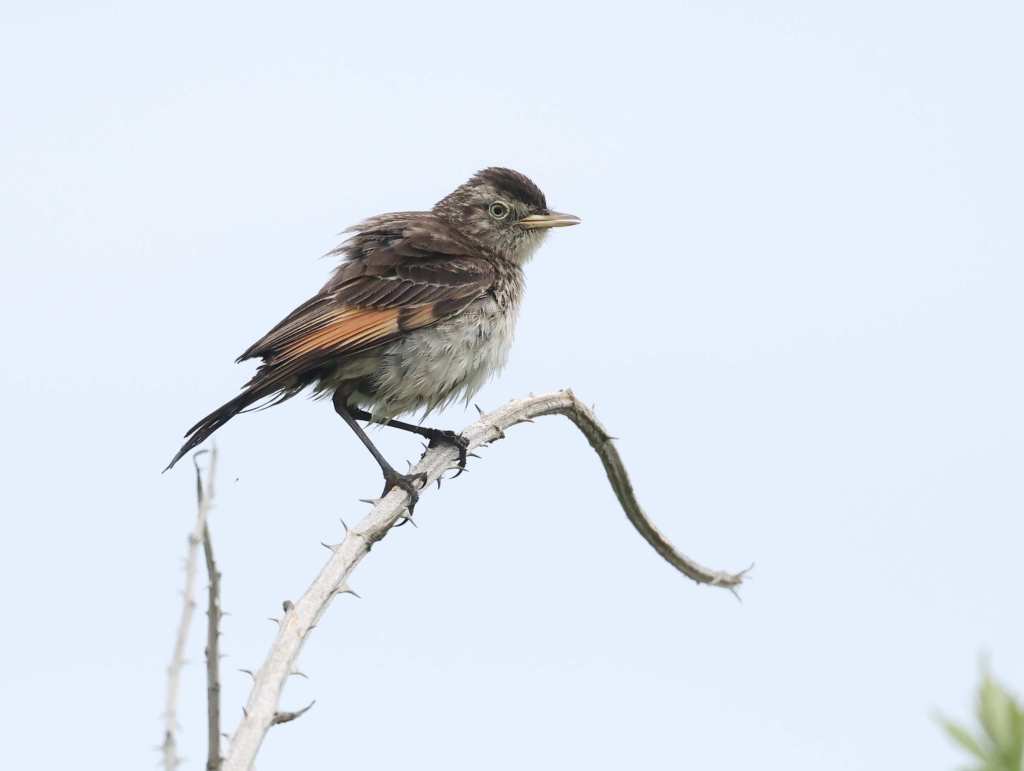
The bush along the road was also productive, especially for the amazing Spectacled Tyrant. The male bird is well-named indeed with a stunning eye-ring popping from deep black feathers, while the female bird is more multi-coloured (though does sort of have an eye-ring too).
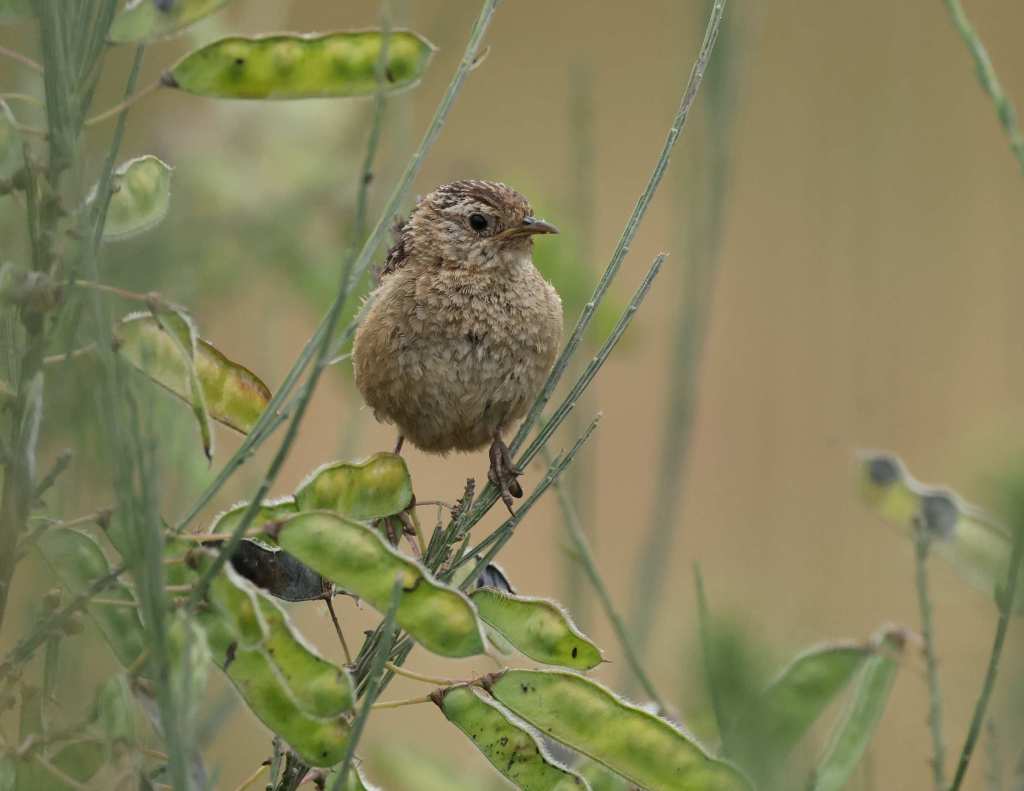
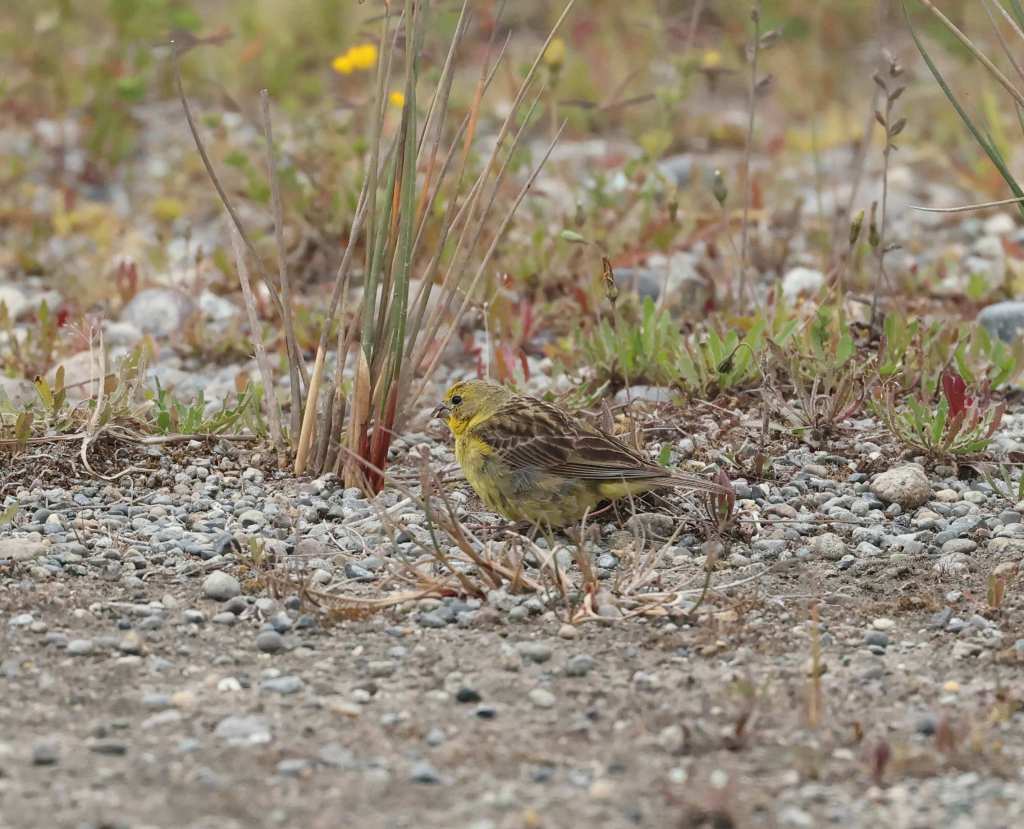
A very vocal Grass Wren made itself known in the roadside grasses, while attractive Patagonian Sierra Finches hopped around the bushes and Grassland Yellow Finches looked for seeds.
Further down the road are a couple of connected ponds forming “Humedal Pudeto–sur”.
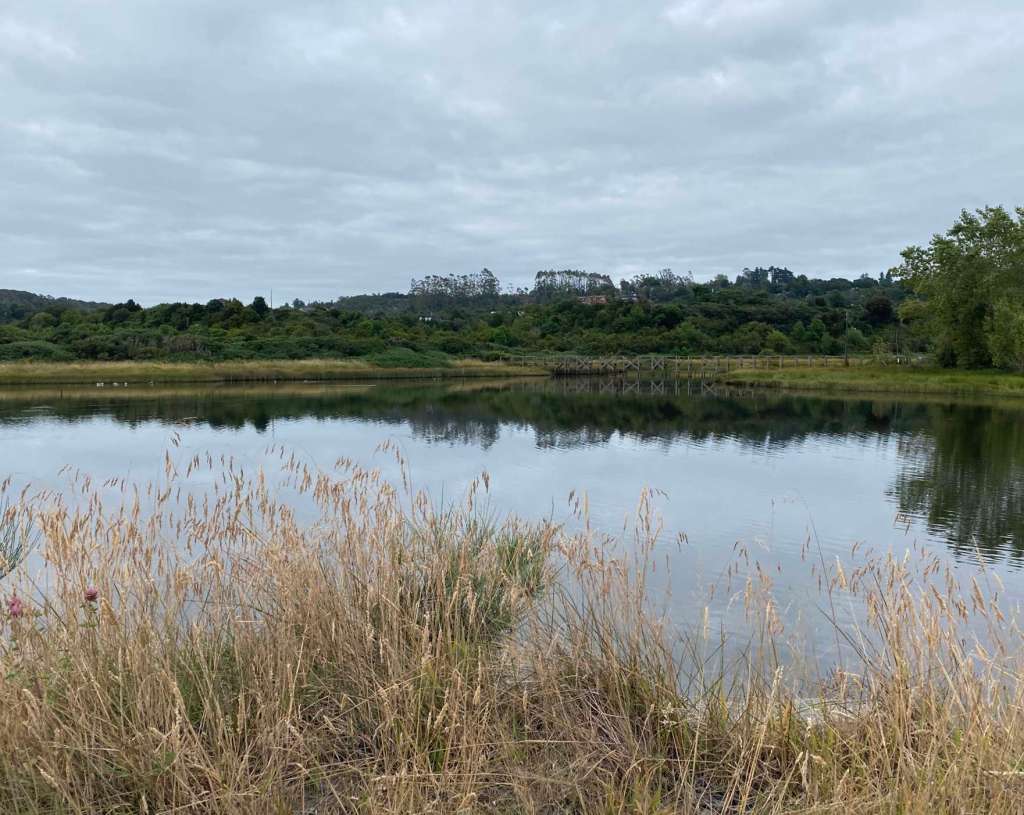
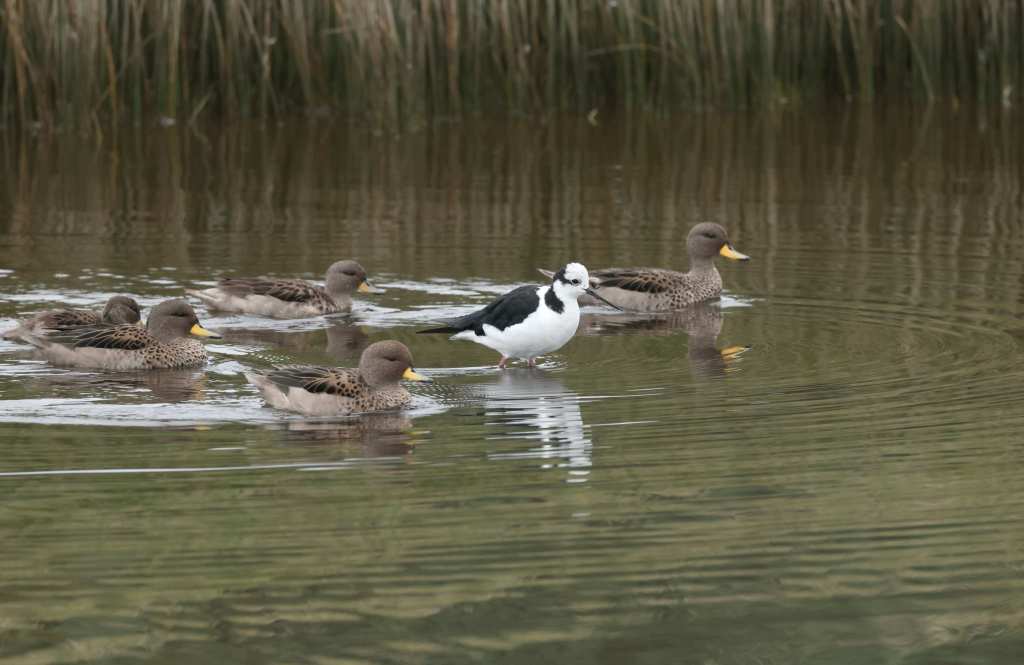
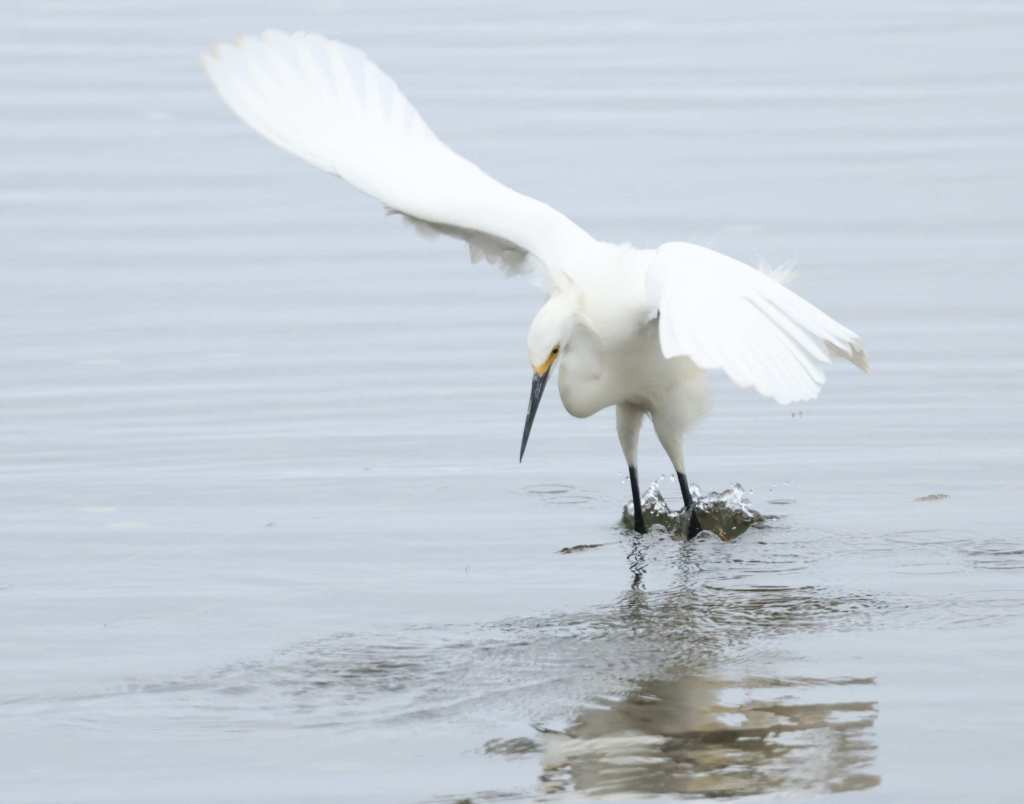
Here were some Black-Winged Stilts and various other water birds, as well as a Snowy Egret doing its “dance and stamp to stir up fish in the shallow water to then strike and eat them” behaviour.
Rocas Basalticas
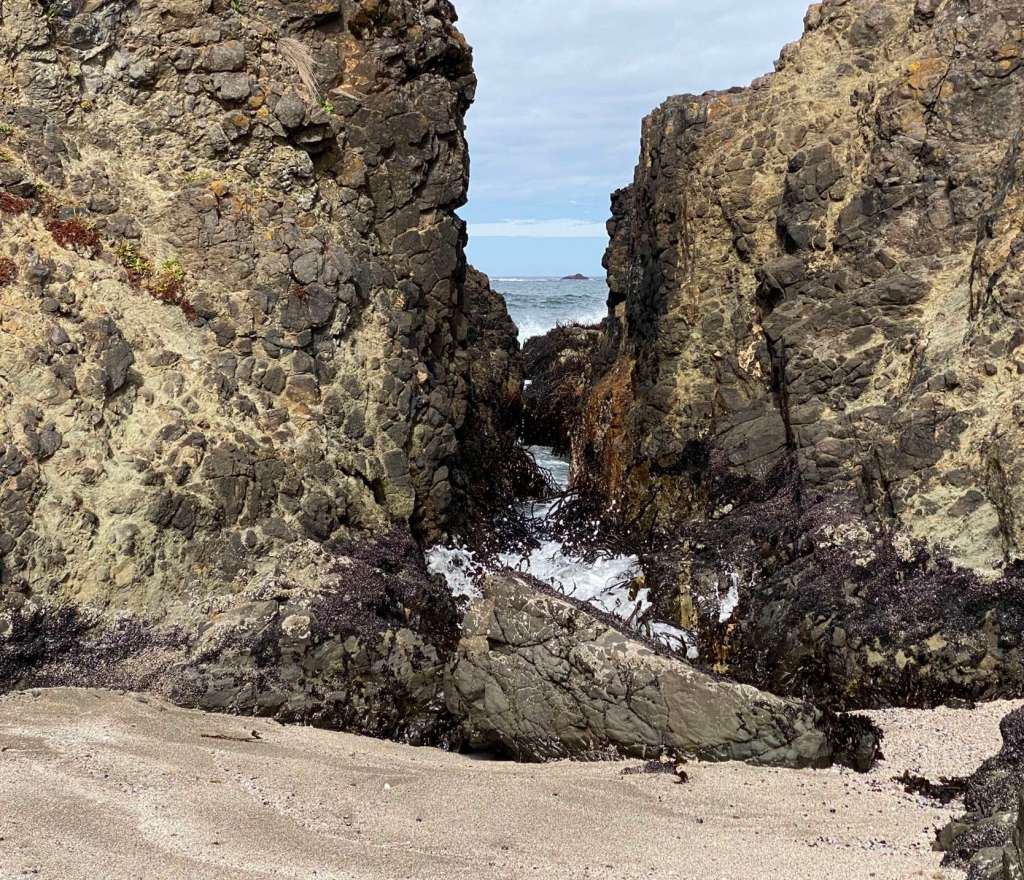
Rocas Basalticas, or “bastaltic rocks” lies about 30 minutes drive west of Ancud and if you can stomach driving on some at-times-pretty-sketchy unsealed road, is worth checking out. It doesn’t seem to be a place that attracts many people, but it features some nice rocky coastline. Weirdly, there is no eBird hotspot for this location.
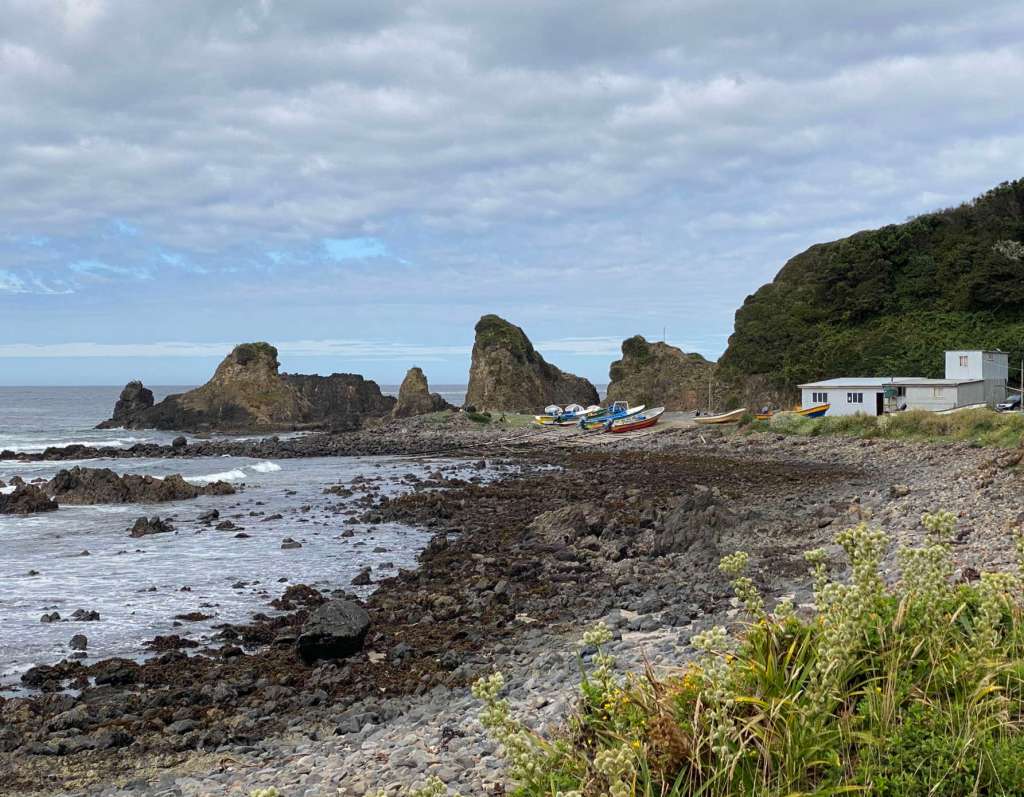
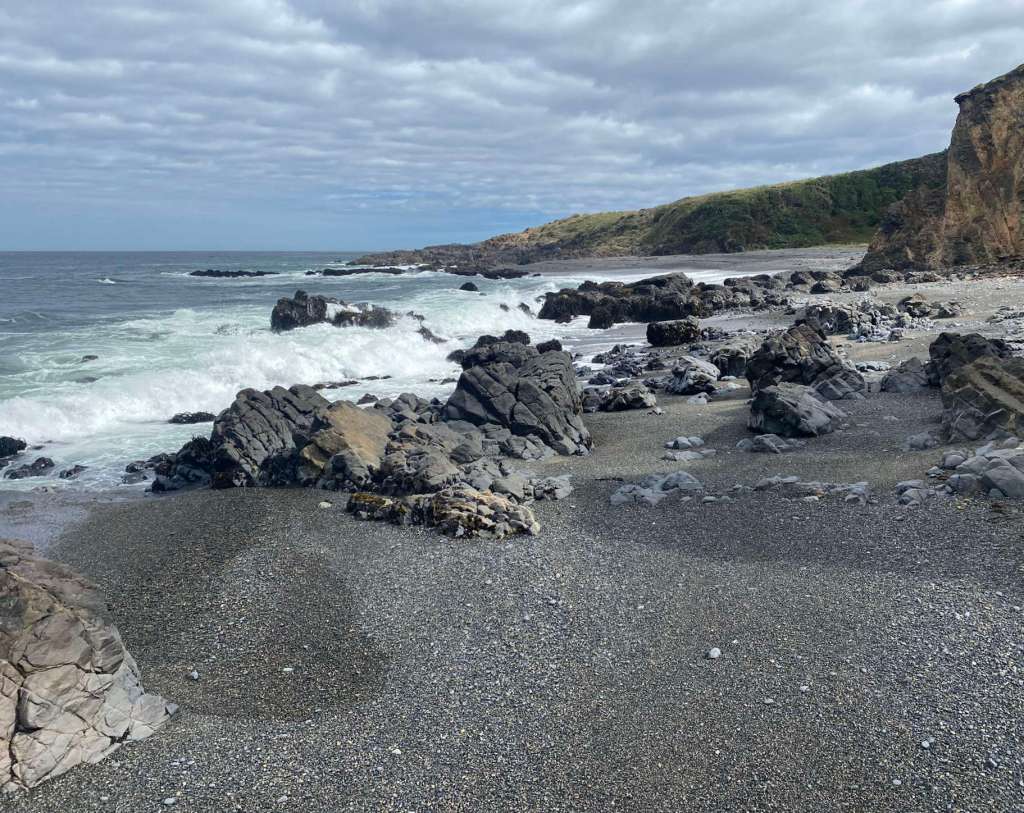
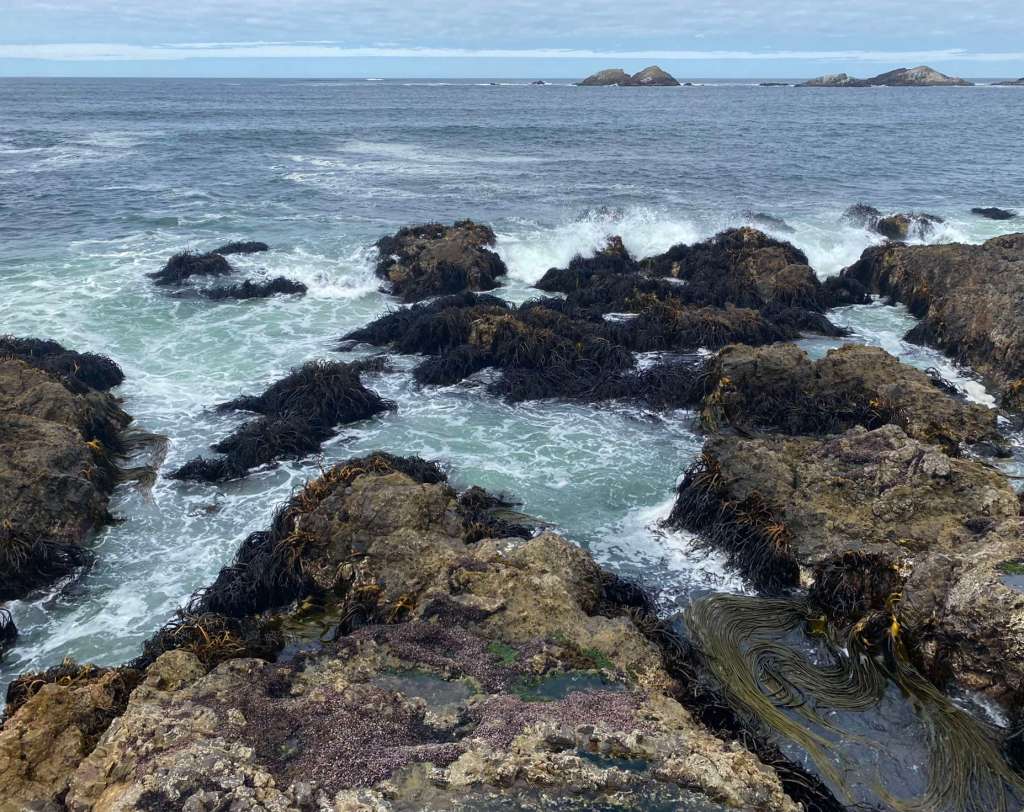
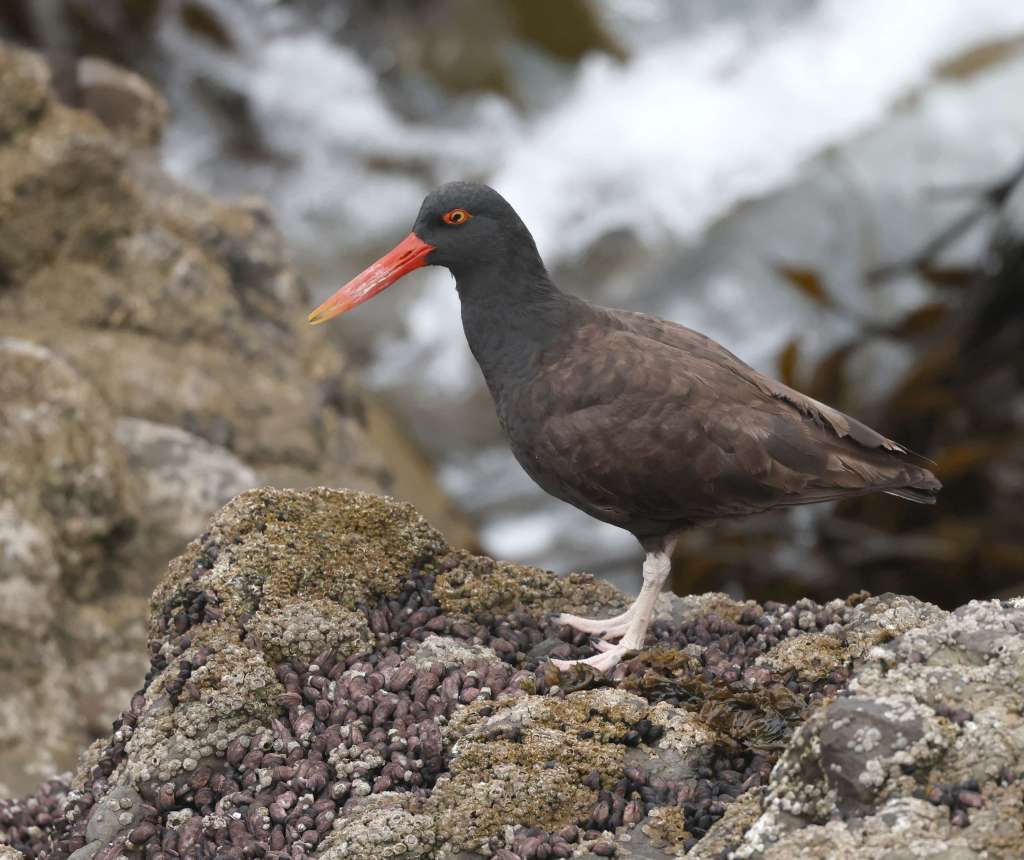
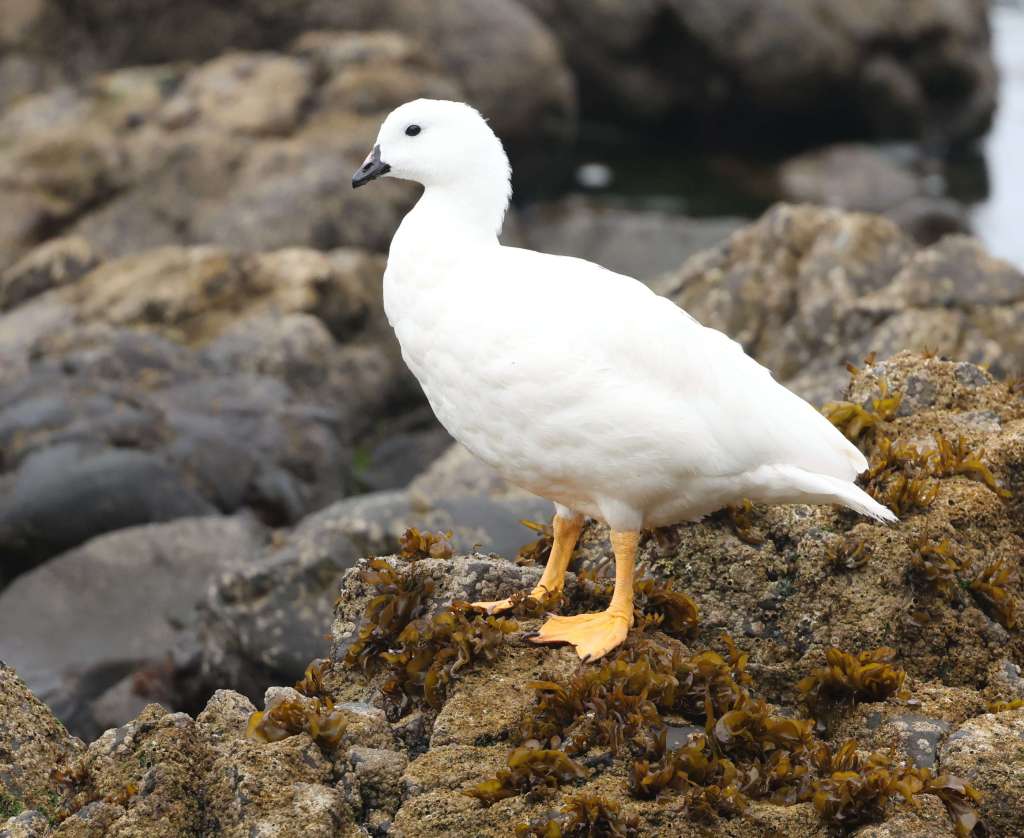
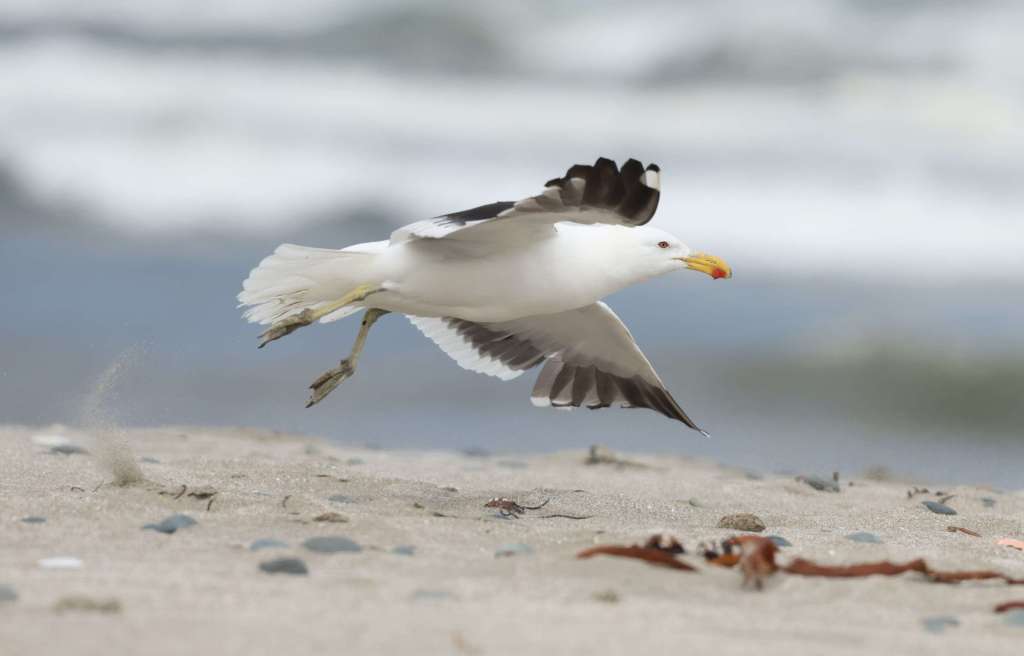
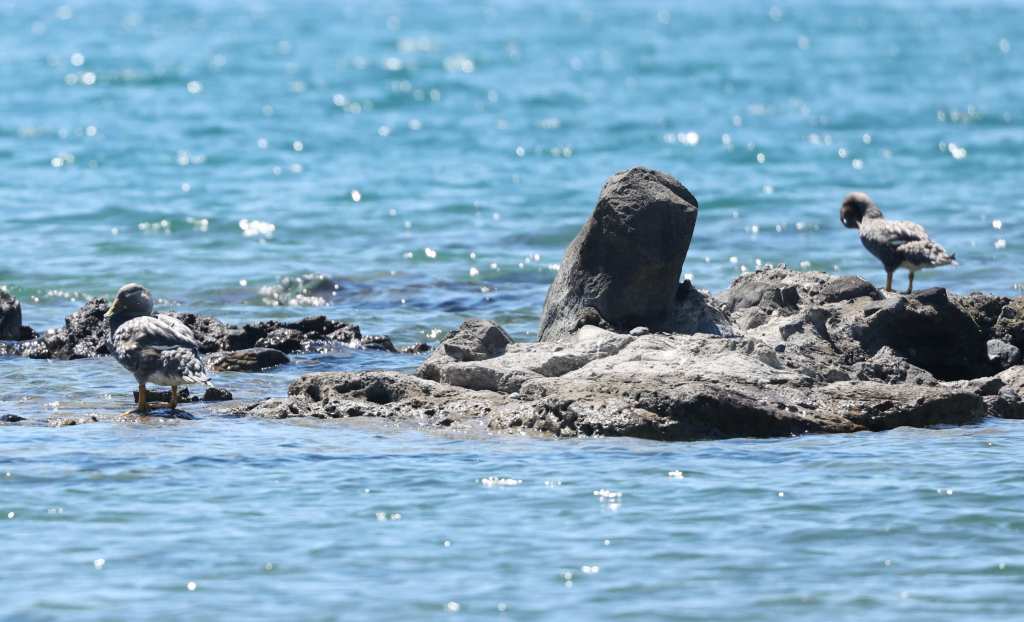
Along the beach we saw Blackish Oystercatcher and Kelp Geese, Flightless Steamer-Ducks paddling through the surf, and the usual array of vultures and caracaras.
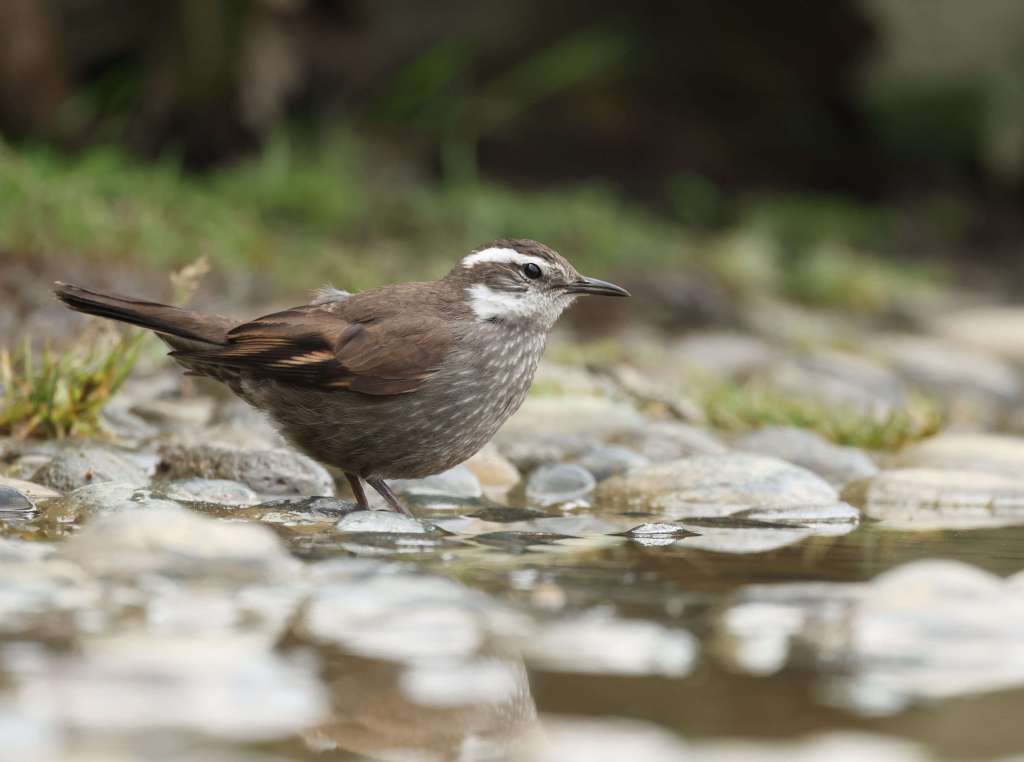
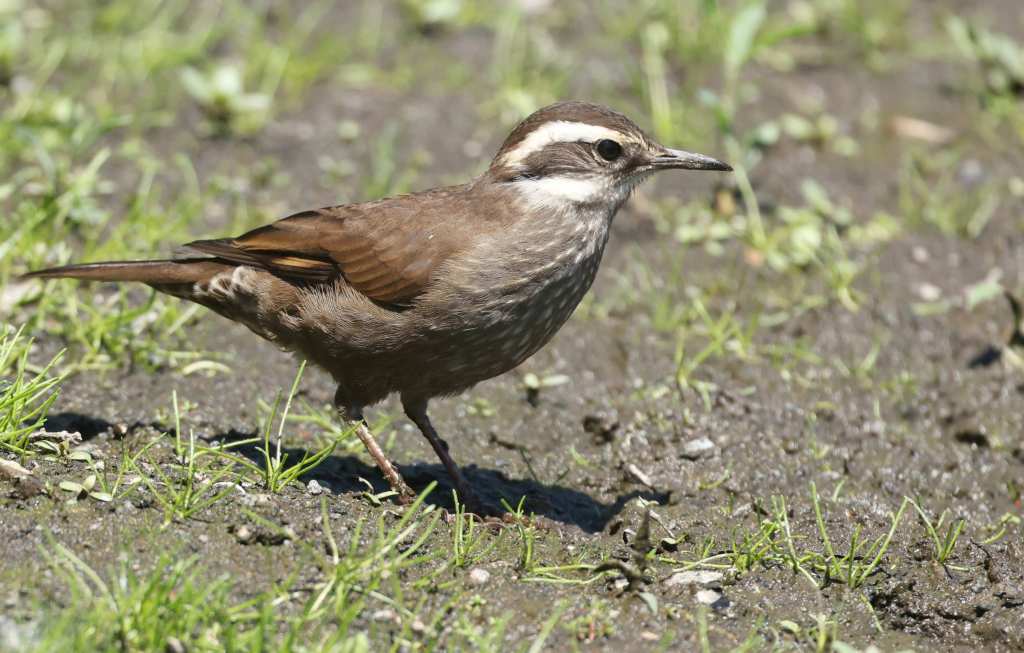
A few Dark-Bellied Cinclodes kept us entertained with their hopping and scampering both as they explored the beach and popped up to the road where they drank some water from a puddle. These charismatic birds are pretty common in the area, although there is also a Grey-Flanked Cinclodes and Buff-Winged Cinclodes to see as well; the Grey-Flanked is mostly absent over the summer months though.
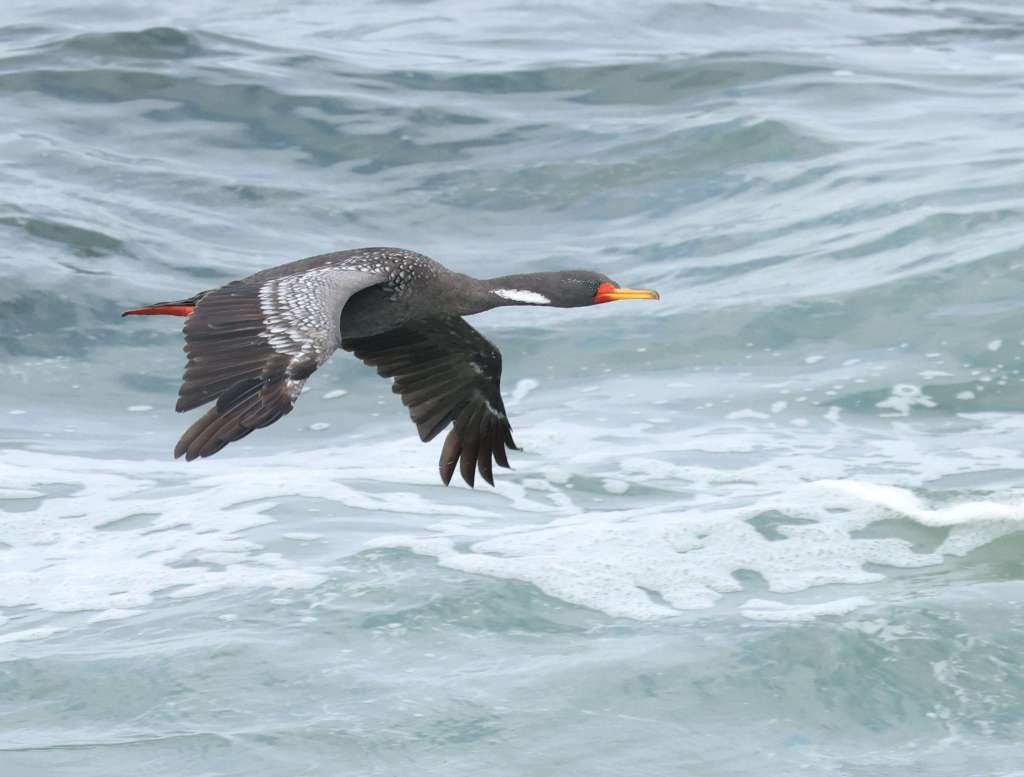
Squinting through binoculars at a few of the rocky offshore islands showed that they were a favourite roosting spot for various terns and cormorants; some of the Red-Legged Cormorants in particular came and went from there in small groups, sometimes passing quite close to the mainland. Quite a handsome bird.
Along the wide sweep of bay to the south of Rocas Basalticas is Playa Mar Brava, which has two eBird hotspots – one for the beach and dunes, and another for the “humedales” (marshy ponds/wetlands) behind the dunes.
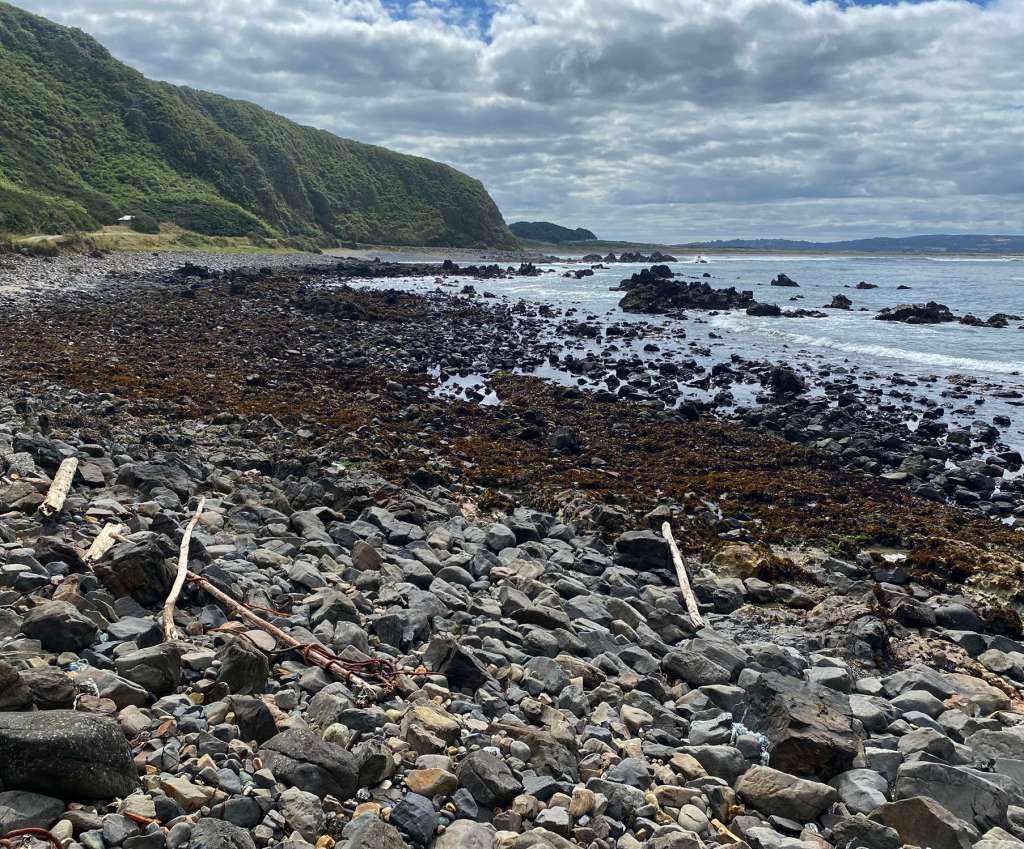
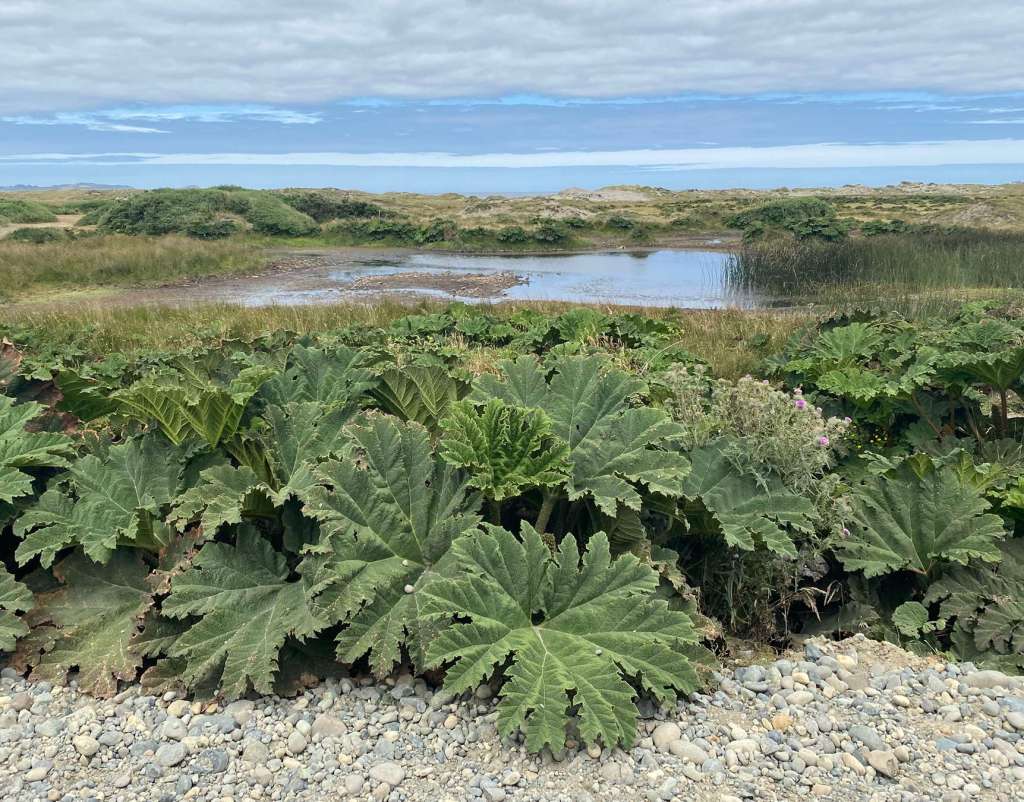
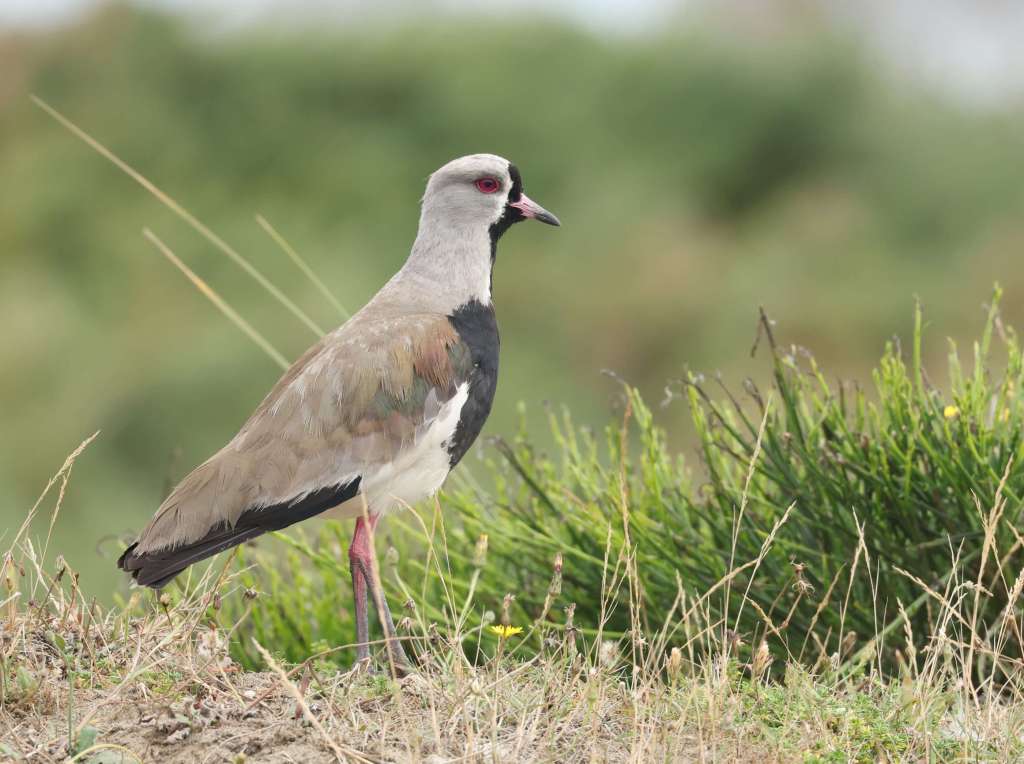
We didn’t see anything too special along this stretch, mostly common birds like Yellow-Billed Teals and Southern Lapwings. The ponds might be a place you’d try your luck for Yellow-Winged Blackbird, Wren-Like Rushbird and Magellanic Snipe, if eBird is anything to go by.
Caulin Bay
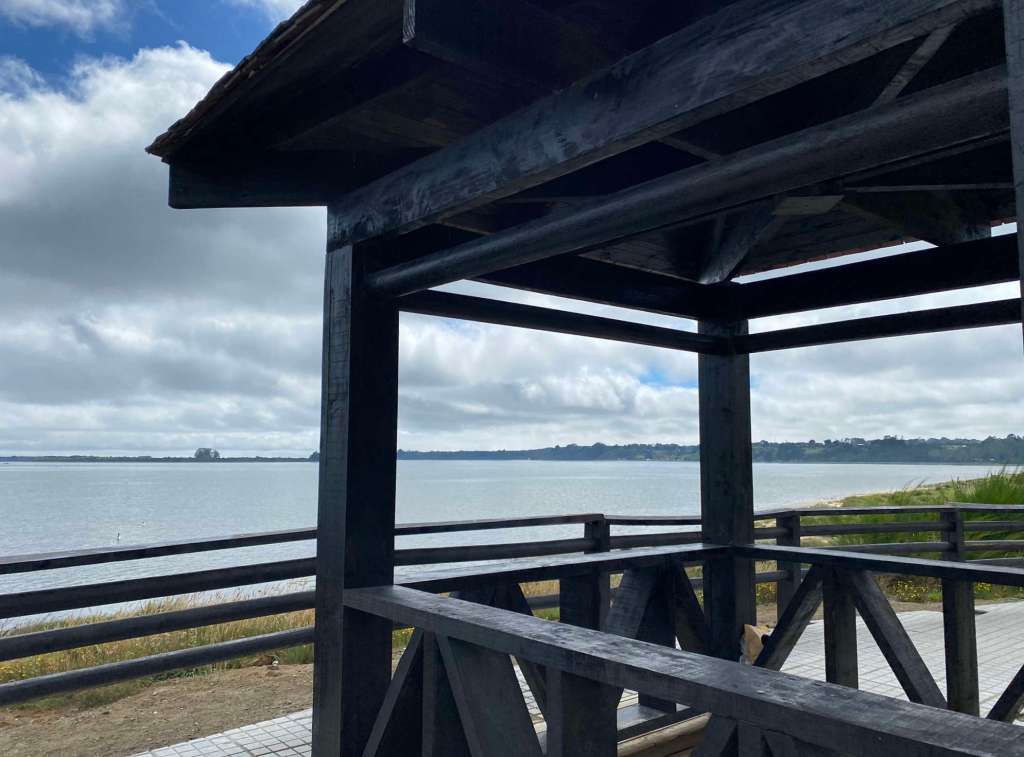
The renowned Caulin Bay on the north coast of Chiloe Island is a tidal bay attracting large numbers of shorebirds and water birds. It even has an elaborate bird viewing platform.
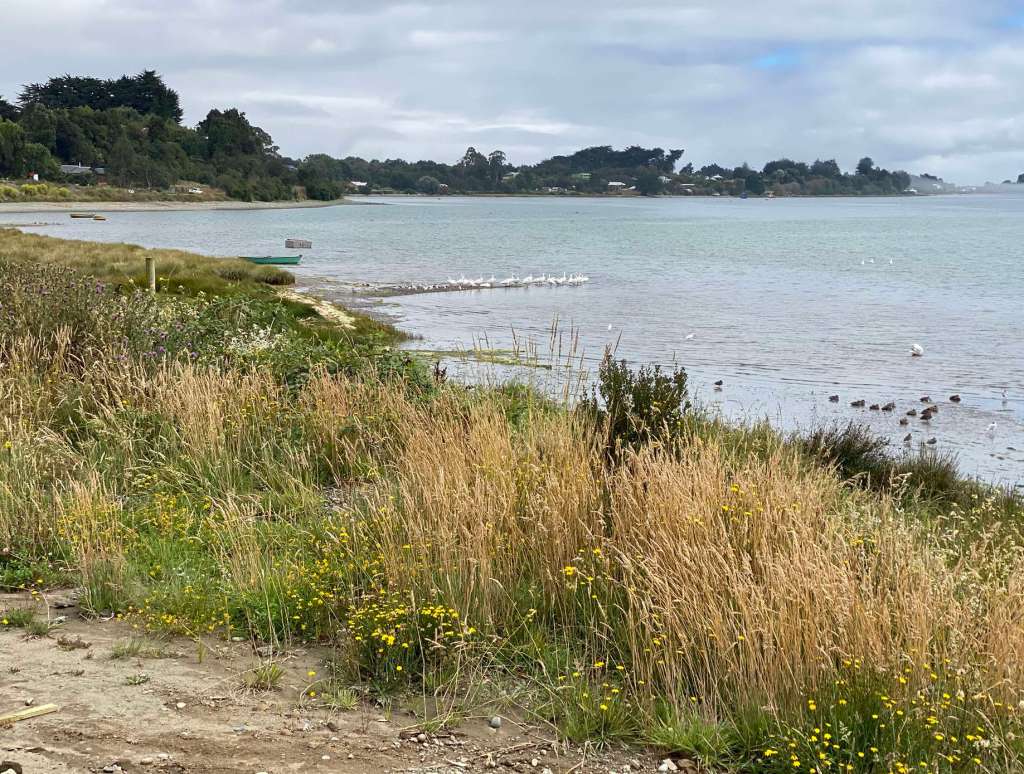
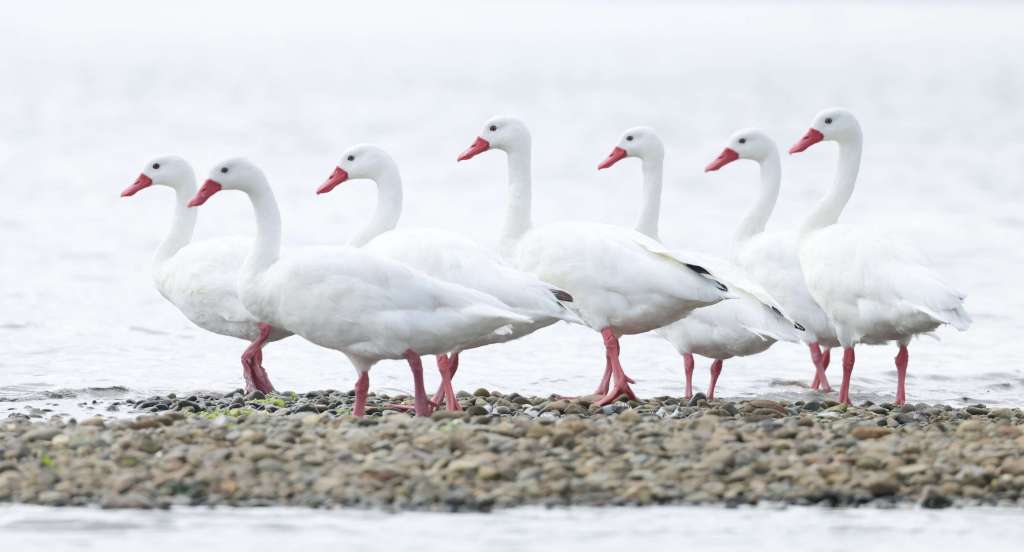
I do feel like Black-Necked and Coscoroba Swans are some of the treats of the region (both species range across the southern half of South America) and they were both present here. I mean, who doesn’t like a good-looking swan – or seven?
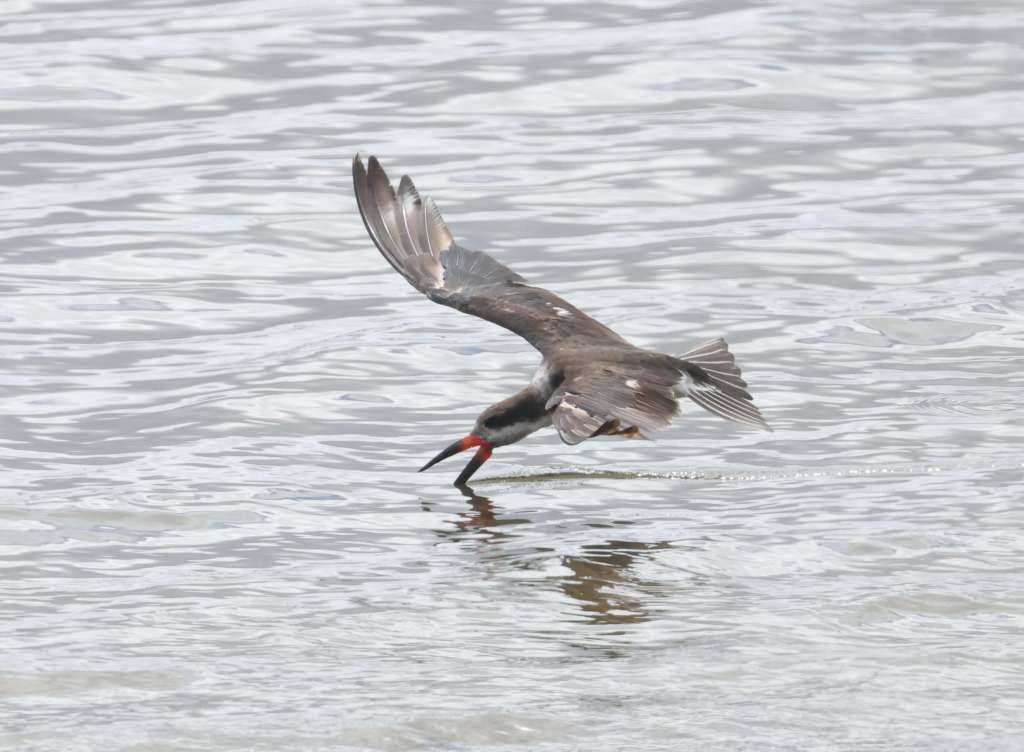
Seeing Black Skimmers definitely brought back nostalgic memories of when I had first seen these unusual birds in Texas in 2024.
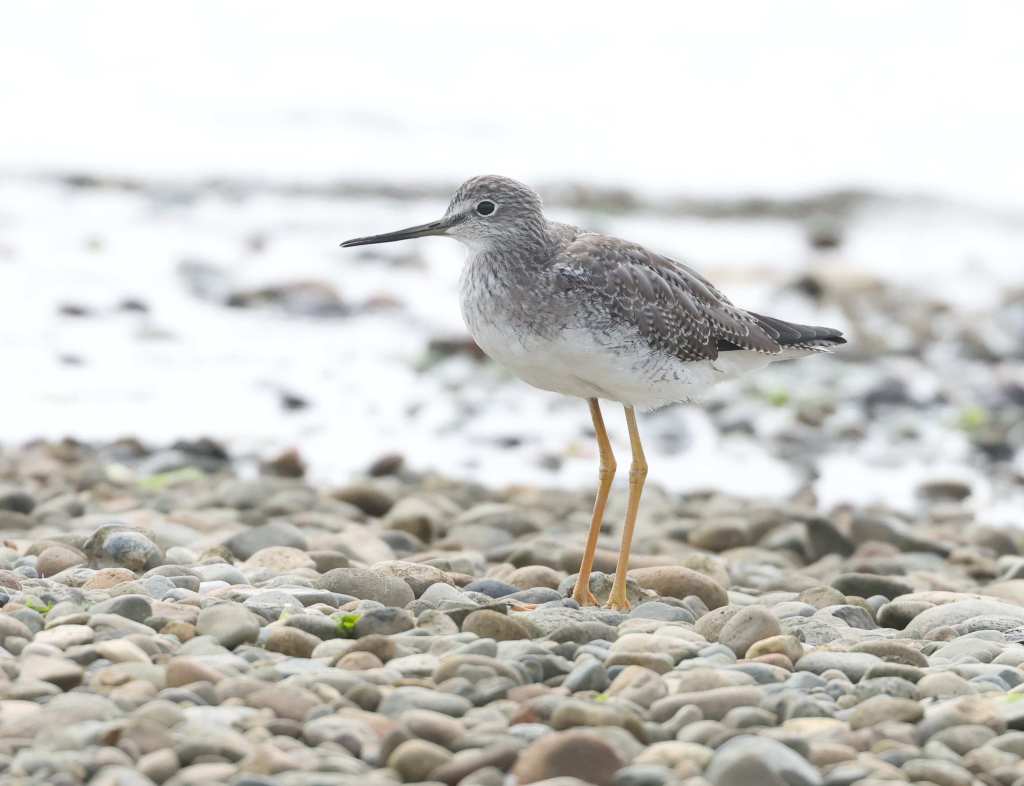
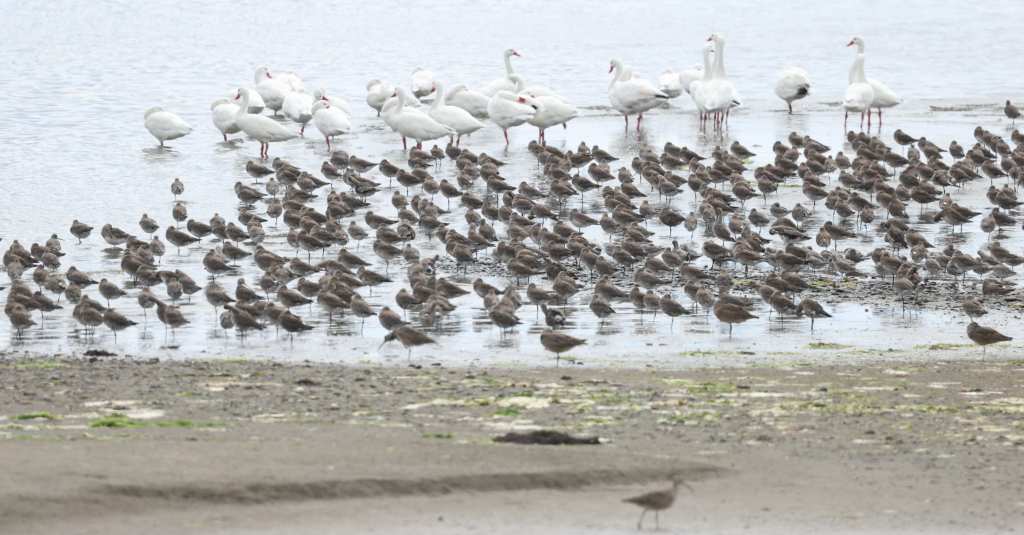
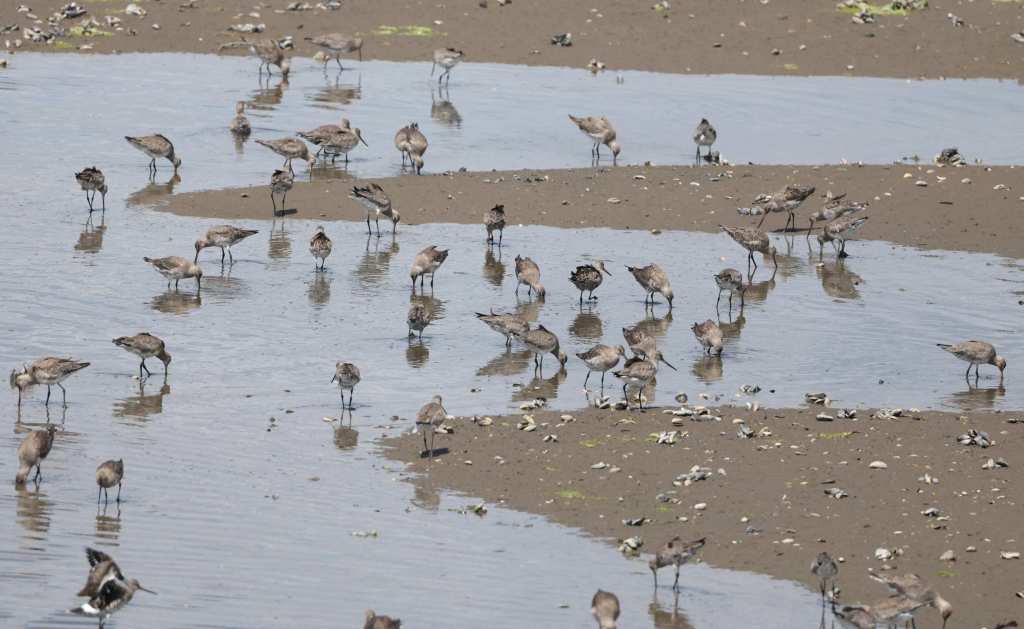
Being a tidal zone, the numerous Hudsonian Godwits were well in attendance (at least 1000 birds), with a few whimbrels, a Yellowlegs and a Cinnamon Teal in amongst them.
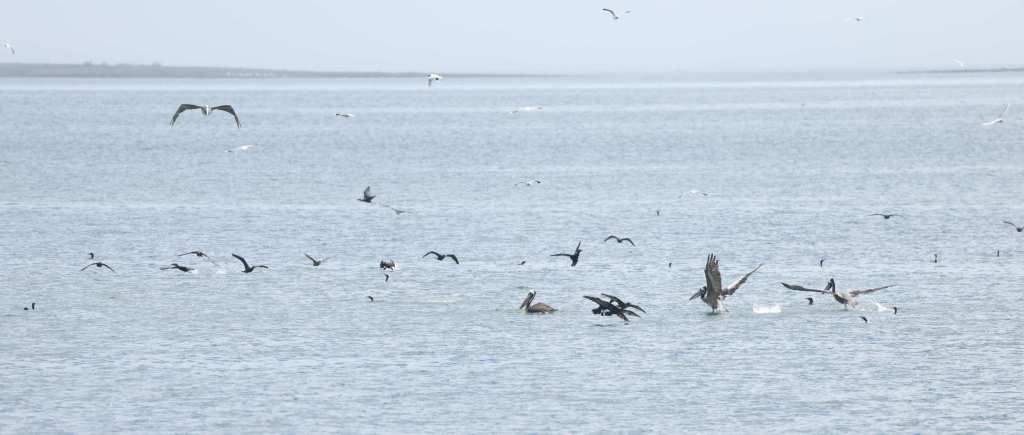
Out over the sea, several Peruvian Pelicans were impressively plunge-diving into the water and the fishing out there must have been good because there were at least 90 Neotropic Cormorants and a scattering of South American Terns in the mix too.
Interestingly, eBird’s top “Iconic Birds” for Caulin Bay – Two-Banded Plover, Sanderling, Dolphin Gull, Correndera Pipit – are only rarely seen here, so the “iconic” designation is probably due to this site simply being much more highly visited/checklisted compared to other sites in the region. Who knows.
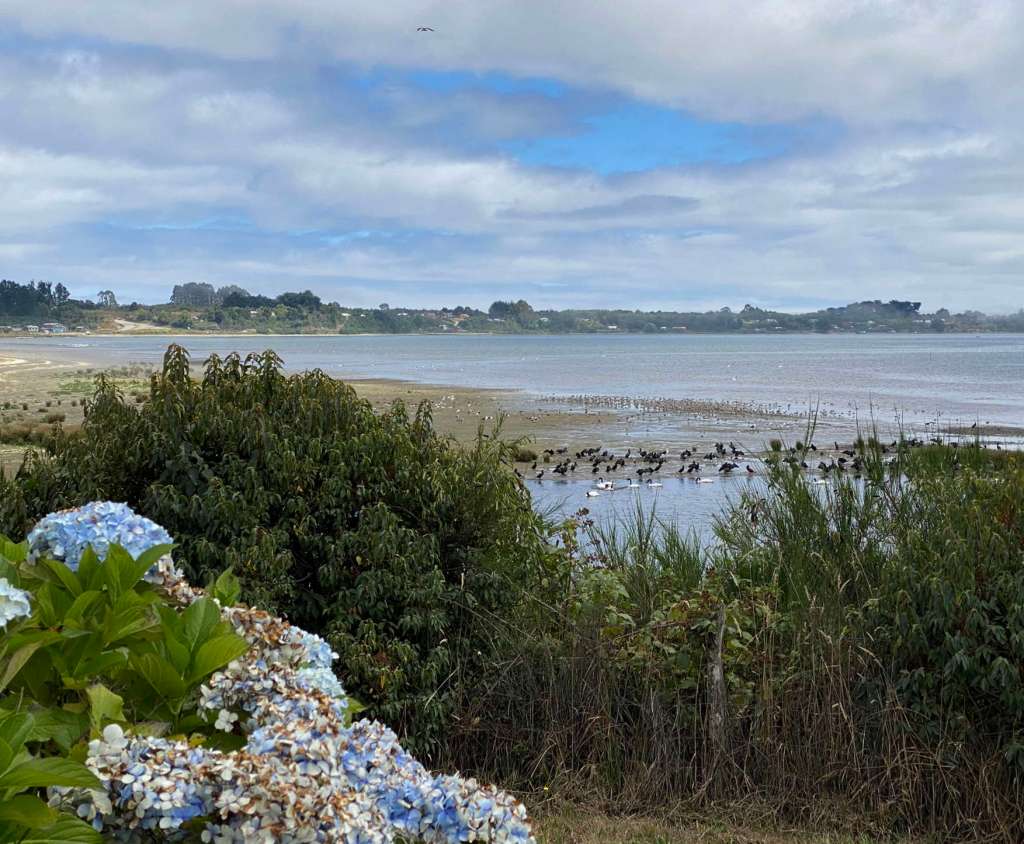
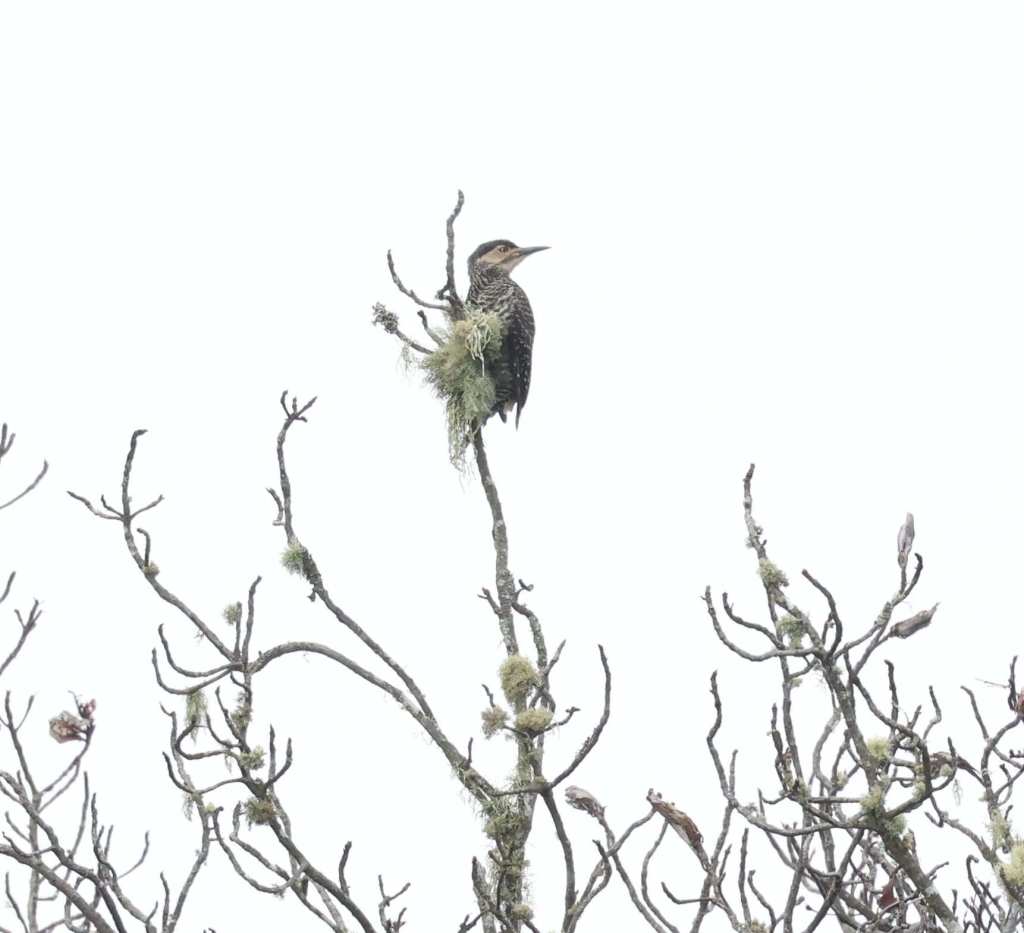
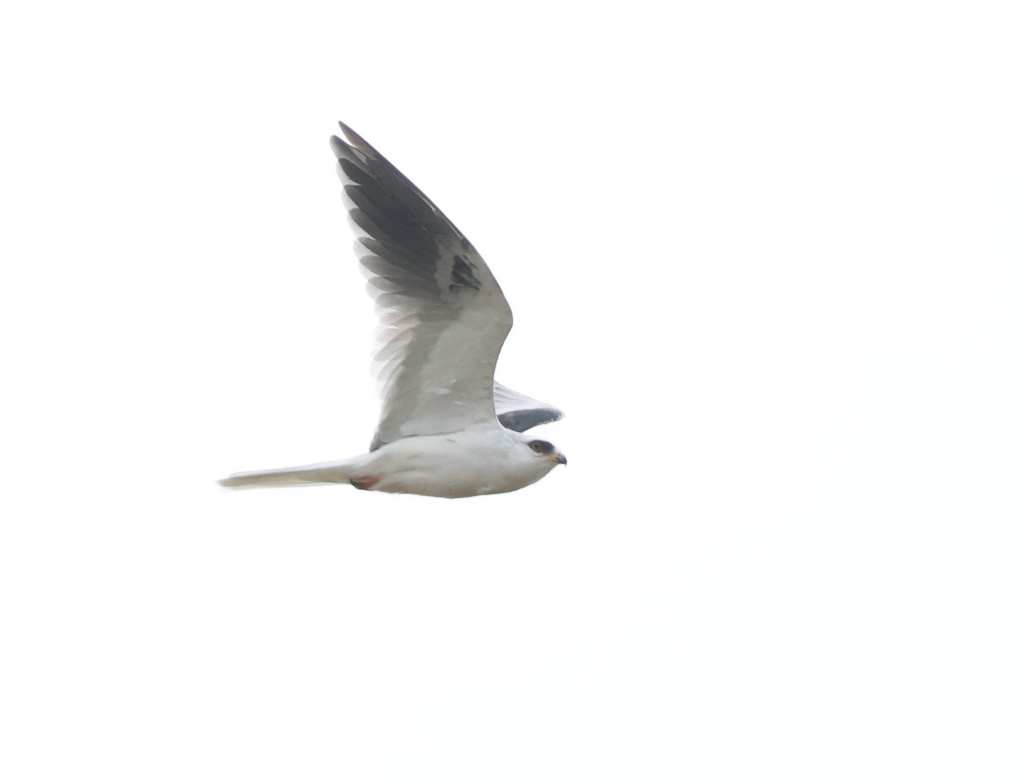
Caulin Bay holds a special place in my heart as well because it was here I saw Chilean Flicker and Chilean Mockingbird for the first time, two birds which are supposed to be quite common but were mostly AWOL on Chiloe Island (though they were much more common on the nearby mainland in my experience). My only sighting of a White-Tailed Kite in Chile took place near Caulin Bay too.
Castro
Castro is the island’s capital and is the largest town (though Ancud has a pretty similar population, around 40,000 as well). You’ll be passing through Castro if you want to get anywhere in the southern half of Chiloe Island.
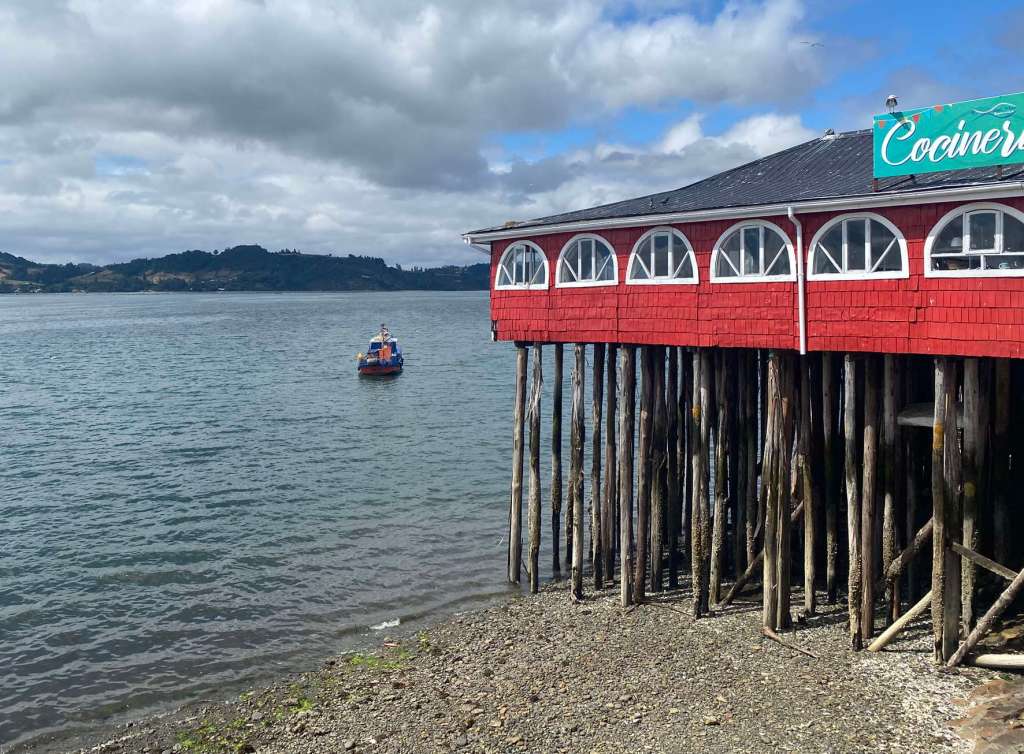
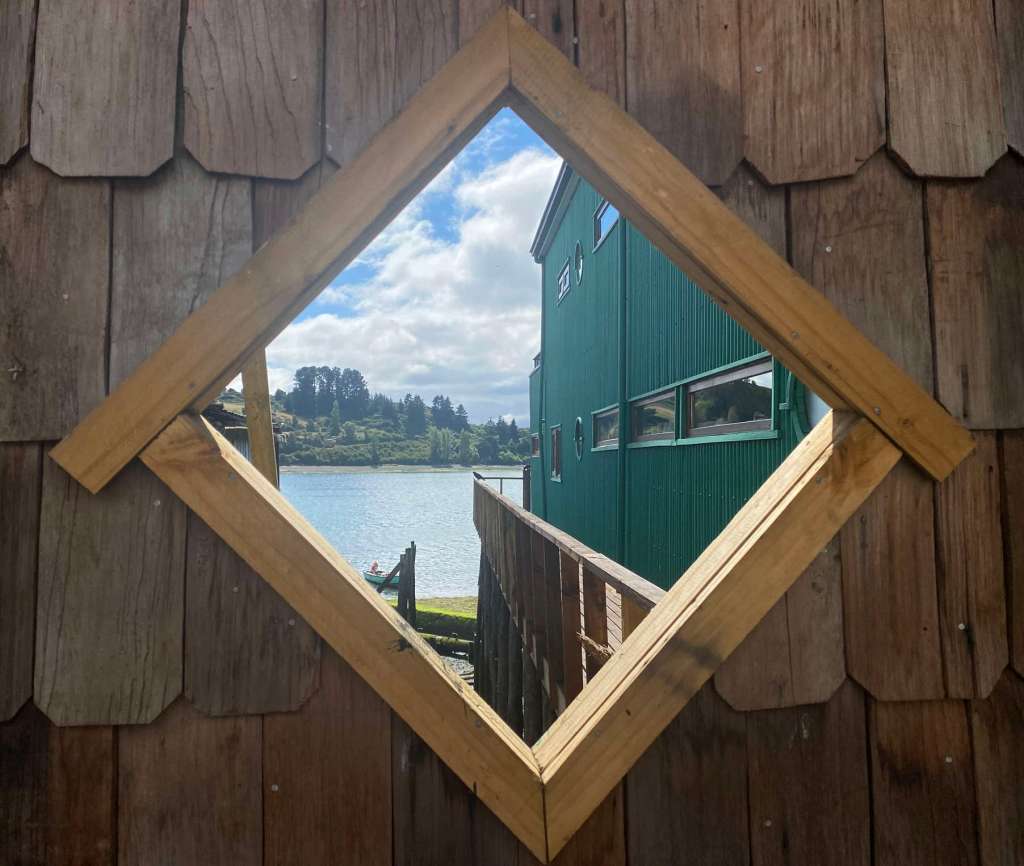
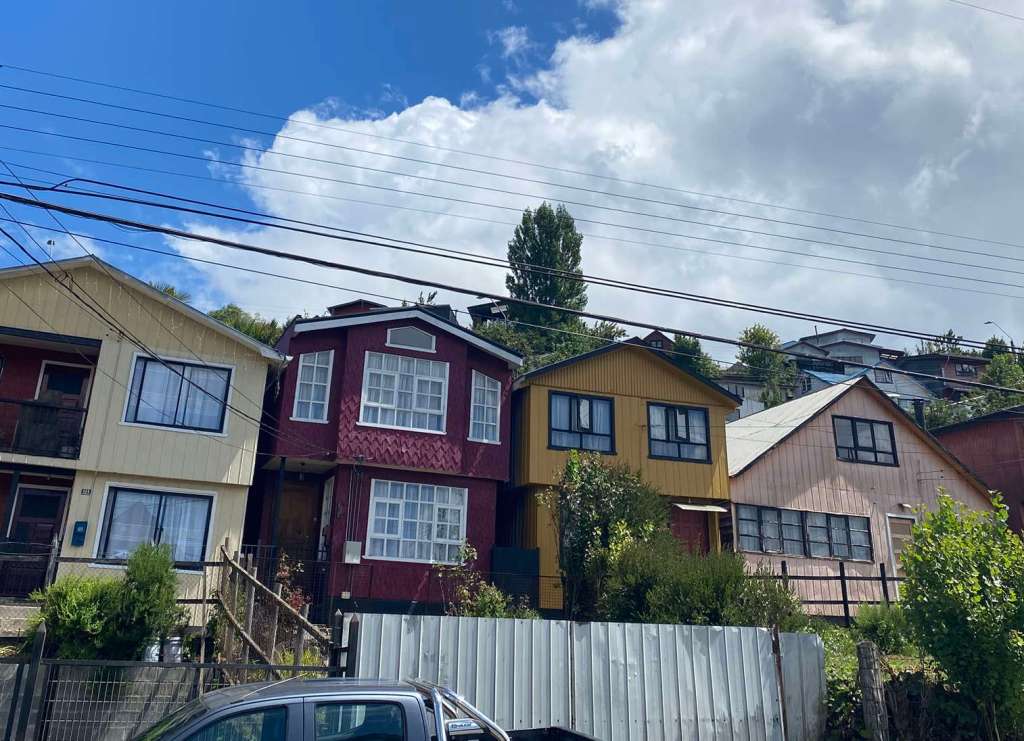
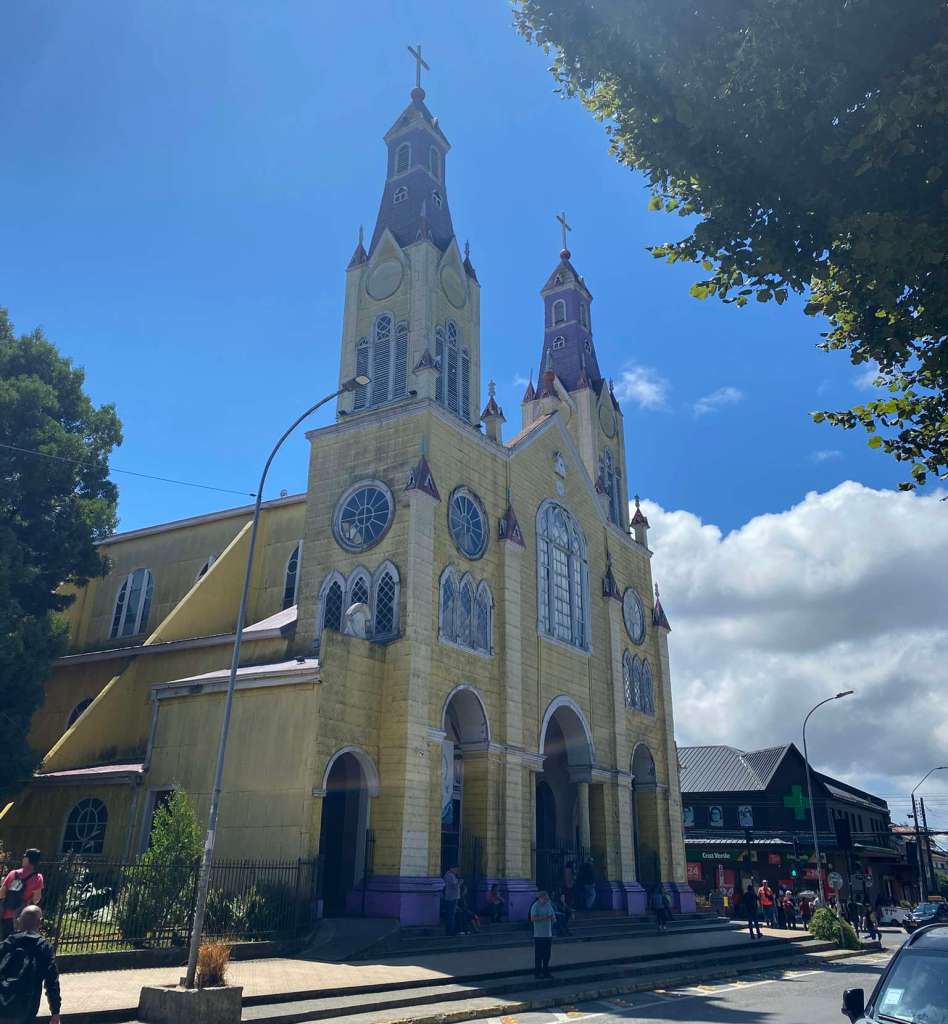
Castro is known for its colourful palafitos: houses on stilts above the water. It has an impressive church, and plenty of good restaurants and cafés – a special shout-out to PanComido which does the best fresh foccacia outside of Italy 🙂
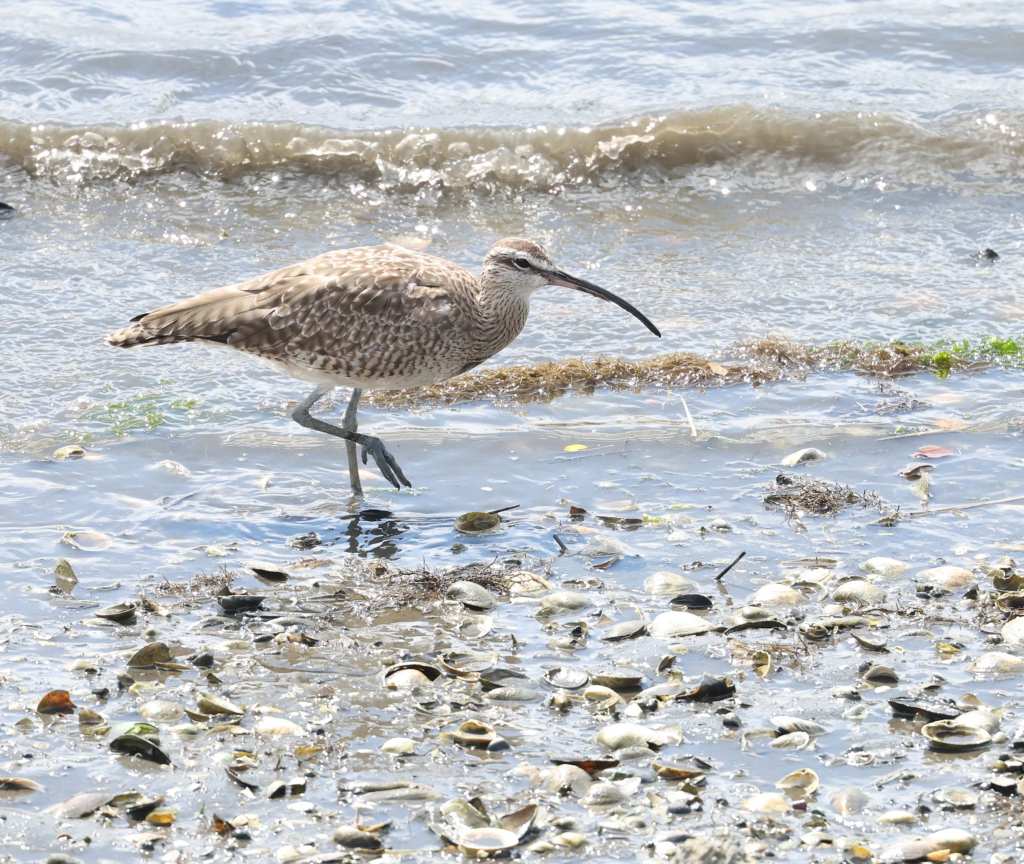
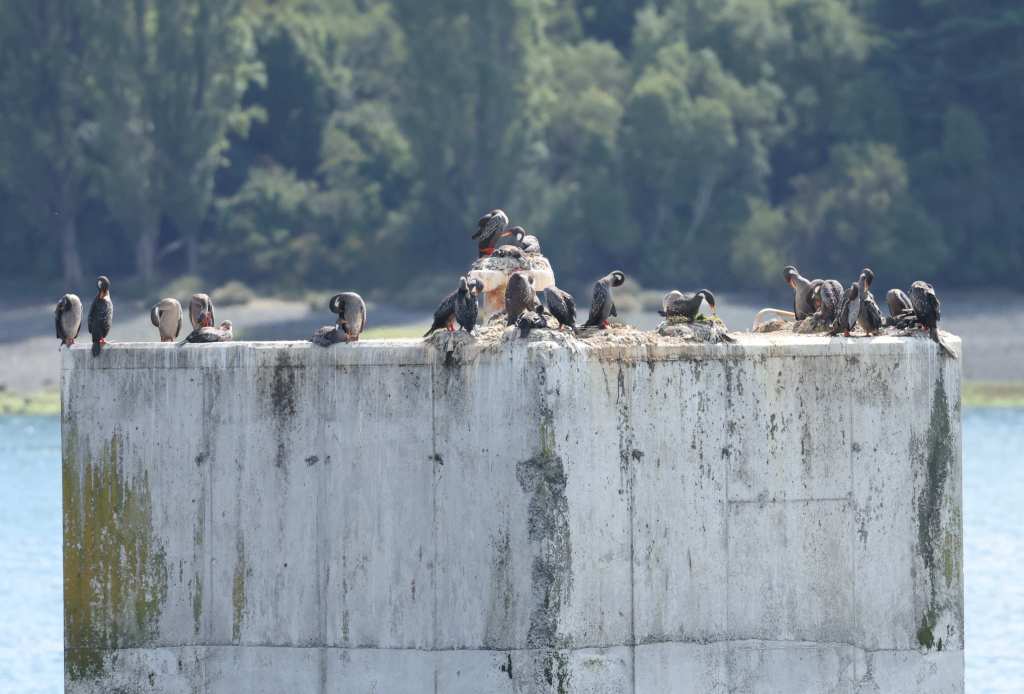
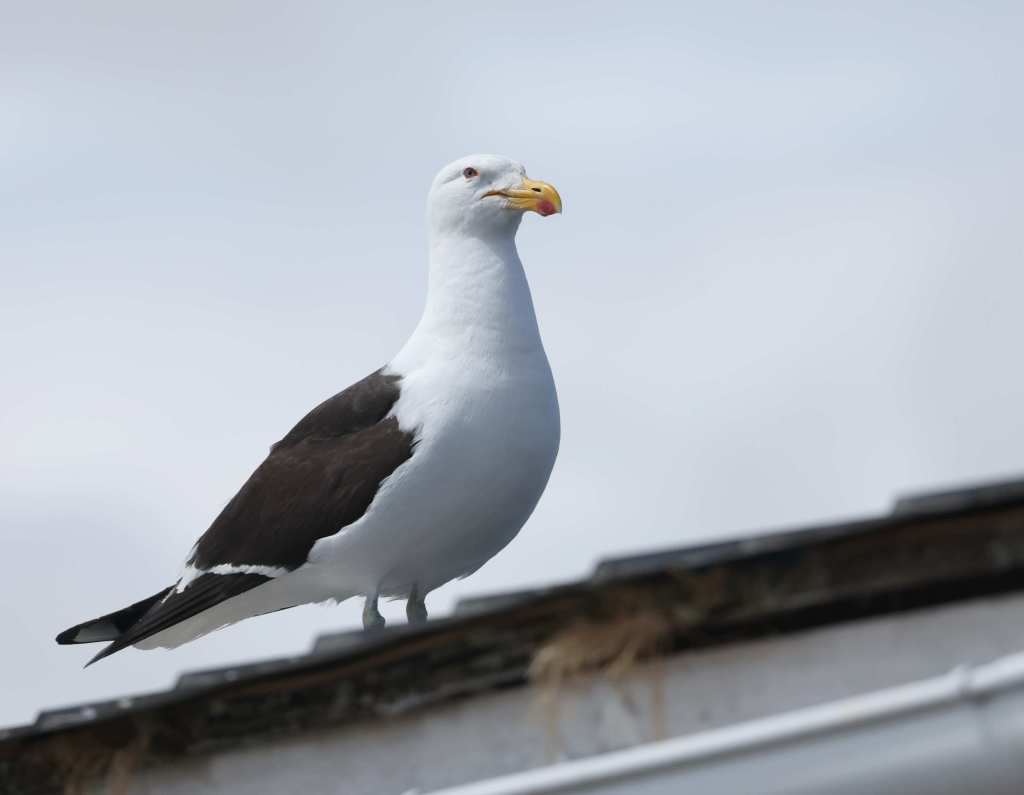
Along the busy waterfront is of main interest for birders, featuring a few shorebirds like Hudsonian Whimbrel and Kelp Gulls, with a (possibly resident?) group of two dozen Red-Legged Cormorants – the more unusual cormorant species here (Neotropic Cormorants tend to dominate). I was also amused/intrigued to see quite a big group of Black Vultures on the shoreline, squabbling over… something. I never did figure that out.
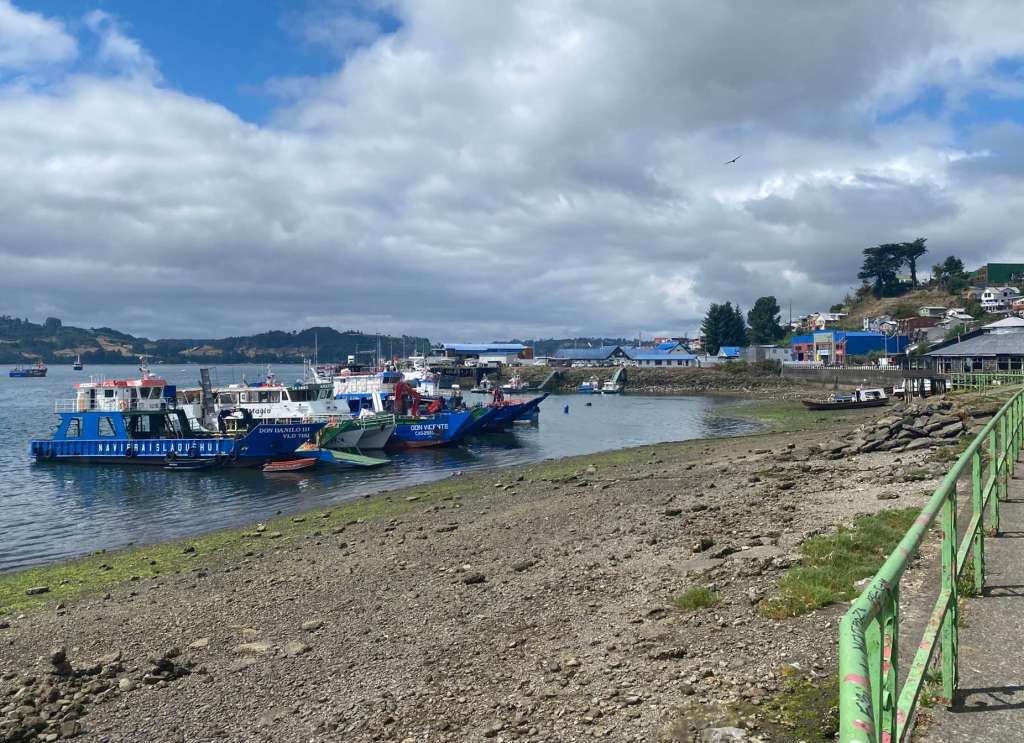

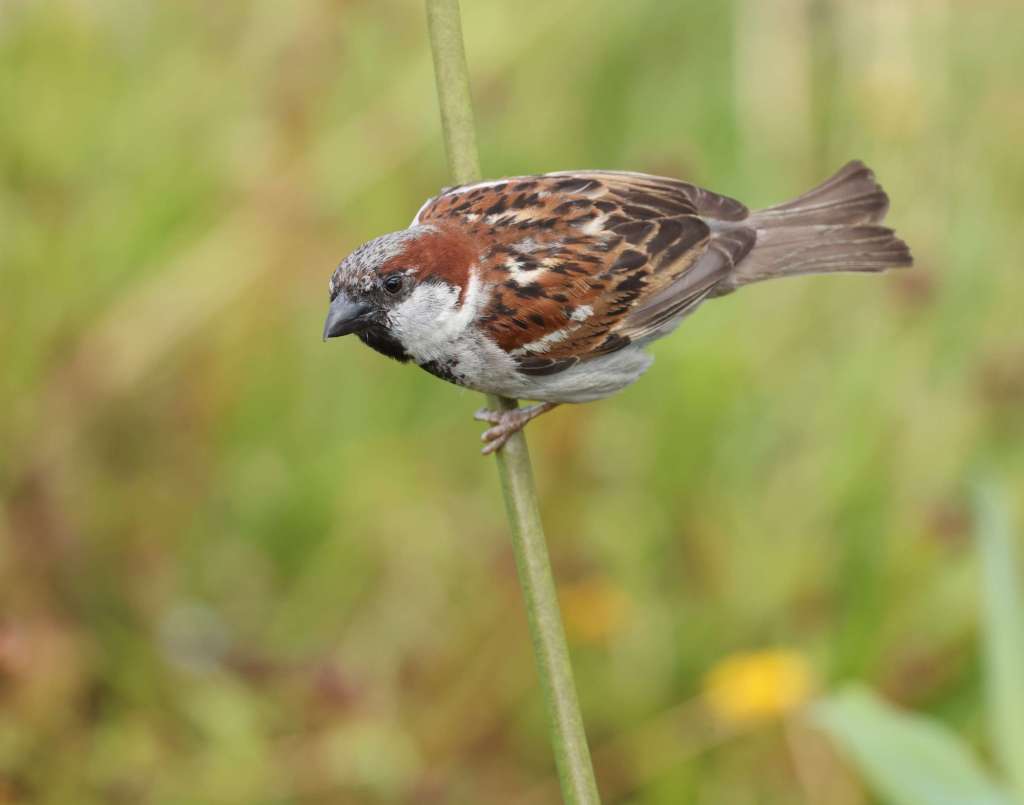
There are mostly common, human-habituated birds here, and House Sparrows do need to get mentioned as one of these, albeit introduced species; there’s plenty of them around.
The Local Roads Near Dalcahue
We stayed a few kilometres east of the town of Dalcahue, so became quite familiar with the local roads in this area. These roads proved fairly productive with very decent sightings of lots of the region’s birds.
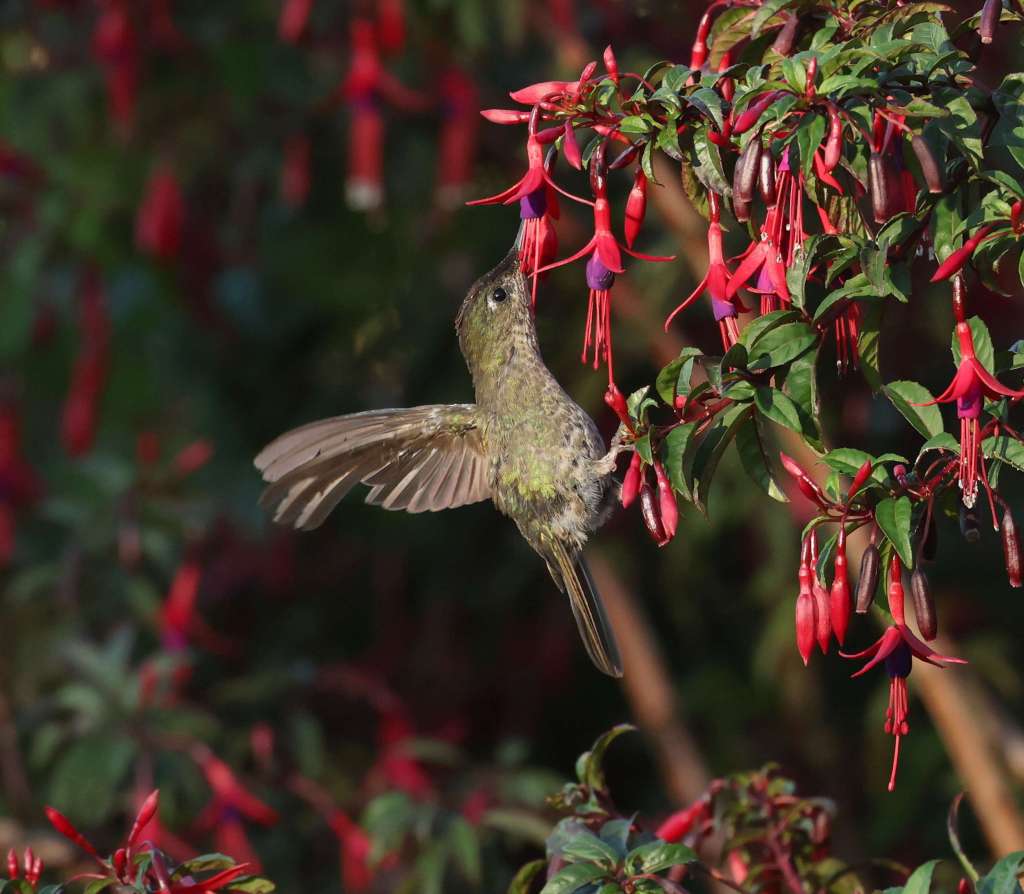
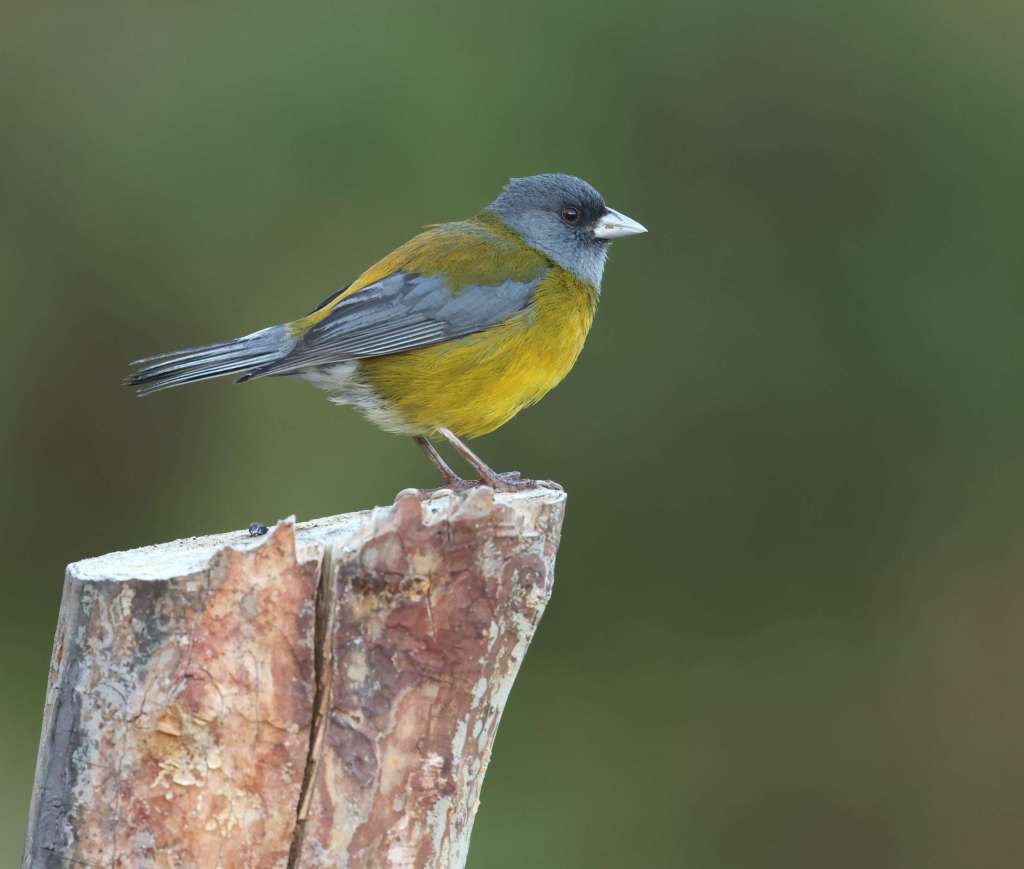
Green-Backed Firecrowns are basically the only hummingbird species this far south, and are fairly readily encountered. I wondered about how hard it was going to be to see Diucon Finches, too, as there were only scatterings of sightings shown on eBird at various random locations; however, they were pretty easily spotted and a few seemed to hang around at the same country road corner every time I went past.
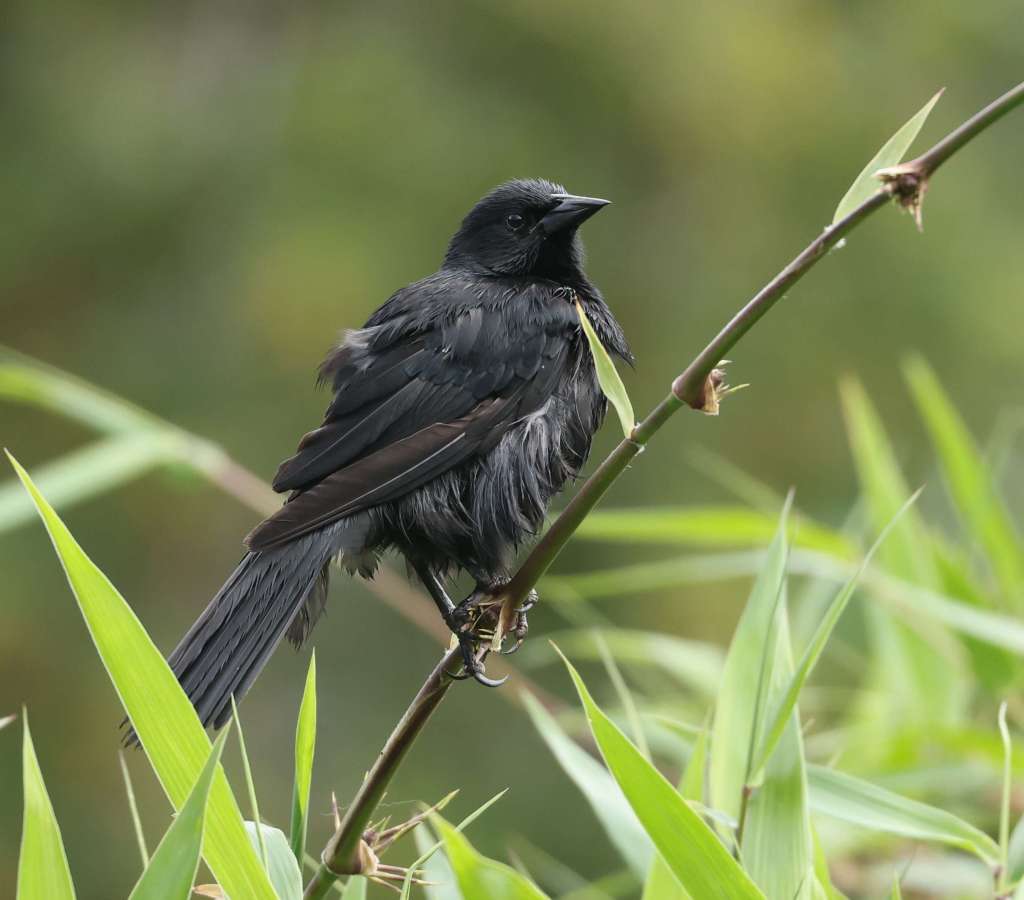
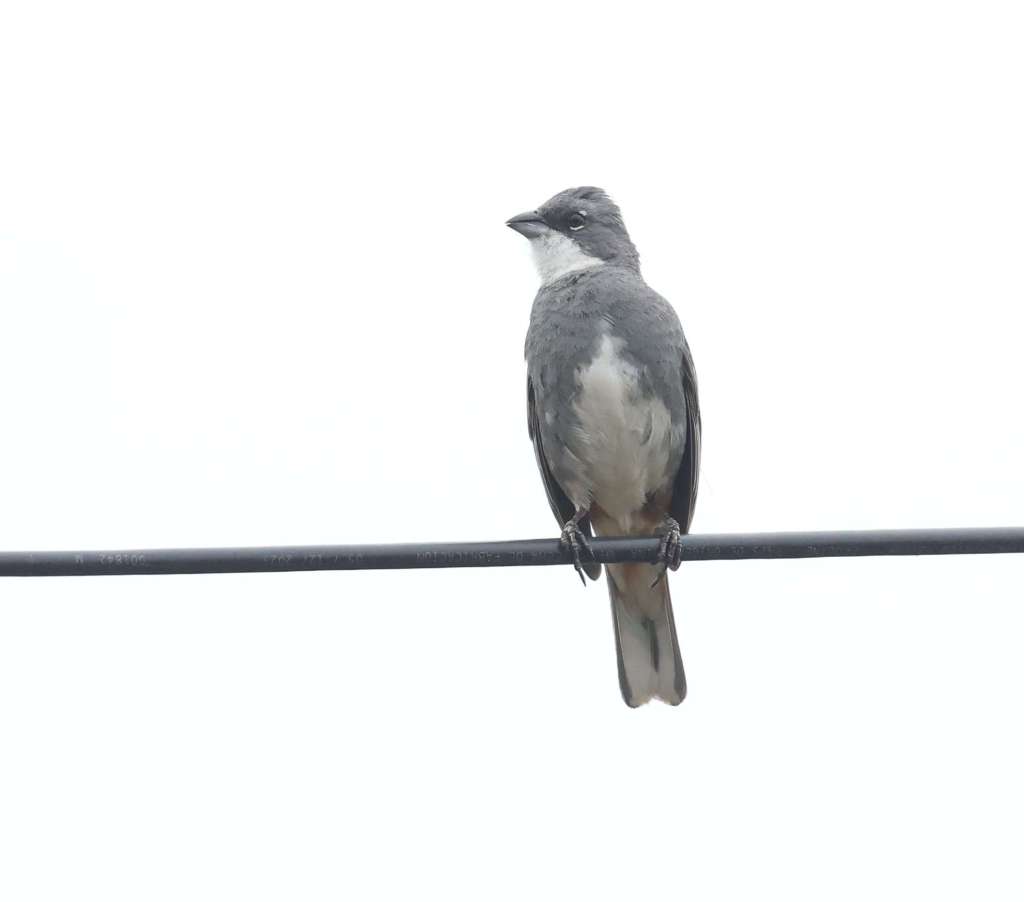
Austral Blackbird and Patagonian Sierra Finch were regulars in our back yard as were White-Crested Elaenia. In fact, words can barely explain how incredibly ubiquitous White-Crested Elaenias are across this entire region. They are just everywhere.
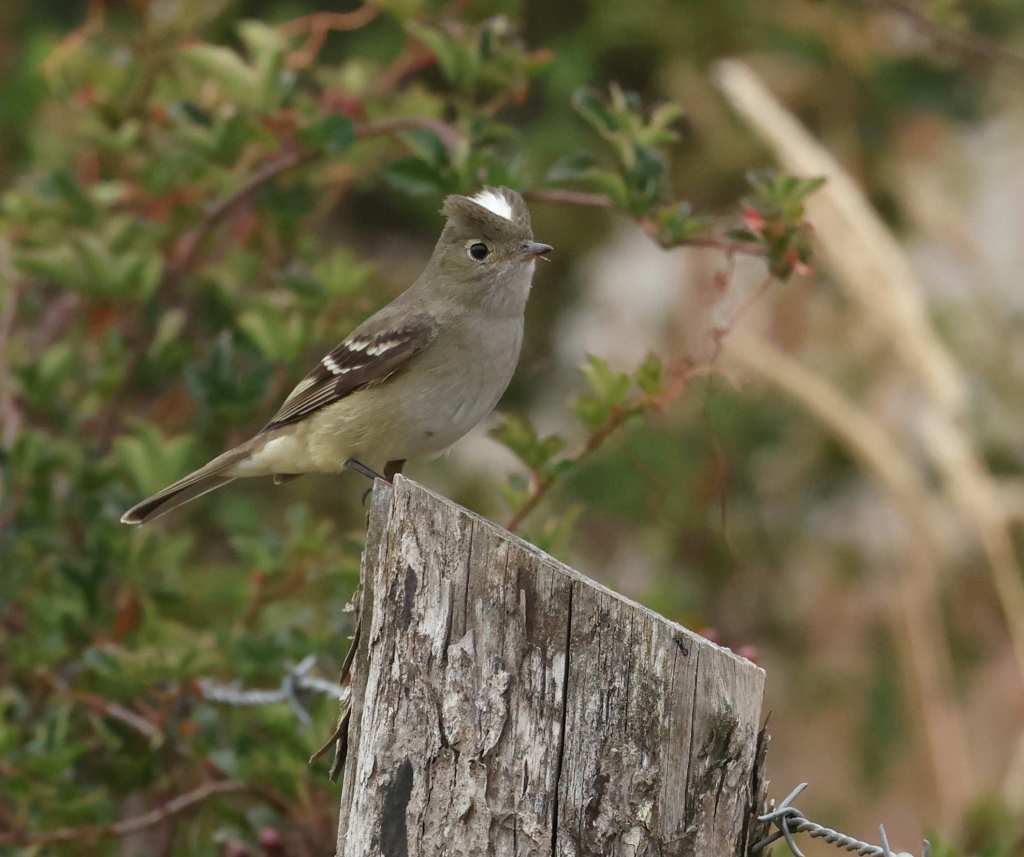
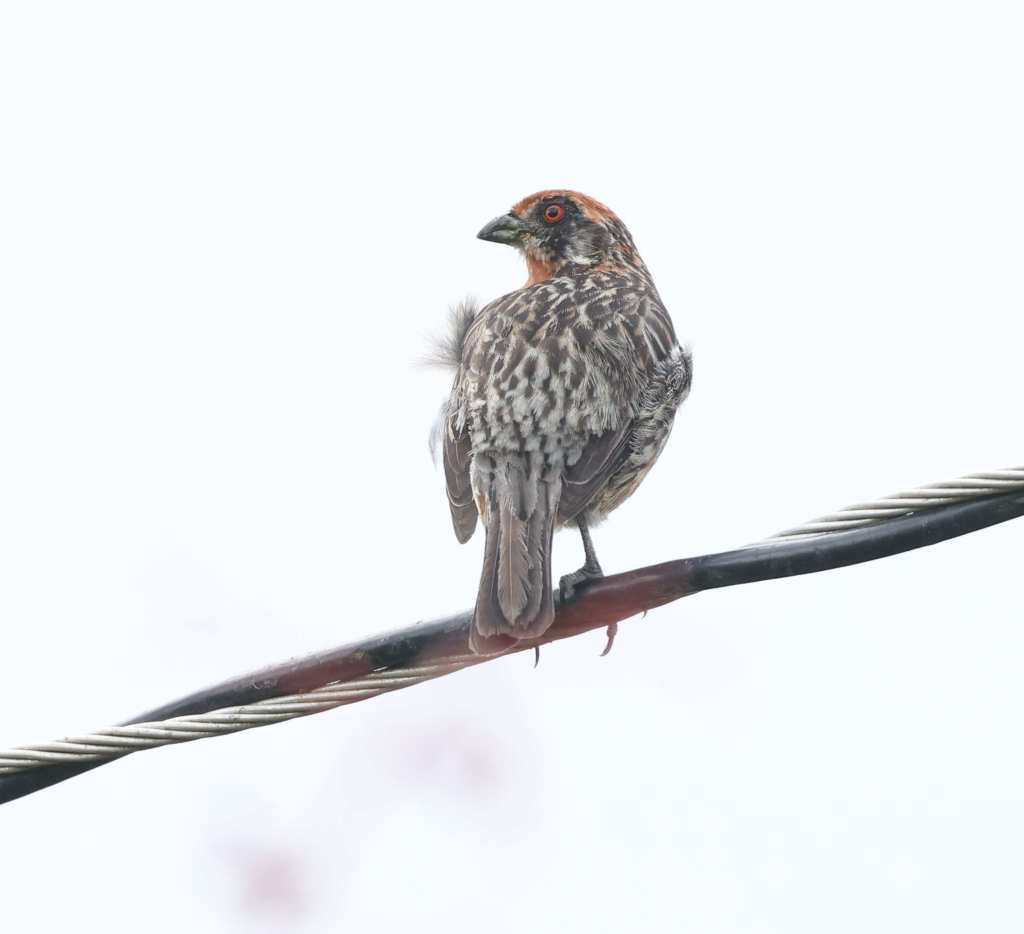
Rufous-Tailed Plantcutter is an enigmatic bird that eBird states is “often seen perched on roadside wires”… well, it took quite some time to see one on a wire, up until then I had only seen their red eyes peeking out from inside bushes and such.
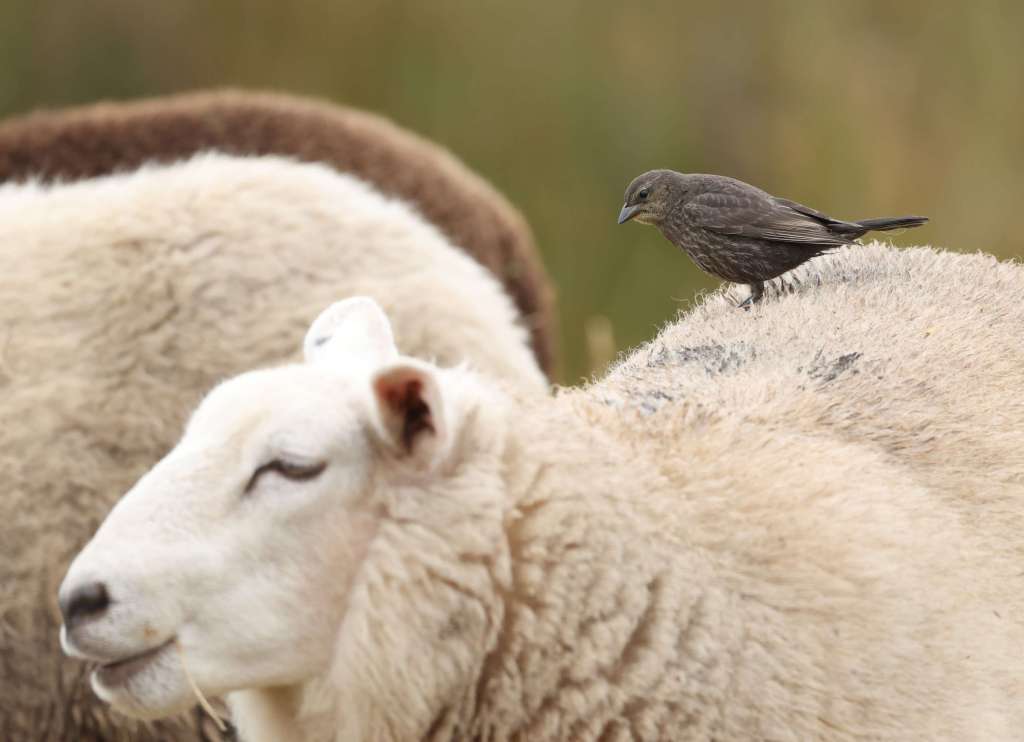
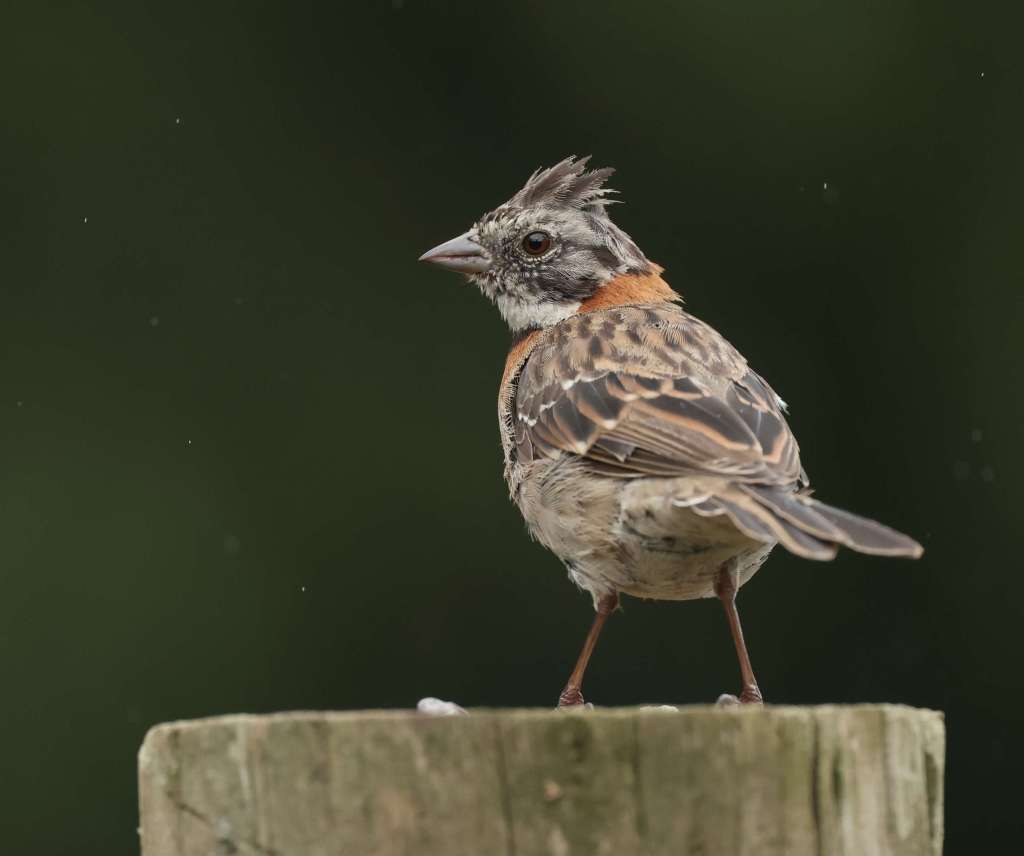
On our local road I was also amused to see a Shiny Cowbird riding on a sheep. It is a “brood parasite” bird, meaning it lays its eggs in the nests of other birds (such as, apparently, Rufous-Collared Sparrows).
The last bird I want to mention on our local roads is the secretive Ochre-Flanked Tapaculo. I was surprised that this bird – which I thought would be a denizen only of the bigger forested areas – would be hanging out in roadside bushes, but we heard it one morning calling deep inside hedge-like foliage, and were able to track the sounds of it moving within, until we finally caught a small glimpse. Tough stuff.
Humedal Teguel
Our “local” wetland was Humedal Teguel, so we were able to do some more in-depth and leisurely birding there.
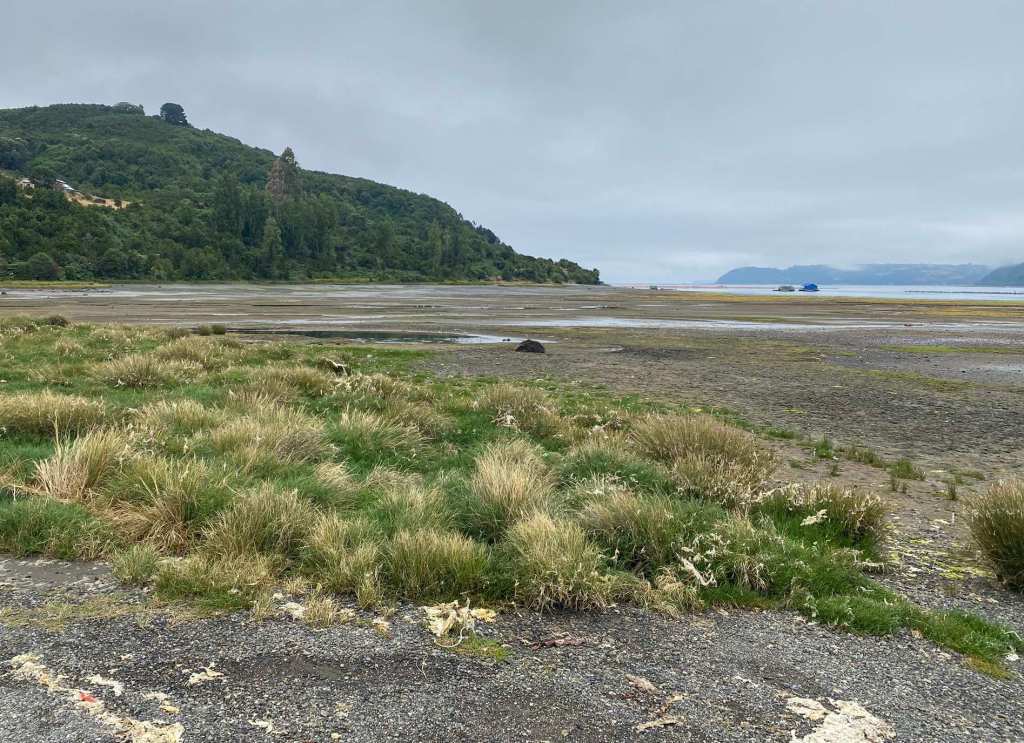
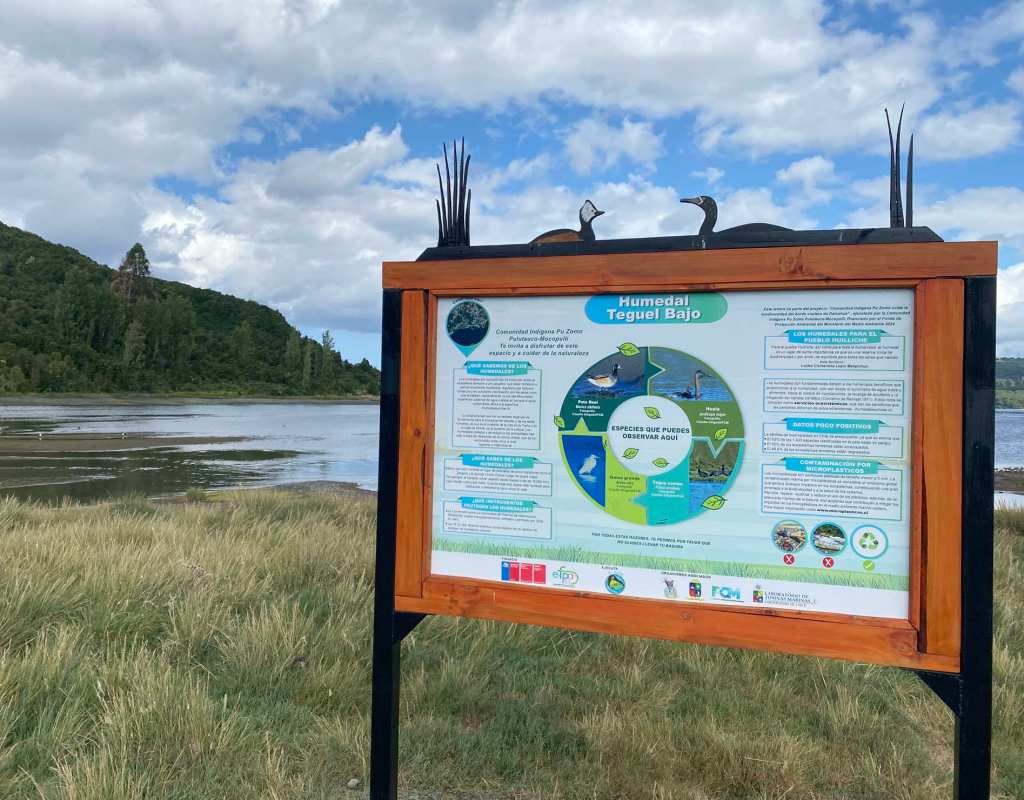
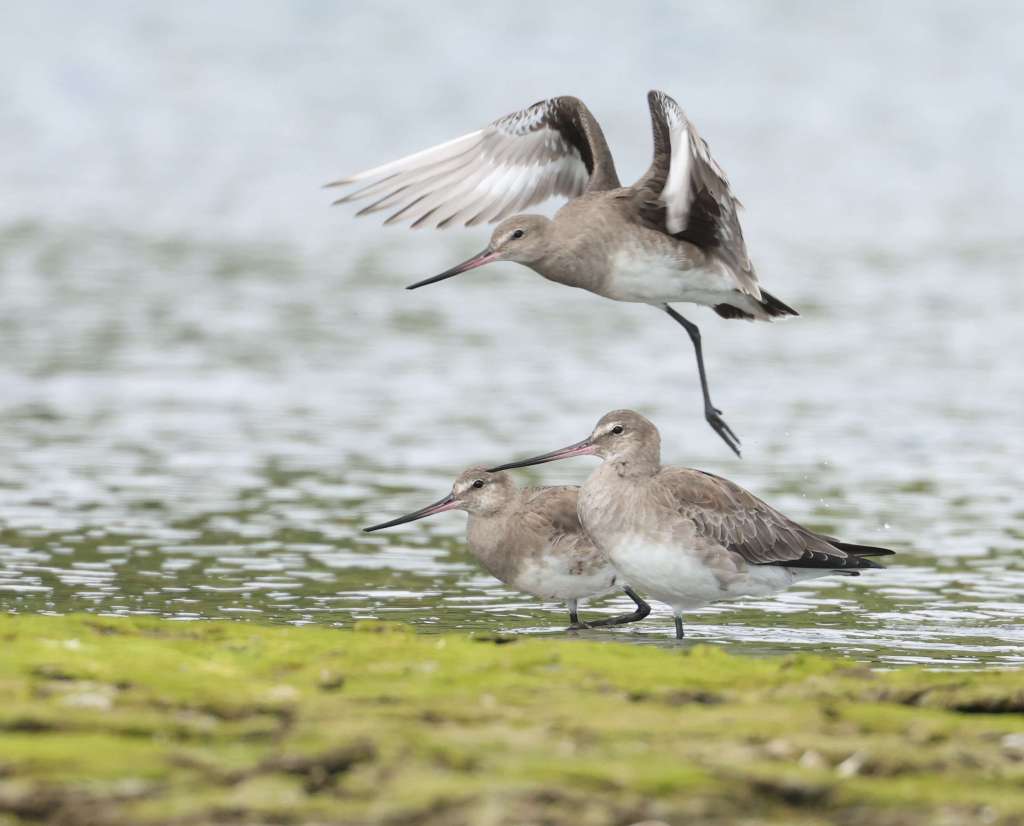
Being a tidal estuary, Hudsonian Godwits were in large numbers, and counting the huge flocks wheeling across the water as well as the groups on the water’s edge, we estimated over 1360 of these birds.
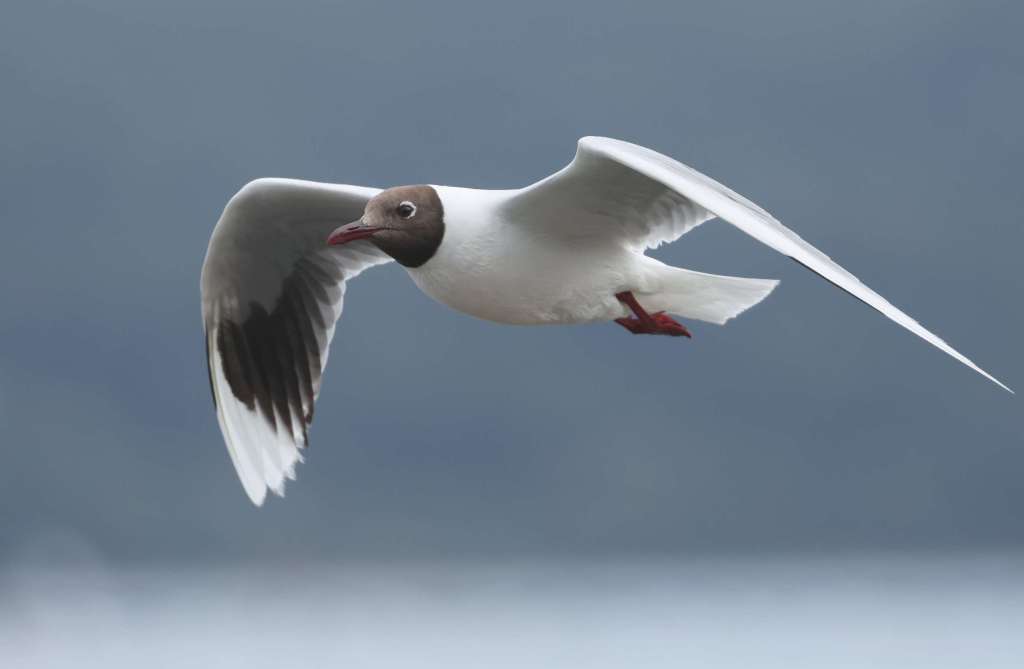
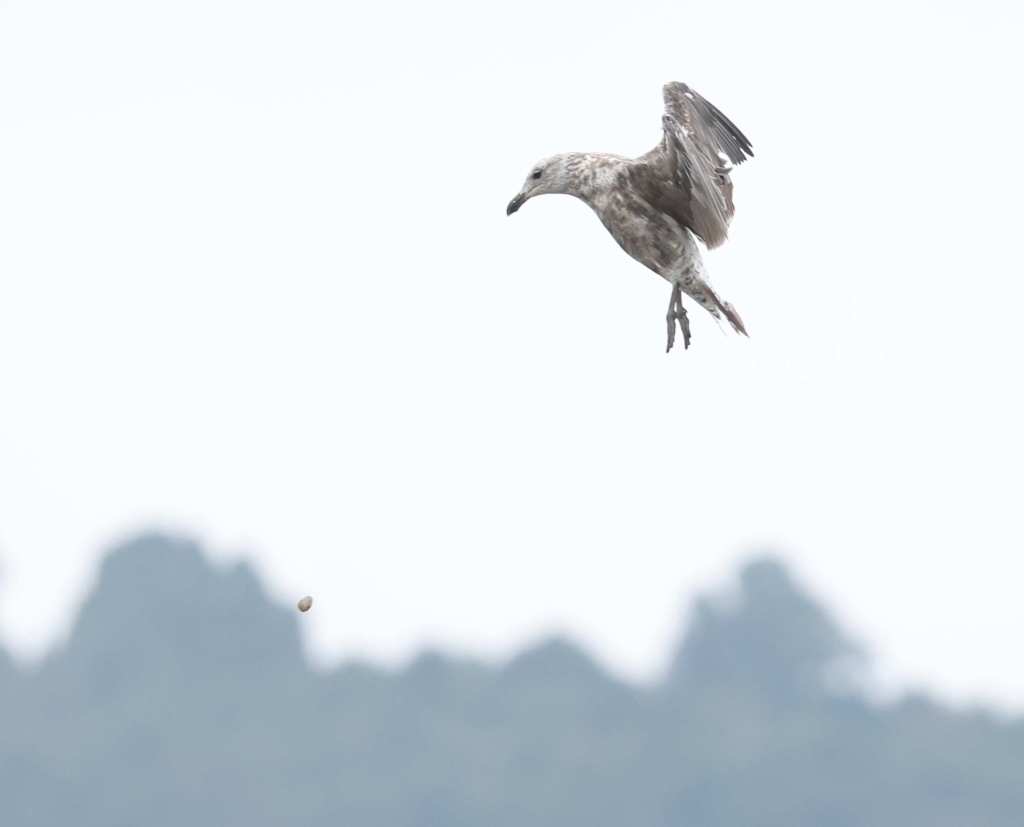
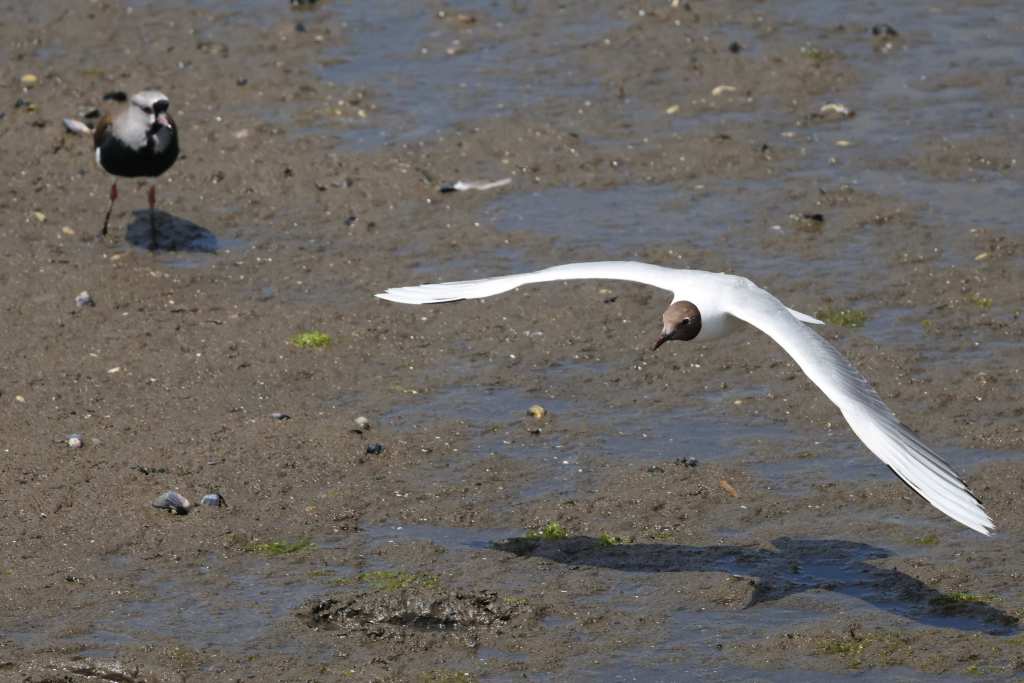
There were Brown-Hooded Gulls, Kelp Gulls and Hudsonian Whimbrels as well as a Yellowlegs (probably Lesser), and over fifty Southern Lapwings. The Kelp Gulls were picking up shellfish and dropping them from height onto the pebbles below, hoping the fall would break them apart for easy eating. Fun to watch!
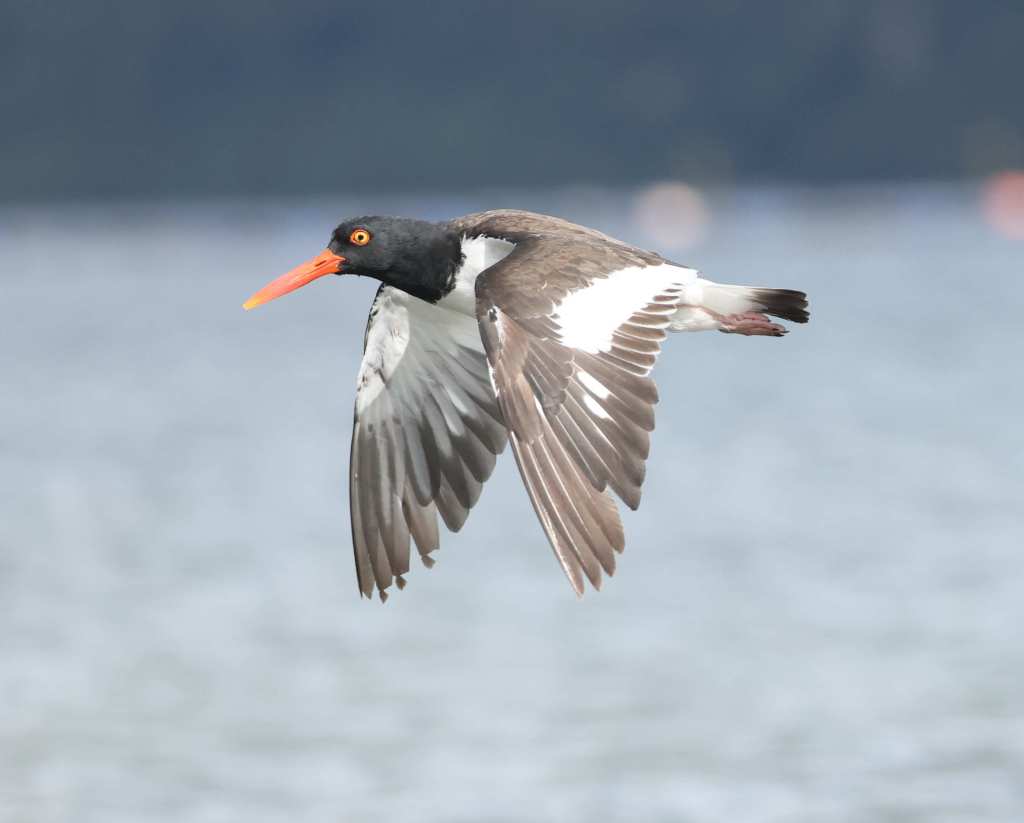
American Oystercatcher is by far the most likely oystercatcher here, with Magellanic and Blackish Oystercatchers very seldom seen. We saw a lone South American Tern, while Snowy-Crowned Tern is also possible (as it is at various costal sites around the island).
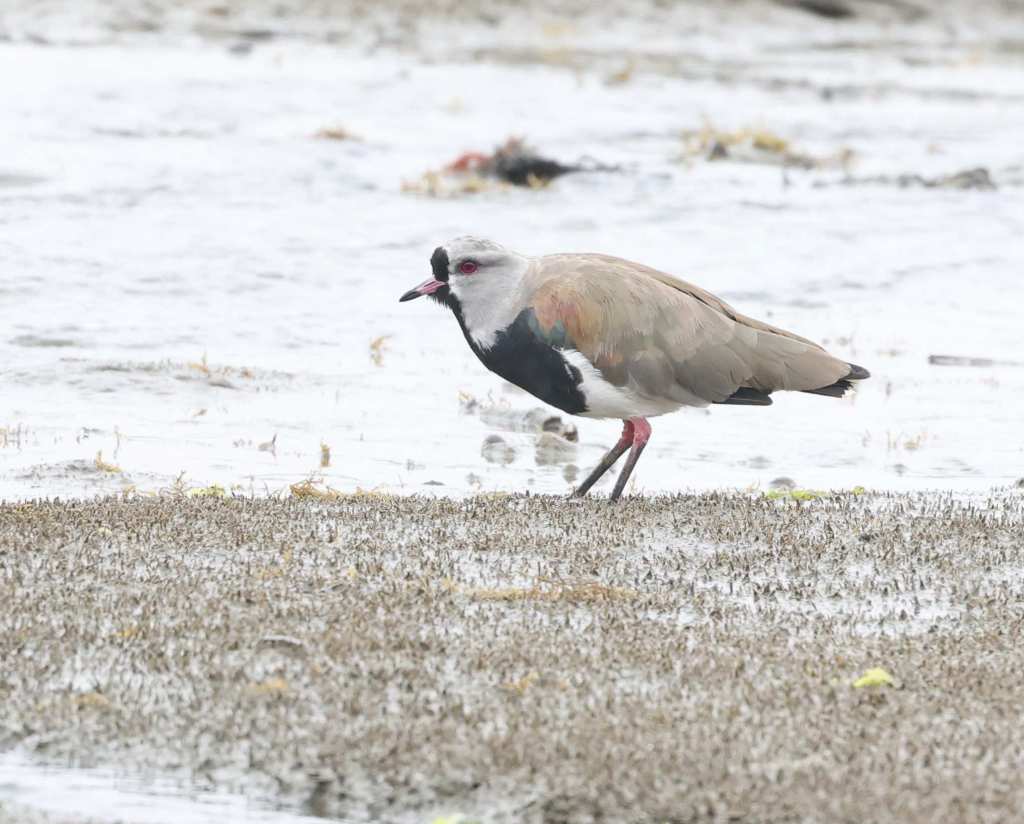
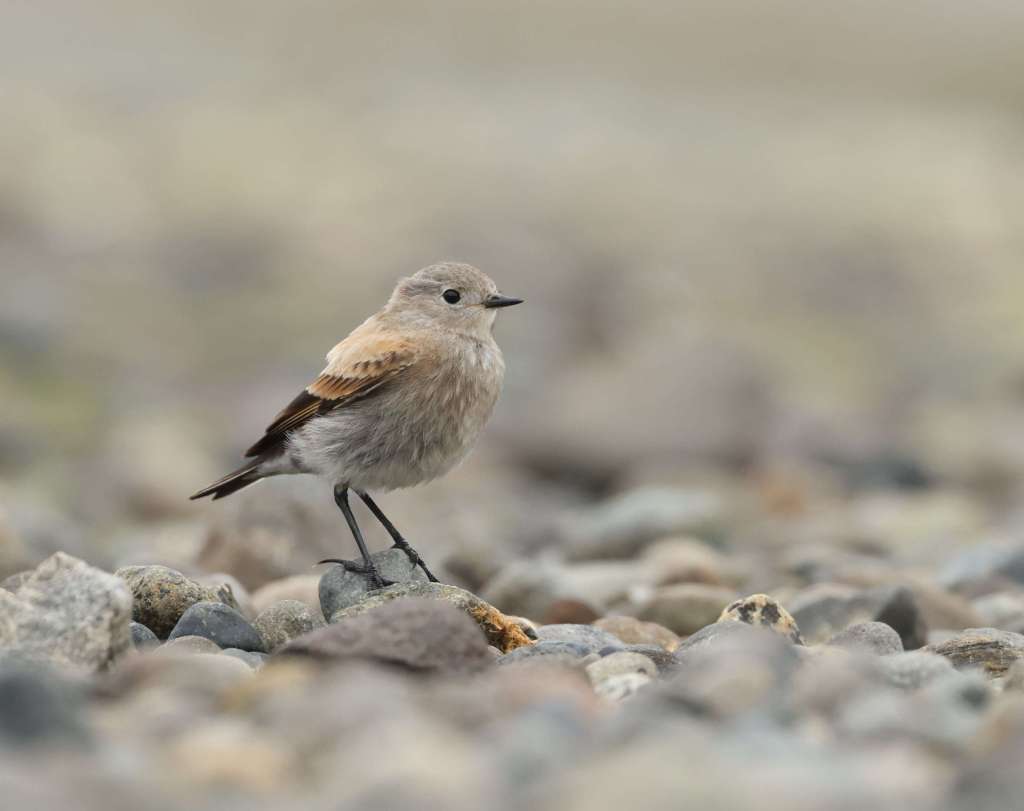
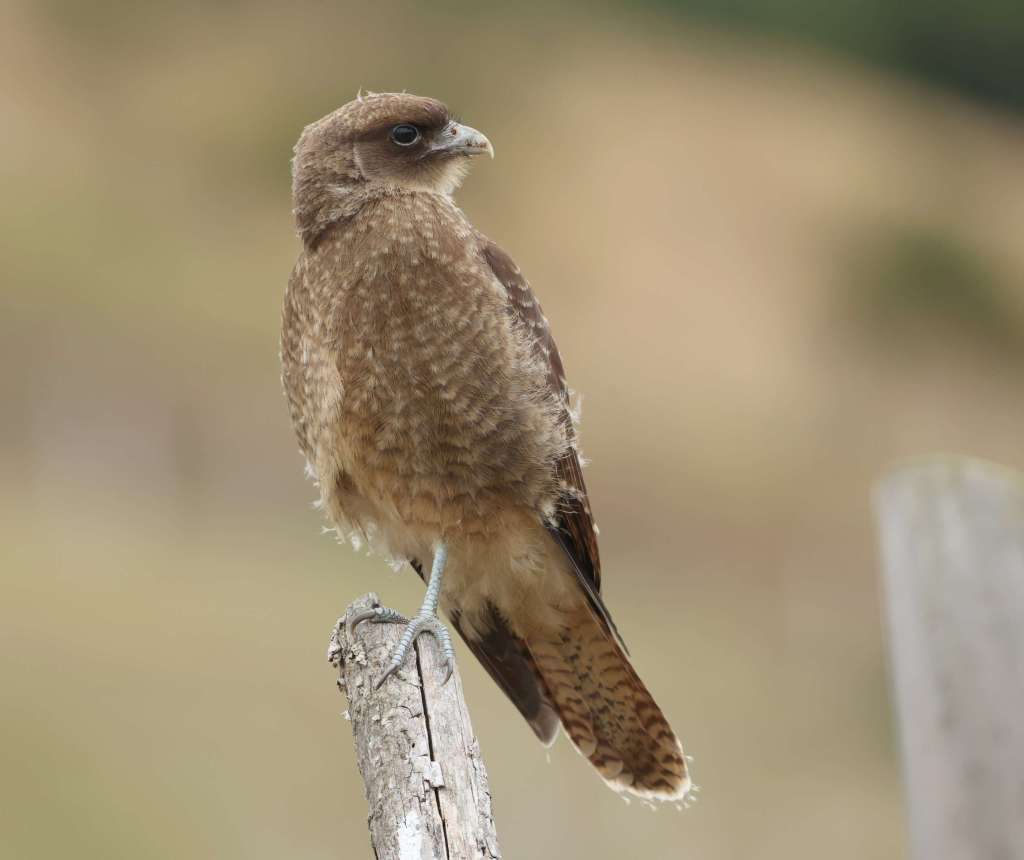
The Teguel wetland was OK for grass and bush birds too, with Chiloe Pigeons, the occasional Black-Chinned Siskin and Grassland Yellow-Finch, Tufted Tit-Tyrant, Austral Thrush, Austral Negrito, and of course the ever-present Chimango Caracara.
There were a bunch of mussel farms off shore and what looked like harvesting with mussel boats pulling in and loading up trucks further down the beach from where the estuary empties out. The gulls were pretty interested in this!

Apart from the mussel boats further down, there were very few people here which made Teguel a nicely chilled-out and fairly sheltered spot to while away a bit of time watching the various birds do their thing.
Isla Aucar
You might find yourself at Isla Aucar amongst more than a few tourists and locals enjoying the photogenic boardwalk out to the tiny island. It is rather Instagrammable, and fortunately there is a large car park to accommodate everyone.
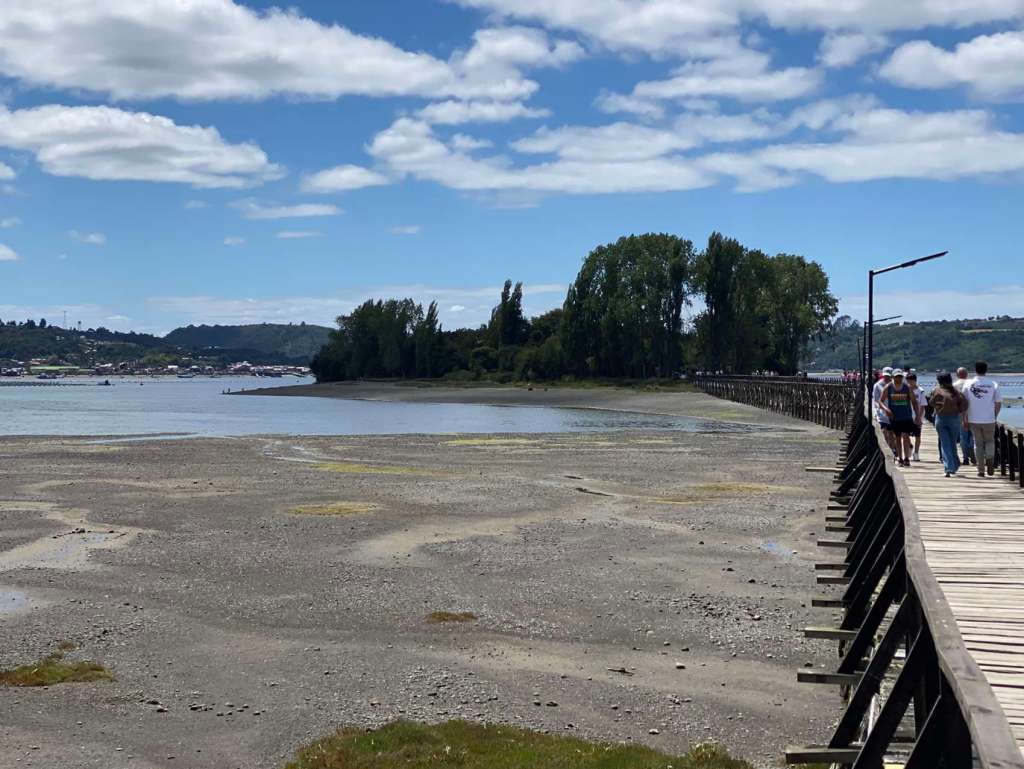
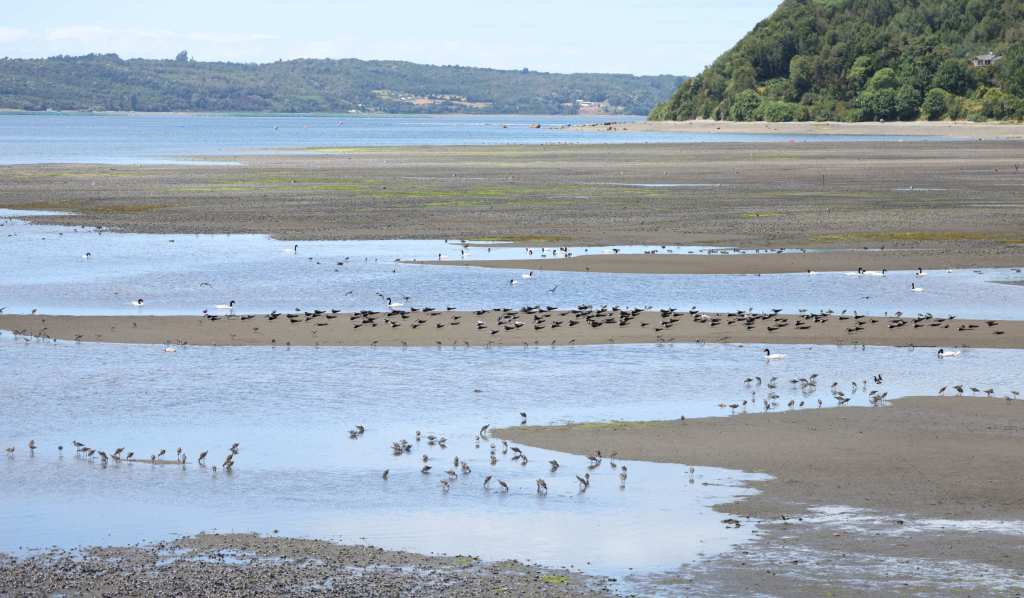
The main attraction for birds here is on the tidal sandflats, which attract Hudsonian Godwits, Hudsonian Whimbrels, Black Skimmers, Black-Necked Swans and the usual assortment of Imperial and Neotropic Cormorants, Southern Lapwings, Chiloe Wigeons and other duck species. Not to mention over 160 Brown-Hooded Gulls on the day we visited.
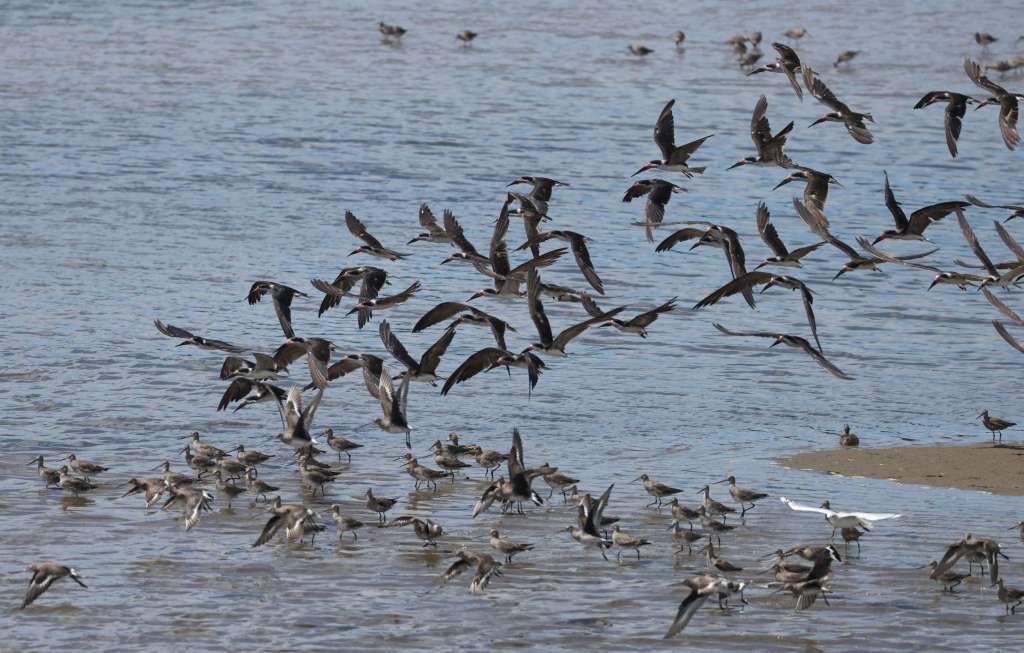
Four Flightless Steamer-Ducks were a bit more unusual, but my focus was more on the Black Skimmers. They are so unusual with their lower bill protruding further than their upper bills, allowing them to “skim” through the top of the water to scoop up prey, and it was really cool seeing 150 of them at once.
The nicest aspect of this site from a birding perspective is that the long boardwalk lets you get fairly close to the birds without having to walk out onto the sand.
Petrohue
Right, onto the mainland – the Lakes District of southern Chile!
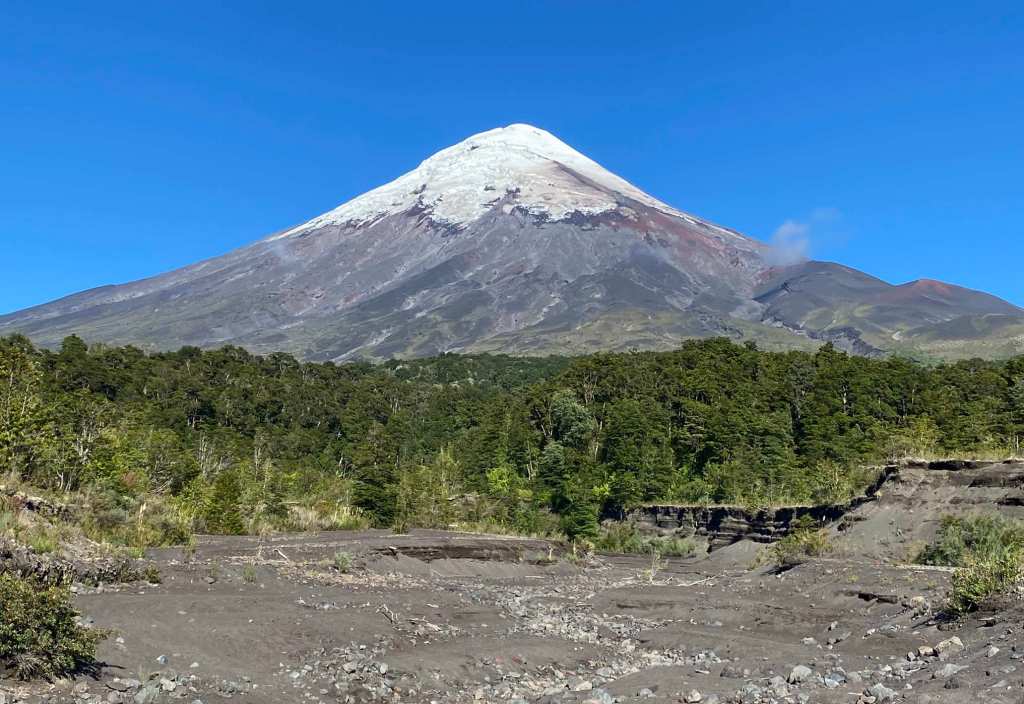
West of the gateway town of Puerto Varas lies the impressive Osorno Volcano, about 2600m high, with a classical conical shape and snowy cap. There are a number of roads and trails around the base of the volcano; we tried out the trail at the “back” of the volcano, Petrohue. This one didn’t seem to need a fee or ticket to access, though there was a registration book that the signs said you should fill out before walking.
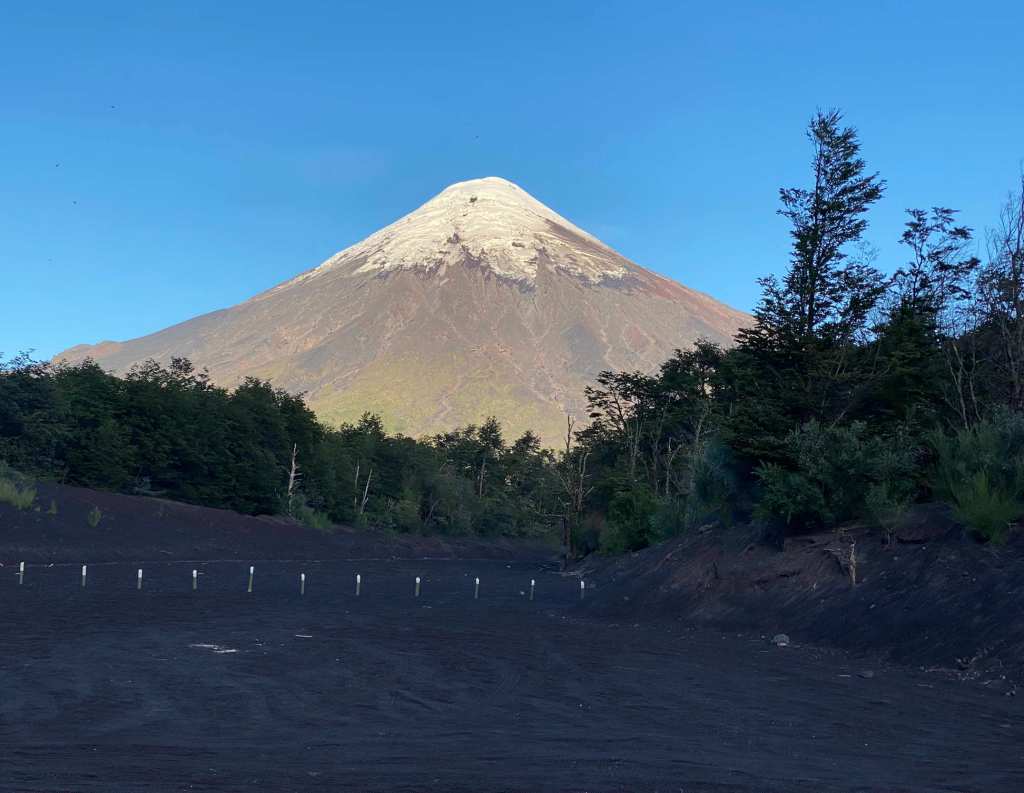
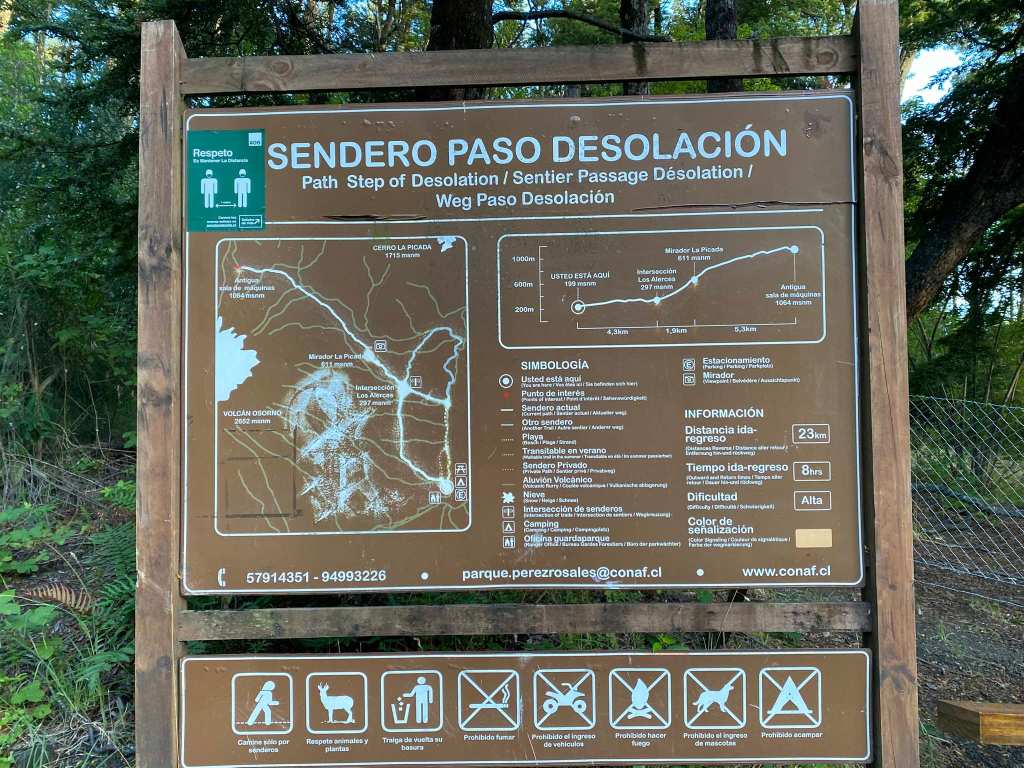
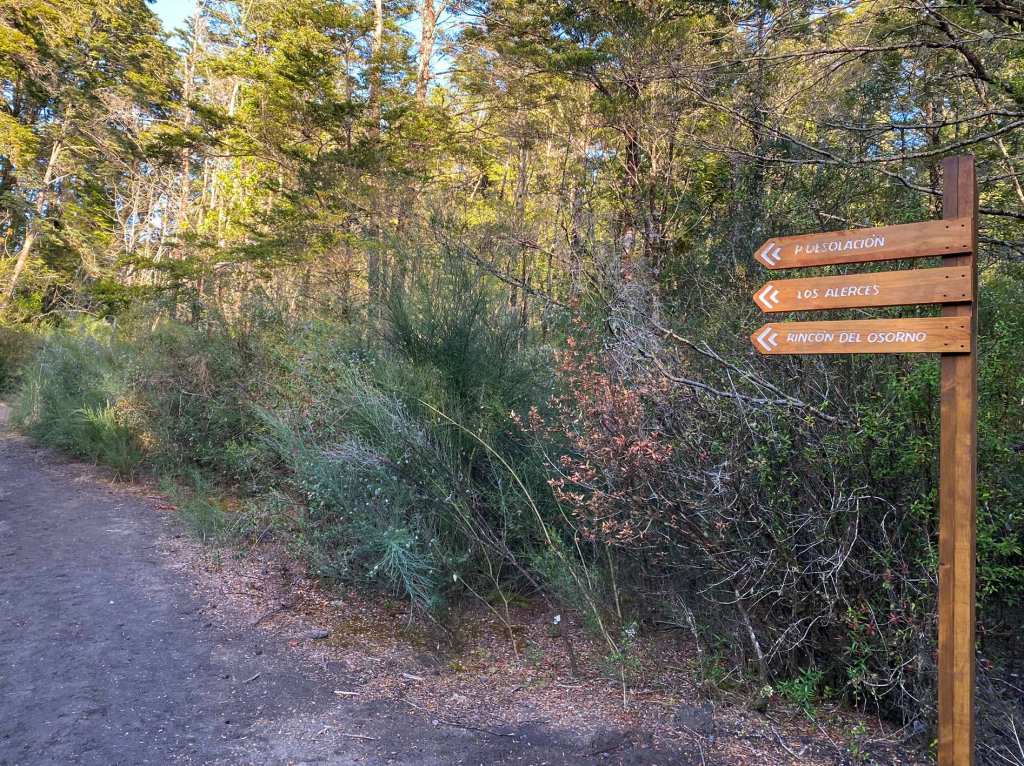
The track goes round the base a bit then ascends 300m or so altitude to give good views of both the volcano and the wide blue expanse of Lago Todos los Santos to the east, from the “Mirador Lapicada” lookout. This is where we turned back, but you can walk much, much further if you are so inclined.
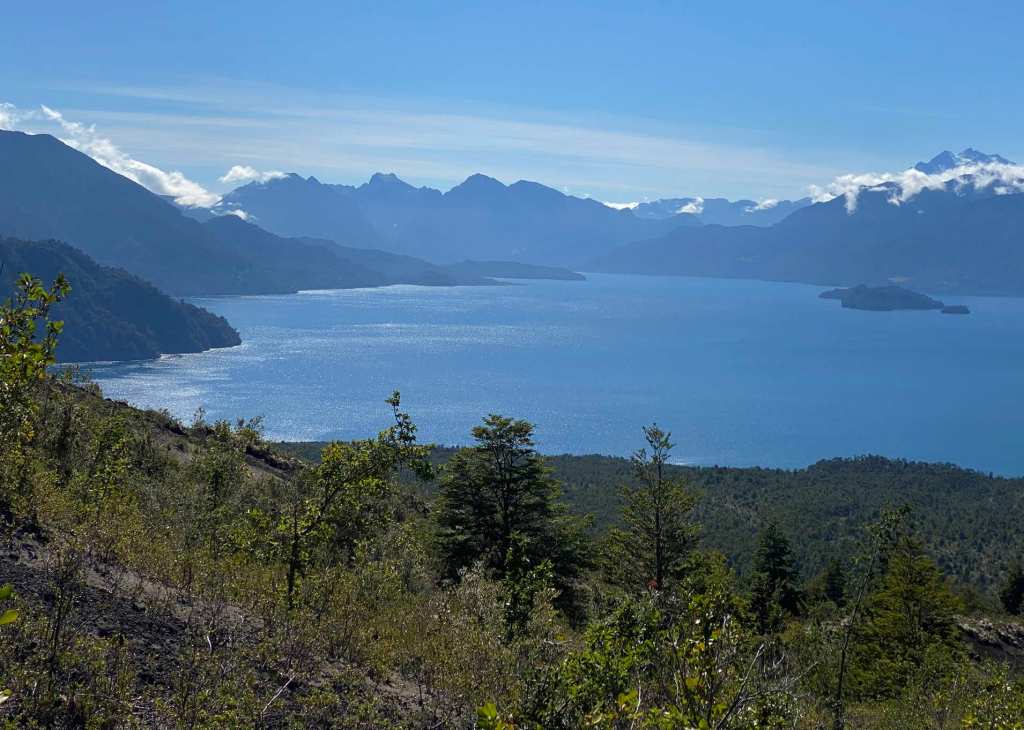
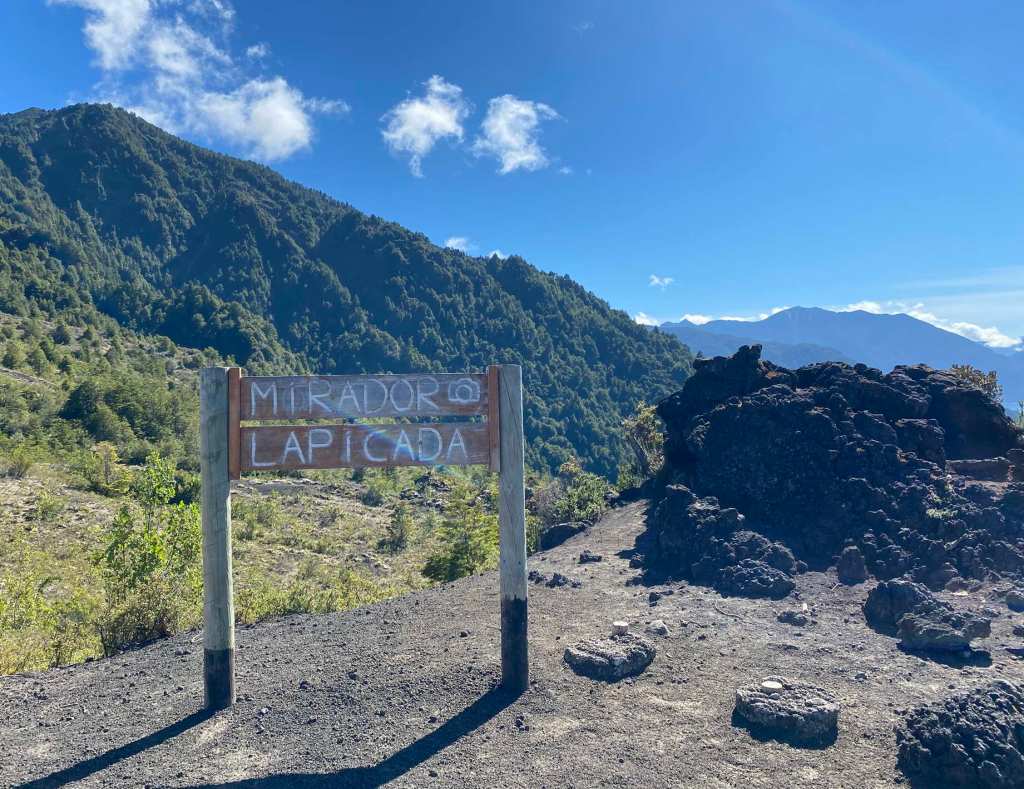
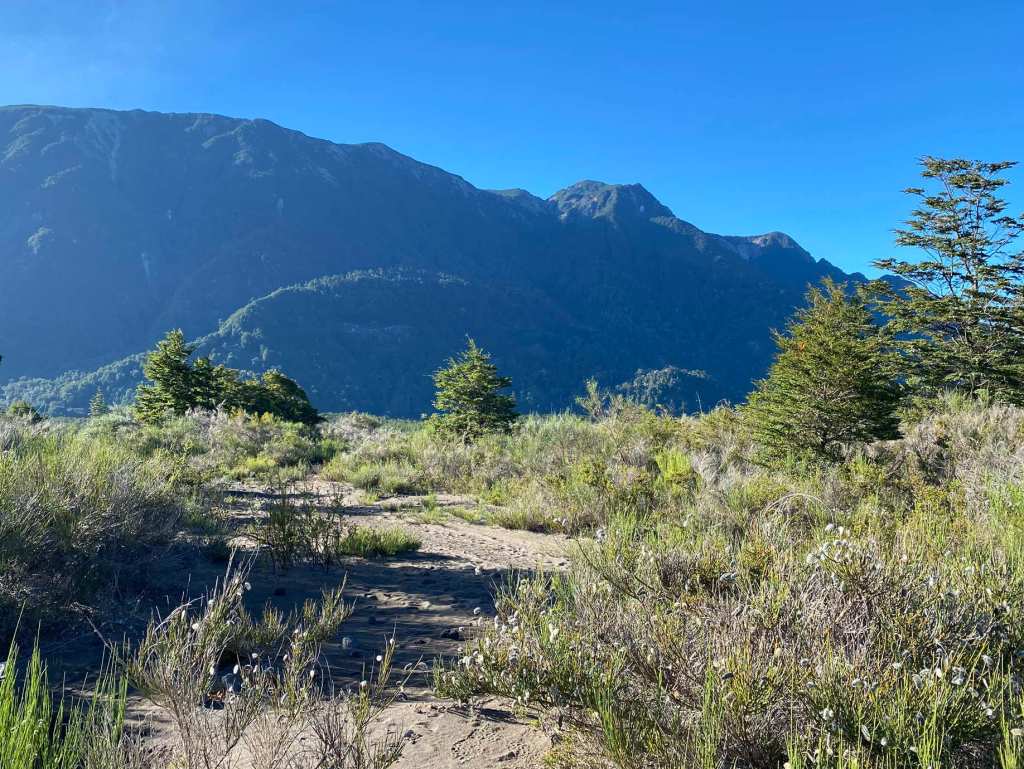
Interestingly, one of the creeks we crossed on the way out was dry, then it was running quite a bit of water a few hours later when we re-crossed on the way back. We assumed avalanche or sudden snow melt.
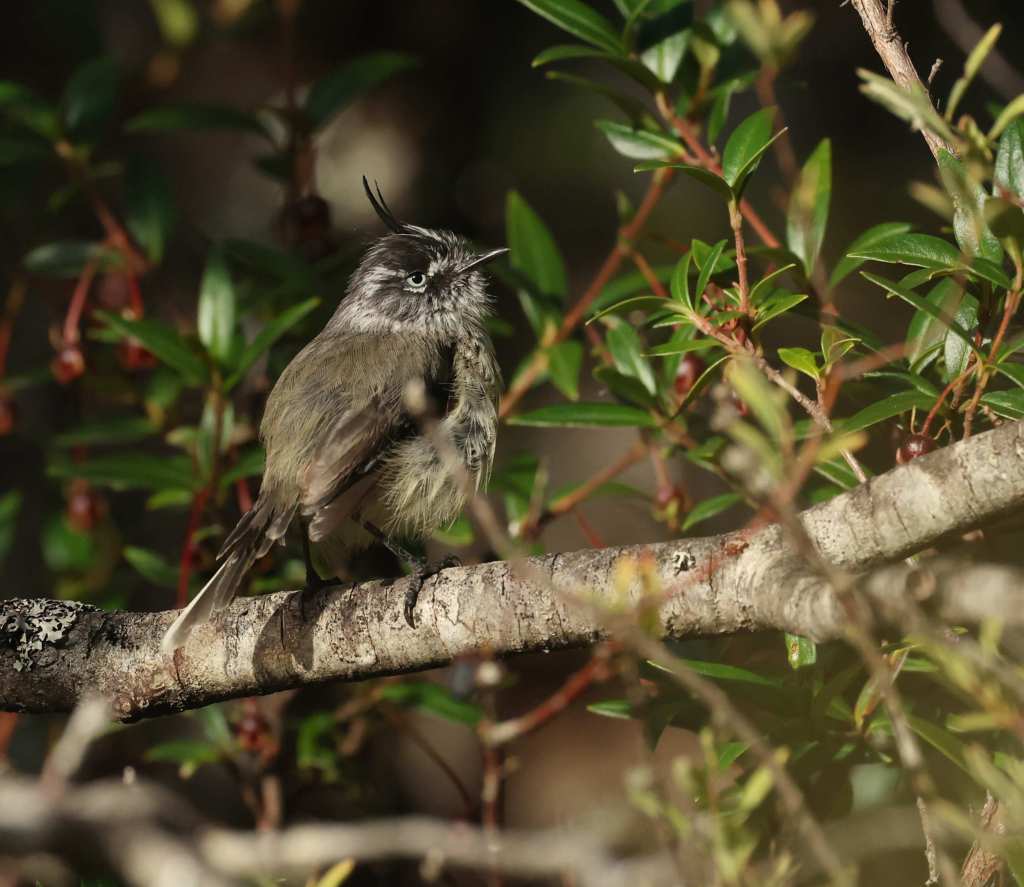
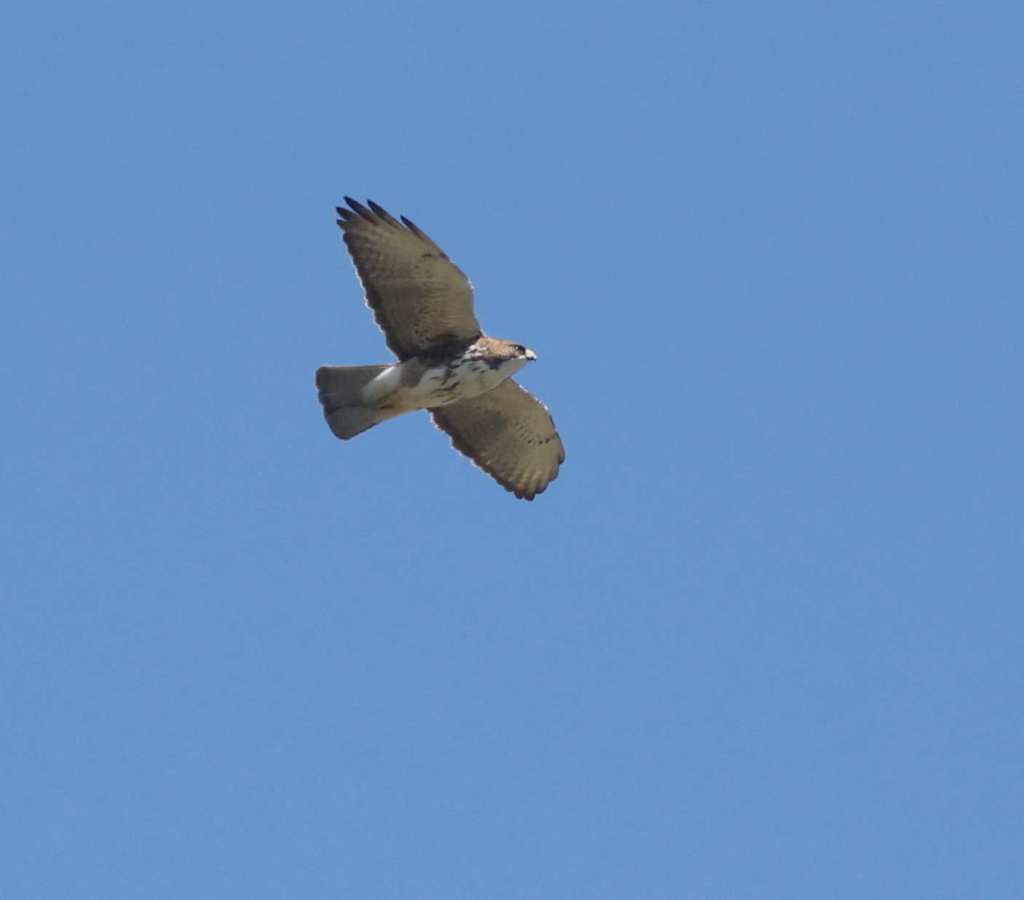
Of the 11 bird species we checklisted, we picked up one new bird, a White-Throated Hawk, thanks to it calling loudly while flying overhead, alerting us to its presence. Other birds we encountered we were very familiar with by then, being White-Crested Elaenia, Chilean Swallow, Tufted Tit-Tyrant, Chucao Tapaculo (several were heard), etc.
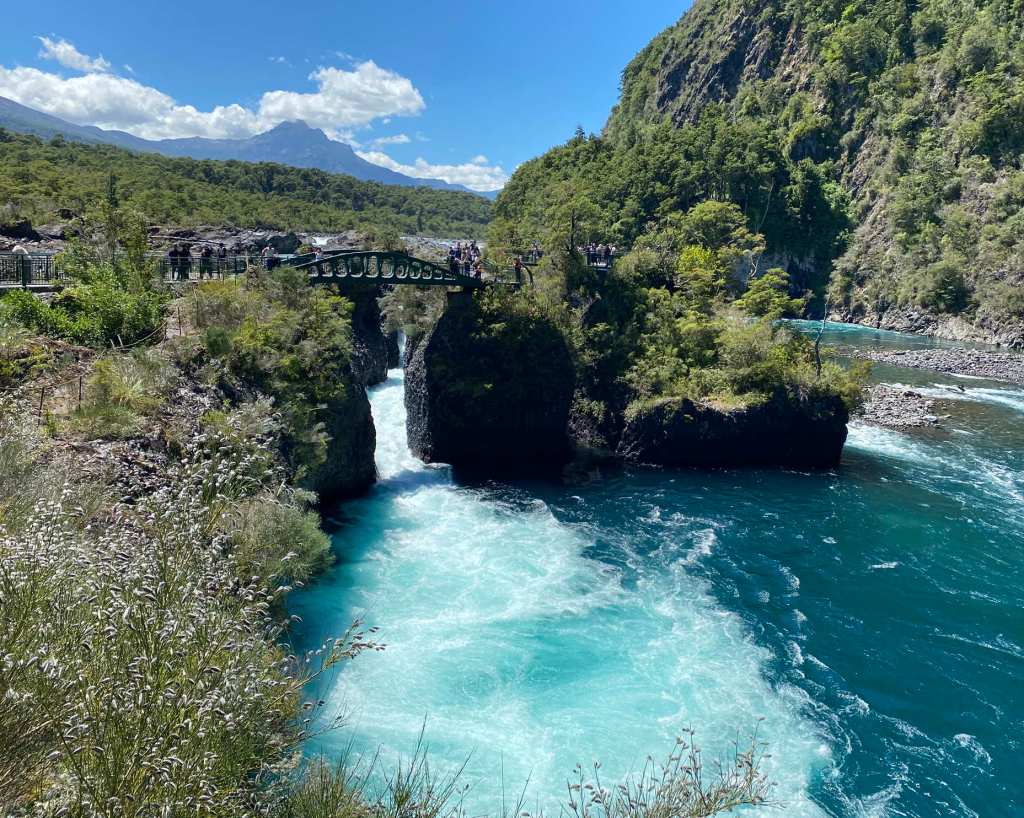
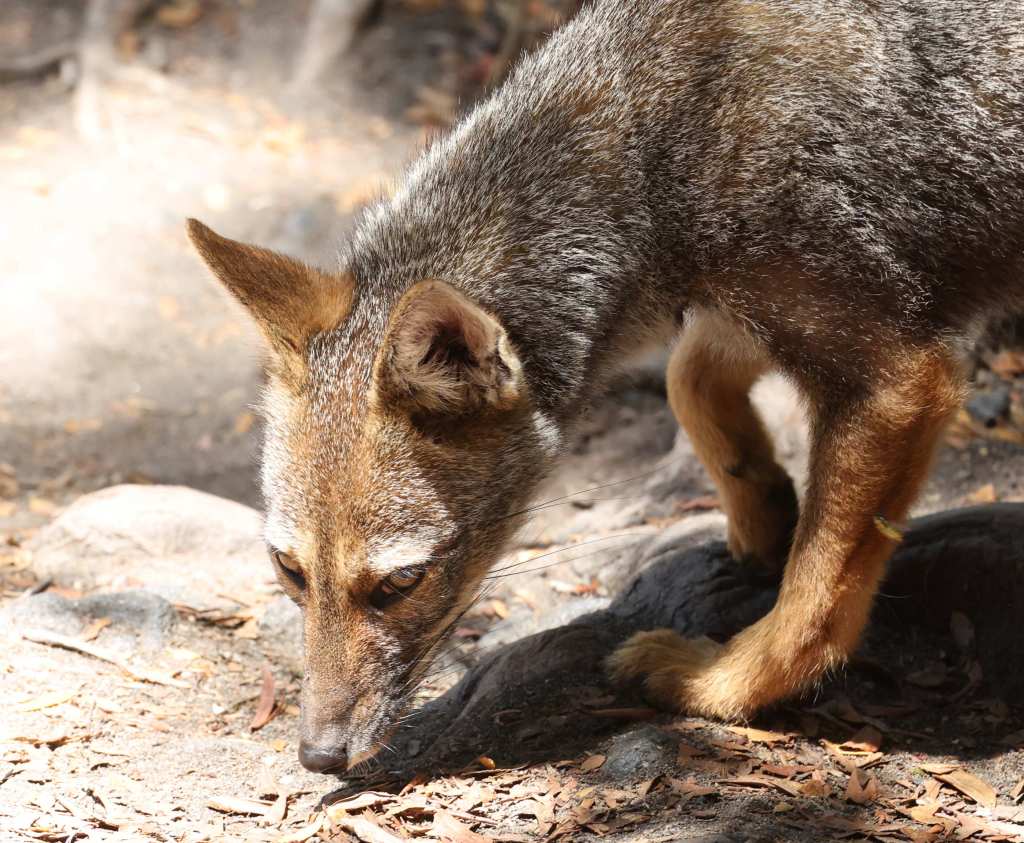
The huge tourist draw in this area is the super-busy Petrohue Waterfalls, which is indeed quite a sight (an entry fee is required). It has a few forest trails that follow the river and I felt it would be a decent place for birds at the right time of day, but by then for us it was late morning and heaving with people, so we didn’t see much in the way of birds. We did, amazingly, briefly see a Darwin’s Fox – also known Darwin’s Zorro… it’s more related to wolves than foxes.
Pucon
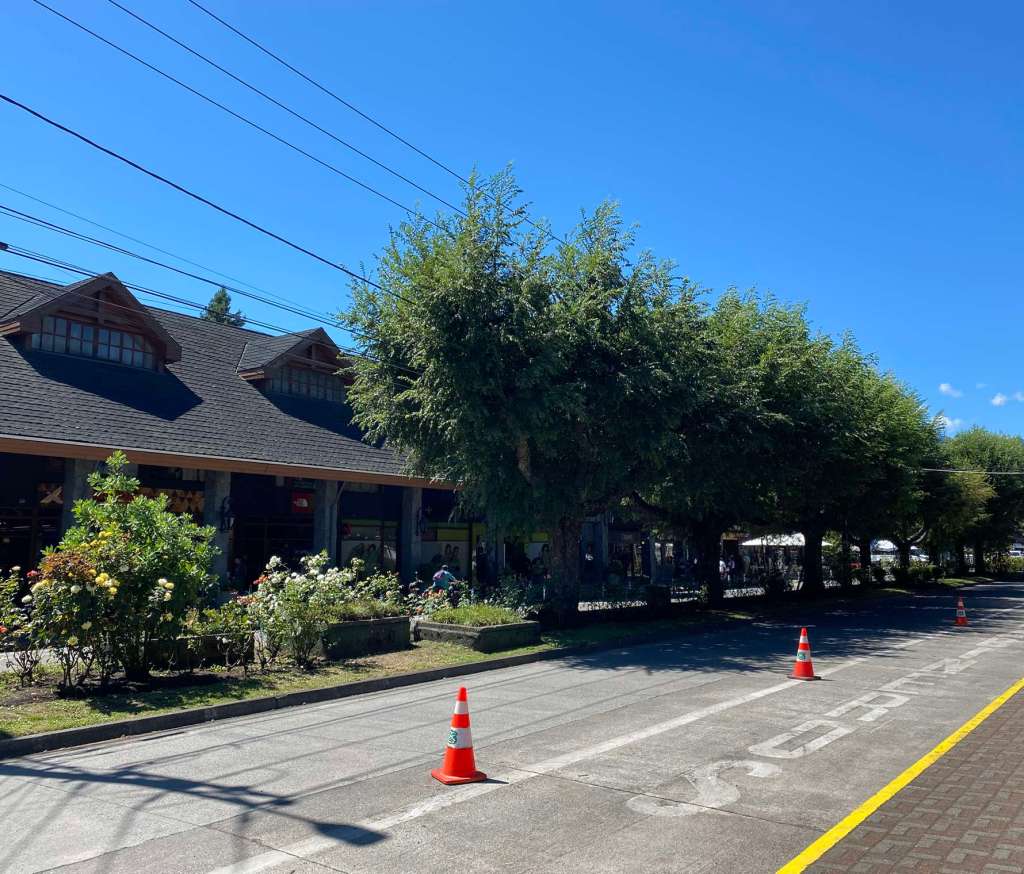
At the north of the Chilean Lake District is the town of Pucon. It’s pretty touristy and busy, but is also quite a scenic place, especially the harbour area. It also styles itself as the region’s “adventure capital” if you happen to be into white-water rafting, mountain biking, canyoneering and so forth. You might also find yourself passing through here if you’re on your way to Huerquehue National Park (see below).

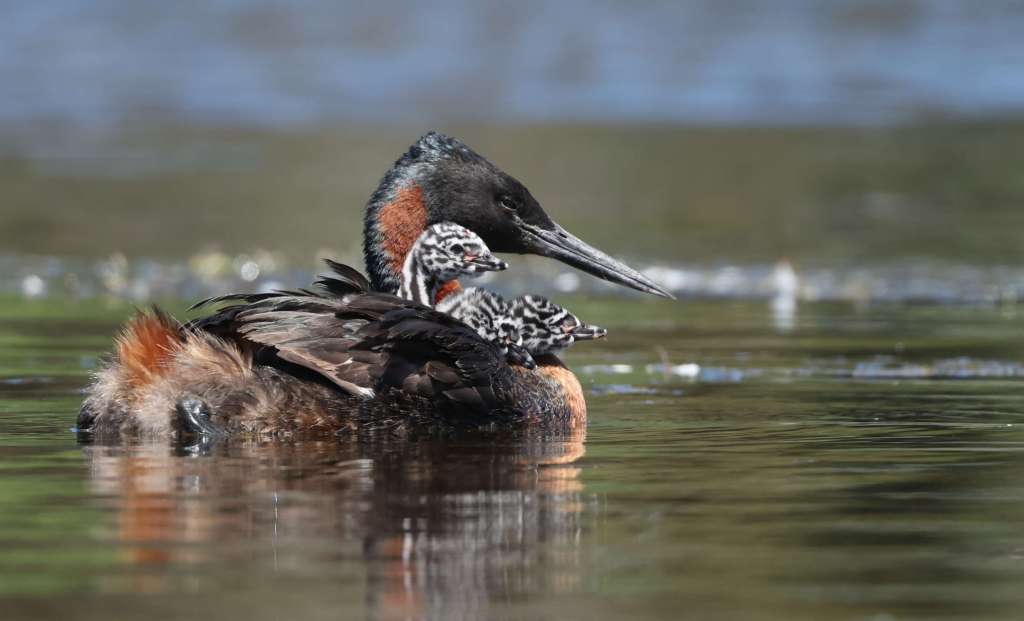
Of great interest to me in the harbour were the many Great Grebes – over fifty of them, in fact, spread throughout the area! There are a few little jetties and rocky bits you can get sort-of close to some of them, and I tracked one which had three little chicks riding on its back, getting some really cool shots and video, even though the harsh sunlight wasn’t always kind to the grebe’s black plumage. This was a really special encounter for me as I’ve always wanted to get photos of grebes with their wee ones on their backs.
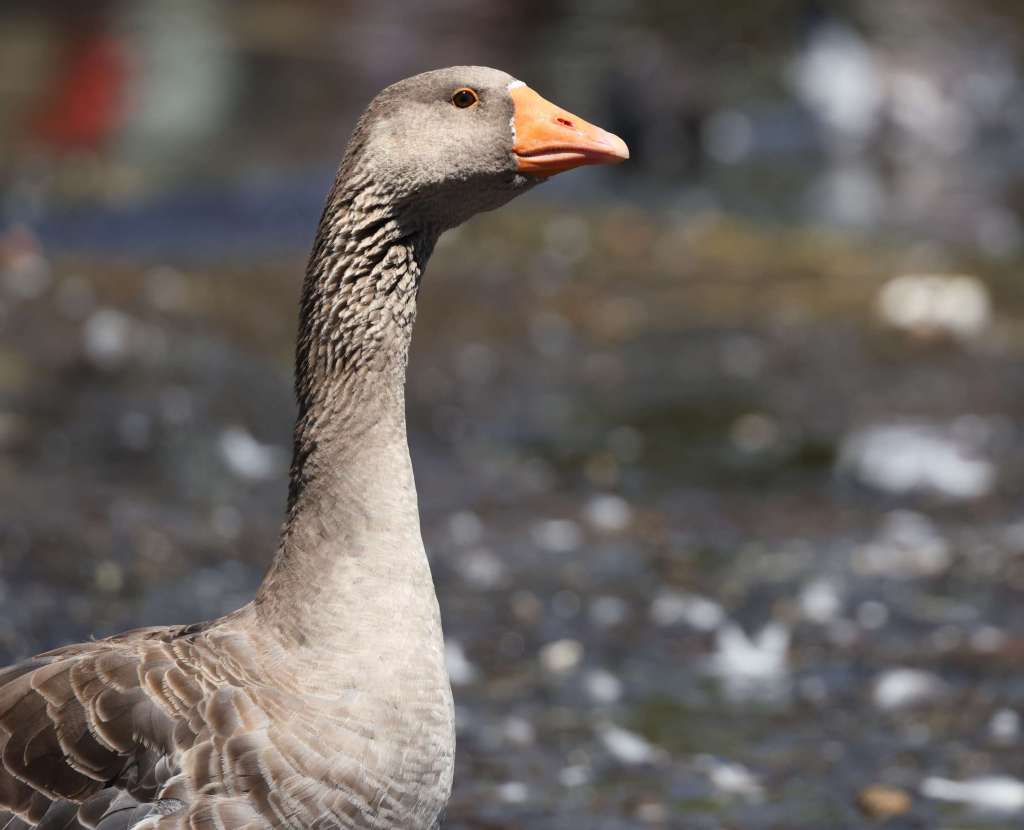
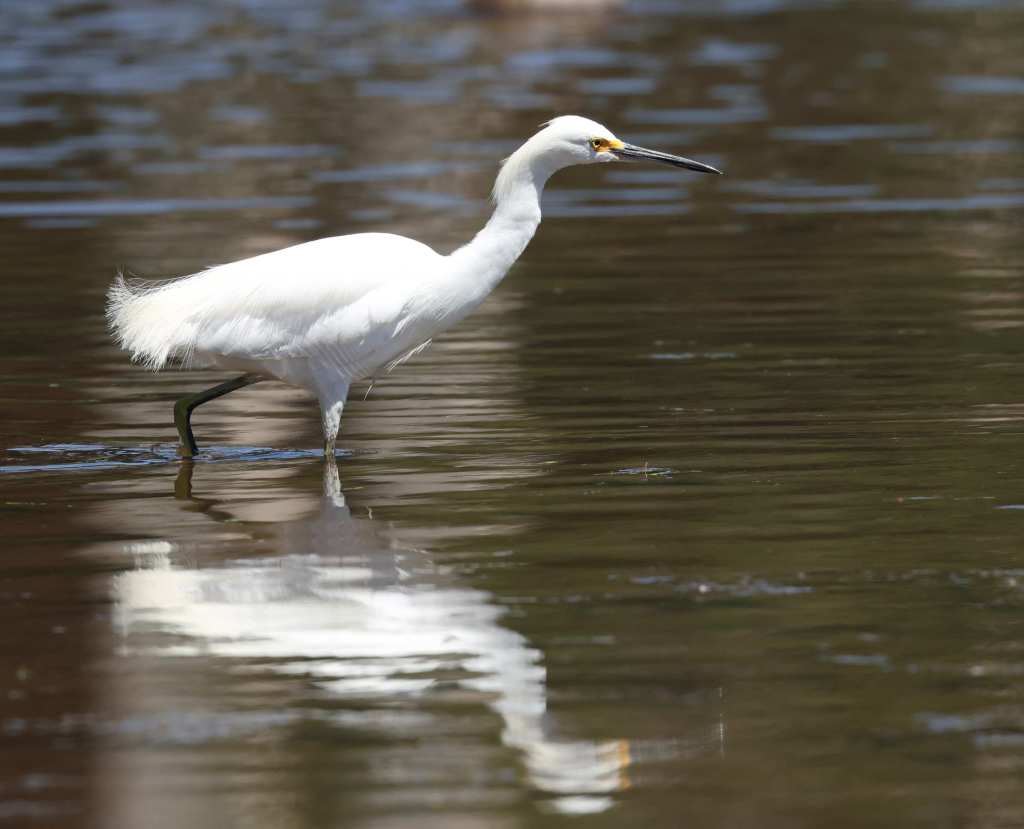
Greylag Geese, one of the most widespread geese in the world, are here, though in eBird they are classified as “Exotic: Escapee”, so you wouldn’t be able to call it a lifer. There were also four Snowy Egrets, a few Red-Gartered Coots, a bunch of gulls and Yellow-Billed Teals, and over a dozen Rock Doves.
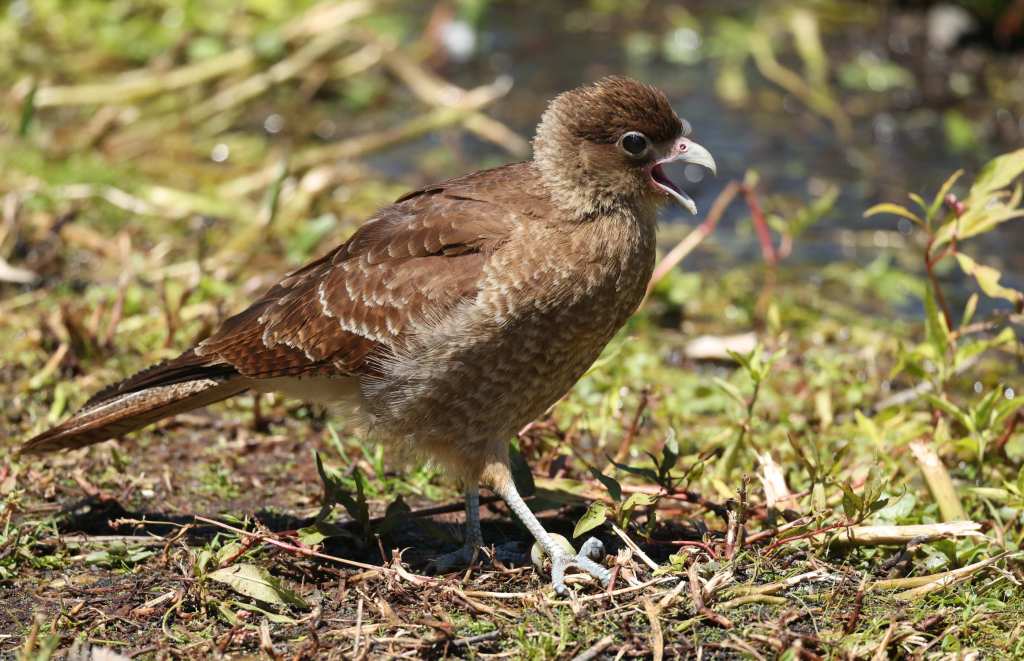
The swampy water edges attracted non-water birds too: Chimango Caracara and Dark-Bellied Cinclodes for example.
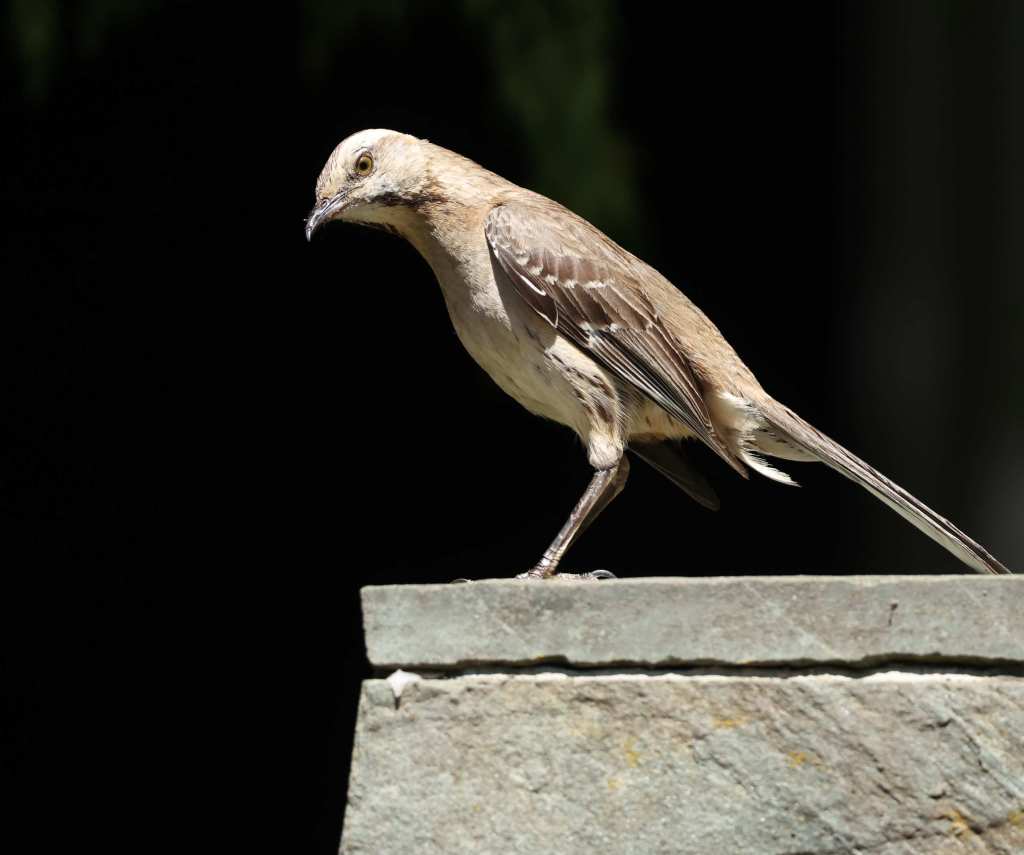
In the town and around its Plaza de Armas (“Place of Arms”, found in pretty much every South American Spanish-speaking town), I found some White-Crested Elaenia amongst the House Sparrows and Rock Doves, and finally caught onto what eBird was on about when it declares that the Chilean Mockingbird is “common and conspicuous” – this had decidedly not been my experience of the mockingbird to that point. When I found a pair of them hopping around in front of Pucon’s Police Station building without a care in the world, then I started to believe it.
Villarrica Volcano
Barely 15km south of Pucon is the Villarrica Volcano, at 2,847 meters in height. Entry to this one is kind of interesting: there are a bunch of restaurant/eateries along the S-887 access road, then you hit the National Park office (which opens at 8:30am, and you can buy tickets here, or online earlier to avoid possible disappointment), then you drive about 4km up an unsealed and increasingly treacherous access road to get to the main trailheads. With our high-clearance SUV we safely navigated the ruts in the road to the upper car park, though we saw quite a few people opting to park on the side of the road and walk the last section instead.
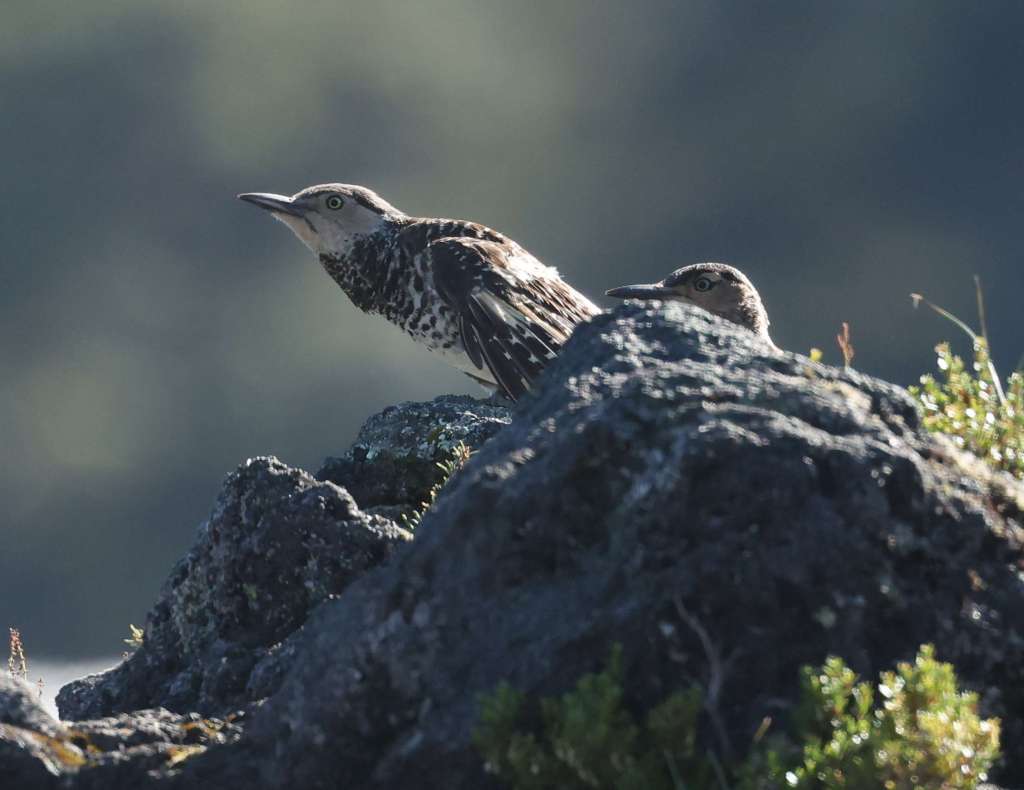
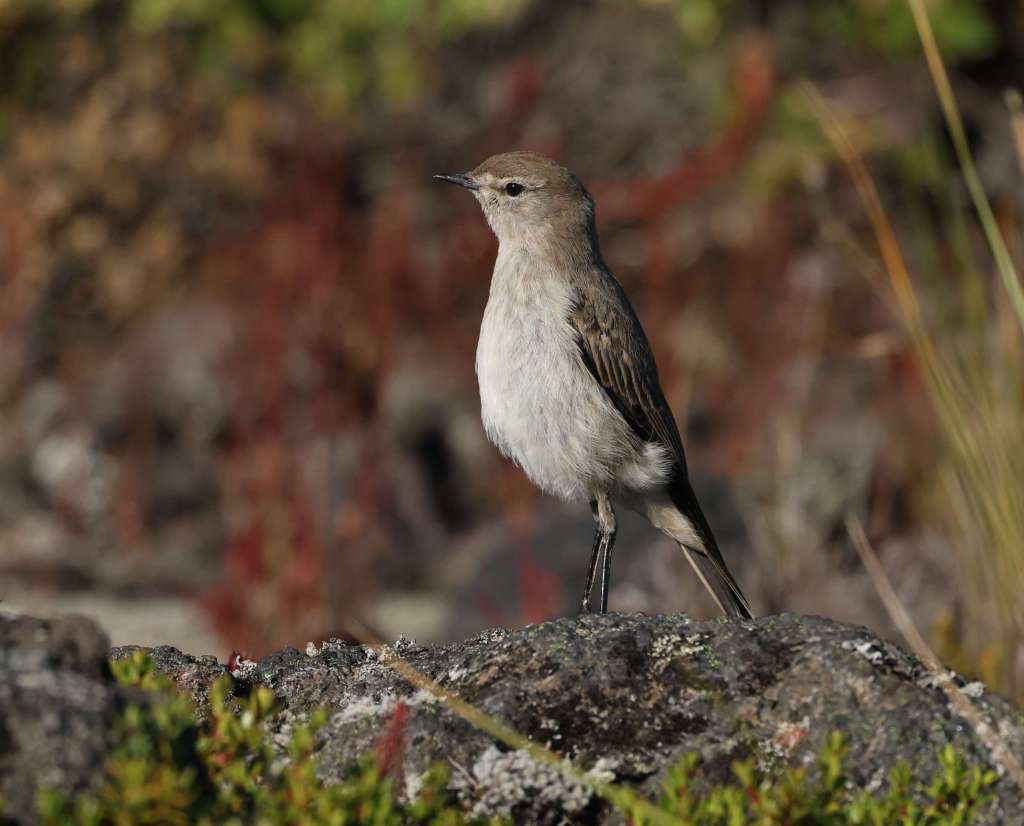
The best trail for birds is of course through the forest, and you’ll see large forested patches on Google Maps’ satellite view but also big swathes of bare or rocky terrain. We saw a pair of Chilean Flickers amongst these rocks, and in the dry rocks-and-grasses section also a White-Browed Ground-Tyrant, actually a lifer bird for us. A great start!
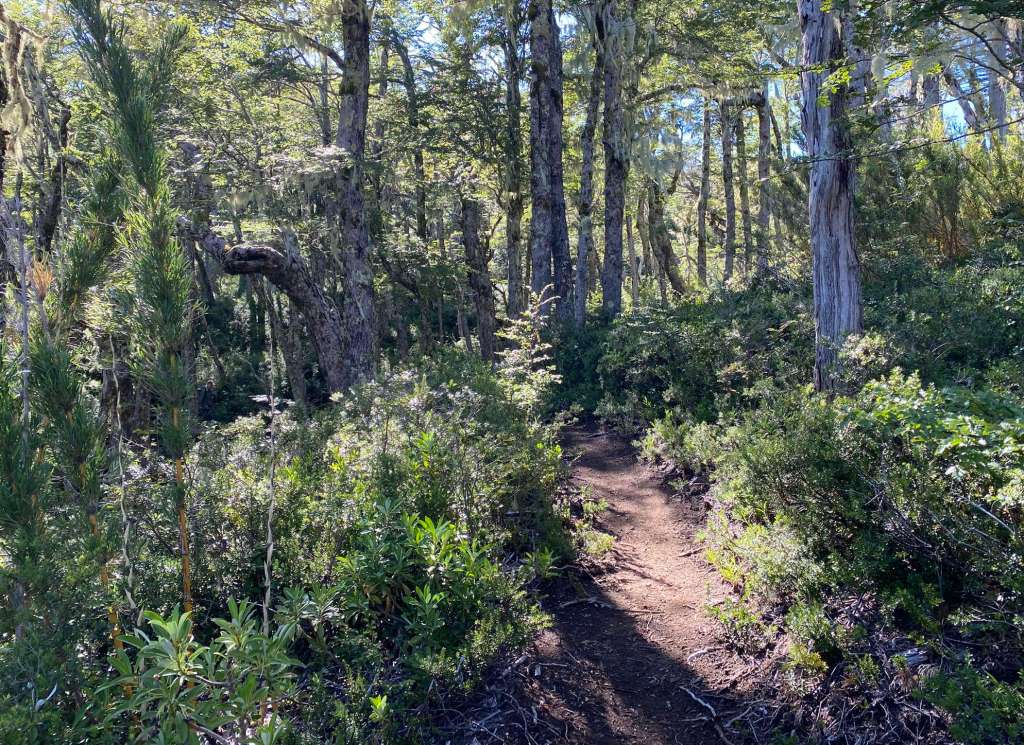
If you take the path towards “Mirador volcán Villarrica y Llaim” (just start bearing kind-of to the left…) you should within a short time enter some very nice forest, with some tall evergreen trees forming a high canopy, and loads of undergrowth.
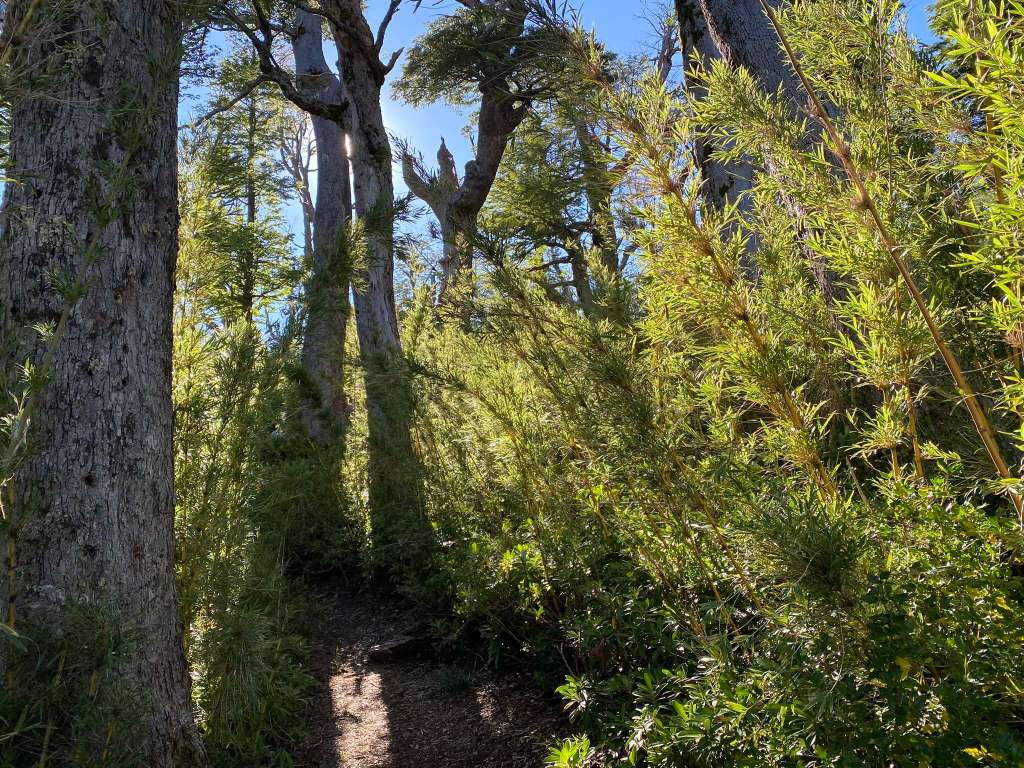
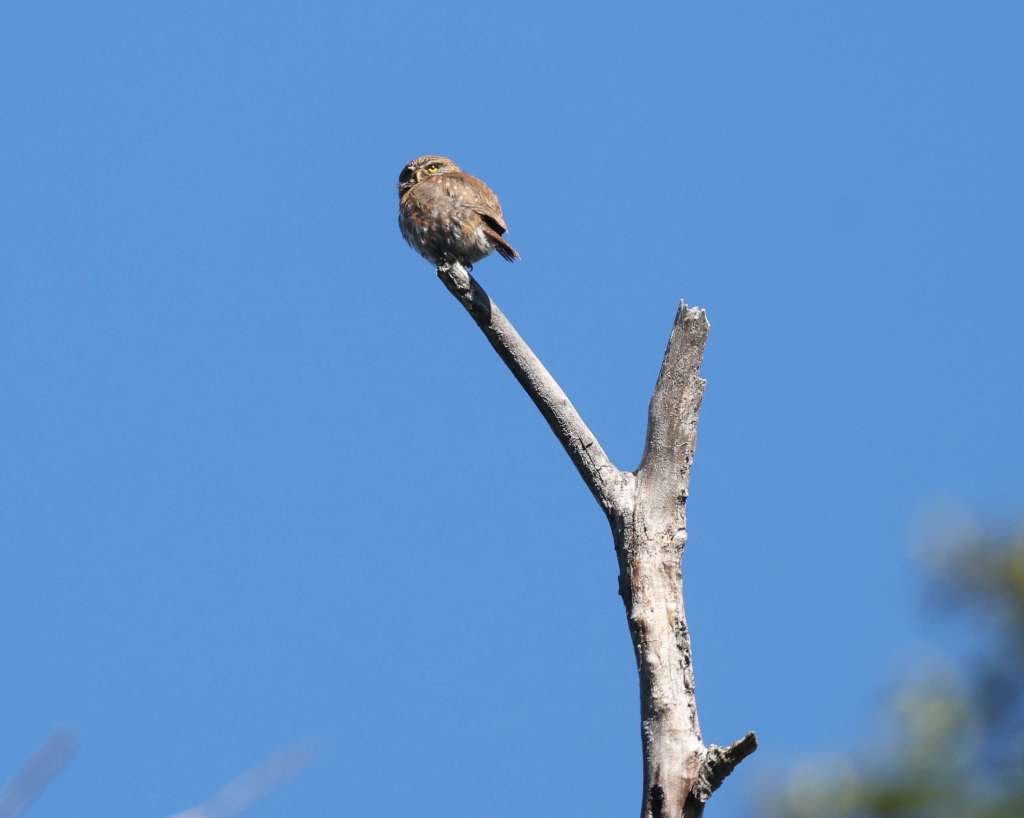
The path is pretty narrow but oh boy is it a nice walk, at least on a sunny day. We were super-lucky to be alerted (via some birds calling at it angrily) to an Austral Pygmy-Owl, sitting high atop a dead tree. It was actually the first ever owl we had managed to spot on our own in the americas (ie. not via a tip-off or from a guide’s eagle eyes), so that made it extra-special. Also, it’s a pretty cute, round wee owl.
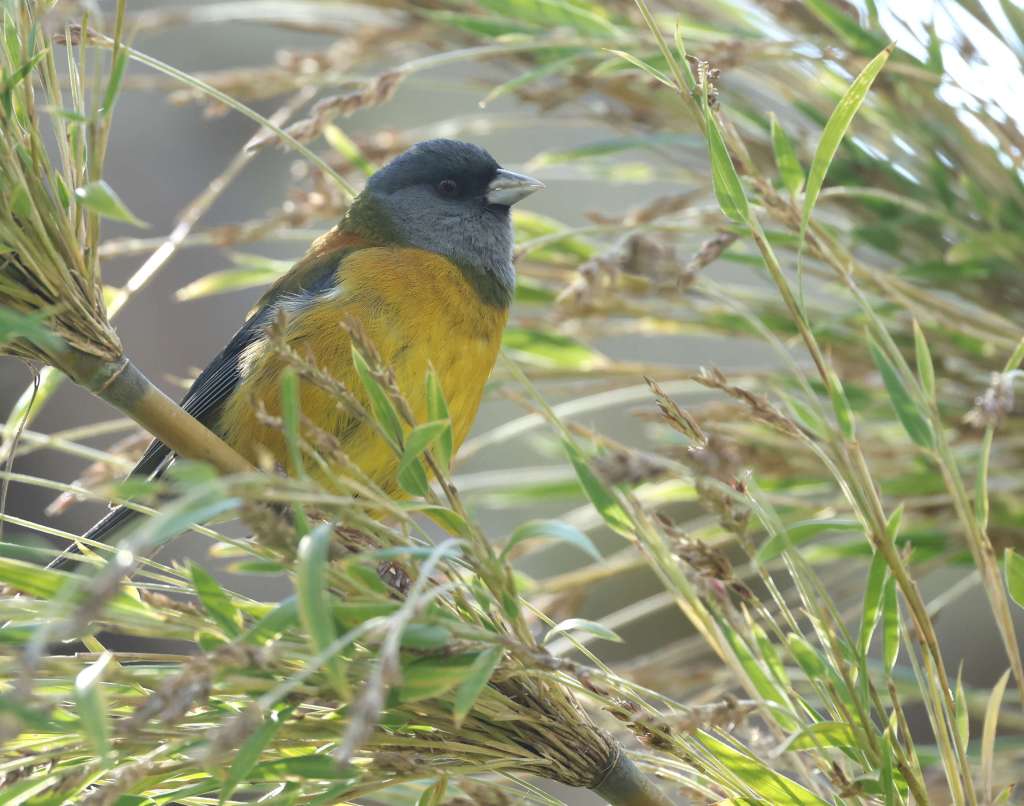
Regular occurrences of Green-Backed Firecrowns kept us company, and there were Patagonian Sierra-Finches, and Thorn-Tailed Rayadito and White-Crested Elaenia aplenty too. We also managed to see our first Plain-Mantled Tit-Spinetail, a fairly plain bird (probably a “birder’s bird”).
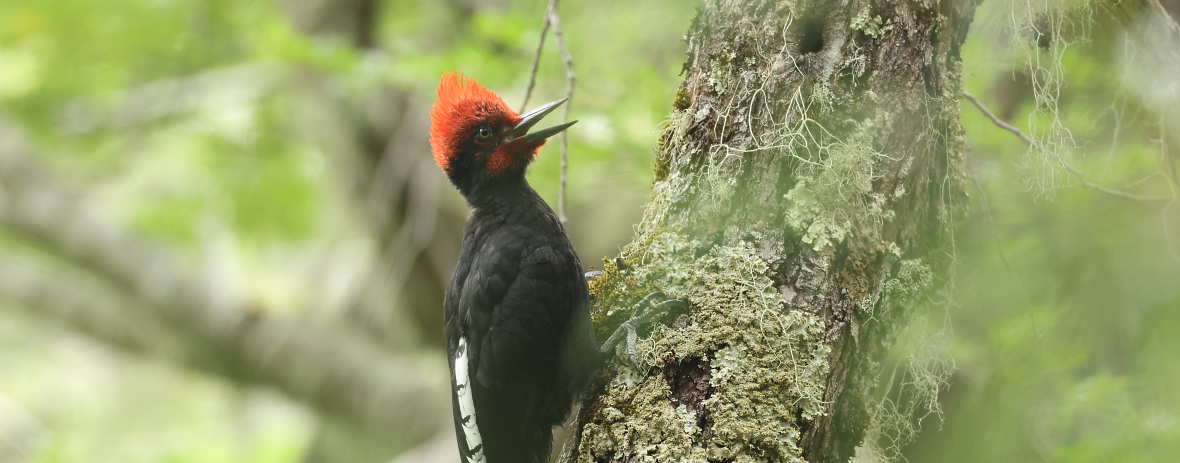
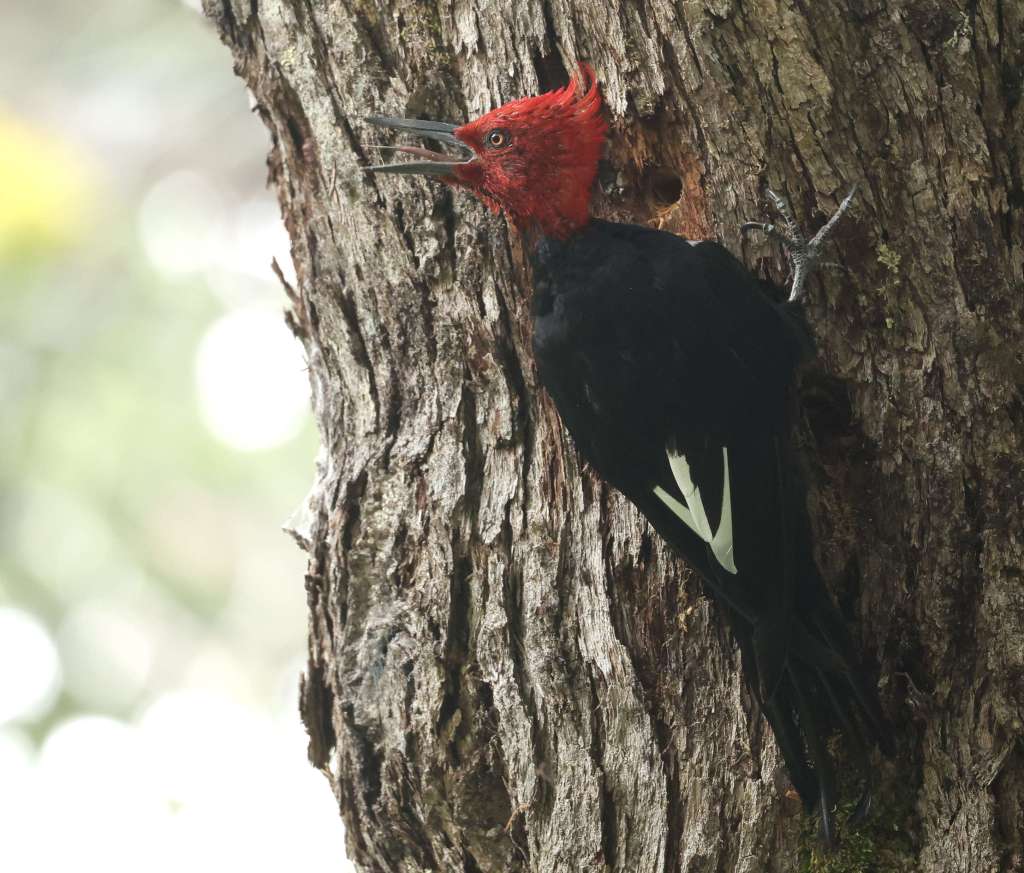
Then came the main event of the day, alerted to us by a distant “tap-tapping”: the sounds of woodpeckers! These were Magellanic Woodpeckers, very large birds and not particularly worried about humans. The pair (the male with vibrant red head, female with black head) were pecking into the trunks of one of the bigger trees right above the path. It was very, very cool watching them, and other interested hikers that stopped to look agreed too.
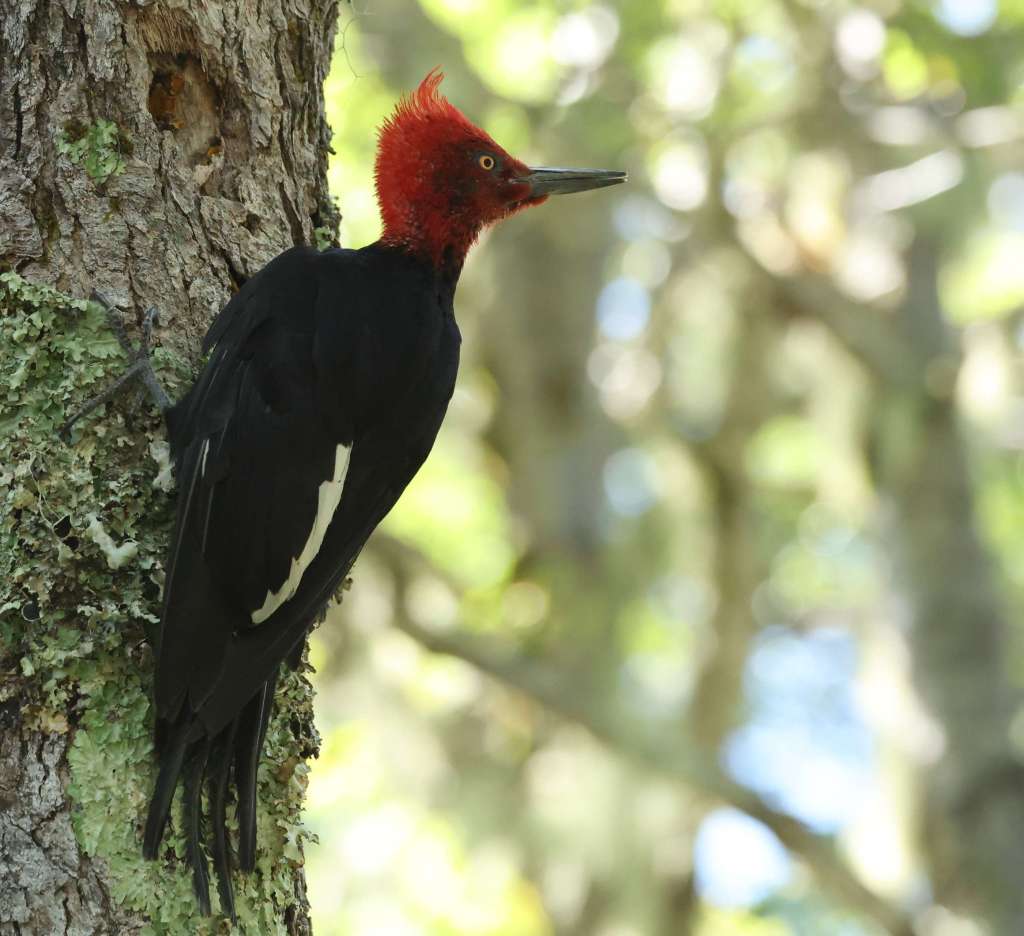
Man, I could have watched those woodpeckers all day.
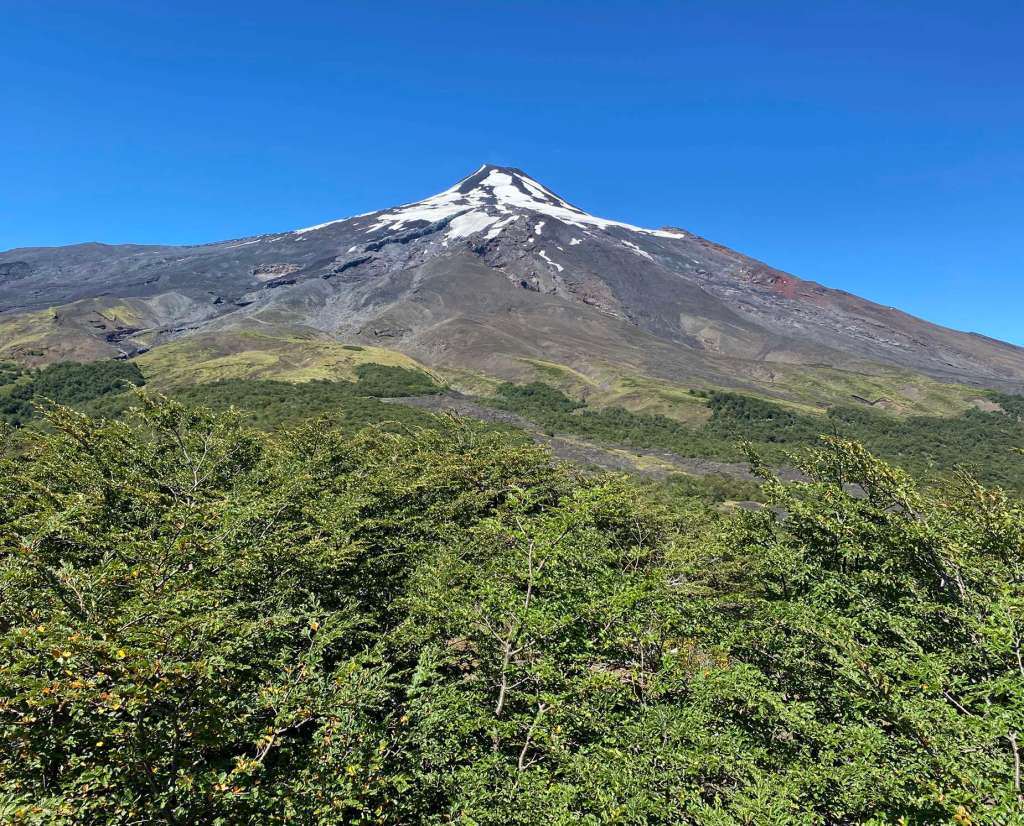
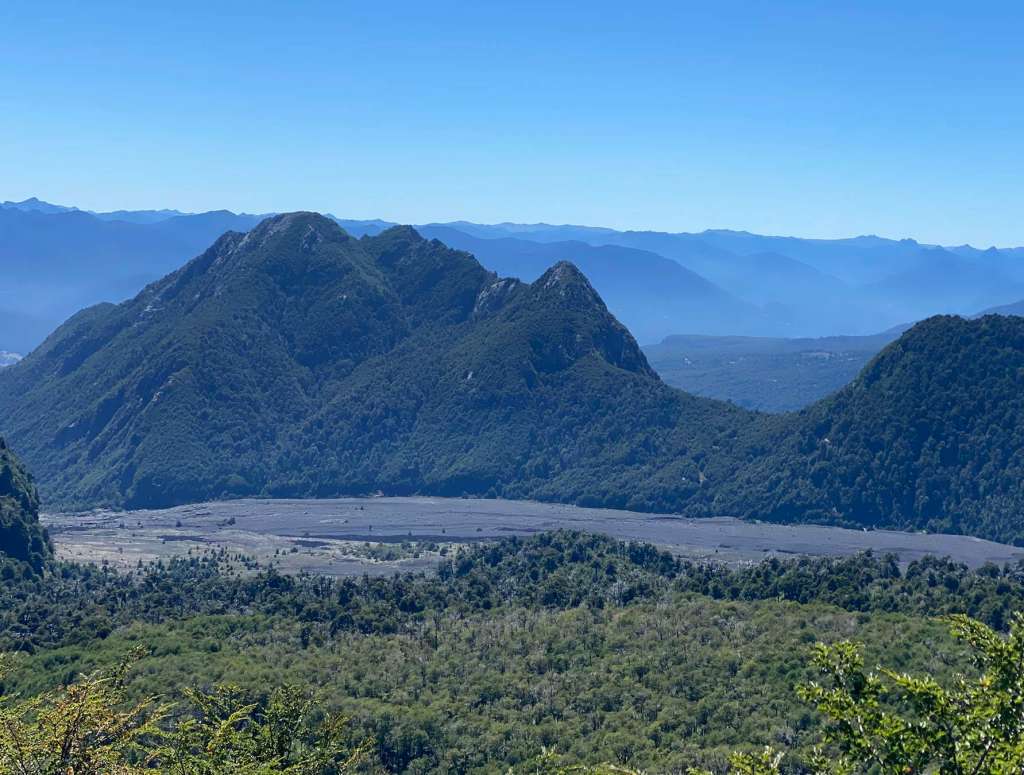
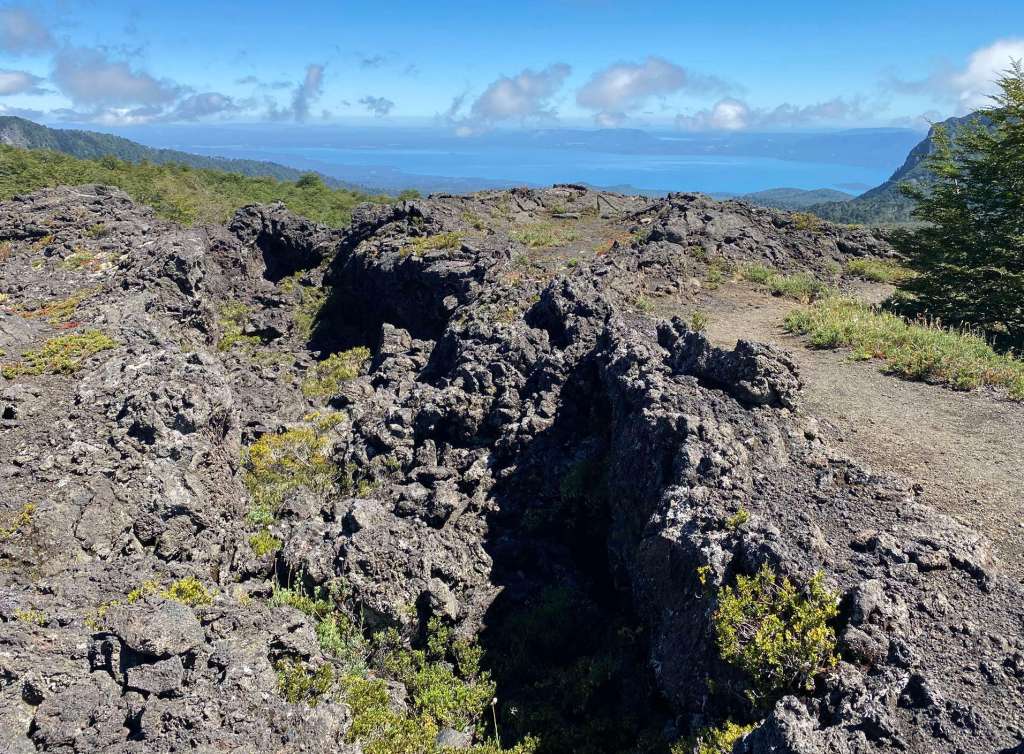
Eventually the trail emerges from the forest and gives amazing views out across the lakes and other peaks of the region, as well as giving a good look at all the lava/volcanic rocky terrain on the volcano slope. We sat to have some lunch and noted that apart from the vultures, there was a Variable Hawk, White-Throated Hawk, and Peregrine Falcon in the area (needless to say, my sandwich was very interrupted…!)
In amongst the lava flows and along the sides of tracks there were some pretty nice lizards too.
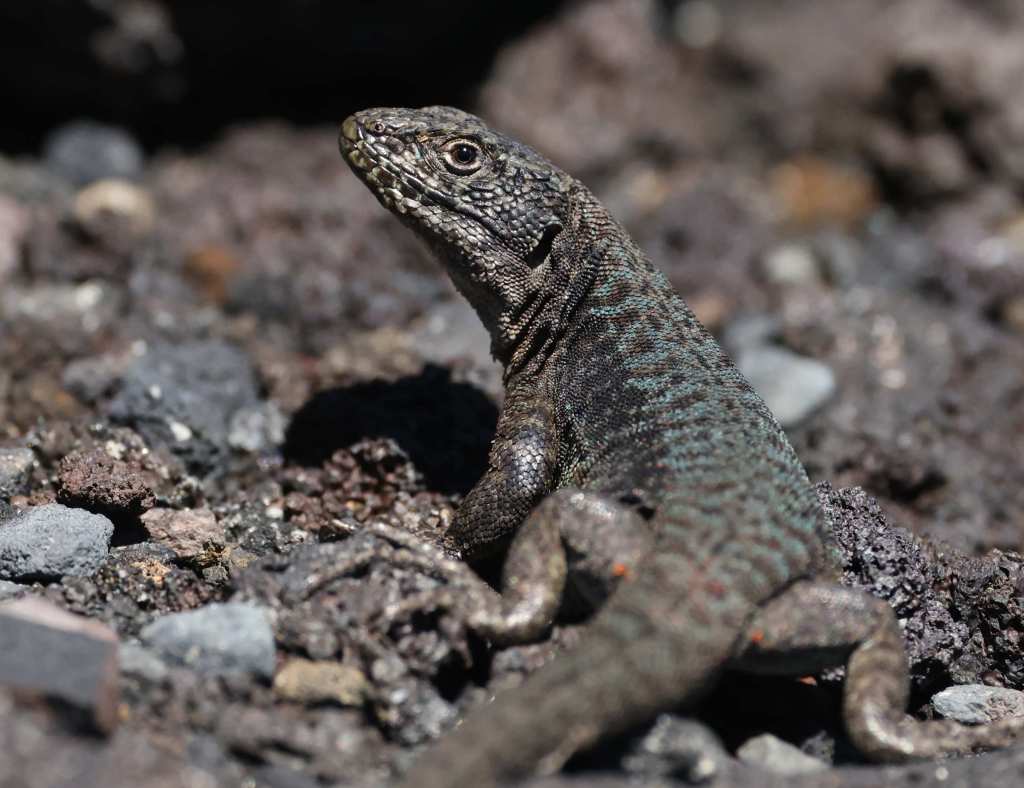
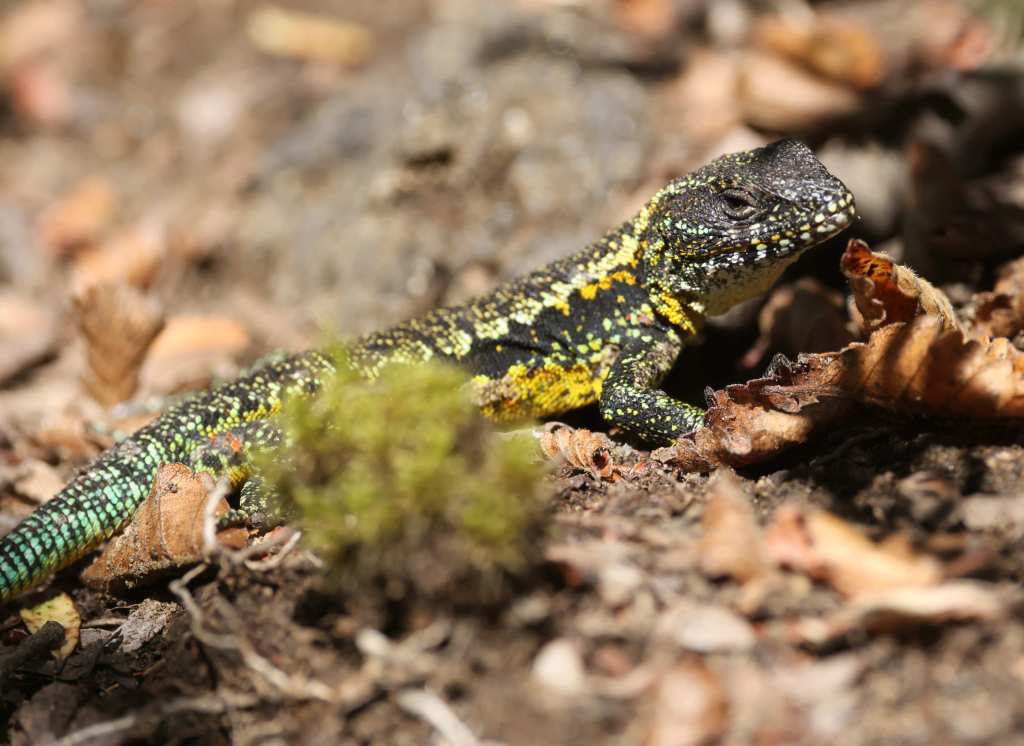
All in all this was a great day hike which I would have done again quite happily if there weren’t other sites to explore…
Huerquehue National Park
This national park is really lovely, but it’s not for the faint of heart: the main trails to its mountain lakes (the Sendero Los Lagos) are quite steep.
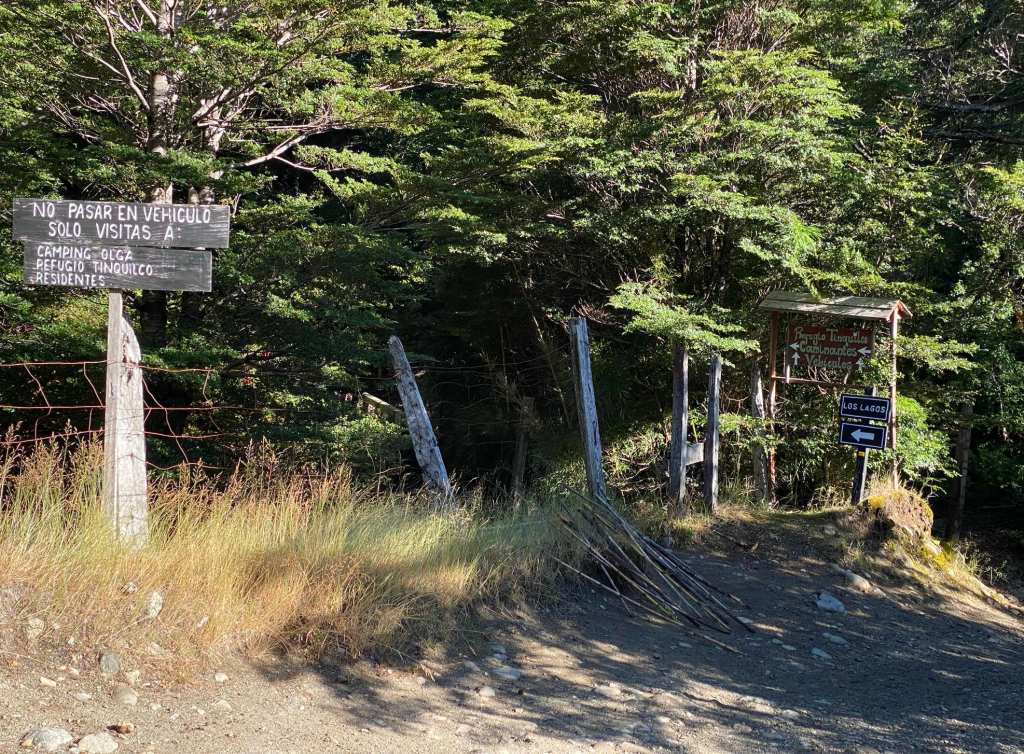
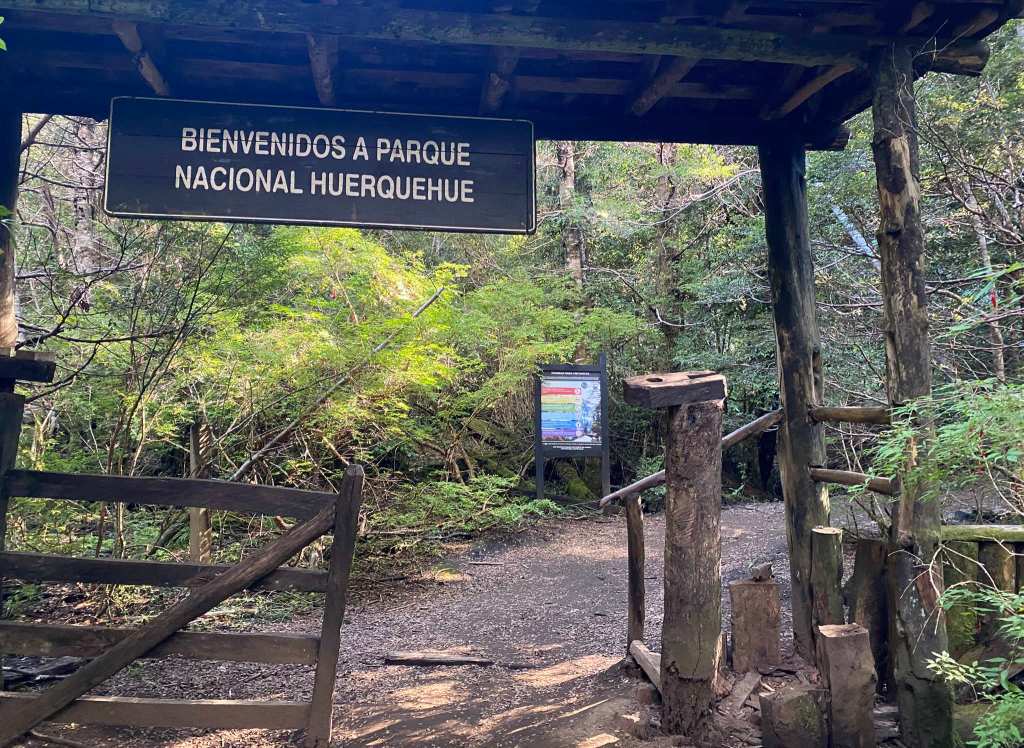
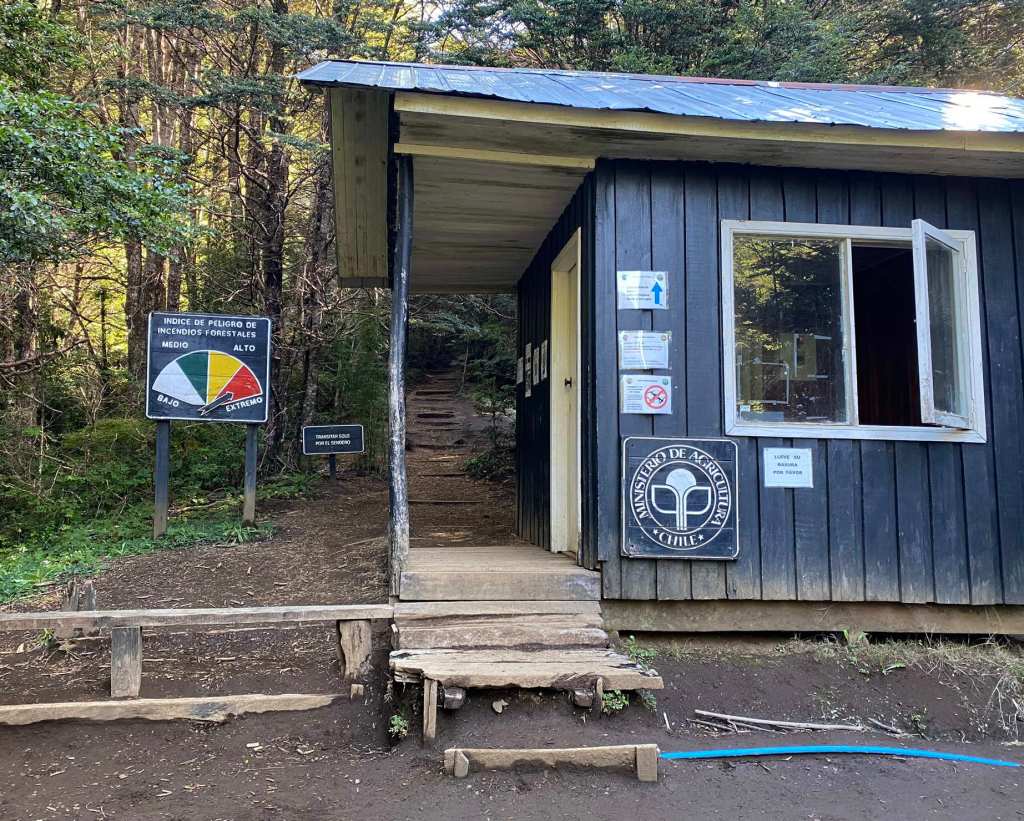
After a nearly one hour drive east from Pucon, the latter portion of which features twisting mountain roads climbing ever higher, there’s the usual ranger’s station and car park (a cute pair of Thorn-Tailed Rayadito were a nice sight there) where you pay an entry fee (note some web pages claim “it is mandatory to buy the ticket online in advance”). It opens at 8:30am.
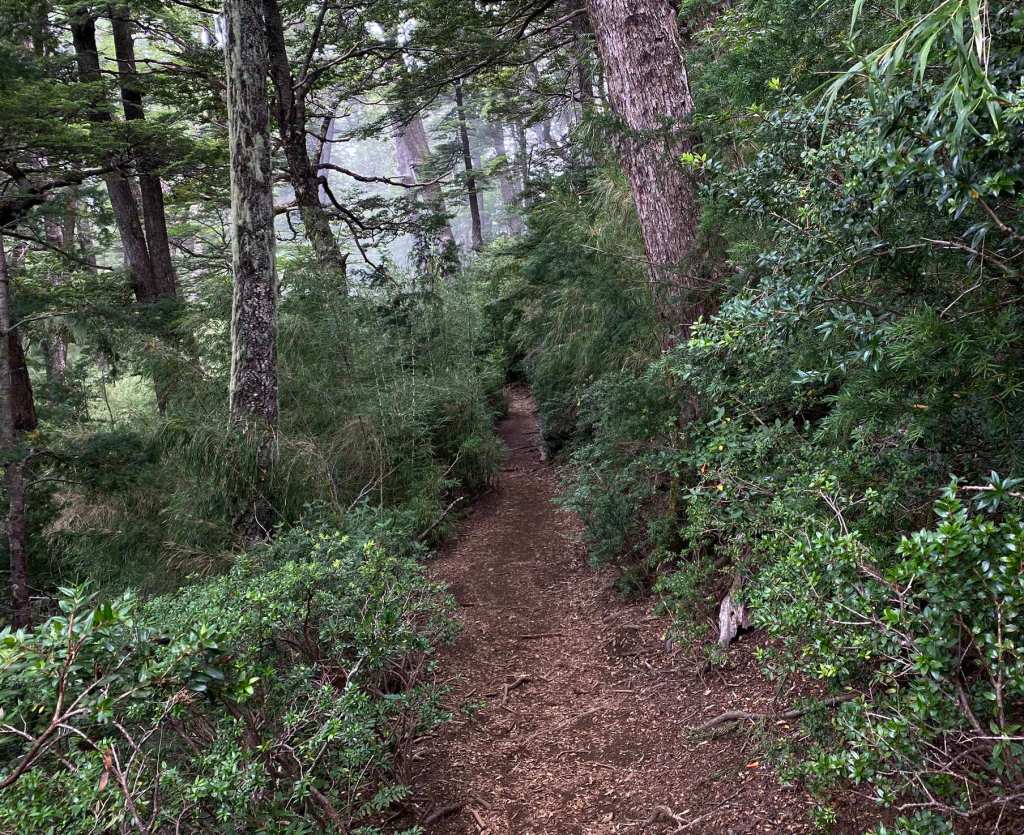
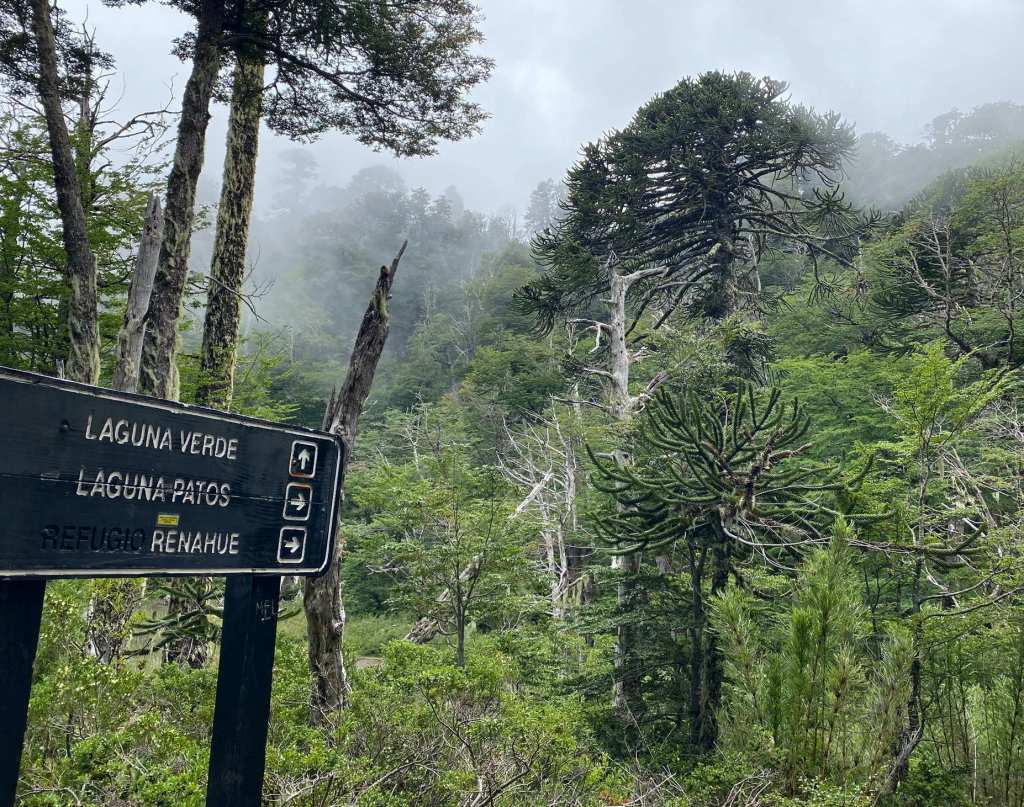
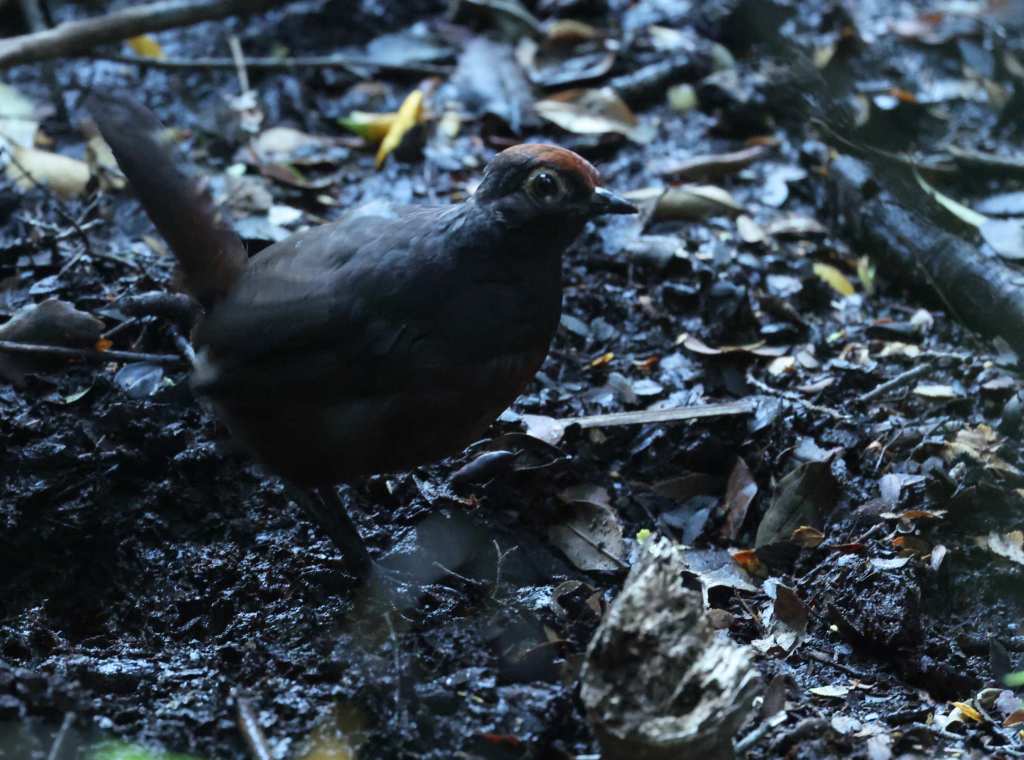
Then it’s a surprisingly obtuse path that passes through forest and country road that doesn’t seem like a National Park trail at all… there are signs at nearly all intersections so you can’t get too lost in any case (just keep ascending…) An early highlight was a Black-Throated Huet-Huet, scratching at the forest floor in extremely dark conditions – the photo below is ISO-10000 and 1/30th of a second shutter speed and it is still super dim.
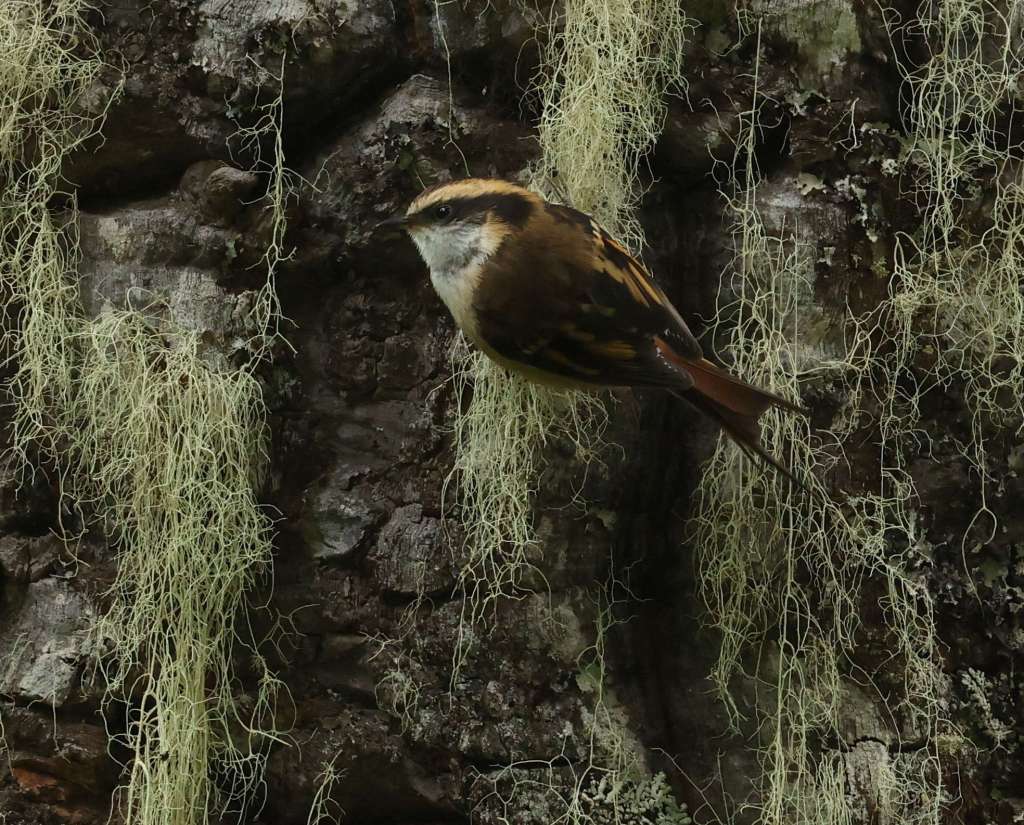
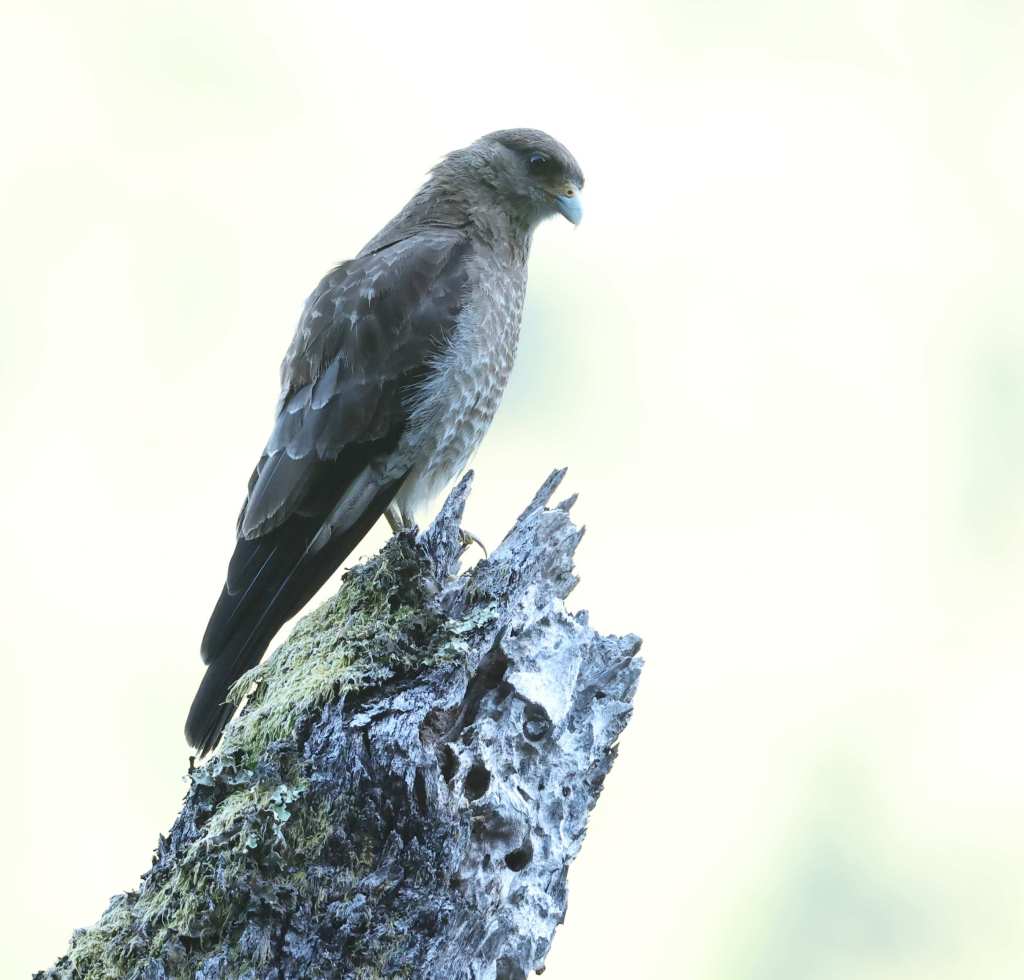
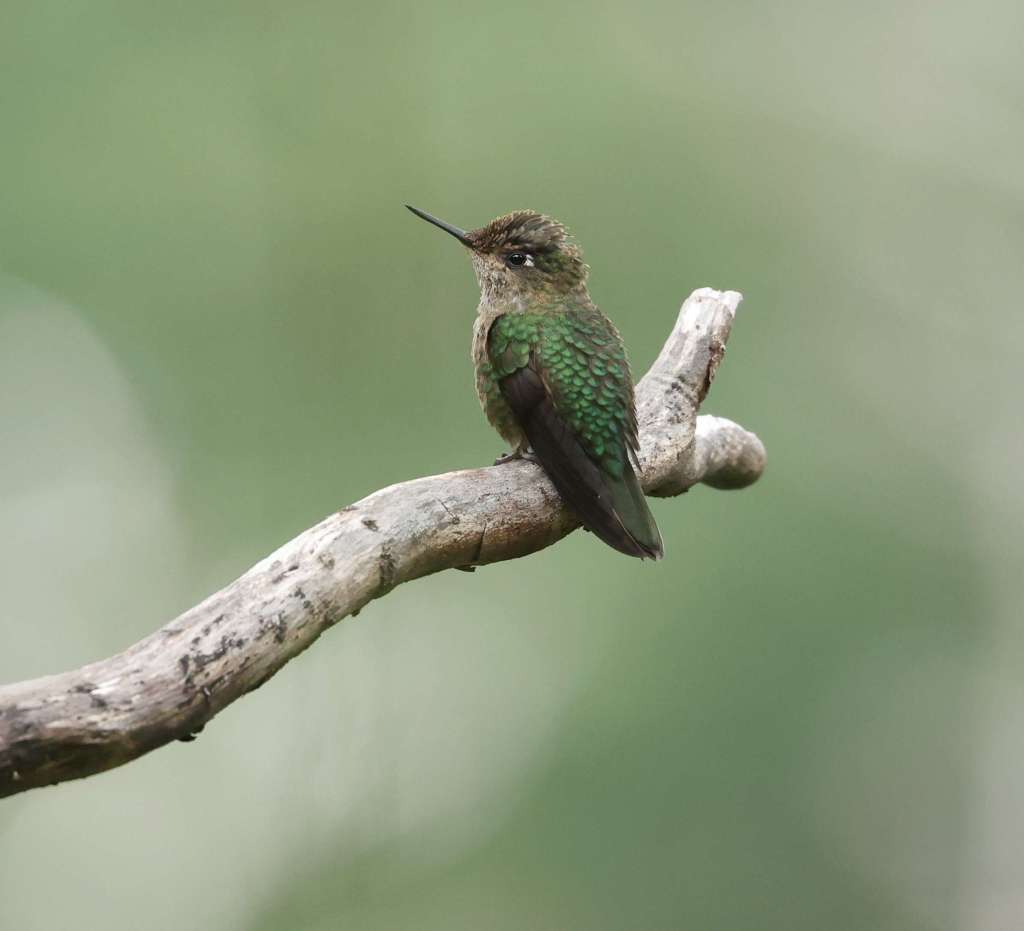
There are some lake glimpses, and a couple of minor miradors (lookouts) but mostly the trail just keeps going up and up through the forest. A bird of note that we were looking for on this trail was Patagonian Tyrant, a fairly plain bird a little reminiscent of a fantail, and we were lucky enough to see a pair of them. Green-Backed Firecrowns, Thorn-tailed Rayaditos and the always-present White-Crested Elaenias were often heard and sometimes seen.
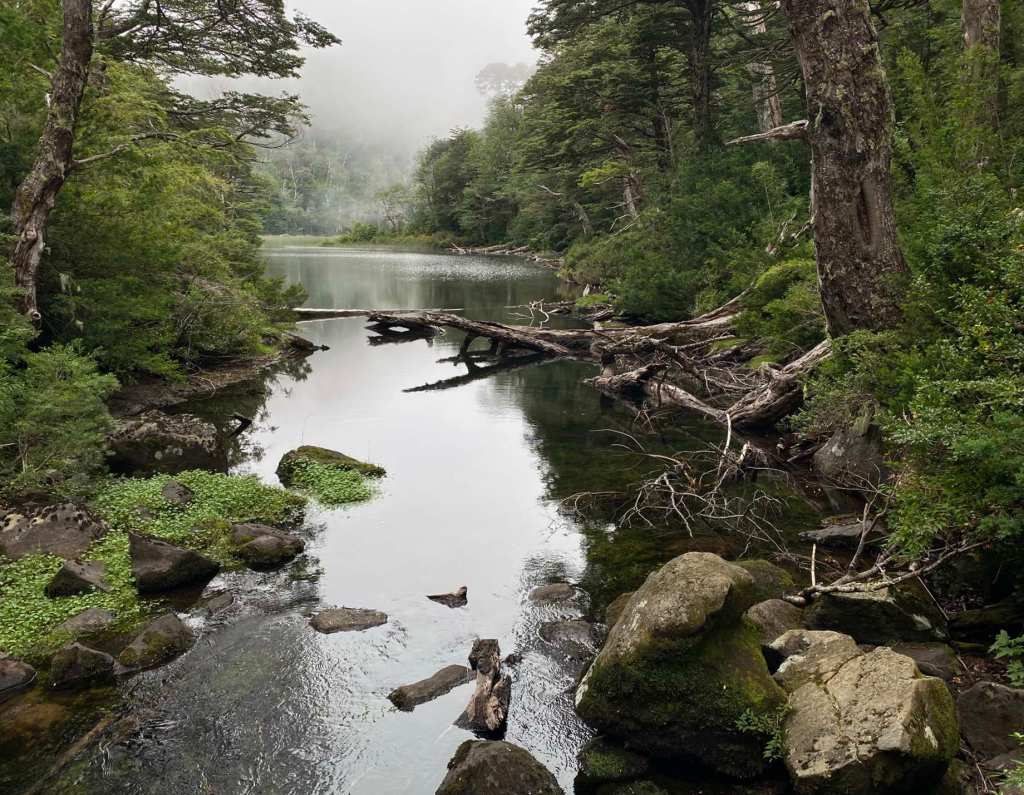
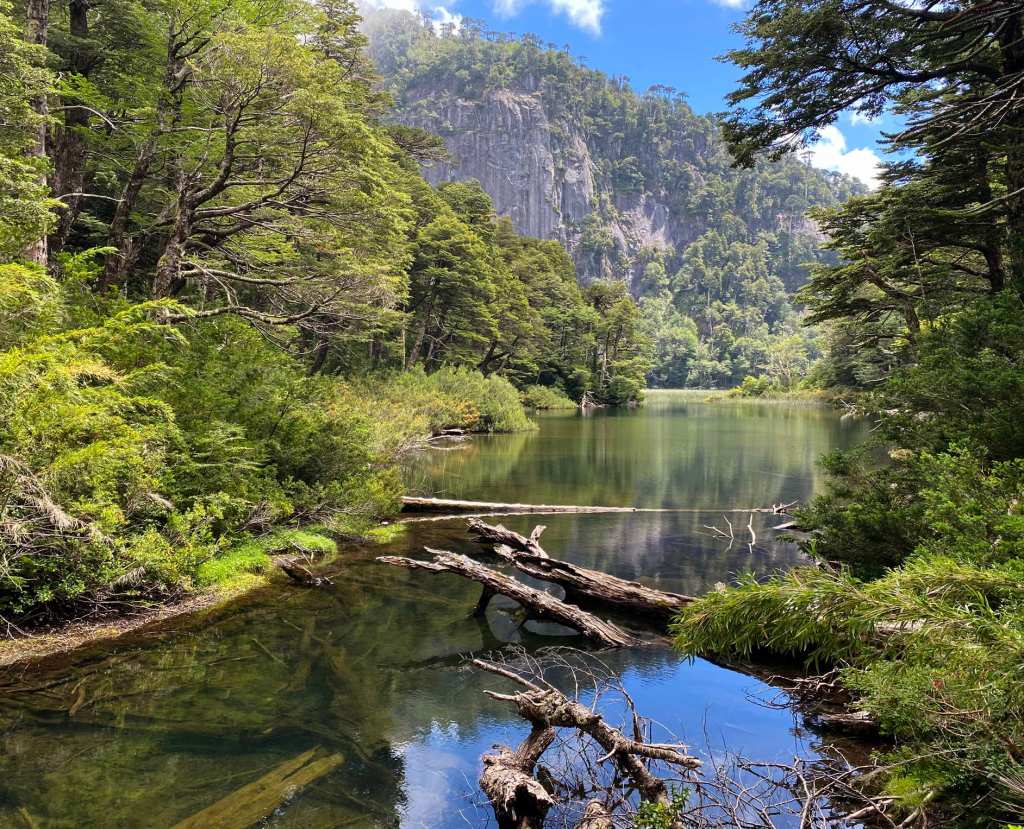
One the climbing finally levels out and the trail settles down, you find yourself at the first of the alpine lakes. It is extraordinarily scenic, especially in the sunlight, though on the day we visited we had quite a dynamic mixture of cloud/mist rolling through a few times.
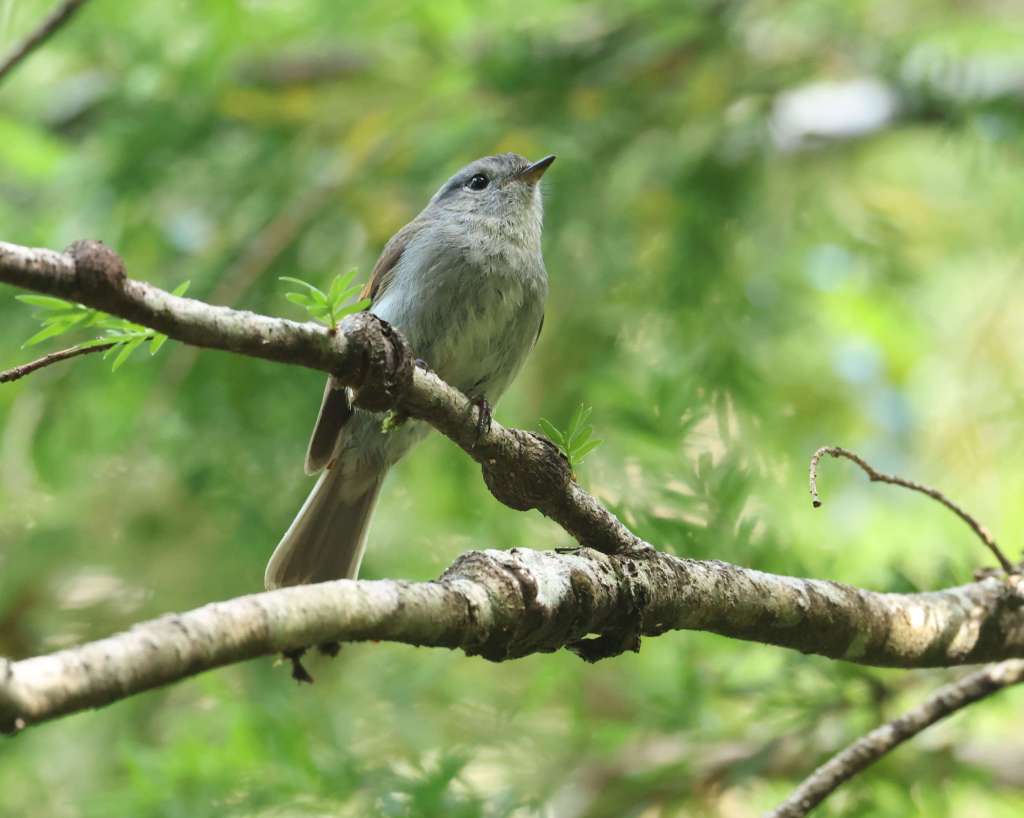
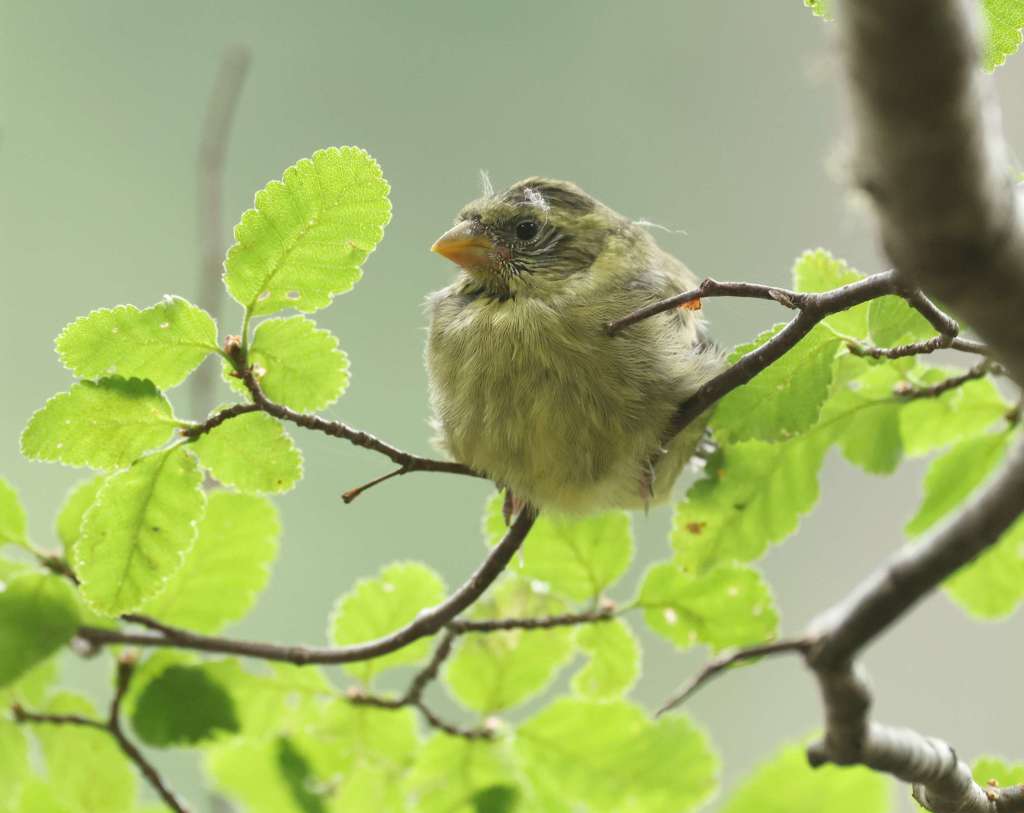
At the first lake (Lago Chico) we observed a (juvenile, I think) Black-Throated Siskin settled very peacefully on a branch overhanging the water.
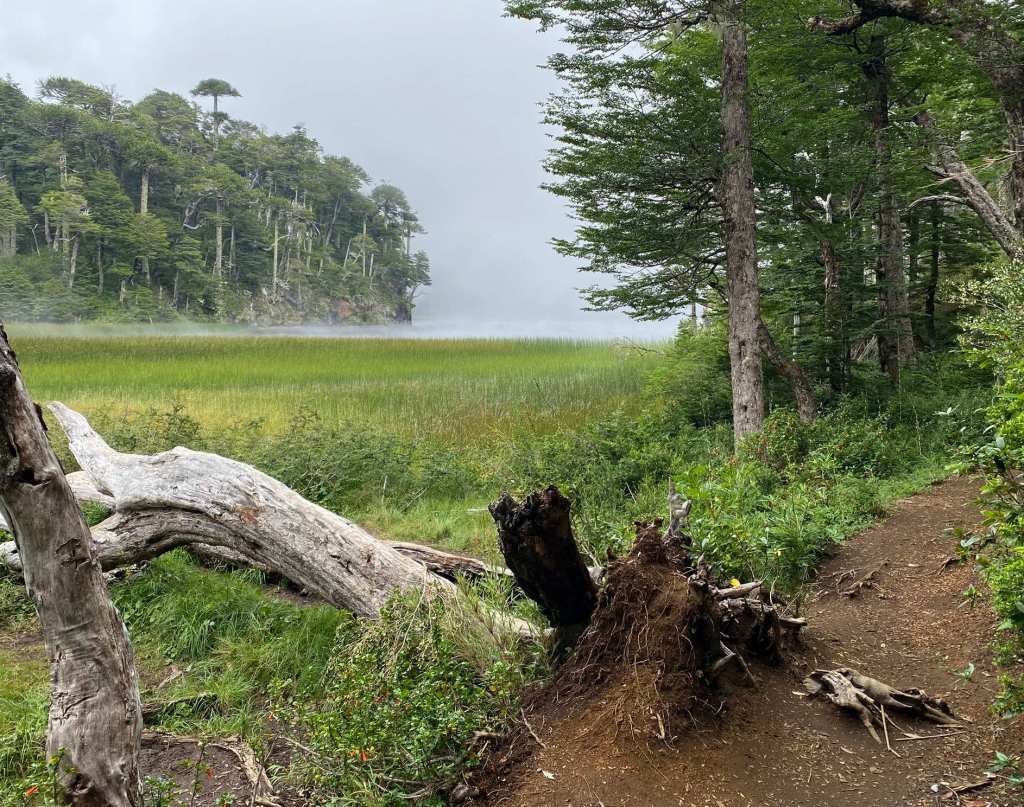
It was great fun walking between the lakes here – Lake Verde and Lago el Toro, and pointing out all the Araucaria araucana, commonly called the pewen, or monkey-puzzle tree. Lakesides sometimes featured marshy reeds, rocks and boulders, or fallen trees which made for some tasty scenery.
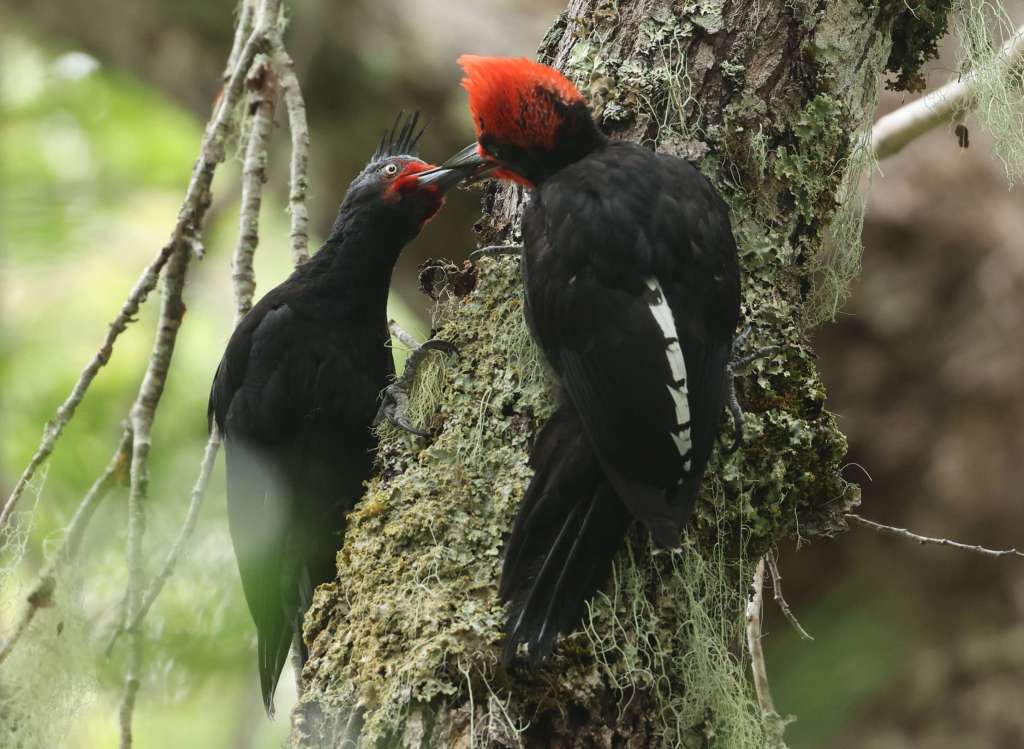
To top the day off we also saw four Magellanic Woodpeckers up here. This time there seemed to be some bird-to-bird feeding going on, and again the birds hung around in pretty good viewing positions for quite a while. I have no choice then but to declare them my favourite woodpecker species of all time 🙂
The Local Roads Near Lefun
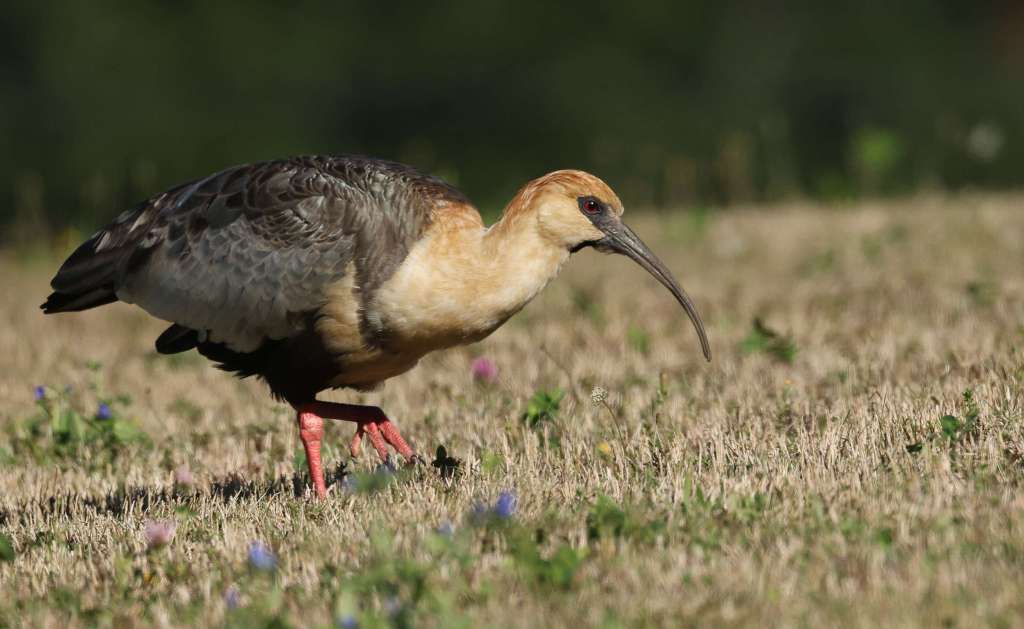
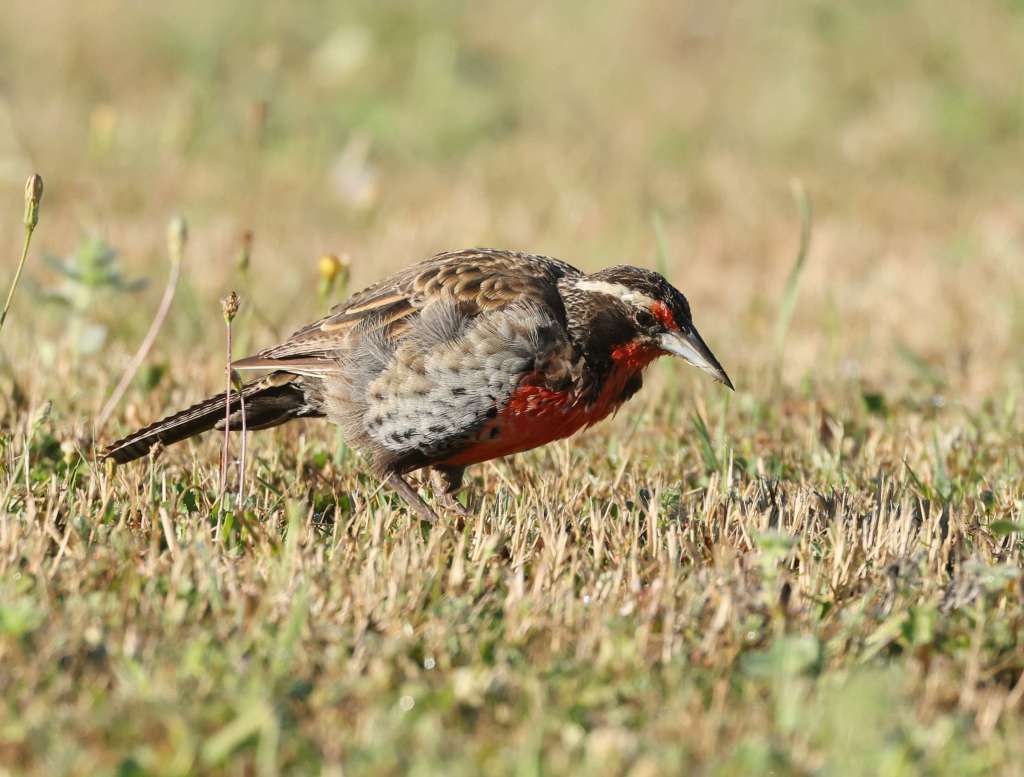
We stayed around halfway between Villarrica and Pucon, near the tiny township of Lefun. Although there weren’t any parks or reserve to find birds in this area, strolling the back-country roads was a pleasant way to spend half an hour or so in the late afternoons and provided an insight into the local birds to be found outside of national parks or townships. Southern Lapwings, Austral Thrushes, Rufous-Collared Sparrows and Chilean Swallows were all a given, while a couple of Black-Faced Ibis and Long-Tailed Meadowlarks frequented the same field near our cabin for several days in a row and so became quite familiar.
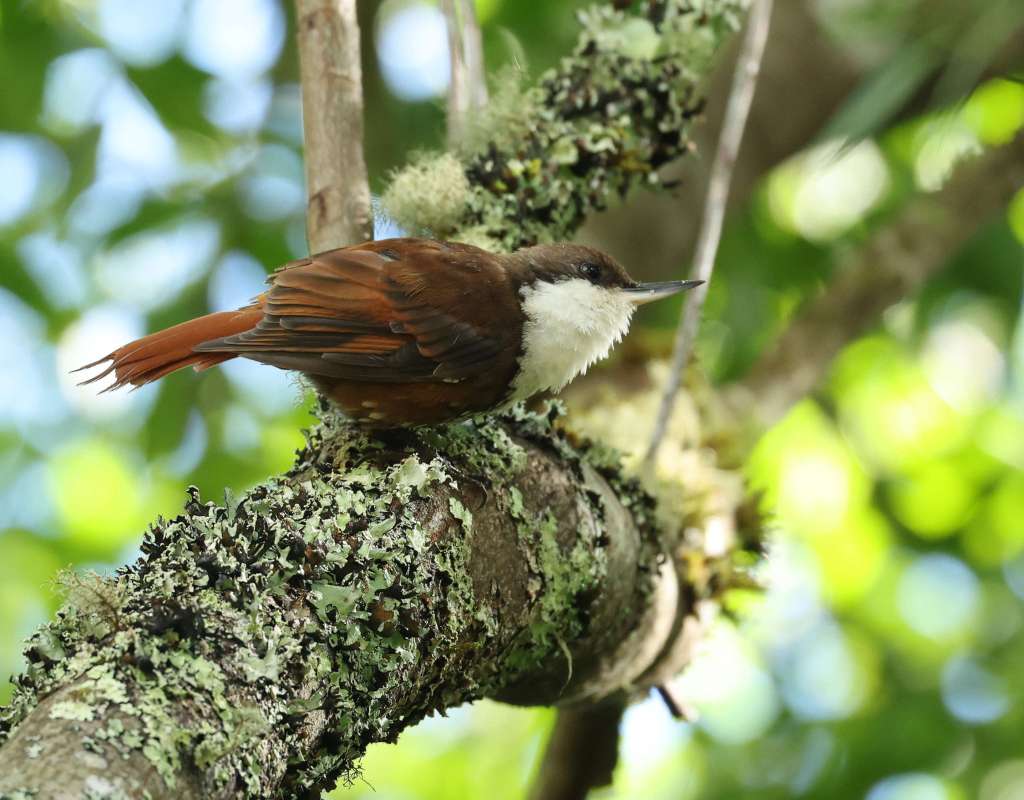
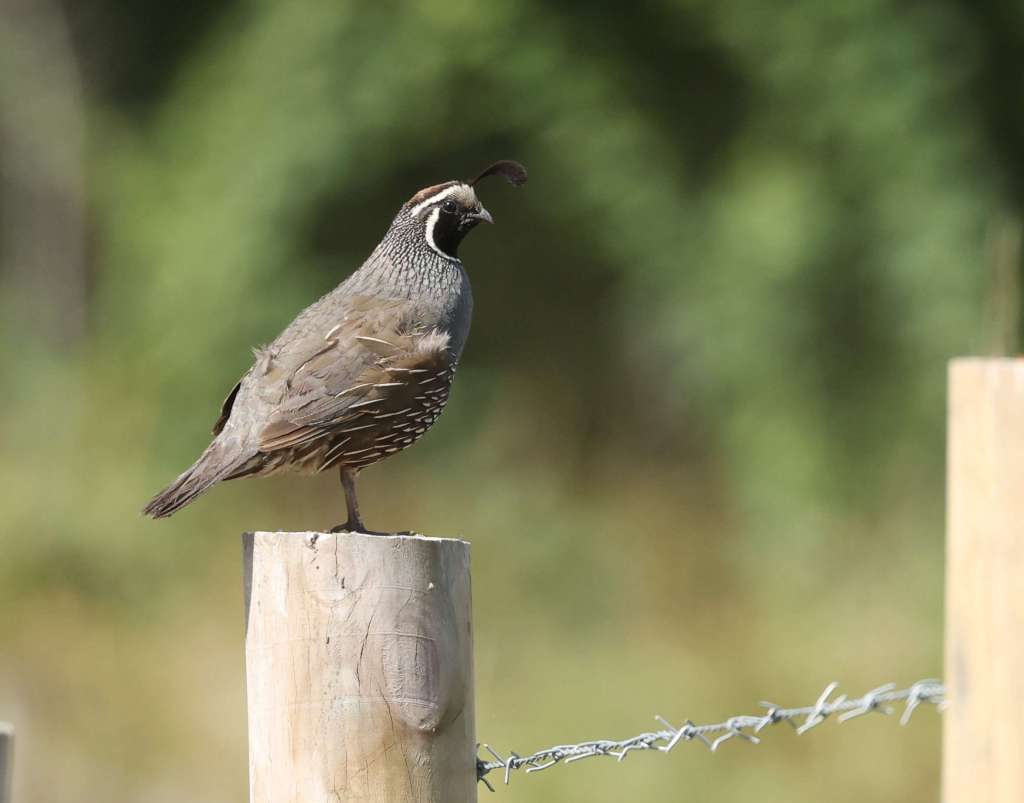
White-Throated Treerunners are pretty common throughout this region but can be devilish to get good photos of, so I was pleased to find an accommodating pair in some nearby roadside trees one morning. California Quail also added another species to the small list of non-native list of birds here (classed as “Exotic: Naturalised” in eBird).
After dipping for most of my time in Chiloe Island on Chilean Flicker, I was keen to get better photos and there was definitely a resident pair near us as we could hear them now and then; they were a little shy about making themselves properly visible though.
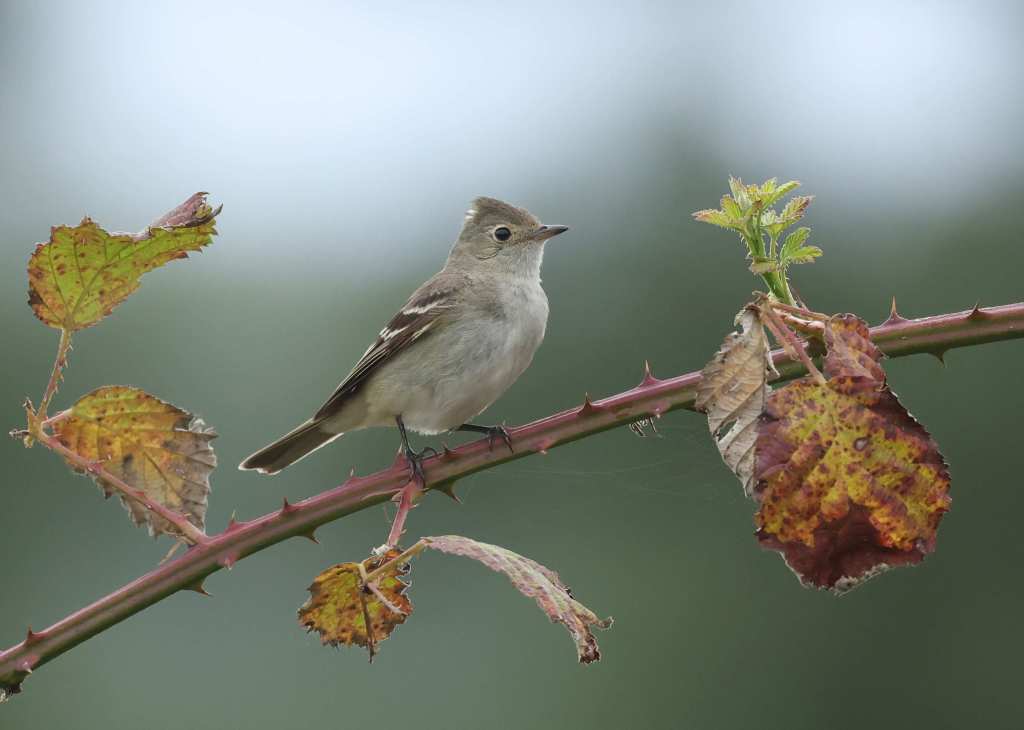
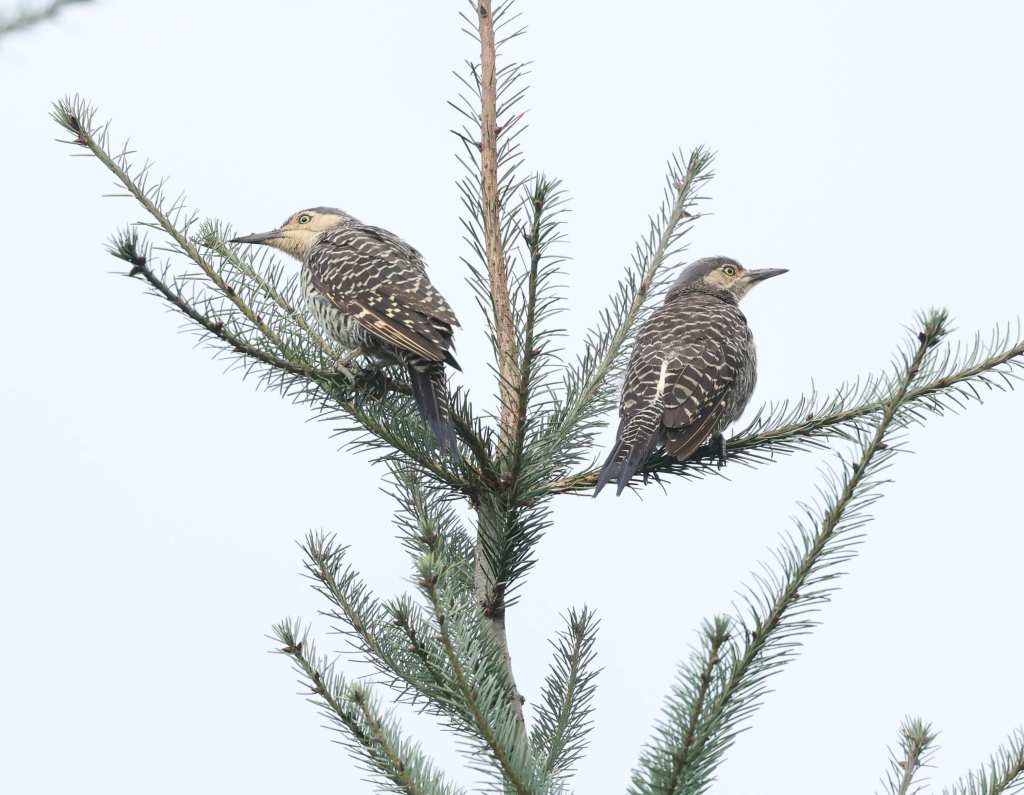
It is a nice type of birding to just wander around your local area with no expectations and no pressure – just see what turns up and hope to see something interesting happen or to take a nice photo, and through the process become more familiar with the local birds.
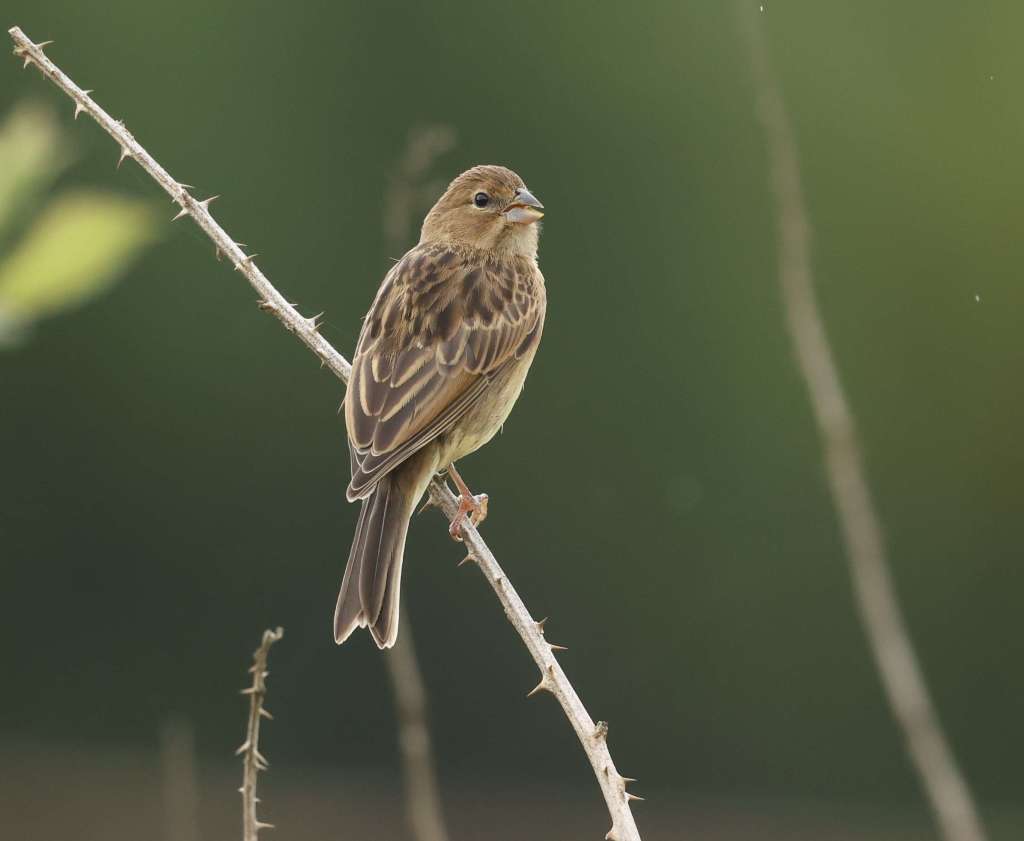
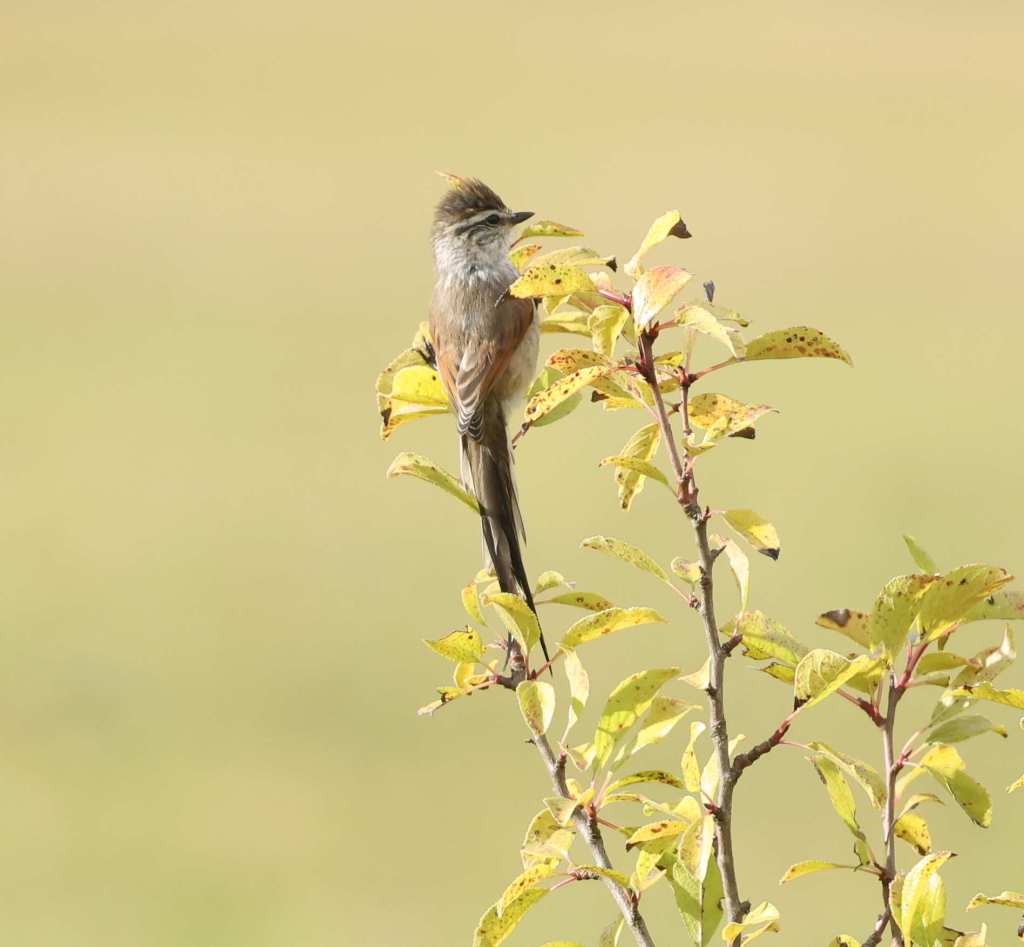
On the very last day there I was beyond amazed to see a Plain-Mantled Tit-Spinetail just a few metres from our fence line; I had looked out for this bird for a long time and only had seen it poorly once (on the Villarrica Volcano walk), so to have one passing through within a minute’s walk of my cabin was unbelievable.
Estero La Poza
We visited this weird little eBird hotspot in search of our target bird Cocoi Heron on Feb 4, 2026. It’s basically a country road and the fence line prohibits getting anywhere near the river/estuary where all the birds are, so you basically have to have pretty good optics to see across it.
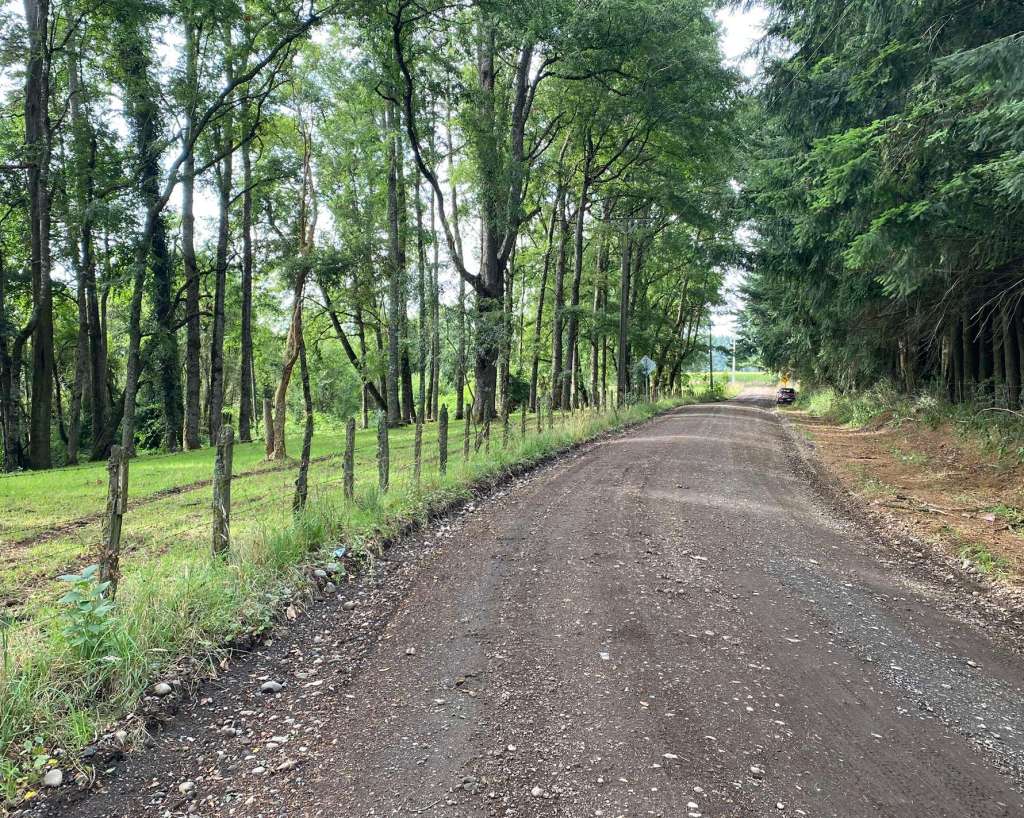
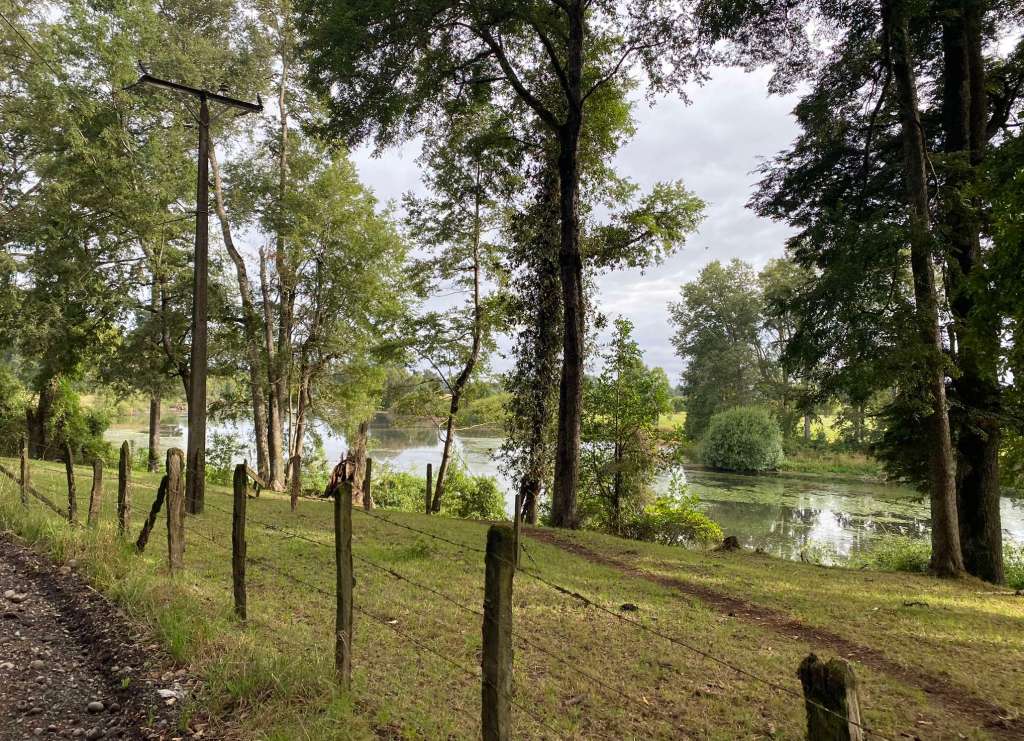
We did find a Cocoi Heron, and this was the only location in the entire Lakes District where we saw one, so it was definitely worth the detour. Close views of a Tufted Tit-Tyrant was also welcome. And there were lots of ducks.
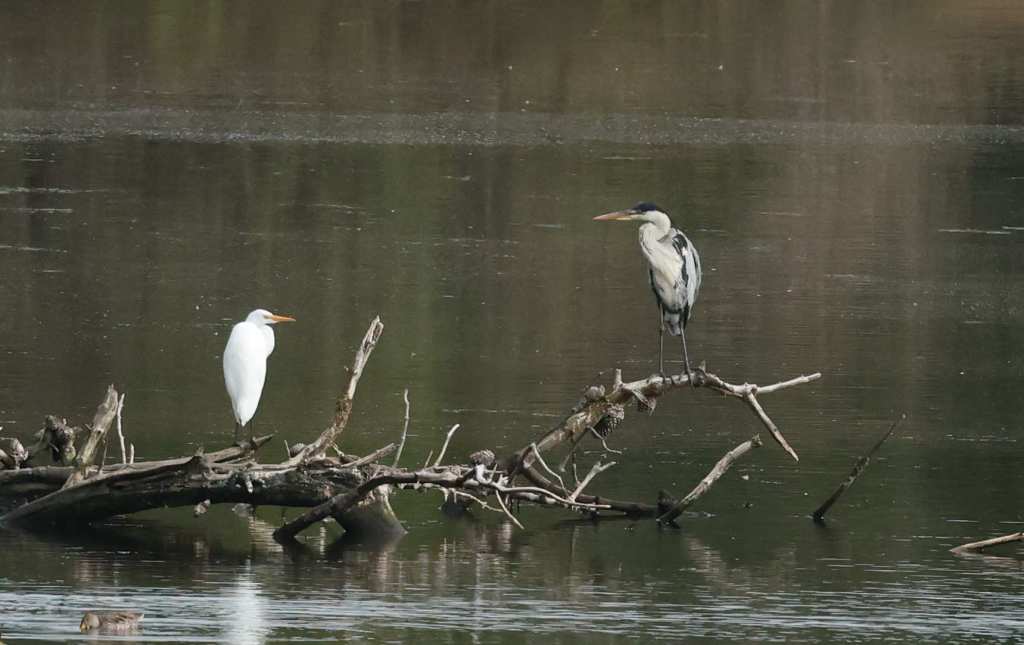
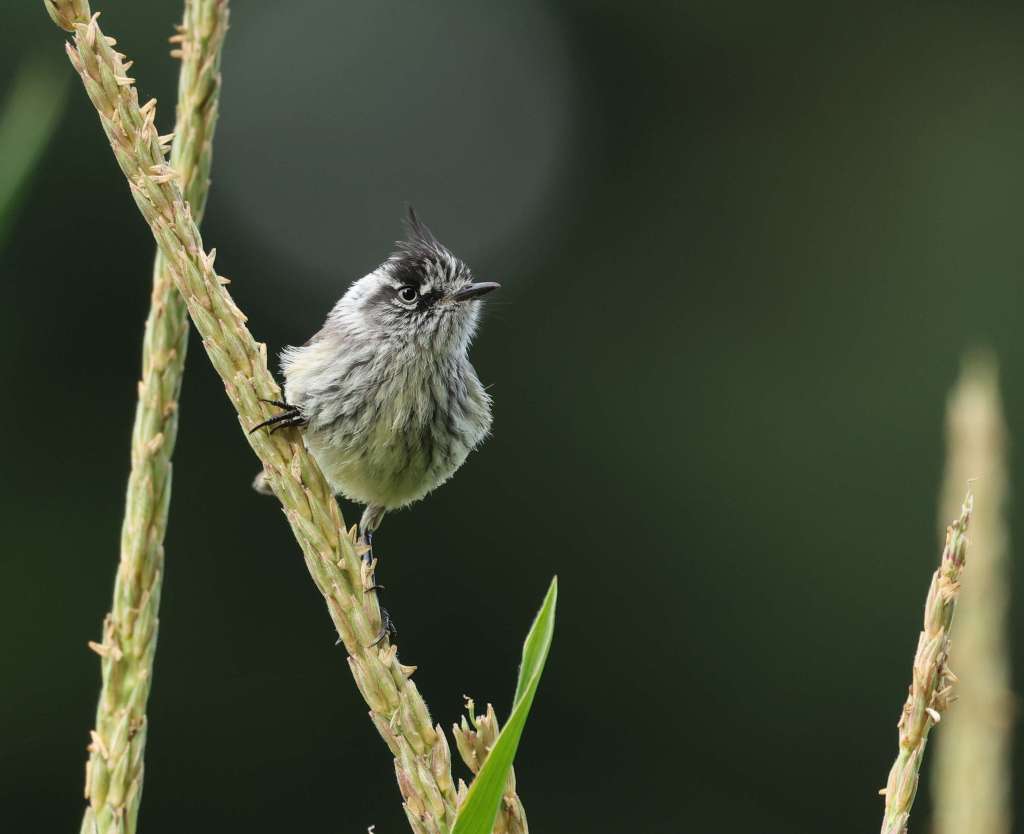
It’s a real shame there’s no better access to this spot, as it seems to harbour a lot of cool birds. Other species you might want to target in the water here include Spot-Flanked Galinule, White-Winged Coot, and Pied-Billed Grebe, while if you get very lucky you might see a Striped Woodpecker in the surrounding trees.
Villarrica
The town of Villarrica isn’t quite as touristy as Pucon (which lies on the opposite end of Lake Villarrica), but it does all right (I am trying not to recall the intense traffic jam I got stuck in trying to get out of there…). For birding, the eBird location called Villarrica–Humedal Urbano Mallolafken is the main point of interest, but the raggedy/rocky lake foreshore does extend quite a way around.
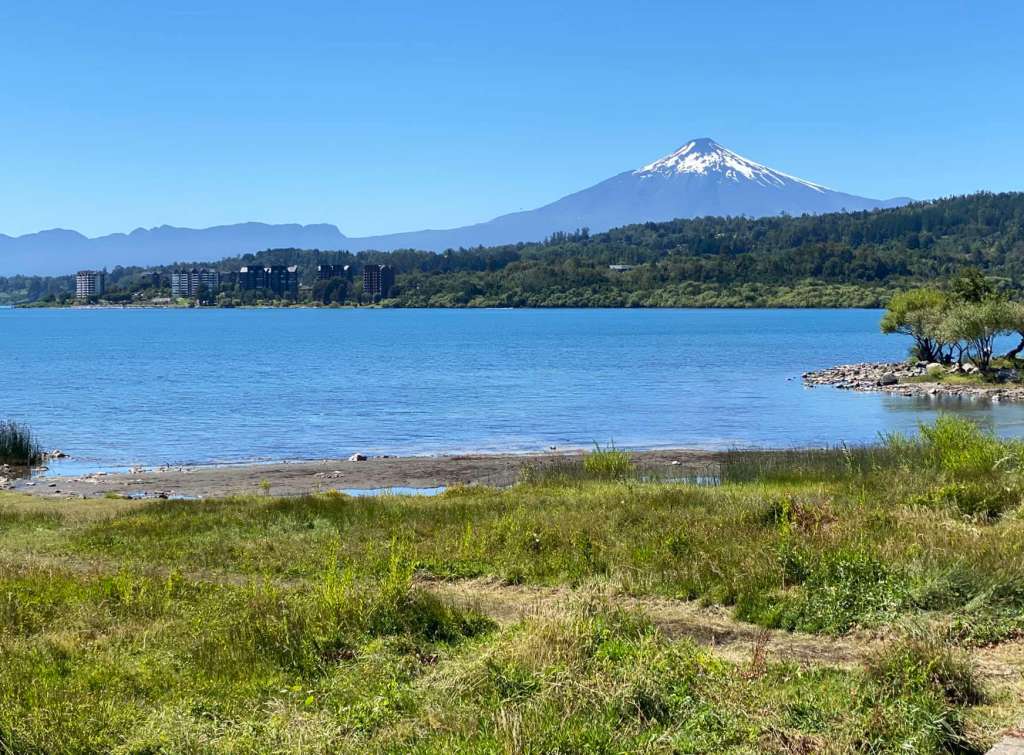
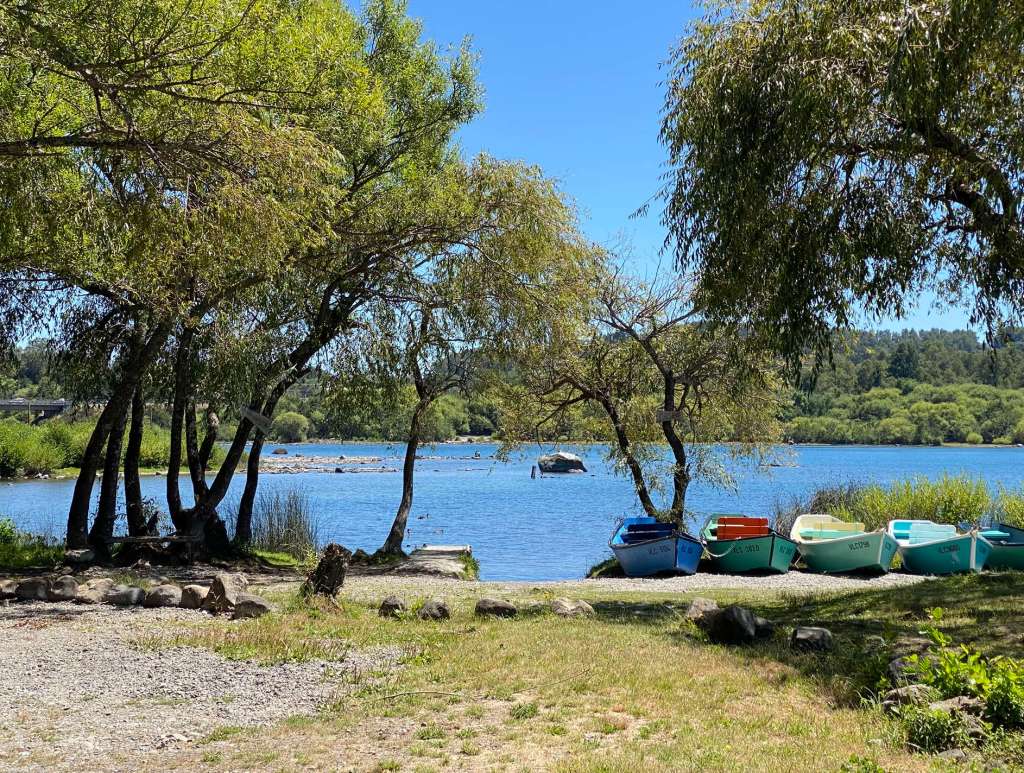
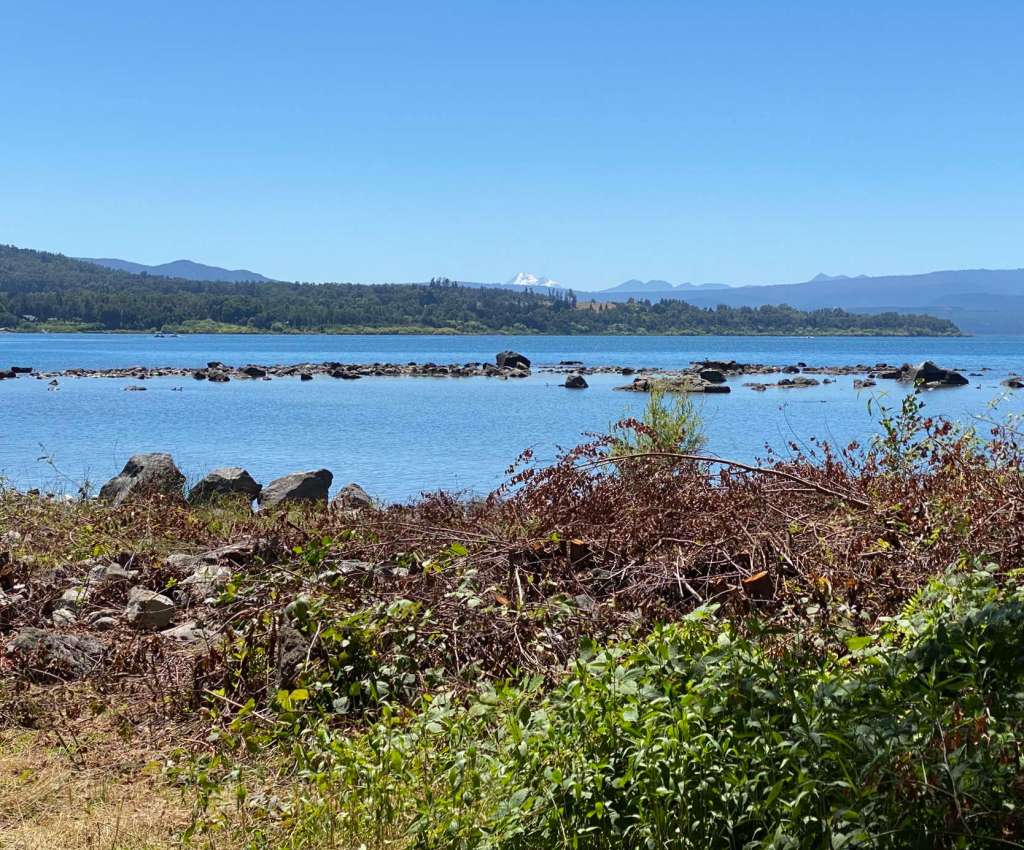
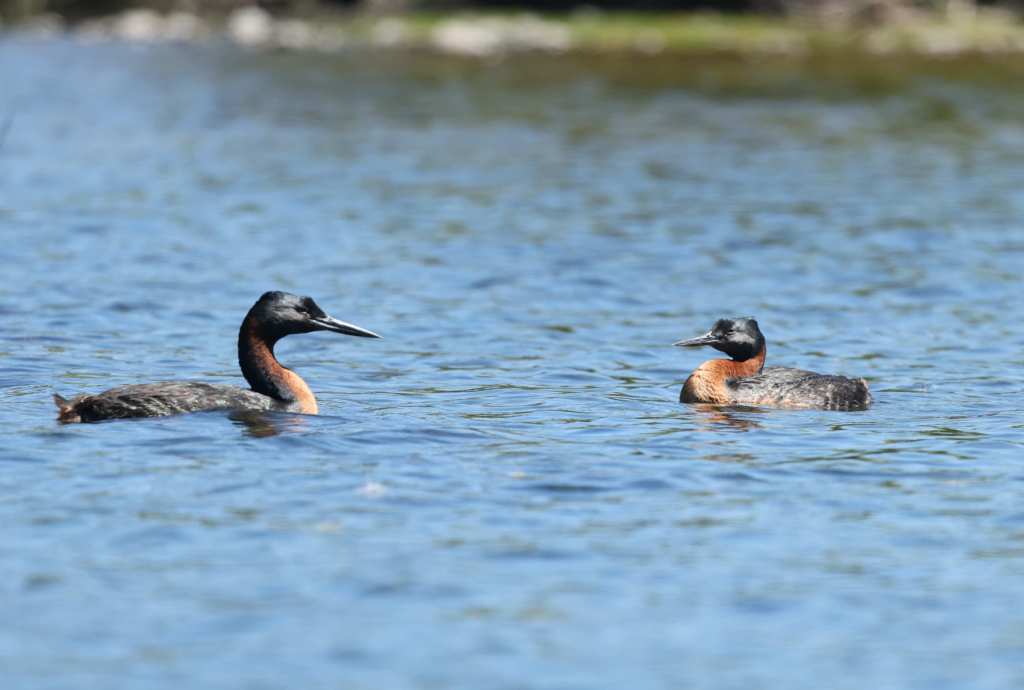
On this shoreline we saw over 30 Great Grebes (you can see below how harsh the sunlight is on their feathers), a host of Yellow-Billed Teals and Pintails, and a pair of Flying Steamer-Ducks (remember, only the Flying Steamer-Ducks, not the Flightless, are found on inland lakes). Interestingly, eBird lists Many-Coloured Rush Tyrant and Magellanic Snipe among the site’s iconic birds.
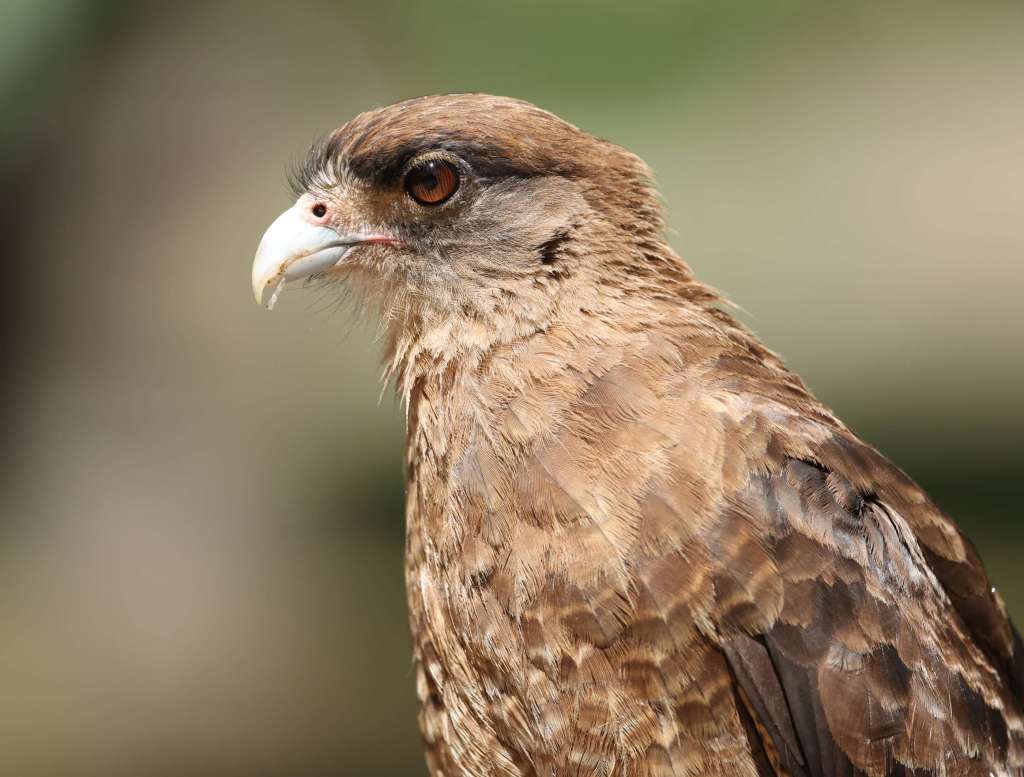
As a side note, we tucked into some empanadas at the town’s Plaza de Armas, and were amused to note not just a bunch of egrets in the trees above, but quite a few Chimango Caracaras intensely interested in whatever people were eating at ground level. Very scavengey behaviour, that.
Chamiza Estuary
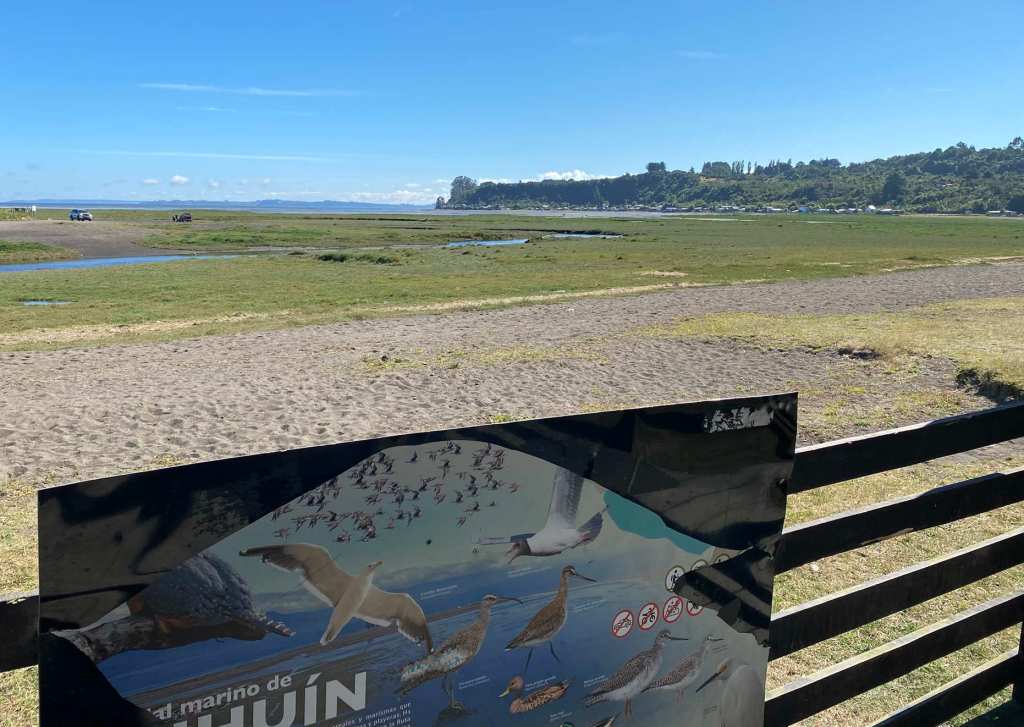
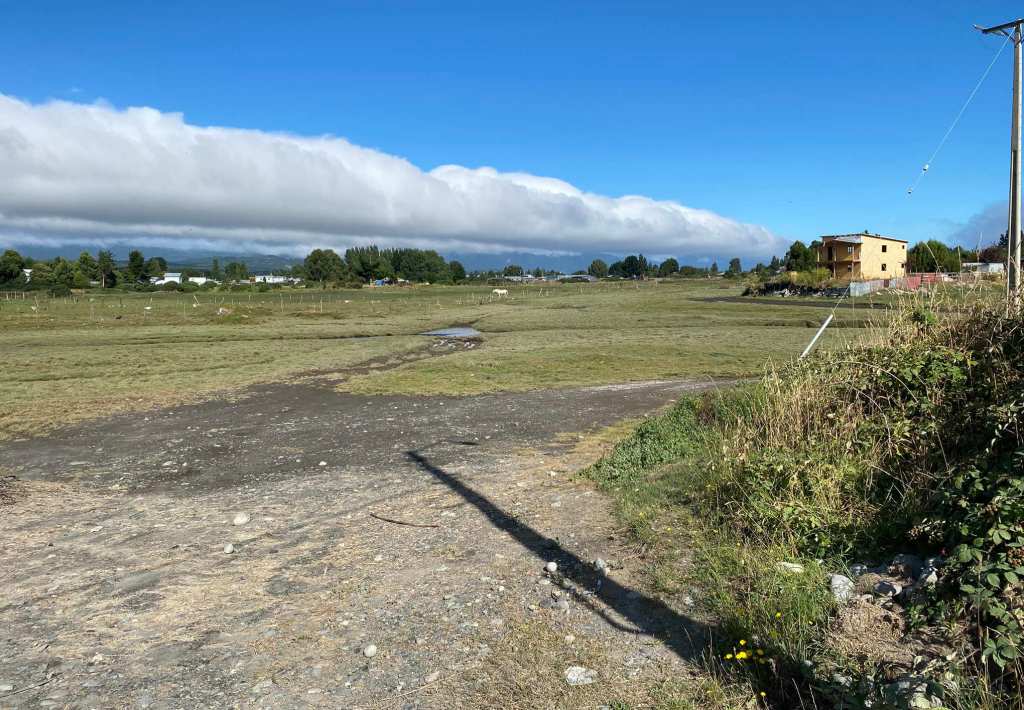
A few kilometres east of Puerto Montt lies an impressively huge esturary called Chamiza Estero. It’s so huge that any shorebirds are the tiniest specks way way out from the little roadside shelter that has a bird information panel in it. You would need footwear that you don’t mind getting muddy in order to really get out on the sometimes-marshy, sometimes-sandy flat estuary plain.
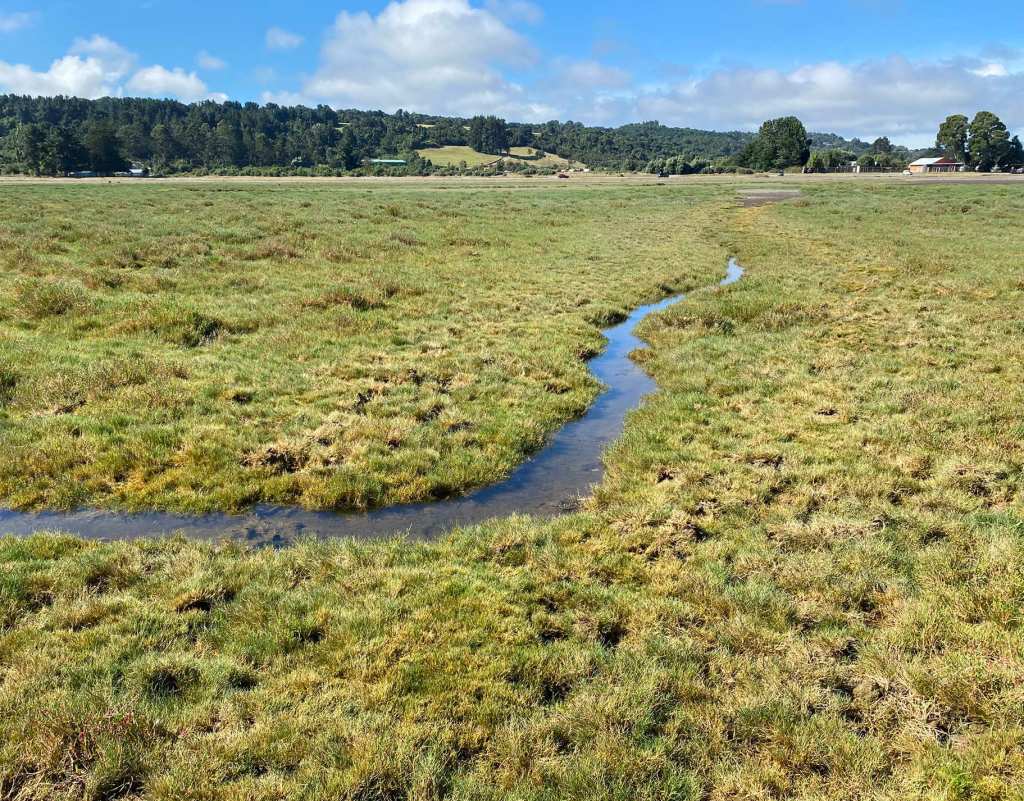
It was here we were able to – after looking for a few weeks in the region – to finally lay eyes on a Magellanic Snipe, in fact half a dozen of them! They seem to be there frequently, but mainly in summer. As a massive bonus, there was a lone Silver Teal chilling out right next to them (another lifer) – this teal is reminiscent of the Puno Teal found in the high Andes mainly in Peru and Bolivia, as both have a bit of a “powder blue” bill going on.
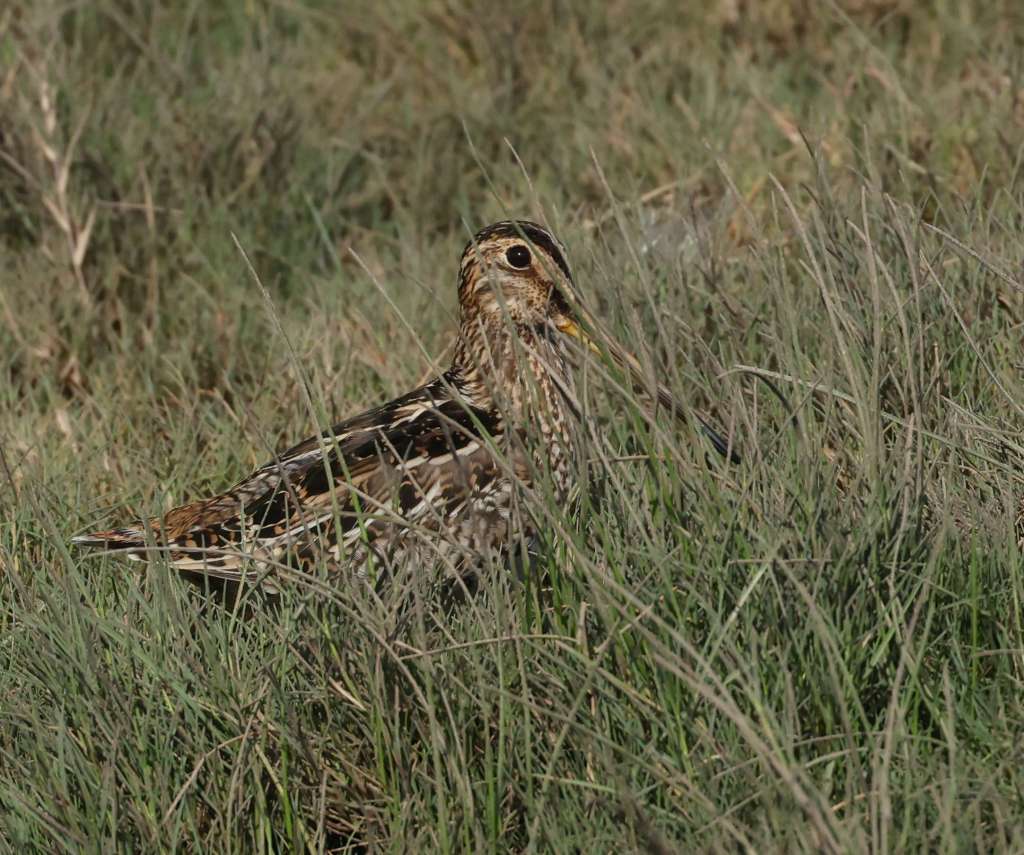
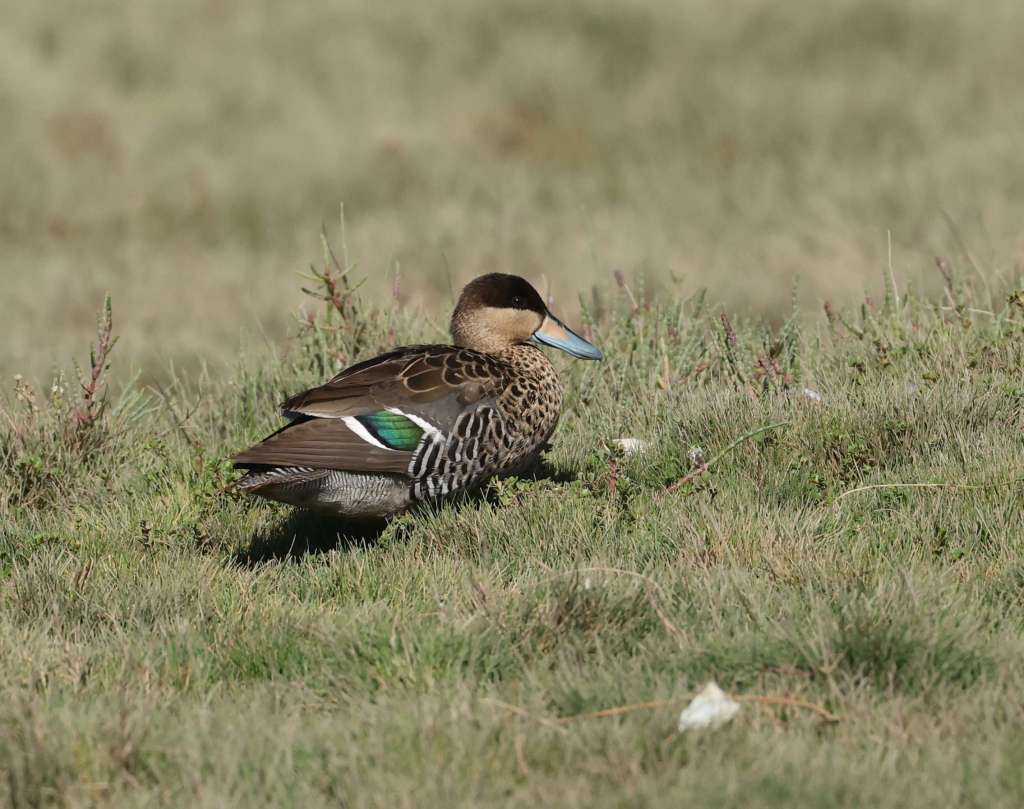
These birds were both found at the “bridge” (Chamiza–Puente in eBird), which has a bit of marsh and creeks near it. Yellow-Billed Teal, Southern Lapwing, Chilean Swallows and a few other bits and pieces were also here.
Summary
Phew! That was a lot of locations and a bunch of birds. If you’ve stuck with it to the end, I hope you’ll appreciate that this region of Chile has plenty to offer. Like any decent birding region of the world, you’ll likely find many of the area’s birds at just a few well-chosen sites, while seeing those hard-to-find birds, or at least, seeing them really well, takes more time and exploration. Two major sites that weren’t covered here should be noted: Islotes de Puñihuil (a place on Chiloe Island where both Humboldt and Magellanic Penguins can be seen) and Conguillío National Park (renowned site in the extreme north-east of the Lakes District, though most of its birds can be seen elsewhere, perhaps with a little more effort).
I’ll take a number of abiding memories from visiting this region. There were definitely many “individual bird sighting” highlights – way too many to list (I mean, see above!!) If pressed on “more general birding experiences”, I’d say something like: seeing Magellanic Woodpeckers on a super-scenic volcano hike; chilling out an an estuary with hundreds of shorebirds on Chiloe Island; leisurely local road birding particularly at Chiloe Island and near Lefun; exploring the coastline and birdlife of Rocas Basalticas on Chiloe Island. Your mileage may vary, but there are most certainly a wealth of options.
AUTHOR: ANDY GEE
BIRDERS: ANDY GEE, K-A
 Bird Spots
Note the tag on the Hudsonian Godwit, second from right.
>
LikeLike