
Having visited the UK many times but never “birded” here before, I was curious what the experience would be like. I scheduled a decent amount of time in Norfolk and Suffolk to start off, aiming to cover lots of birding sites, and began in springtime (May 8, 2026, to be exact) when there was likely to be some good bird activity (migrants passing through, birds vocal and preparing for breeding and nesting, etc).
Long story short: it was a rewarding time of year and a rewarding region to be birding in. Weather was all over the place, of course (but that’s England…). What I was most surprised by were the wealth of facilities catering to birders: many reserves had elaborate visitor centres, often with integrated or adjoining cafes, with super-friendly and helpful staff; there were bird hides galore; and tons of information is available (at the sites themselves, and online for rarer bird sightings – for example, updated on various county-based birding websites). This is partly due to the truly enormous number of regular birders in the country – perhaps around the 4 million mark. The culture of birding and the associated infrastructure is truly amazing.
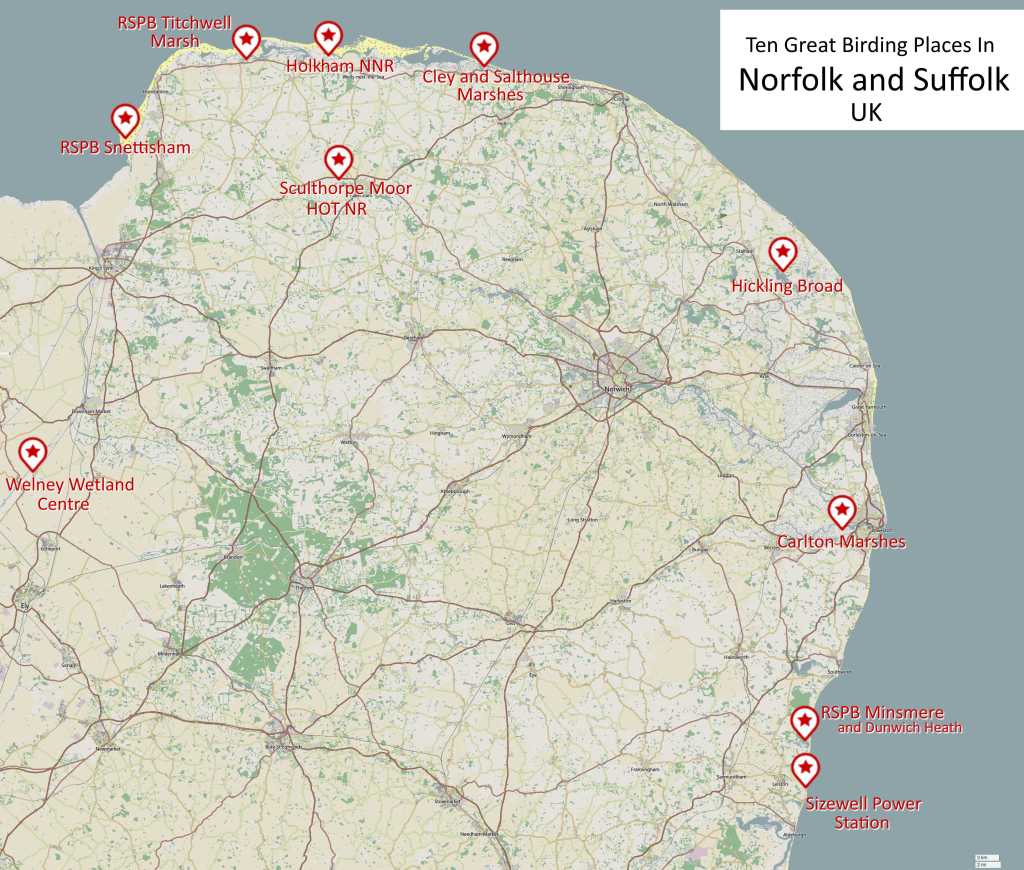
Here’s a list of the ten favourite locations I discovered. With the caveat that most of these places (with the exception of Titchwell Marsh, Sculthorpe Moor and Minsmere) I only visited once; I’m not proclaiming to be an expert and this is of course an opinionated guide.
1. RSPB Titchwell Marsh
Titchwell Marsh has to be my #1 favourite site for birds in the entire UK. It’s a big claim! But there’s plenty of reasons the location would be attractive to birders and bird photographers.
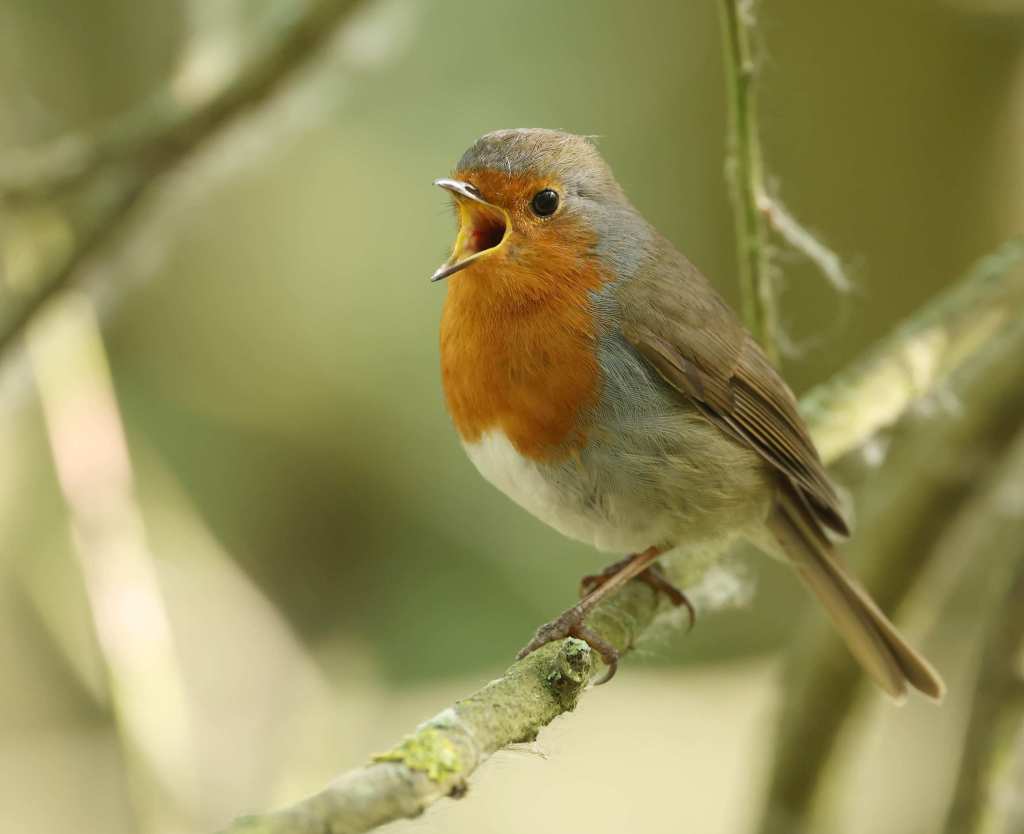
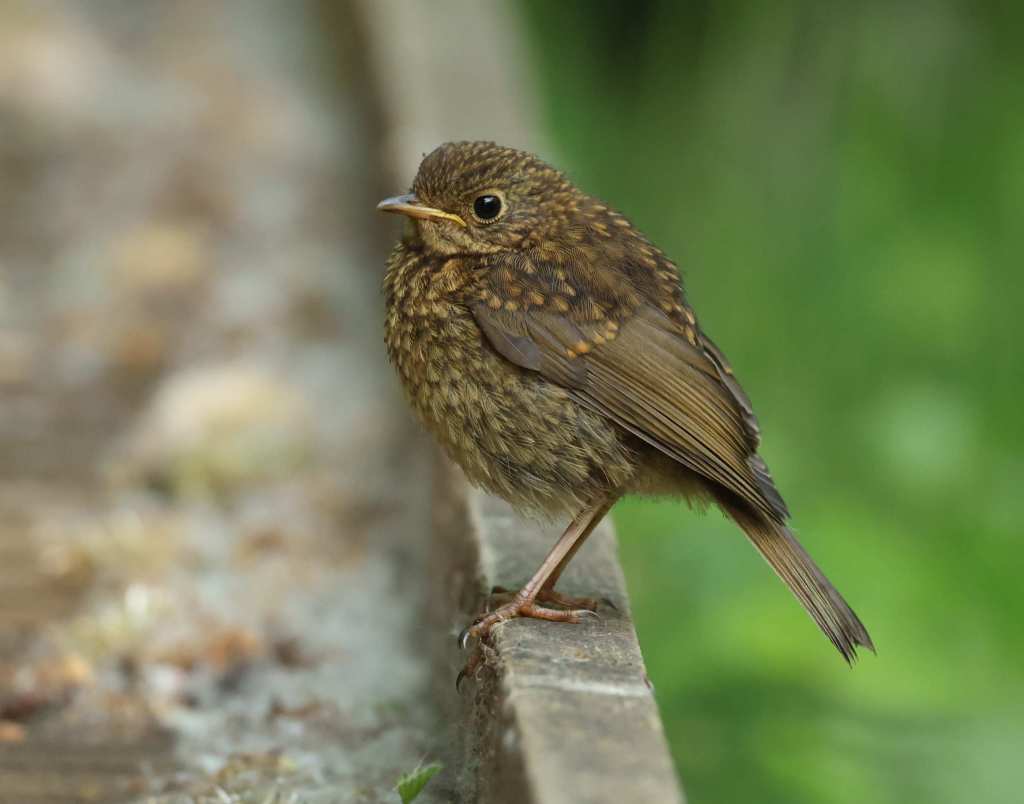
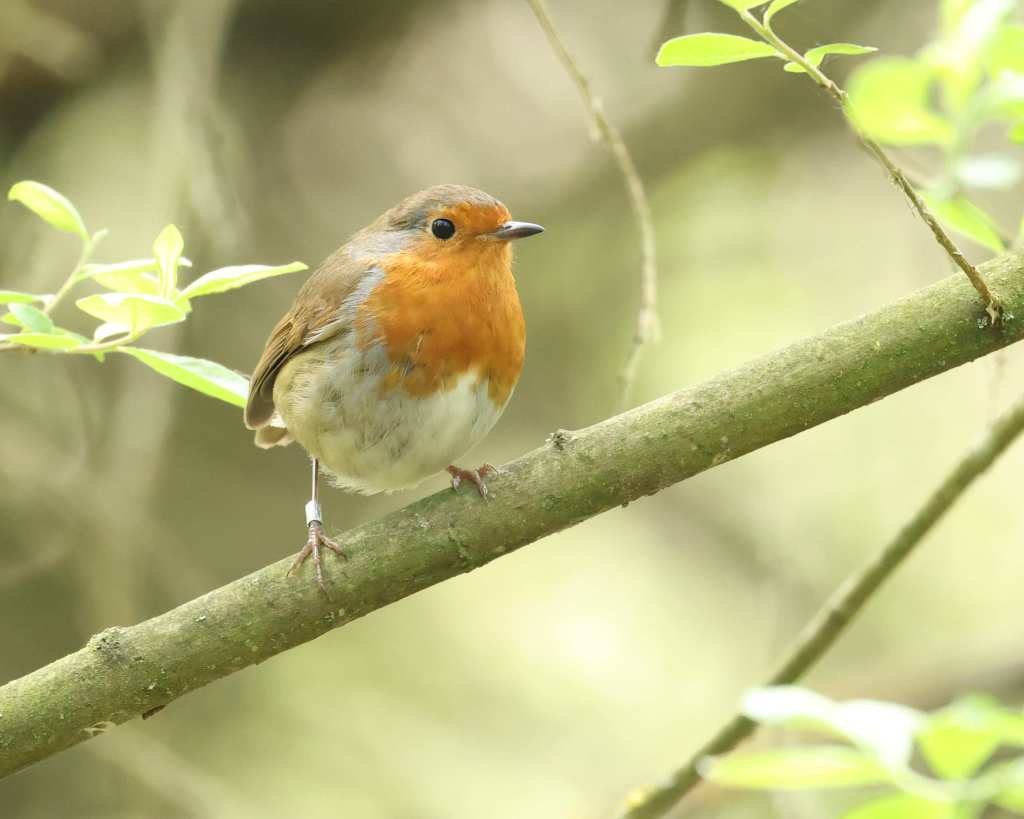
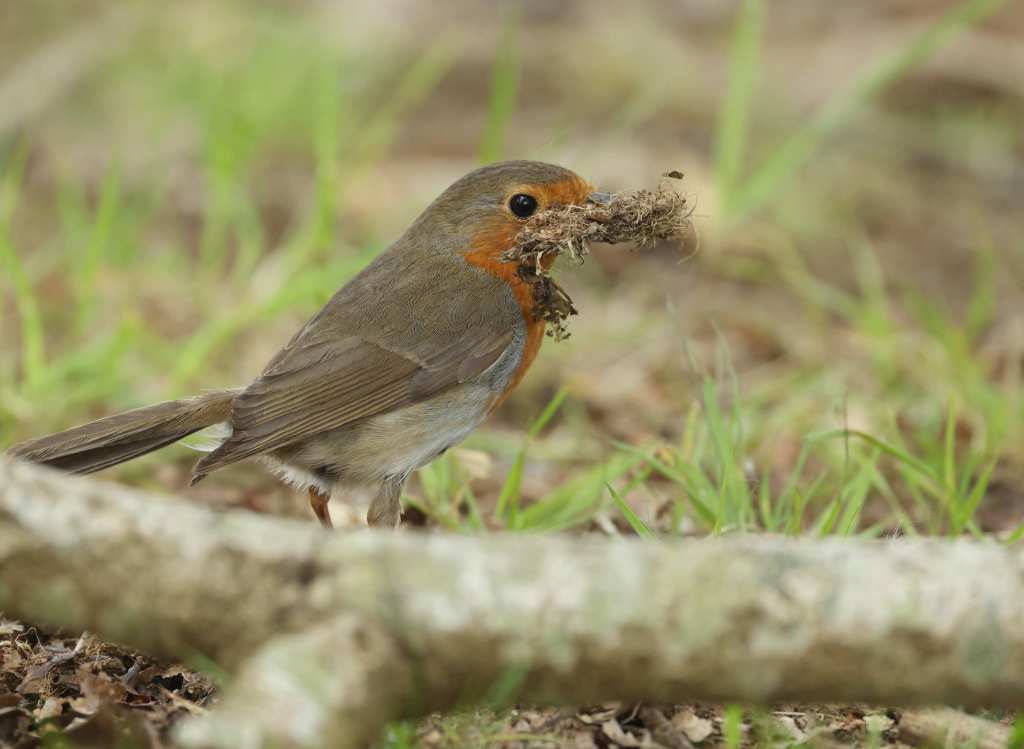
Like many RSPB sites, its visitor centre is open between certain defined hours, but you can certainly arrive early, park up and explore the area before opening time. For Titchwell Marsh this is a pretty good strategy actually because you can beat the crowd and nab a spot in the car park which isn’t all that large. Note most RSPB sites have an entry fee, or you can purchase an annual pass online to make things seamless and easy (which is what I did). Near the entrance is some modest forest which packs a decent punch for its size: there are lots of busy Robins, Chaffinches, Blackbirds and Dunnocks, for example.
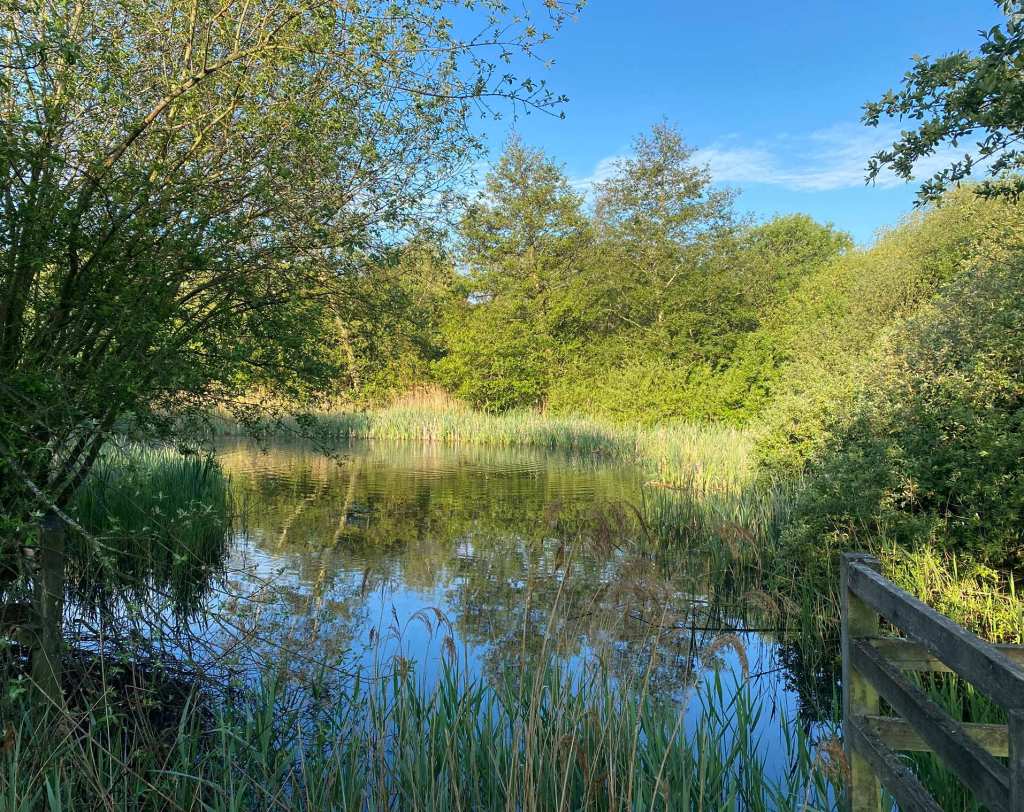
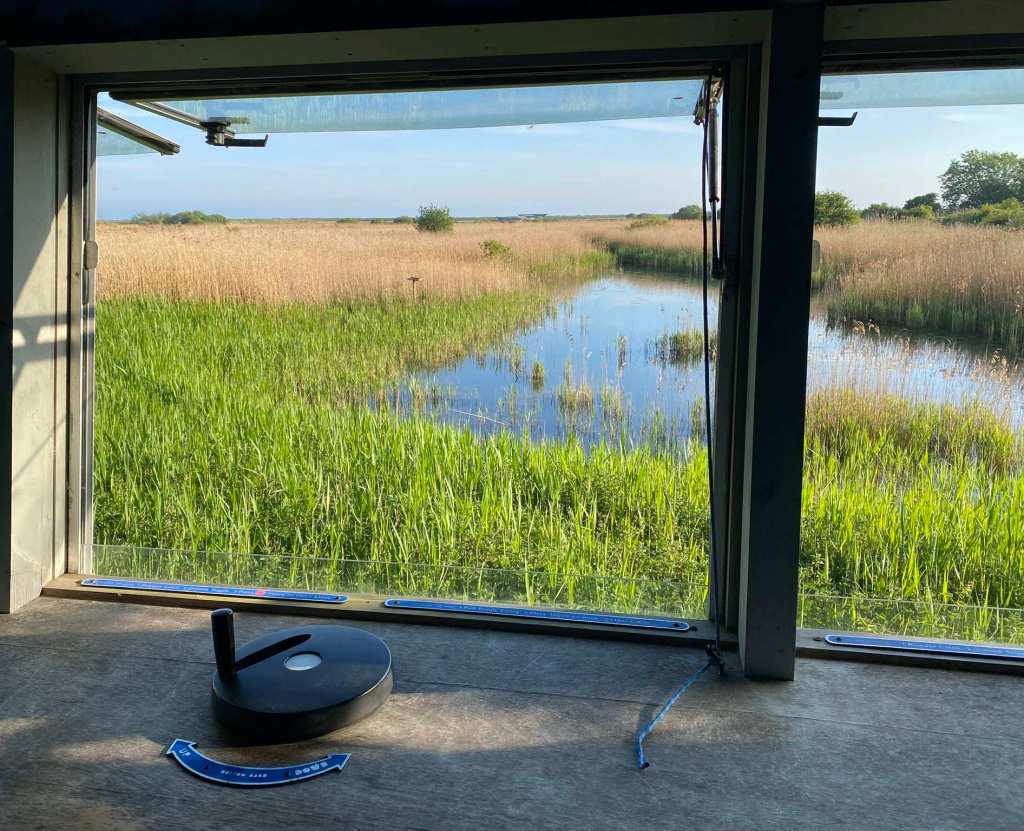
As you explore deeper in the site, forest gives way to marshes and reed bed environs. A couple of trails (Meadow, Fen and East Trails) provide access here along with a hide (Fen Hide).
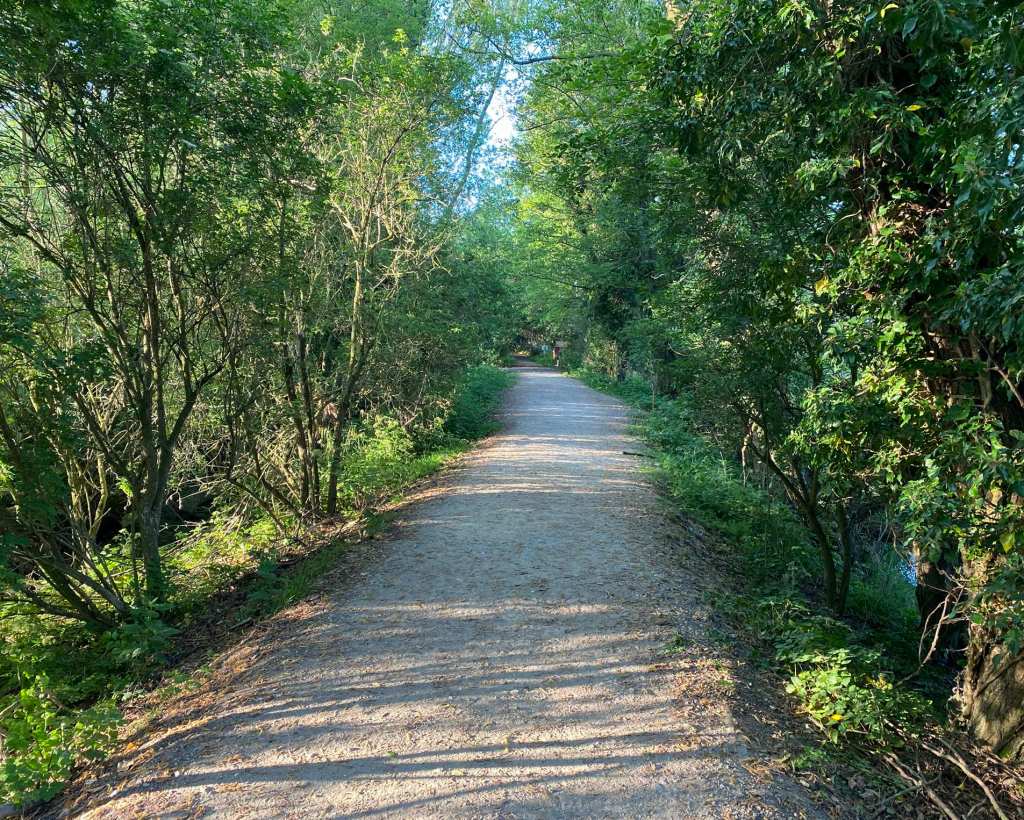
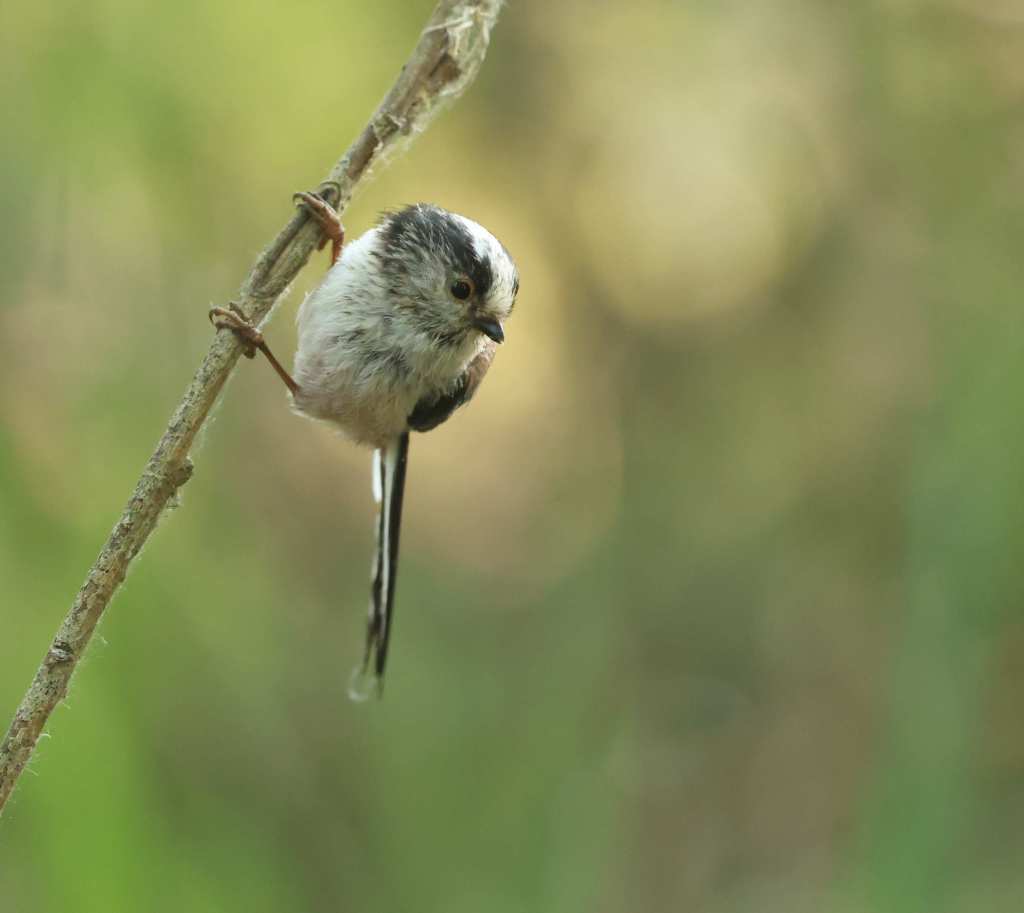
Chiffchaffs and Eurasian Jay were a couple of birds I saw here, along with a crew of Long-Tailed Tits, and apparently some Tawny Owls are resident somewhere in there (I did not see them).
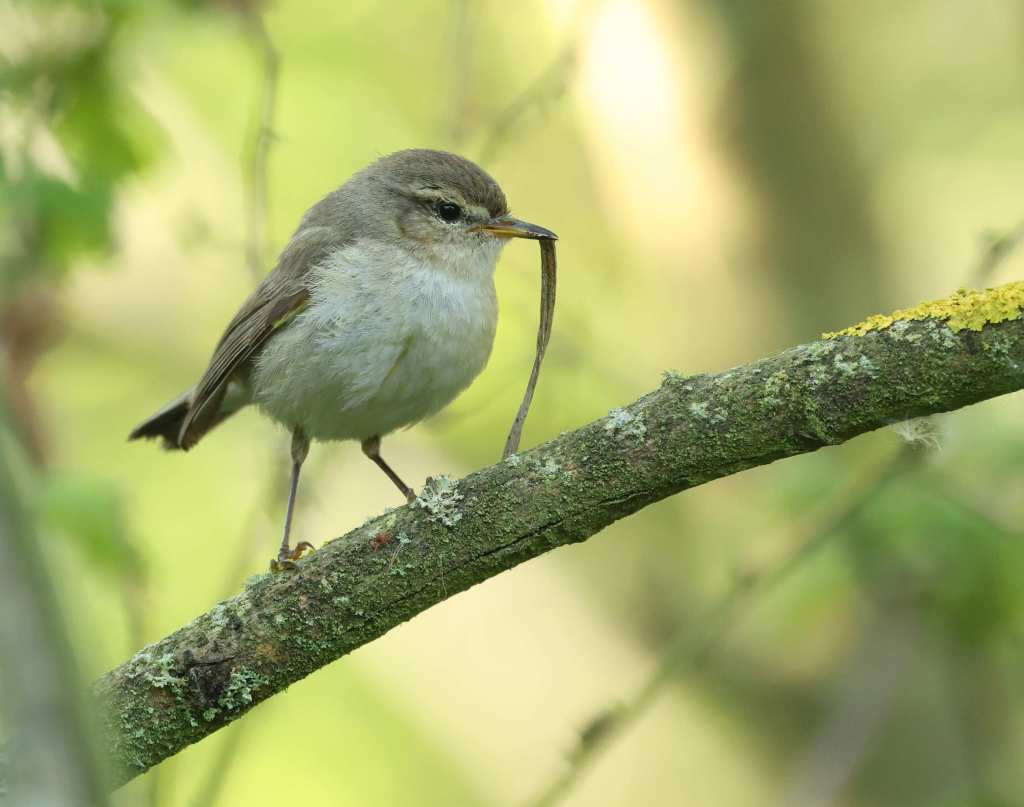
I found the birds on paths and in small ponds and marshy spots anywhere near the visitor centre to be fairly blasé about people, allowing you to approach sometimes surprisingly close.
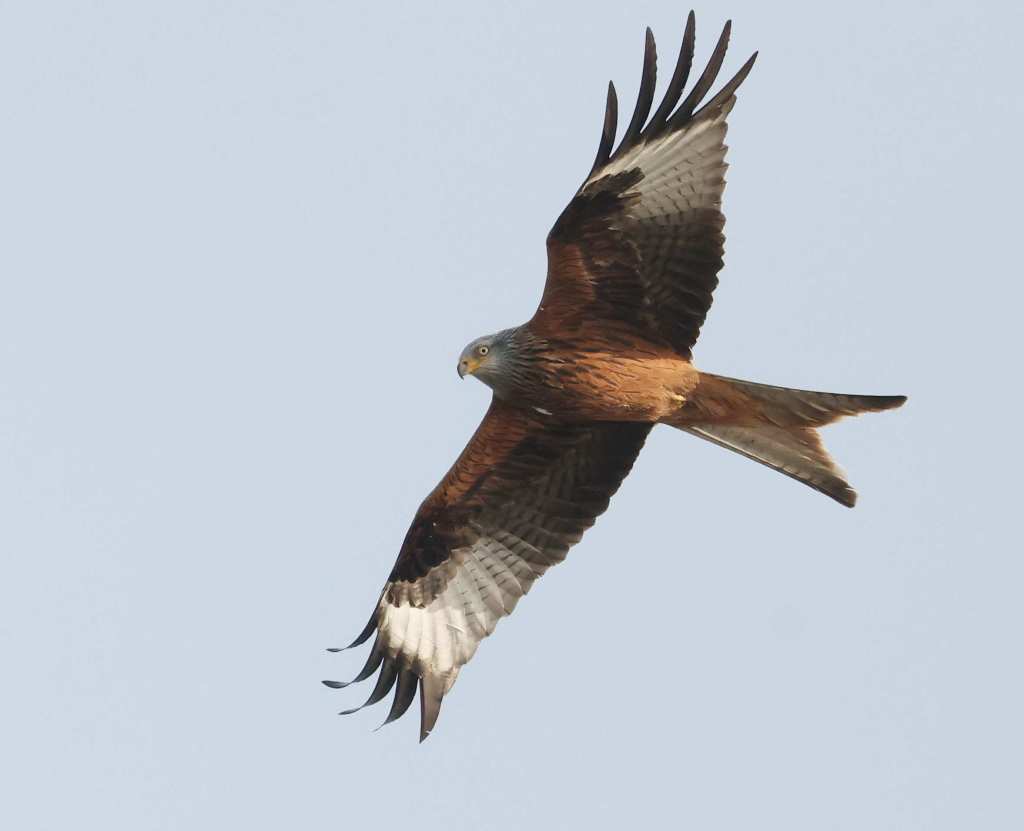
Common raptors include Red Kite and Western Marsh Harrier.
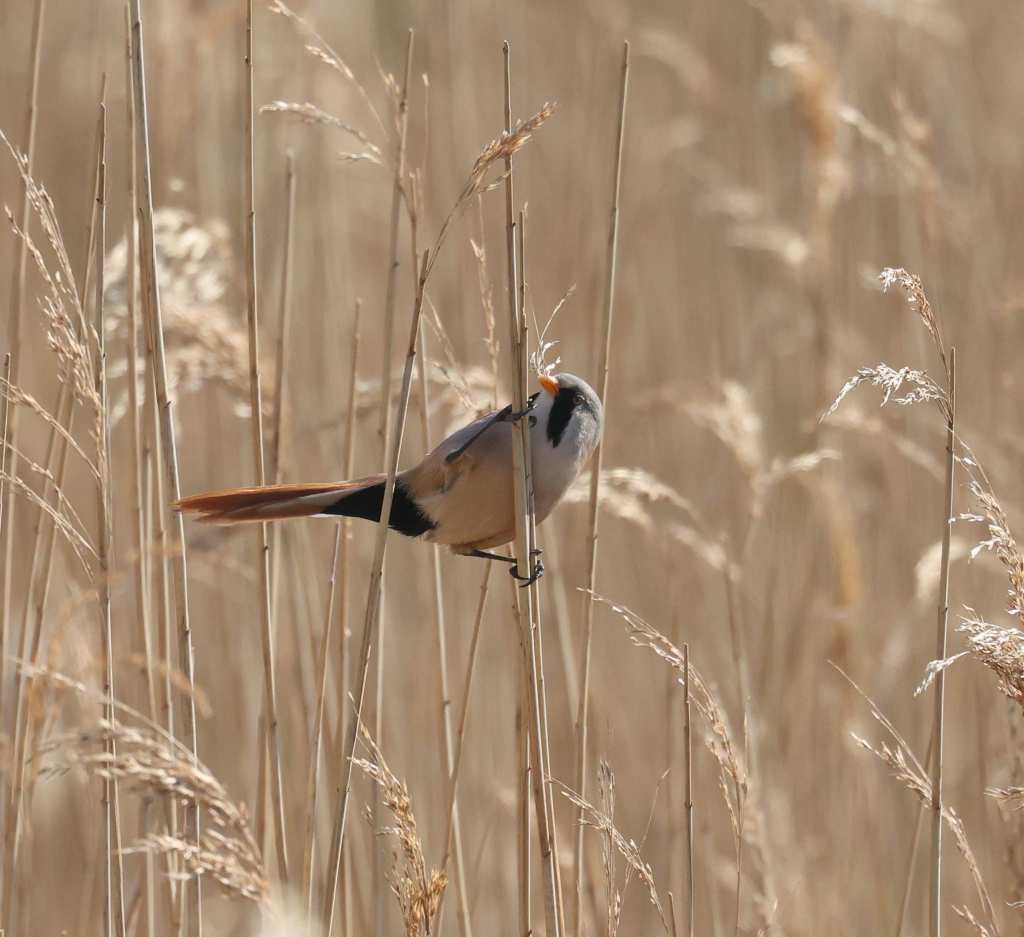
In the reeds there are Common Reed Warblers, Sedge Warblers, Reed Buntings and everyone’s favourite reed bird, the amazing Bearded Reedling (also known as Bearded Tit). For the latter you might find an early morning visit best to get good views (or indeed any views – they can be hard to find).
West Bank Path goes north, accessing the large lagoons to the east with two impressively large hides (Island Hide and the enormous Parrinder Hide) while there are swathes of great habitat to the west (Thornham Marsh) over the embankment (no walking access, but you can get pretty good views anyway). I saw over 60 Brant Geese in that marshy area as well as a smattering of many other birds.
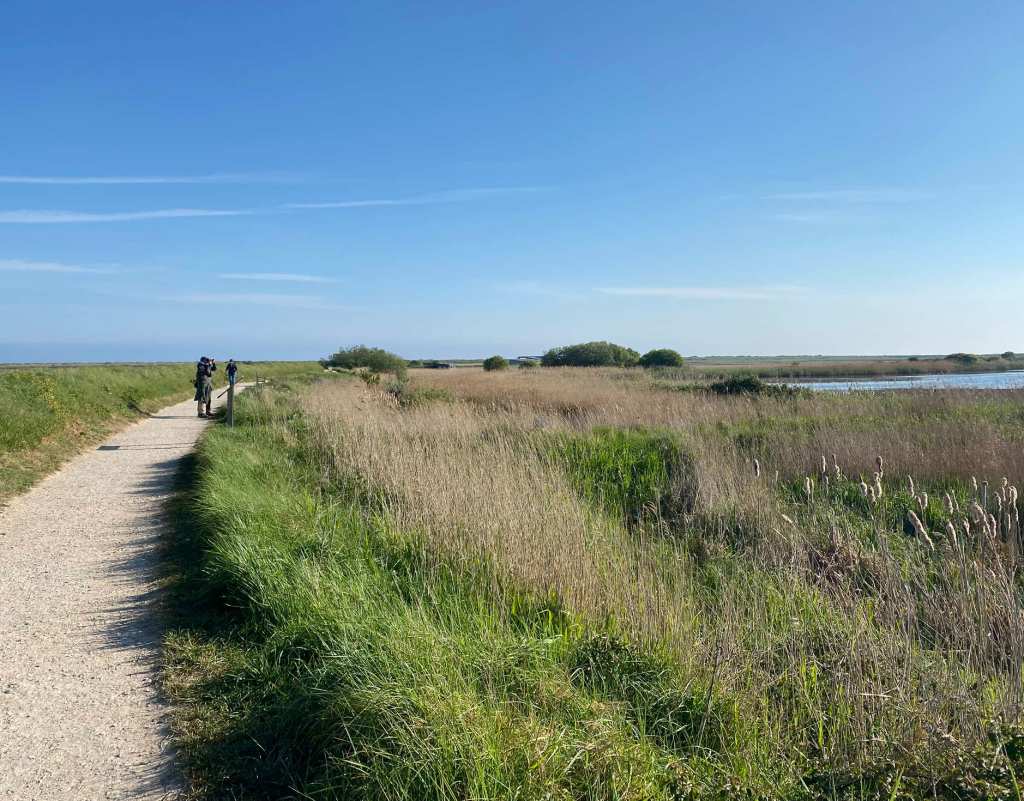
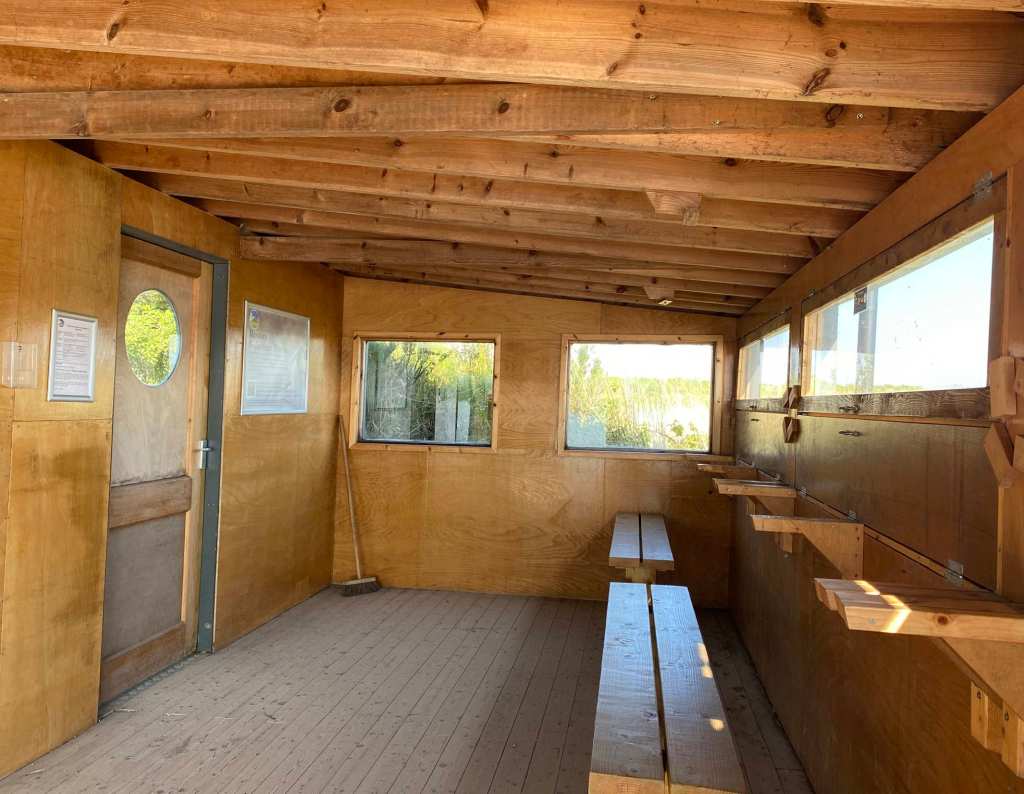
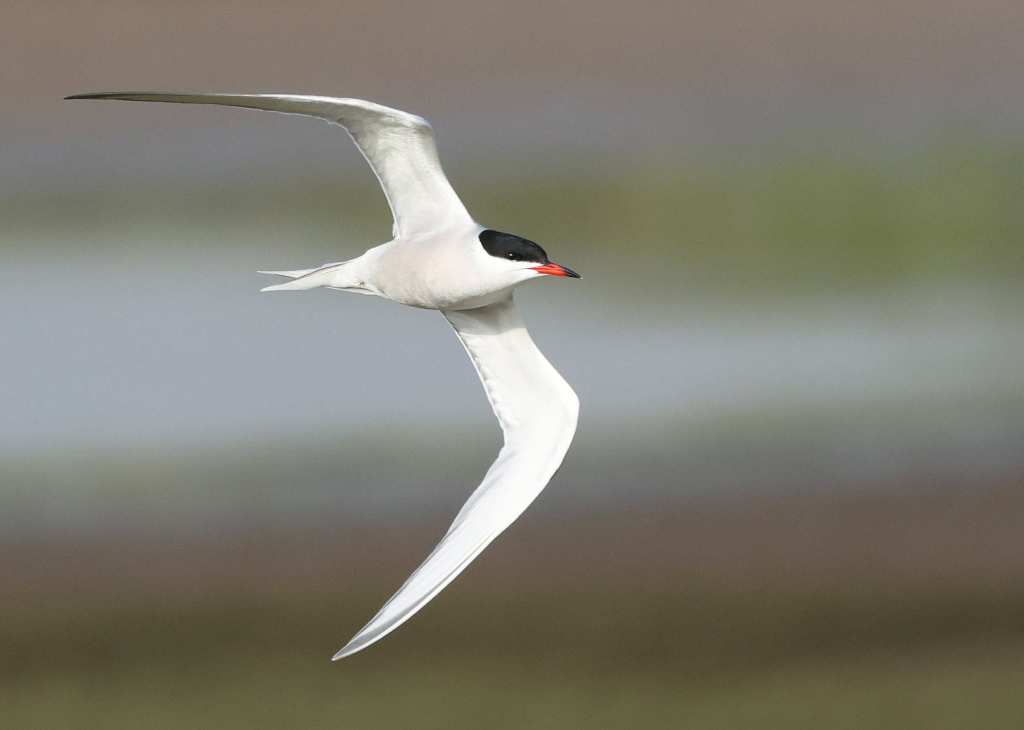
Keep a look out for birds in flight particularly east-west across the reserve as quite a few birds move between the freshwater lagoons and marshes – Common and Little Terns and Eurasian Oystercatchers, for example, not to mention some of the nearly 500 Black-Headed Gulls I counted on my first visit here (I totaled 51 species in all in my checklist).
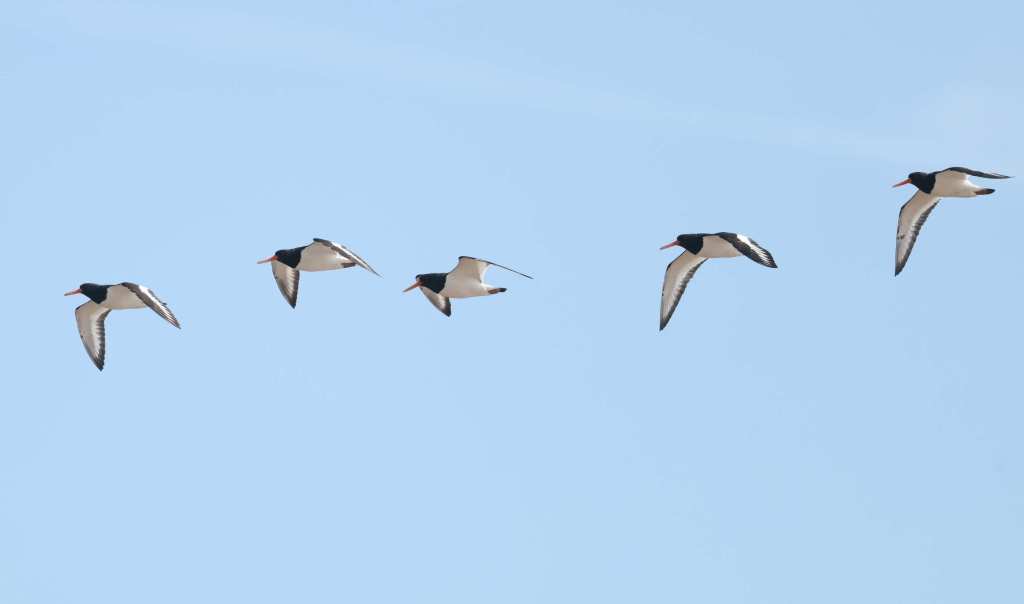
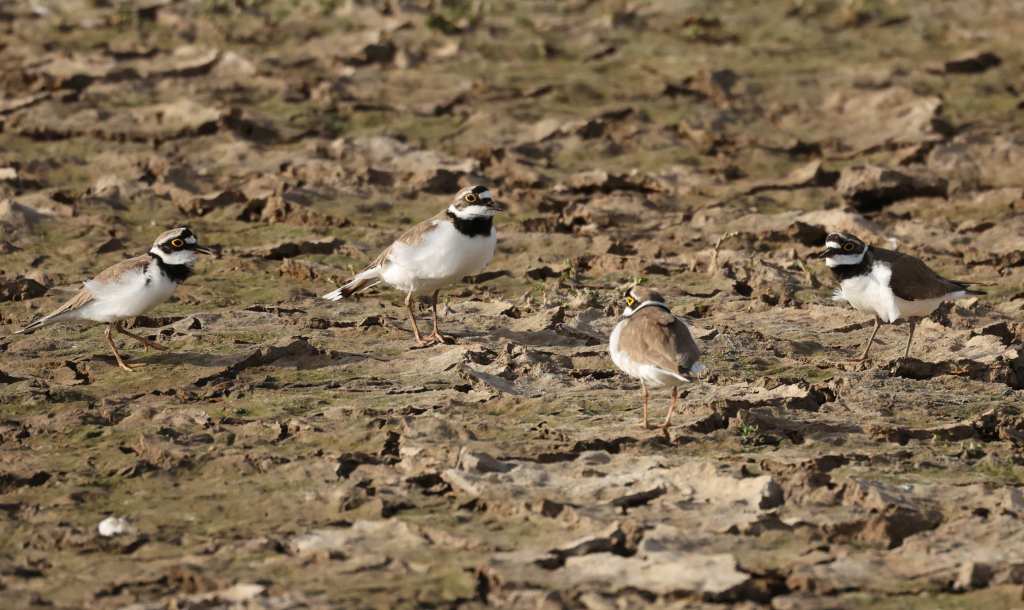
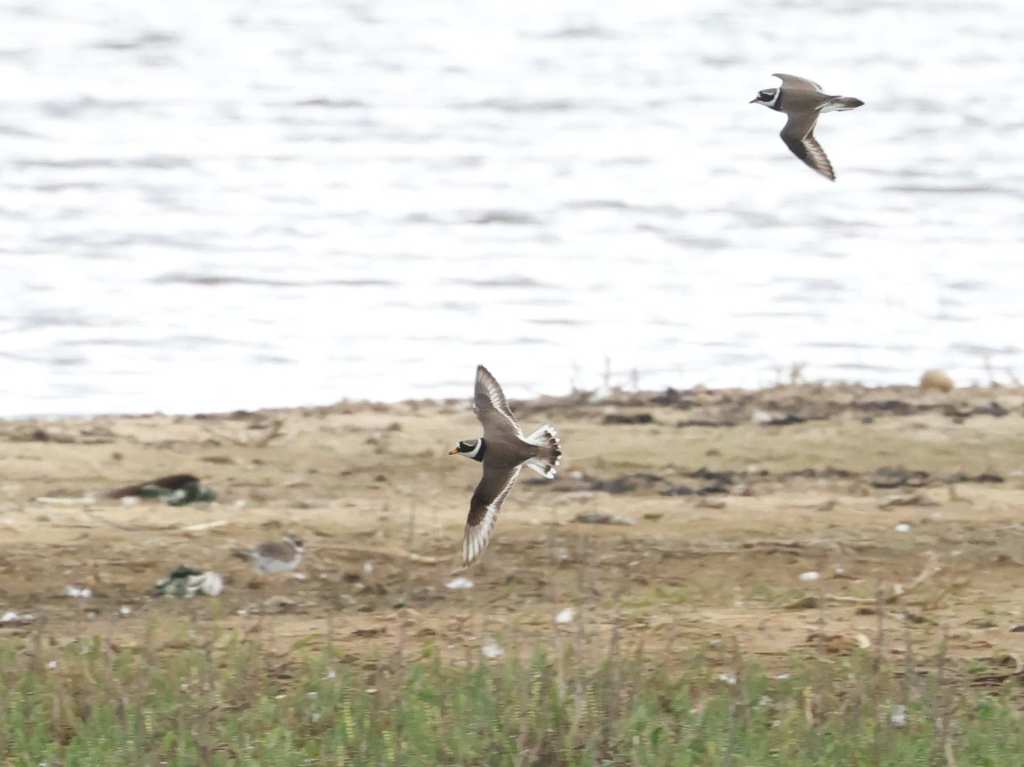
In the pools the diversity explodes with Pied Avocets, Eurasian Spoonbills, various terns, ducks (Shovelers and Wigeons, for example) all arrayed out as far as you can see. Eurasian Oystercatchers rip by overhead, the terns are always doing some swerving or diving, and I found a crew of four Little Ringed Plovers who seemed to be having a very spirited chirpy conference.
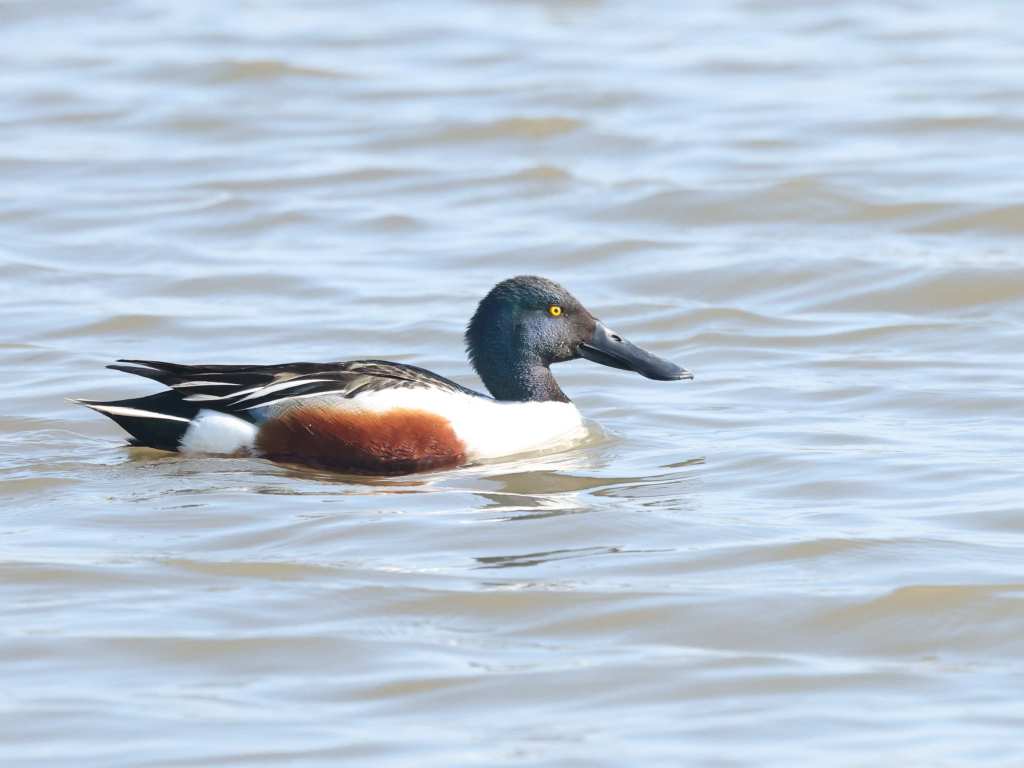
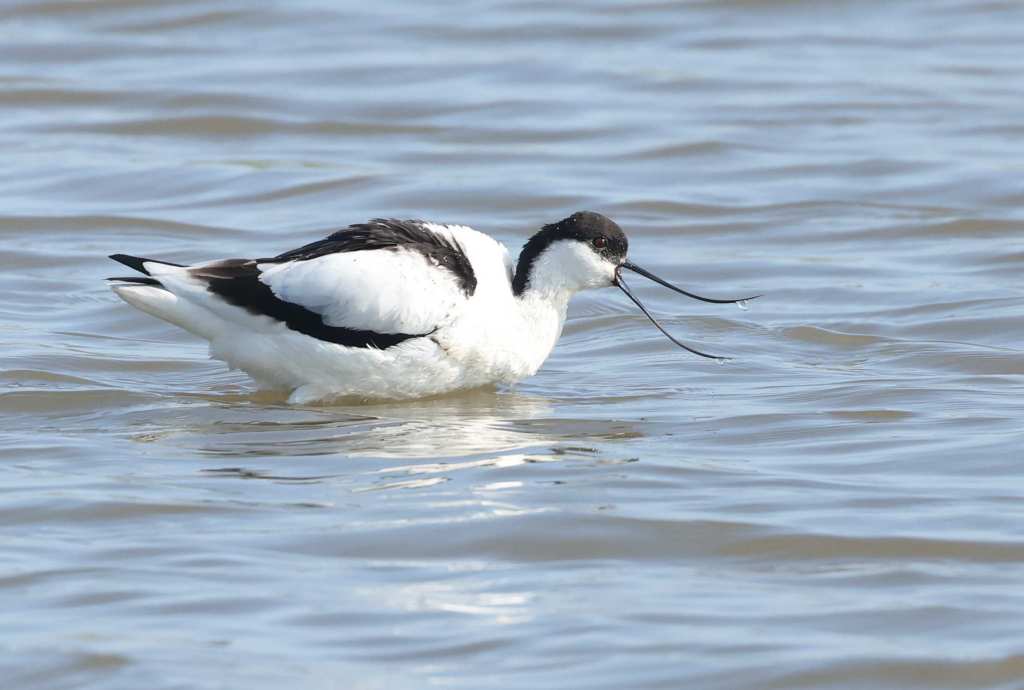
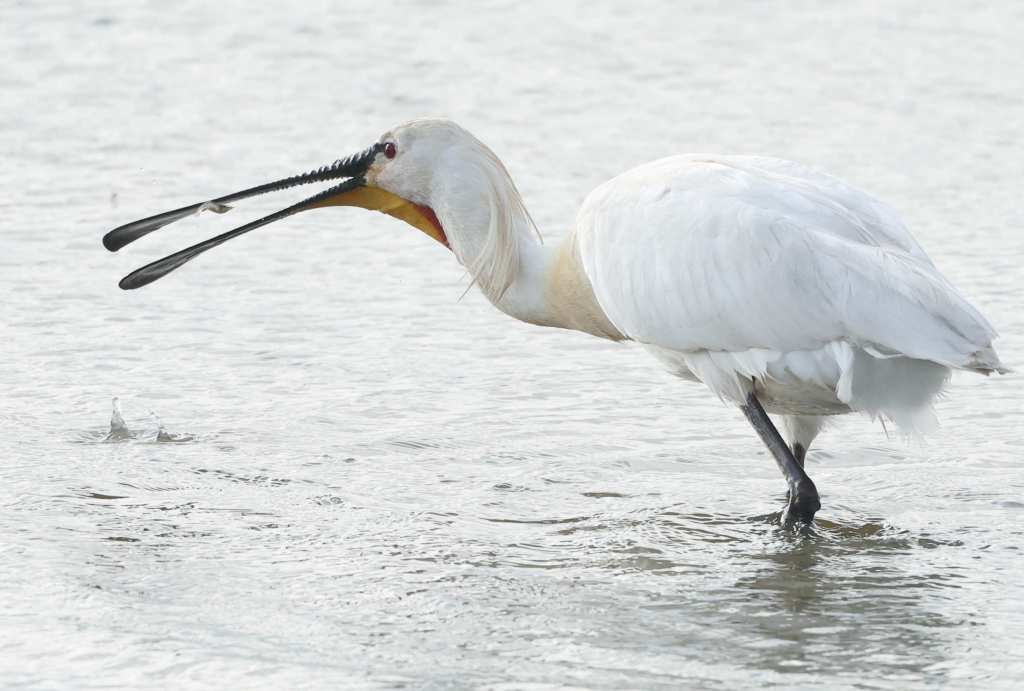
The water levels are controlled in these lagoons – actually engineered is probably a better word – for maximum biodiversity, ensuring the saturation engenders plenty of food especially for key species like bitterns.
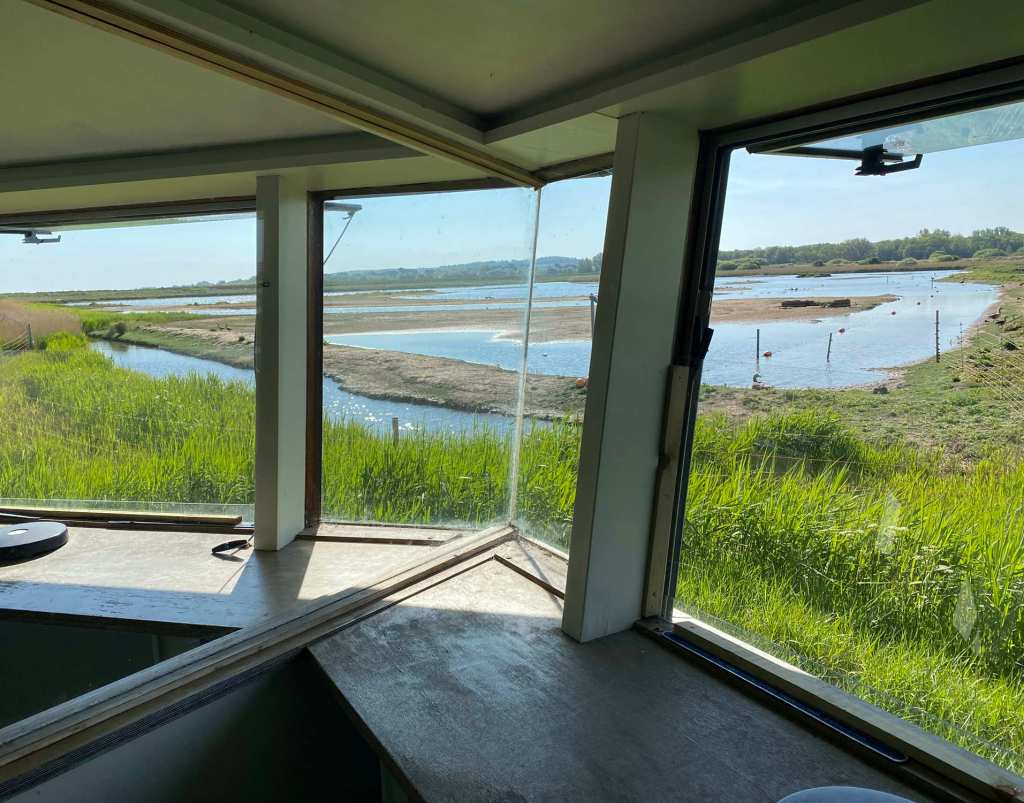
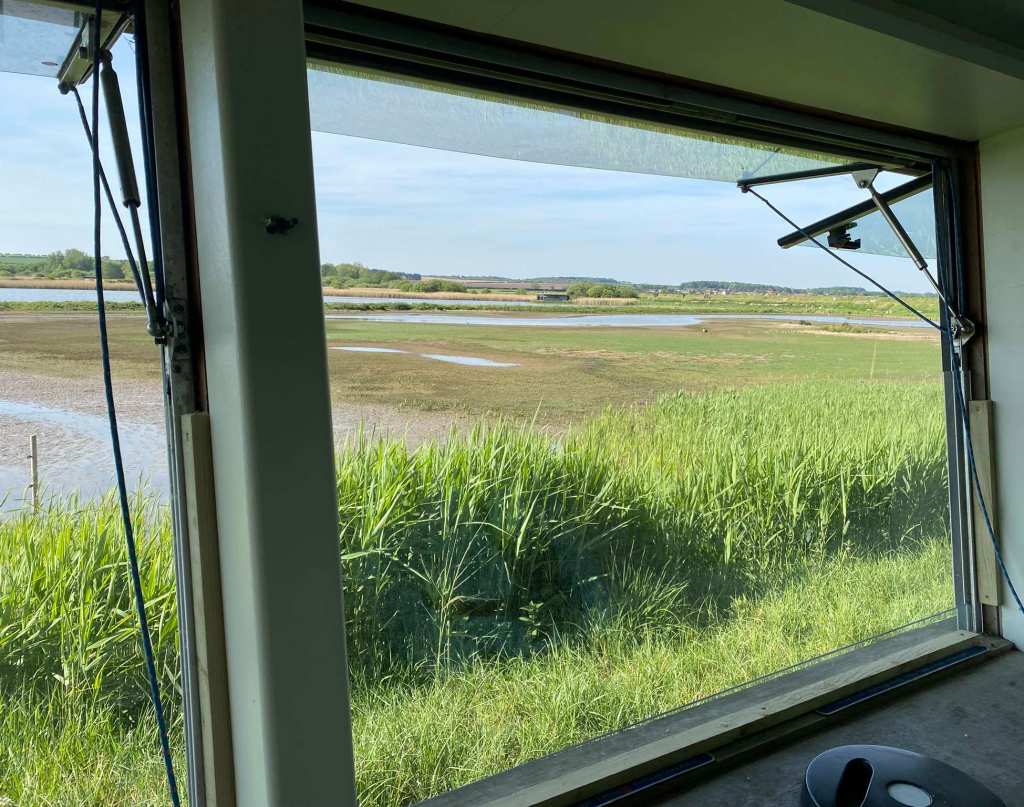
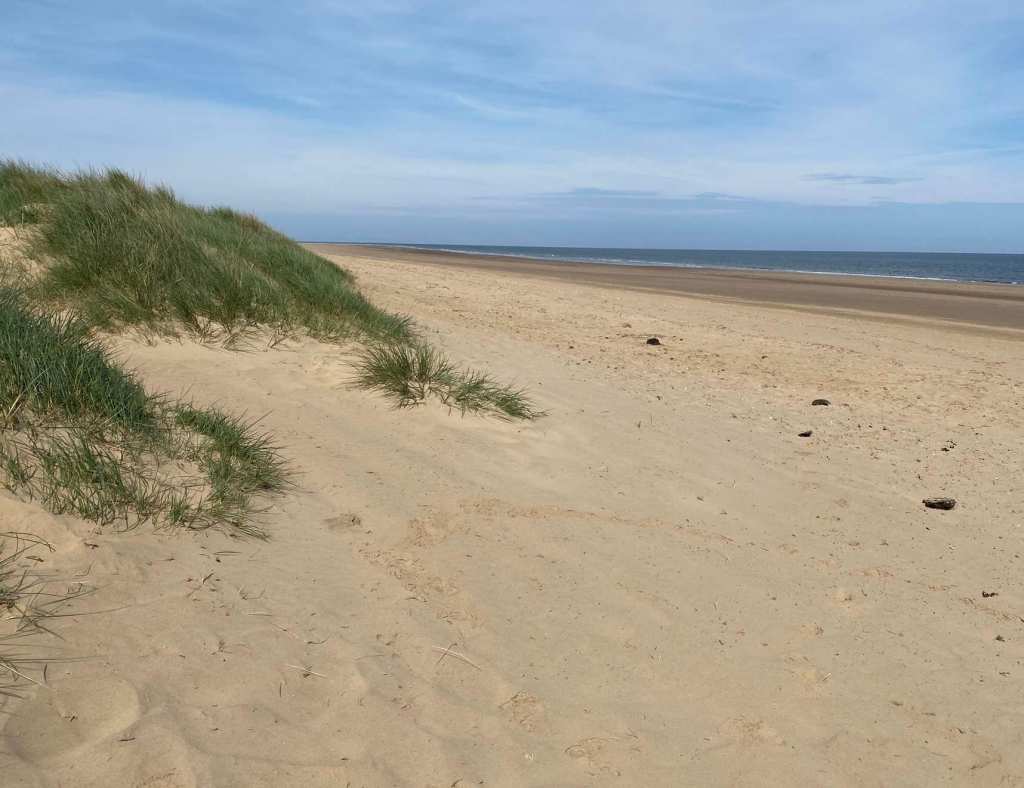
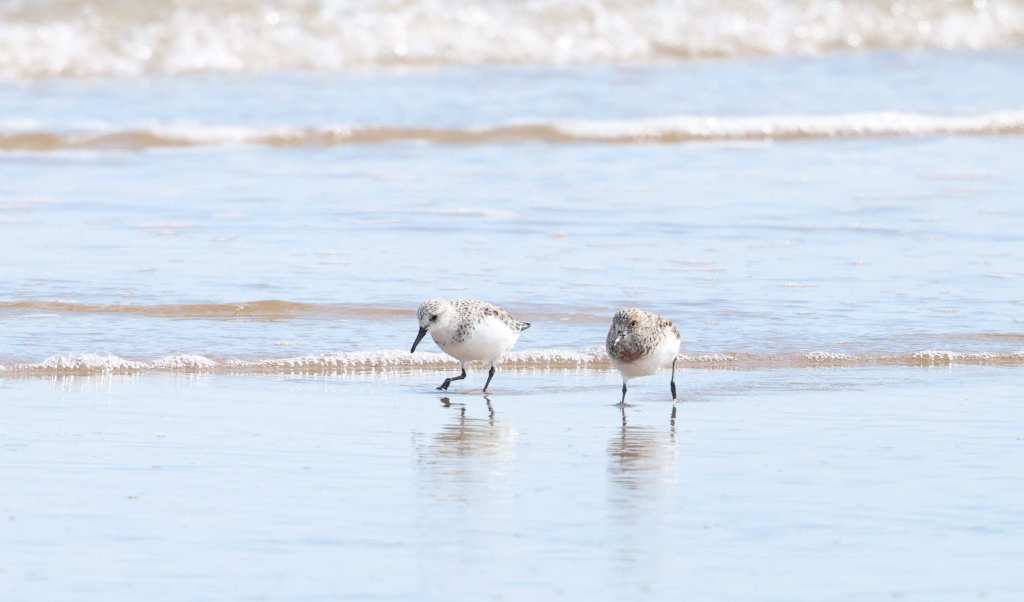
You can go all the way to the beach at the north of the site and here I found some Sanderlings patrolling the shore.
I found the light pretty good for photography at Titchwell Marsh, with the west or east of West Bank Path proving best depending on whether you visited morning or afternoon respectively. Whether you’re photographing or not, it’s just a terrific site with an excellent mosaic of habitats and loads of great birds.
2. Sculthorpe Moor Nature Reserve – Hawk and Owl Trust
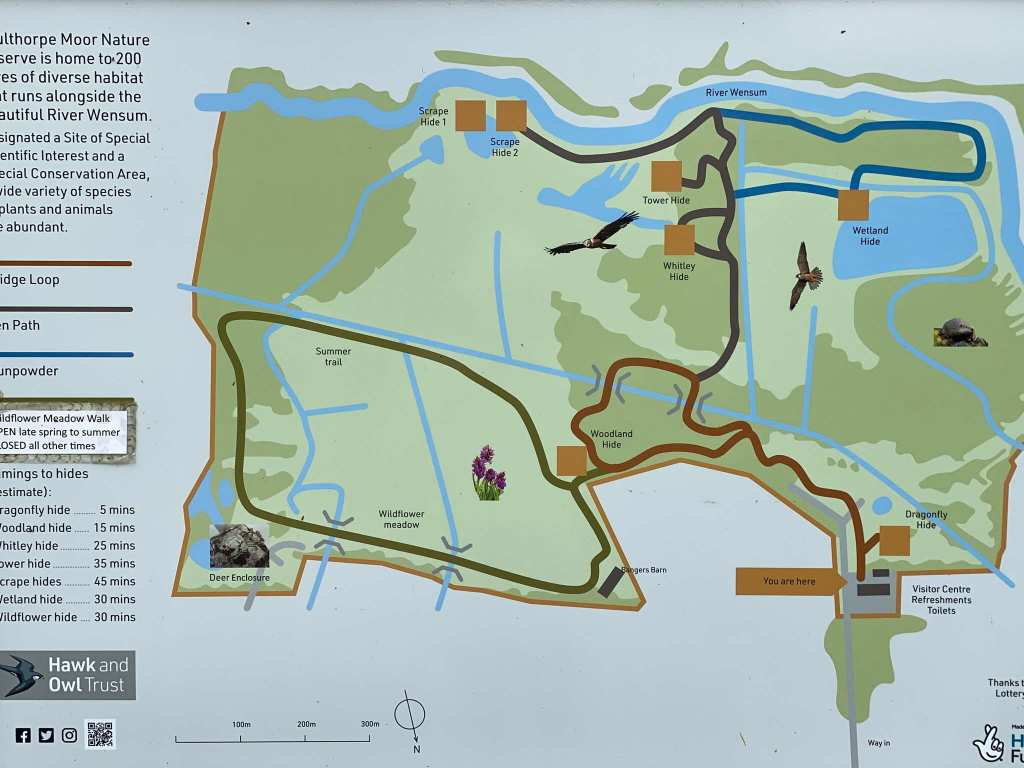
Sculthorpe Moor HOT NR, to give it it’s blessedly shorter moniker, is an intriguing inland site which isn’t affiliated with the bigger organisations like RSPB or NWT (Norfolk Wildlife Trust). Its 200 acres just near the town of Fakenham cover a remarkable number of habitats and it opens from 9:30am (there’s no access any earlier).
You’re plunged into impressively dense forest patches as soon as you enter the reserve proper, and there is a good bird hide quite soon just off that trail as well.
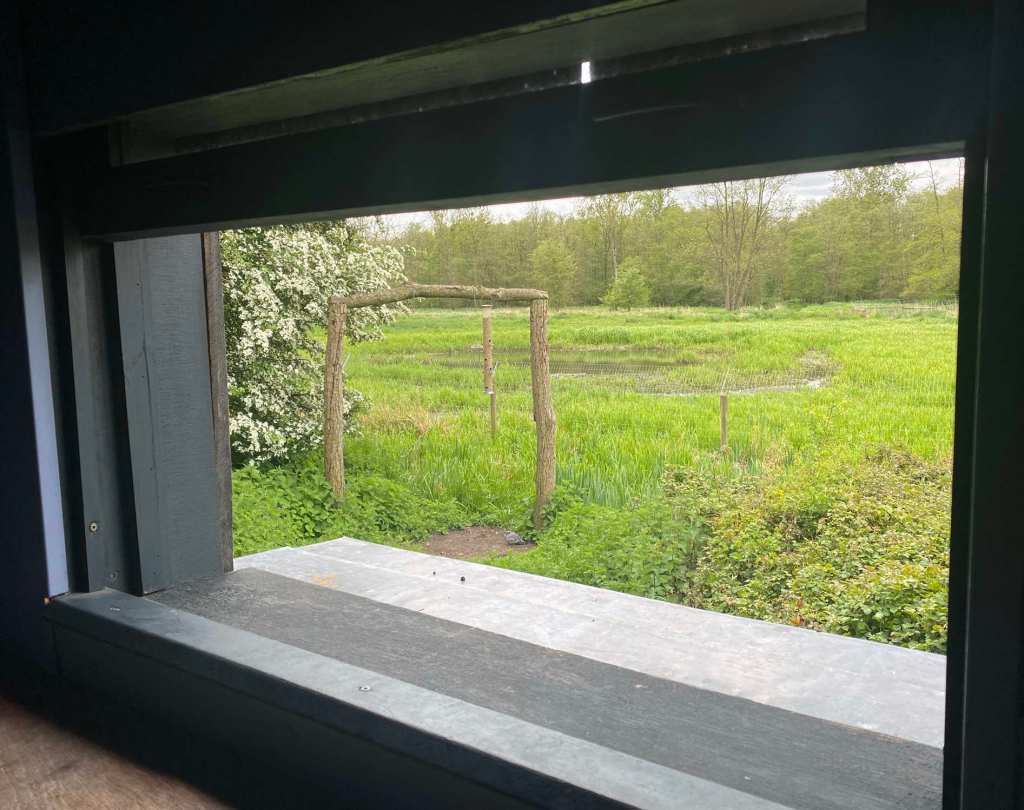
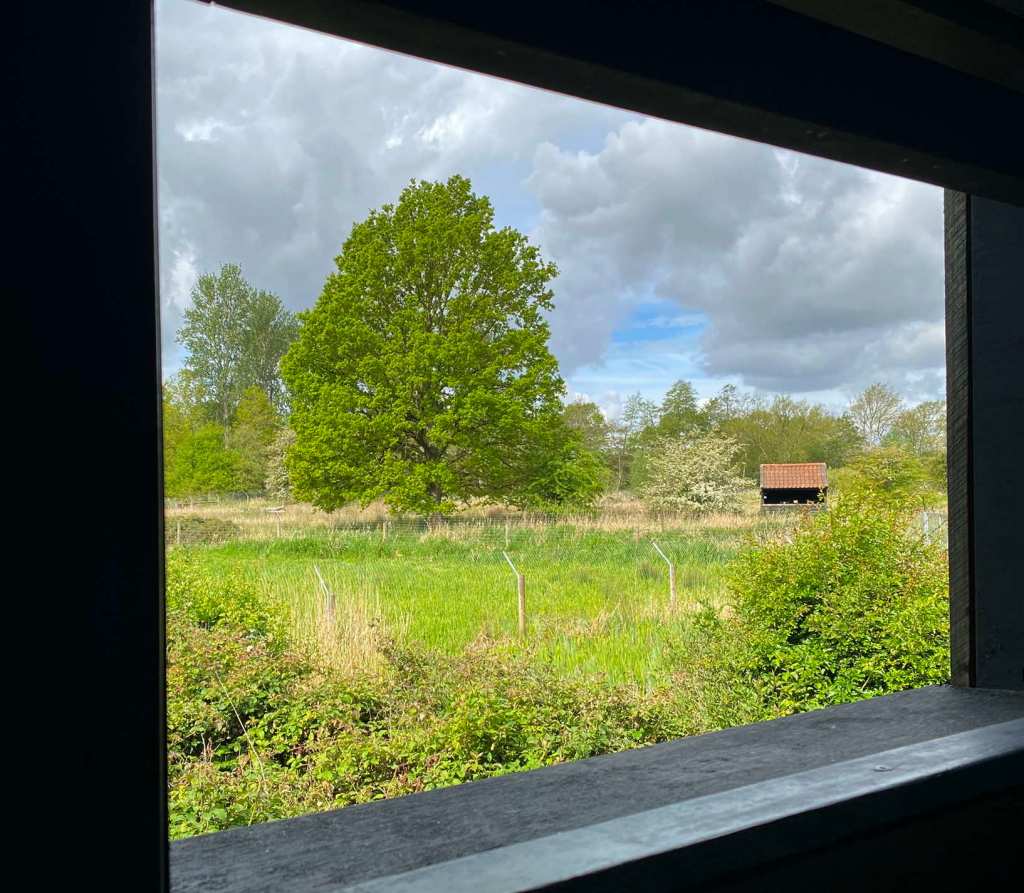
There were bird feeders filled with seed near this hide, despite the recent (slightly controversial) RSPB advice to pause such feeding to help reduce the spread of disease like trichomonosis (especially prevalent amongst finches) at feeders. Perhaps this site had some other mitigation in place, I’m not sure, but it made for an absolute feast of close-up birds coming in to feed, particularly pleasing for photography.
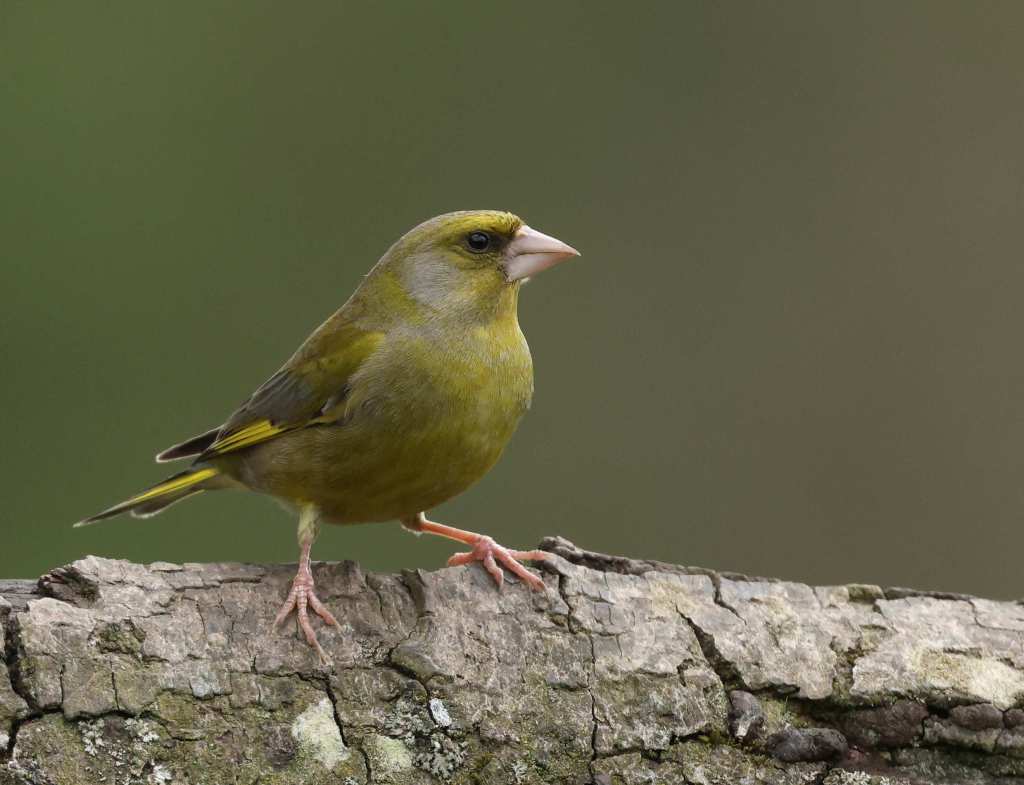
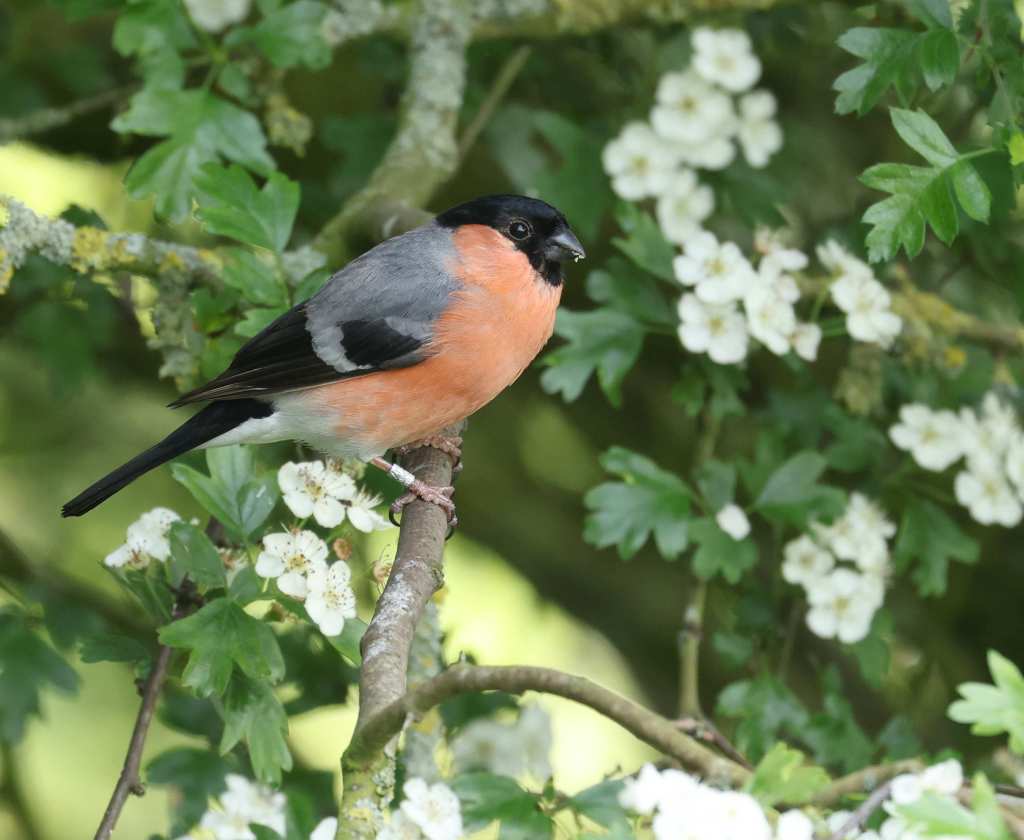
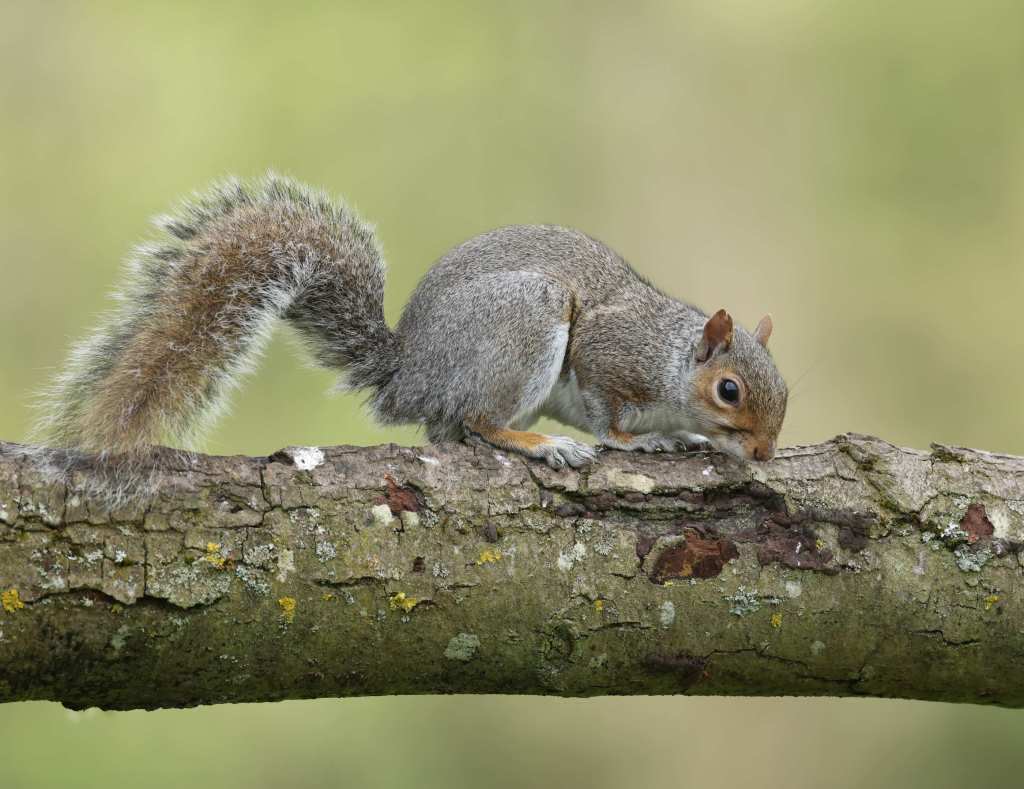
Bullfinch is one of the iconic birds of the reserve which I found to be somewhat elusive elsewhere in Norfolk in Suffolk, so it was great to see both males and females, attracted by the feeder. Along the forested paths apart from ever-present Chiffchaffs, Robins, Great and Blue Tits, a Eurasian Treecreeper was also a welcome sight.
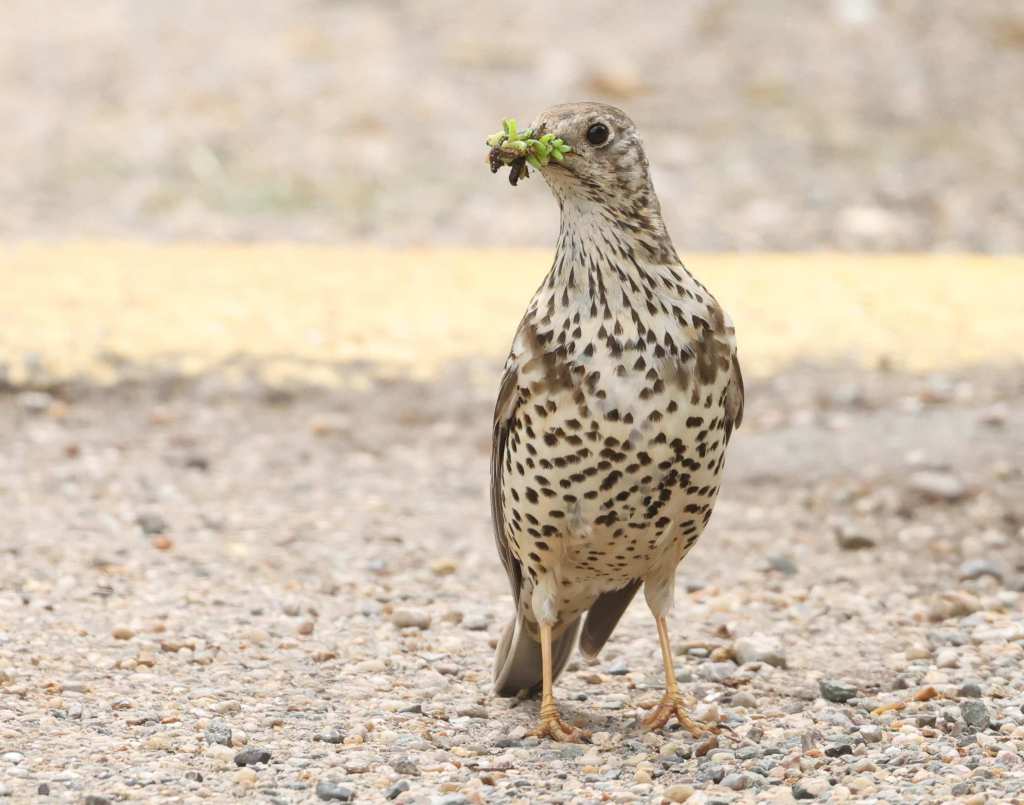
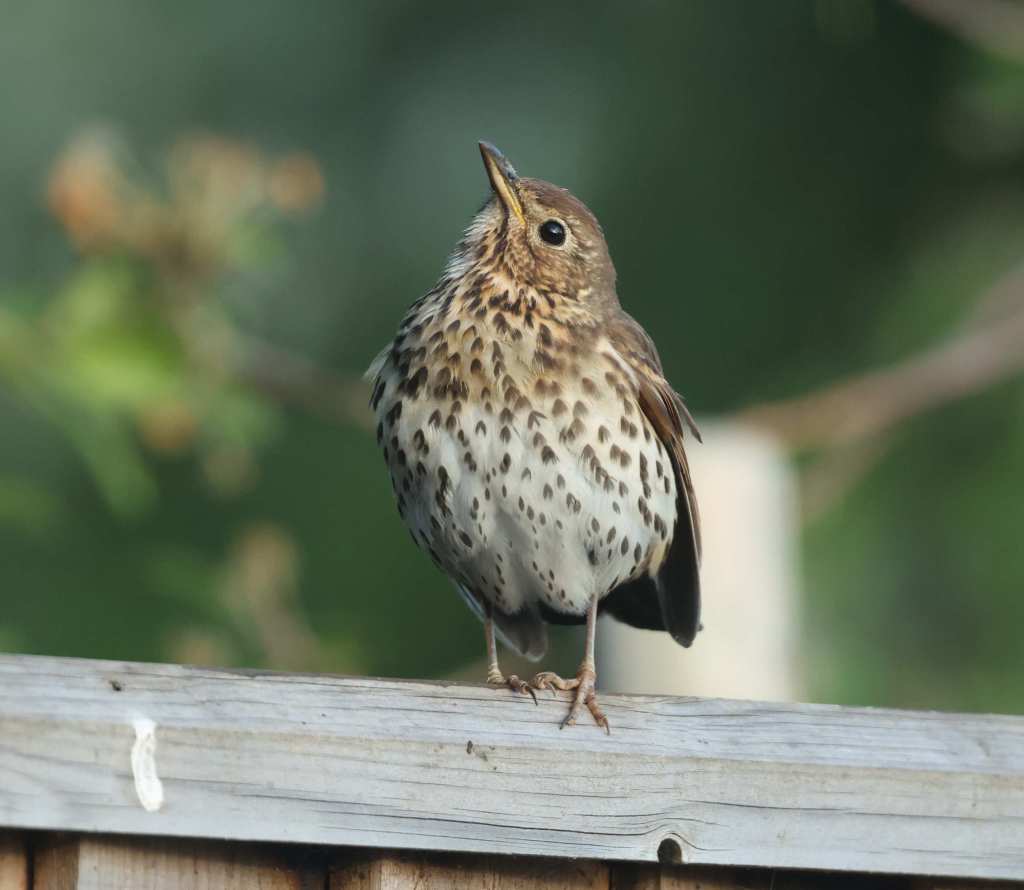
You also have to love a place where you see a Mistle Thrush nonchalantly hopping about on the car park; later a Song Thrush gave me a close up view too and let me scrutinise the identification differences between the two species (mainly: the Mistle Thrush has a lighter face, and the dots on their fronts are different – droplets vs arrow-heads, in short).
A few Common Swifts and many Western House-Martins (at least 18) zipped by overhead; a calling Common Cuckoo was eventually spotted high up in a tree; and there are 7 hides in total to wander between. One of the largest of these looks out over a lagoon system where I spotted Gadwall, Mallard, Egyptian Goose, and the occasional Mute Swan in amongst 28 Greylag Geese.
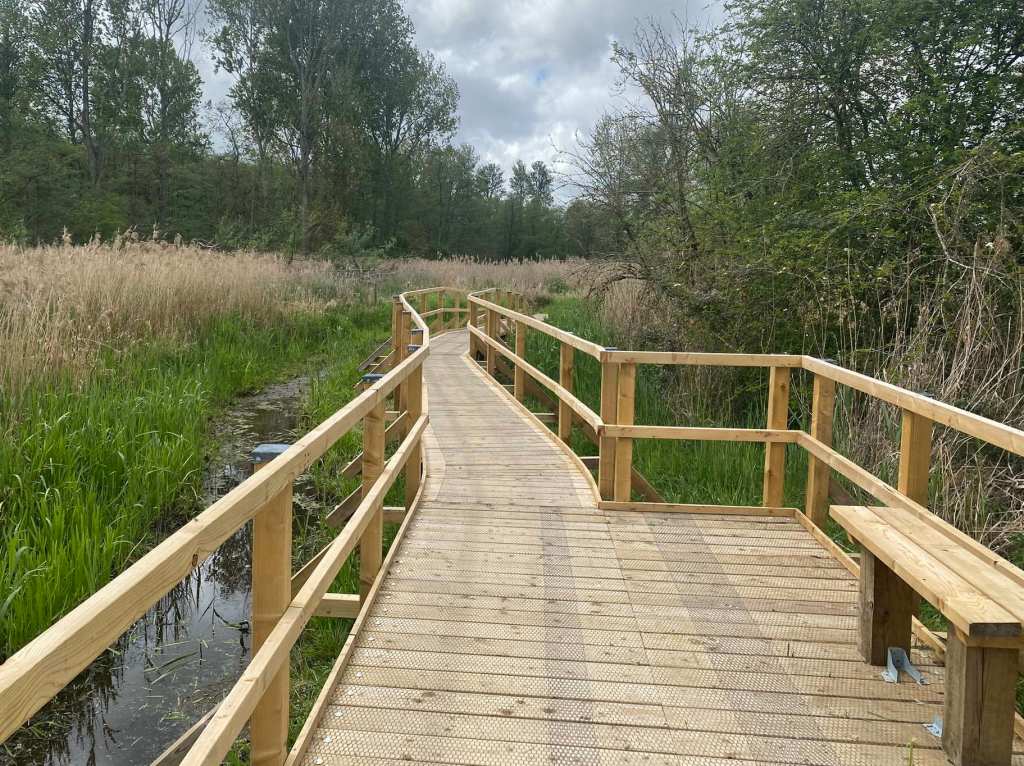
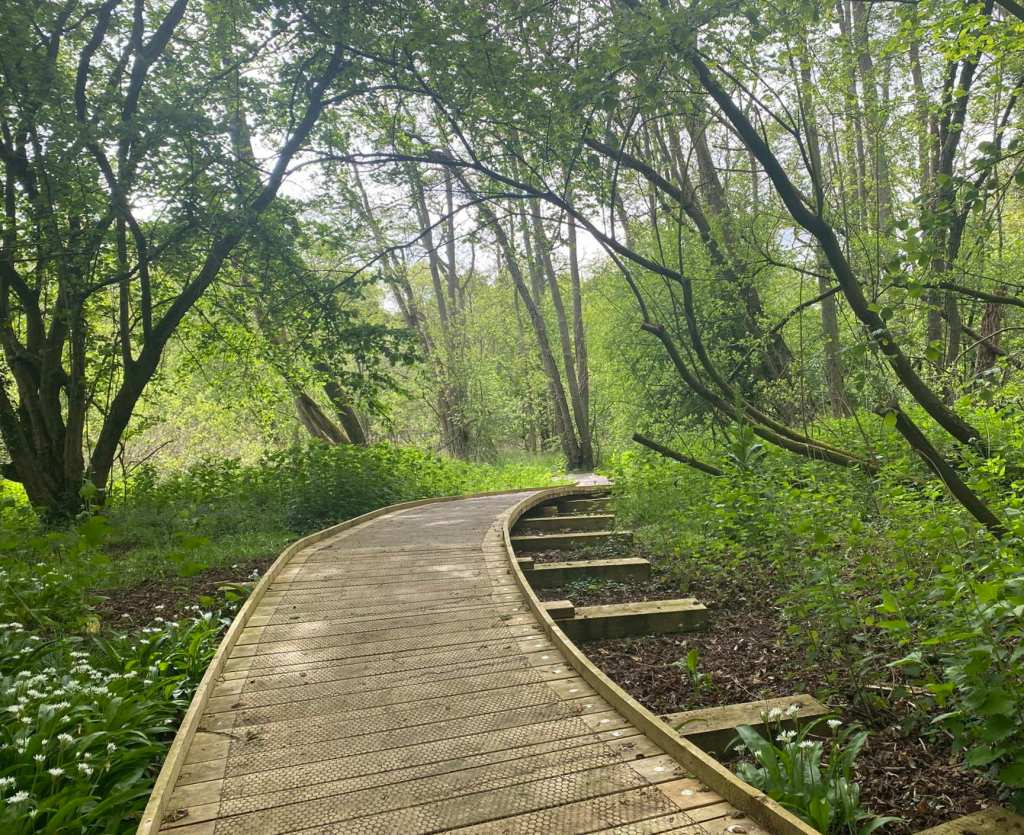
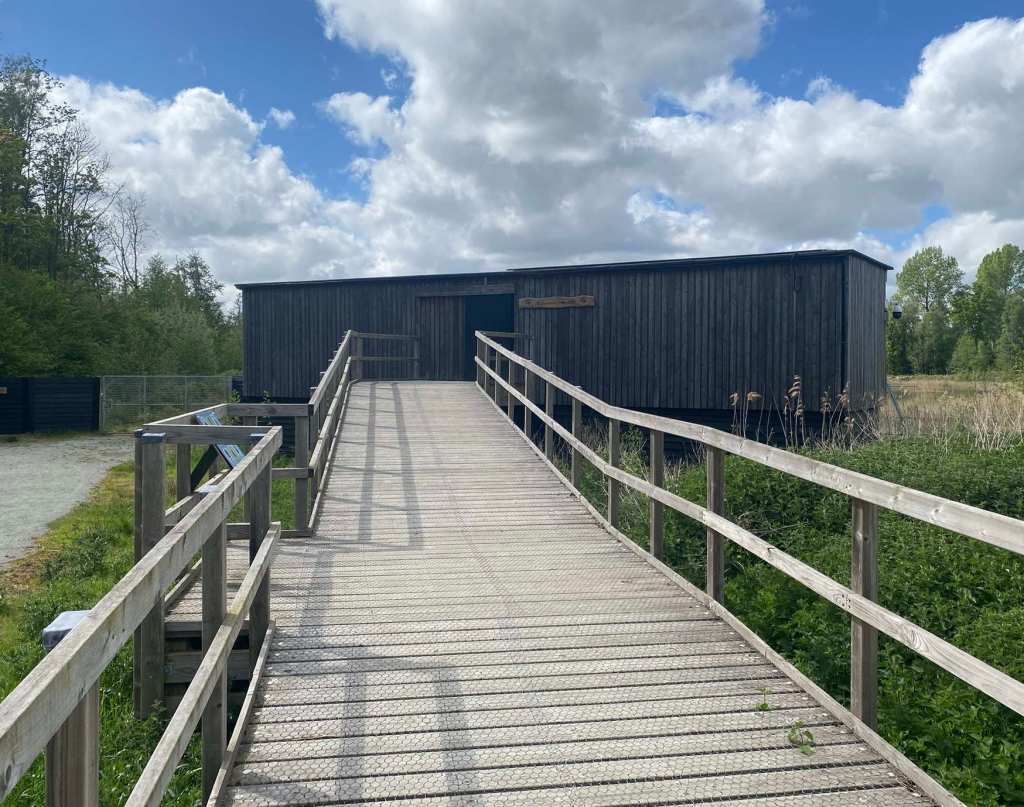
The site has some owl nest boxes with Tawny Owl and Western Barn Owl being the two common species; you might also spy a Common Kingfisher here.
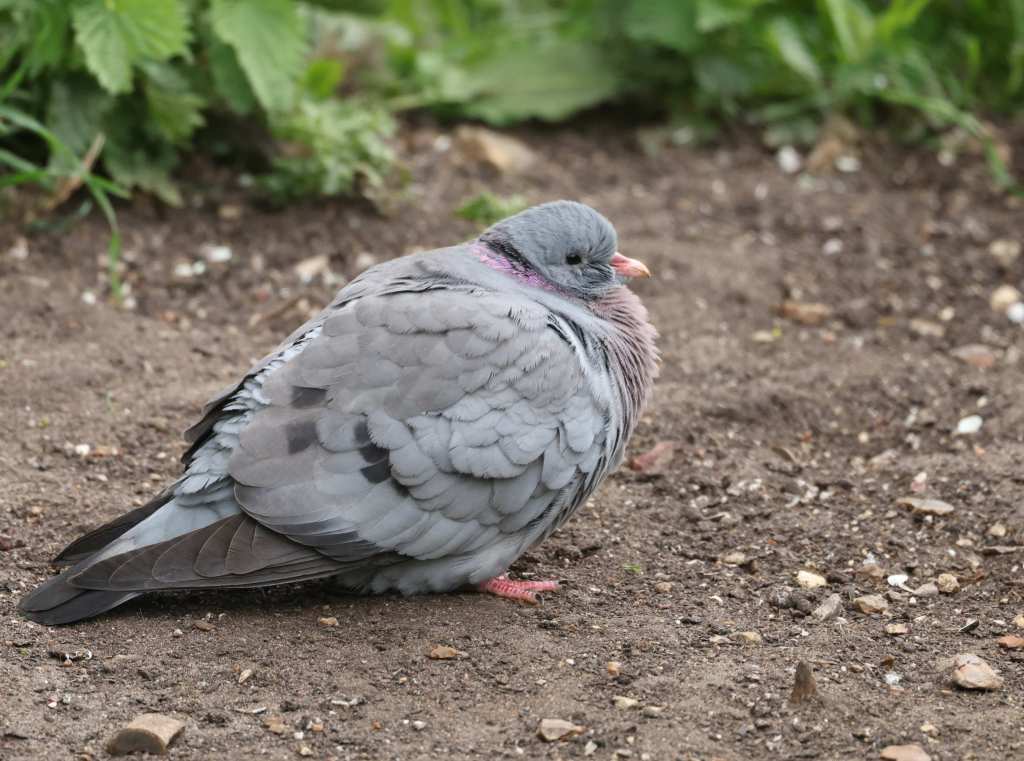
I had been particularly looking for a Marsh Tit at this site (given the percentage likelihood on eBird), and I found a pair on my second visit. One of the tits seemed to be using one of the many nest boxes attached low on a tree trunk, though it flitted in and out of the nest hole super quickly.
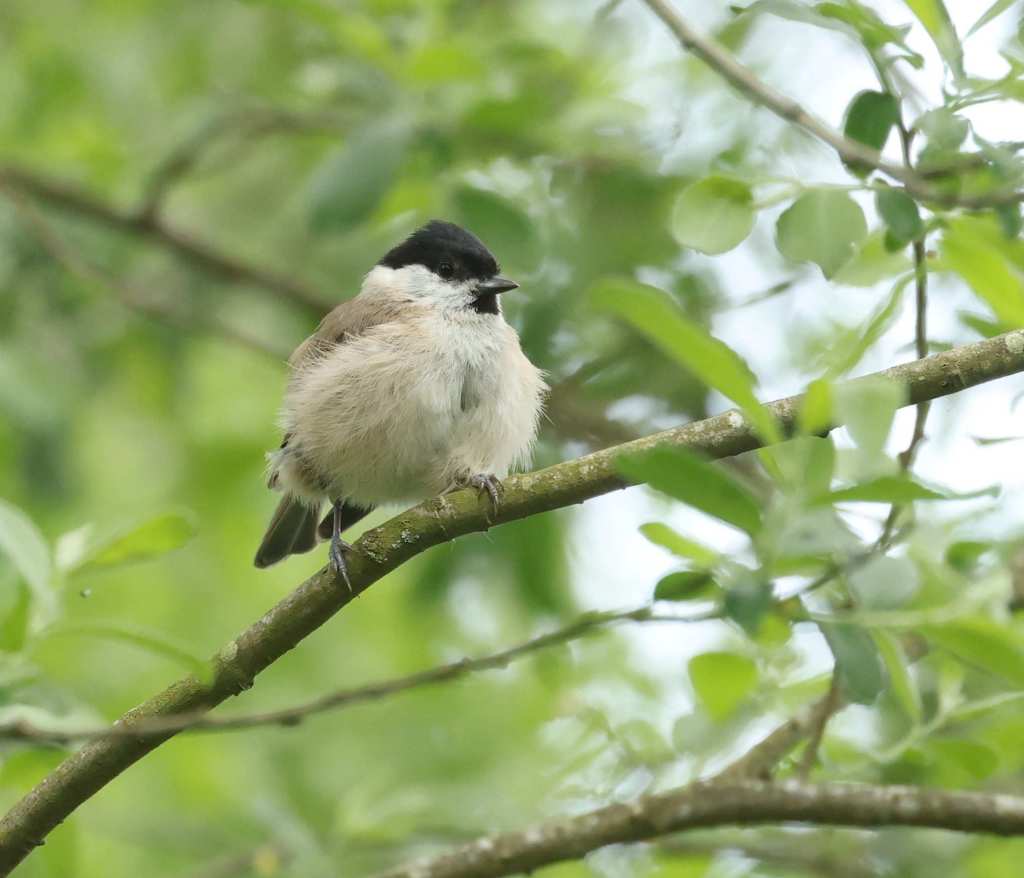
With so many quality birding hotspots in the Norfolk north coast, a site would have to be pretty special to warrant a repeat visit when you have limited time; Sculthorpe Moor Reserve fit that bill for me, with good bird diversity, pleasant well-maintained trails and hides, and excellent photography potential on top.
3. Snettisham RSPB
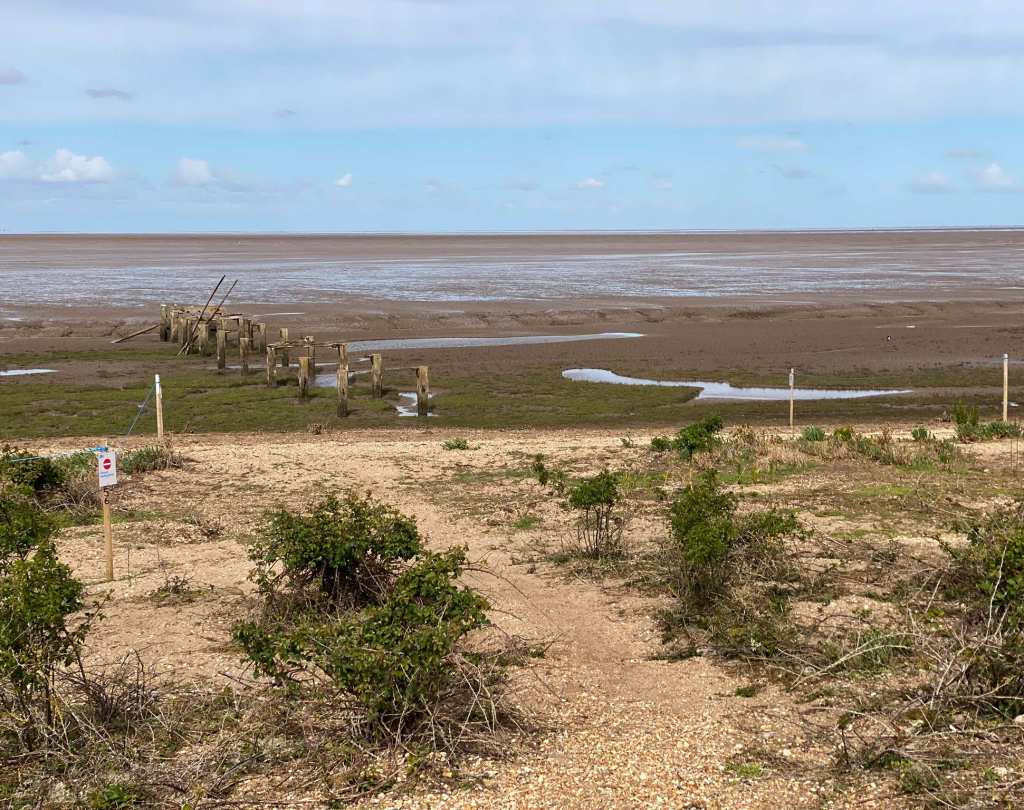
“The Snetts” (as I like to call it) is a weird site on the west coast of Norfolk, positioned between farmland and the gigantic mudflat estuary system of The Wash (which covers a massive 237 square miles). It’s a long and thin reserve oriented roughly north-south and you might find yourself doing a lot of walking in order to see everything. It’s very seasonal too, with some of the biggest bird phenomena during the winter, when Pink-Footed Geese, Red Knot and Godwits roam the estuaries and take off as one in flocks tens of thousands strong when the tides come in. There is even a timetable of the king tide dates and times so you can plan when to visit to see this (along with warnings about how and where to park!) It attracts quite the throng of onlookers.
In spring, when I was there, there was unfortunately no such action happening and so I was mainly looking for Mediterranean Gulls, which I did find eventually hiding amongst the many hundreds of breeding Black-Headed Gulls. These groups were in the gravel pits (lagoons), which can be readily observed from a couple of well-positioned hides.
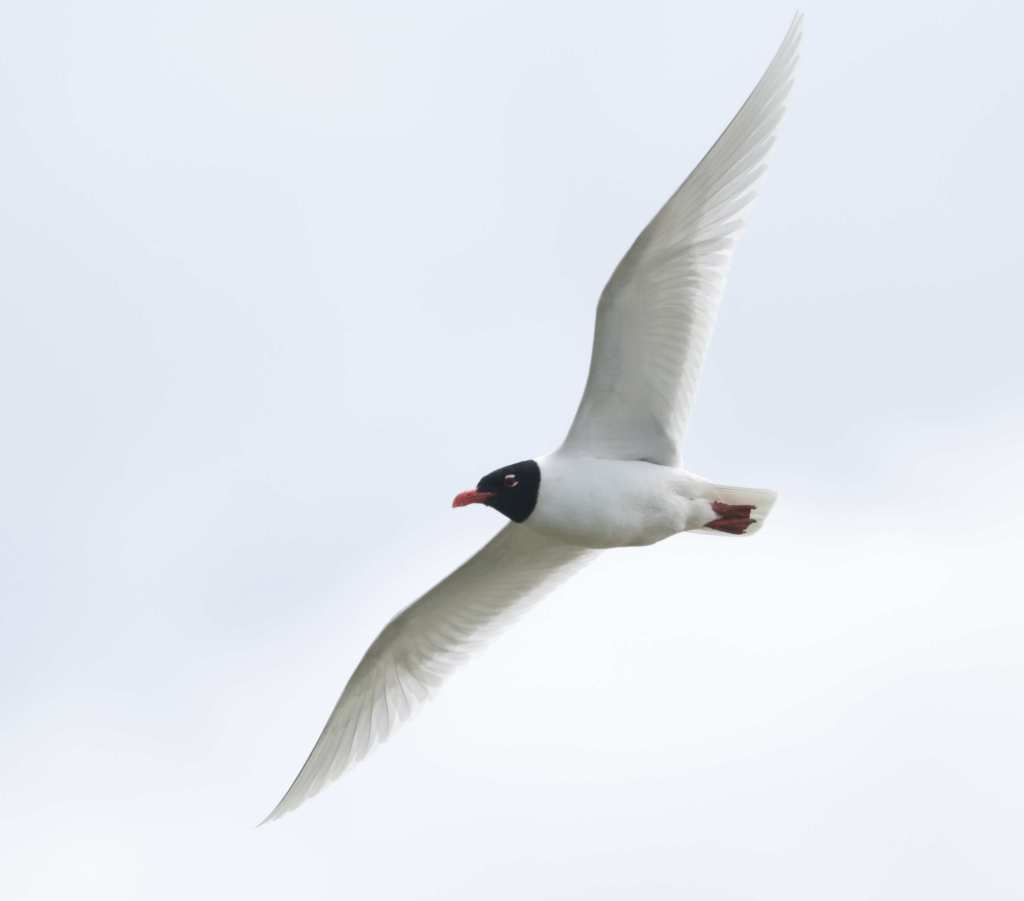
You haven’t lived until you’ve scanned nearly 500 gulls (nearly all Black-Headed) looking for that needle-in-a-haystack: the Mediterranean Gull. Of course, after all that work picking through roosting birds, a Mediterranean Gull then flew right in front of the hide anyway, displaying its truly black head (not dark brown, like the Black-Headed Gull, go figure) and all-white wing-tips (again, contrasting with the Black-Headed Gull which has black wing tips).
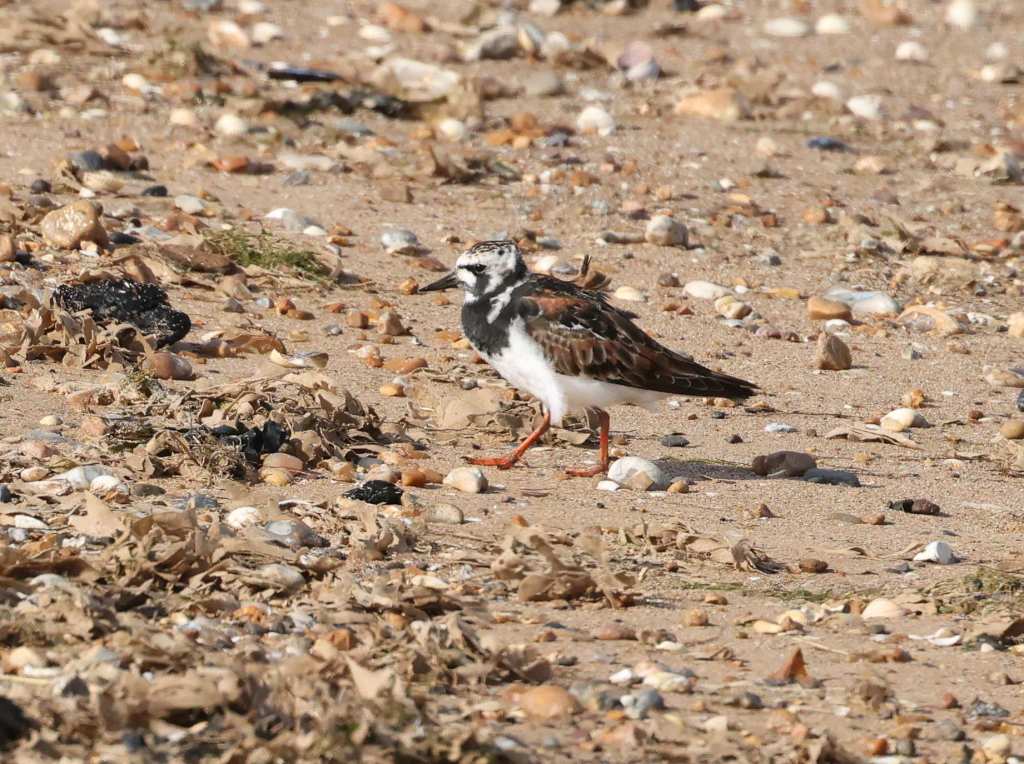
The estuary was fairly quiet (relatively speaking, I suppose) with some Ruddy Turnstones, a few godwits, some Brent Geese and small plovers all wandering around braving the rather intense wind.
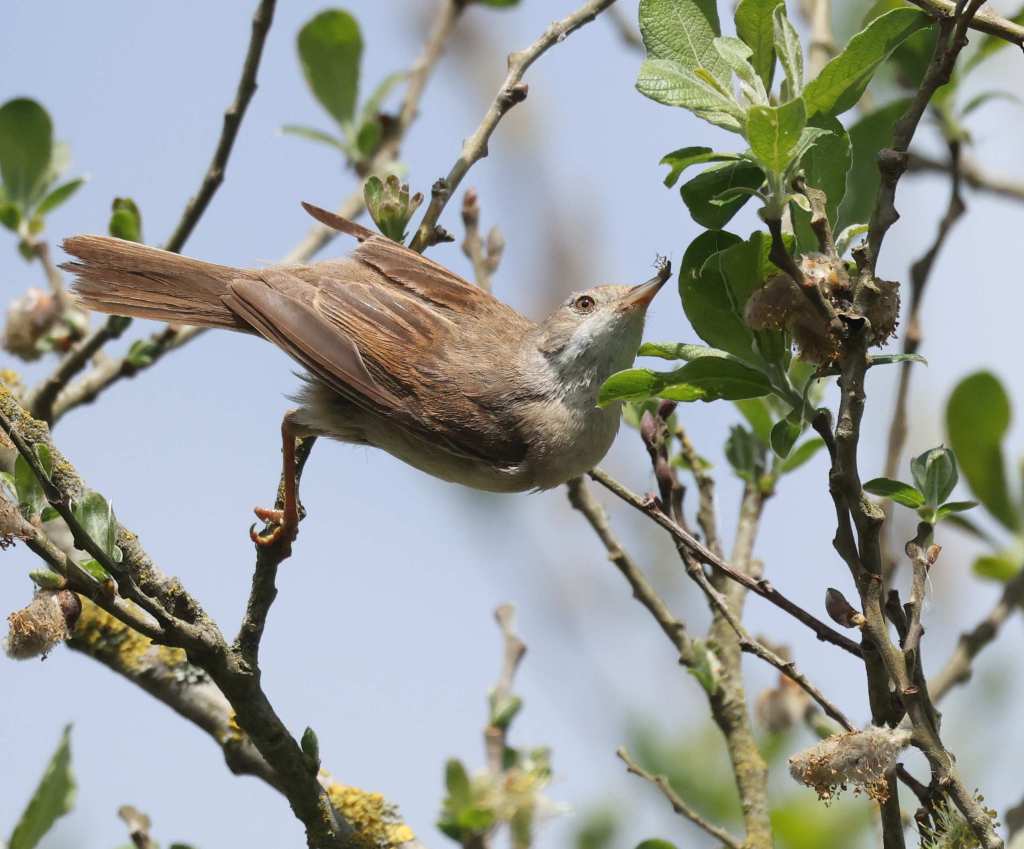
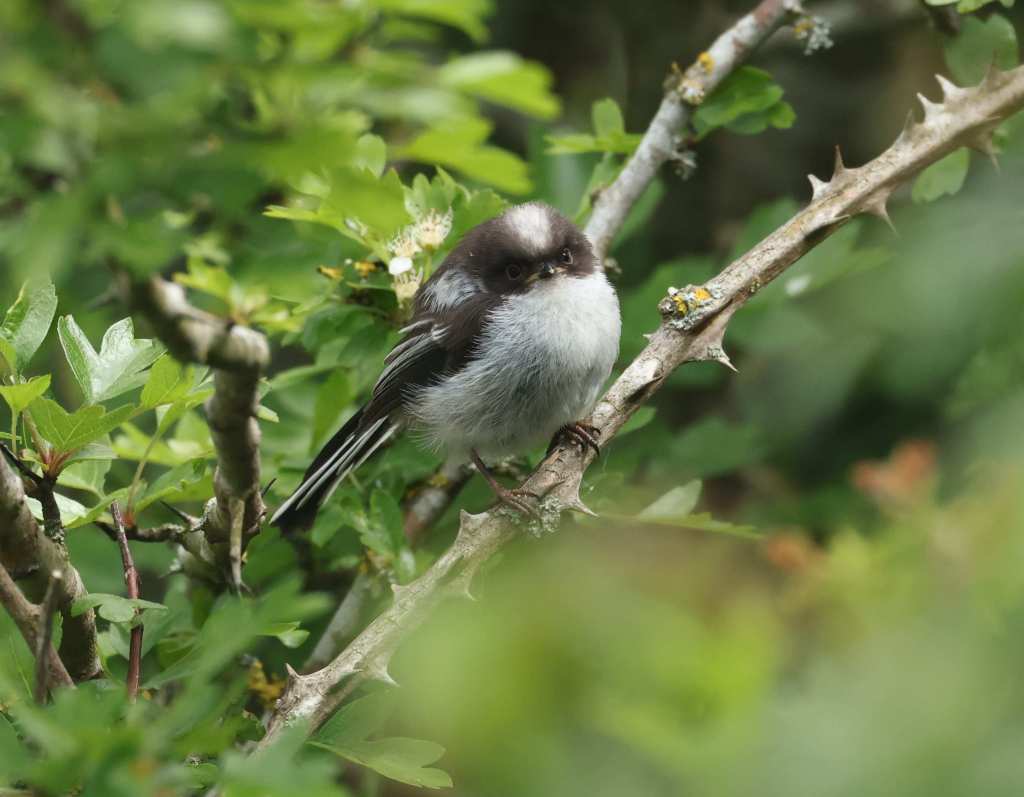
I’m not sure I would go to RSPB Snettisham just for forest birds; it was a bit quiet on that front but there was enough going on to round out my checklist to 39 species, including some Long-Tailed Tits, European Greenfinches, and even a European Turtle-Dove (a bird that seemingly is becoming harder to find in the UK as time goes on).
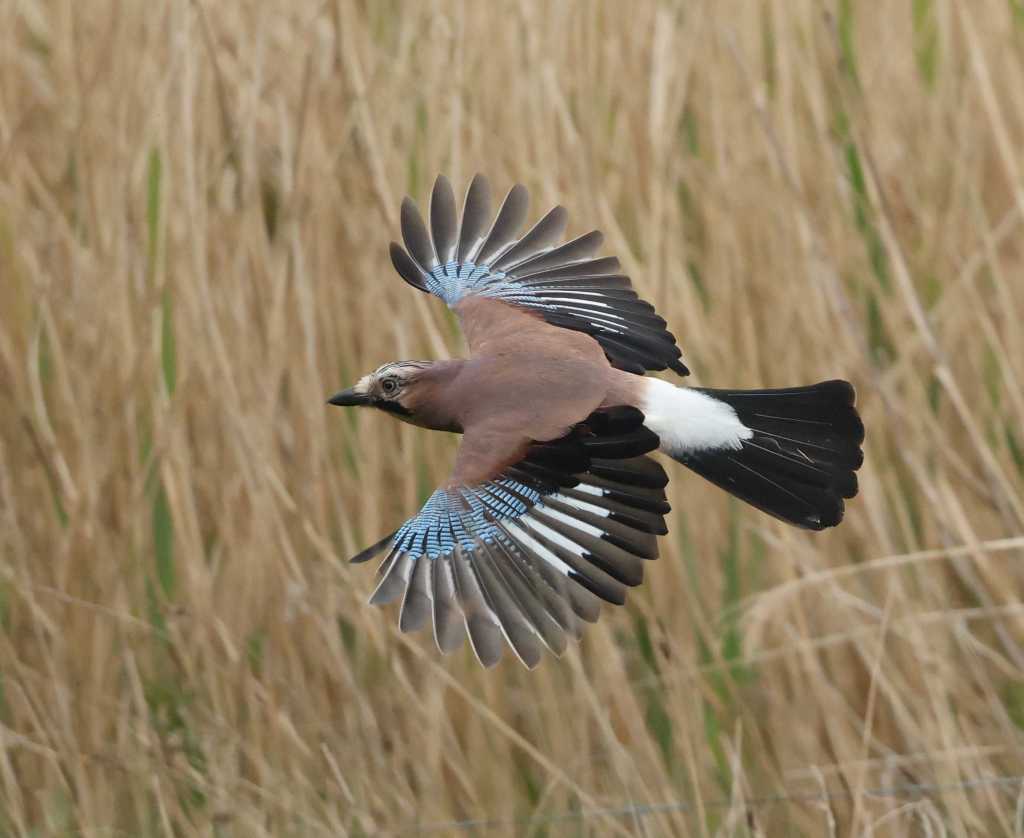
Incidentally, if you have the inclination to visit a very different site in the same general area, Flitcham Abbey Farm is around 9 miles south-east and could be worth your time. I went there twice looking for Grey Partridge and Little Owl (no go on either species, despite others reporting them there on eBird during that time period). It’s basically a single hide overlooking some tasty farm-like habitat including a decent-enough-sized pond to attract water birds, and features Western Marsh Harriers swinging by and much more. I managed a very happy-making photo of a Eurasian Jay hide fly-by.
4. WWT Welney Wetland Centre
Welney Wetland Centre lies right in the very south-west corner of Norfolk and apart from being a very decent birding site, also has the most elaborate bird hide I’ve ever seen. I mean this thing is huge, multi-storied, has its own audio-visual set-up, the works… you could have your company conference in there.
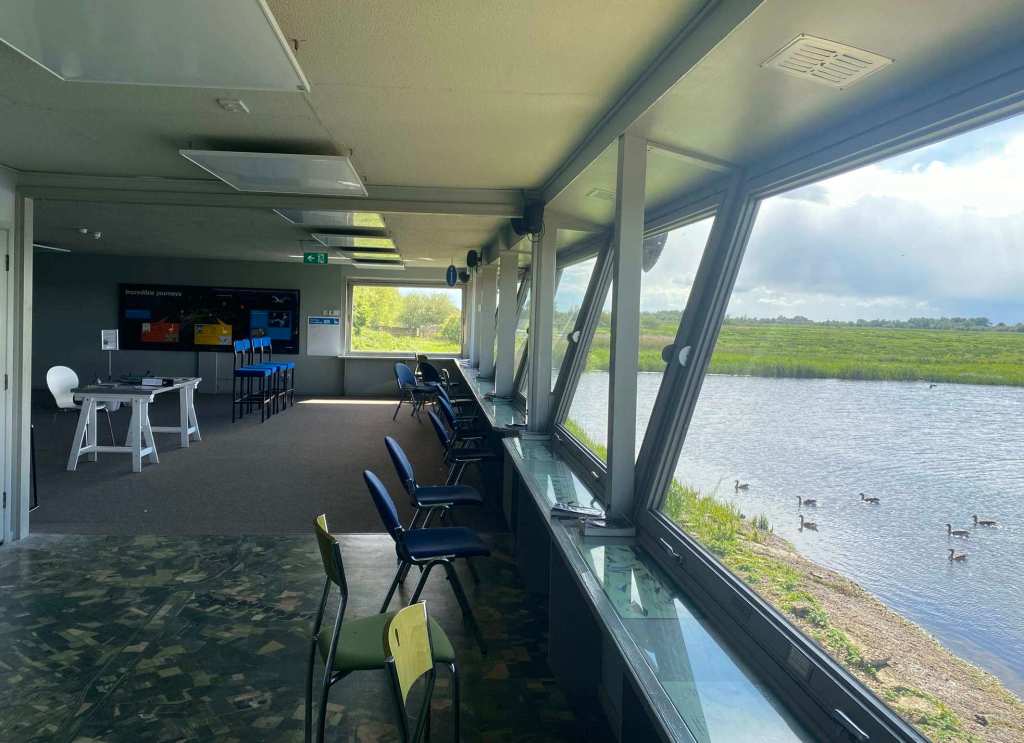
The site is laid out roughly east-west and the hides look out over a vast area. A good spotting scope would be ideal here.
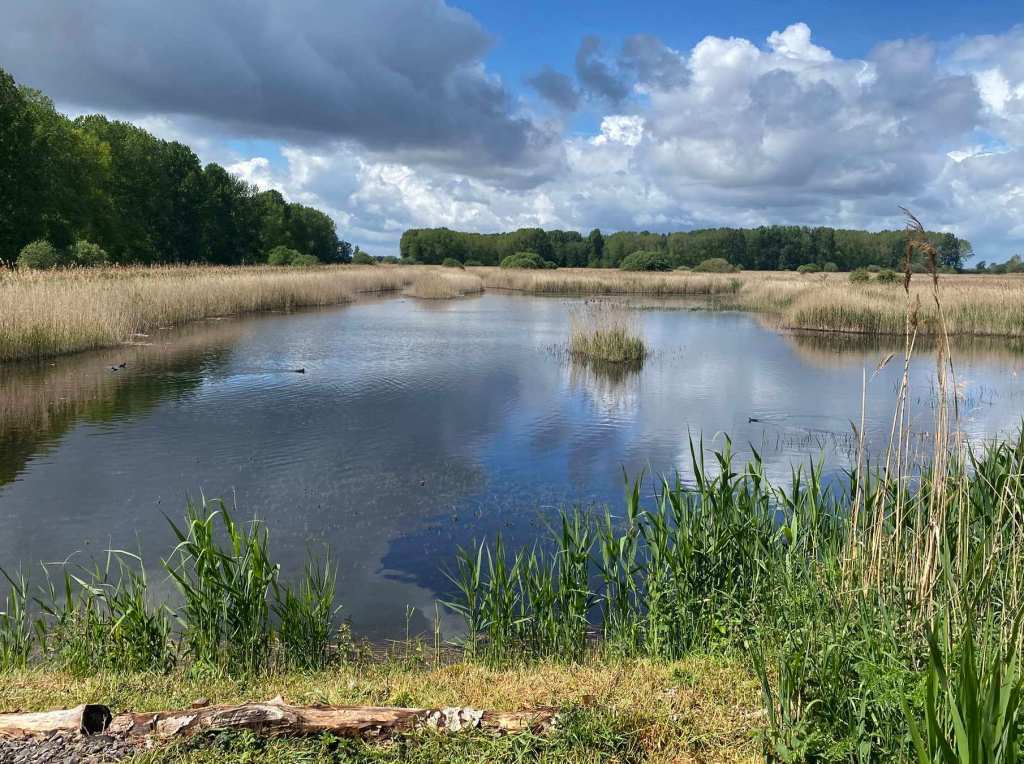
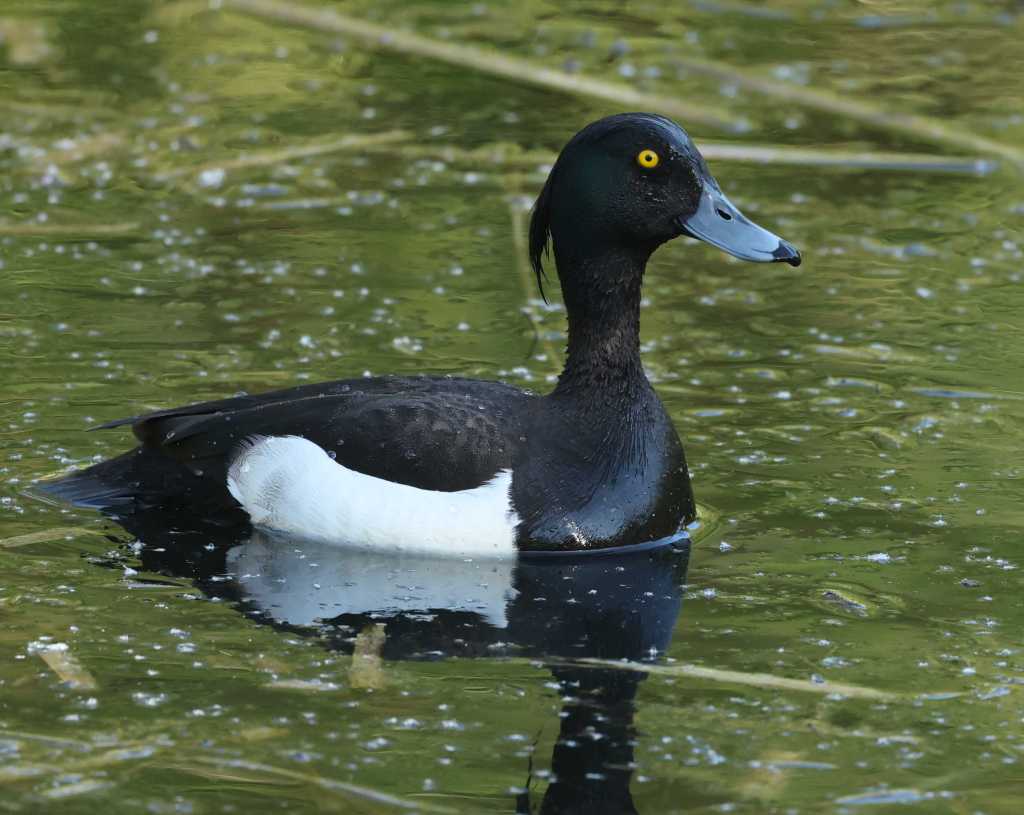
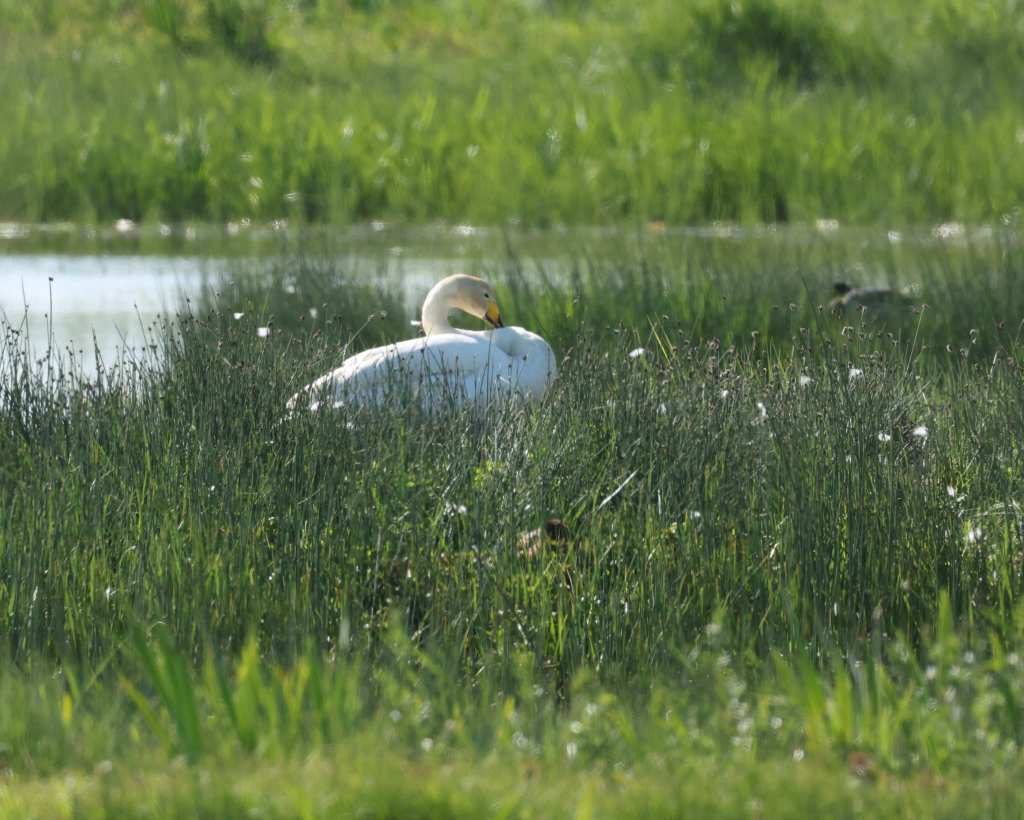
Whooper Swan is one of the key species to find with at least a pair seemingly resident all year round, with an official high count of 13,000 birds recorded in late January 2026.
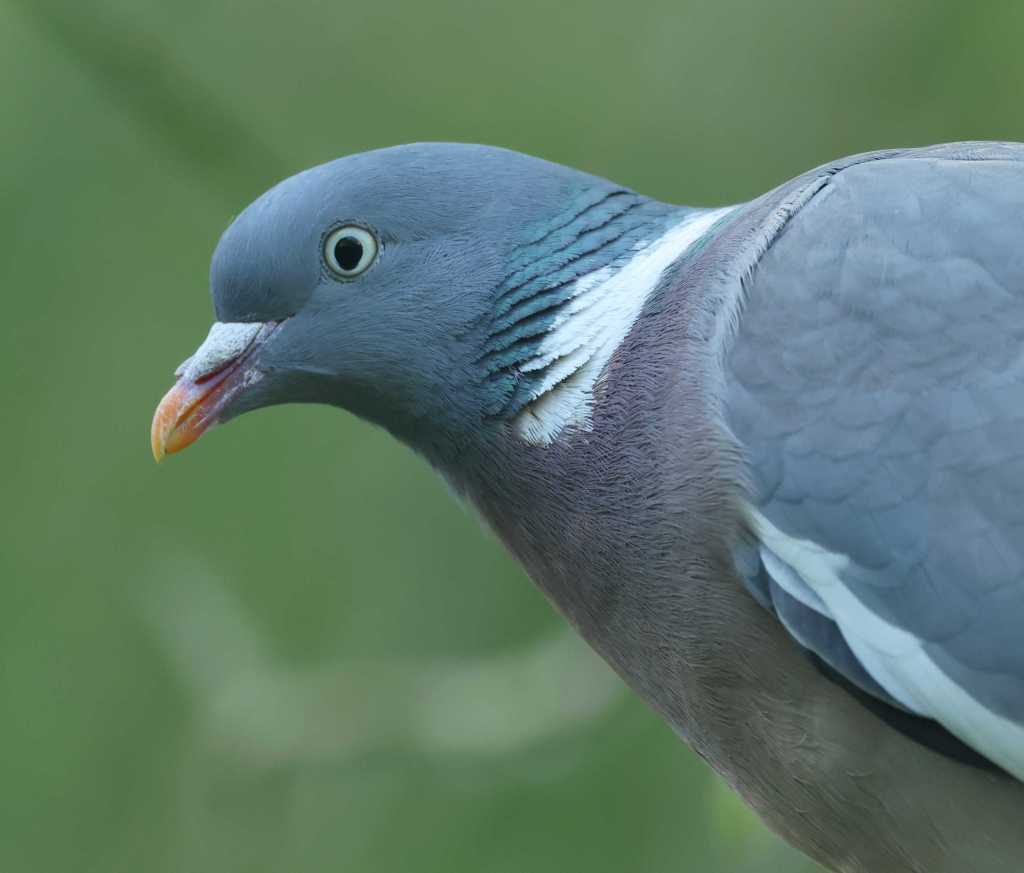
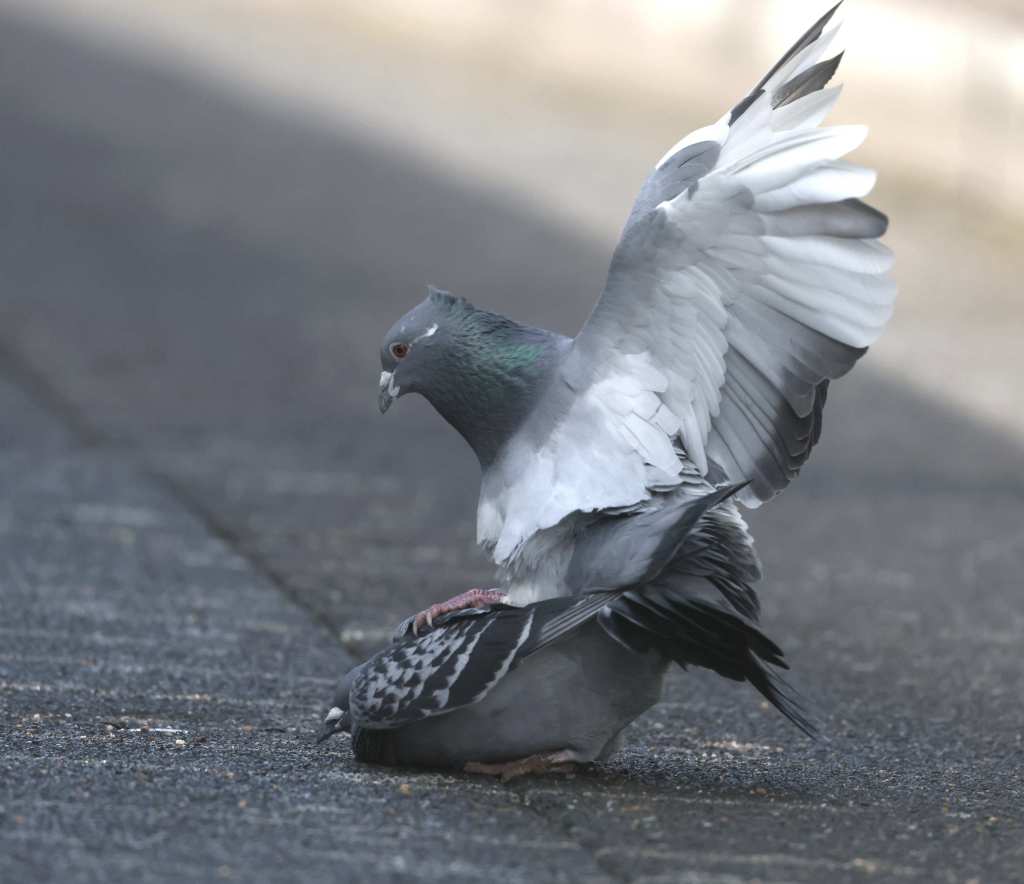
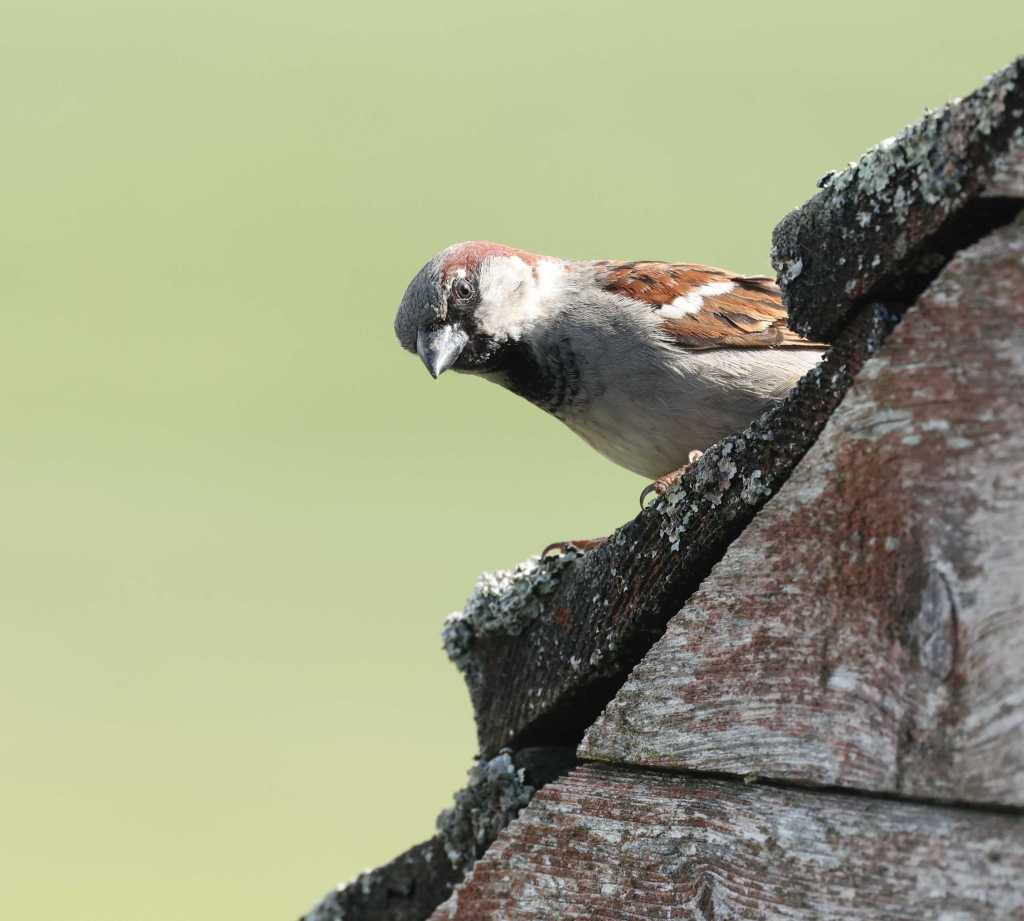
Some Western Barn Owls were apparently hunting in daylight when I was there (they do this when weather conditions hamper their night-time escapades, supposedly), but I didn’t see one and had to settle for some common birds… House Sparrows making themselves at home in the Visitor Centre, and a pair of Rock Doves shamelessly making out on a path.
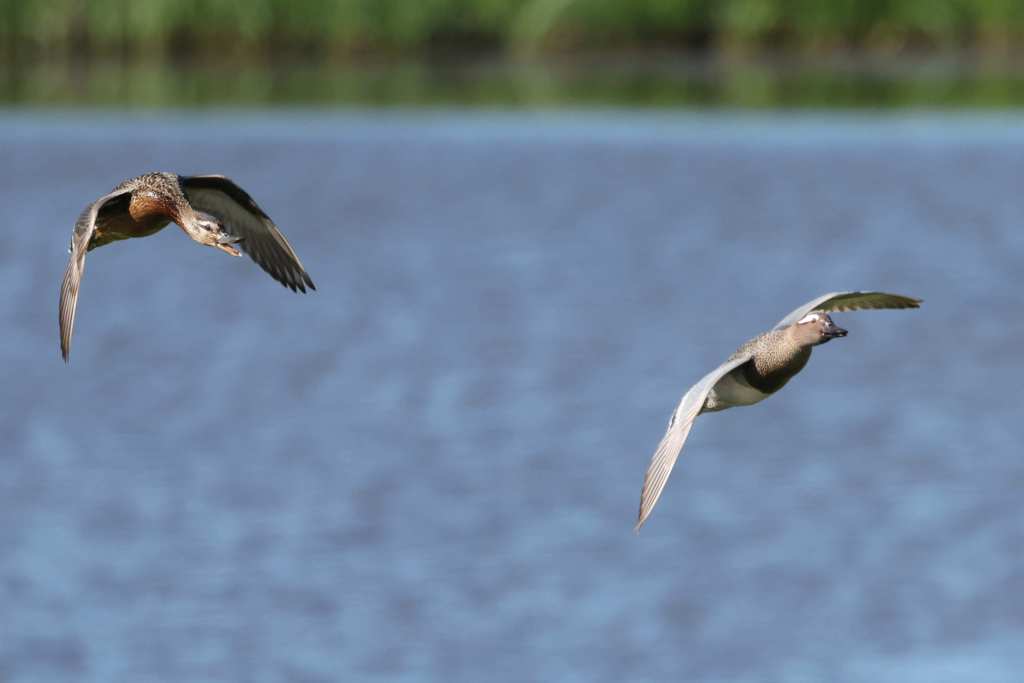
I was quite hoping to find the shy ducks known as Garganey here, and visiting the wetlands’ easternmost hide (with the help of a kind fellow birder there) paid dividends, with a trio of Garganey initially distant and seemingly about to scuttle into the reedy channels to hide forever more. Then they suddenly decided to put on a weird display which seemed to involve the male bird harassing/provoking the others, eventually resulting in them flying straight by the hide. I was not complaining.
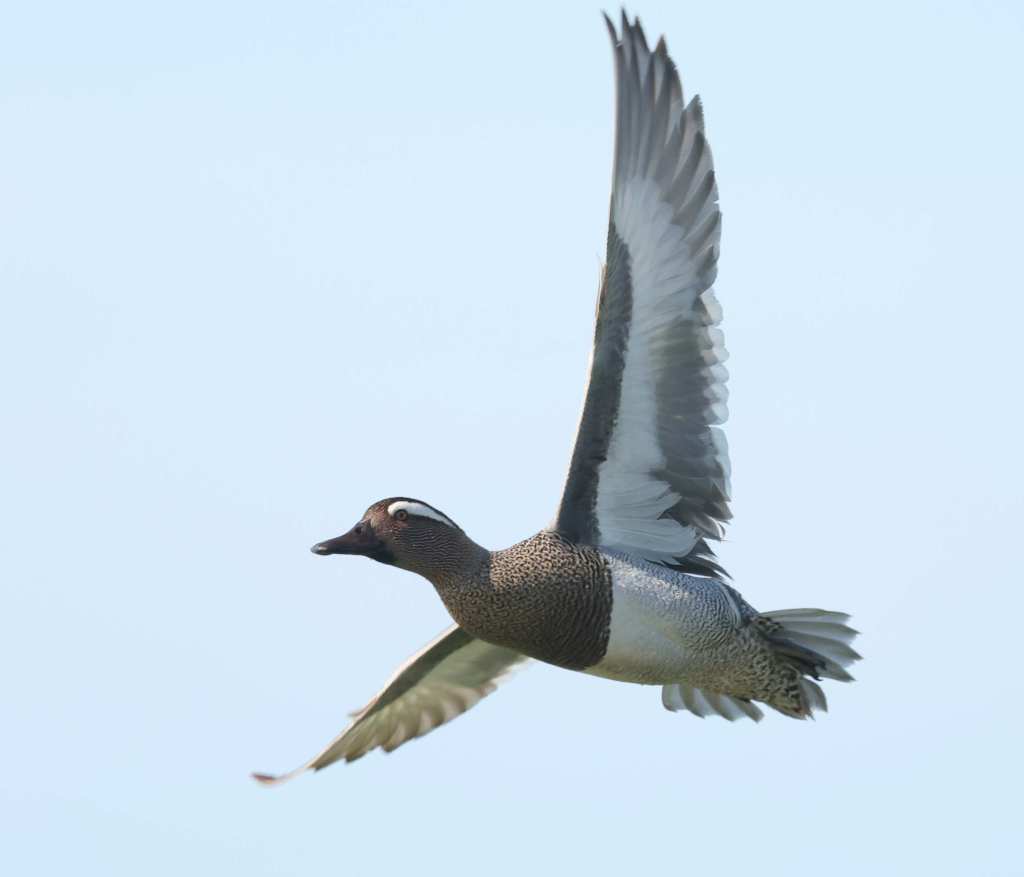
I didn’t spend as much time at Welney Wetland Centre as I would have liked but it certainly seemed to have everything in place to be a top-tier birding site, and I came away happy from it especially due to the Garganey encounter. Other iconic birds to look for here include Common Snipe and Western Yellow Wagtail.
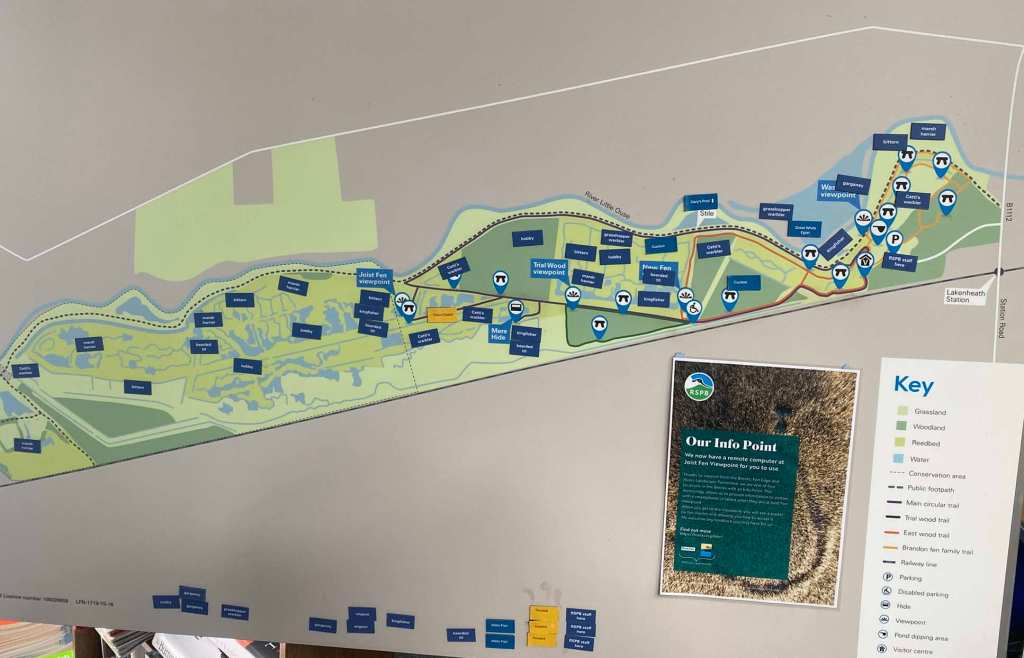
As a bonus, RSPB Lakenheath Fen is less than 20 miles to the east of Welney, and it’s a pretty decent birding site too (I fairly quickly picked up 30 species there in between rain squalls, including a trio of Eurasian Hobbies). You may also want to try your luck with Eurasian Thick-Knee at Weeting Heath NNR just round the corner from there too (but you didn’t hear it from me… sensitive species and all that).
5. Cley and Salthouse Marshes
No coverage of birding in Norfolk would be complete without including the site of Cley and Salthouse Marshes NWT NR, a popular and revered NWT (Norfolk Wildlife Trust) site smack-bang in the middle of Norfolk’s north coast. The year 2026 marks its 100th birthday, so you could indeed say it’s very well established.
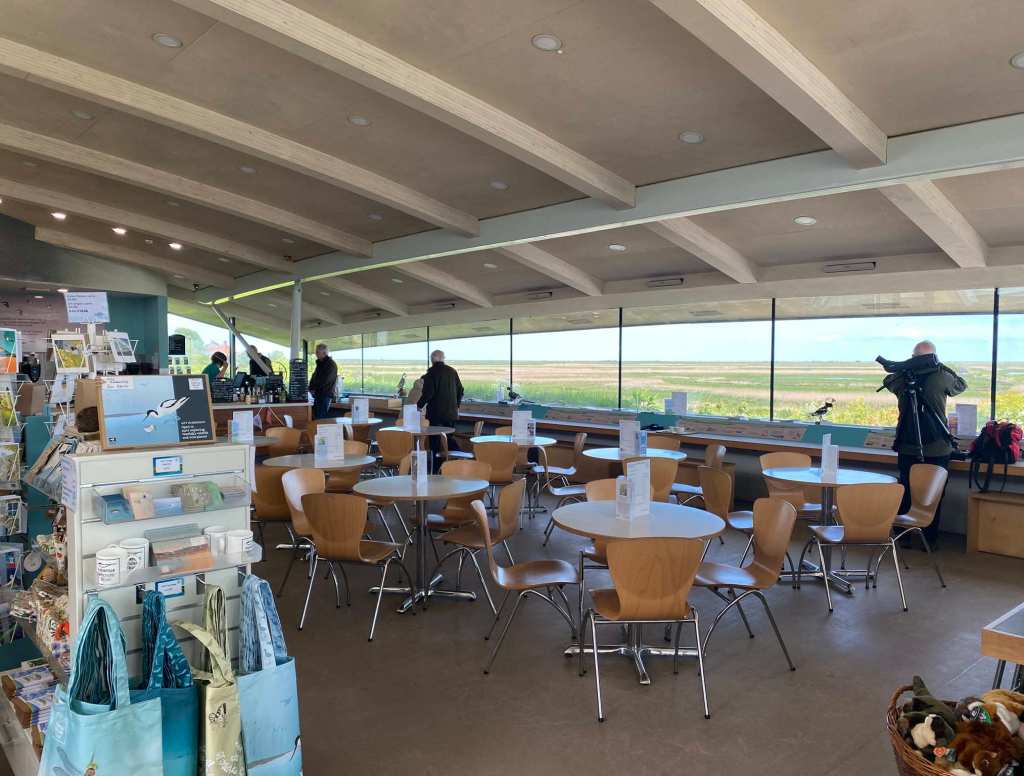
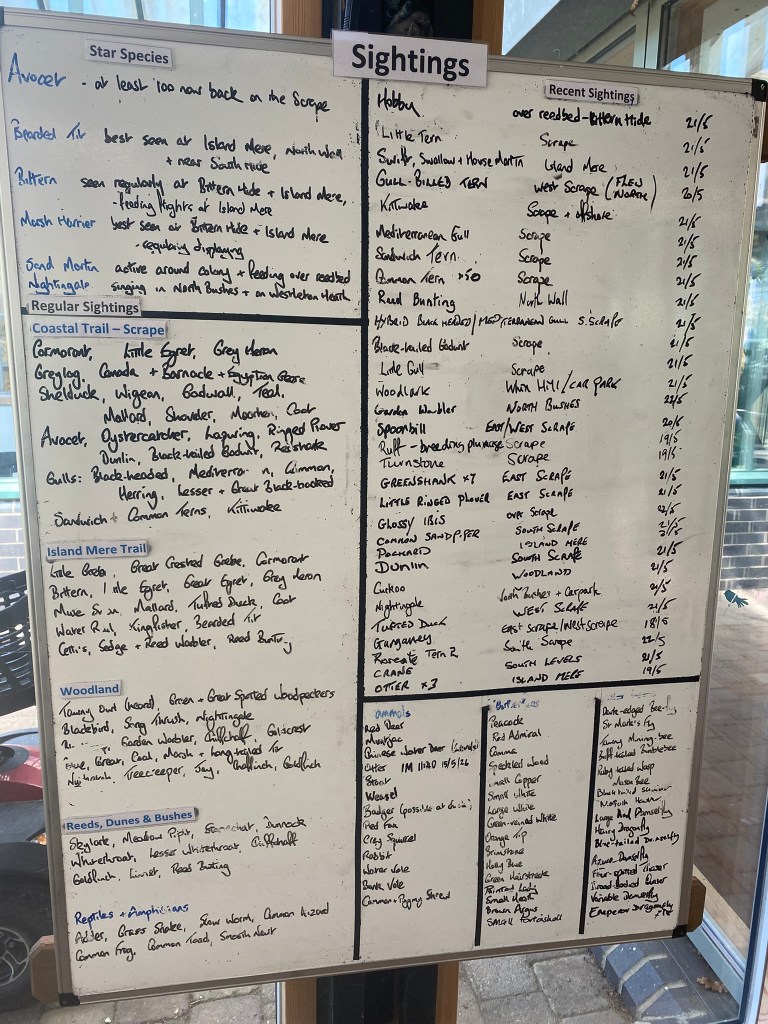
This place has a huge visitor centre (that opens at 10am), and an electronic bird sightings board that is updated daily, so no excuses for not finding your target bird.
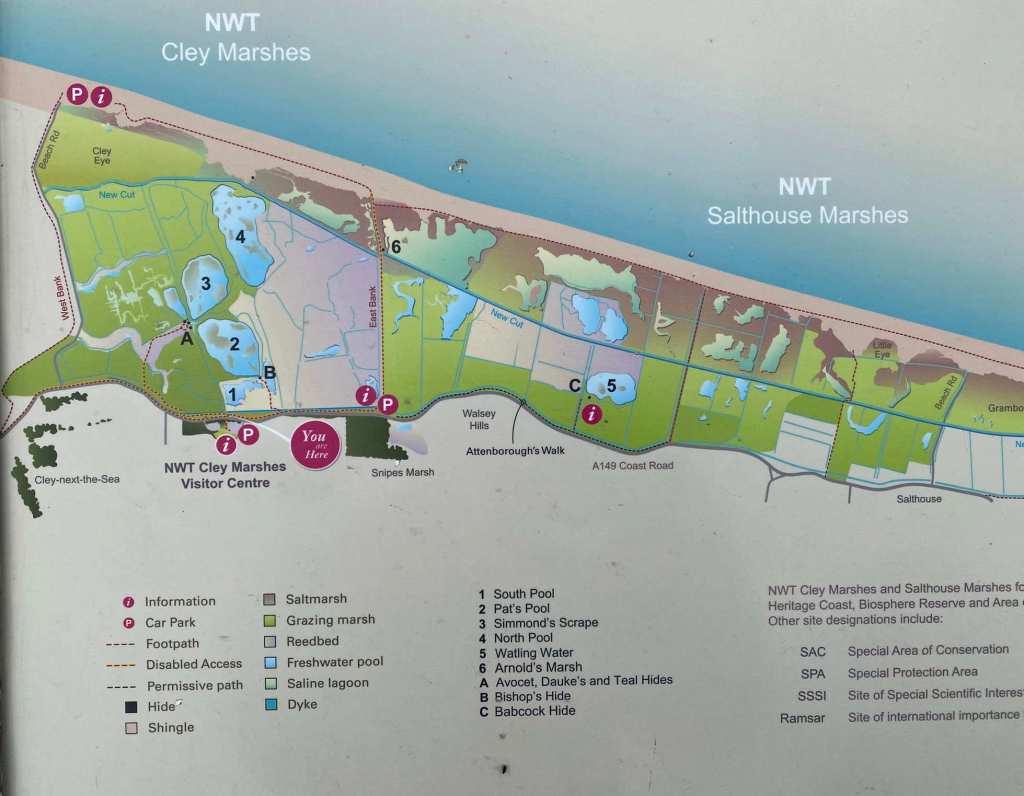
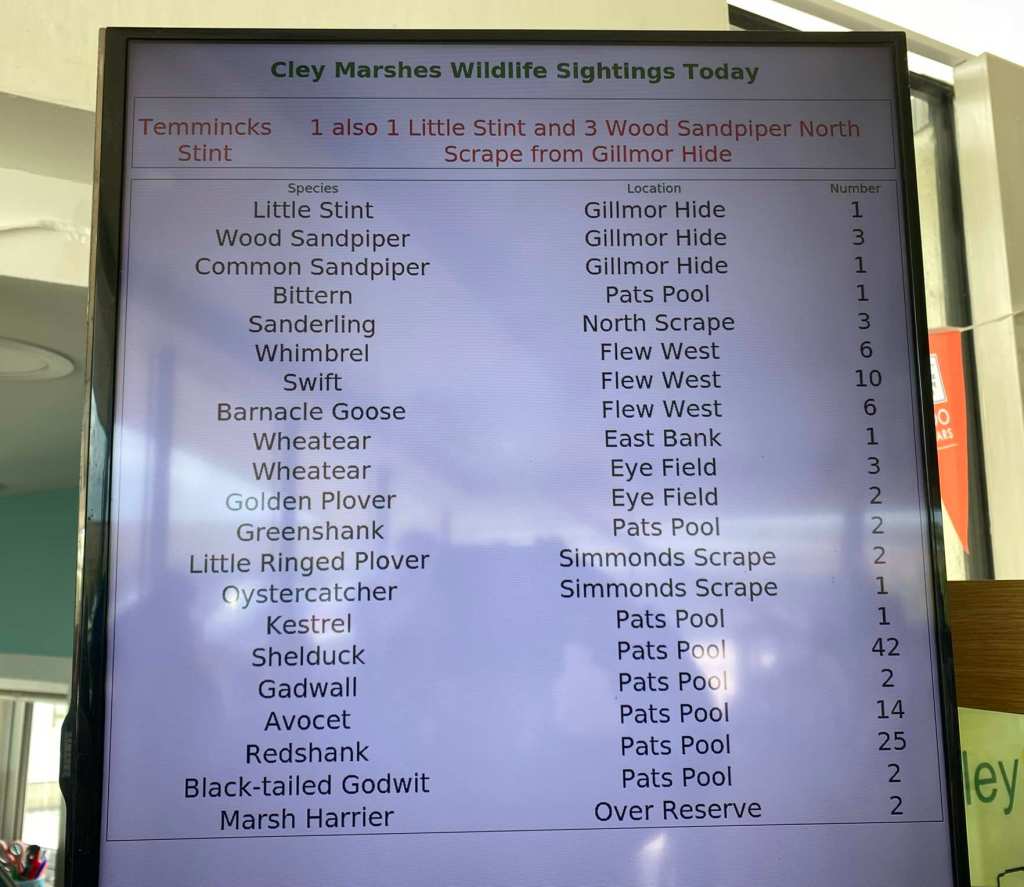
It’s a large site which might result in lots of walking; you can access part of the coastal section by car though. Otherwise, as I found out, there are some long stretches of not much action (and lots of wind, on the day I went). Still, I found some Eurasian Linnets and, a bit excitingly at the time, three Northern Wheatears.
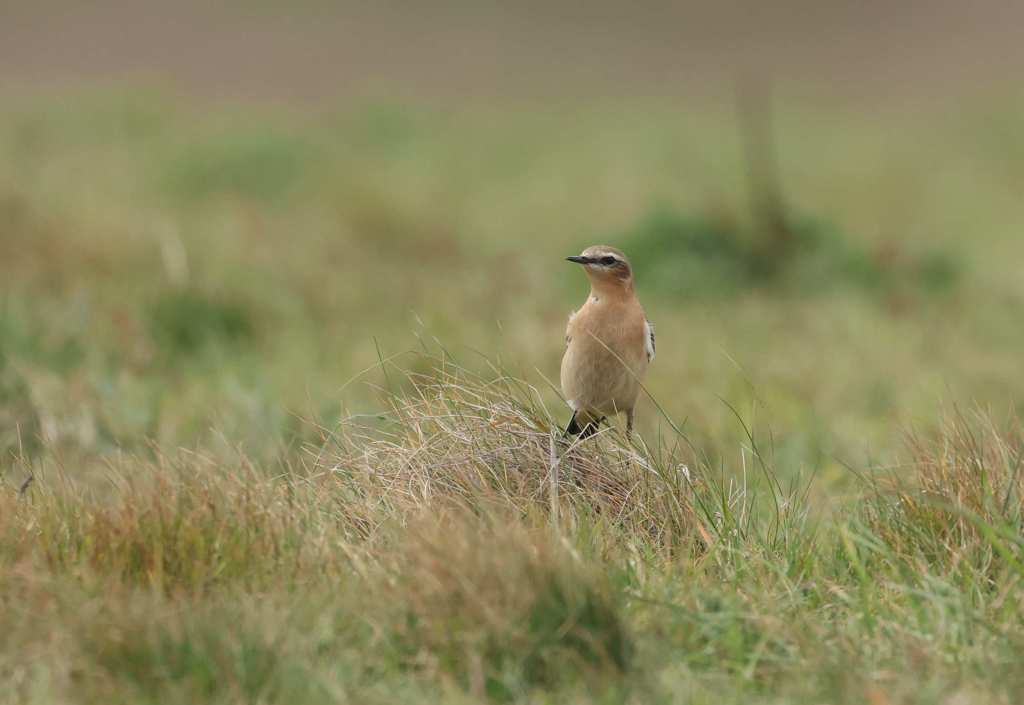
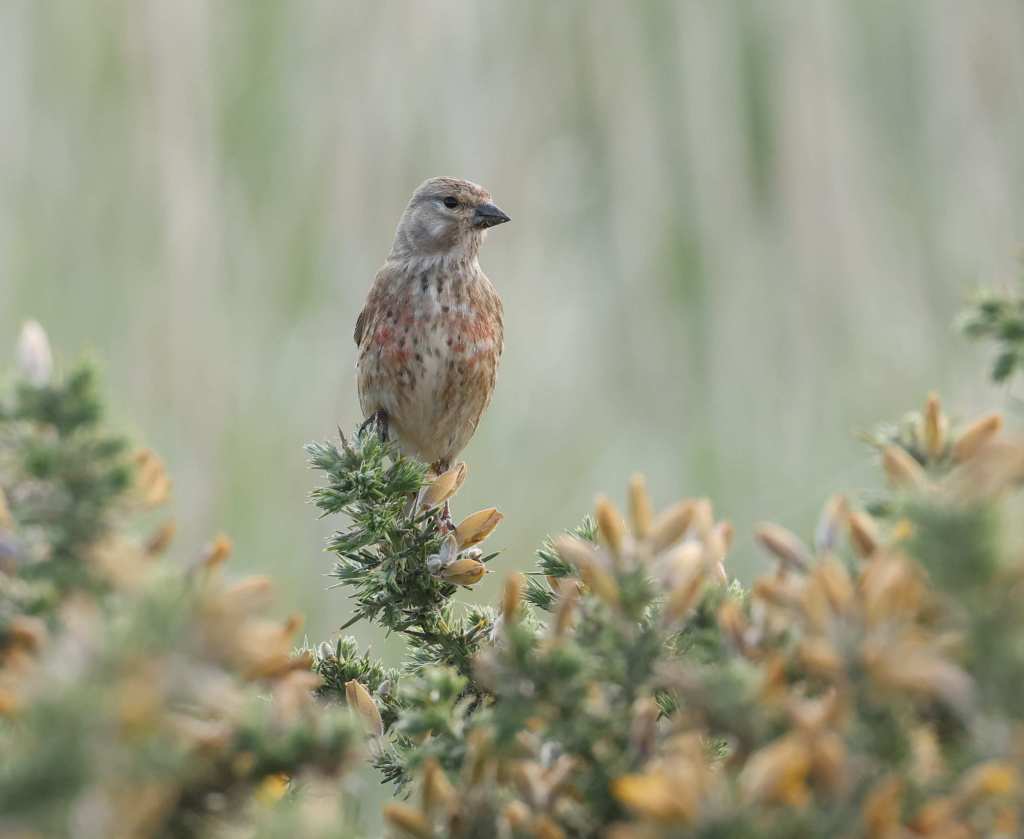
As usual there’s a bunch of hides and oh boy are there plenty of reed beds.
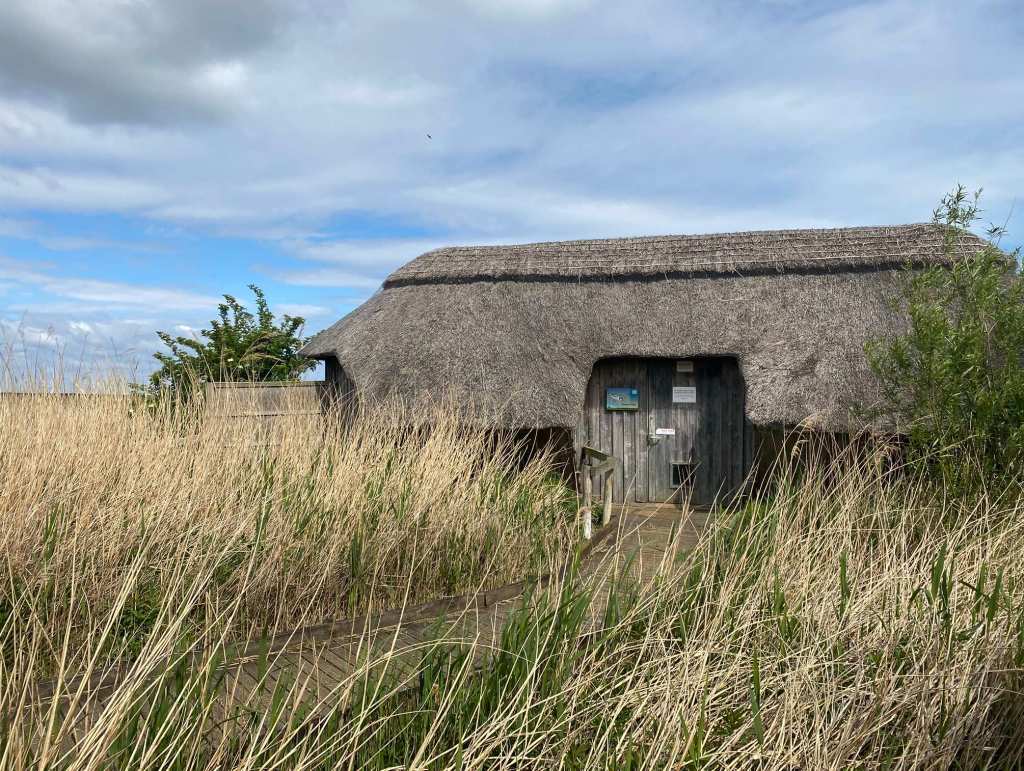
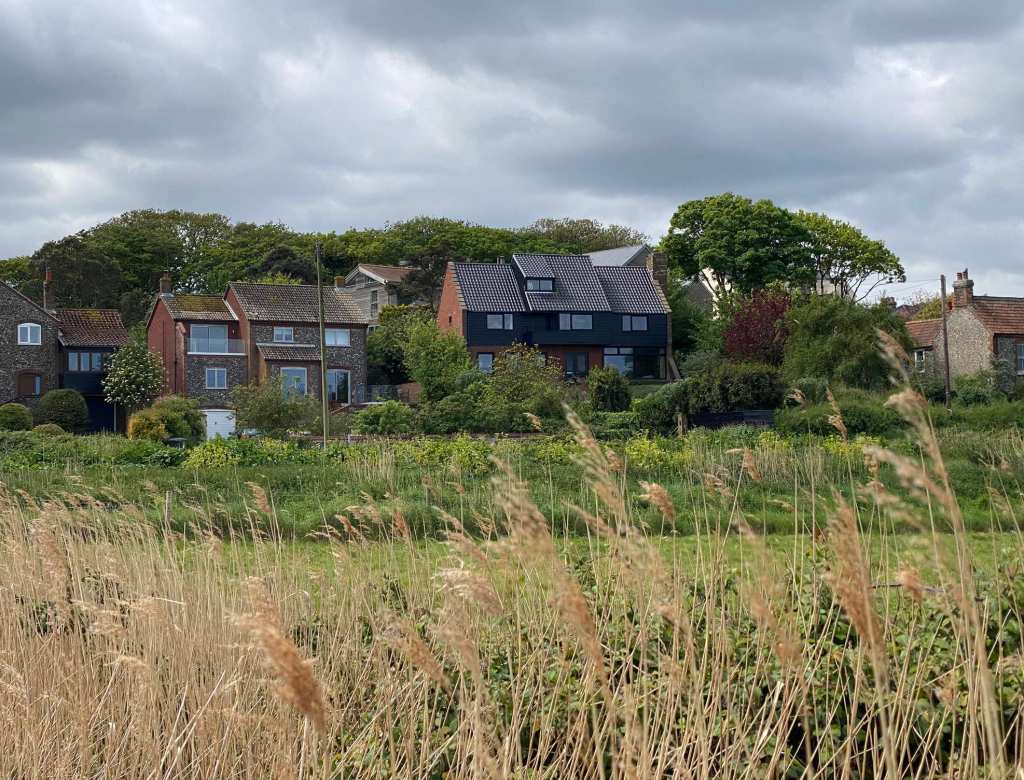
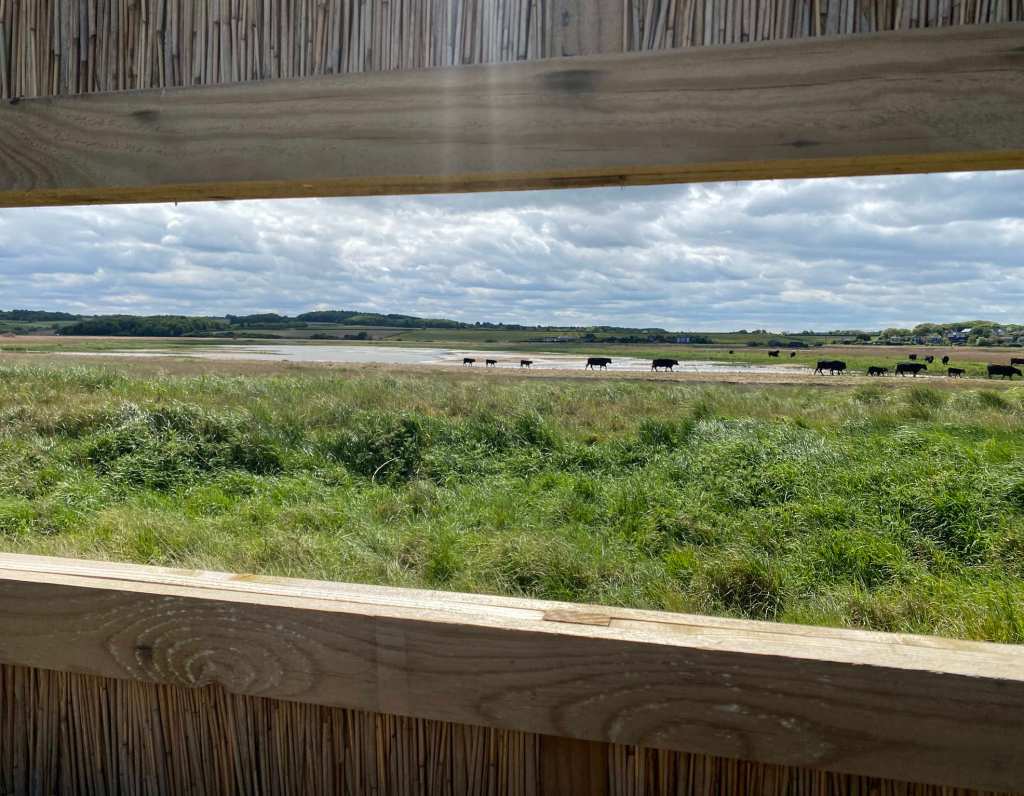
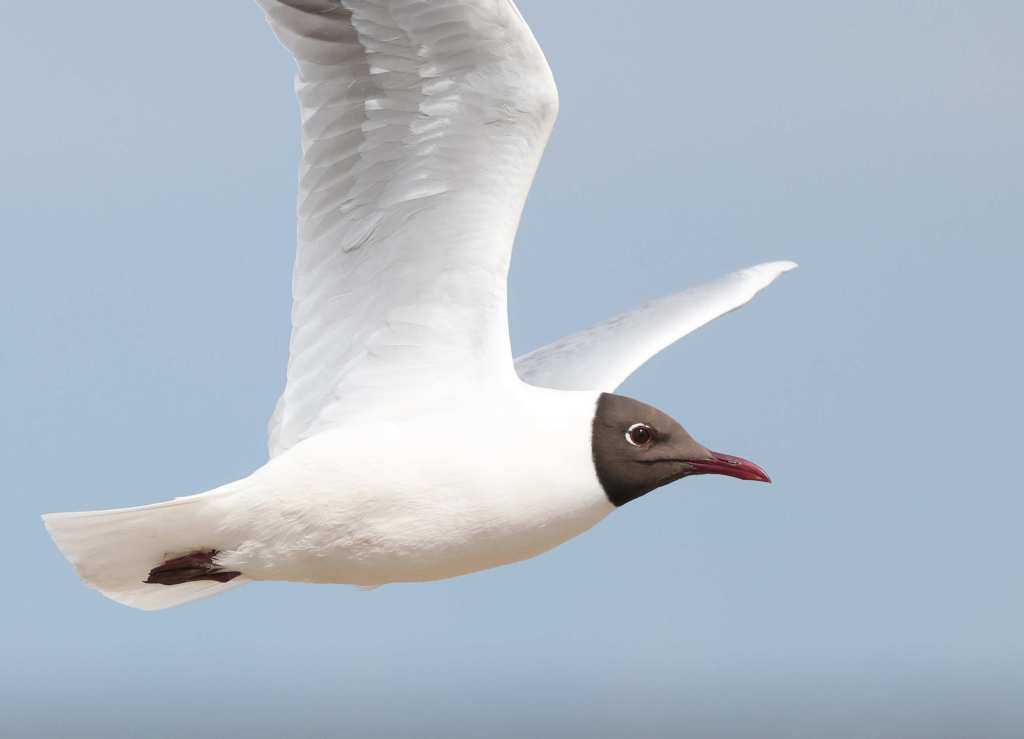
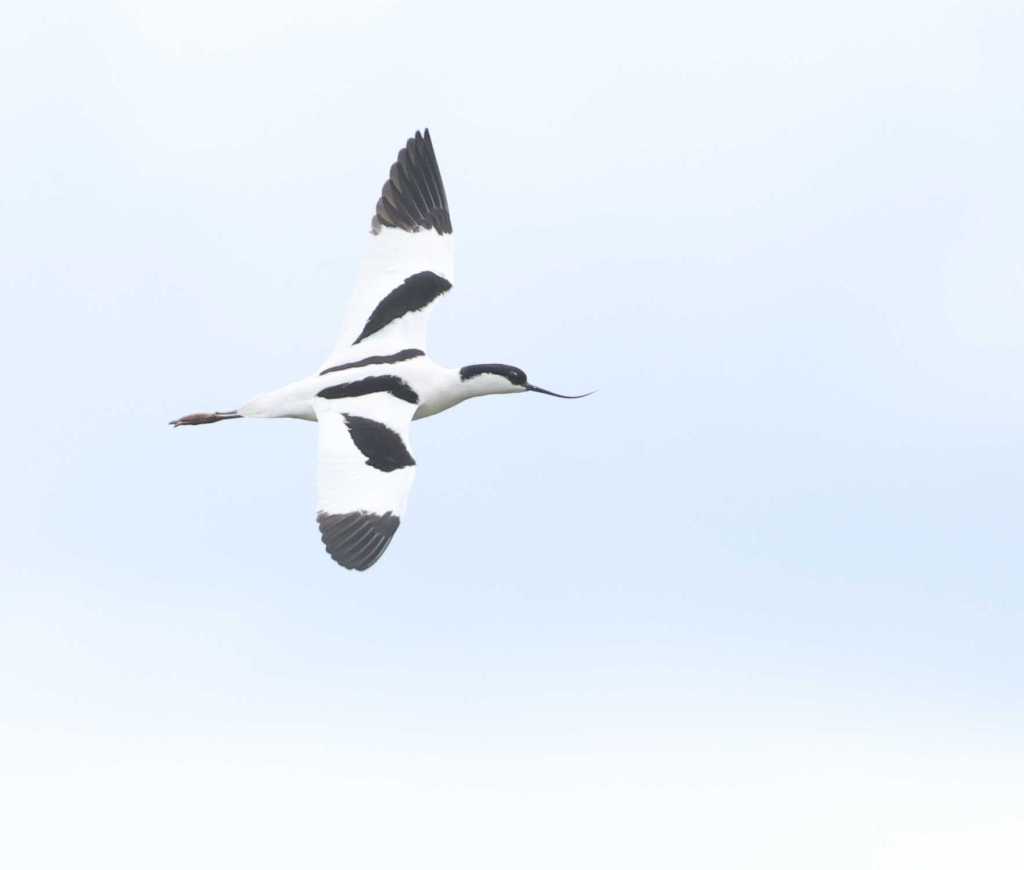
The “scrapes” and pools are super-productive here with a highlight for me being a Common Snipe, seen thanks to a birder generously sharing the use of his scope after he found the snipe extremely camouflaged at distance. Eurasian Golden-Plovers were also present (in breeding plumage, very cool), both Ringed and Little Ringed Plovers, all a bit distant for good photographs, but at least there were closer Black-Headed Gulls and Pied Avocets flying by to keep the shutter button busy.
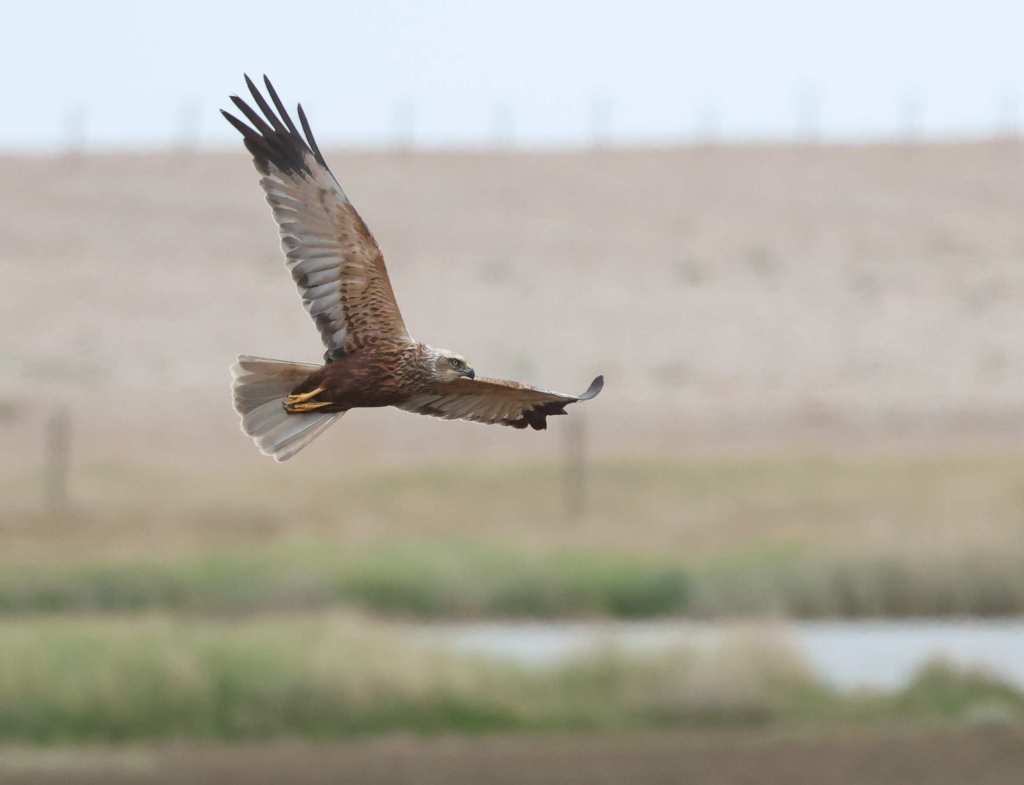
Where reeds abound at these types of well-maintained reserves, you’ll likely find a Western Marsh Harrier; I also saw Eurasian Kestrels and Red Kites cruising here.
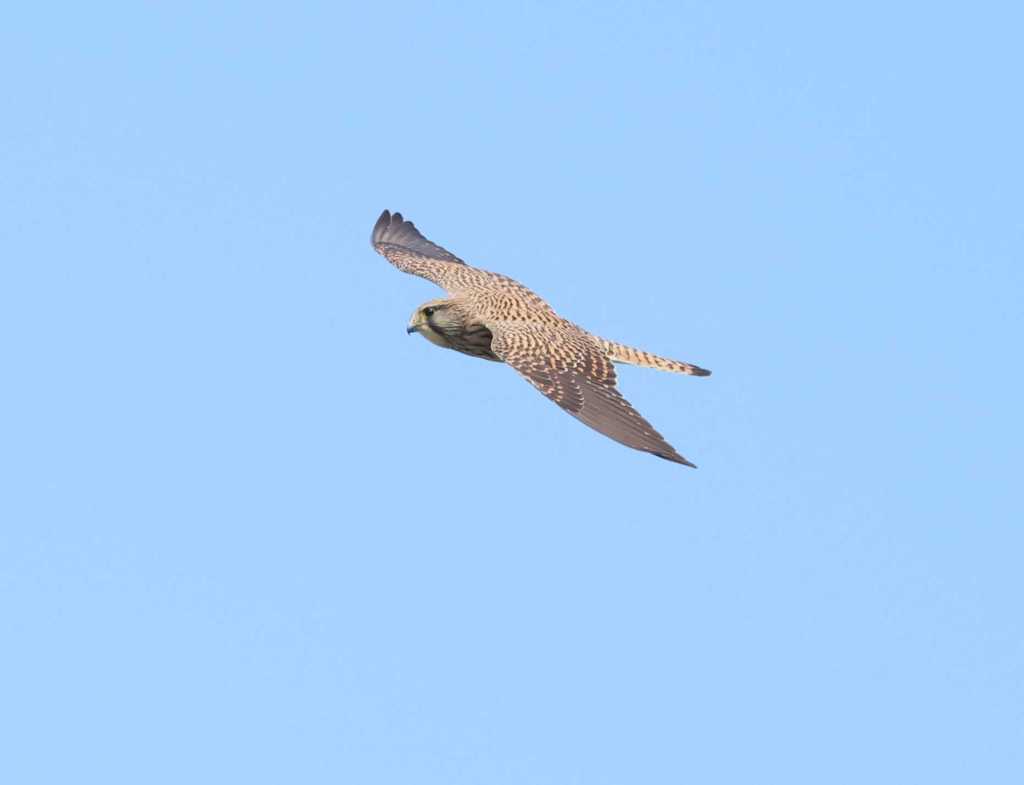
Greater Whitethroat and Barn Swallow were also pleasing photographic subjects.
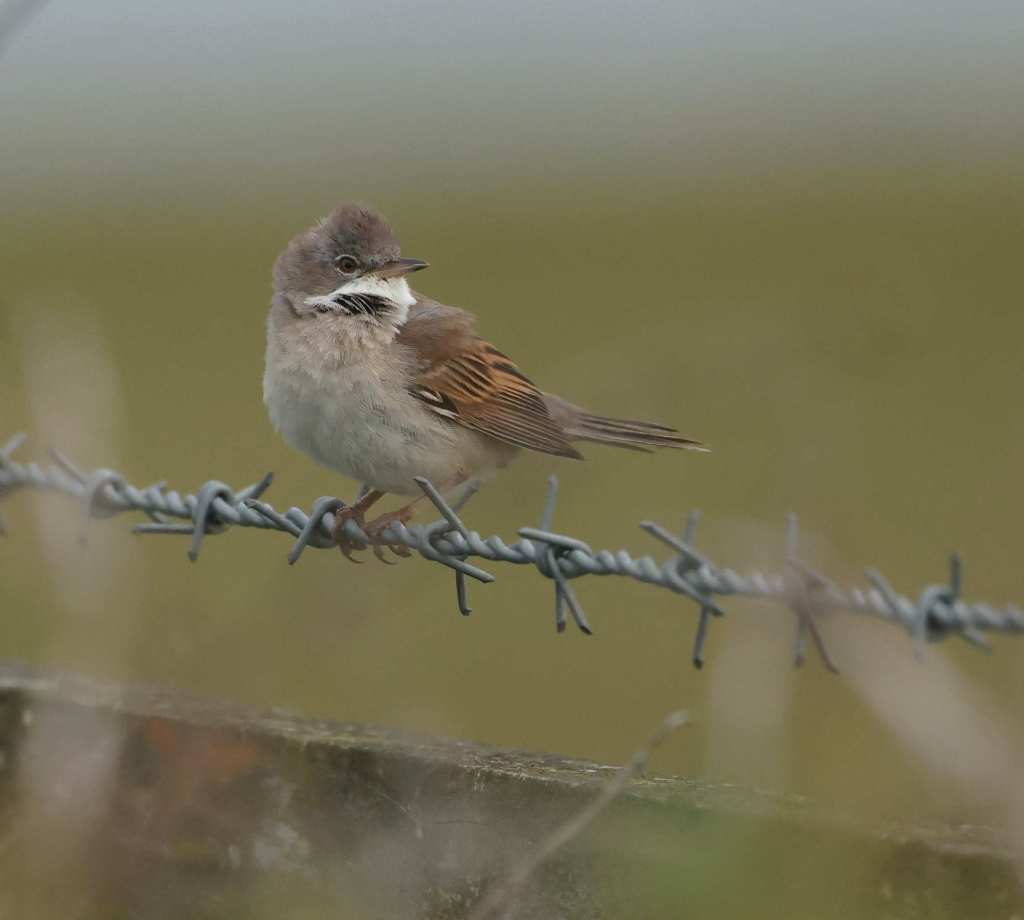
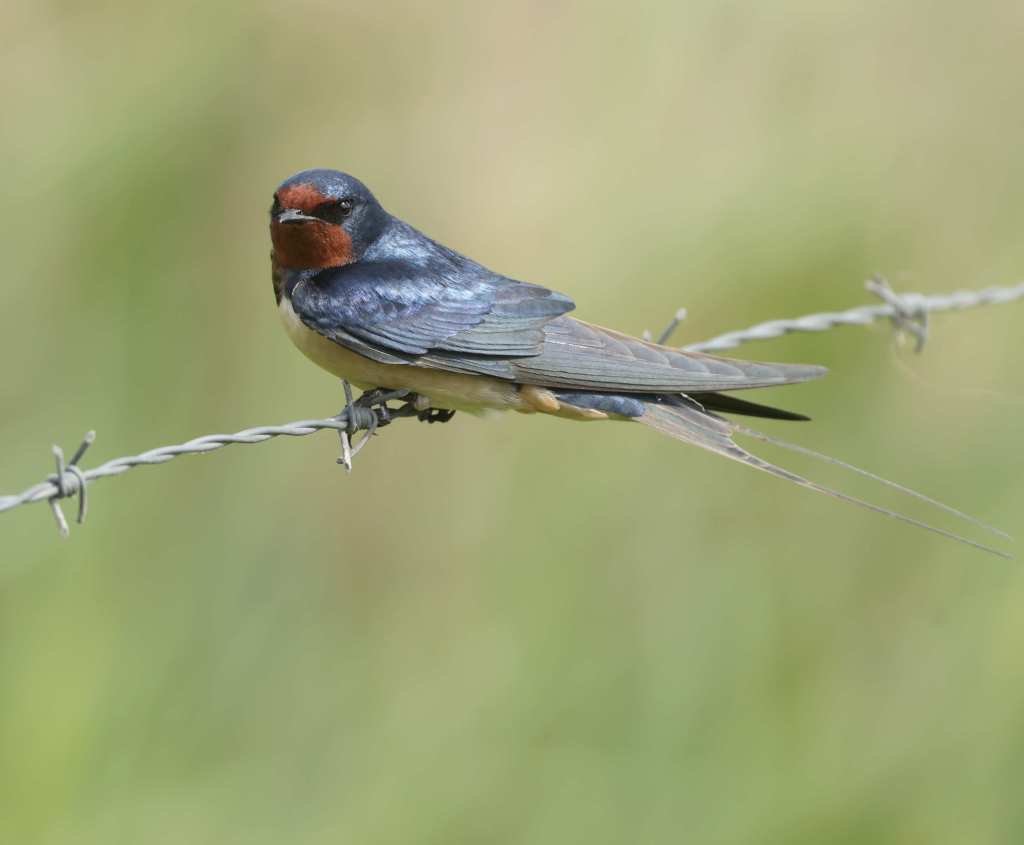
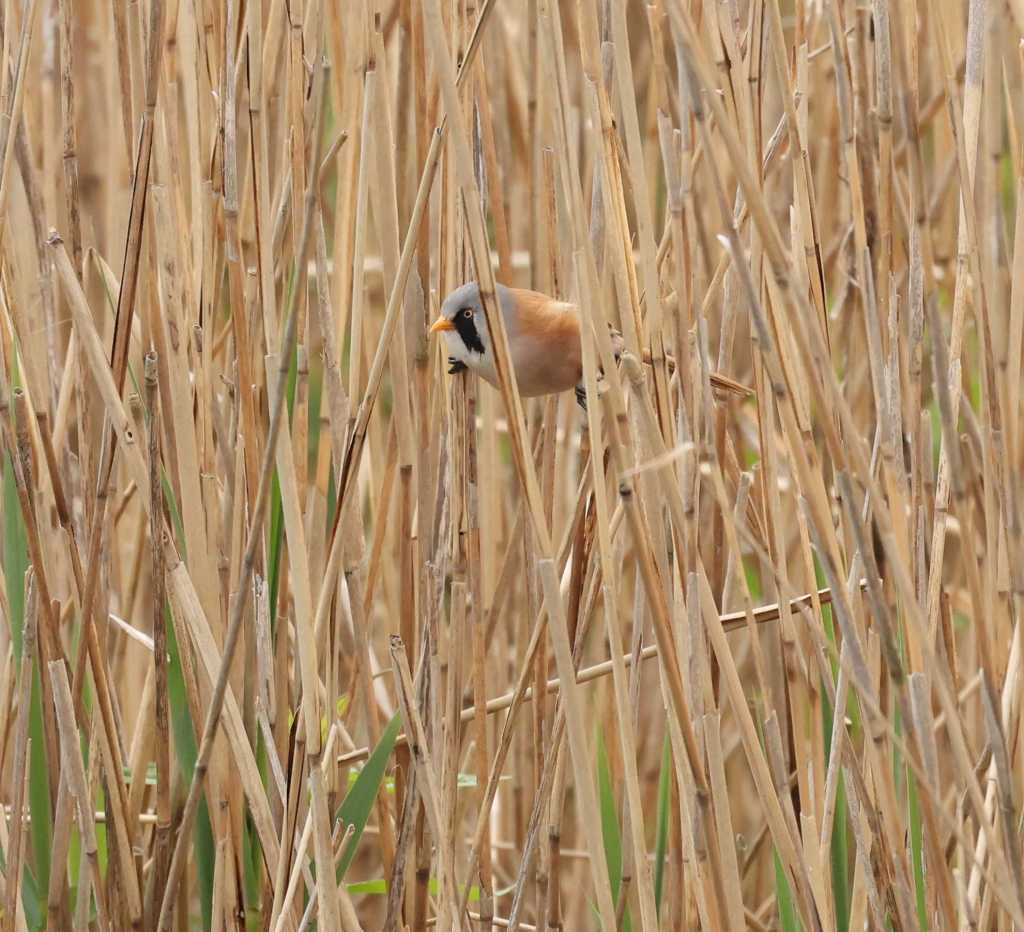
I would have liked to spend more time at Cley and Salthouse Marsh, but it just wasn’t the day for it – way too windy and grey. Despite that I came away pretty satisfied – gosh, any day you see a Bearded Reedling in ninja-pose amongst the reed stems has to put a smile on your face, if nothing else.
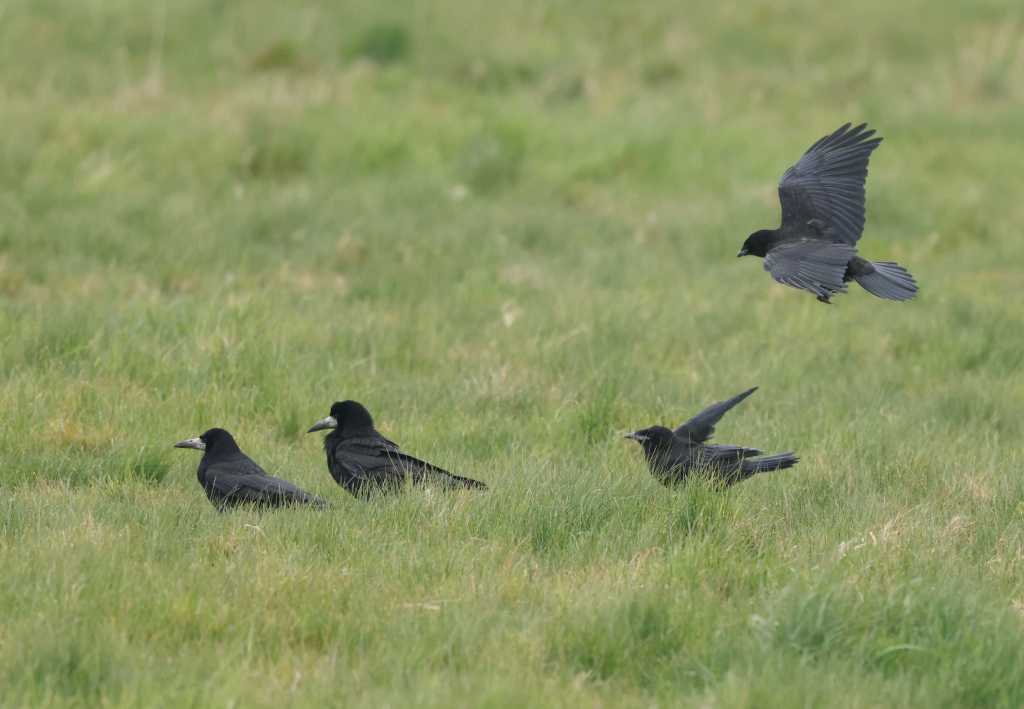
6. Holkham NNR
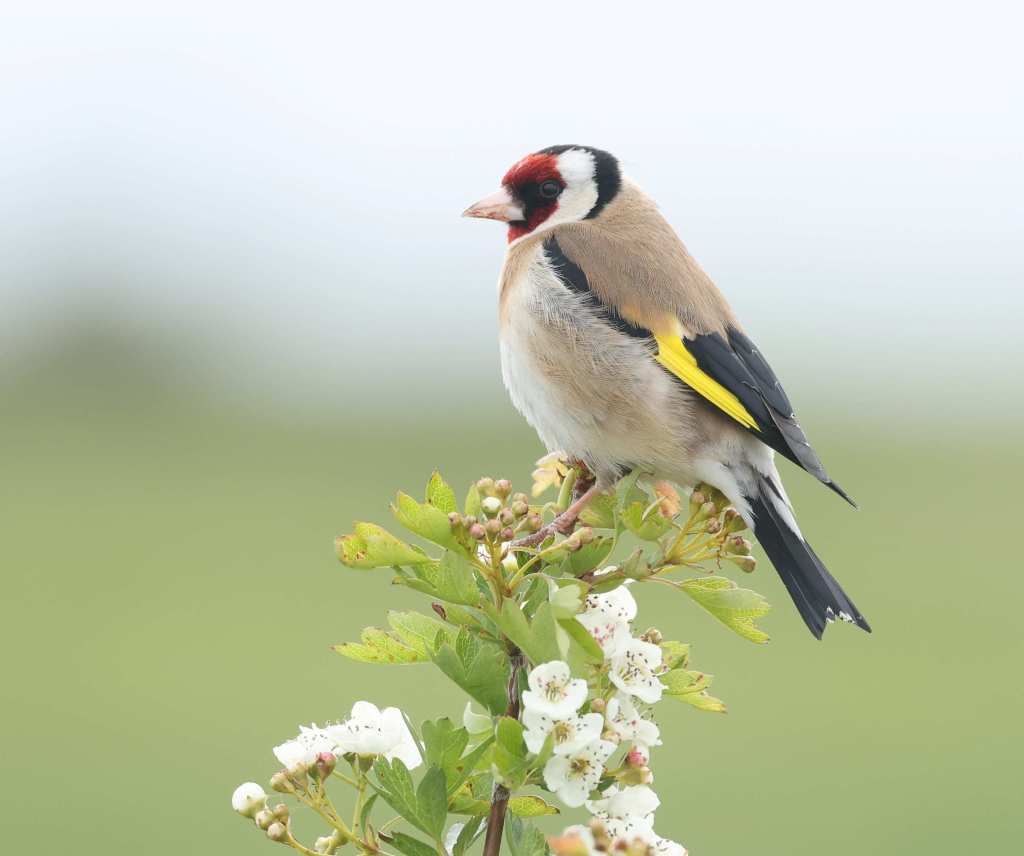
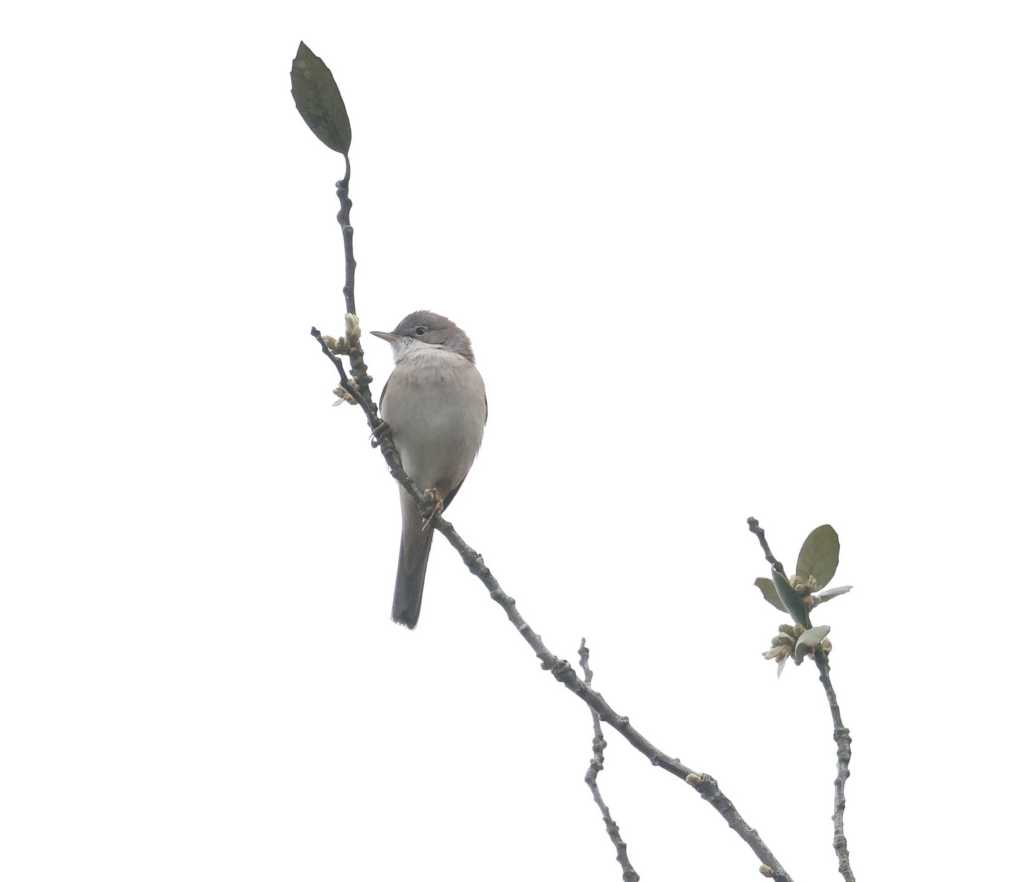
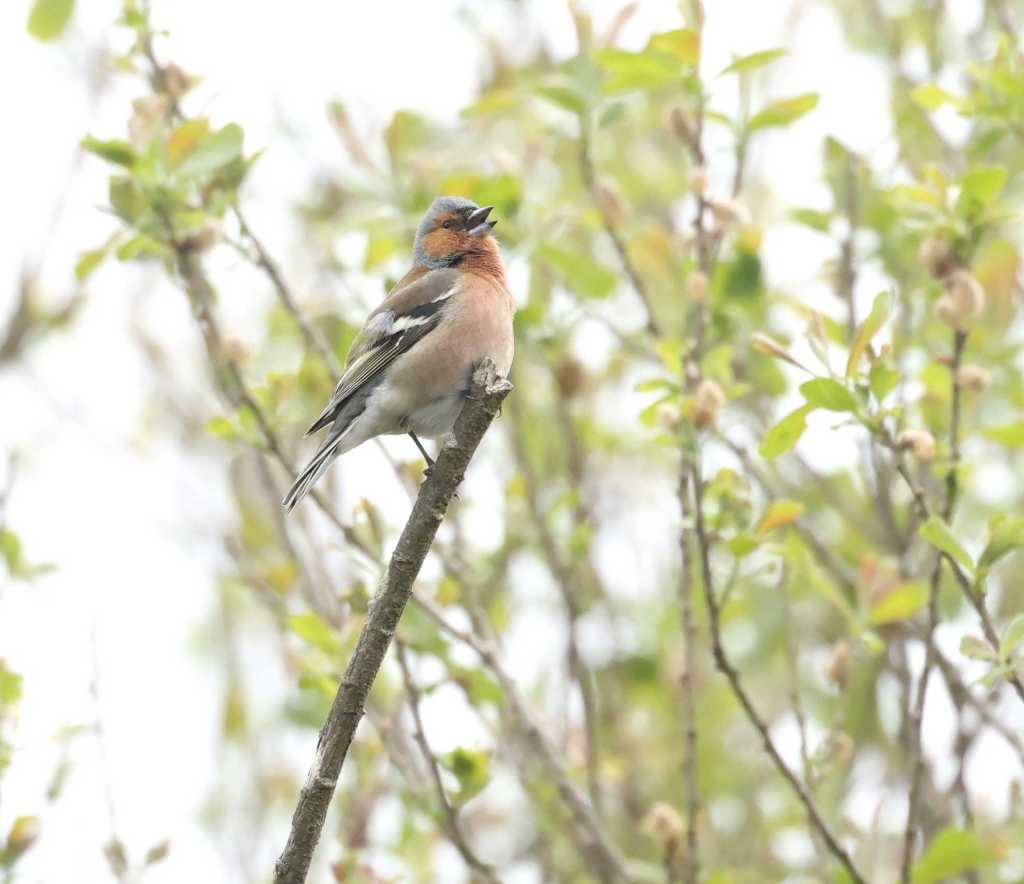
I didn’t do much research on Holkham NNR before going there, just figuring that the high species count of this location on eBird (on a coastline liberally studded with quality hotspots) was going to prove rewarding. You basically park (for a fee, of course, this is England, after all) then wander. Though I didn’t have to wander far before finding some obliging photographic subjects – a gorgeous European Goldfinch, and a rather vocal Greater Whitethroat, to start things off.
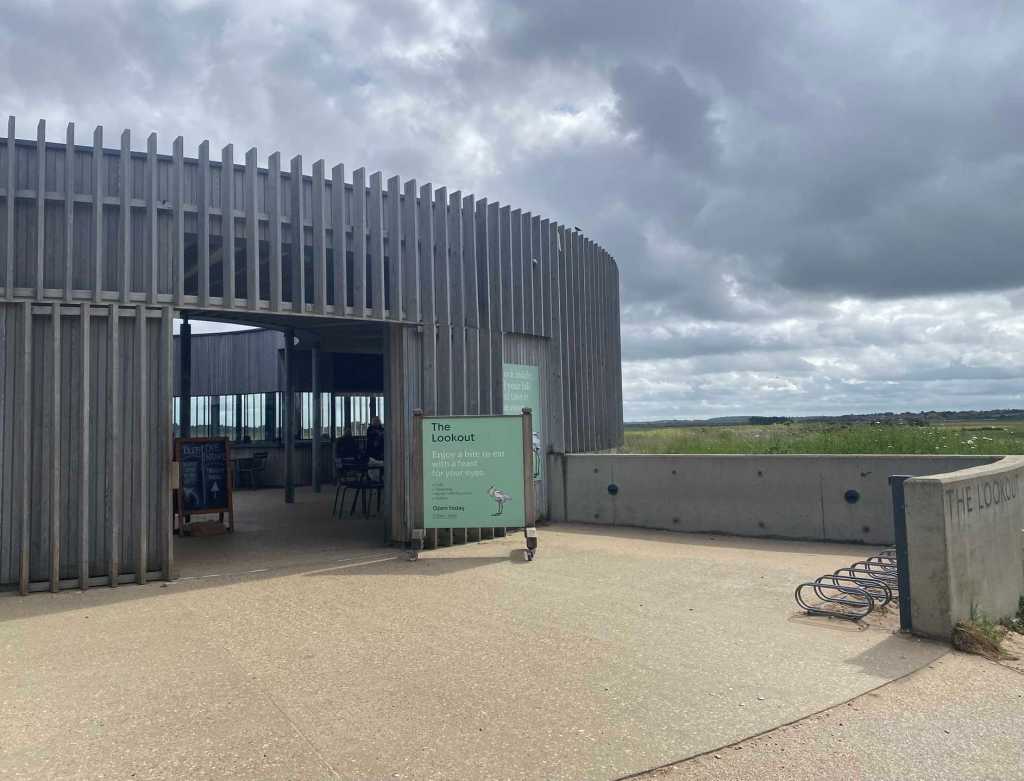
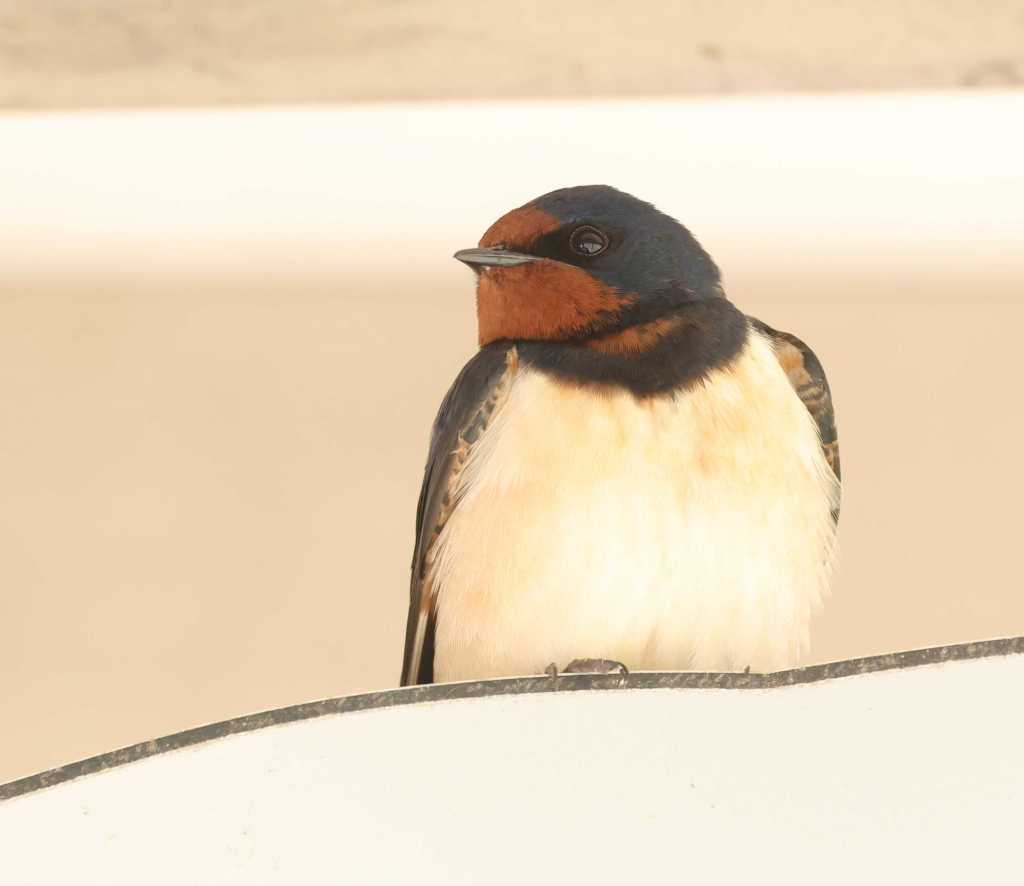
The visitor centre/cafe wasn’t open when I arrived, but I did partake of some food there later on, and was entranced by some Barn Swallows making their home inside the unusual structure.
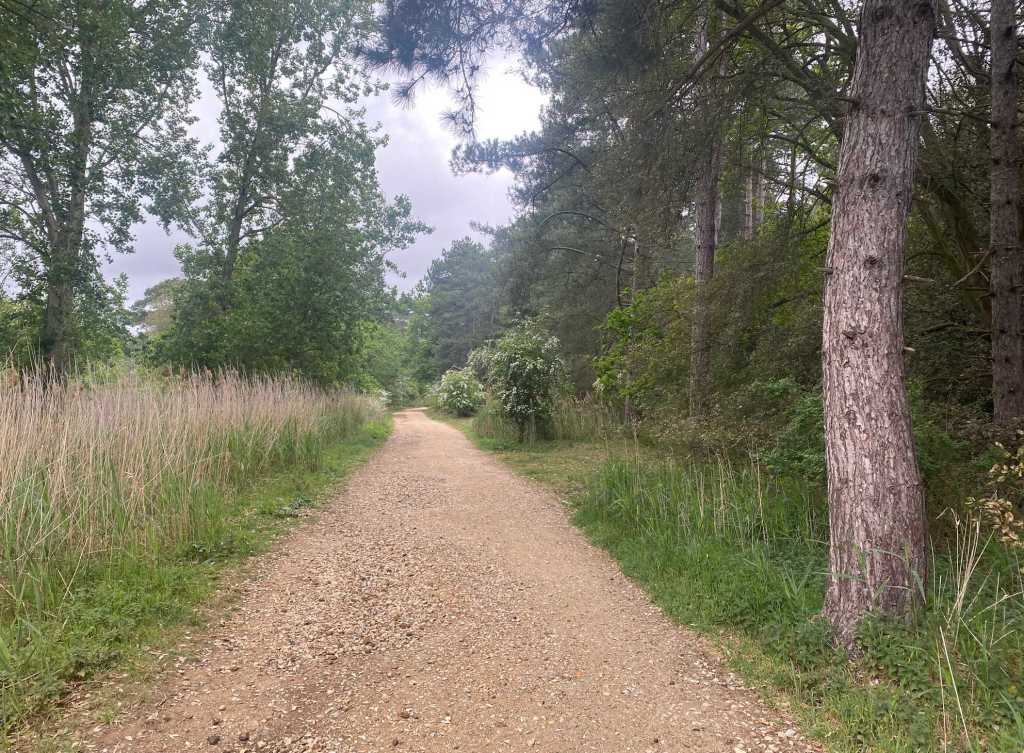
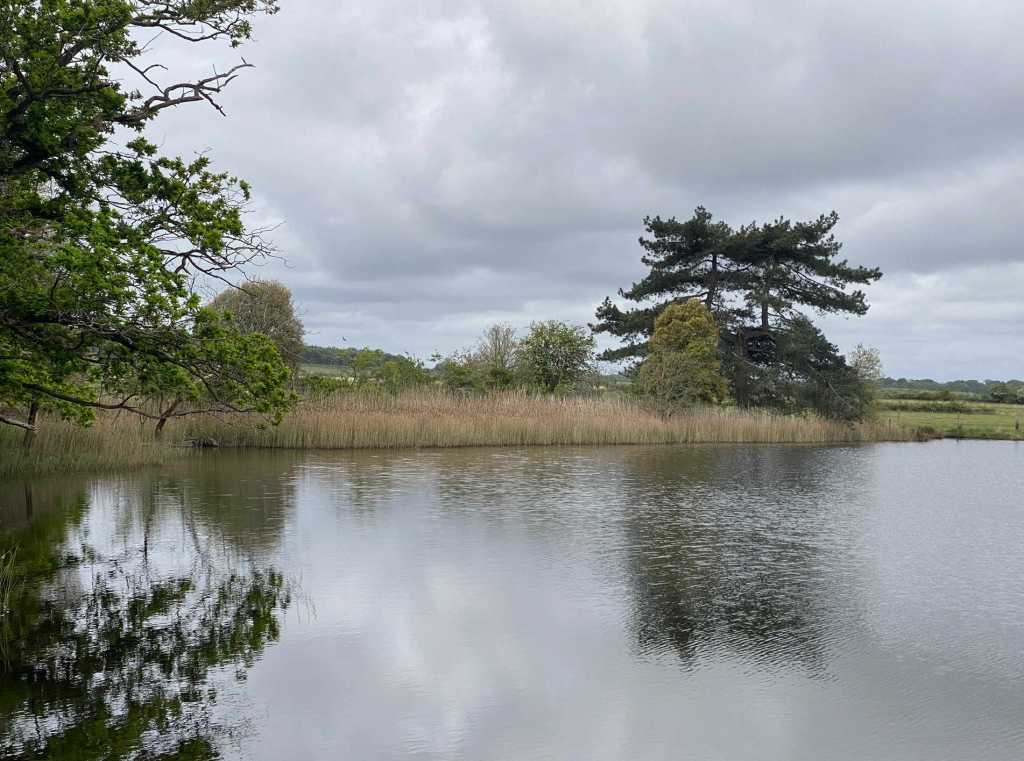
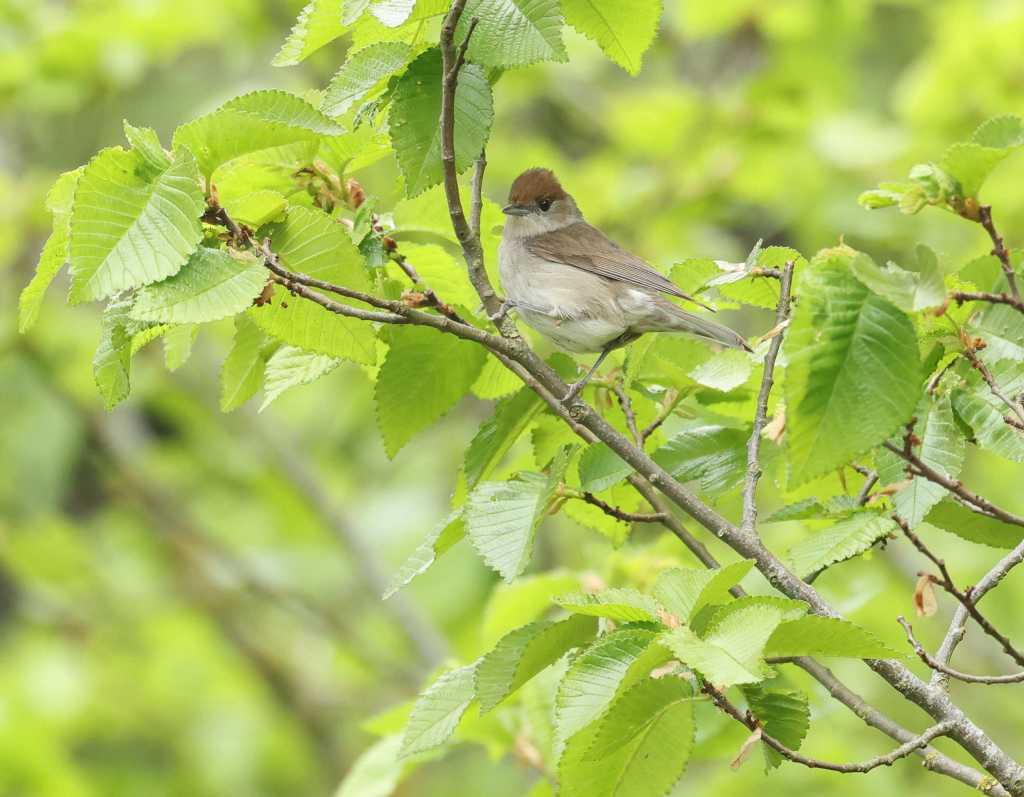
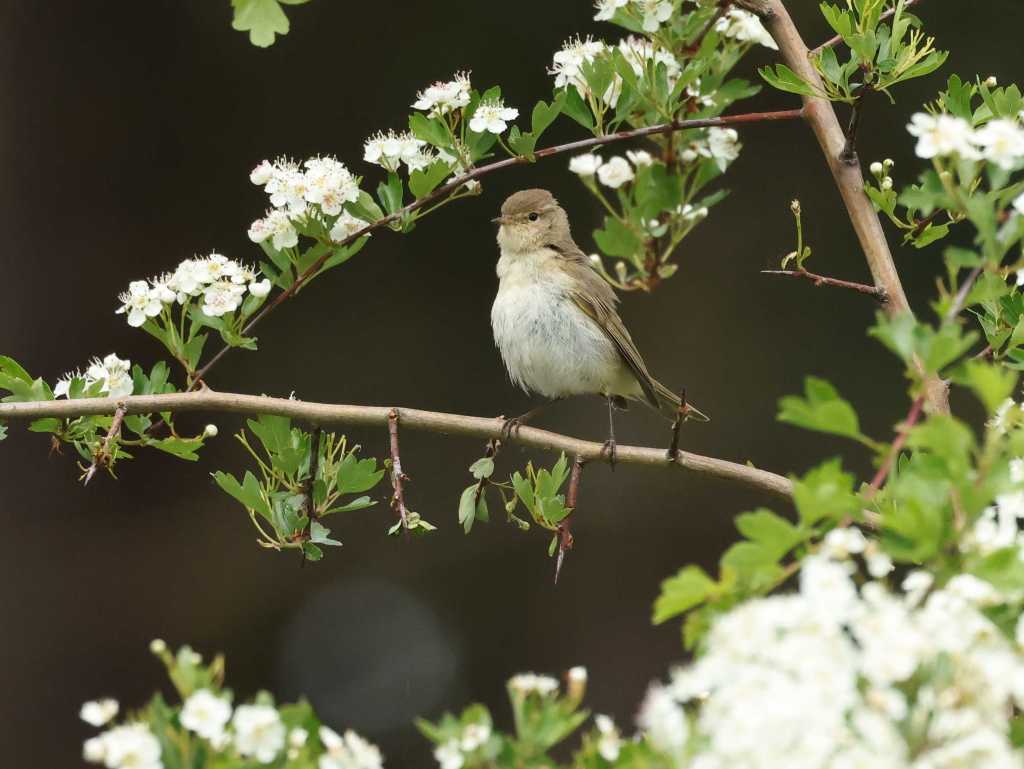
Wandering the long, long trails on a cloudy and quite frankly very cold day initially seemed like an exercise in masochism, until finally there was some bird action with some Blackcaps, Chiffchaffs and a few other small birds zipping through the foliage.
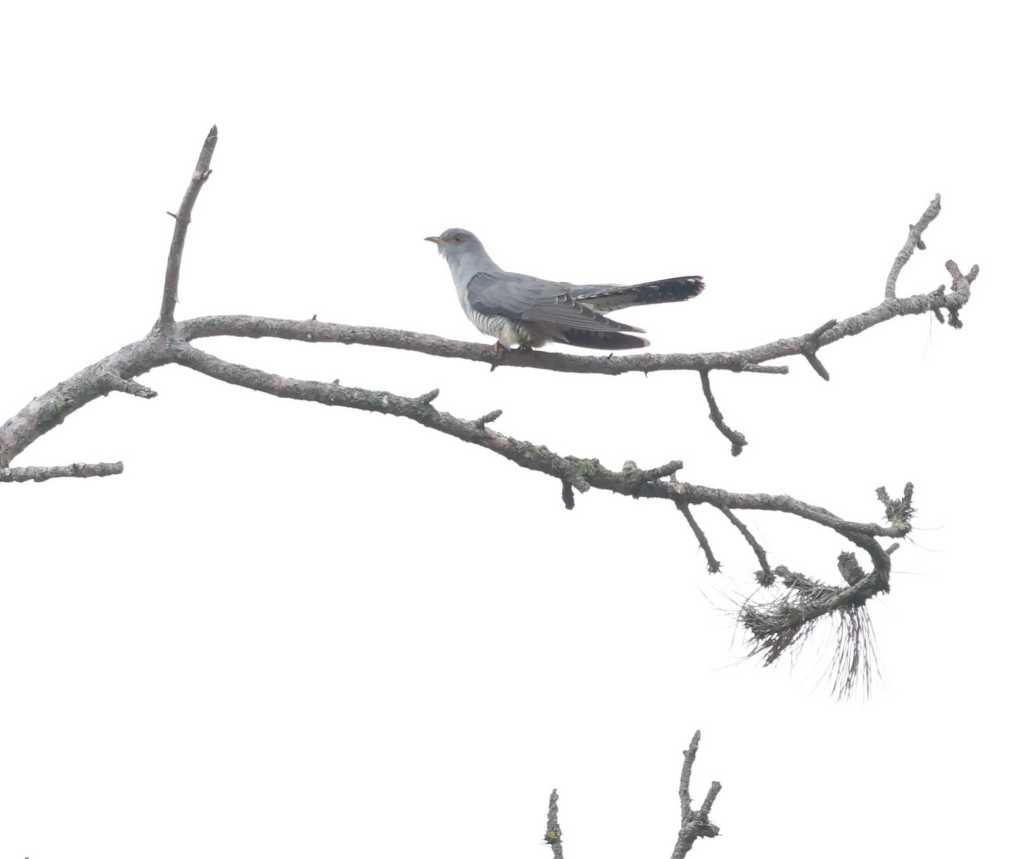
I located a calling Common Cuckoo (not always easy), and spent an inordinate amount of time trying to get a not-completely-embarrassing photo of a Goldcrest (which I did, but not good enough for this blog).
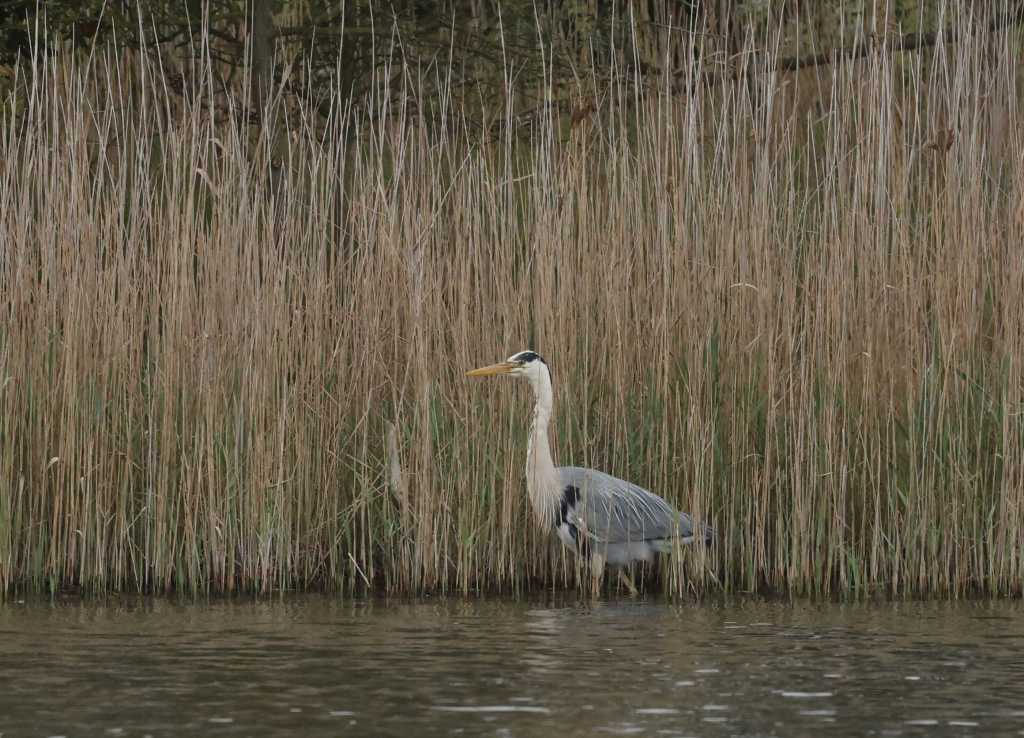
There were a couple of small reed-lined ponds where I saw an imperious Grey Heron. So that was nice.
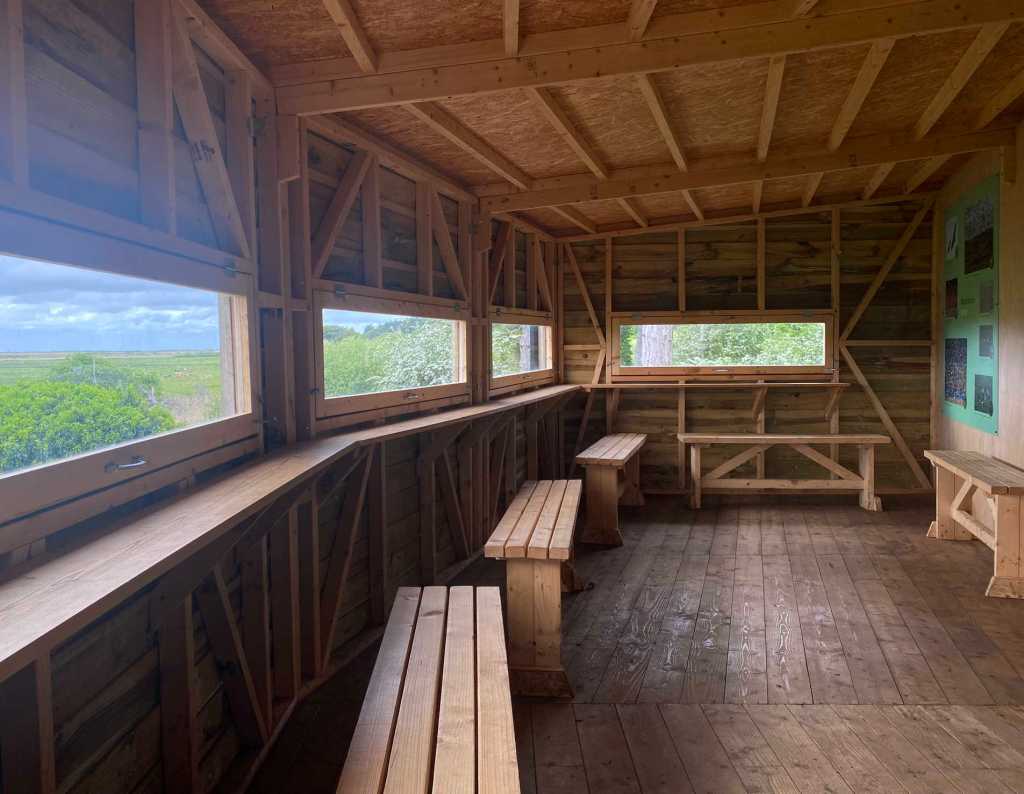
At the end of this long trail I contemplated life for a while inside a lonely bird hide… where were the big groups of birders you’d normally see at these amazing birding locations? Not here, that’s for sure.
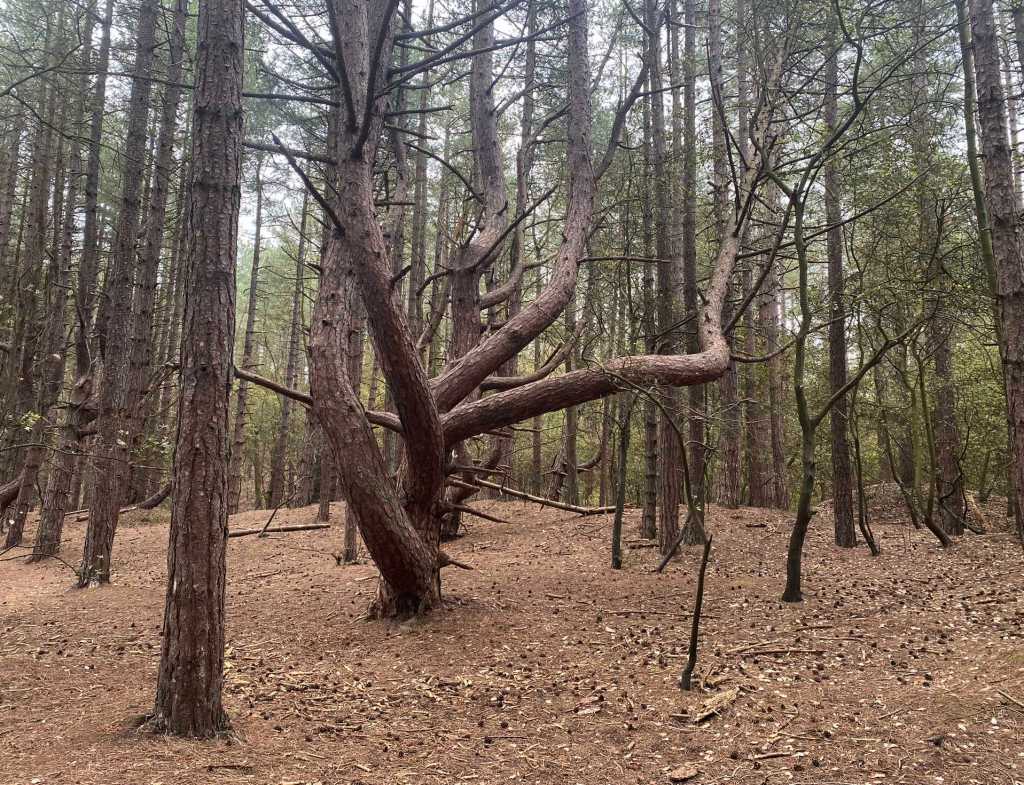
Further trails led me through some gnarly, moody forest into what they call “Holkham Meals” (local name for “dunes”) where somewhere around there is apparently a nudist beach. Ha! Not on a 14-degree spring day, I’ll wager.
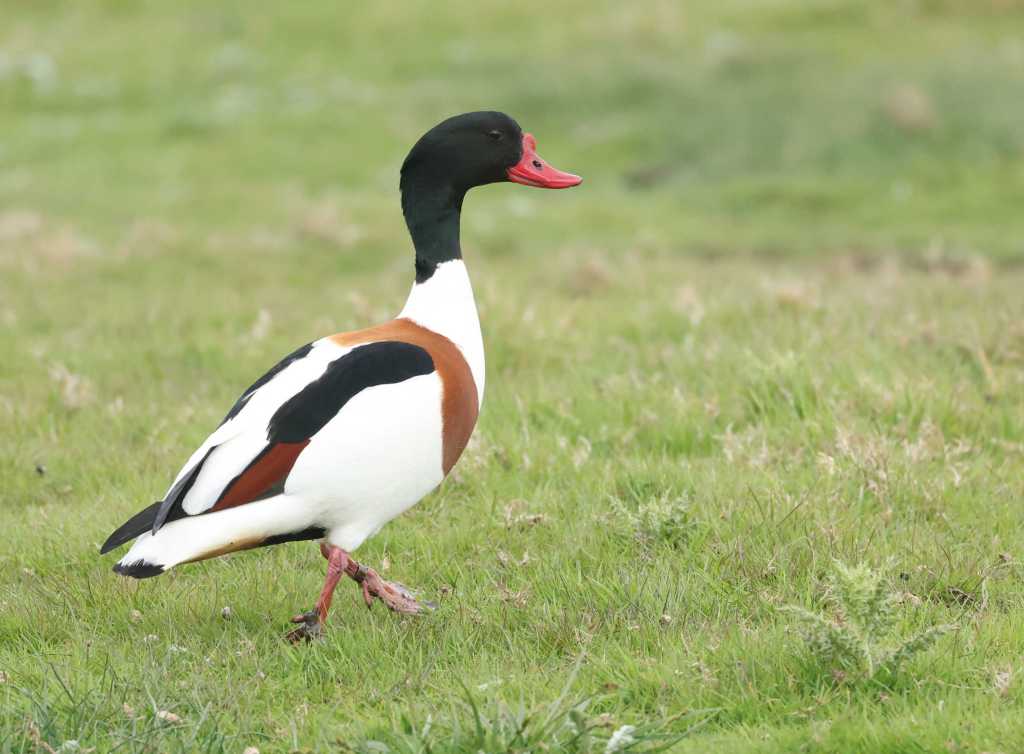
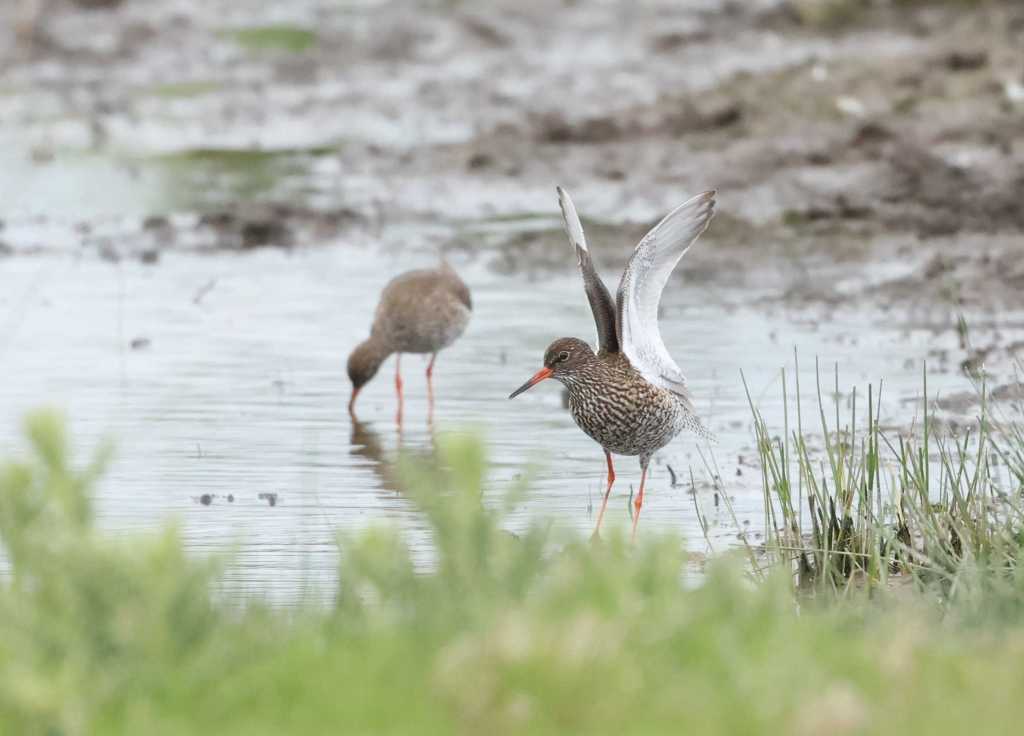
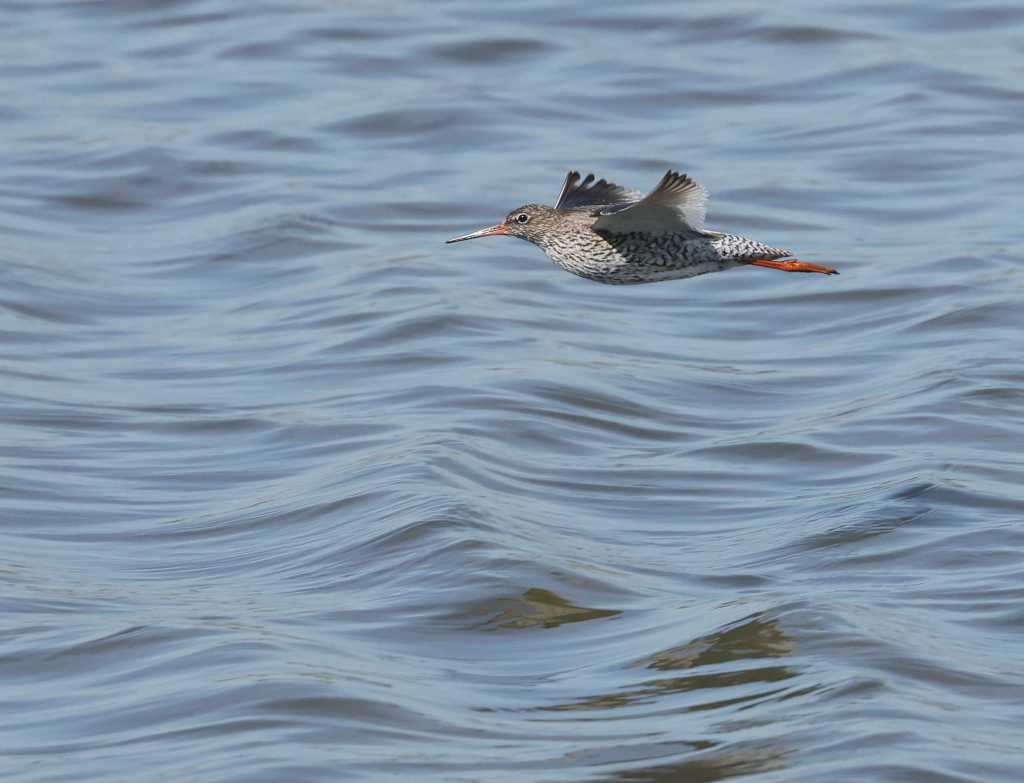
The place really is a sprawling mosaic that you could spend a long time at and barely encounter another human (if you’re so inclined), and after a relatively slow start (car park Goldfinches and Whitethroats notwithstanding), I had at least found some pretty cool birds and had a pretty good time. Back near the car park, after my cafe snack and Barn Swallow encounter, I watched a Common Shelduck with its cartoonish waddle, and some lovely Common Redshanks.
It was interesting to go straight from Holkham NNR, with its austere vibes and hard-to-find birds (well, that day, at least), to nearby town Wells-Next-the-Sea (can confirm, it is definitely next-the-sea) and there see tons of birds that couldn’t care less about people being really close to them. Well-habituated, you might say. This included charming White Wagtails, Starlings who really didn’t give a stuff about you pointing a big camera in their faces, and a few species of noisy gulls.
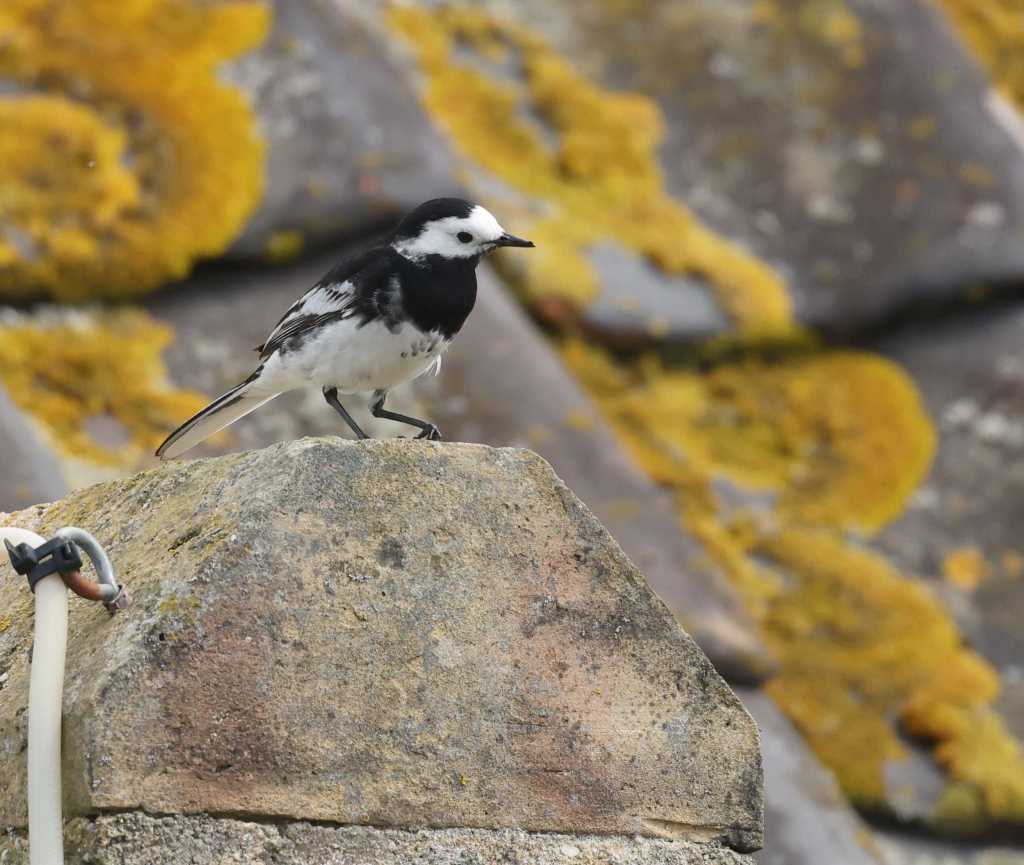
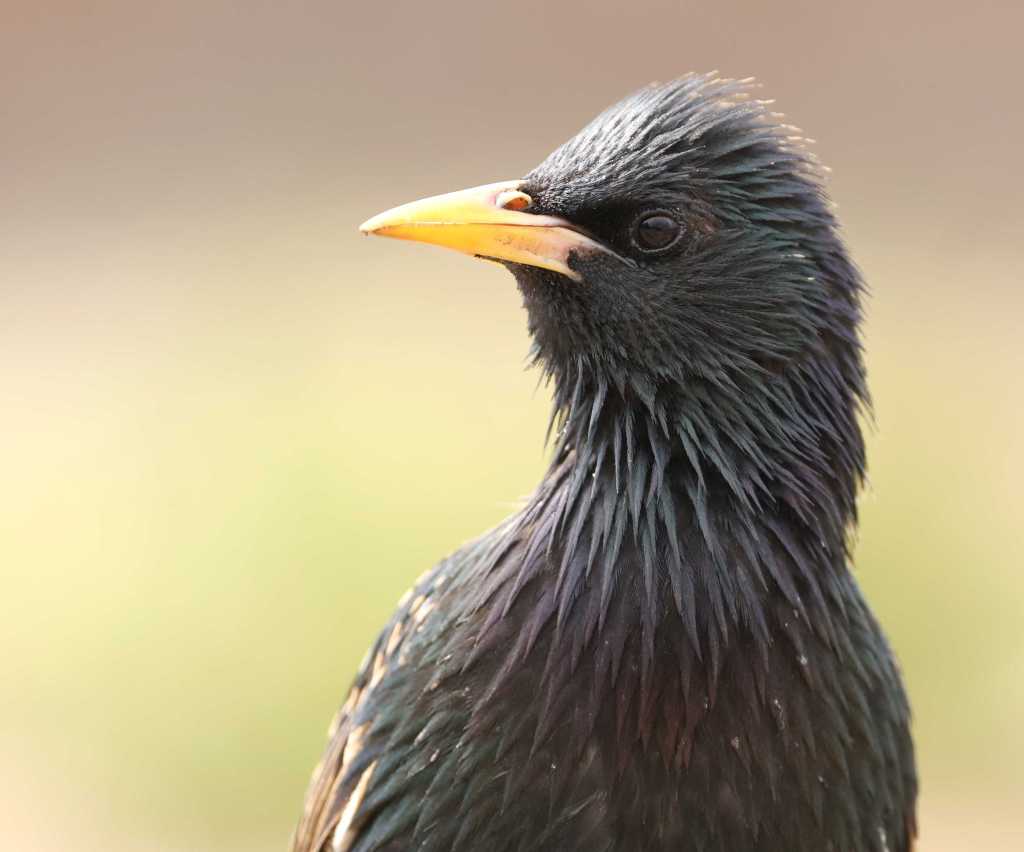
Another nearby site worth mentioning is Holkham Hall, a sprawling country estate that is probably more of a tourist attraction than a hardcore birding location (“Holkham Park” in eBird), but it had the distinction of hosting at least 100 Barnacle Geese when I was there, whereas notably I didn’t see a single Barnacle Goose anywhere else in Norfolk. I guess the geese just liked that particular place, at least in spring.
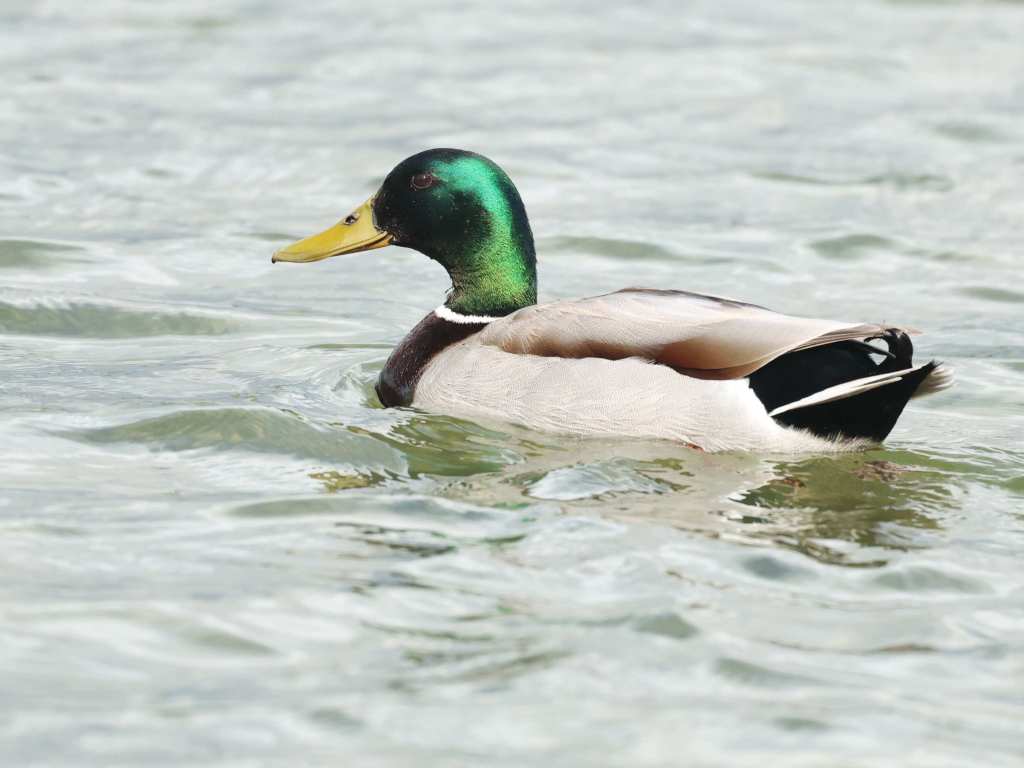
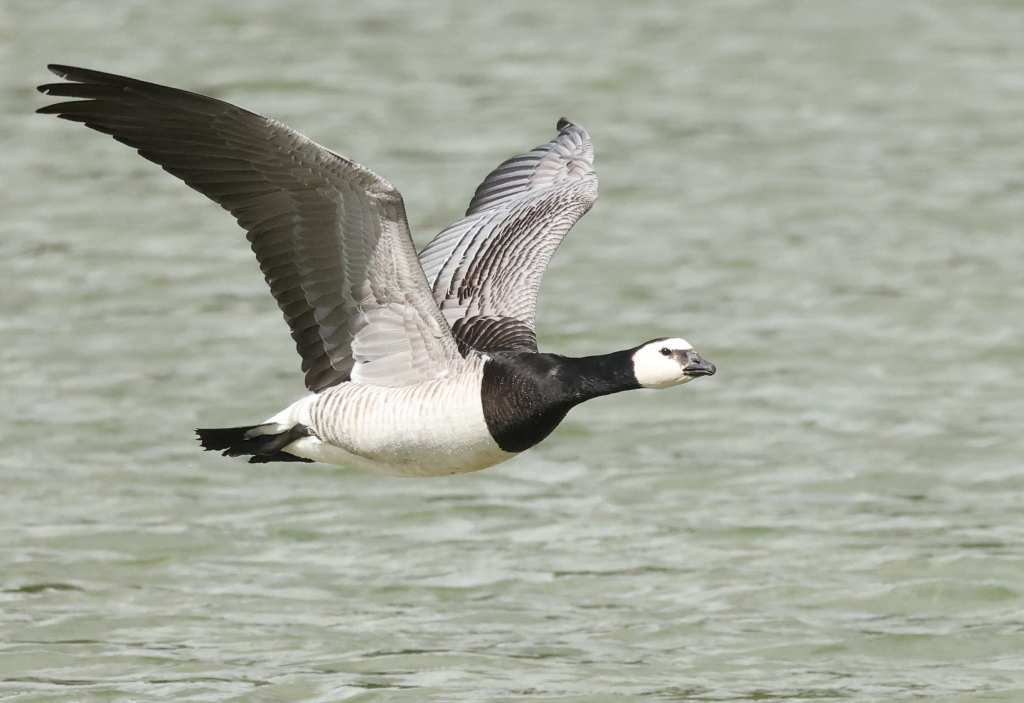
Holkham Hall actually made a pretty nice stop (entry fee required, of course). Lots of deer, and a nice scenic lake with plenty of Tufted Ducks, Shelducks, even a Common Pochard. When I was there the weather was – ahem – quite dynamic, with over 30 House-Martins and several Common Swifts feverishly swooping through the sky between rainy periods.
7. Carlton Marshes
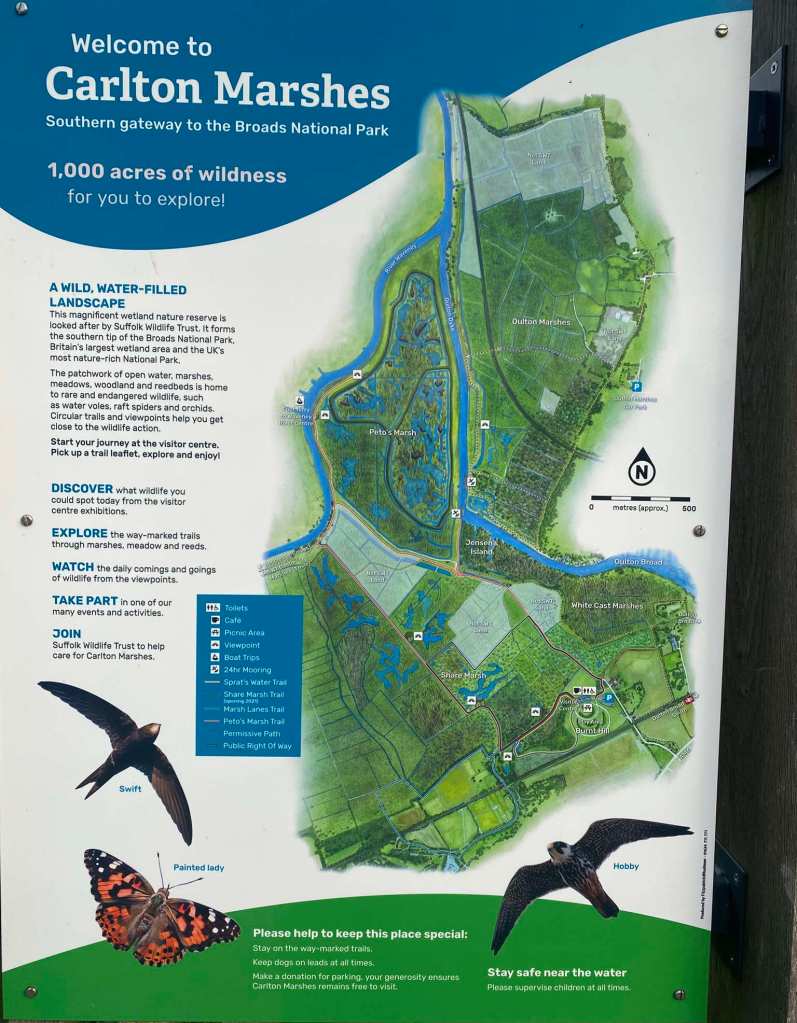
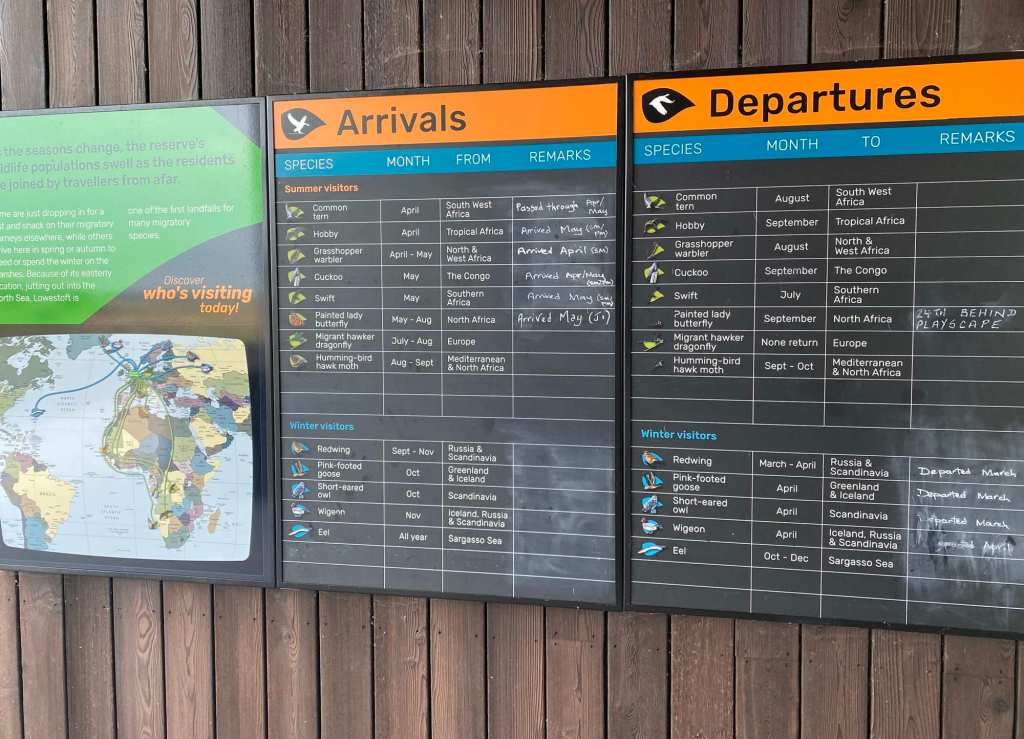
I had a pretty great time at Carlton Marshes, just west of the coastal town of Lowestoft, though it was mainly from a bird photography point of view rather than being a hardcore search for rarities or vagrant birds. Like most sites mentioned in this blog, you can explore freely before the well-appointed visitor opens. They also have an amusing airport-style Arrivals/Departures board summarising the seasonally-relevant migrating species.
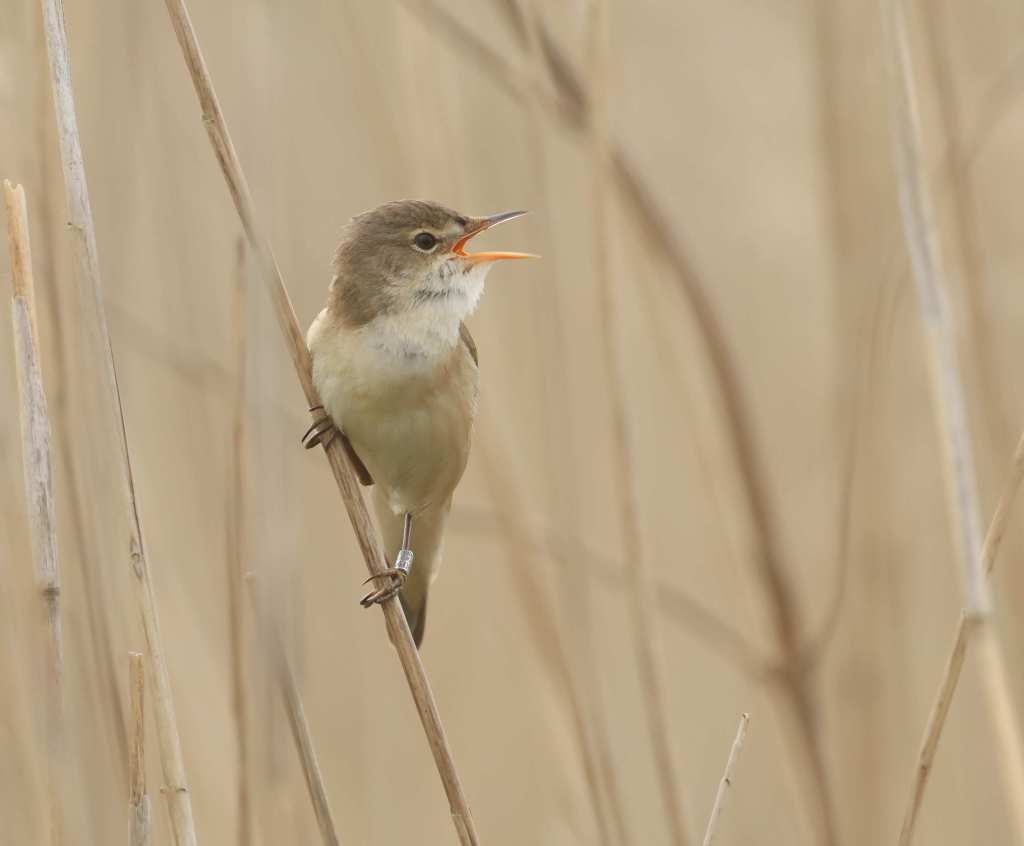
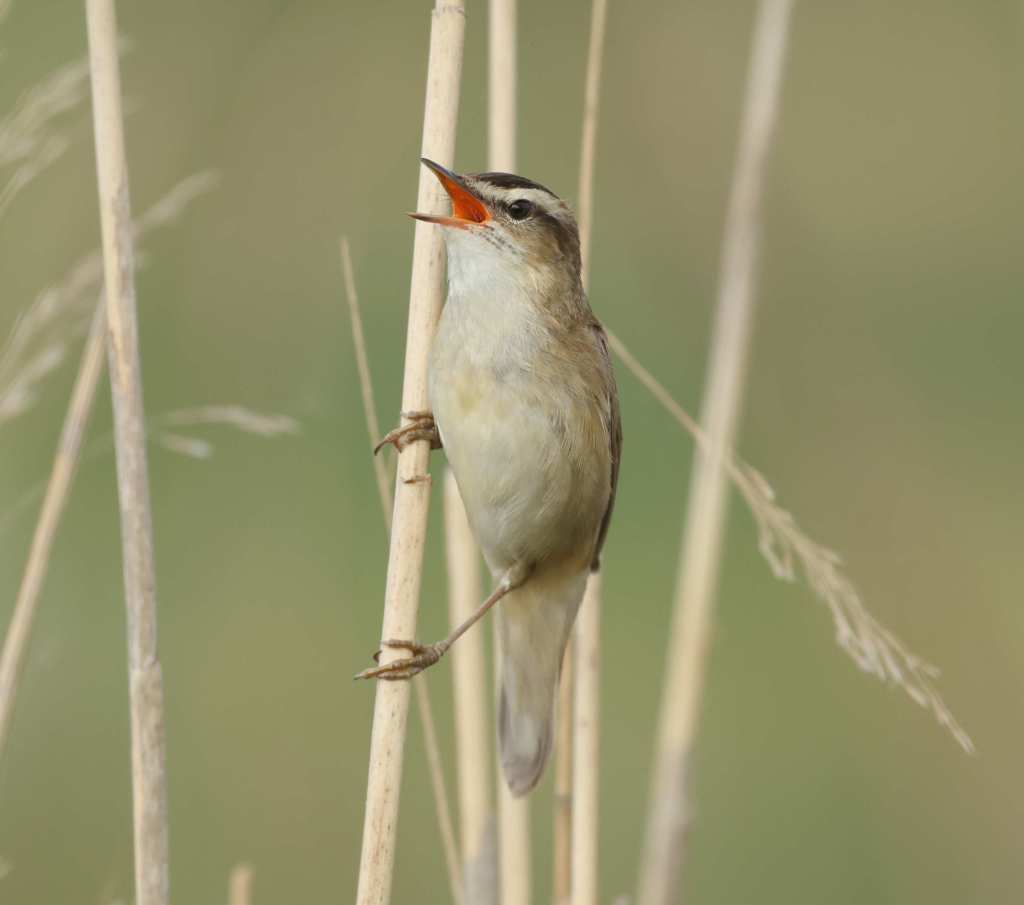
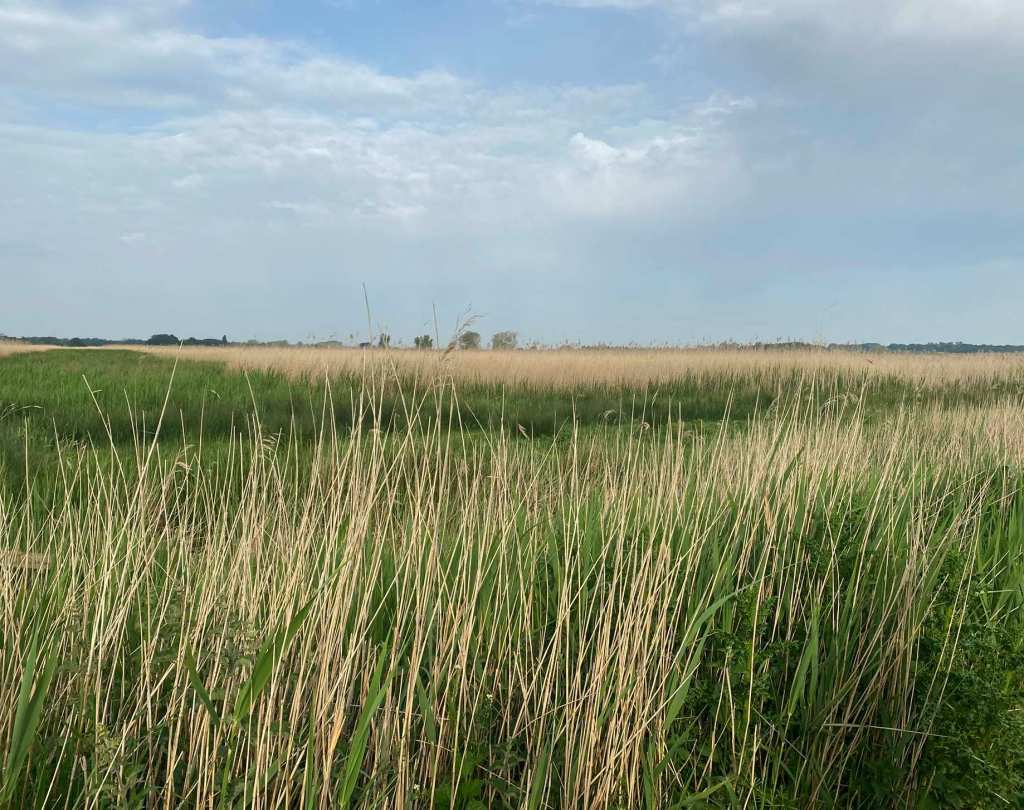
As with many high biodiversity sites, there is a large section of reeds here and I had arrived early enough to find Common Reed Warblers, Sedge Warblers and Reed Buntings all clinging fast to the reed stems and singing their little hearts out. Despite having explored several renowned reed-habitat sites up till this point, I still managed to get (by far!) my best shots (and videos) of these species at Carlton Marshes. For some reason, they just seemed less skittish than elsewhere.
Long flat trails give access to the reed beds, as well as creek and farmland with a couple of small-ish hides in the mix.
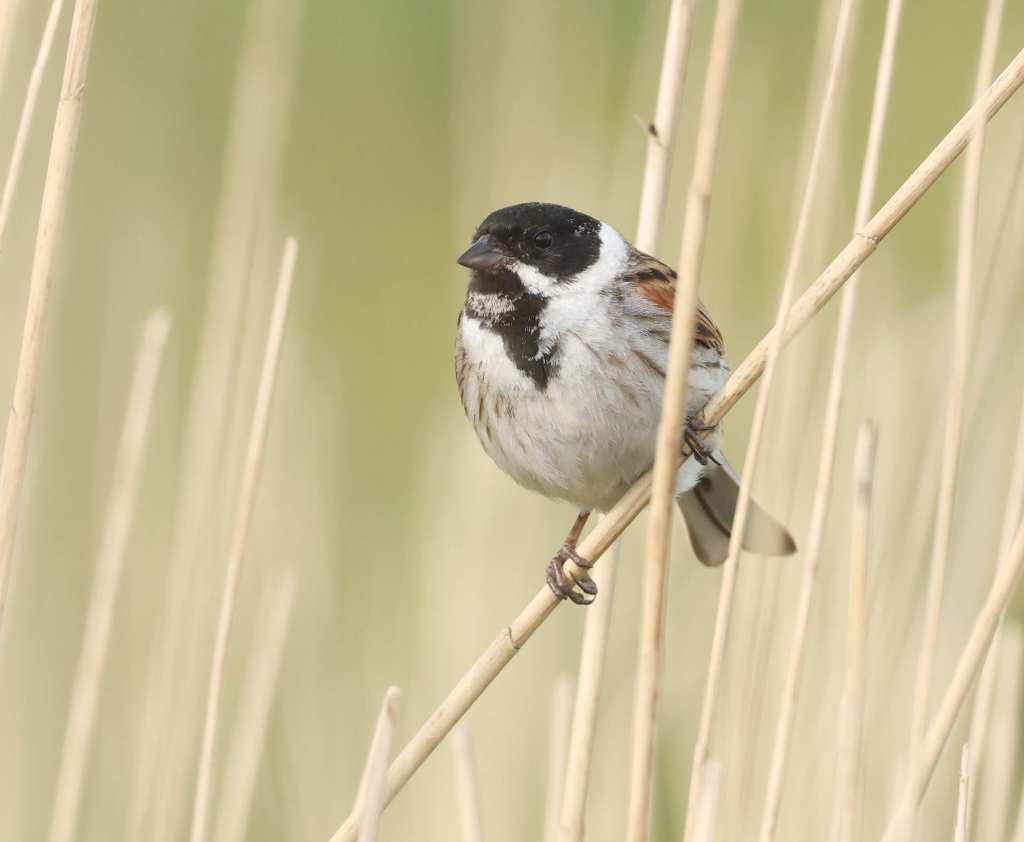
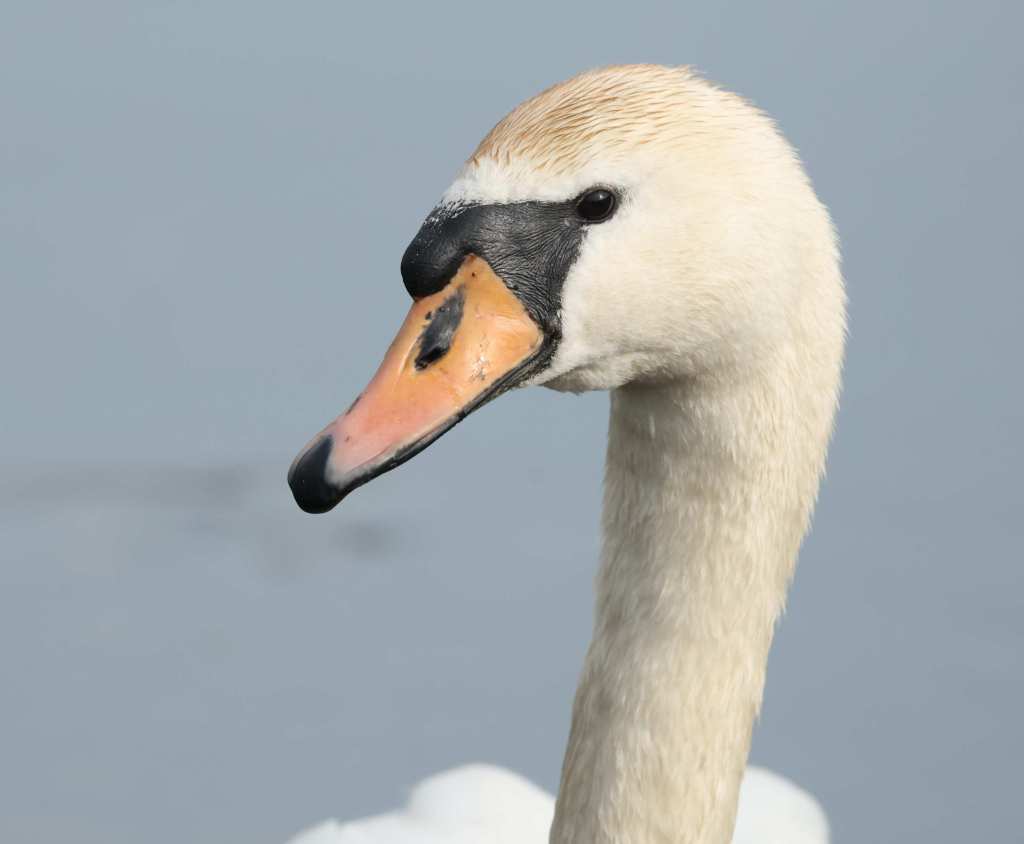
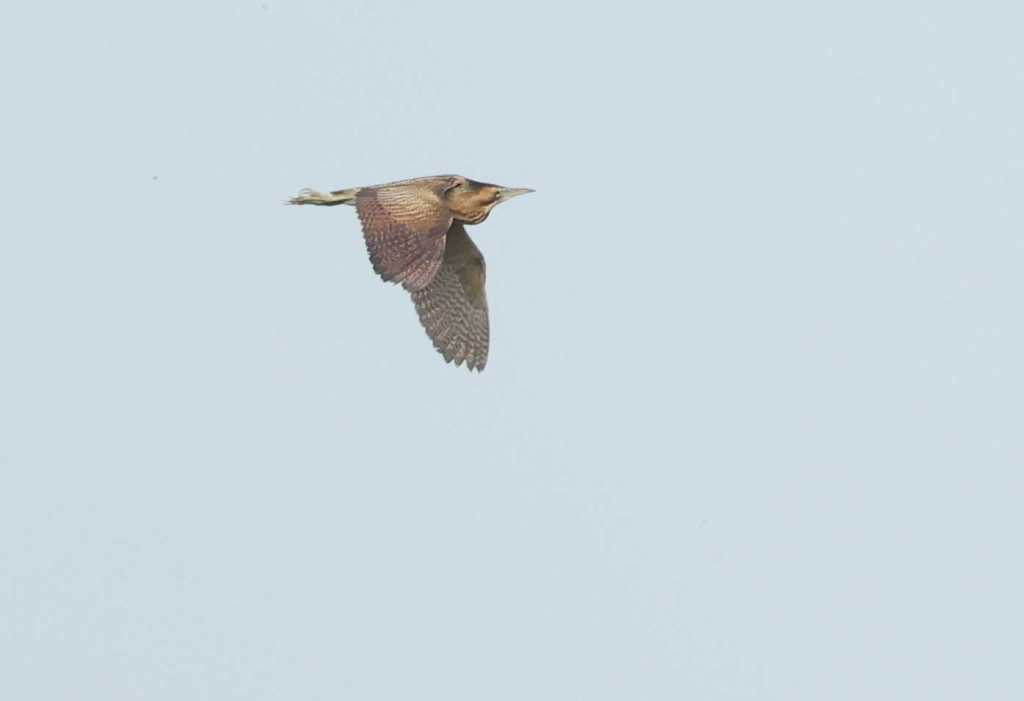
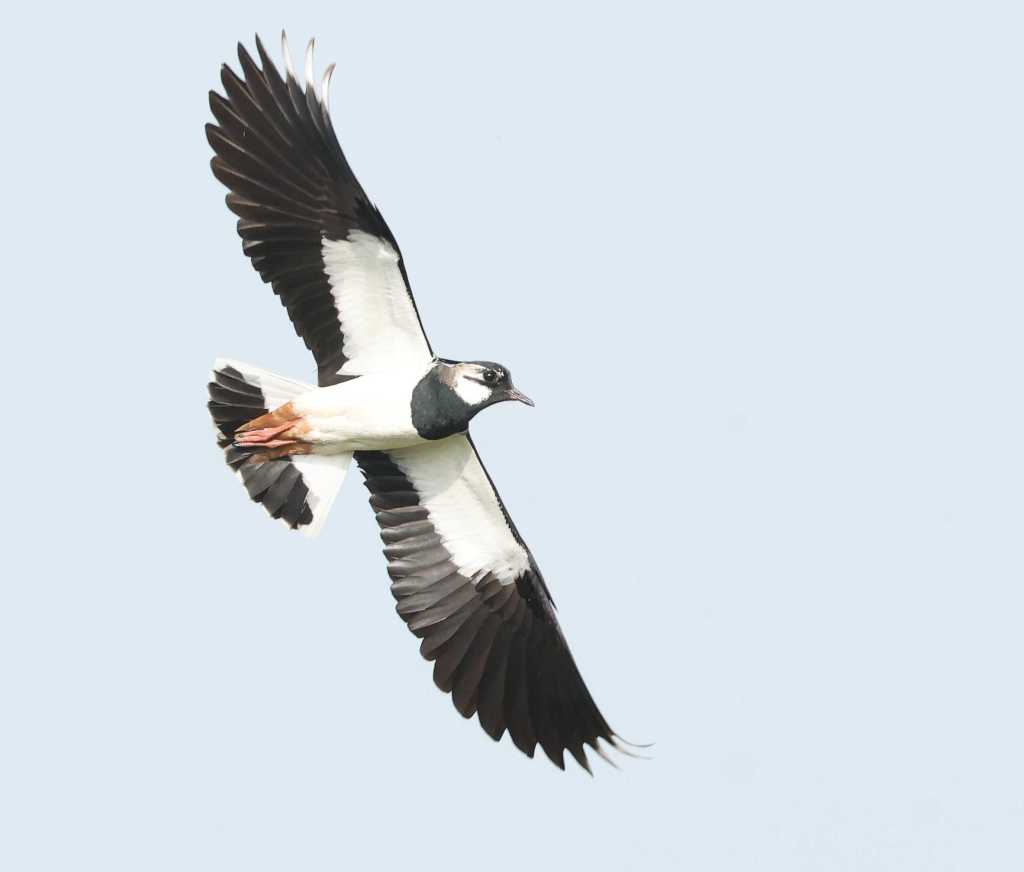
Any day you get a picture of a bittern casually flying by is a good one in my book, and there were also plenty of the usual suspects in terms of geese, lapwings, etc.
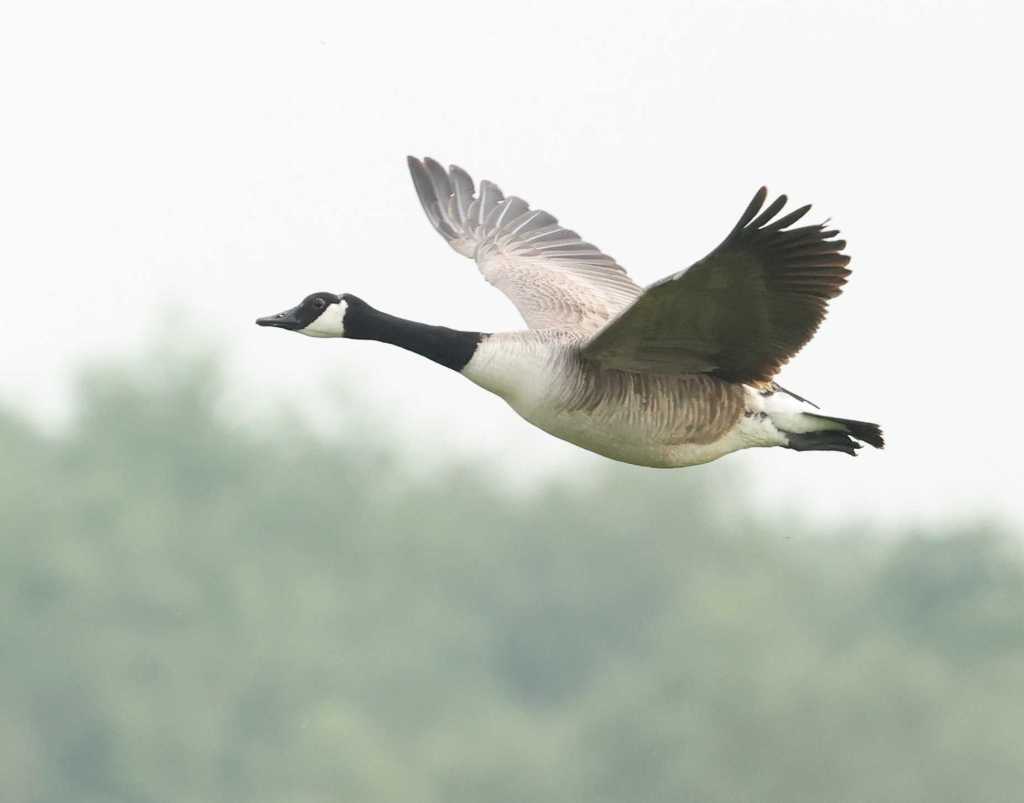
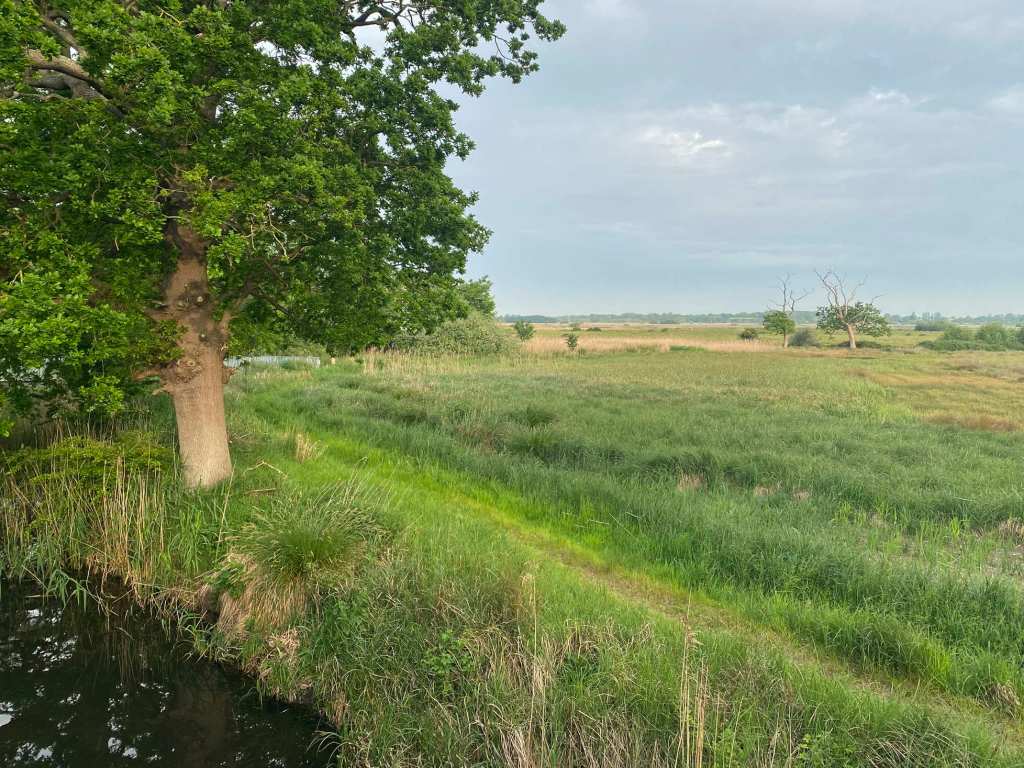
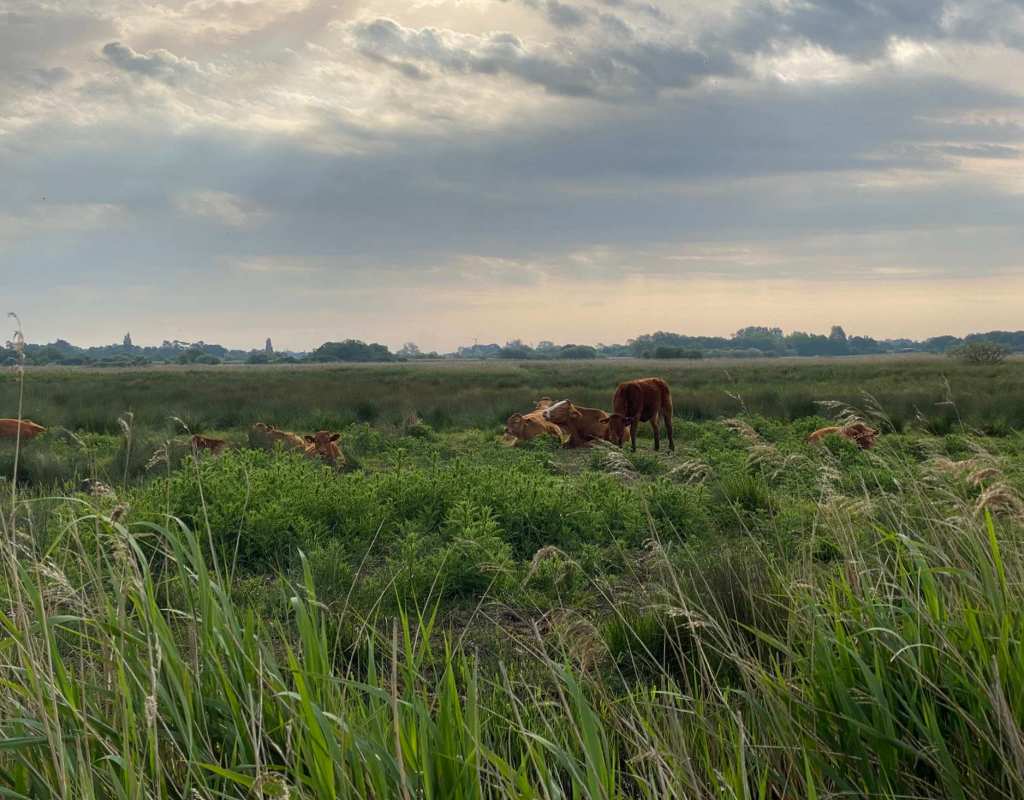
A mostly fine day with plenty of birds to see on lots of flat trails, what more could you ask for? It didn’t seem especially crowded or anything, either, though I was probably there a bit early than most (seriously, what’s up with English birders sleeping in or something? In Australia, if you’re not out birding at sunrise there’s barely any point even going…)
If you happen to be visiting the nearby town of Lowestoft, by the way, be sure to look out for the nesting Black-Legged Kittiwakes that have made nests on the many external windowsills and walls there. One building (the BT telephone exchange on Surrey Street) even has a series of purpose-built ledges for them to use. It’s quite a sight (though also smelly and noisy…)
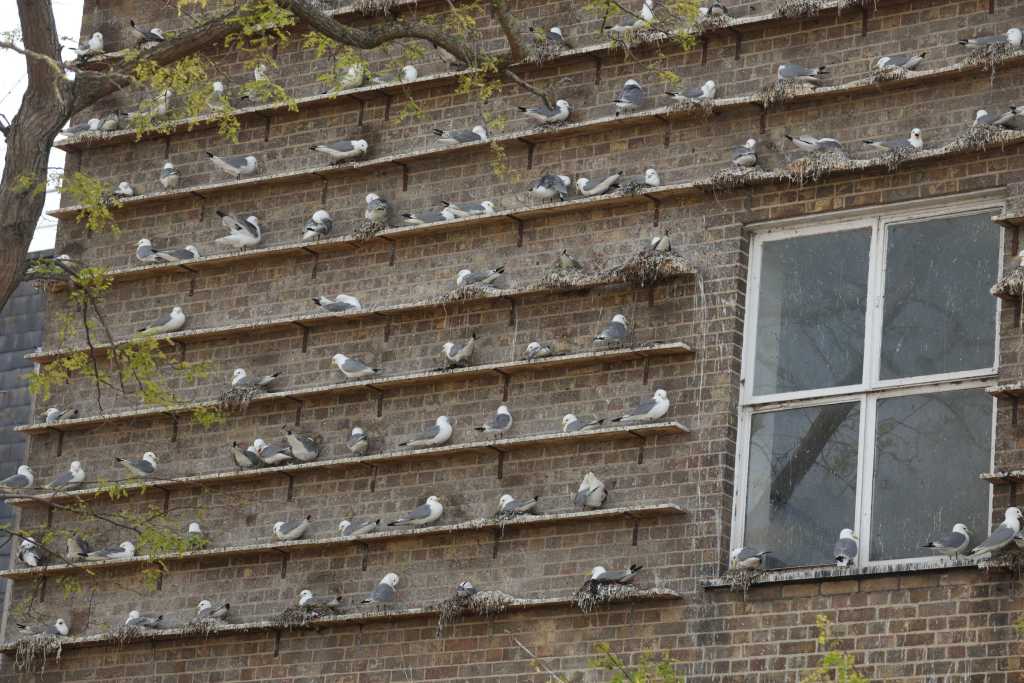
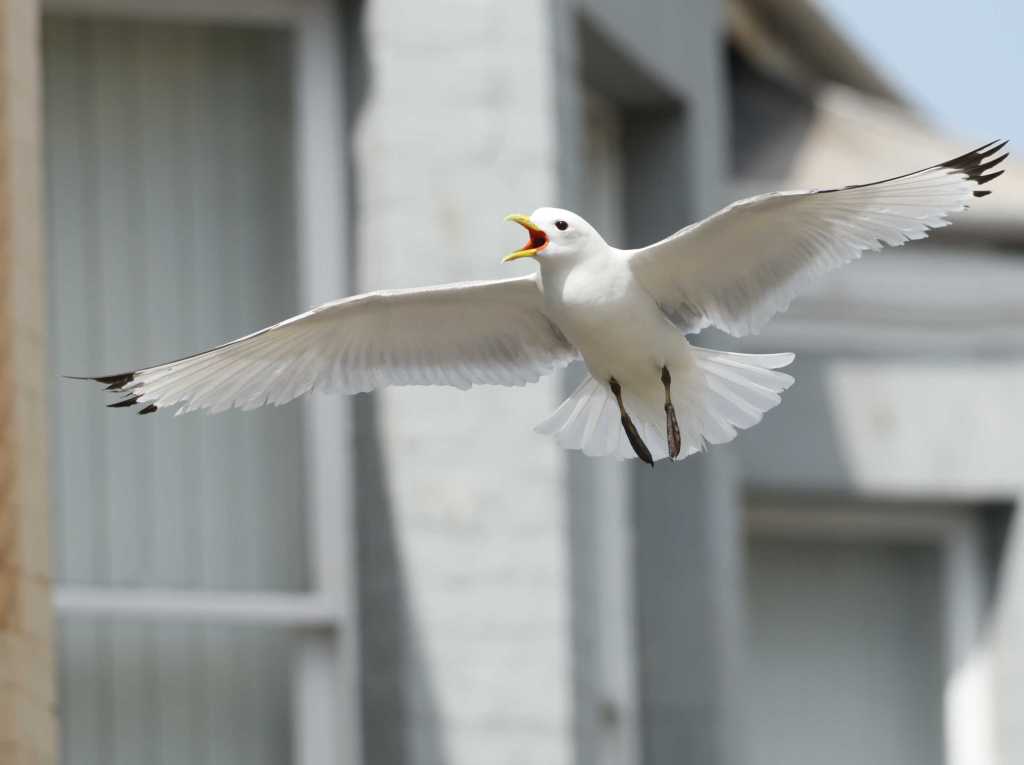
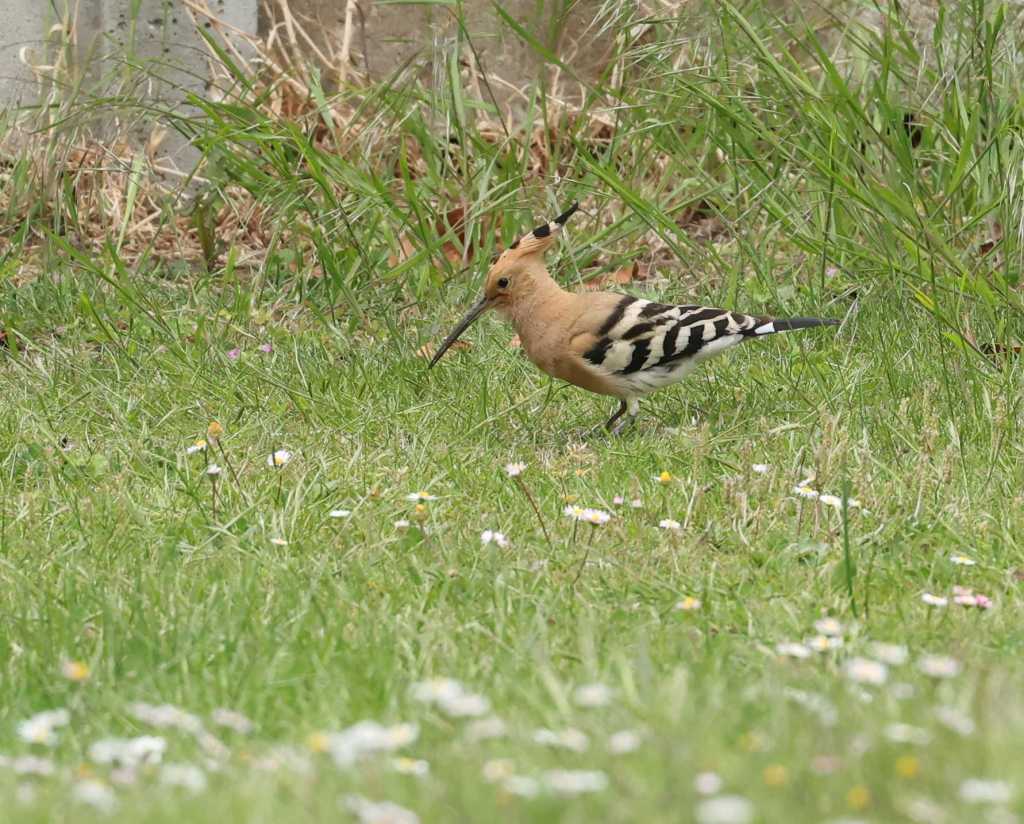
I also “twitched” a Eurasian Hoopoe that had somehow fetched up in the suburbs of Lowestoft, happily foraging (it had been for several days!) in a small patch of grass and trees wedged in between houses. A weird sight indeed.
8. Hickling Broad
Hickling Broad is one of the Norfolk Broads, a vast network of flooded medieval peat diggings, shallow inland waterways, and protected wetlands. It lies to the very east of Norfolk. I visited the section called Hickling Marshes NWT NR, where the main visitor centre is.
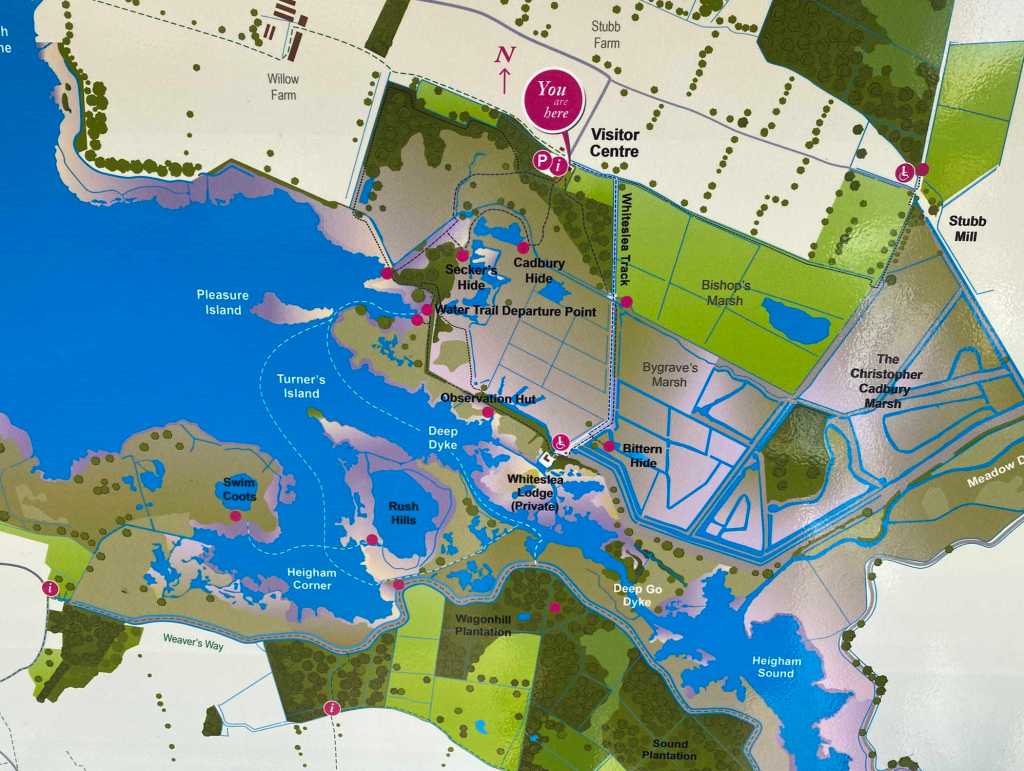
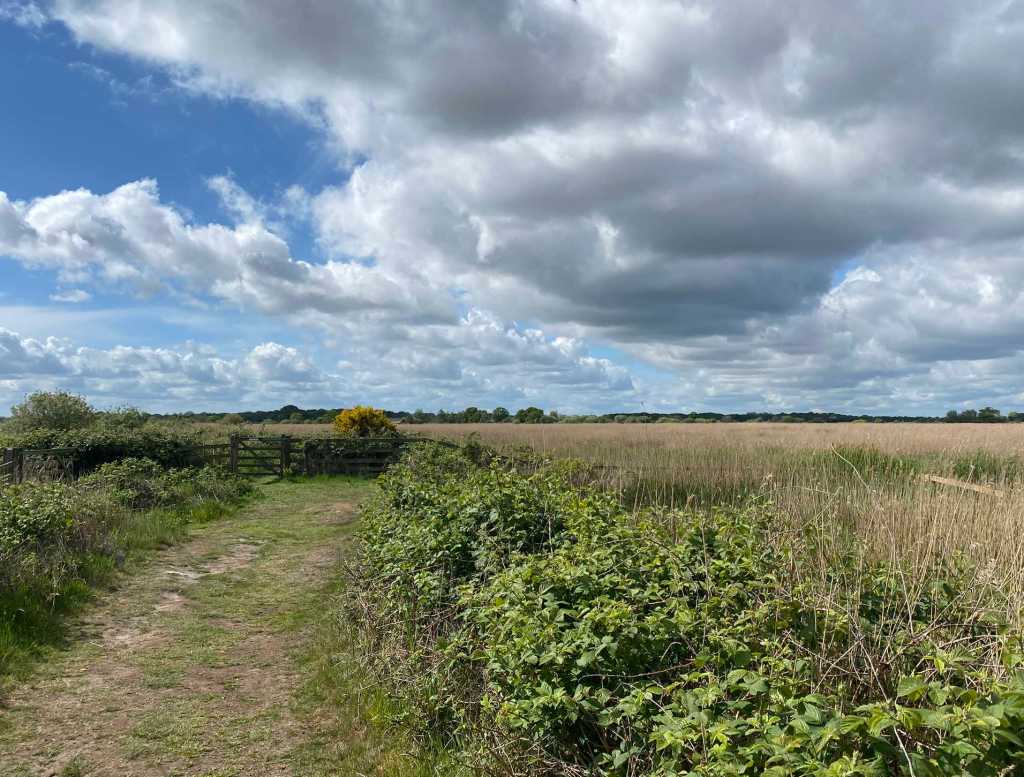
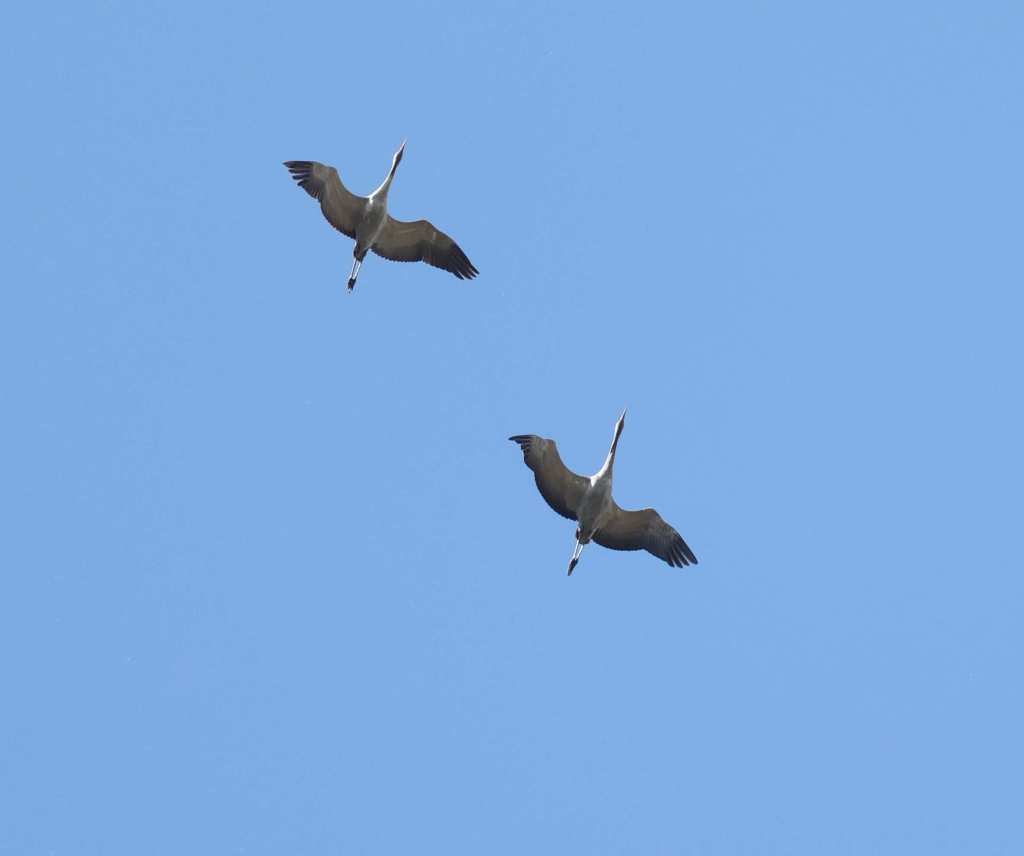
Part of my reason for going here was to try and find a Common Crane (designated a Sensitive Species in eBird, so a bit of non-eBird research was required to find likely sites). Sure enough there were a couple of flyovers of these impressive birds.
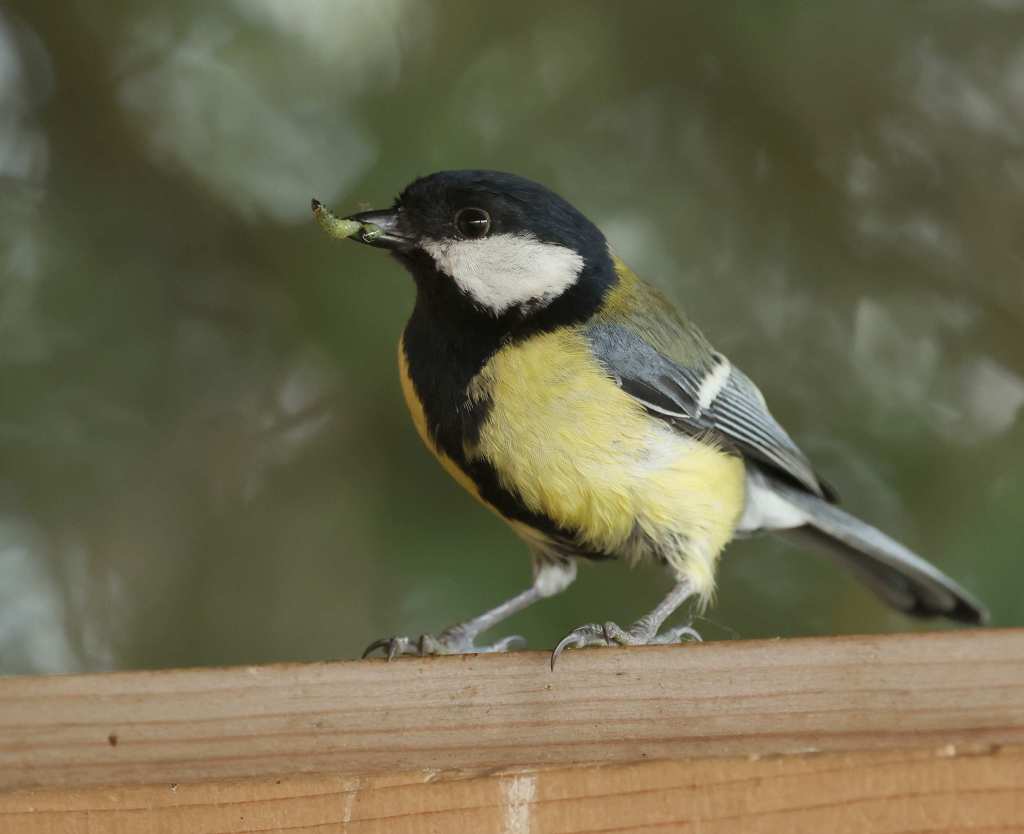
A pair of Great Tits had a nest behind a wooden panel inside one hide which saw one of the parent tits regularly bringing in food to its hidden chicks. This food appeared to be of the “light green worm/grub” variety, which I have seen many other small birds (especially tits) forage for.
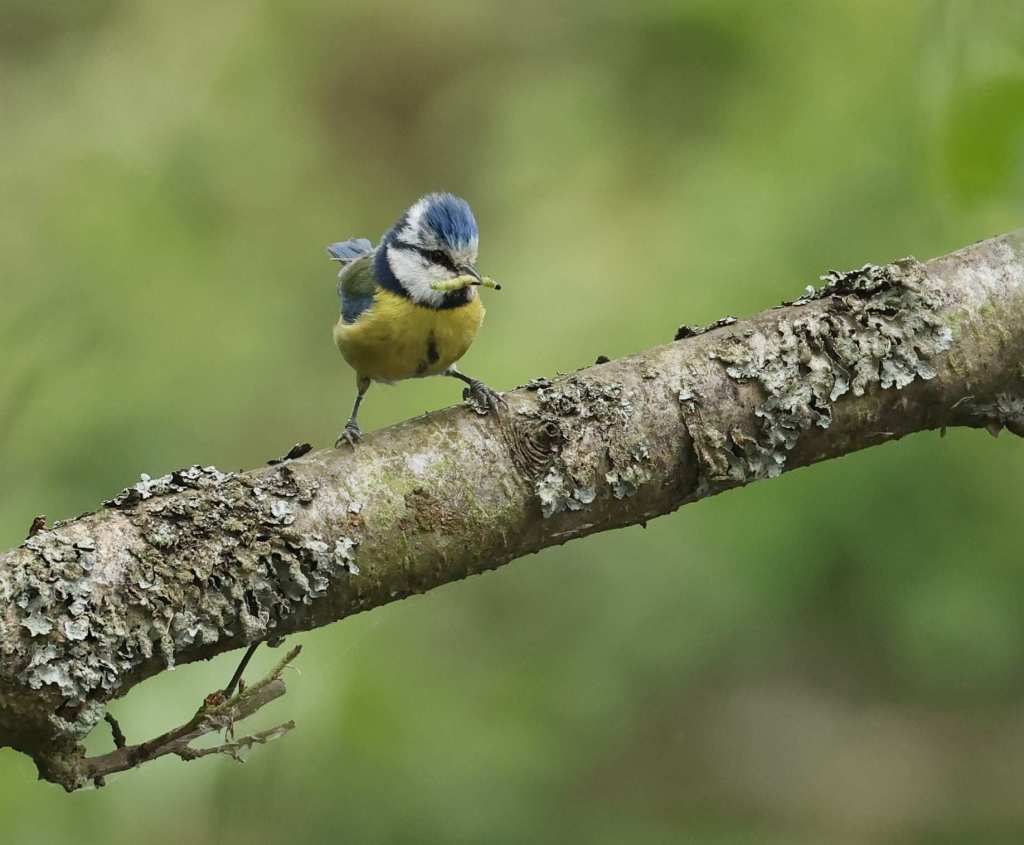
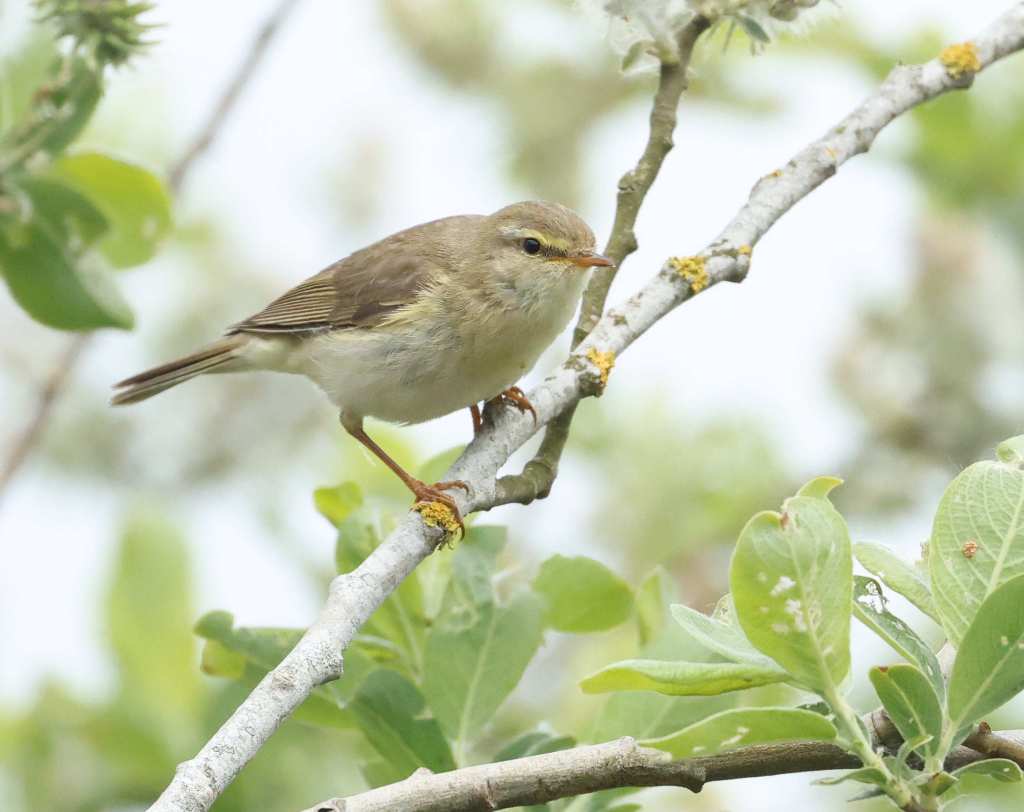
At this site I also finally got onto a Willow Warbler. It stayed maddeningly in a tangle of trees lining the reeds until finally coming out into the open. Its call was the main way I knew it wasn’t the quite similar Common Chiffchaff. Phew! Good to get that one under the belt (so to speak).
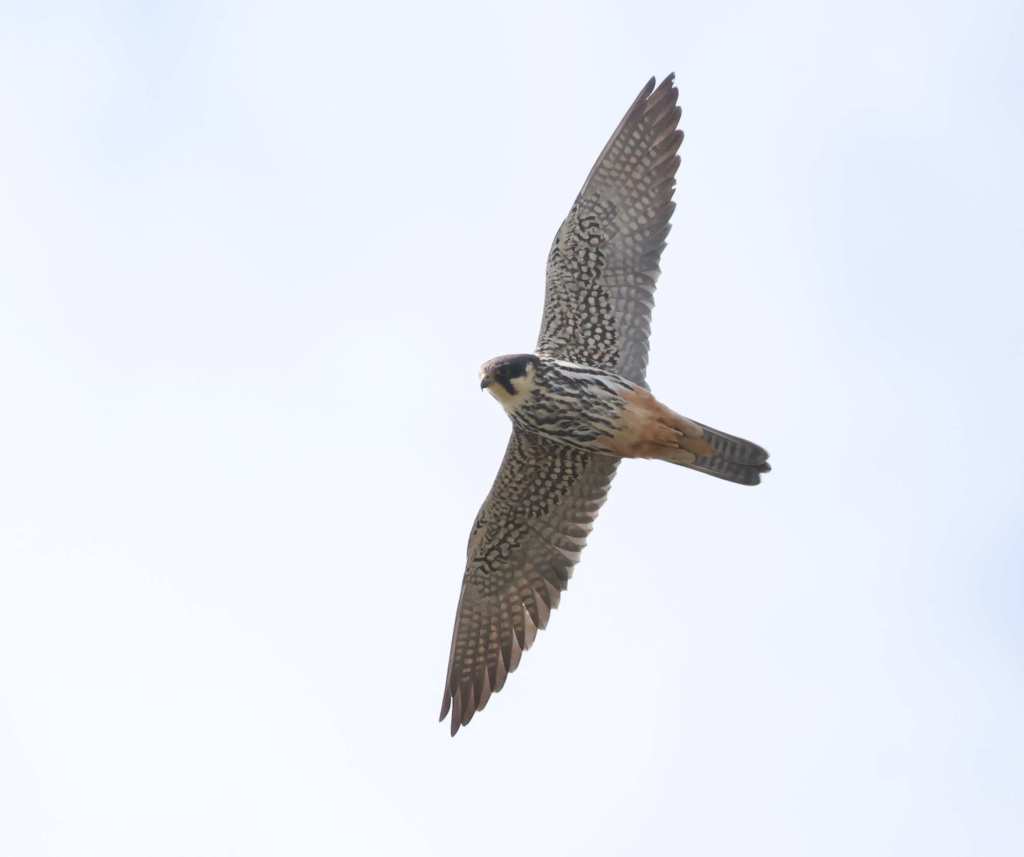
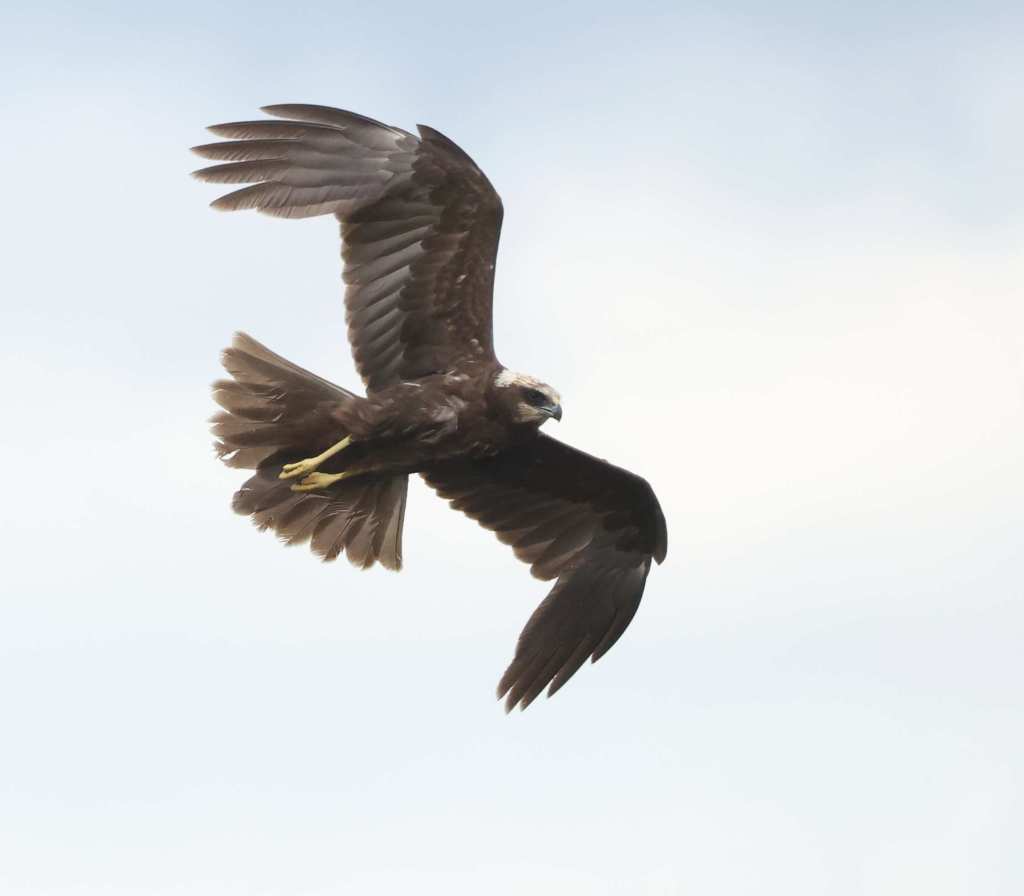
It was one of those days where I got a little lucky with raptors in flight, namely a Eurasian Hobby and a dark morph Western Marsh Harrier.
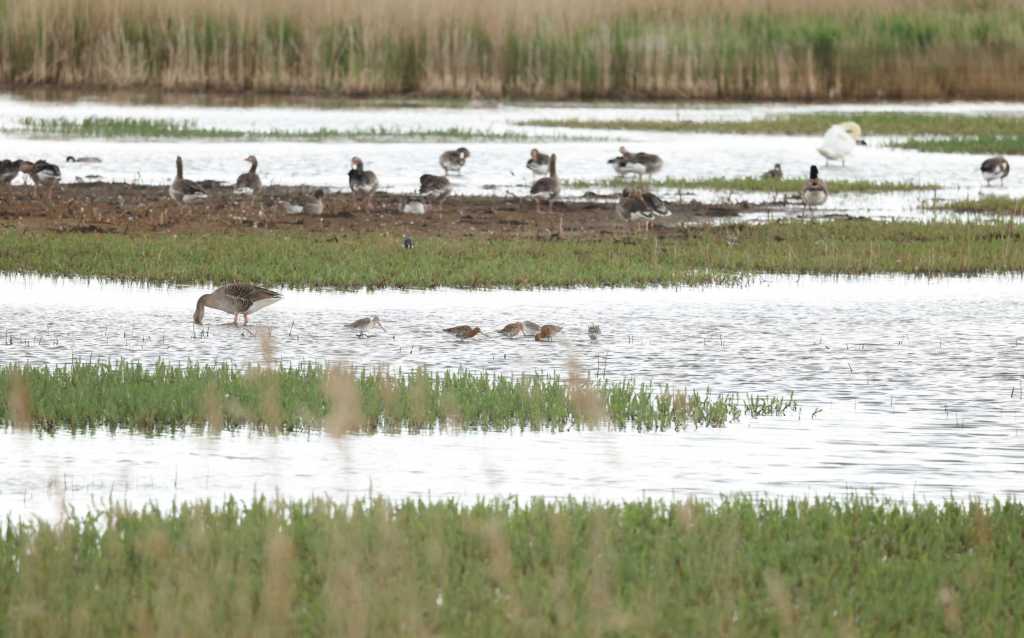
There are a few scrapes to peer hopefully into, with vantage points along Stubb Rd running along the reserve’s north side – here you might get lucky with a Temminck’s Stint, Spotted Redshank, or a Green or Wood Sandpiper. A scope is probably needed to find those needles-in-haystacks.
9. RSPB Minsmere and Dunwich Heath
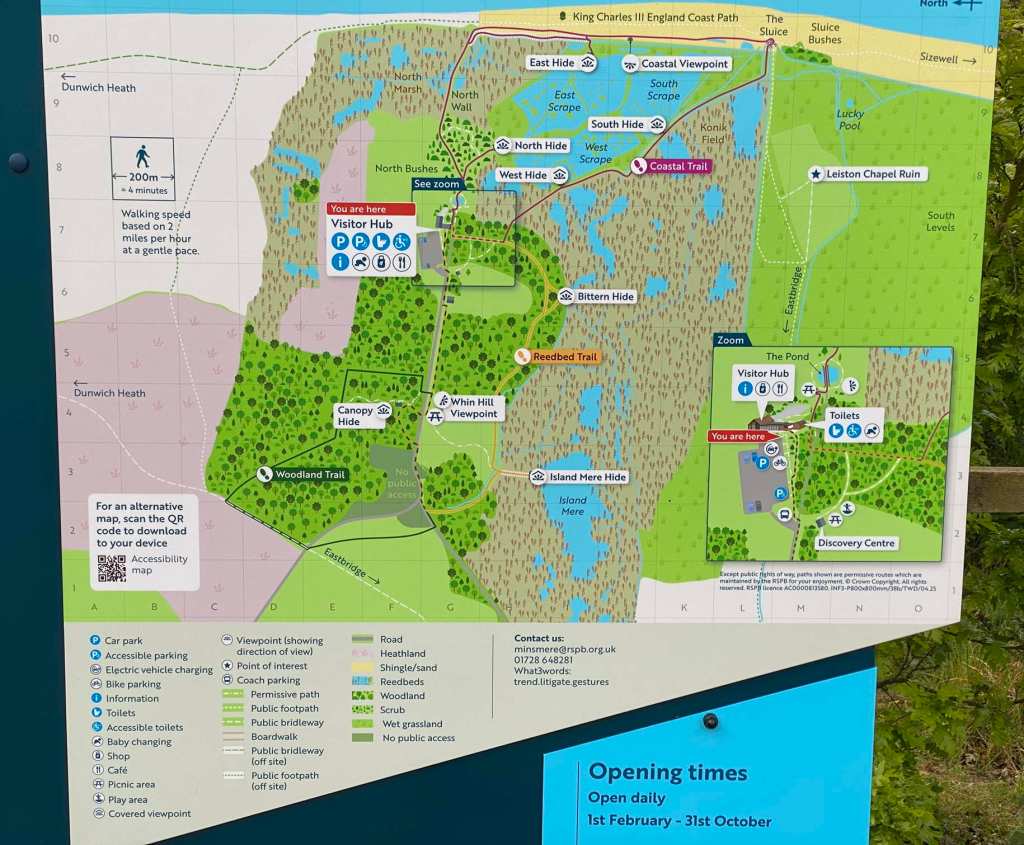
As I write this, it is about a week since RSPB Minsmere (and particularly its adjacent reserve of Dunwich Heath), down on the east coast of Suffolk, has been hit by severe wildfires, which will take up to a decade to recover from. This is a real shame, as these conjoined sites are amongst the RSPB’s finest for biodiversity and you can definitely have a terrific time birding there.
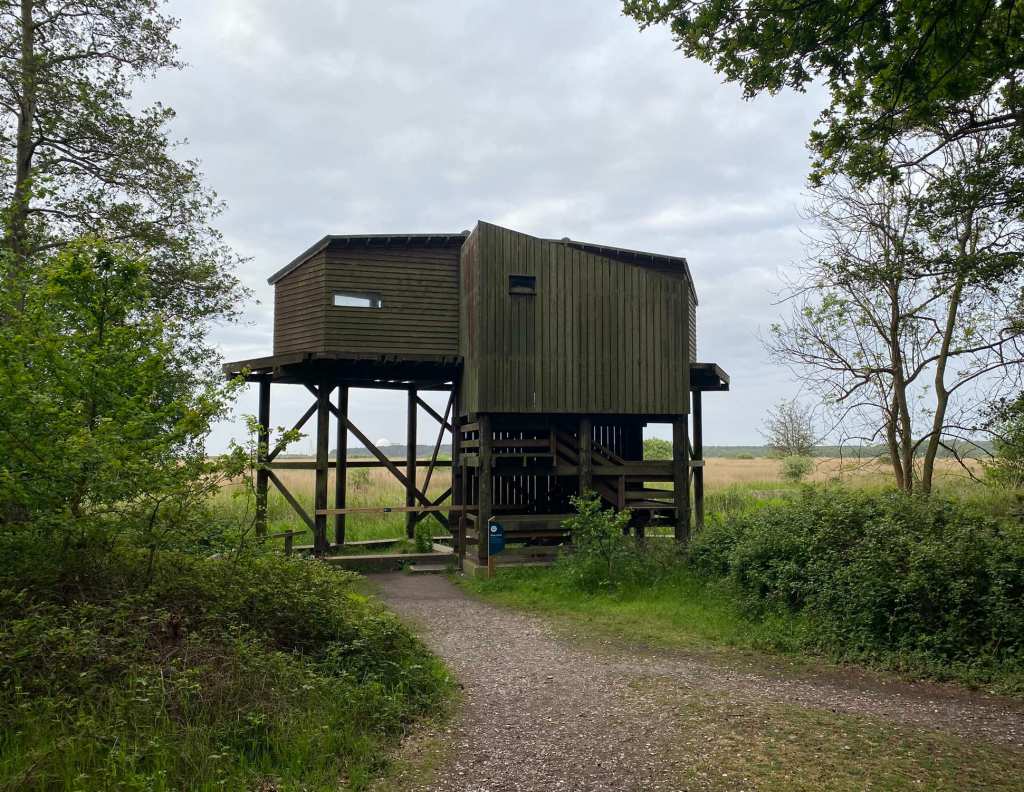
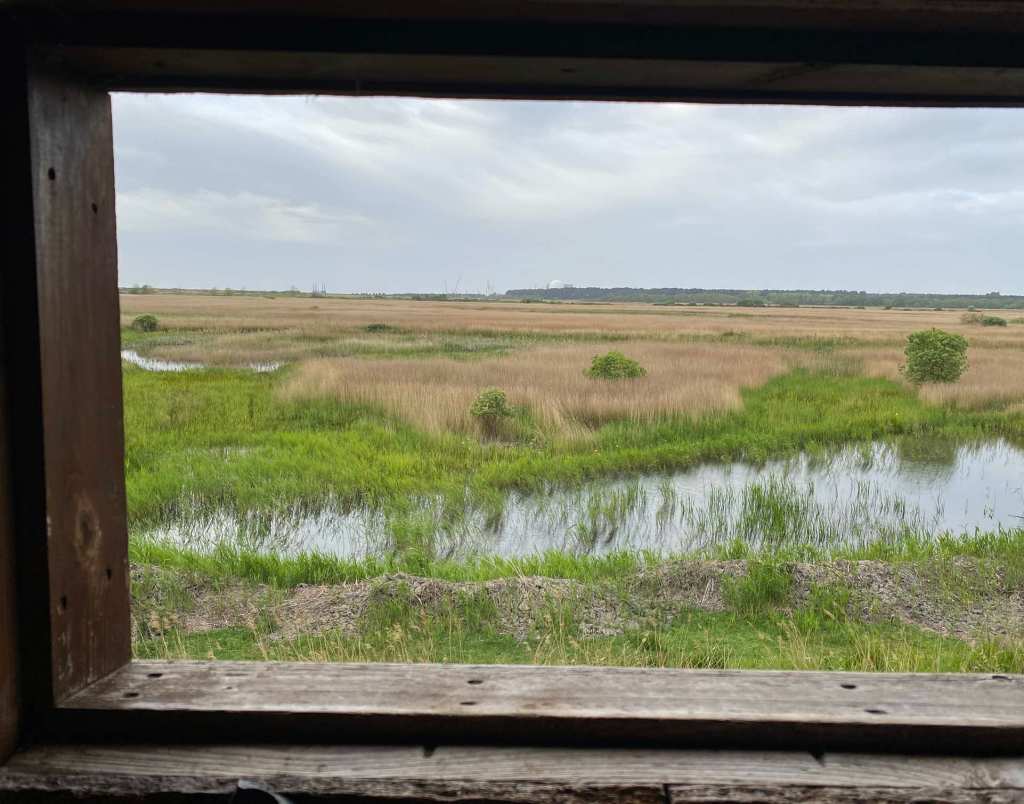
Birders might come to RSPB Minsmere for lots of reasons but getting a good look at a Eurasian Bittern would be near the top of the list. They even have a Bittern Hide which is, appropriately, where I saw one, in this case quite well.
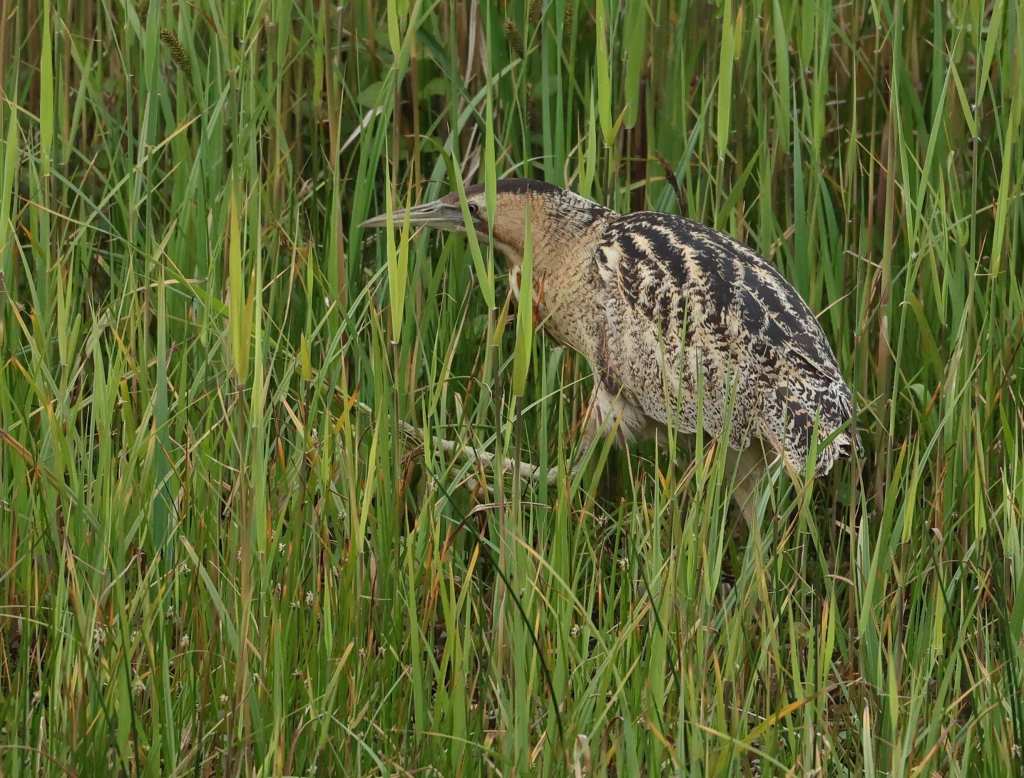
The bittern – quite large, but very cryptically patterned – was initially difficult to see moving through the thick grass and reeds, but this particular individual then wandered out into the open to the appreciation of several birders/photographers in the hide. Great stuff.
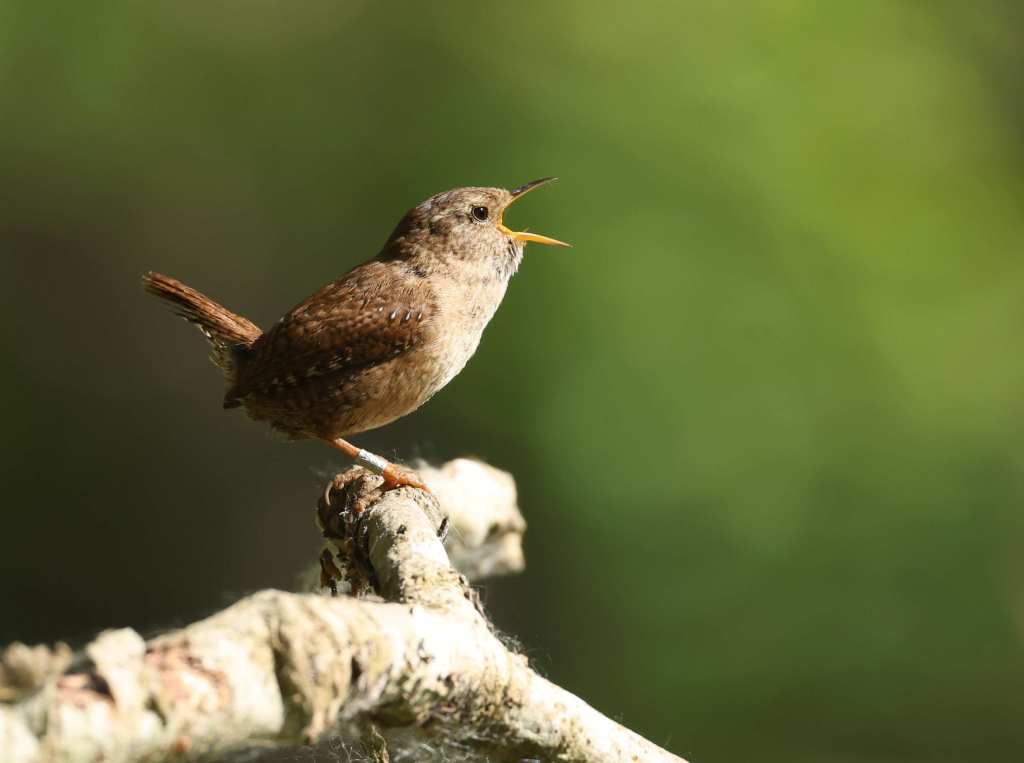
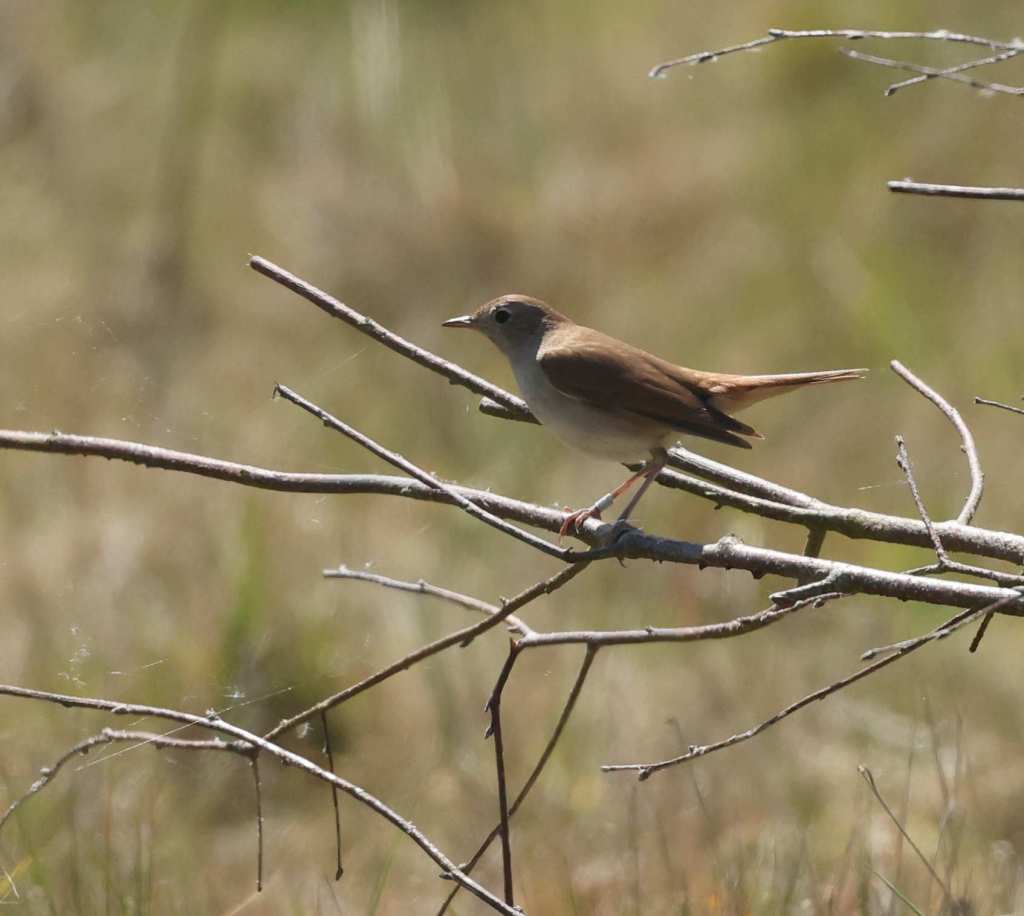
The forested areas of Minsmere are very pleasant to walk although the canopy can get quite high and you might need to squint to observe some of the smaller birds up there. Nightingales and Eurasian Nightjars are pretty common (according to eBird frequency) and I even saw a Nightingale out in the open, which was the only time that happened in my long UK birding trip (I had spied just one other deep in a bush at RSPB North Warren down the road, a few days earlier). Eurasian Wren, Blackcaps, Robins (of course) and many more songsters provided the soundtrack to a congenial stroll through the trees.
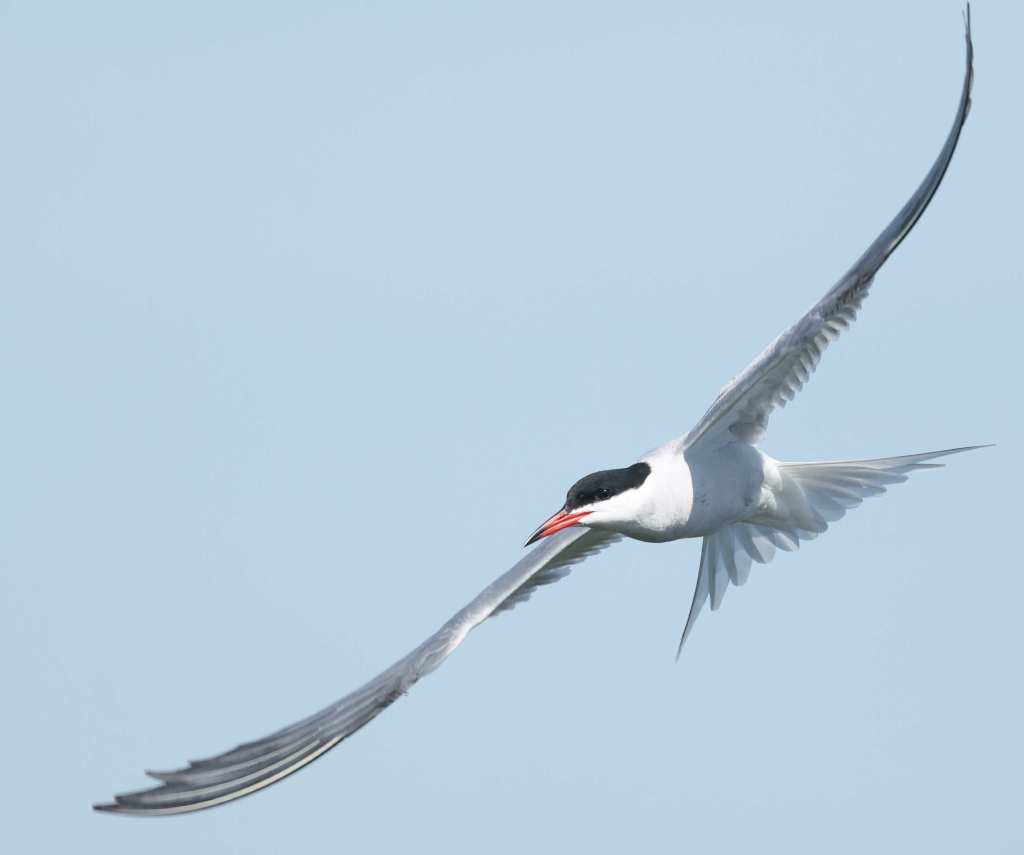
The hides at Minsmere are great (most are even multi-leveled) though they do get quite populated with keen birders on a sunny spring day. The hides look out on the “scrapes” which notably host breeding terns, including – while I was there – a pair of Roseate Terns.
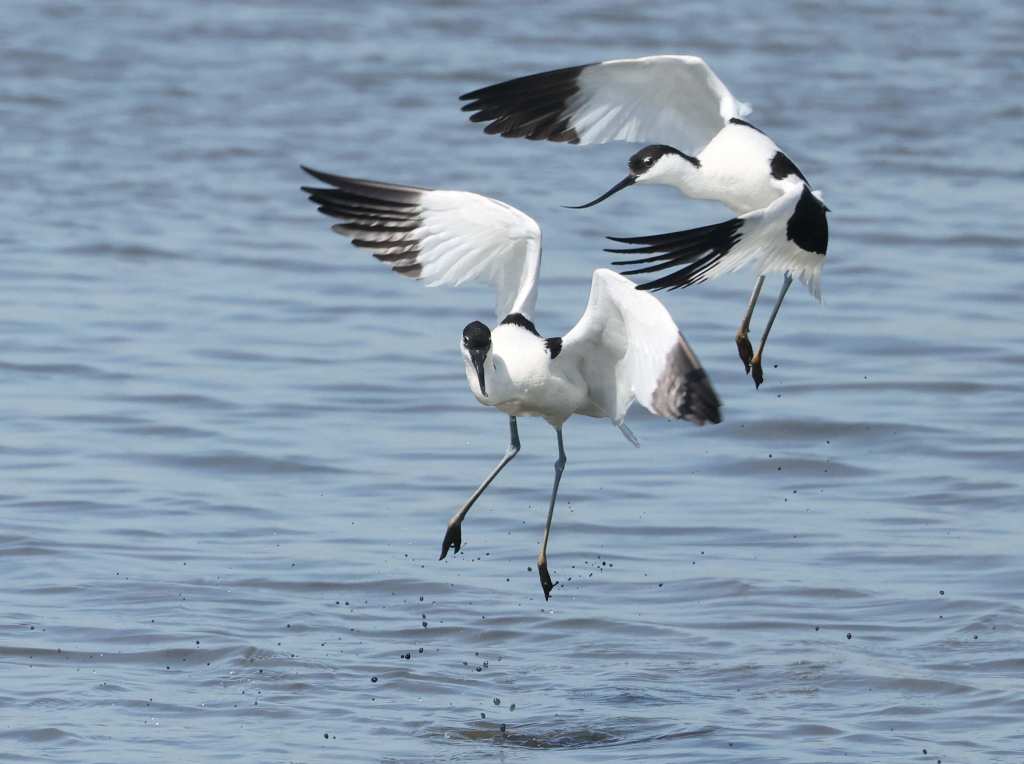
East Hide was particularly rewarding for photography with the morning light shining behind, lighting up the antics of Pied Avocets and Common Terns in particular.
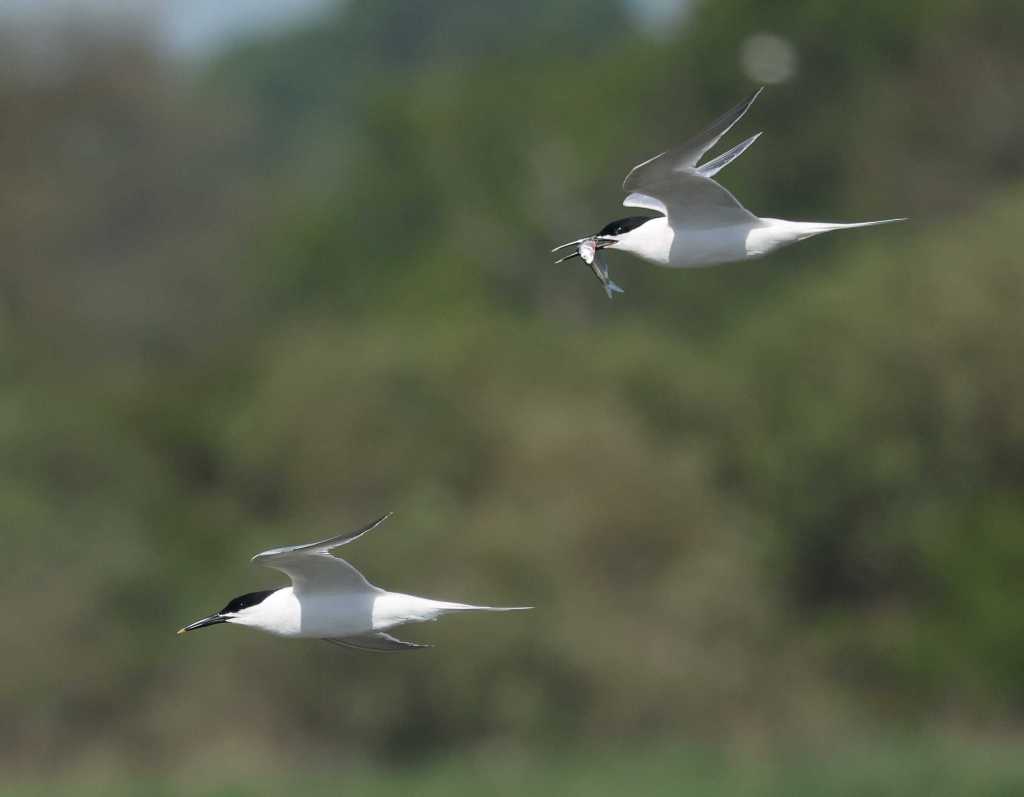
Sandwich Terns were also about and good photography subjects from East Hide.
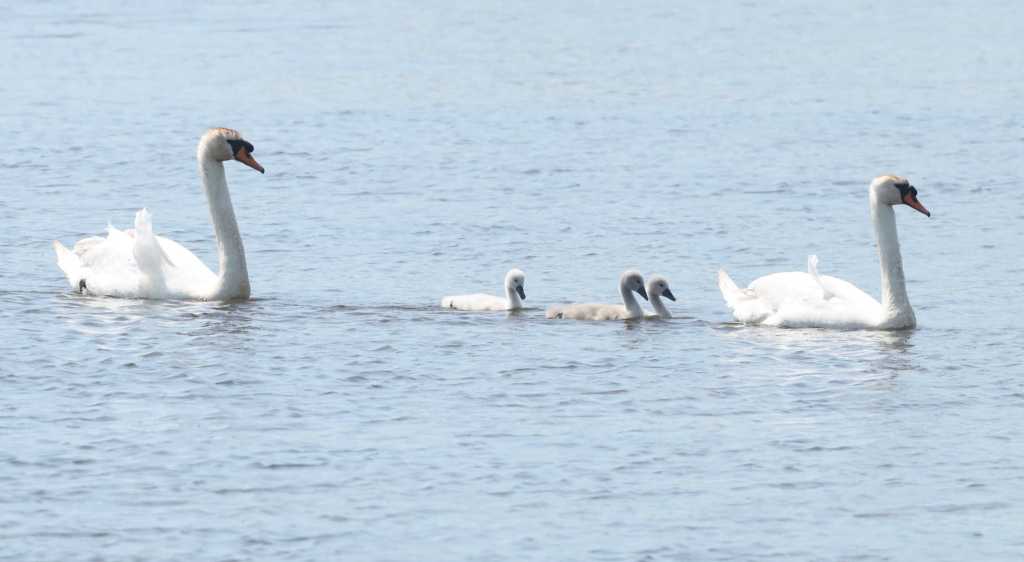
The scrapes can hold all sorts of secrets if you look hard enough, and there are four hides to provide various vantage points.
Along the public Coast Trail to the east – ie along the border of RSPB Minsmere proper – Greater Whitethroat, Eurasian Linnet, European Stonechat are among the likely species.
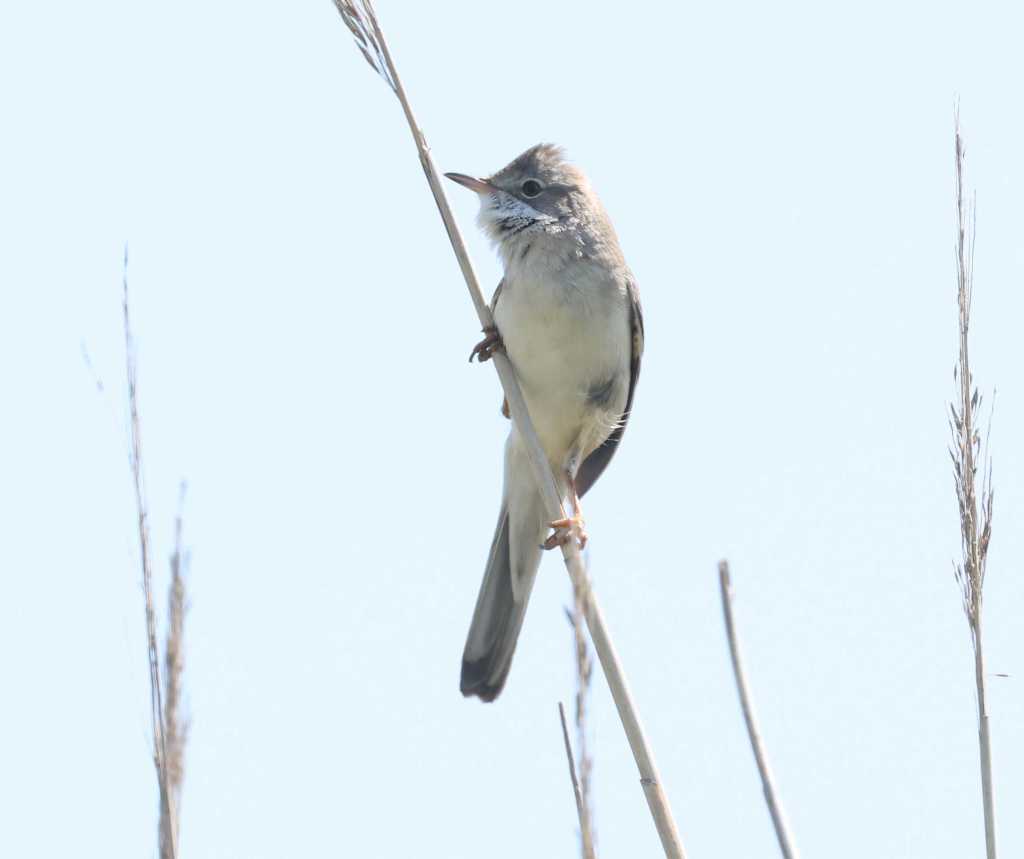
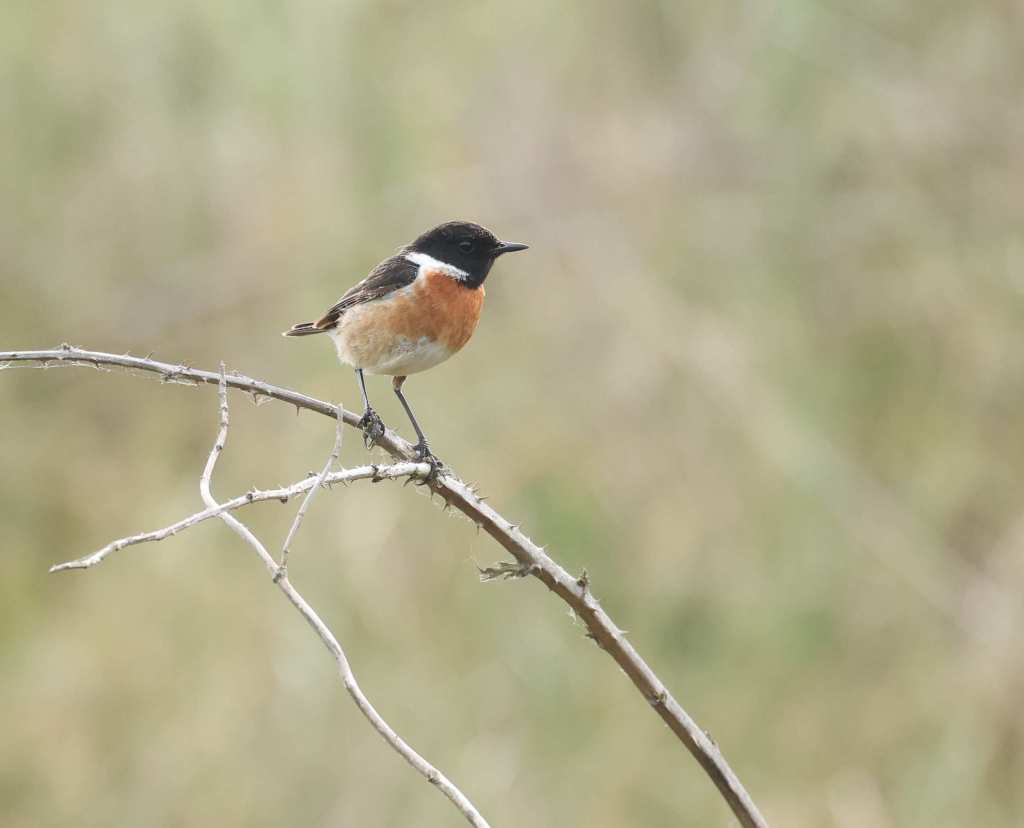
Adjacent to the north of Minsmere lies Dunwich Heath, hit hard by the fires of late July 2026. I visited here on the tip-off from a birder who mentioned the presence of Dartford Warblers (uncommon and listed as a “Sensitive Species” in eBird) in this heath habitat, and sure enough it wasn’t hard to find them (and fall in love with them). I saw half a dozen in all, and quite easily.
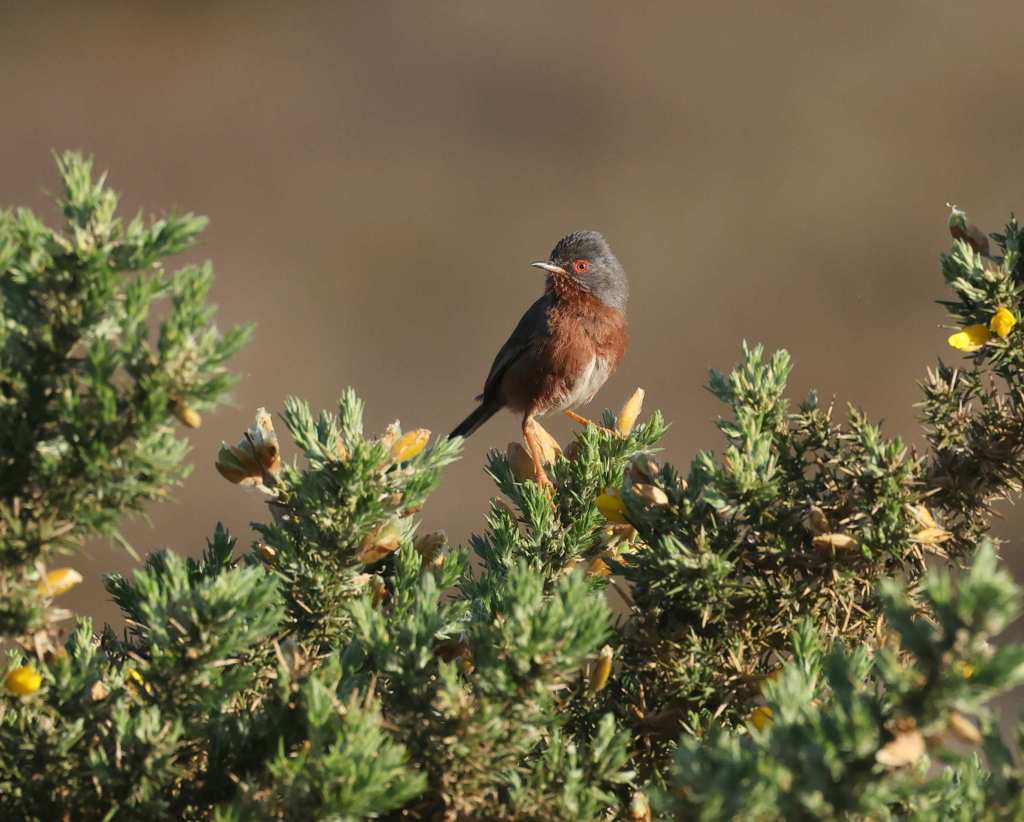
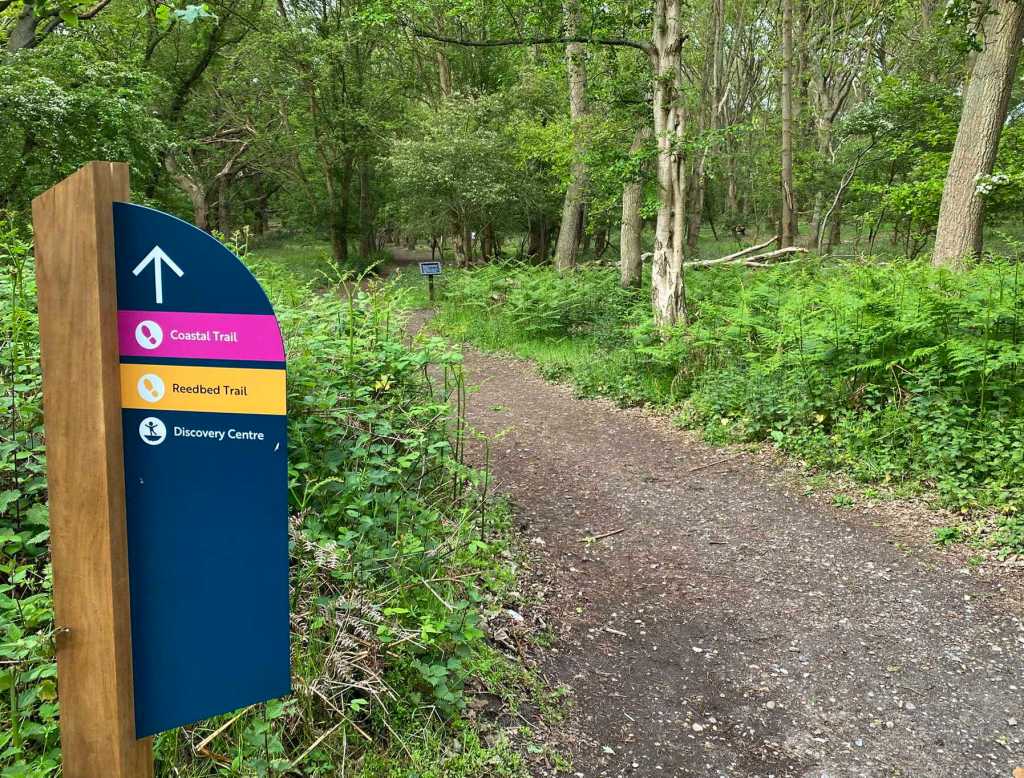
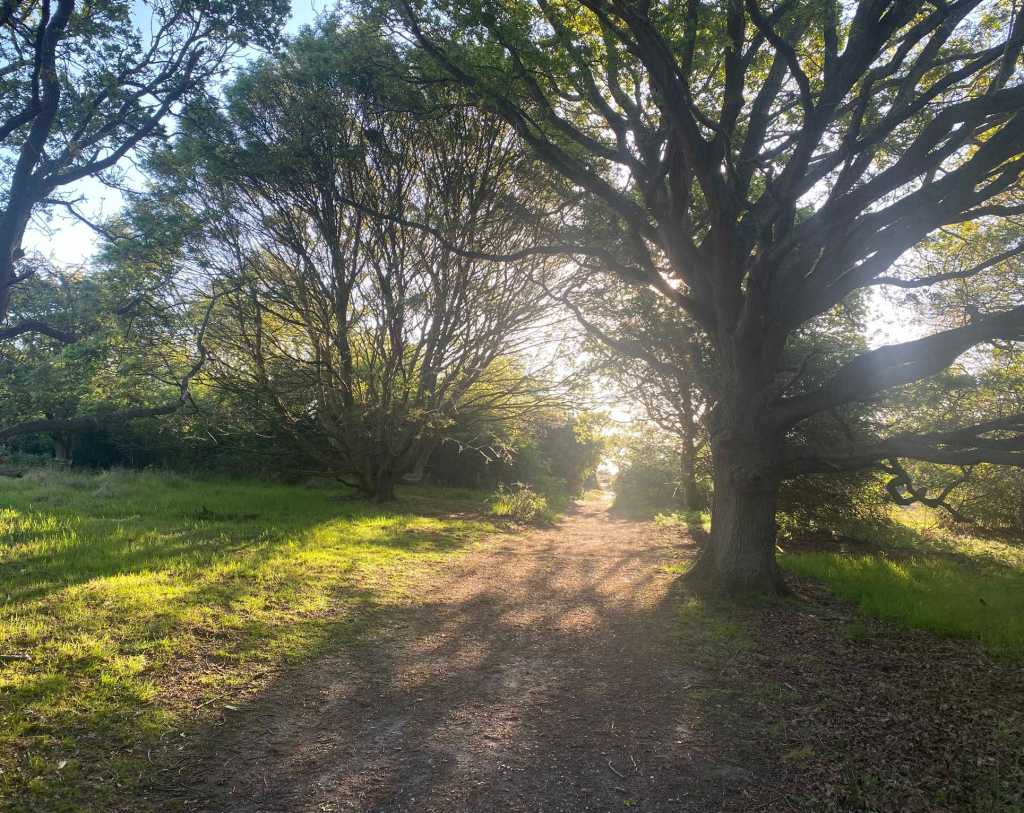
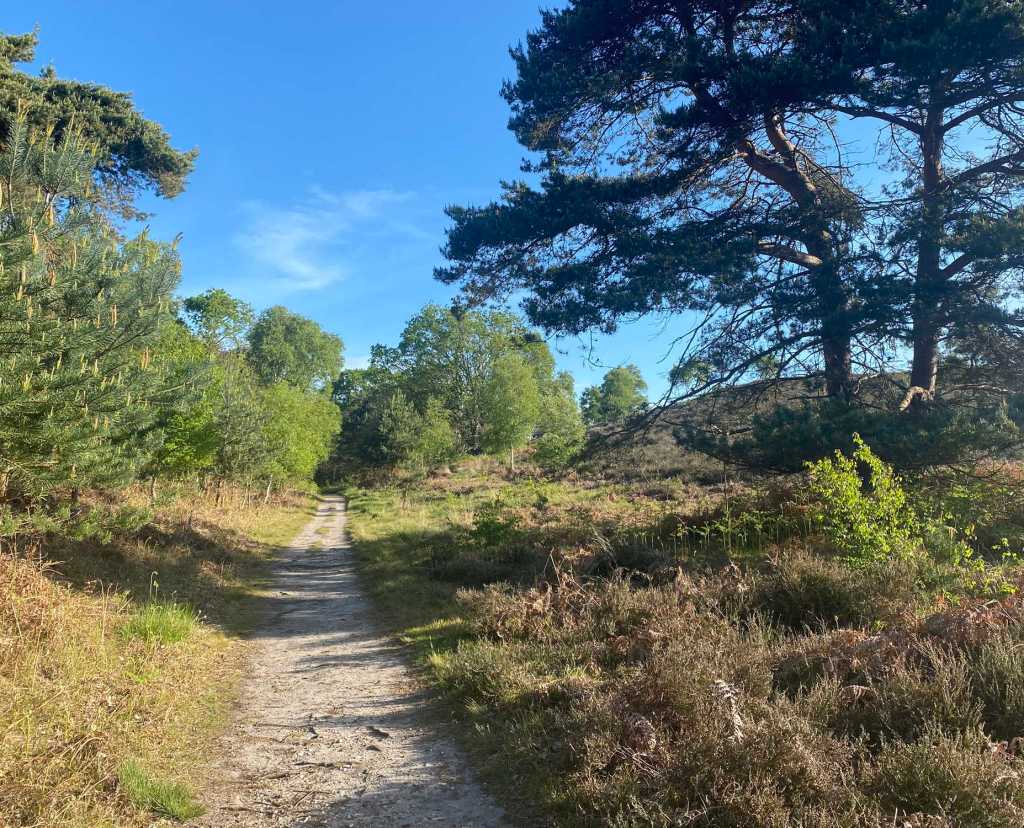
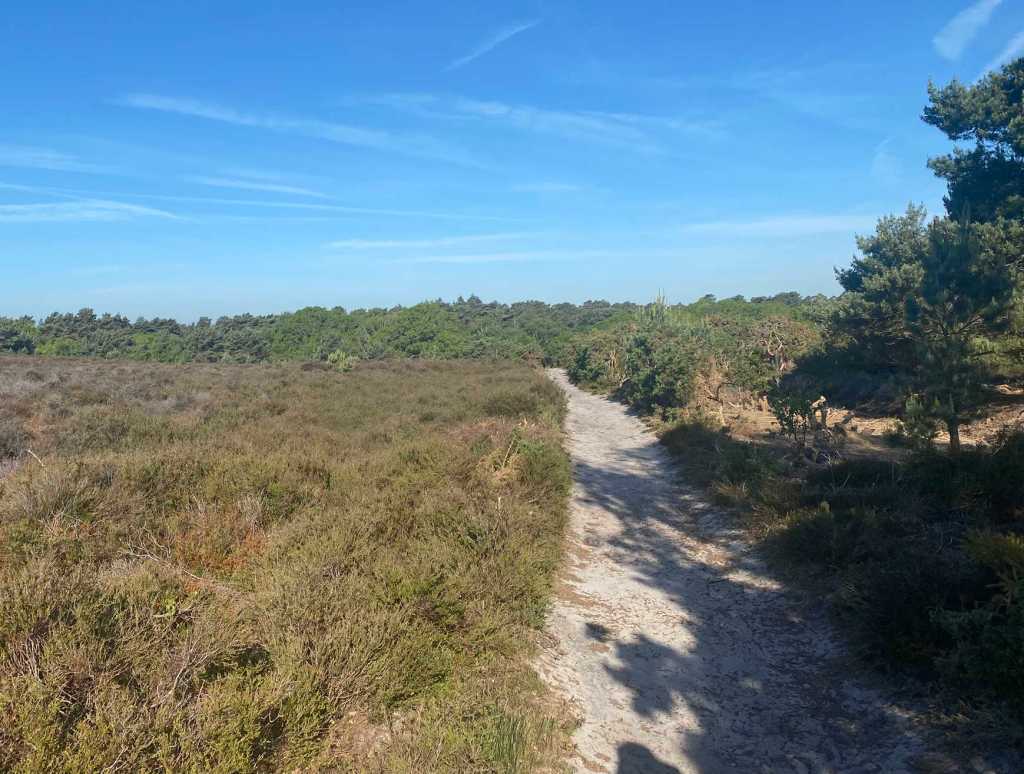
Dunwich Heath was quite pleasant to walk through with well-defined trails, and lots of low brush for birds (especially those cute Dartford Warblers) to pop up on, or hide into, as they saw fit. The diversity of birds is lower than around the reeds and scrapes of RSPB Minsmere, but it’s an entirely different habitat so expectations need to be adjusted.
10. Sizewell Power Station
It might seem super-weird that you’d want to go anywhere near a nuclear power station to go birding. But one particularly neat little bird, a Black Redstart, might draw you here. The site is very close – just south of – RSPB Minsmere, but it’s best accessed by car from Sizewell village. Of course you can’t go into the power station per se, but you can visit the surrounding countryside.


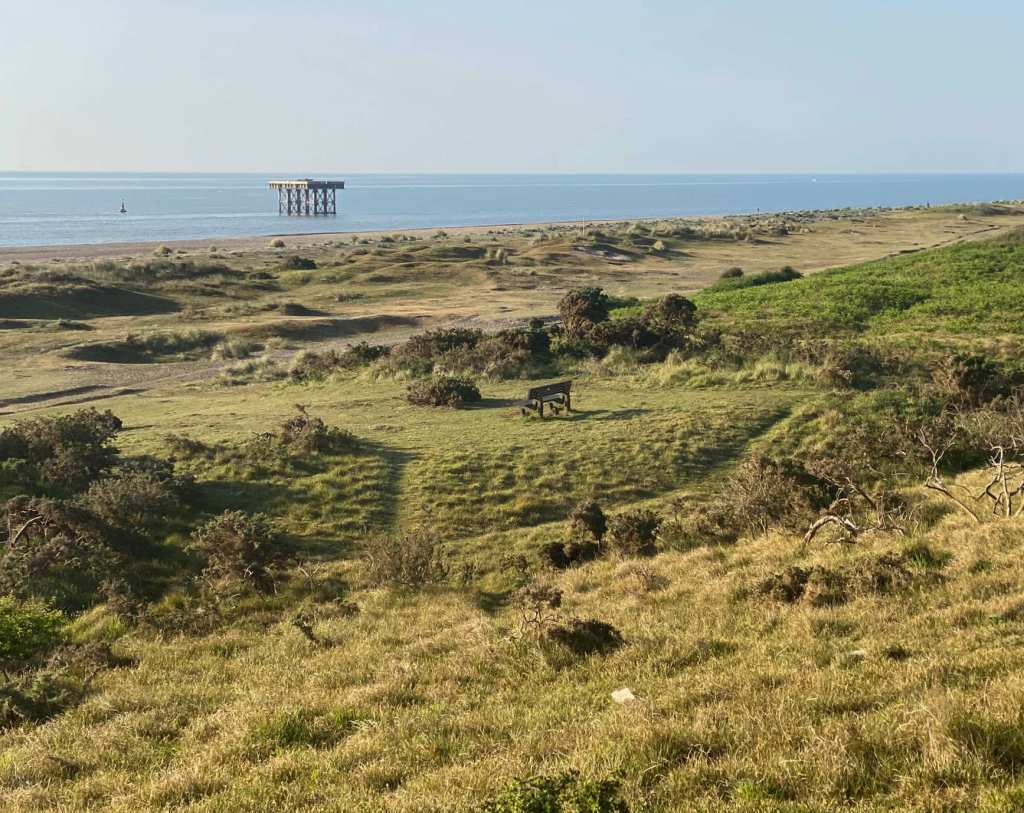
I concentrated my search for the Black Redstart on the strip of land between the power station and the ocean shore, scanning hard but finding no trace of redstarts. I had all but given hope and was retracing my steps when one magically appeared where I had previously searched, foraging along the bush line but equally happy on man-made structures, eventually flying over the fence and into the power station proper.
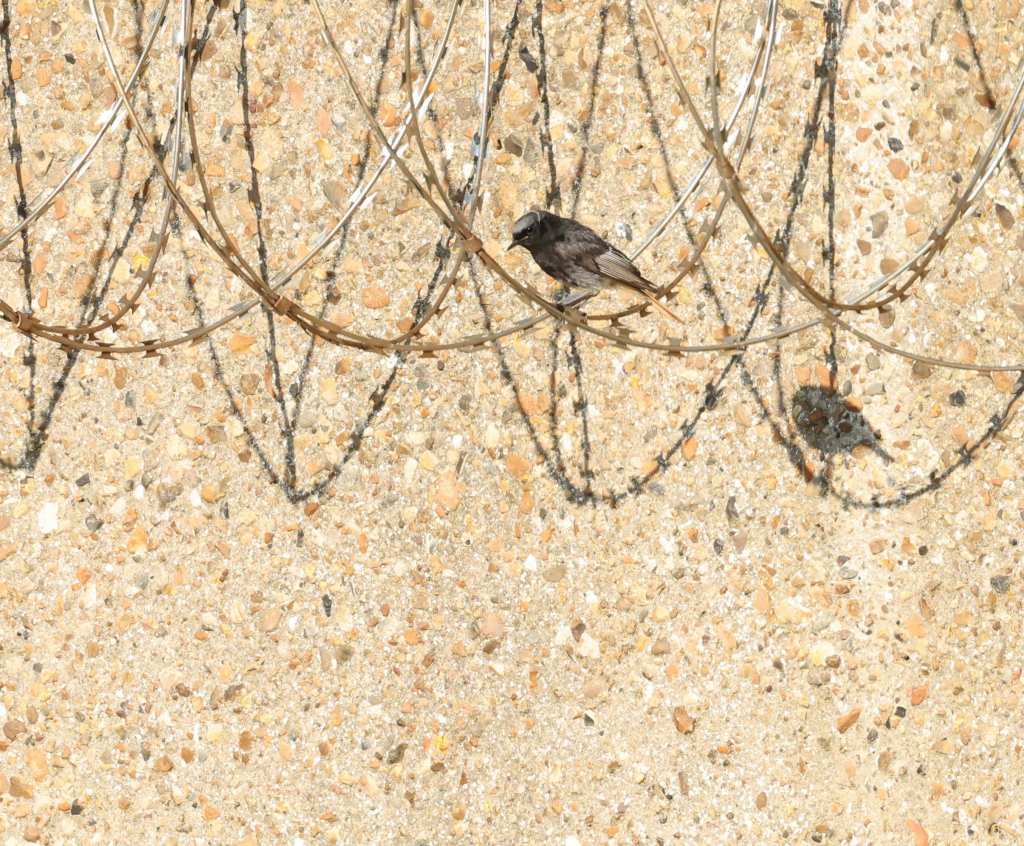
The theory is that the buildings of the power station – being especially huge, mimic the redstarts’ natural mountain cliff and rocky habitats and provide safe nooks and crannies for roosting and nesting, with the surrounding natural habitat good for hunting.
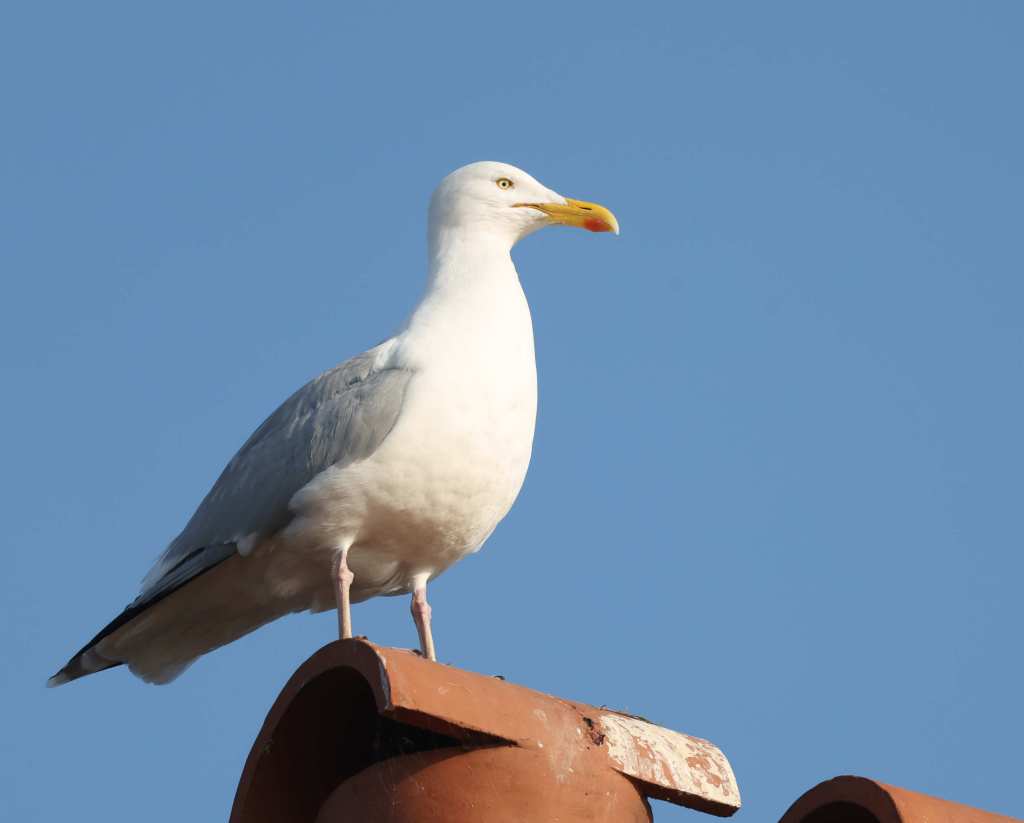
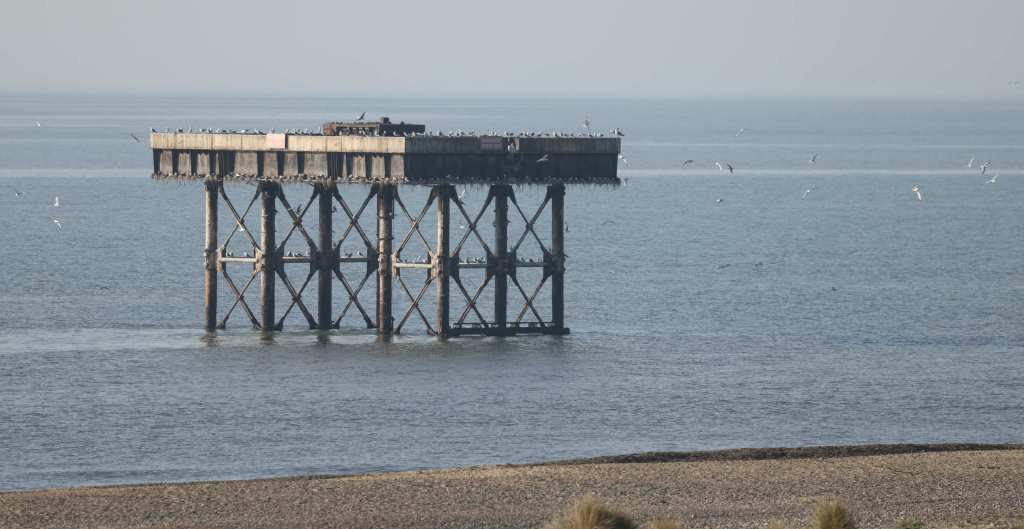
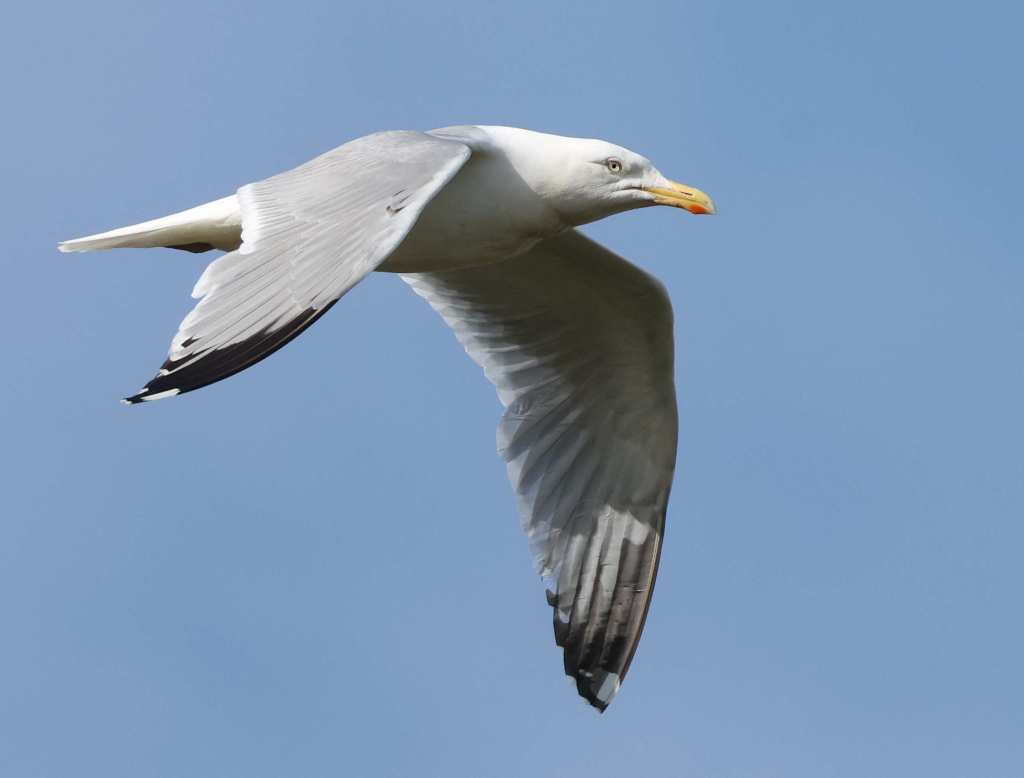
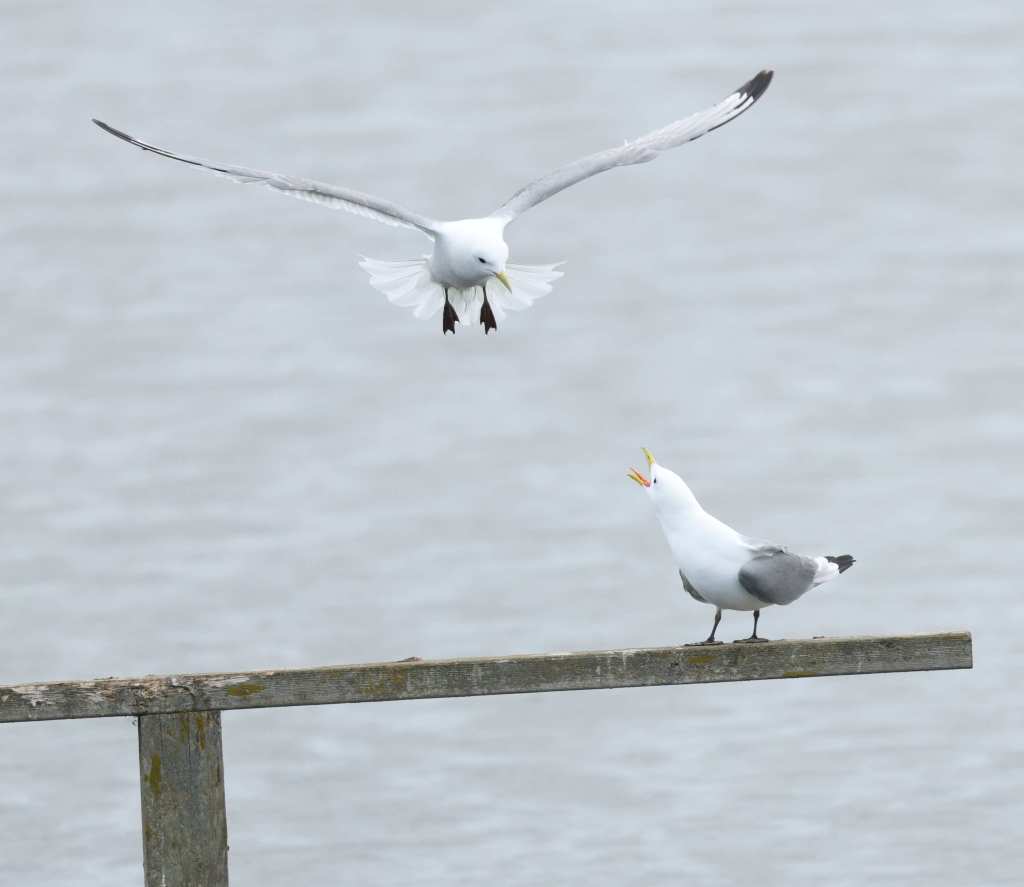
And it’s not like restarts were the only birds happily using these enormous man-made structures: Rock Doves, Herring Gulls (many, many Herring Gulls…), and even an Egyptian Goose were present within the barbed-wire-bordered area, on roofs and wire fences. A little offshore, there are also some structures which I believe are purpose-built for birds, and are much made use of by many gulls and kittiwakes. Apparently the plant’s water outflows stir up small fish and marine life, providing a ready food source for them.
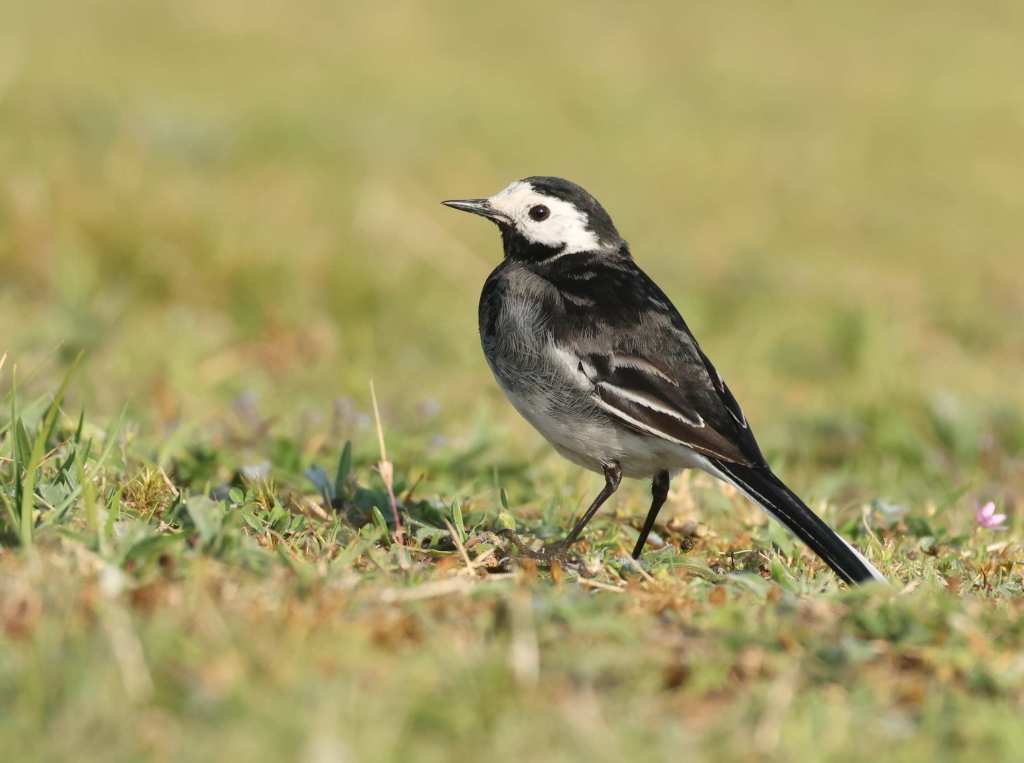
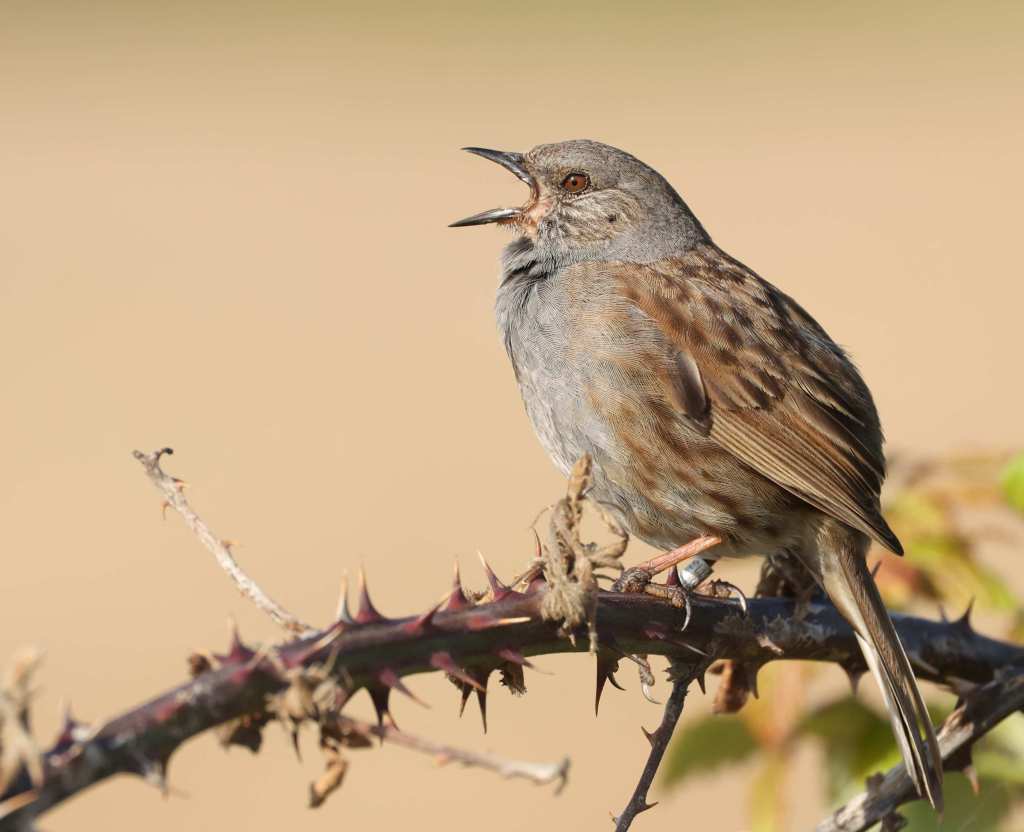
Other birds I saw here included Eurasian Magpies, White Wagtails, Dunnocks (calling vociferously), Greater Whitethroats, Eurasian Linnets, Eurasian Blue Tits, Common Chaffinch and European Goldfinch. Not bad for a weird patch of land with some pretty serious security measures going on. The Black Redstart, though, with its dark feathers and red tail and its surreal choice of locale, was definitely the big highlight.
Summary
A Top Ten is always going to be subjective, especially across these two counties which are well known to be wonderfully bird-rich. I certainly invite you to leave an outraged comment or two below to the effect that I have missed your personal favourite nature site. But I had a pretty good time at the locations I’ve mentioned, and wouldn’t hesitate to revisit them, or recommend them to birders unfamiliar with this part of England.
AUTHOR: ANDY GEE
BIRDERS: ANDY GEE, K-A

