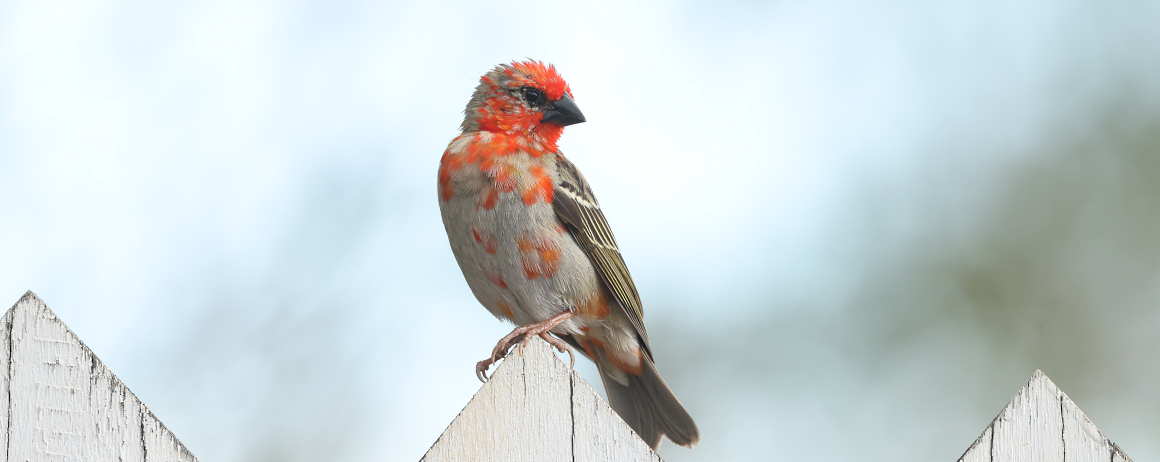
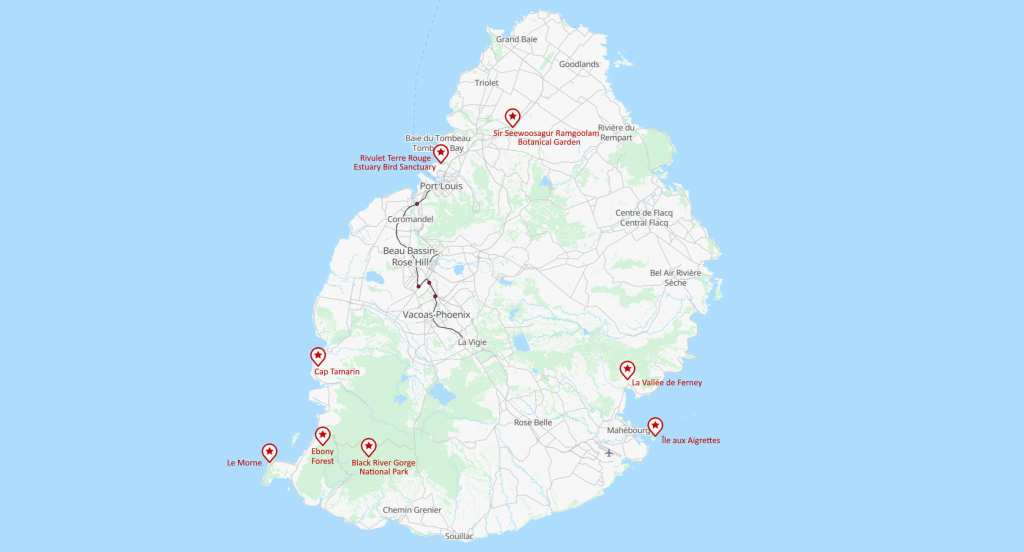
I wouldn’t have thought that Mauritius would be a must-do birding location by any means, but given that it was a gateway destination for us to get to mainland Africa we thought we would try it out and see what we saw.
Like a lot of past colonial locations, Mauritius’s natural resources have been exploited for many years. The result is large parts of the island being cleared for agriculture, including sugar cane and plantation forest; it’s estimated that only about 2% of native forest remains. The toll on the native birds has been high – the most famous extinction being that of the Dodo which fell victim to hunting as well as habitat loss. Luckily there is a small but dedicated community trying to preserve the remaining habitat.
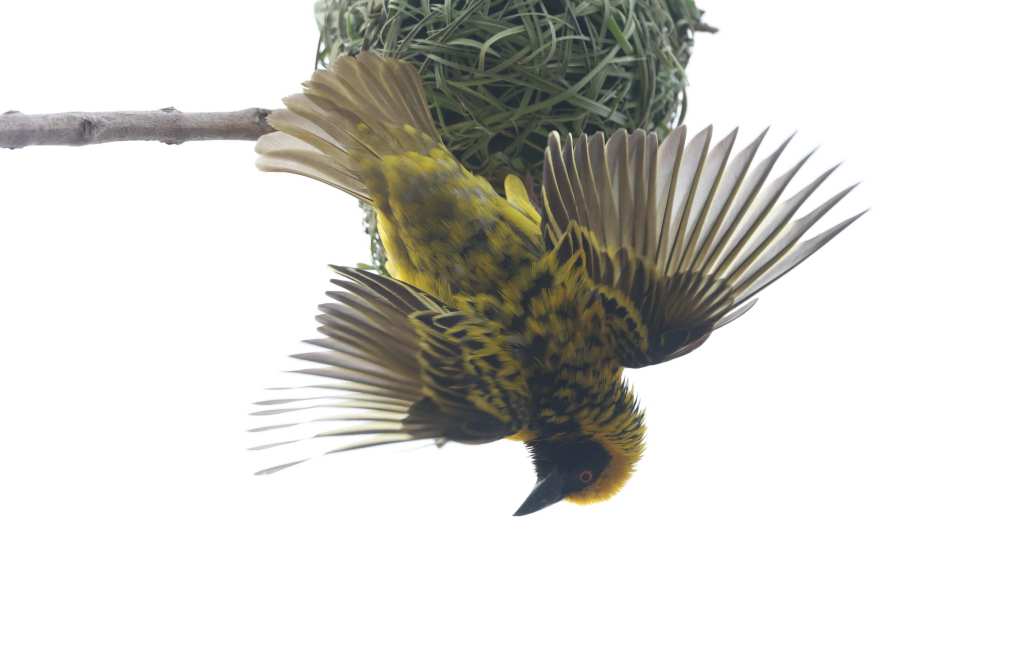
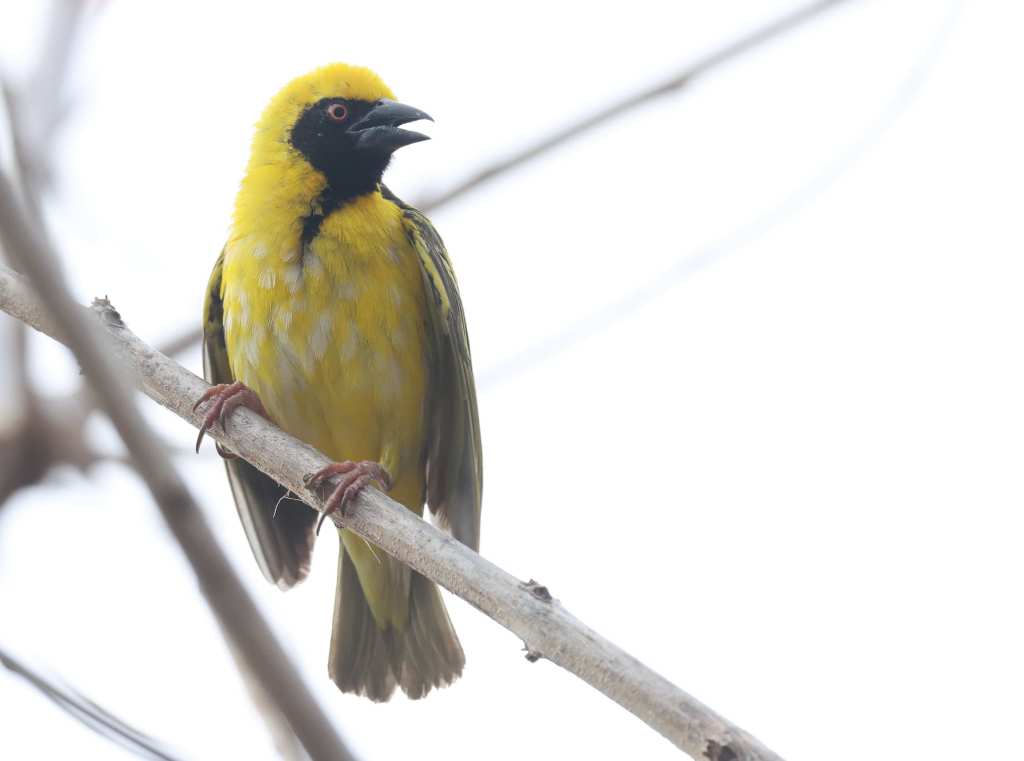
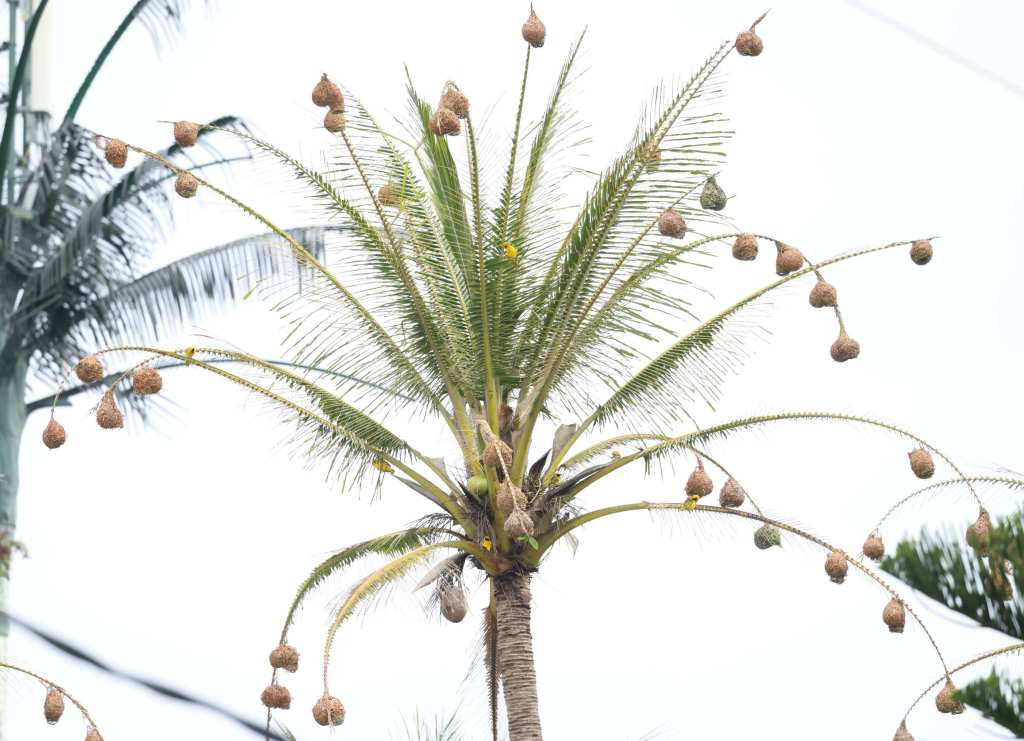
We like to have a little guess about what the first bird species we see will be when arriving in a new country. A good bet is often Feral Pigeon or a crow of some type, and when it is something else it’s always exciting. Thanks to these Village Weavers fussing over their elaborate hanging nests, it was something exciting!
Black River Gorge National Park
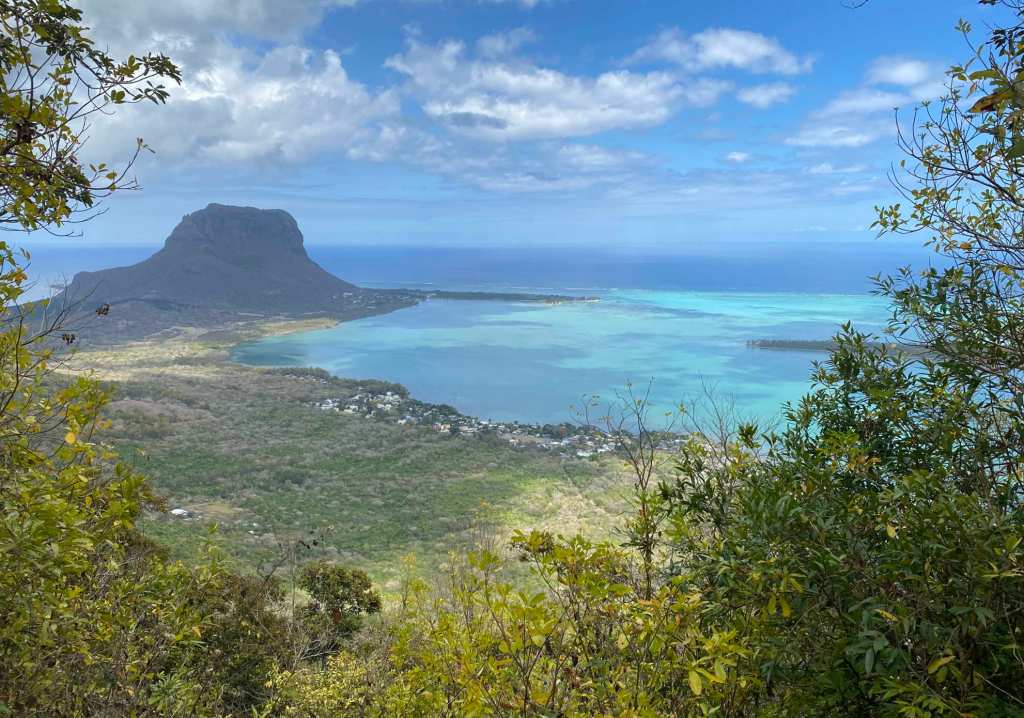
Black River Gorge National Park is the stronghold of remaining native forest in Mauritius. We followed a trail that took us from Le Pétrin Information Centre to the Macchabée Viewpoint. This pleasant walk was mostly along the ridgeline, passing through some forested areas as well as some more open scrubland.
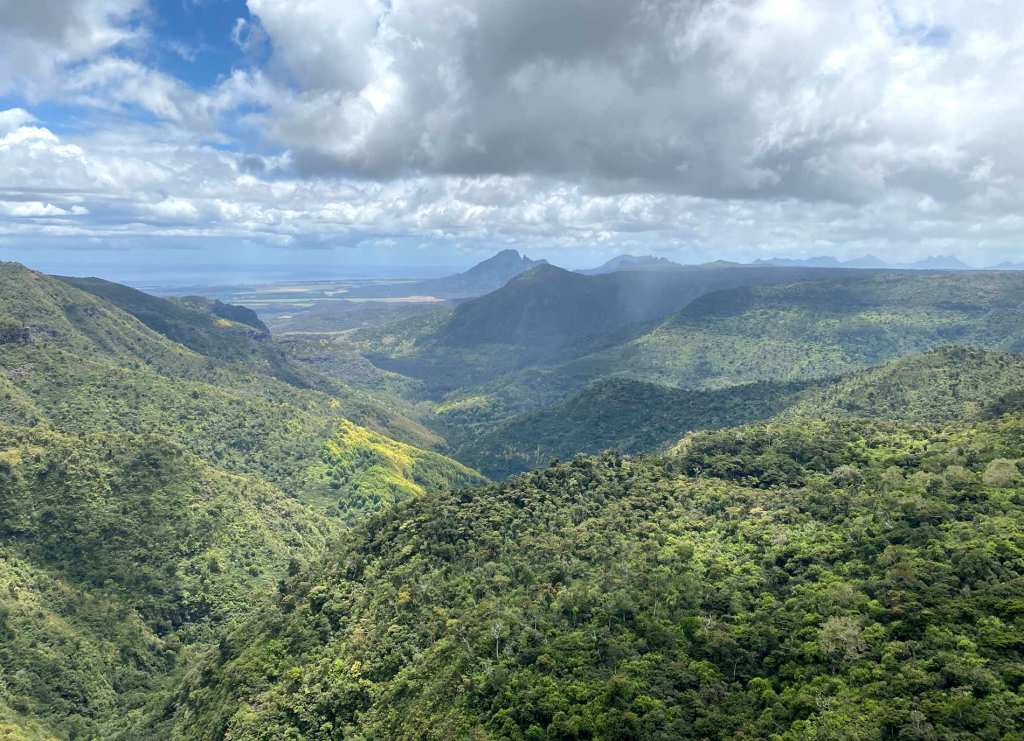
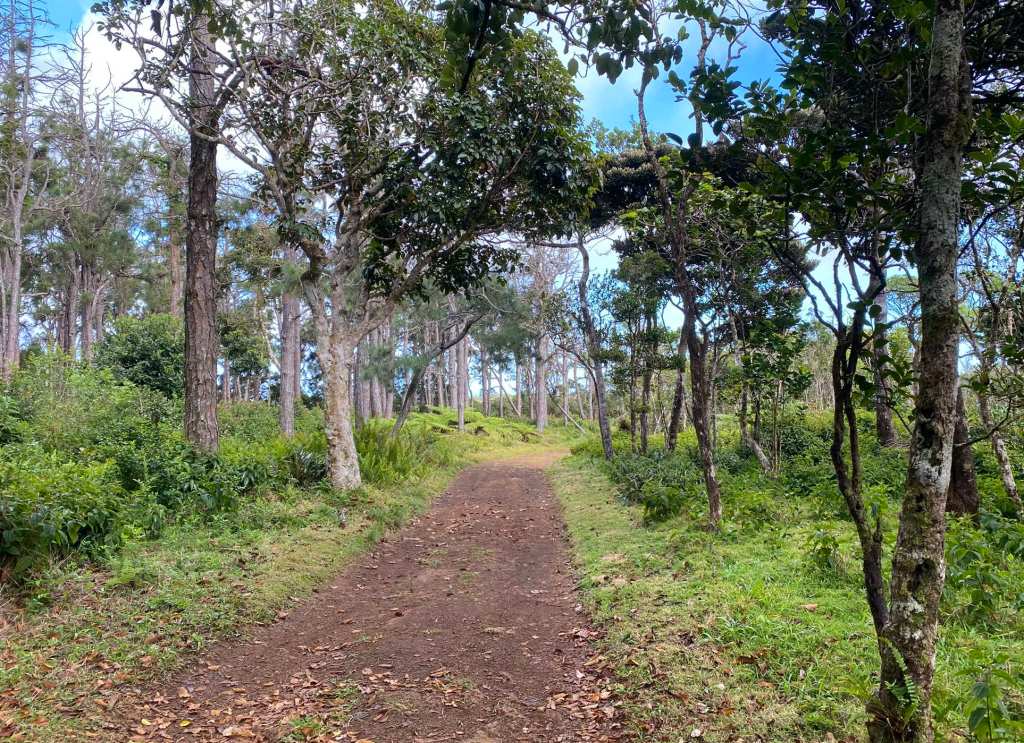
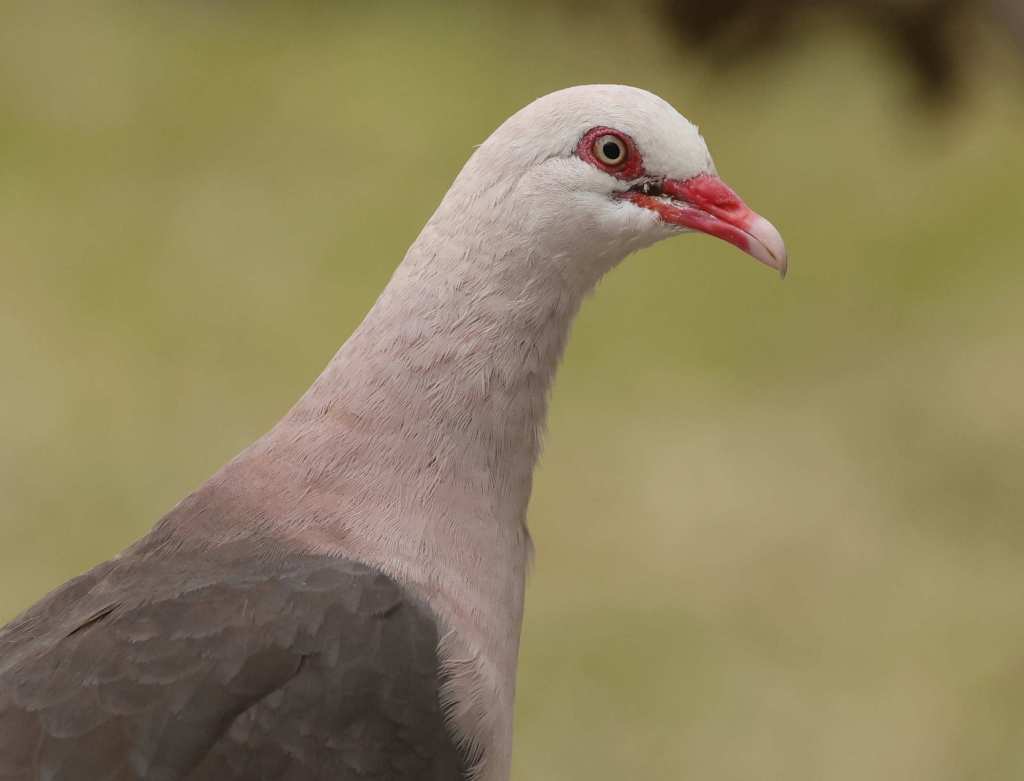
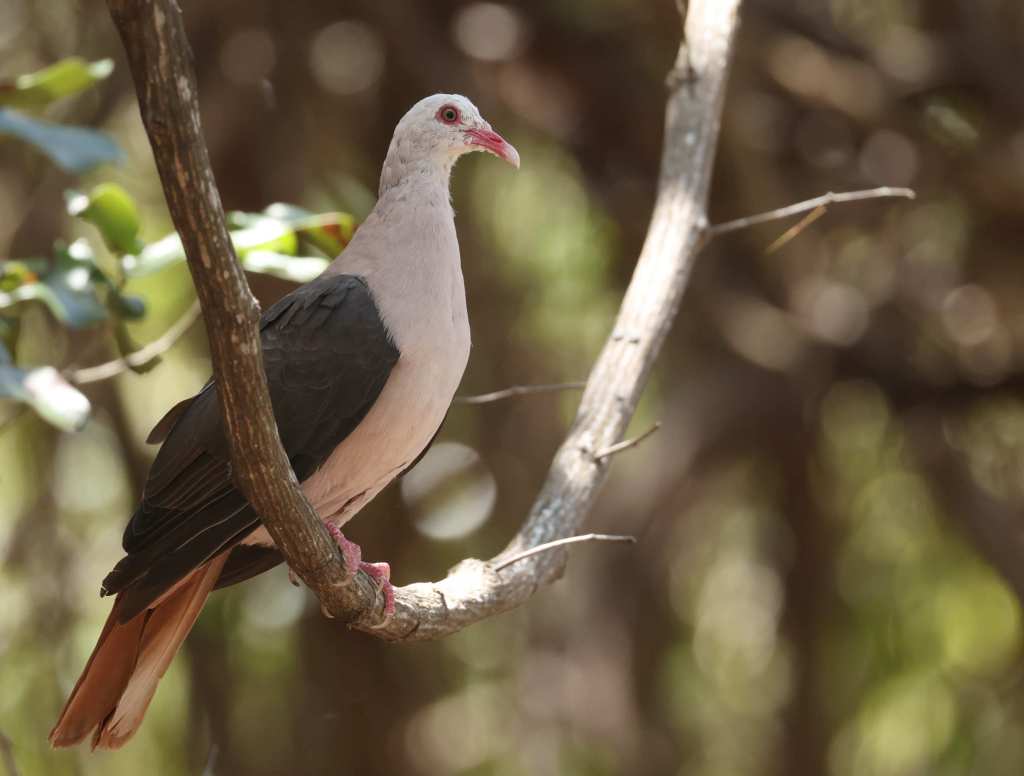
Behind the information centre, before the start of the walk, is an area dedicated to the conservation of the Pink Pigeon. Fortunately that means it is a reliable place to find this species, even if their numbers have not recovered enough to be common elsewhere.
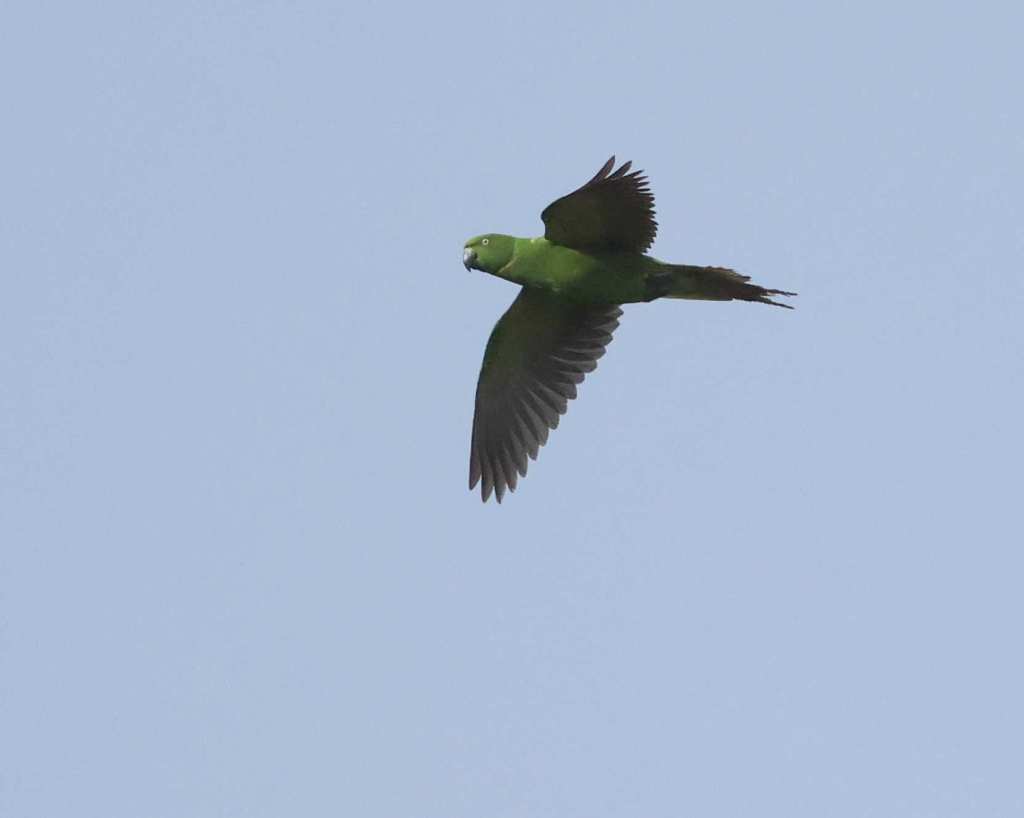
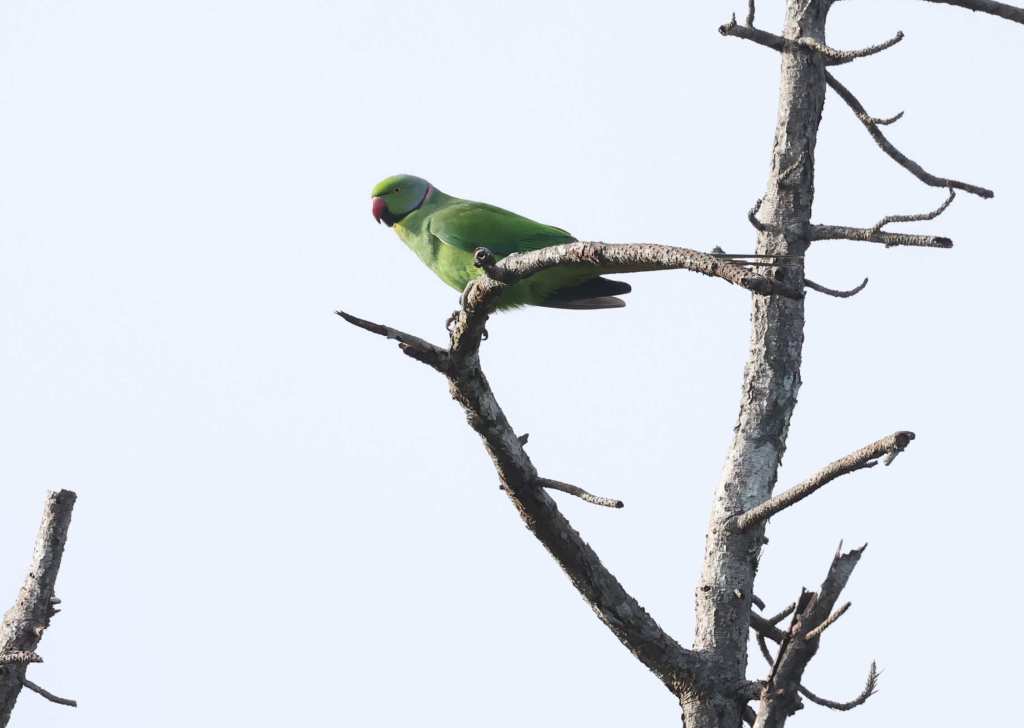
Further along we saw some parakeets fly by and by the black bill we recognised the Echo Parakeet. Rose-ringed Parakeets are also common in the area, and without seeing the two side-by-side were weren’t confident to call any of the others definitively Echo Parakeets – the only dead giveaway is the bill, so if it’s red, it’s hard to call.
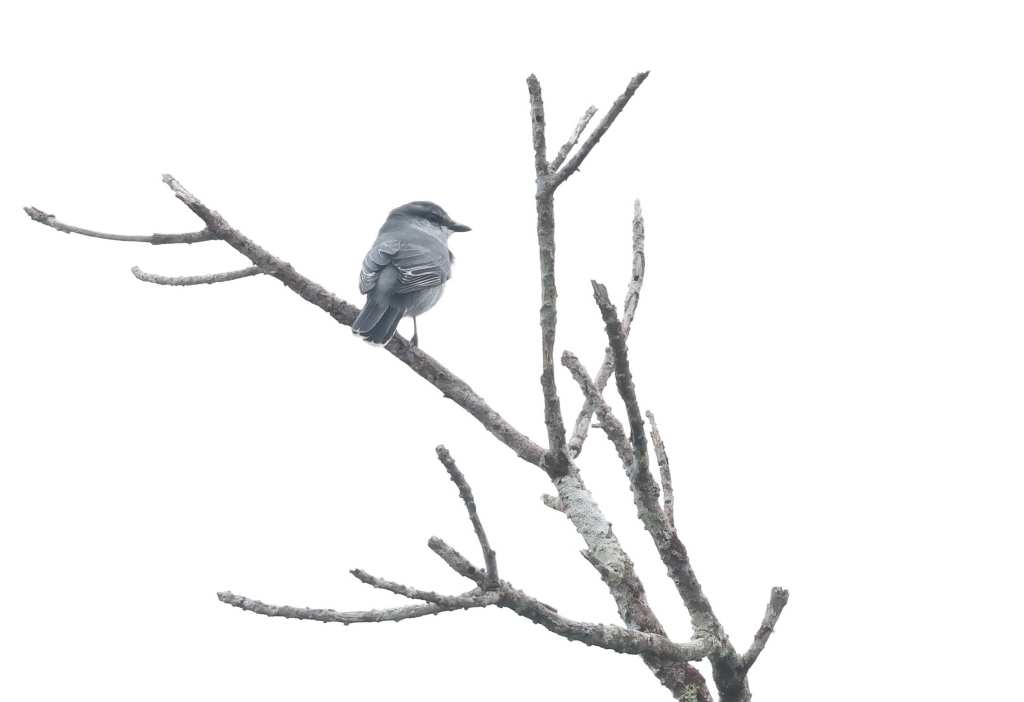
We heard a new bird call while walking and were lucky enough to follow the sound to find a Mauritius Cuckooshrike out in the open.
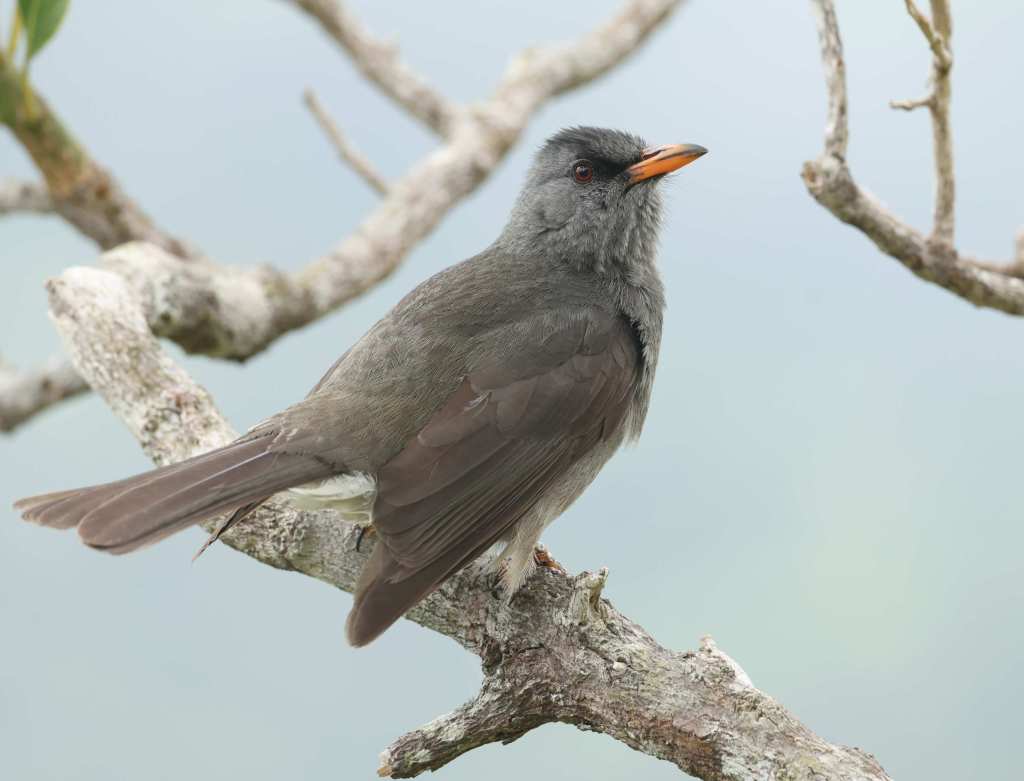
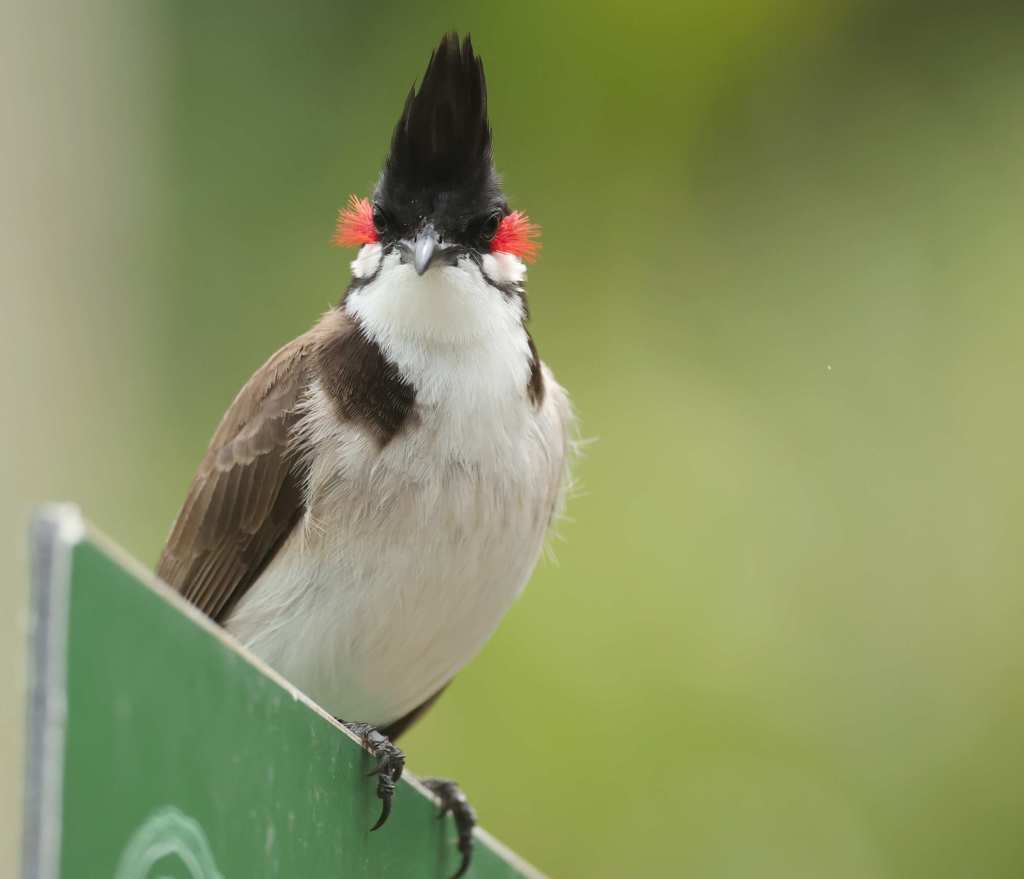
Towards the start of the walk we also saw the Mauritius Bulbul, the much more hard-to-spot cousin of the Red-Whiskered Bulbul which you see everywhere. We saw one again at the popular Gorges Viewpoint – as per the photo below.
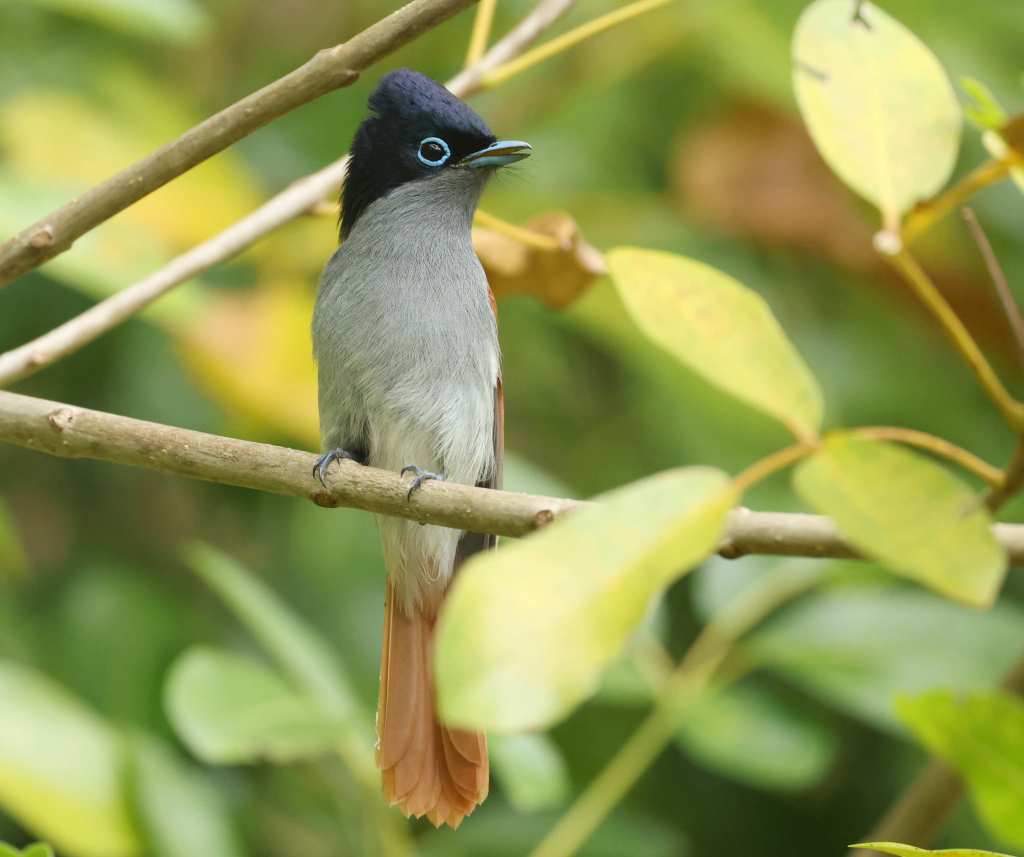
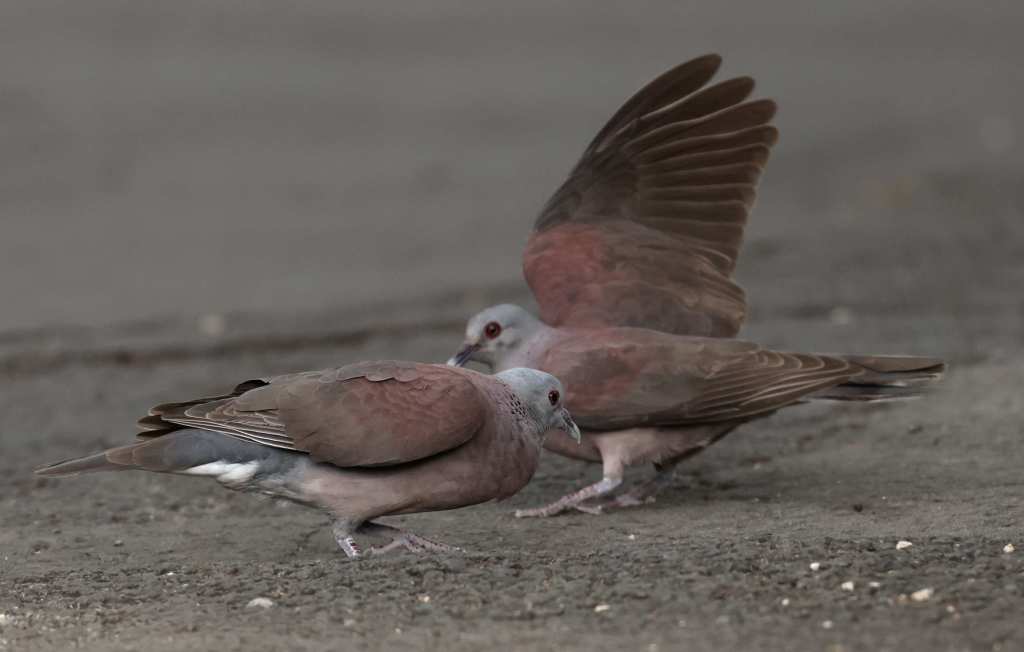
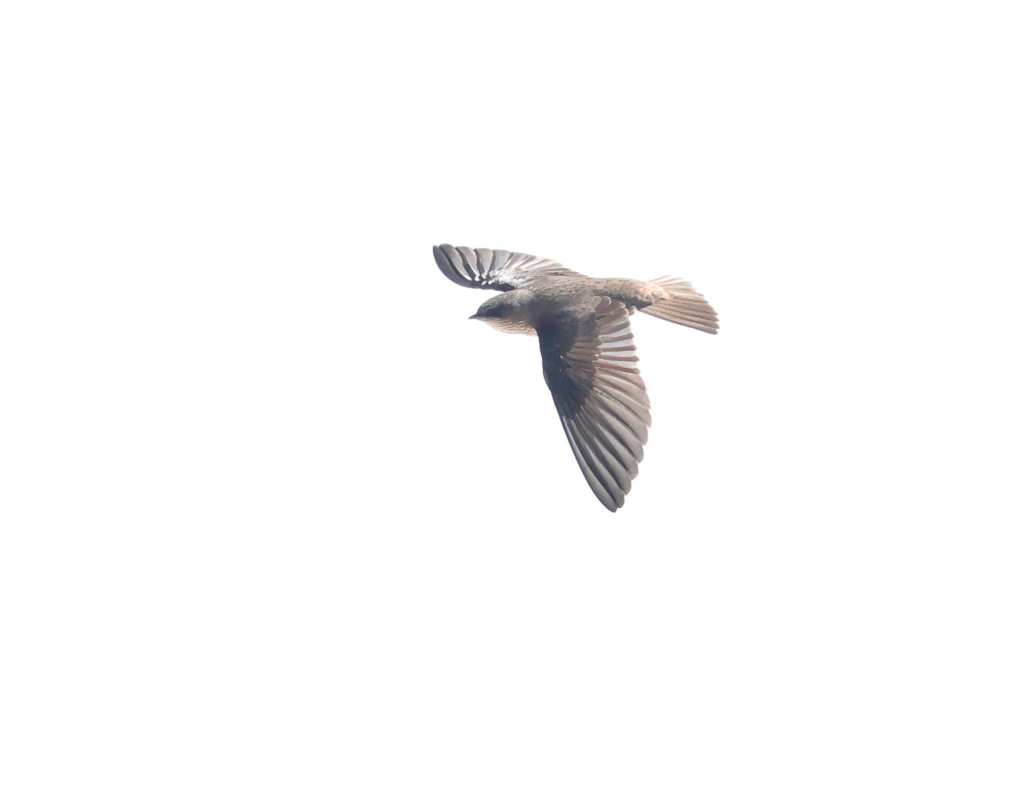
We also saw many other doves, got our first look at the Mascarene Swiftlet darting along the path and a brief glimpse of the Mascarene Paradise-Flycatcher. Fortunately we got some really good looks at them in the Ebony Forest. Speaking of which…
Ebony Forest
Ebony Forest is a private (i.e. non-government) conservation area where they are restoring the native vegetation and have re-introduced some of the endemic species. We took a self-guided walk up and along part of the Ridgeline Trail. Note there is a cost to enter.
The trails include the Flycatcher Raised Walkway. There wasn’t a lot of action in the canopy when we did the walkway – instead we had an excellent encounter with a couple of flycatchers on the road that leads to the walkway.
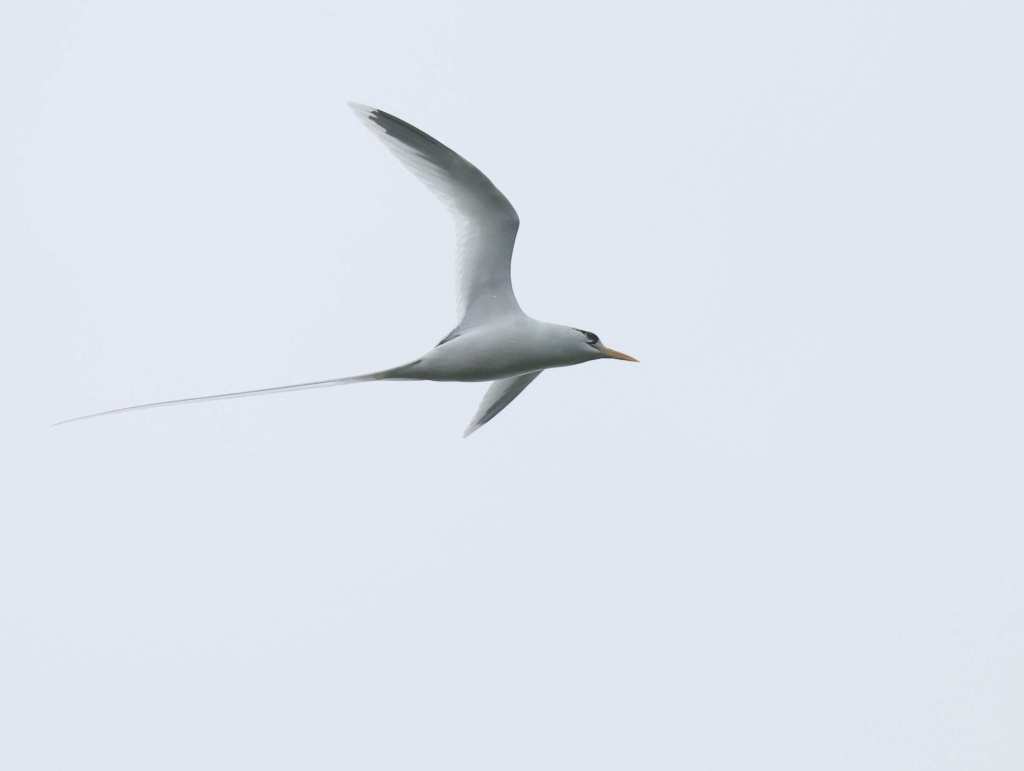
The whole time we had been looking out for the White-Tailed Tropicbird that nests in the trees in the area. We finally saw several flying through the area.
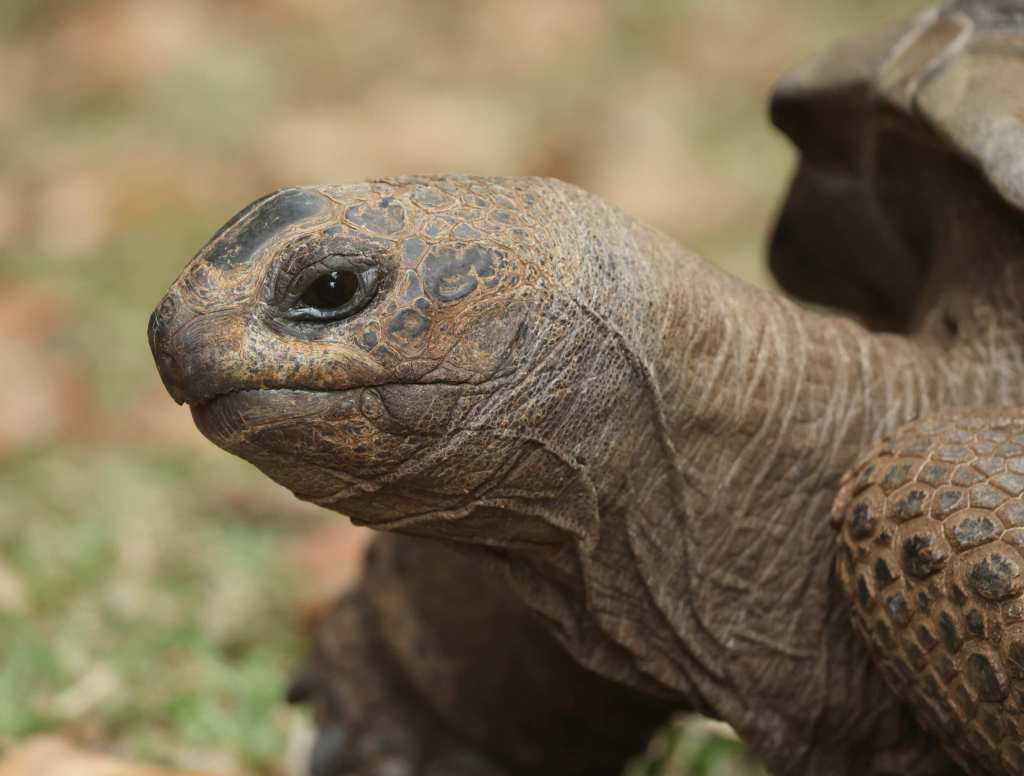
One of the non-bird species we saw in the forest was the Aldabra Giant Tortoise. They weren’t too bothered by our presence – they were way more interested in finding grass to munch on.
Île aux Aigrettes
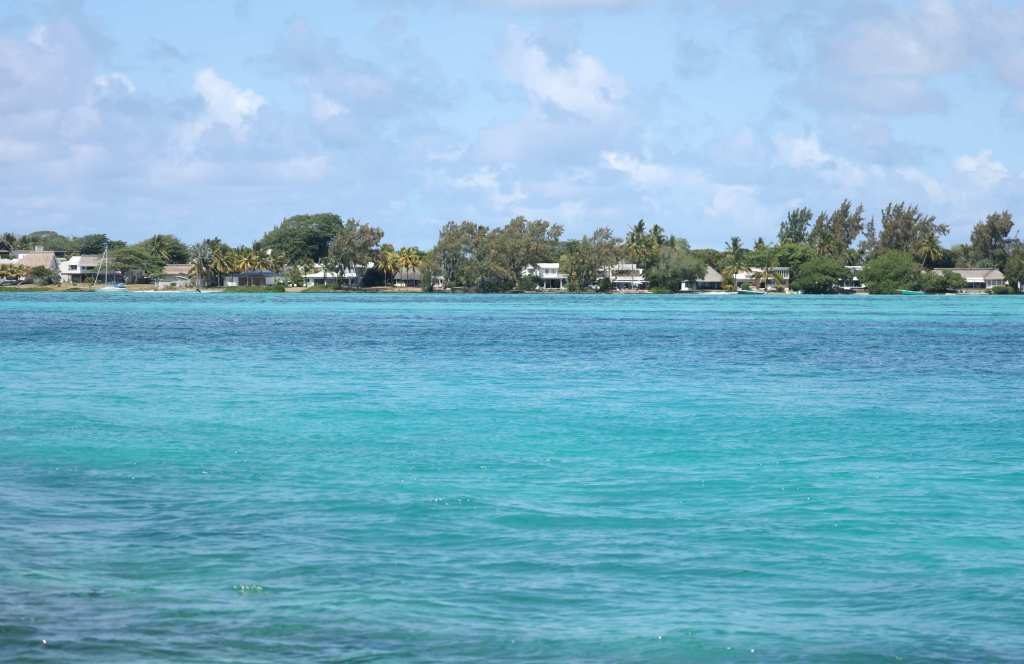
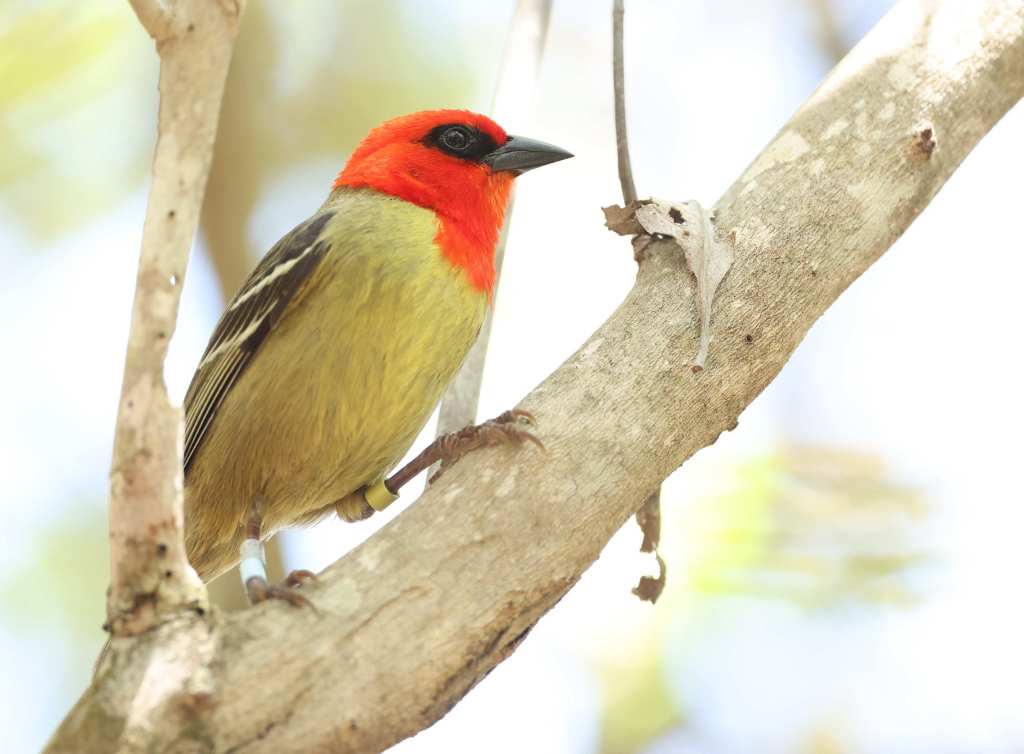
Native birds Mauritius Fody and Mauritius White-eye (not to be confused with the Mauritius Grey White-eye) are most easily found on Île aux Aigrettes. You access the island via a guided tour from Pointe Jérome Jetty, and enjoy a pleasant (very short) boat ride as well as an educational walk around the island. The area is managed by the Mauritian Wildlife Foundation and the guide was very knowledgeable although he was definitely preaching to the converted when promoting the benefits of conservation and looking after the environment.
Sir Seewoosagur Ramgoolam Botanical Garden
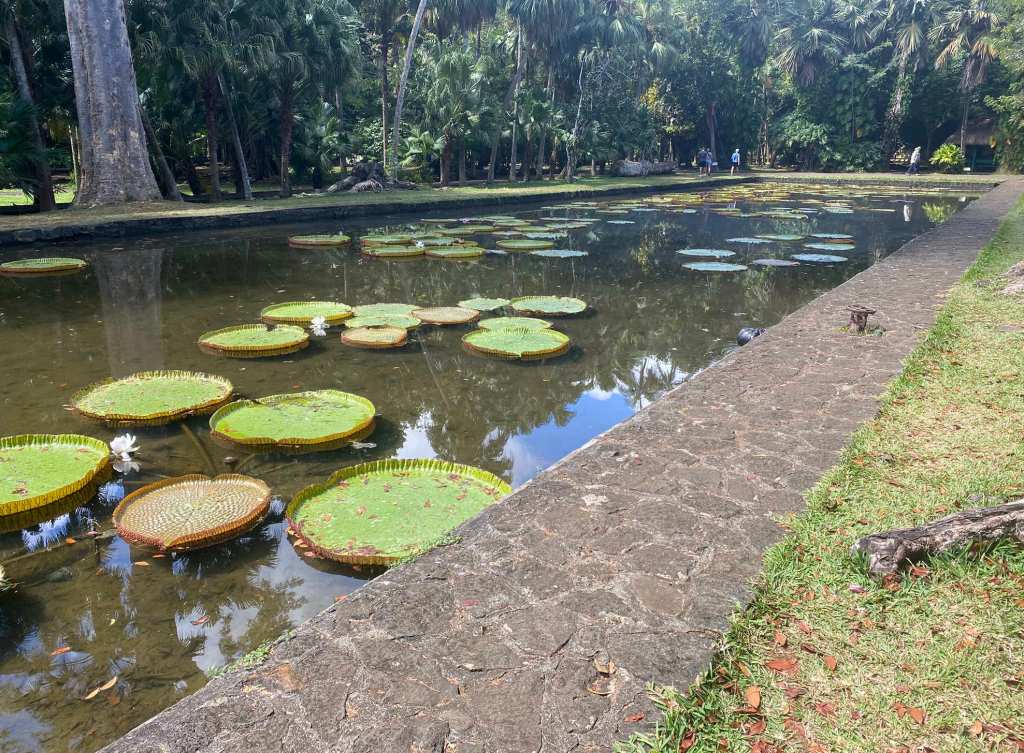
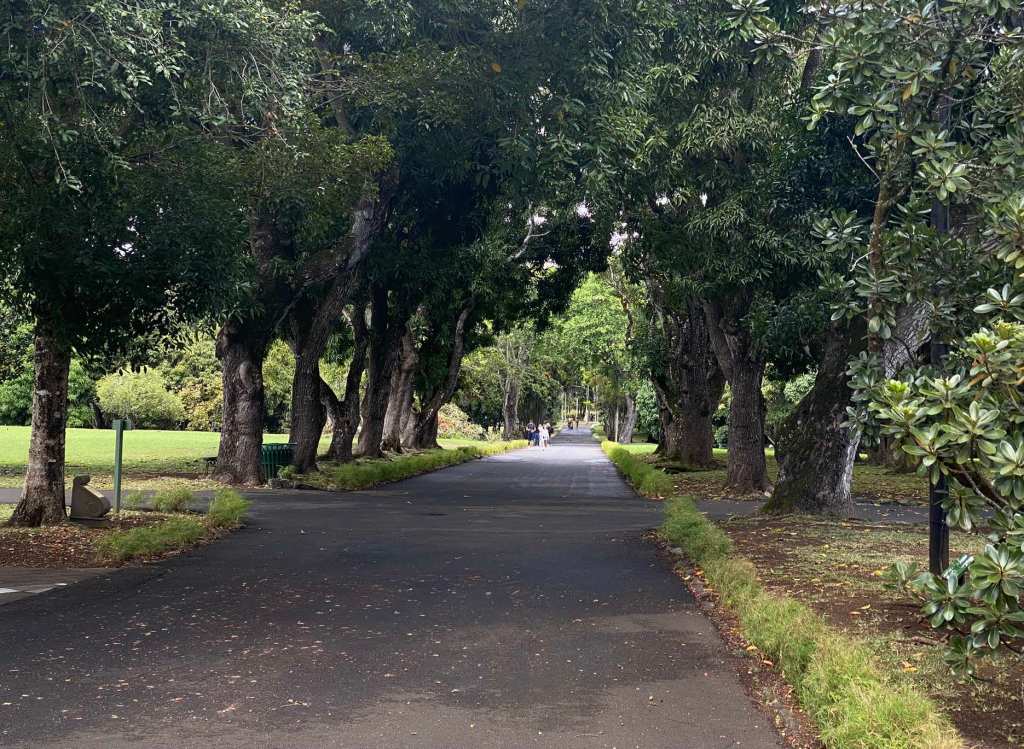
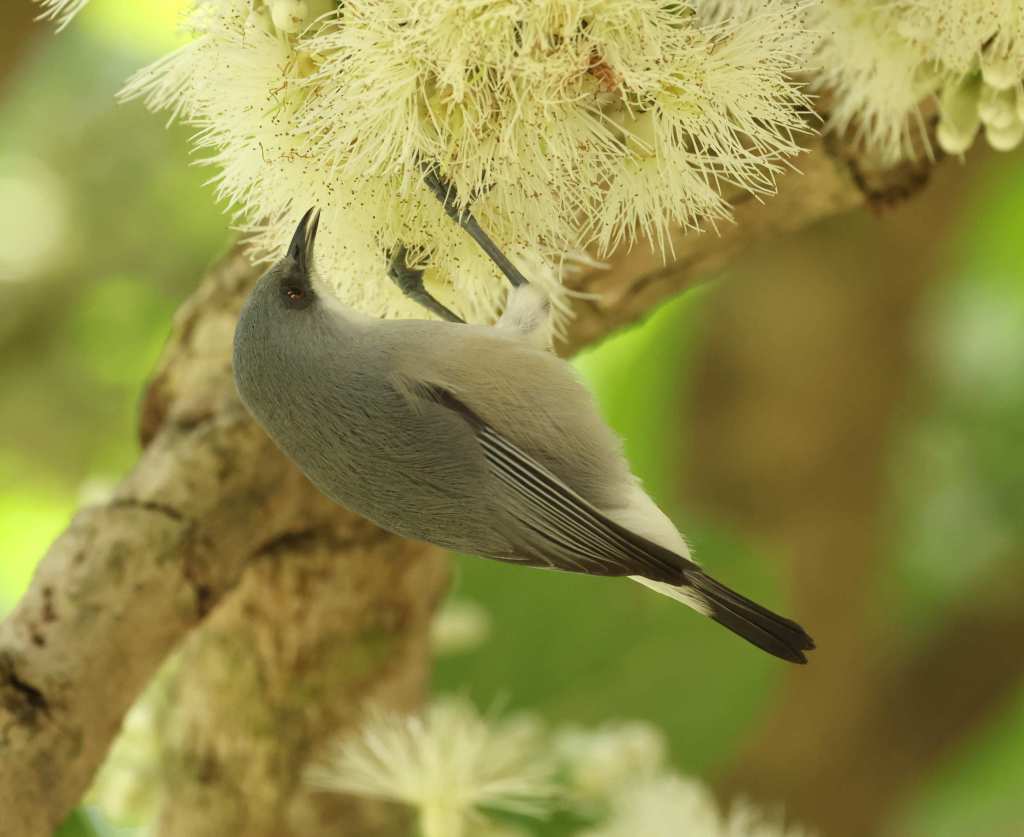
We were hoping the Botanic Garden would give us some good bird photo opportunities, and indeed it did. The drawcard for most people are the giant Amazon water lilies. They were indeed larger than your average dinner plate. And yes, there were birds – but of the 13 species we saw there, only the Mauritius Grey White-eye was native – everything else was introduced.
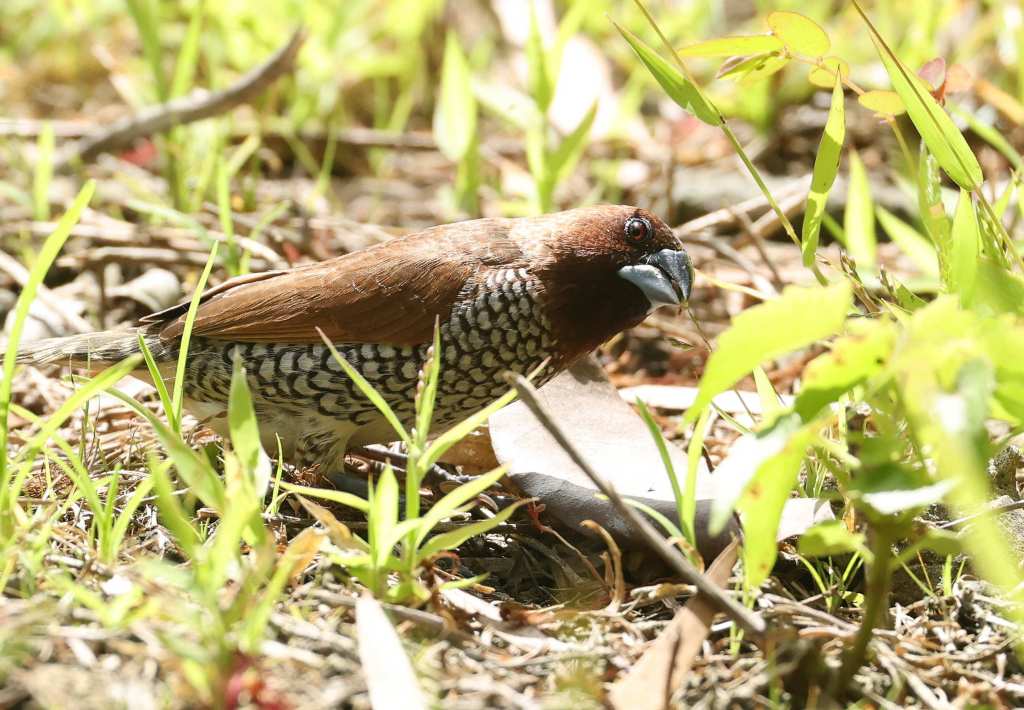
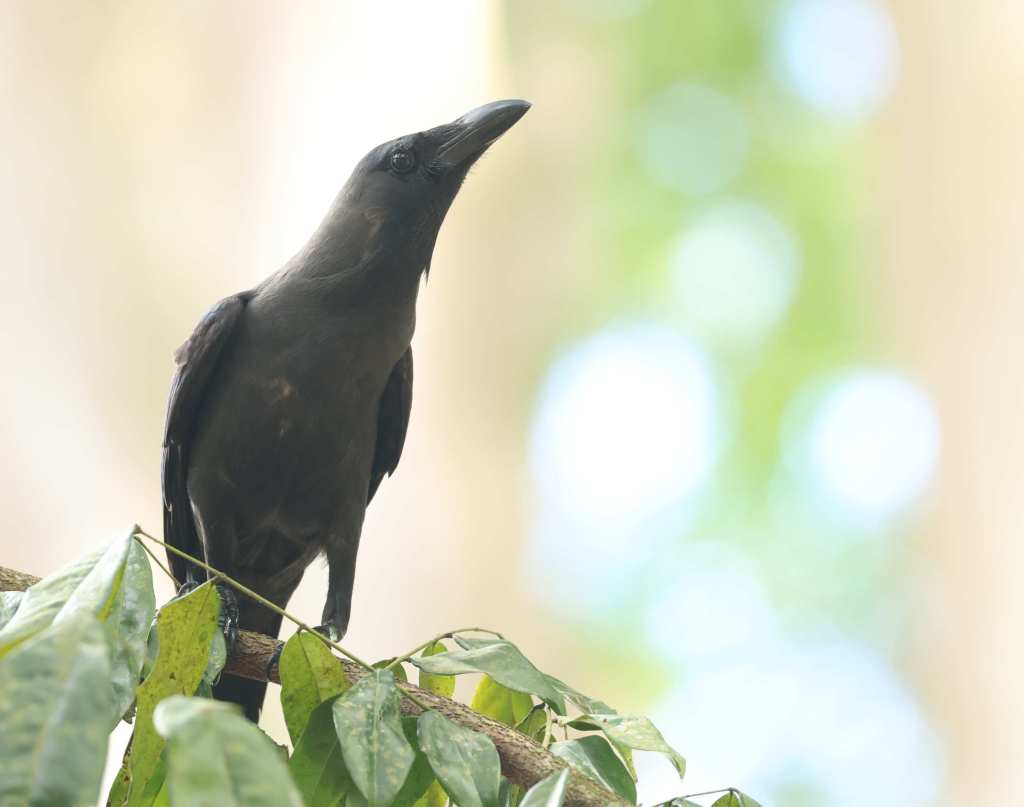
We spent quite a while under one particular massive flowering tree. It was full of Village Weavers, and Mauritius Grey White-Eyes.
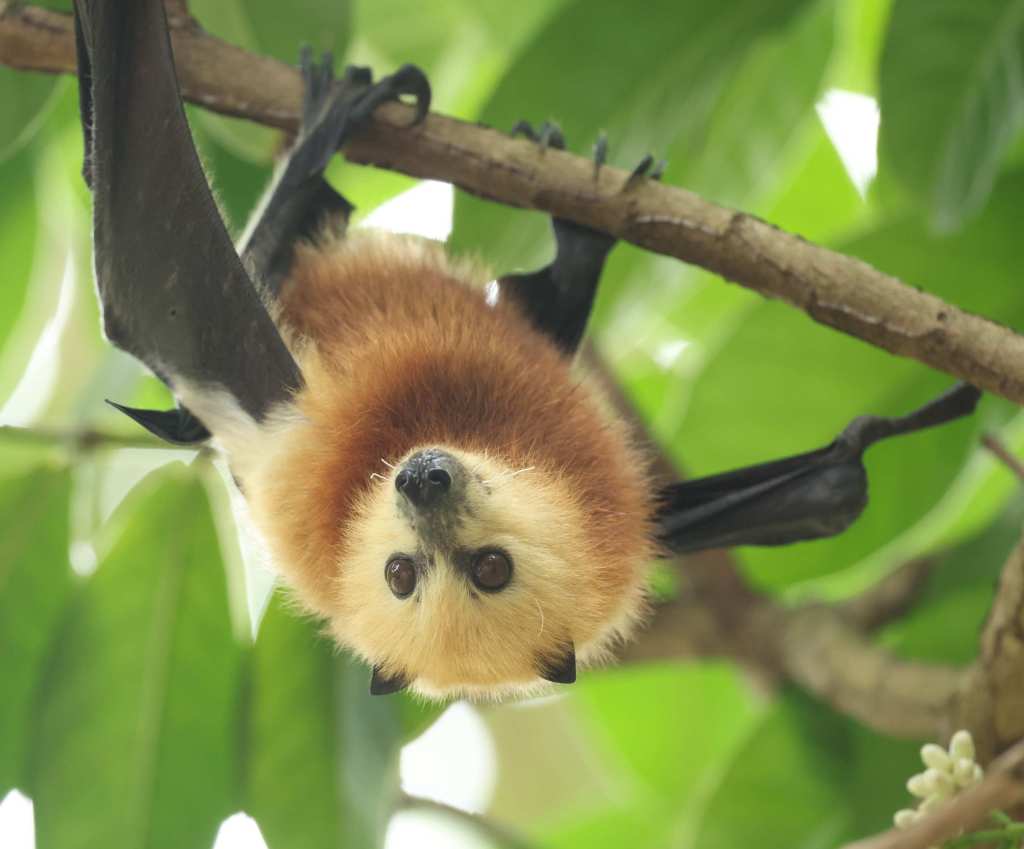
Mauritius Fruit Bats were also sharing in the tree’s bounty. Watching them move around the tree with the little hooks on their wings was both fascinating and a little bit freaky.
Rivulet Terre Rouge Bird Sanctuary
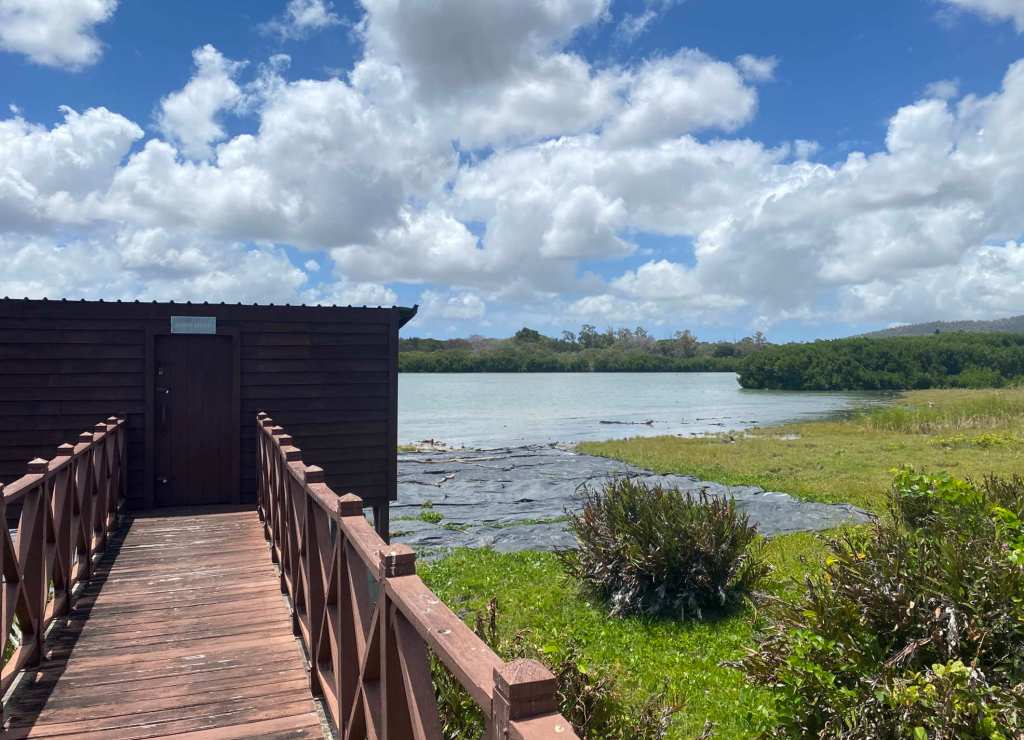
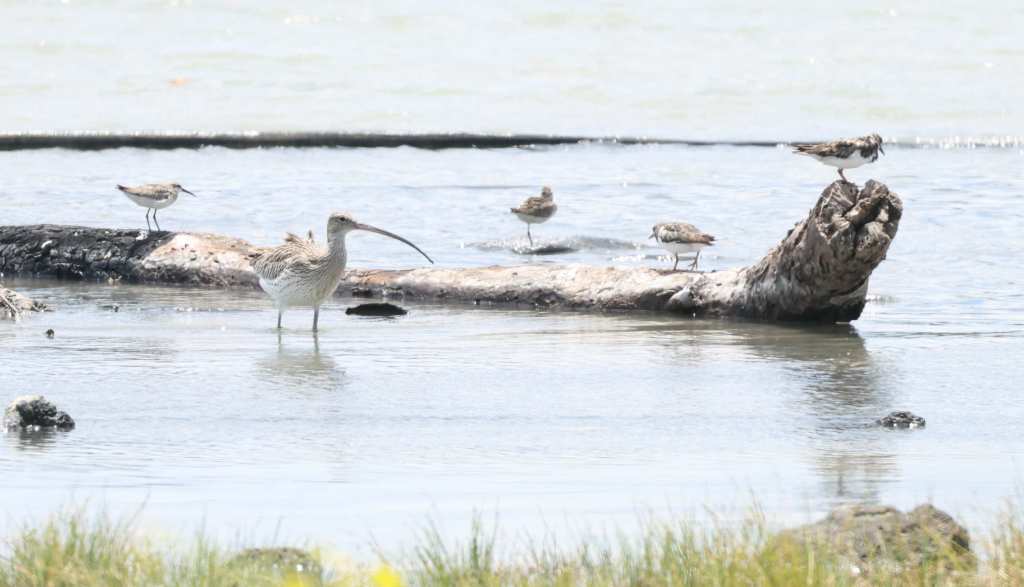
The only bird hide we found on Mauritius was at the Rivulet Terre Rouge Bird Sanctuary. The list of birds seen here according to the posters in the entry office was rather impressive. I would recommend not visiting in the middle of the day to maybe improve your chances of a bit more action here.
La Vallée de Ferney
With an hour to go before we needed to get to the airport, and having not managed to see a Mauritius Kestrel, we drove to La Vallée de Ferney as it seemed we would have a good chance of seeing one. We searched down the start of a couple of trails, watching the skies and the trees in hope, but unfortunately ran out of time. It was only on the way out that we found out they regularly feed the kestrels on the guided tours, and that is how you can get almost guaranteed sightings.
Local streets
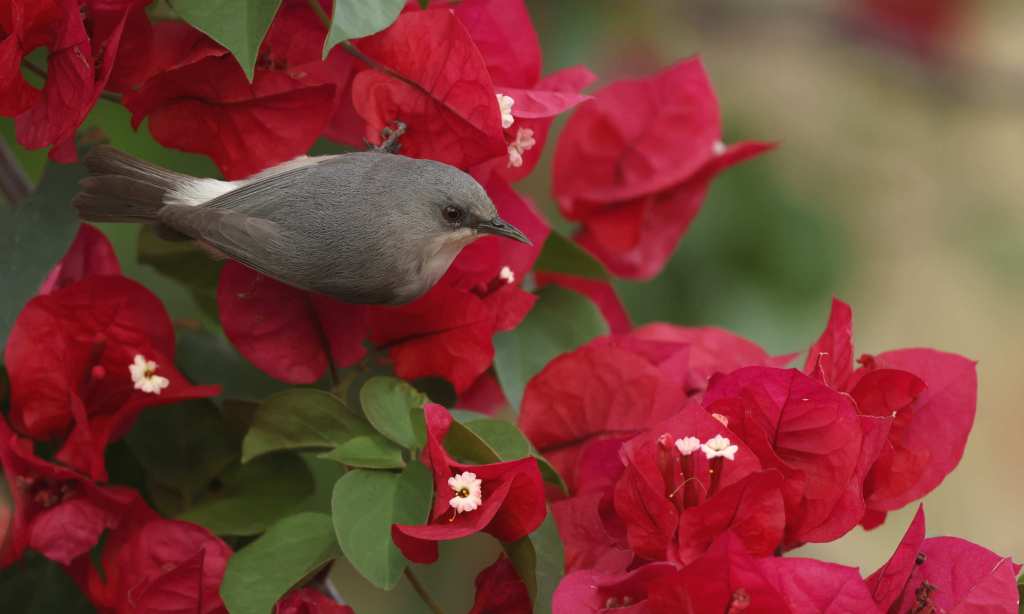
We also did some wandering around where we were staying near Tamarin, hoping that among all the introduced species we might see an endemic or two. The Mauritius Grey White-Eye was around the place, but most common were the invasive species.
Summary
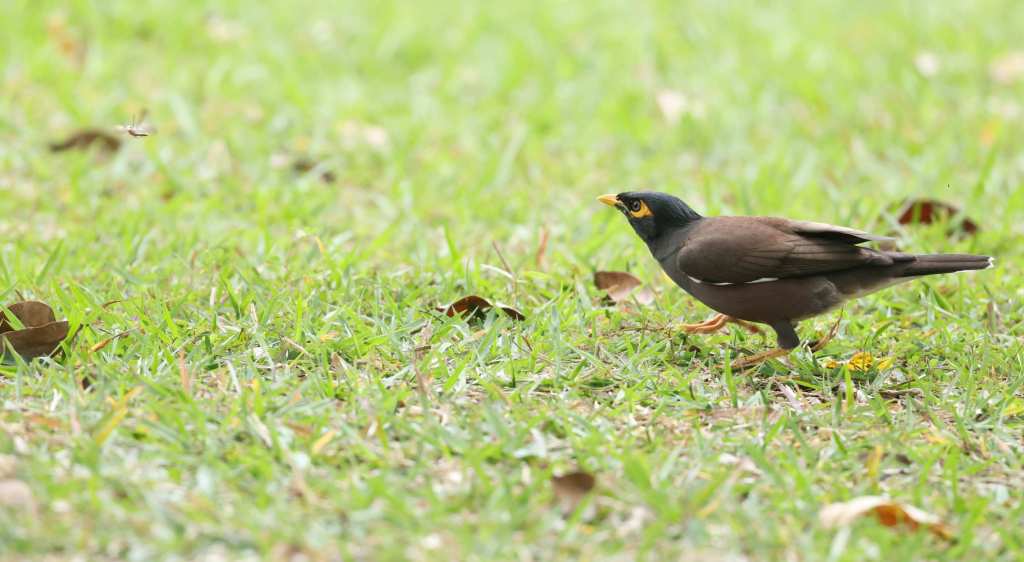
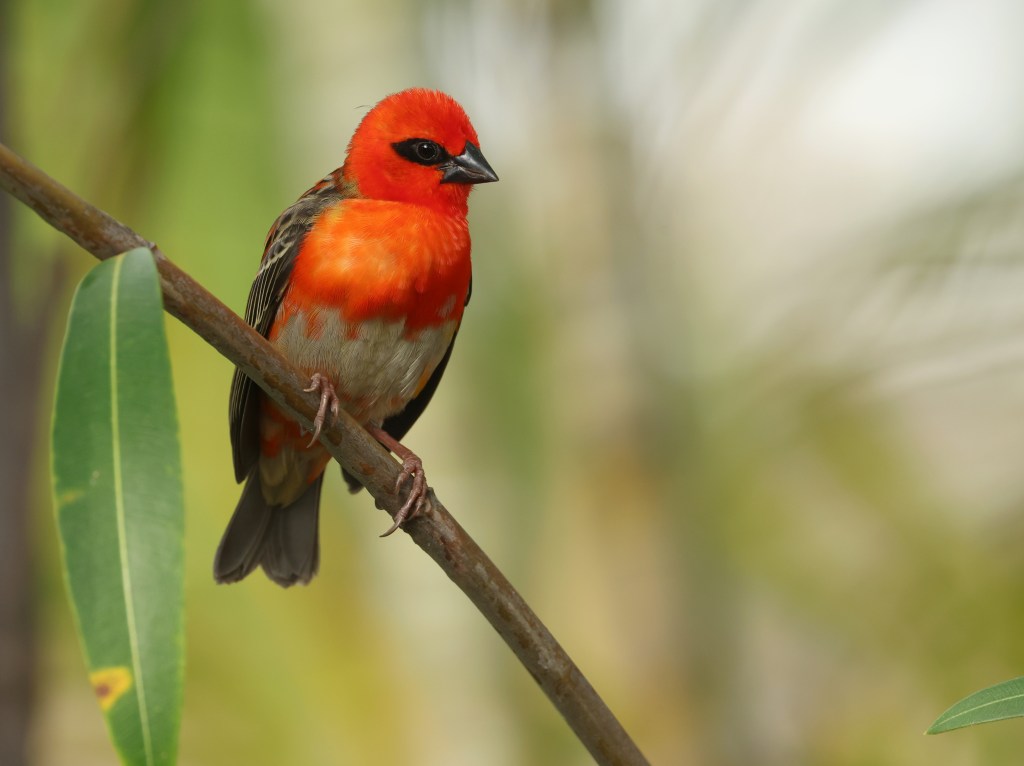
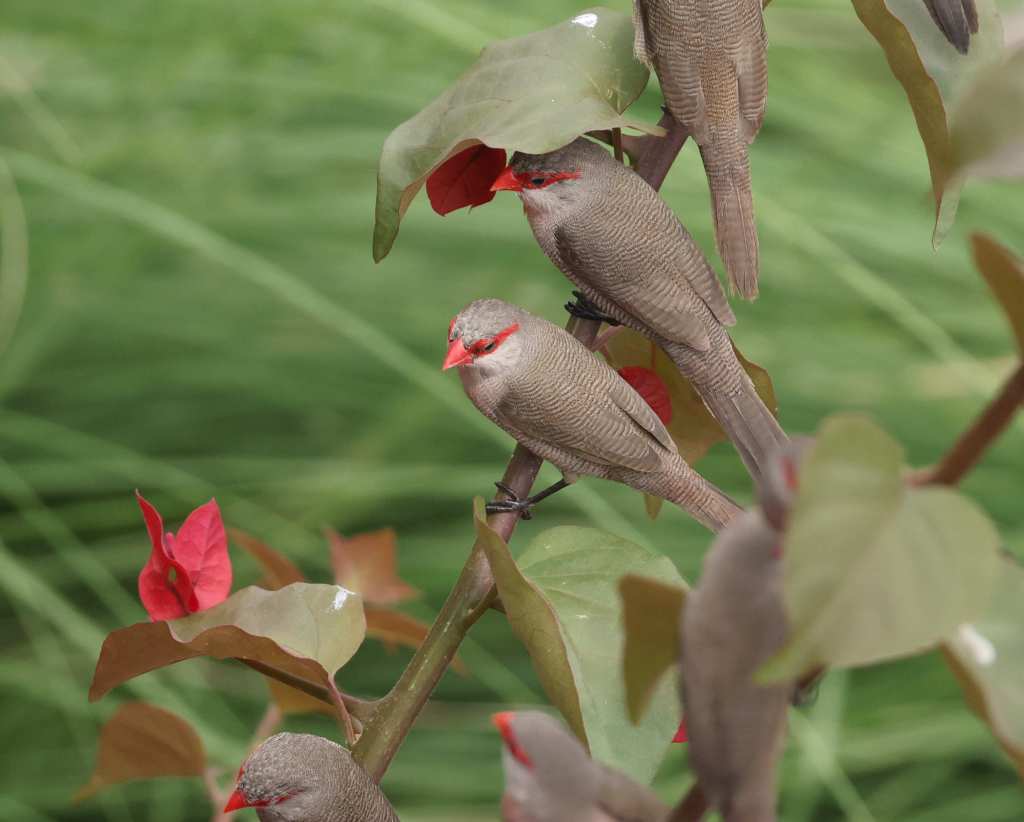
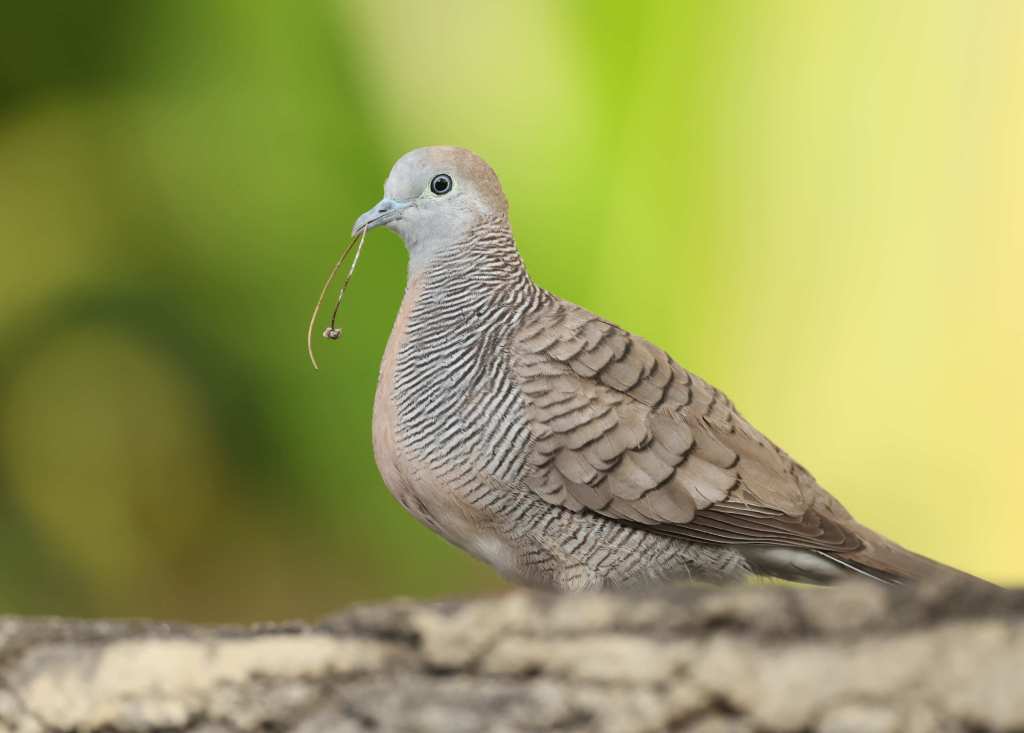
So, do I recommend Mauritius as a bird-spot? We did see 31 species of which 17 were lifers for us which is not to be sniffed at. The trick is spending the time to visit the areas where there is a conservation effort taking place otherwise you will just be overrun by Common Mynas, Red-Whiskered Bulbuls, and Zebra Doves. So maybe go, enjoy the hiking and the snorkeling, and consider the birding a bonus.
AUTHOR: K-A
BIRDERS: ANDY GEE, K-A

