
Summary: Great base for exploring the area and finding finches and other birds
Dates of visit: Aug 3 to 6 , 2022
Kununurra is a large town in the north-east corner of Western Australia, and has a reputation for being the finch capital of Australia. It drew us there for that very reason (because we love finches…), and we were delighted to discover it feels like a large oasis in the arid and vast outback, with many delights to discover and bird locations to explore. This post covers many of the prime locations in and around the town, and gives the low-down on where to find those elusive finches…
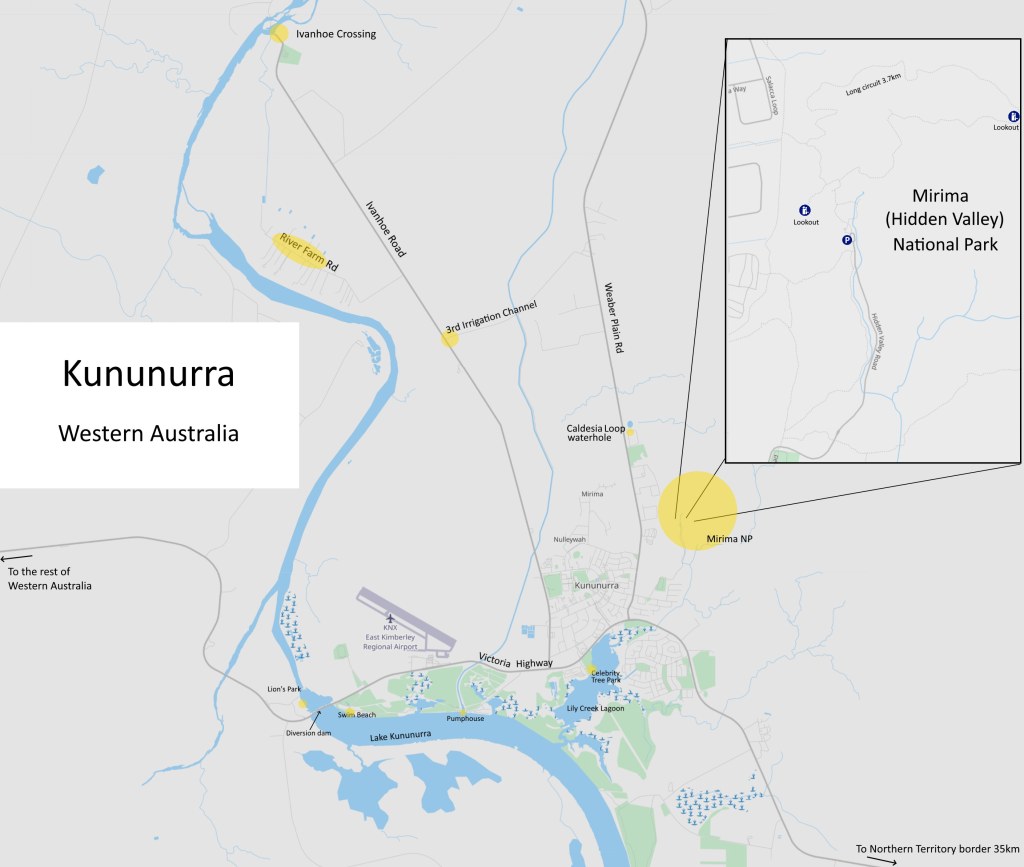
If you are approaching from the Northern Territory, be aware that Kununurra, being in Western Australia, has a time zone difference of 90 minutes. Because it is an agricultural centre, there are also restrictions imposed on the fruit and vegetables you can bring in to the region, as enforced at the Northern Territory border (about 30 minutes east of Kununurra).
Birding in Town: Lily Creek Lagoon and Celebrity Tree Park
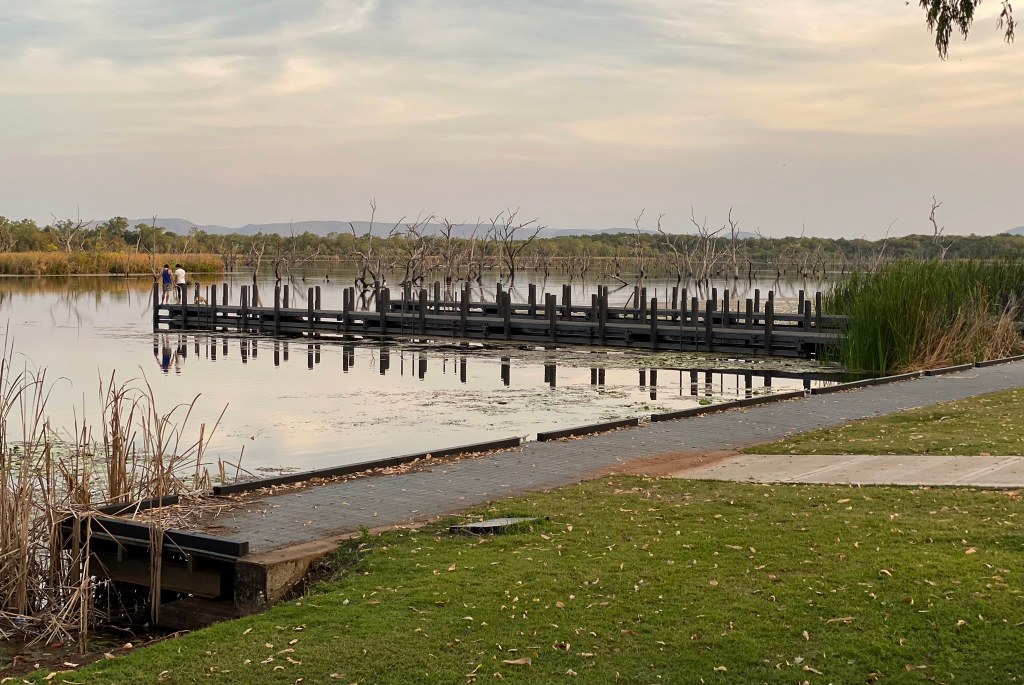
One of the most easily accessible and obvious spots for birding in Kununurra is right on the southern edge of the town, where the Victoria Highway passes through along the northern edge of Lily Creek Lagoon. There are a few sections of the lagoon which have walking trails and one of the main paths is through Celebrity Tree Park (see map).
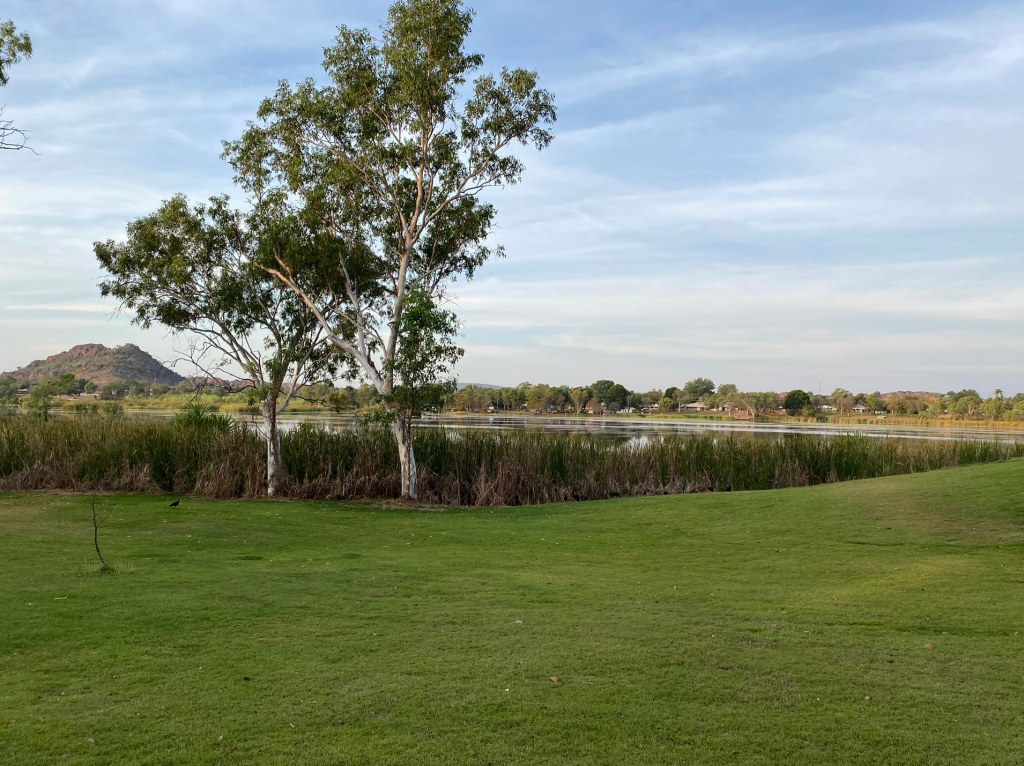
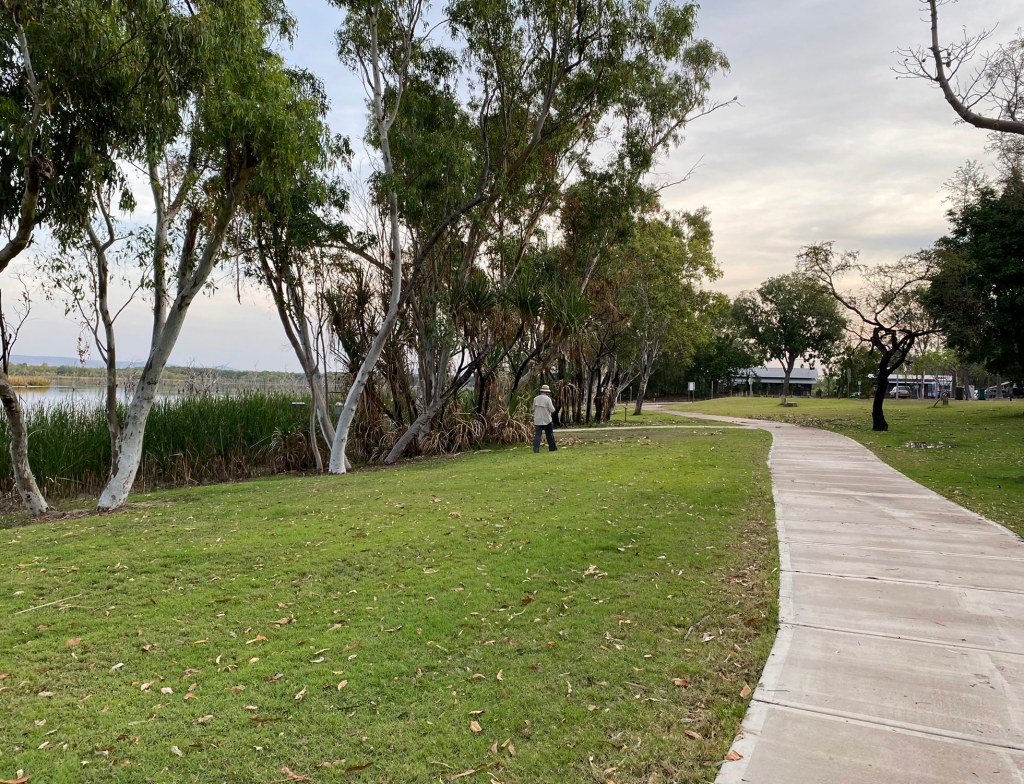
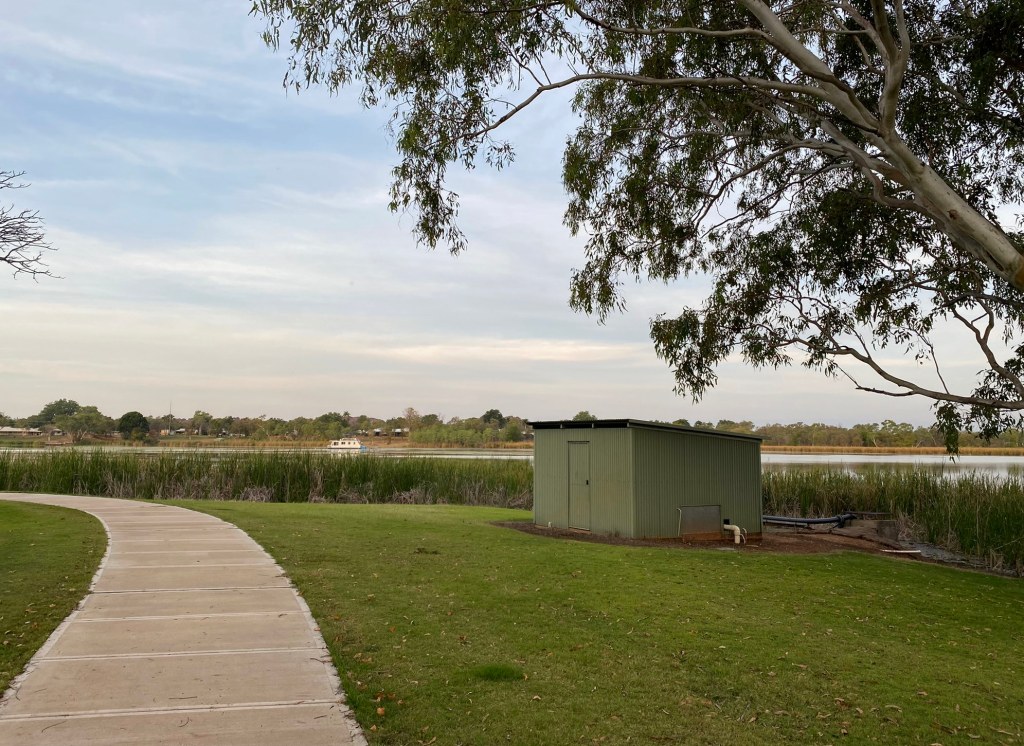
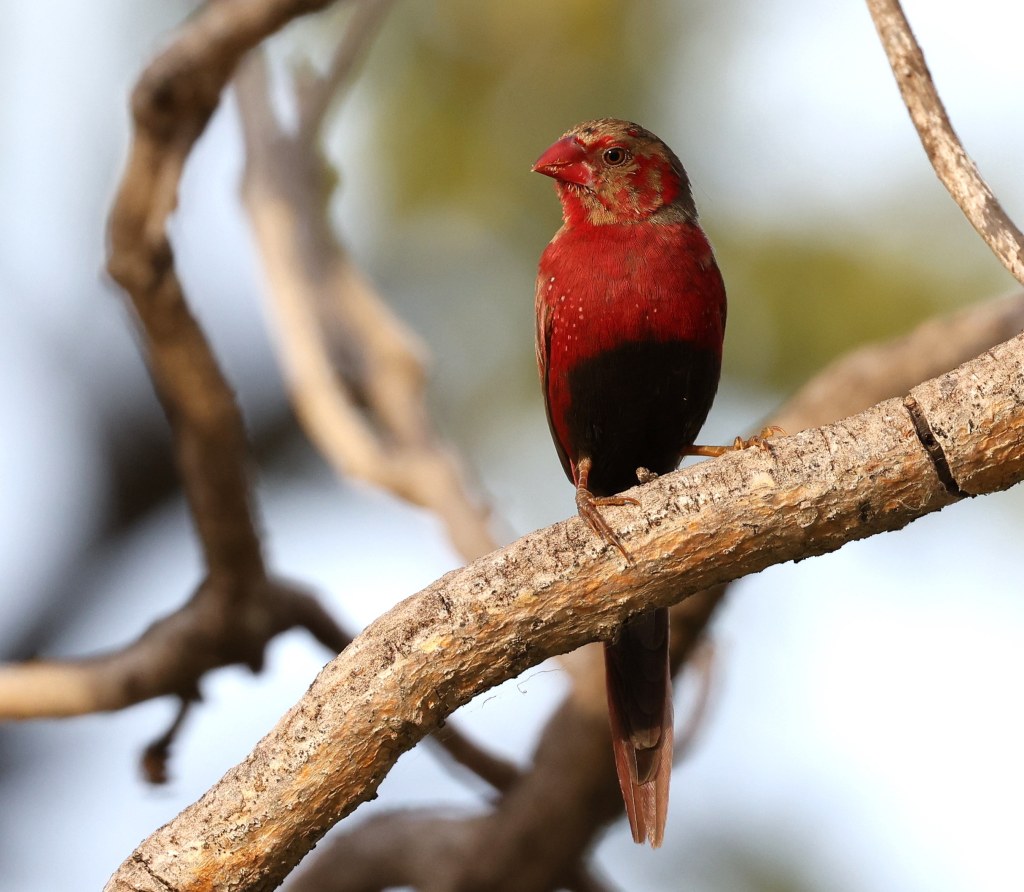
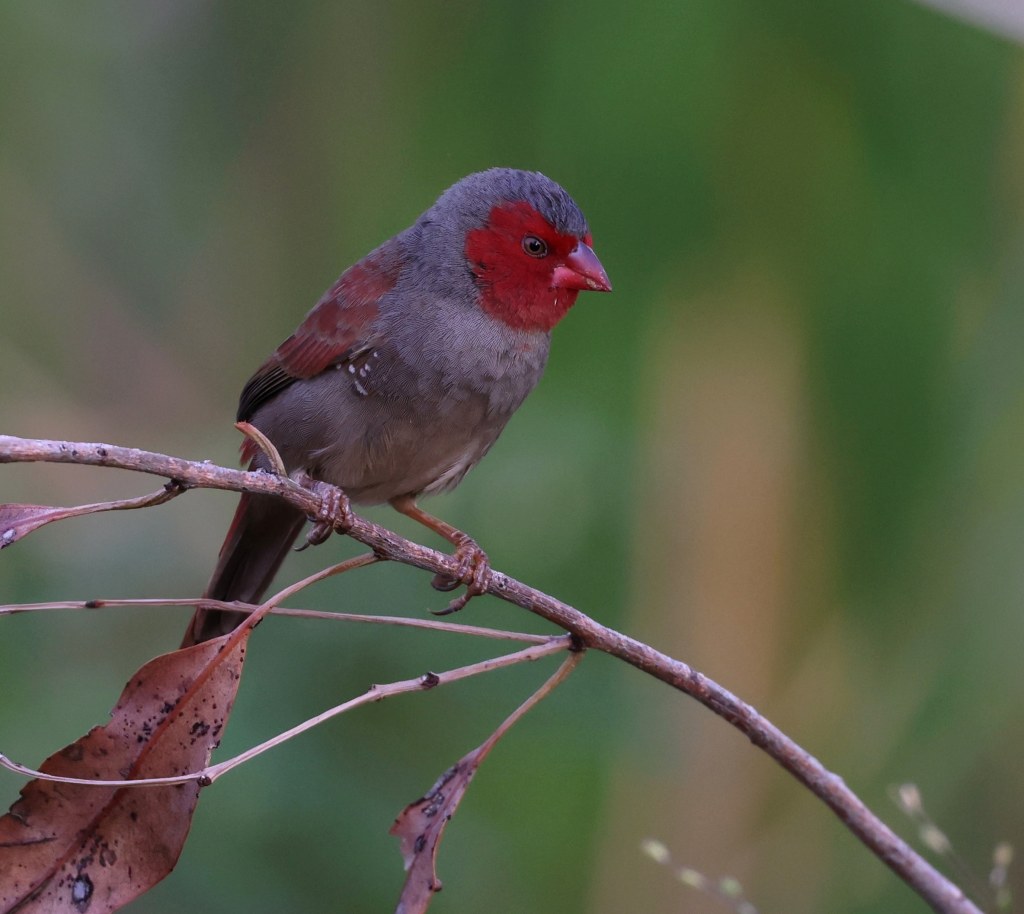
Our main wander through this area was on August 4 in the late afternoon. It was quite busy with people (there is an adjoining caravan park), but there was a good selection of birds on offer. There were plenty of Swamphens wandering around (we counted 22) and also noisily flapping in the lakeside reeds. A couple of dozen Crimson Finches were a big highlight with their amazing colour variations; eBird also shows Chestnut-Breasted, Double-Barred and even Star Finches are regularly possible, as are Yellow-Rumped Mannikin in the summer.

The reeds and other vegetation on the lake fringes provided plenty of interest, notably with Yellow-Tinted Honeyeaters, but Rufous-Throated, Brown and Blue-Faced Honeyeaters were all in attendance around the site as well.


We counted eight Comb-Crested Jacana, over a dozen Wandering Whistling Ducks and a smattering of terns, cormorants and Pelicans among the water birds, while one of the interpretative sign talked about the possibility of bitterns (Australian Little Bittern in particular).

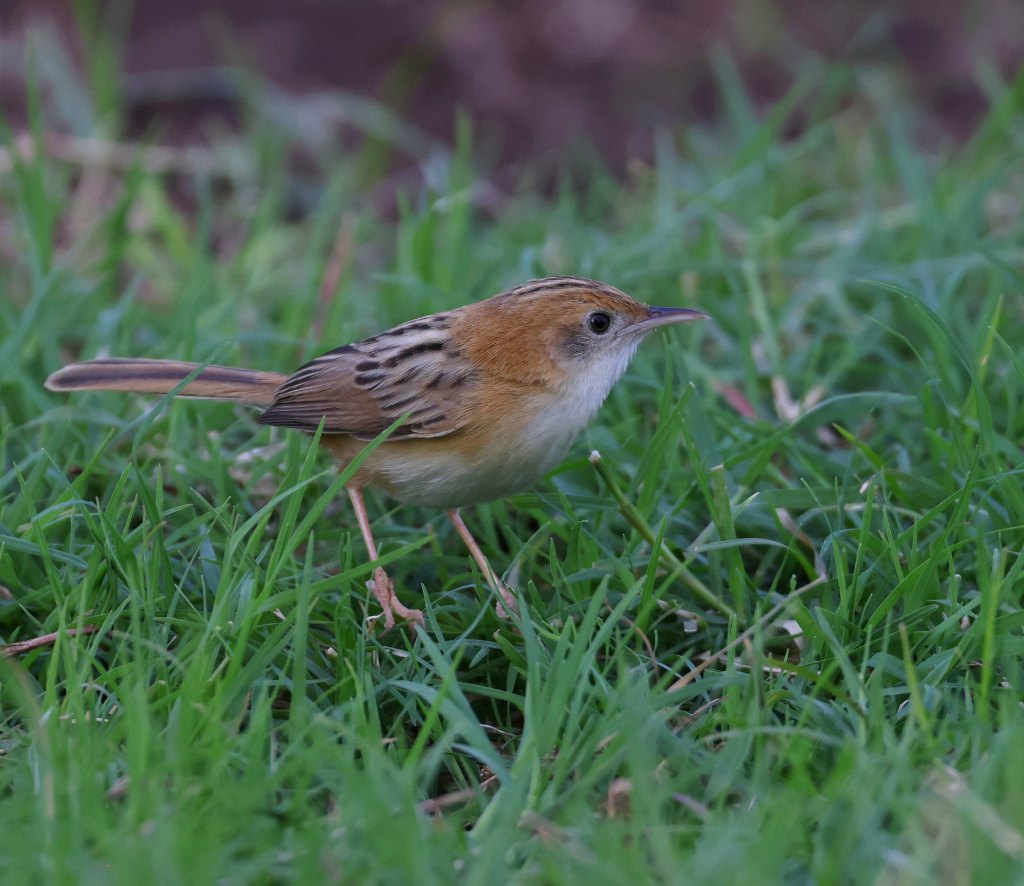
Reed Warblers inhabited the reeds while Golden-Headed Cisticolas were brave enough to hop about on the grass.
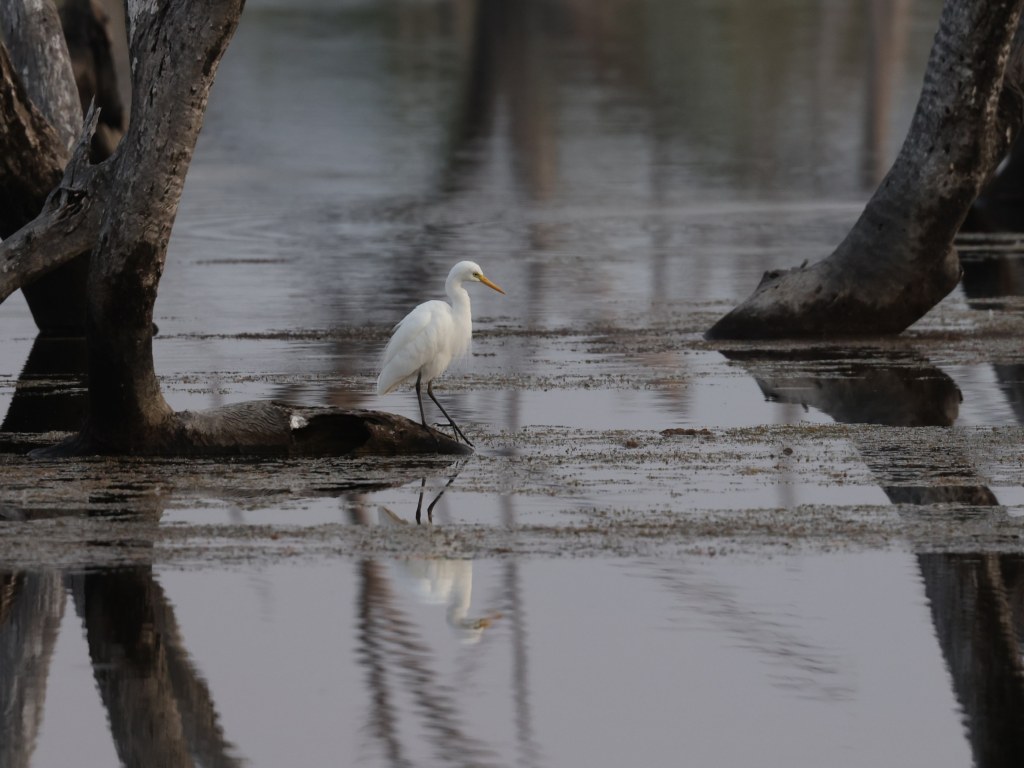
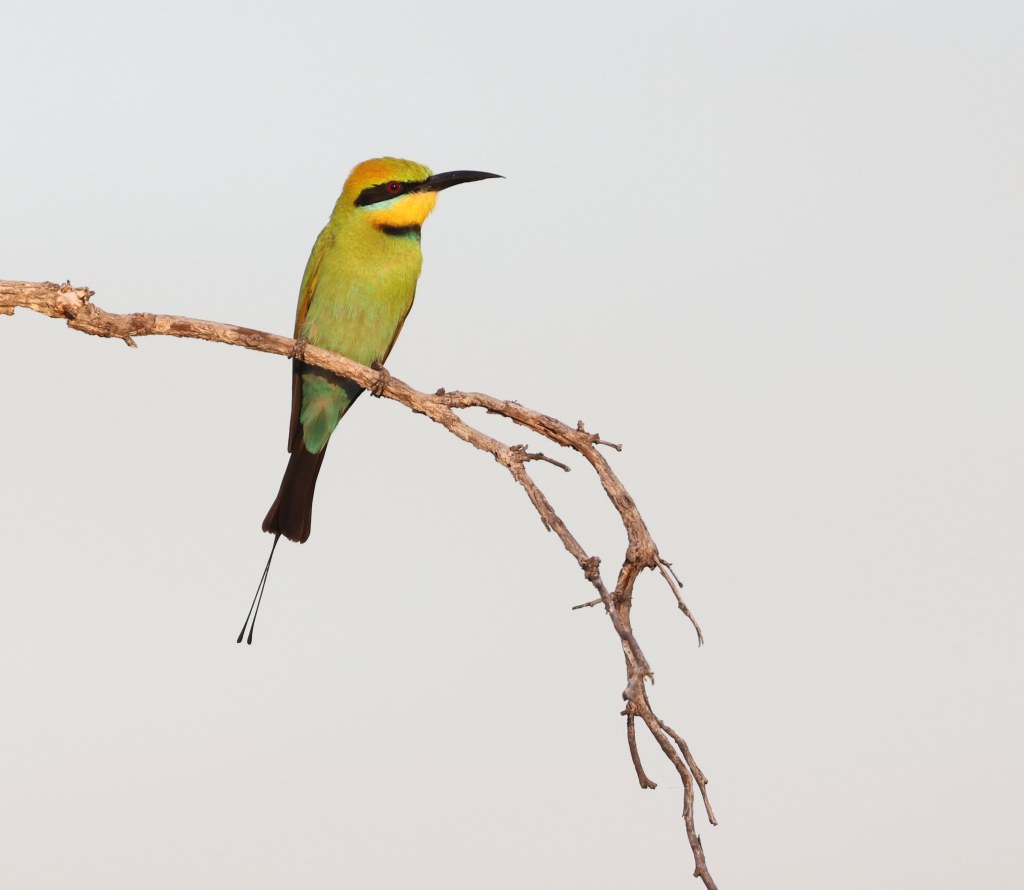
We totalled 31 species in under an hour here, while a quick pass-through on another day at dusk had us incidentally finding Rainbow Bee-Eaters roosting in one of the bigger trees in the middle of the park – it was too dark to count numbers but there were plenty of them.
Given the easy flat paths, the bird-attractor of the lake and the proximity to town, this is a pretty nice site to while away an hour or two. It actually has the highest species count (172) of any eBird hotspot in the Kununurra area, so it’s no slouch if you want to see lots of different birds.
Birding Along The Ord River
The mighty Ord River, over 650km in length, passes through Kununurra and widens to form Lake Kununurra. A few locations where river birding is possible along here are worth mentioning.
Lion’s Park lies just across the river from town, where the road crosses the “Kununurra Diversion Dam”. It’s a little bit of a rough spot for parking your car (potholes/ruts etc) but has some nice Pandanus Palms and other vegetation overhanging the water so can make for a scenic stop away from any crowds.
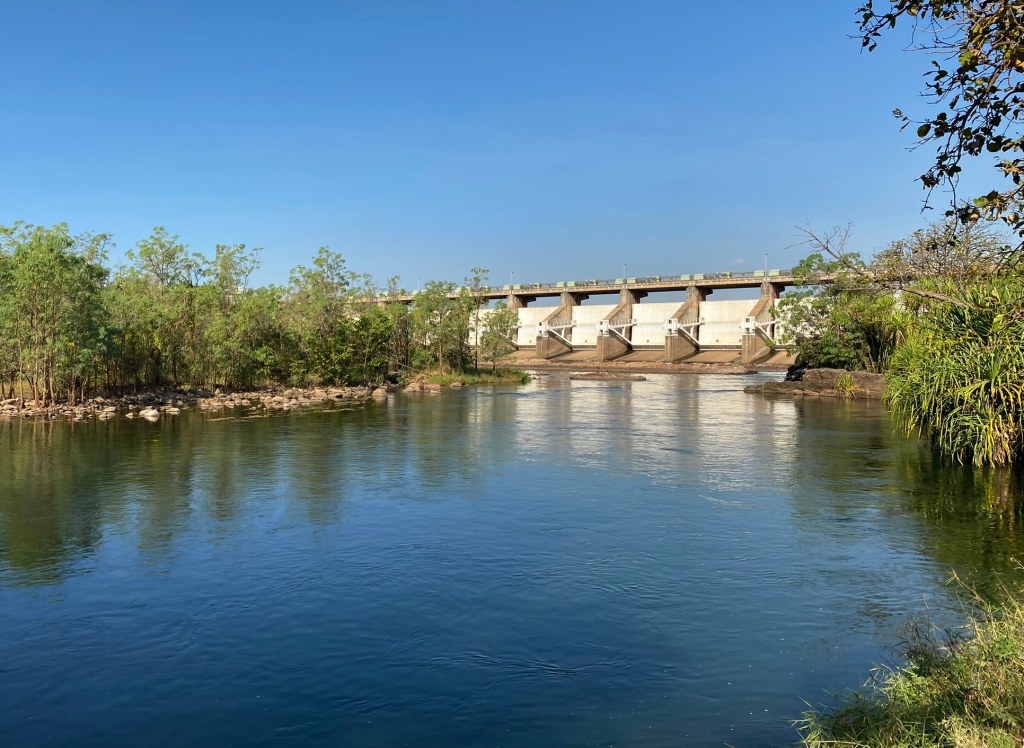
Here we saw an Osprey nabbing a fish from the river as well as a few of the usual water birds – cormorants and a Whiskered Tern, for example, and some Chestnut-Breasted Mannikin.
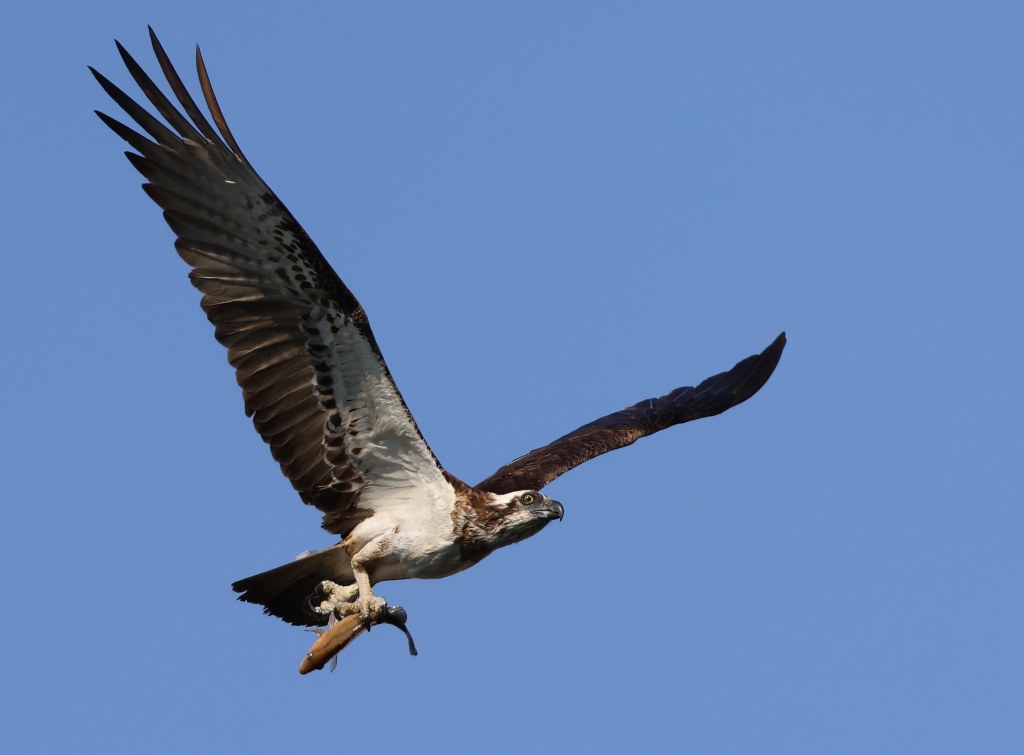
This isn’t a highly-frequented spot (it has just 20 checklists on eBird) but might be worth your time to check out.
Across the other side of the diversion dam is a string of riverside locales including beaches, a water ski club, picnic and play areas. One of the beaches is called “Swim Beach” because in theory you can swim in it (croc-controlled area, supposedly), but we were more interested in birding than swimming.

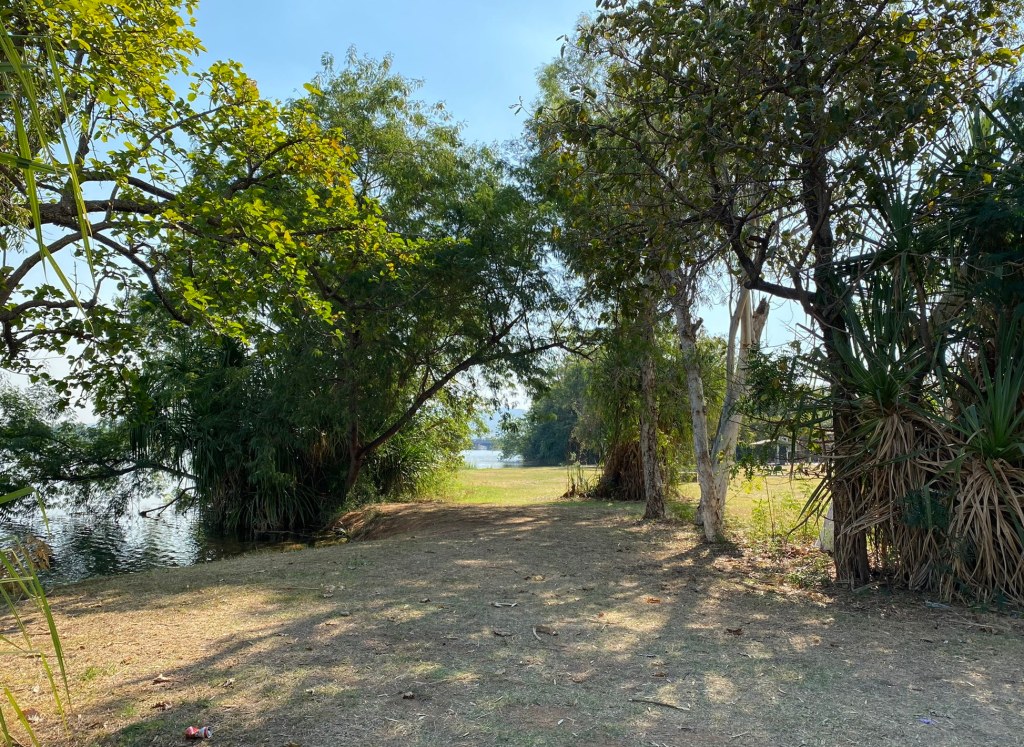
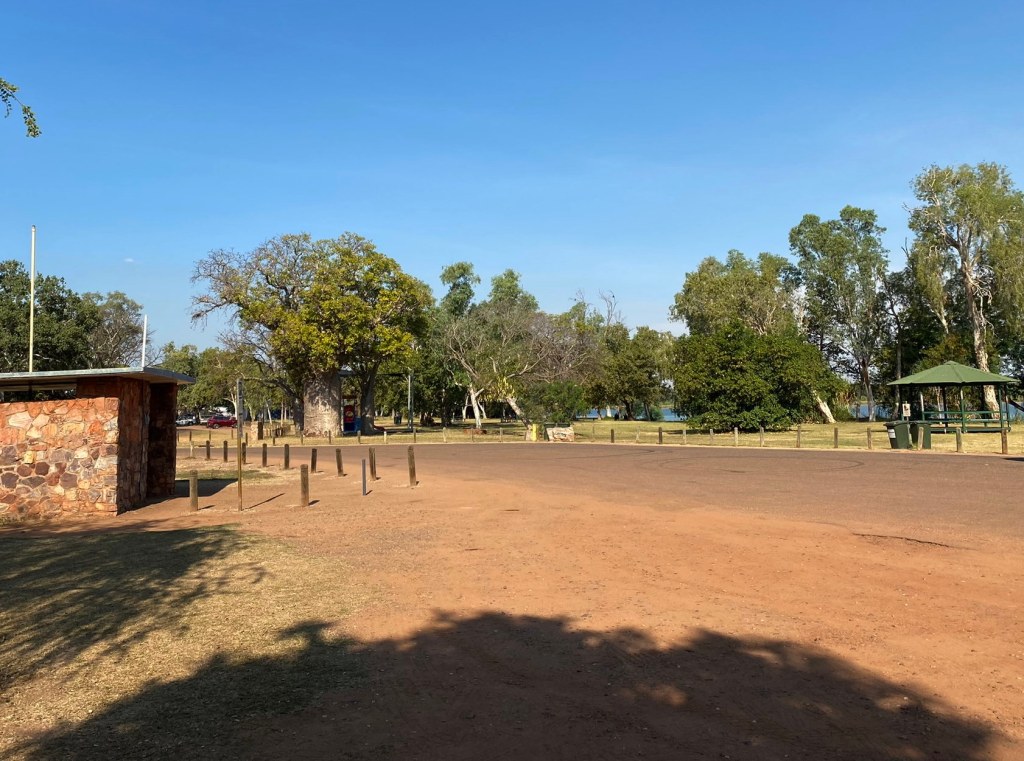
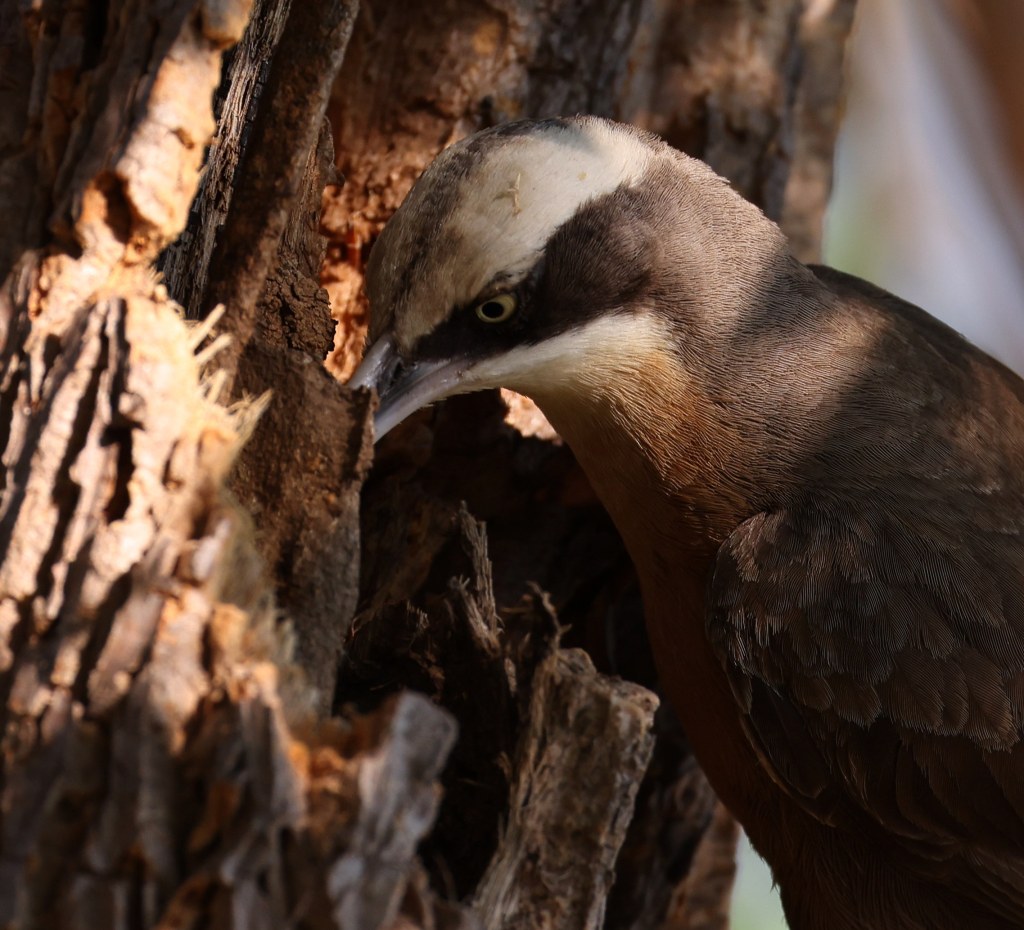
Our biggest highlight here were seven Grey-Crowned Babblers who were riotous fun to watch as they thoroughly checked out every trunk, flower and leaf, moving from tree to tree and sometimes hopping along the ground.

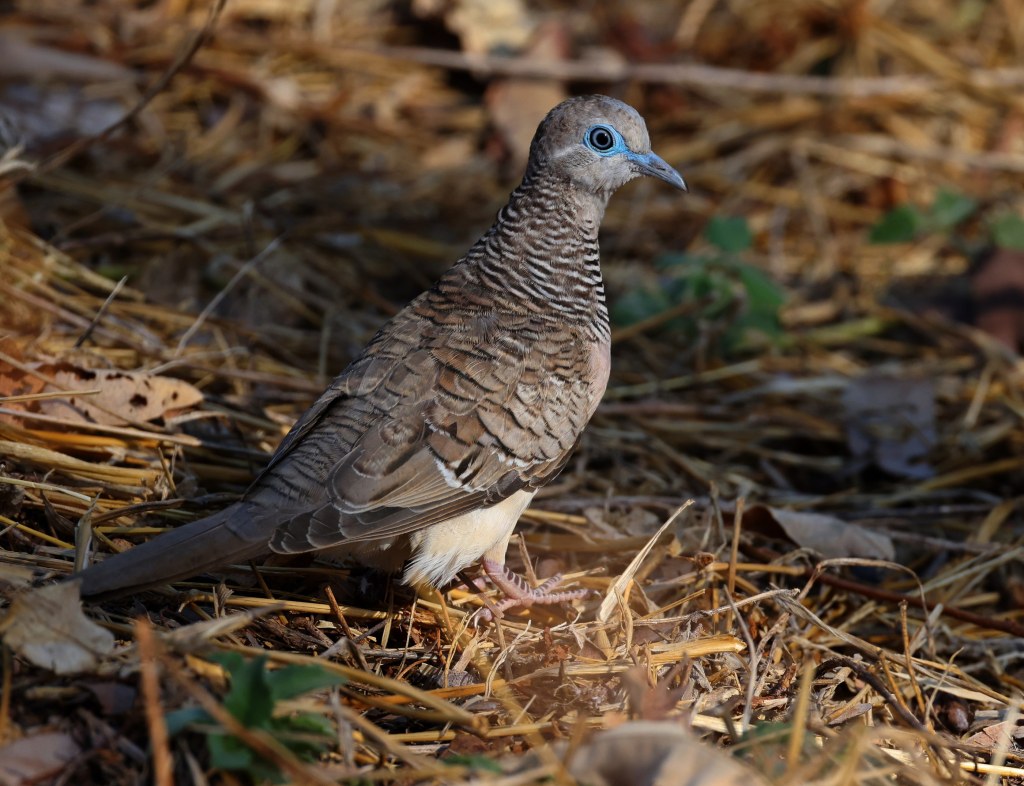
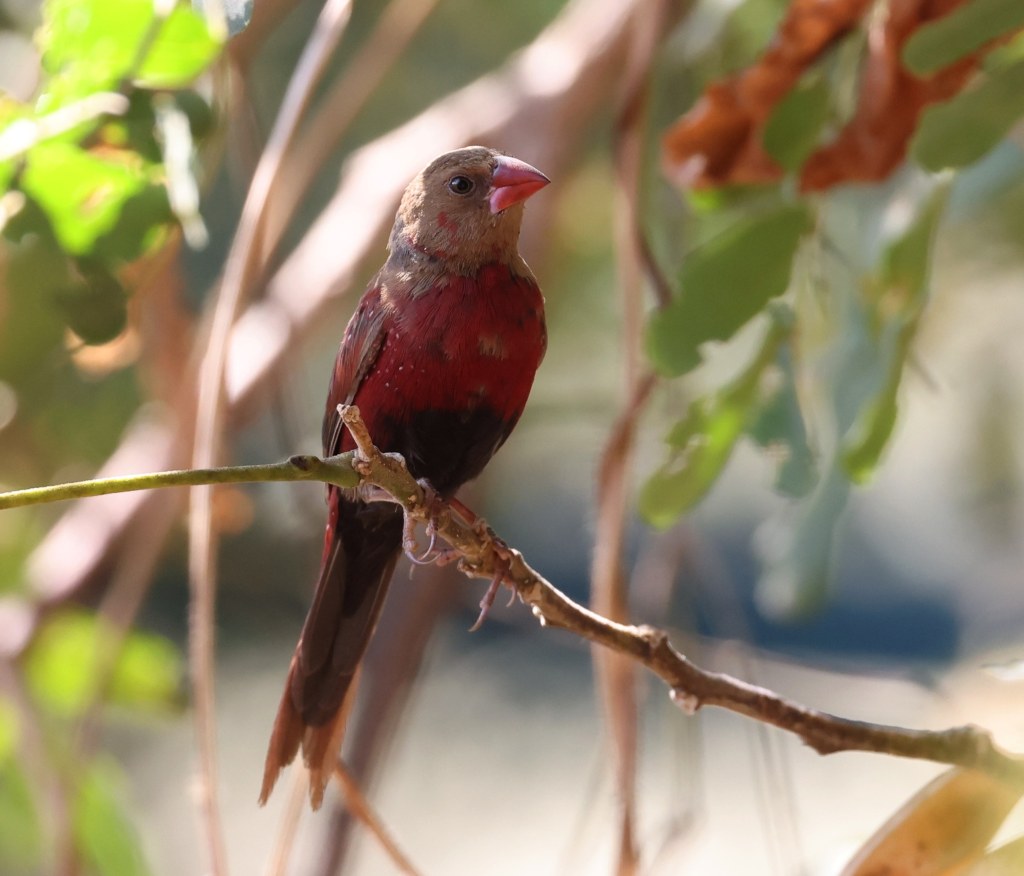
We saw Peaceful and Bar-Shouldered Doves here along with the ever-present Crimson Finches.
We also recorded Black-Breasted Buzzard (very high up in the sky) as well as Black and Whistling Kites. This is pretty easy birding, it’s all flat and it’s a case of wandering around until you find something interesting.
Further along the river (via Lakeview Road if you care to drive it), a wide irrigation channel empties out to Lake Kununurra right where the photogenic Pumphouse sits (a restaurant now, though it has been closed for a while).
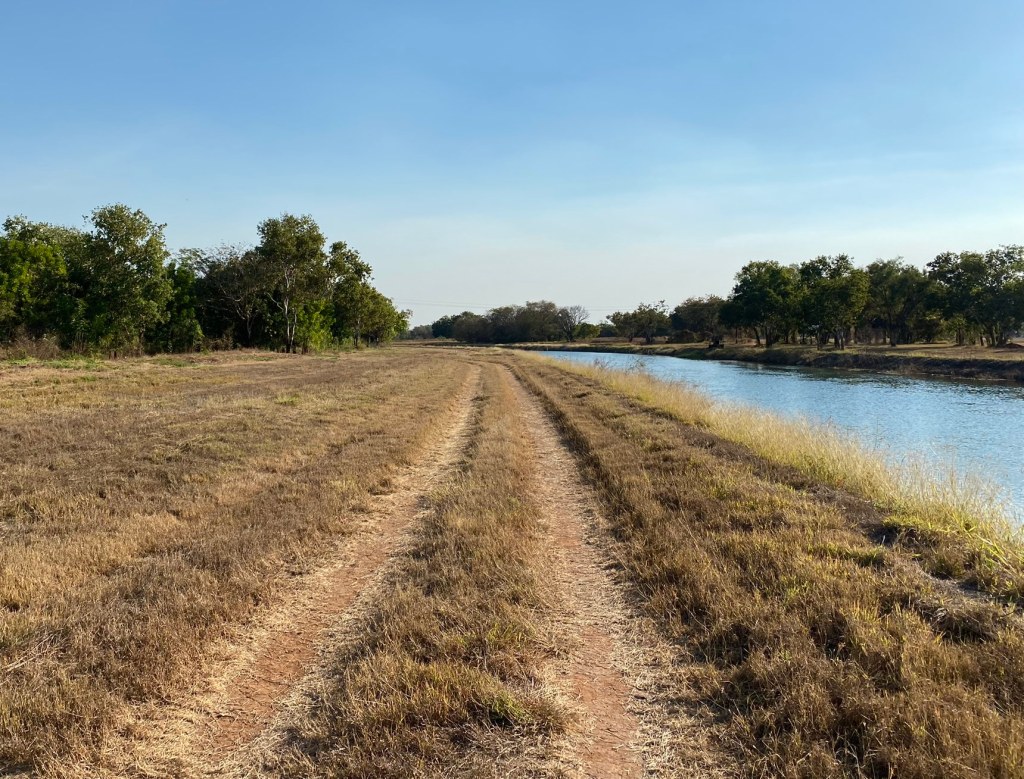
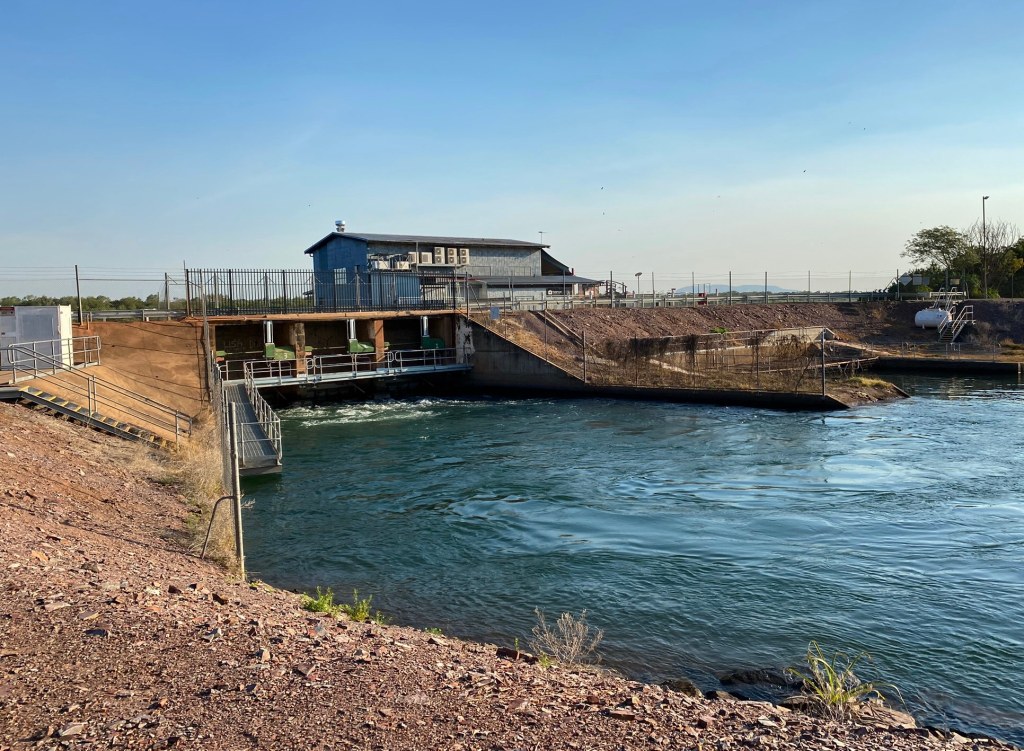

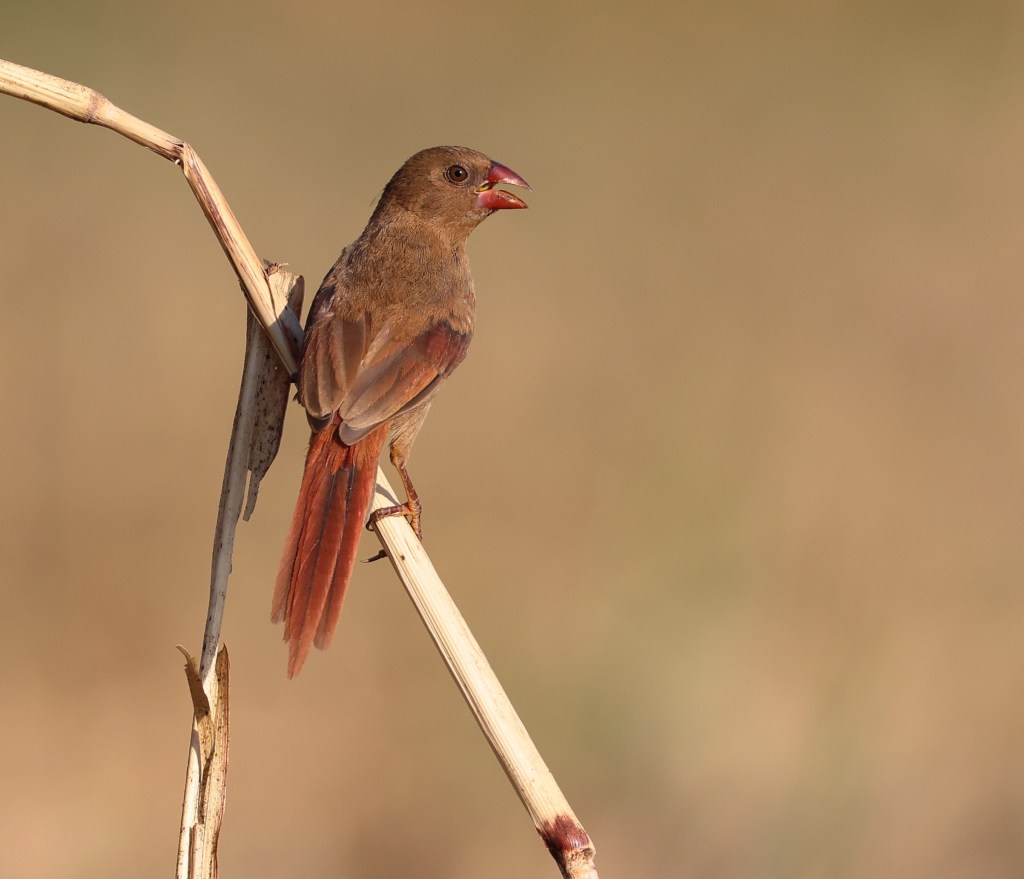
The channel and the dirt roads that run along either side are pretty typical for birding in the area – ie. grassy-verged irrigation ditches with bush/treelines behind. Here (of course) we saw Crimson Finches.
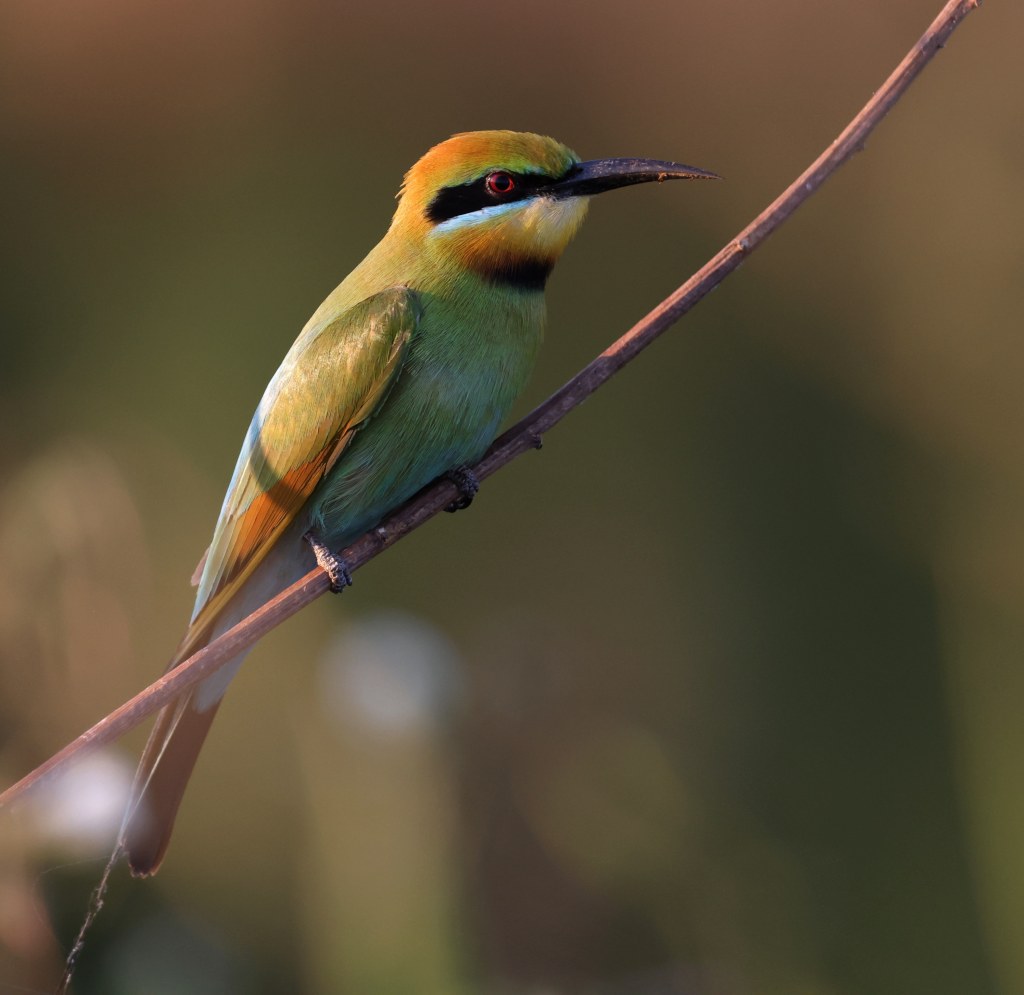
The standard Kununurra Rainbow Bee-Eater presence was also felt here; the photographic opportunities were good due to fringing vegetation along the canal. Any bird that popped up on a reed or exposed branch typically made for a good shot!
Closer to the pumphouse a group of around 50 Fairy Martins were swarming, and now and again landing on fences and posts to rest.


A pair of Great Bowerbirds and a few doves and honeyeaters were also present. The nominal eBird hotspot, Lake Kununurra Walking Trail and Golf Course, shows 143 checklists indicating that this is a more birded location, with good chances of Buff-Sided Robin and Purple-Crowned Fairywren being two of the likely desirable species (not to mention, once again, Star Finches…). Again, it’s pretty easy going birding with long flat sections on dirt/grass paths.
Following The Irrigation Channels: Ivanhoe Road and Ivanhoe Crossing
To the north of the Kununurra township the main road, Ivanhoe Road, follows the waterways, and looked like a promising area to thoroughly explore (especially, according to eBird, 3rd Irrigation Channel, which is about halfway to the river crossing).


Ivanhoe Crossing seems quite the favourite for 4WD drivers to test out their slippery-surface traction, so watch out for cars if you’re wandering around here! Just prior to the bridge (approaching from the southern side) there are (unsigned/unofficial) networks of tracks through the grass and brush.
On mid-afternoon Aug 4 we hit the jackpot with over 150 Chestnut-Breasted Mannikin, 30 Crimson Finch, 20 Star Finch, 5 Double-Barred Finches and hiding in amongst them, a Yellow-Rumped Mannikin. We saw the Crimsons and Star Finches foraging together to start with on the left side of the road (as you face the river), having walked barely twenty metres into the grasses.
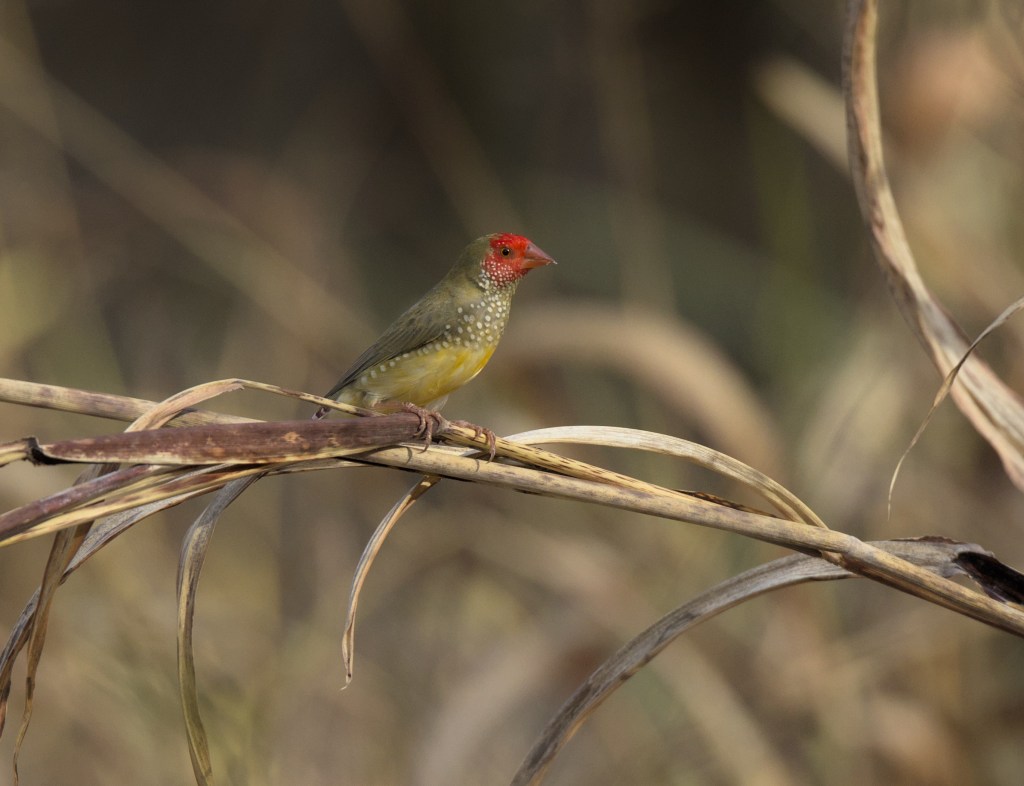
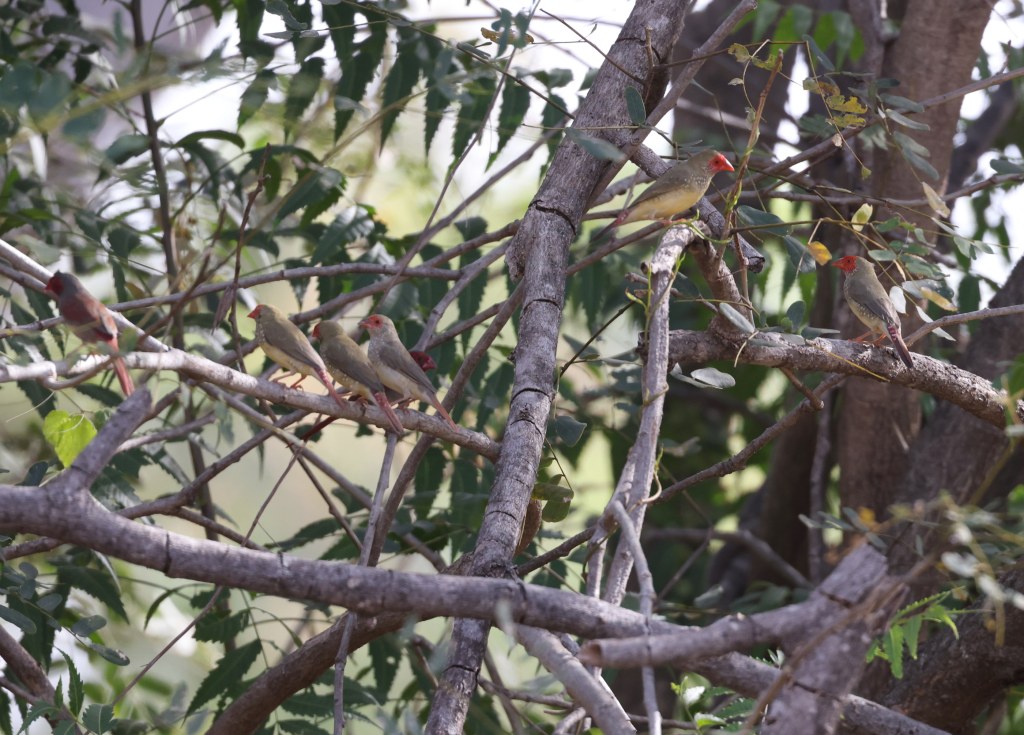
This was definitely the finch deluge we had been hoping for on our finch-chasing trip, and the Star Finches and Yellow-Rumped Mannikin were much-wanted lifer birds for all of us.

There were so many Chestnut-Breasted Mannikins that you could actually hear the grass moving and rustling quite loudly when they were foraging in it.
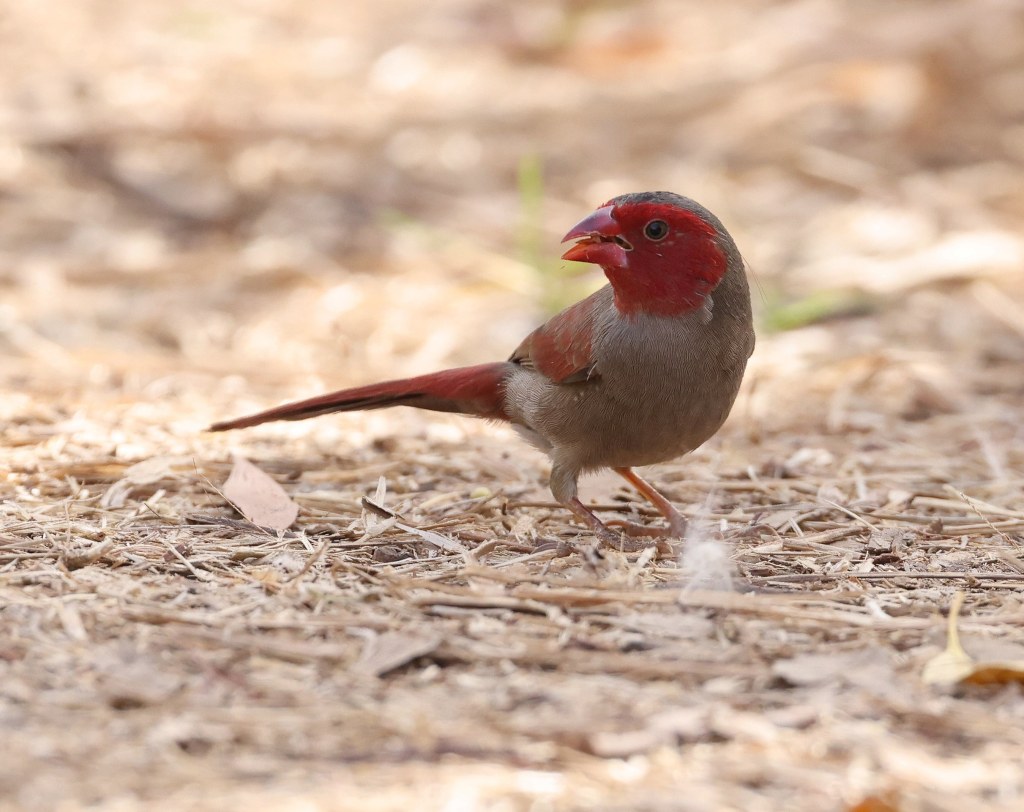

Four Red-Backed Fairywrens and a host of Rainbow Bee-Eaters were also here, as were Buff-Sided Robin and Paperbark Flycatcher and small numbers of three honeyeater species.

On the water we saw Little Black Cormorants, and overall we managed 21 species, including a Brown Goshawk and Black and Whistling Kites to fill out the raptor quota.
We returned on August 6 in the early morning (prime birding hours) and thoroughly explored both sides of the road and found 35 species, but only a few finches (eight Masked Finches included), and no sign of the Star Finches or even Chestnut-Breasteds. Five Red-Collared Lorikeets and the exact same mix of raptors were present plus five honeyeater species (including White-Gaped, Yellow-Tinted and Rufous-Throated). It was a lesson in how fickle these finches can be.

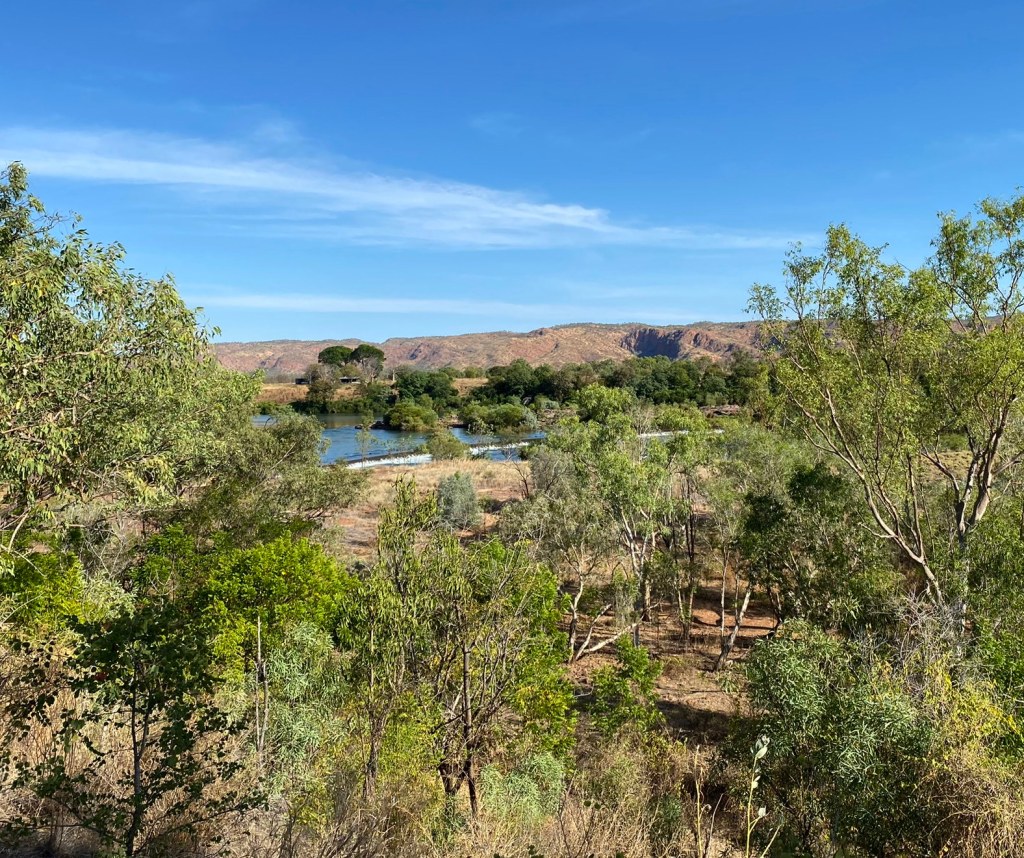
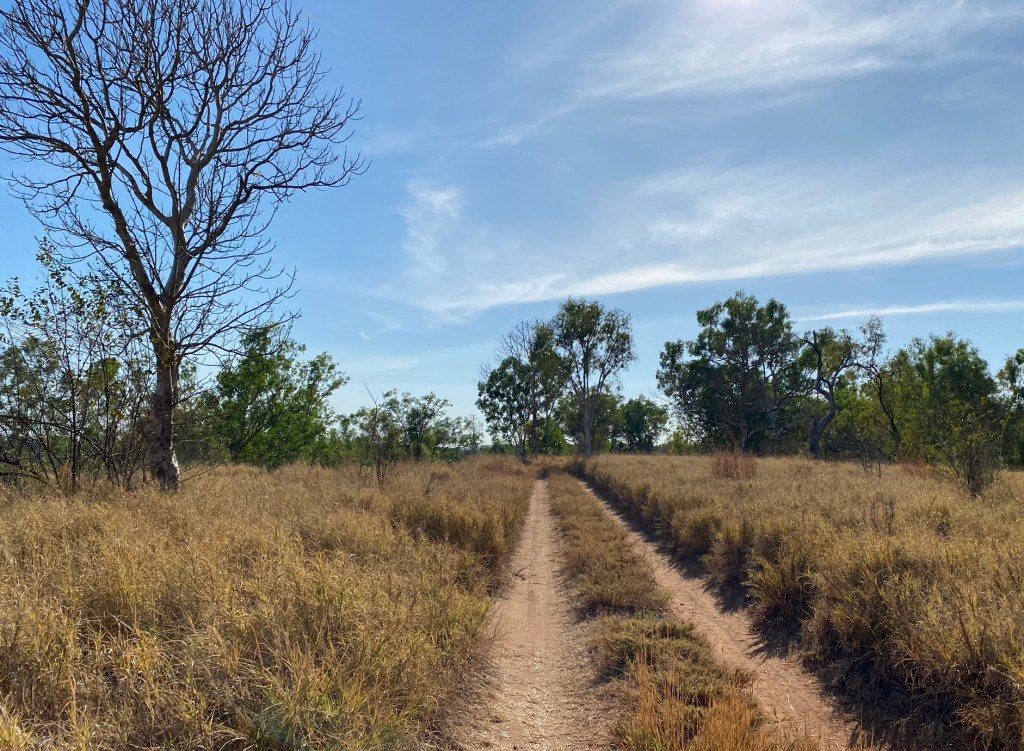
We did try our luck at the 3rd irrigation channel site, where a Red-Backed Kingfisher sat on a power line like an omen of good birding to come…

We weren’t sure where to explore here, it seemed to be that you just parked your car on the side of the road and wandered down the sides of the canals, so we did that.
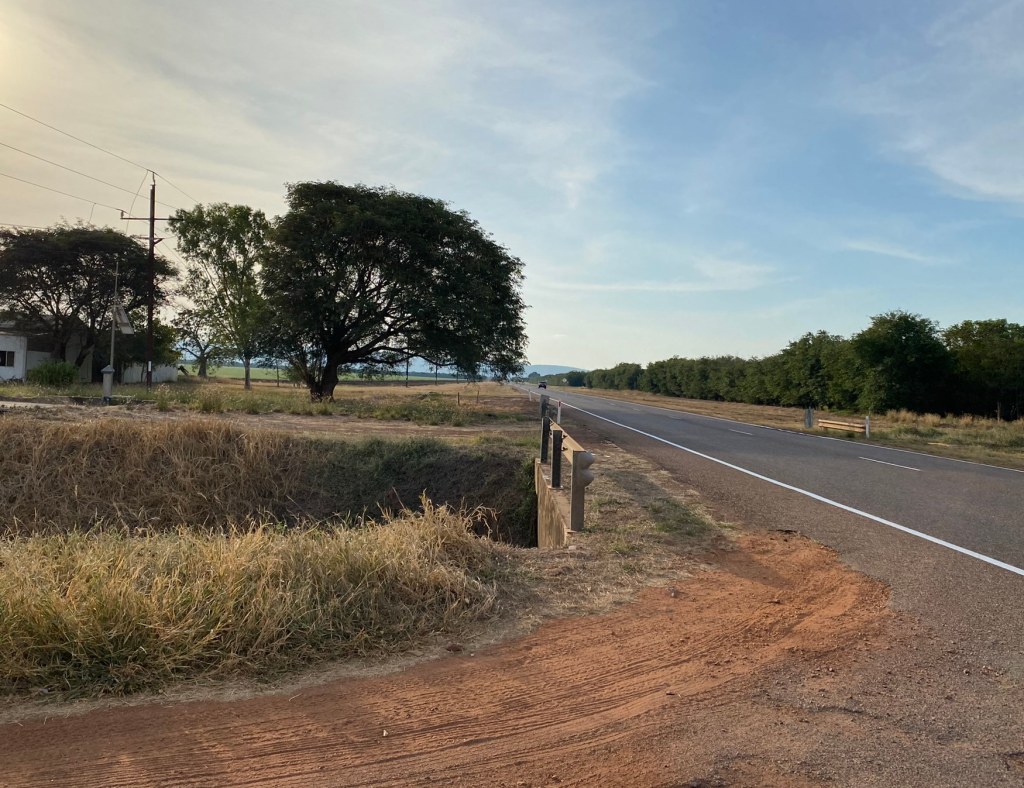
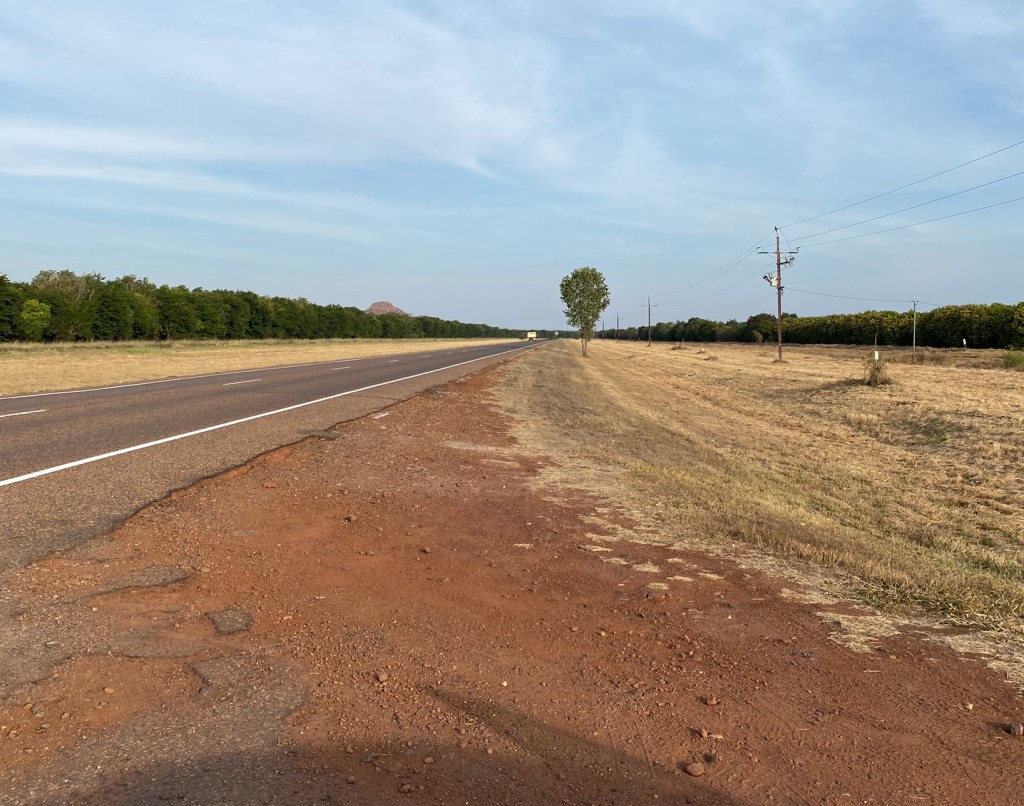
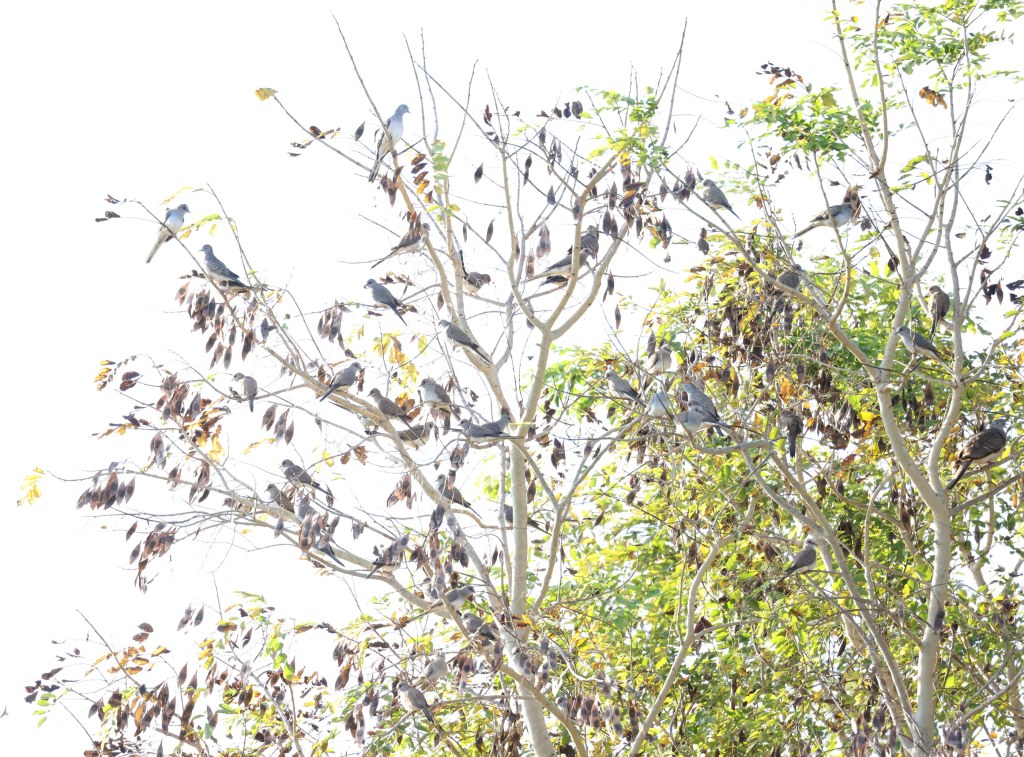
Here we found Golden-Headed Cisticola, several White-Faced Herons in the long grasses by the canal, and quite a few dozen doves foraging on the dirt road (until they all exploded up into a tree at our approach…). At first blush it seemed most of these birds were Diamond Doves, but we eventually counted almost the same number (35) of Bar-Shouldered Doves too. There were plenty of Magpie-Larks, and a flock of over a dozen Yellow White-Eye.
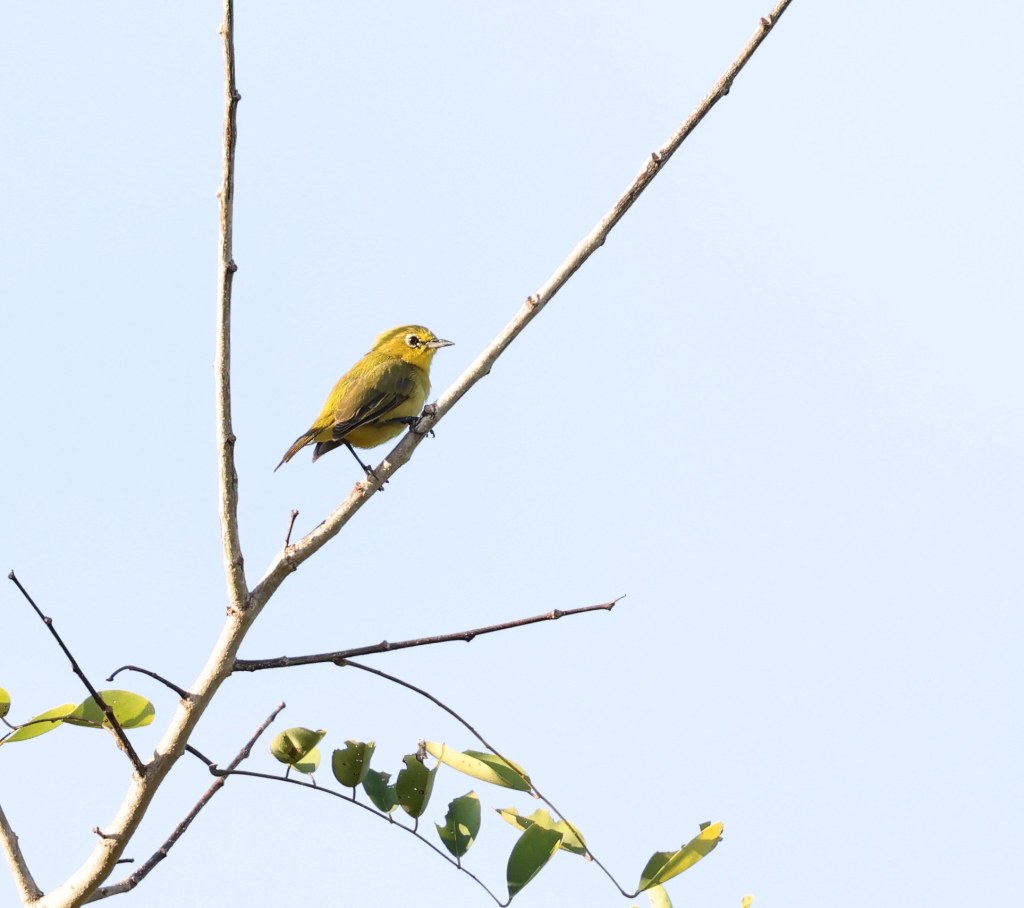
There weren’t any finches we could see in these areas, despite eBird showing good historical frequency of all the local finch species; perhaps the grasses weren’t seeding to their liking.
Parallel to Ivanhoe Road is River Farm Road, which we explored mid-morning on Aug 6. There is an ornamental stonecraft workshop at the north-western end of the road which is worth a visit (um, for rocks, not for birding…), and after we went there we were pleasantly surprised by the general vibe and birdlife along the road, which has an “outback country acreage” feel.
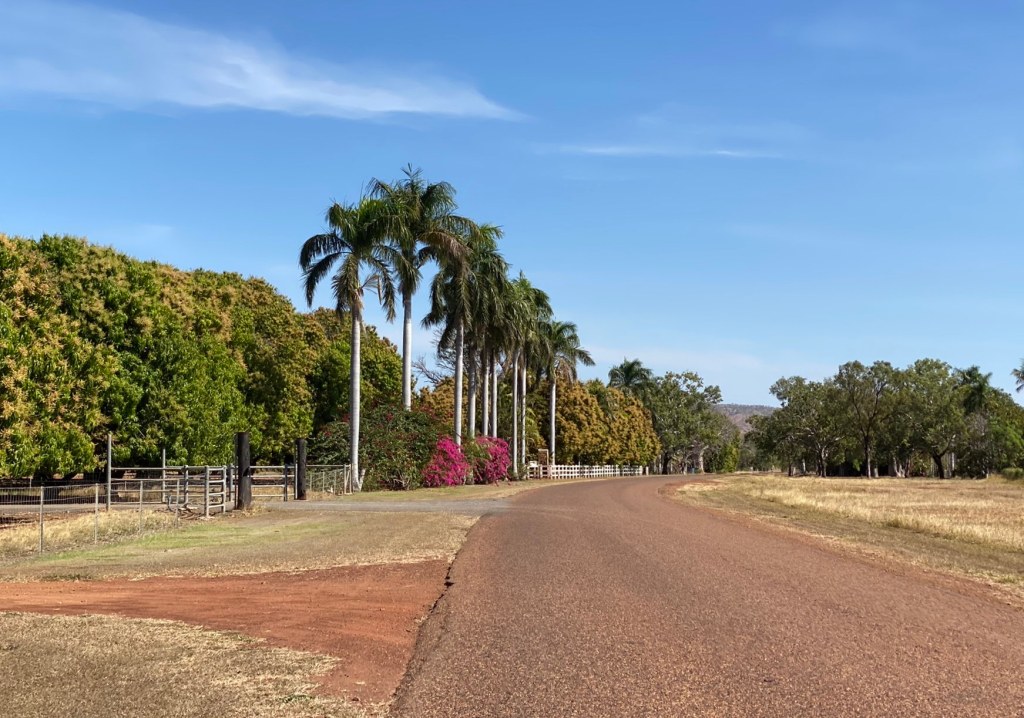

A Diamond Dove perched placidly on a fence line, Black-Faced Woodswallows sat sentinel-like on exposed branches, and a couple of dozen Straw-Necked Ibis were resplendent in the sunlight.

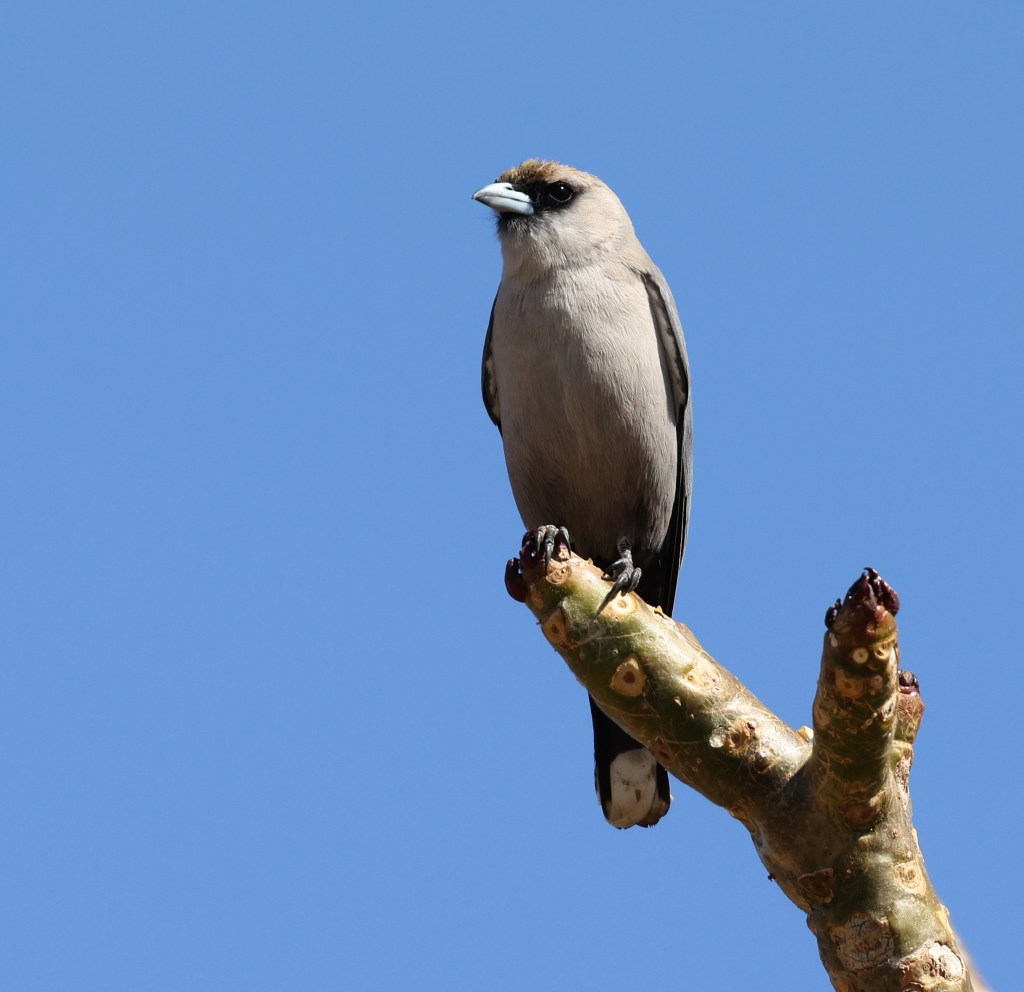
White-Winged Trillers, Blue-Winged Kookaburras and a couple of honeyeaters including White-Gaped were also present.
A Kununurra Landscape Gem: Mirima NP
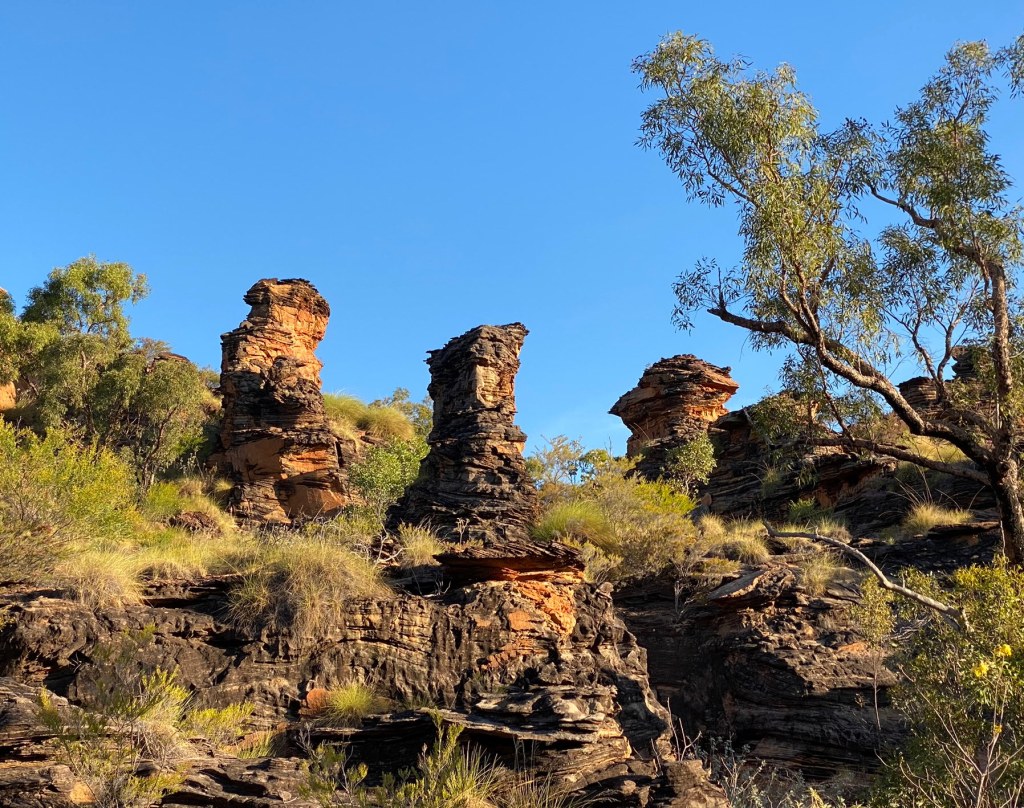
On the eastern edge of Kununurra lies Mirima (Hidden Valley) National Park, a stunning rock formation that surely has to be one of the most amazing lesser-known gems of outback Australia, all the more remarkable for being so close to civilisation. It has been called the “mini Bungle Bungles” with good reason.
A sealed road leads into the national park (a Park Pass is required), though you could conceivably walk from town, so close is it.
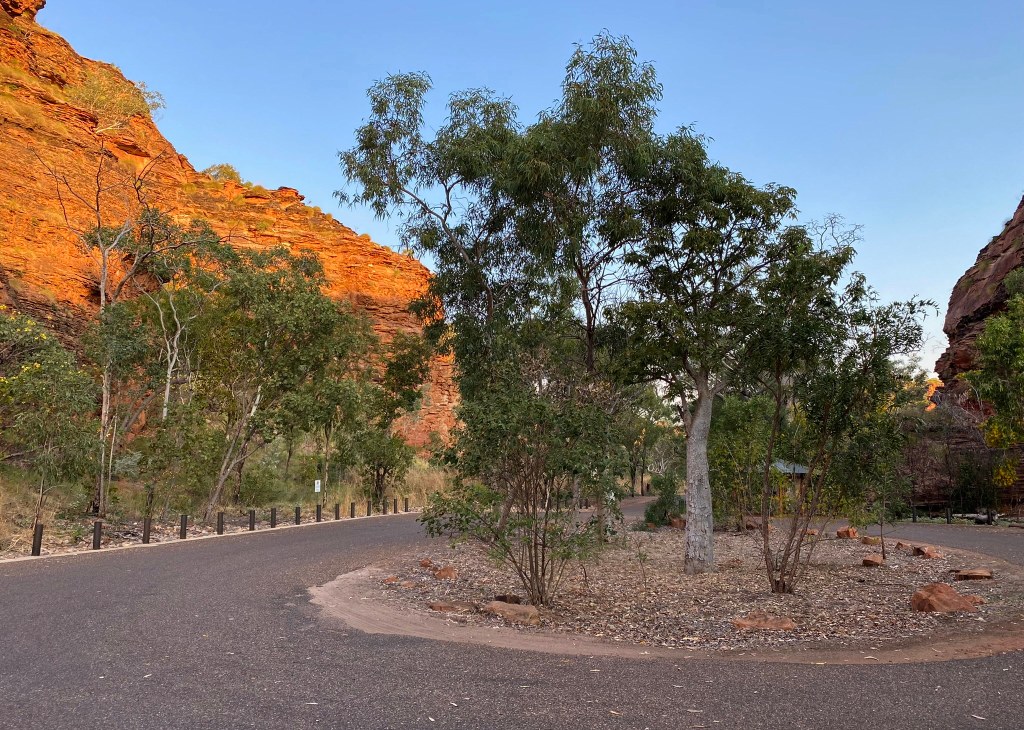
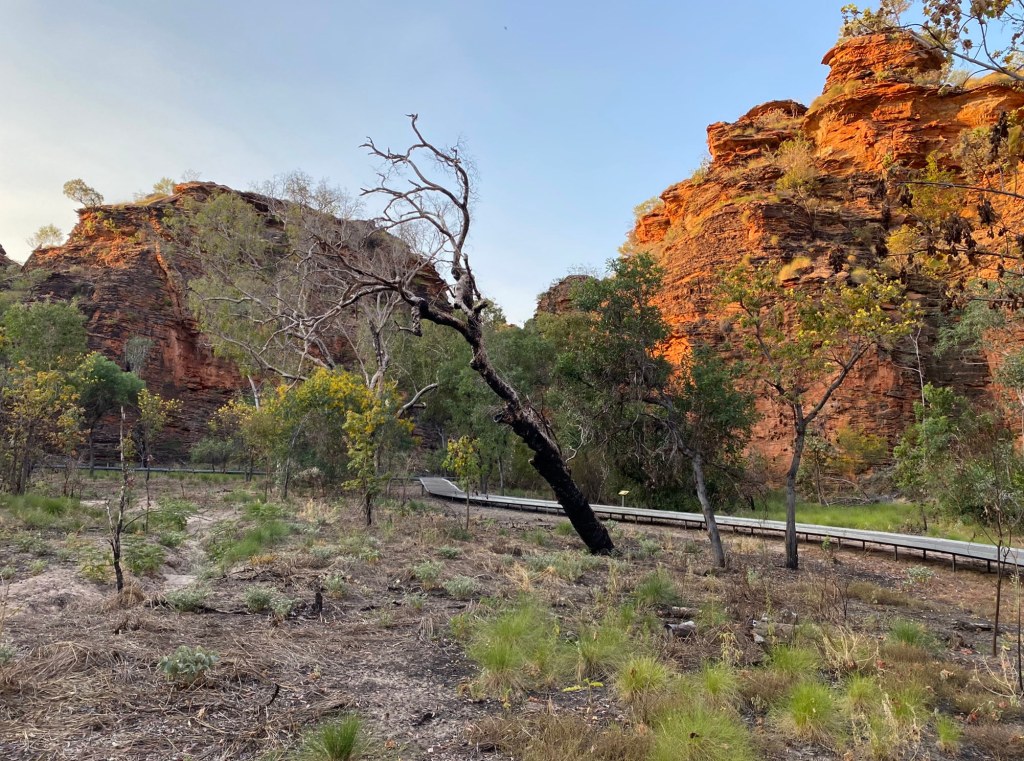
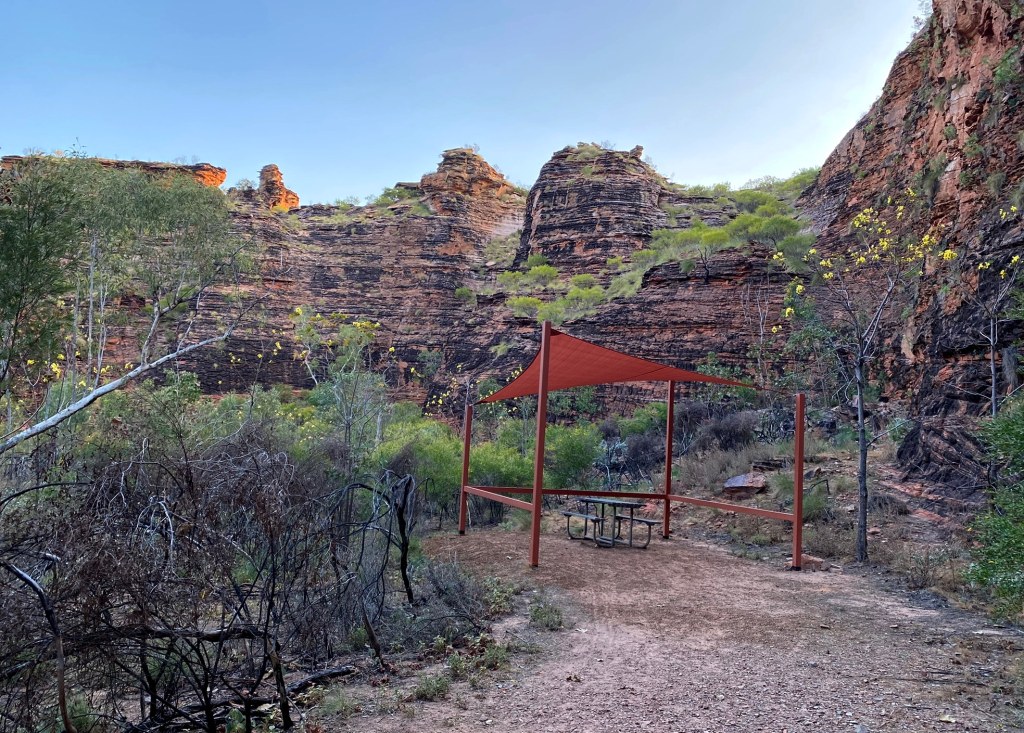
There are a couple of short walks from the car park. The Demboong Banan Trail is just 0.6km but climbs steeply (via cut rock steps and metal stairs) up to a lookout that gives a great view across Kununurra – a top spot for watching an outback sunset.

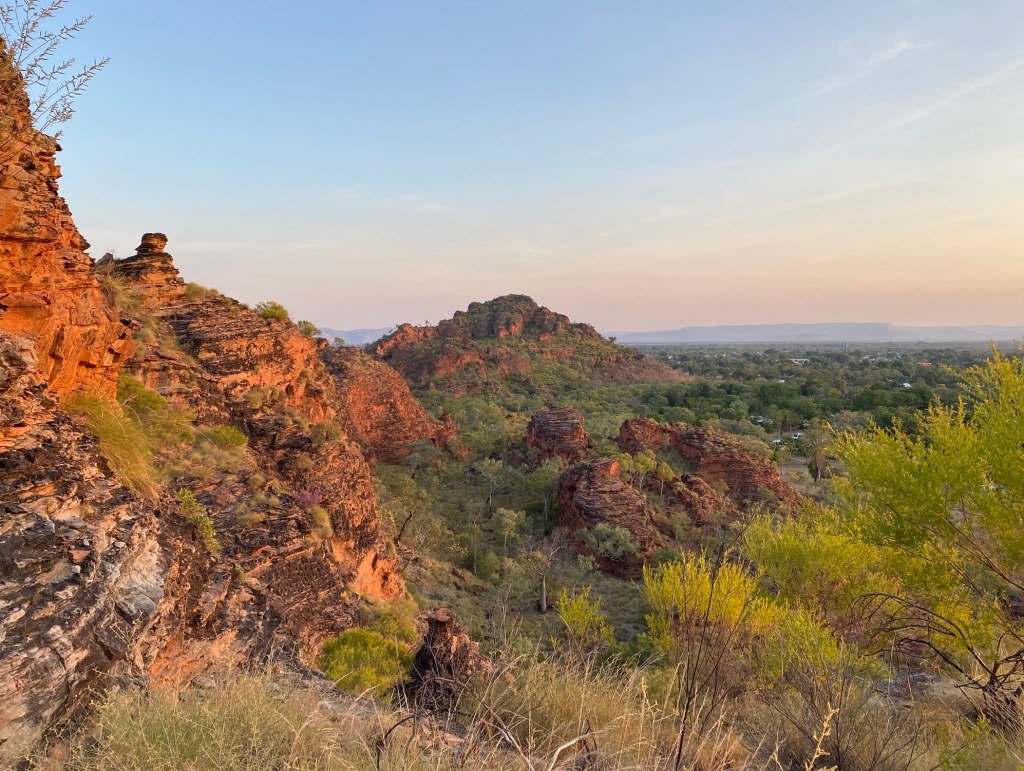
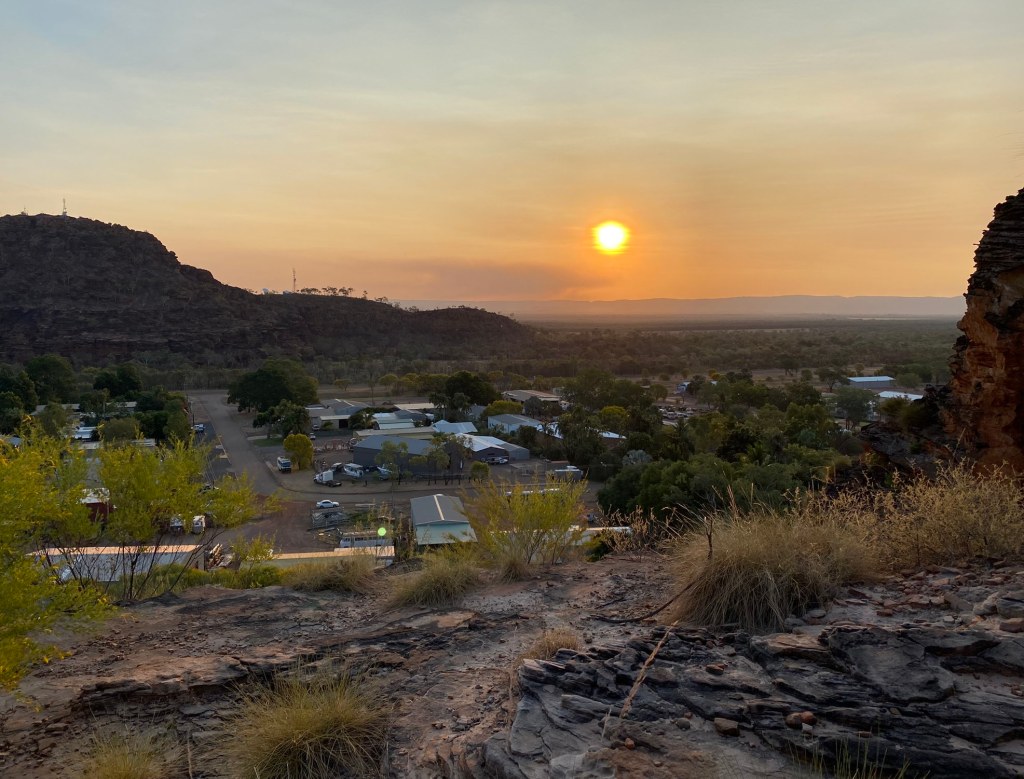
We weren’t concentrating on birding on this short evening walk, but nevertheless enjoyed seeing a dozen Rainbow Bee-Eaters soaring below us, as well as seeing a couple of kites, and a Great Bowerbird, a few Brown Honeyeaters and a Mistletoebird in the sparse trees near the trail.
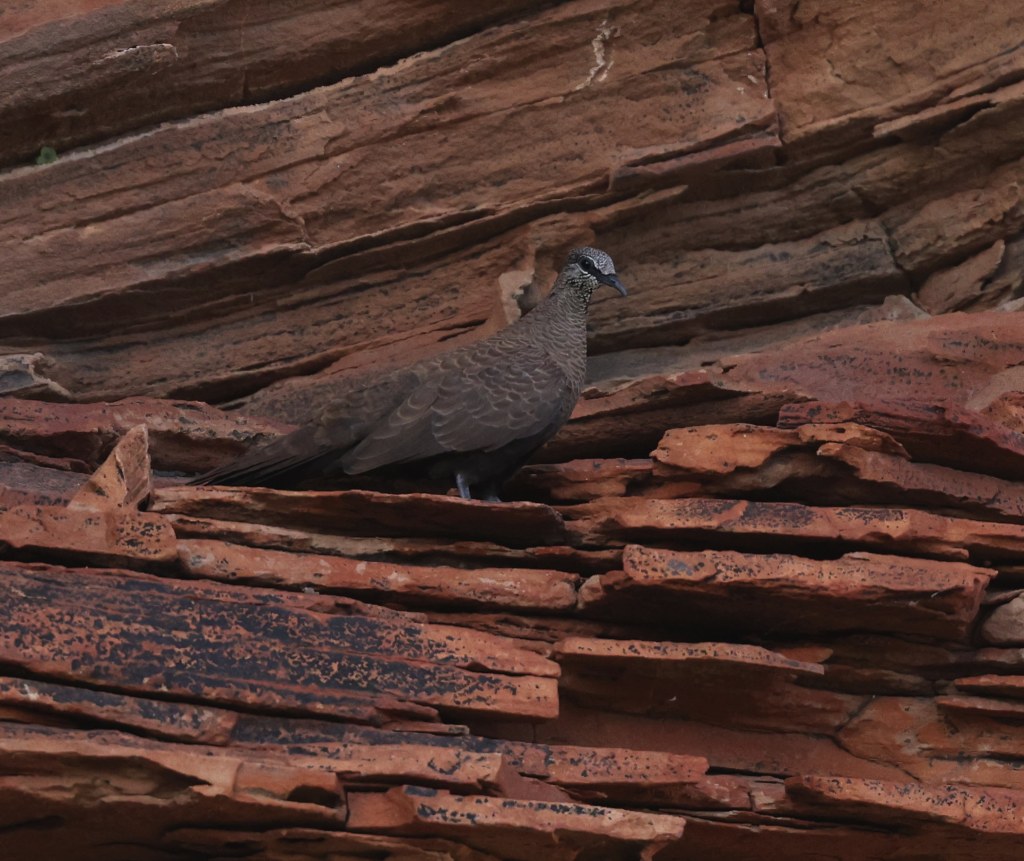
In the afternoon of August 6 we started on the longer Yoorrming Geranyen walk (a 3.7km circuit), allotting plenty of time to ensure we could get some birding in along the way. It took a while but eventually we were rewarded with a trio of Weebills and then a White-Quilled Rock Pigeon. We ultimately saw three of these pigeons, which along with Sandstone Shrikethrush, are species to look out for in this kind of dry rocky habitat, as you won’t find them anywhere else.
The trail is not too hard to follow and consists of dirt or rock surface with occasional ascents and descents. It can be hard to watch where you’re walking, though, as you might find your eyes glued to the gorgeous landscape, with instagram-able views around every bend of the path.

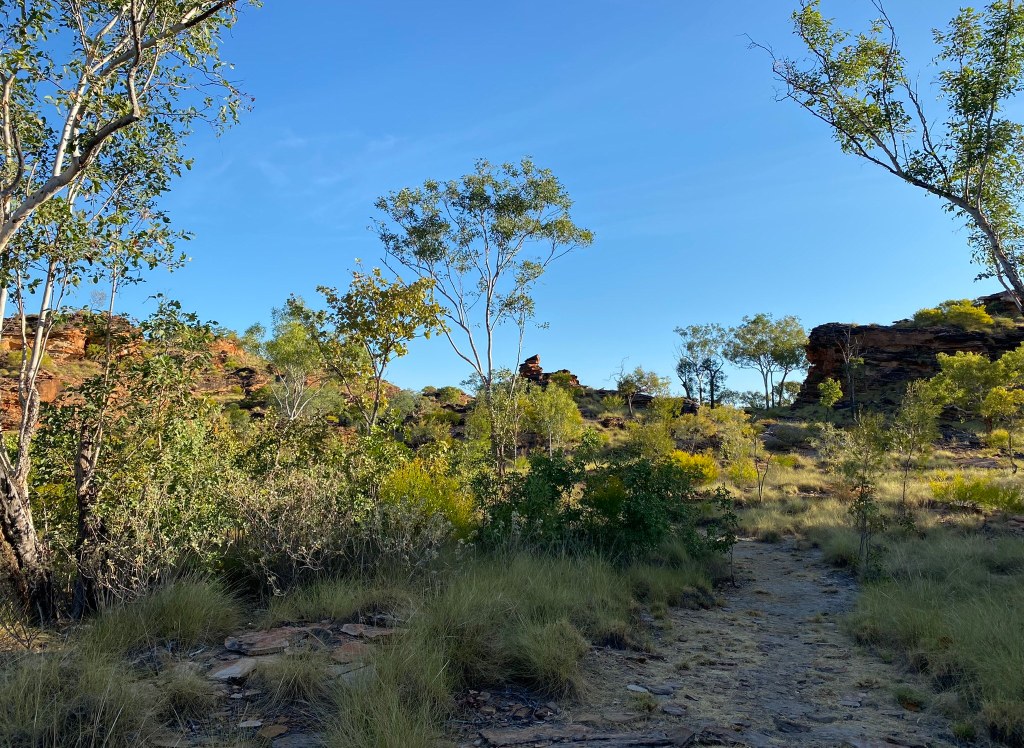
We chased a couple of smaller birds that turned out to be Purple-Backed Fairywrens, whilst a Red-Winged Parrot and a few Red-Collared Lorikeets flew over at various times.

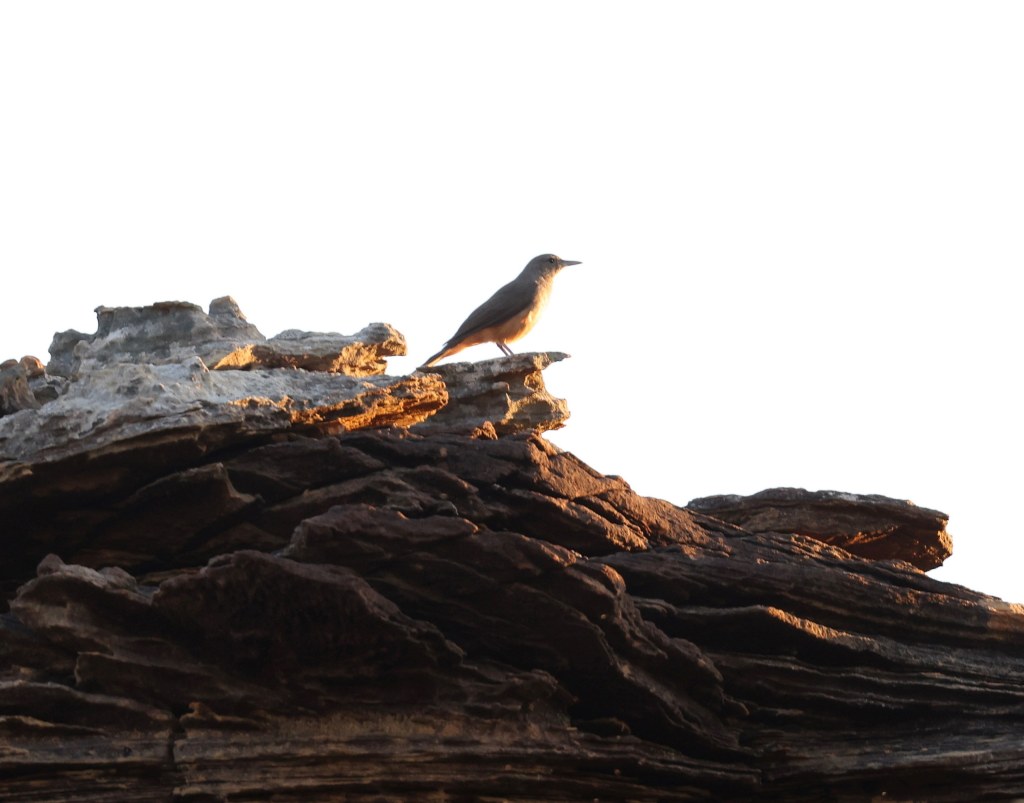
There is a fine outlook out to the west which has a handy bench seat for sitting.
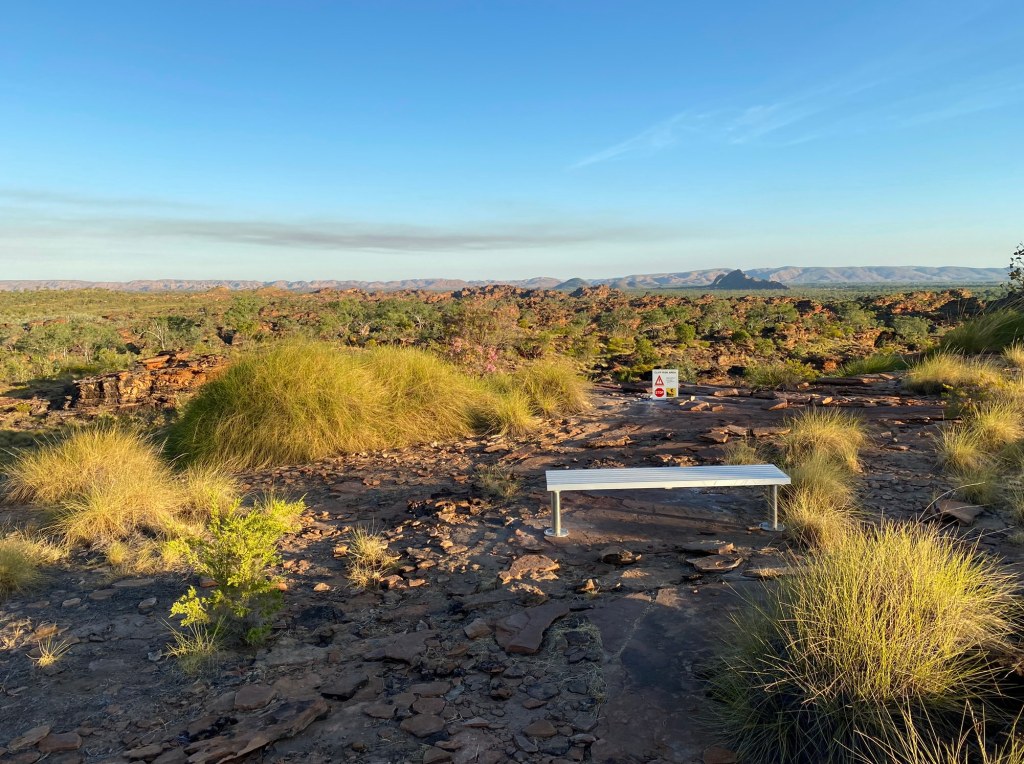

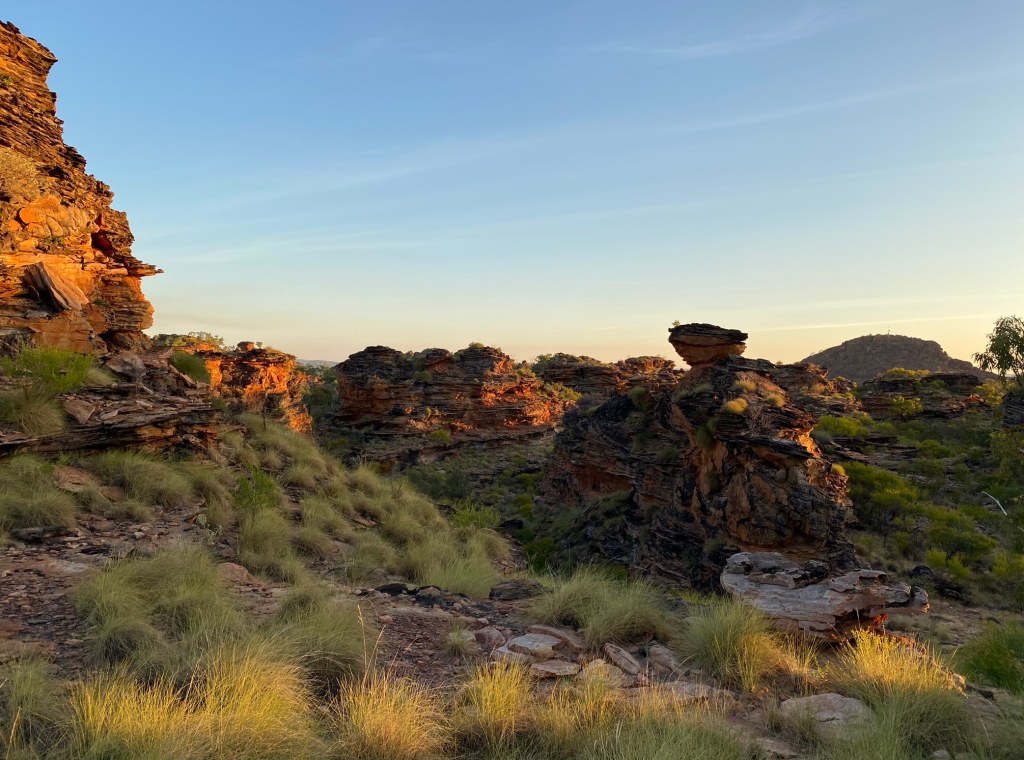
We picked up 16 species in an hour and 40 minutes. Mirima NP is not by any means a massively biodiverse location, but if you are after the specialties of a dry rocky landscape habitat – White-Quilled Rock Pigeon and Sandstone Shrikethrush in particular – then here is a pretty good and relatively accessible place to look, and the views are incredible. Definitely go early morning or late afternoon; I shudder to think how hot it must get amongst these rocks in the middle of the day.
One Last Slightly Random Waterhole Bonus
Following the maxim that “birds are found near water in the outback”, we popped into a place that had what looked like a pond or water hole on Google maps, on the north edge of the Caldesia Loop road at the extreme north of the Kununurra township.


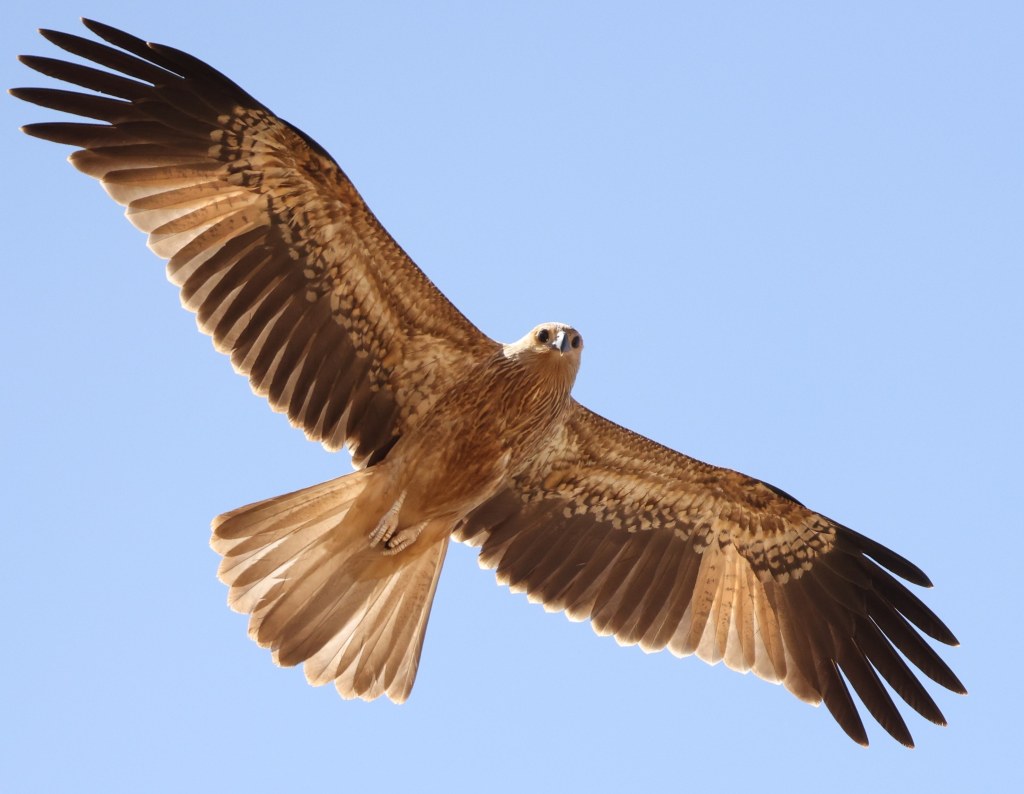
Goodness knows if this pond is still there now or what state it’s in, but at the time we were there the water looked a bit gross… and it was teeming with Black Kites (and a handful of Whistling Kites). They were flying low over the water and proving irresistible for in-flight shots.
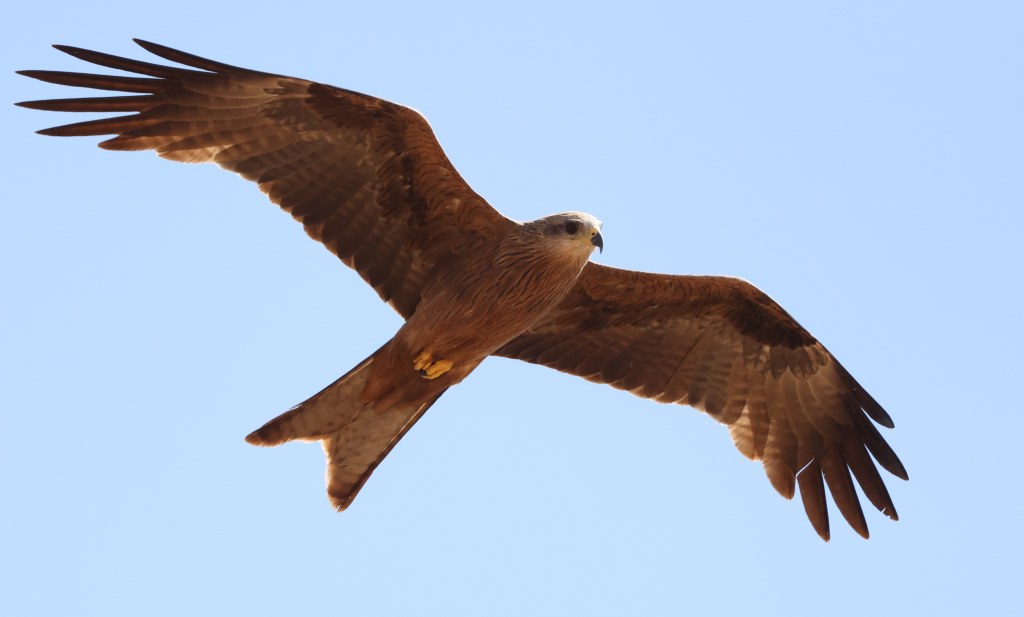
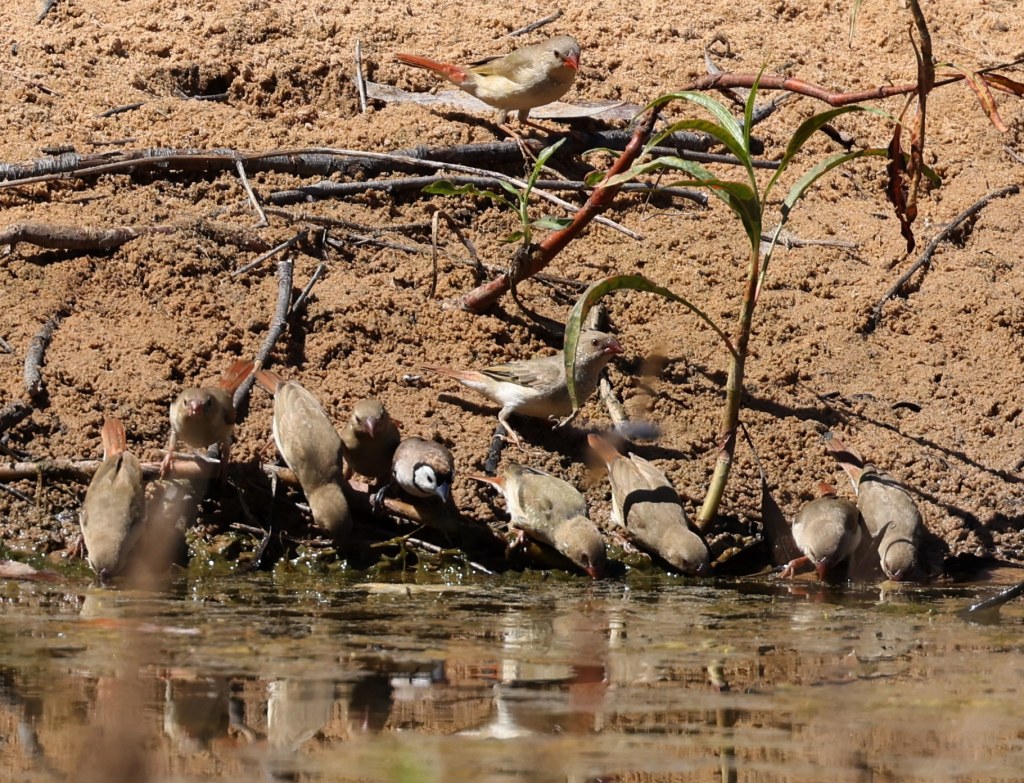
We spotted some finches drinking on the other side of the water, so despite the heat and the annoying sandy ground made our way round there. The finches were very skittish (perhaps wary of the kites) but we managed to get some shots and make a count: around 50 Star Finches, maybe 20 Double-Barreds, and a couple of Masked and Long-Tailed Finches as well.


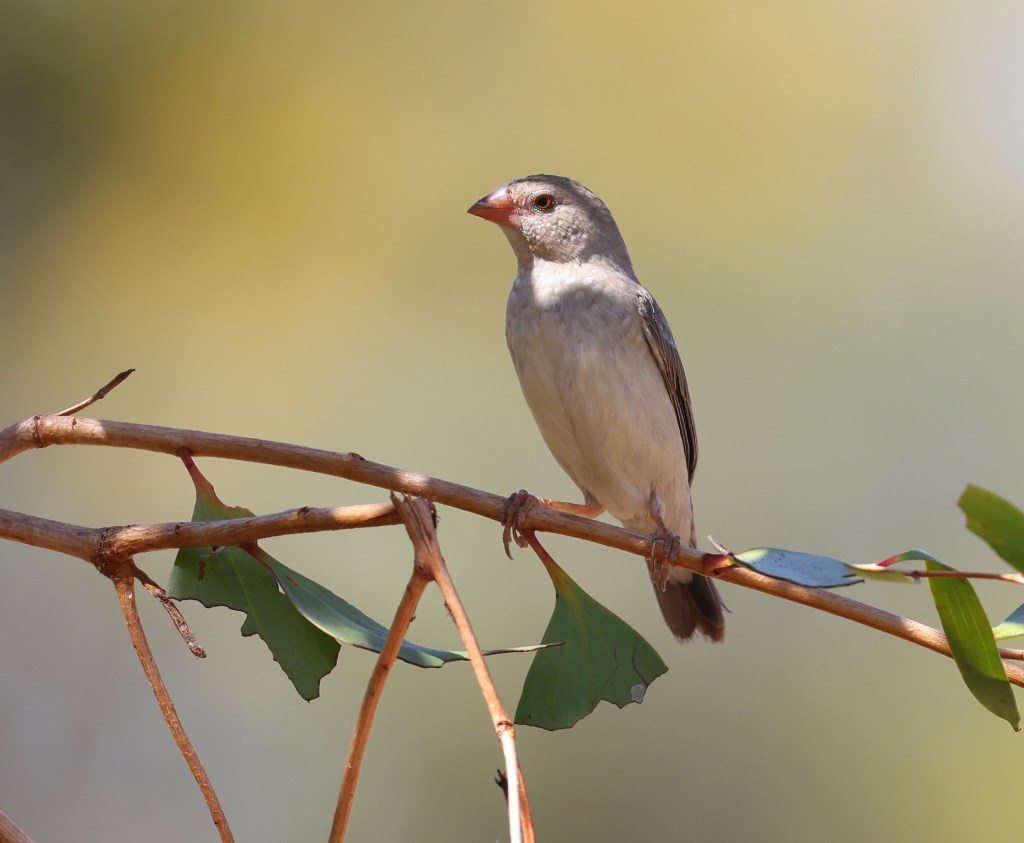
The best photo opp was reserved for a juvenile Star Finch.
Summary
With its wealth of accommodation and facilities Kununurra is a natural base for more widely exploring the region (e.g. Lake Argyle, Parry Lagoons, the Kimberleys) as well as offering its own selection of birdy delights. We were there with a finch mission in mind, and it took some exploring to find Star Finches especially; we discovered them in the more out-of-the-way areas (Ivanhoe Crossing and the Caldesia Loop waterhole). Crimson Finches on the other hand were a given nearly everywhere!
There is a good selection of raptors, water birds and bush birds in the area due to the river, canal and lake system providing water-attractors. Many of the locations mentioned in this post are walkable from the town; nearly all the trails are generally flat and easy to navigate, and the stunning rock formations of Mirima National Park on the town’s doorstep is an added bonus. It sure does get hot, and it’s a long way from anywhere, but there’s not too much else to critique here from a birding point of view.
eBird:
Lily Creek Lagoon and Celebrity Tree Park Aug 4 (31 species), Ivanhoe Crossing Aug 4 (21 species), Diversion Dam and Swim Beach Aug 5 (18 species), Ivanhoe Crossing Aug 6 (35 species), River Farm Rd Aug 6 (12 species), Mirima Aug 6 (16 species)
Pluses and minuses:
+ Finches!!
+ Kununurra is a good base for staying a few days or more
+ Lots of different spots to explore in a fairly small area
+ Mirima NP provides amazing rocky landscapes
– Finches can be very fickle
– It gets hot!
AUTHOR: ANDY GEE
BIRDERS: ANDY GEE, LUKE S, K-A
 Bird Spots