Costa Rica has long been known as a birder’s paradise and is one of the best, if not the best country in Central America to spend some time birding in. We flew direct from Brisbane, Australia to Los Angeles and then after a mere six hour layover, into San Jose, the capital of Costa Rica. Being our first visit birding in the Americas, every bird we saw (save for Rock Doves and Ospreys) was new to us, which made it tremendously exciting – though I am sure it would have been anyway!
We had a week put aside for Costa Rica and concentrated mainly on Rancho Naturalista, two hours drive (in theory – it took longer in practice) east of San Jose. We weren’t trying to get the harder or more desirable birds (like Resplendent Quetzal), more to take it slow and enjoy what birds we could find in the grounds and sites nearby.
Hotel Bougainvillea
About 30 minutes drive from the San Jose airport lies Hotel Bougainvillea, a large hotel with great rooms, a restaurant open for breakfast, lunch and dinner, and excellent gardens and grounds for birding. It made an ideal base for overcoming the worst of the jetlag incurred by traveling for over 25 hours non-stop from Australia, and allowed us to sample some of the exotic new birds when we felt up to it.
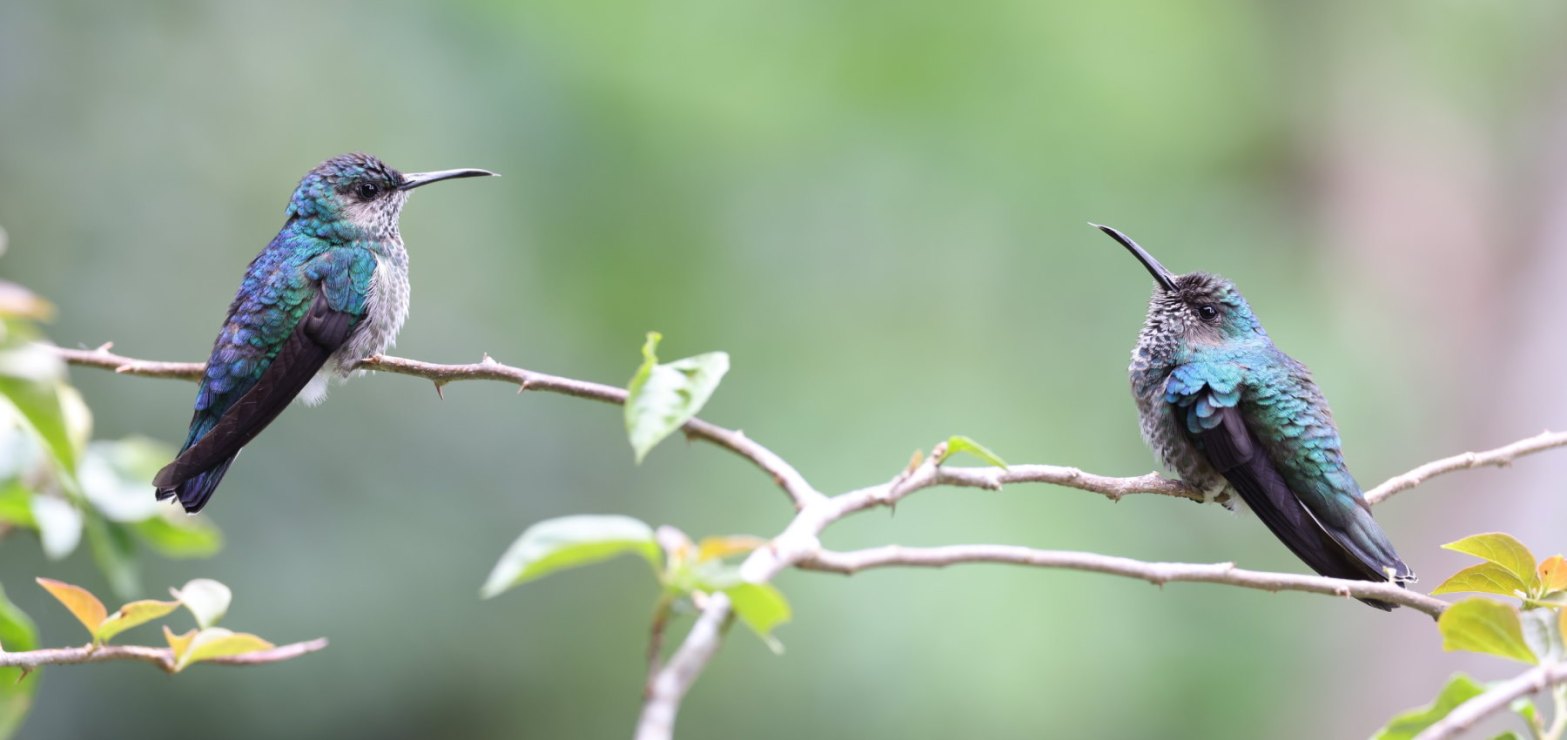
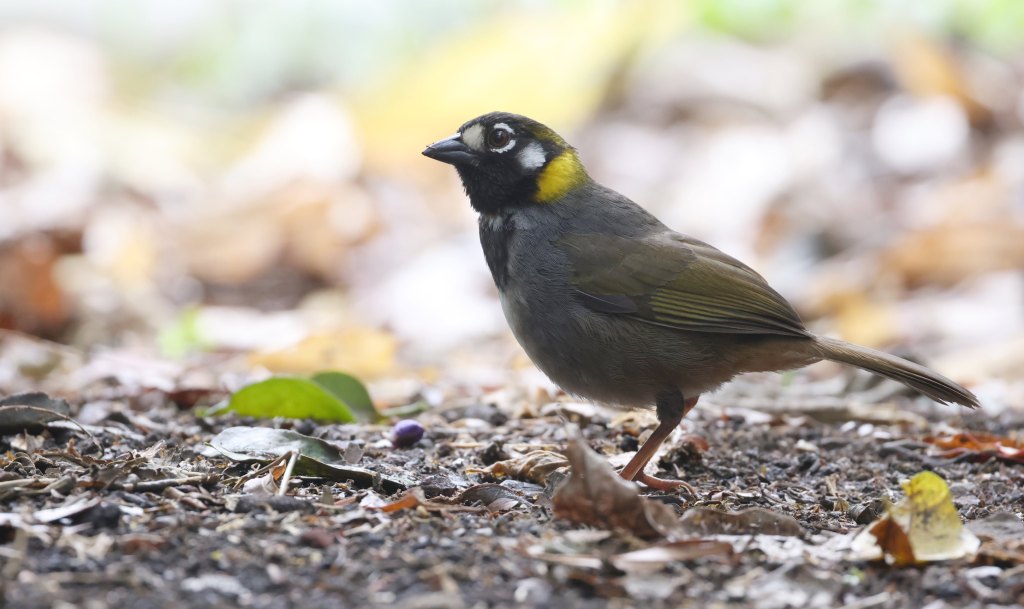
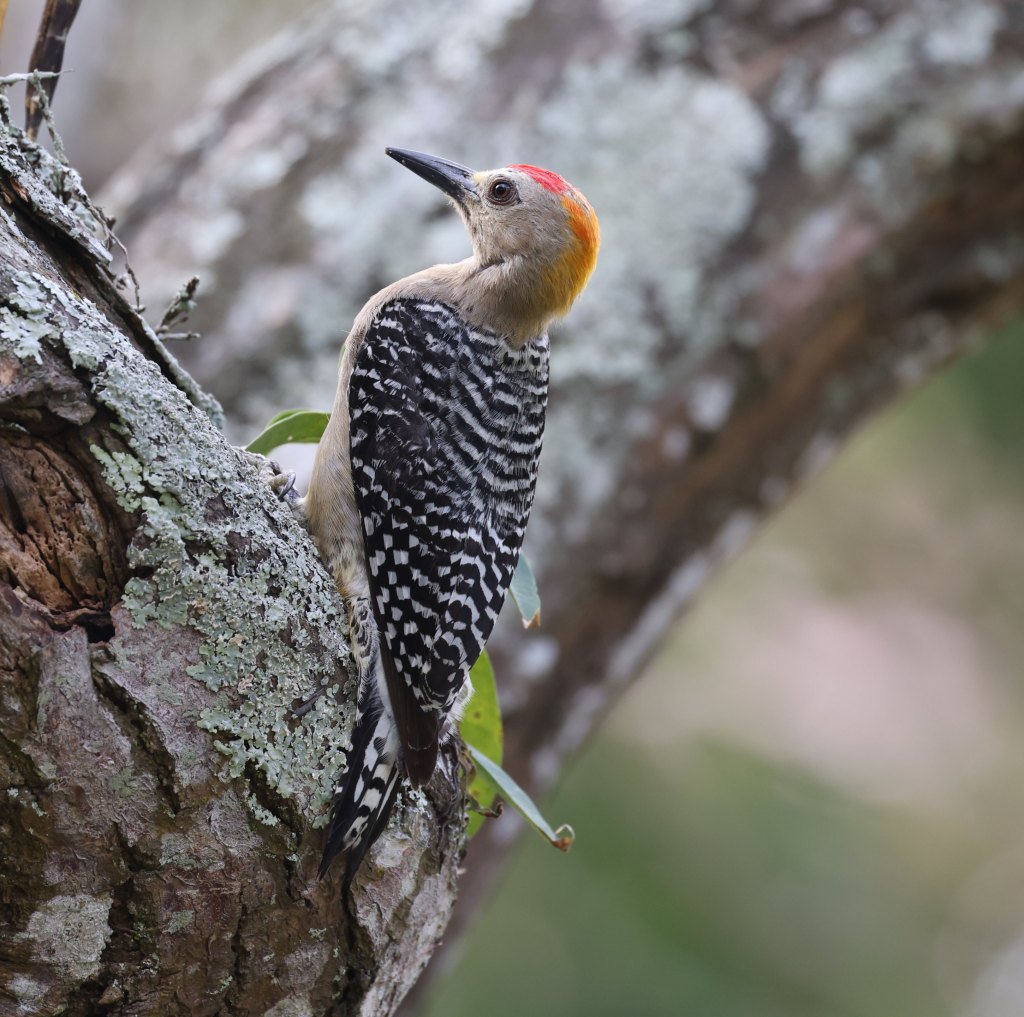
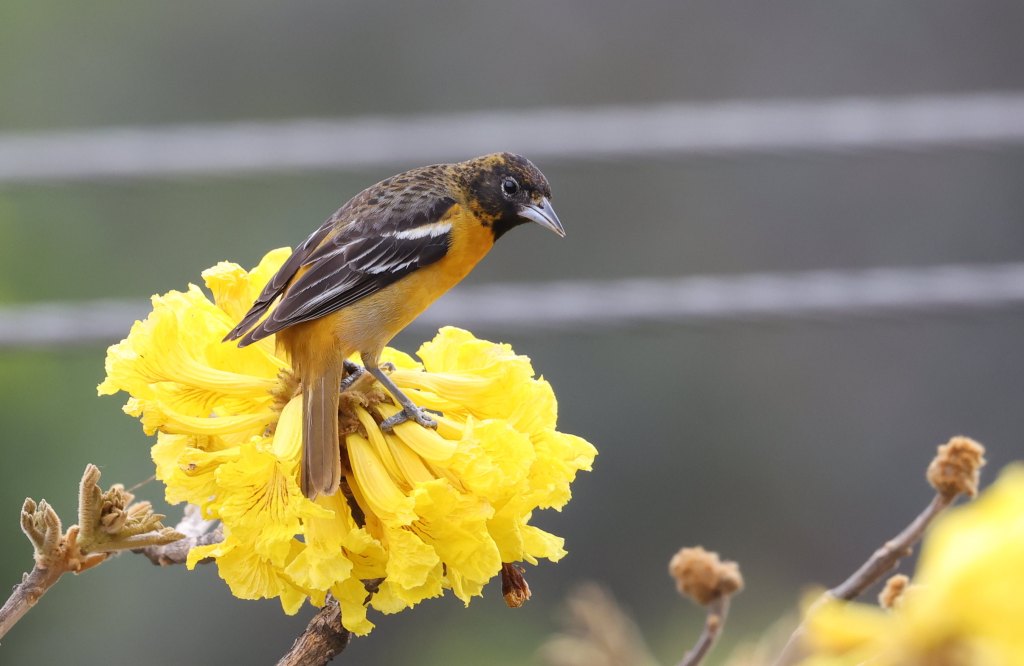
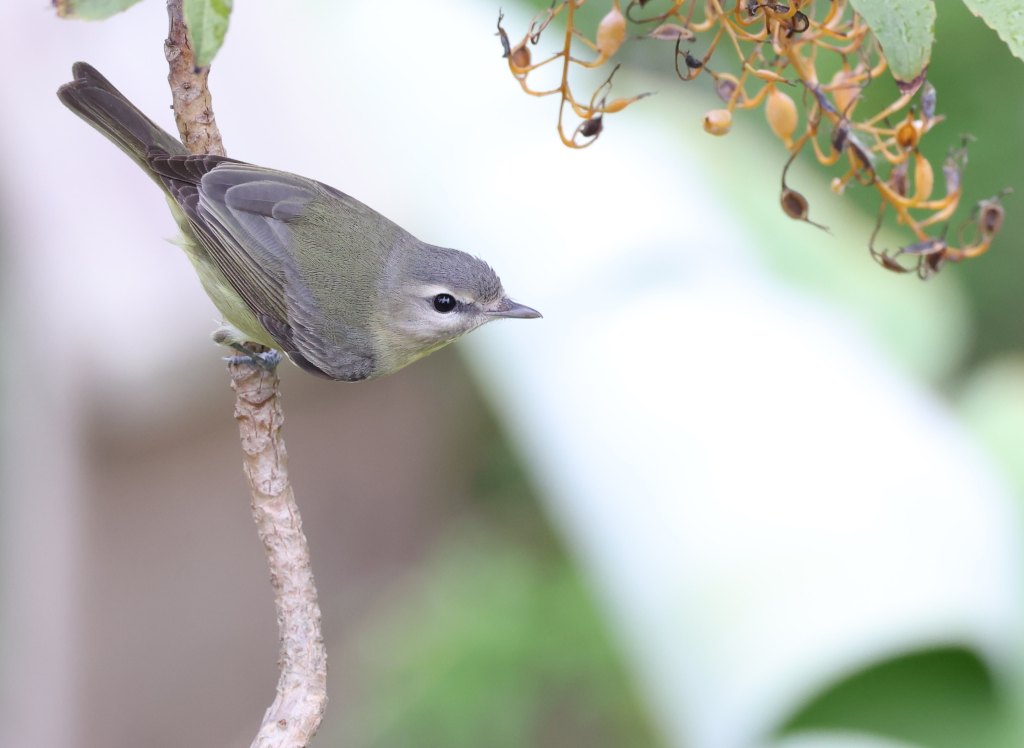
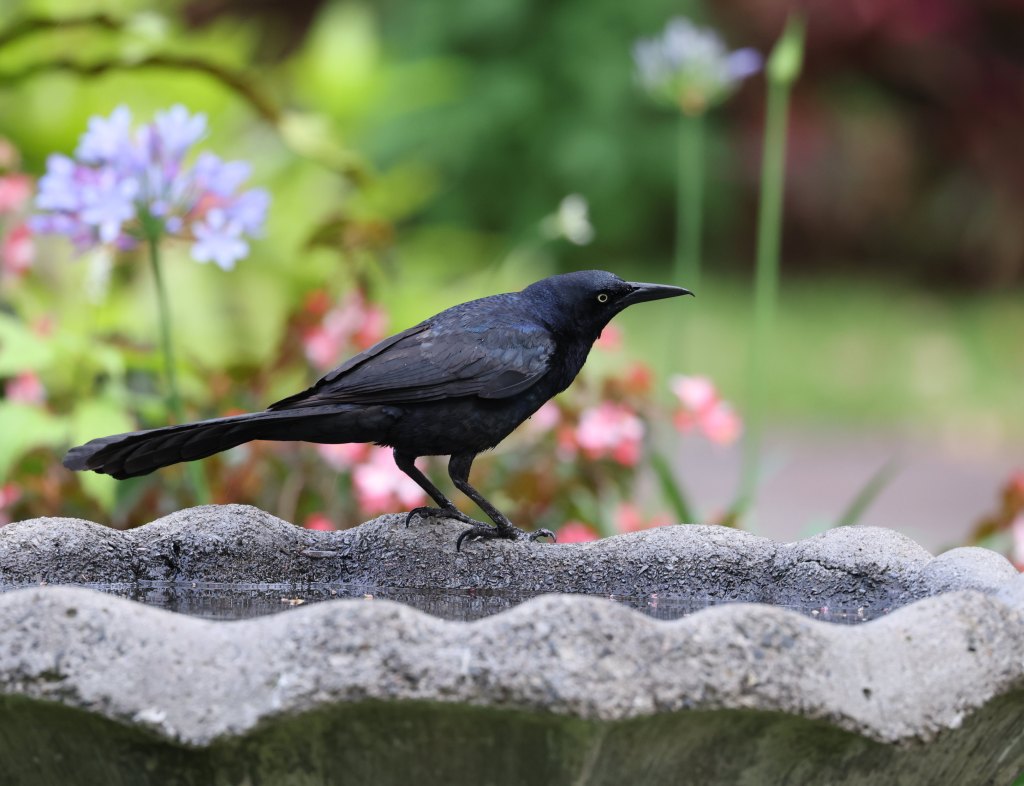
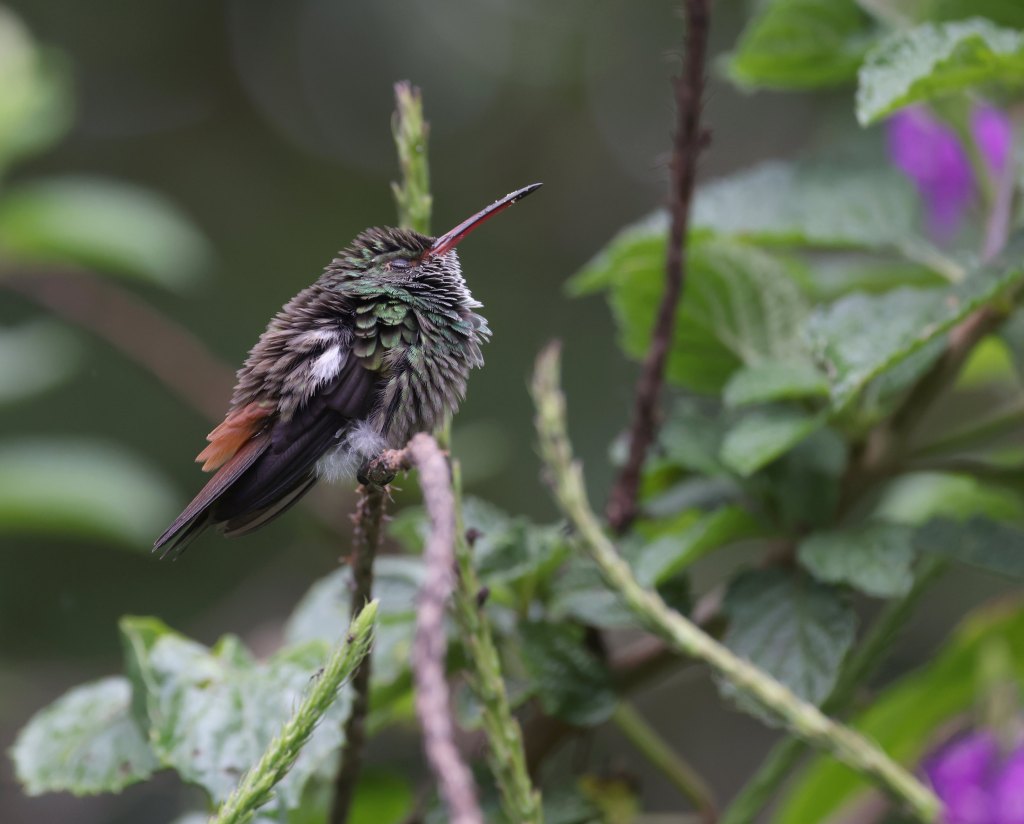
Part of the extensive hotel gardensRufous-Collared Sparrows are a very common type, but striking enough in plumage to garner lots of attention from us AussiesThe more secretive White-eared Ground-Sparrow showed itself a couple of times in the hotel groundsWrens in the Americas are nothing like what we would call wrens (e.g. Fairywrens and Emuwrens) in Australia – this one is a Rufous-Naped Wren, a fairly large birdOne of the reliable resident owls is the Mottled Owl, difficult to find in its preferred daytime roost in a dense stand of bambooThe incredible Squirrel Cuckoo is named because of the way it moves – its long tail resembles that of a squirrel clambering amongst the tree branchesOne of the most placid and obedient photographic subjects you might find here is Lesson’s Motmot, whose hunting technique is along the lines of “wait quietly on a branch, looking suave, and when I can be bothered, pounce down upon an unsuspecting bug or lizard”.We saw Lineated Woodpecker just once, but its zippy red mohawk made the sighting very memorable.Hoffman’s Woodpeckers were quite common in the gardens.We saw a couple of Summer Tanagers in various different stages of plumage including this nearly all-red bird.This photo of a Baltimore Oriole was taken from our hotel balcony, which faced out across the front gardens to the road, and where we got several lifer birds. Easy stuff!Philadelphia Vireo was one of a handful of American-named birds (Nashville Warbler, Tennessee Warbler, Baltimore Oriole…) that we found migrating through or from Costa Rica in AprilRufous-Tailed Hummingbird not doing a very good job of sheltering from the rainThere are sooooo many Great-Tailed Grackles in Costa Rica (not to mention, as we would later find out, Texas and the southern USA too). They were quite the novelty when we first saw them though!
Rancho Naturalista
Is it wrong to base your holiday on whatever lodge has the highest eBird species count? Well, it certainly turned out fine for us; there are plenty of other great birdy places to stay in Costa Rica but we didn’t do much research once we’d ascertained that Rancho Naturalista was a fine option. Breakfast, lunch and dinner are all included and are eaten communally which is a fine way to mingle with other keen birders of all stripes and nationalities.
As with many lodges in Costa Rica, the variety of hummingbirds is one of the big draws, and as there are no hummingbirds in Australia, we spent a great deal of time utterly entranced by them – hovering, feeding, resting, chasing each other off their favourite flower patch, you name it. Of course, there were plenty of other types of birds too!
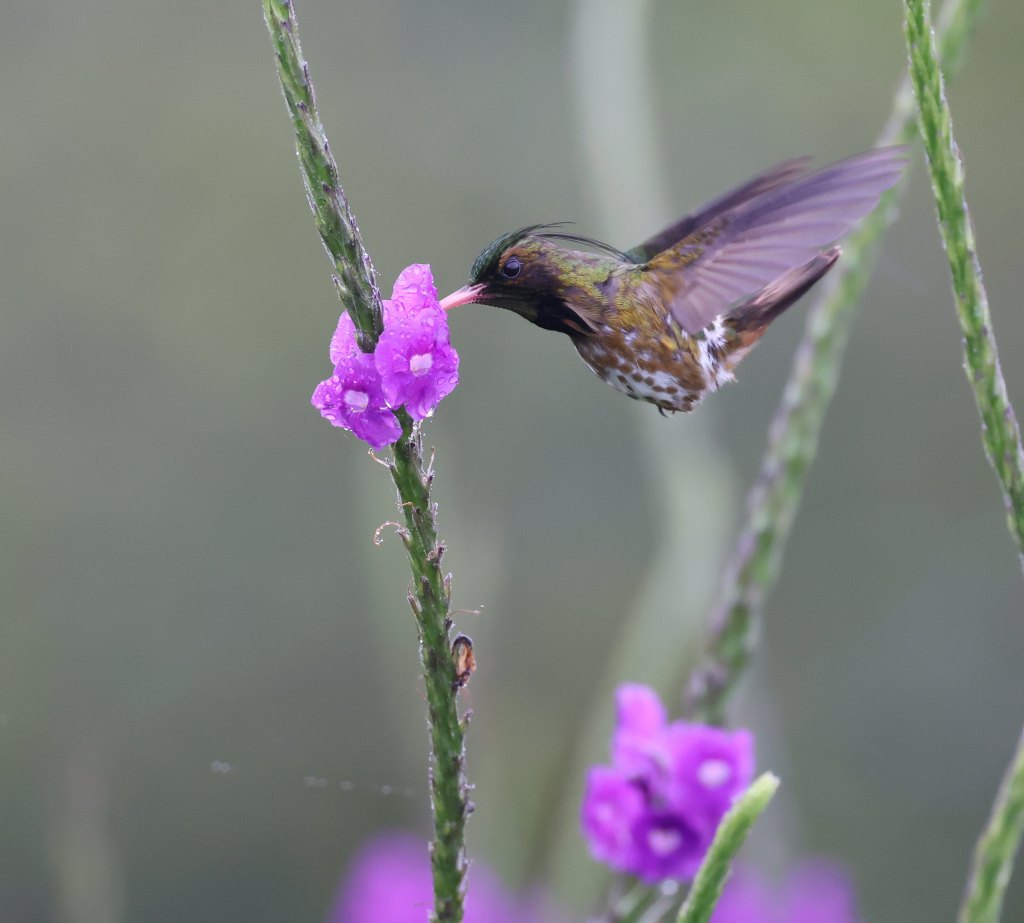
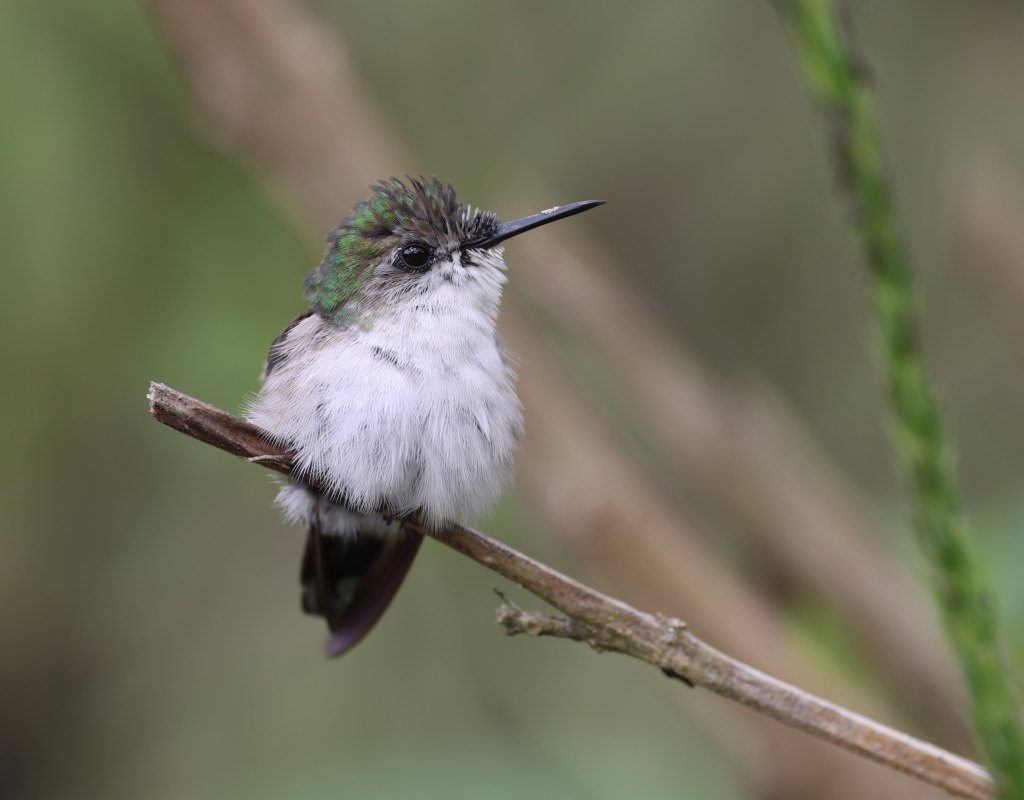
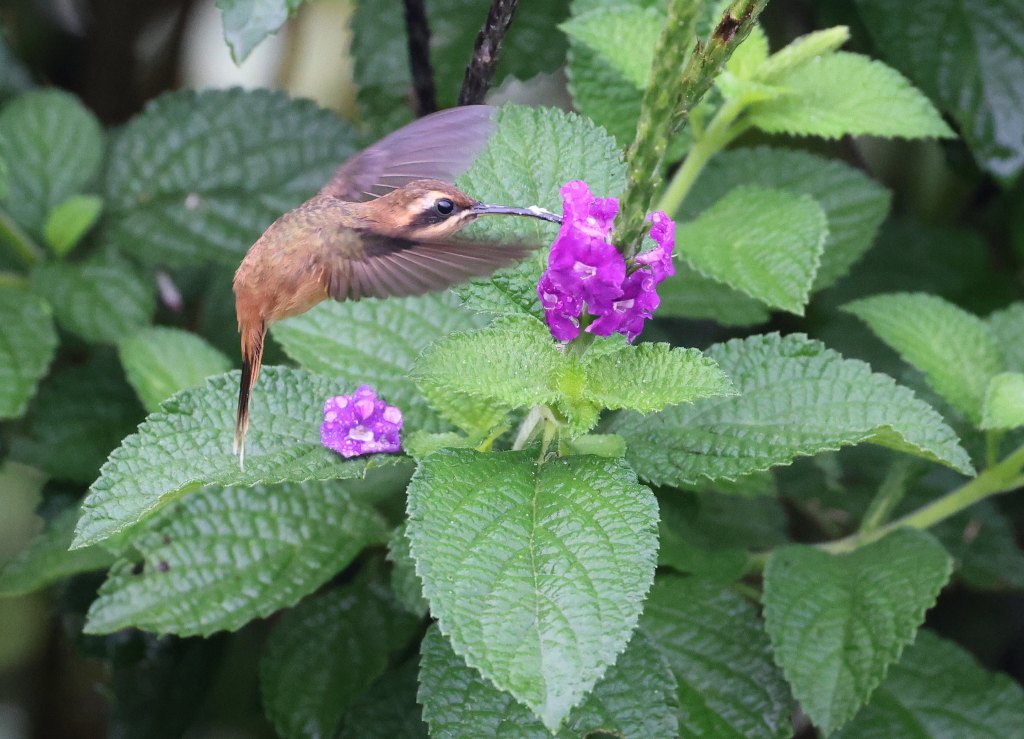
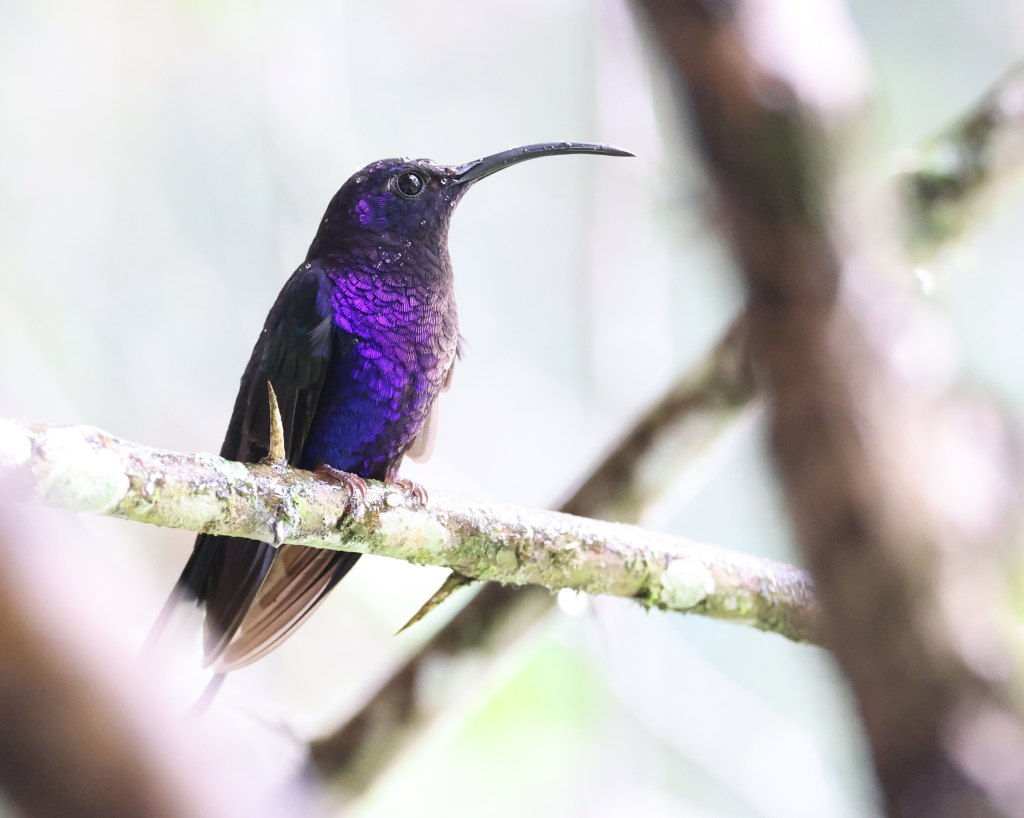
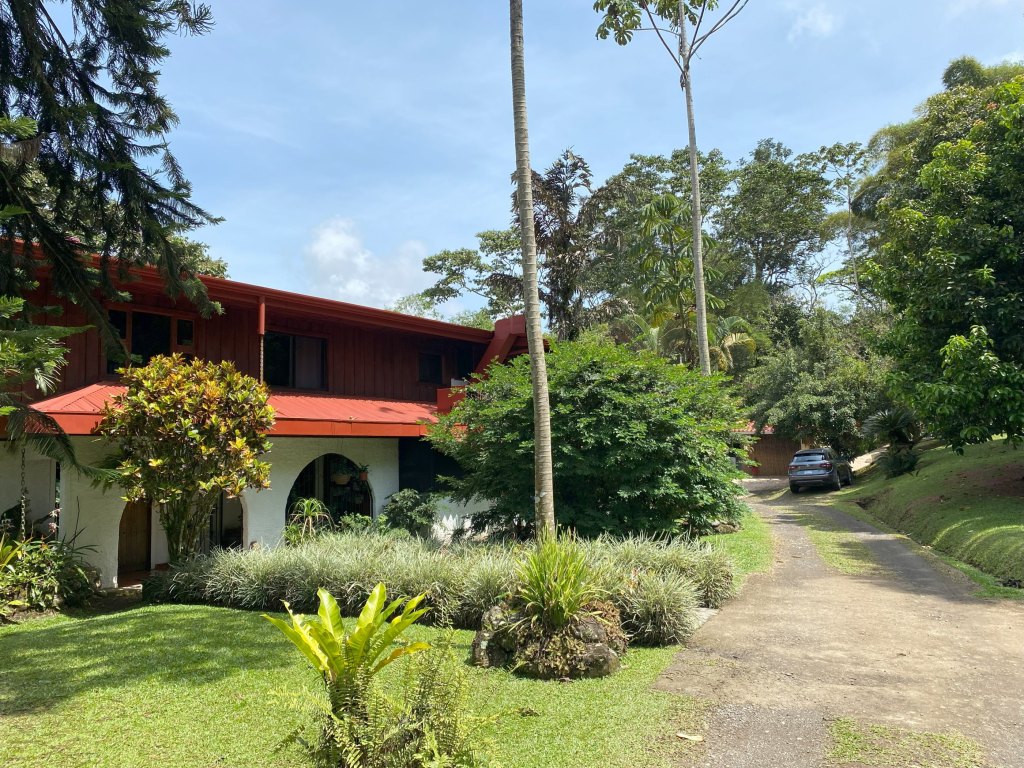
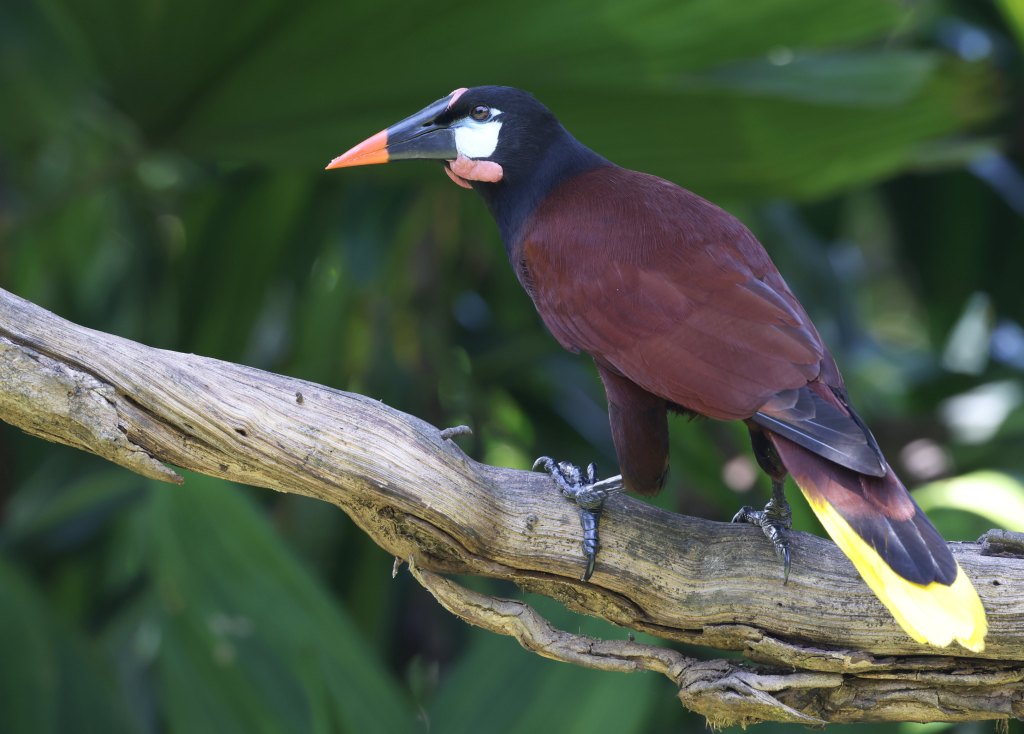
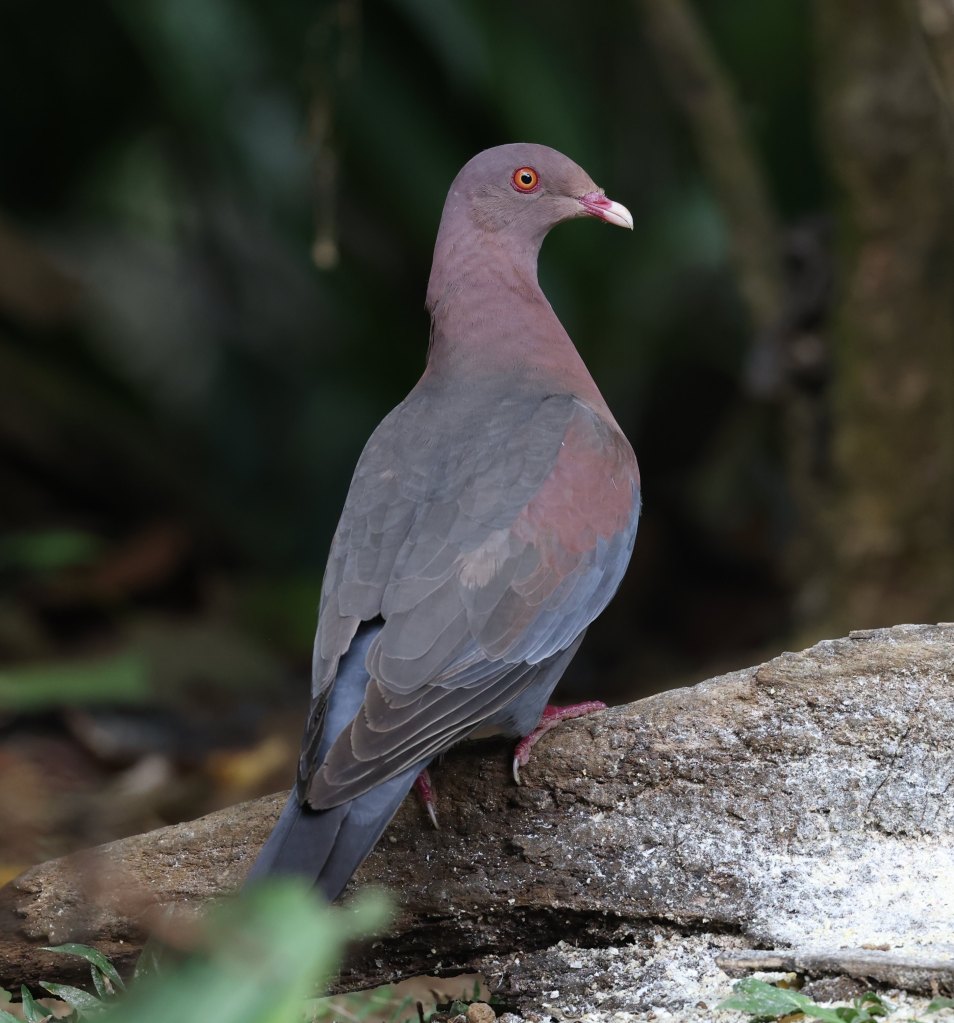
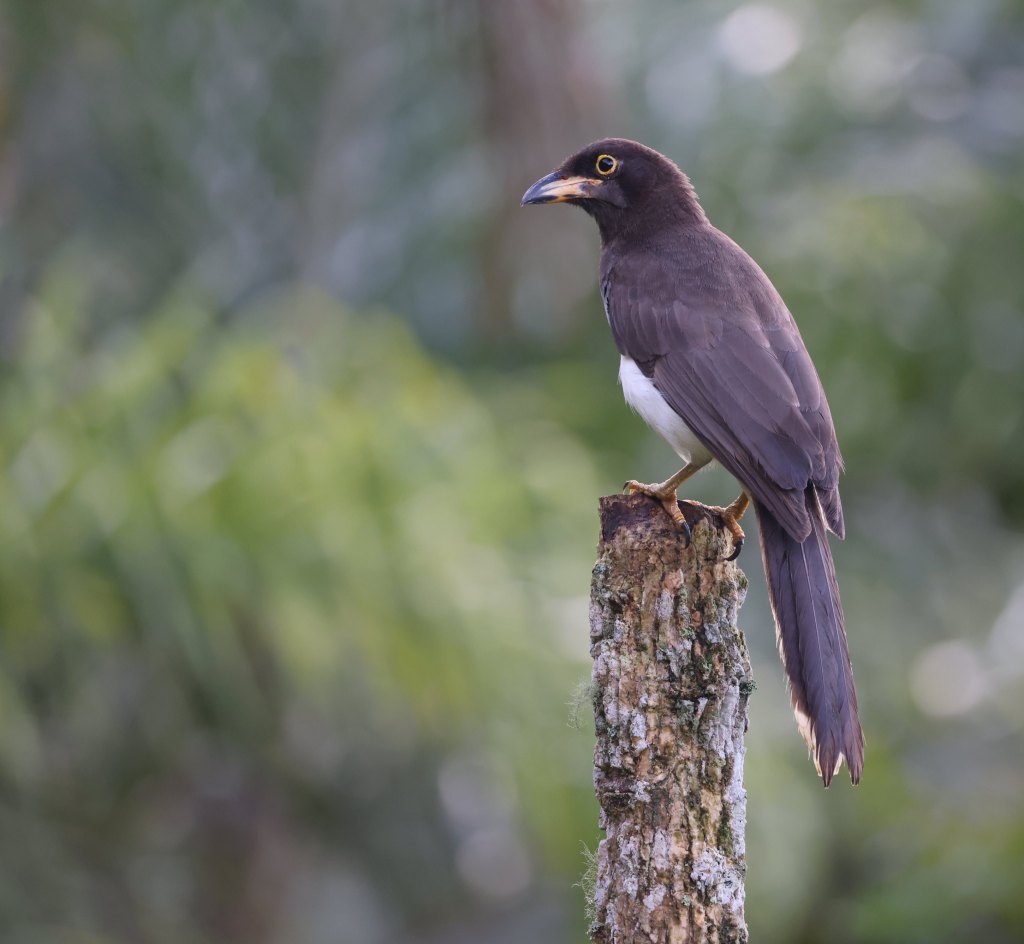
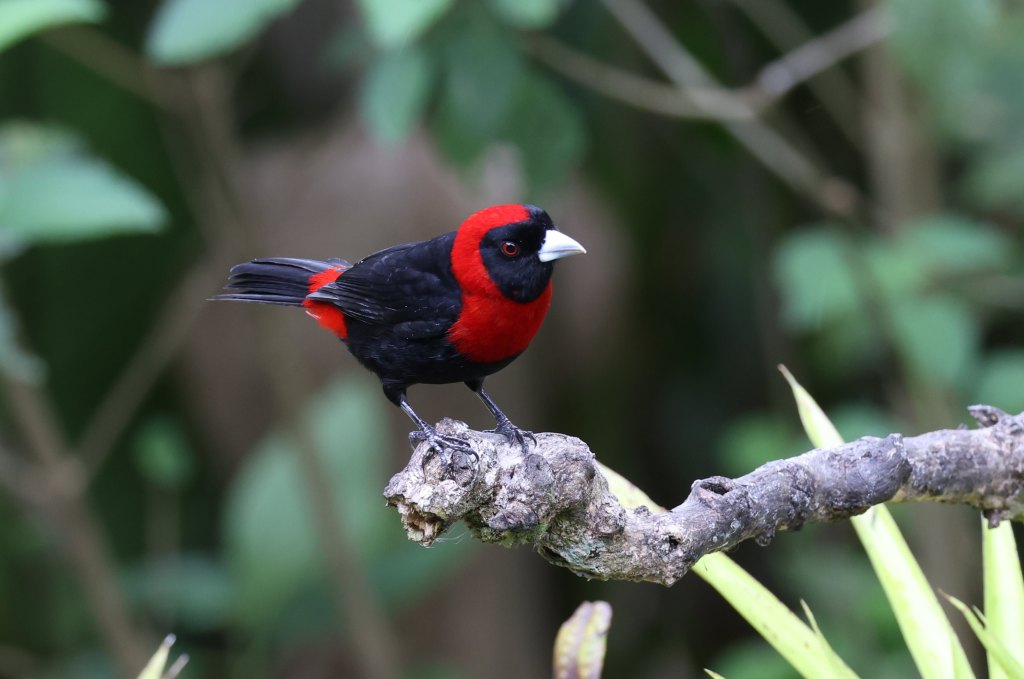
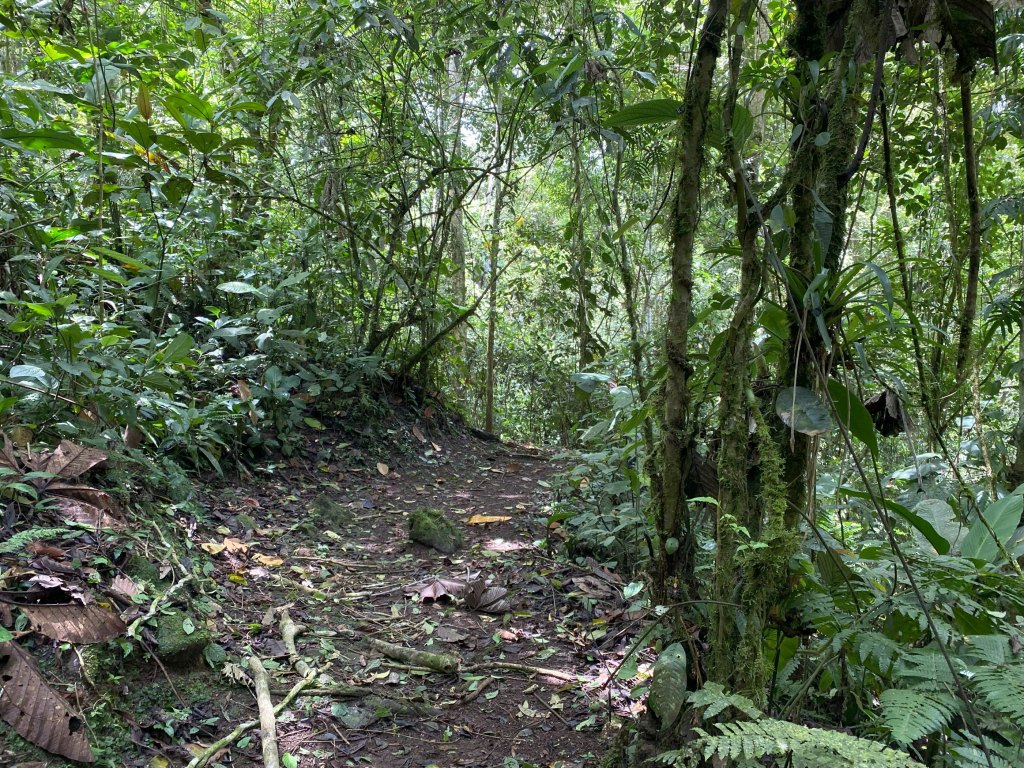
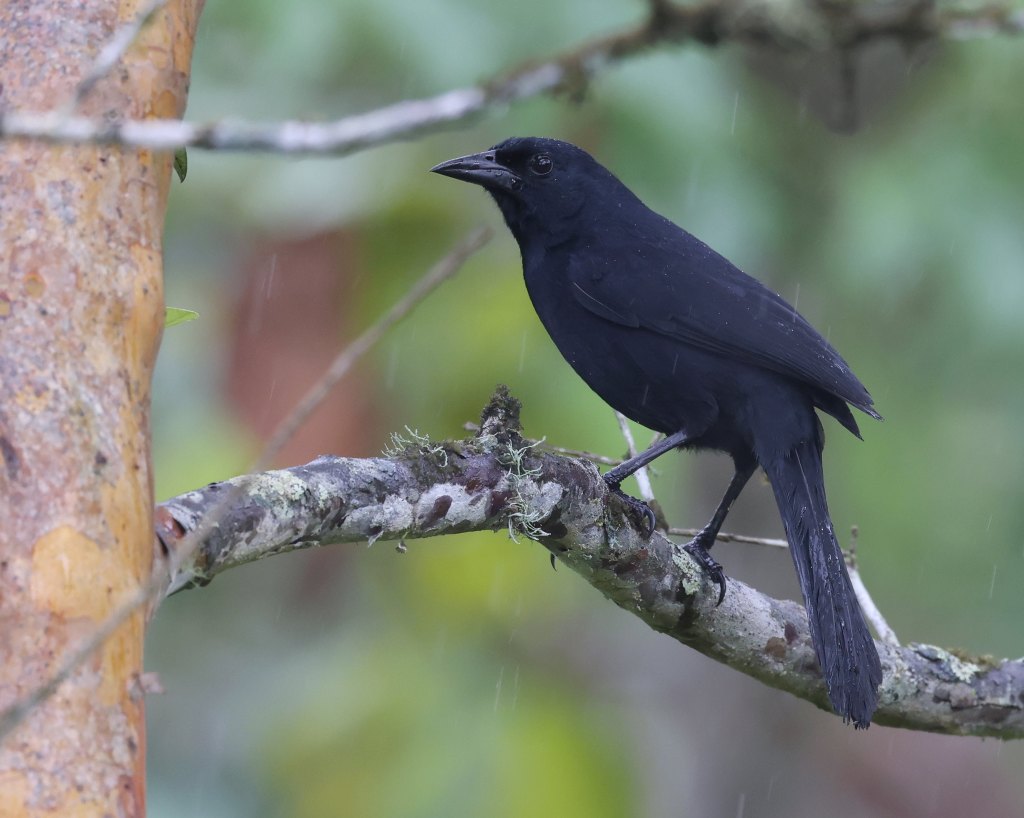
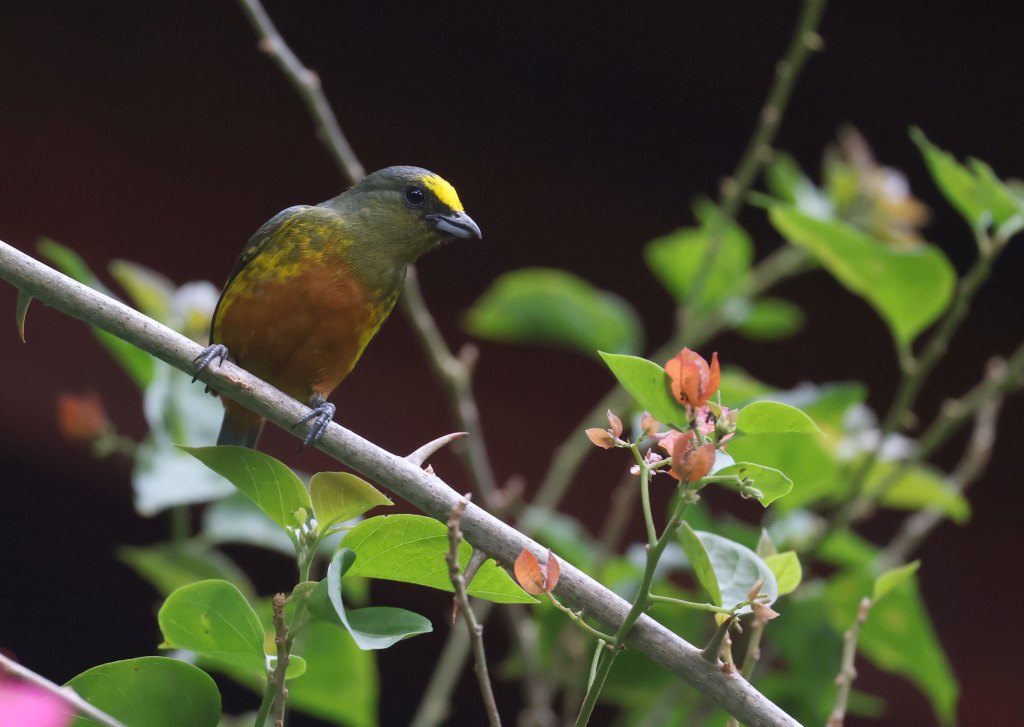
These vibrant little White-Necked Jacobins flitted around the feeders and often laid claim to their “territory ” by sitting next to their favourite feeder and aggressively warding off unwanted intruders. Some Jacobins you could get as close as two feet to.There is a series of Verbena bushes a few minutes walk down from the main lodge which attract hummingbirds that wouldn’t normally come to feeders. There was quite some excitement when these bushes turned up a Black-Crested Coquette, a less common hummingbird seen in the area.The adorable Snowcap is the symbol of Rancho Naturalista and while the male bird tends to get all the attention, we had to settle for finding the female only. She was tiny!Hummingbirds like this Crowned Woodnymph often came to rest for several seconds (sometimes longer), and if you wait until they turn their heads just so, you can capture their feathers shining beautifully in the light.The Lesser Violetear captured in flight; several (okay, maybe several dozen) attempts required to nab that one perfect in-flight shot. Even with shutter speed set very high the wings move so fast that they become blurred!We saw Stripe-Throated Hermit occasionally around the groundsThis is one of the larger hummingbirds, a Violet Sabrewing (cool name, huh!); it almost always hid deep in shadow so was quite hard to photographEven hummingbirds get sleepy sometimes… this is a Rufous-Tailed HummingbirdA view of the main lodge at Rancho NaturalistaParrots and parakeets were most often seen or heard flying overhead in screechy flocks, but these Crimson-Fronted Parakeets dropped into some trees by the ranch’s driveway and I was pleased as punch to get a shot of them interacting.The Collared Aracari, a member of the toucan family, very occasionally visited the backyard feeders at the ranch, and were readily seen elsewhere tooThe incredible Montezuma Oropendola is a type of Oriole and is super common on the property; one of its calls sounds just like tearing paper!This goofy turkey-like bird is a Grey-headed Chachalaca, a sociable bird that was often seenRed-Billed Pigeons were as common as White-Winged Doves around the grounds; we had to work a lot harder to find Short-Billed Pigeon (which we eventually did far up the forest trail)Brown Jays seemed to fill the niche of scavengers/terrorizers of other birds… we even saw one steal a newborn hatchling from a nest in the gardens of Hotel Bougainvillea. This one is resting more peacefully in the grounds of Rancho Naturalista.We saw this amazing Crimson-Collared Tanager the first afternoon we arrived at Rancho Naturalista, but never saw one again!There are several kilometres of forest trails in the Rancho Naturalista grounds and most of them wind through dense rainforest like thisThis Speckled Tanager – again, seen only once in four days – was traveling in a mixed-species group on the forest trails (along with some Lesser Greenlets and other Tanagers).The Red-Throated Ant-Tanager has an intriguing name and some nice subtle plumage going onBlue-Grey Tanagers were very common in the places we went in Costa Rica; they started to become a bird that you tended to ignore…We didn’t get a whole lot of rain the four days we spent at Rancho Naturalista, and usually it was a case of showers just passing through. We did get caught in the rain once while out watching birds, which is where we found this beautiful Melodious Blackbird.We called this richly-brown-coloured bird a Rufous Mourner, though it looks very similar to another bird called a Rufous Piha.When it rains, it pours… we saw our first Olive-Backed Euphonia far up the mountain forest trail and counted ourselves quite fortunate, then only to find one passing through the backyard of the lodge that same afternoon!
CATIE Gardens
CATIE, or The Tropical Agricultural Research and Higher Education Center, is an international institute for agricultural development and biological conservation that is a mere 20 minutes drive from Rancho Naturalista. It has a decent-sized lagoon to attract water birds and plenty of bushland habitat of various types. We had a great time seeing birds there.
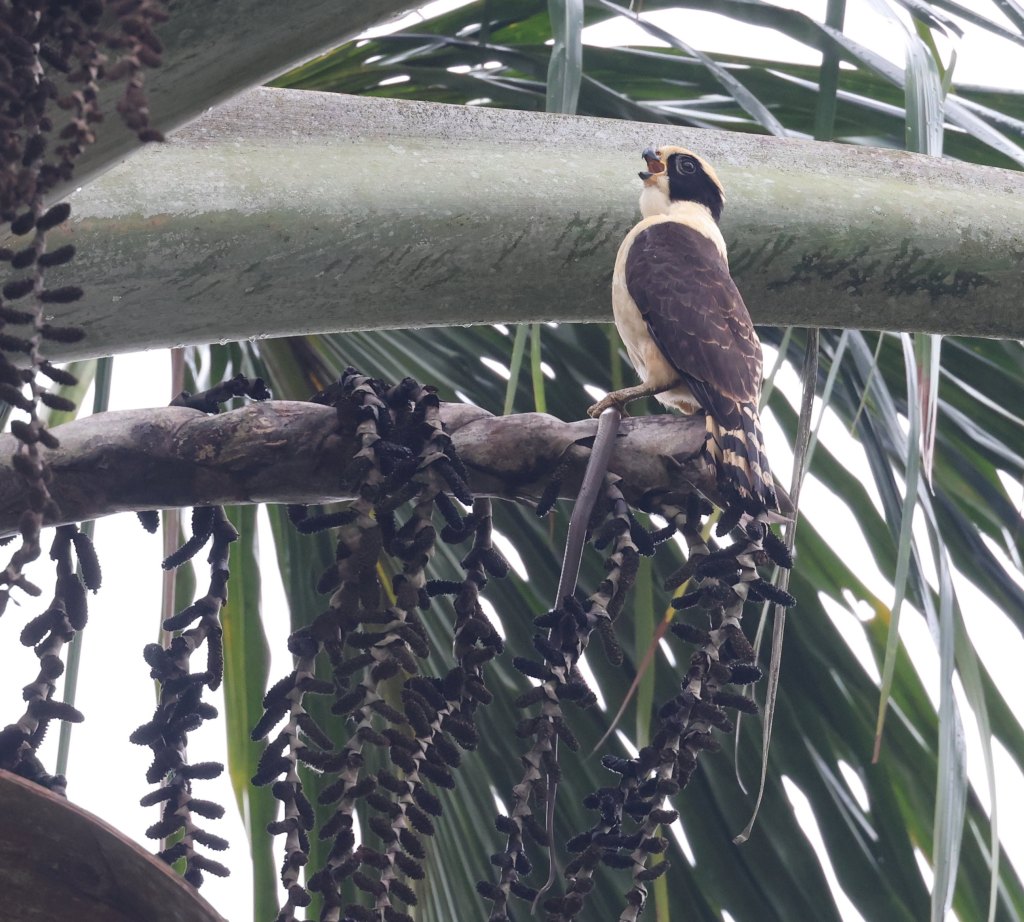
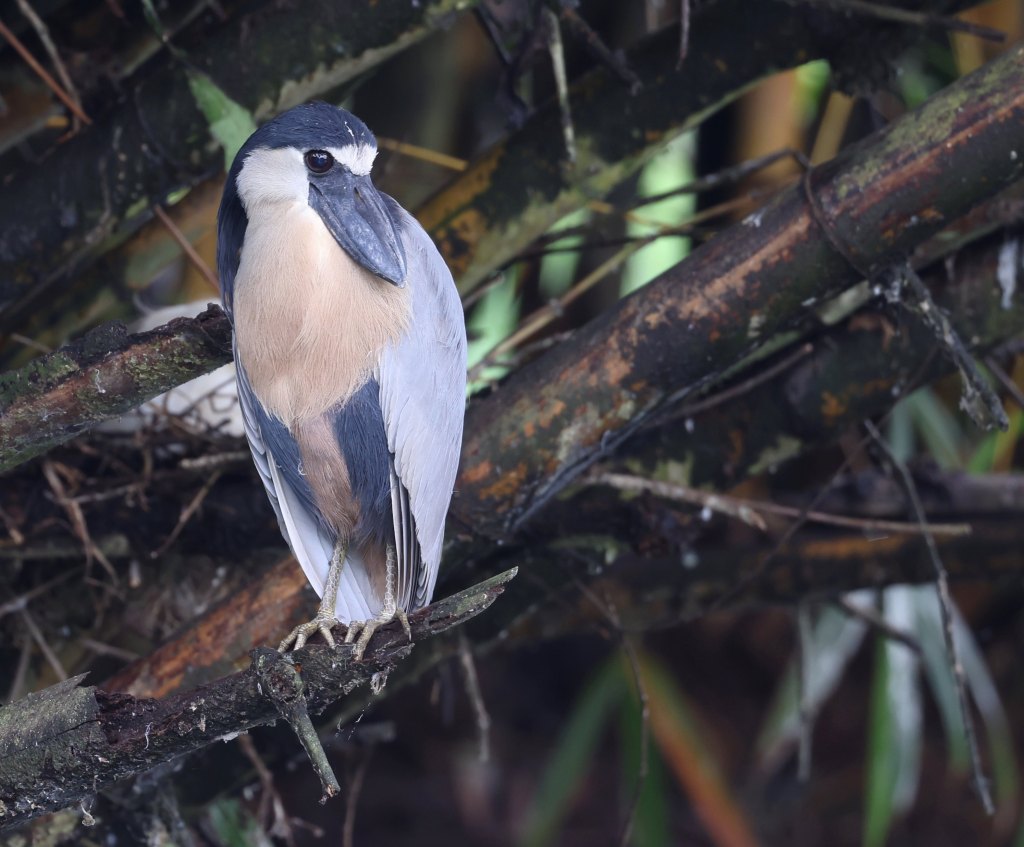
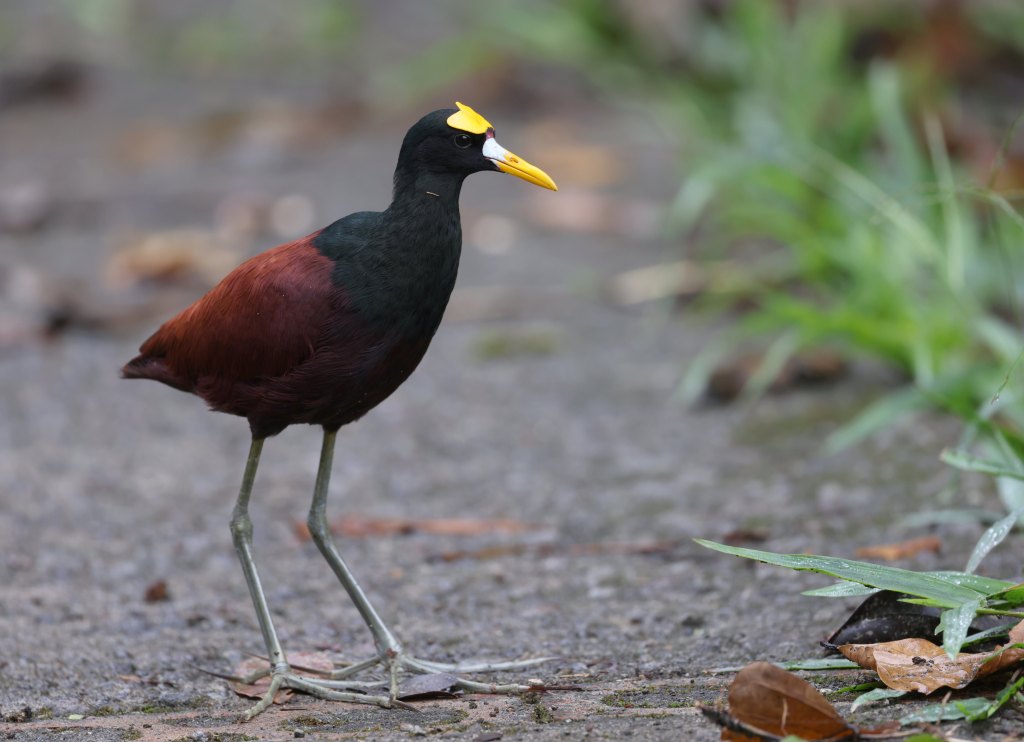
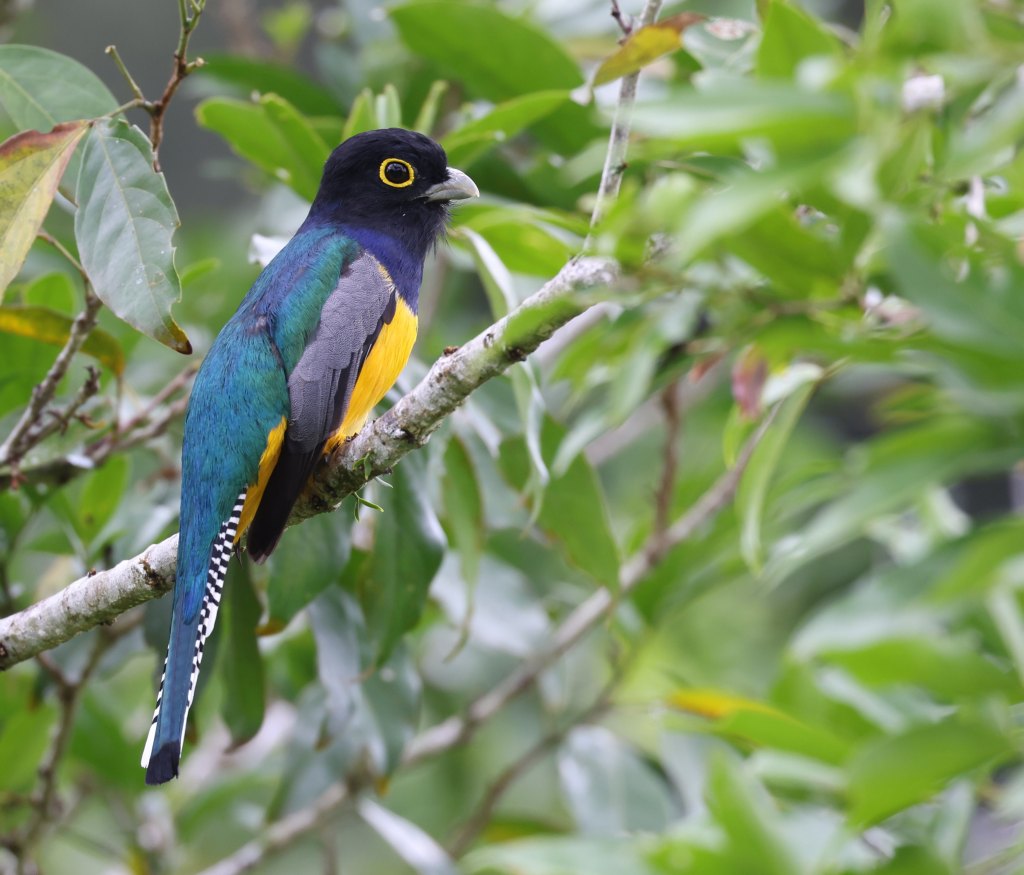
This Laughing Falcon was almost the first bird we saw at CATIE, and it was carrying a long snake it had just caught! It alighted on this tree and called (laughingly) to its mate not far away.The Boat-billed Heron is a nocturnal bird, but of the several we saw, many had their eyes open 🙂The colours of the Northern Jacana look nothing like the Comb-Crested Jacana found in Australia, but it behaves very much the same, foraging along on its oversized clawsThis amazing Gartered Trogon was just hanging out on the edge of a grassy field at CATIE in mid-morning; it didn’t feel like we had to work to find it!With hundreds of brilliantly-hued birds to choose from, Costa Rica chose the common-and-rather-drab Clay-Coloured Thrush as its national bird.There’s not much white on this White-Fronted Parrot. And that perch doesn’t look super comfortable either.
Lake Angostura
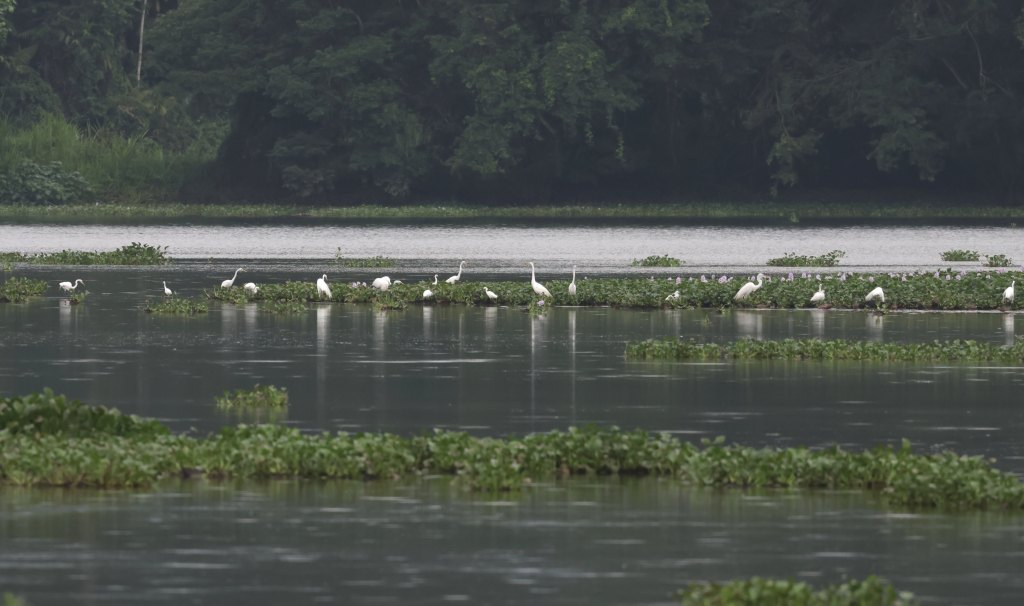
One of the Rancho Naturalista guides led us around the enormous wetlands of Lago Angostura, about 20 minutes drive away. Having a guide definitely helped us make the most of this place which was teeming with birds; we were looking excitedly in the scope at a Grey-Headed Kite in a tree one second then a Bare-Throated Tiger-Heron out on the water the next. Top stuff.
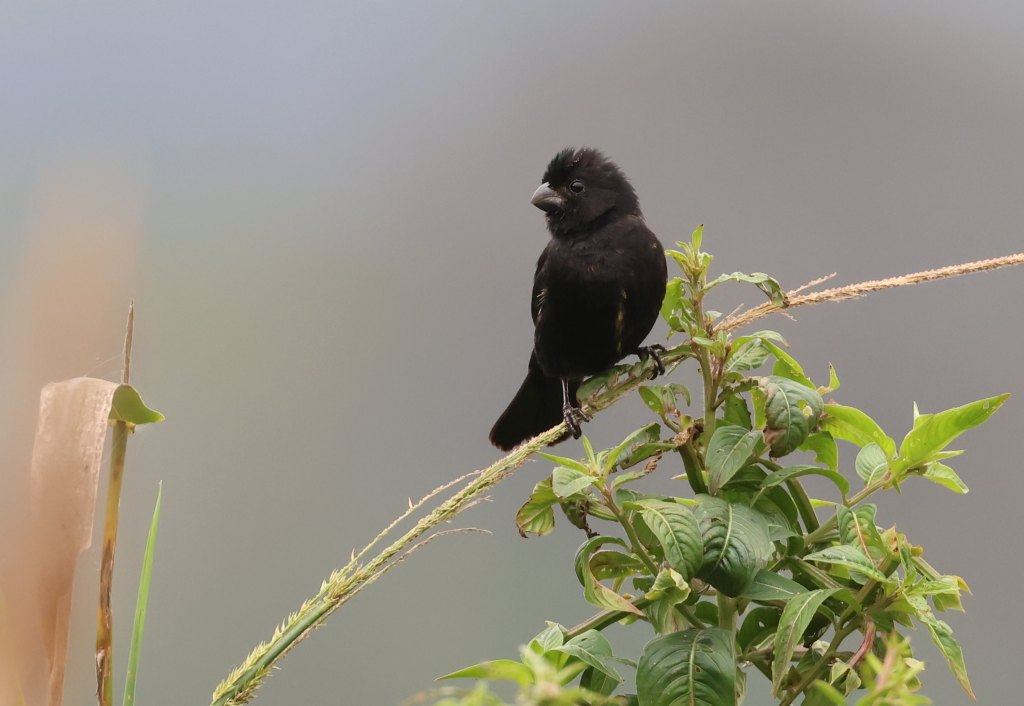
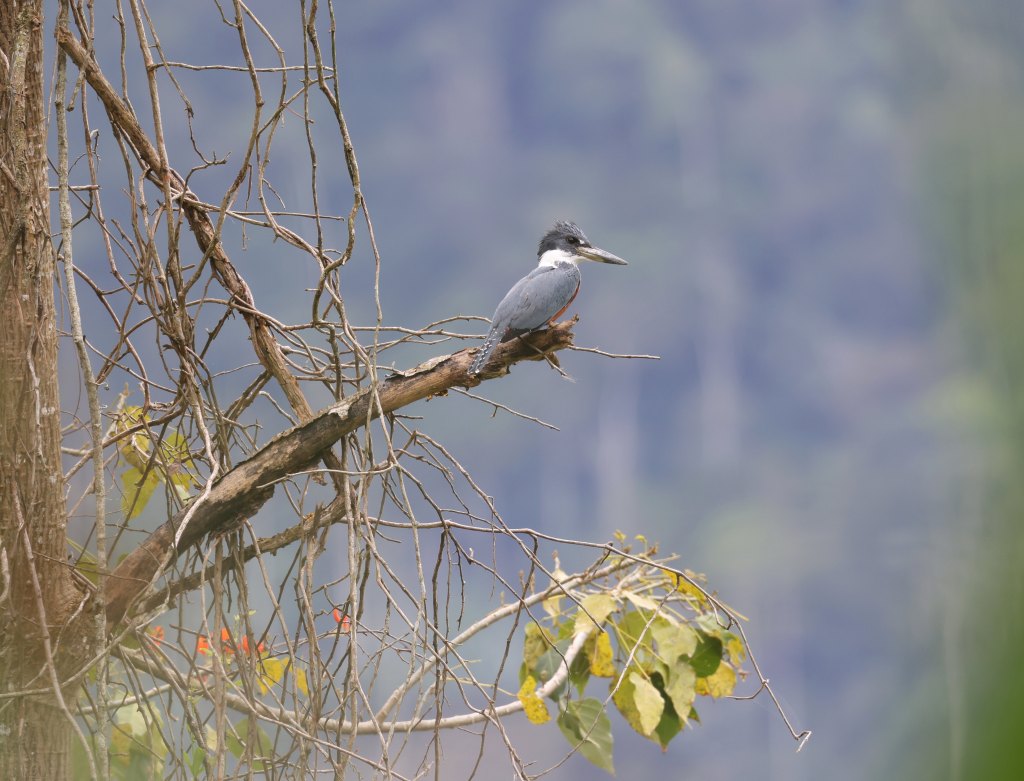
Wetland vistaThe only Variable Seedeaters we saw were pretty much all-black, but they apparently come in various variationsIt’s not hard to see how the Scarlet-Rumped Tanager got its name! There were plenty of them on the fringing bushes of the wetlandsThis Grey-crowned Yellowthroat was just one of the 87 species we saw in 3.5 hours at the lakeA Grey-Capped Flycatcher taking a well-earned break from catching fliesA Ringed Kingfisher sits high up in a tree over the water. We also saw Belted and Amazon Kingfishers, though all were perched fairly far away.
Villa San Ignacio
For our last night in Costa Rica we tried staying at Villa San Ignacio, a similar hotel-with-some-bird-friendly-grounds that is situated much closer to the airport than Hotel Bougainvillea. The grounds are quite a different story here though – more wild tangled bush-forest that seemed quite dry at the time we were there, so we didn’t pick up too many birds on an afternoon stroll or an early morning walk.
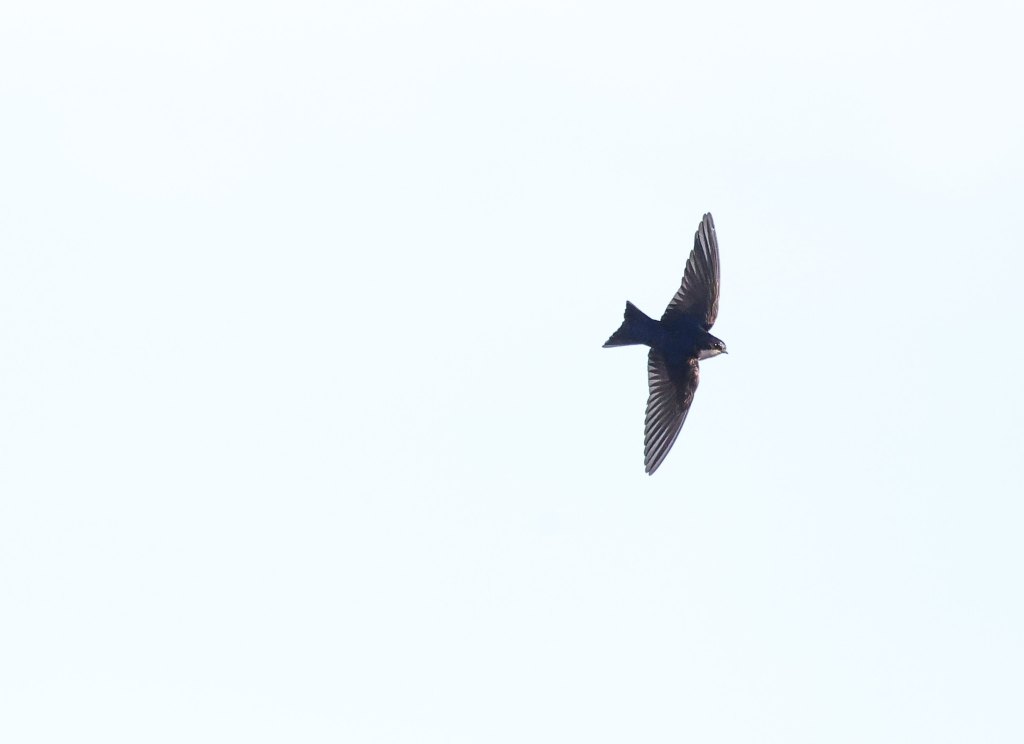
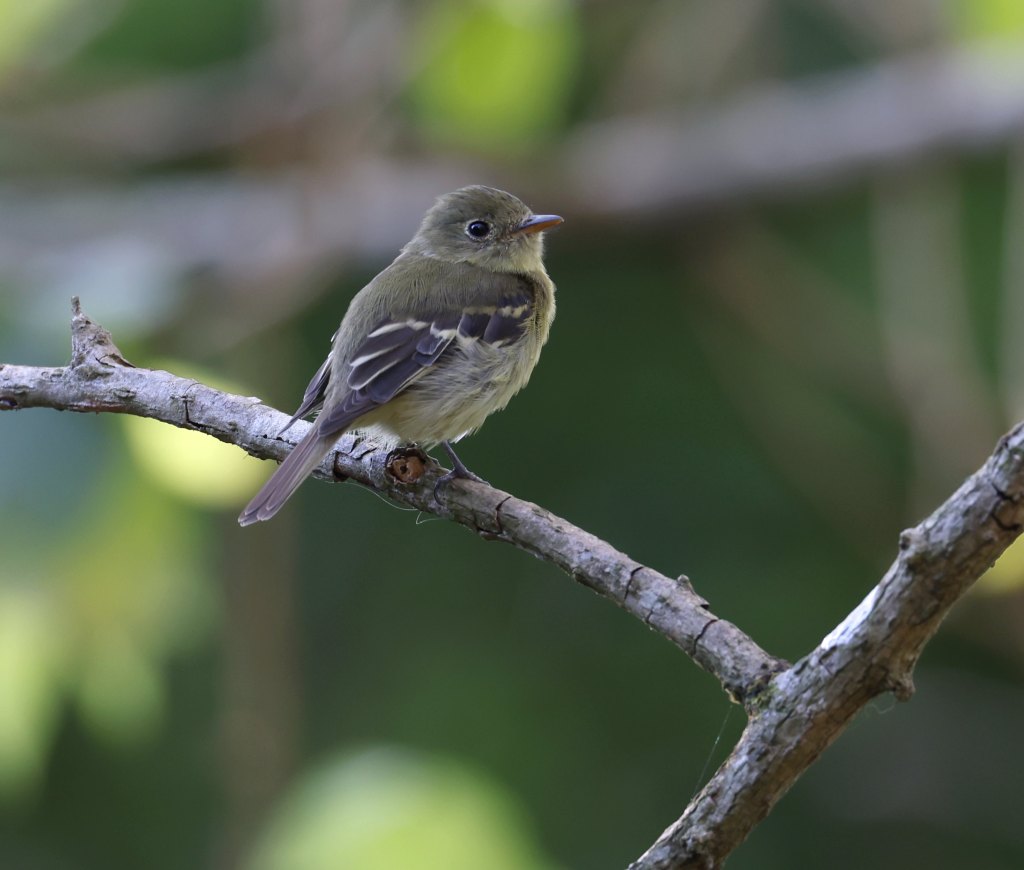
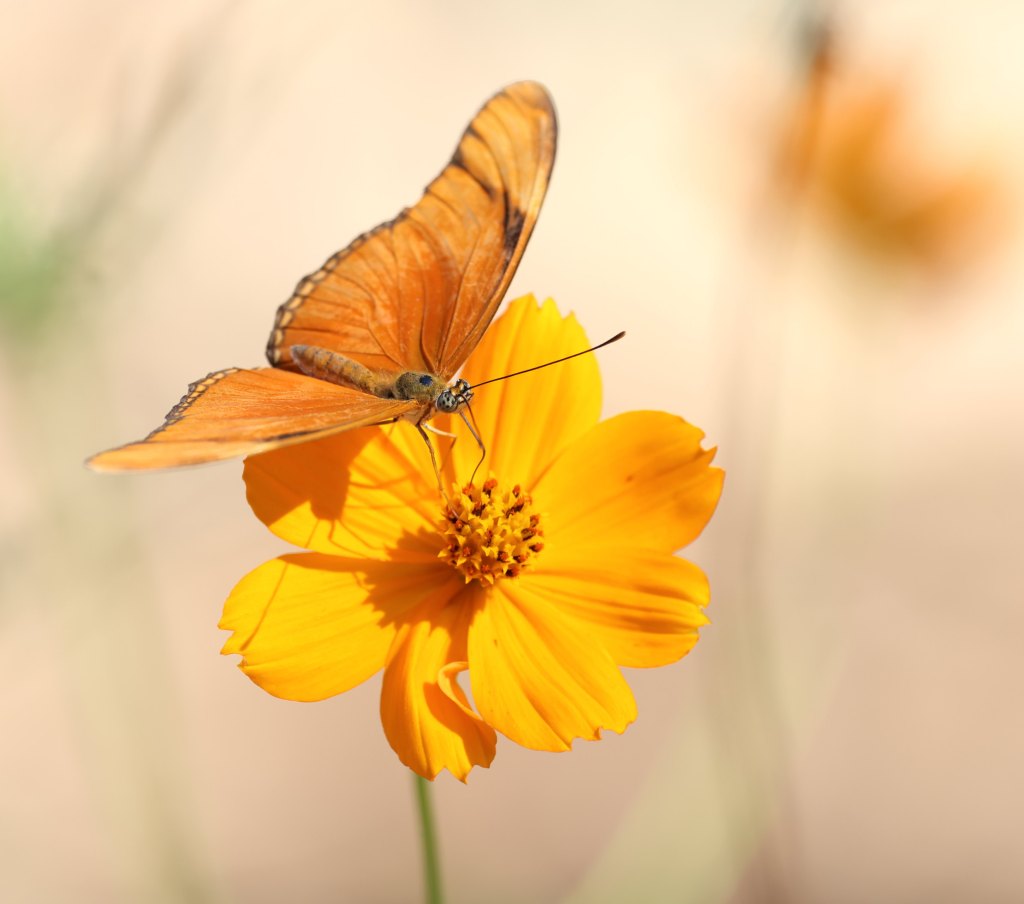
Blue-and-white Swallows were seen swooping around from our room’s balconyNice to see a Squirrel Cuckoo again, and this one has had some luck finding breakfastOne thing you have to come to grips with when birding in this part of the world is that there are a billion flycatcher species that all look very much like this… the bird’s call is your best bet to ID it. I can’t remember what this one was 🙂A Yellow-Throated Vireo hanging out high in the branches at Villa San IgnacioI must say I do like the similar colours of the butterfly and the flower here
Summary
We called our week in Costa Rica a big success and came away awed by its nature, so much so that we’re already planning a return visit. Although – by intention – we didn’t visit many sites (instead concentrating mainly on extended birding at Rancho Naturalista), we still felt very satisfied by the variety and beauty of the birds we saw.
Some stats, for those inclined to enjoy stats!
Most numerous birds: Western Cattle Egret, Great-Tailed Grackle, Rufous-Tailed Hummingbird, Clay-Colored Thrush, Black Vulture
Total species seen: 165
Most memorable encounters: Snowcap female, Gartered Trogon, Montezuma Oronpendola
Most unexpected bird: Black Coquette
Birds to go back for: Many, many hundreds of birds, including dozens of hummingbird species, Sunbittern and Resplendent Quetzals
wow! Fantastic photos, and enjoyable commentary. I’ve not been to the America’s, but a dream to get to Costa Rica. What month were you there, and do you recommend that time? Thanks for sharing your report. Mark
We were there in early April. There were some birds migrating through which added a little to the diversity, and weather was generally fairly good, so without knowing much about other seasons (except that May to November is more towards their wet season), I would say April is a decent time to go.























Good report Andy – well done. Quite a trip!
Alvin & Alison
>
LikeLike
wow! Fantastic photos, and enjoyable commentary. I’ve not been to the America’s, but a dream to get to Costa Rica. What month were you there, and do you recommend that time? Thanks for sharing your report. Mark
LikeLike
We were there in early April. There were some birds migrating through which added a little to the diversity, and weather was generally fairly good, so without knowing much about other seasons (except that May to November is more towards their wet season), I would say April is a decent time to go.
LikeLike
this is exceptional, thank you for all your efforts – very kind of you to share. stunning birds and images.
LikeLike