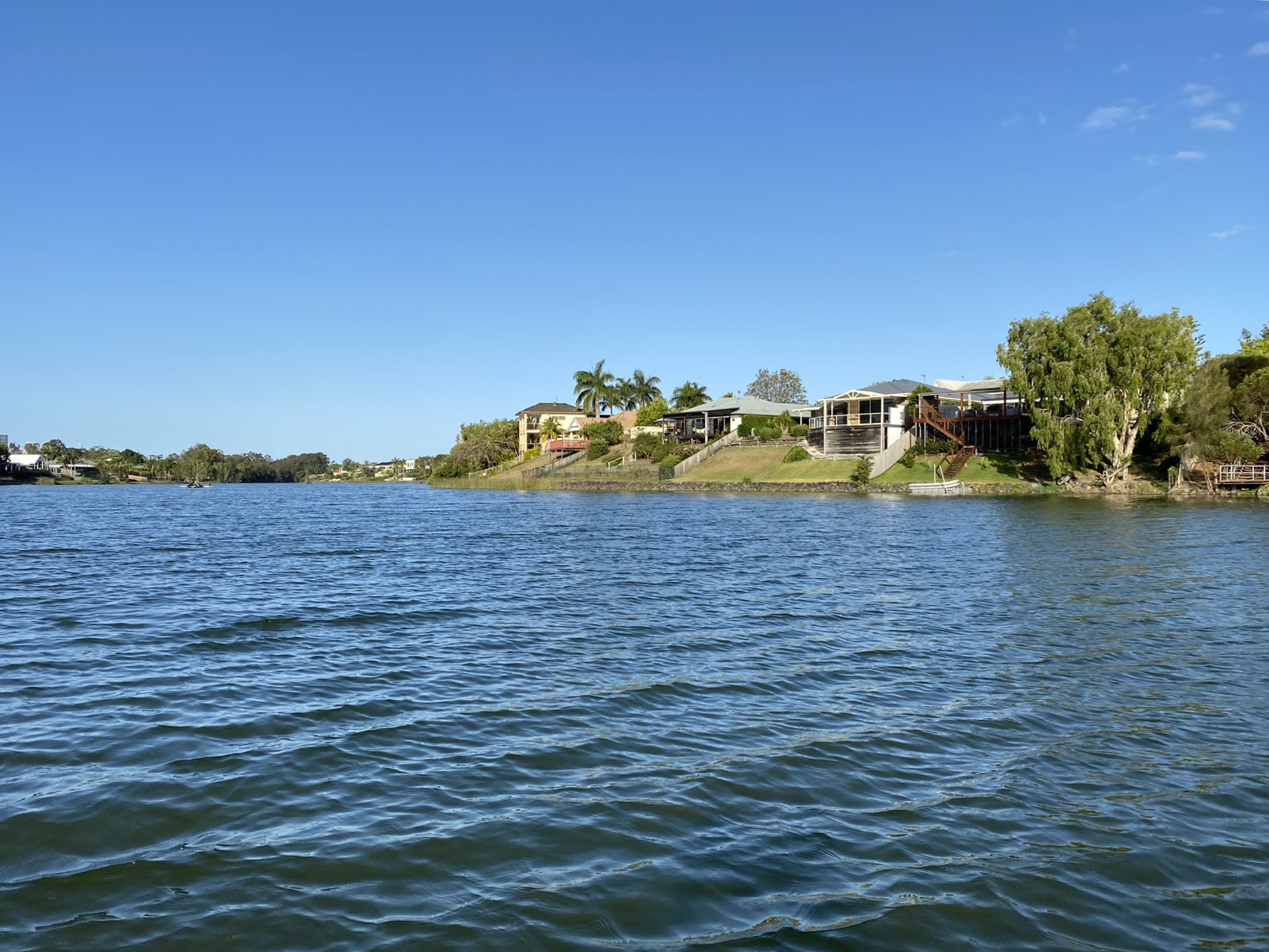
Summary: Enjoyable location with better bird habitats than you might expect in Gold Coast suburbia
Dates of visits: 20 Aug 2022, 13 Aug 2023, 25 Dec 2023
Varsity Lakes is a locality on the Gold Coast which, like many suburbs on the Goldy, is dominated by waterways (canals and lakes). In this case the largest body of water is Lake Orr which this post covers from a birding perspective, as well as the Reedy Creek loop waterway to the south, and we’ll also touch on the nearby Varsity Lakes Wetlands Reserve.

Lake Orr is an under-birded site with only 65 species recorded on eBird based on 31 checklists for all time. Based on my three visits, I’ve found it to be a decent – if unspectacular – location that holds a little more interest for the keen birder than most locations in the city. (A nearby comparison we’ve covered previously is West Lake in Robina).
Being a suburban location you’ll likely enter from one of the many nearby streets. In my case I prefer parking on Bayswater Ave, which gives immediate access to the canals of Reedy Creek, with Lake Orr not far away.
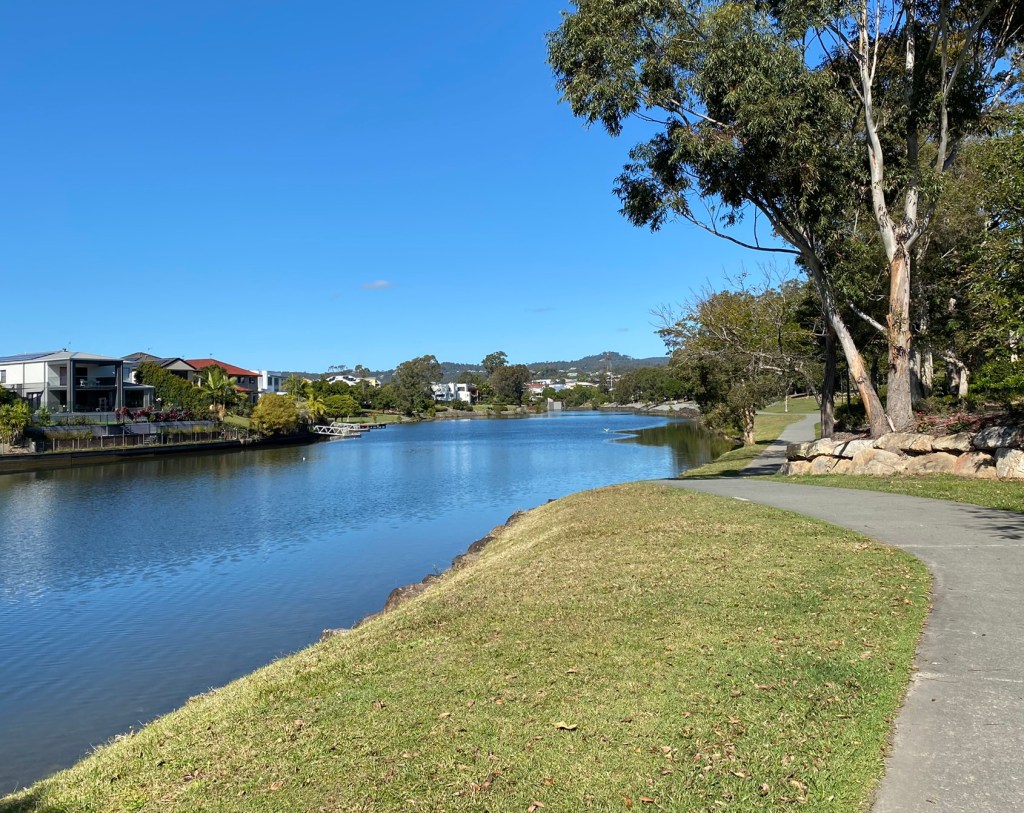
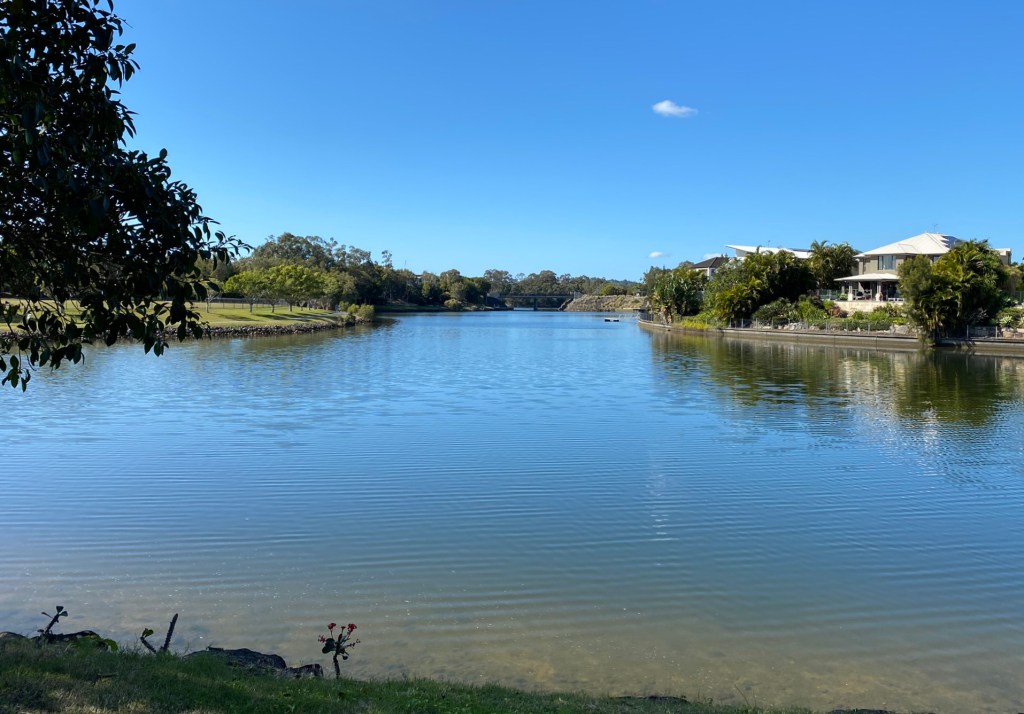
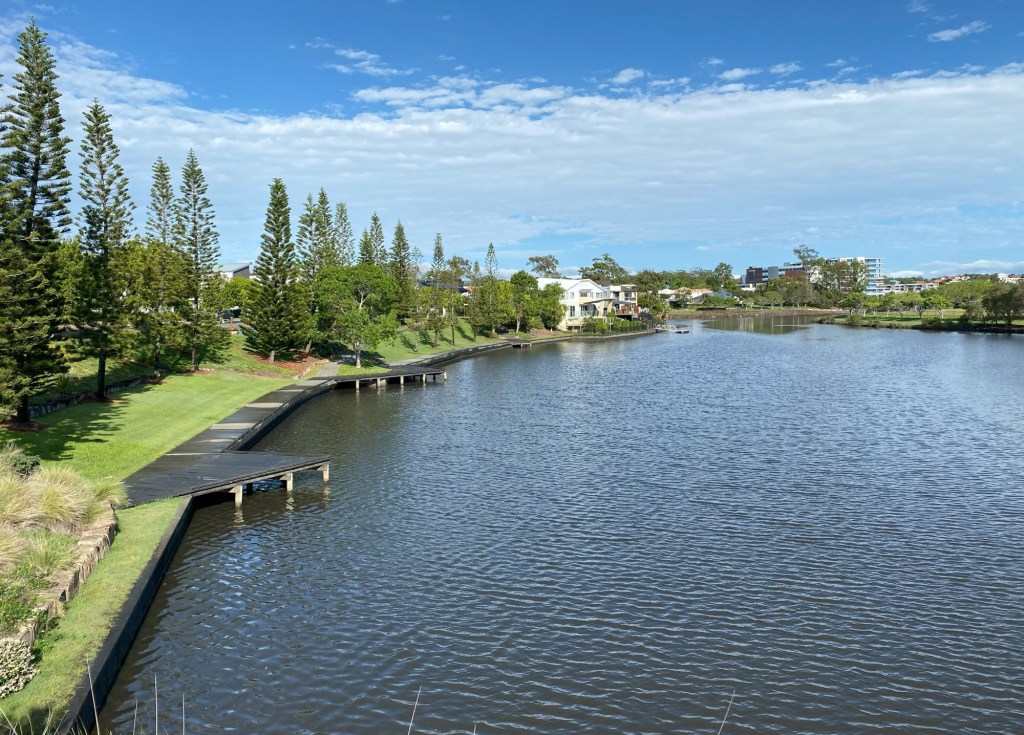
Waterways South of Lake Orr
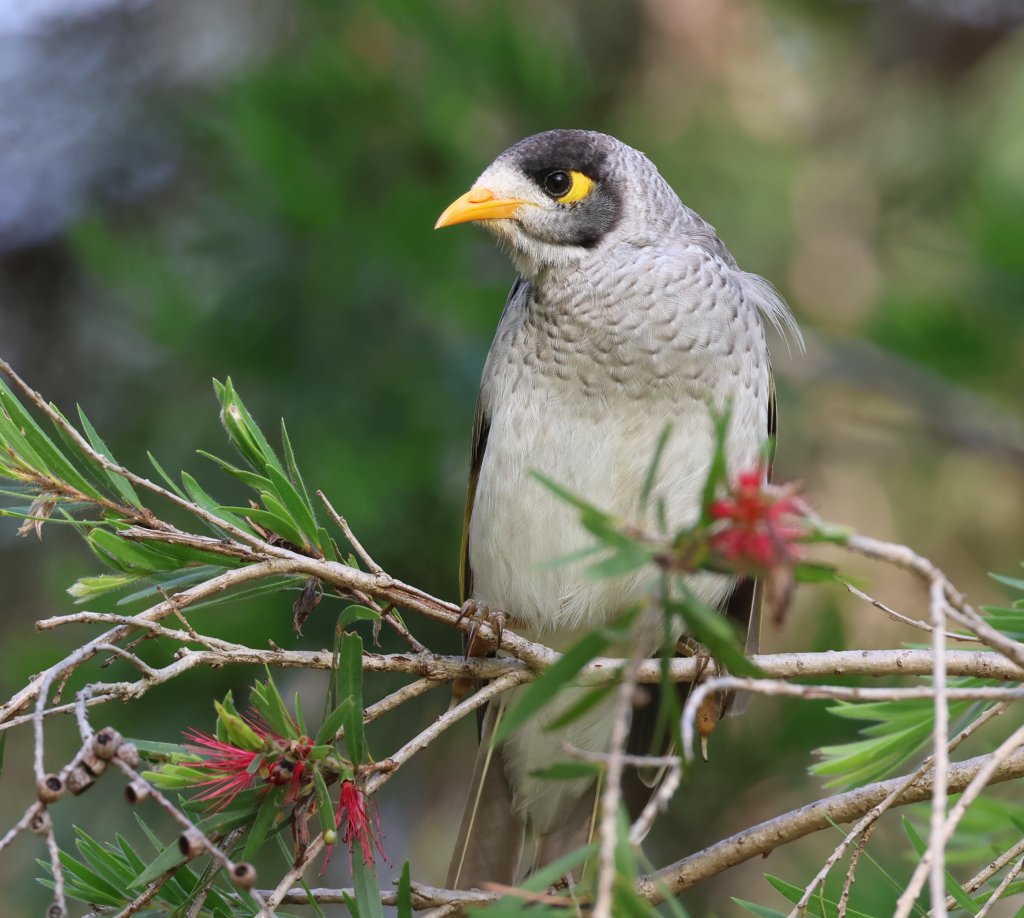
I found Australian Wood Ducks here in the early morning and there’s the usual host of Butcherbirds, Noisy Miners and Magpie-Larks which you see almost anywhere in south-east Queensland.


Water Dragons – those wonderfully obliging mainstay photographic subjects – are sometimes seen near the water too.

The fringing gum trees can attract Rainbow Lorikeets when in flower, though those birds will likely be quite high up. On my Dec 2023 visit (it was actually Christmas Day… here’s me enthusiastically birding the Goldy…), I found two playful Sulphur-Crested Cockatoos on the roof of someone’s house, and then while I was watching them, I was amazed to see a flock of White-Throated Needletails, zipping around several metres above the neighbourhood.

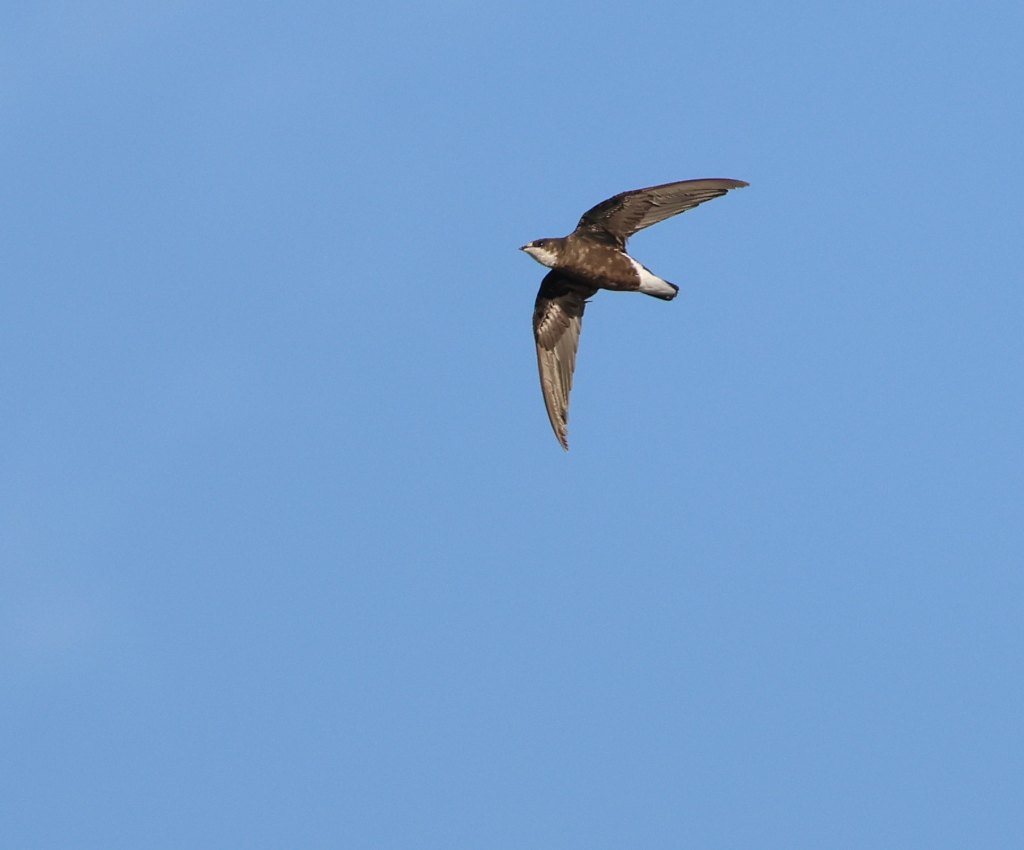
The Needletails are common summer visitors (they are found all up and down the east coast) but I hadn’t seen them in such a built-up environment before, and it was awesome to observe them zipping at speed literally above the rooftops. I even set myself a challenge to try and record their movements on video, and sort-of succeeded.
More prosaically, I also saw White Ibis flying above me in formation. There is a large sports oval on the other side of the water (just south of the bridge across Christine Ave), where they were perhaps flying to. I also saw Silver Gulls and a Cattle Egret on this field, too.


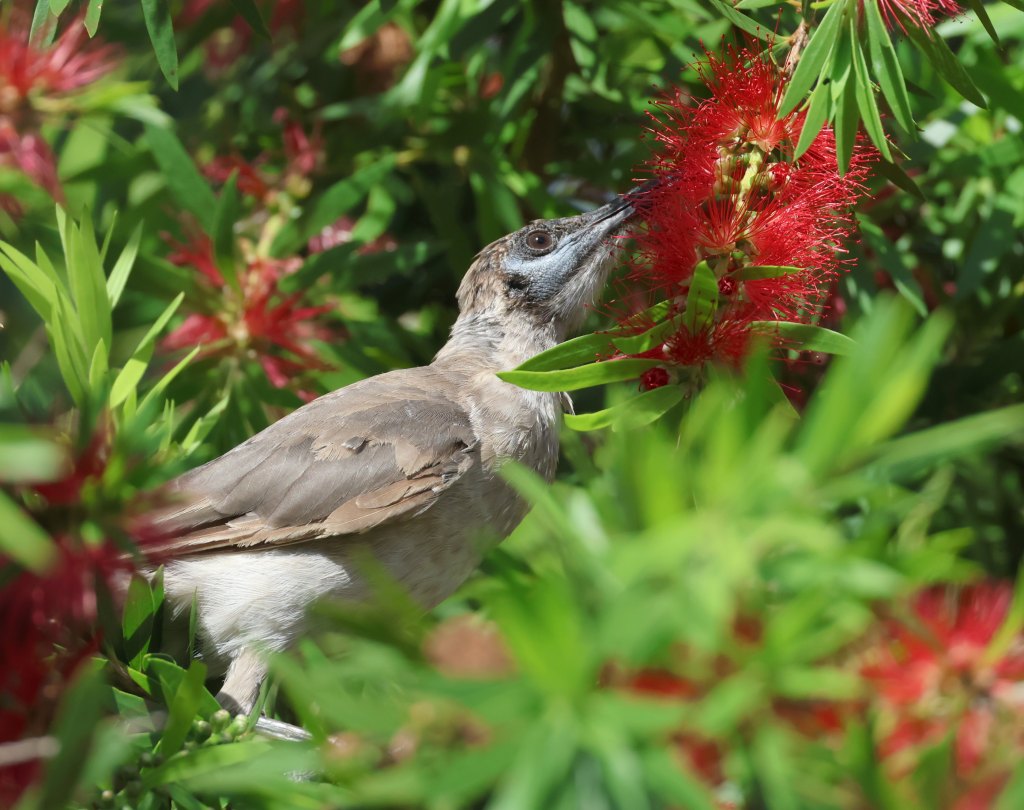
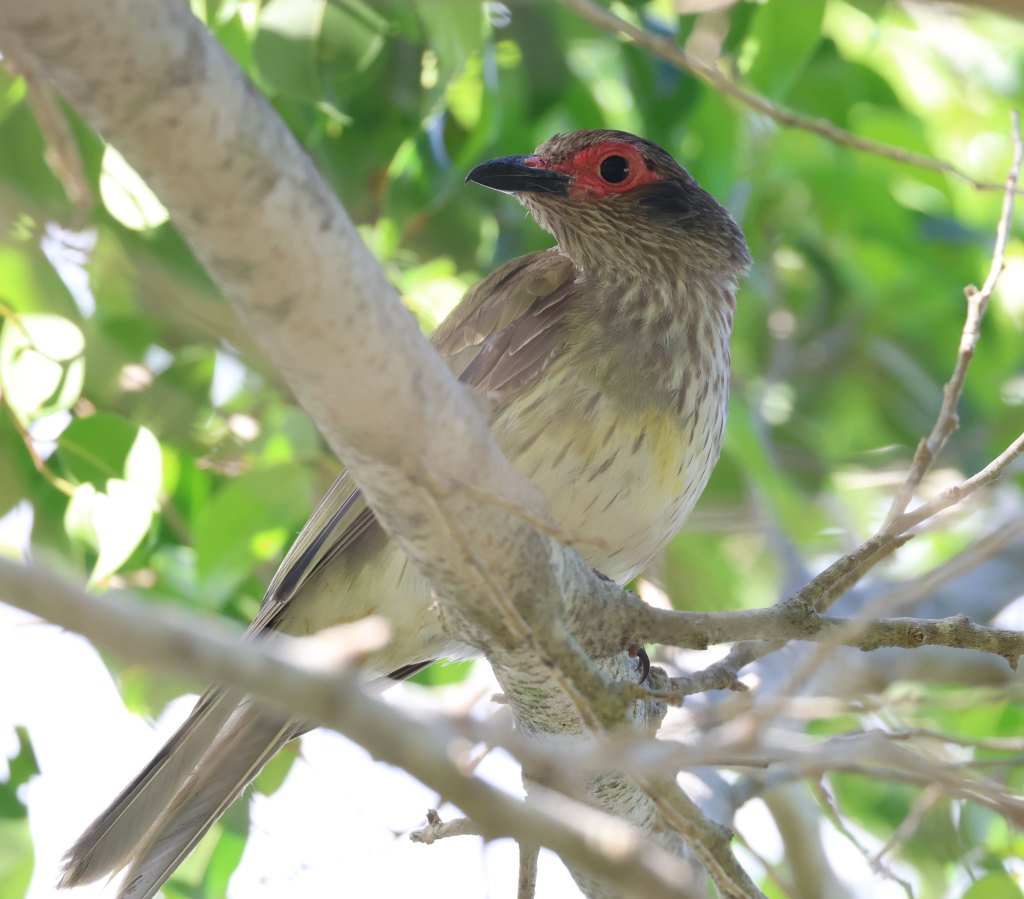
I’m not sure what it is about fig trees and sports fields, but so many fields in south-east Queensland have rows of fig trees planted along their perimeters, and here is no exception. The fig trees were fruiting in my December visit, and I spotted a few figbirds up in the branches tucking in. Other flowering bushes along these stretches include callistemon, which attract honeyeaters such as Little Friarbird.
The paths of most of the area we’re describing here are all paved and flat, with usually plenty of verge to move onto should you wish to linger watching a bird or two (and avoiding other walkers and cyclists out for their morning fitness…)
Southern Lake Orr
There is an underpass beneath Christine Ave which pops you out into the southern side of Lake Orr, with some flowering bushes such as grevillea and New Zealand Christmas Bush here being a huge attractor for Brown Honeyeaters. These birds are super-plucky and tend to not care much about humans passing, though they are fast and it can be difficult to get that perfect shot (patience is required, as with much of birding!)


I was also surprised to discover two large rays cruising by the water’s edge in the clear shallows.


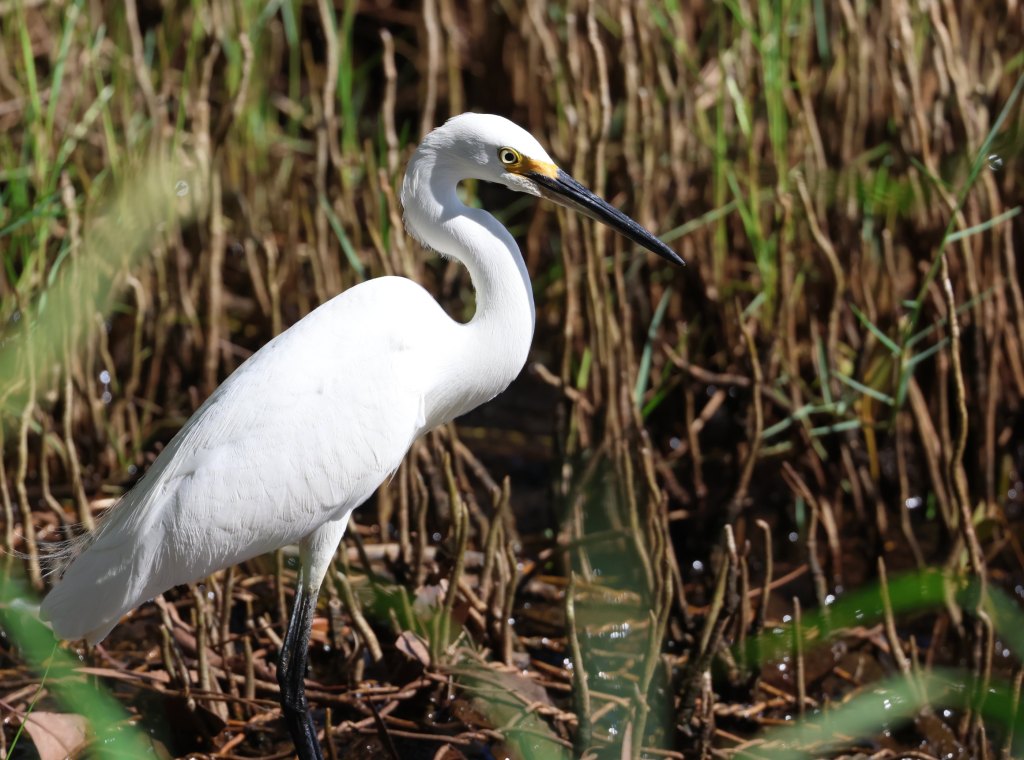
Continuing clockwise along the western edge of the lake there is a little bridge and a huge tract of melaleuca, forming the Lake Orr Catchment Reserve. Although this section is inaccessible, you might catch a glimpse of an egret hunting in the dense stringybarks or nearby where there is a water outlet by the bridge.
Paije’s Pond
On this western side is also a spot that came as something of a nice surprise when I first discovered it – a lovely little lagoon called Paije’s Pond. (Actually I can’t find a reference source for the name any more, but I think that’s what it’s called…)
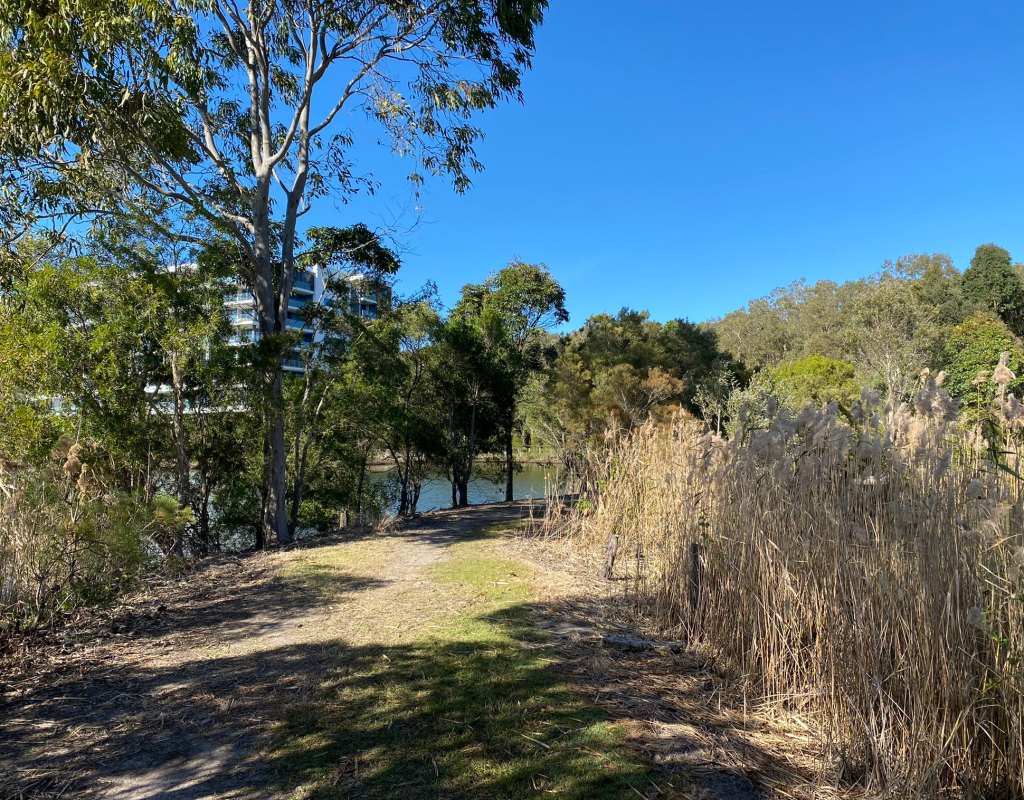


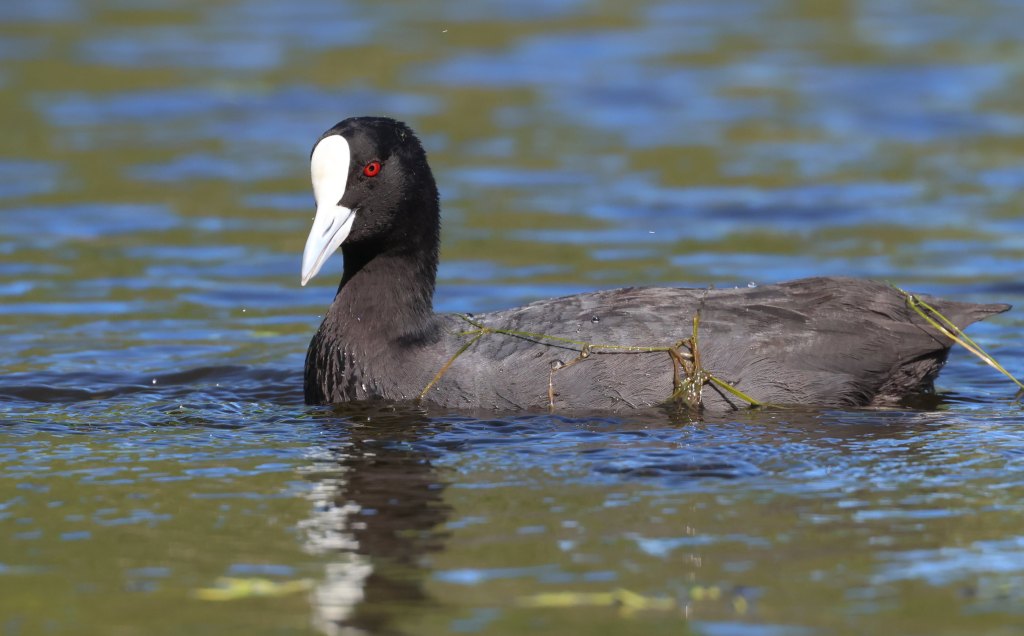
The pond isn’t very large but does attract some charming birds, and you can walk (on a grass/dirt trail) almost all the way around it. Australasian Grebe, Eurasian Coot and Pacific Black Duck are some of the birds I’ve seen here.


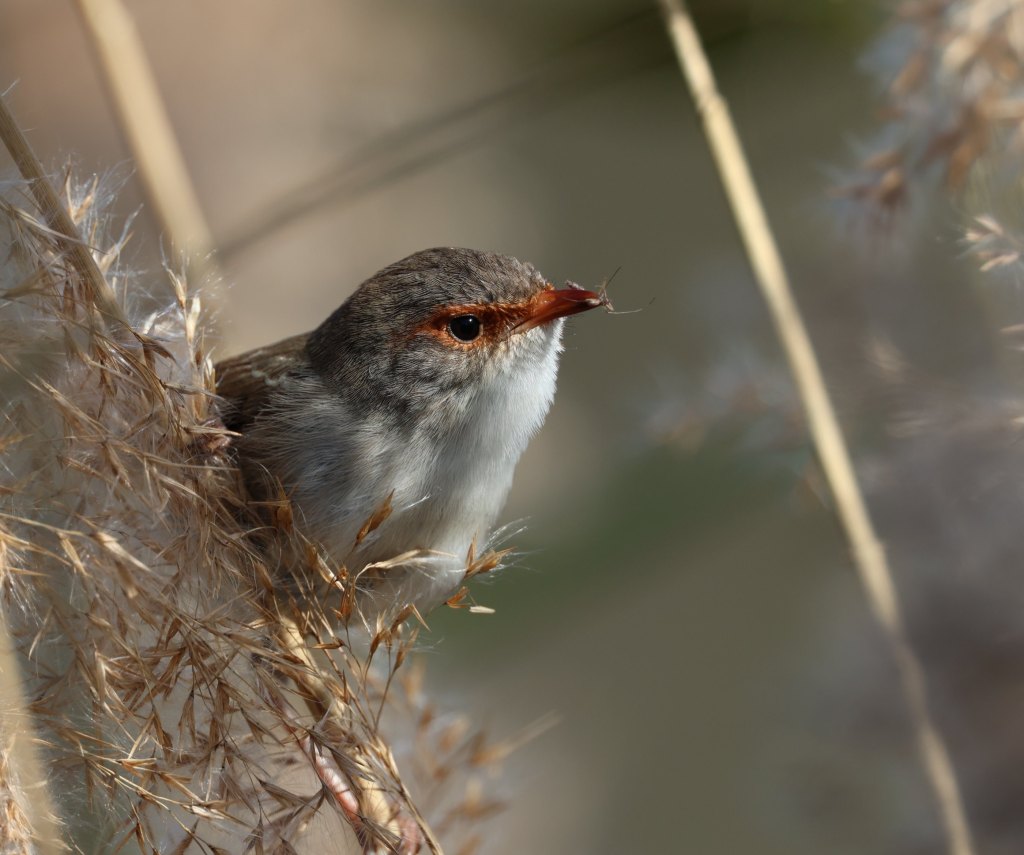
In the dry reeds on the edge of the pond is a family of Superb Fairywrens.
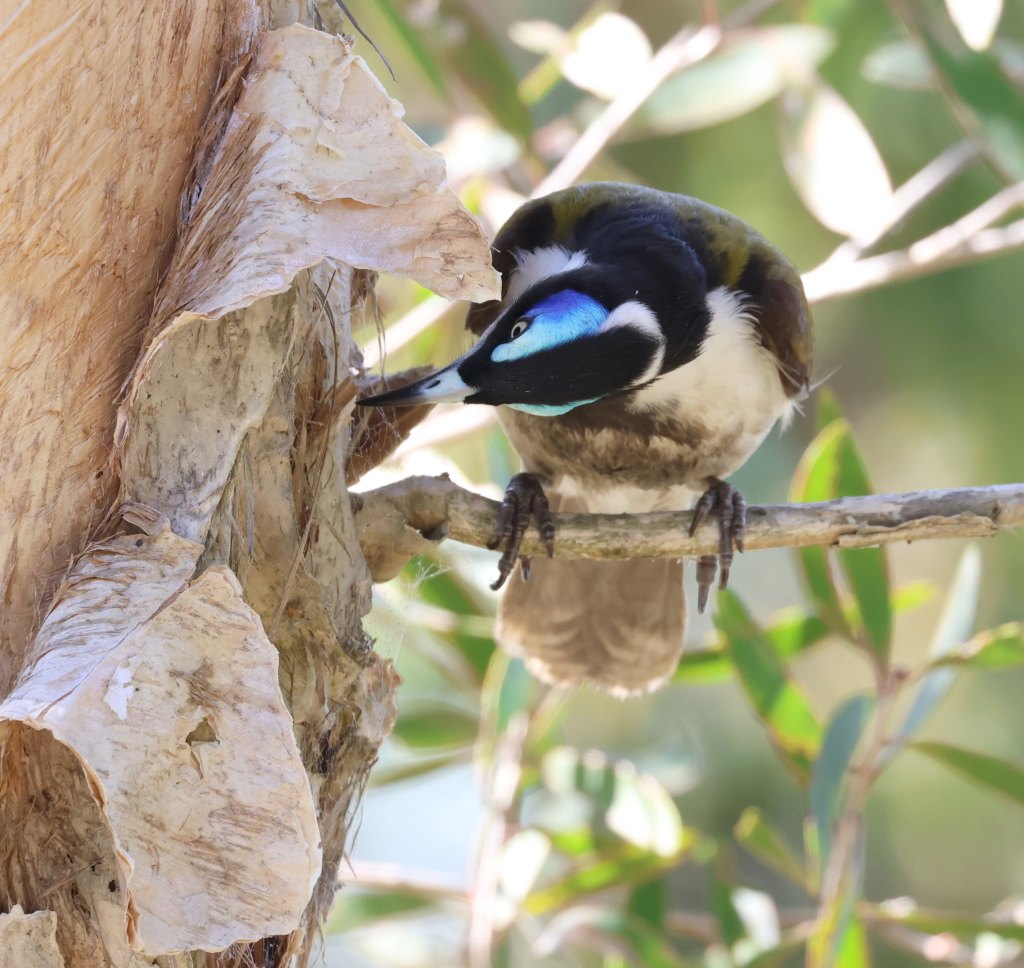
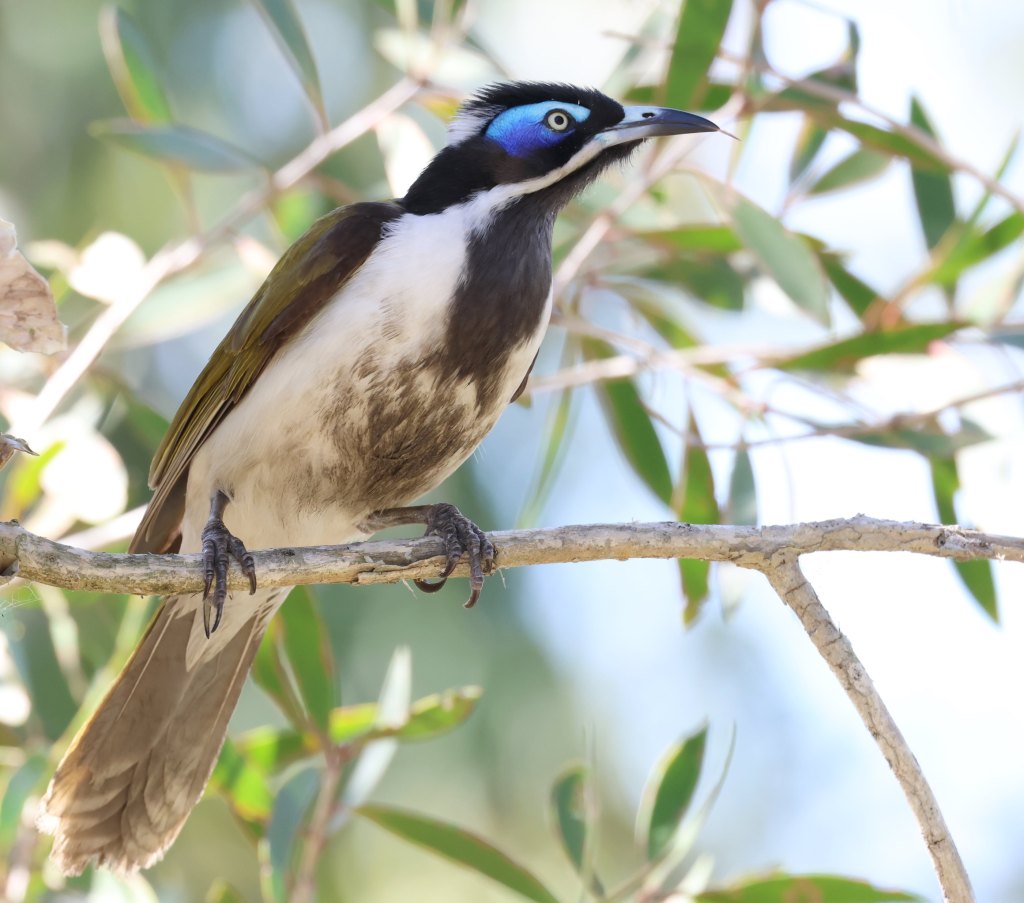
I watched a vibrantly-coloured (on it’s face, at least, otherwise it was a little dirty) Blue-Faced Honeyeater here too, thoroughly investigating one of the fringing paperbarks. It stayed around long enough for some great photos and a video too. Blue-Faces are one of those Australian native birds I can never tire of seeing, especially up close.
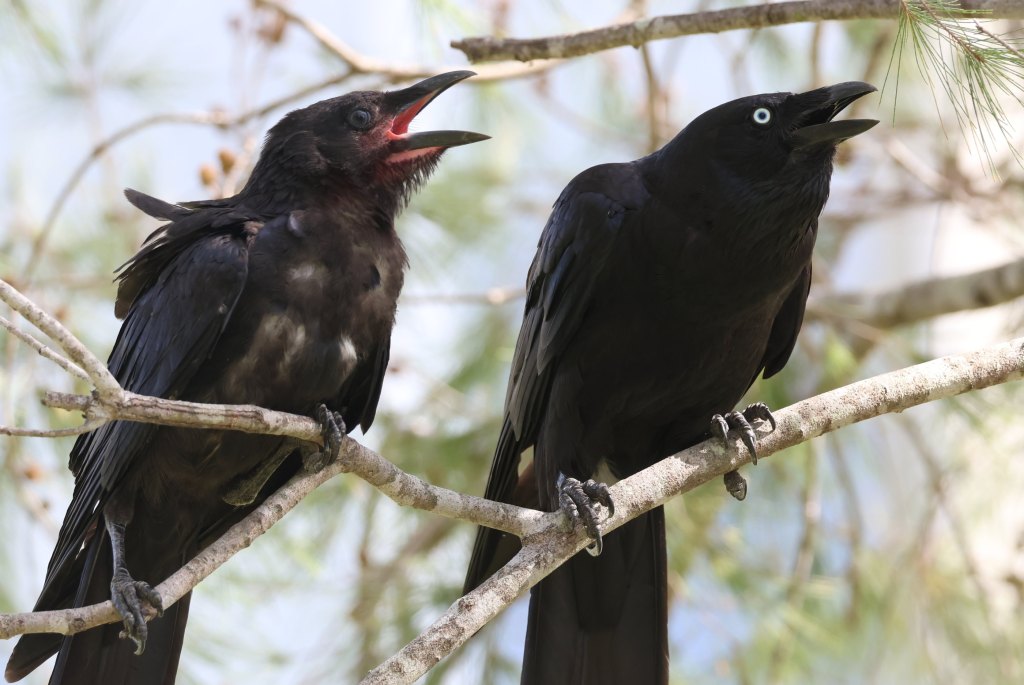
A pair of Torresian Crows hung out on the pond’s edges for a while, too, with one of them seeming to be a younger bird, having a differently-coloured eye and some barer skin around the bill.

Around Lake Orr
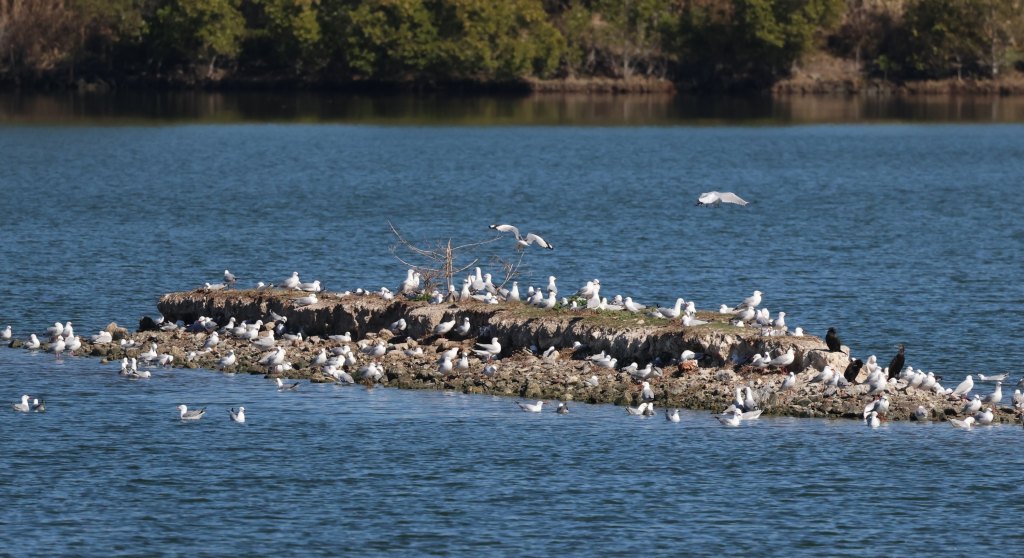
Out on the body of the main lake there is a small island, only about 30 metres long, which nevertheless seems to have become a very popular roost for all manner of water-loving birds, most especially Silver Gulls. On Aug 2023 I counted 160 Silver Gulls and in Dec 2023 around 120 Silver Gulls, most of them settled happily on the island. There were Little Black Cormorants and other birds mixed in too.
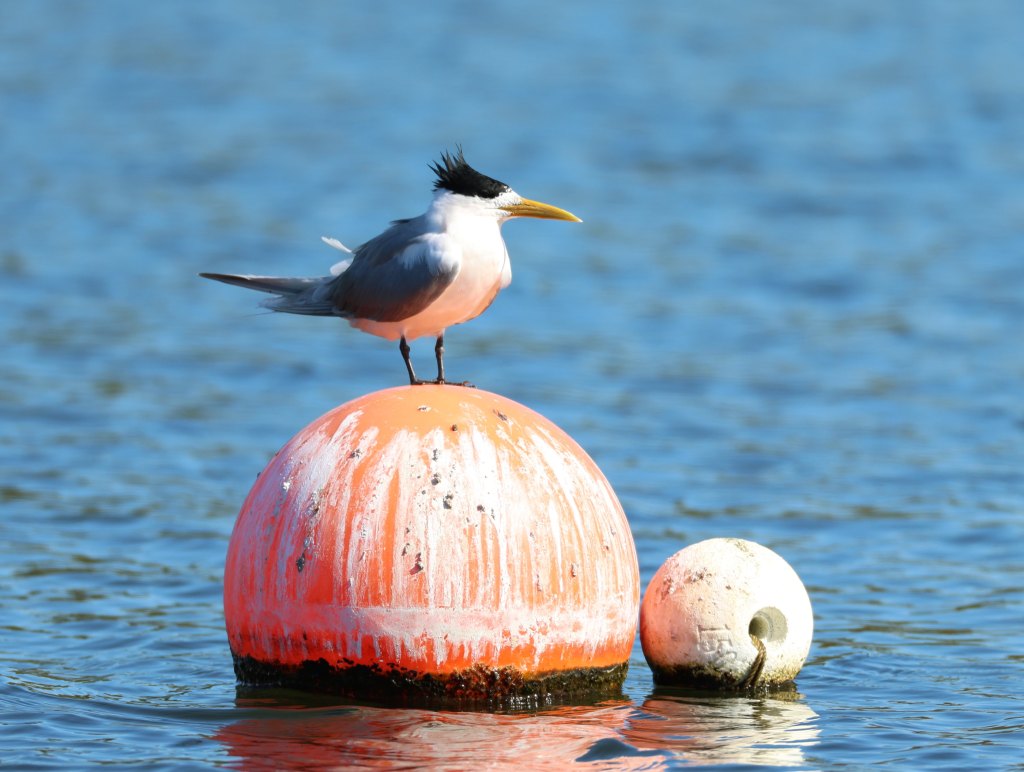
A Crested Tern was another seabird visitor to the lake, sitting on a buoy a little closer to the shore than the island (which is too far from the shore for good photography opportunities).

My Aug 2023 visit to Lake Orr was especially memorable because I watched an Osprey hunting, which I spotted initially not far from the island. It was initially being harassed by Silver Gulls.

It then performed a series of spectacular dives into the water. It was quite a sight given that it was all happening in front of the apartment buildings that line the shore!
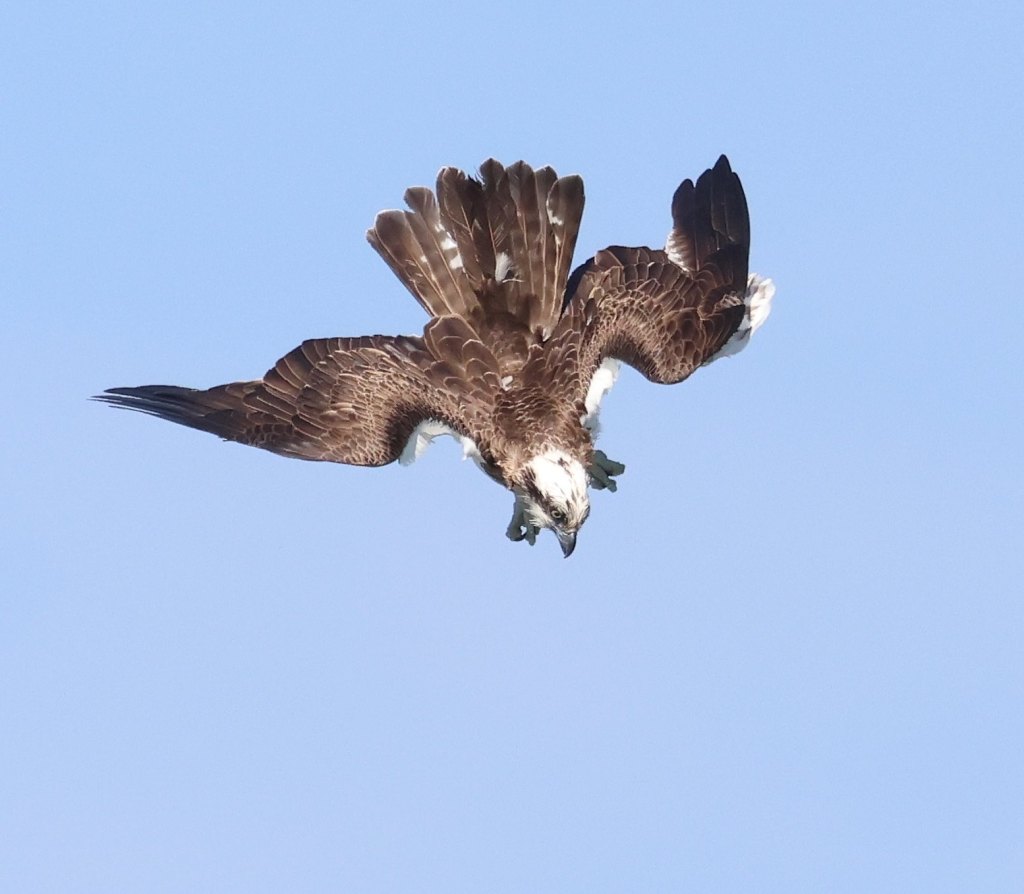
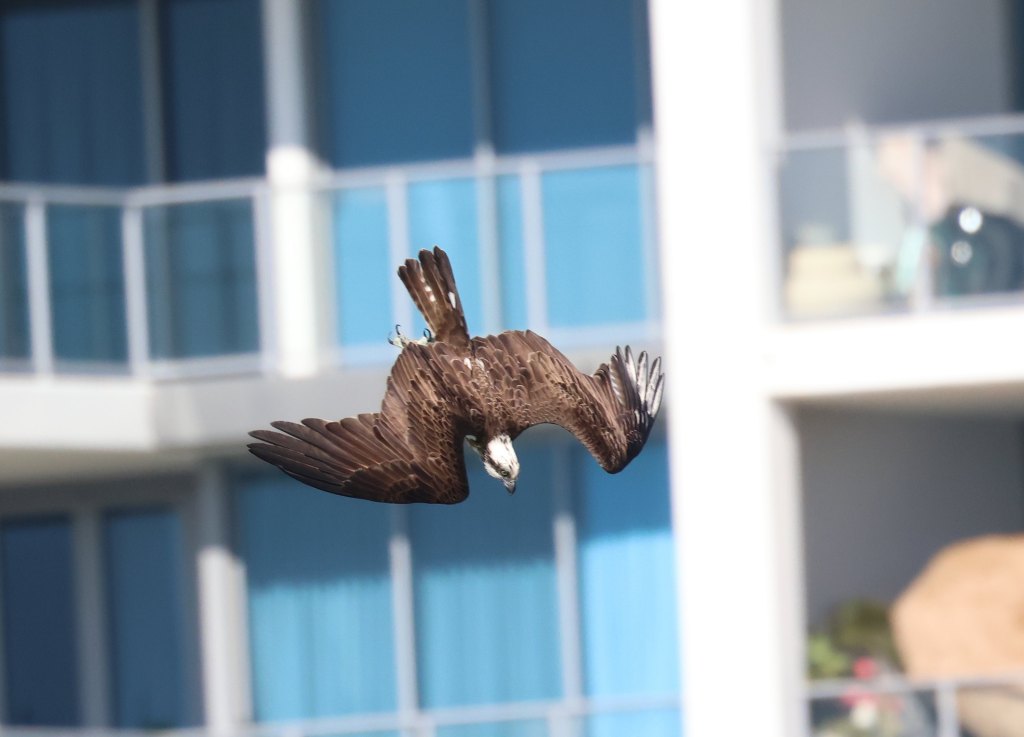
After a couple of failed attempts there was then a successful fish catch and the Osprey made off with its prey – with (I like to think) something of a satisfied air.

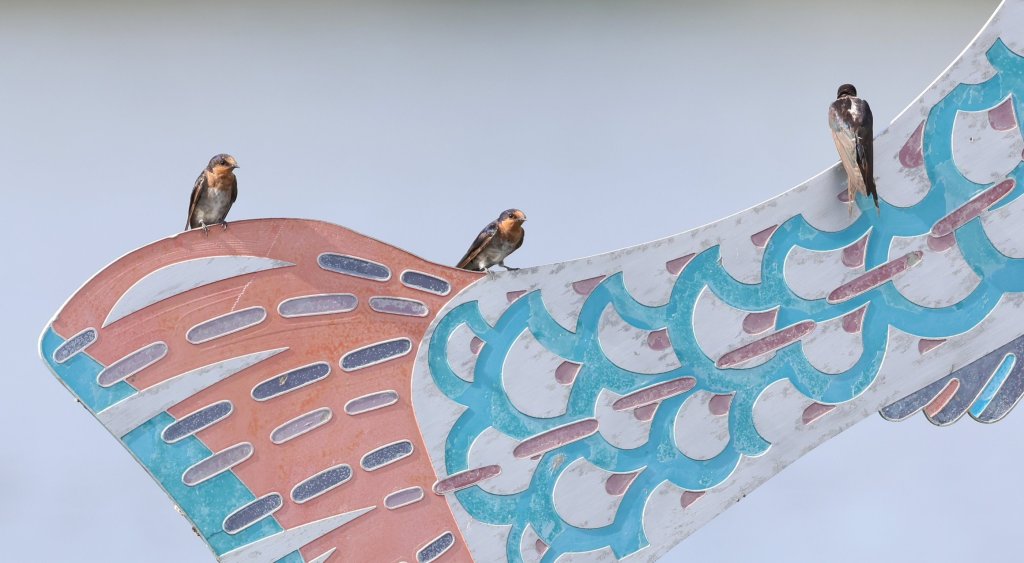
There isn’t too much going on bird-wise along the northern edge of the lake, as there’s a playground and not many trees. I did hear Rainbow Bee-Eaters high up but wasn’t sure where they were perching – perhaps on the top of one of the buildings? As a side note, you might amusingly find some of the lake’s many Welcome Swallows resting on the fish statue that protrudes from the water in this section.
A pair of busy pedestrian footbridges links the northern and southern shores of the lake via a small but intriguing island. I found a Little Friarbird nesting deep in one of these trees on my Dec 2023 visit; other birds here include standards like Willie Wagtail and Magpie-Larks.

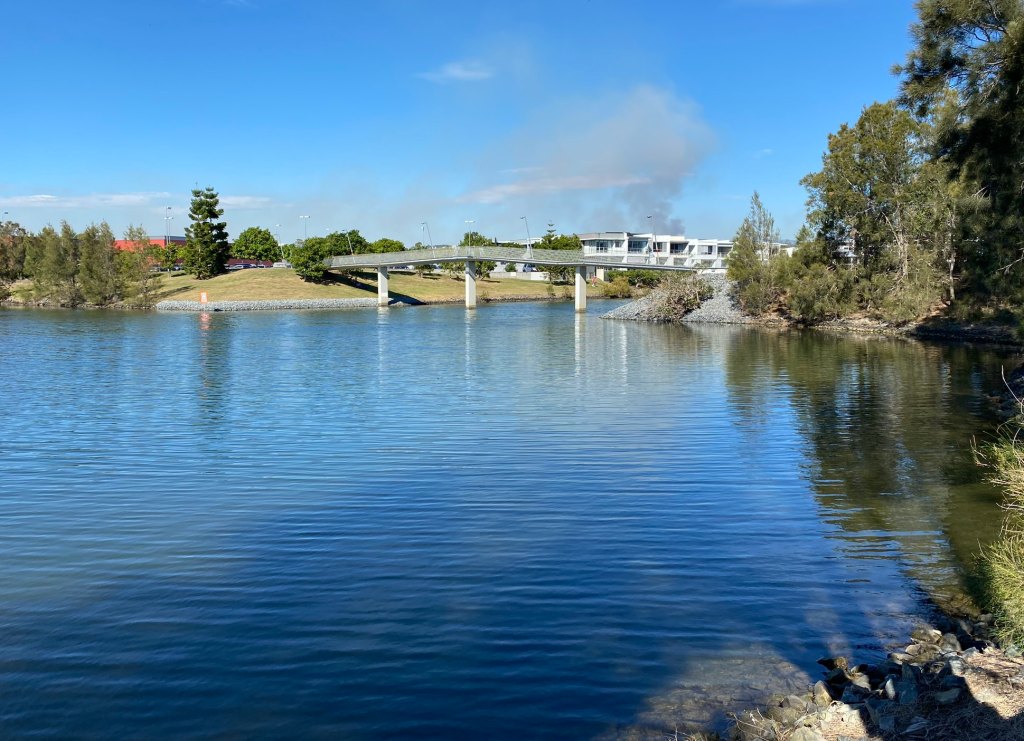

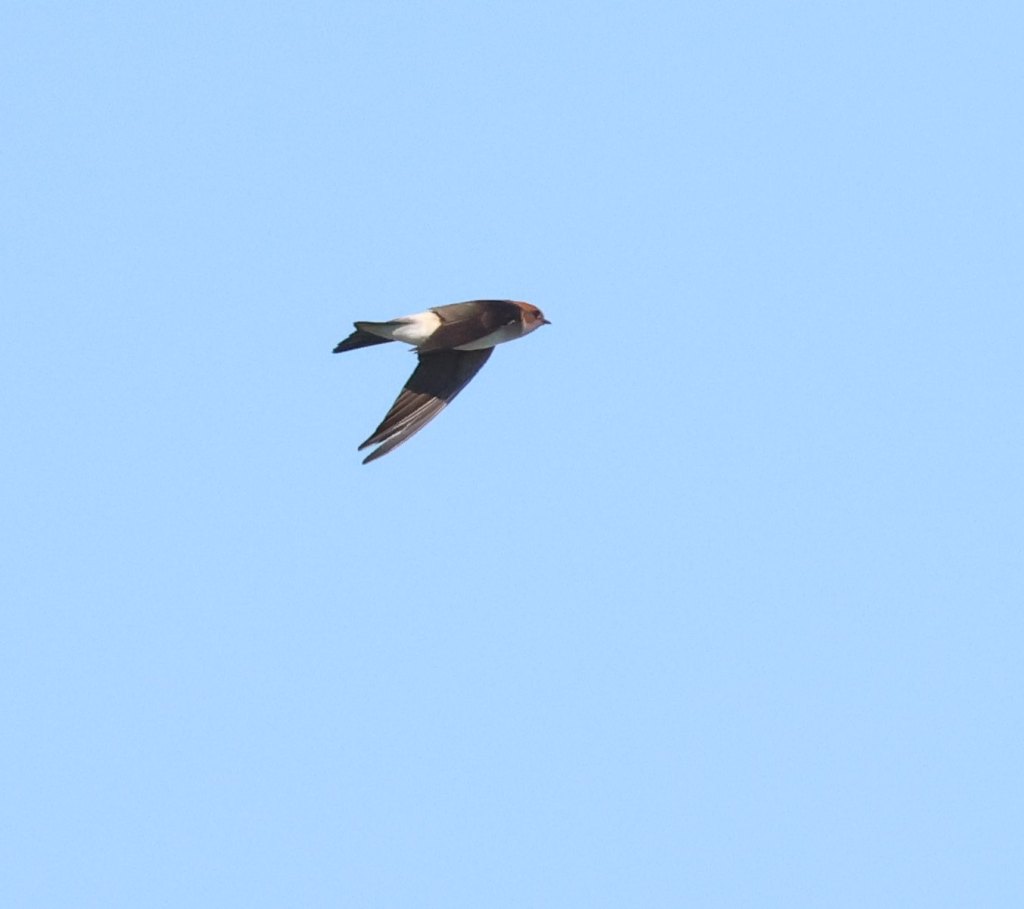
Admittedly based on only a couple of visits, I’ve found the southern bridge to be good for spotting Fairy Martins.
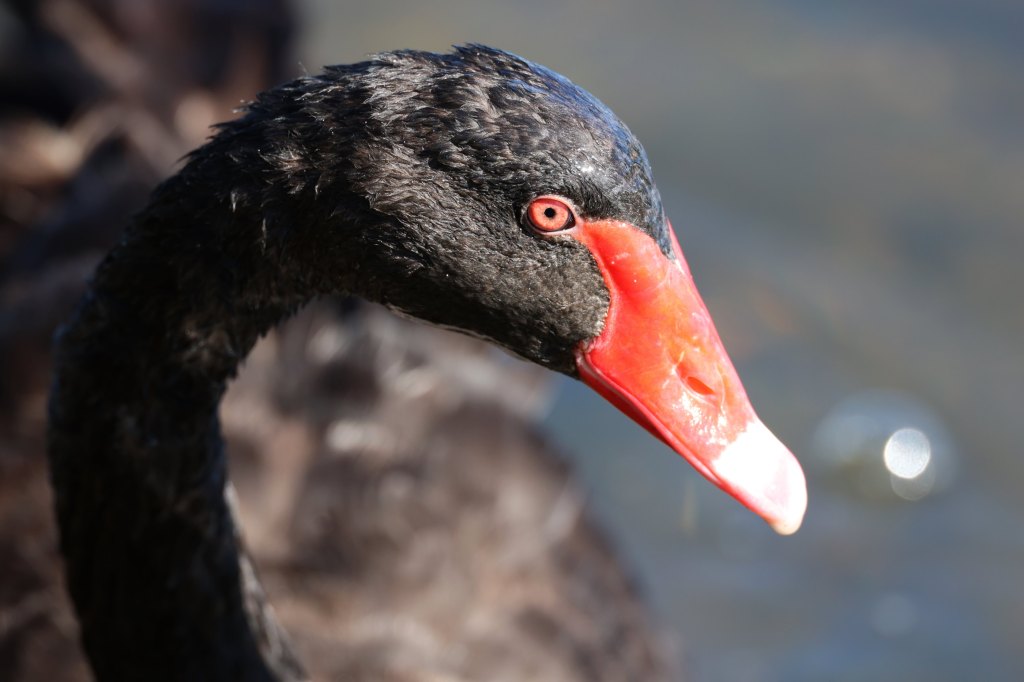
The southern edge of the lake features more shrubs and trees than the northern edge, notably luring more Brown Honeyeaters and fairywrens, and I’ve also seen a family of Black Swans foraging in the water along the rock edges.

The swan family passed by close enough for some frame-filling portrait shots too, and some locals I spoke to seemed to know this particular swan family well.

Meridien Park
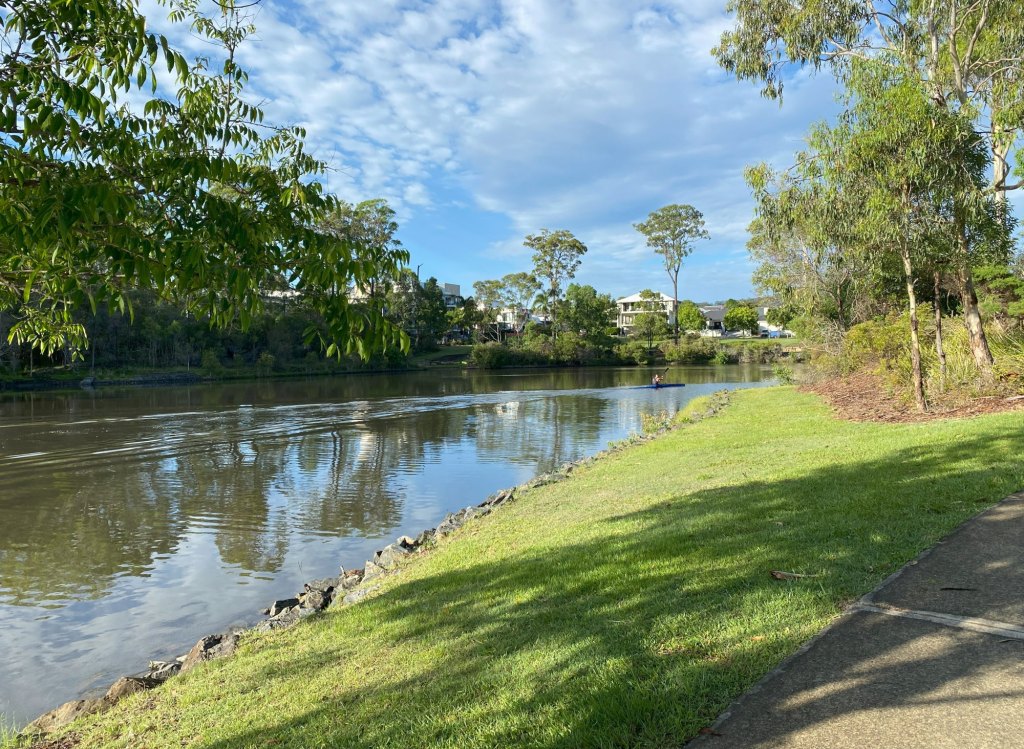
Meridien Park lies on the eastern side of the large built-up island that is entirely surrounded by Reedy Creek. At least when I visited it, I found it much quieter (in terms of people passing) and generally more bush-lined than the pathways around Lake Orr.


Callistemons (Weeping Bottlebrush, most likely) were also flowering here (in December) and Rainbow and Scaly-Breasted Lorikeets were partaking with enthusiastic appetite. The morning sun streaming through from the east made for some nice views of these adorable birds going about their feeding.


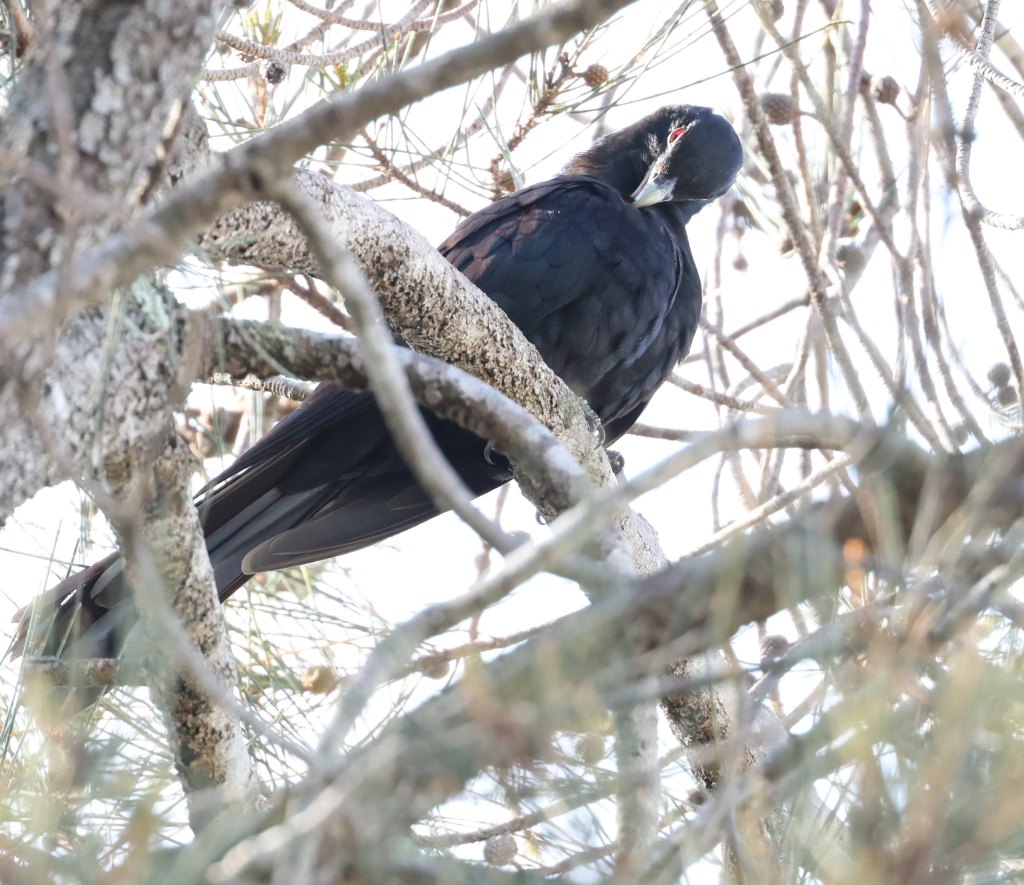
I had been hearing the trademark call of a Pacific Koel (a summer migrant to south-east Queensland) for several minutes at this point, and it still took me another several minutes to finally locate the bird, very high up through a tangle of branches.
The paths all around the island and Meridien Park are definitely worth your time if you feel like walking and casual birding in a pleasant, if mostly suburban, environment.
Varsity Lakes Wetlands Walking Track
To the south of Lake Orr and the Reedy Creek system is a more contrasting spot which Google Maps labels the “Varsity Lakes Wetlands Walking Track”. It’s a little confusing because around the bend in the river from here is the “Varsity Lakes Wetlands Reserve” which is actually a standard suburban park with a playground and picnic tables… but anyway.
The “Varsity Lakes Wetlands Walking Track” is a decidedly different affair to the Lake Orr area, with much more messy scrub and dense vegetation. I actually jogged around the loop path here when I visited so didn’t take any photos, but I do remember there being a lot of Noisy Miners and lots of bushes and trees – a veritable forest! It has a separate eBird hotspot with a respectable 121 species.
Summary
I had a very pleasant time birding Lake Orr and its surrounding waterways. The pathways are easily navigable and the birds tend to be fairly used to human presence, so along with the sparkling water and Gold Coast sunshine you’re likely to be able to take some satisfying photos. Paije’s Pond and some tracts of denser forest provide some further interest apart from the suburban birds and river/canal exploration.
Pluses and minuses:
+ Better birding than you might expect from such a built-up location
+ Lots of birds, especially those attracted by flowering bushes and trees
+ Long flat paths to explore if you’re up for plenty of easy walking
– Mostly suburban birds; unlikely to see anything too exotic
eBird:
Hotspot: Lake Orr (Varsity Lakes) – 65 species
Checklists for these visits: 13 Aug 2023 (26 species), 25 Dec 2023 (30 species)
Bird Spots videos from this location: Eurasian Coot, White-Throated Needletails, Blue-Faced Honeyeater, Pacific Black Duck
AUTHOR: ANDY GEE
BIRDERS: ANDY GEE, K-A
 Bird Spots