
Summary: Classic suburban birding with three lakes to choose from
Dates of visits: 8 Mar 2022, 24 Aug 2024, 14 Oct 2024
Springfield Lakes is a suburb in Ipswich, south-east Queensland, which is notable to the bird-lover for its three large lakes – Spring Lake, Regatta Lake and Discovery Lake. I don’t rate these quite as highly as the awesome, nearby Forest Lake for diversity and photography potential, but they’re in many ways quite similar: artificial bodies of water surrounded by suburbia with a decent variety of birds that tend to be fairly used to human presence.
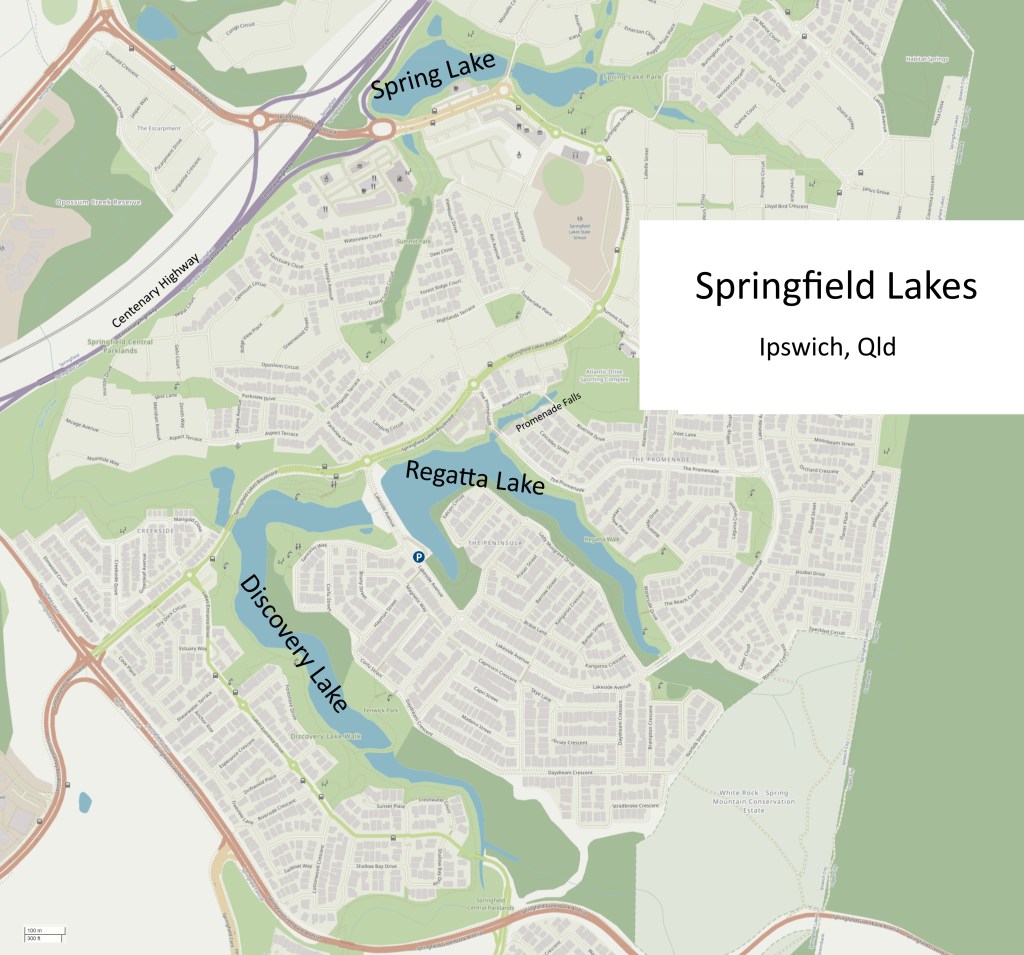
Springfield and Springfield Central stations provide relatively convenient train access, while those driving can access the area fairly quickly from the Centenary Highway. Springfield Lakes is about 30km south of the Brisbane CBD, and around 20km east of the centre of Ipswich.
Spring Lake
Spring Lake is the northernmost lake and the first to be constructed (in the late 1990s). It is actually a little series of waterways crossed by a road and is fairly quick to explore compared to the other lakes.
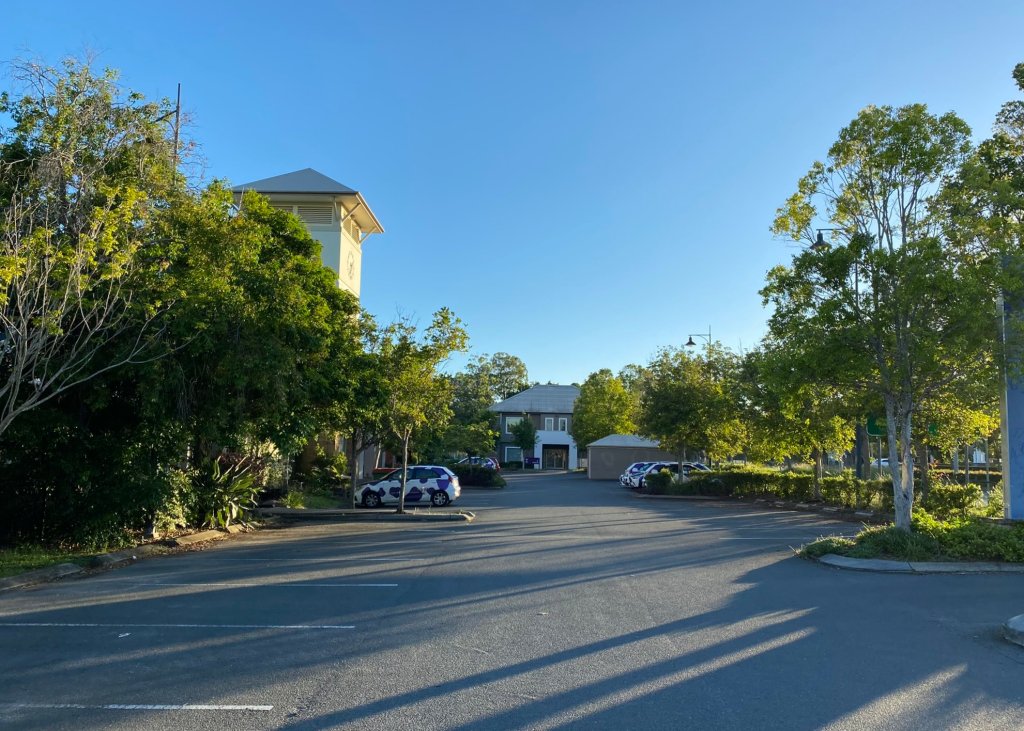
There are parking lots on both sides of the main thoroughfare through here, Springfield Lakes Boulevard, though near the lakeside restaurant and real estate precinct, they have recently changed to paid parking. You may therefore want to consider parking on Montello Crescent instead, or across the boulevard in the large shopping car park.

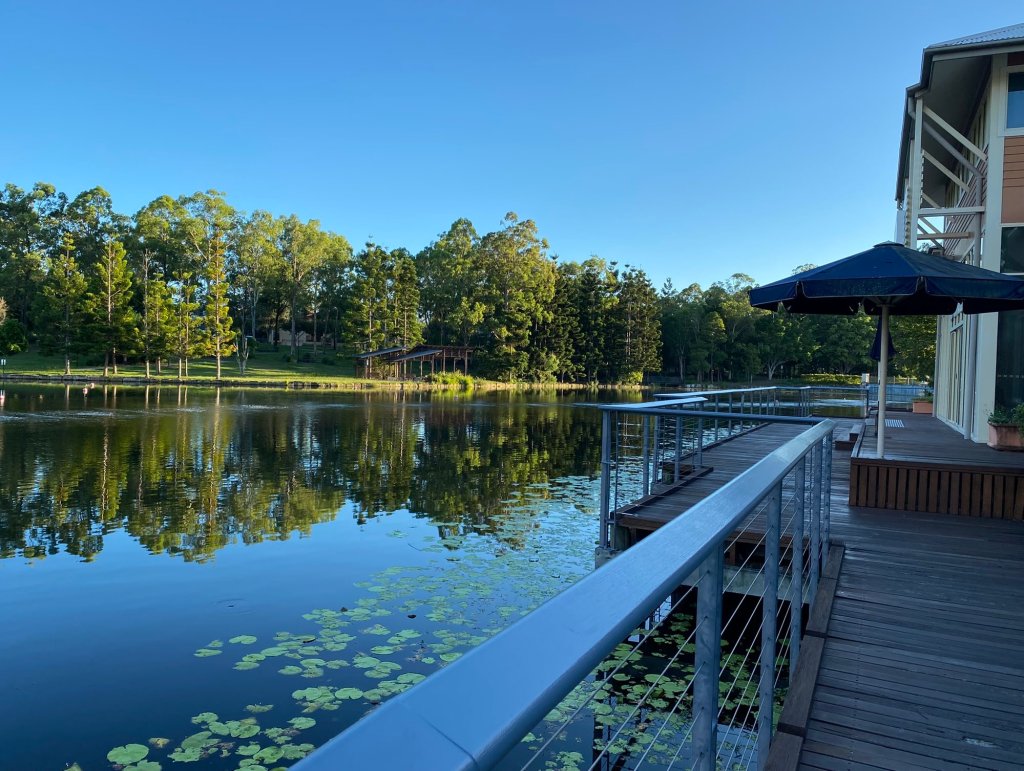
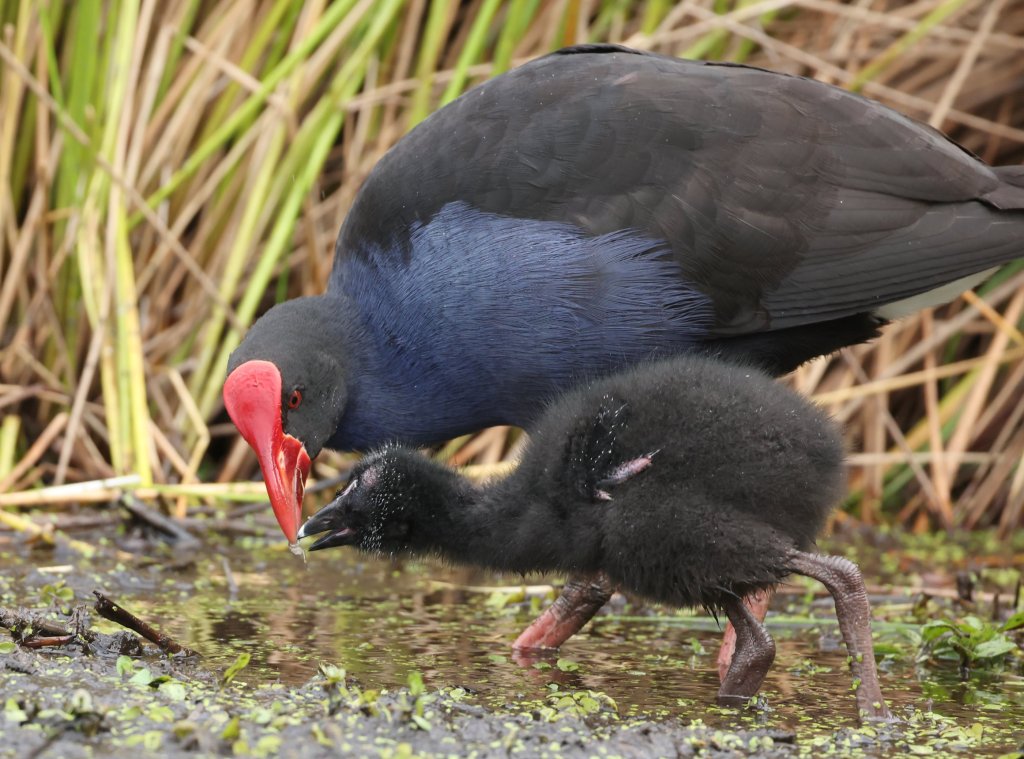
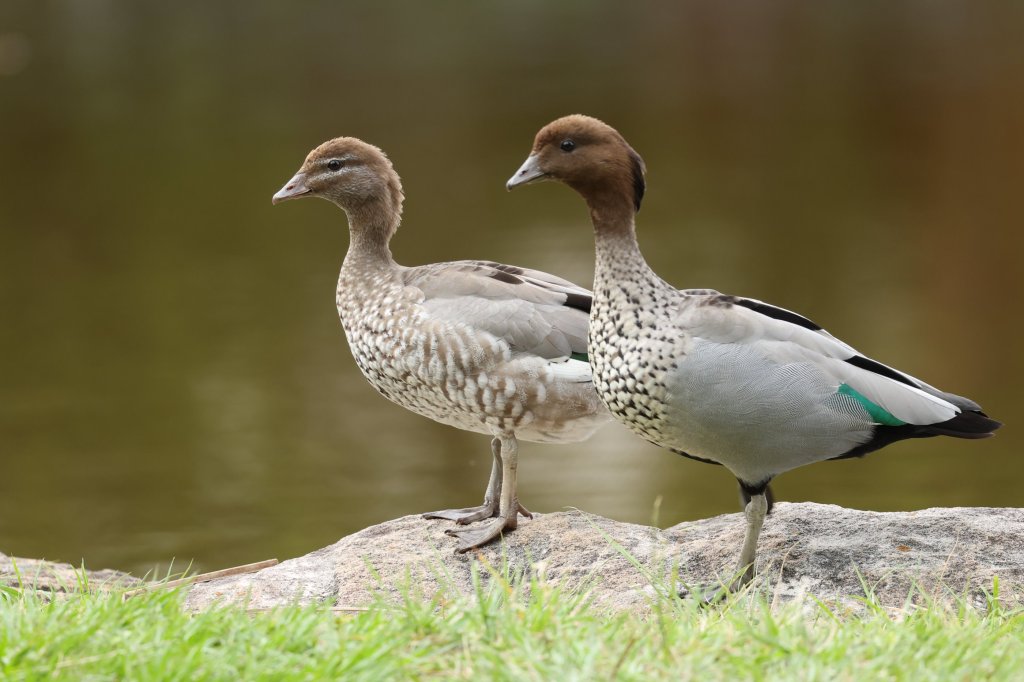
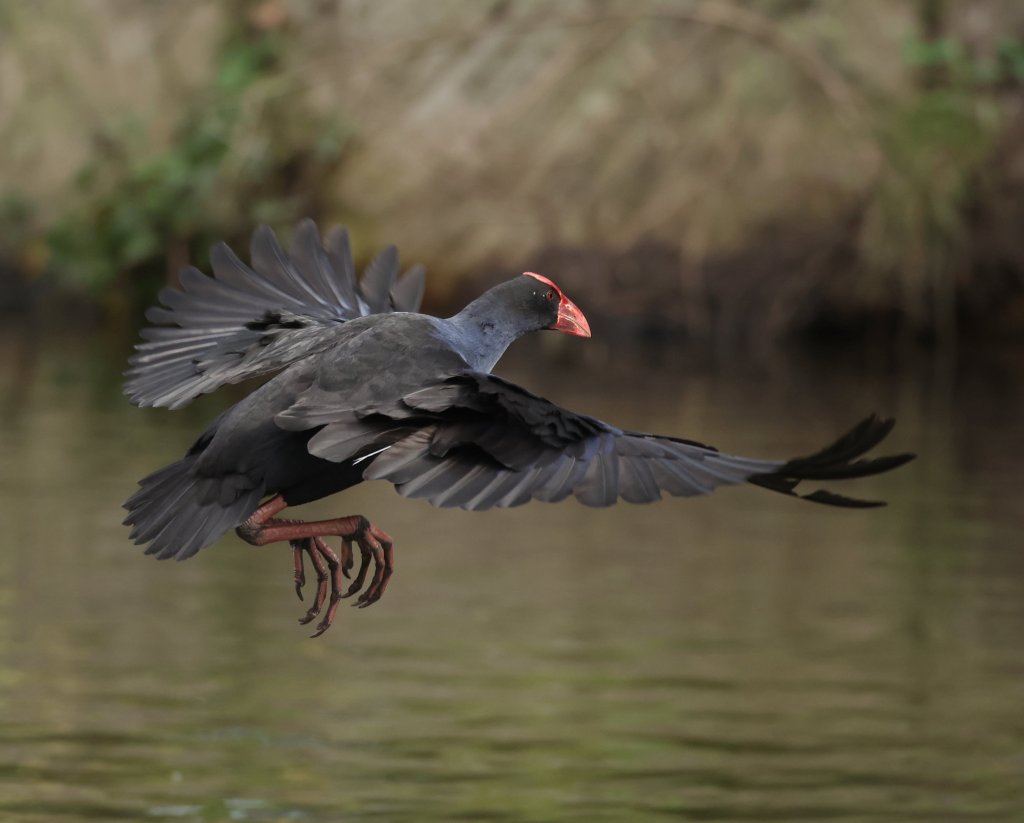
There are plenty of the usual suspects at Spring Lake that you’ll find in most bird-rich south-east Queensland lakes: Swamphens (breeding here, as I have seen babies), Wood Ducks, Pacific Black Ducks, Dusky Moorhens and Welcome Swallows. I was actually first drawn to this lake in Jan 2022 looking for Cotton Pygmy-Goose, which sometimes frequents these waters (I did not find one then, but did soon after at Warner Lakes on Brisbane’s northside, and also at Forest Lake).
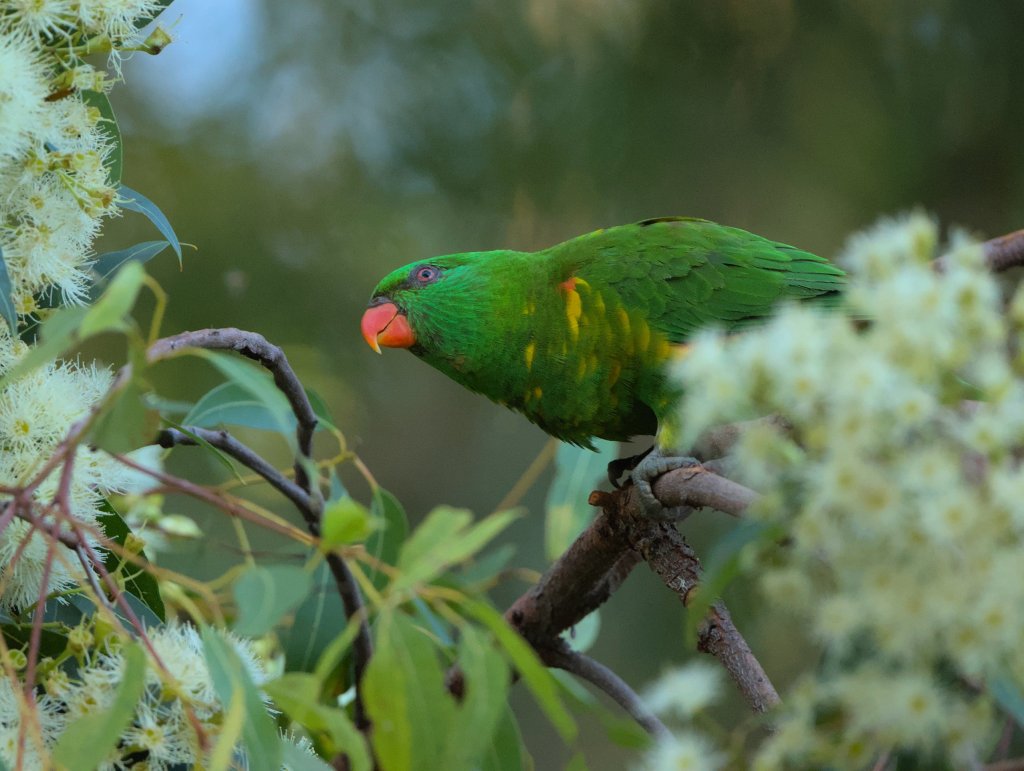
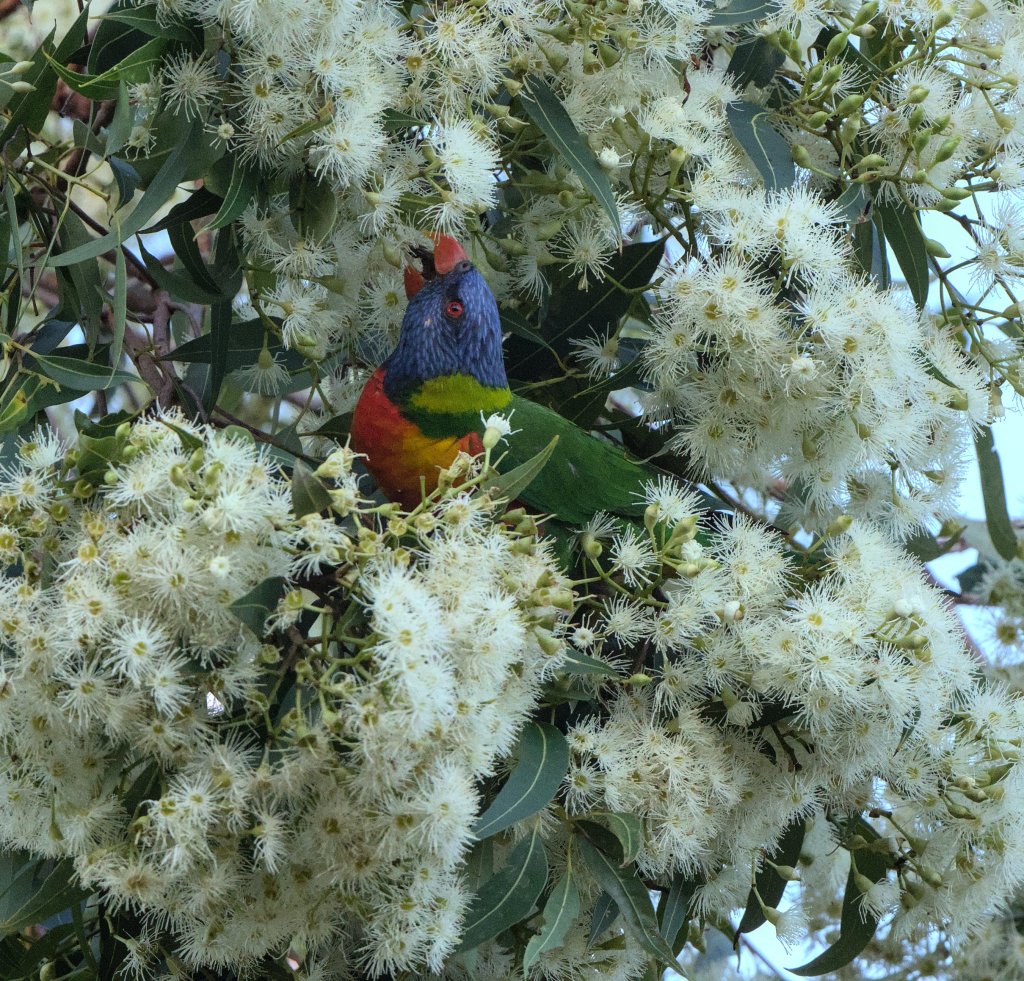
Exploring the bushland around the lake shows a host of eucalypts which can attract lorikeets when they flower – I had a good time here in Jan 2022 when both Scaly-Breasted and Rainbow Lorikeets were getting stuck into the profuse blooms. eBird’s Illustrated Checklist also shows decent chance of Little Lorikeet here (and let’s also mention that Swift Parrots – and Regent Honeyeaters – were seen here in mid-2019!)
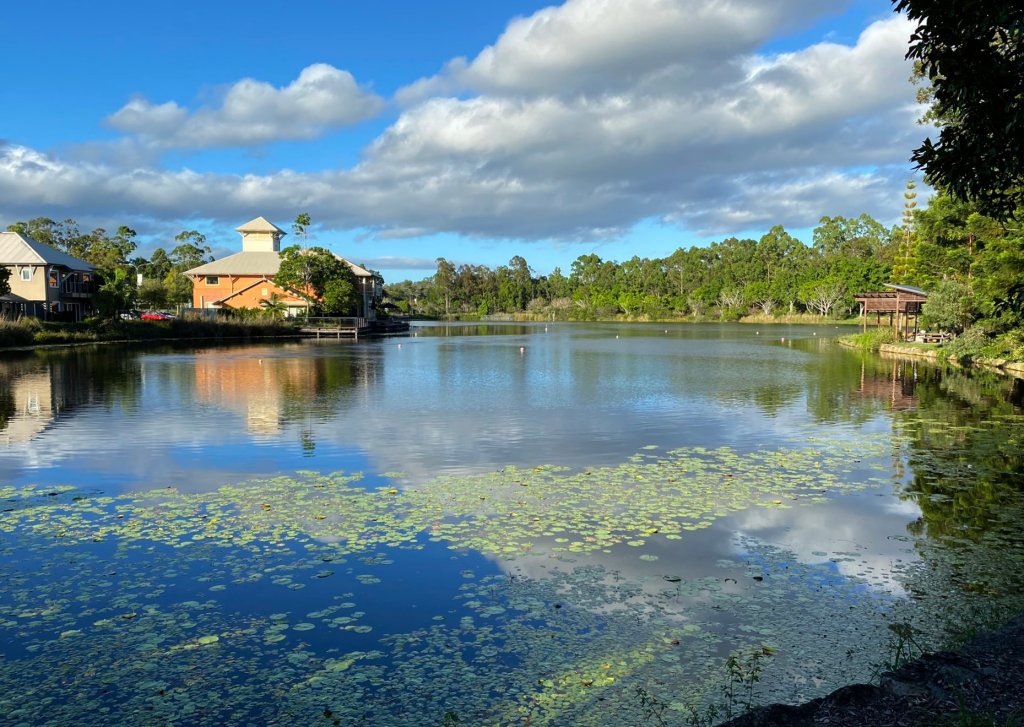
The westernmost lagoon of Spring Lake is nearly 900 metres to circumnavigate and can be a little noisy due to the nearby highway. You’ll find the standard playgrounds and bench seats and it’s all fairly pleasant, with good access to see what’s on the water from many points along the flat pathway. A long cable line stretches across one section which provides a resting spot for Welcome Swallows and Fairy Martins, while I’ve also seen Superb Fairywrens in the scrub fringing the water. Speaking of Fairy Martins, the sky above the lake was alive with them on my Oct 2024 visit with at least 15 flitting around hawking for insects.
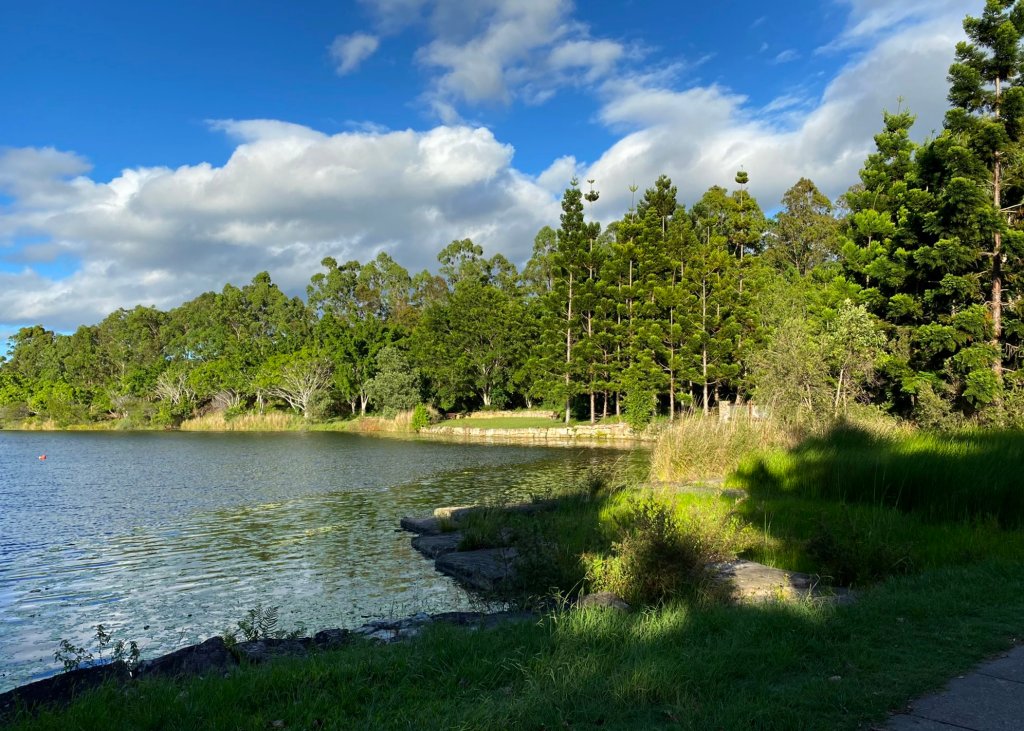

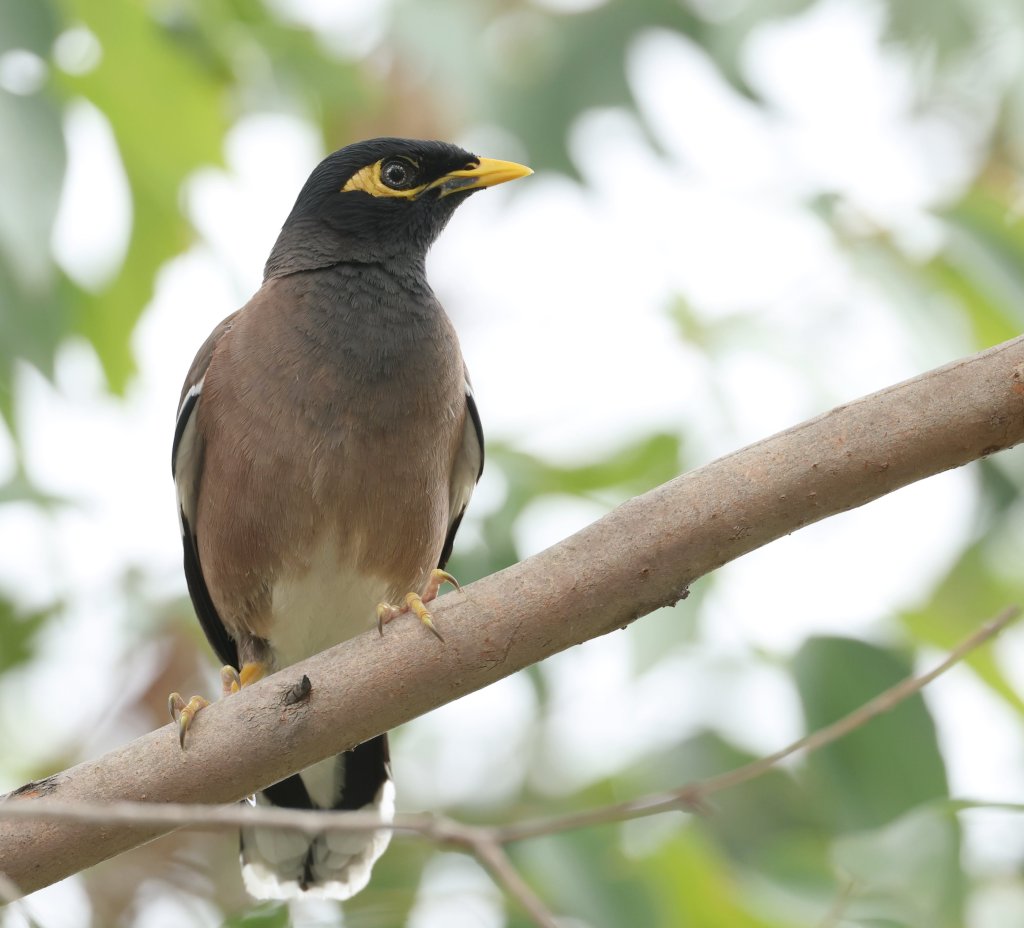
In the couple of times over the last few years that I’ve popped into this area, I’ve noticed Common Mynas and Noisy Miners in fairly equal numbers, with the Common Mynas tending to stick closer to the large shopping precinct on the south side of the boulevard. It makes me wonder if one of these species will eventually win the territory!
The smaller, eastern side of Spring Lake was very good to me and Luke S on our October 2024 visit, with a good ten Hardheads floating placidly on the dark water; I suspected they were being fed occasionally as they seemed to swim close to shore with what I took to be some pleading looks!

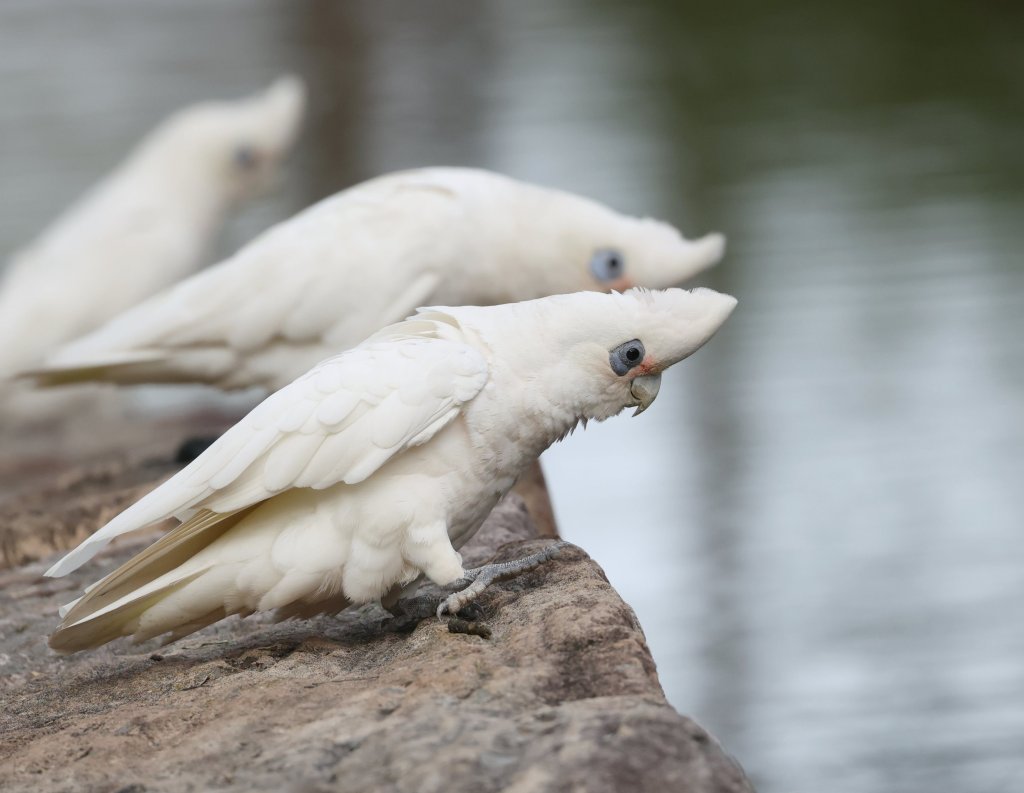
Little Corellas, a bird that you can find in large numbers at Forest Lake, were present here too and keen to get to the water for drinking, launching down from the fringing trees with abandon.

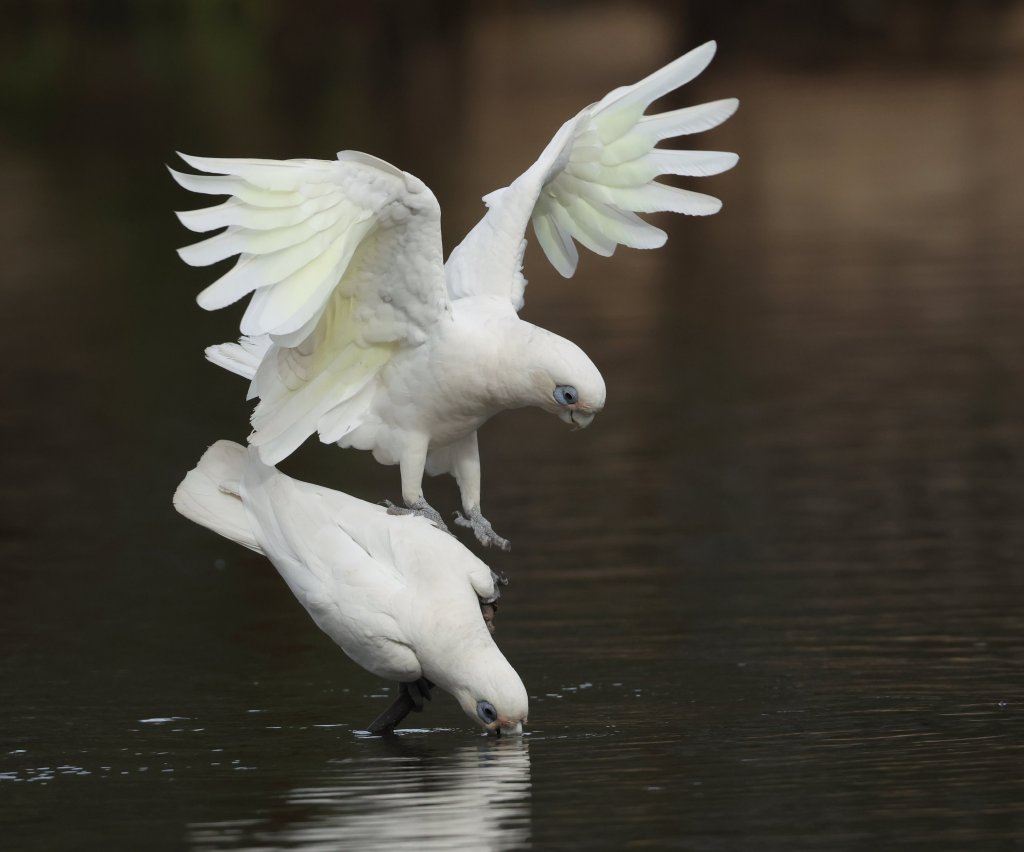
One stick protruding from the water proved an irresistible perch, with corellas coming in to land on it even while there was already a bird using it – very amusing.

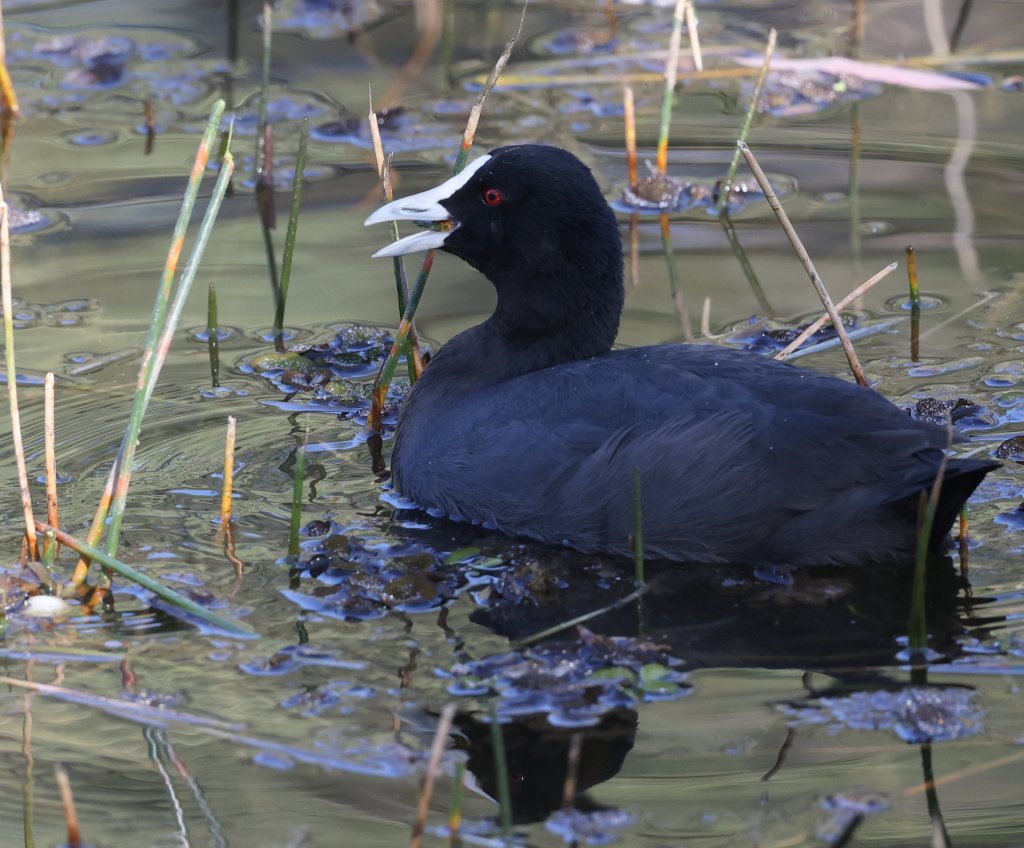
Apart from the Common Myna, other non-native species here I’ve seen include Spotted Dove and Eurasian Coot.

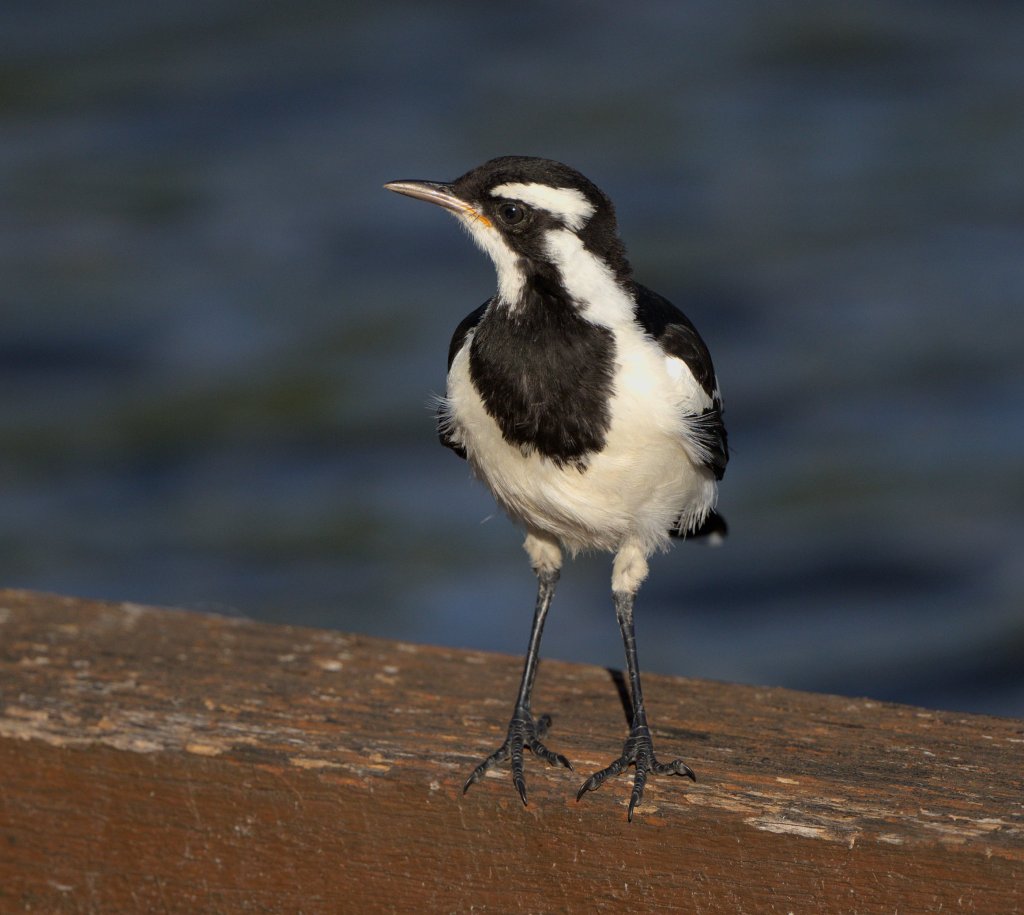
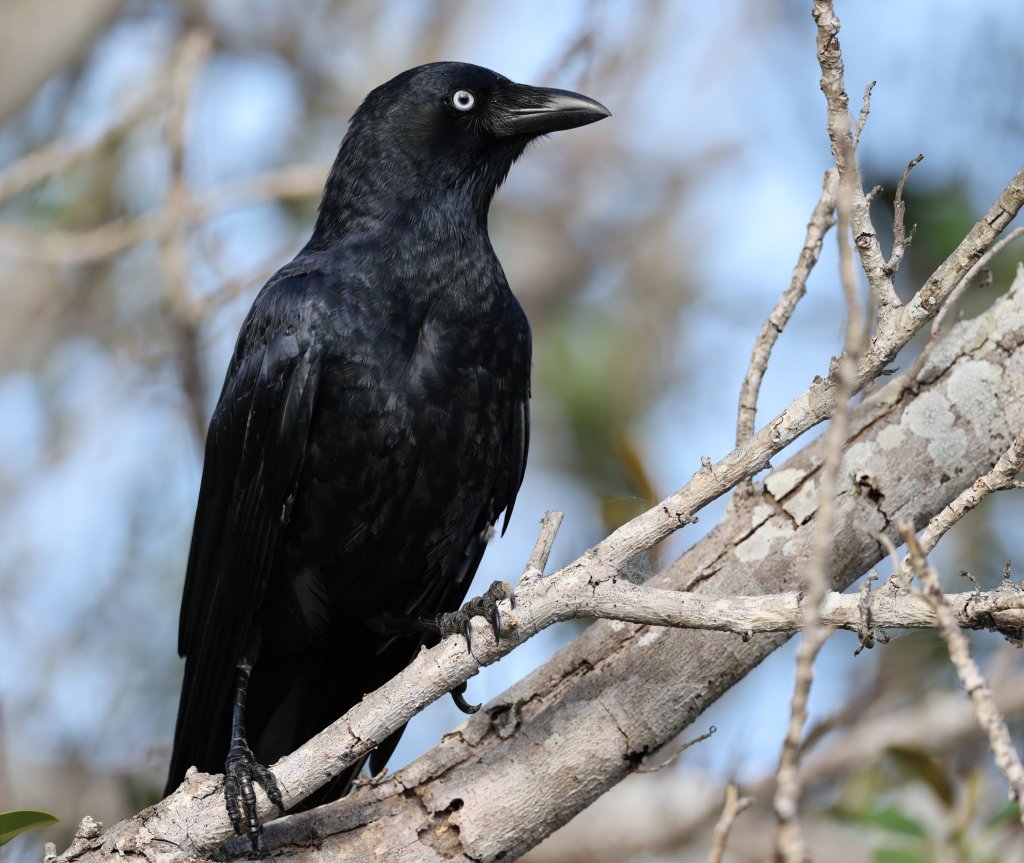
And of course you’ve got all the usual suspects of Magpies, Magpie-Larks, Crows, Pied Currawongs and Butcherbirds here – indeed, it would be bizarre not to have these common birds at a site like this.
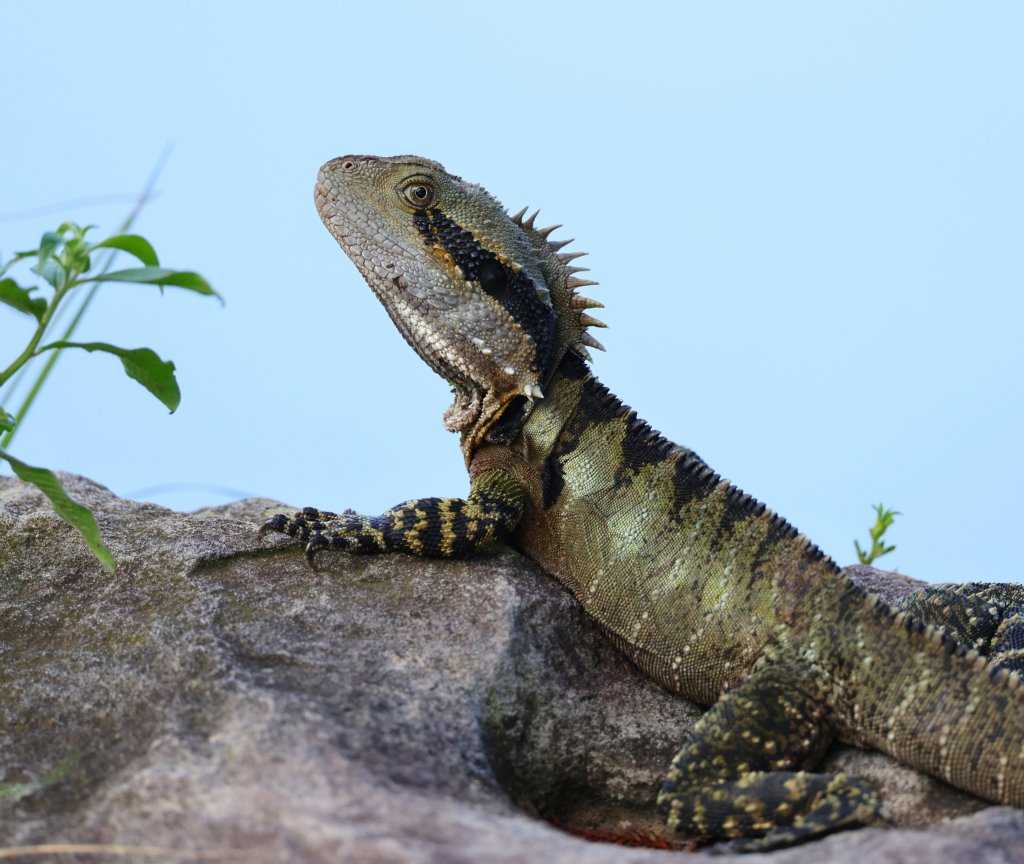
There aren’t as many Water Dragons around the water as at Forest Lake (there’s that inevitable comparison again…), but they are here too.
Regatta Lake
Regatta Lake is the next largest body of water after Spring Lake and was constructed around 2006; it is about 1km south of Spring Lake. It is a little larger with the paved pathway around the lake measuring around 2.5km to walk. A good place to park is on Lakeside Ave (near the corner of Santorini Way) where there are parking bays on the side of the road; you can access both Regatta and Discovery Lake easily from this one spot.
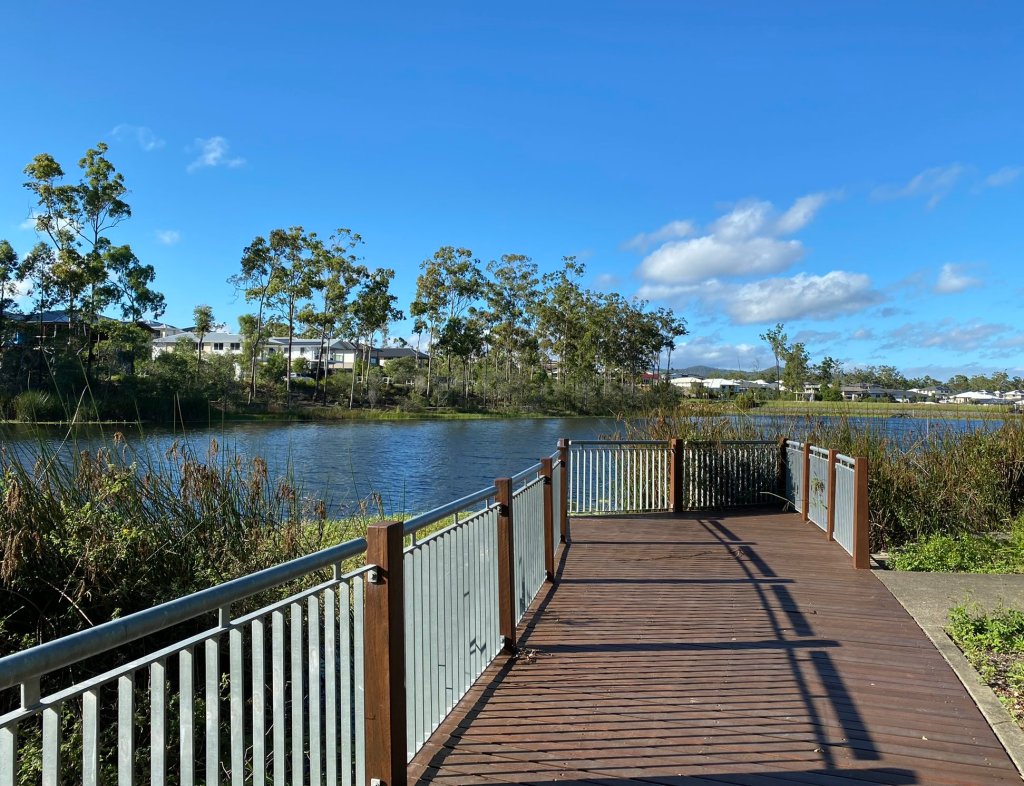
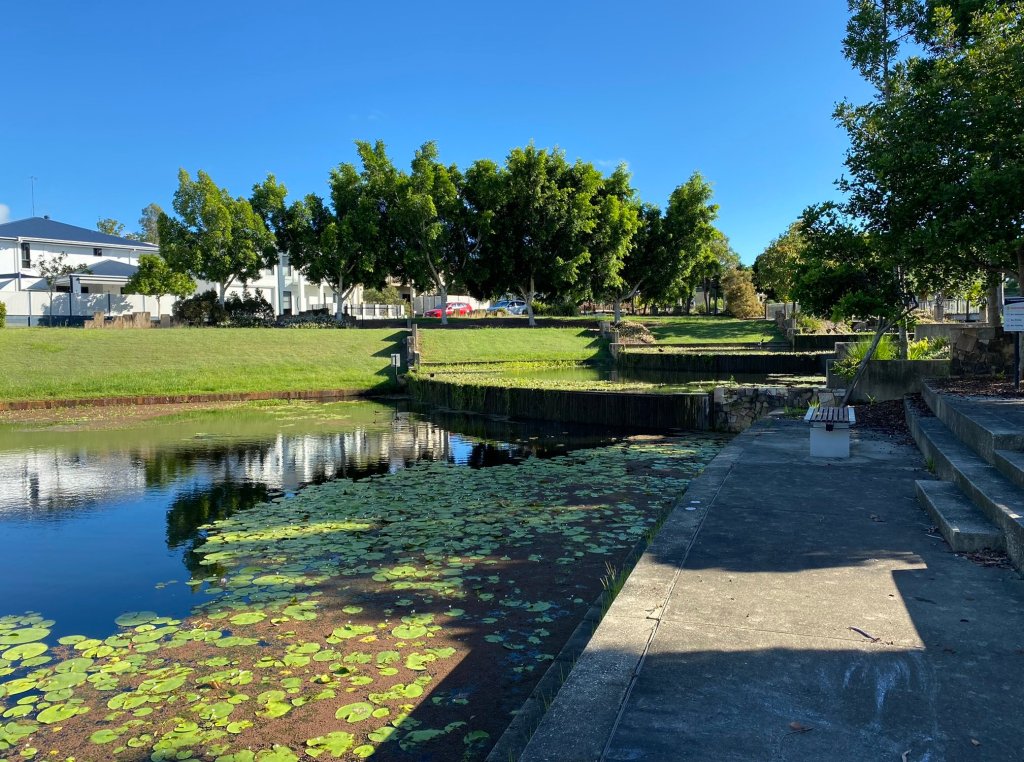

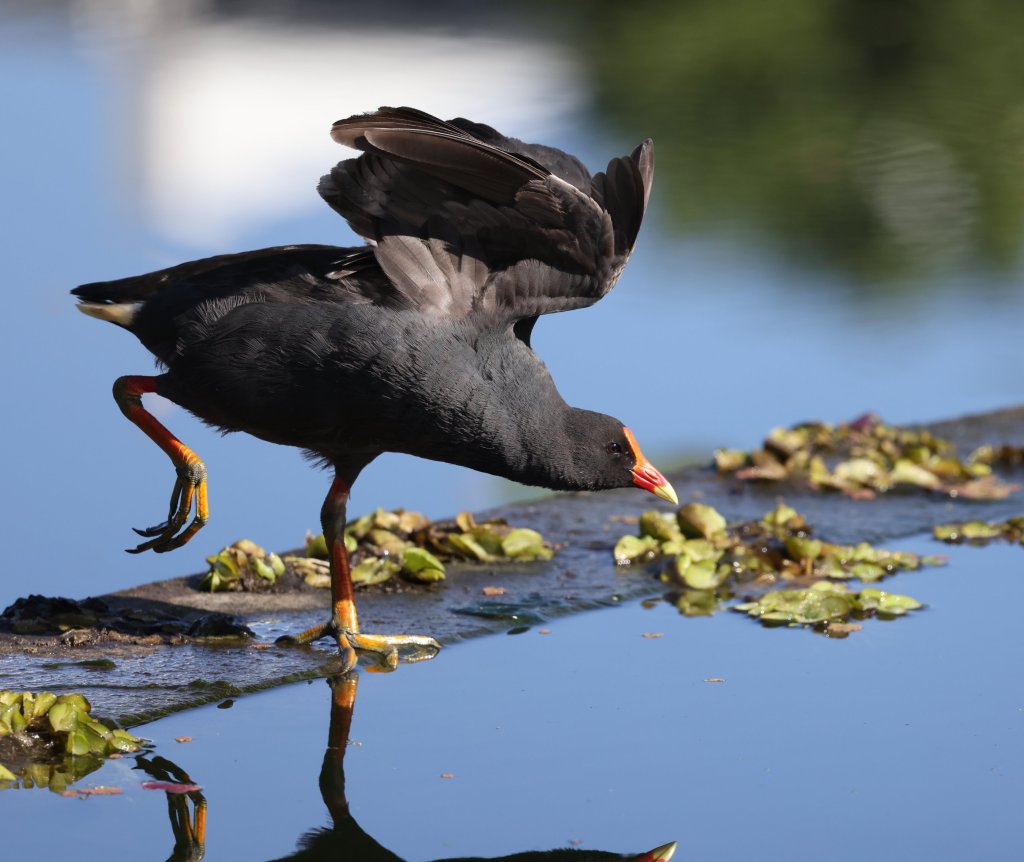
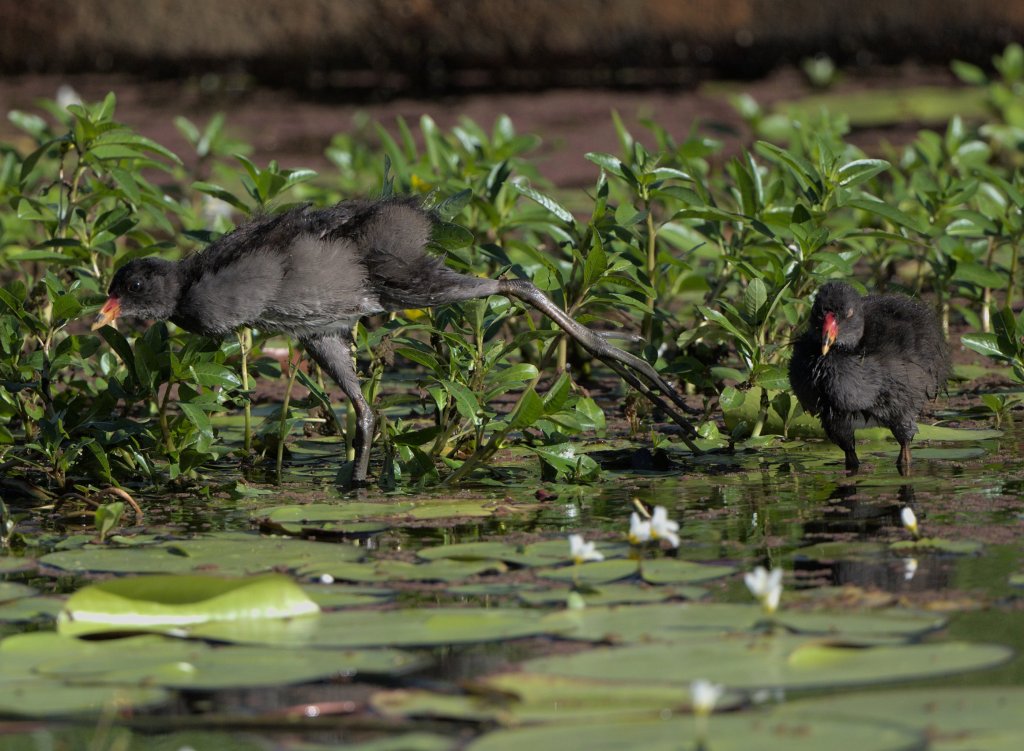
On the north-east corner of Regatta Lake is Promenade Falls, a series of concrete tiers and water courses with pathways along both sides. I’ve had some neat encounters with Dusky Moorhen families here and the light and layout with the water reflections and lily pads lends itself to some pretty nice photography opportunities. Fringing bushes host Brown Honeyeaters and Superb Fairywrens, not to mention the ubiquitous Willie Wagtail.
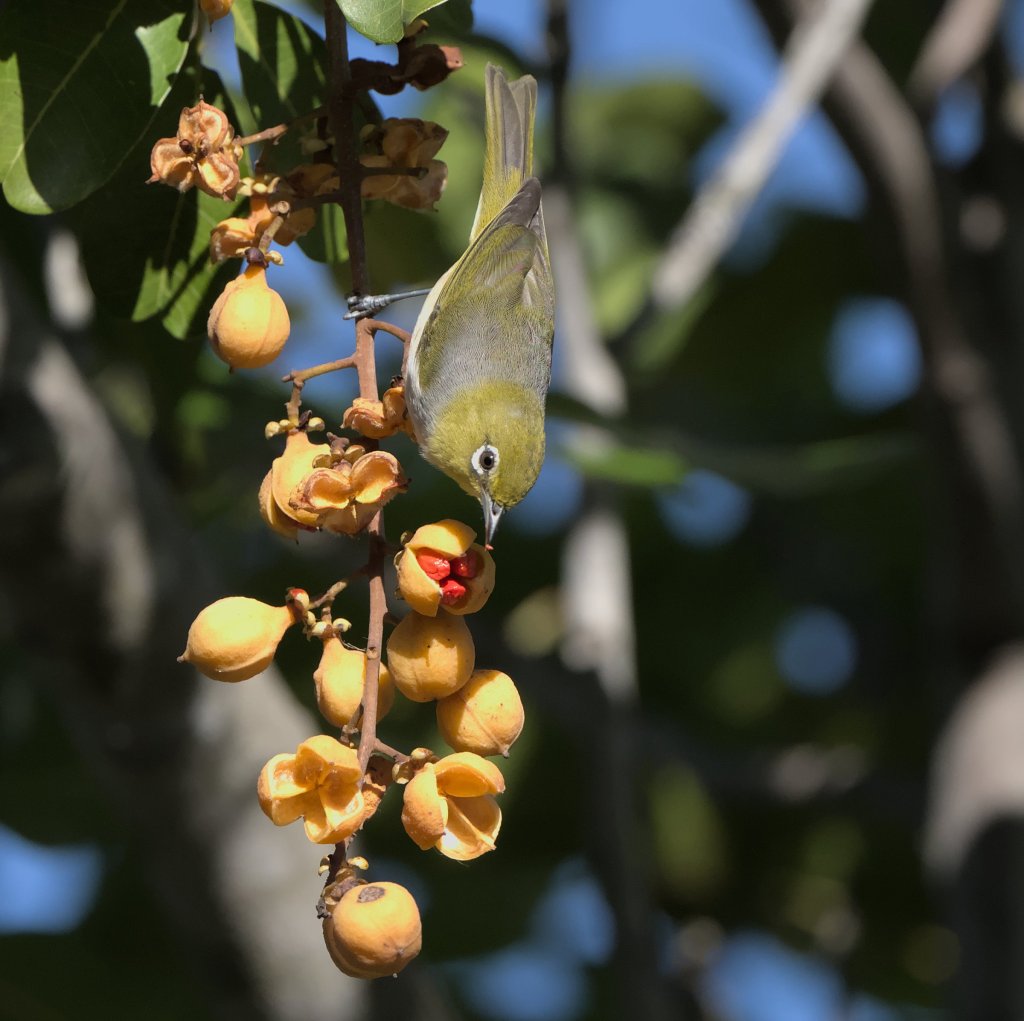
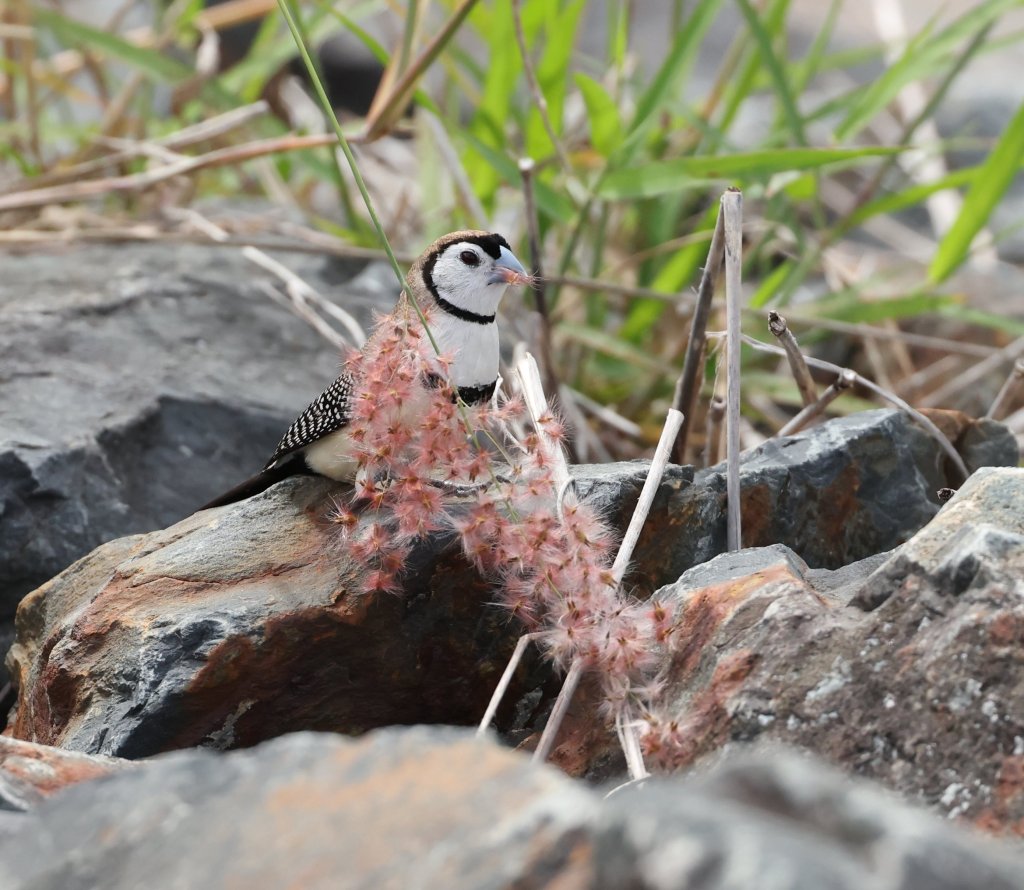
On my very first visit to this lake I was surprised to find a group of Silvereyes on the north edge of the lake – actually they were feeding on trees on the median strip of Springfield Lakes Boulevard! Also nearby were Double-Barred Finches, foraging for grass seed in amongst the tumbles of rocks at the north-west corner of the lake – now there’s a bird that can be found here much more reliably than Forest Lake.
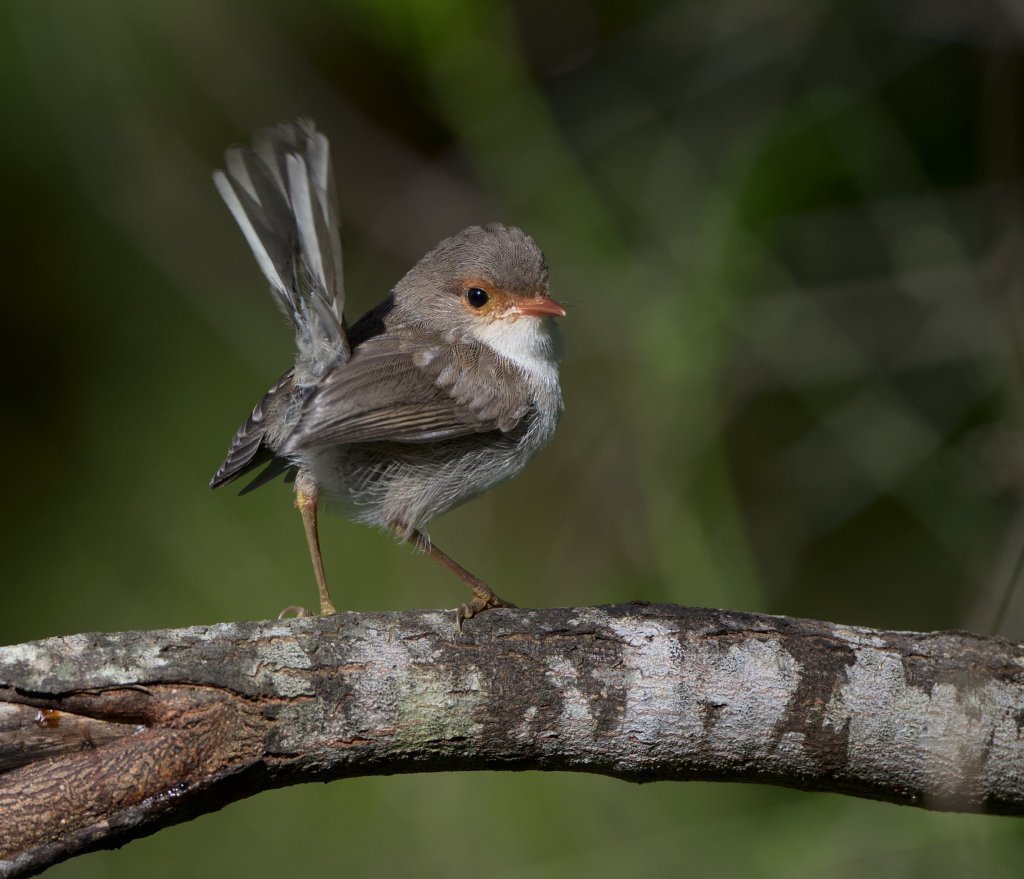
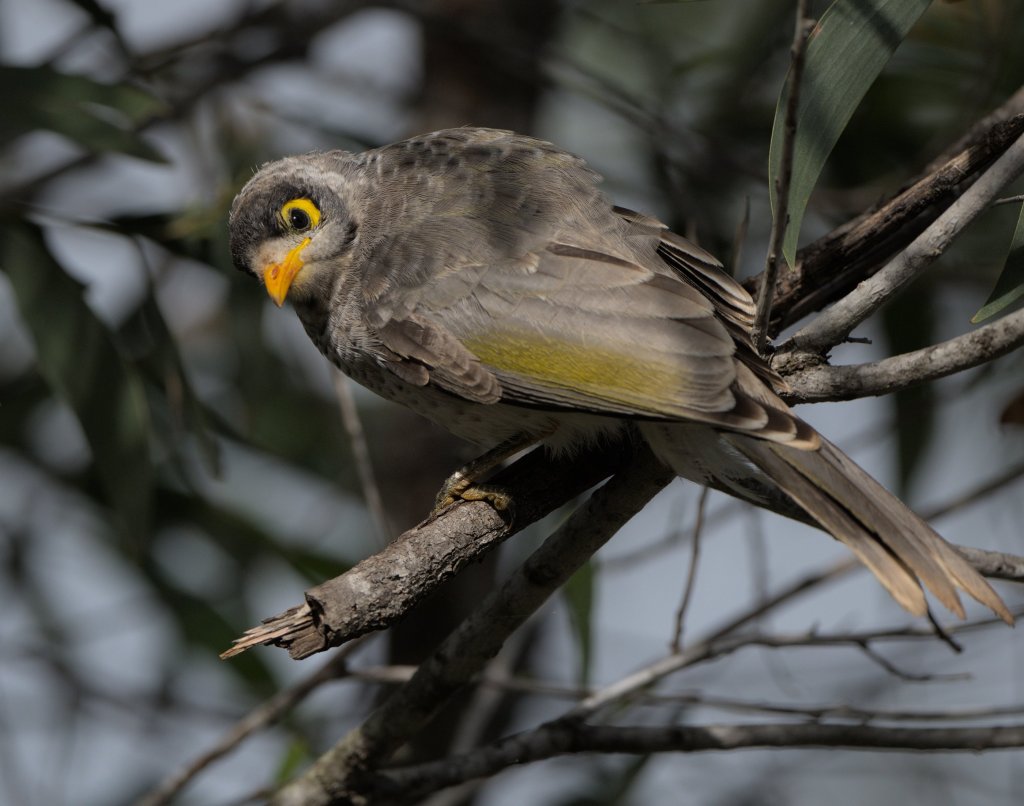
There seem to be a couple of distinct families of Superb Fairywrens around the lake, generally found where there is decent undergrowth to hide in. Where the bush is sparser, the inescapable Noisy Miners hold dominion.
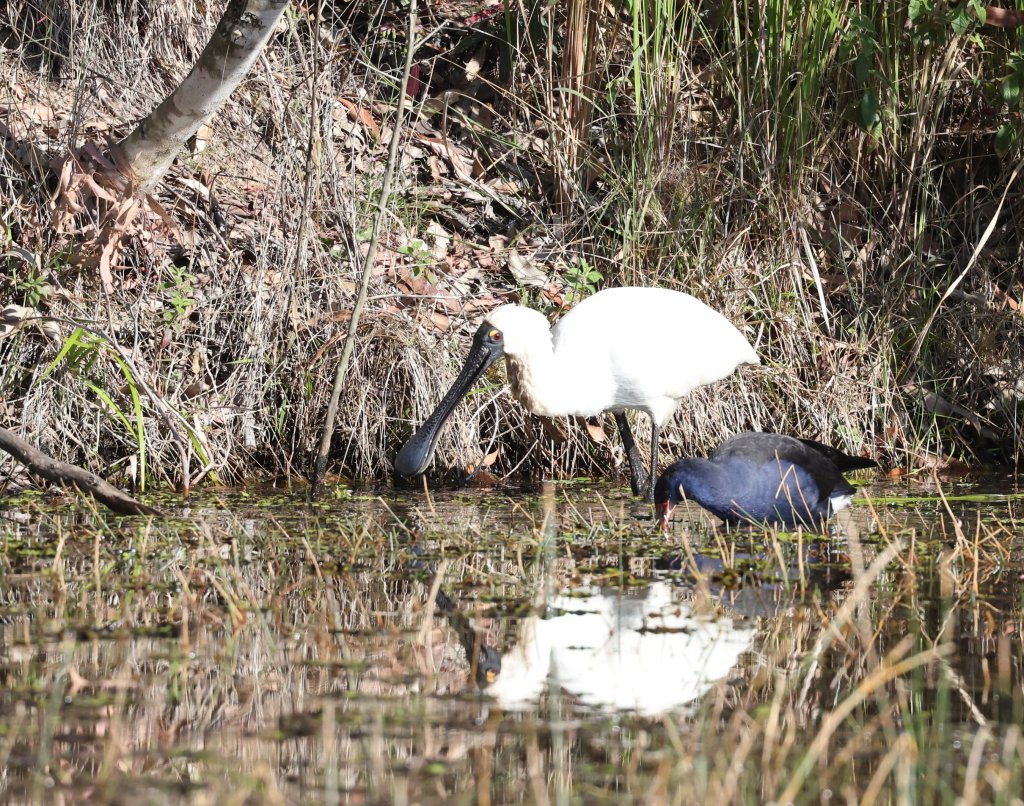
I saw a single Royal Spoonbill here on Aug 24 2024, across the water from where I was lingering, and I did the double-take I often do where I go “looks like another egret over there… with a weird bill??… no, wait”.
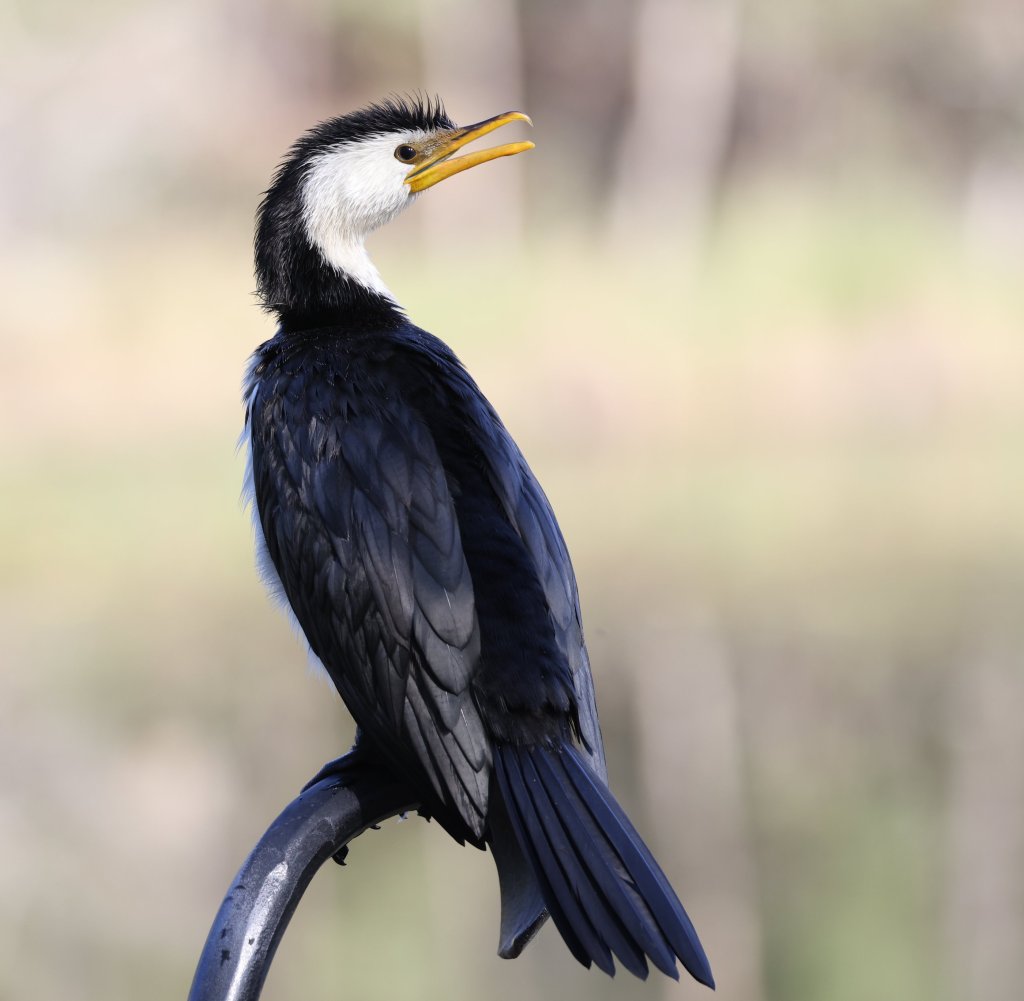
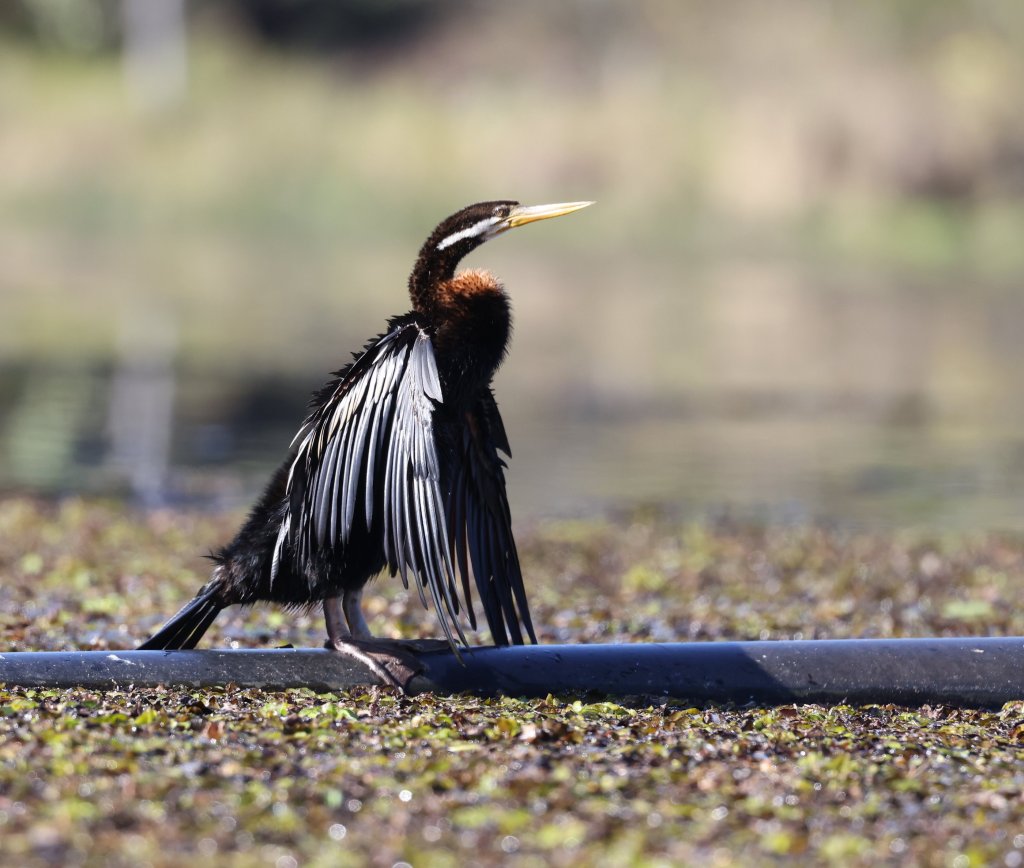
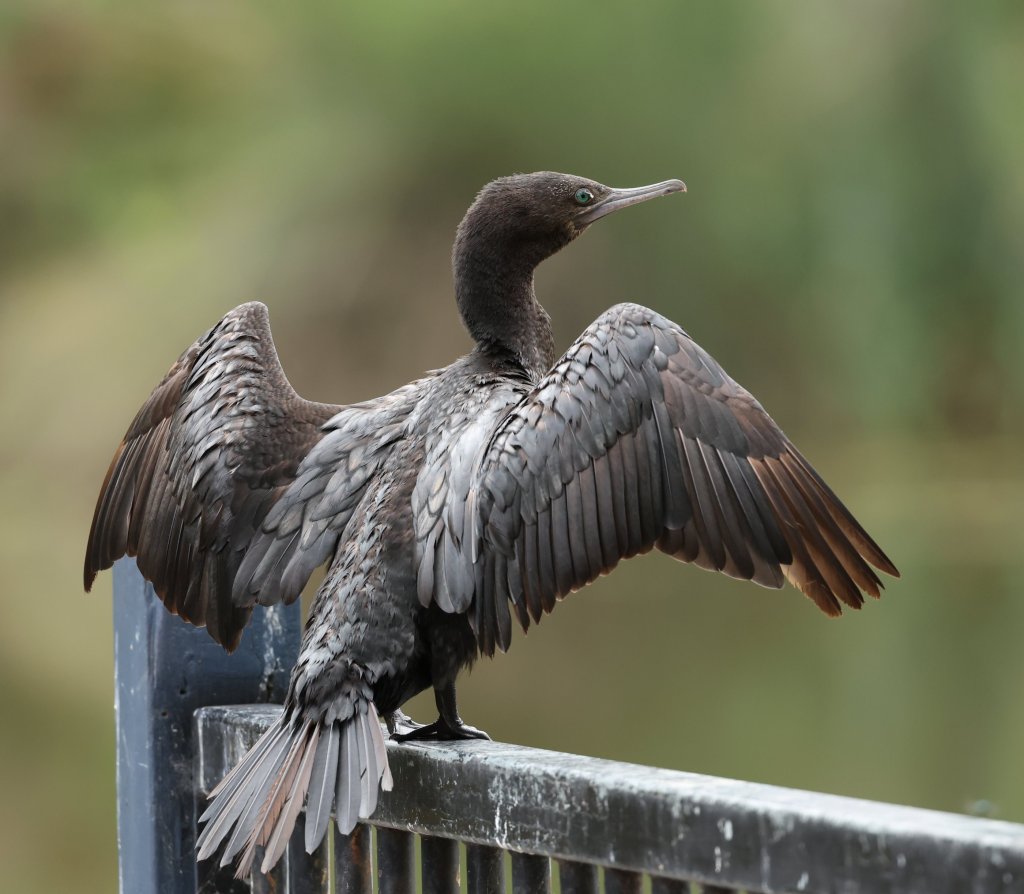
Little Pied and Little Black Cormorants are usually on this lake as well as Australasian Darters – all seeking safe perches near the water to dry out when they aren’t actively hunting.
There are some nice facilities as you make your way around the lake including playgrounds and various types of seating. Some of the sections are quite lovely and it’s no wonder the locals use these paths for their morning walks.
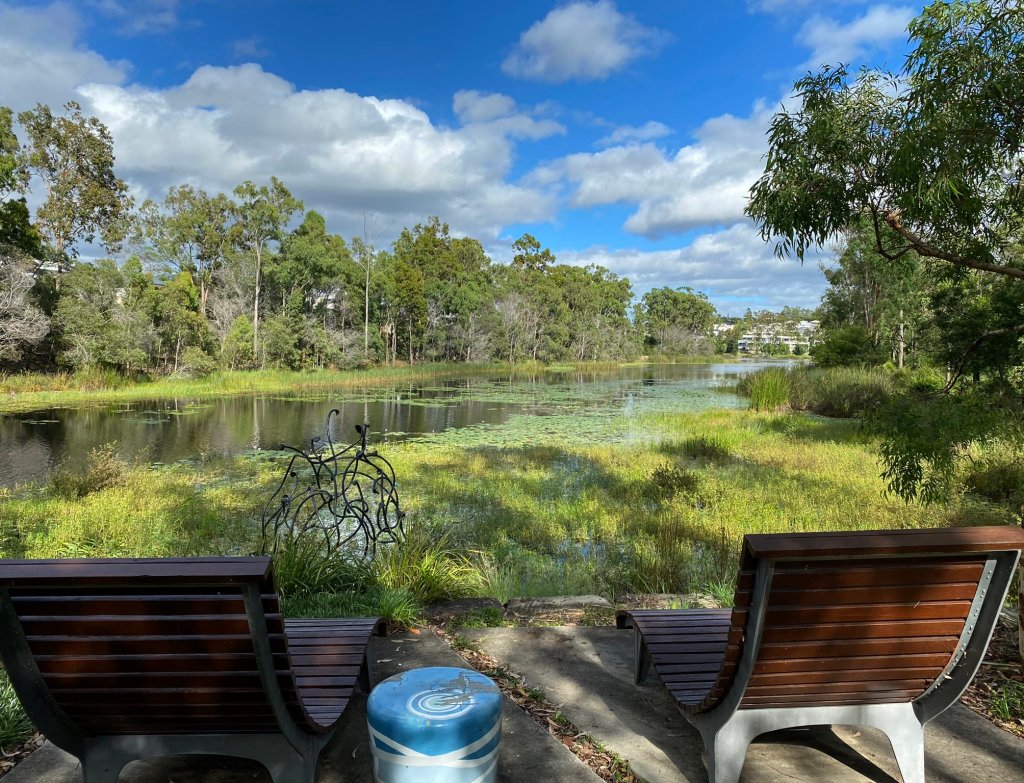

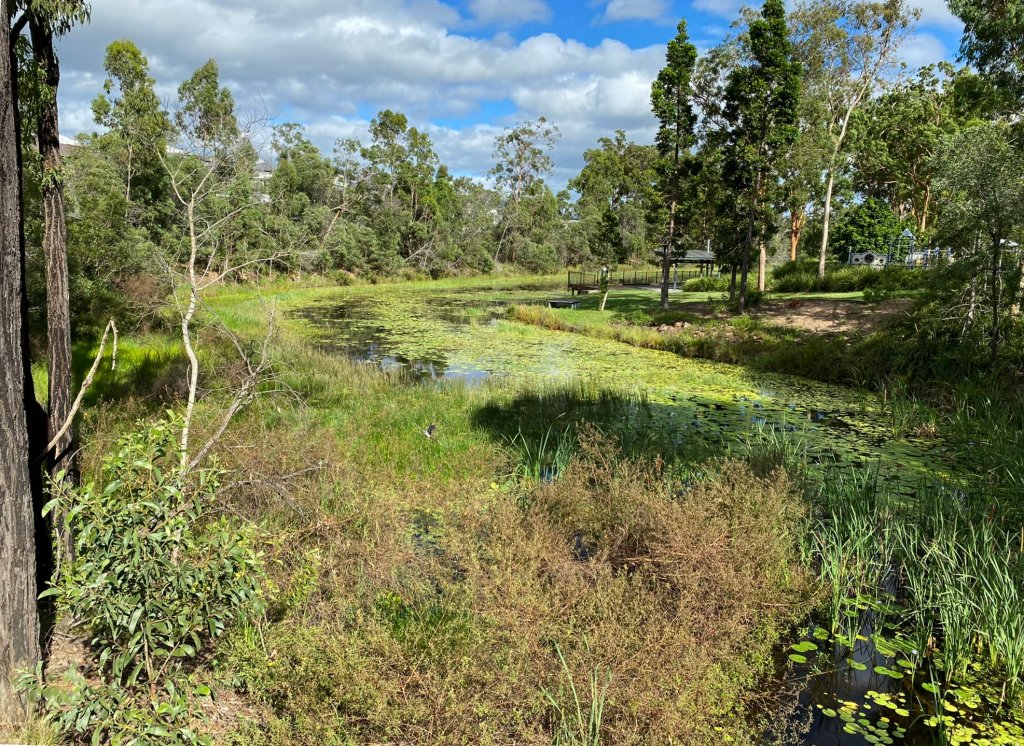
There are a few choice spots where you can get quite close to the lake, though not too many as the path does stay elevated above the water for a lot of its length.
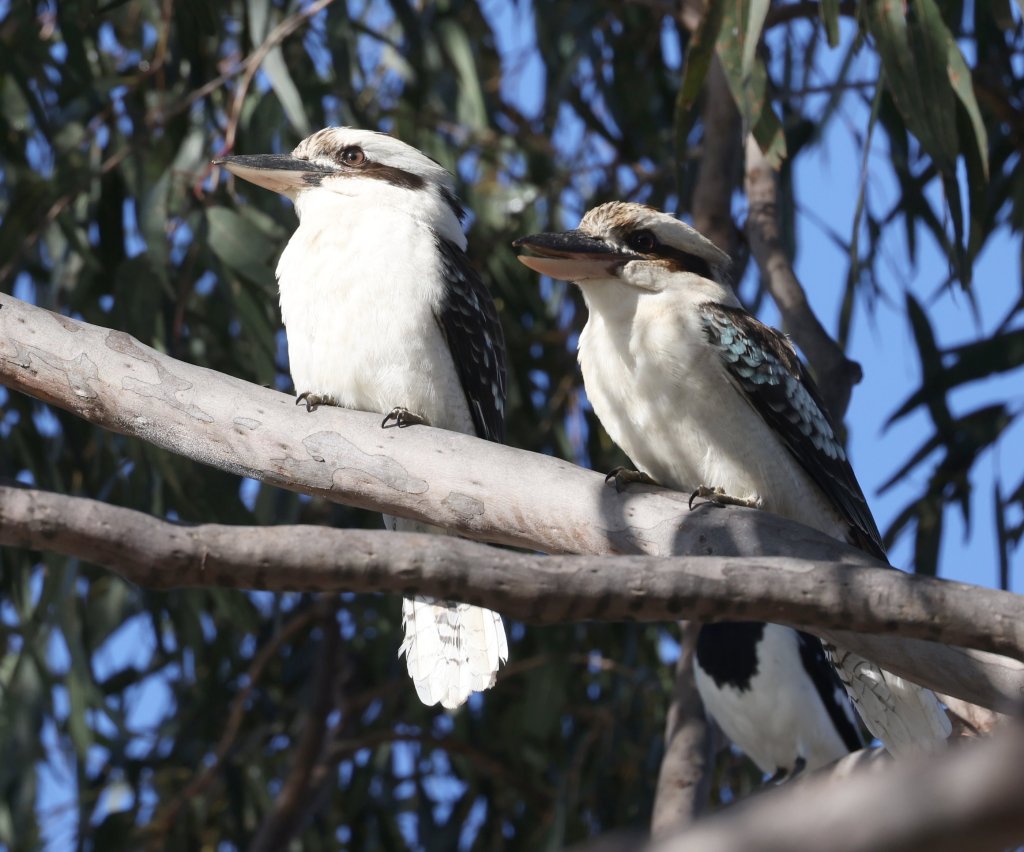
I quite like Regatta Lake as it makes for a decent scenic stroll and there’s likely to be at least a couple of good close bird encounters to enjoy.
Discovery Lake
Discovery Lake was formed from the drowning of Opossum Creek with a concrete weir (upon which Springfield Lakes Boulevard now runs). It is fed from Regatta Lake and Opossum Creek and takes about the same length of time to circumnavigate as Regatta Lake. Of the three lakes, this one has the “wildest” feel (as much as can be in suburbia…)
The path around the lake is about 2.2km and is all paved except at the very southern end where it devolves to a short dirt/mud section.
Parking on Lakeside Ave near Santorini Way (see above) gives great access to this lake. In fact, on the corner of Lakeside Ave and Santorini Way there is a particularly nice little section of bushland where, apart from the invasive Common Mynas, I’ve found Superb Fairywrens, Olive-Backed Orioles and Double-Barred Finches.

On Oct 14 2024 I was amazed to see some Fairy Martins flying in to their nests under the eaves of a house roof on Santorini Way.
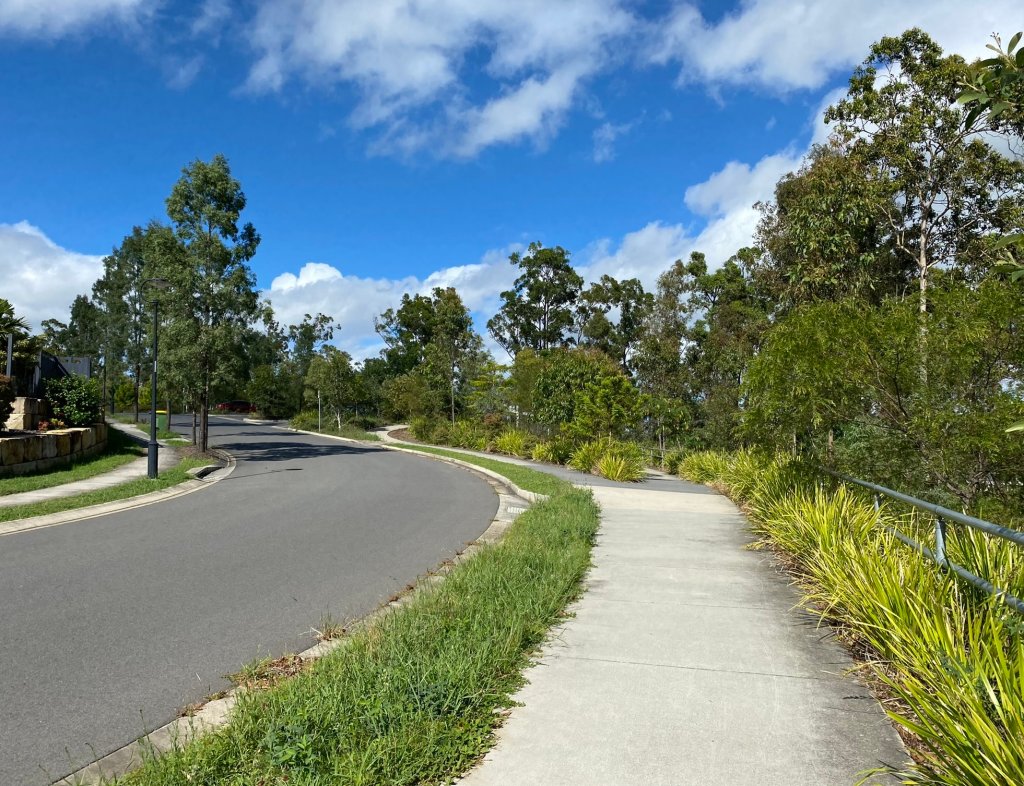
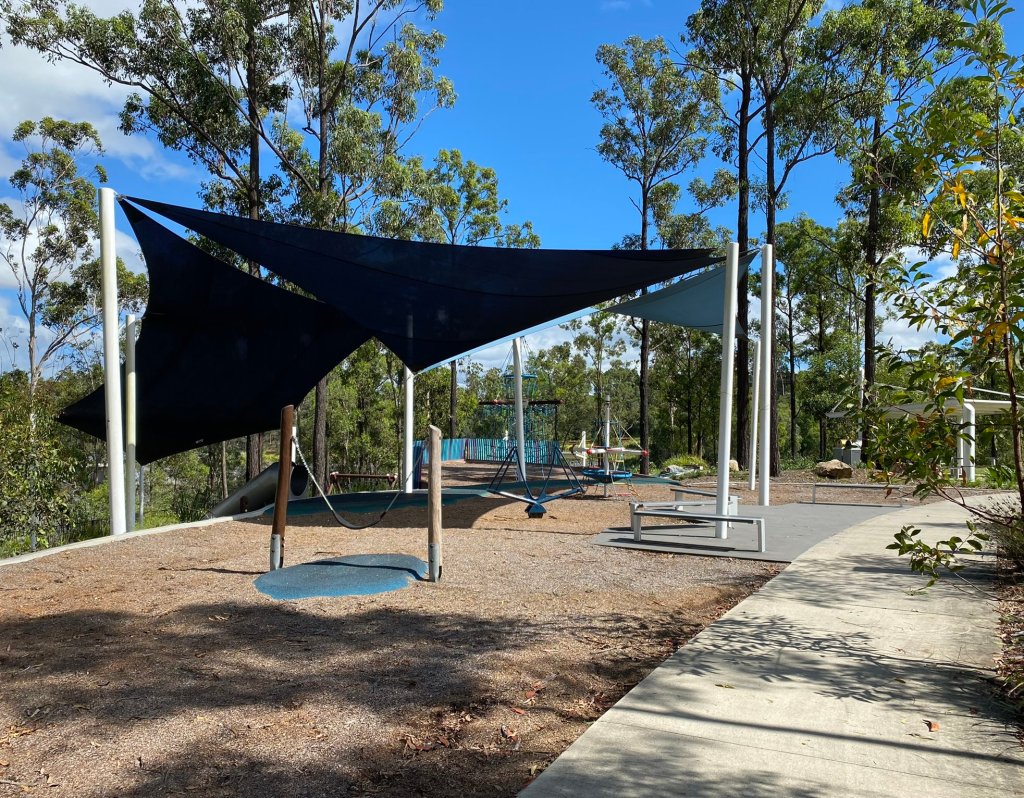
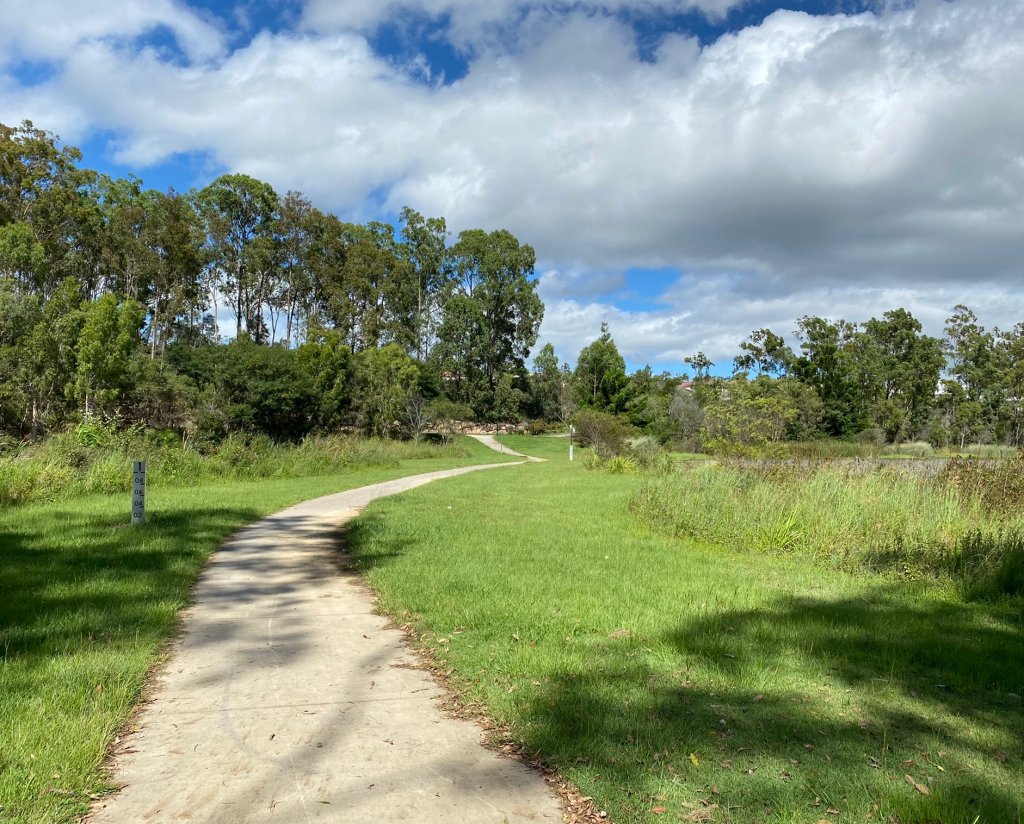
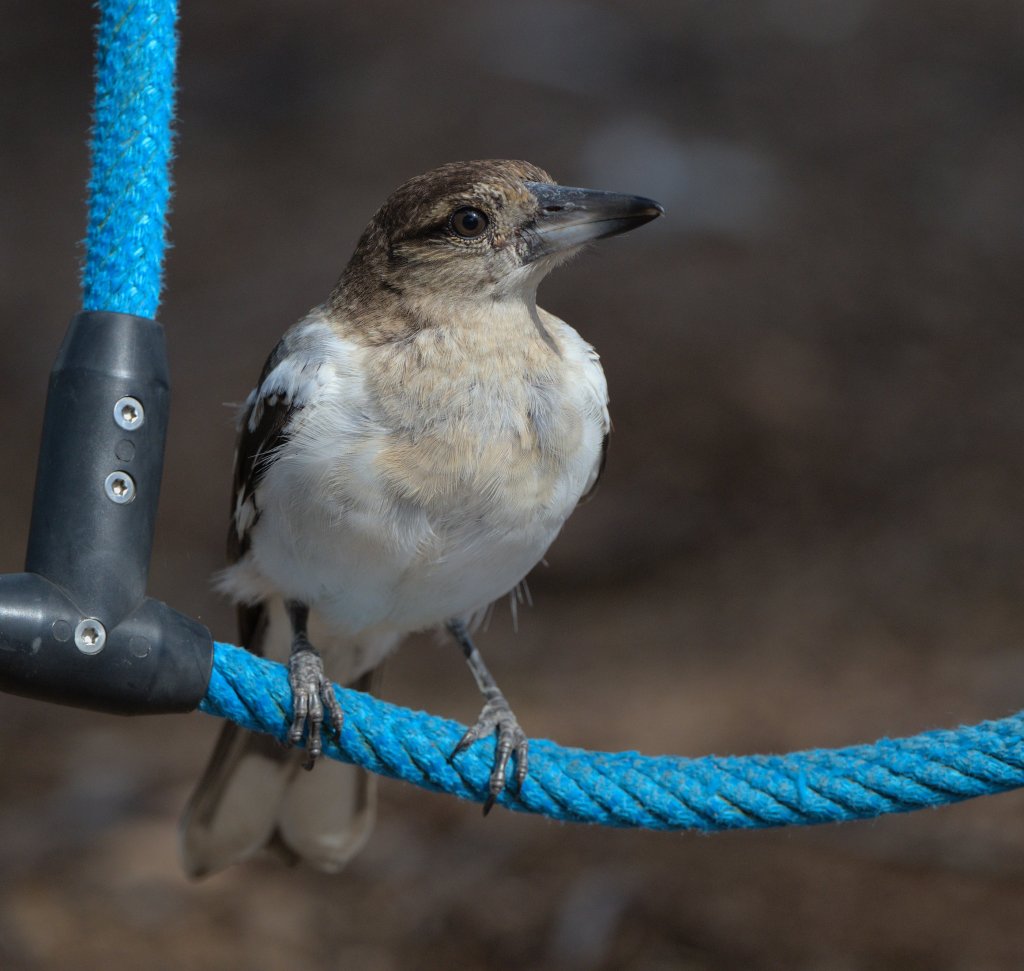
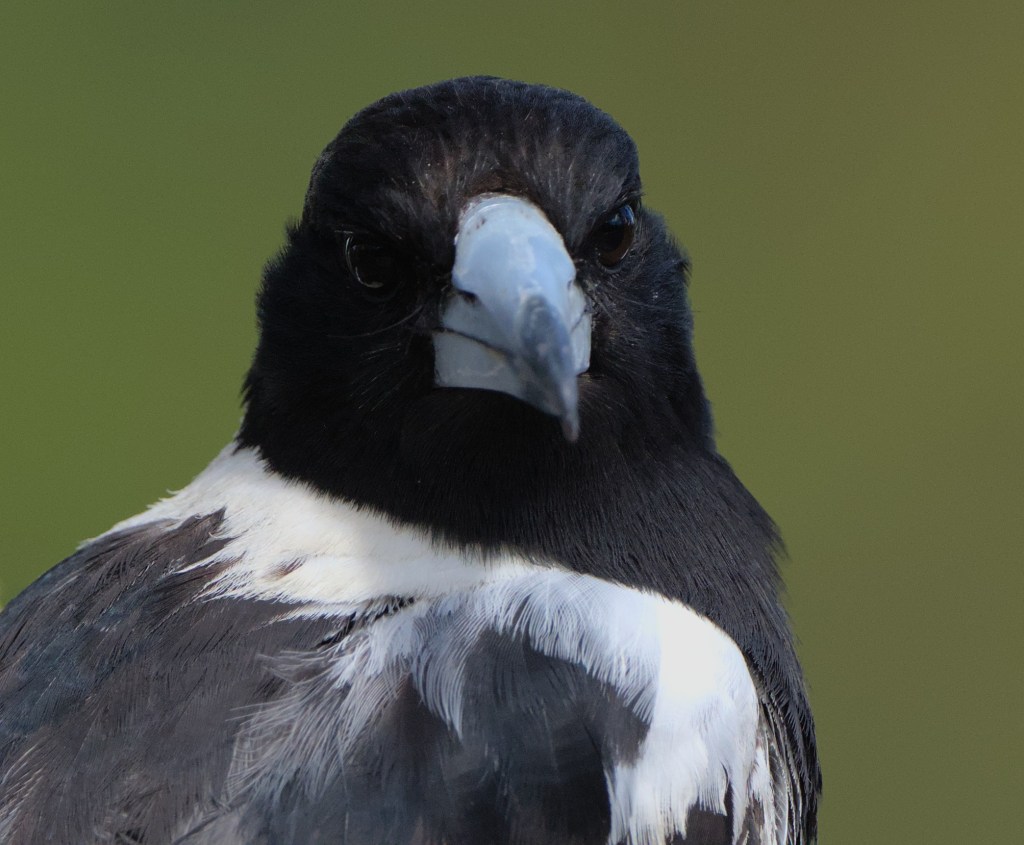
Following the roadside pathway around to Terry and Frances Park gives sweeping views of the lake and apart from the ever-present Noisy Miners, I did have great close encounters with Pied Butcherbirds here in Jan 2022, one of which (a juvenile bird, with a light brown “bib” rather than deep black) was amusingly perched on the playground equipment.
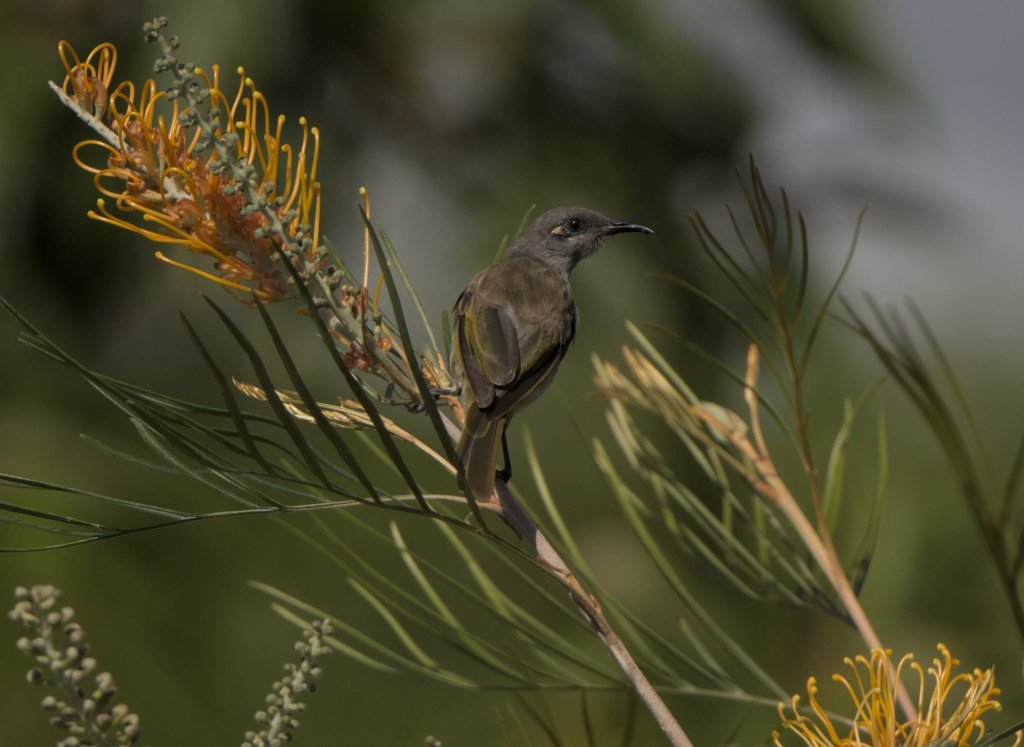
Brown Honeyeaters are present among the grevilleas when they are in flower.
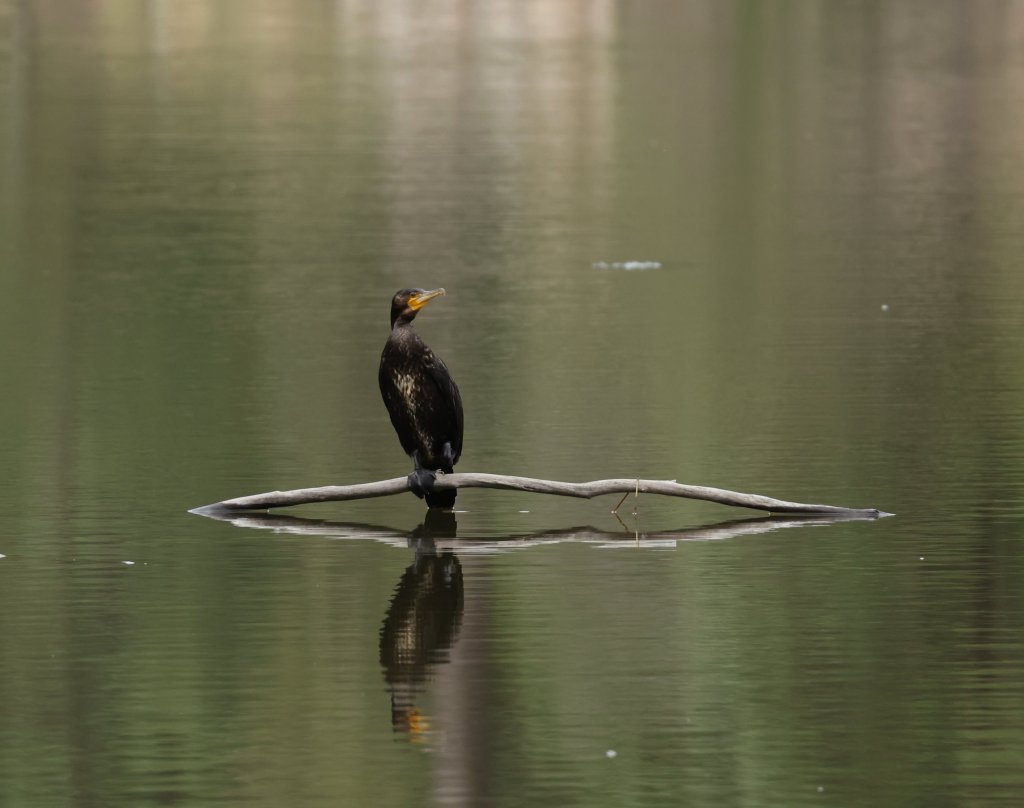
I spied a Great Cormorant on these lakes in two separate visits in mid and late 2024, which didn’t surprise me because I’d seen them on almost every medium-to-large waterway in Brisbane around that time. This was in contrast to the previous few years where they seemed much scarcer.
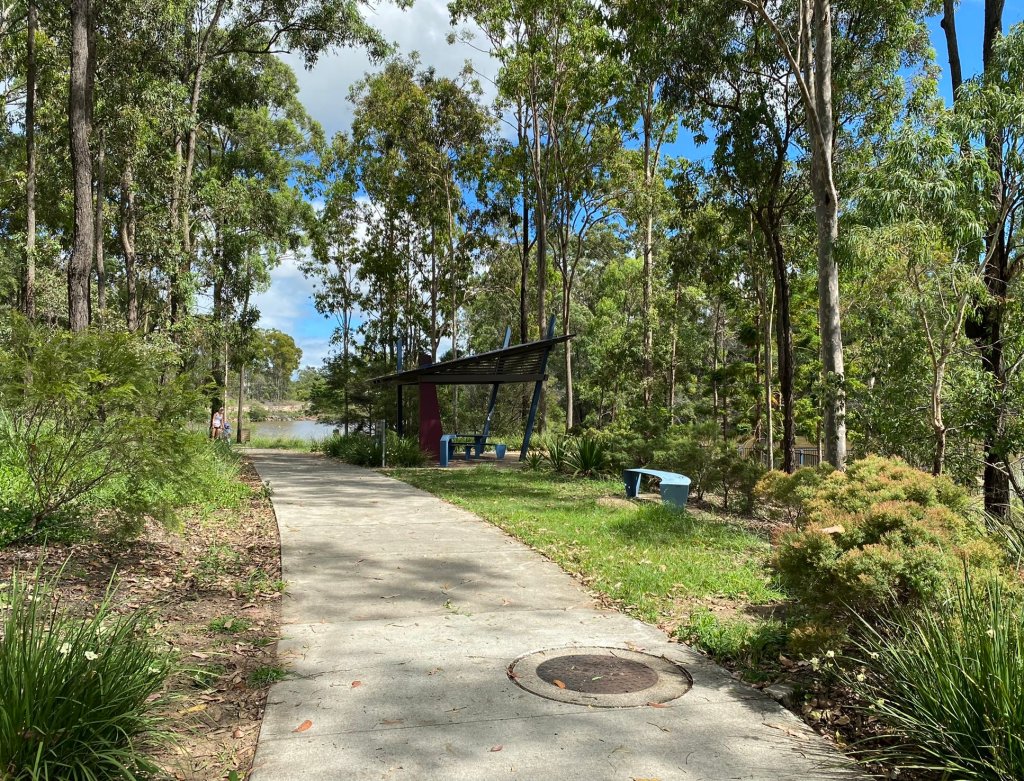
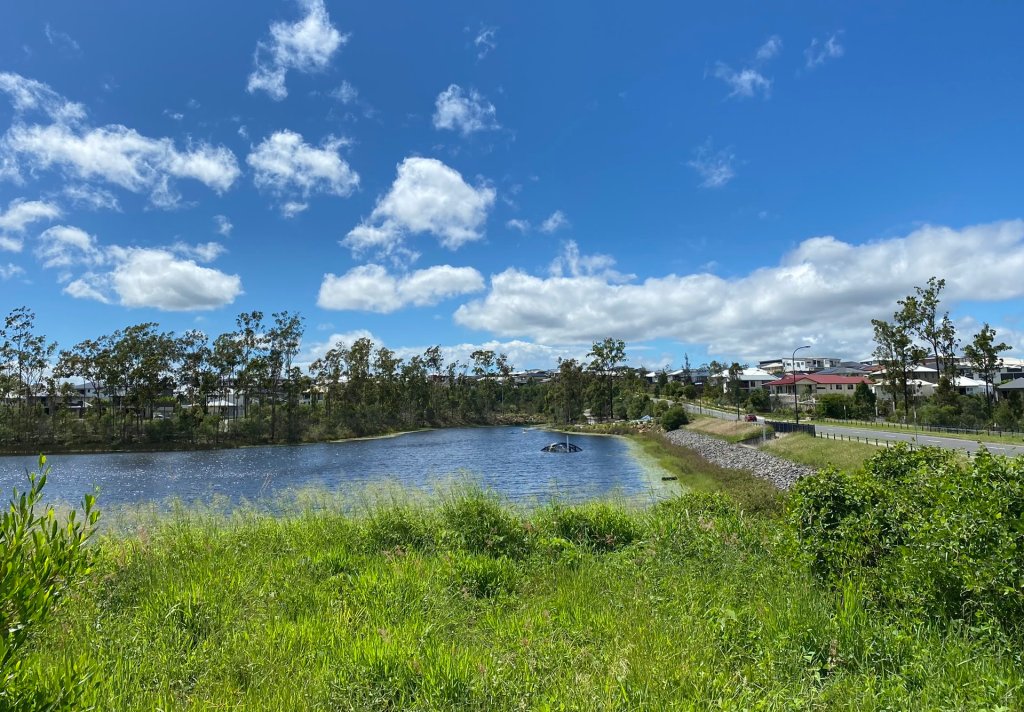
Walking here is a fairly similar experience to Regatta Lake, albeit perhaps a little quieter of people and nearby traffic; there is also more expansive parkland and bushland around the lake compared to Regatta Lake.
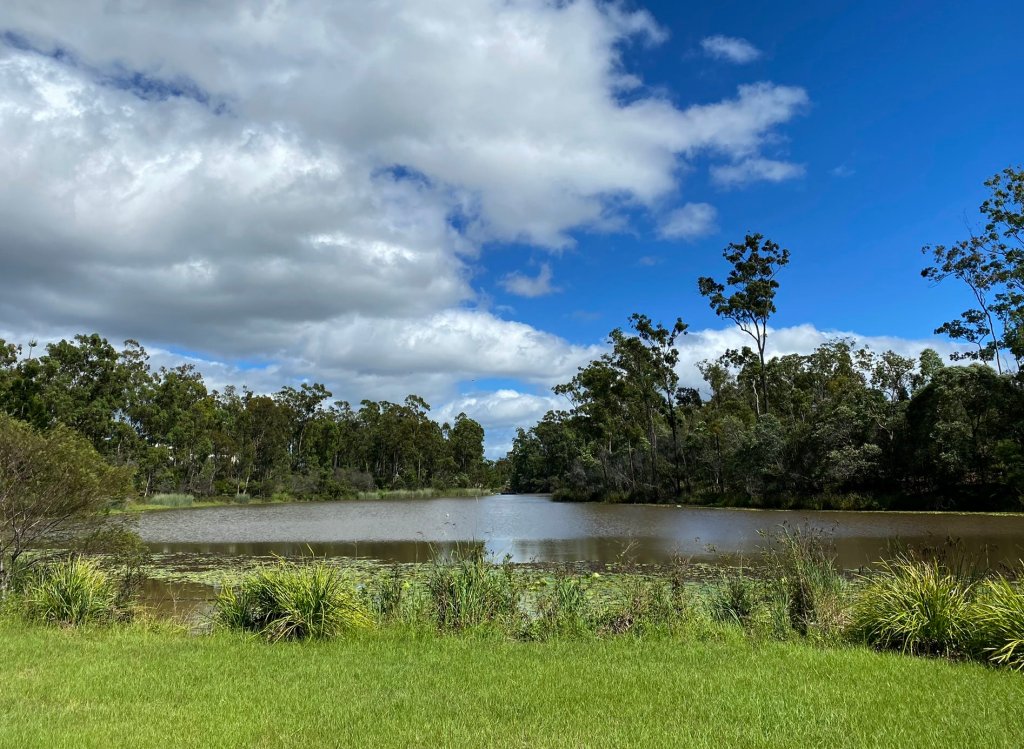
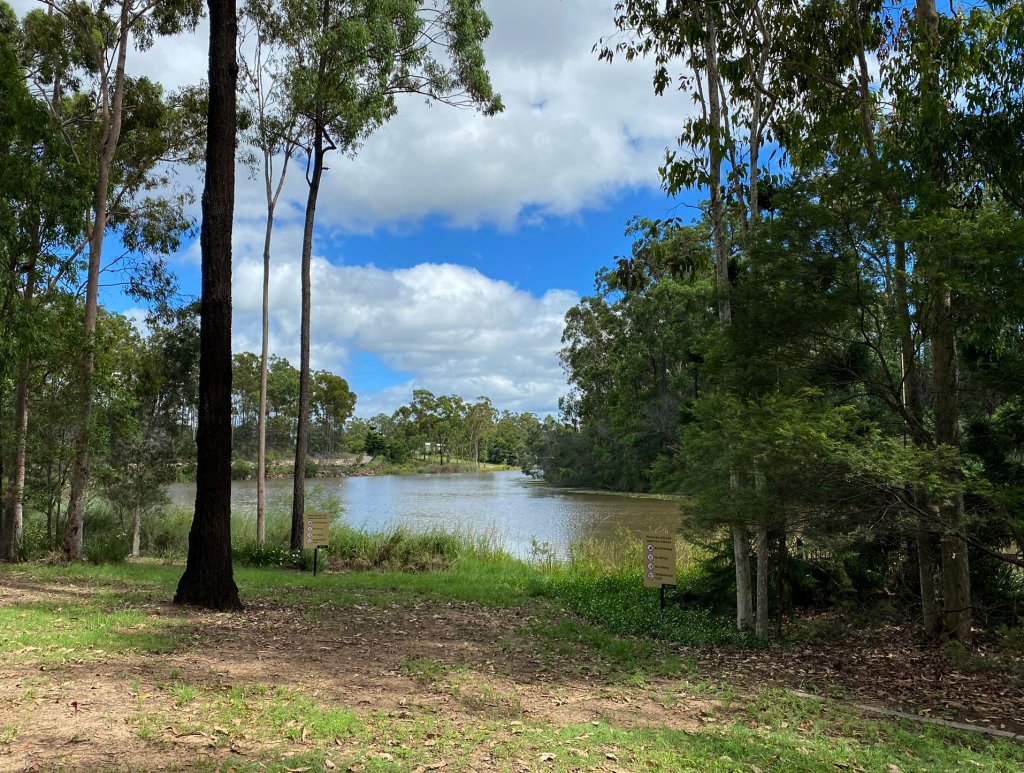
I tend to find myself drawn more to the water birds in this type of location, at least from a photography perspective, partly because the towering gum trees mean a lot of the bush birds are high up.
There is a little amphitheatre structure at the northern edge of the lake that seems reliable for Superb Fairywrens.

Summary
Springfield Lakes certainly holds its own as a lake-based suburban birding experience, though for several reasons I do prefer to visit Forest Lake instead. At both sites, you’d be hard-pressed to find more than 35 or 40 bird species, but it’s usually more about the experience and vibe at these sites than searching out a rarity.
Being smack-bang in the middle of suburbia, you can expect good facilities and paths at Springfield Lakes, with nearby cafes and shops etc too. The proximity of people and walkers mean the birds tend to be quite inured to humans, so you can get pretty close to those vividly blue Swamphens and green-eyed Little Black Cormorants for that perfect bird shot. It tends to have a quieter overall vibe than Forest Lake, and has the sprawling White Rock Spring Mountain Conservation Estate with its many trails available as a nearby option for the adventurous.
eBird
Each of the lakes has its own hotspot in eBird, with Discover Lake also lumping in Opossum Creek.
Hotspots: Spring Lake (115 species), Regatta Lake (93 species), Discovery Lake and Opossum Creek (129 species)
Checklists for these visits: 3 Jan 2022: Spring Lake (21 species), Regatta Lake (22 species), Discovery Lake (13 species); 24 Aug 2024: Regatta Lake (39 species), 14 Oct 2024: Spring Lake (31 species), Discovery Lake (34 species)
Pluses and minuses:
+ Decent suburban birding with a mix of forest and water birds
+ Good place for early morning photography
+ Paved paths with a decent amount of walking available
+ Proximity to Spring Mountain and White Rock areas for more serious hiking adventures
– Unlikely to find anything too exotic (unless Swift Parrots or Regent Honeyeaters are in town!)
– Traffic noise, particularly at Spring Lake
– Doesn’t stand out – there are arguably several better birding sites closer to Brisbane
AUTHOR: ANDY GEE
BIRDERS: ANDY GEE, LUKE S
 Bird Spots
Another enjoyable birdy read, thank you. Just reading about birding is relaxing. Great photos. Mark C aka Hatwise
LikeLike
I love waterways and all the wildlife it attracts. Your descriptions and photos are beautiful.
LikeLike