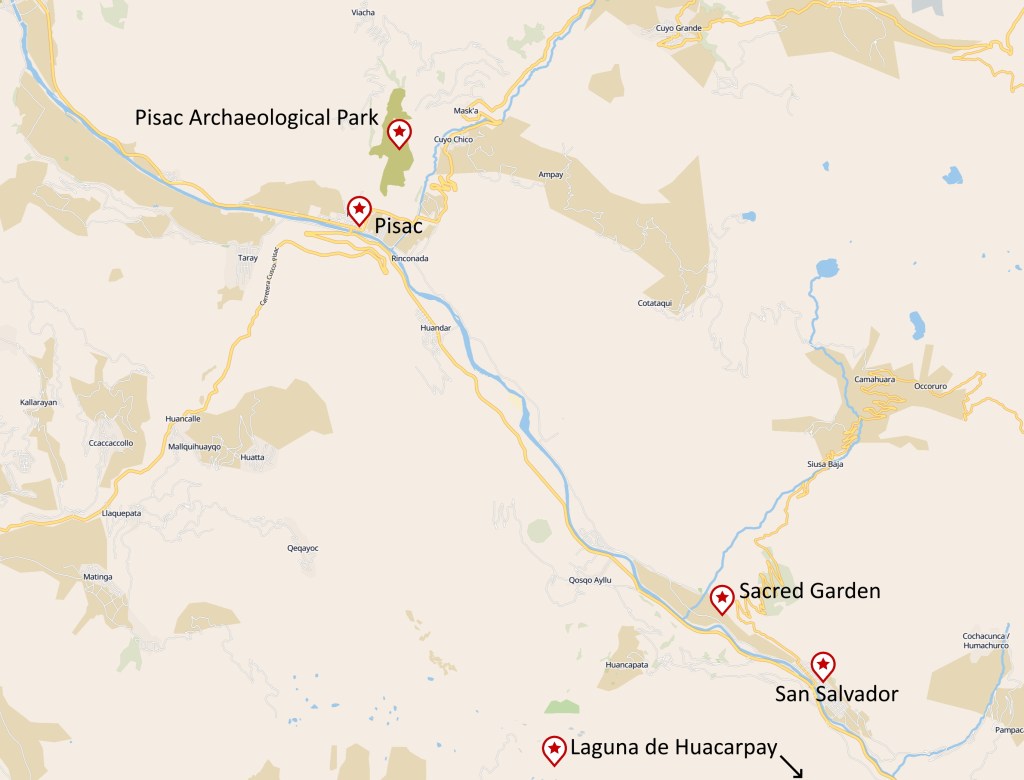
As mentioned in our post on Planning our South America Trip, we decided to initially stay in the town of Pisac, about an hour north-east of the city of Cusco (which was our entry into Peru, from Australia via Santiago). This decision was made largely to help mitigate the effects of altitude, which can be especially acute when you fly straight into a high location; Cusco is 3400m in elevation while Pisac is only 2900m.
We stayed five nights in Pisac so had plenty of opportunity to explore the town and some of the surrounding birding spots and tourist attractions. We did this at leisure whilst taking it easy for those acclimatisation reasons, and to recover from jet lag, which I always find pretty hard-going coming to the Americas from Australia.
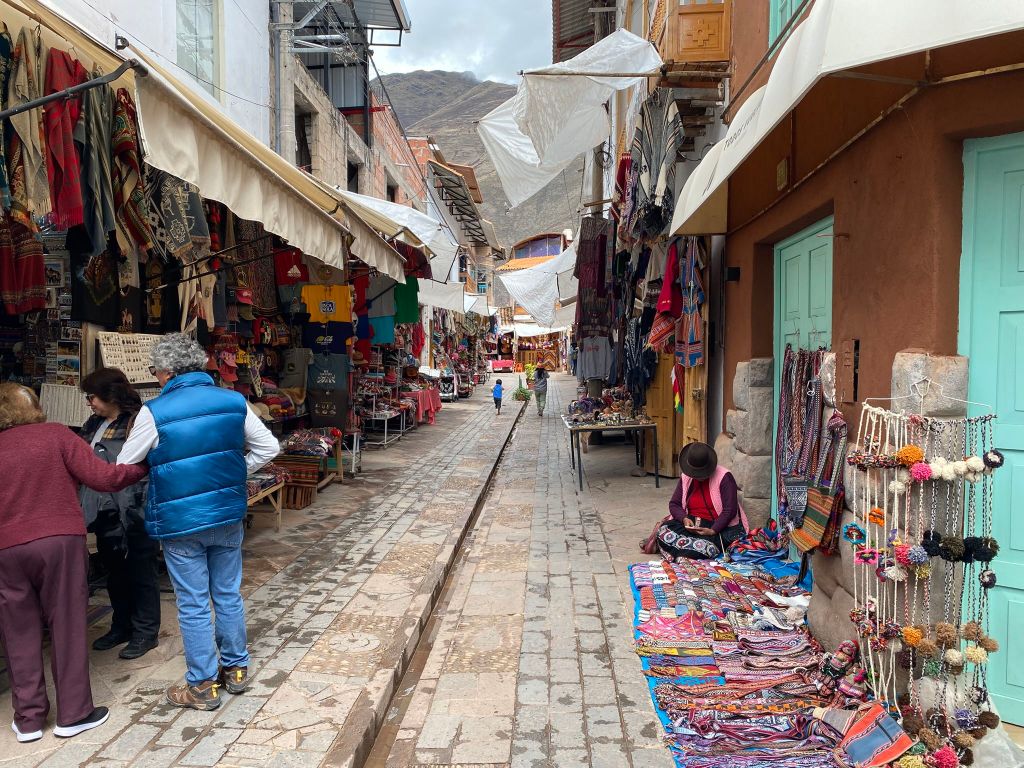
Pisac is a pretty laid-back town which is much smaller and more chilled-out than Cusco. It does have a touristy side, with entreating taxi drivers and some markets – though these are more artisanal than you might find at the heaving-with-tourists towns elsewhere in the Sacred Valley (like Ollaytantambo or Cusco). But in general we found the place reasonably relaxed.

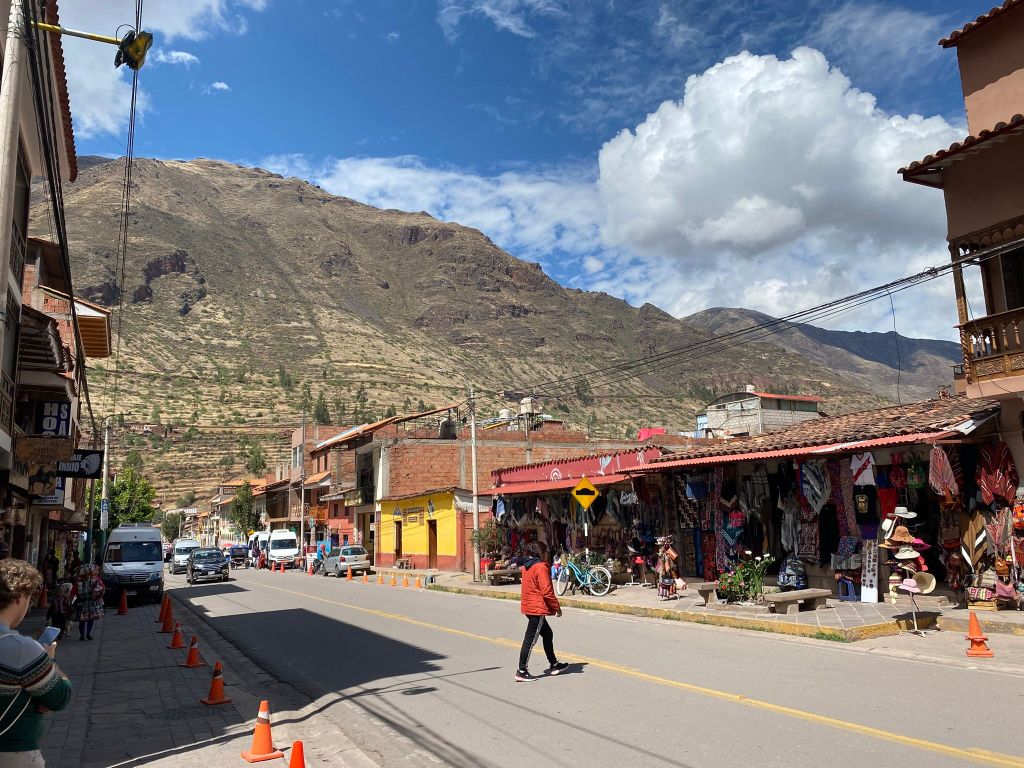
Well, there was a local festival/street parade on October 8 – the celebrations for Admiral Miguel Grau of the naval Battle of Angamos against Chile, which occurred on October 8, 1879. It clogged the streets with people, many in interesting costumes, and music and noise.

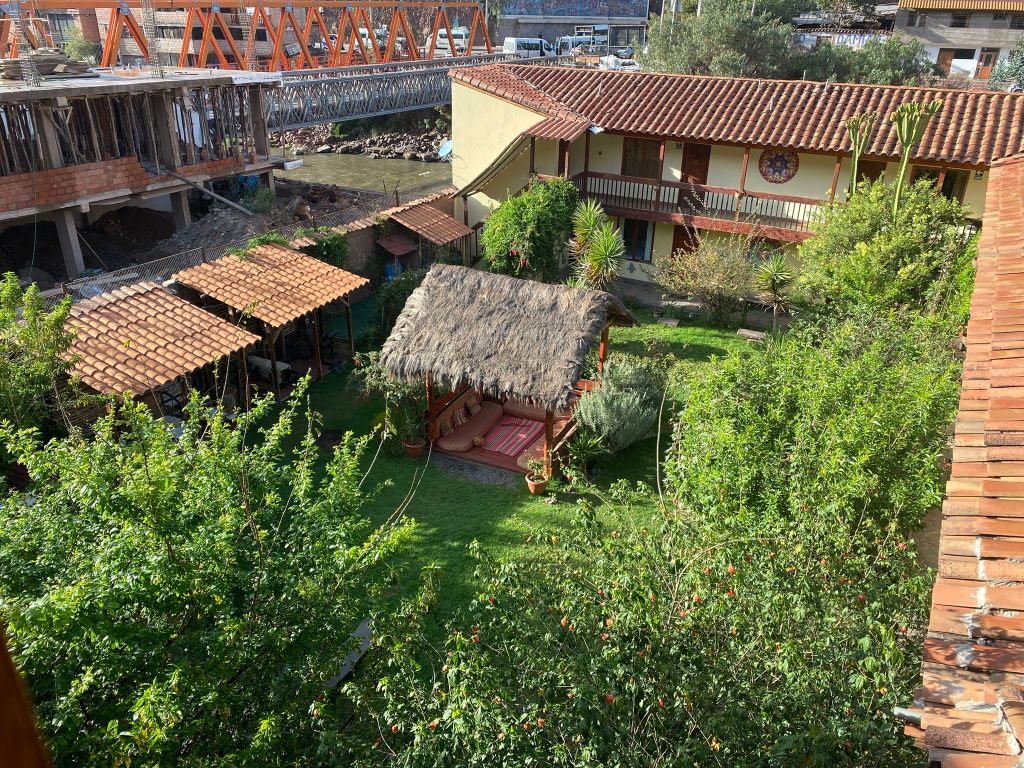
We stayed at Hospedaje Chaska Pisac, a decent-sized accommodation option bordering both the river and the town’s main bridge. That made the place a little noisy (barking dogs at night were also a tad annoying), but on the plus side they had a courtyard garden where we we were able to catch sight of our first Peruvian birds.

Apart from the several Brown-Bellied Swallows flitting about the rooftops, the most obvious bird was a bird so large it couldn’t possibly be a hummingbird… could it? Yep, it turns out there is a bird called a Giant Hummingbird.
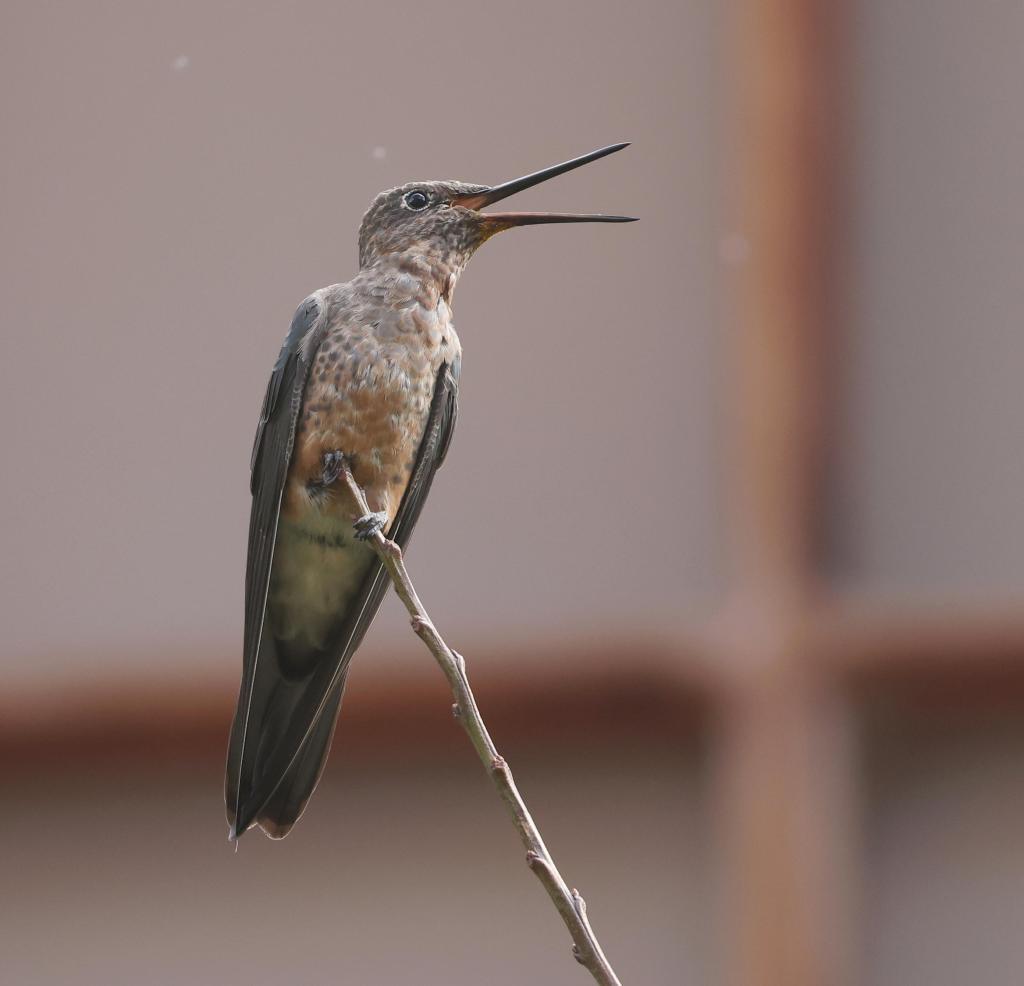
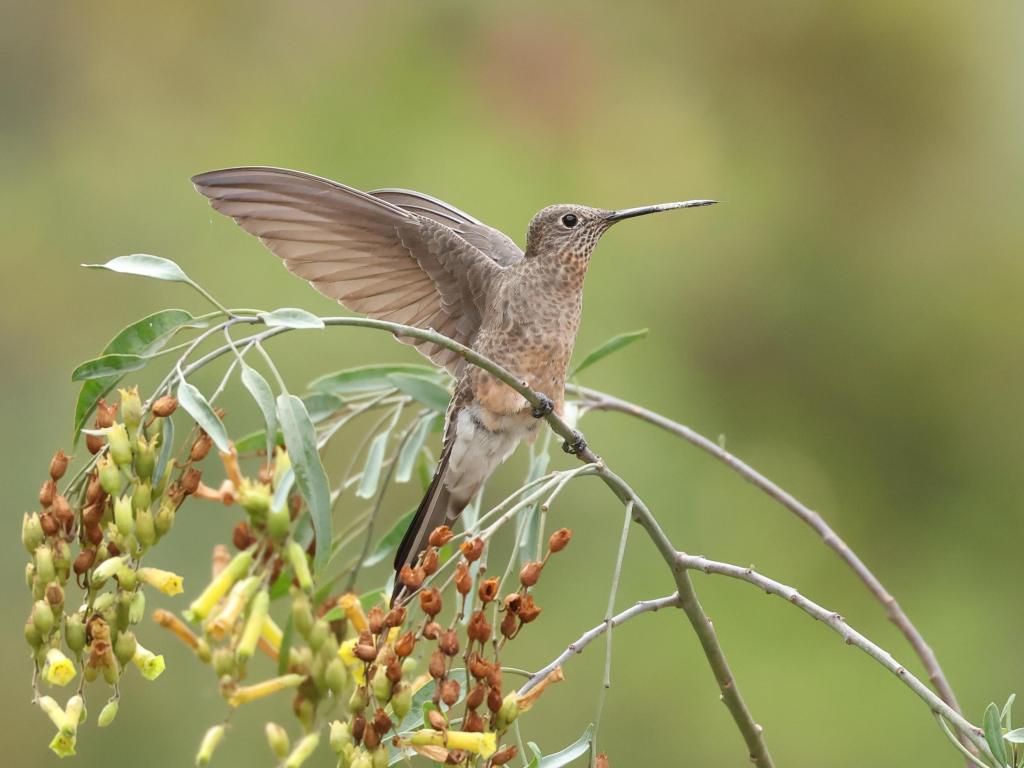
I felt the Giant Hummer was iconic enough to be the lead-in bird for my video of the birds of the region.
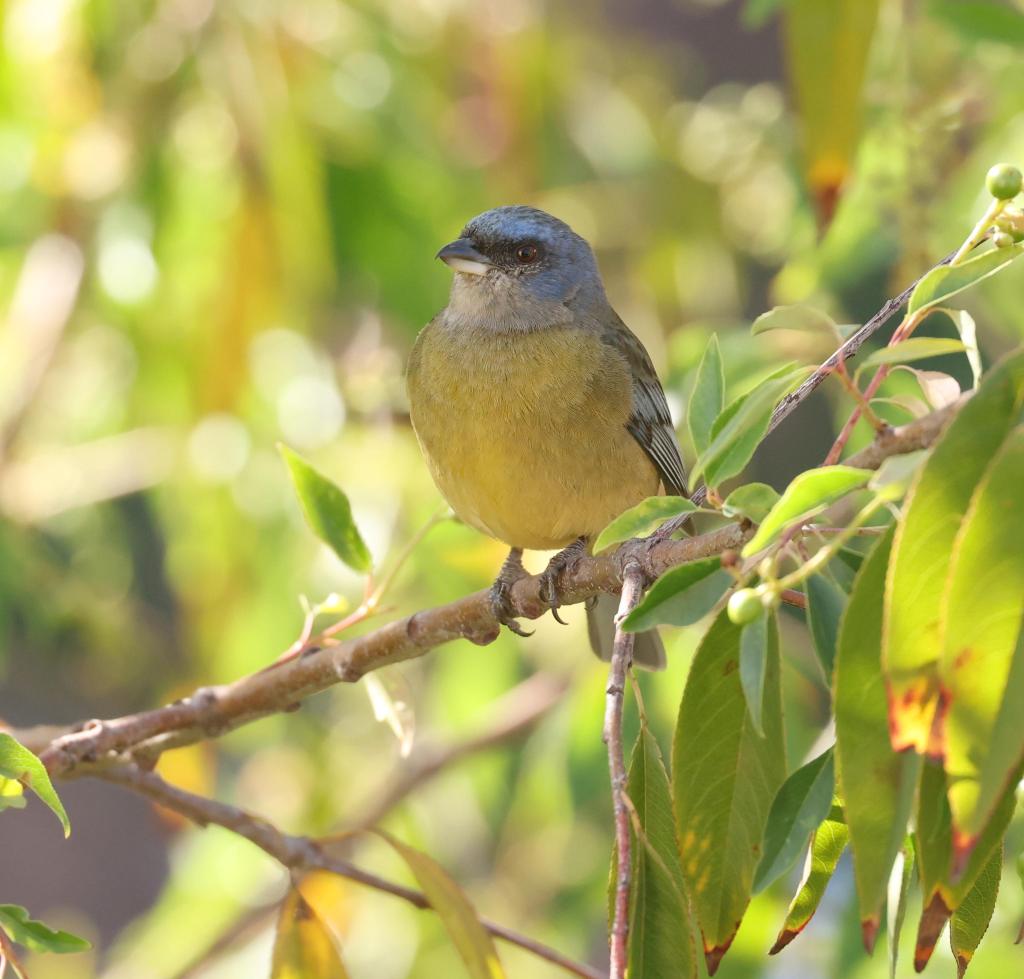
There were plenty of other birds in the hotel grounds, too – Blue-and-Yellow Tanagers, and the large-and-very-conspicuous Chiguanco Thrush…
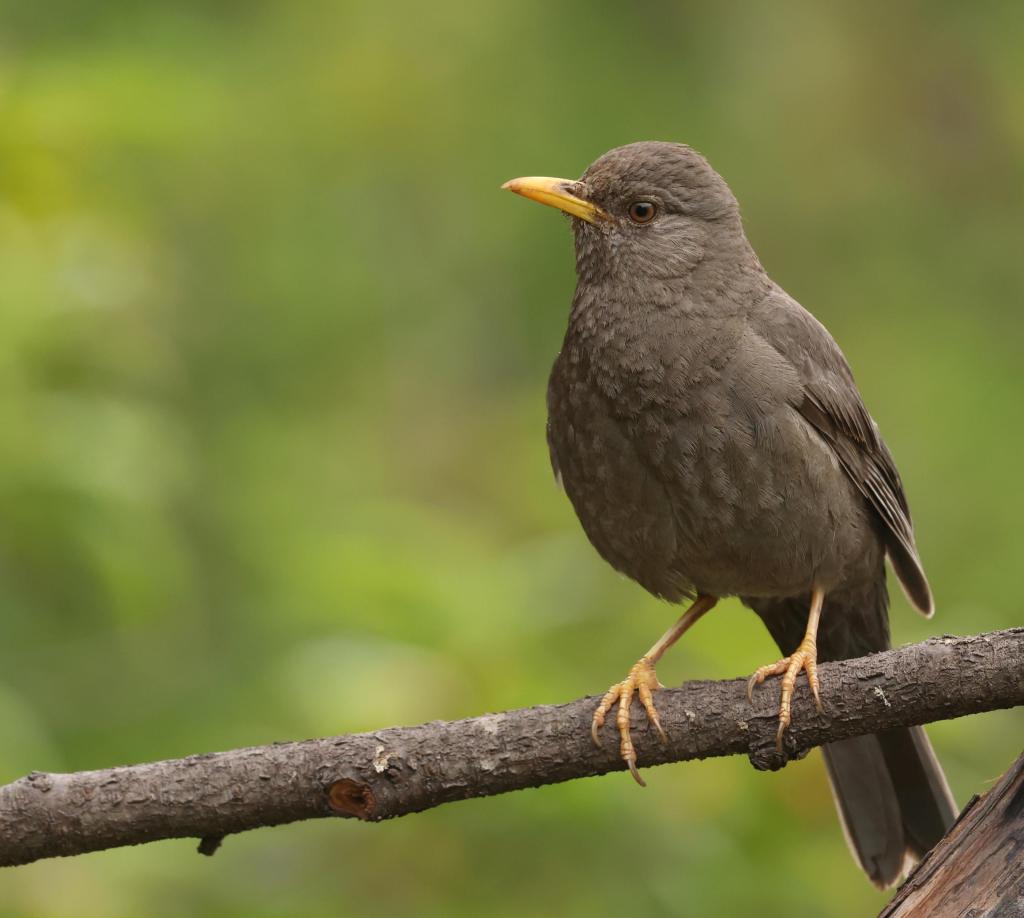
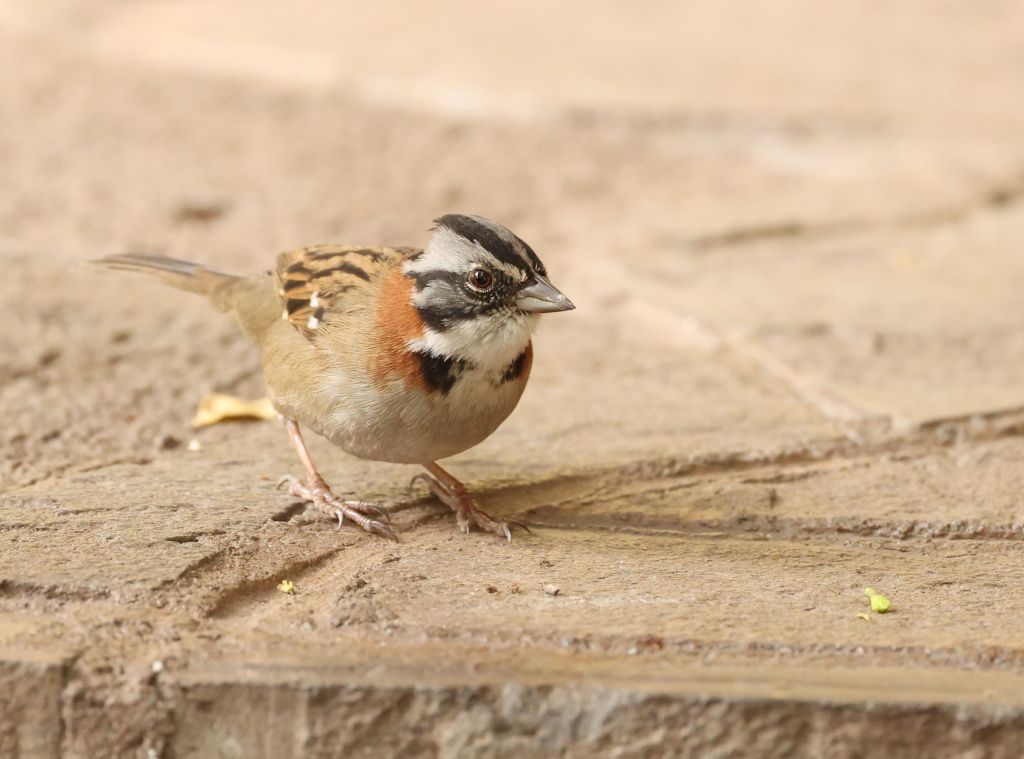
…though the thrush is not quite as ubiquitous as Rufous-Collared Sparrows, which are everywhere (lagoons, riversides, gardens, even – as it transpires – right up to high altitudes of 4300m or more).
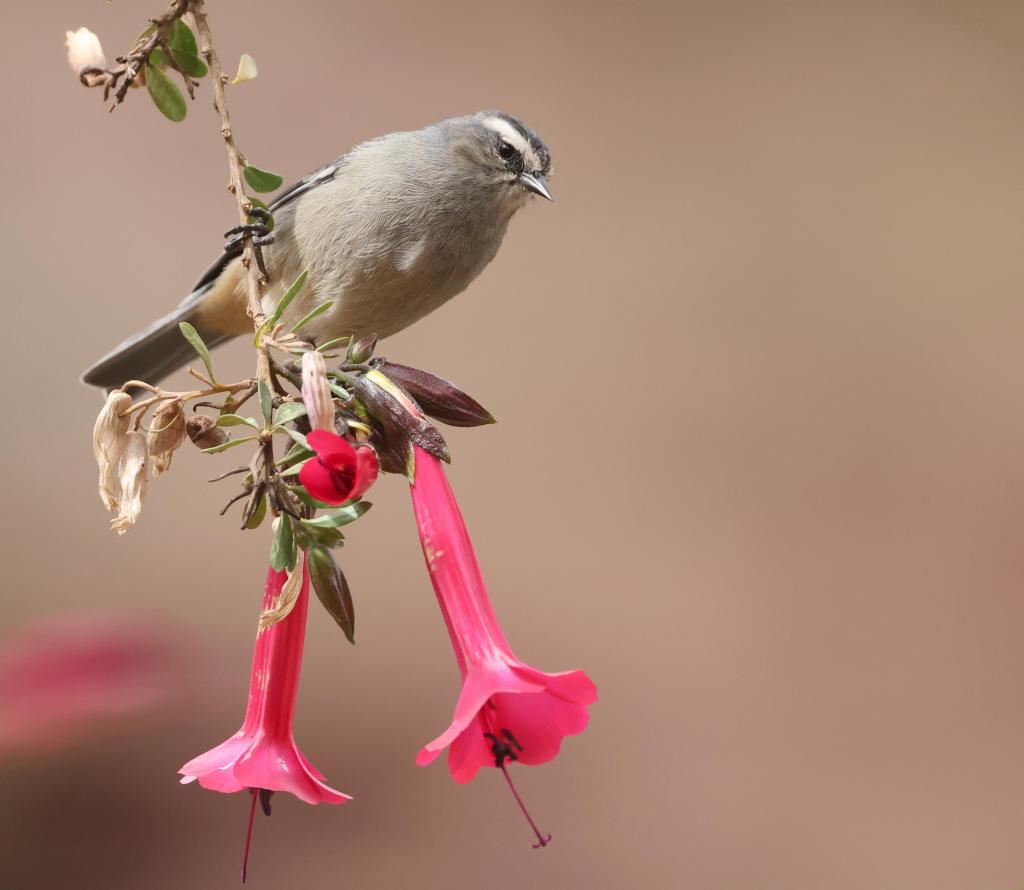
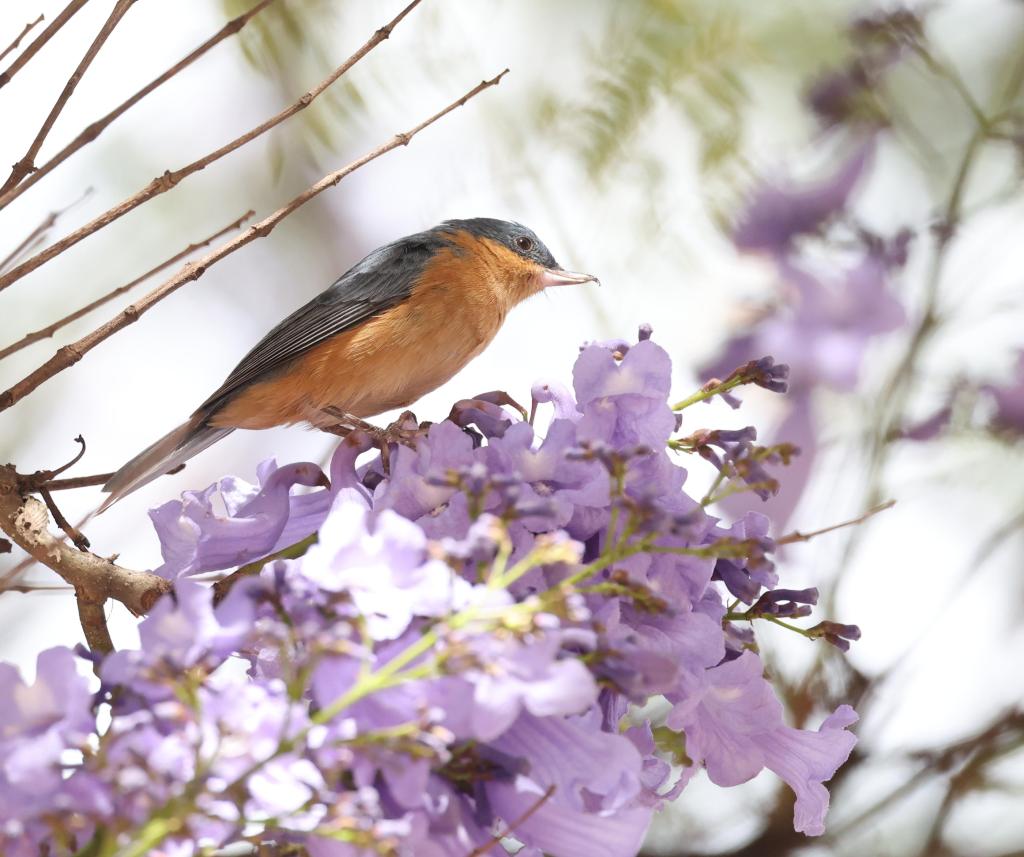
The Rio Urubamba runs along one side of Pisac and we birded along this river a few times. To the east of the main bridge, along the north side of the river runs a pleasant pathway lined with flowering bushes and a few trees. Here we saw Cinereous Conebill, a bird sporting a high-pitched trilling call somewhat reminiscent of an Australian Fairywren, as well as a Rusty Flowerpiercer, the less common cousin of the more common Black-Throated Flowerpiercer (about which, we will say more below). On the rocks down at water level we also saw a few Torrent Tyrannulets, little grey flycatchers living up to their eBird descriptions: “often perches on rocks in the middle of a waterway, but also along the edge”. Over a dozen Hooded Siskins, a yellow bird in the finch family, flitted about the grasses on the other side of the river, too.
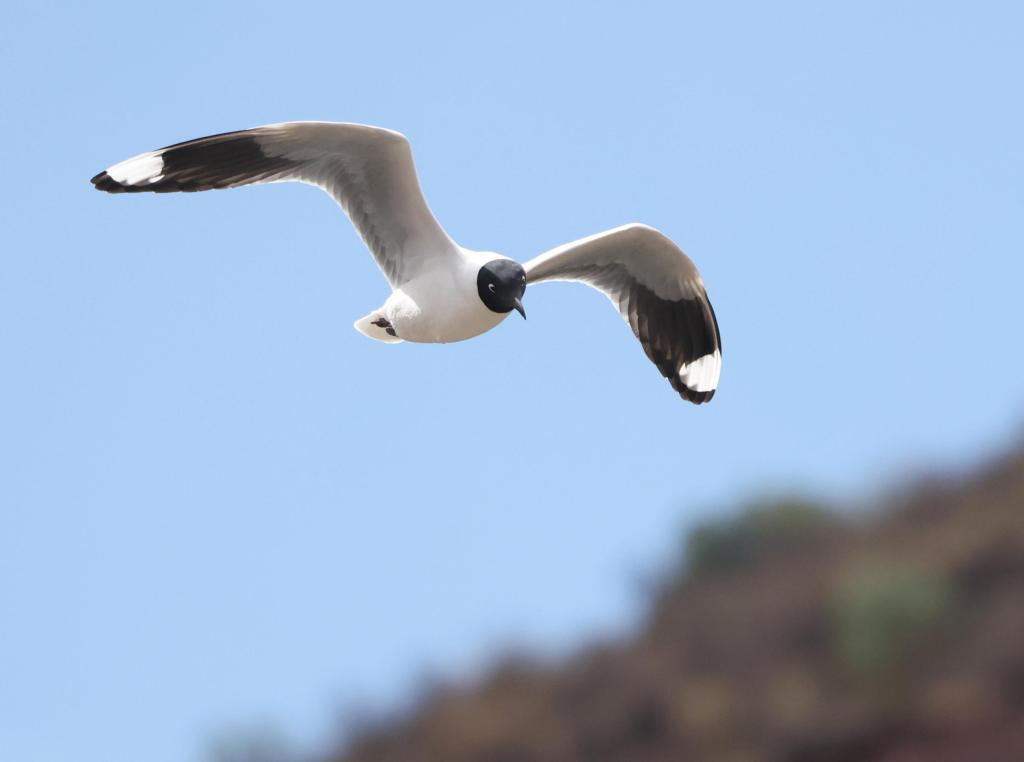
Andean Gulls are the only gull around these parts and we saw them regularly cruising up and down the river; all the ones we saw had the solid black hood indicating breeding plumage.
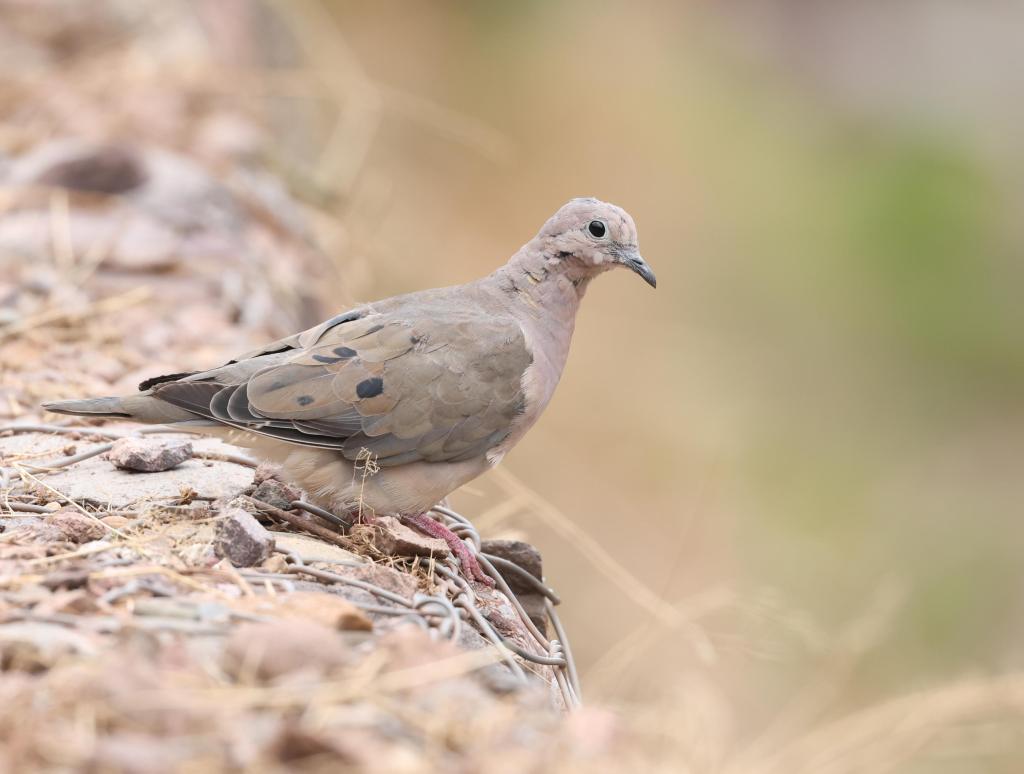
There are plenty of doves around (ignoring for the moment, the globally-dominant Rock Dove which you’ll find all over Peru): the small Eared Dove is the most common, with its trademark black wing spots and creamy-pink breast colours. We also saw Bare-Faced Ground Doves in the agricultural fields bordering the west of town, recognisable by the orange bare skin around the eye.
Pisac Archeological Site
One of the main tourist attractions in Pisac is the archaeological site which looms over the town to the north. The main entry is right up the top, several kilometres up a windy road, and is best accessed by bus or taxi.
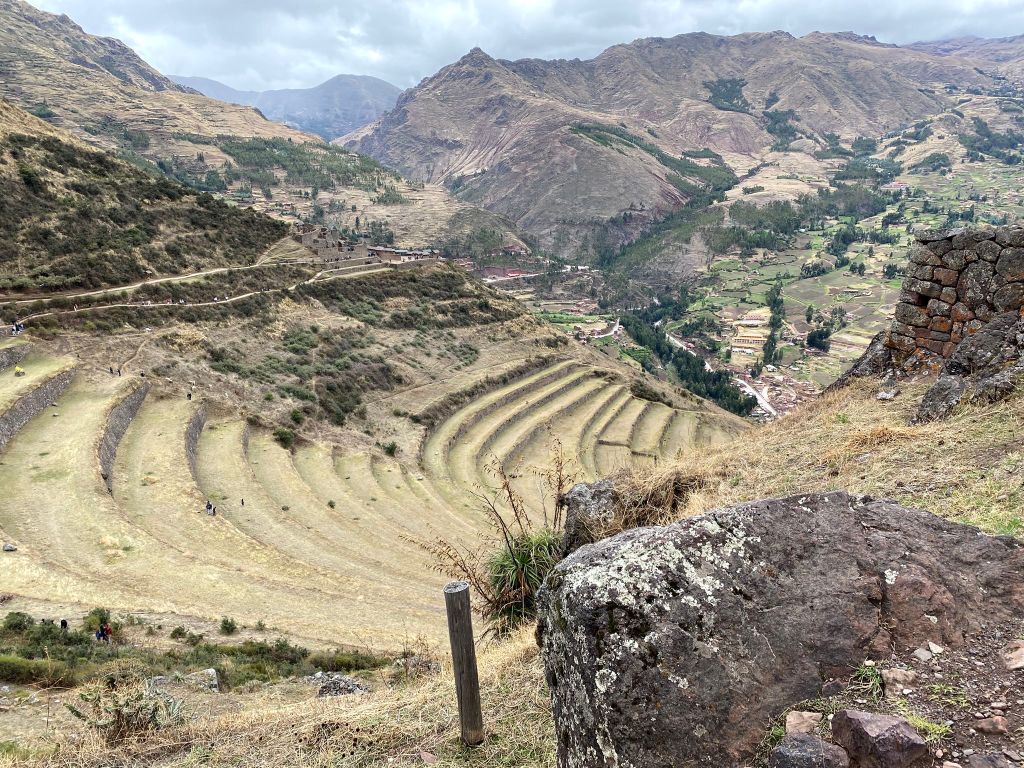
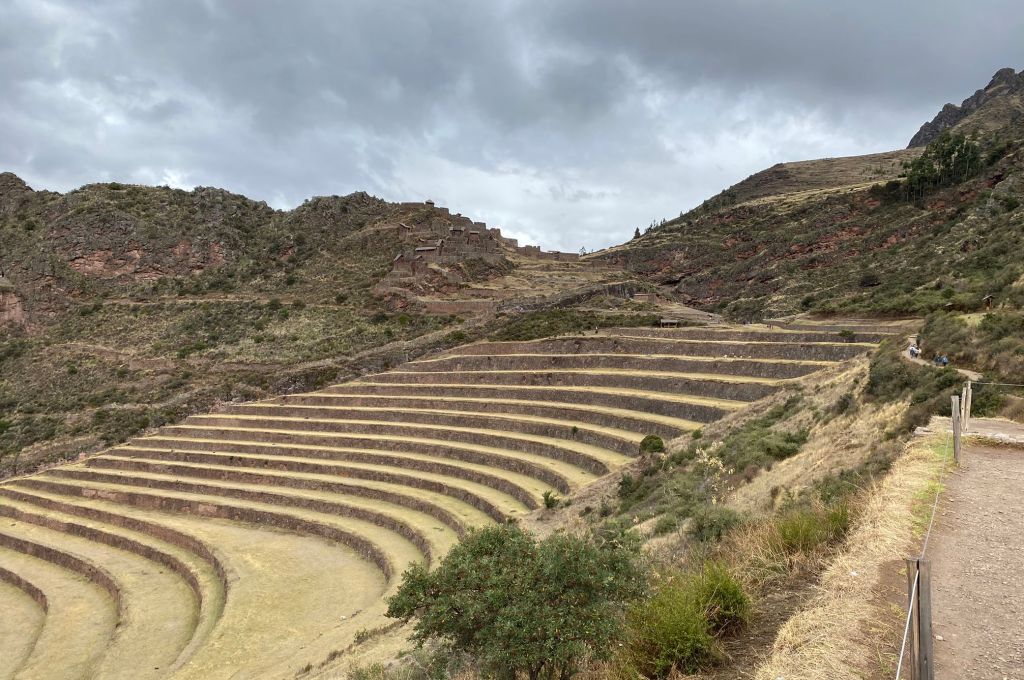
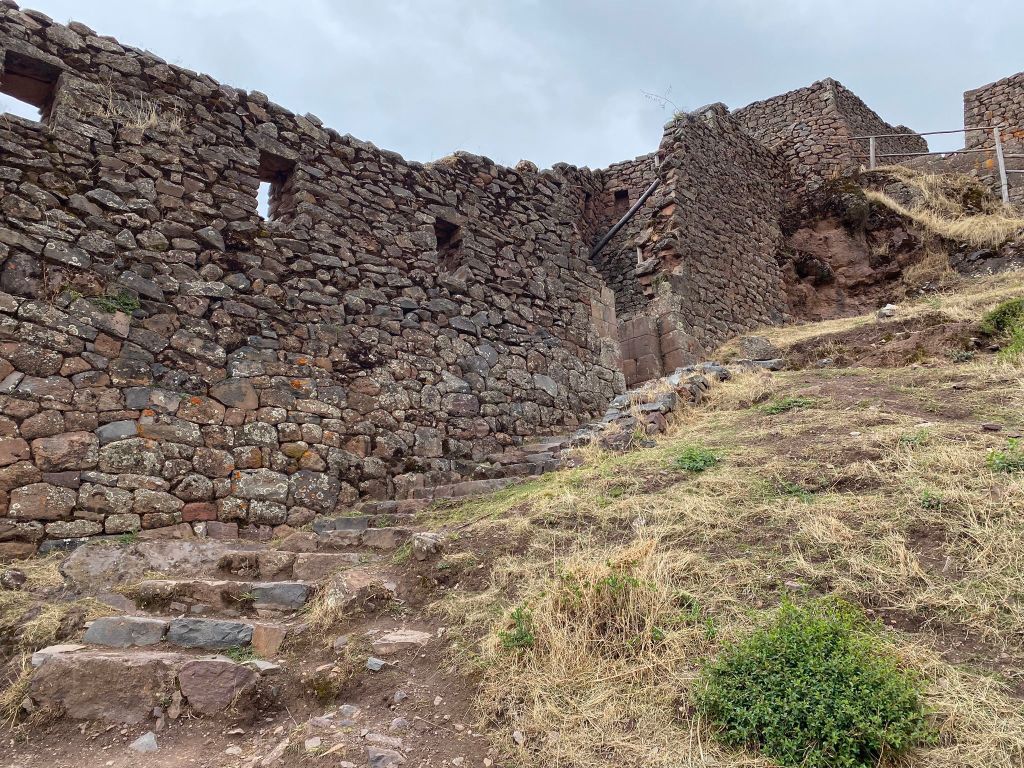
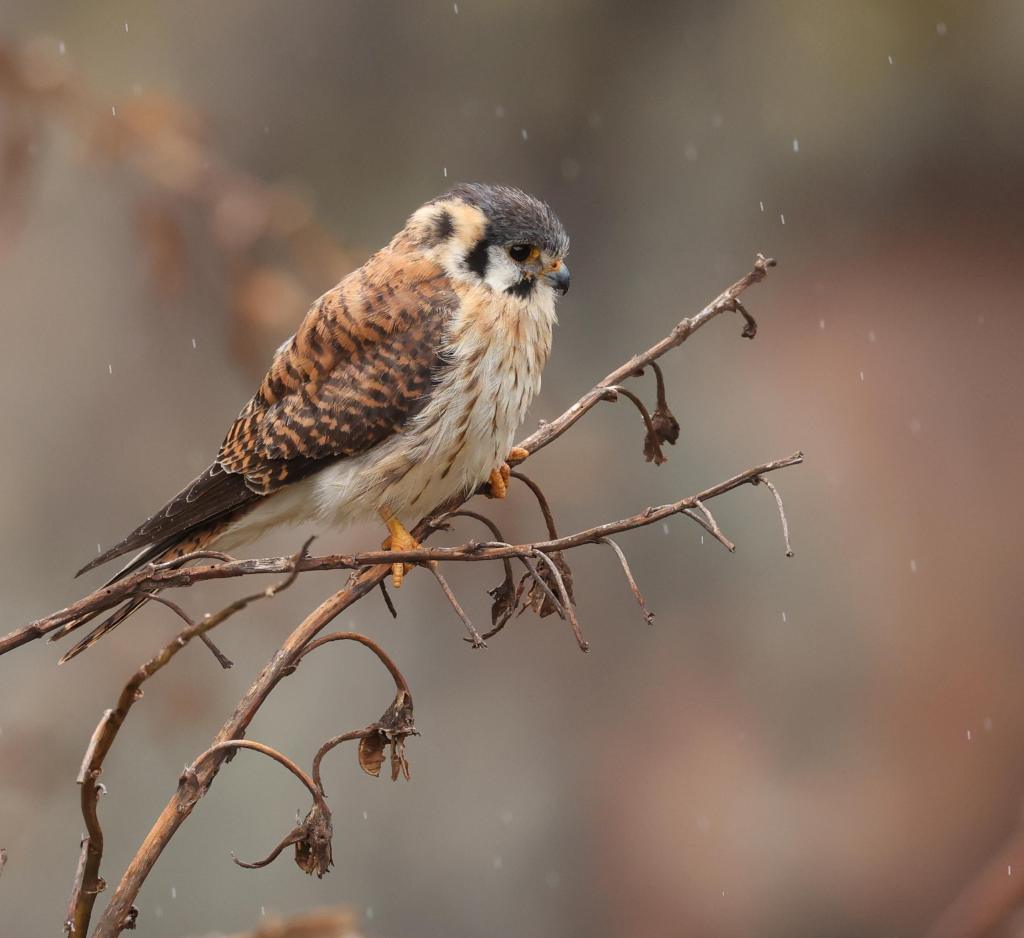
The archaeological site is fairly large and has some impressive stonework and agricultural-related terraces (a feature you’ll see all up and down the Sacred Valley). Despite some good tracts of forest (including stands of eucalypts) around the site, the birding was a bit quiet the day we were there; the biggest highlight was an American Kestrel that made its perch in the light rain not far off one of the main pathways.
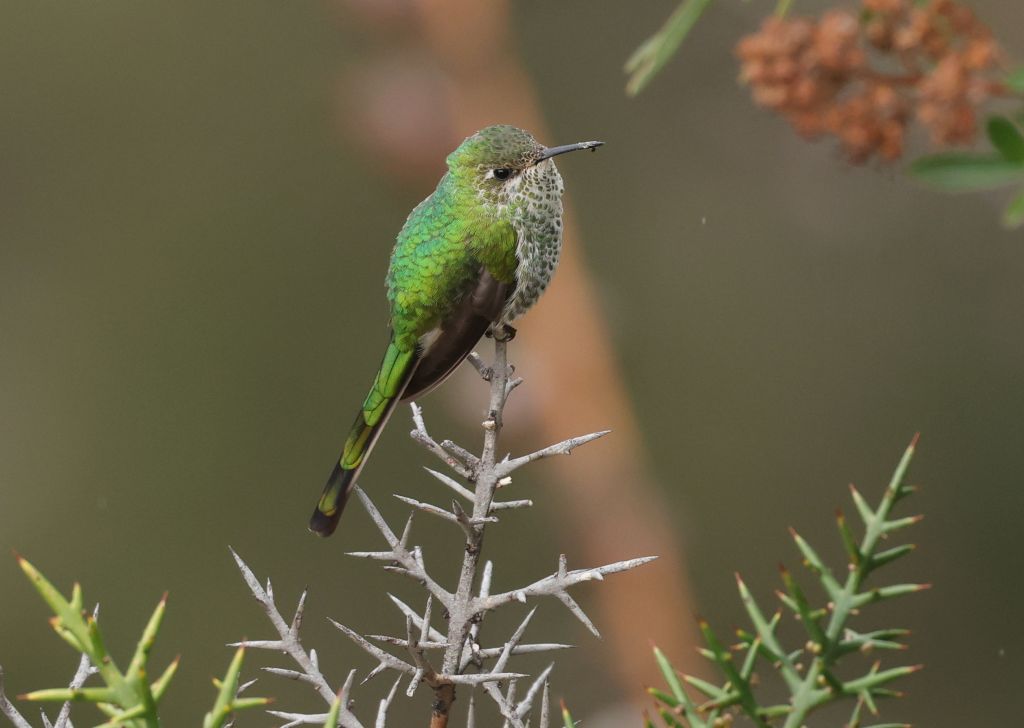
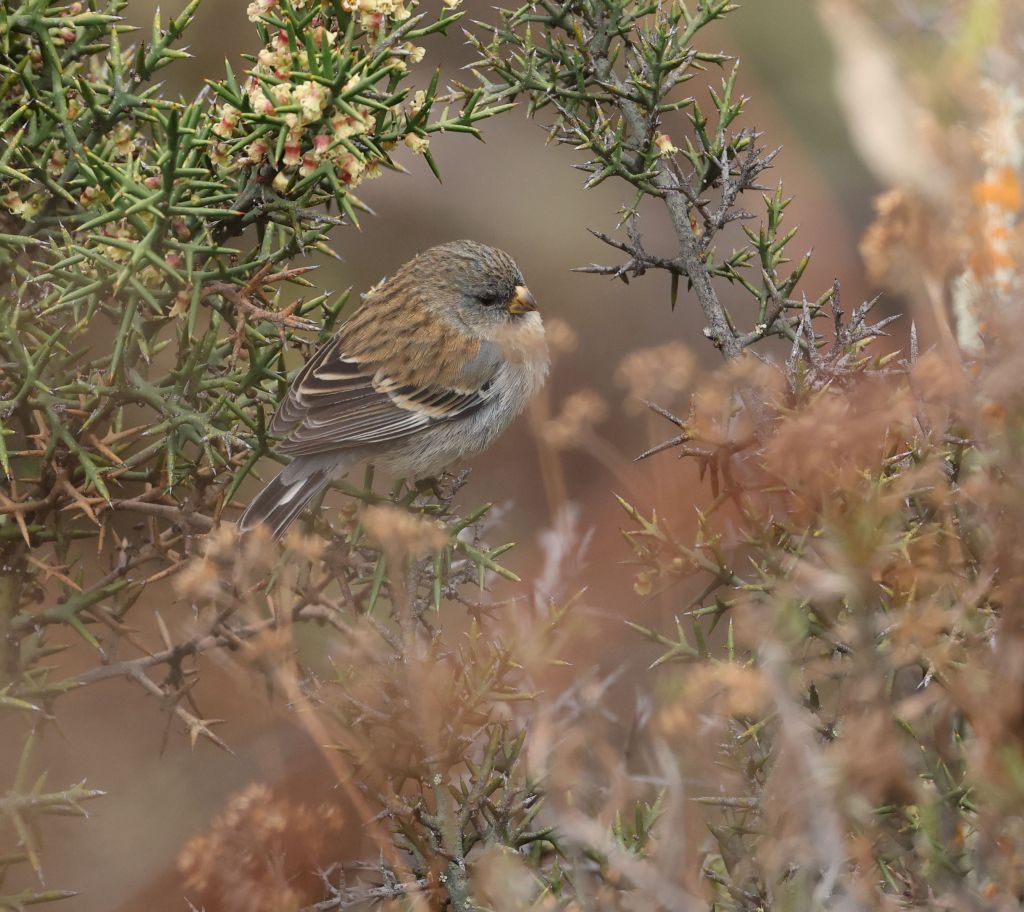
We also spotted a Mountain Caracara on one of the terraces, and then a few smaller birds in some of the messy brush where one of the path follows a steep hillside – a Green-and-White Hummingbird, and a Band-Tailed Seedeater. We had seen the seedeater along the riverside a few times with its stubby little bill, and thus deemed it fairly common.

The archaeological site is probably somewhere you’ll visit when in the Pisac area, and it happens to offer a little birding on the side if you’re up for mixing that with your archaeological history. With 166 species recorded for all time on eBird, by that measure it’s actually one of the best hotspots around.
Sacred Garden / Bearded Mountaineer Lodge
OK, here’s a location to gladden any birder’s heart: a dedicated bird garden with special focus on hummingbirds. It’s the Sacred Garden, about 7.5km south of Pisac as the crow flies, and within walking distance of the small riverside town of San Salvador. To get there we took a taxi from Pisac to the gardens, and afterwards we walked back to San Salvador and took a local transport – one of the colectivos – from there back to Pisac (costing only about 5 Soles for two… much cheaper than the taxi!)
It should be noted that it’s a little difficult to locate the Sacred Garden from the dirt road – use the location pin on Google Maps or eBird to guide you. The main “gate” isn’t apparent until you’ve kind of wandered off the road a bit in roughly the right direction. We were charged a 30 soles each entry fee though I think others have reported only paying 20 soles – like many places in Peru, prices aren’t made apparent until you ask, and I suspect the locals charge us tourists whatever they think they can get away with!


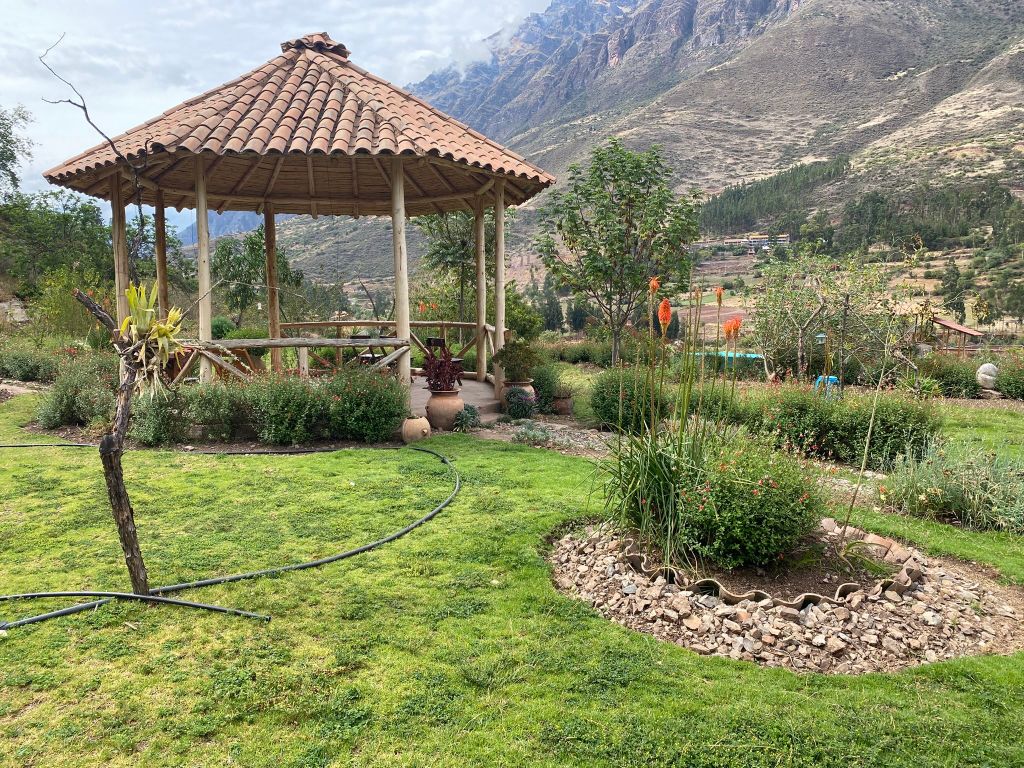
Not that I minded paying to enter – this is a terrific spot and well worth it. In fact the Sacred Garden is famed as one of the best places to find a quite range-restricted hummingbird called the Bearded Mountaineer, a sought-after hummer whose iridescent throat feathers form a green-and-purple “beard”. It was no trouble to find one in these gardens, for sure; we saw at least three individuals.
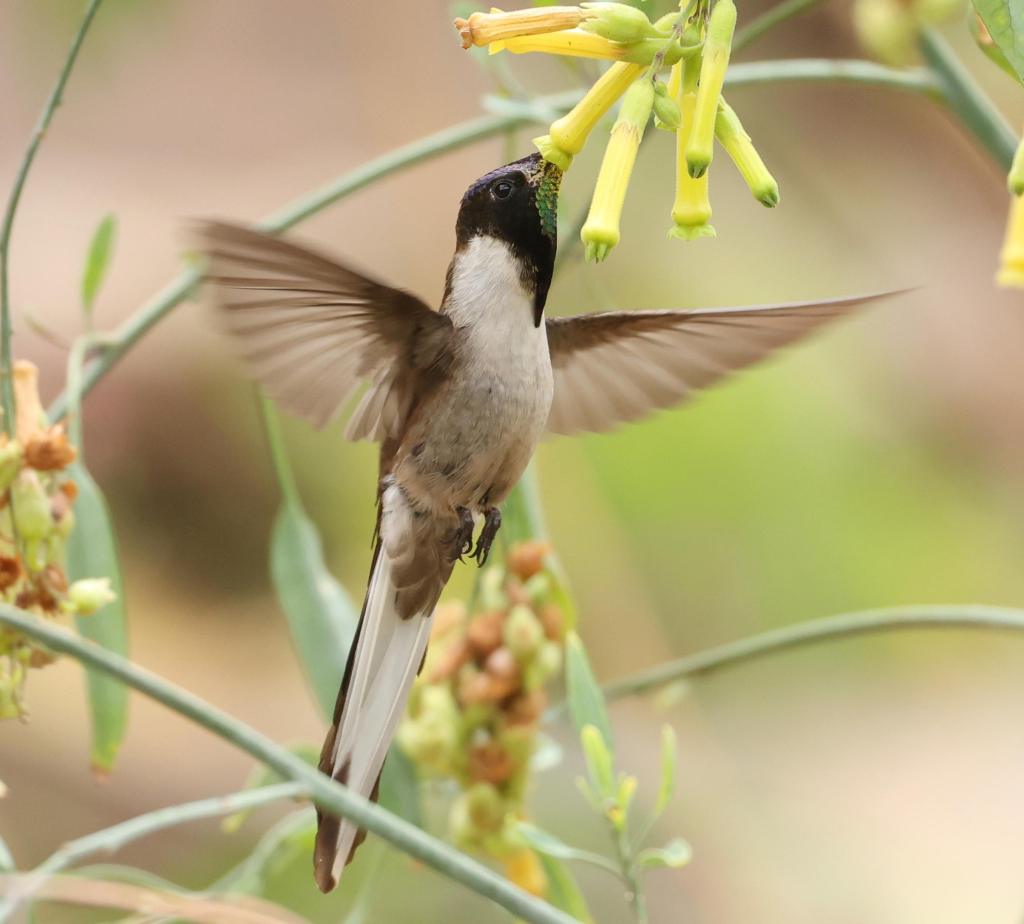
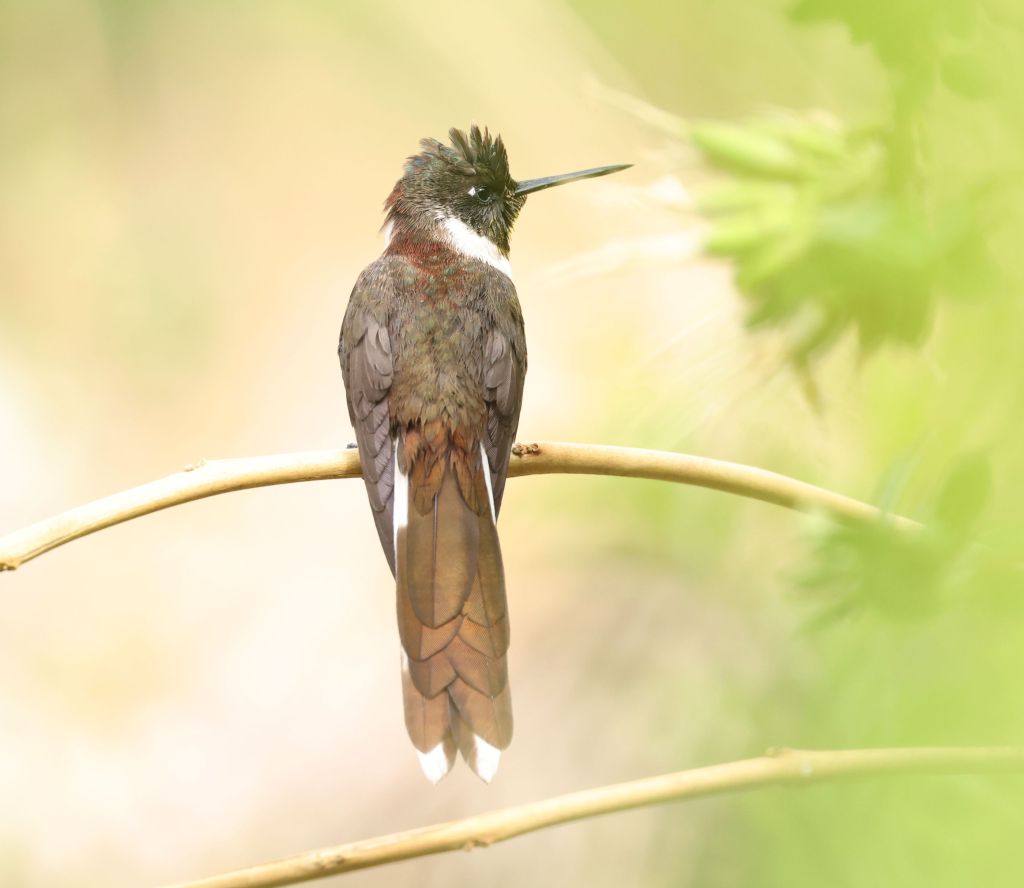
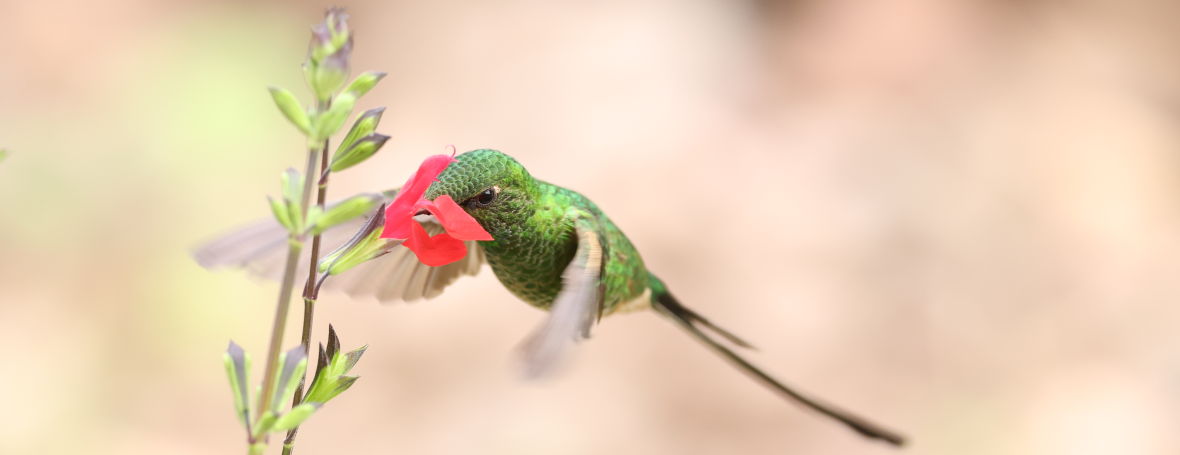
Other hummingbird delights included the stunning Black-Tailed Trainbearer with its ridiculously, gloriously long tail. Its close relative the Green-Tailed Trainbearer is also common here.
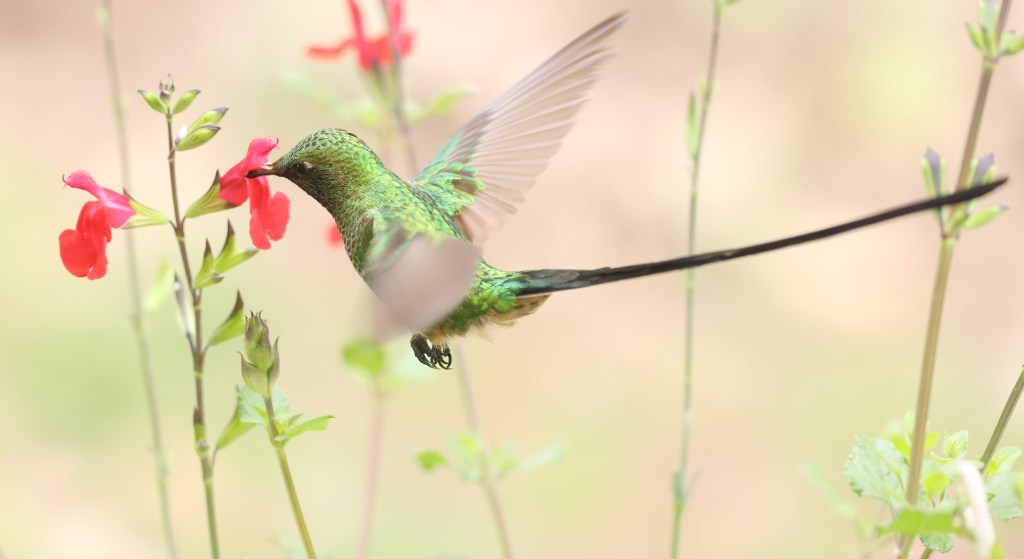
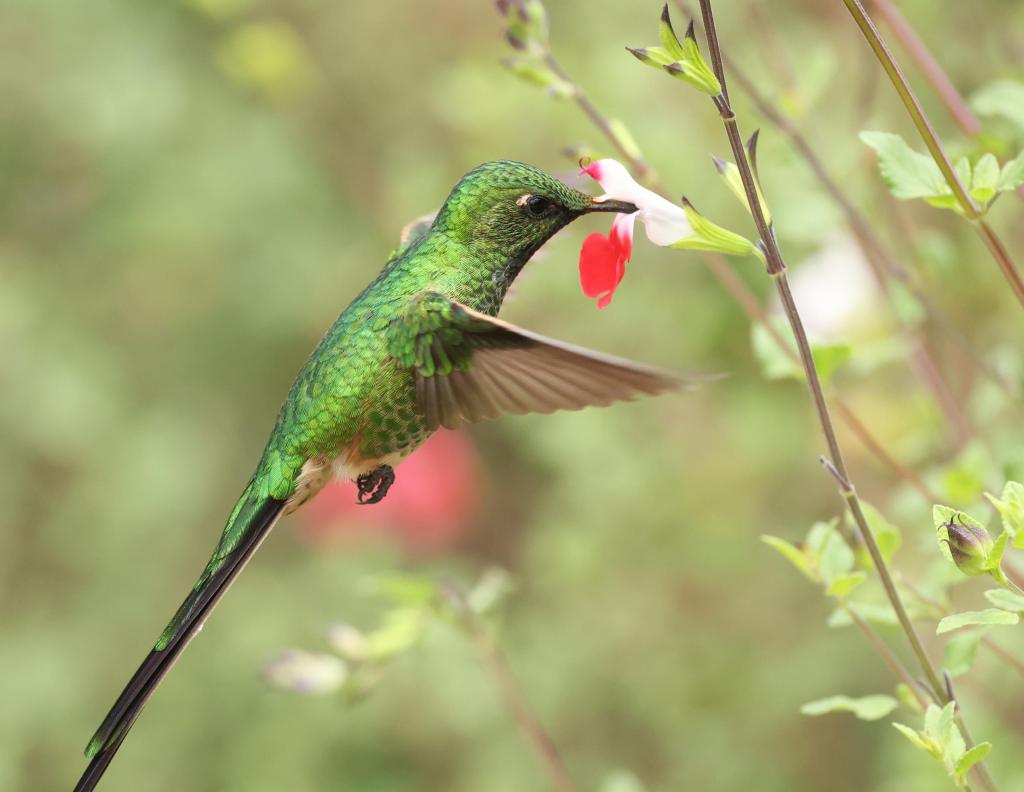
We also saw the sizable Sparkling Violetear; the small White-Bellied and Green-and-White Hummingbirds, as well as the big bully Giant Hummingbird. The hummingbirds were attracted to the many flowering bushes strewn around the gardens as well as visiting the feeders too.
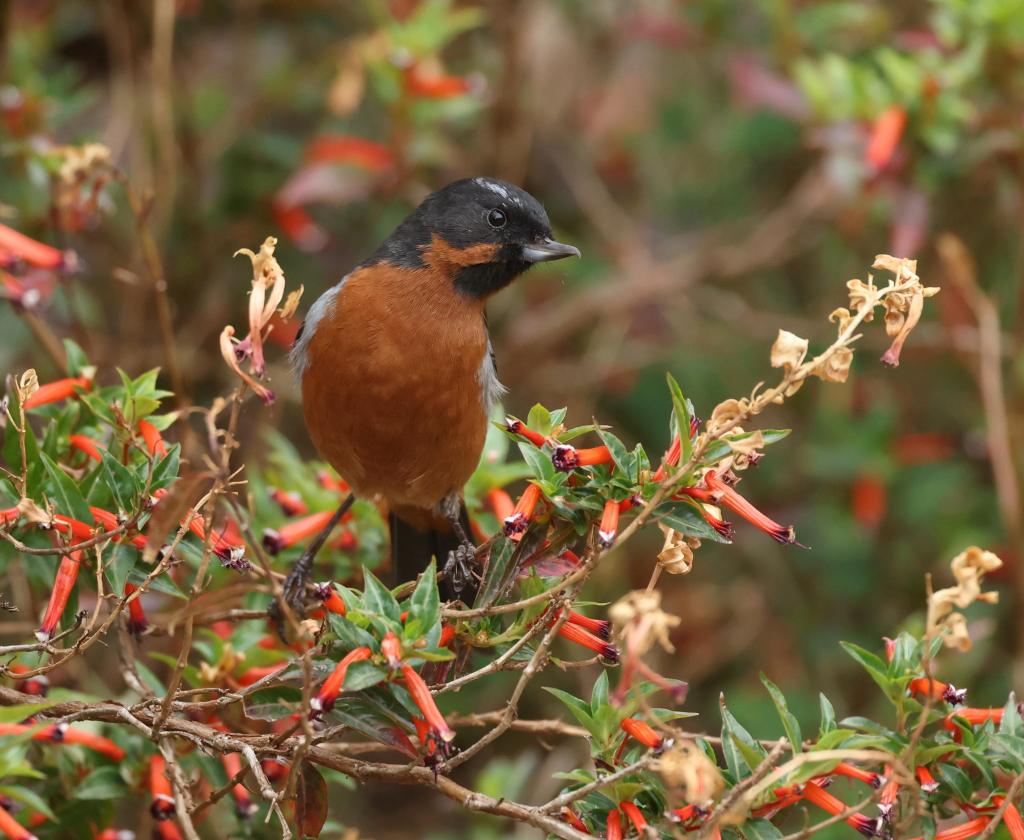
By now we were getting used to Black-Throated Flowerpiercers being everywhere that flowering bushes and trees could be found, darting in amongst flowery foliage all day long with barely a pause. Finally I managed to nab a decent photo of one where you can see the interesting shape of the bill and admire the deep orangey-brown feathers of the bird.
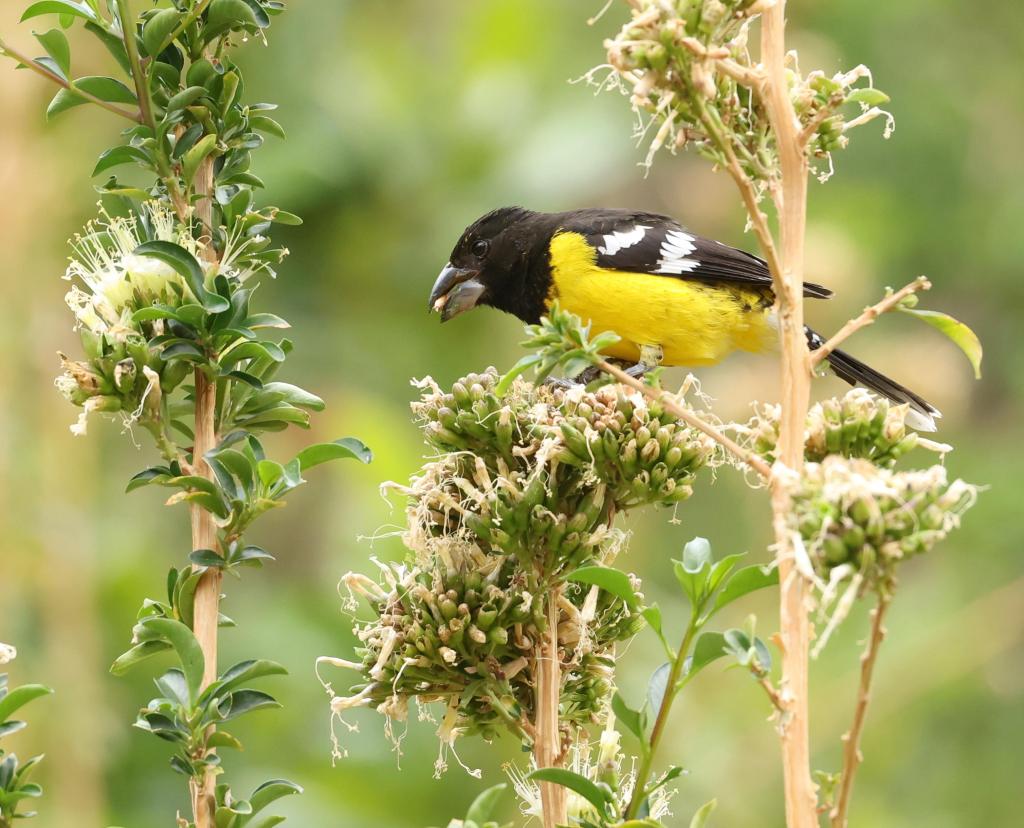
Black-Backed Grosbeak and Chestnut-Breasted Mountain Finch were two other new birds for us here, the former seen very well in the gardens while the latter was more “glimpsed in the surrounding trees”.
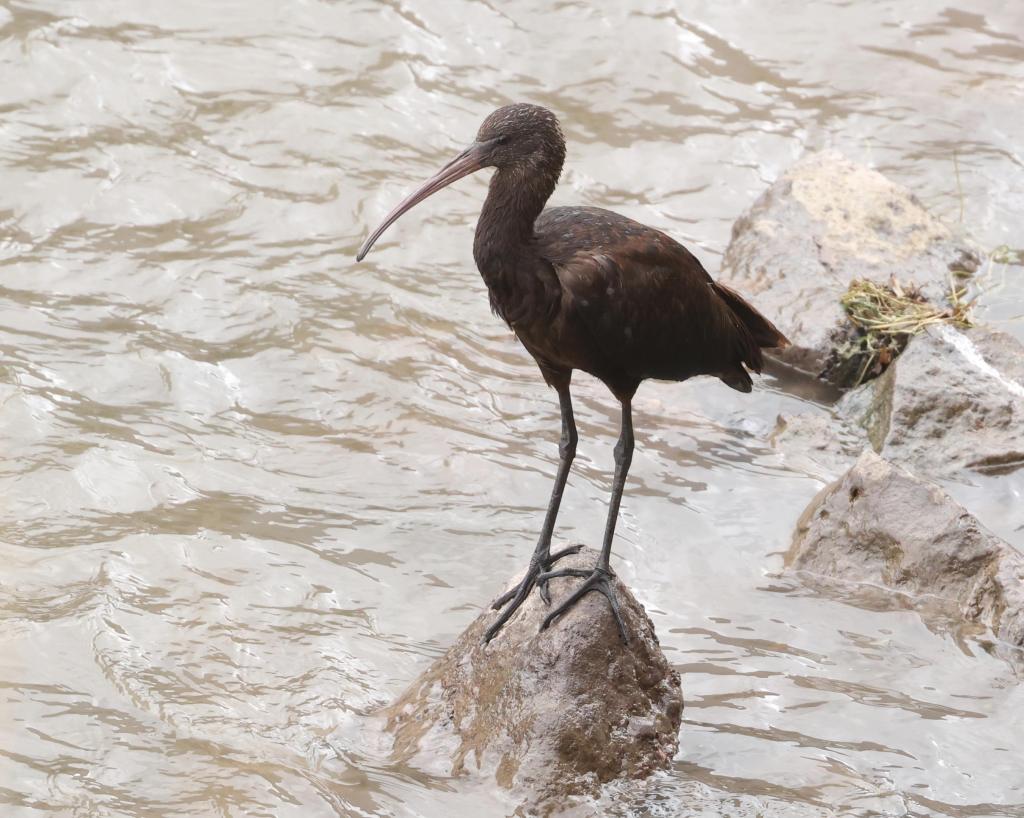
On the river near San Salvador we came across our first Puna Ibis, a bird reminiscent of the almost-global Glossy Ibis, as well as some Yellow-Billed Teals, a classic-looking duck species endemic to South America.

Laguna de Huacarpay
About 35km or so south of Pisac is the wetland site Laguna de Huacarpay, worth a stop if you’d like to see some Peruvian water birds.

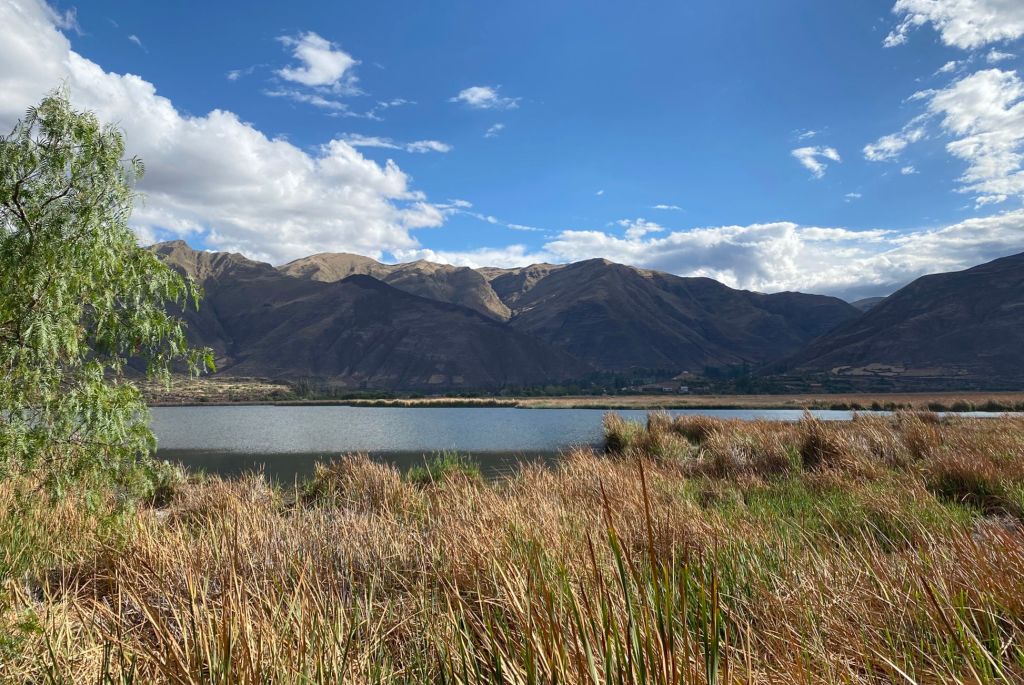
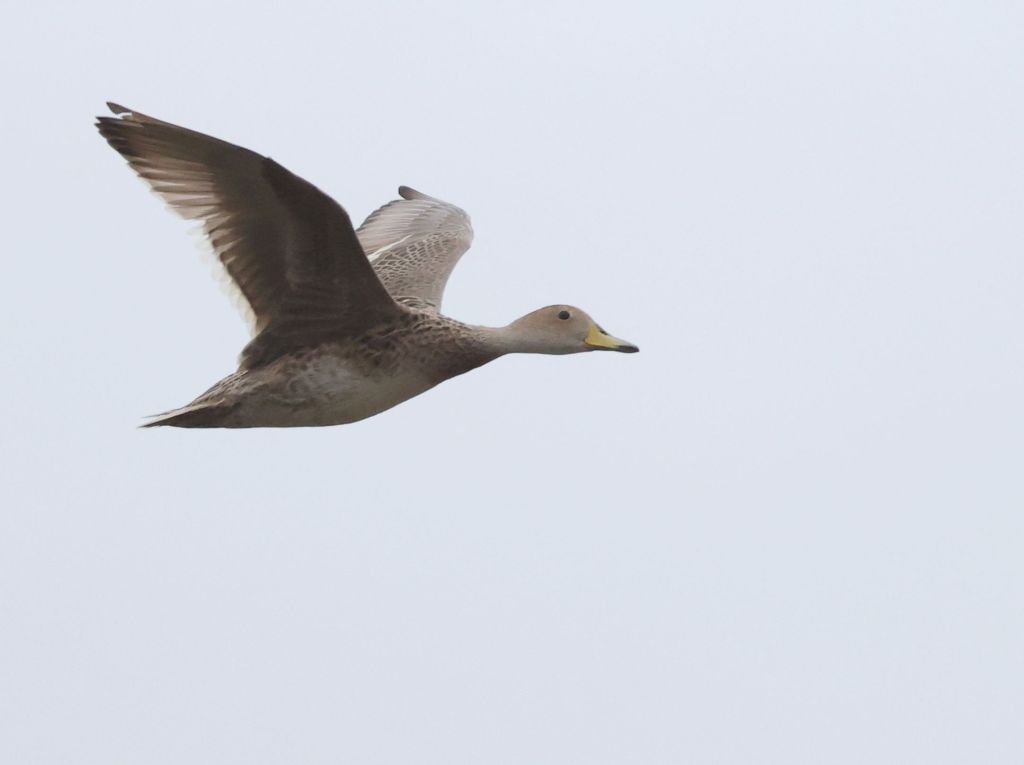
The “official” entrance is on the west side of the lagoon (official, in that there’s a sign…) and it features a sort-of path leading enticingly toward a bird hide. Unfortunately on the day we were there the path was super muddy and treacherous and we could only go 40 metres or so into the reed-lined ponds. Even so, it was enough to spot lots of Slate-Coloured Coots (also known as Andean Coots), quite a few Common Gallinules, Puna Ibis and Andean Gulls flying over, as well as a few duck species including Andean Duck (which reminds me strongly of Australia’s Blue-Billed Duck) and Yellow-Billed Pintail (easily distinguished from the Yellow-Billed Teals by its much paler head).
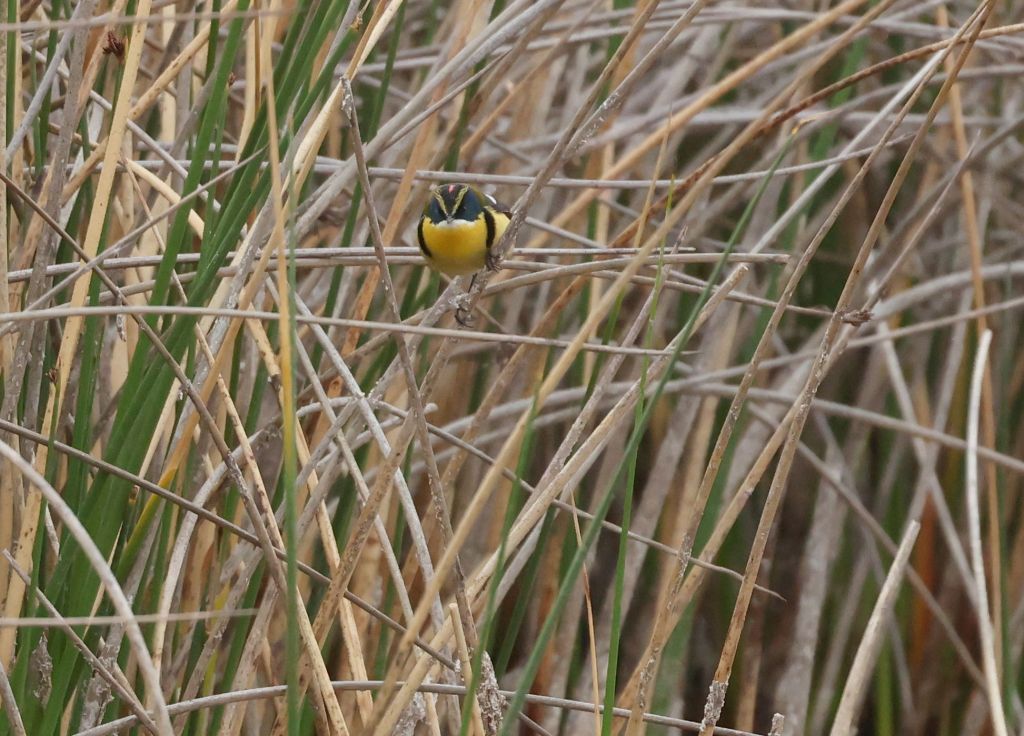
Deep in the reeds we heard the rapid clicking sounds of the Wren-Like Rush Bird, which we only saw briefly when it flew up out of the reeds and straight back down again. A better view was had of the Many-Coloured Rush Tyrant, a vibrant bird every birder would no doubt love, though again it’s a bit of a skulker!
A Plumbeous Rail, usually supposed to be another bird bent on hiding in reeds, decided to forage out in the open for a while, which was a treat. The thick tall reeds of these wetlands are also home to Yellow-Winged Blackbirds; the yellow on their wings is only just visible (more so in flight).

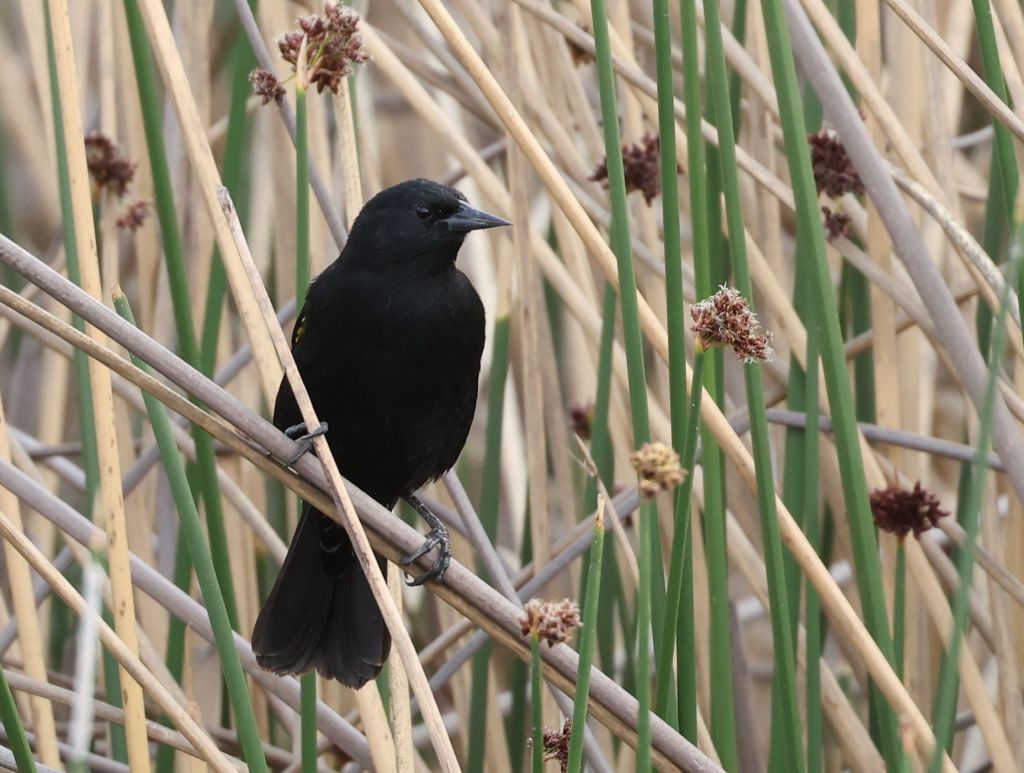
The lagoon was enticing for us because it allowed us first looks at several species of Peruvian water birds; if you’ve seen most or all of those species elsewhere, I doubt the location will have too much to offer. It’s surrounded by less-than-scenic rubbish-strewn roads and the honestly-not-particularly-attractive town of Huacarpay.
Summary
The town of Pisac isn’t the birdiest place in the larger Cusco region, by any stretch, but it does have a few of its own charms. Although the town itself is mostly stone streets and buildings without many trees or bushes to attract birds, the river side and a few other select spots offer some birding. The biggest highlight for birders near here, and arguably a must-visit location, is the Sacred Garden. We had a terrific time birding here and it is especially magical for hummingbirds. We even had the place to ourselves for a while until a couple of big groups turned up!
AUTHOR: ANDY GEE
BIRDERS: ANDY GEE, K-A
 Bird Spots
very timely report, just about to head to south america and should be in pisac in about three weeks. Love the pics , great report. Gil
LikeLike
Love the Bird-spots blog site – always delighted when I get an email about a new trip.
LikeLike
So many beauties.
LikeLike