Bali!
It’s a paradise in Indonesia known as “the Island of the Gods” and is well-touristed by many in the West, especially us Australians, because it’s only a (relatively) short flight away. If you can tear yourself away from the ancient temples and the spiritual/cultural side of things, you may wonder what birds you may find in the jungles, lakesides, rice paddies and beaches. Well, wonder no longer!
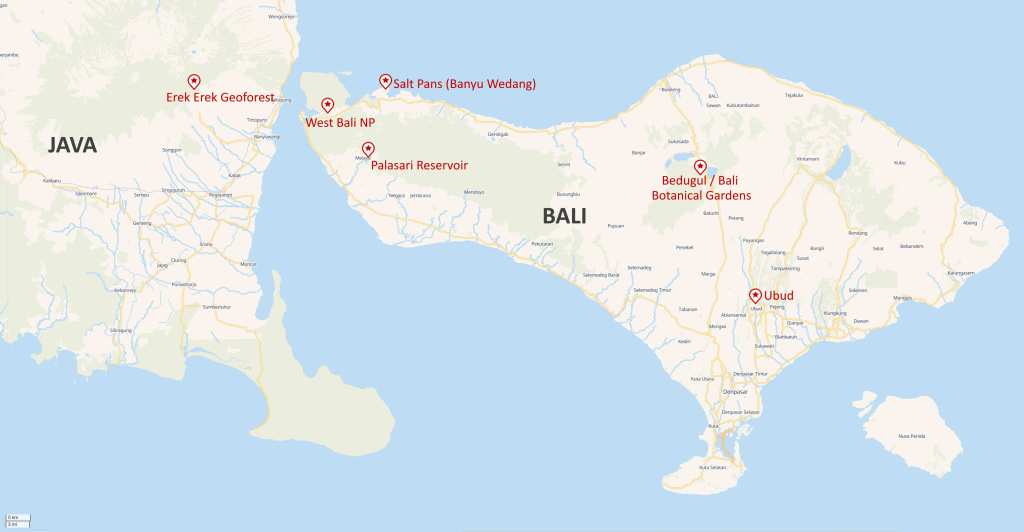
OK, full disclosure: this blog post is not by any means a fully comprehensive guide to birding in Bali or east Java; I did not have time to visit some quality hotspots such as the Nusa Dua WTP in Denpasar, or the lake at Danau Buyan, or any of the famed rice terraces outside of Ubud. And in Java, I only birded a stretch of road in the Erek Erek Geoforest area. So take this as as an indicative guide to birding in the region and glean from it what you will.
There are a few important things to mention about birding in this part of the world that a prepared traveler would do well to keep in mind:
- It’s hot. You need to keep hydrated, pace yourself, and make the most of the early mornings which are slightly cooler and when bird activity is highest. Aim to have a good place to rest and rejuvenate in the afternoons especially if you’re aspiring to string several high-intensity birding days in a row.
- It takes longer to get around than you might expect. For example, Bedugul to West Bali National Park is only 87km by road, but will take at least two hours to drive. Similarly anywhere in Ubud and Denpasar is just going to be slow as heck to travel through by vehicle (I always procured a driver, I was not about to try my hand in the insane road traffic that plagues Bali). You may find yourself jealous of the many scooter riders zipping in and out of the cars and trucks. (Comical but true side note: I watched in disbelief as a scooter guy coasted past me with a giant swordfish draped across his bike; he easily won the game I was playing in my head of “weirdest thing a scooter driver was carrying”).
- Keeping songbirds in cages is a long-standing cultural tradition in Indonesia and the trapping trade has led to a drastic diminishing of the country’s wild birds. Apparently there are more captive birds than wild ones, threatening extinction for many species. You will notice eBird suppressing locations for over 45 “Sensitive” species for Bali, while you will also see native birds in cages hanging on the front verandas of many houses (sometimes there are multiple cages). It is a real shame and can be quite confronting, and the practice has wide repercussions.
Ubud – The Rice Fields
Ubud is one of the key spiritual, cultural, and tourist centers of Bali. People talk about the natural features of jungles, rice fields and waterfalls as being highlights; I’m not so sure about that… most of Ubud is busy, dense and remarkably interesting with commerce and culture pressed close together, so it strikes me that the rice paddies and walking trails are touted more as a cool escape from those activities.
Speaking of which. The rice fields in the north of Ubud (look for “Ubud–Bali Bird Walk” or “Sweet Orange Walk” in eBird, named after the local Sweet Orange Cafe there) are where you’ll find lots of rice paddy species. I actually stayed right in the heart of this area, at The LUXE Ubud (booked more or less randomly from the enormous array of Ubud accommodation options), and luxury barely begins to describe this place. It was just WOW.
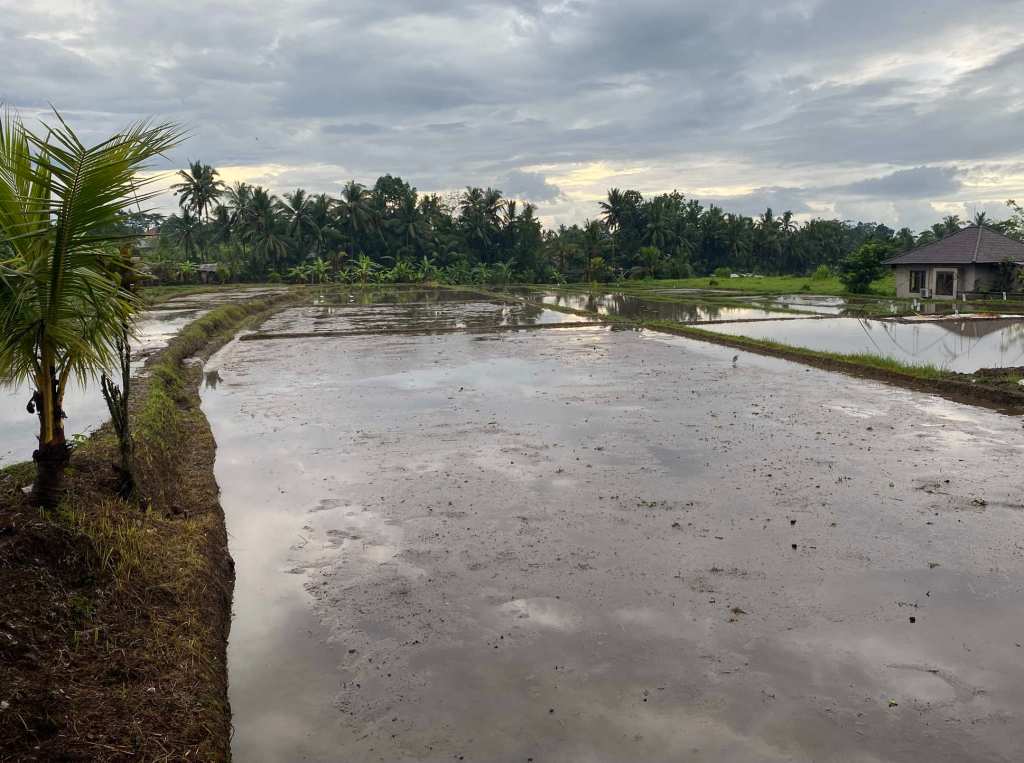
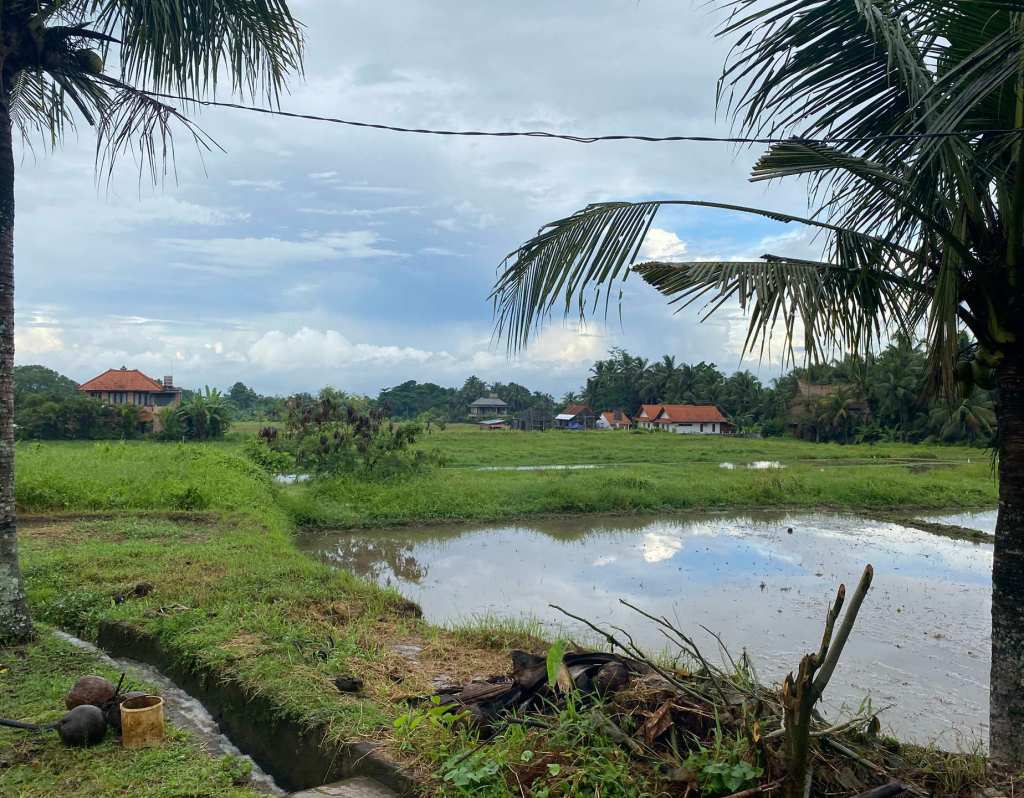
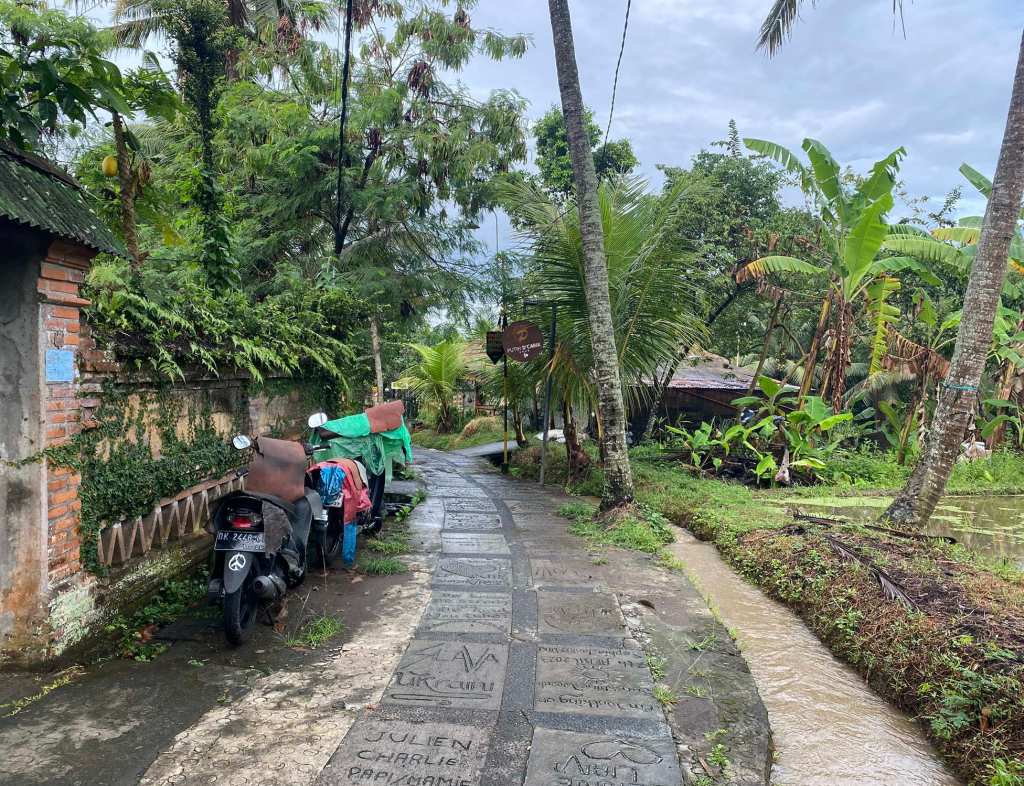
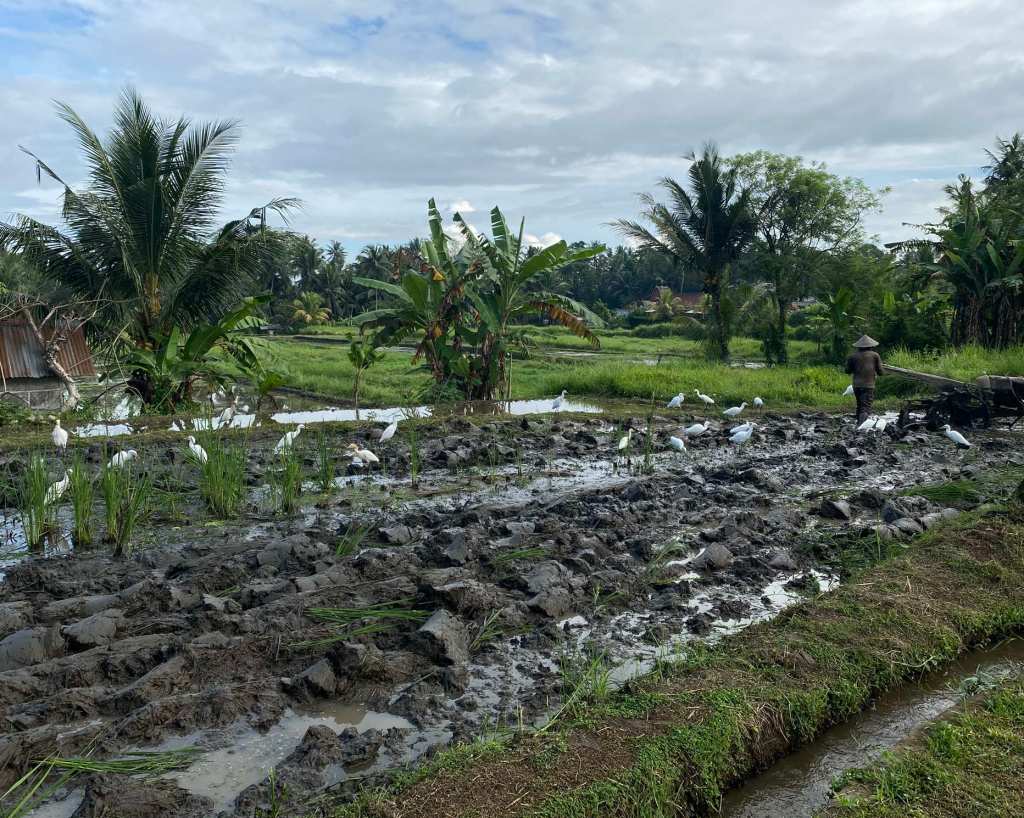
OK, anyway. Quite a lot of birds enjoy roaming amongst these rice fields, especially the partly-flooded fields (which is, actually, most of them). These birds include White-Breasted Waterhens, Little Egrets, and, remarkably, large groups of Cattle Egrets, attracted by the mud-churning farmers working over the fields which presumably stir up all sorts of juicy prey (see also my YouTube video above which features this behaviour).
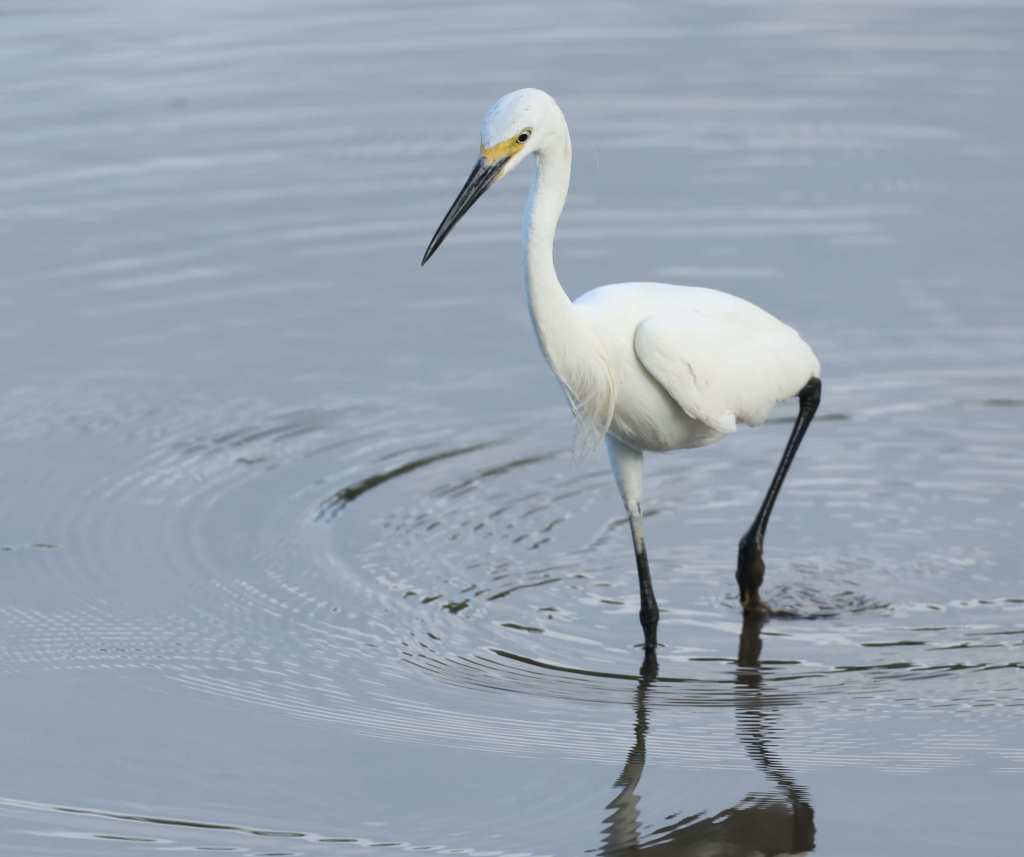
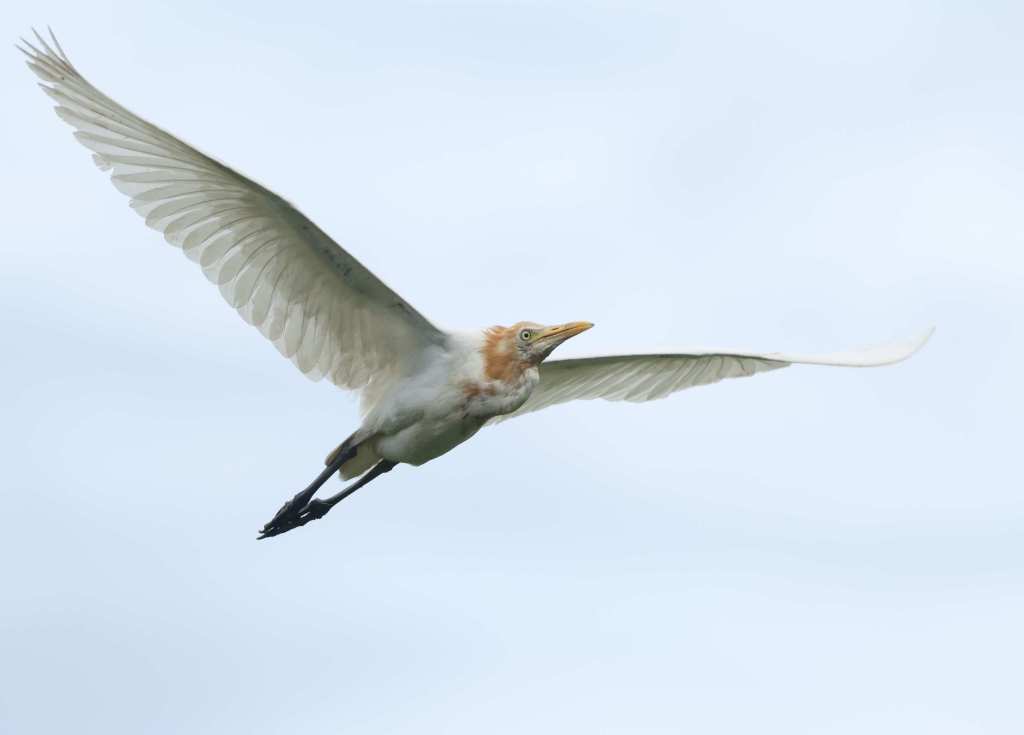
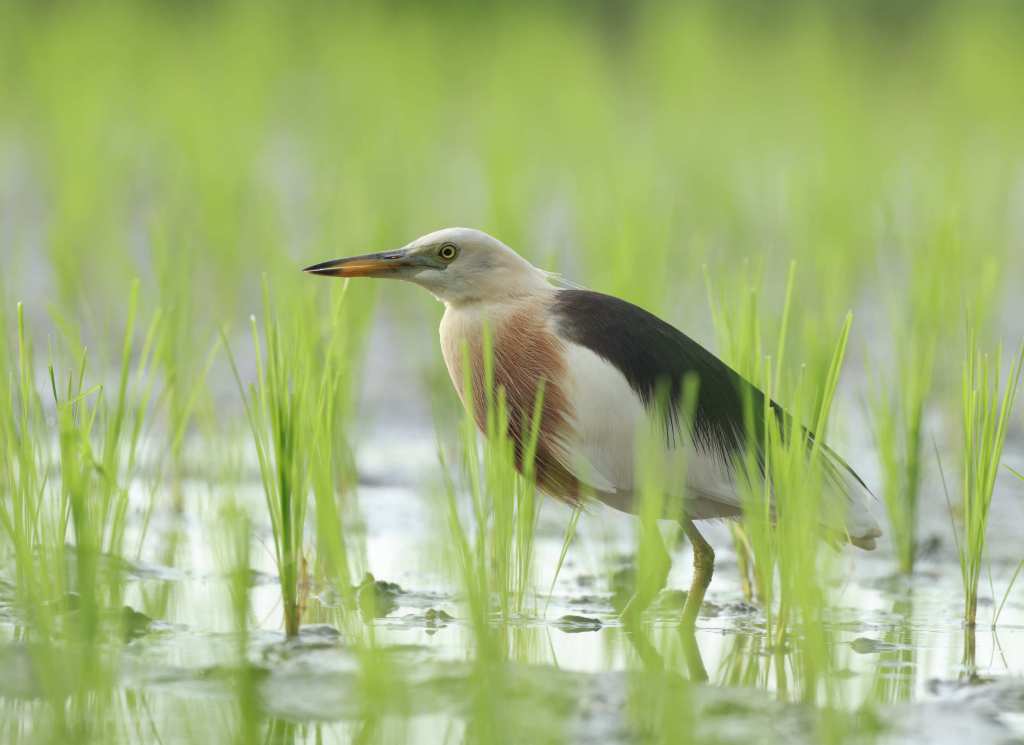
I have a bit of a soft spot for Javan Pond Herons, which adopt some lovely colours when in breeding plumage. This bird likes to stalk quietly and stealthily through the paddies.
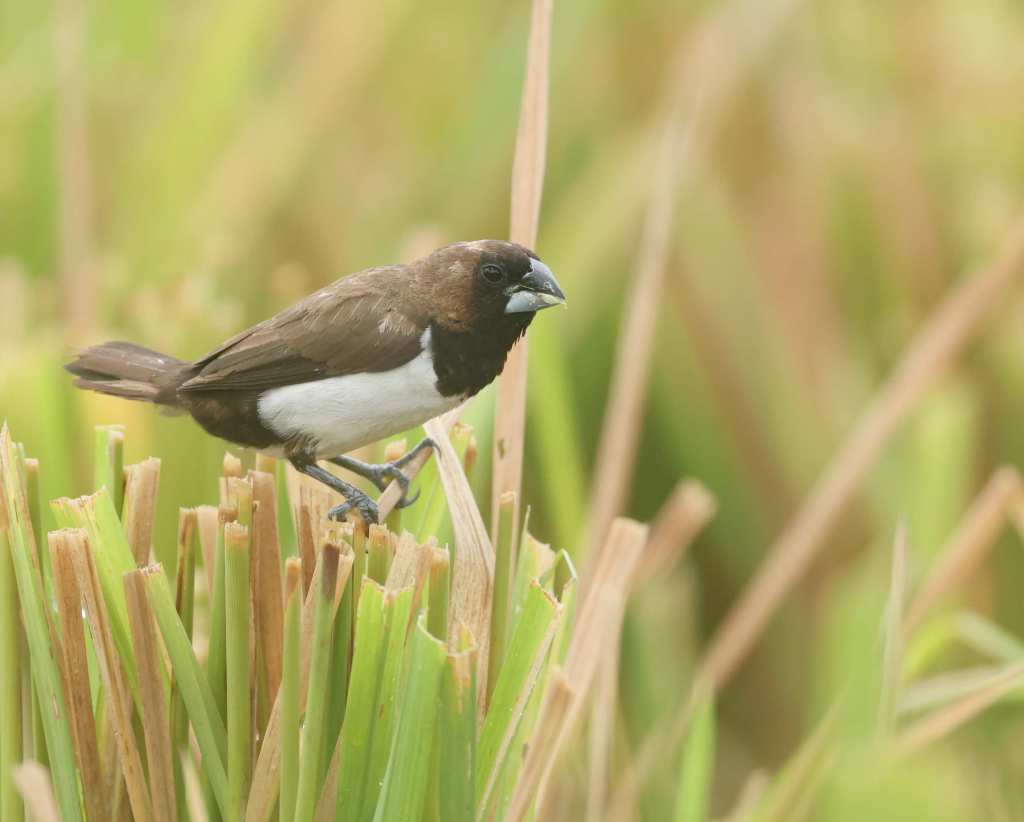
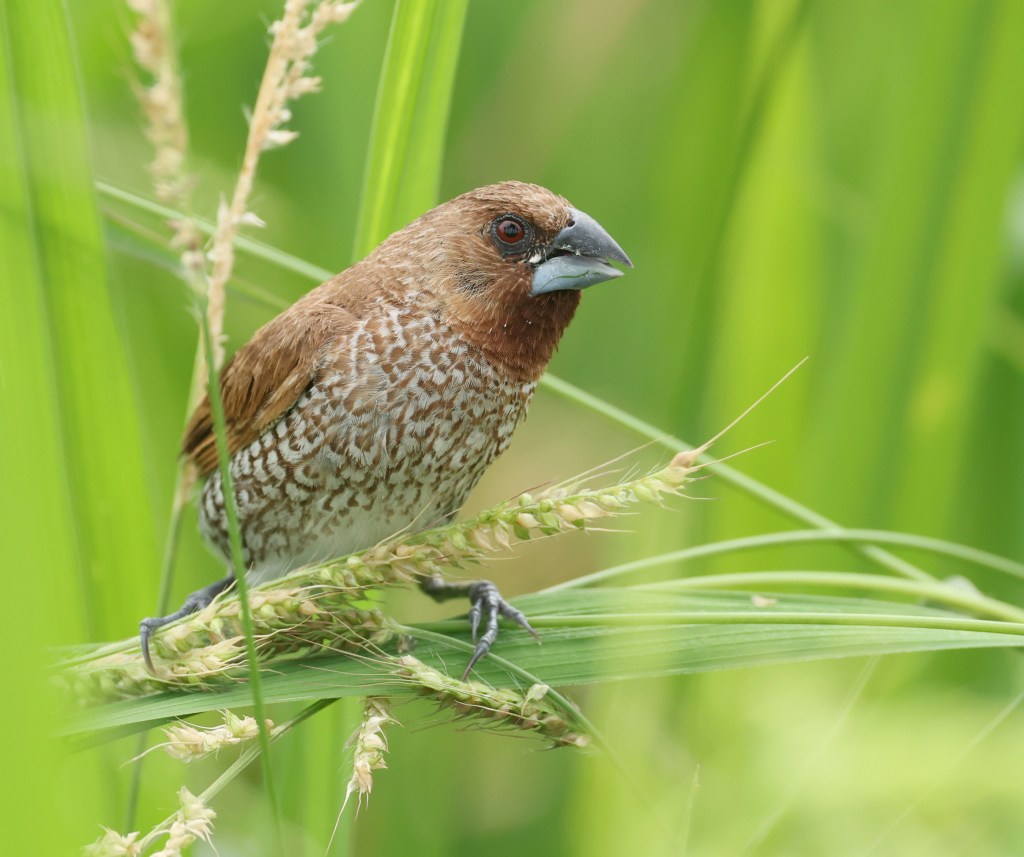
With plenty of water and lots of seeding grasses and rice stalks to enjoy, there are munia here too (like, dozens up to hundreds). Scaly-Breasted Munia are the most numerous, followed by Javan Munia, with smatterings of White-Headed Munia too at times. Especially in country areas, locals will hang plastic flags on long wires across their fields to deter the munias from the rice grains, a tactic that supposedly works pretty well.
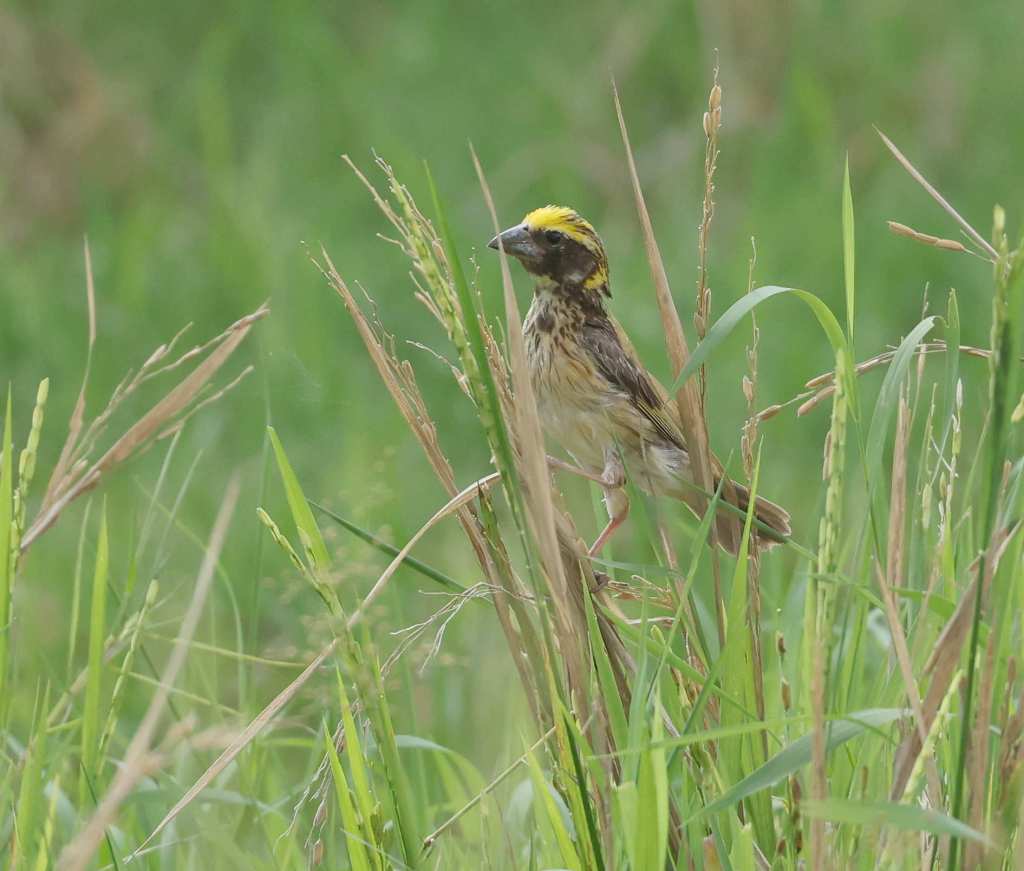
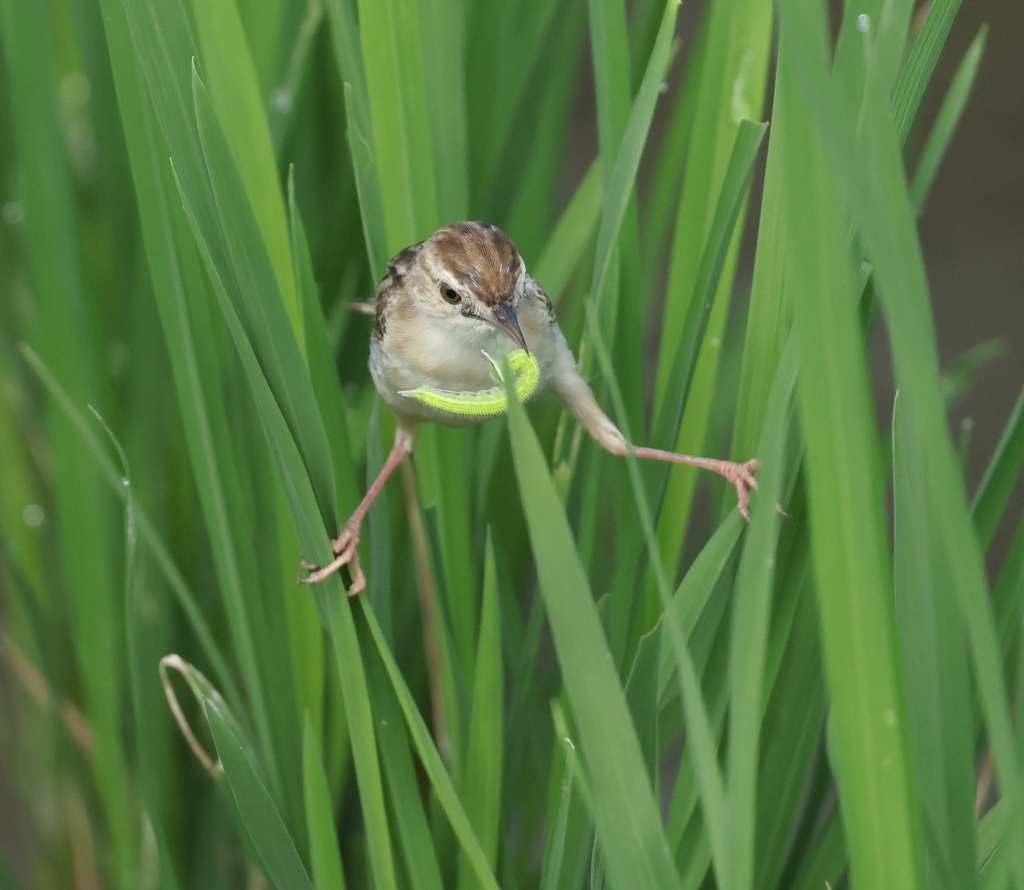
There are populations of Streaked Weaver here, and you’ll likely see the widespread Zitting Cisticola among the grasses and rice plants as well (be sure to distinguish these from the Golden-Headed Cisticolas – the call is a dead giveaway).
With a big dose of luck you may also find the beautiful Java Sparrow here, though I did not see one. Apparently there also is a particular bus terminal building in Denpasar where they nest, which is where most serious birders twitch them.
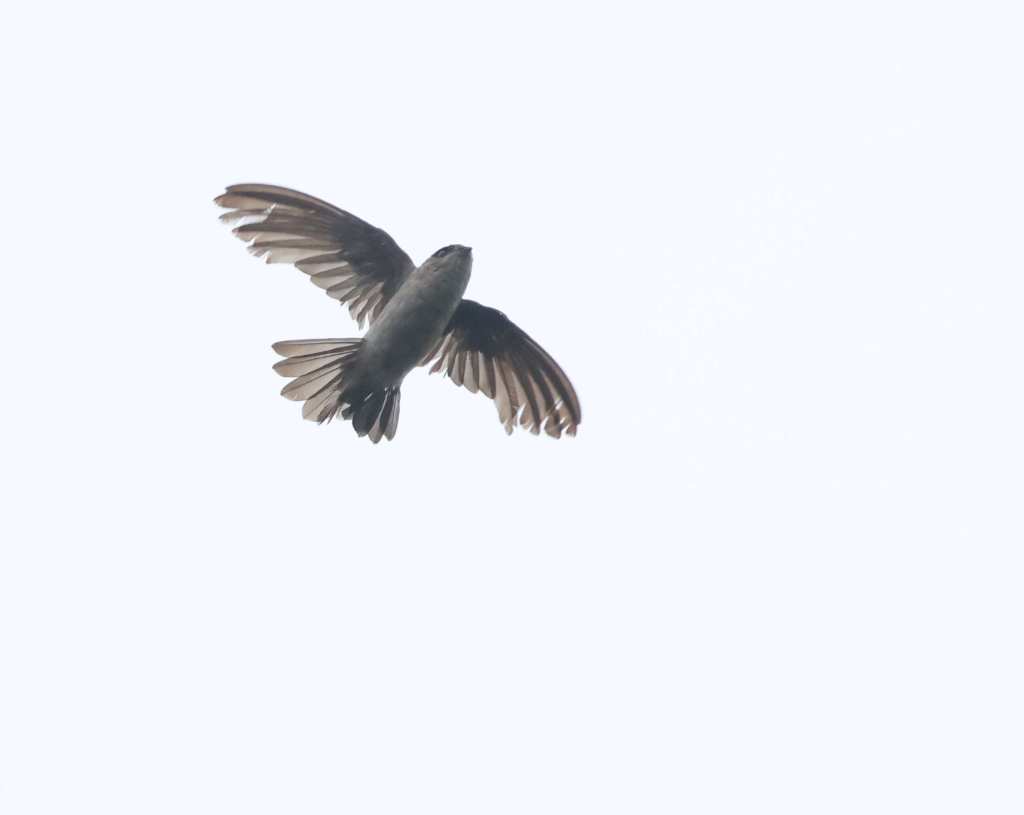
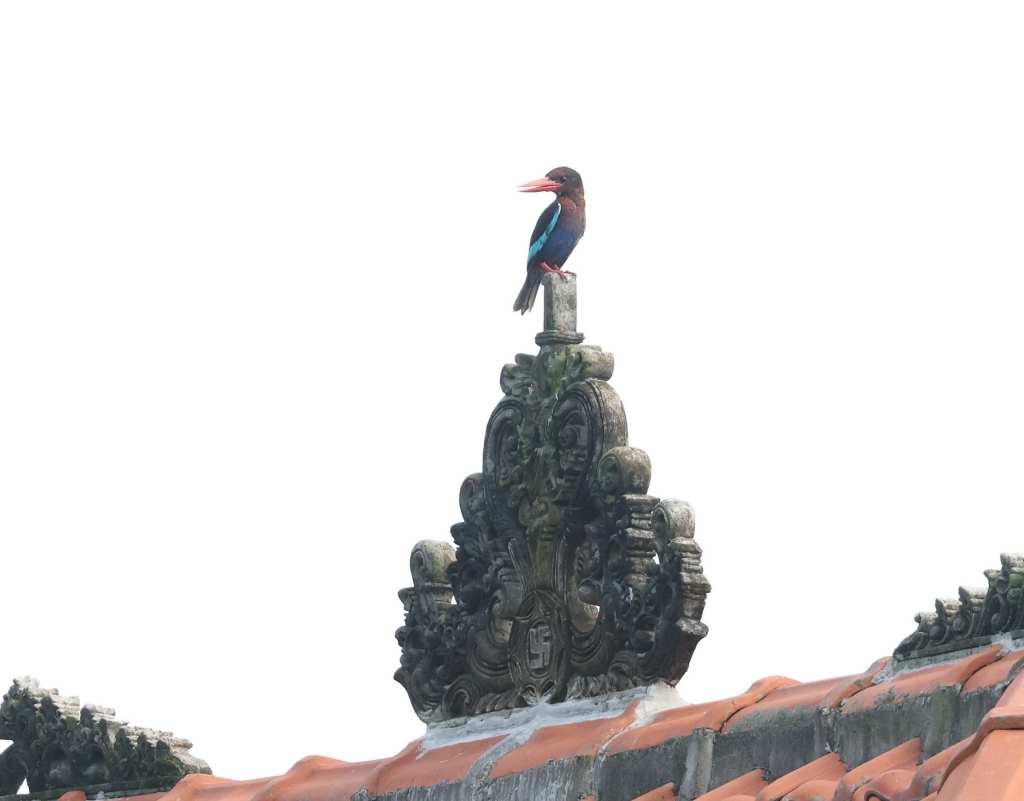
I found a few Javan Kingfishers around this area in Ubud too, though never particularly close – they always found a way to fly off at the first sight of a telephoto lens. Up above, you’ll see the incredibly ubiquitous Cave Swiftlet darting about (seriously, I don’t think I birded anywhere in Bali without these guys above me at some point…), and keep a look out too for White-Nest Swiftlet. The latter is also known as Edible Nest Swiftlet, as its nest is made entirely from solidified saliva, the main ingredient of the Chinese dish bird’s nest soup.
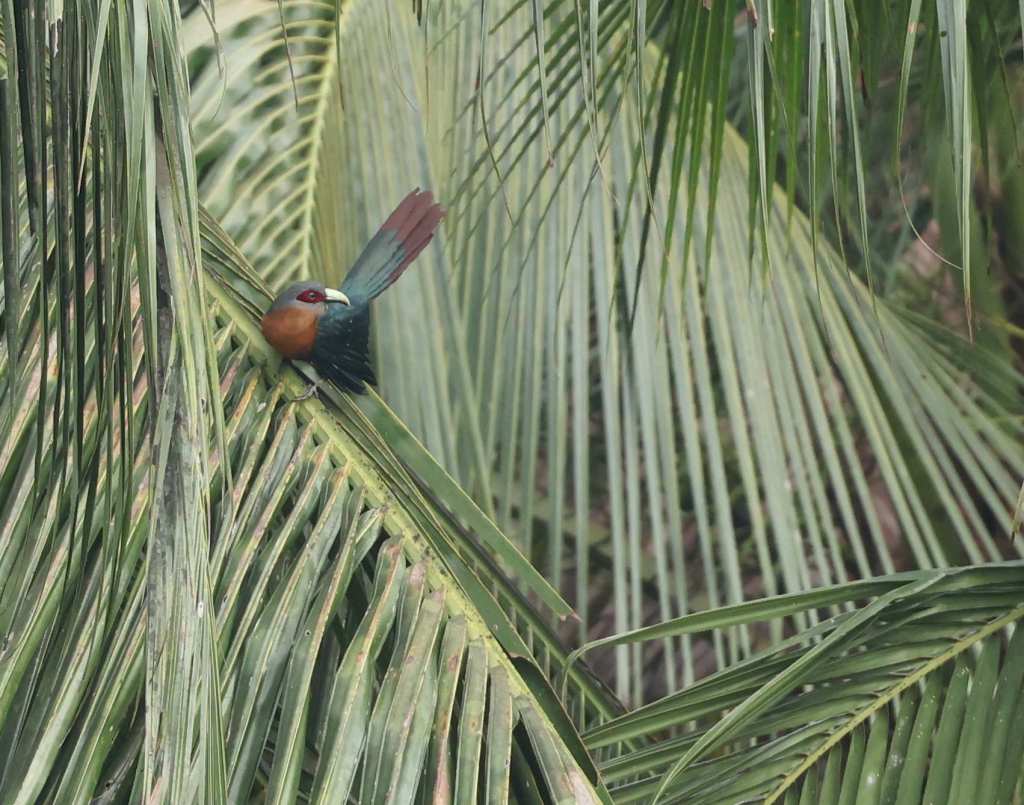
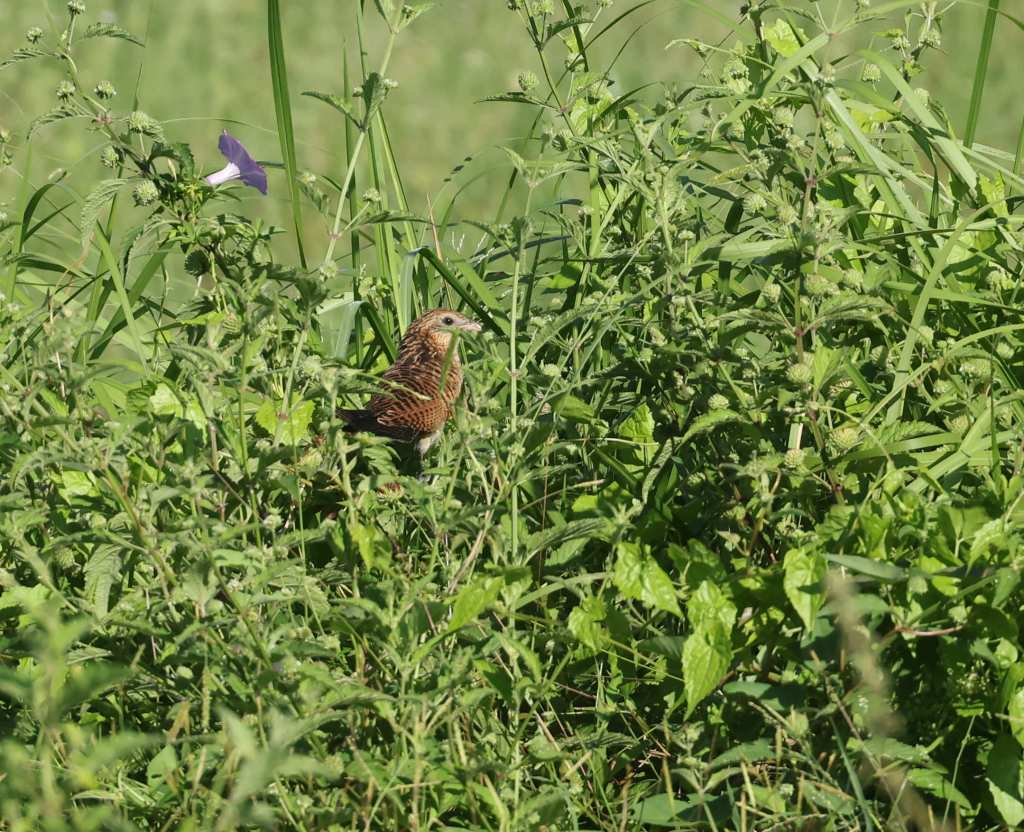
I also saw Chestnut-Breasted Malkoha and Lesser Coucal here, though my photos of these lovely birds were nothing to write home about. In any case it was nice to see them (they were birds I was familiar with from Penang and Singapore…)
Ubud – Campuhan Ridge Trail
Campuhan Ridge is a popular walking trail in Ubud. It seems to attract a few people, in my experience. Be aware that there are two eBird hotspots named for it in Ubud – the western-most one is the “real” one!
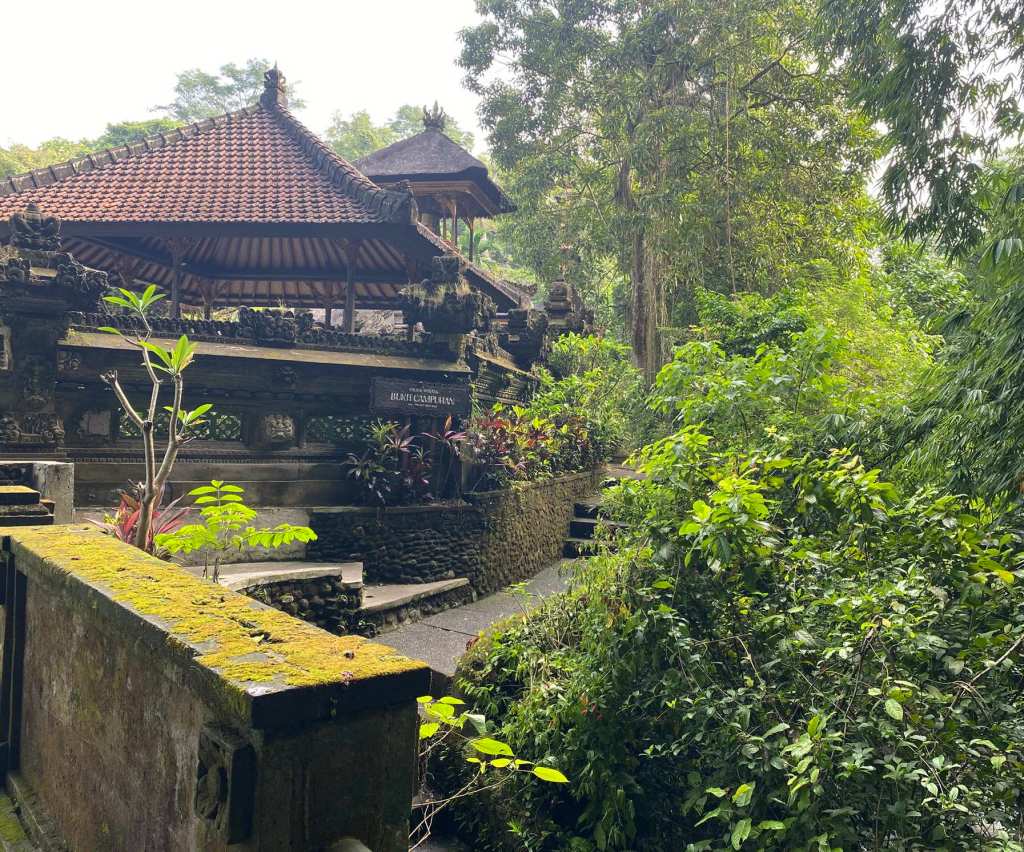
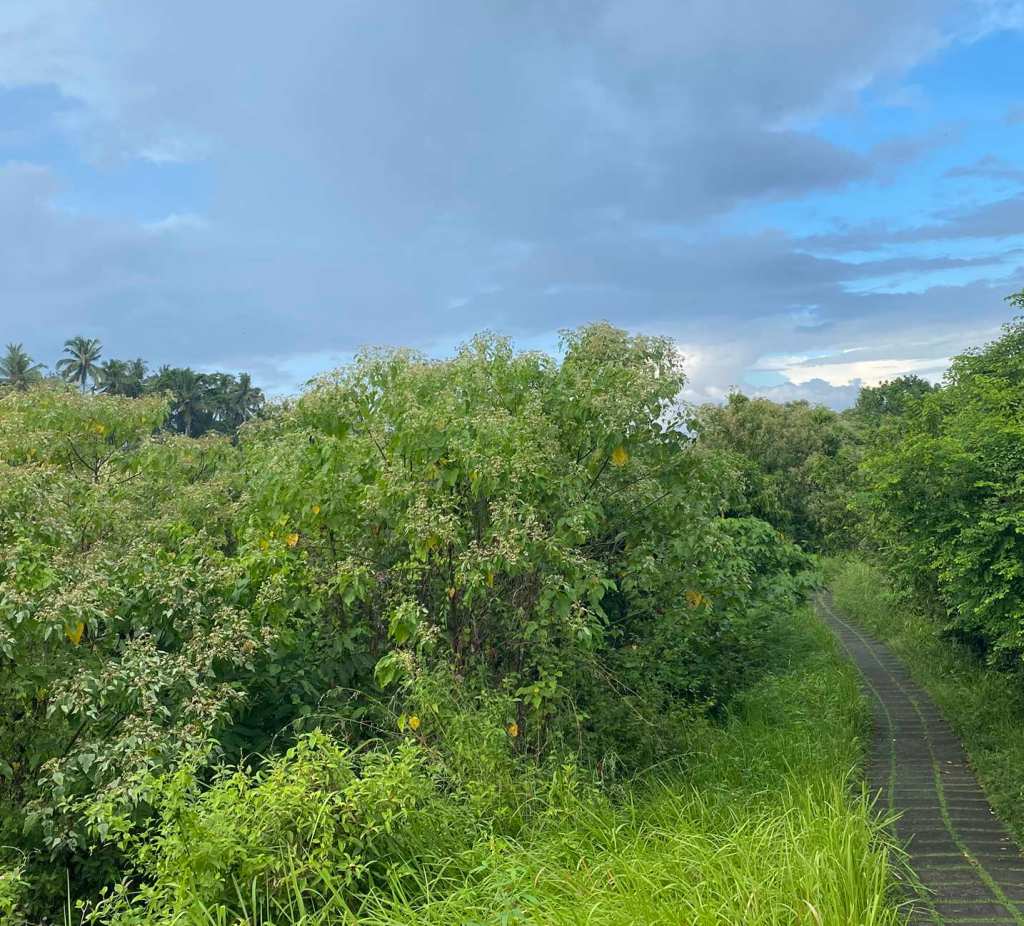
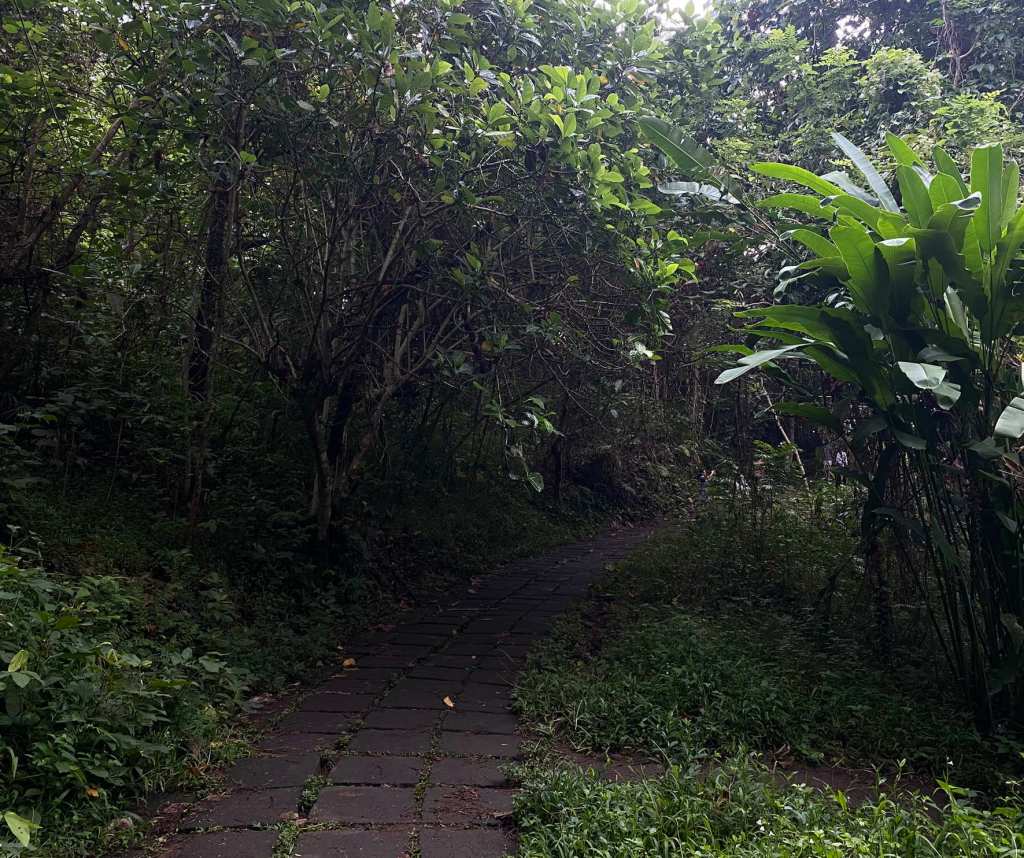
I didn’t have that great a time birding on Campuhan Ridge. The feature which distinguishes it from the nearby Sweet Orange Trail are the massive tangles of trees and bush that line the long, sometimes slippery path, and this vegetation does indeed attract birds, but it is decidedly difficult to actually get much of a look them. I had several frustrating moments of hearing birds (like Coucals and other mystery skulkers) without laying eyes on them.
I did see a few Grey-Cheeked Pigeons, some of which were intent on collecting nesting material, while you are – 100%, without a doubt – going to see Bali’s most common bird, the Yellow-Vented Bulbul here too.
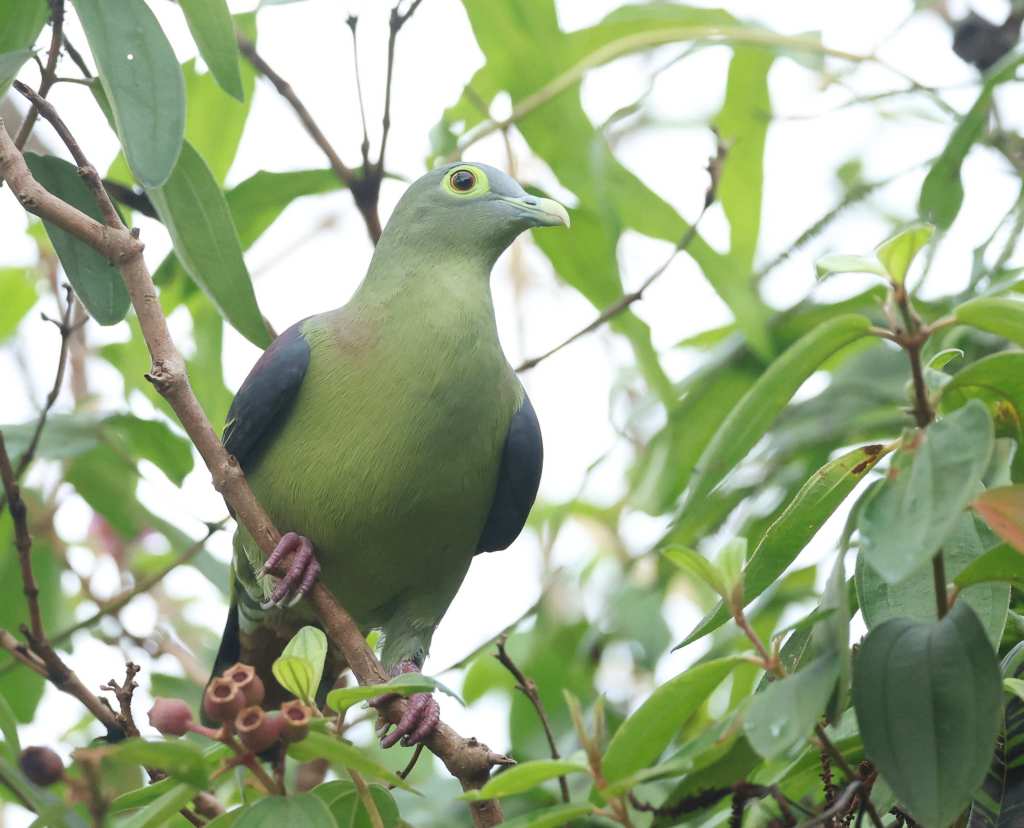
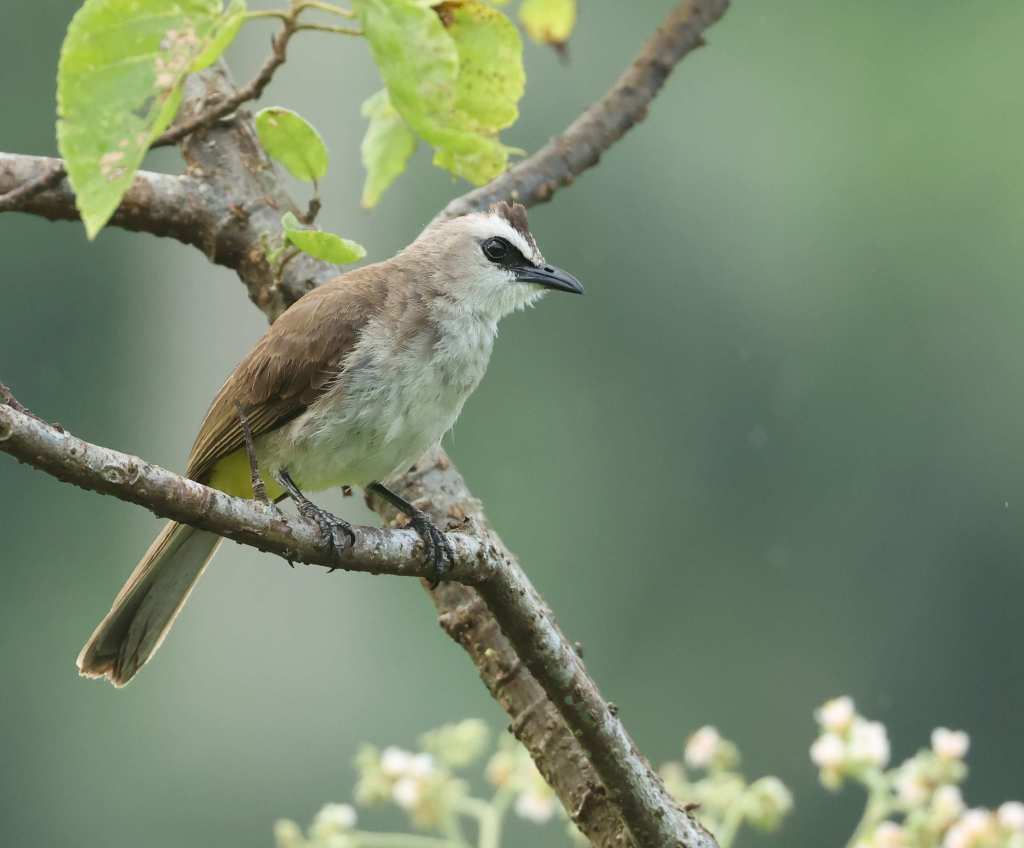
I achieved a poor view of a Chestnut-Breasted Malkoha and a terrible half-glimpse of a Square-Tailed Drongo-Cuckoo. Common Iora and Ornate Sunbird rounded out my checklist of just 11 species. Maybe another day might have been better…
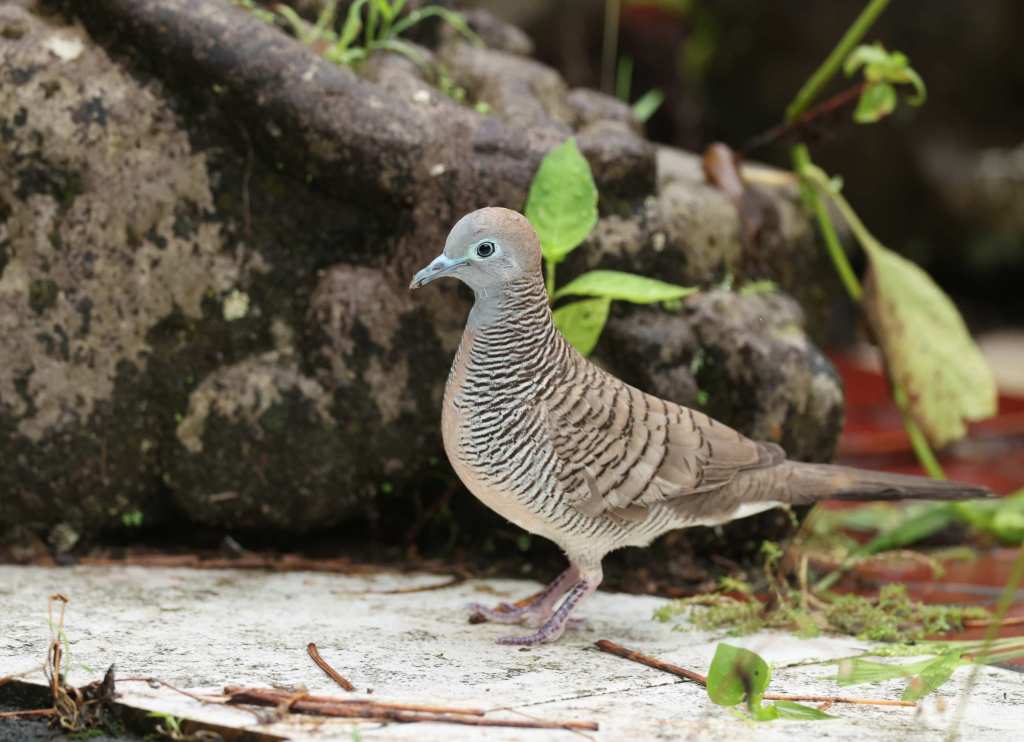
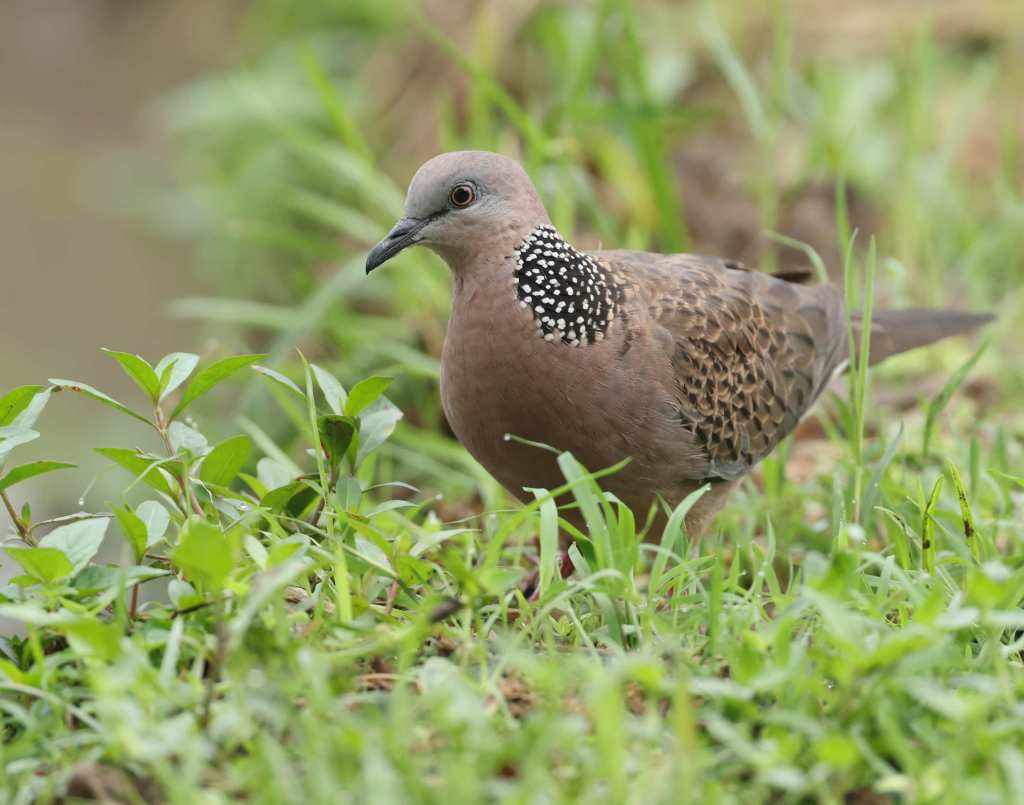
Oh, I should also mention doves. If you like doves, Bali is going to be heaven for you, as they are just everywhere, Ubud included. Spotted Doves and Zebra Doves are the most common.
Bedugul and The Bali Botanical Gardens
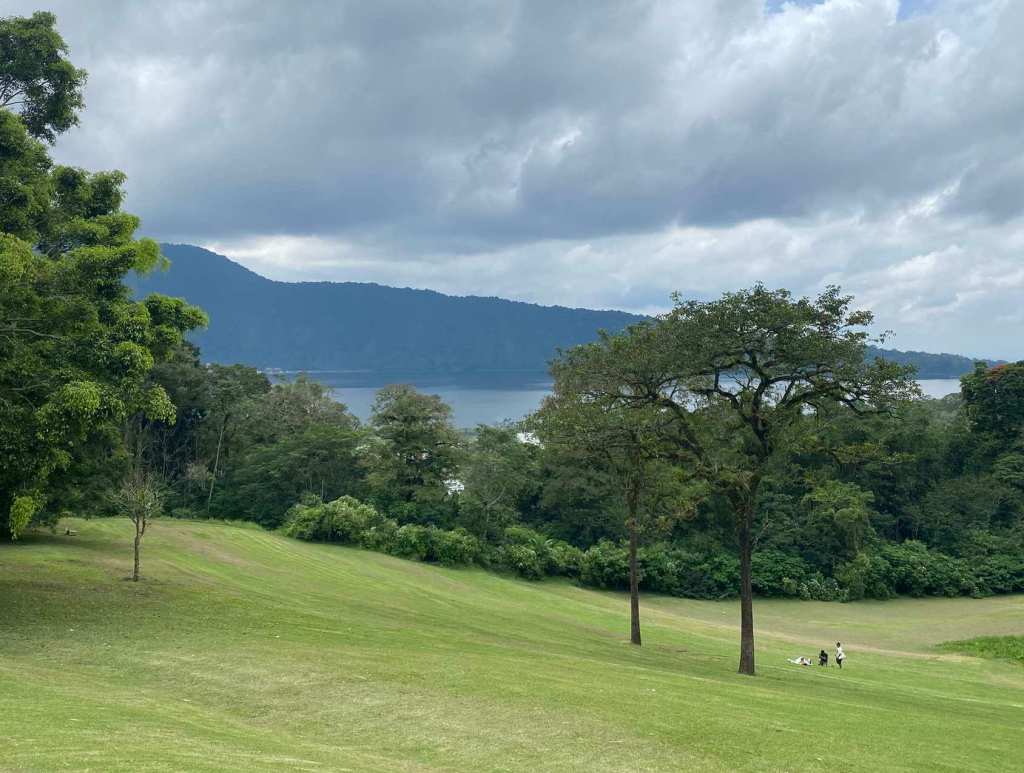
Bedugul is roughly in the centre of Bali and sits at about 1500m altitude. For this reason, there are some mountain species you’ll get here, and the Bali Botanical Gardens on the west edge of town is the perfect place to see them. At 157 hectares apparently it’s the largest botanical garden in Indonesia.
The streets around the botanic gardens are worth exploring too: as I stayed quite near, I garnered something of an impression of what was here: Striated Grassbirds greeted me most mornings on power lines; Long-Tailed Shrikes were a mainstay; Collared Kingfishers were also regulars patrolling the fields and yards. I even saw a lovely Little Pied Flycatcher once.
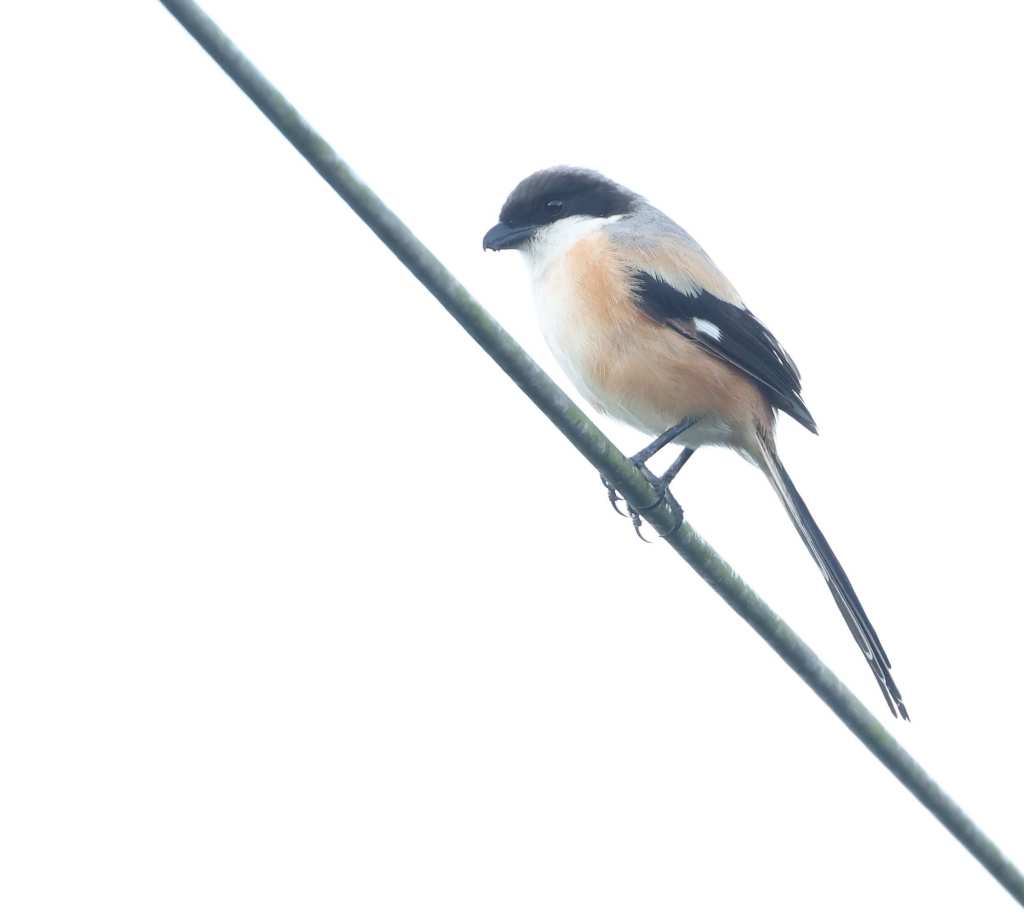
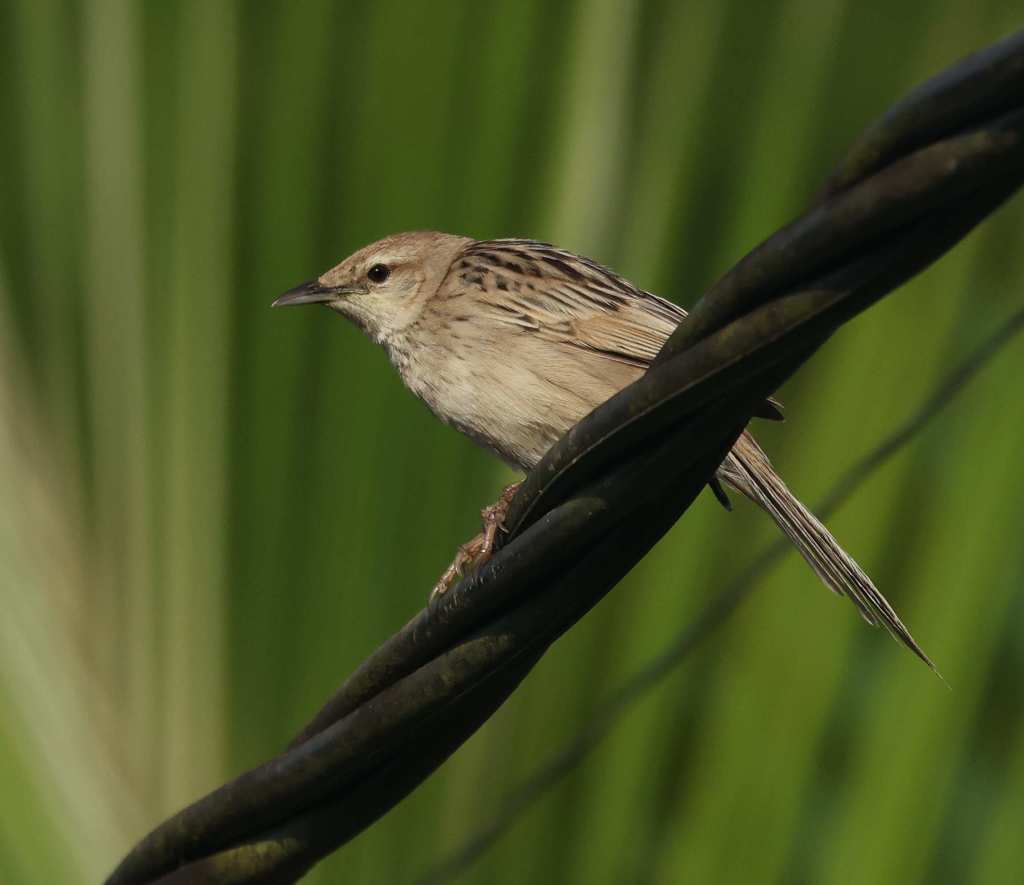
The Botanical Gardens is a large and sprawling affair comprising several different types of habitat including extensive forest. It opens at 8am, which is a bit later than the sunrise time of between 6am and 6:30am (depending on time of year). It would be better if it opened earlier, so you could maximise those precious few hours after sunrise when birds are most active and before it gets too hot. By 10am or so, typically bird noises in the gardens were subdued and activity much lower – so aim to make the most of those first hours from 8am onwards.
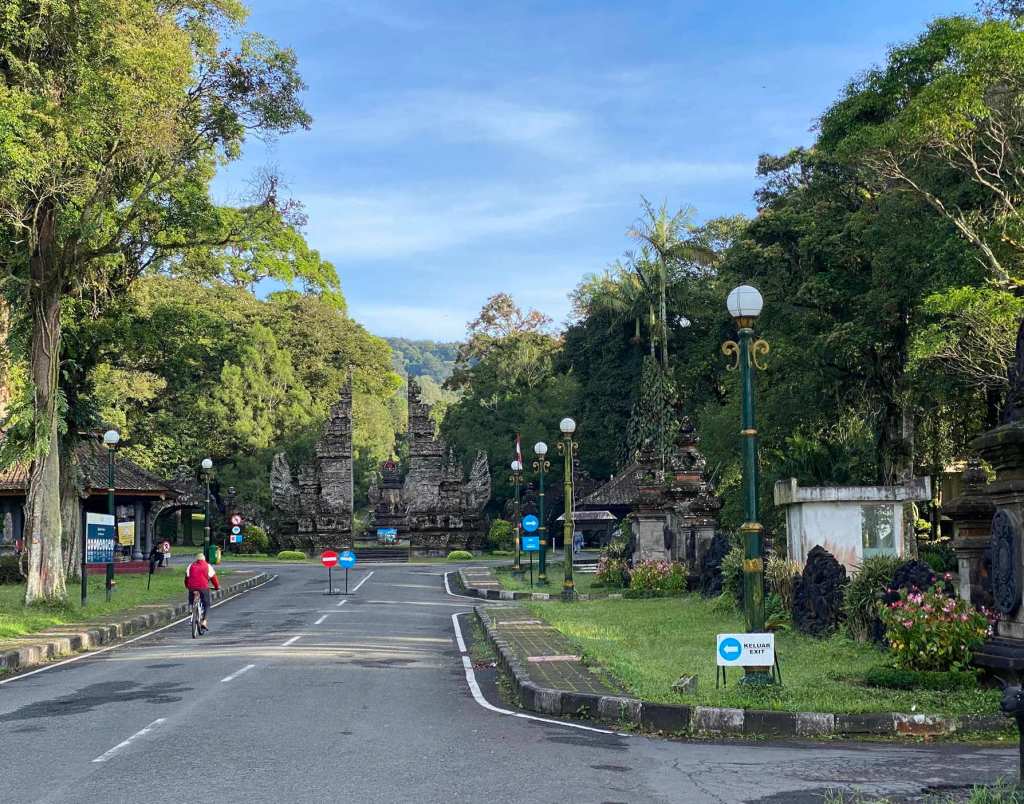
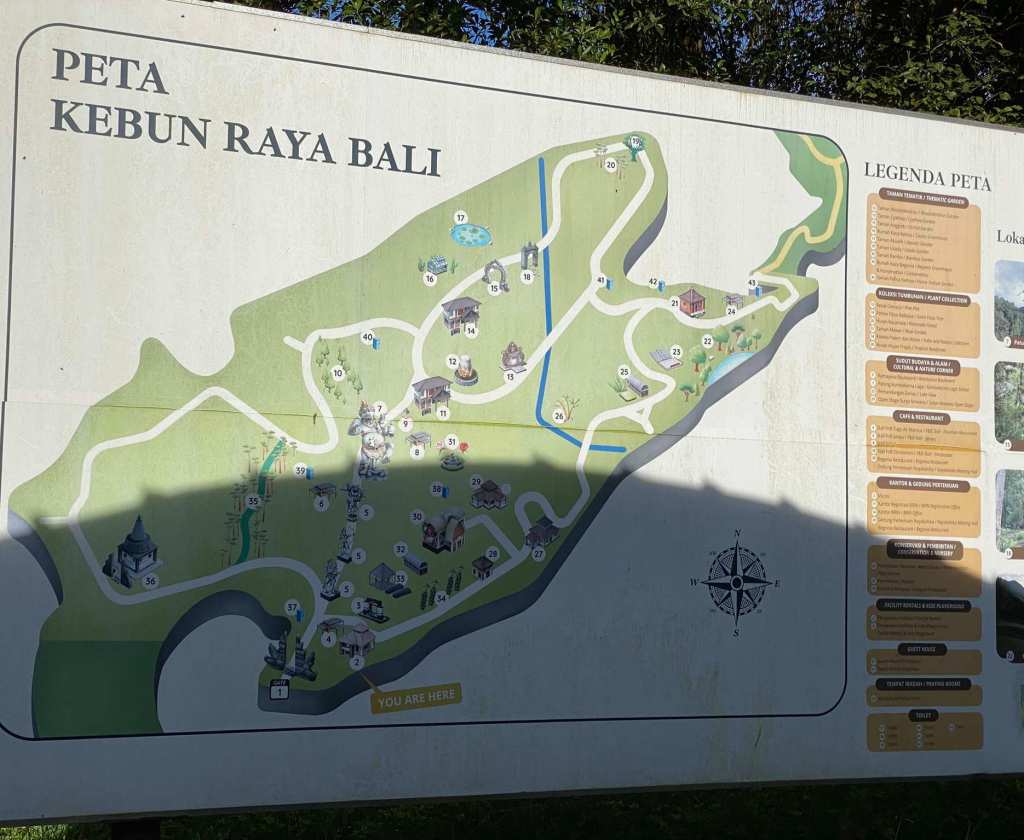
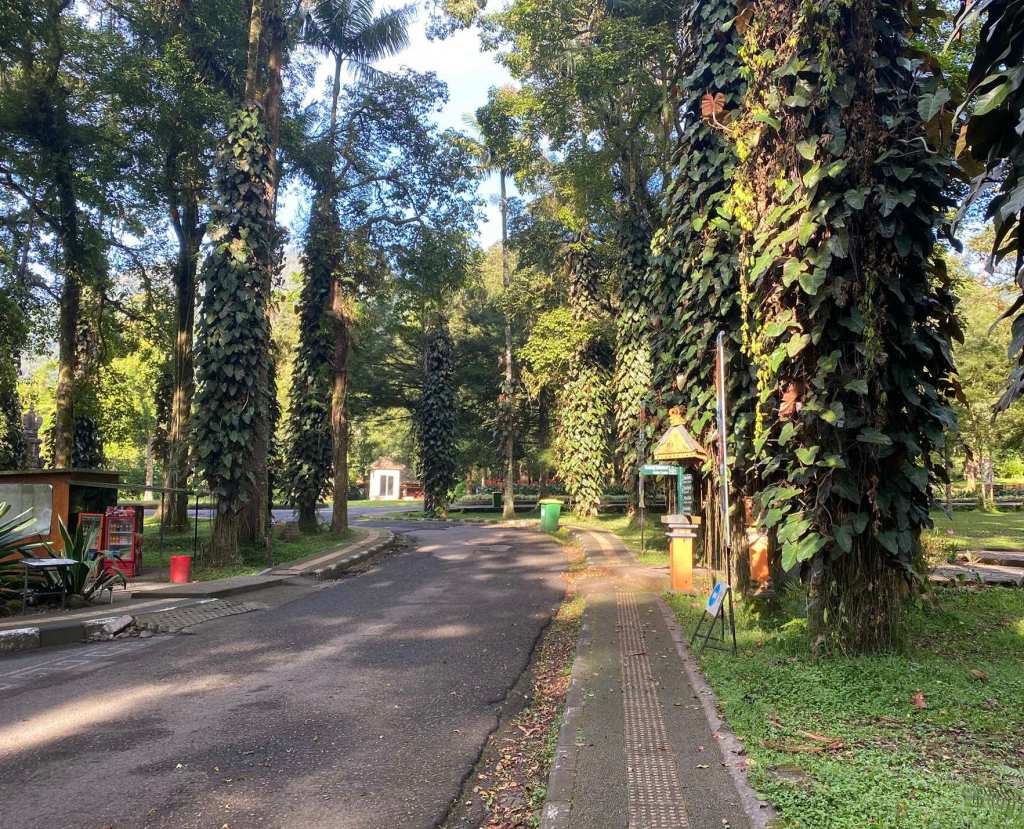
Prior to 8am, you can always hang around looking for birds in the surrounding streets, or in the gardens’ car park/entry area. I found a Javan Flowerpecker right by the gate, for example, and observed how similar it was to Australia’s only flowerpecker, the Mistletoebird.
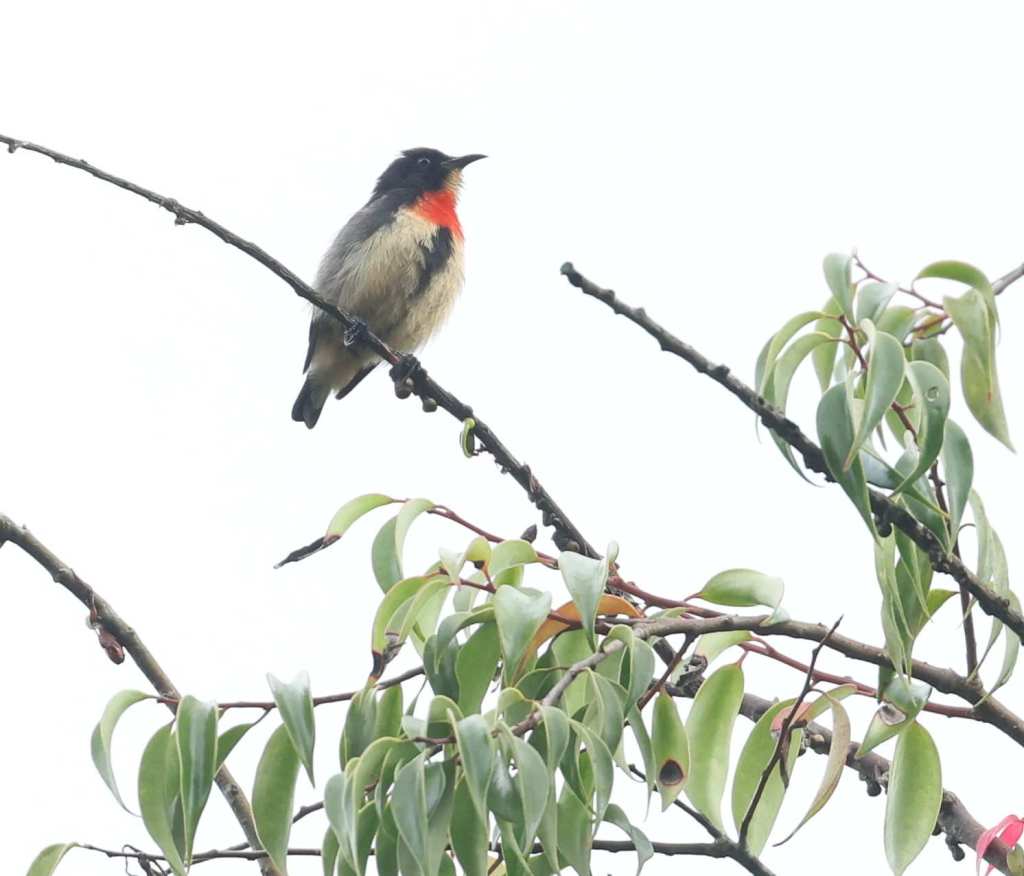
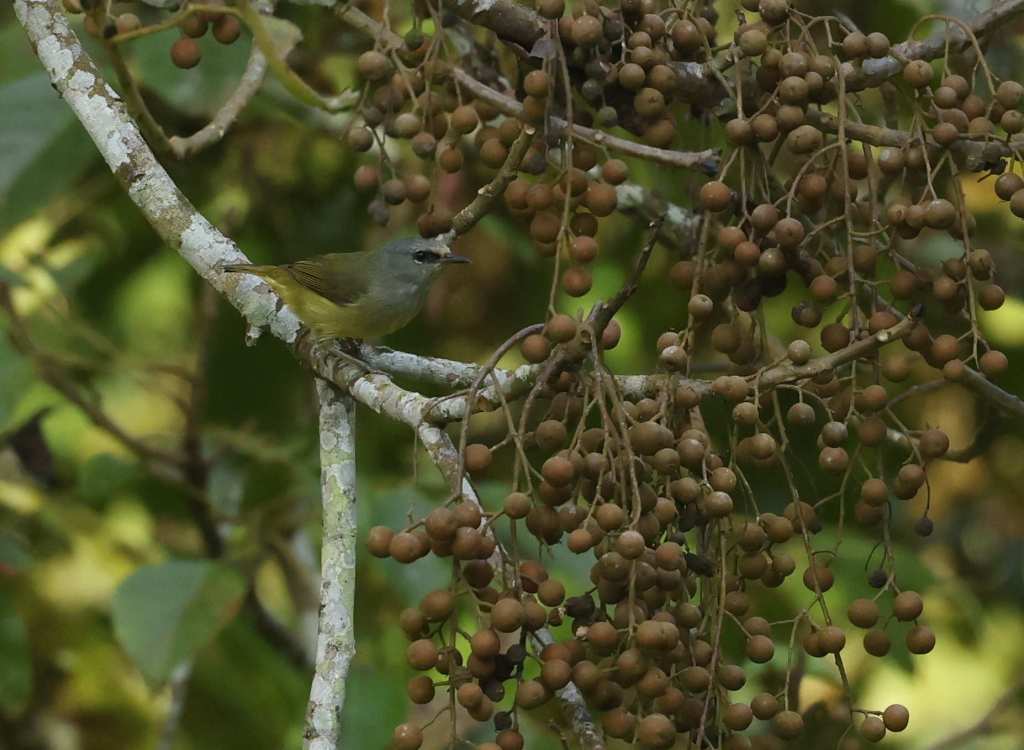
Examining the high canopy yielded such gems as Black-Winged Flycatcher-Shrike (bit of a mouthful, that bird name), and Javan Heleias, which turned out to be very common here and sometimes roamed in large flocks (their presence is suppressed in eBird due to being classed as a Sensitive species).
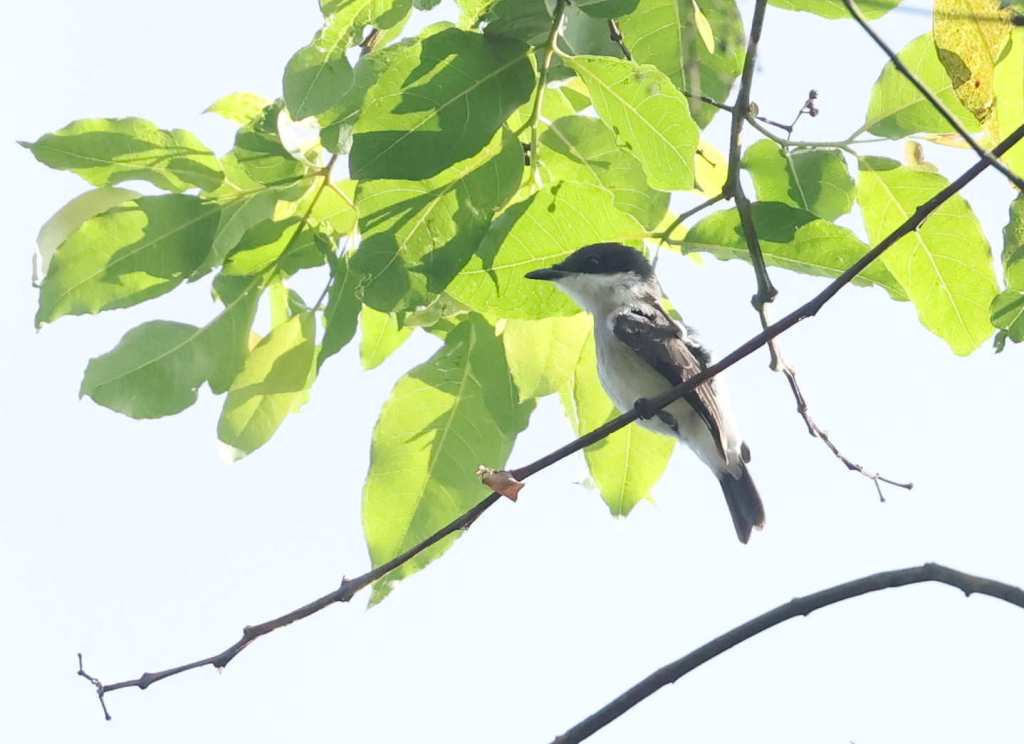
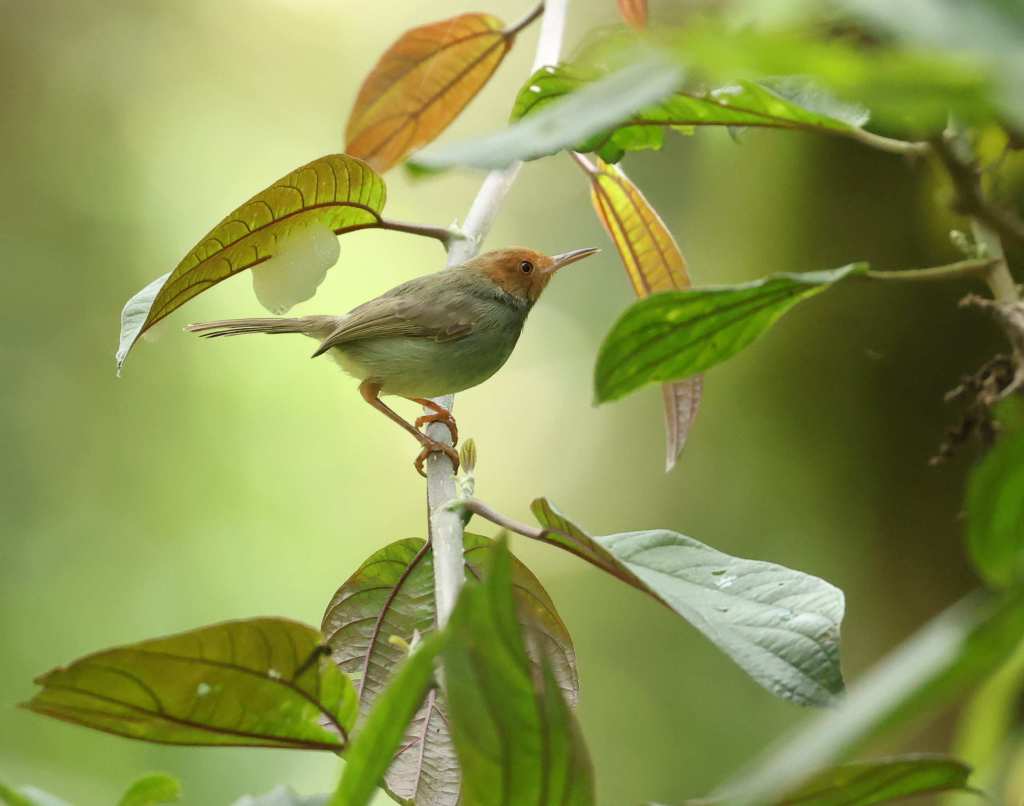
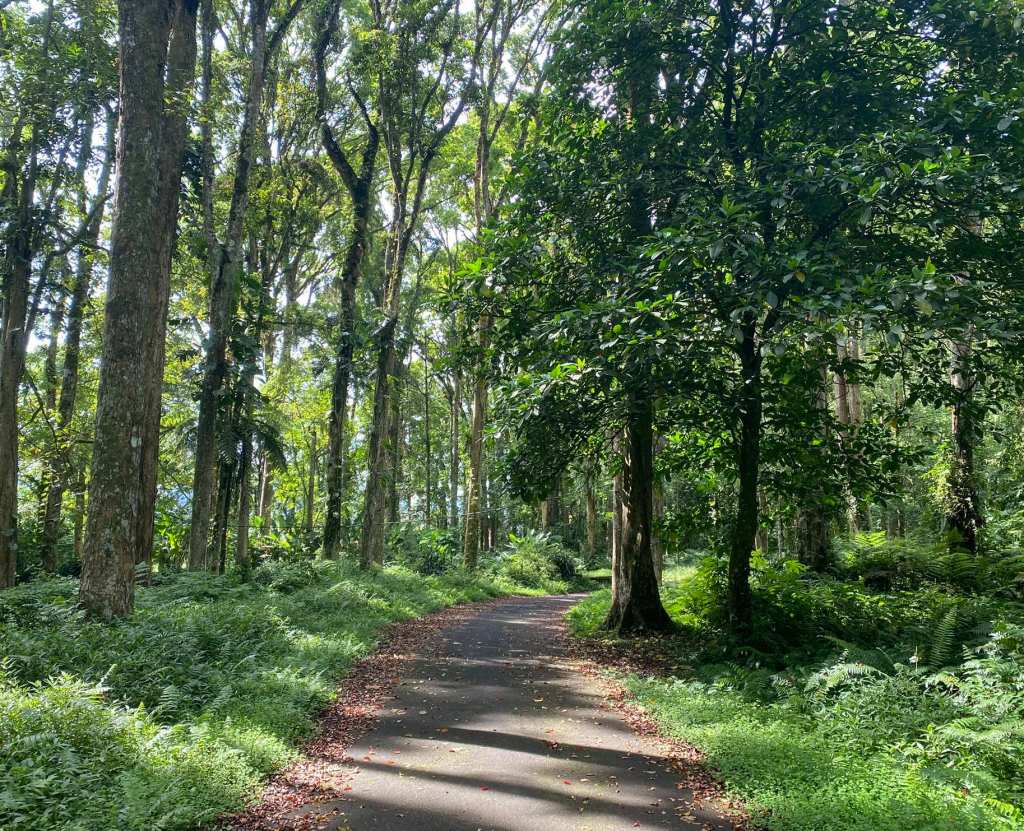
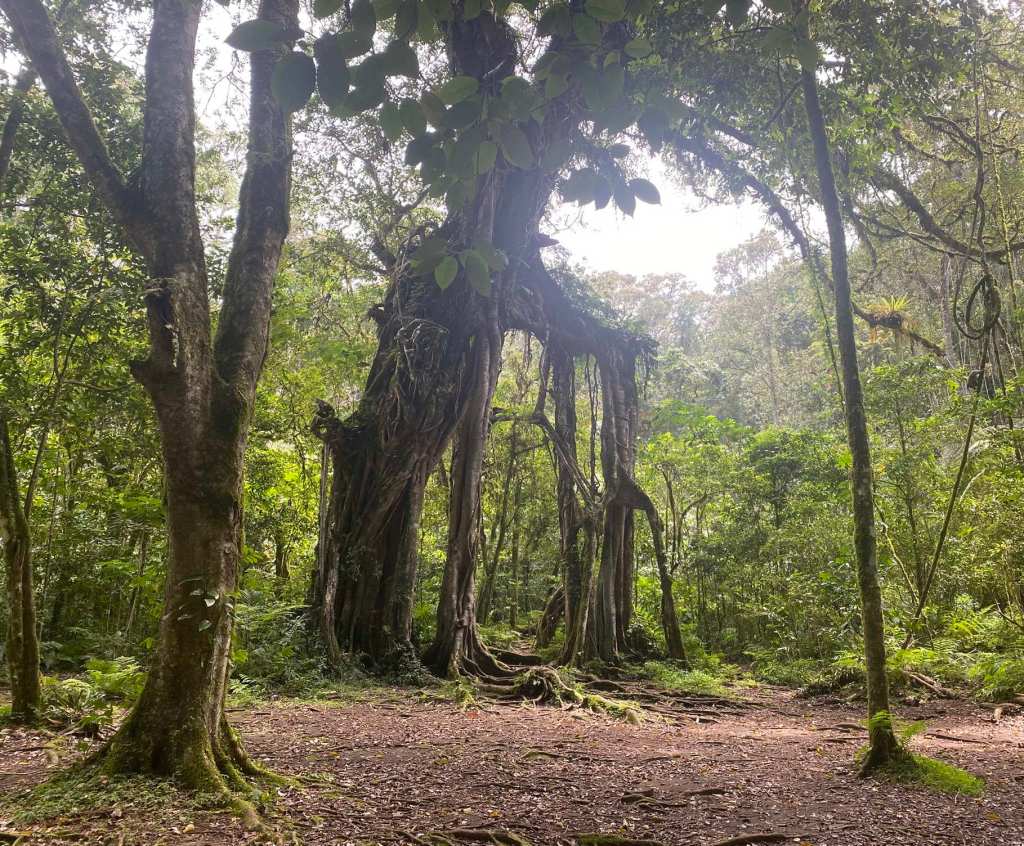
One of my favourite sections of the botanic gardens was the “rainforest” section, accessed by a long curved road immediately to the left after the entry. Here I saw a host of cool birds: Olive-Backed Tailorbird, Scarlet Minivet, Mountain Leaf Warbler, Oriental Cuckooshrike, Black-Naped Oriole, Little Pied Flycatcher and Fulvous-Chested Jungle Flycatcher.
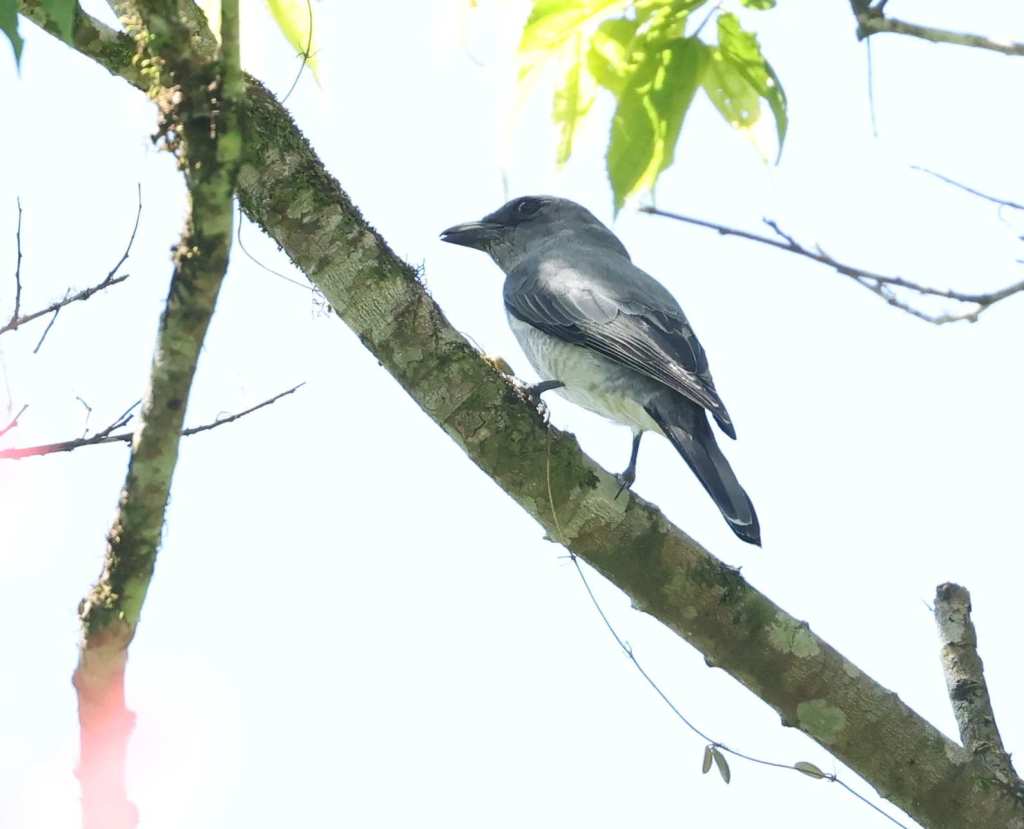
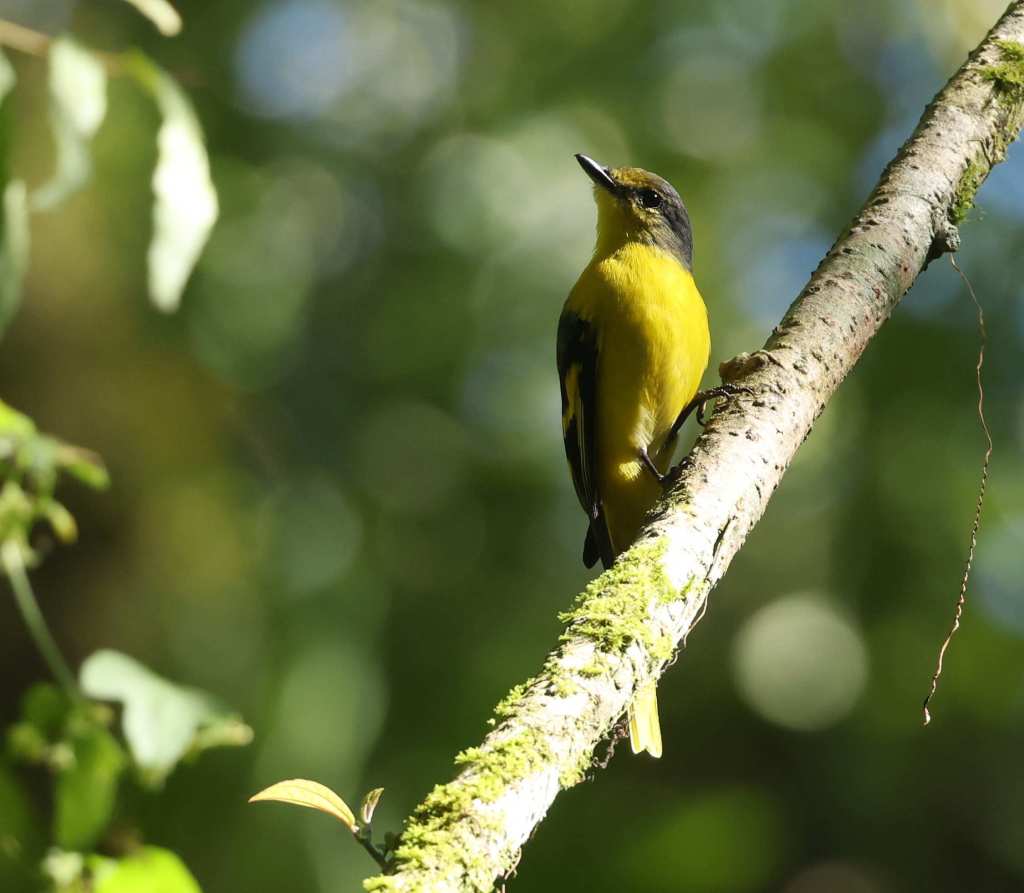
Many of these were high up or difficult to see, such is the nature of rainforest, so you need to channel your inner zen to avoid frustration. And pretty much every second bird here was a Javan Heleia, so numerous were they.
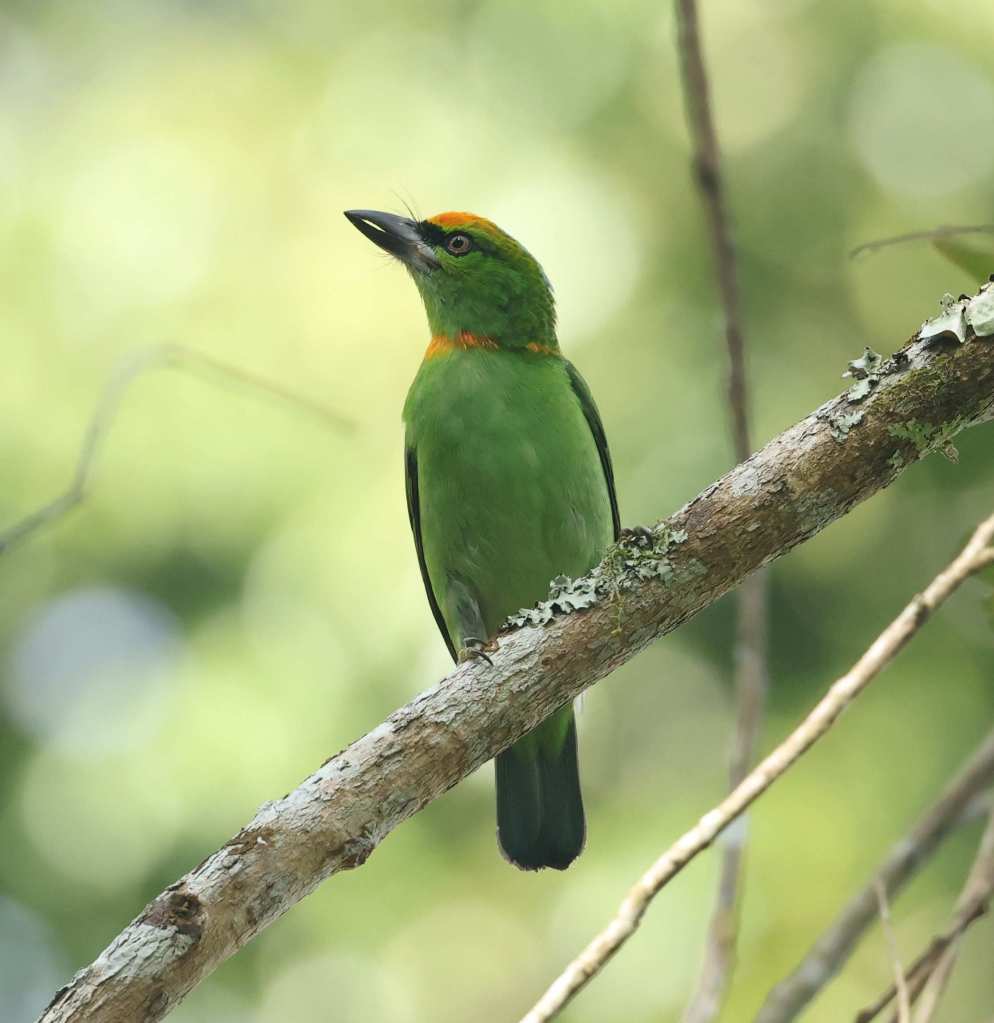
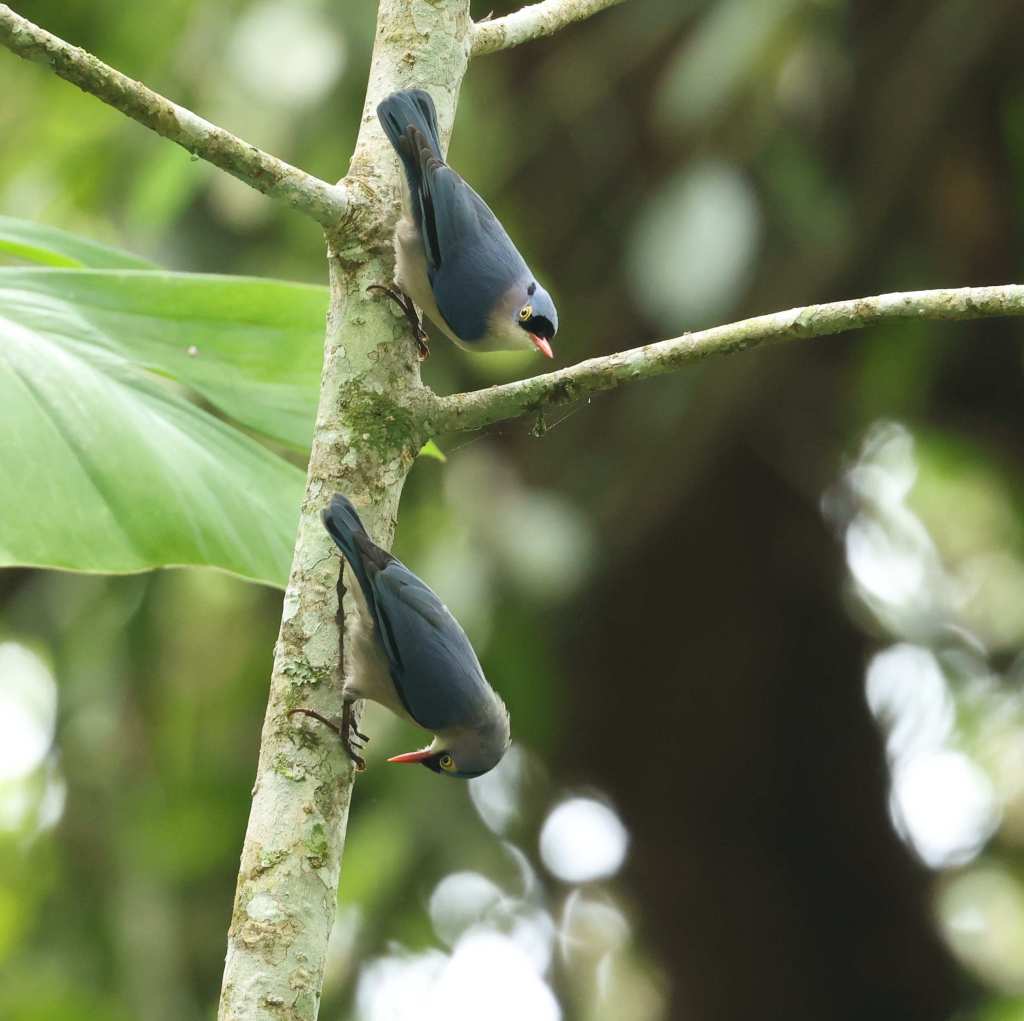
In the more open areas of the gardens I found a couple of awesome Flame-Fronted Barbets, and once I recognised their call, I realised that the gardens were full of them, calling to each other all day long. Other highlights included the adorable and vividly-coloured Velvet-Fronted Nuthatch, Grey-Cheeked Green-Pigeon and Sunda Brush Cuckoo, with the latter two species belonging to that broad category of “terrible record photo taken but glad to have seen the bird at least”.
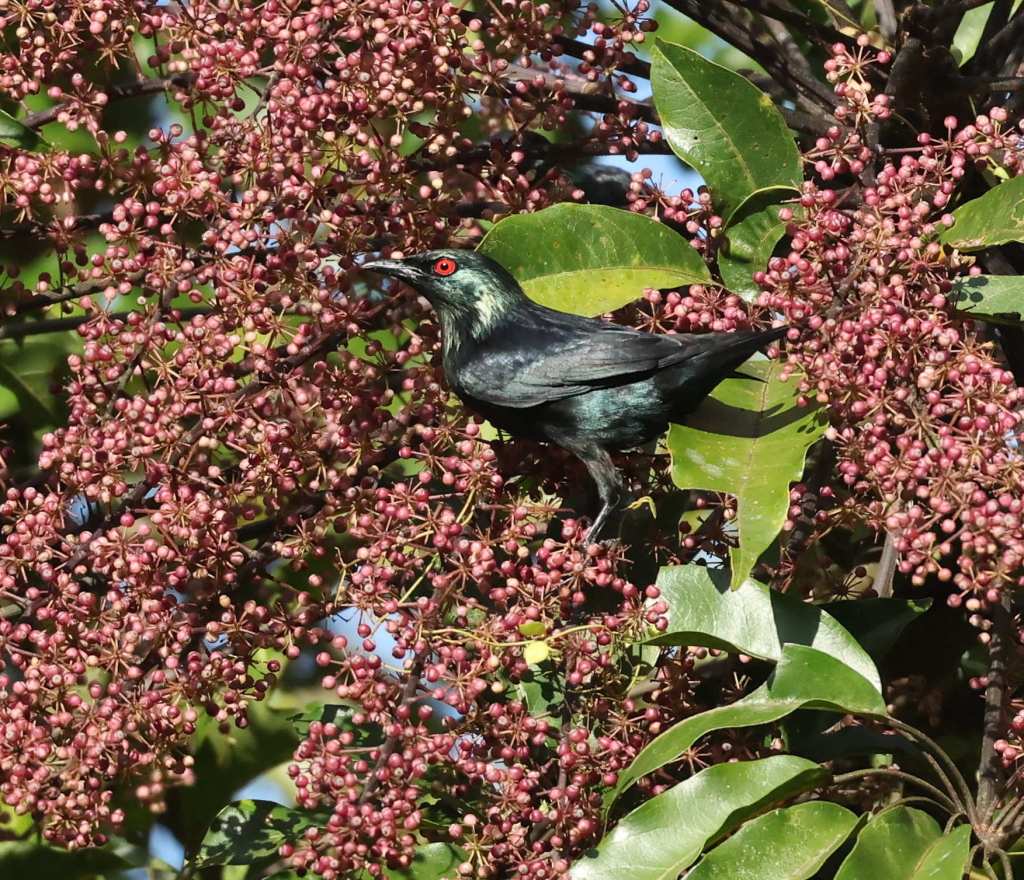
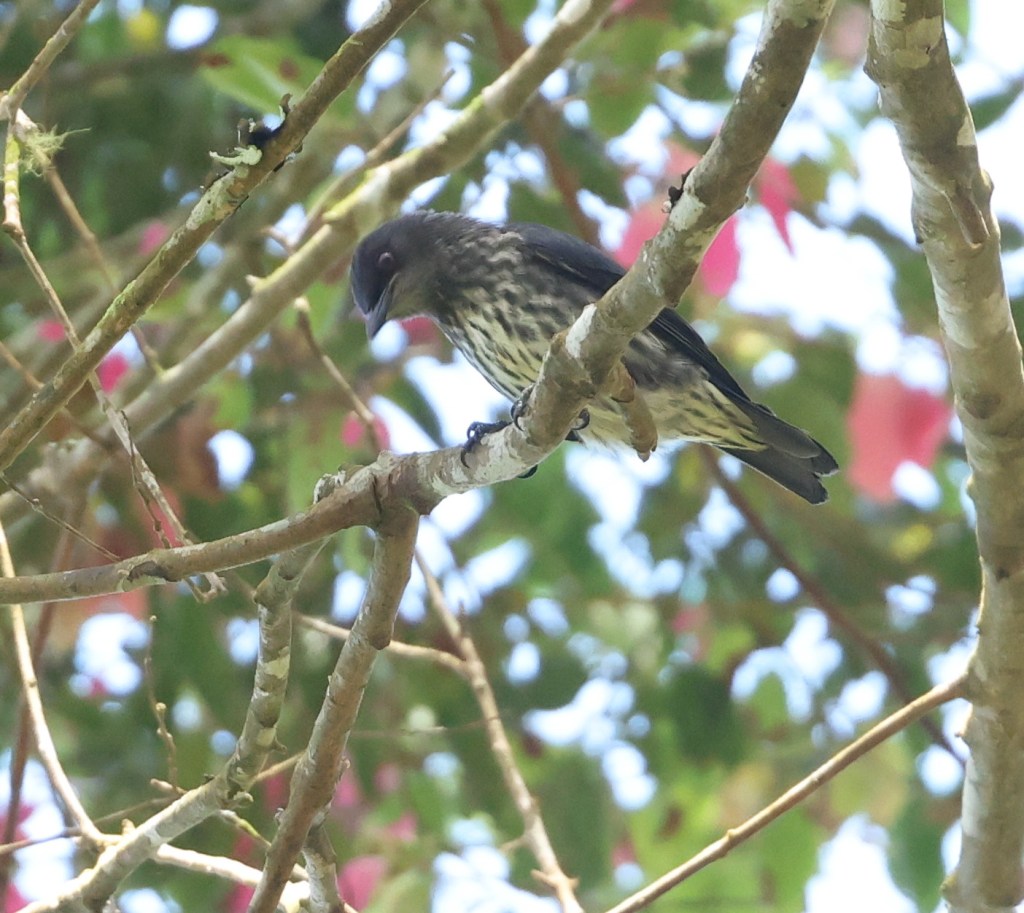
There are two starling species to watch out for here: Asian Glossy Starling and Short-Tailed Starling. They are very similar and I must say it was difficult in the field to tell them apart – the tail length difference is rather subtle.
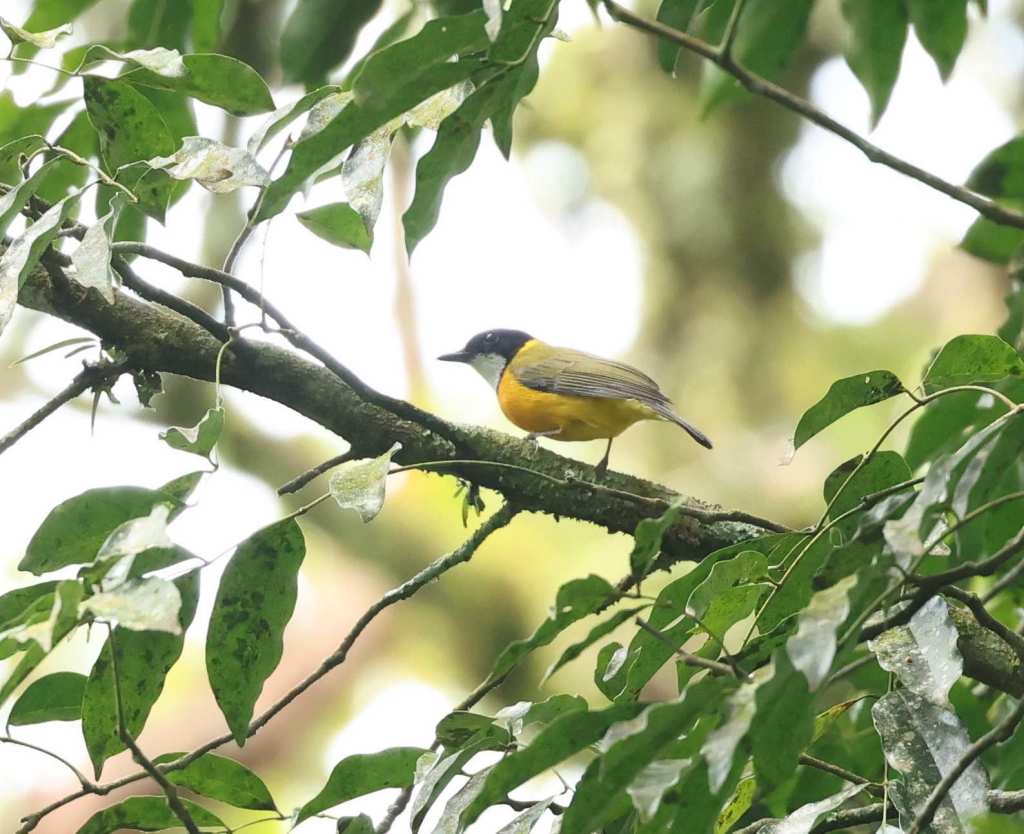
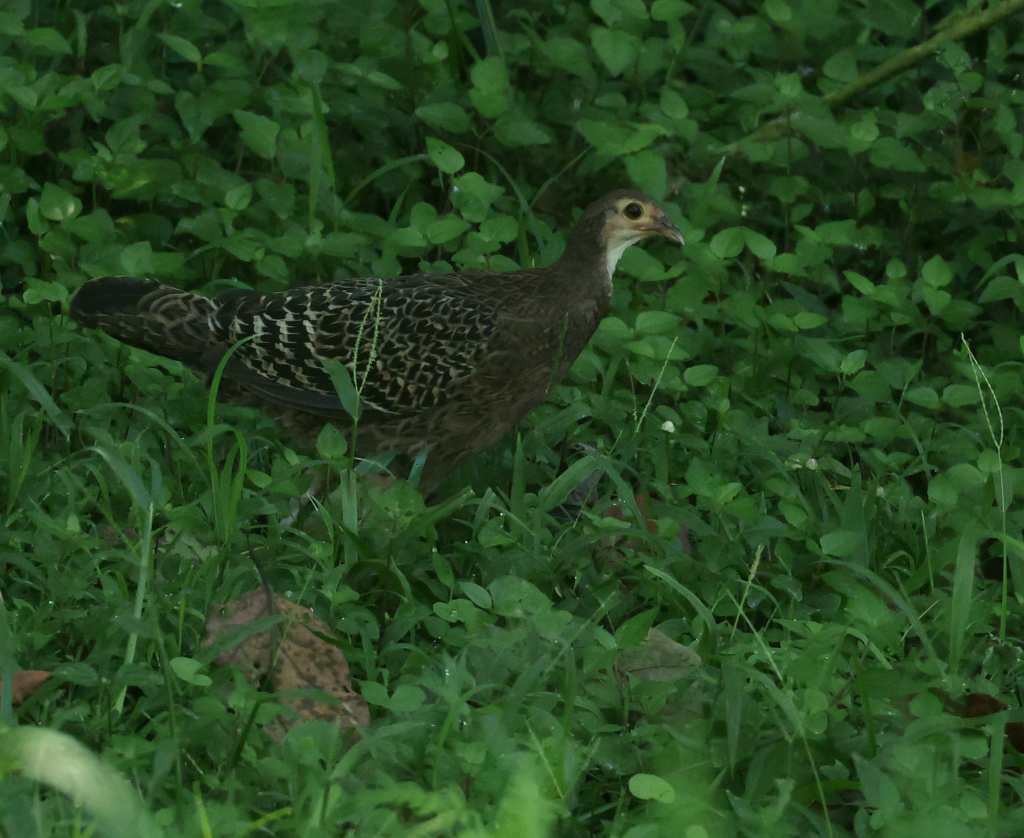
Indonesian endemic Tengarra Whistler, closely resembling Australia’s Golden Whistler, was a good find, while it took me a long while to finally get a look at one of the garden’s supposedly common birds and one of the few that roams at ground level, the Green Junglefowl. These were a bit more common in parts of West Bali National Park (see later).
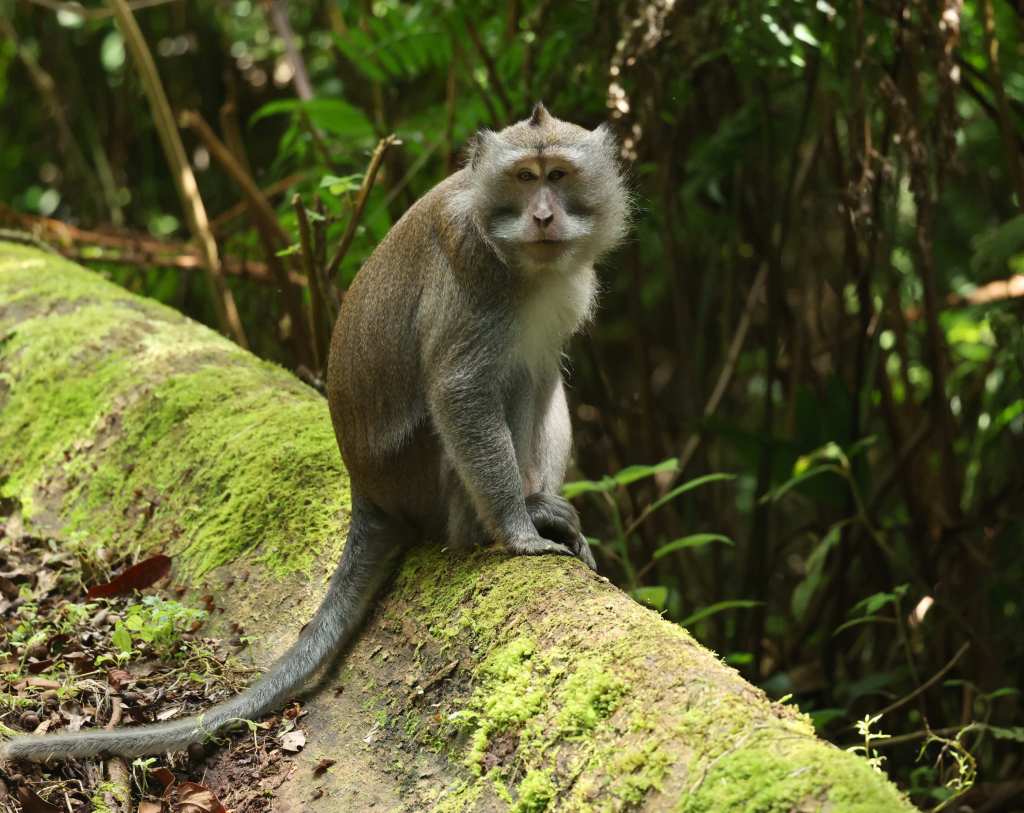
Apart from birds, I came across a troupe of Balinese Long-Tailed Macaque; these mammals are pretty common around Bali.
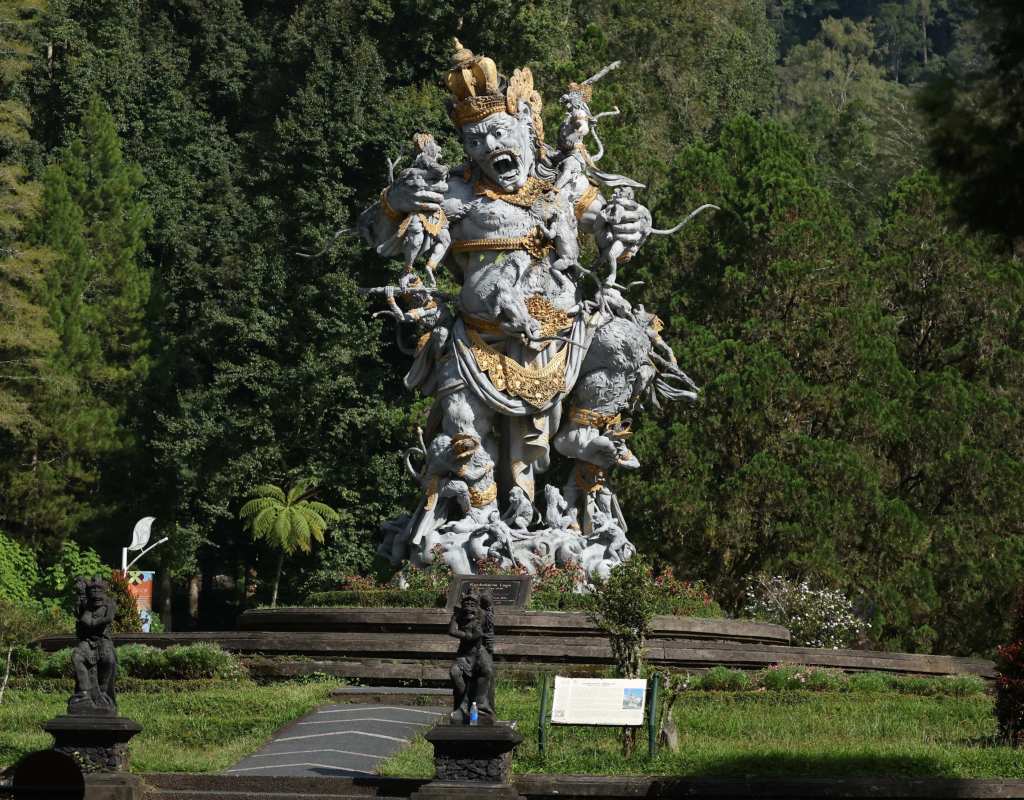
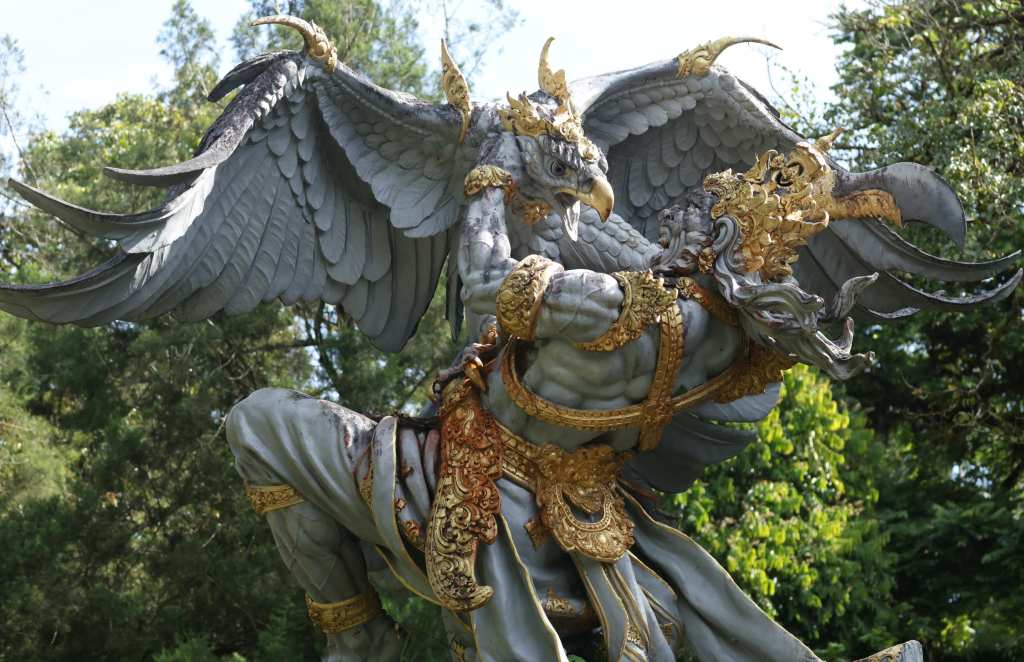
The gardens are very well-kept, there are plenty of toilets, there are seats and pagodas to rest on/in, and to top it off they have a series of truly epic statues along the main entry road. It’s a terrific place to go birding, despite the understandable frustrations (e.g. “how can I be hearing so many flowerpecker calls and not see any of ’em?!” and “gosh it’s only 11am and I’m boiling hot”).
West Bali – General Area
To tackle west Bali, especially the National Park (Bali Barat NP, ie. West Bali NP), I arranged a customised 3-day tour through BaliBirdingTour. They were able to organise transport to and from Bedugul/Ubud to my accommodation in west Bali. That accommodation was Plataran Menjangan Resort & Spa, another luxury-by-accident pick, which actually lies inside the national park borders. With laudable eco-credentials, they even have a few captive, viewable Bali Mynas being habituated for eventual release.
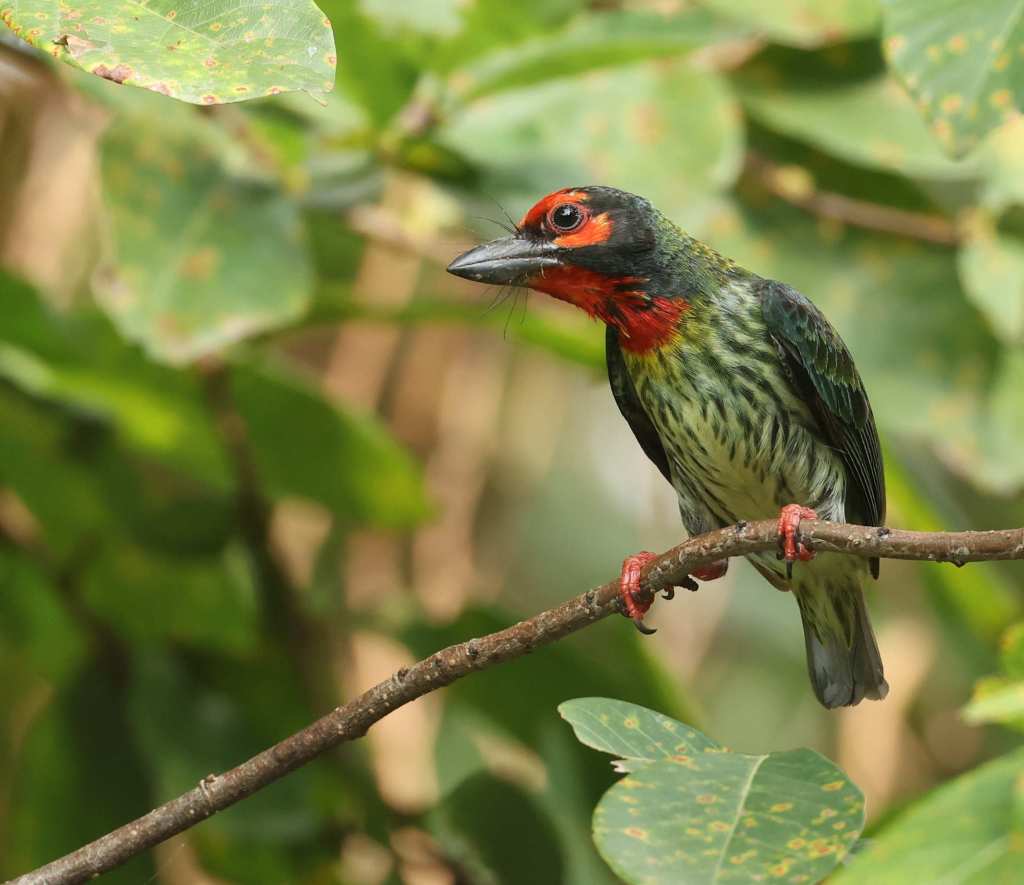
I was familiar with Coppersmith Barbet from Singapore, and they showed up near my villa a few times, as did an Olive-Backed Tailorbird, and a couple of Green Junglefowl. And, oh man, I so nearly nabbed an awesome photo of a Scarlet-Headed Flowerpecker: it flew off from an exposed perch in full sunlight just before I hit the shutter button. Ugggh, I can barely think about it now.
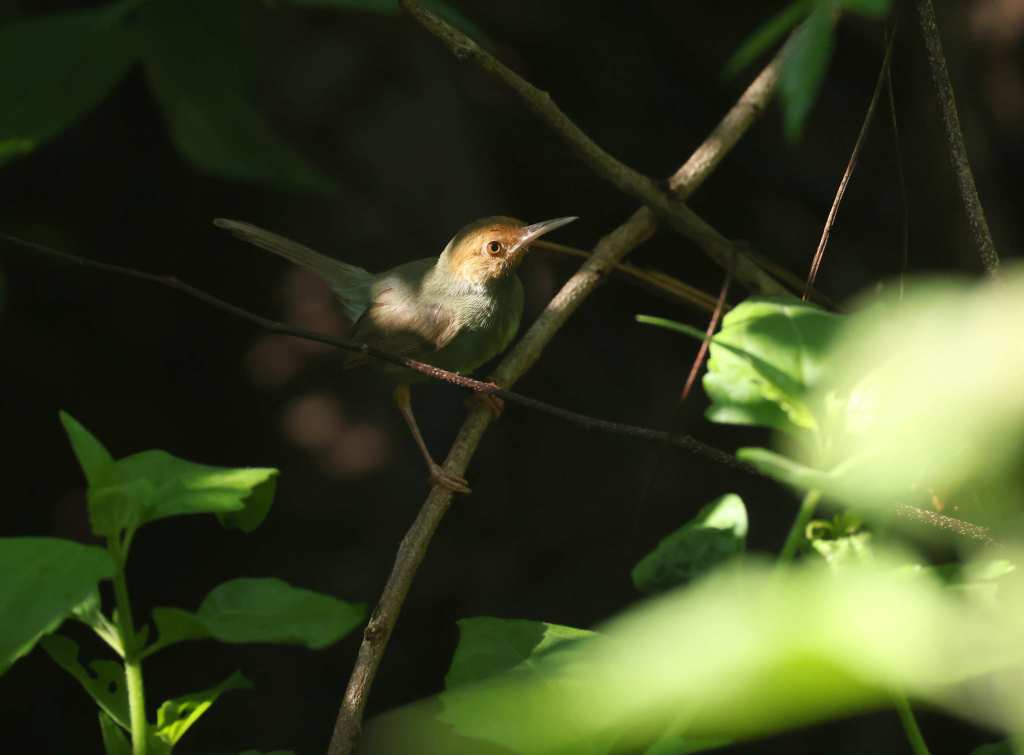
Anyway, we all have stories like that.
The weird thing about the tour was that almost none of it was actually within the National Park, as I had expected, and instead the guide took me to various disparate points all over west Bali. I wasn’t complaining, though, as the driving between each stop provided much-appreciated air conditioning in the vehicle 🙂
For example, there was a site called Grojogan Waterfall which was a pretty random inland rainforest place, where I picked up a bunch of pretty cool birds including Banded Bay Cuckoo, Greater Coucal, Ruby-Throated Bulbul and Yellow-Eared Barbet.
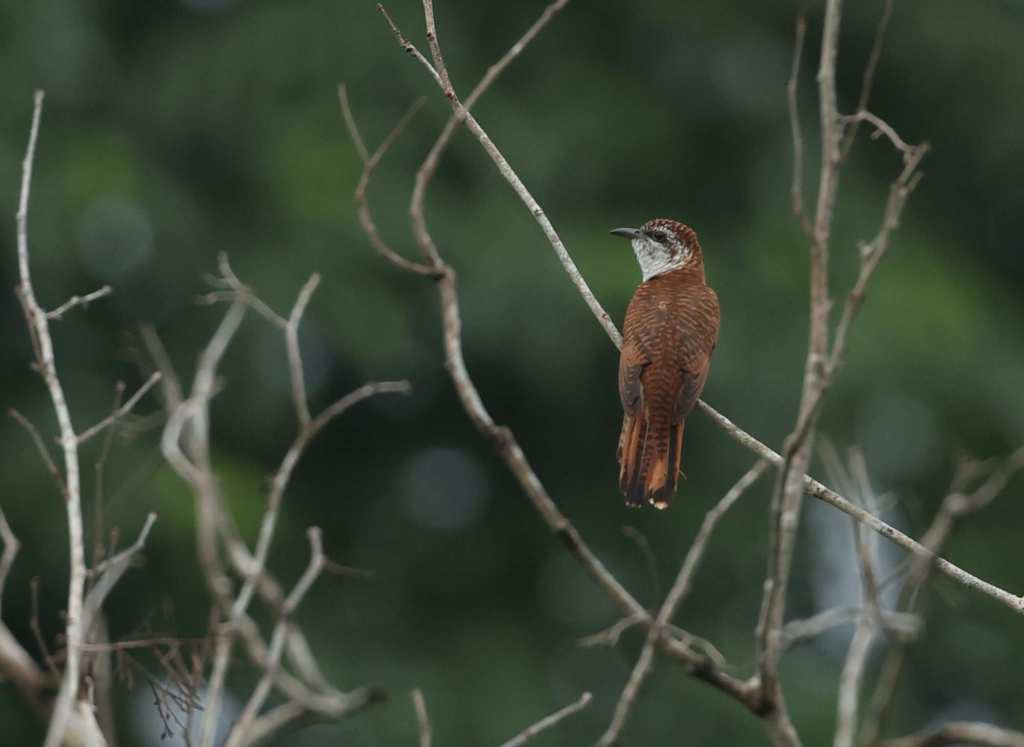
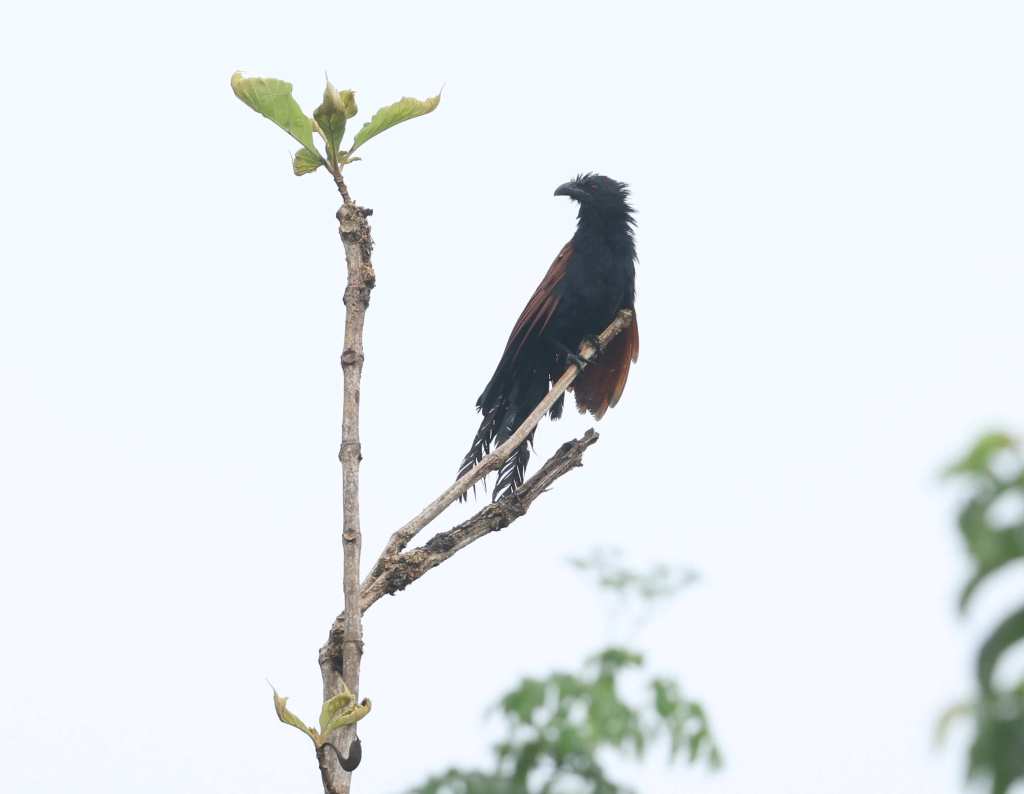
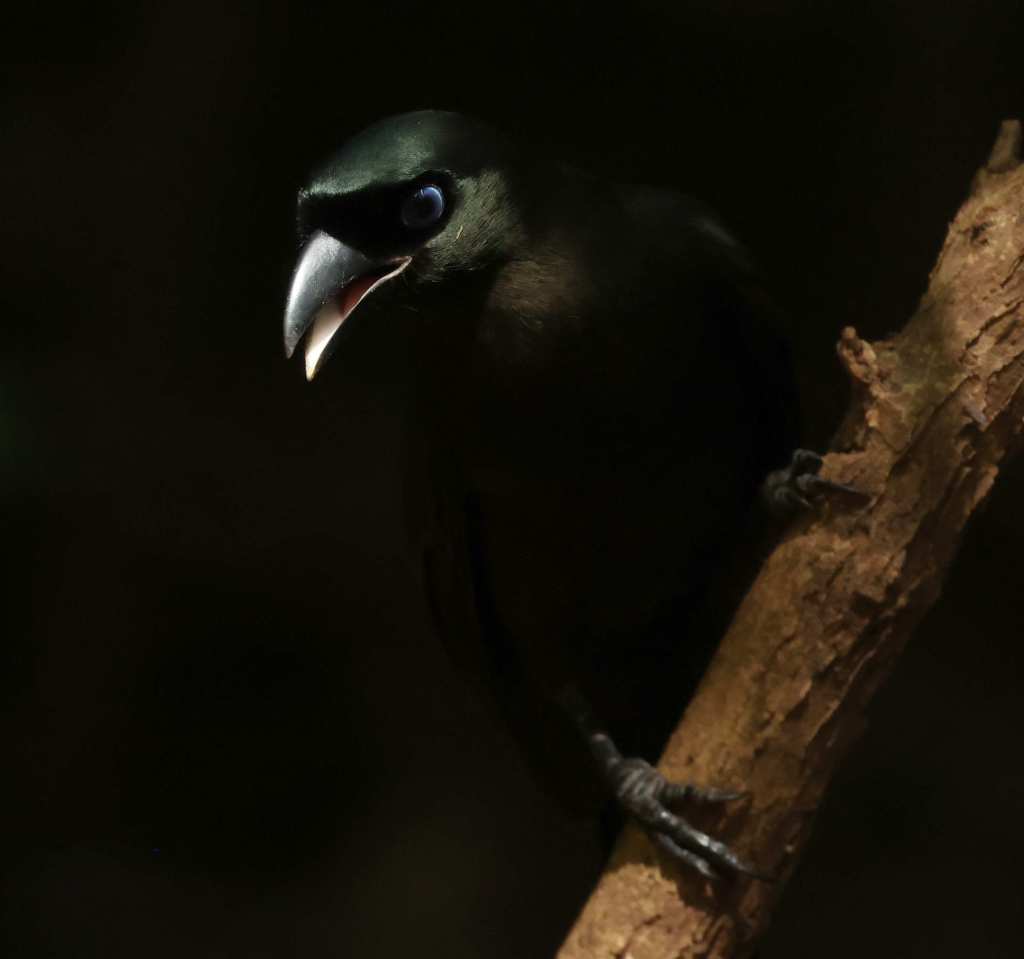
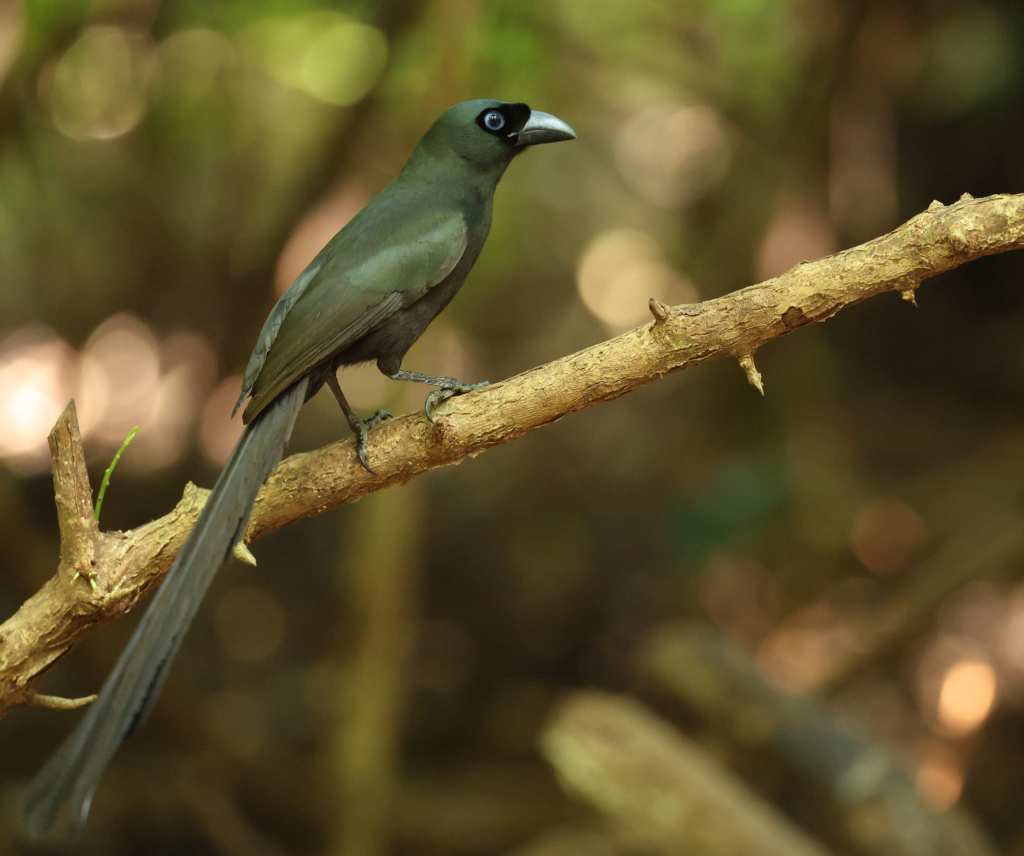
Just within the national park’s boundary is a bird hide that provided a truly memorable experience. Racket-Tailed Treepie was one of the first birds to show up there, and I must say I instantly fell in love with this intriguing corvid, one of around a dozen Treepie species in the world. A very, very cool bird. That long tail!
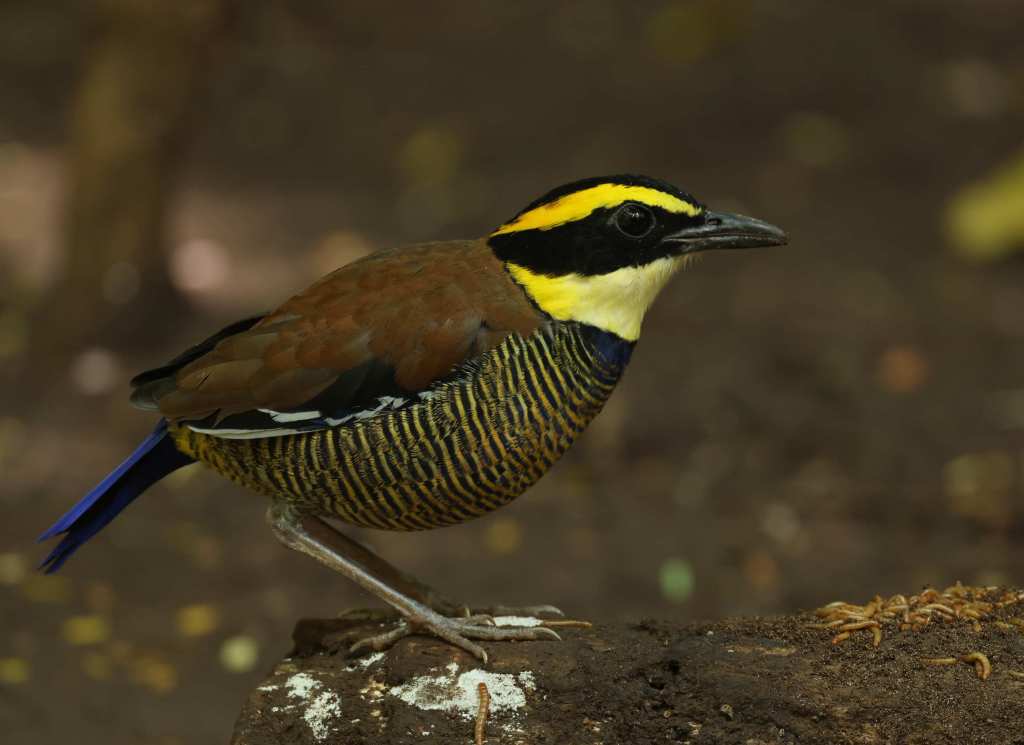
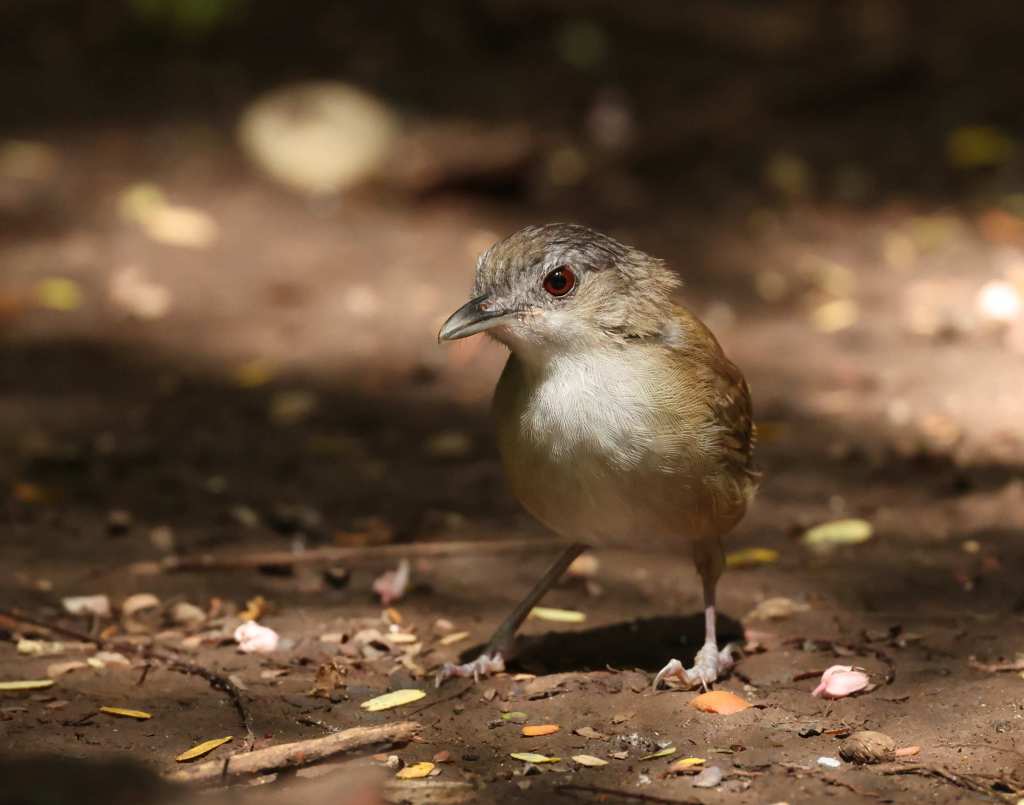
One of the big targets for most birders in the region is going to be Javan Banded-Pitta, and sure enough one turned up fairly soon, sporting its incredible yellow and black pinstripes (and let’s not forget the intense blue tail). Like many Pittas, it didn’t actually do much except hop around a couple of times, showing off its exceptional plumage. A Horsfield’s Babbler popped in as well, and stayed for quite a while.
On the woodpecker front, the hide produced Laced Woodpecker (another species I was familiar with from Singapore), and then the stunning (and tiny) Rufous-Backed Dwarf-Kingfisher, another fall-in-love-with-at-first-sight bird. Jeez, could Bali birds be any cooler?!
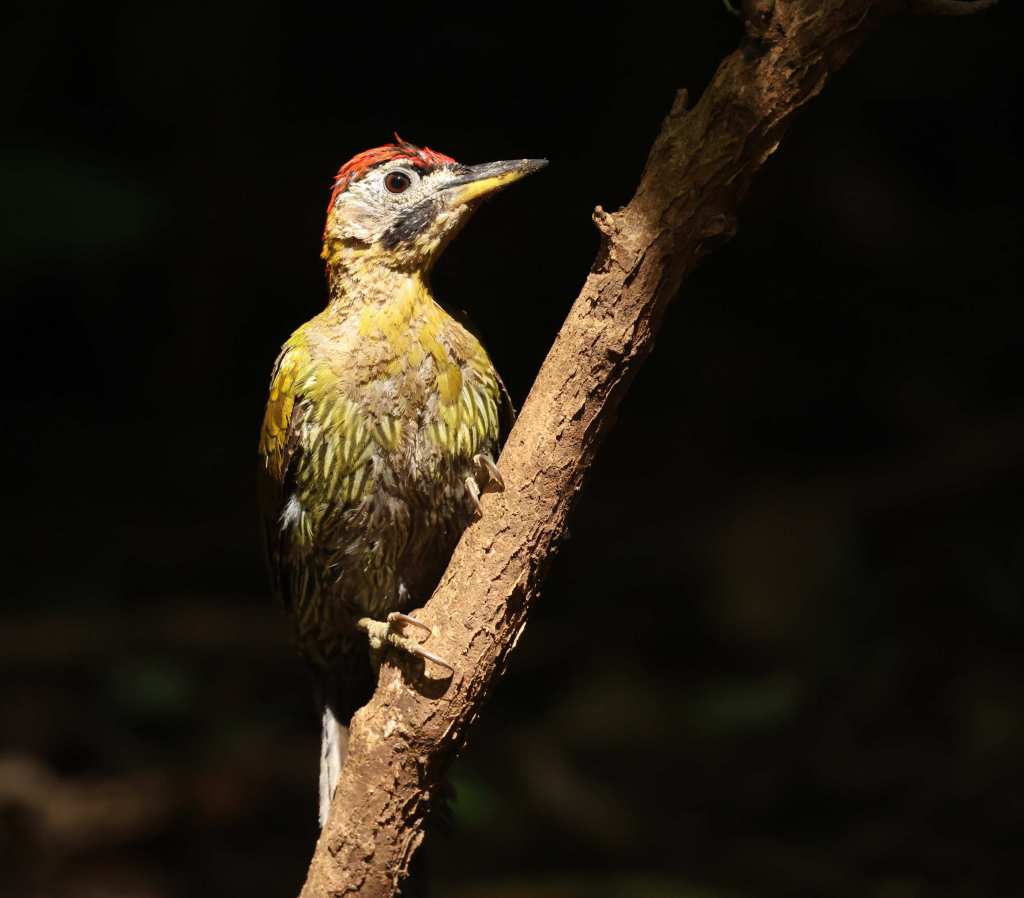
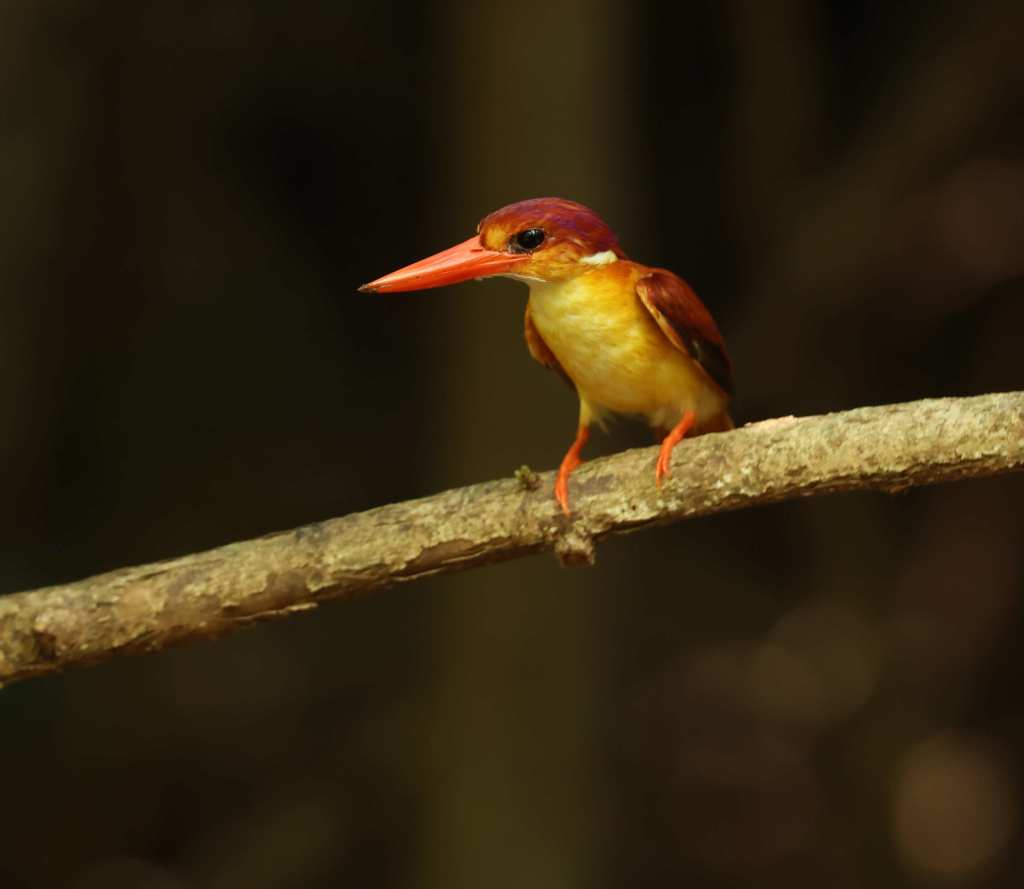
Photography conditions from the hide weren’t ideal as the light was very low even at around 10am, but I made the most of it (the Canon R5mkII with its good high-ISO performance and stabilisation helped a lot), getting some pretty nice photos with necessarily dramatic dark backgrounds and making the most of it when a bird did move through a tiny patch of sunlight.
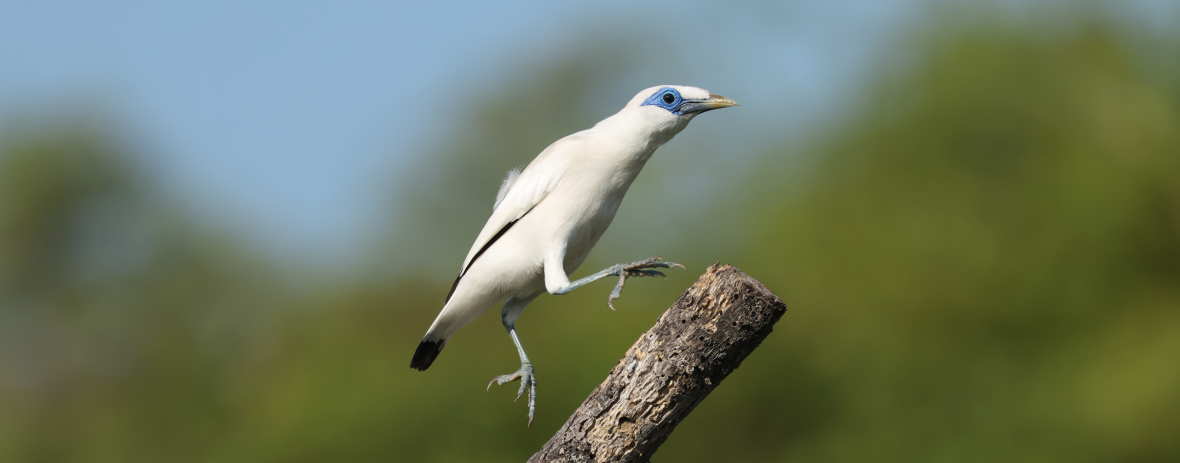
By contrast, there was a very open air spot not far from the national park where the company had set up a hide (kind of a sun shelter where you could sit down) facing a few dead branches where they lured some birds in with food. I won’t disclose where this is, as Bali Myna is one of these birds and is a super-sensitive, highly protected species. It has been near-extinction since at least 1994, in fact, so seeing them in the wild is a very special treat. Their pure white plumage lined with black on the wings is the stuff birding dreams are made of; I had to pinch myself to remind myself this was real.
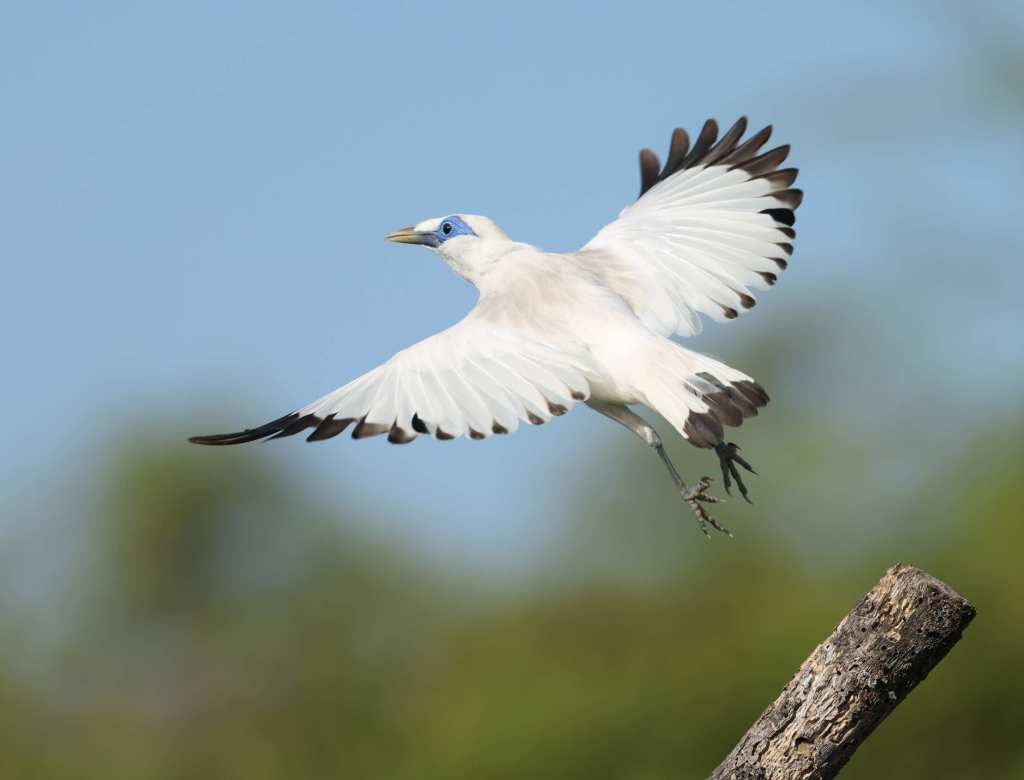
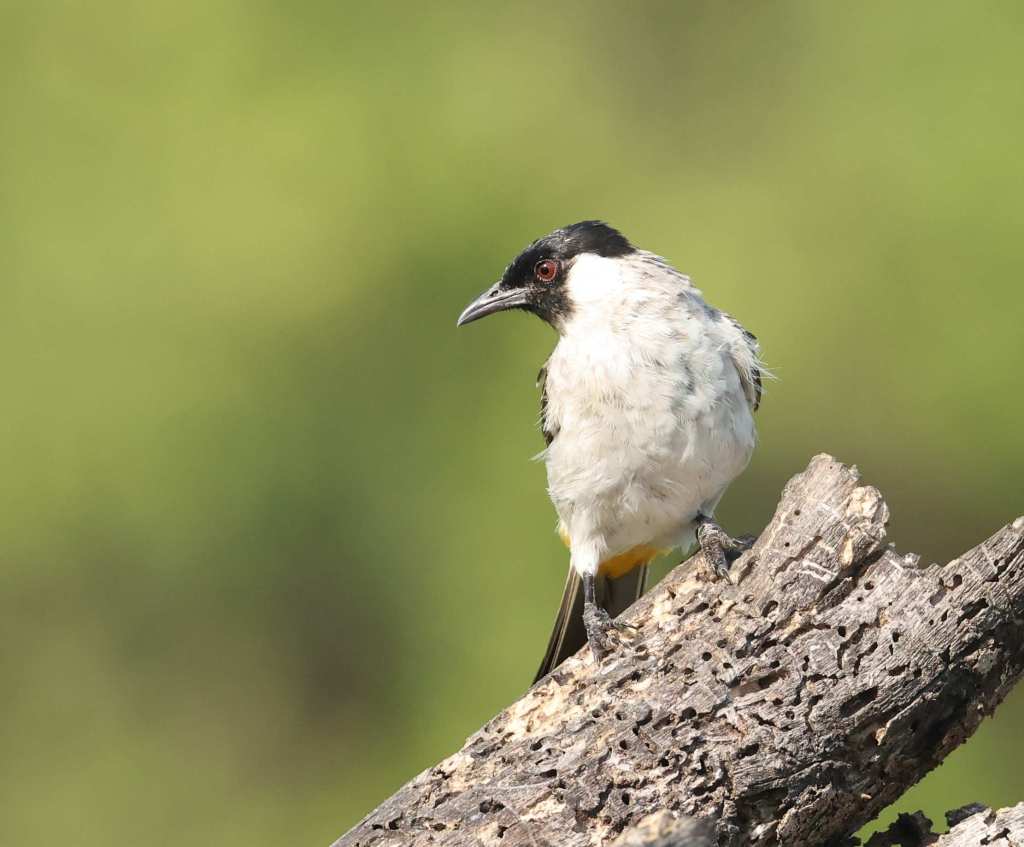
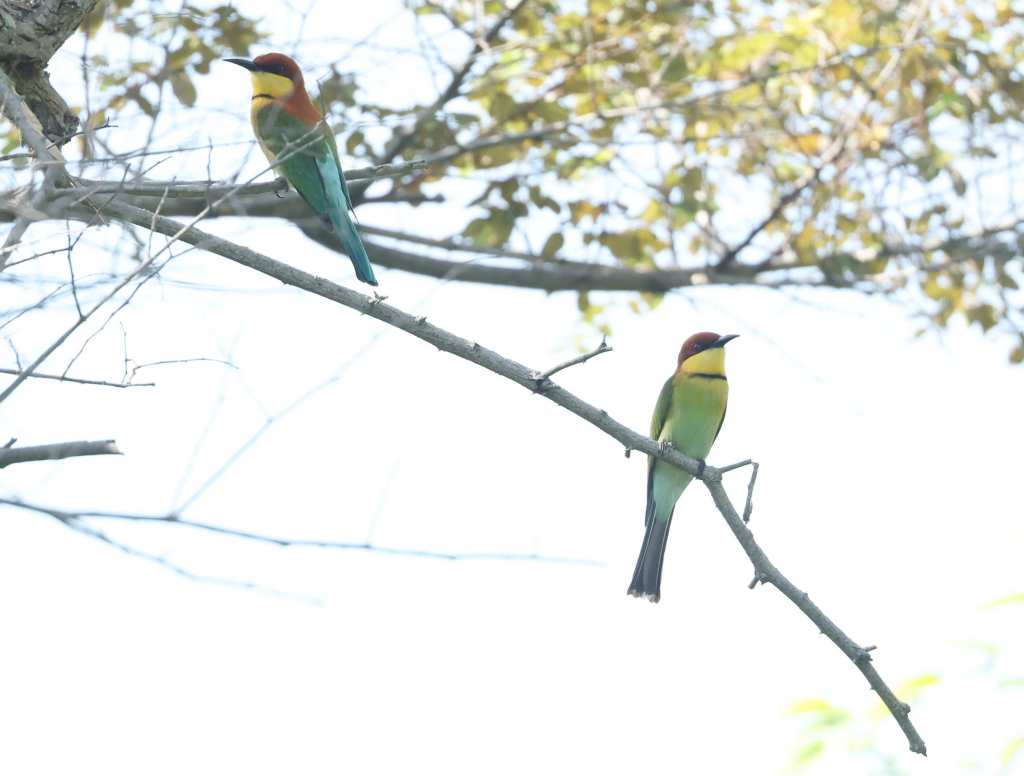
This pretty innocuous strip of land yielded a bunch of other birds which I thought were also pretty cool: Sooty-Headed Bulbul, White-Shouldered Triller, Freckle-Breasted Woodpecker, Sunda Collared-Dove, Chestnut-Headed Bee-Eater and Lemon-Bellied White-Eye, to name a few. We also tried to find Black-Winged Myna, another critically endangered species, but no dice there.
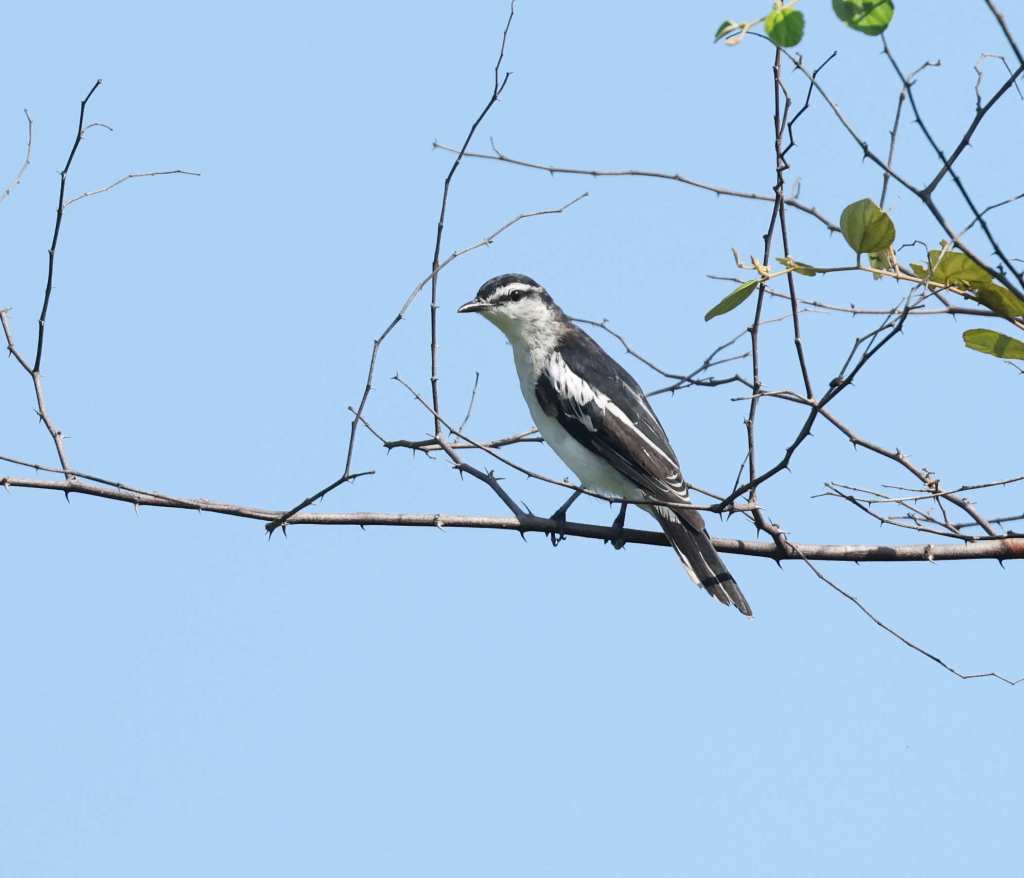
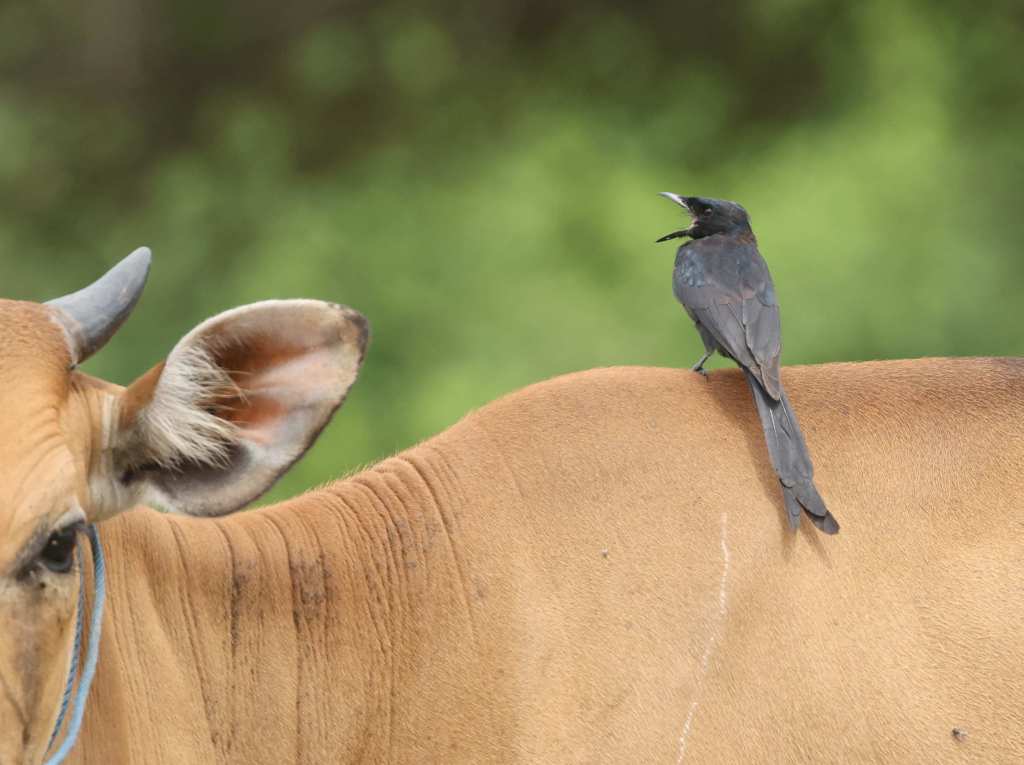
Around the mangrove-studded coast line we spotted Mangrove Whistler (an extremely skittish bird) and Small Blue Kingfisher, a tiny bird that definitely put me in mind of Australia’s Little Kingfisher (my nemesis bird for quite some time until a memorable boat ride up Darwin’s Buffalo Creek), while in some nearby grassy fields we found a few Black Drongos, one of which was amusingly riding a cow.
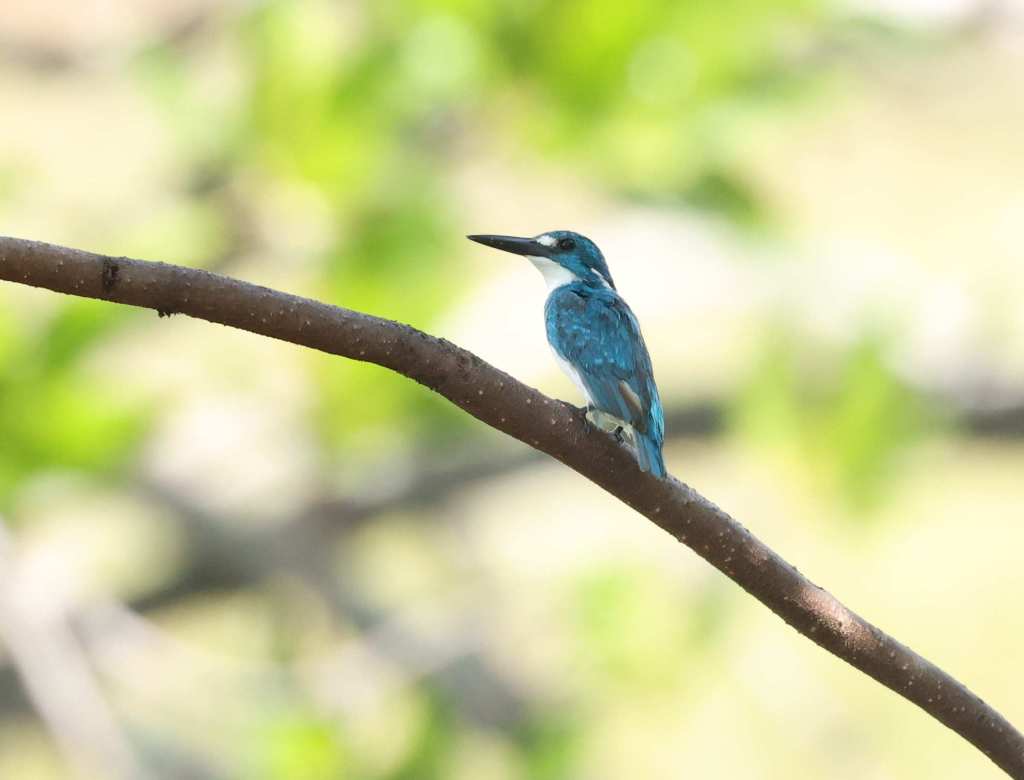
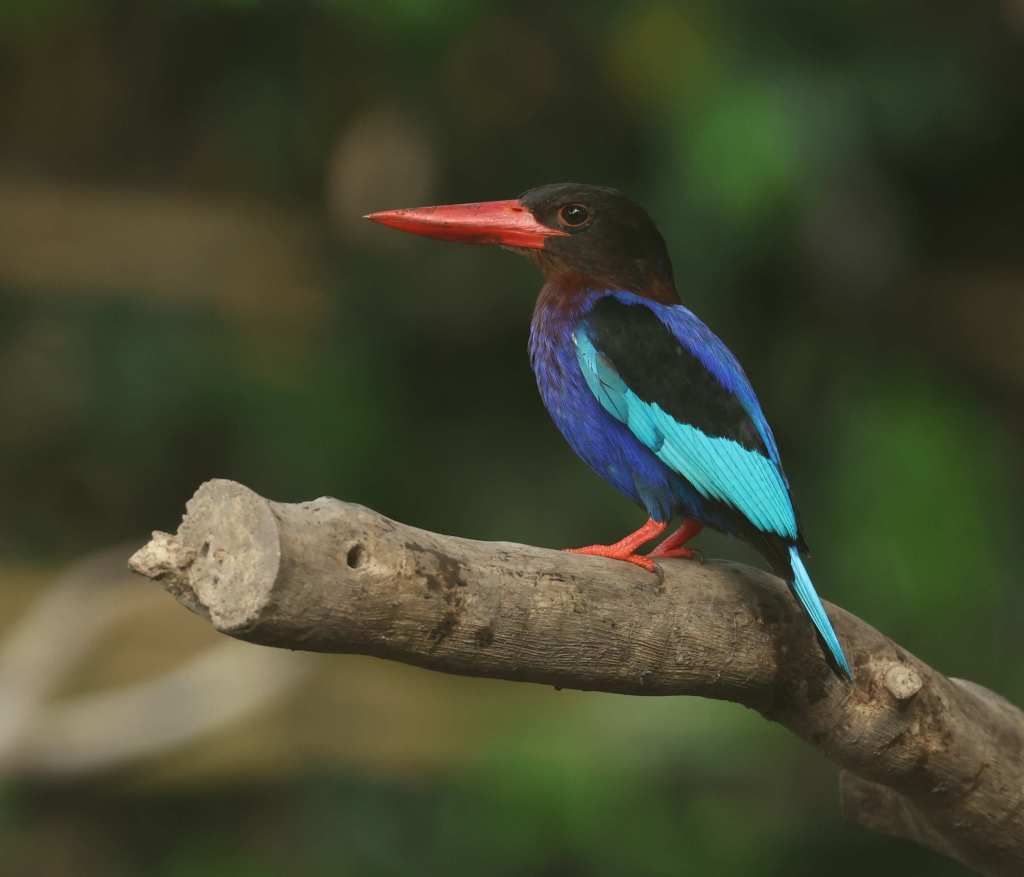
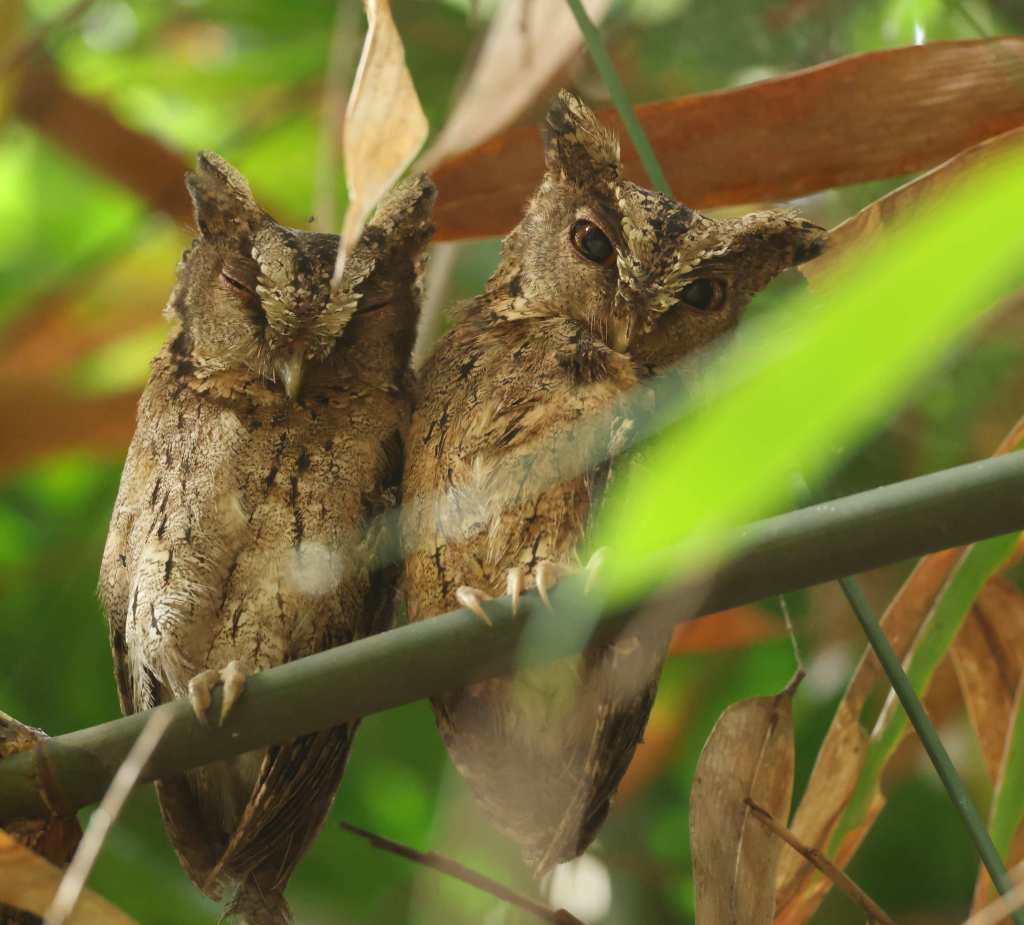
We also made a couple of short one-off stops, both of which were basically in someone’s residential yard, where they hosted a known wild bird species of interest. The first was Javan Kingfisher, which the home-owner attracted by digging up worms from freshly-turned earth and leaving them for the kingfisher to swoop in on, and Sunda Scops-Owl, a pair of which roosted reliably in the bamboo stand in another person’s back yard. This is where the guide’s local connections came in super-handy, providing almost-guaranteed amazing close-up views of these incredible species.
Palasari Reservoir
A bit inland from the south coast of west Bali is Palasari Reservoir, a spot that deserves a special mention as I had a decent time birding here, even though I was only there for around an hour.
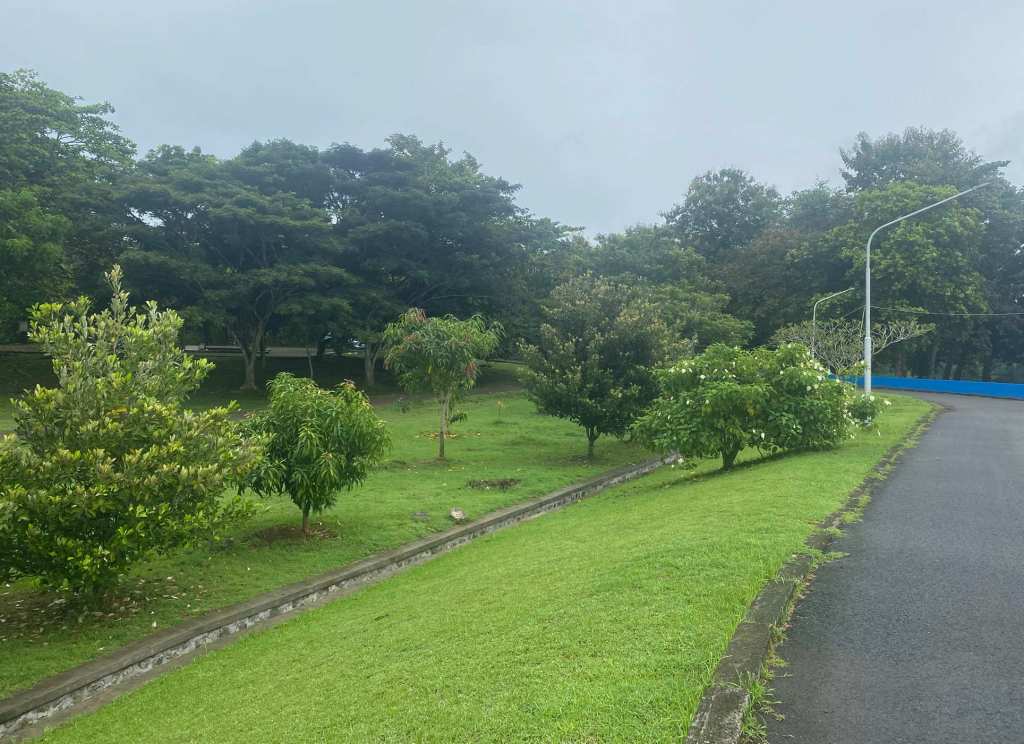
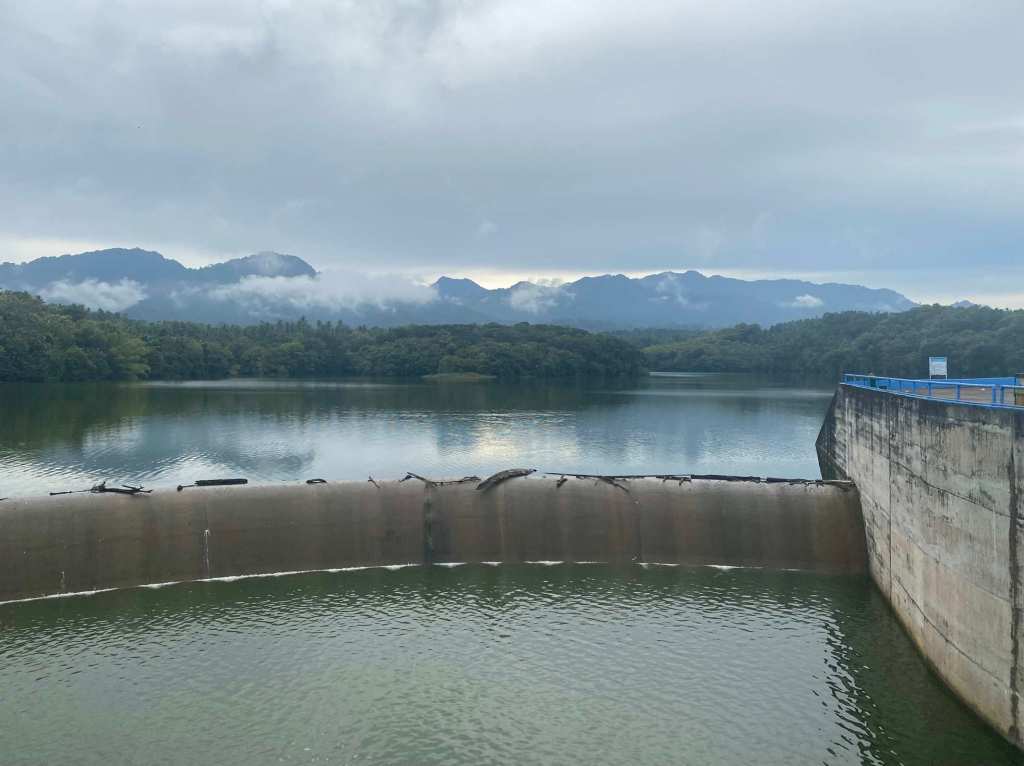
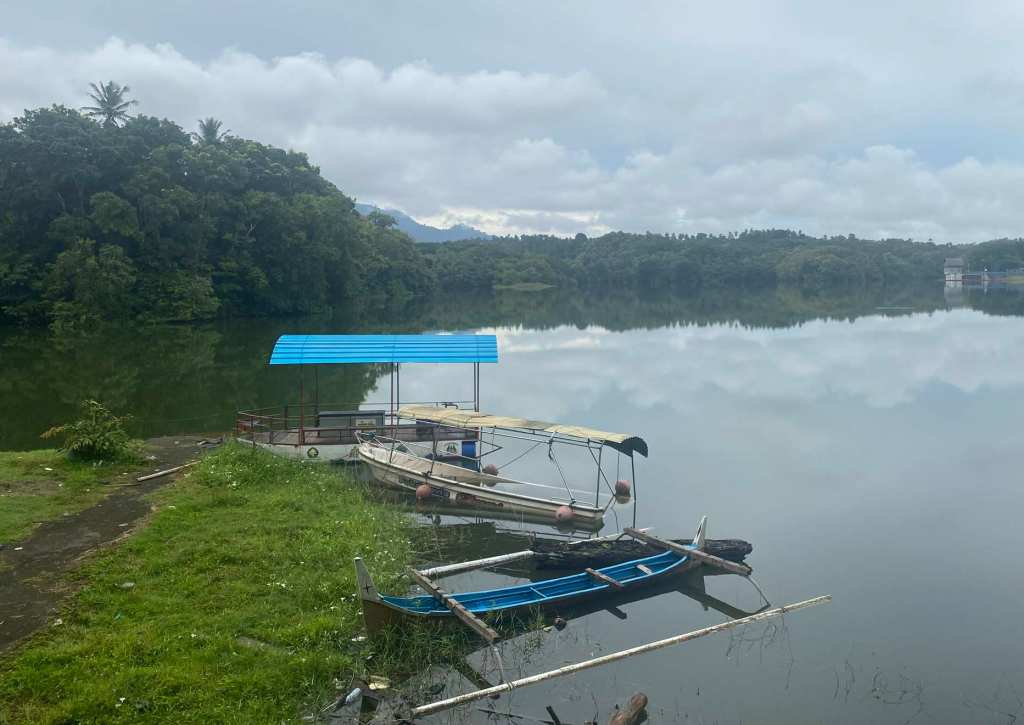
The reservoir is an excellent spot for Eastern Red-Rumped Swallow, a quite large swallow with an impressive forked tail and heavily striated chest. I spotted at least three of them, with two (presumably a mated pair) collecting mud for their nest from a hole in the road that crosses the dam wall.
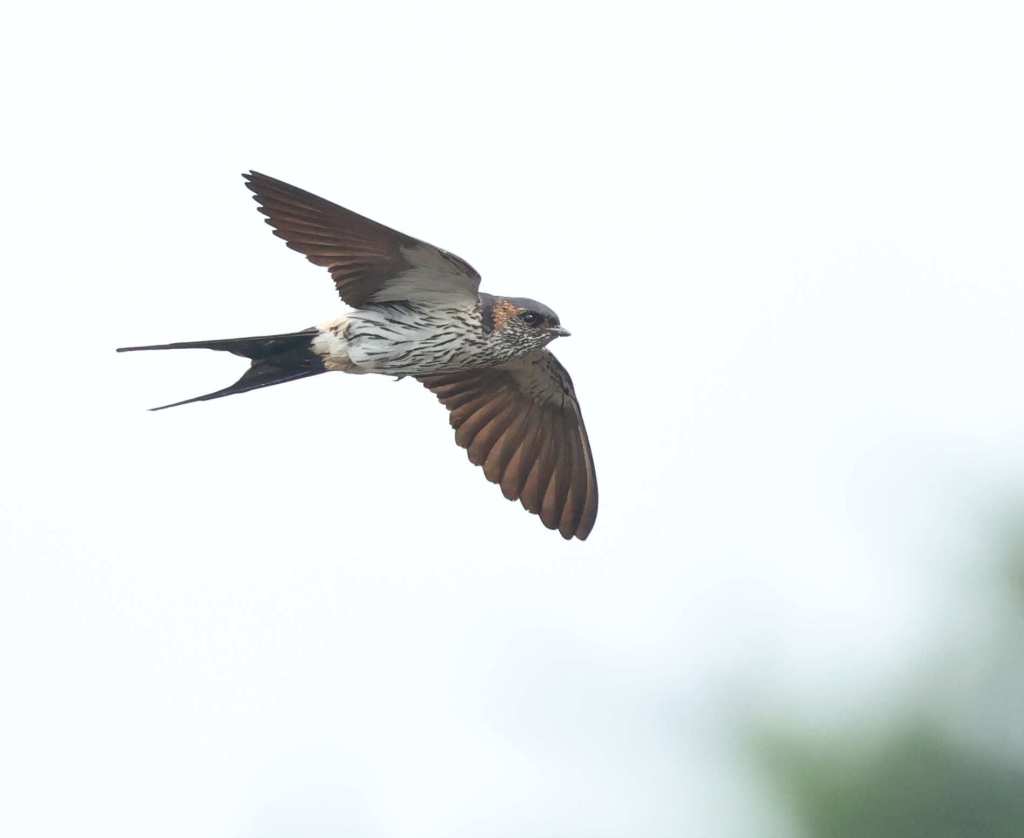
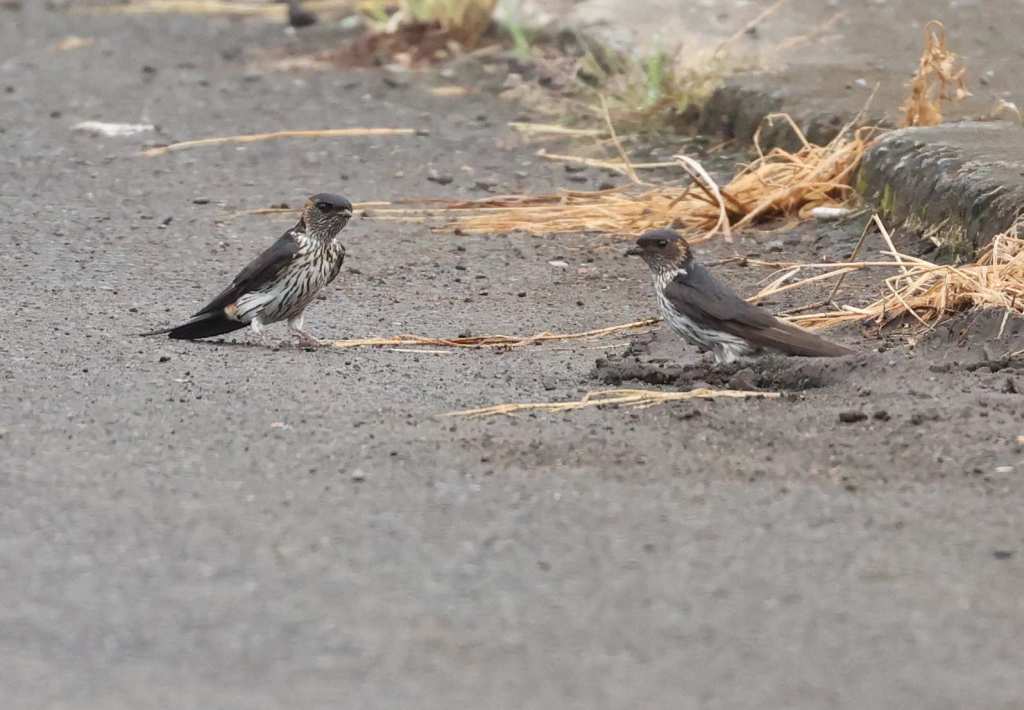
House Swift were also here, darting about low and fast above the water, while a Purple Heron did a fly-by, looking like an oil painting come to life. eBird shows that you might get lucky with an interesting raptor here, and the site is certainly open enough to see plenty of sky for spotting one.
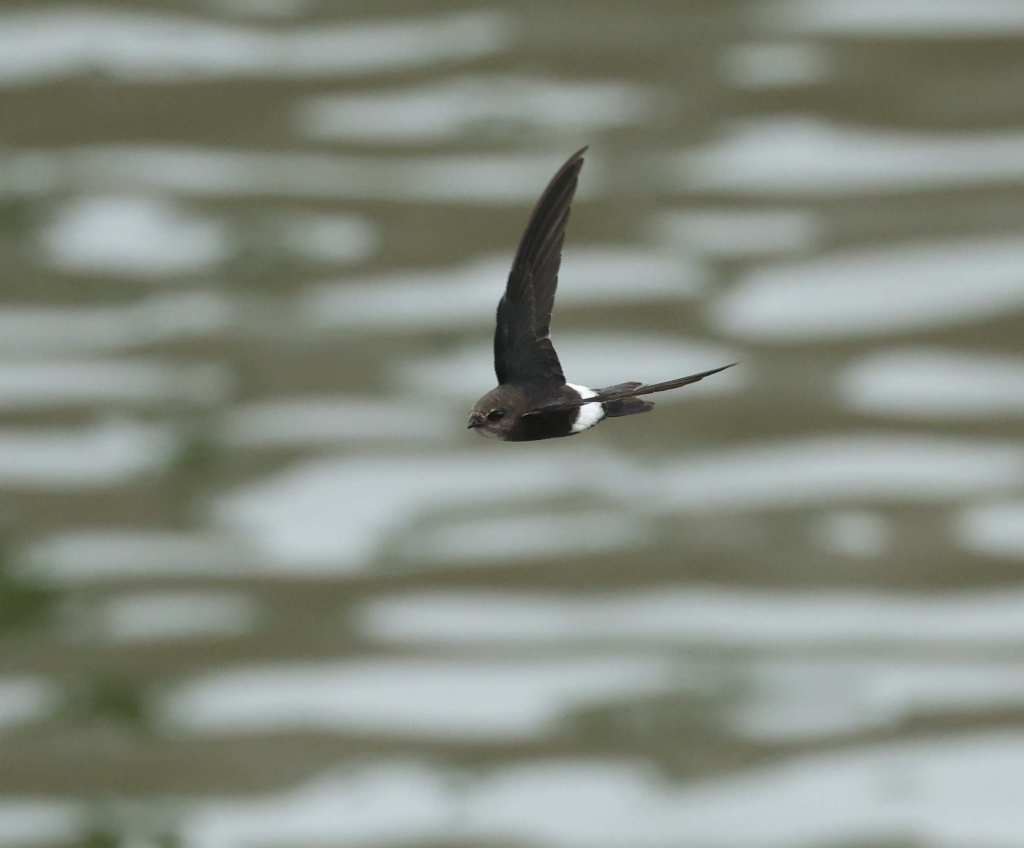
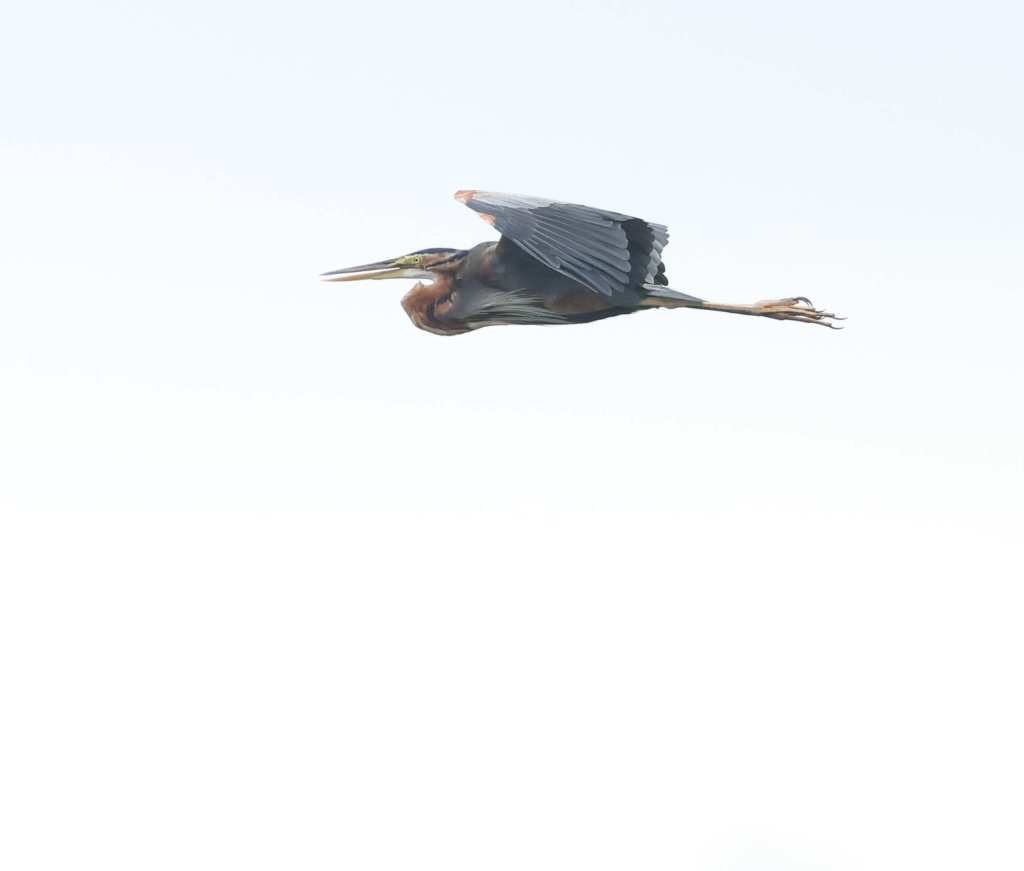
I saw a Stork-Billed Kingfisher, Brown-Throated Sunbird, and a Banded Bay Cuckoo – surprisingly, not the only Banded Bay Cuckoo I’d seen that day! A Scarlet-Headed Flowerpecker pair were also a gorgeous sight.
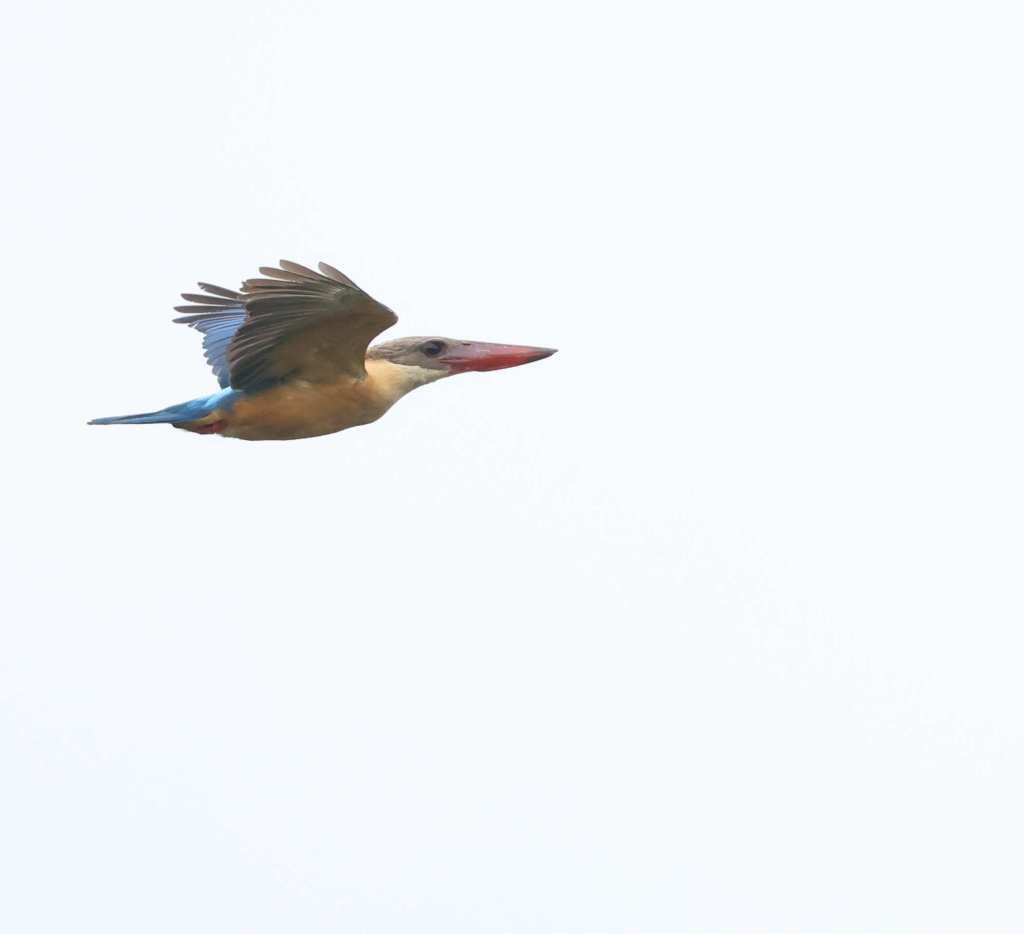
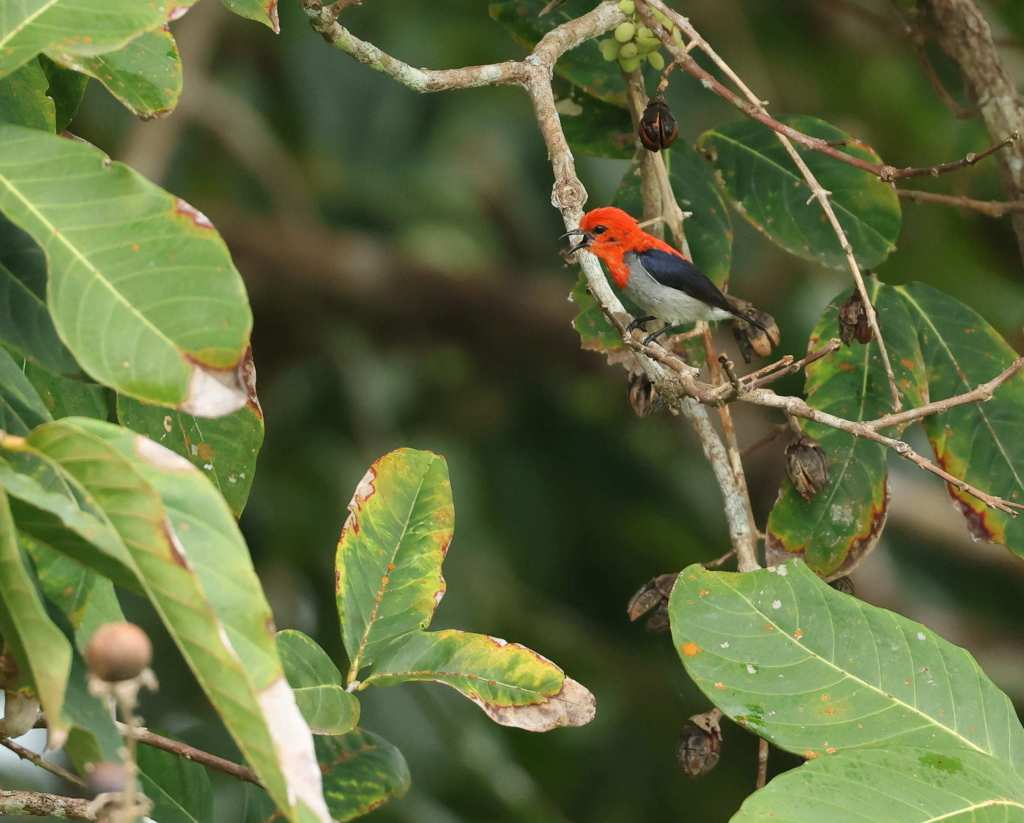
We also tracked down a Blue-Eared Kingfisher (cousin of Australia’s Azure Kingfisher) on one of the narrow rivers here; there was no mistaking the bird, but it was too fast and cunning for a photo, unfortunately.
Salt Pans at Banyu Wedang
The Salt Pans at Banyu Wedang on the north coast of west Bali is a good option for finding shorebirds and shallow water-loving birds. With 181 species listed on eBird, it’s no slouch, and I had a pretty good time there for a couple of hours late one overcast day.
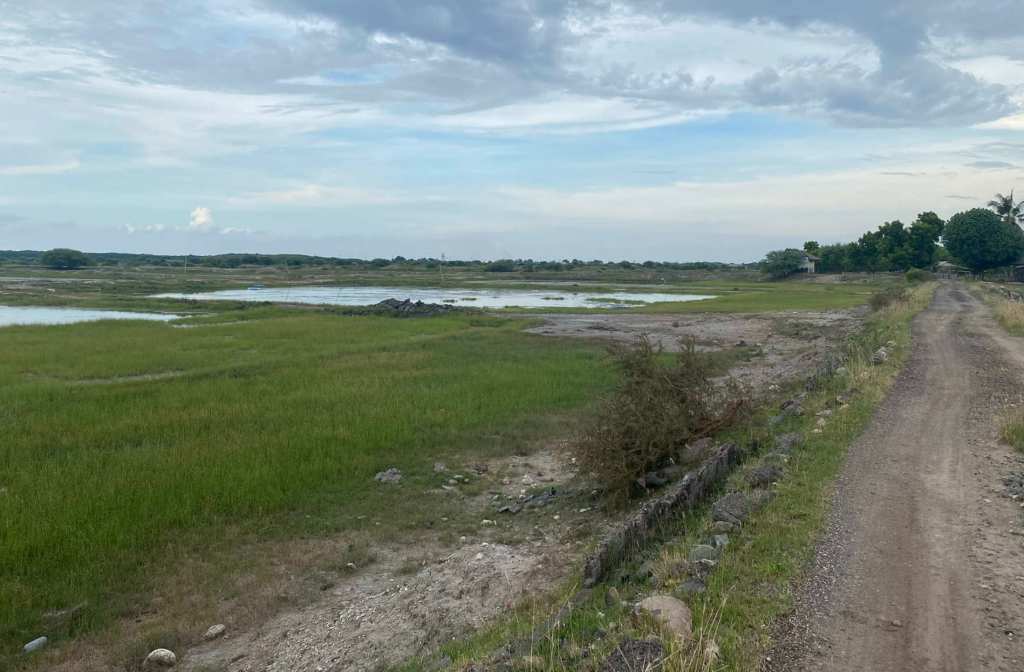
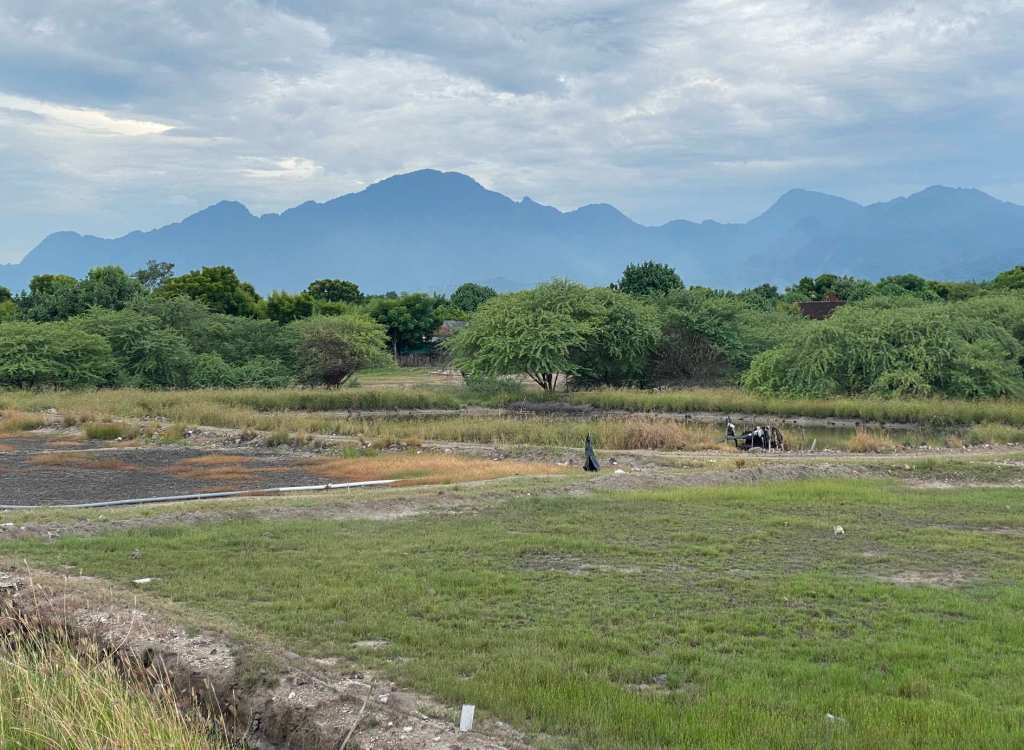
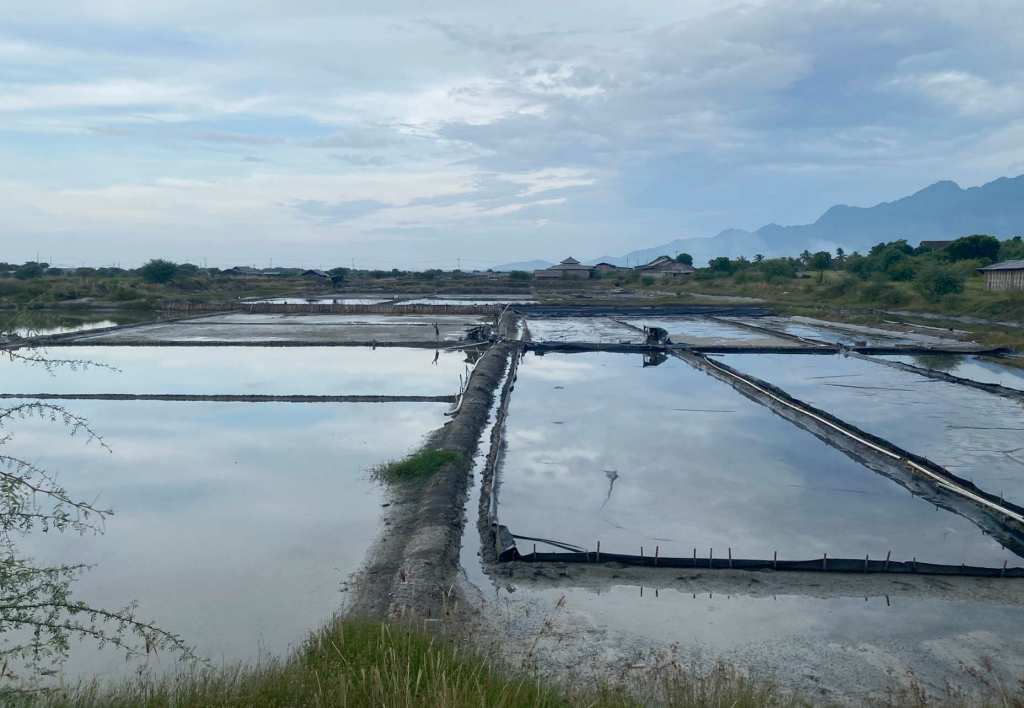
You may not want to drive all the way in, as the roads here can get pretty sketchy. It’s a case of wandering around and looking for something interesting. Expect Little Terns, various Egrets, Pied Stilt, Red-Necked Stint, Javan Plover, Common Sandpiper, Purple Heron, Javan Pond-Herons among the shorebirds/water birds.
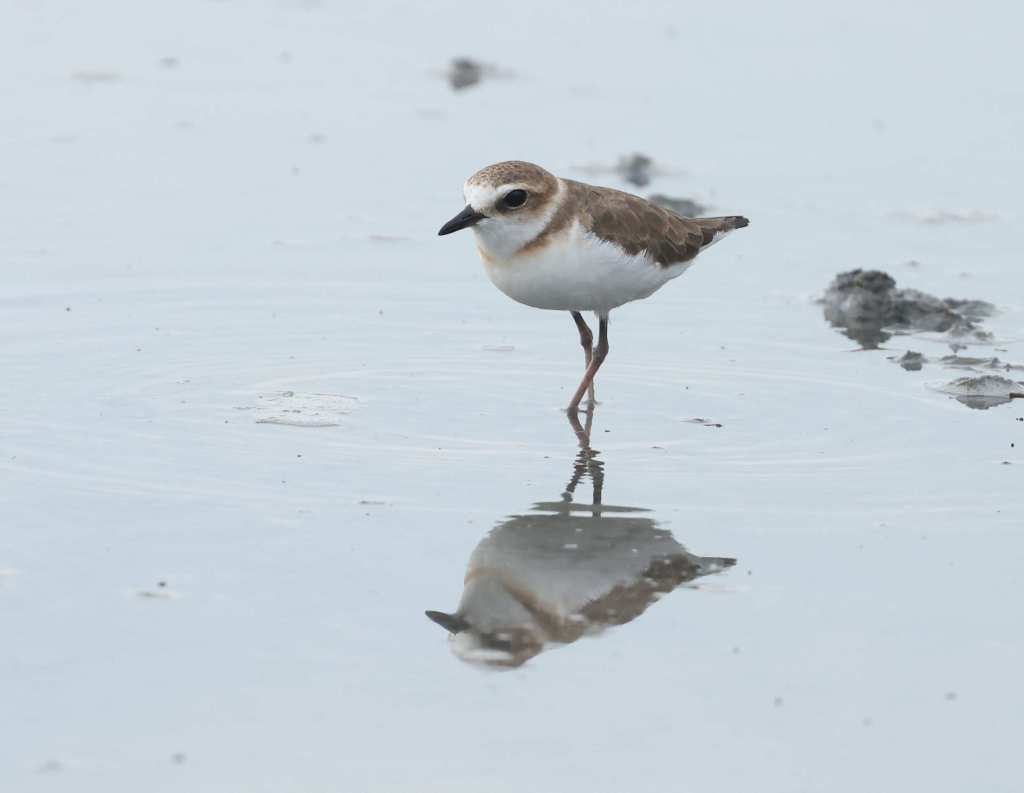
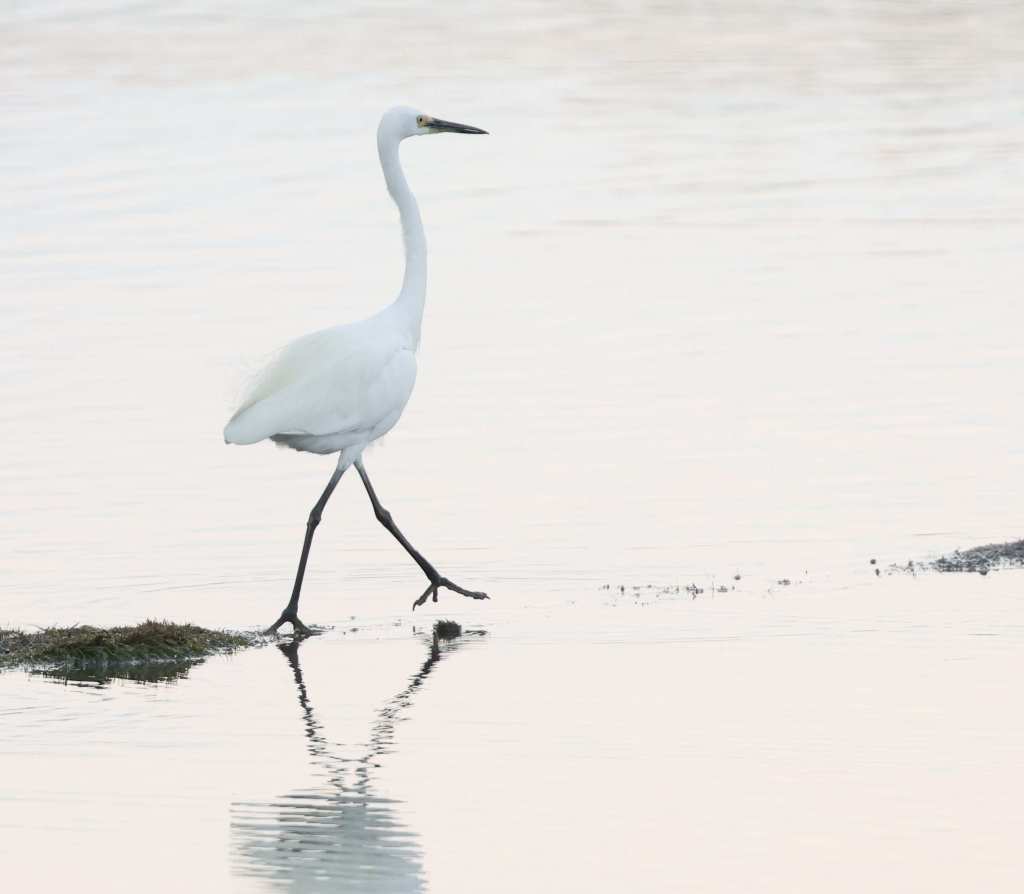
Apart from that, I saw Plain Prinia, Zitting Cisticola, Small Blue Kingfisher, Blue-Tailed Bee-Eater, and many of the ever-present Cave Swiftlets zipping by above.
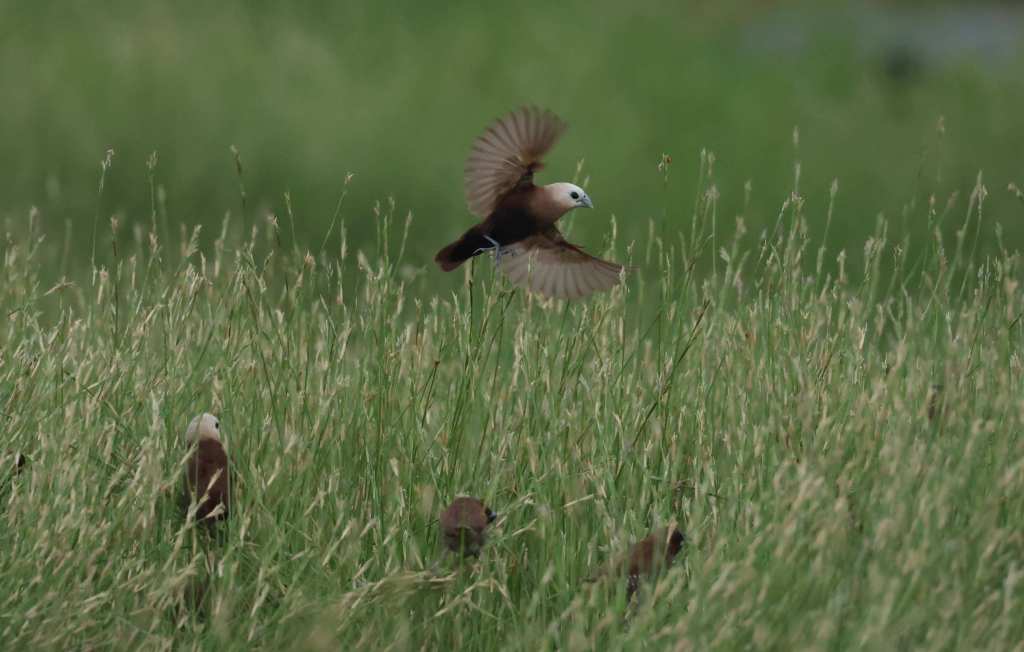
With lots of grassy stems and a reliable nearby water source, this was also a paradise for munias. There were at least 50 Scaly-Breasted Munia, and maybe 20 White-Headed Munia, with a bevy of Streaked Weavers in the mix too. I enjoyed watching them flit up above the grasses and back down again in their endless quest for the best seeds.
Other special birds I was lucky enough to see here were Savanna Nightjar (flushed accidentally from the side of a path), and a pair of Barred Buttonquail. Amazeballs, as the kids say these days.
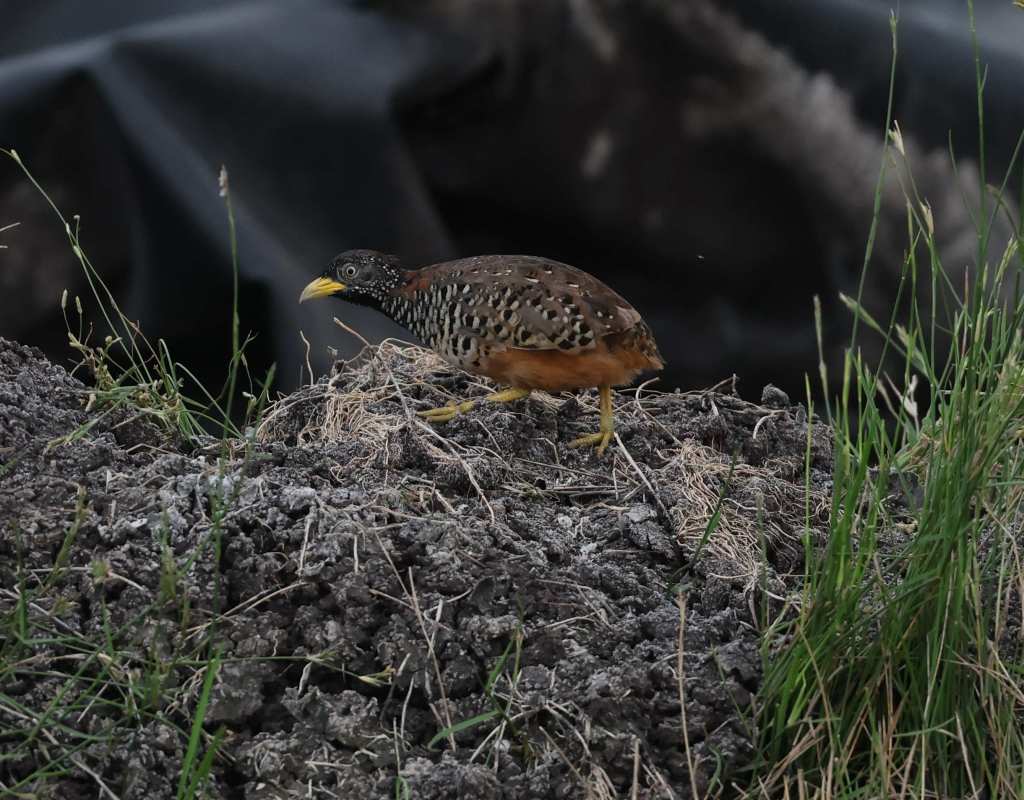
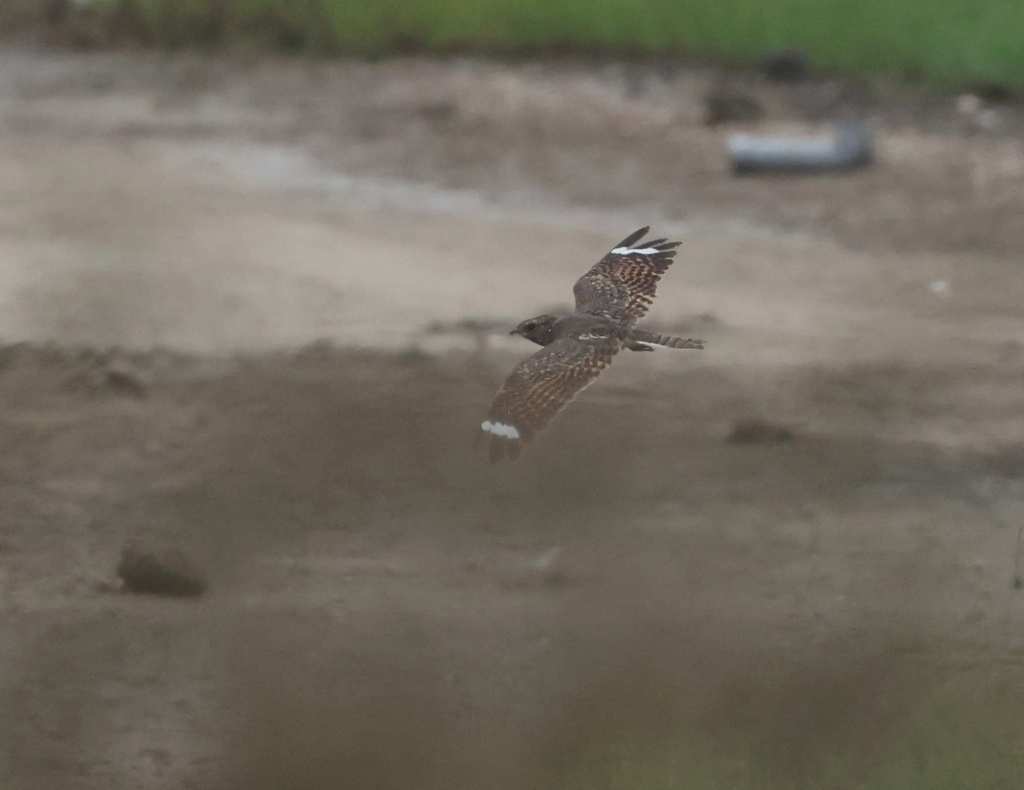
The salt pans are also a semi-reliable spot for Sunda Teal according to eBird checklists, though I didn’t see any when I was there.
East Java – Erek Erek Geoforest
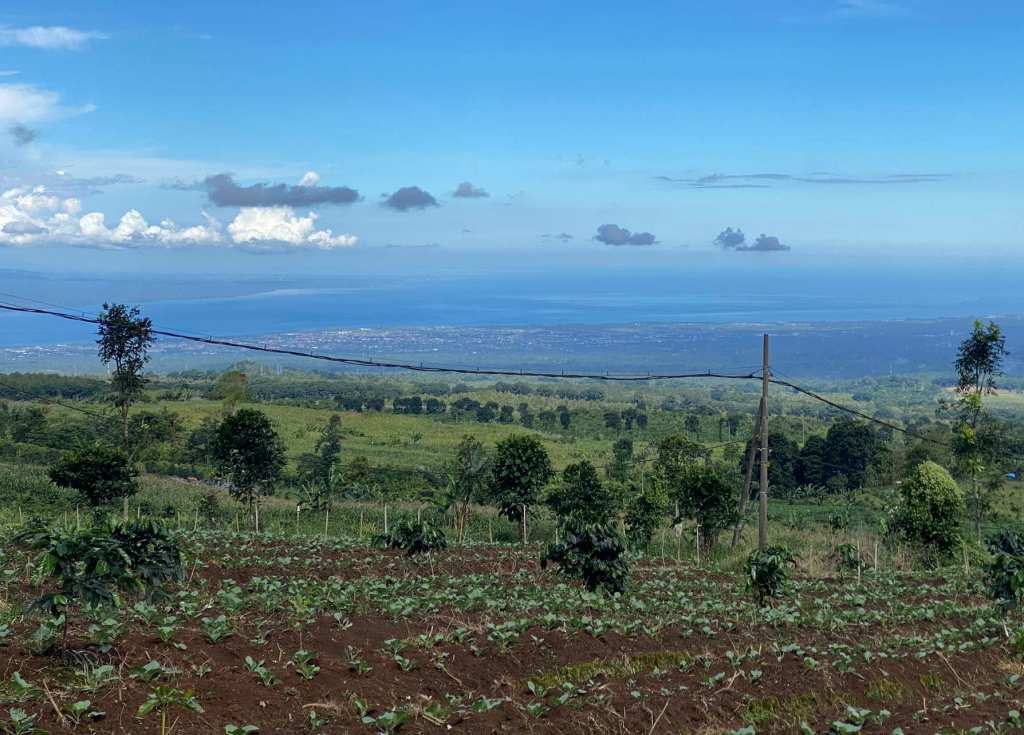
I had the opportunity for an extremely early start on my last full day with Bali Birding Tours to take the vehicle ferry across from Gilimanuk in west Bali to Ketapang in east Java (about an hour or so), then climb up in altitude to the Erek Erek Geoforest. One of the benefits of birding here – apart from the astonishing array of bird species – was the elevation of around 1500m (it’s basically on the slope of a volcano) keeping the air cool, letting you bird productively pretty much all day without dropping from exhaustion.
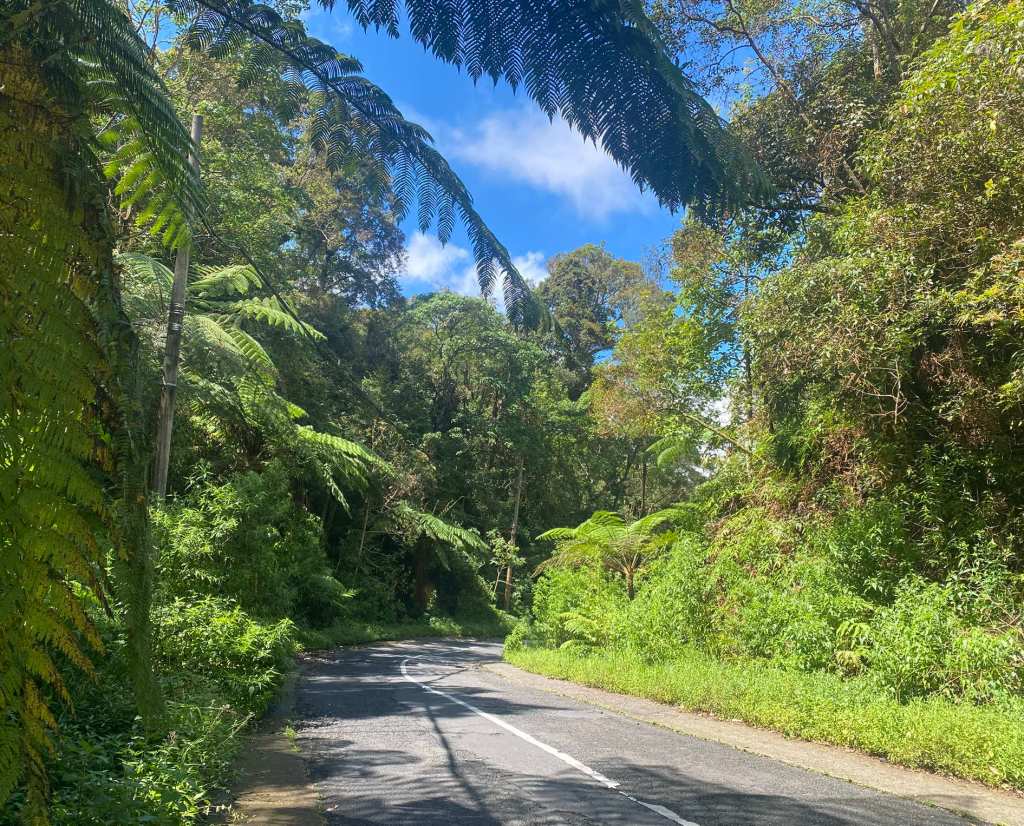
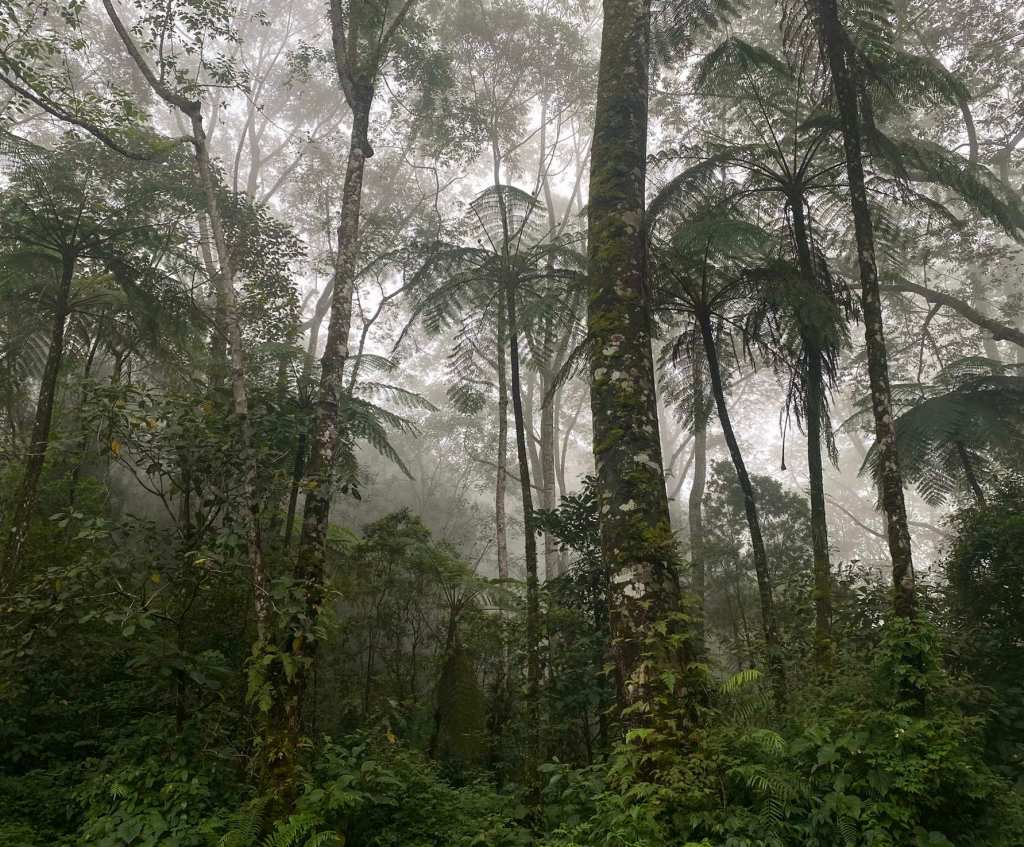
The morning started off at a very well-disguised bird hide which attracted a pair of Grey-Breasted Partridge, a Horsfield’s Babbler, and a Snowy-Browed Flycatcher.
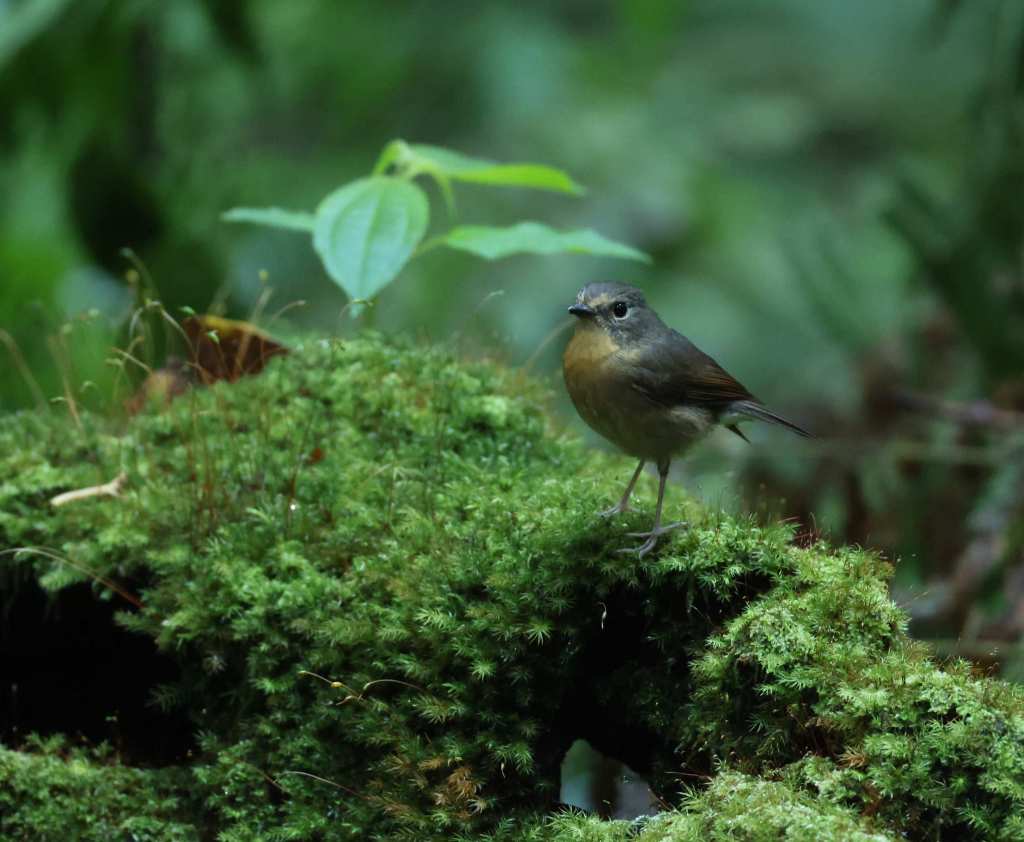
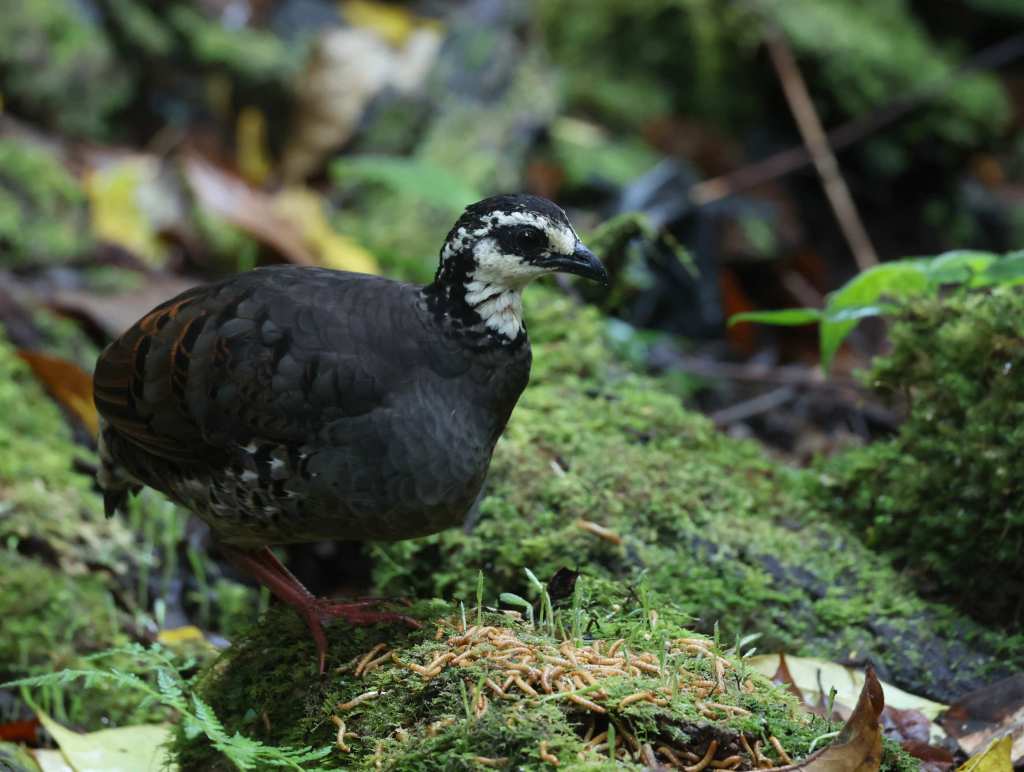
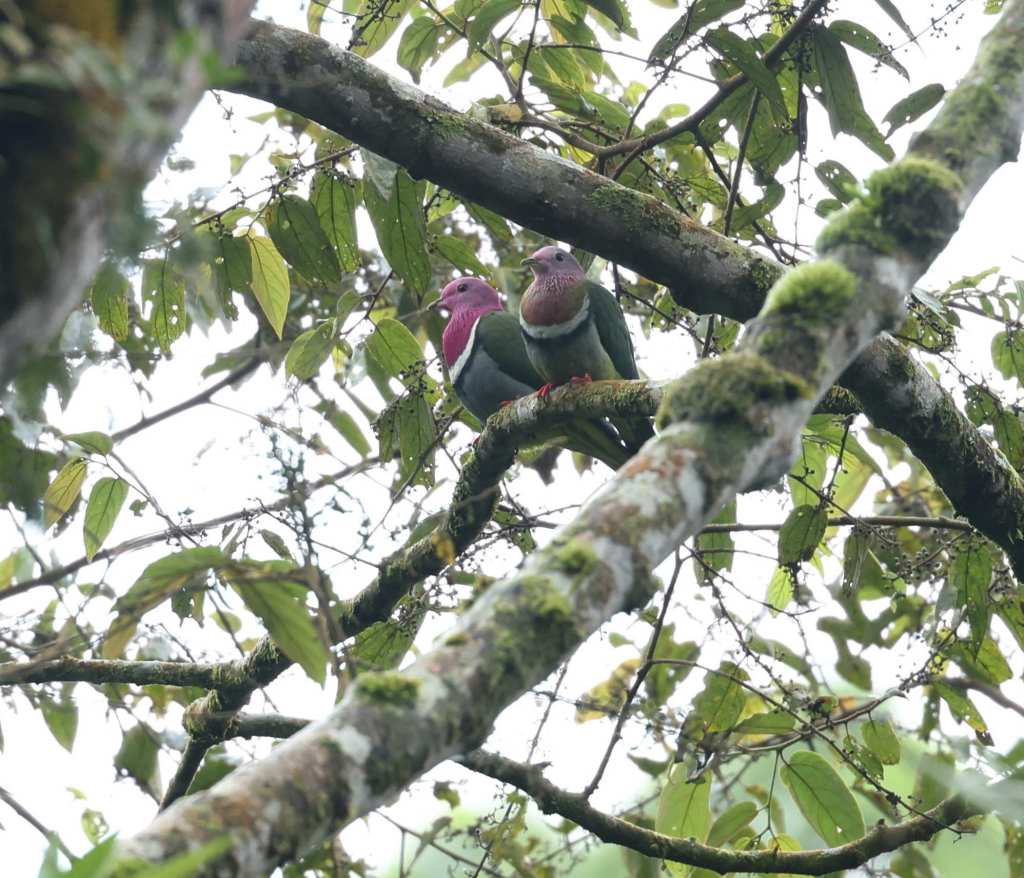
Outside the hide, in the canopy above were some Pink-Headed Pigeons, incredible looking birds that were also unfortunately incredibly high up.
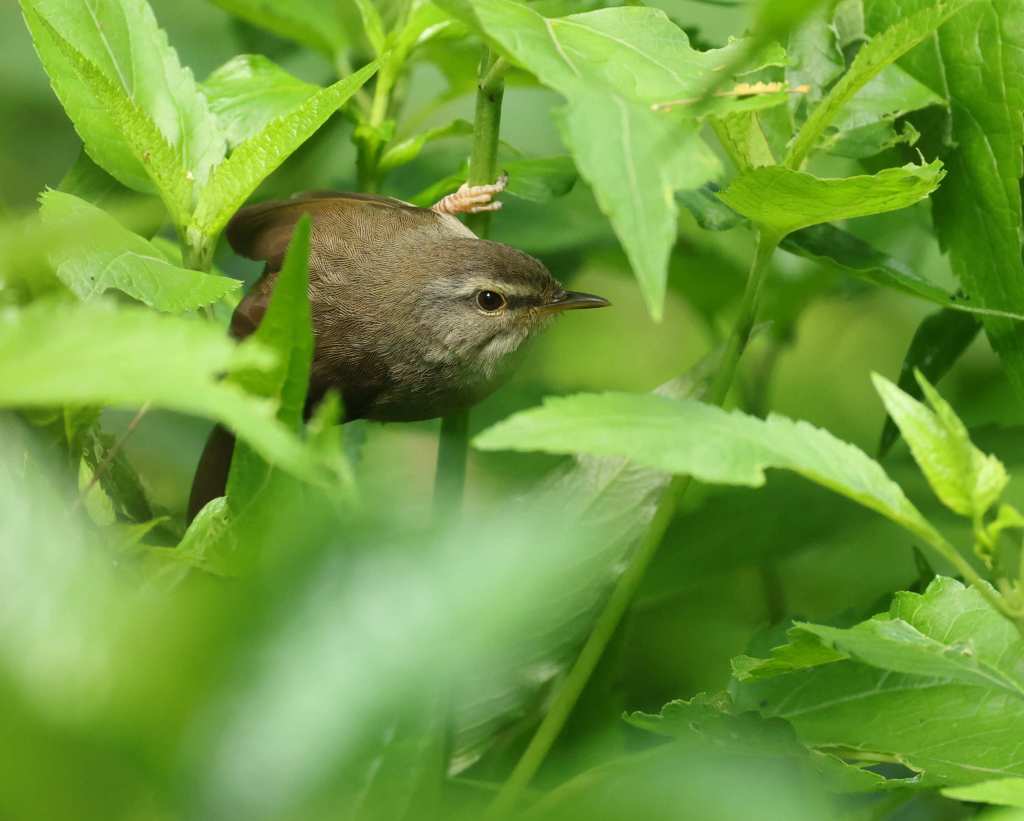
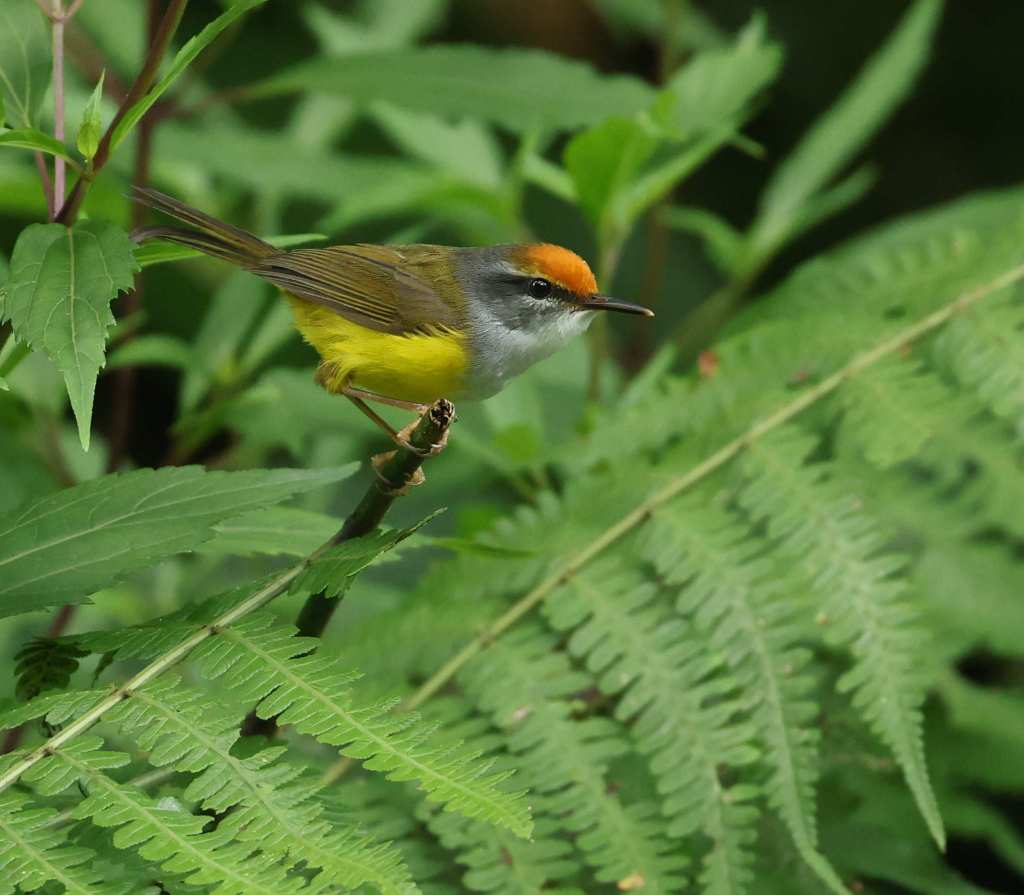
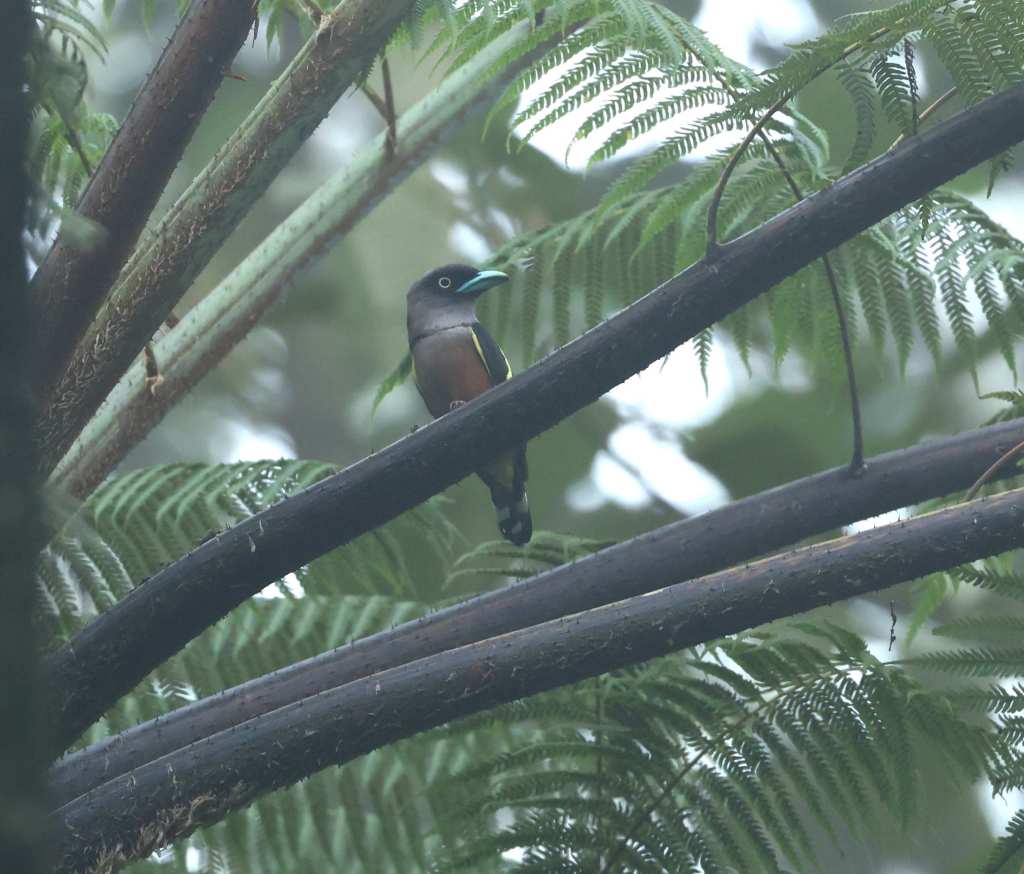
Roadside birding is mostly the order of the day here, with a broad variety of really interesting birds to find. There was way more traffic on the road than I expected, so I had to be alert for that, but that was really the only downside. Species new to me kept popping up at regular intervals: Aberrant Bush Warbler, Mountain Tailorbird, Black-Banded Barbet, Checker-Throated Woodpecker, Dark-Banded Imperial Pigeon, Little Cuckoo-Dove and even when the mist rolled in for a spell, we still managed a half-decent look at a Banded Broadbill, a cartoonish bird if ever I’ve seen one. A couple of Wreathed Hornbills even flew over at one point. It was kind of ridiculous how many new and wondrous birds I was seeing.
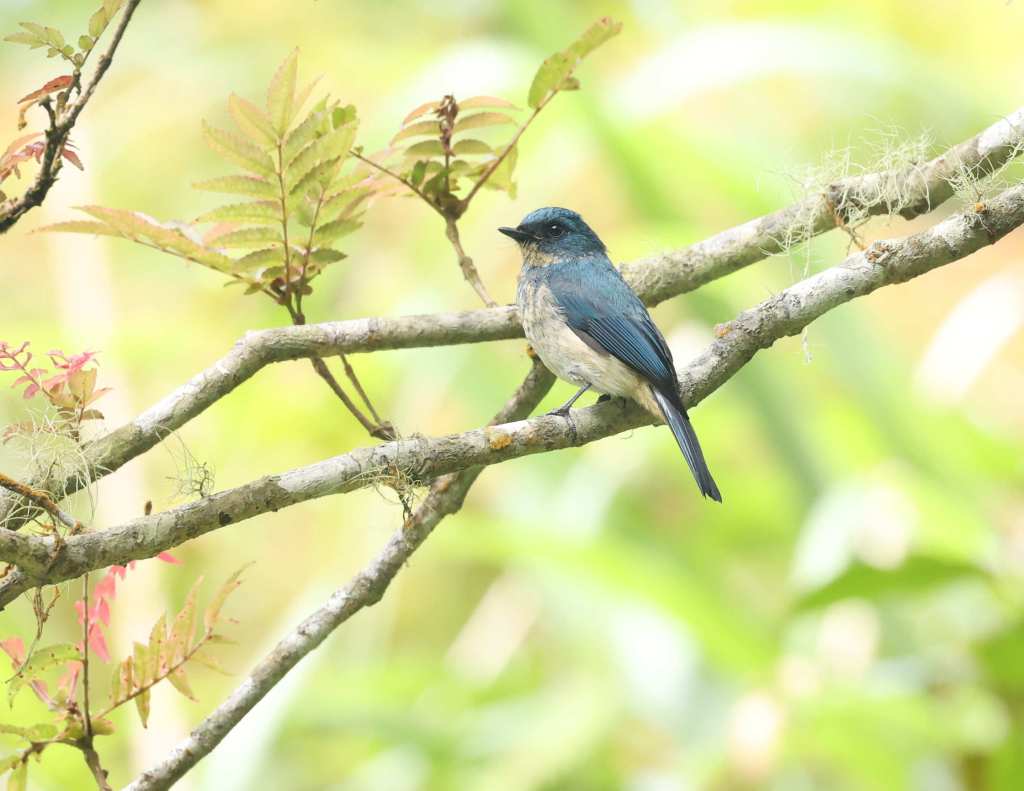
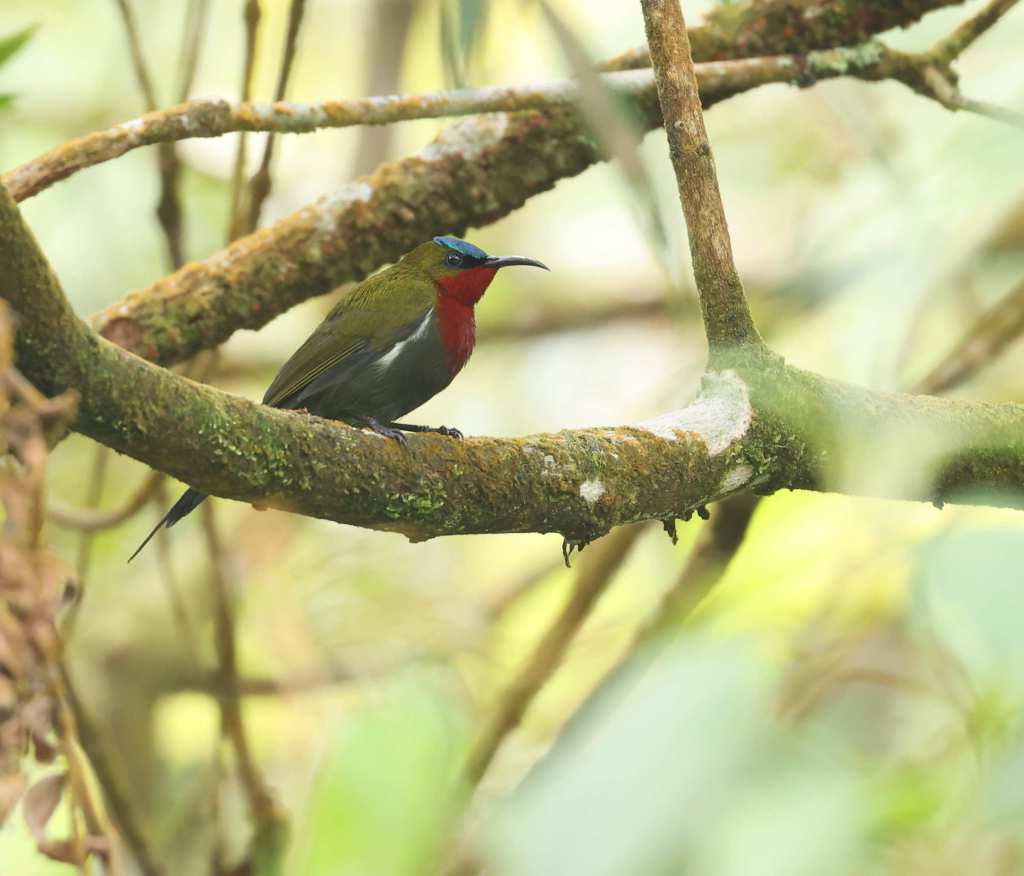
A reasonably common sight out in the open was Indigo Flycatcher, and we saw several of them. The striking White-Flanked Sunbird showed up, while my guide was super-excited to find a Javan Sunbird, which is apparently quite rare on this side of Java (he couldn’t wait to text his birding buddies about it!)
A bright red Sunda Minivet joined a mixed flock passing through at one point, while I was able to make an accurate count of a group of Javan Heleias because they all streamed into the canopy of one tall exposed tree in small groups over the course of a few minutes. My tally came to an astonishing 110 birds… probably double what I would have guesstimated otherwise. We also had an amusing/frustrating several minutes as a White-Bellied Fantail literally flew straight past us across the road more than once, never alighting anywhere it could be actually seen, until finally I got a glimpse of it perched deep in the foliage. Least confiding fantail ever!
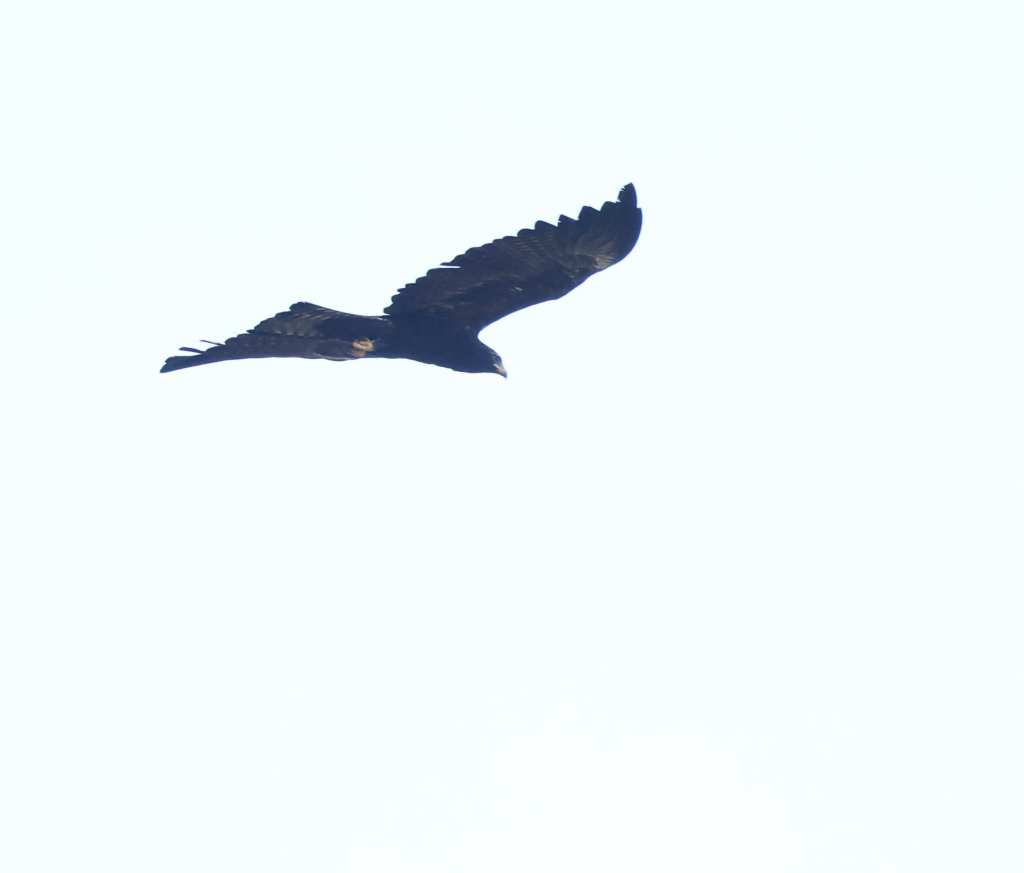
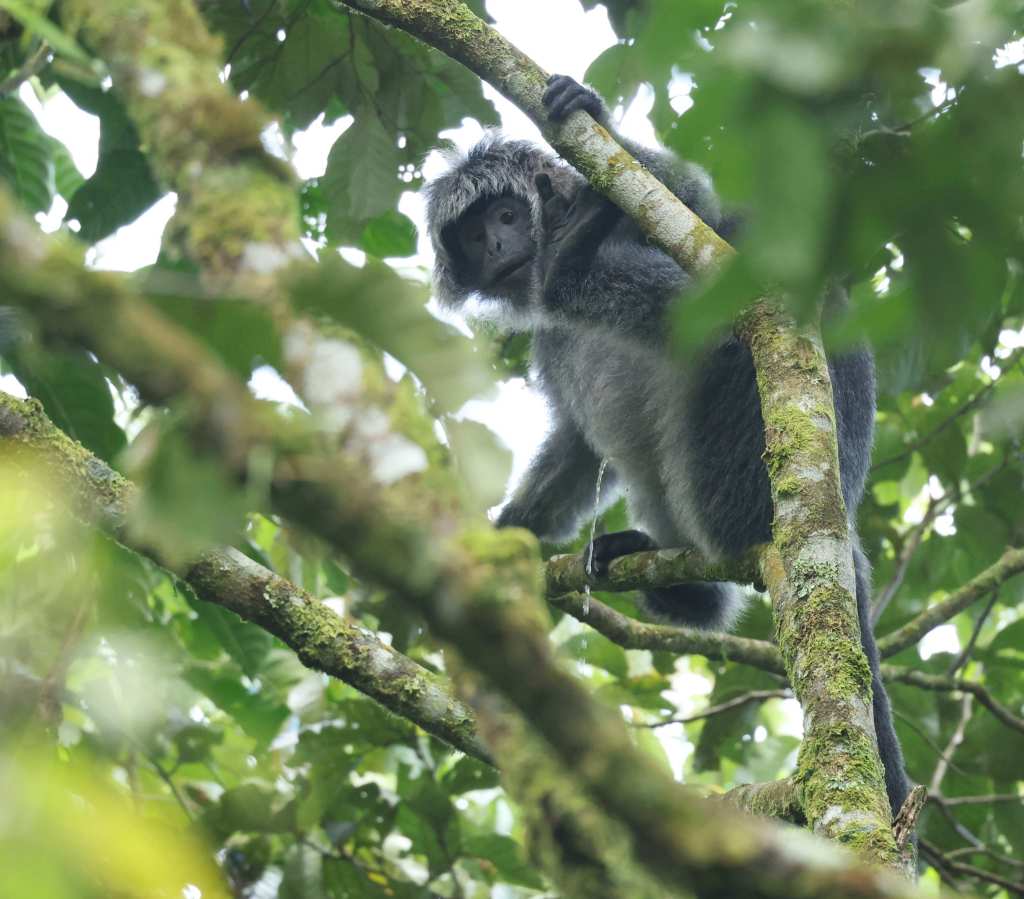
An East Javan Langur was a mammal highlight (yes, that’s it having a pee in a tree), while a massive Black Eagle flew by as we were making our way down from the mountain, marking an end to a glorious day.
I totalled 25 lifers for the day, which exceeded anything I could have imagined, and made the experience even more super-memorable and rewarding. If you engage with Bali Birding Tours and have enough time, I highly recommend incorporating birding on the volcano slopes of east Java – you won’t regret it.

Summary
Birding in Bali surpassed my expectations and I’m glad I went for it, despite the trepidation and hesitation I had at the beginning (having now birded in the depths of Peru and elsewhere, I knew there were going to be a bunch of travel challenges). The general conditions are sometimes difficult in Bali (heat, jungle foliage, traffic, hawkers, etc – though I am glad to say I avoided the dreaded Bali belly) and there were a few too many sobering reminders of the bird-trapping trade (my guide said there’s been a disheartening decline in the number of birds in just a few years), but what birds and wildlife you do see should leave indelible memories. Bali is just across the famed Wallace Line distinguishing the fauna of Australia from Asia – or Sahul vs Sunda, if you will – so the species are on the whole quite different from Australia’s. I certainly found it both intriguing and exotic.
AUTHOR: ANDY GEE
BIRDERS: ANDY GEE (all locations), K-A (Ubud section)


Very interesting report Andy, great tips appreciated. I may go one day, until then I enjoyed your birding adventure a lot. Mark Clarke
LikeLike