
Summary: Terrific bush and grassland birding spot in the north of Darwin
Dates of visits: 29 Jul 2022, 8 Aug 2022, 25 & 27 Jul 2024
Muirhead Bushland is a nature area in the Darwin suburb of Lee Point, in the Northern Territory. It’s an unexpectedly rewarding spot for birding, with many excellent species to see and some gratifying wildlife photographing opportunities.
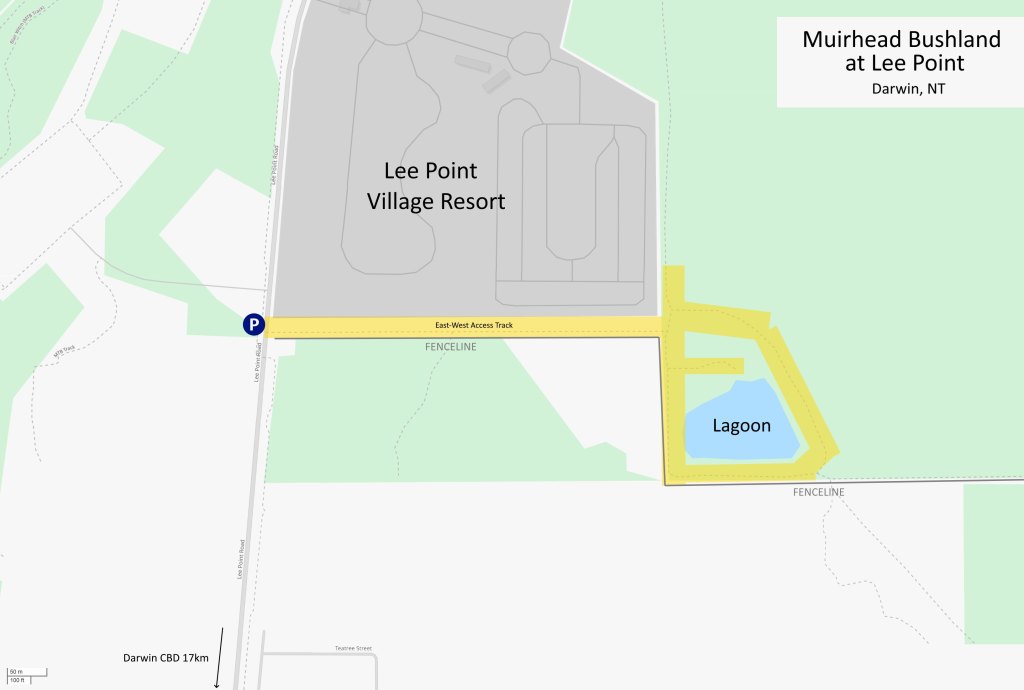
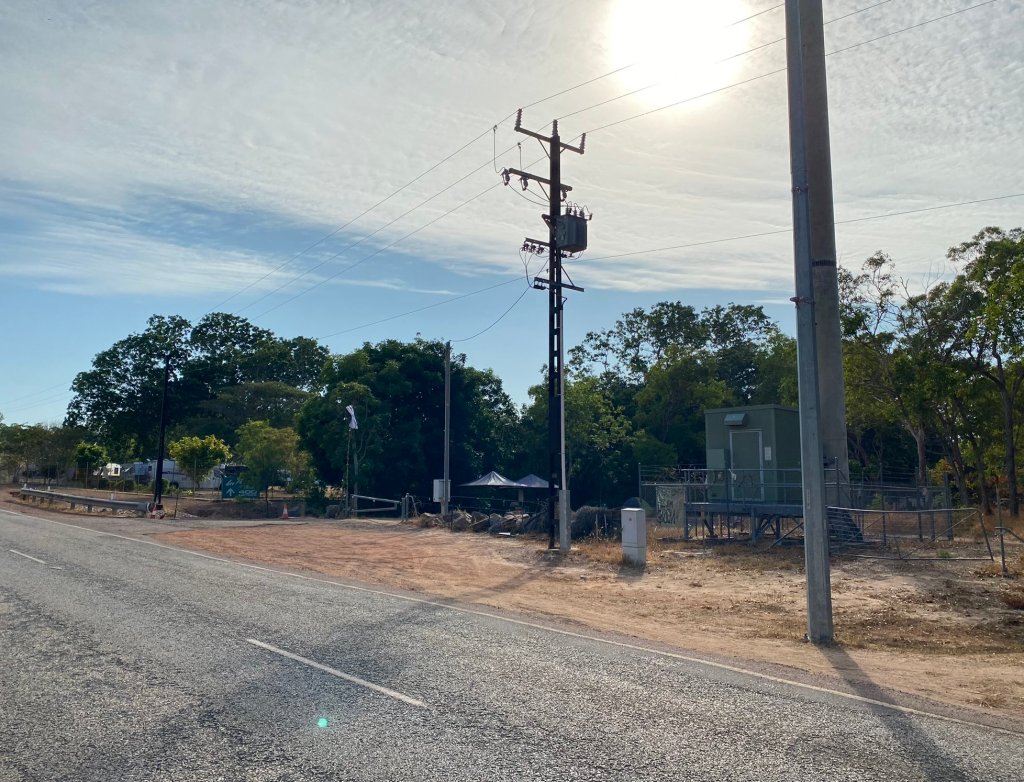
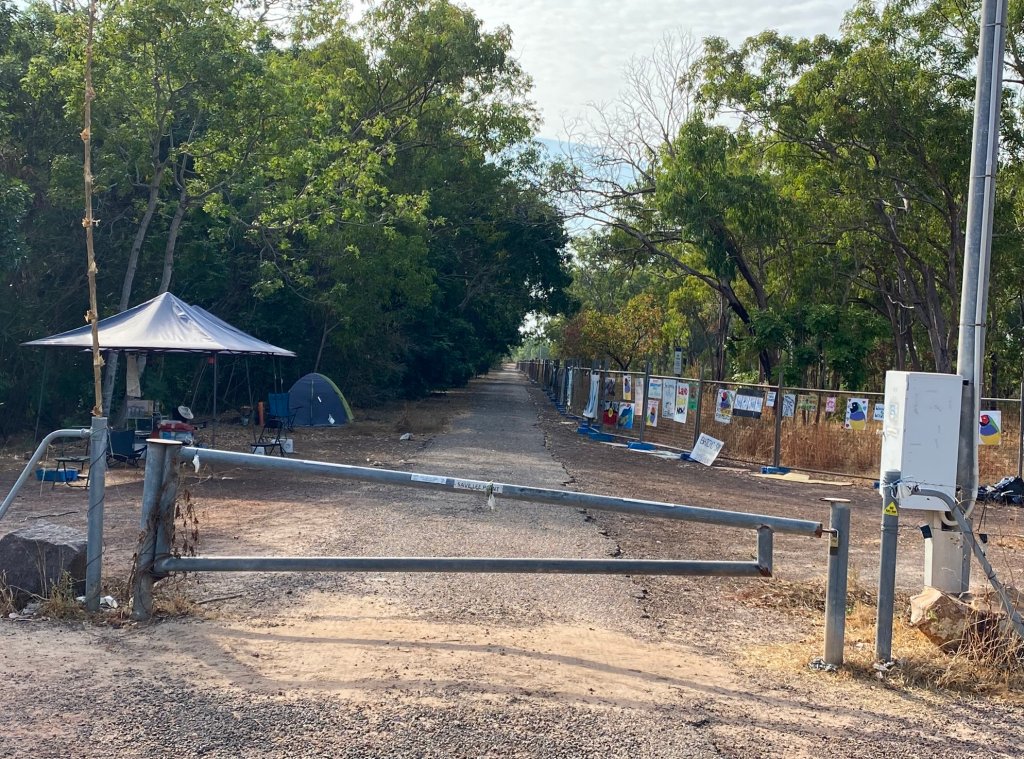
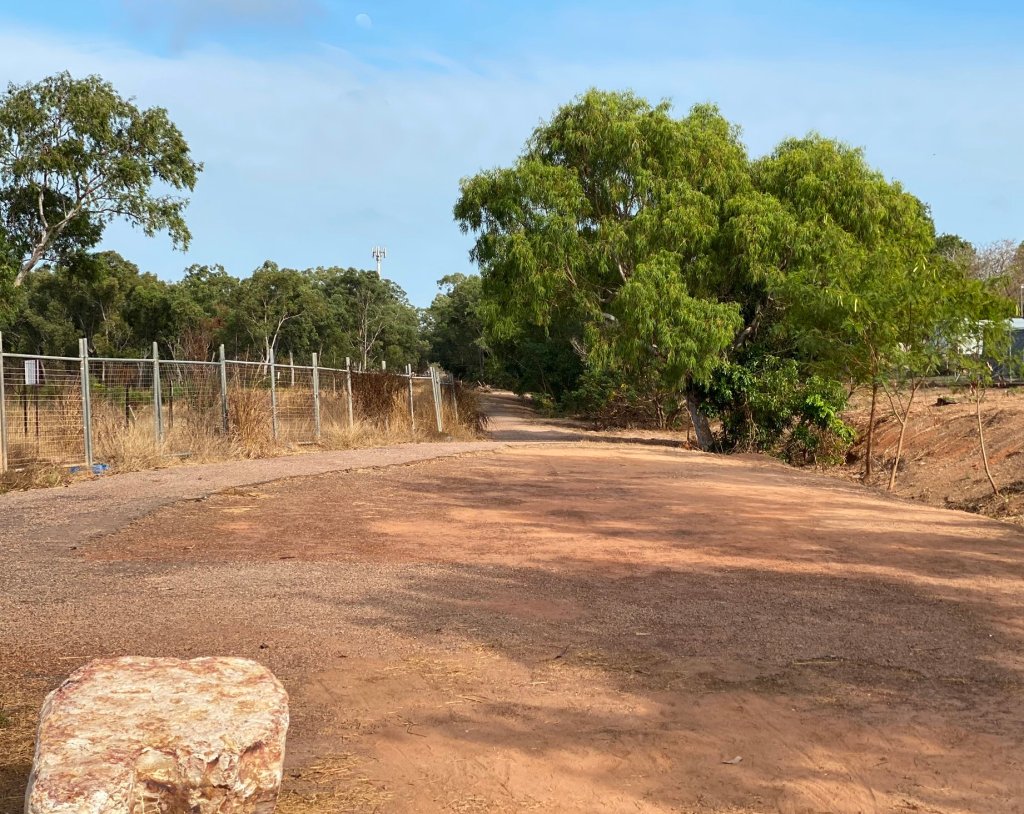
The best entry point, if you aren’t staying at the Lee Point Village Resort, is to drive up to Lee Point Road and park on the side of the road just before the south-west corner of the resort. There’s no signs for the site as such, just a gate and a glimpse of a long straight dirt track. You might, however, see some of the “Save Lee Point” posters and associated activity here – more on that later.
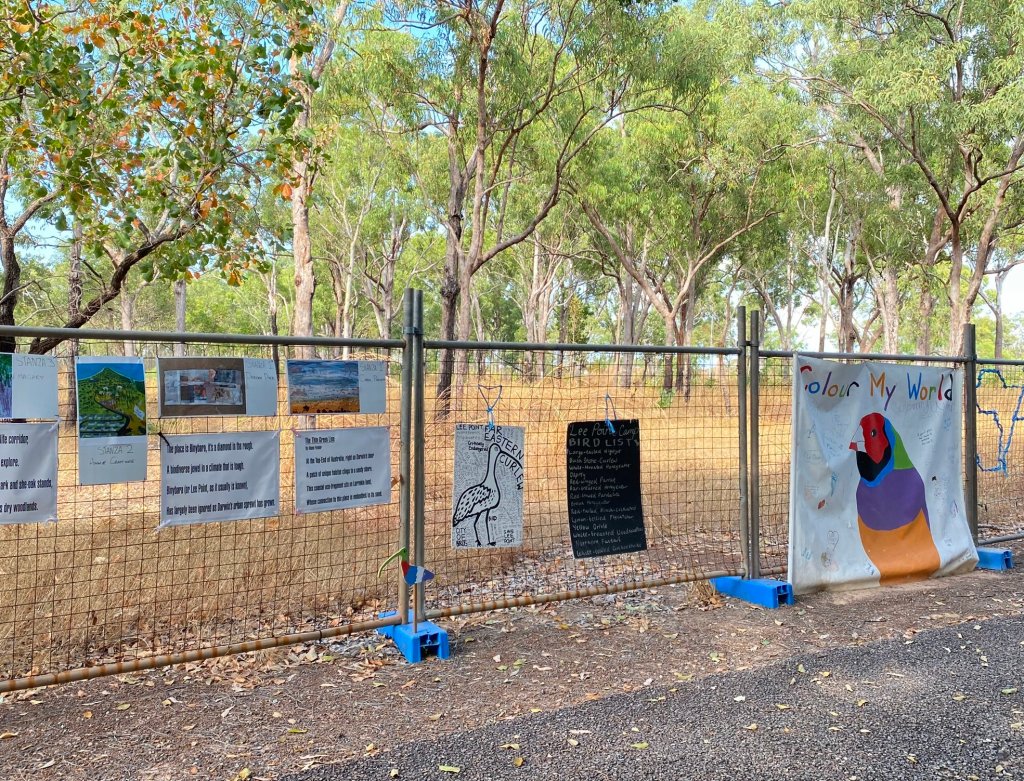
In 2022 a population of Gouldian Finches made its way to Lee Point, an almost unprecedented “irruption” that brought many birders from all over and even made the news. Up until then Gouldians had been pretty hard to find, with some people seeking these gorgeous finches for years without luck.
Our group of three had just arrived in Darwin and headed out to Lee Point in the afternoon, and were lucky to see several vibrantly-plumaged small birds resting in the tree shadows: Gouldian Finches! This was on the east-west track just past the gate which runs along the southern edge of the resort, that gives access to the bushland, not far from the road. It was an awesome treat and a fantastic way to start that trip.


The Gouldian Finches have become something of the symbol of the Save Lee Point campaign, which over a number of years now has been protesting the Defence Housing project to develop much of the area. As of writing this blog, the campaign is still ongoing with development paused after some of the bushland corridor (which links up the coastal area to the west with mangroves and inland areas to the east) was razed around the site.
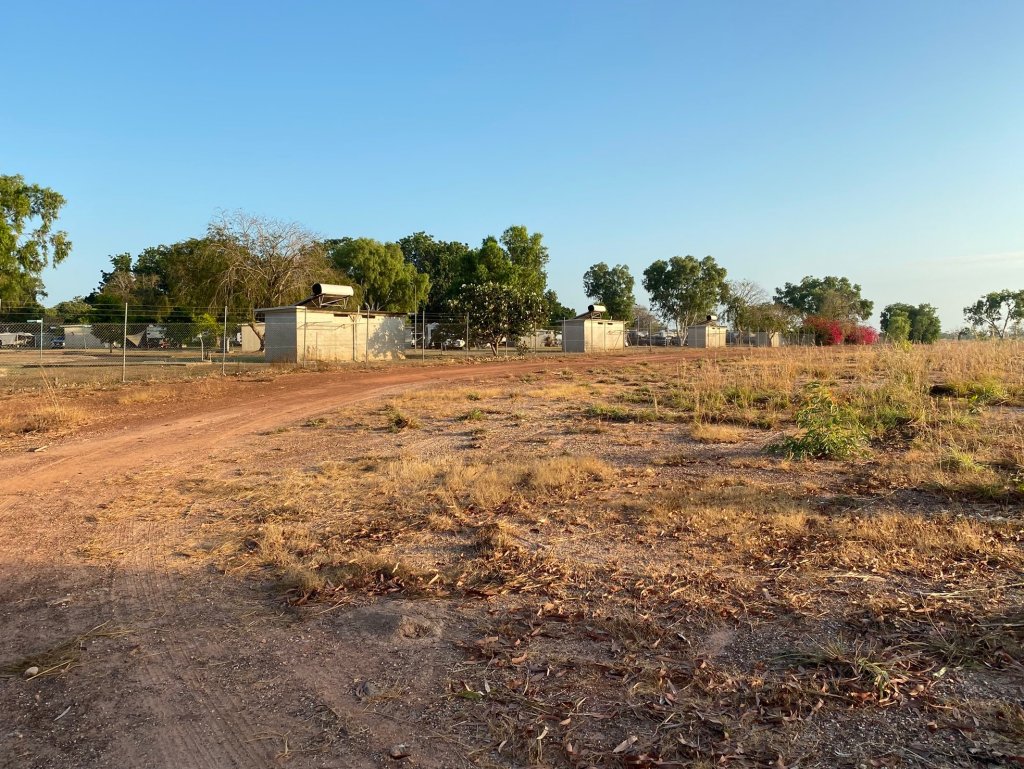
The “corridor” nature of this location is readily apparent as you walk in, with many birds to be found (aforementioned Gouldian Finches in our case) just on that east-west access track. Once you hit the south-east corner of the caravan park, you are then in “birding nirvana”, what with the lagoon nearby, water sprinklers in the caravan park (good for the braver finches), lines of trees and plenty of unkempt grasses. You could just hang around at this seemingly innocuous point for a couple of hours in the early morning or late afternoon and see a ton of bird life.
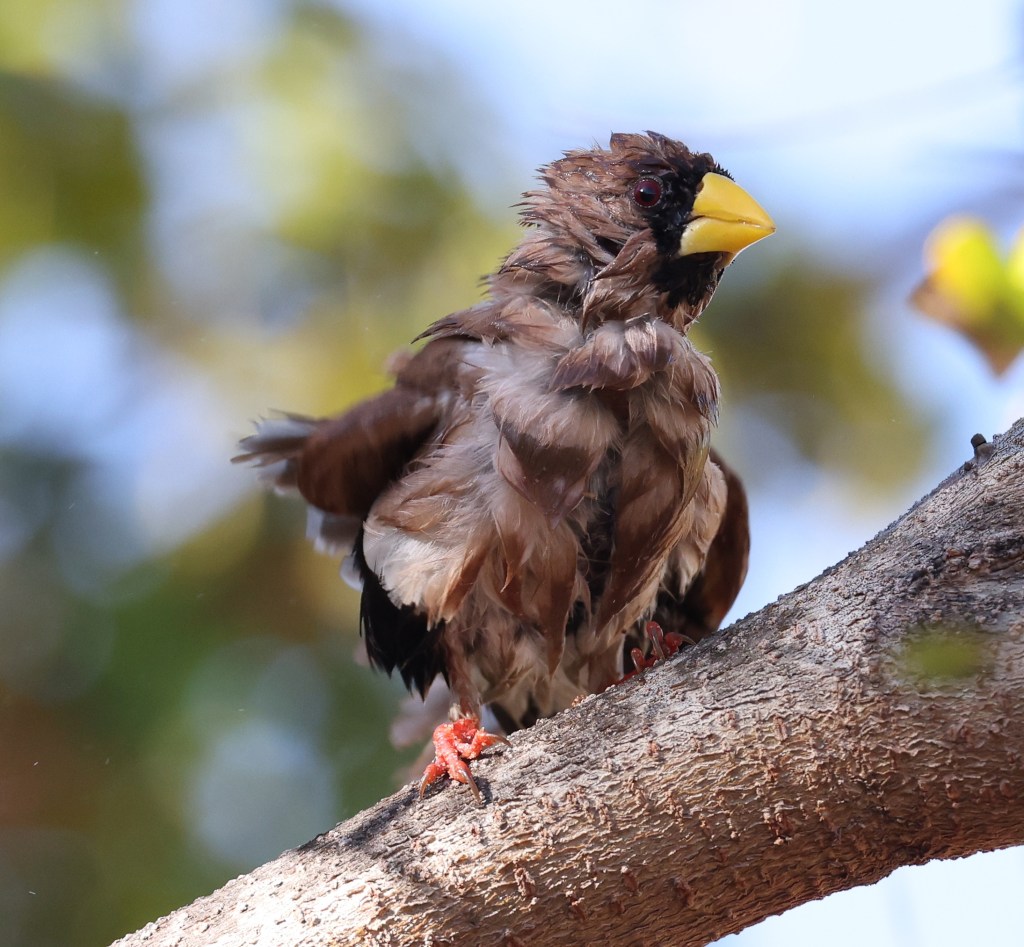
Speaking of finches (as we surely were…!), Masked Finch is a stocky little finch which is regular here; the first photo below shows one from 2022 which was still wet from a sprinkler visit, while the second was by itself (its buddies were about twenty metres away), sleepily resting on the stony ground just beyond the resort’s wire fence. I was particularly happy with this “finch resting on the stony ground” photo, because the background and surroundings so clearly mimic the bird’s colour. You definitely can’t see how uncomfortable I am lying prone to get the shot though!

Double-Barred and Long-Tailed Finches are also regulars, while Star Finch and Yellow-Rumped Mannikin are possible too – seemingly in the second half of the year according to eBird, perhaps driven north when their inland water sources start to dry up.
The most reliable and abundant finch found here is the lovely Chestnut-Breasted Mannikin, seen below in its favourite grasses in July 2024, though Crimson Finches are similarly very common.

Sometimes you might see several hundred of these Chestnut-Breasted Mannikin (as we did in 2022); the all-time high count is a whopping 1500!
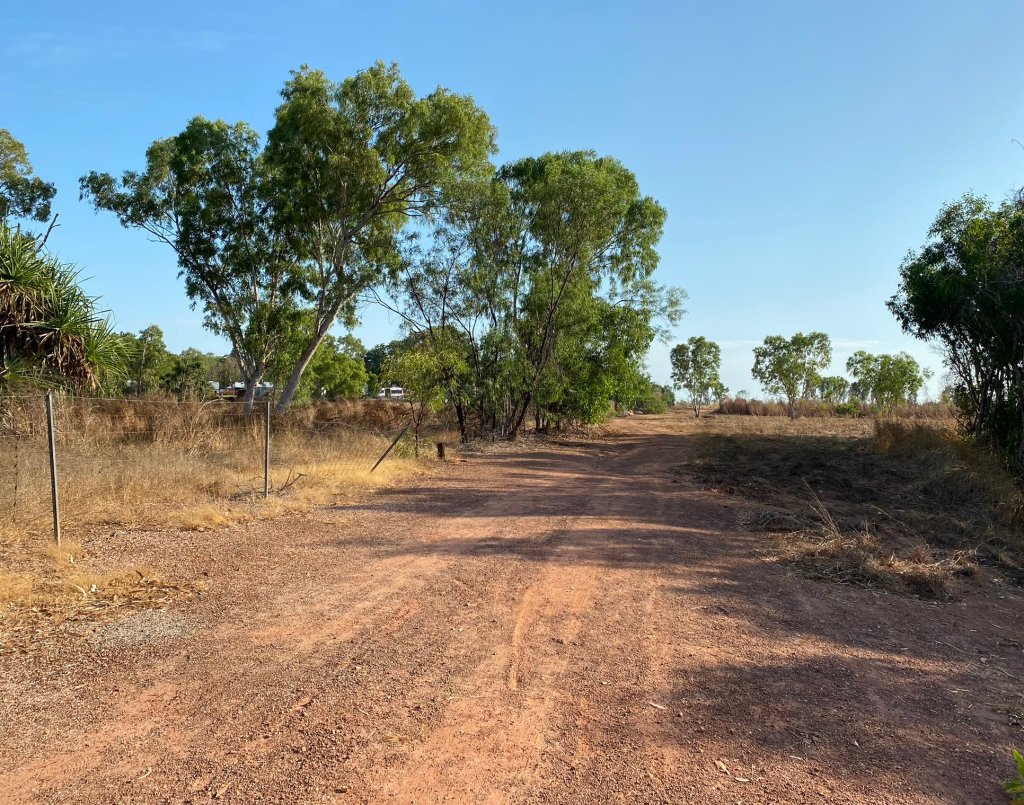
Again, bear in mind that you can see these finches without going much past the caravan park fence line – a little exploration and patience is all that’s needed. Note that there isn’t any official tracks or signage, but it’s usually pretty obvious where you can walk.
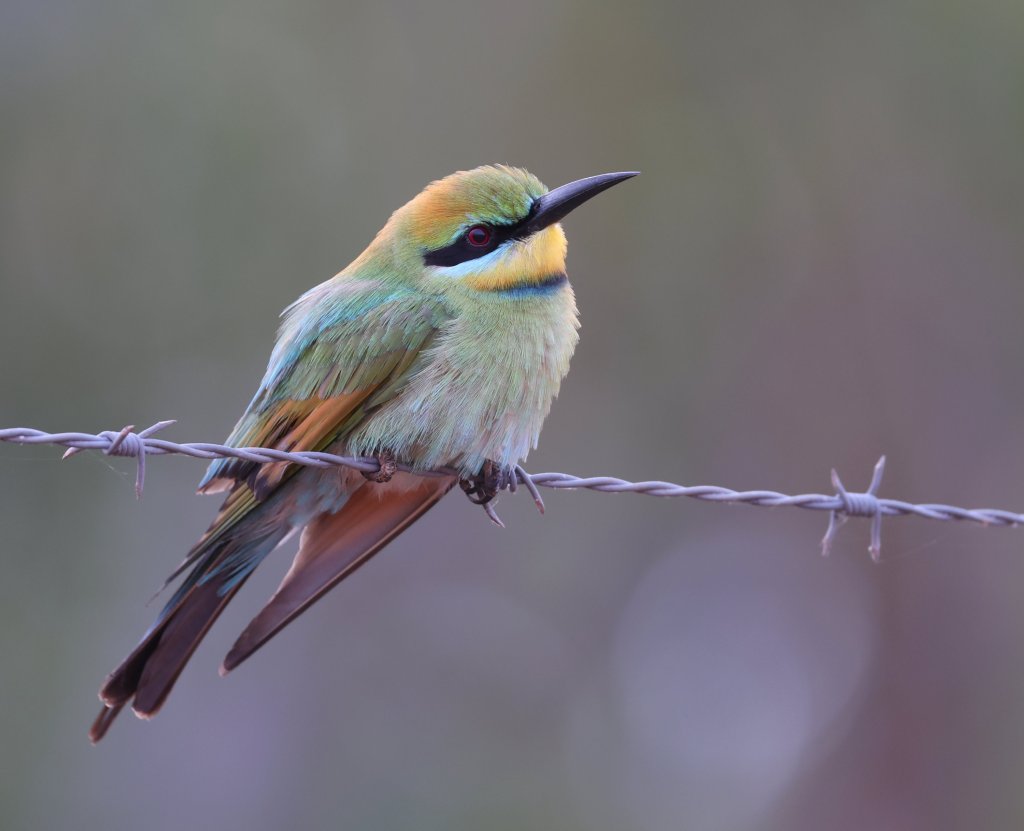
Lovely Rainbow Bee-Eaters frequent this same spot and, being near human habitation, aren’t particularly spooked by people. The photos below show these birds quite relaxed in July 2024, even resting on the ground at times.

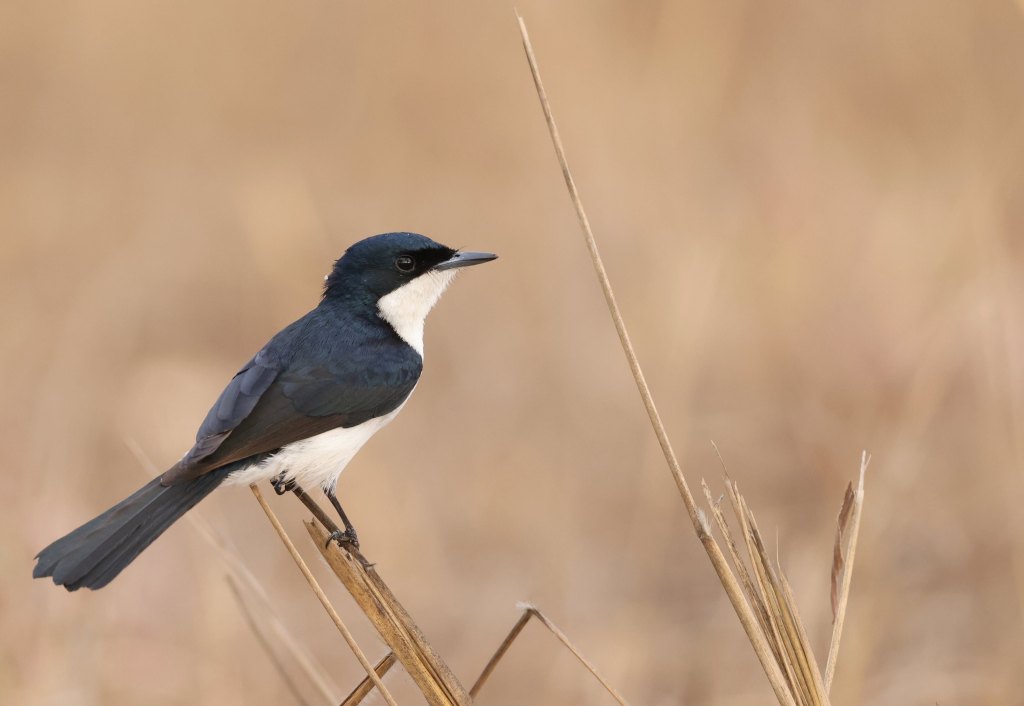
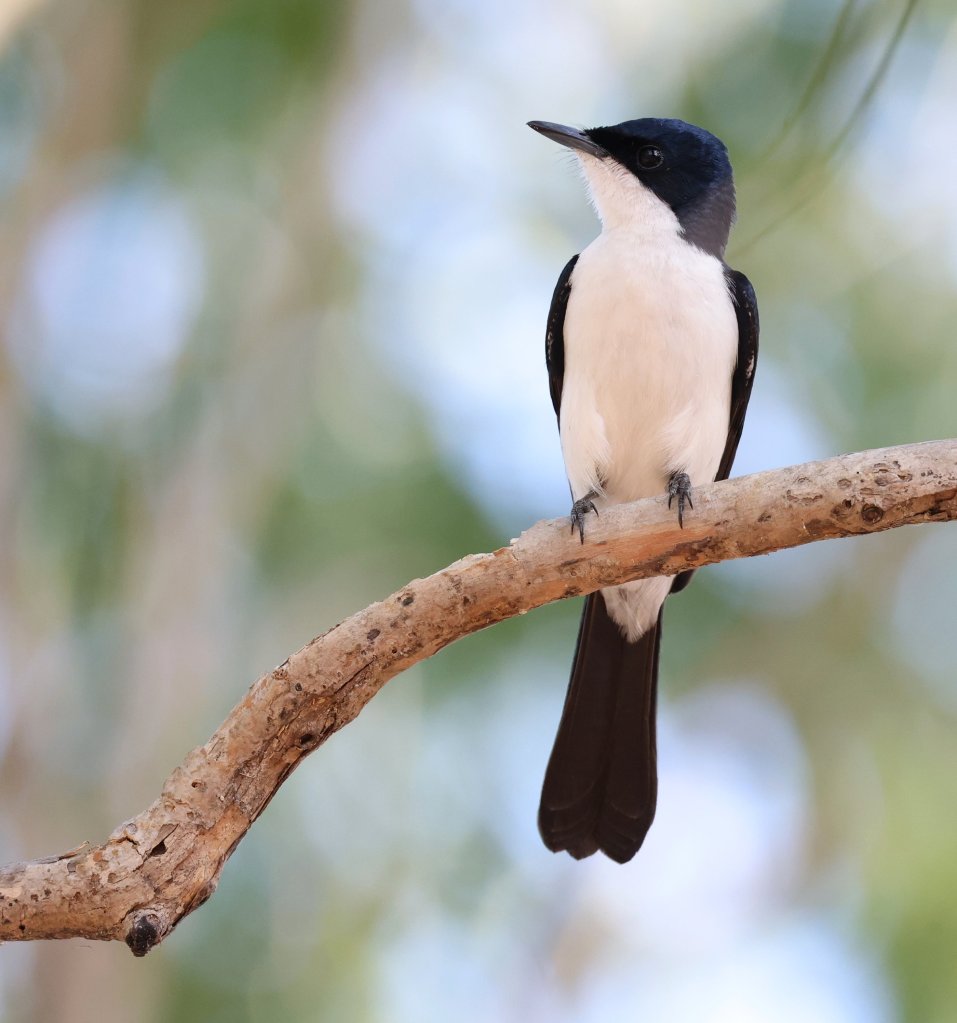
The dry grasses and surrounding bush also host Paperback Flycatcher, a remarkably handsome bird that is fun to watch when it is foraging. Broad-Billed, Shining and Leaden Flycatchers are also seen at Lee Point.
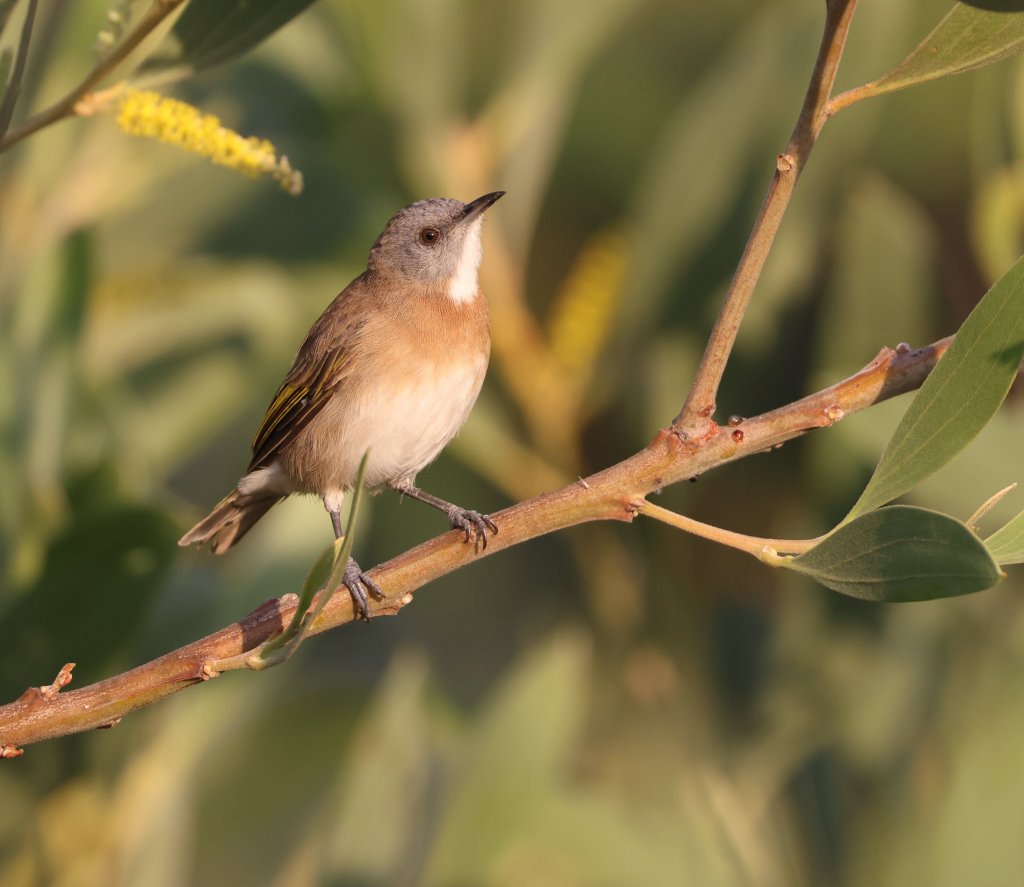
Honeyeaters are well-represented too with White-Gaped, Bar-Breasted, Brown and White-Throated Honeyeaters being the most reliable. Other species of this bird family that you might want to see that are absent from Australia’s southern states include Rufous-Banded, Dusky and Red-Headed Honeyeaters.

In July 2024 we saw two dozen White-Breasted Woodswallows at the edge of caravan park; a common sight is the triangular shape these small birds cruising skies above.

Likely one of the magnets drawing birds to the area is the lagoon, which should not be missed in order to get the most out of the site. In fact you could bird the area without even knowing the lagoon is there, as it’s a little sunken and surrounded by trees which hide the water from casual observers.
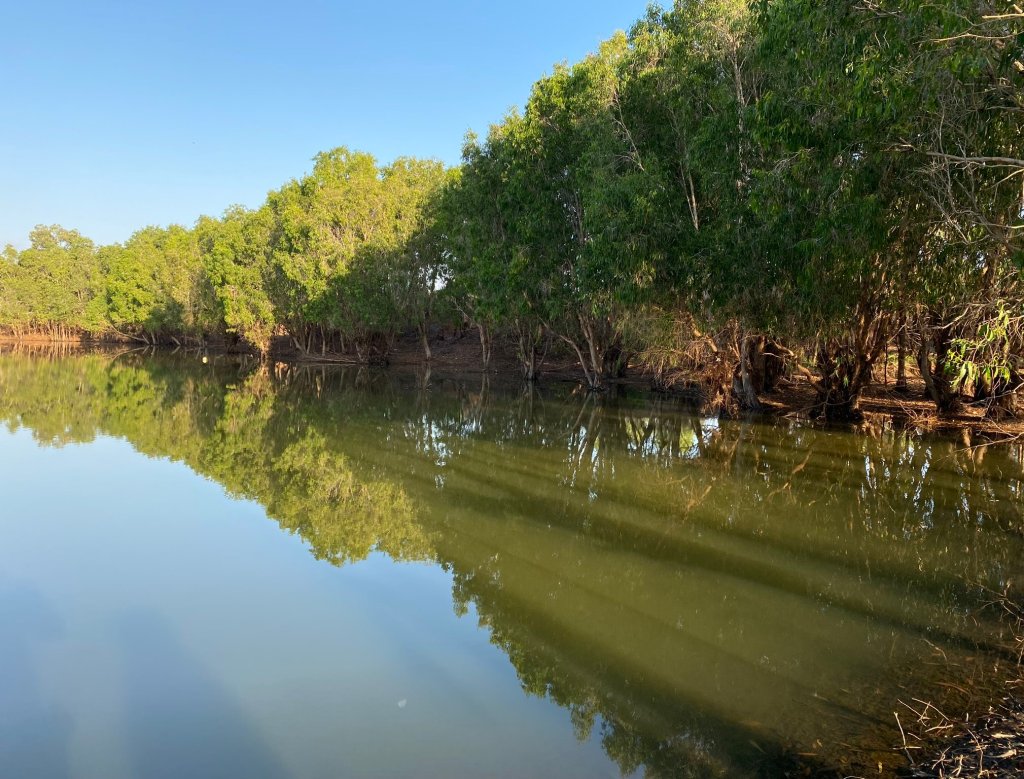
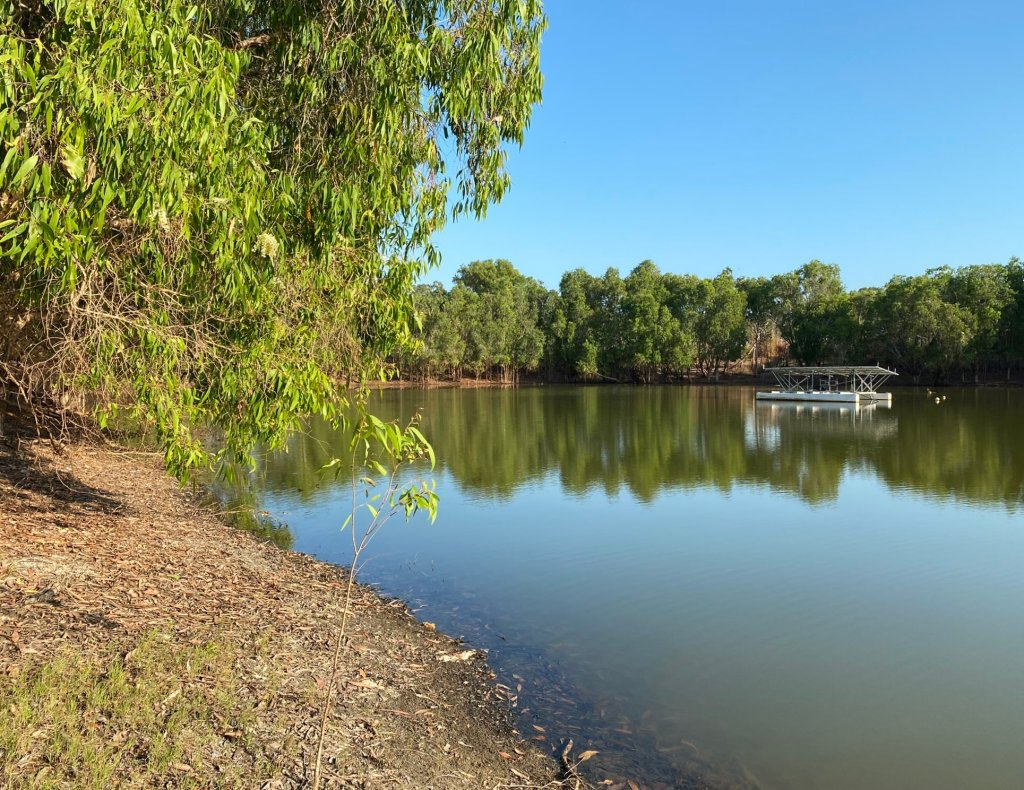
If you haven’t already seen Crimson Finches in the dry grasses, staking out the water’s edge can be a fruitful strategy, as finches need to drink frequently as they get almost no moisture from their seed-heavy diets. They will tend to move as a big flock back and forth between the grasses and the lagoon. Sometimes, as we witnessed in our July 2024 visit, they also use the water to cool off!

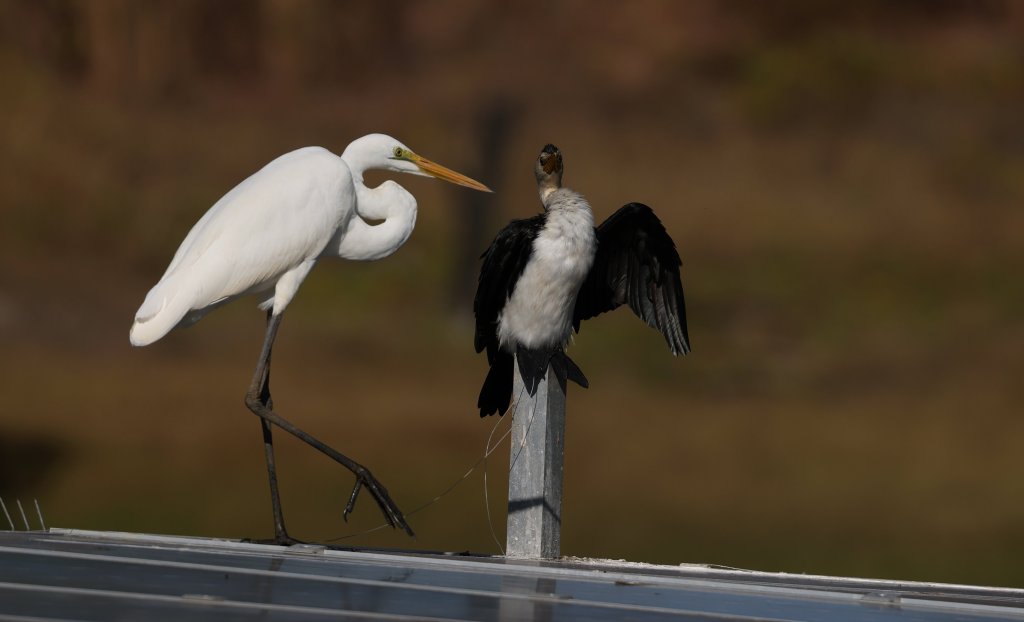
The occasional water birds are here, too, with various egrets, cormorants and Australasian Darter being regular.
Around the lagoon can be a little deceptive: you start to think there’s not many birds here and then you suddenly notice there’s been a Forest Kingfisher or a Lemon-Bellied Flyrobin patiently perched on a tree branch right by you the whole time…
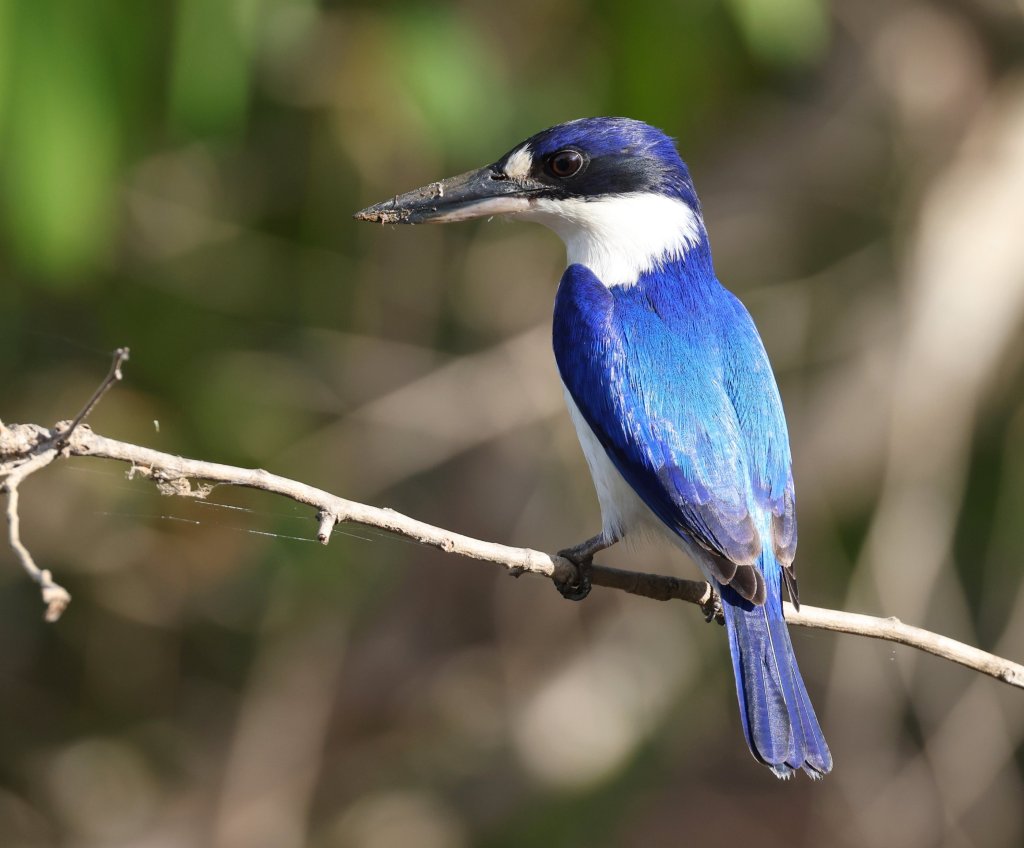
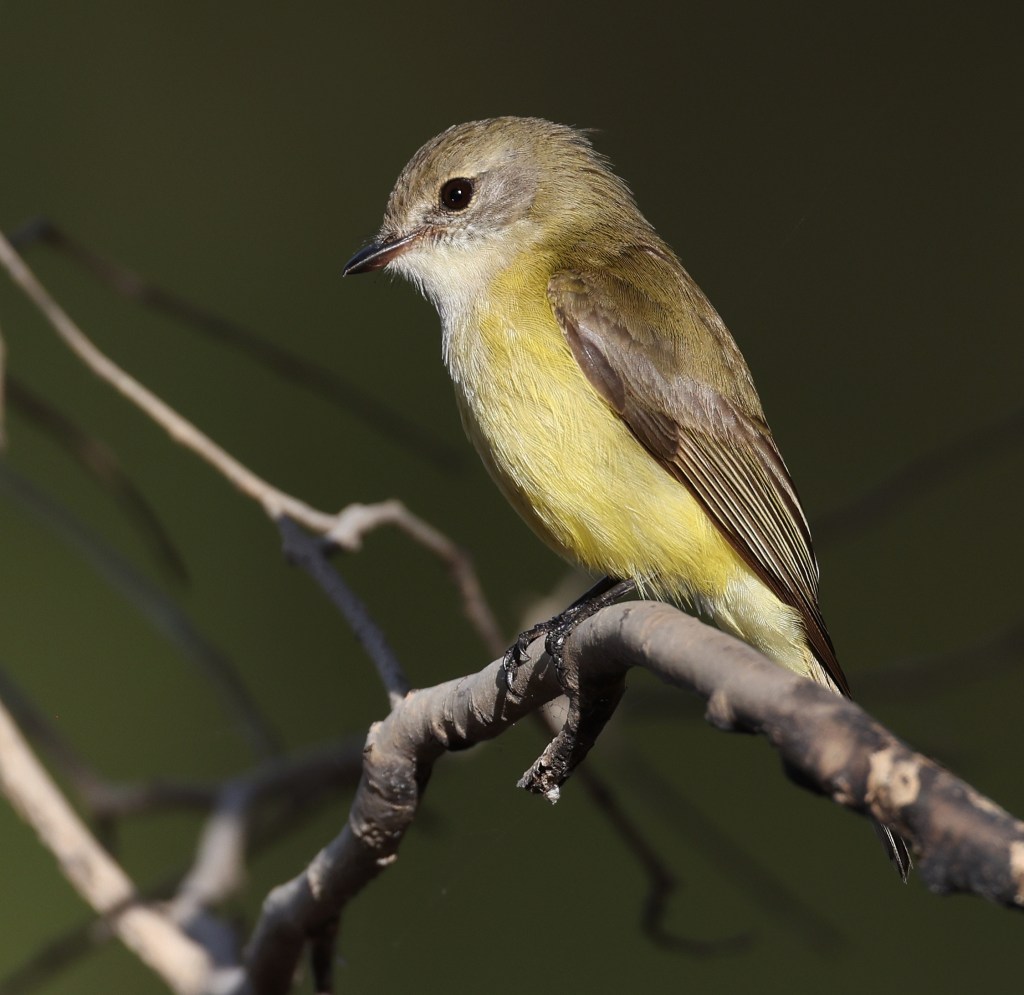
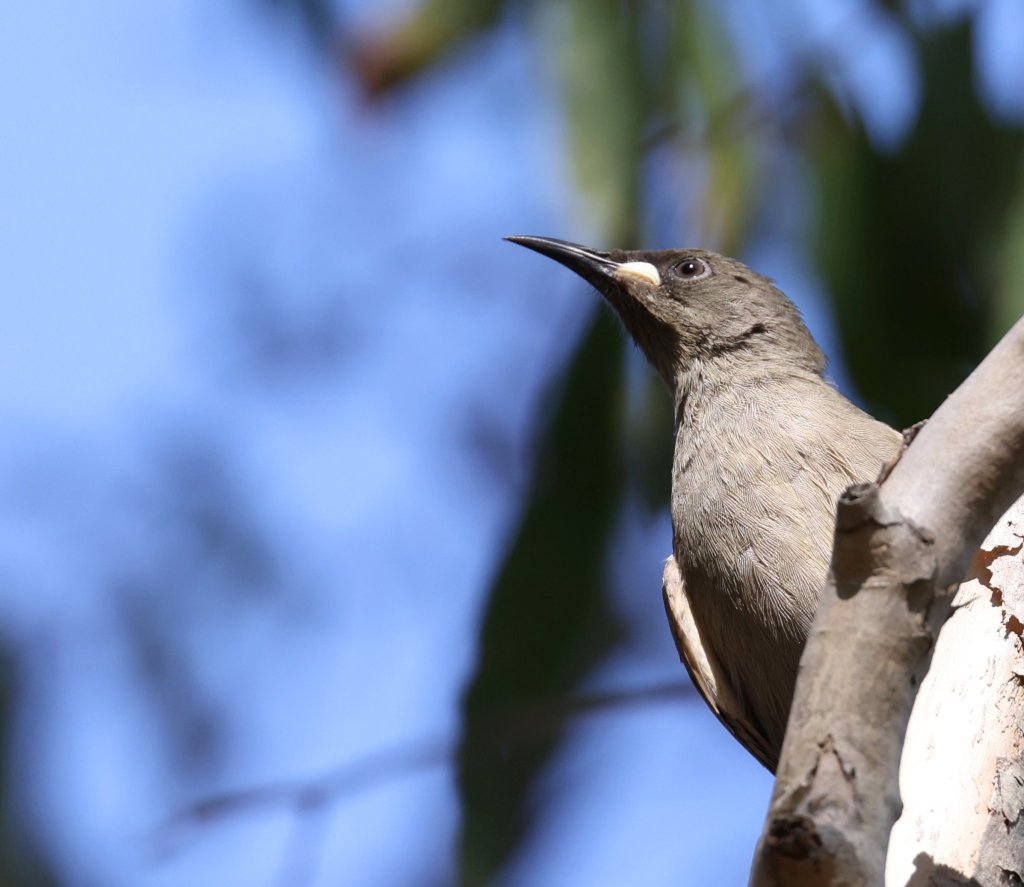
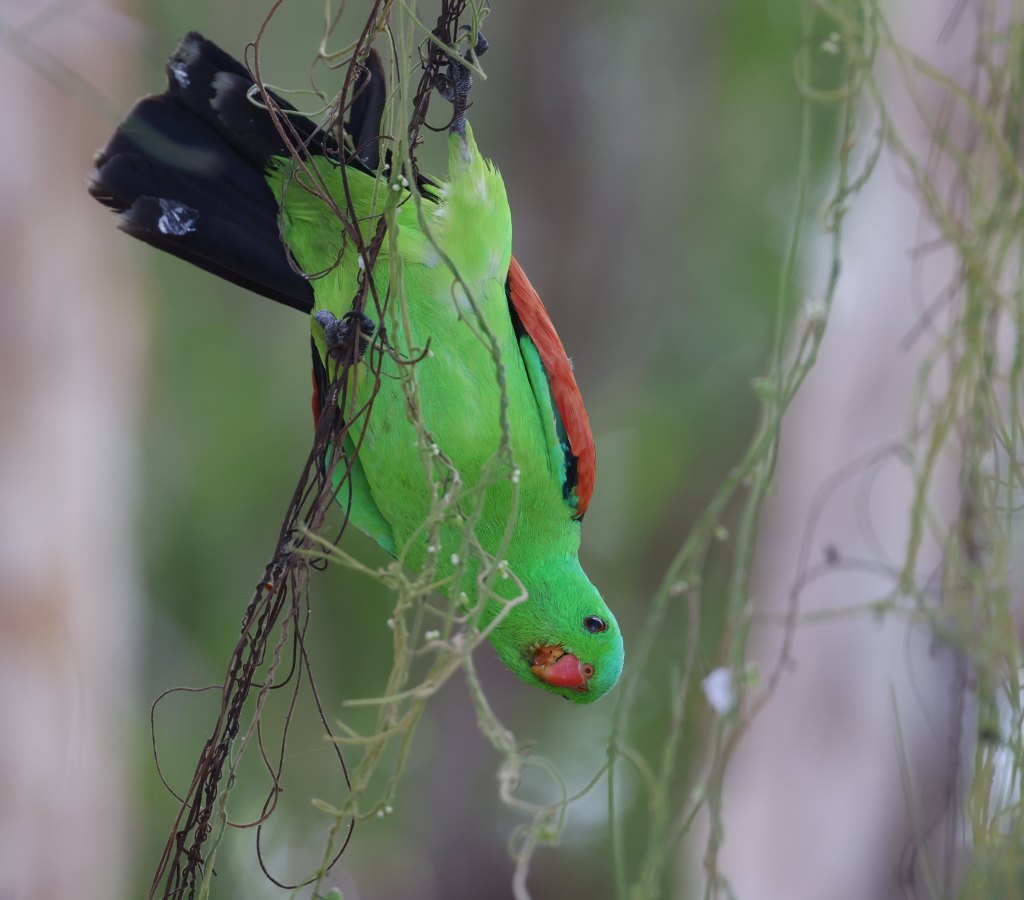
Other birds I’ve found near the water (from the July 2024 trip) and had a good time photographing were Little Friarbirds and Red-Winged Parrots.

In an afternoon visit on that same trip (July 2024), we ventured much further along the straight dirt trail that heads directly east from the “back side” of the lagoon. It was definitely the case that the bird activity dropped away somewhat away from the water, though we did see six Red-Tailed Black Cockatoos high in one of the gum trees near the fence line.
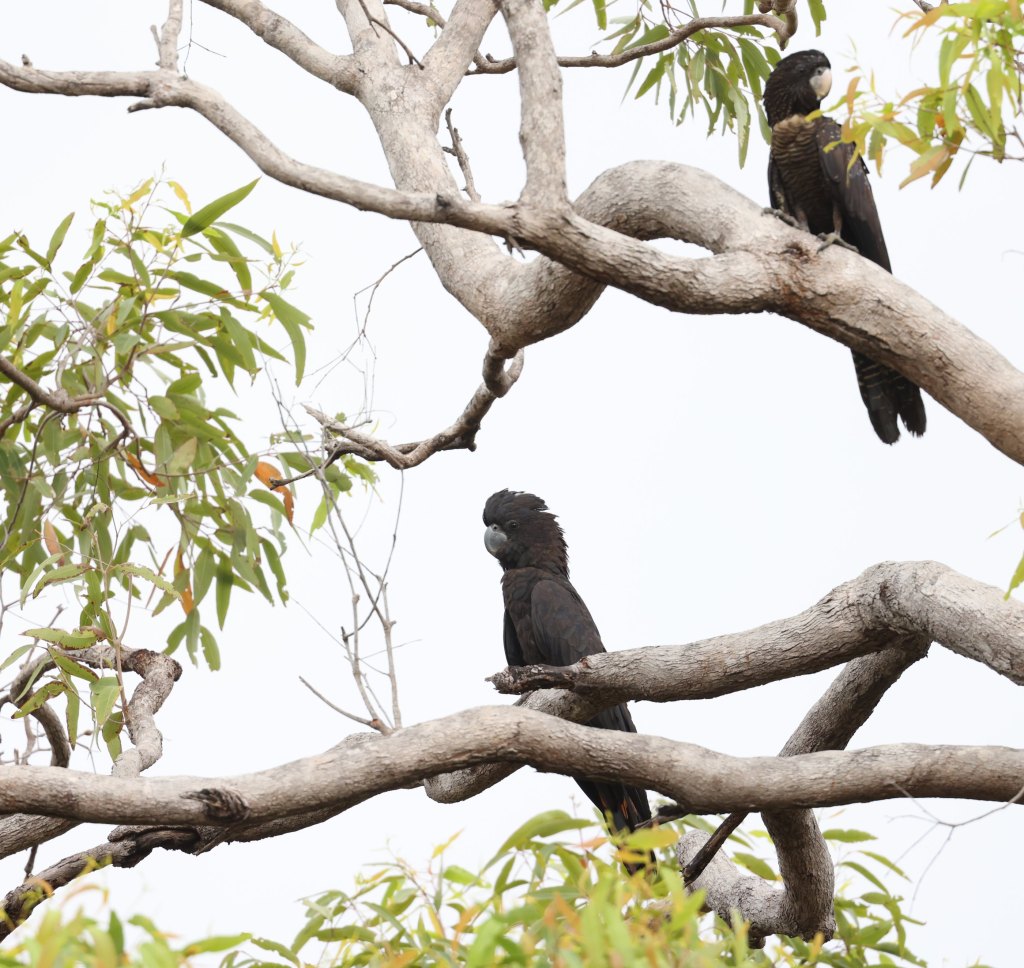
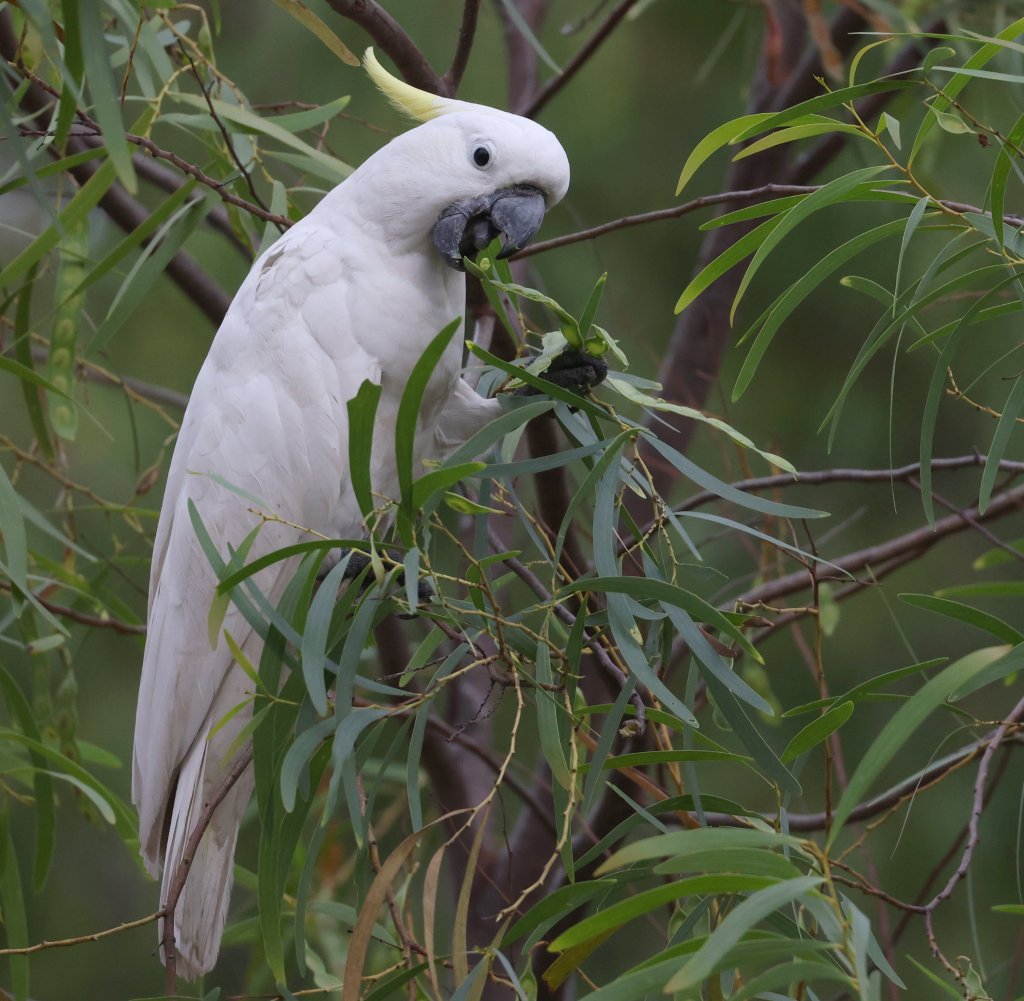
Speaking of cockatoos, it seems you’re never very far away from a cheeky Sulphur-Crested in Darwin.
Summary
The Muirhead Bushland at Lee Point is justifiably known as a great nature spot, particularly for finch enthusiasts, and it definitely delivered on the bird front the four times we visited. It just seems to concentrate quite a few species that you might want to see in the Top End into one fairly small area. It is a great shame that it is under threat from development – even though some of the site is supposed to be kept unchanged, there would still be a big negative impact and we can only hope that the Save Lee Point campaign sees some success in preserving the site.
eBird:
eBird hotspots: Muirhead Bushland (183 species), Lee Point Village Resort (138 species)
Checklists for these visits: 29 Jul 2022 (29 species), 8 Aug 2022 (36 species), 25 Jul 2024 (36 species), 27 Jul 2024 (39 species)
Bird Spots videos from this location
Pluses and minuses:
+ Great site for a variety of birds in Darwin, including recent Gouldian Finches
+ Easy navigation with mostly flat tracks and few dangers or obstacles
+ Caravan park accommodation right there!
– Ongoing development makes the future natural value of the site uncertain
– Main birding area is fairly small with less going on away from the water sources
– Minimal signage or facilities
AUTHOR: ANDY GEE
BIRDERS: ANDY GEE, LUKE S, K-A
 Bird Spots