Fraser’s Hill is one of those famous-amongst-birders locations that I’d found out about a while ago and finally had the chance to visit. As well as being a top-notch nature site, it has an annual “Bird Race” day (usually in June) which has been going for 37 years and attracts up to 100 participants. I put aside five days to explore this ex-British-colonial-hill-station-turned-resort-town, which felt about the right amount of time – I was still seeing new species on day five, for example. I went there in September 2026.
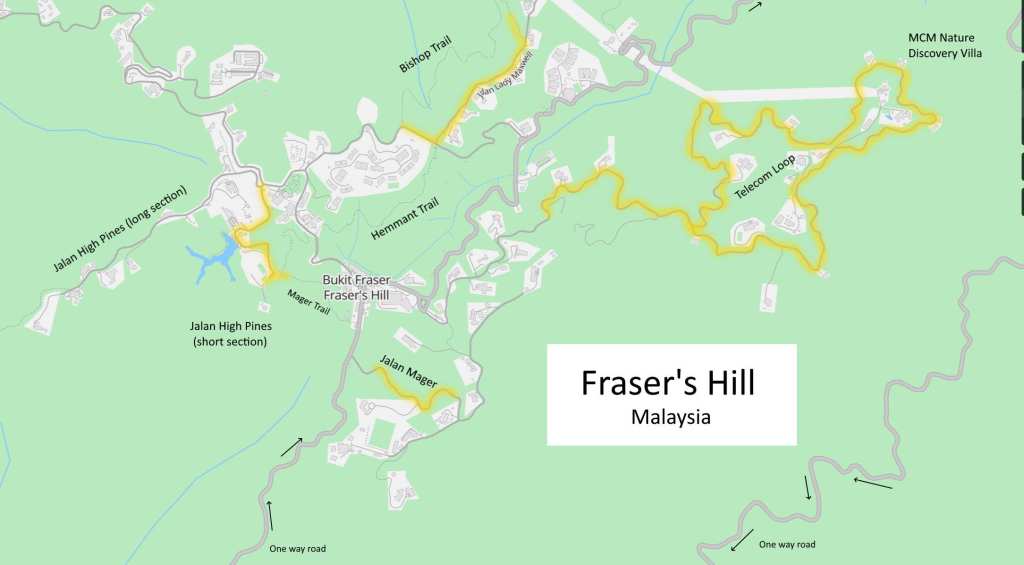
For a high-quality mountain-rainforest location, it’s remarkably accessible. The drive to get there (all on sealed roads) is straightforward to navigate (though it feels long and can be quite winding), and it will take about two hours from Kuala Lumpur. Make sure you get petrol on the way as there’s none up top! (Also, I say “driving”, because the choices are basically either self-drive or taxi – there’s no public transport). Note that the main road into and out of Fraser’s Hill is a huge convoluted one-way loop; the Telecom Loop is one way; other areas shown in the map below are all two-way roads.
At around 1500m elevation, Fraser’s Hill sits squarely in montane region which means it’s noticeably cooler than the lowland regions. The weather is also very changeable; the afternoon we arrived featured alarmingly heavy rain and even some lightning, a pattern which repeated the next day. You’d be well advised to have enough time here in case you need to wait out the rain storms.
There’s some… let’s say, interesting… information out there about the “best” spots to find birds in Fraser’s Hill. Older blog posts talk about the Jelai Resort on Jalan High Pines road, but this is derelict and closed off now so I doubt you could rave about it any more. The truth is that the whole area is mountainous rainforest, so most spots are as good as others; what really matters most, I think, is the accessibility and visibility of trails and roads you’ll be walking. In this regard, Telecom Loop stands out for its long length, good visibility and relatively peaceful vibe.
Telecom Loop
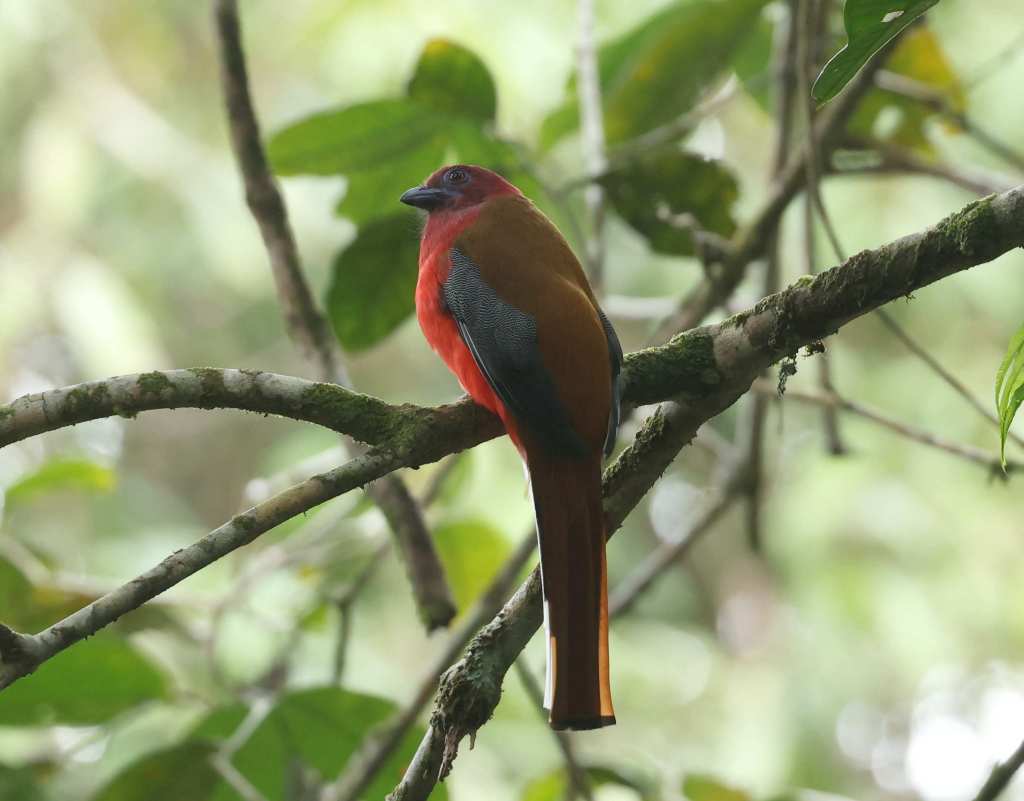
There are many, many quality bird species (over 450, according to eBird) to find at Fraser’s Hill, and the Telecom Loop section is a renowned and reliable place to find many of them. One of the most desirable species is the Red-Headed Trogon; we saw a male and a female bird on our first day, then didn’t see them again for the rest of the time we were there.
We stayed at MCM Nature Discovery Villa, which is owned by an ex-pat named Stephen, who used to also let out the neighbouring building “Stephen’s Place” to visitors. It is probably the most “birdy” accommodation on the hill, in that you’ll likely talk to (and get some inside tips from) Stephen and other birders over a breakfast or dinner (which may be Malaysian-inspired or English-inspired depending on the day, but delicious either way). The rooms are pretty comfy, there is some very decent birding in the gardens on site (helped also by a few moth traps), and its location definitely puts you in the middle of the action of Telecom Loop, though that does mean other parts of Fraser’s Hill are a couple of kilometres away.
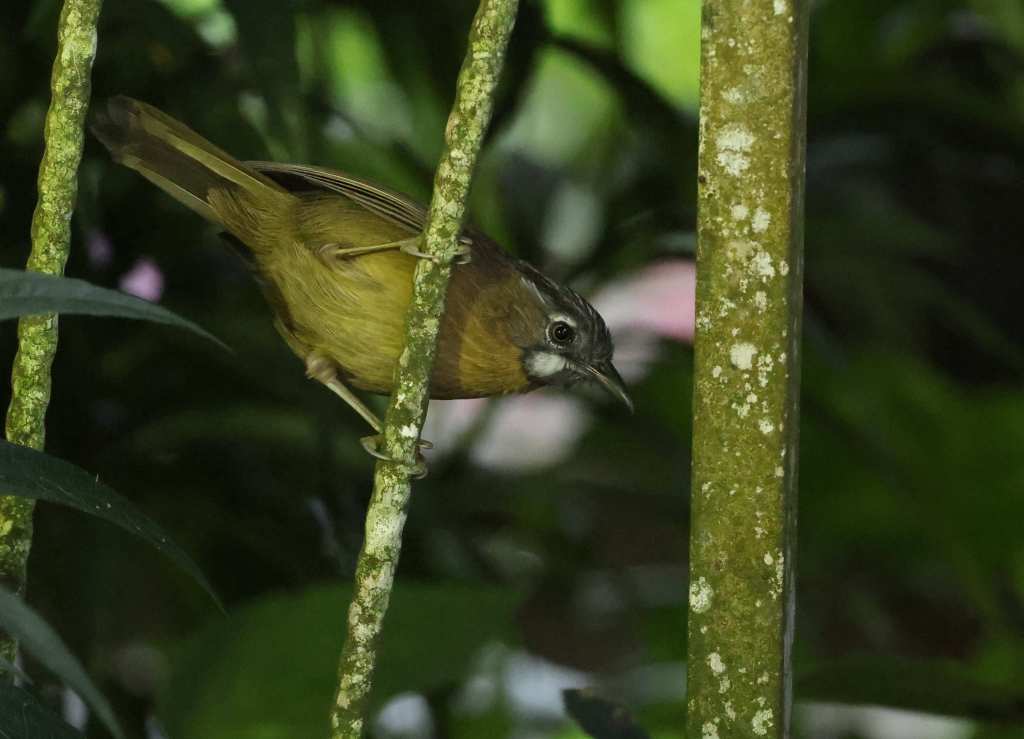
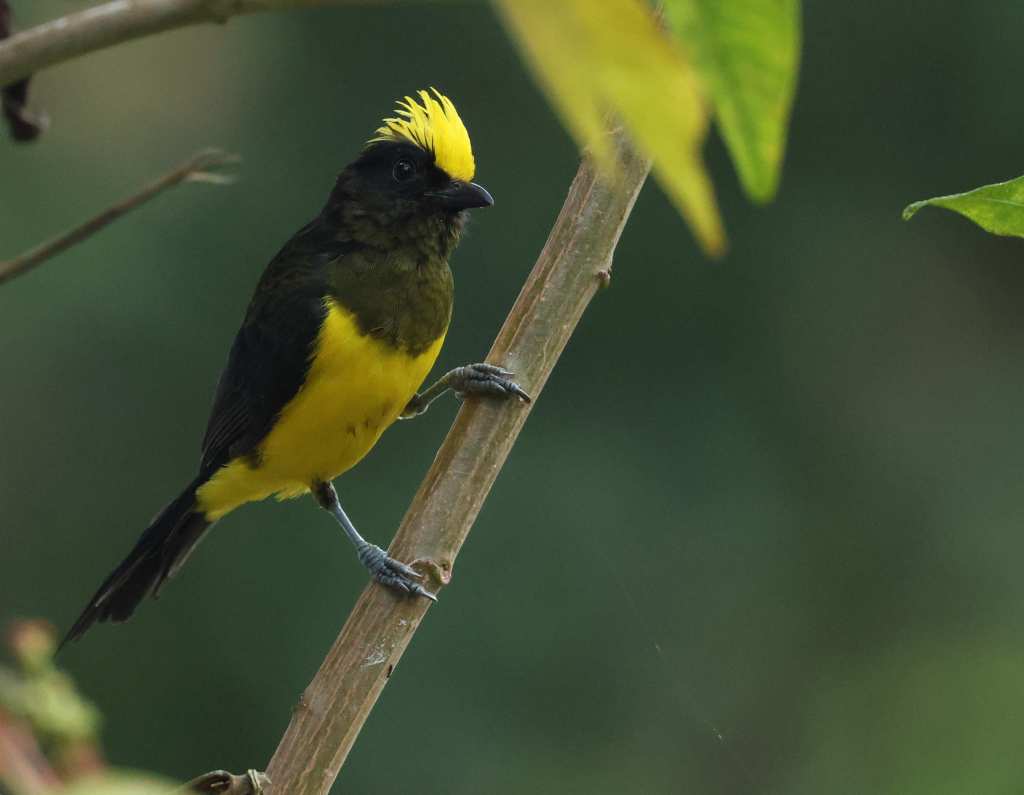
As mentioned, birding in the grounds is quite productive. I have included photos of the common species in the grounds, like Black-Throated Sunbird, Sultan Tit and Streaked Spiderhunter (to name a few) further down, as these species are common in mixed flocks or otherwise found around Telecom Loop, as well as at MCM Discovery Villa. So too is the slightly skulky Grey-Breasted Babbler.
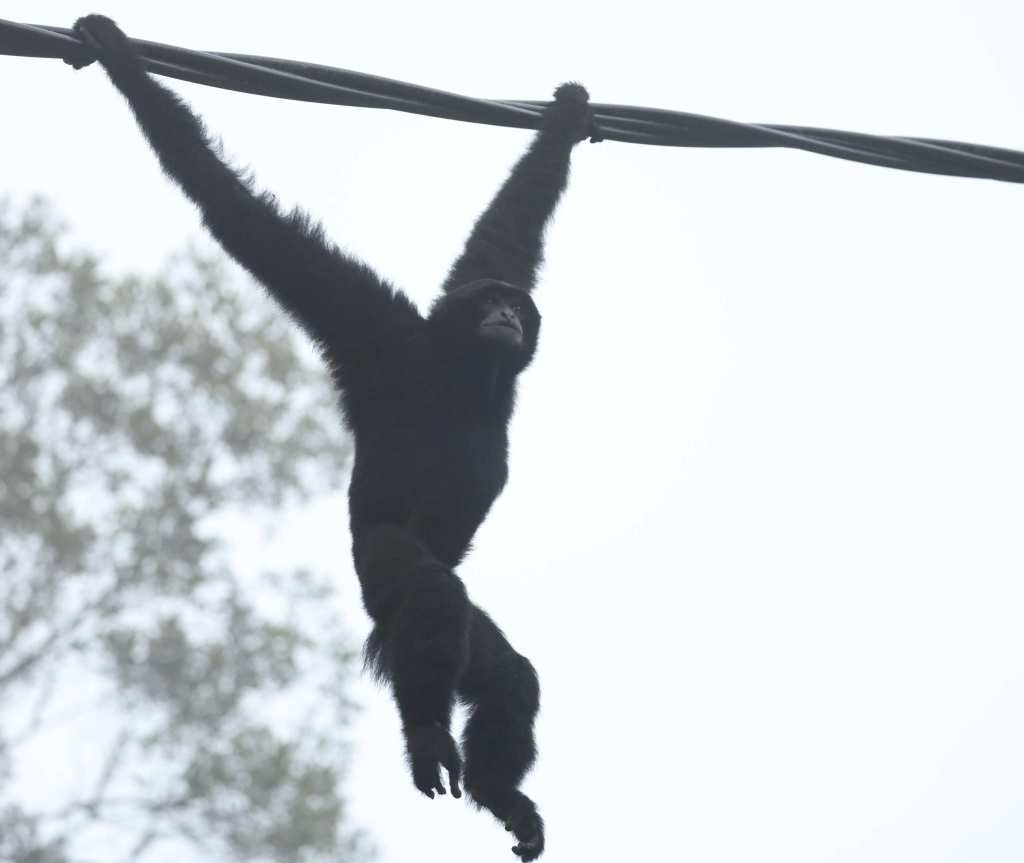
This Siamang Gorilla with its long and presumably very strong arms swung by on the power line one morning and passed by right over the gate into the MCM grounds on its way to who-knows-where… you’ll definitely see more than just birds at Fraser’s Hill!
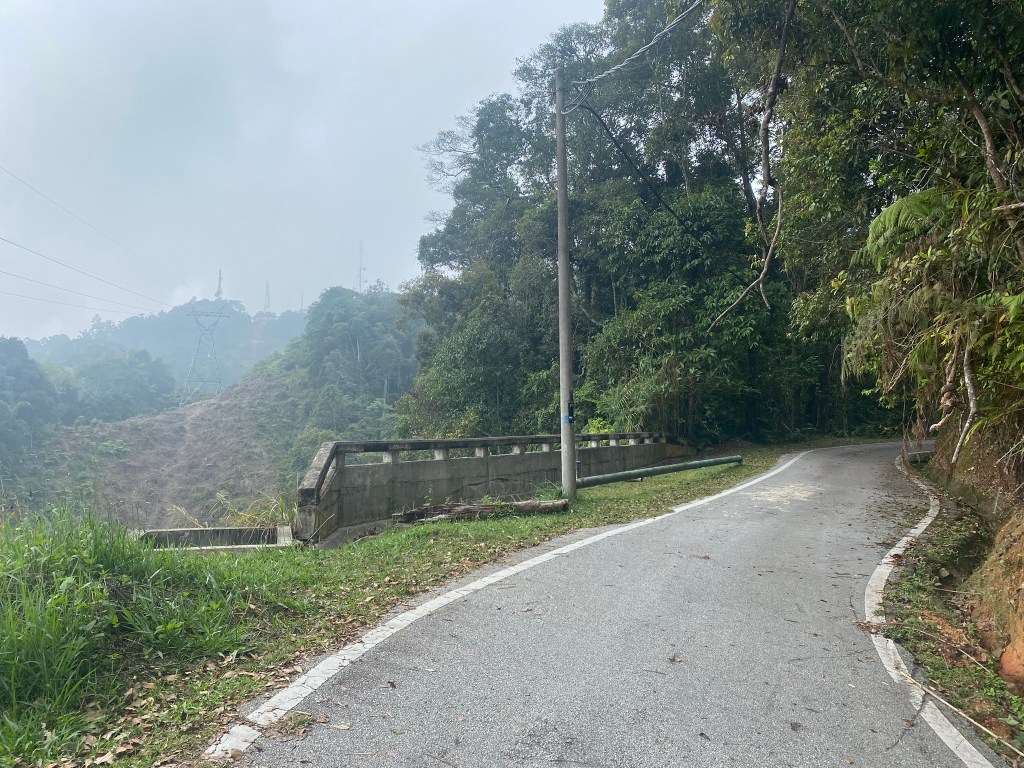
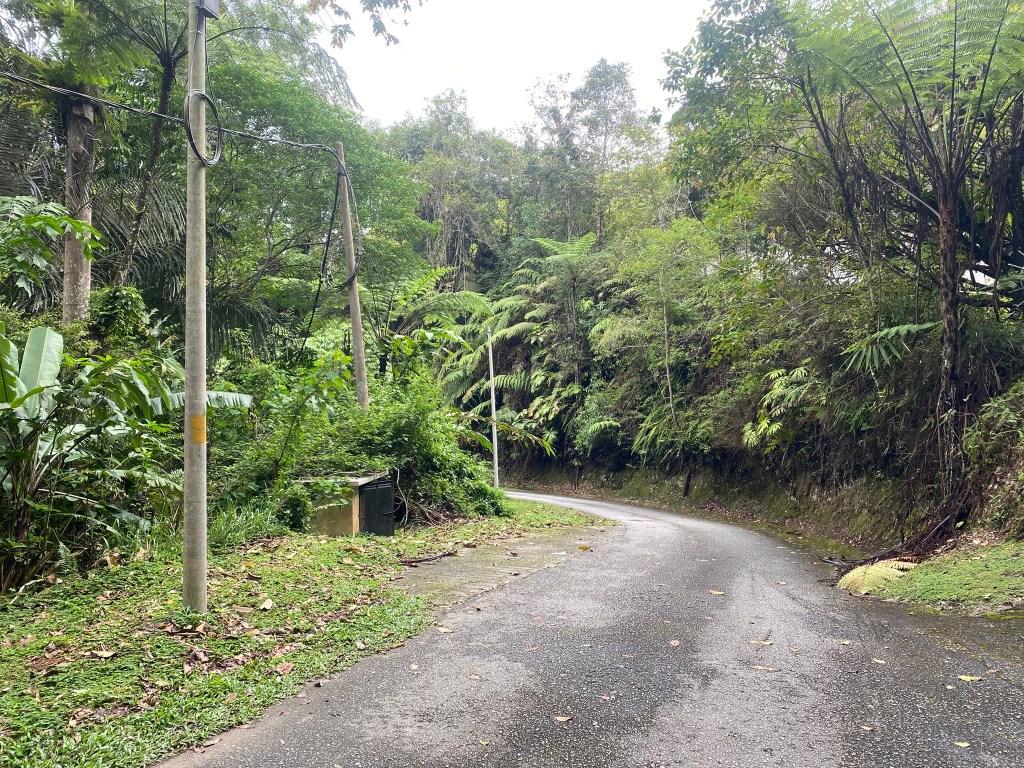
Right, onto Telecom Loop itself. It’s exclusively roadside birding, which might conjure dread imaginings of cars roaring past while you’re trying forlornly to peer into the canopy, but it’s actually pretty chill, with barely any traffic. Roads are more open and let more light in than on the trails, letting you see much better into dense forest (one might say, jungle); roadside birding is often just more preferable in these kinds of habitats.
The whole of Telecom Loop is about 3.5km long, and the road leading from the township up to where the loop starts is also most definitely worth birding along too.
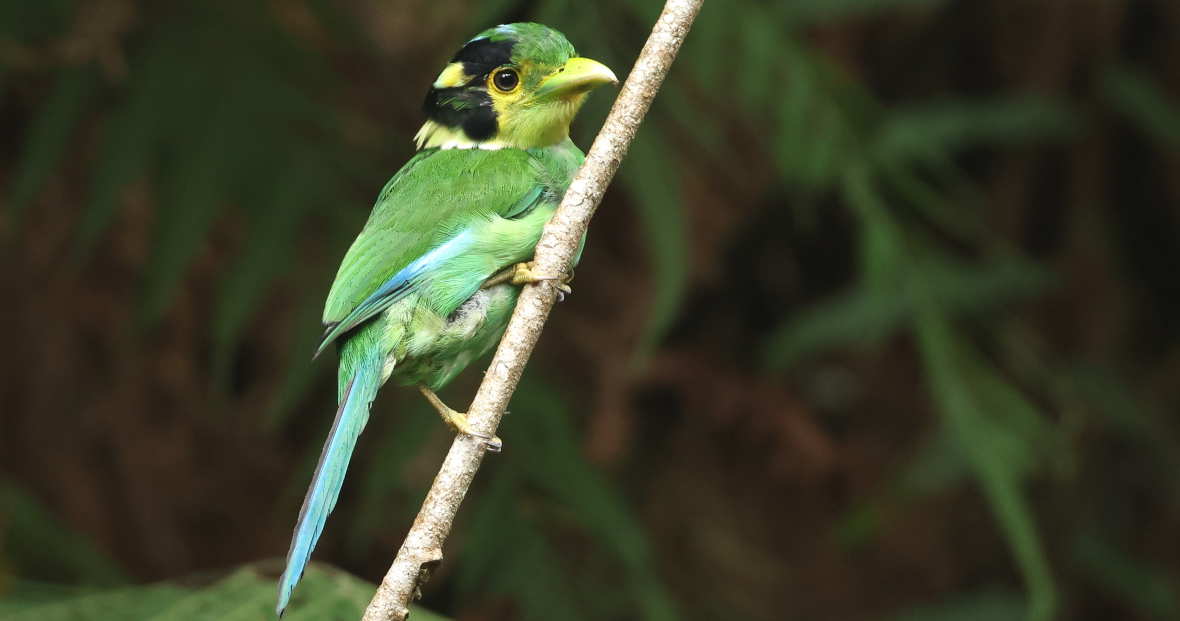
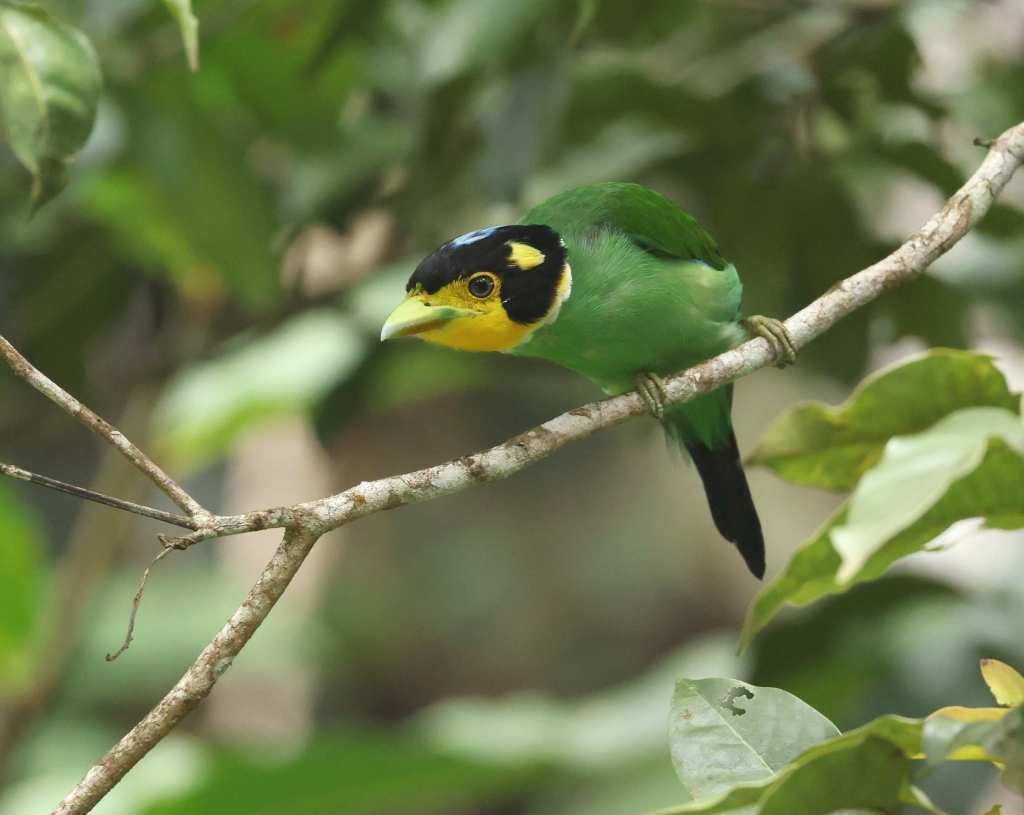
Of the barbet species, the amazing Long-Tailed Barbet (sometimes known as the “Elvis bird”) was among our top targets, and despite birding some or all of Telecom Loop every day, it wasn’t until the fifth day that they showed up (eight of them!) in an epic mixed flock just below the start of Telecom Loop. It was totally worth the wait to see these incredible birds.
So I have mentioned “mixed flocks” a couple of times. These are flocks of more than one species (anything from 3 or 4, up to 8 or 9), that tend to move through the forest together. You’ll be needing to keep your wits about you when such a flock arrives, as sometimes they pass through fairly speedily, and you’ll want to get a look at all of the birds in the group if you can, lest you miss a key species. Be quick with your optics and communicate well with your fellow birders as soon as you’ve ID’ed something, so they don’t miss out!
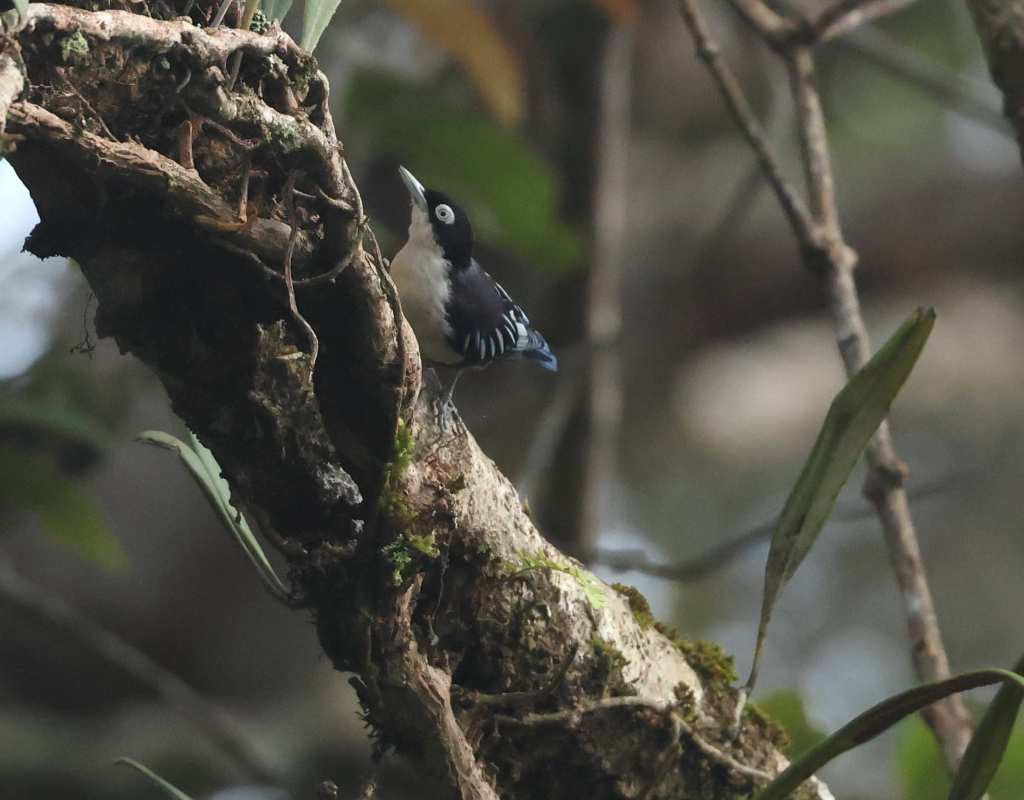
Two nuthatch species to look out for are Blue Nuthatch and Velvet-Fronted Nuthatches (indeed, we saw the latter before laying eyes on the Blues). They’ll both likely be spotted spiraling around tree trunks and the thicker branches; we saw them exclusively associating with mixed flocks.
Often the most vocal and visible birds in the mixed flock are the Sultan Tits. They were also super-reliable at the moth traps at MCM, with 3 to 6 birds roaring in at about 7:30 every morning to nab some tasty grubs. They are really brash birds, and their yellow is pretty unmistakable even high up when part of a mixed flock in the canopy.
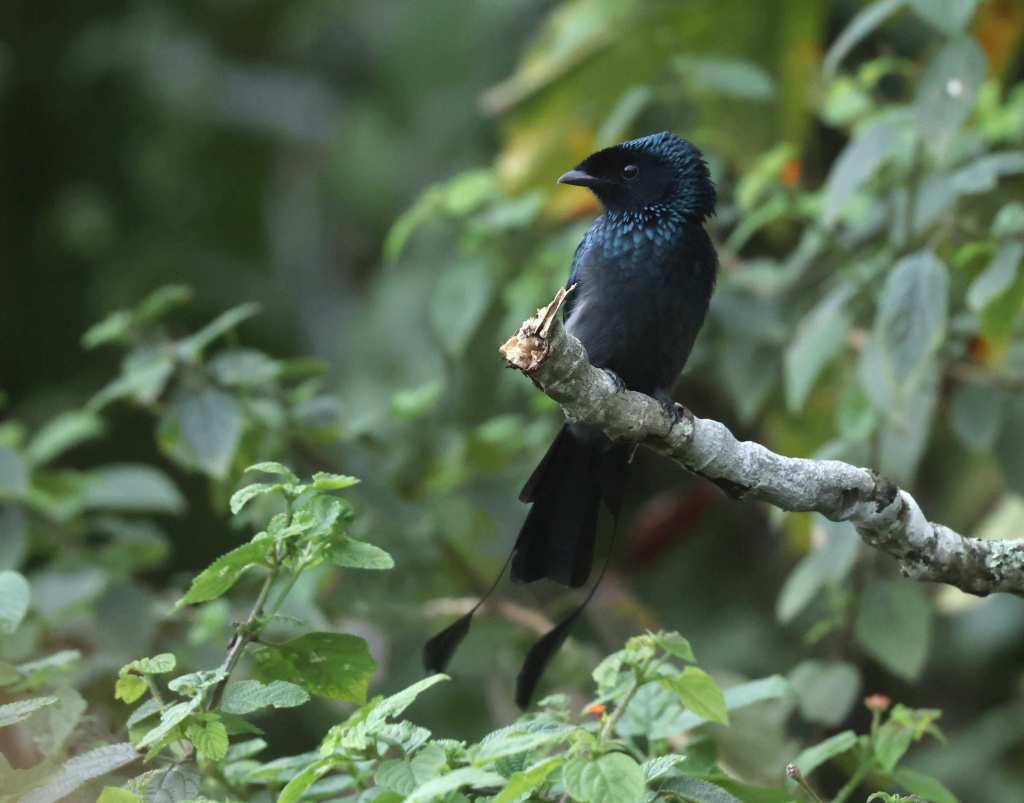
Another of the “usuals” in mixed flocks was the stunning Lesser Racket-Tailed Drongo, who – when not sedately perched – will sally out with tail streamers fluttering to catch airborne insects. eBird describes this species as “oddly flat-headed”, and it makes some odd vocalisations, too.
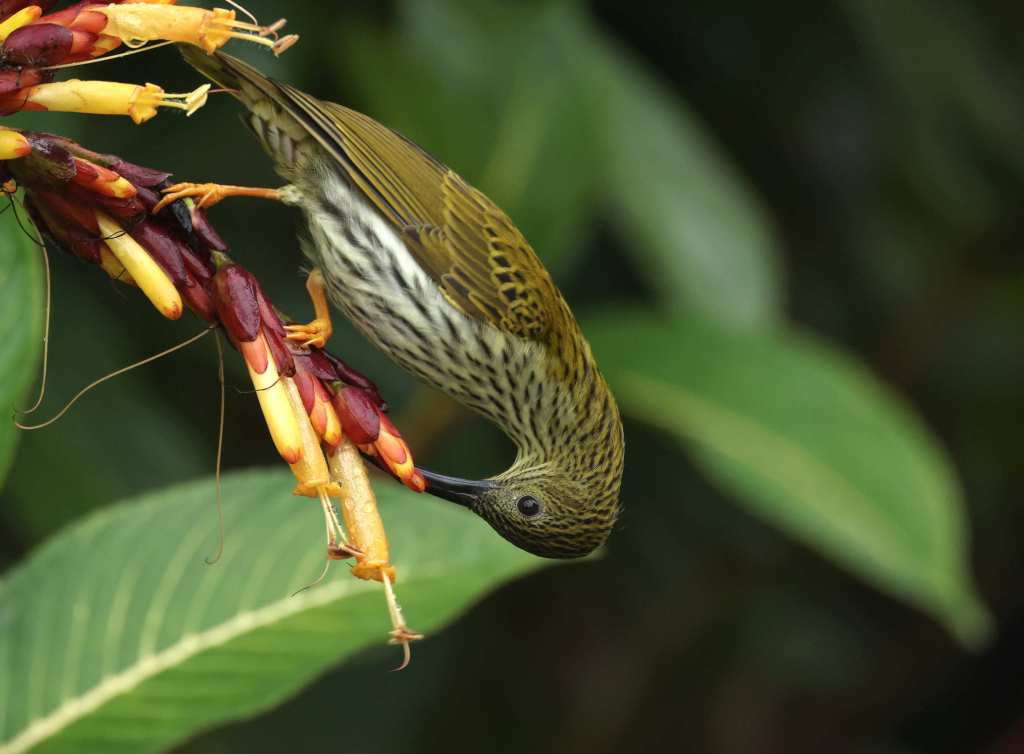
I had only ever seen one species of spiderhunter up until now, the Yellow-eared Spiderhunter at Penang Hill (also in Malaysia), and my photos of that bird were nothing to write home about. Well, it turns out that Fraser’s Hill provides a veritable smorgasbord of spiderhunters, who are often part of the mixed flocks but can also be seen doing their thing around flowers and herby-type plants. The most common one I saw was the super-duper Streaked Spiderhunter; I could have watched them pottering around the foliage all day. Moreover, they did not seem particularly worried about humans pointing big camera lenses at them. Just stunning.
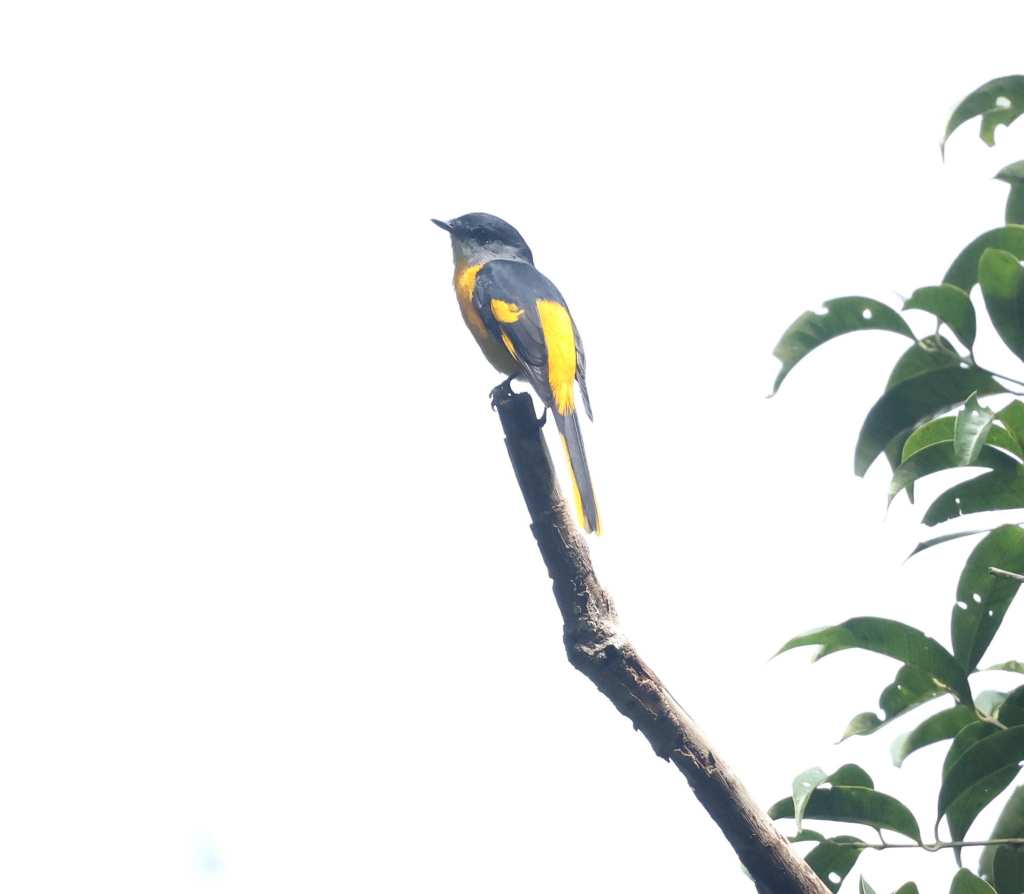
Minivets are enthusiastic mixed flock participants but in my experience tend to keep to the high canopy, and Fiery and Red Minivet are present here as well as this Grey-Chinned Minivet.
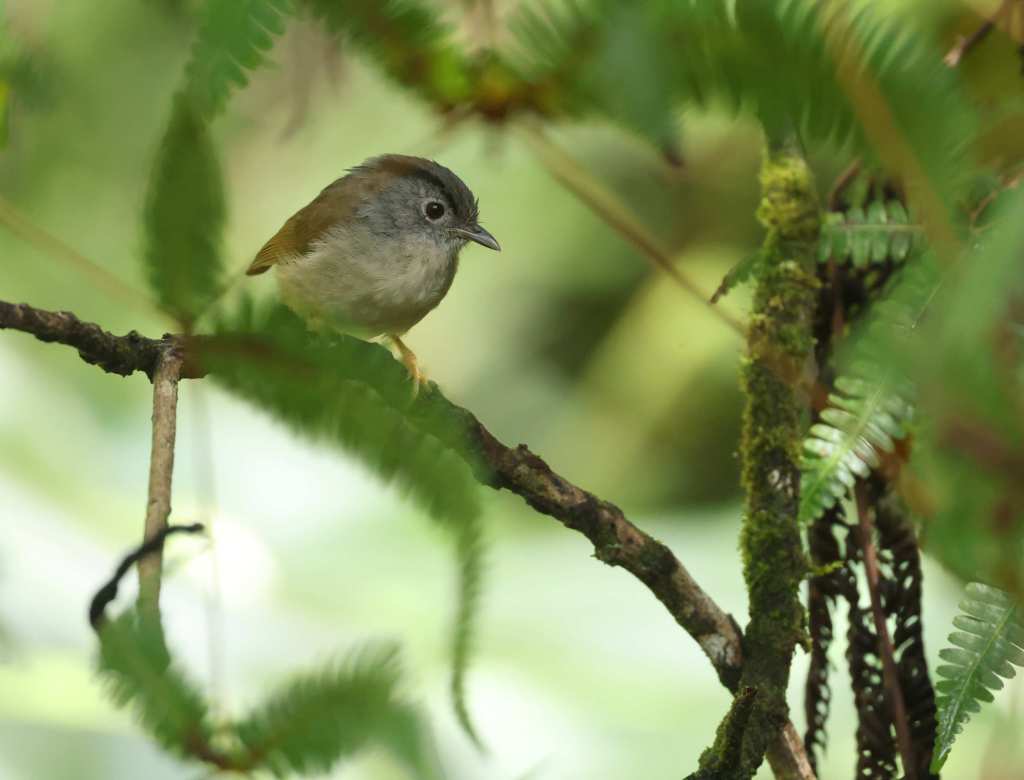
The tiny Mountain Fulvetta can be seen as part of mixed flocks but also in their own little groups of 4 or 5 (or on some occasions, lots more). My feeling was that these were actually the most abundant bird species, at least at Telecom Loop. Even with many of them present, they are so fast and small and dense-foliage-loving that obtaining a good photo or video is challenging work.
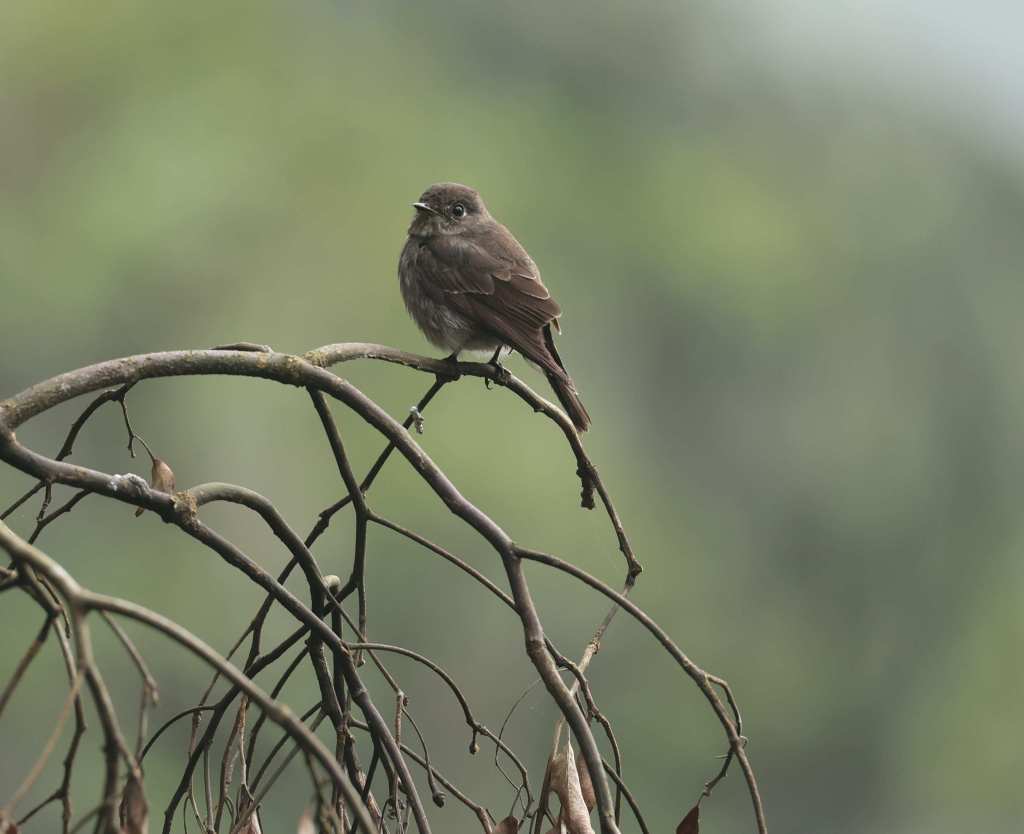
More on the “loner” end of the spectrum is the Dark-Sided Flycatcher, which tends to stick to one spot – often an exposed perch.
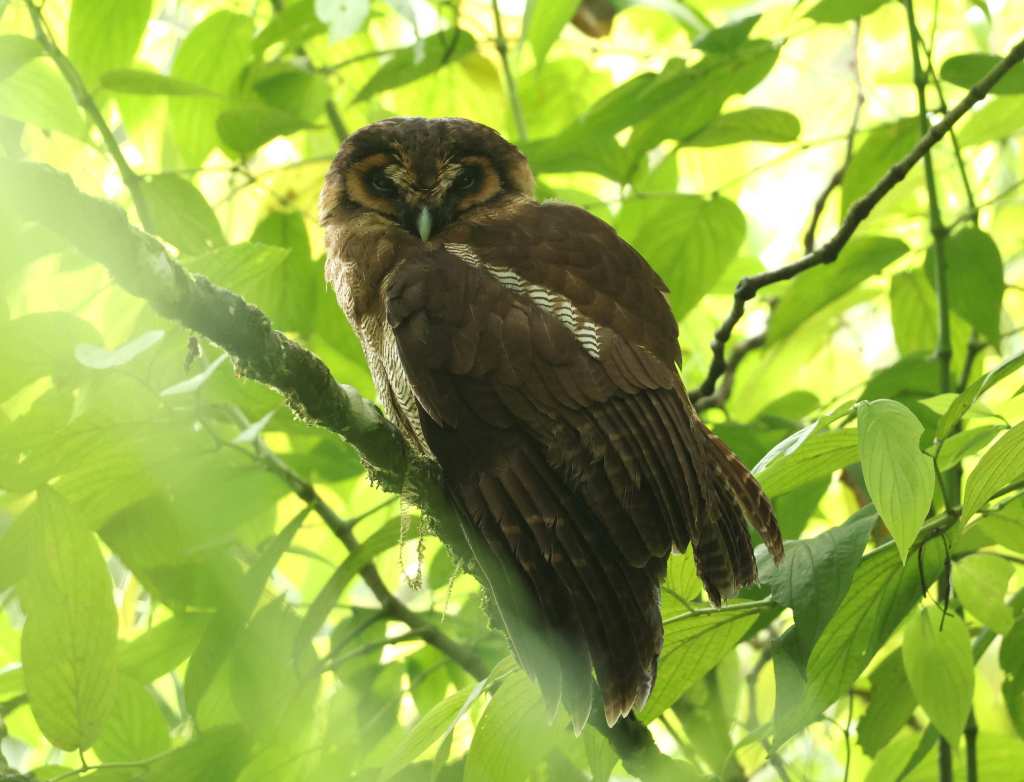
Speaking of loners, owls definitely fit that description. The big target here is the Brown Wood Owl, and we were lucky enough to spy one in its daytime roost not far off the edge of the road in the mid-canopy. It was also gratifying to be able to point it out to some other interested birders too, paying a little of that “owl-spotting” karma back after being on the receiving end of owl sightings reports particularly in the Americas back in 2024 (ahhh, the memories).
A well-known site on Telecom Loop for the diminutive Plume-Toed Swiftlet is the unused (locked) garage just down from the MCM Discovery Villa entry drive. Here several hundred of these birds will circle and swoop at dusk and then fly in to roost for the night on the garage’s ceiling, and then leave in groups in the morning.
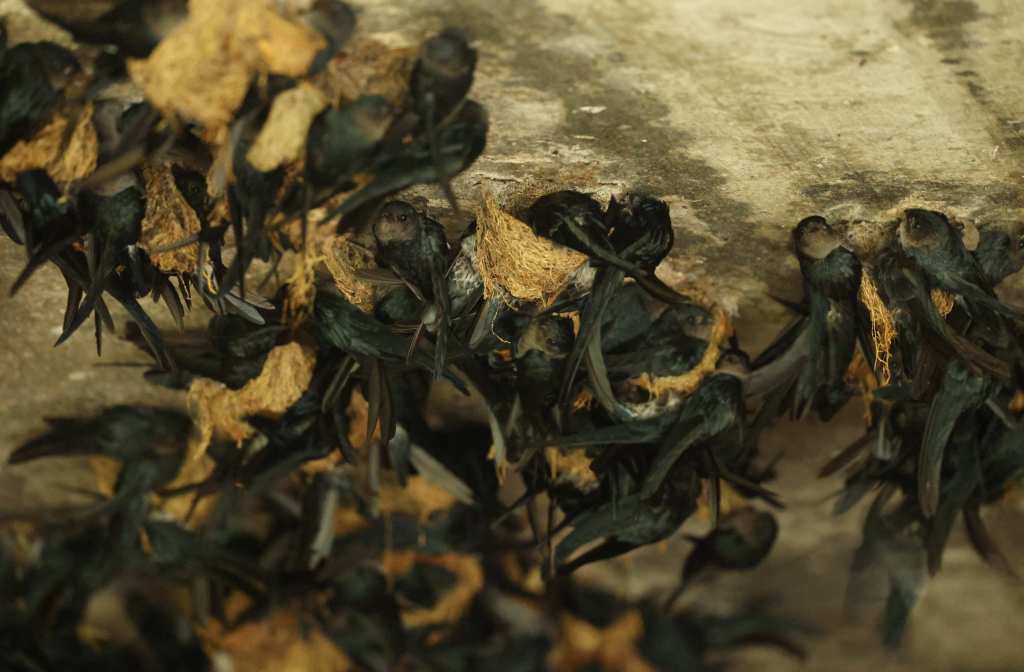
On one morning I counted over 100 swiftlets emerging in under a minute, so goodness knows how many birds were crammed in there. The video below (and the audio) gives you something of an idea.
Of course in a highly biodiverse site it’s not just about birds. Several species of monkey and gibbon pass through the area, as well as various wild cat species including Malayan Tiger and Malayan Sun Bear.
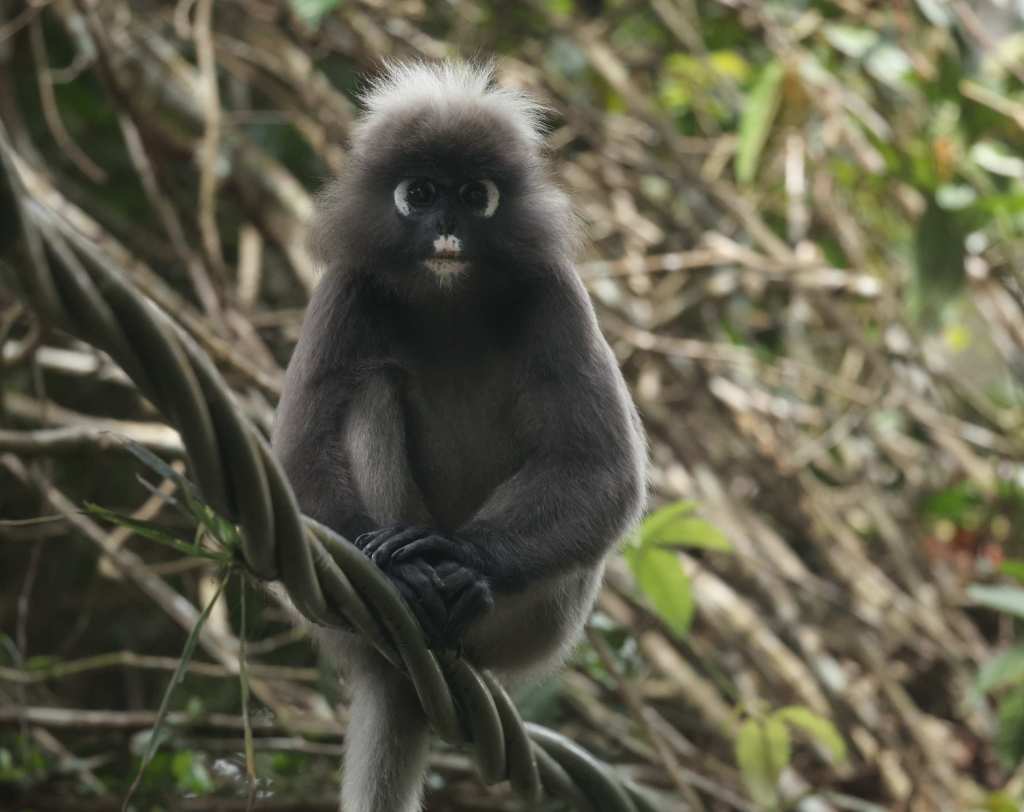
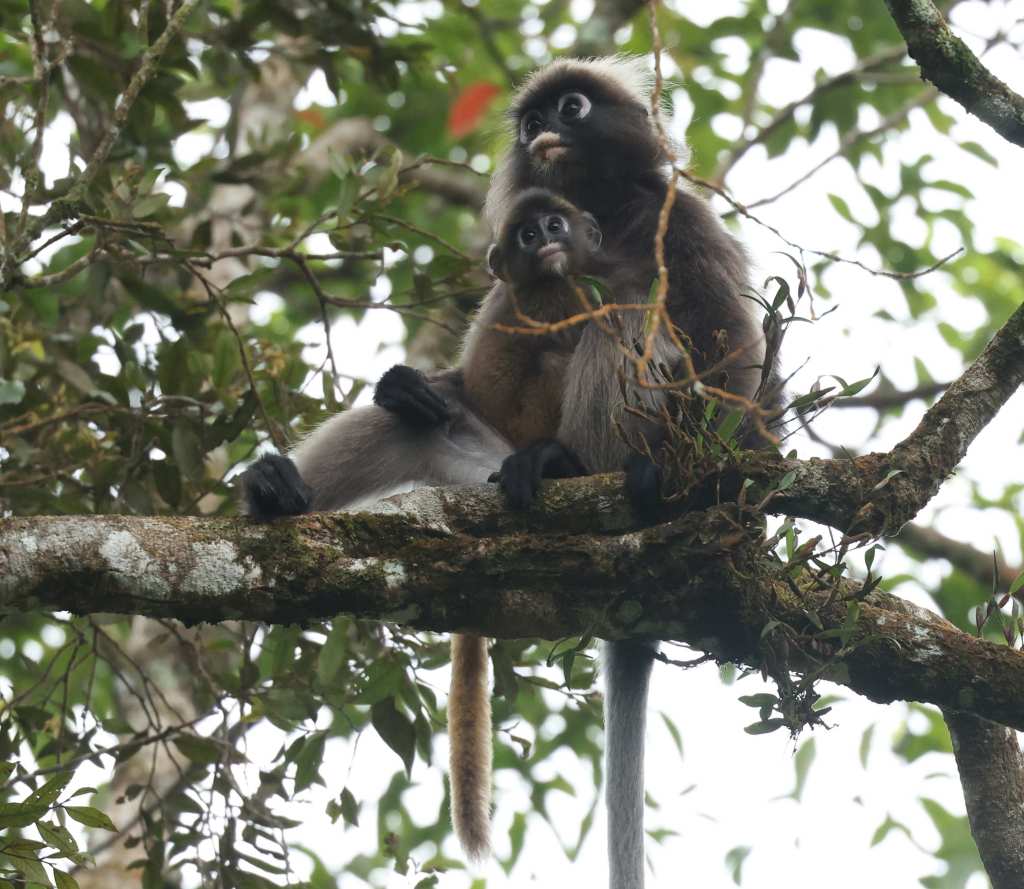
Bishop’s Trail and Nearby Roads
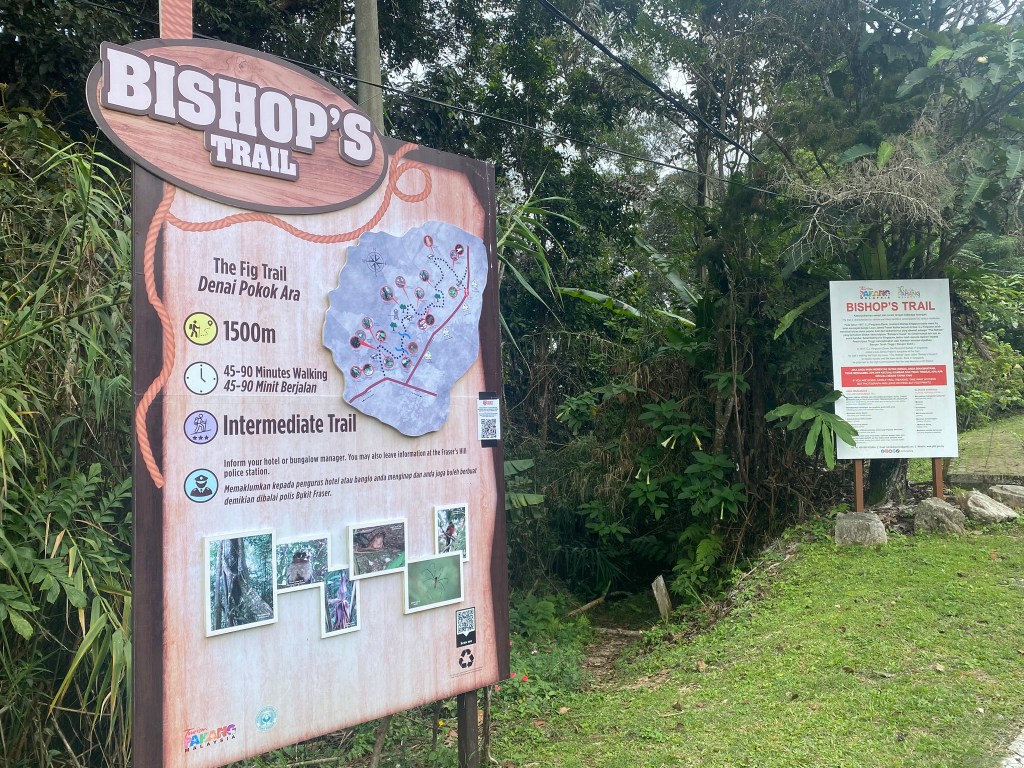
One of the more well-known trails at Fraser’s Hill is Bishop’s Trail, a 1.5km long narrow path that winds its way through dense rainforest. Birding here, as with the other trails, is a difficult affair as visibility is limited (and leeches are everywhere when it’s damp). However, you may be rewarded with a sighting not as commonly seen from the roadside.
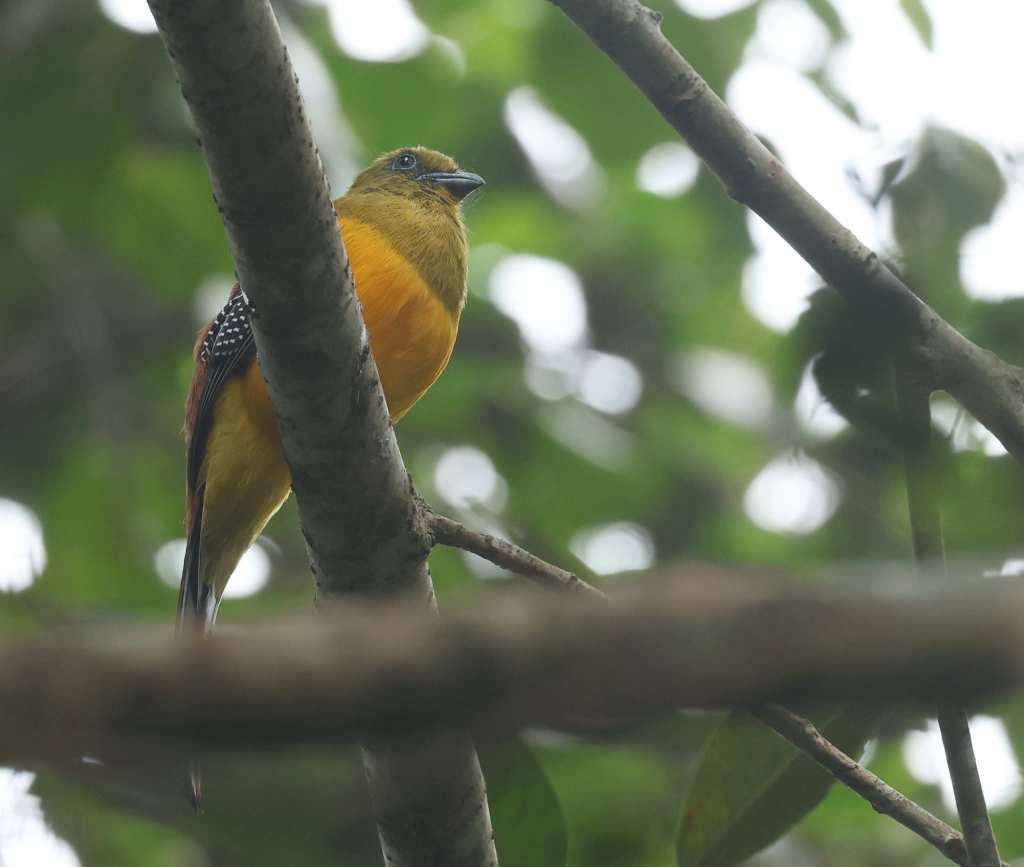
For us the main excitement on Bishop’s Trail was an Orange-Breasted Trogon. Like most trogons it looks amazing, but doesn’t do much except sit there looking pretty.
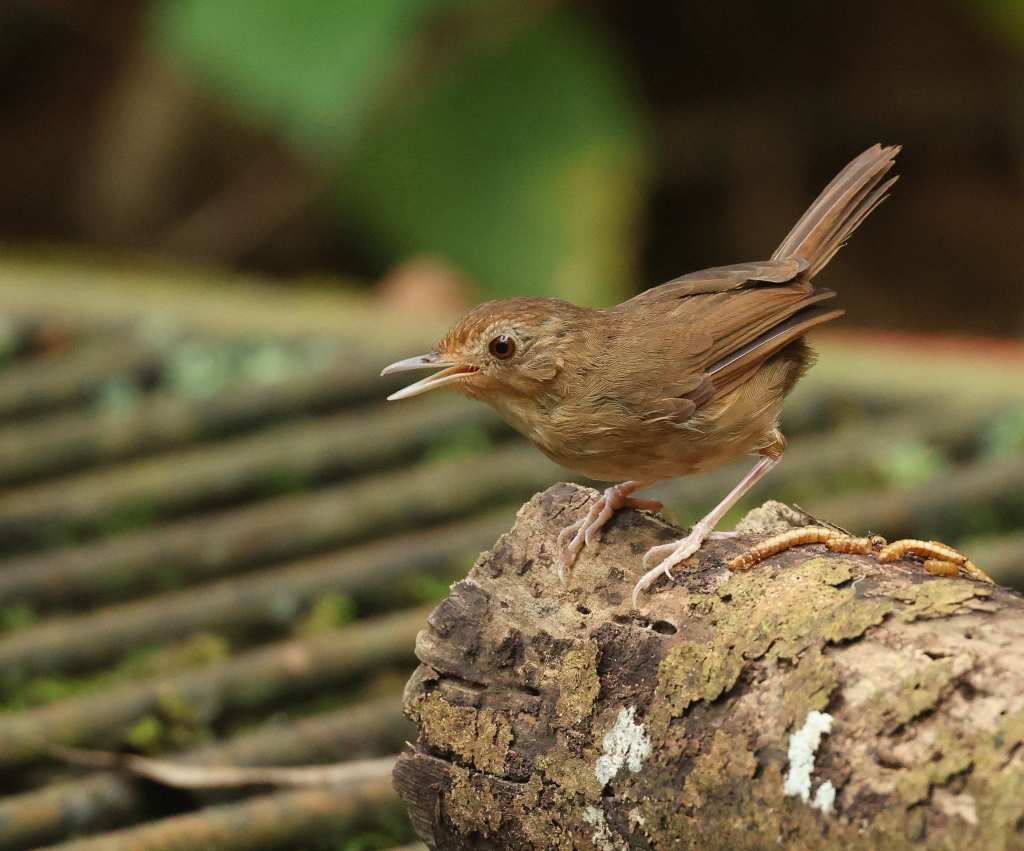
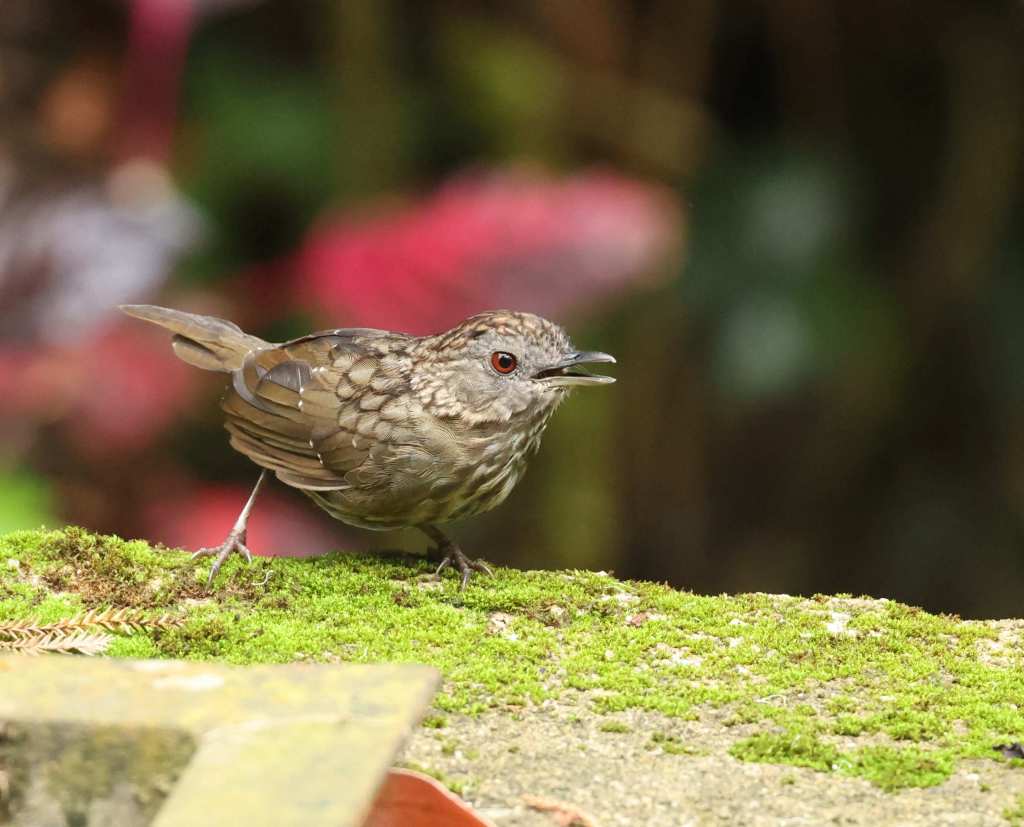
Near the main entrance to Bishop’s Trail is an intersection (with Jalan Lady Maxwell) which has historically been used as a bird “feeding station”. It’s little more than a grille on the side of the road, but I guess the local birds have become used to finding free snacks there. We dropped some dried mealworms and before too long some Buff-Breasted Babblers and Streaked Wren-Babblers popped in to nab them up.
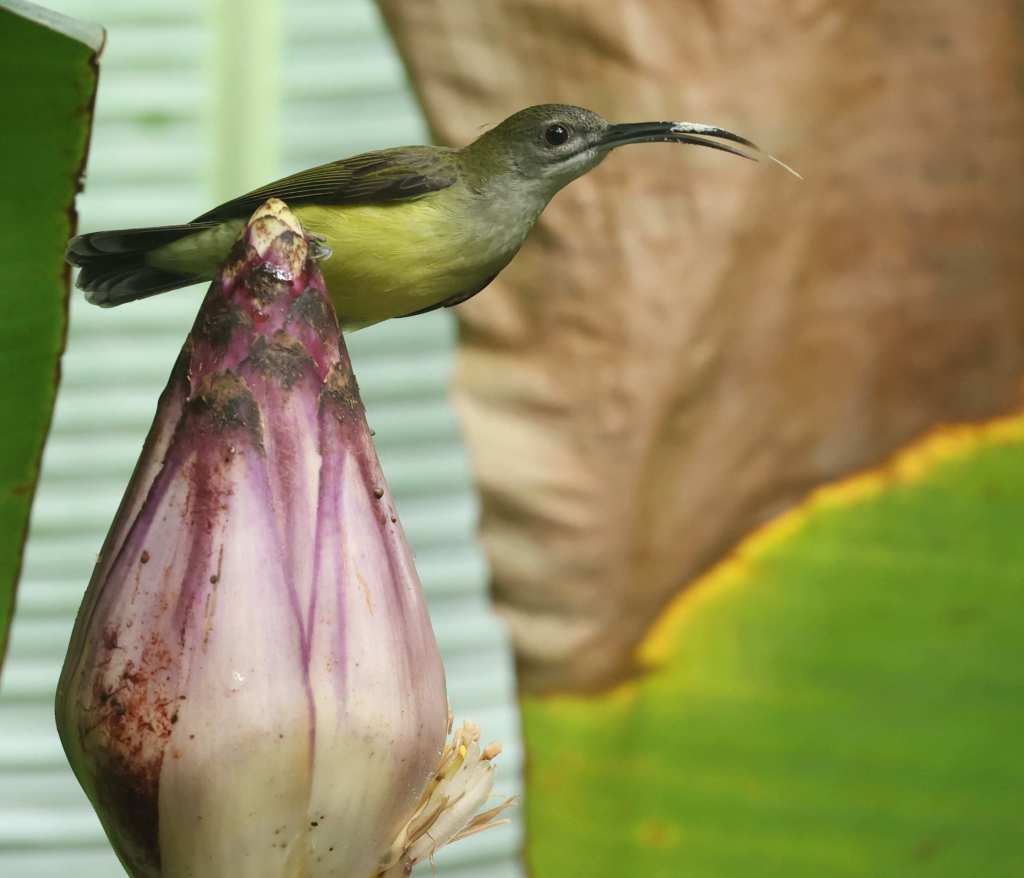
In the same area a Little Spiderhunter was active. (I am always pleased to make the acquaintance of a new spiderhunter, that’s for sure.) Keep a look out for Spectacled, Purple-Naped, Long-Billed and Grey-Breasted Spiderhunter too!
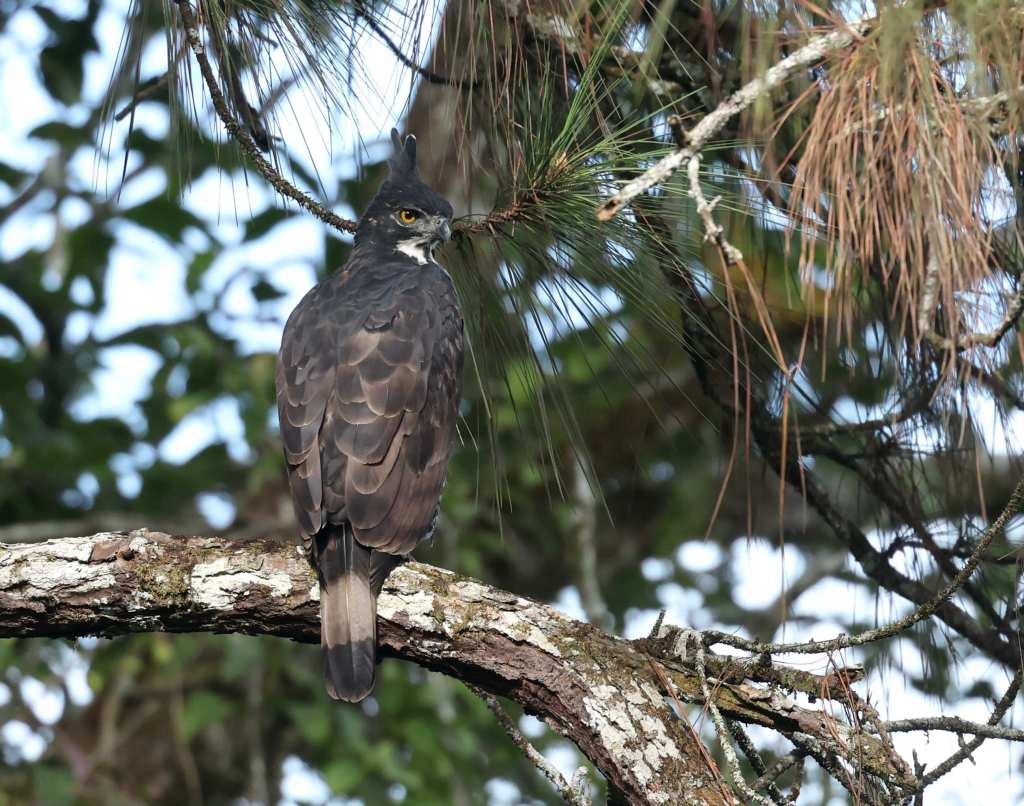
And our friend the Blythe’s Hawk Eagle (along with its mate) was also around.
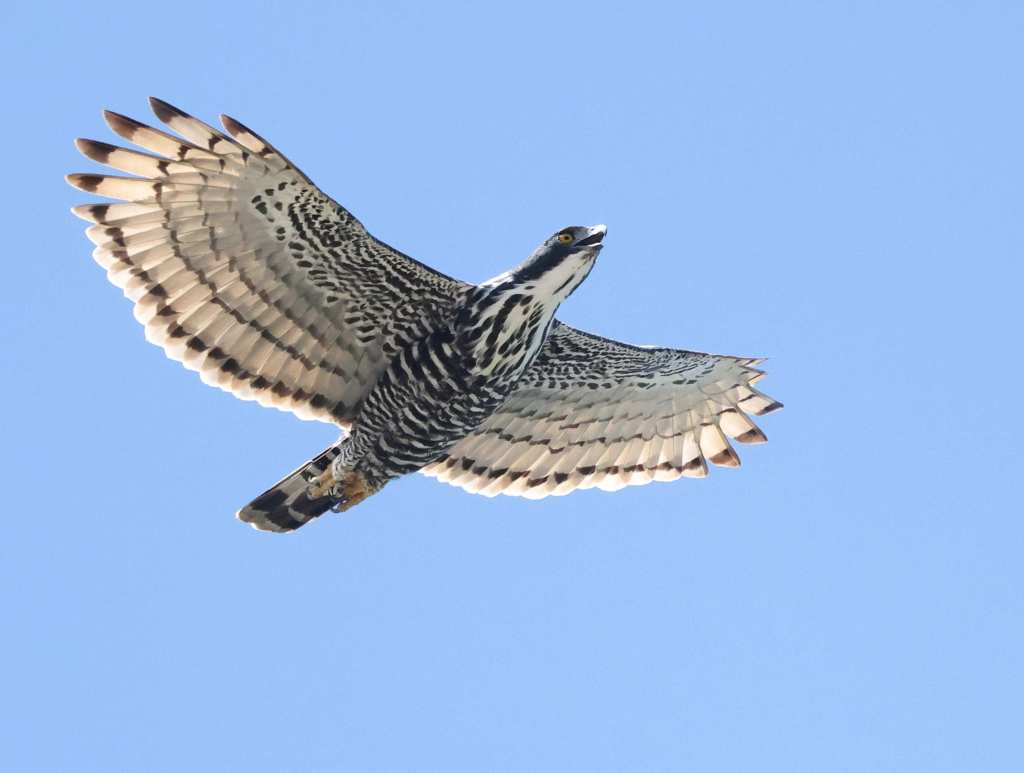
I say “our friend” because we had come across a perched Blythe’s Hawk Eagle – presumably one of the pair – on the other side of Fraser’s Hill the day before.
Jalan High Pines and various other side roads
Jalan High Pines is a pair of roads that has historically been quite productive for birds. The shorter section, which features the “Allan’s Water” lake site, is the section I am referring to here (see map). This part has the Jelai Highland Resort which was once the accommodation of choice for birders but is now completely abandoned and inaccessible. The road and Mager Trail entry has historically been a good spot for Silver-Eared Mesia, but that bird was sadly missing in action for us on the two visits we made to this spot.
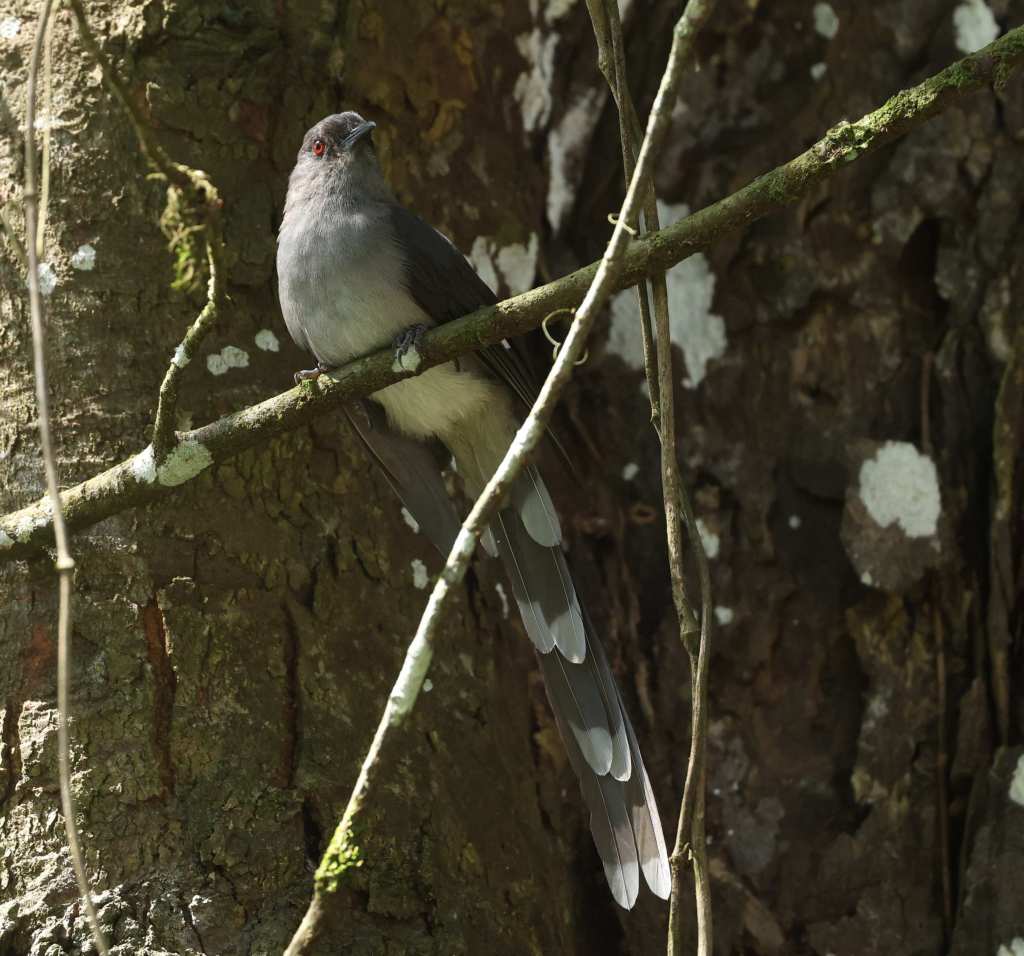
Long-Tailed Sibia, with its long tail and red eyes, is yet another cool bird of the area and one we spotted on the Jalan High Pines road. They did not seem concerned with people being around – there were a few parked cars and folks pottering about on the road below.
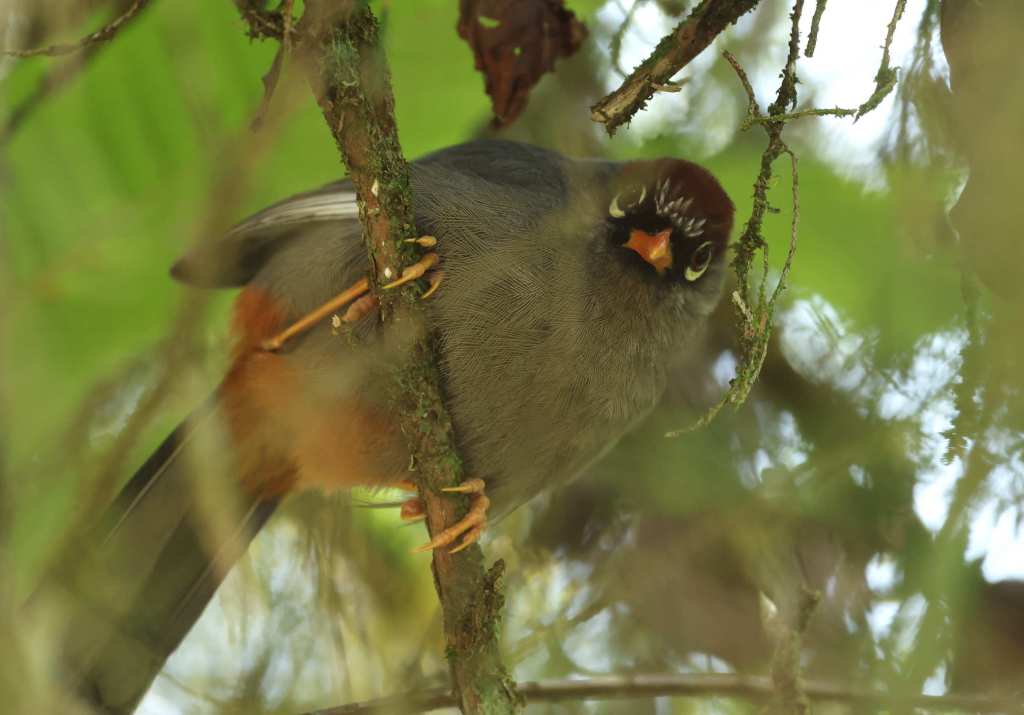
On Jalan High Pines we also found one of the supposedly most common birds of Fraser’s Hill, the Chestnut-Capped Laughingthrush. I say “supposedly” because it seems nothing is guaranteed in this region when it comes to birds you should be seeing (and perplexingly, don’t, at least for a frustrating day or two or three).
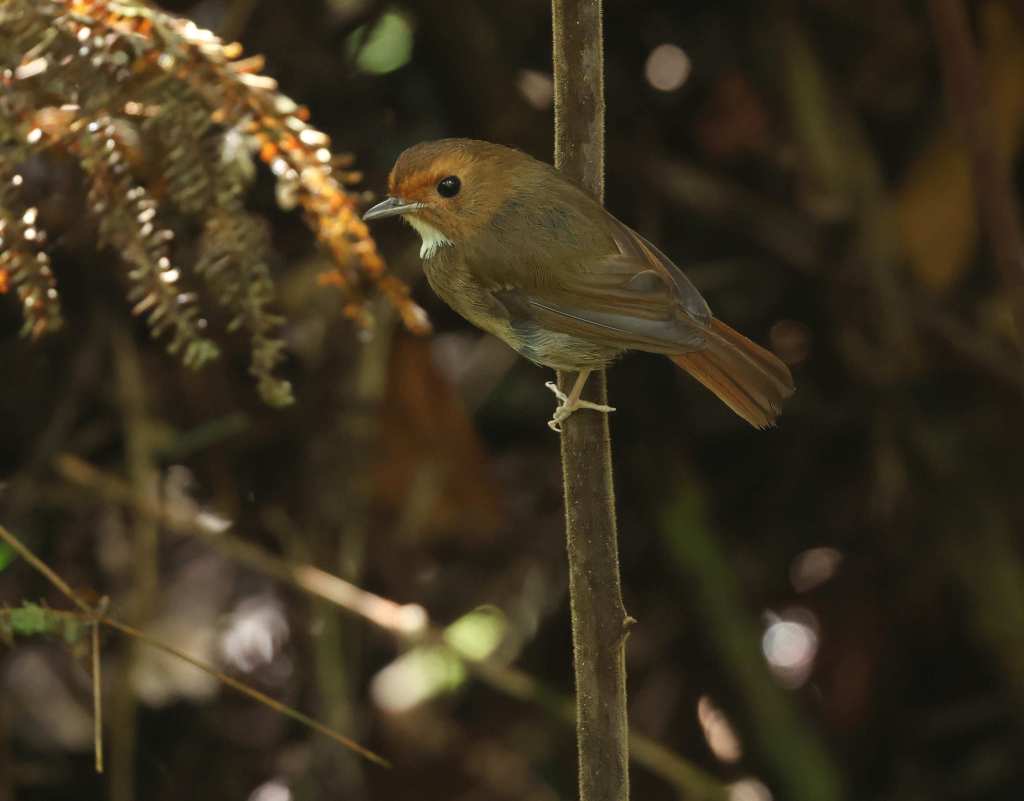
Near the end of the road is the entrance to the short Mager Trail, which has also historically been a feeding point (see: Silver-Eared Mesia, above). There is a “reliable” Rufous-Browed Flycatcher in the area, a charming little bird that seems to like the lower canopy, while we also saw a White-Throated Fantail along this stretch of road too.
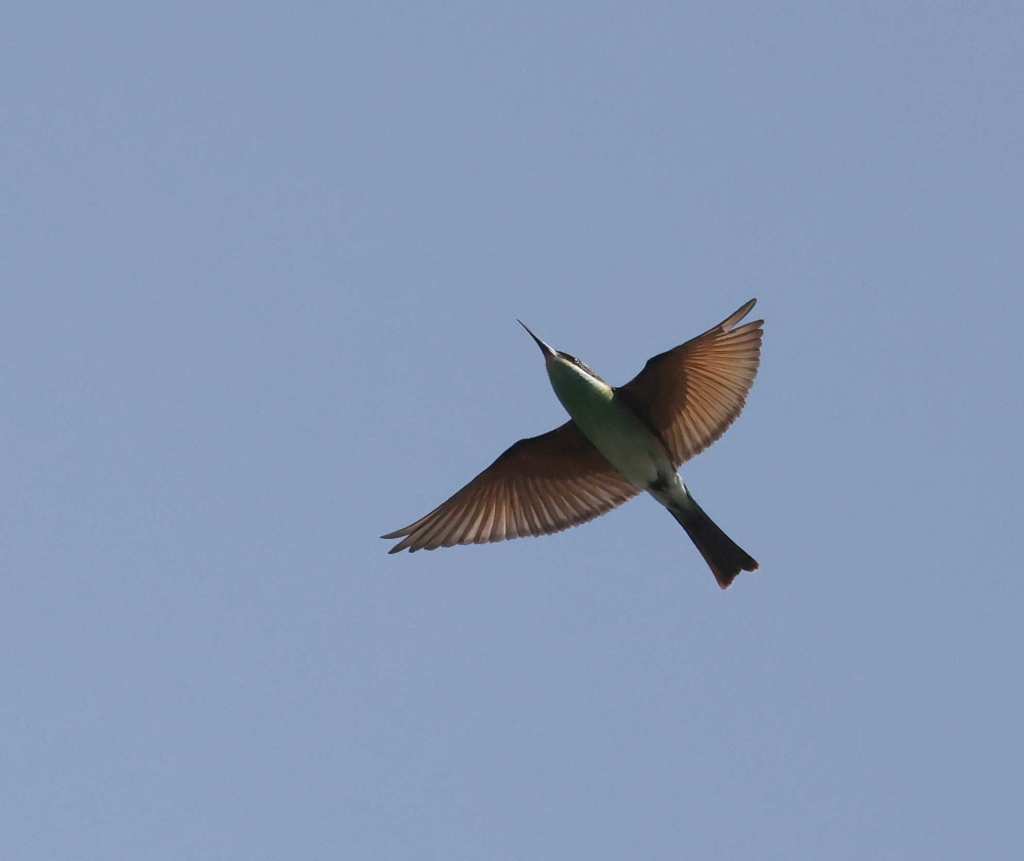
At the time of year we were at Fraser’s Hill, Blue-Throated Bee-Eaters were around, especially prevalent along the Jalan High Pines road. (The Red-Bearded Bee-Eater was a no-show, although we did hear it once.)
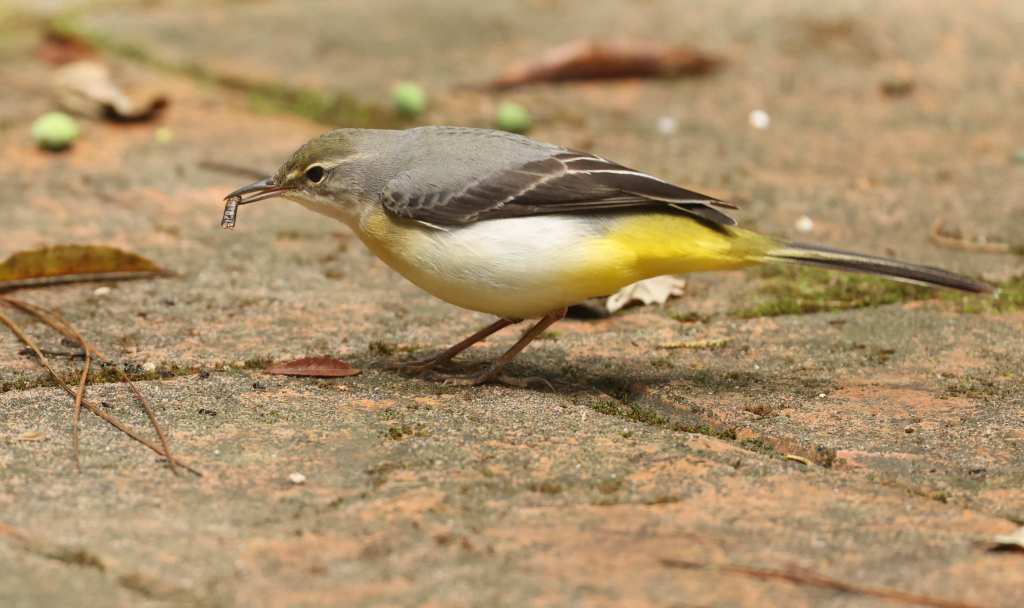
Another of Fraser Hill’s side roads is Jalan Mager, confusingly nothing to do with the Mager Trail (which comes off the Jalan High Pines road). Here we found was good for Grey Wagtail.
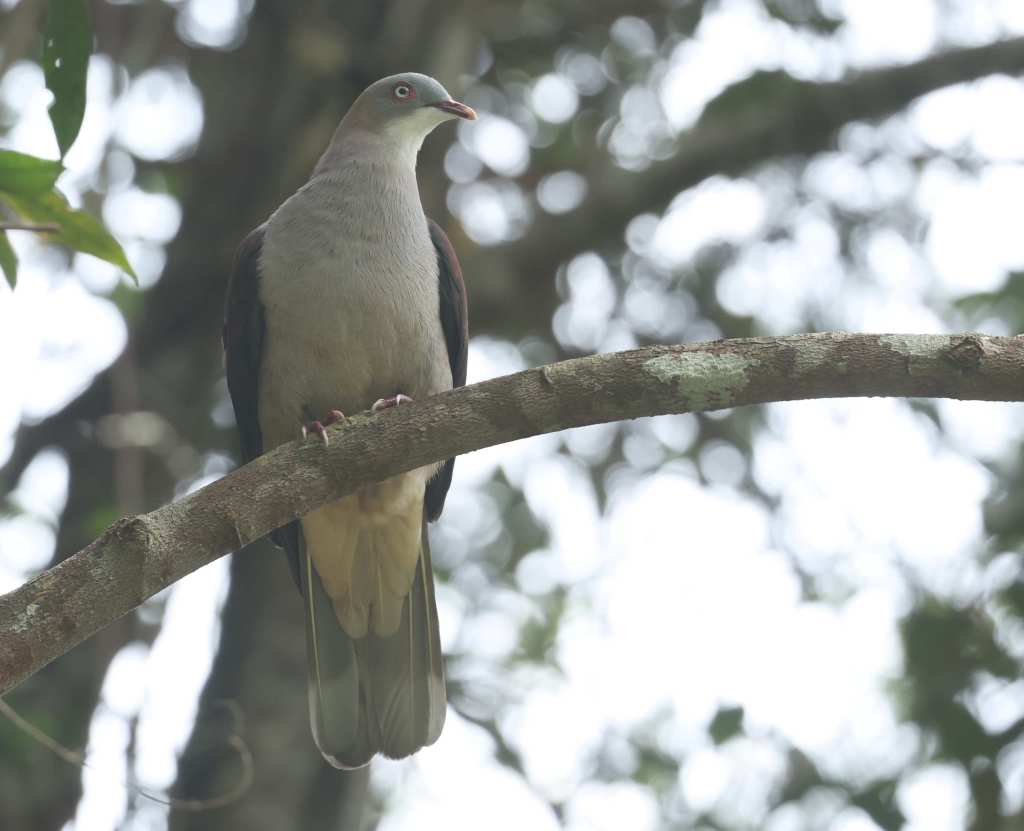
Also along that road we obtained our best view of a Mountain Imperial Pigeon, which can be frustrating to see clearly when you hear its trademark “coo-coo”-ing somewhere high above and think to yourself “how can a plump pigeon hide so well?”
Birds that are widespread at Fraser’s Hill
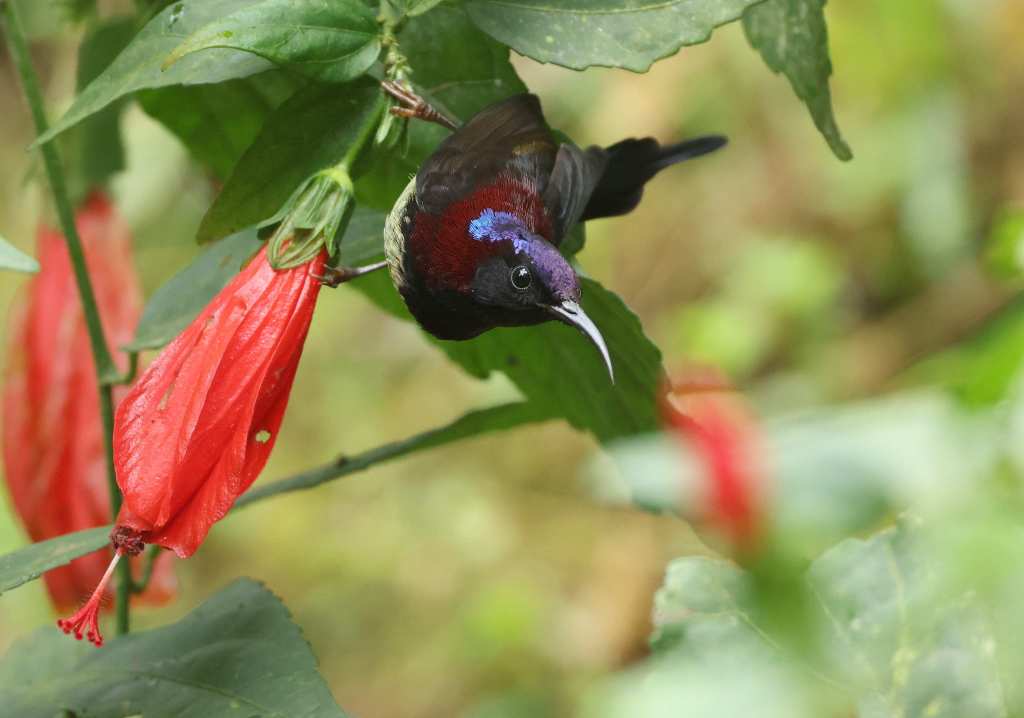
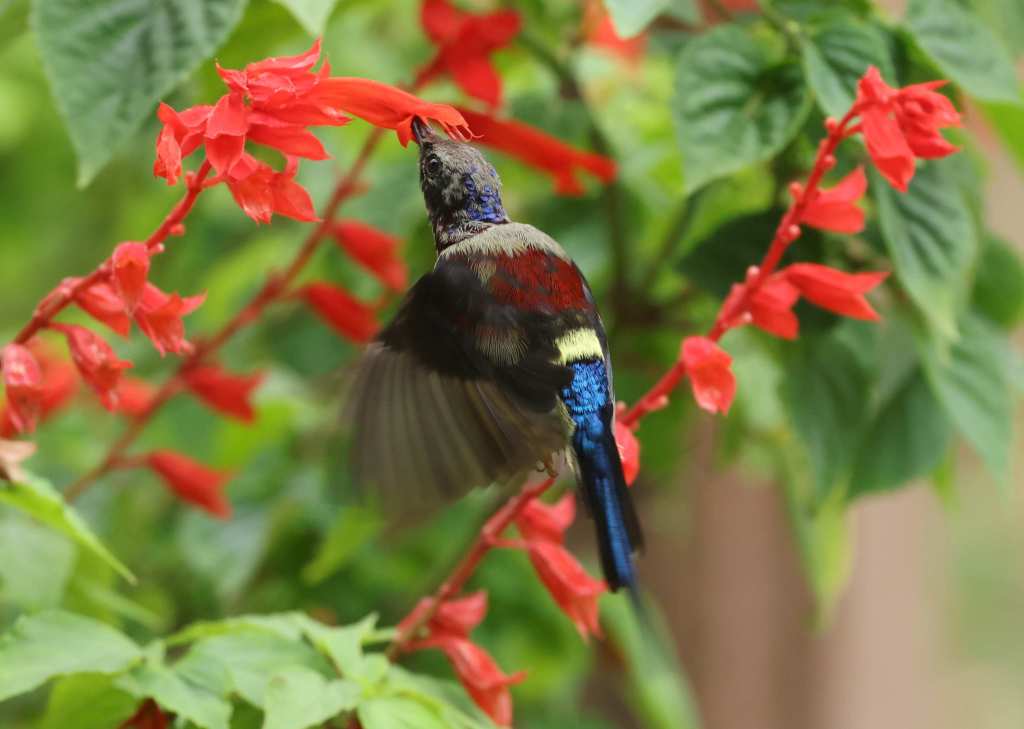
The dominant sunbird species here on the mountain is the lovely Black-Throated Sunbird. You’ll find them most places that have flowers. A hot tip if you miss the bird or miss a crucial photo opp is to simply wait for the bird to come back – the sunbirds tend to move between the flowers in their territory in a repeating circuit. This depends on how patient you are though.
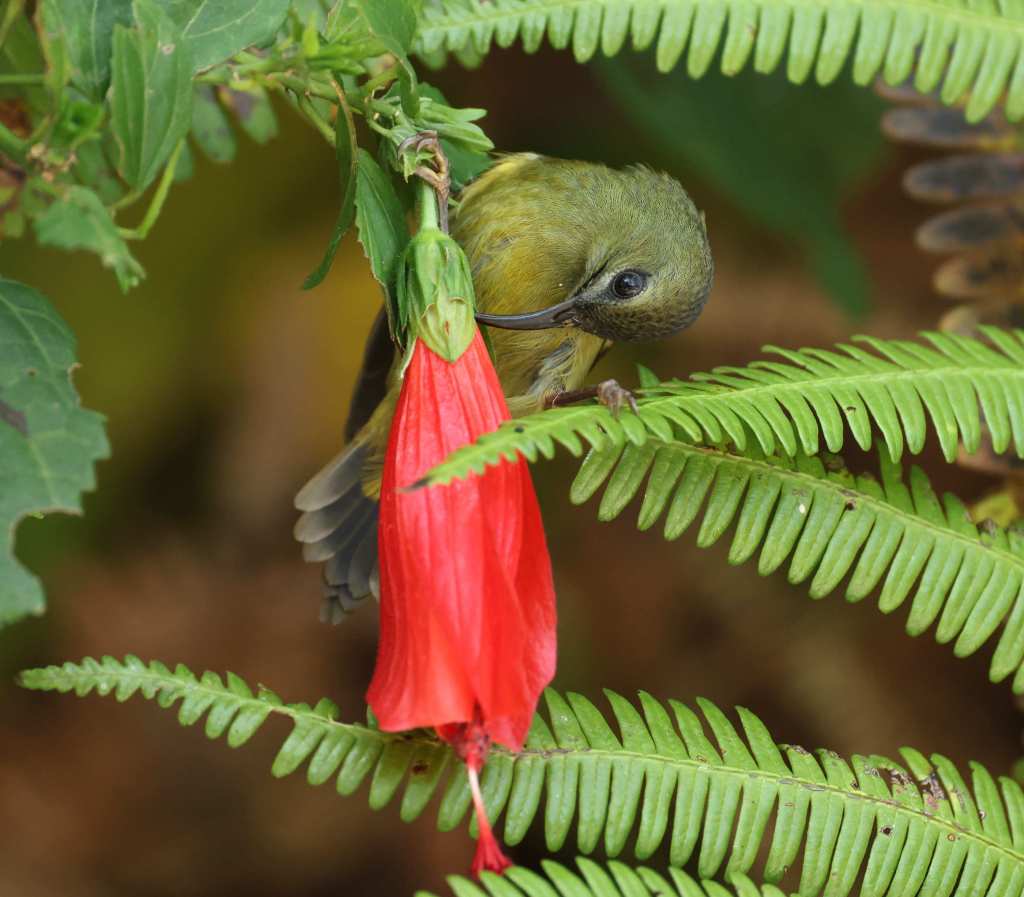
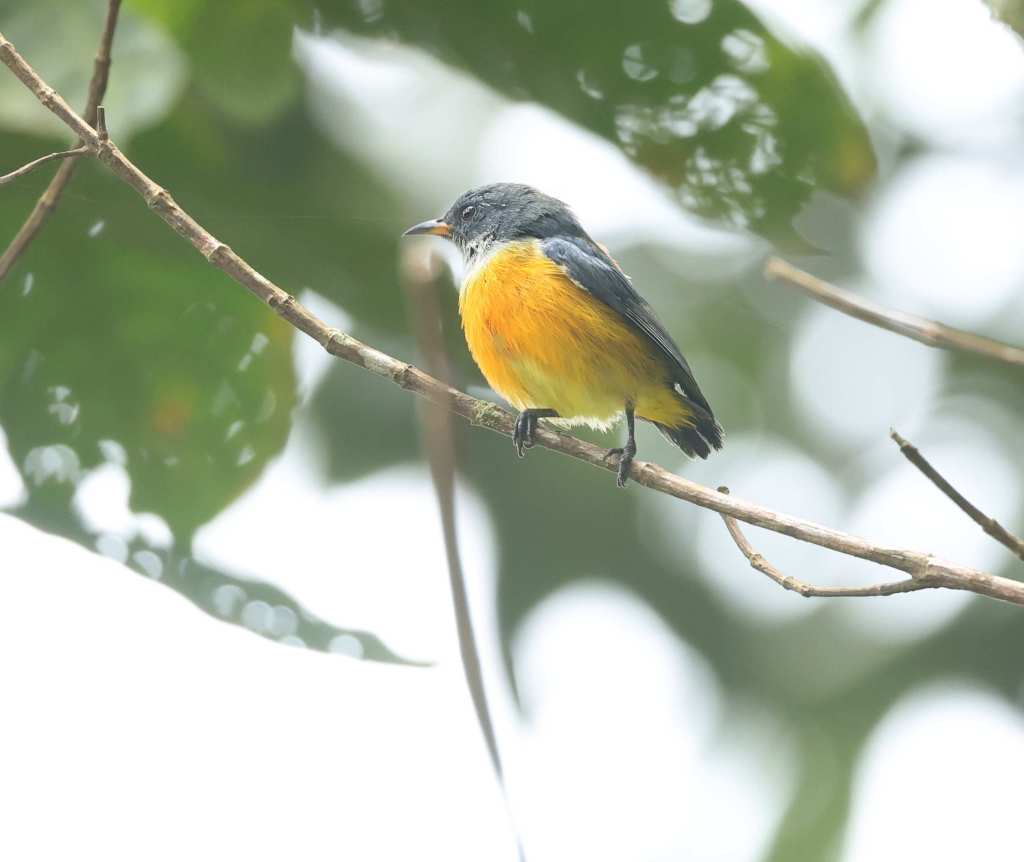
I think of flowerpeckers as sort-of like sunbirds, I guess. They’re both fond of flowers, maybe? Species to look for at Fraser’s Hill include Orange-Breasted Flowerpecker and Fire-Breasted Flowerpecker – the latter looks very much like the Mistletoebird that is widespread in Australia. I found it hard to get a decent photo of either of these birds (think small, flitty, often high up).
Across Fraser’s Hill you’ll see some Bulbul species too, like Black-Crested and Stripe-Throated. These tend to pose fewer problems for the keen photographer.
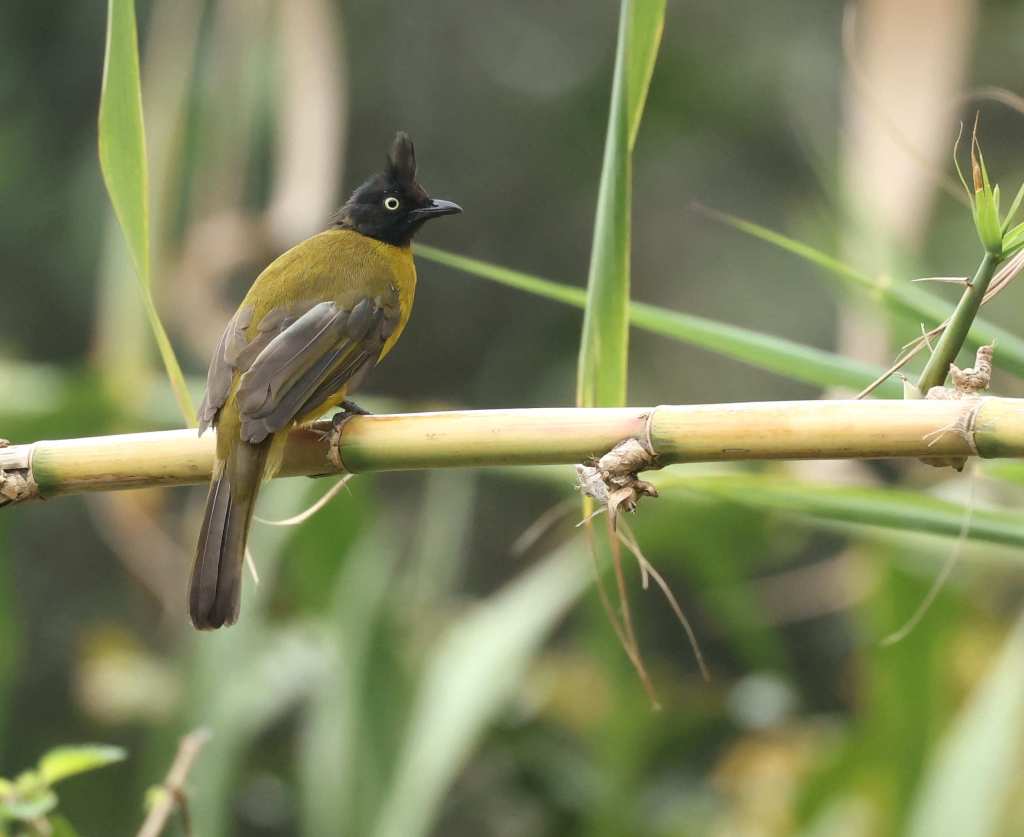
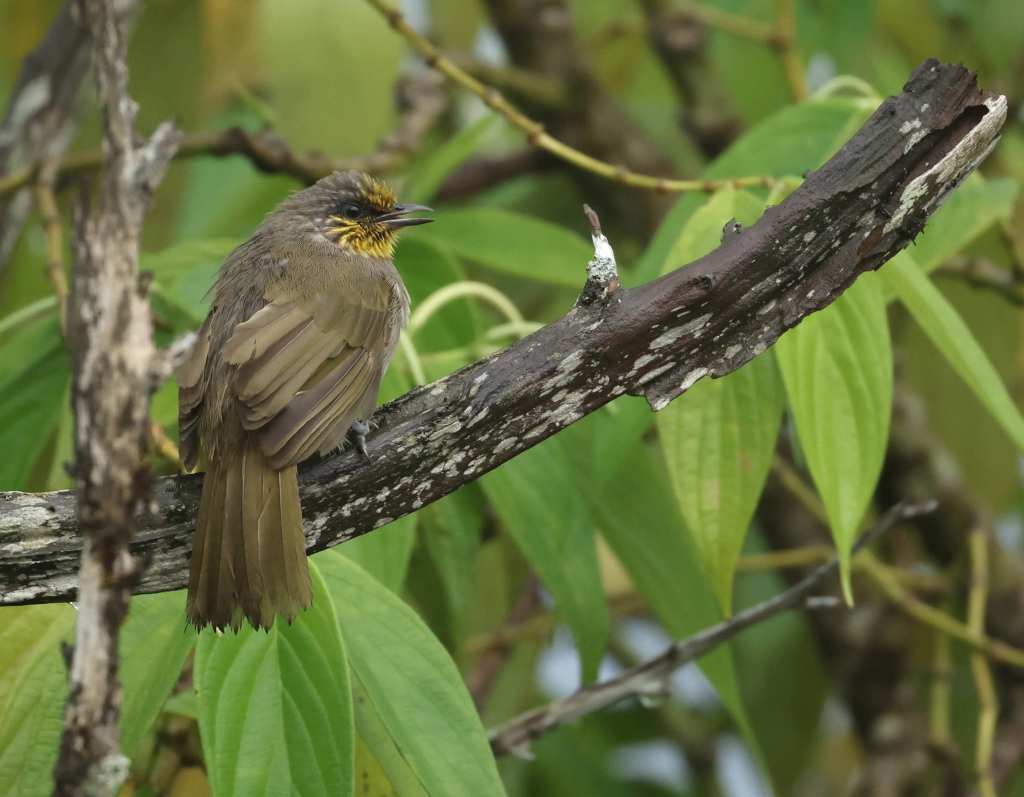
Other bulbuls here include Mountain Bulbul and Ochraceous Bulbul.
And here I must now mention my photographic “bogey-bird” – that species which gave me the most trouble capturing a photo. While there were plenty of birds that I saw a bunch of times and got at least average-but-not-blog-worthy snaps of (Orange-bellied Leafbird, White-bellied Erpornis, Green-billed Malkoha come to mind), it’s the Golden Babbler that I just couldn’t deal with. They were super-abundant, often in mixed flocks, and yes they do look amazing and golden, but try as I might even my best photo would make you scratch your head and say “really, dude?” It is a bird which never sits still – like, ever. Sigh. Maybe your experience will be better.
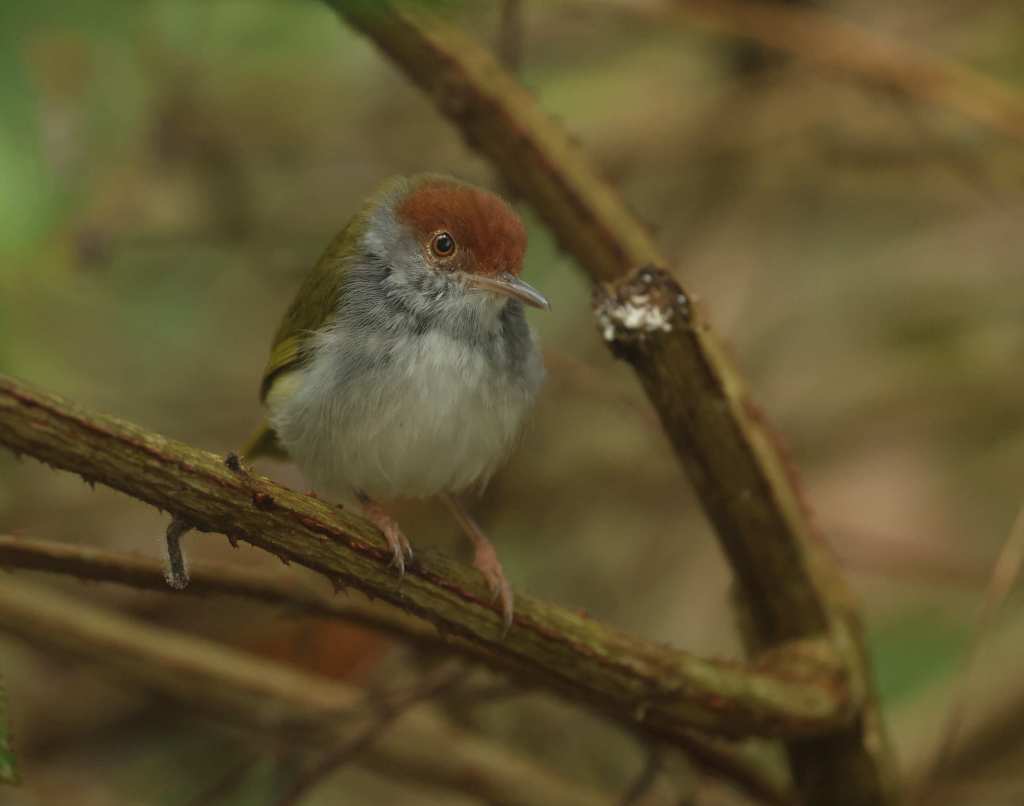
Finally, on the topic of common birds… the diminutive Common Tailorbird lives up to its name by being sort-of common, though Mountain Tailorbird is also at Fraser’s Hill (and might be much harder to spot, if my experience is anything to go by – I only saw it once, dimly up in the canopy of the Hemmant Trail).
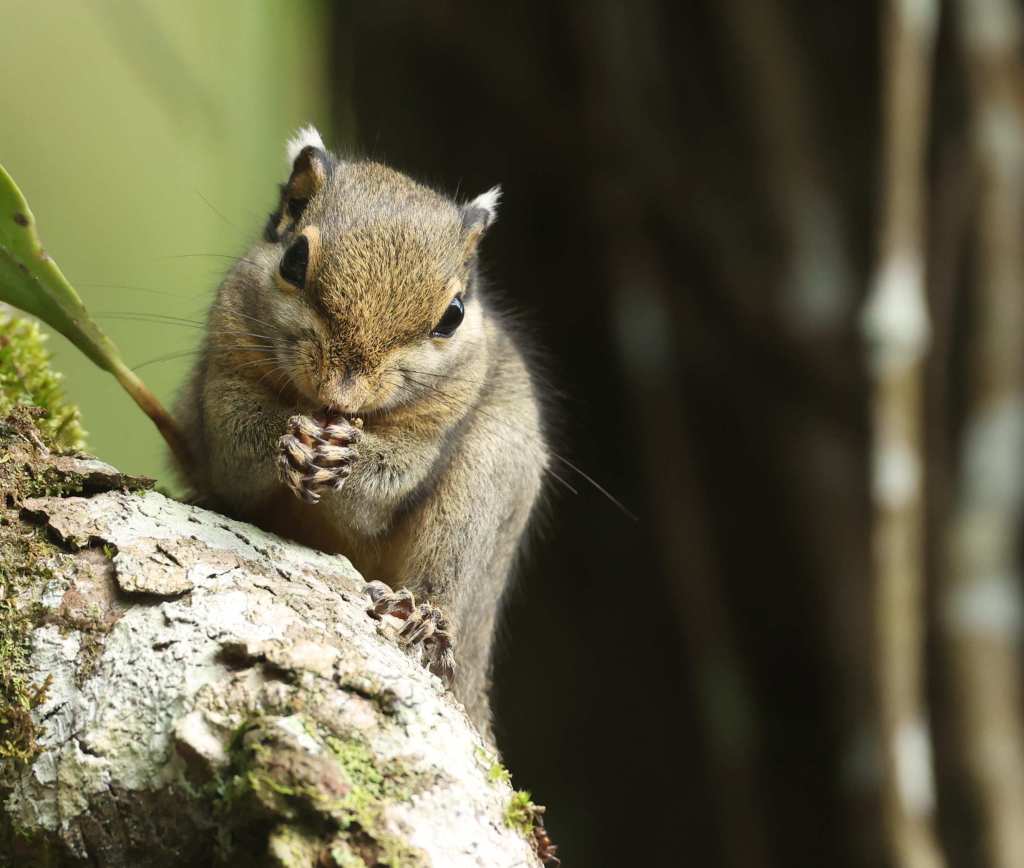
OK, one more final note, is the number of squirrels and tree shrews and other such “cute and small non-bird critters” that you’ll see at Fraser’s Hill. They’re agile and fast, and will jostle a branch like a bird until you realise “oh, squirrel, not a bird”.
Summary
Birding at Fraser’s Hill lived up to expectations: there really is a big raft of very cool bird species to find here. I was not in any way disappointed, even though I missed a handful of the supposedly iconic species (Fire-Tufted Barbet, Malaysian Whistling-Thrush and Black-and-Crimson Oriole). Like many quality birding locations, Fraser’s Hill doesn’t surrender its secrets easily: you do have to work for your bird sightings, by putting in the time and walking the roads and trails squinting up into the dense canopies or following the progress of a fast-moving mixed flock. When it’s good, though, it’s very, very good: few experiences can compare to the excitement of the arrival of a really diverse mixed flock where suddenly you find 3 or 4 cool lifers at once after half an hour of thinking “gosh, this Fraser’s Hill place has been pretty quiet for a while”; or watching an exquisite Red-Headed Trogon or Brown Wood Owl sit peacefully in the trees; or following the progress of a Black-Throated Sunbird or Streaked Spiderhunter as they pass from flower to flower or branch to branch in their foraging investigations.
AUTHOR: ANDY GEE
BIRDERS: ANDY GEE, K-A

